You pay the mortgage, you vacuum the floors, you stocked the fridge. Yet somehow, deep down, you’ve probably had that sneaking suspicion that you’re not really the one in charge around here. Your cat walks past you with complete indifference, claims your favorite armchair without a glance back, and stares at you like you owe them something. It’s both maddening and weirdly adorable.
Cats are genuinely fascinating creatures. They carry millions of years of wild territorial instinct inside that soft, purring little body, and living indoors hasn’t switched off a single drop of that ancient programming. If you’ve ever wondered whether your cat truly believes your home is their kingdom and you’re just a loyal staff member, you’re not alone. Let’s dive in, because the answer might surprise you more than you expect.
They Claim Every Single Seat in the House
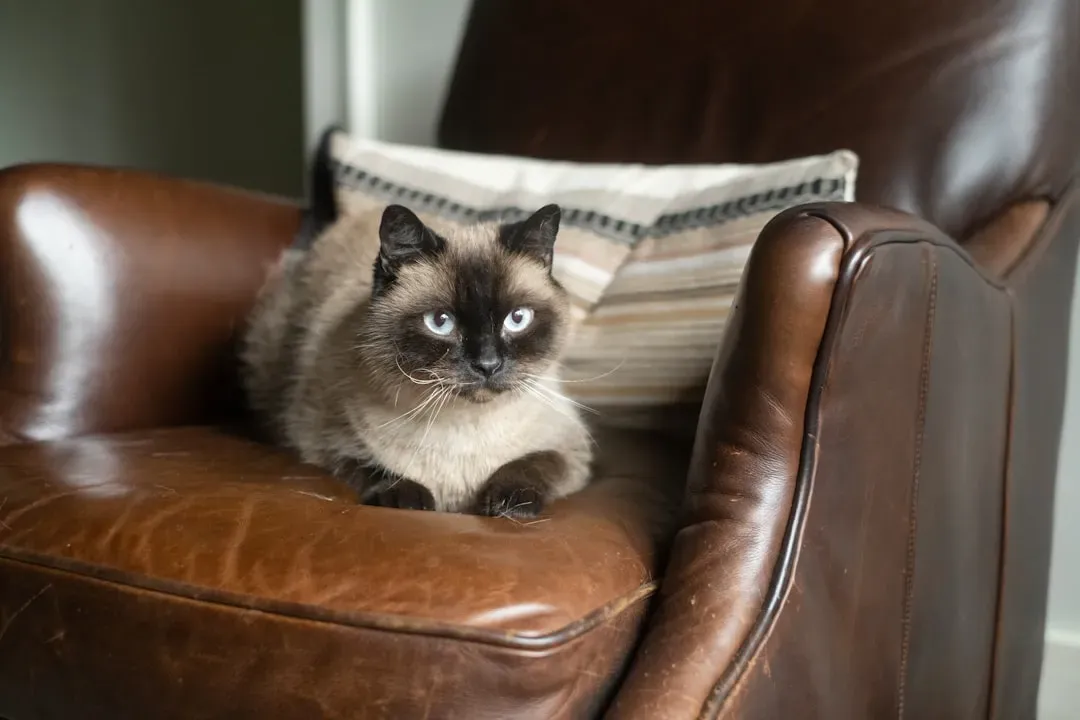
You know that feeling when you stand up from your couch for thirty seconds and come back to find a cat shaped obstacle solidly planted in your spot? That is not an accident. Your cat claims ownership of specific spots like a favorite chair or windowsill by returning to them frequently and settling in comfortably, as if to say “This spot is mine.”
Here’s the thing: it goes beyond just furniture. Usually, the area where your cat spends the majority of their time is their territory. Think of it like a feudal lord surveying their land. Every couch cushion, warm laptop surface, and freshly laundered pile of clothes is, in your cat’s mind, a royal asset they are graciously permitting you to share.
They Rub Their Face on Absolutely Everything
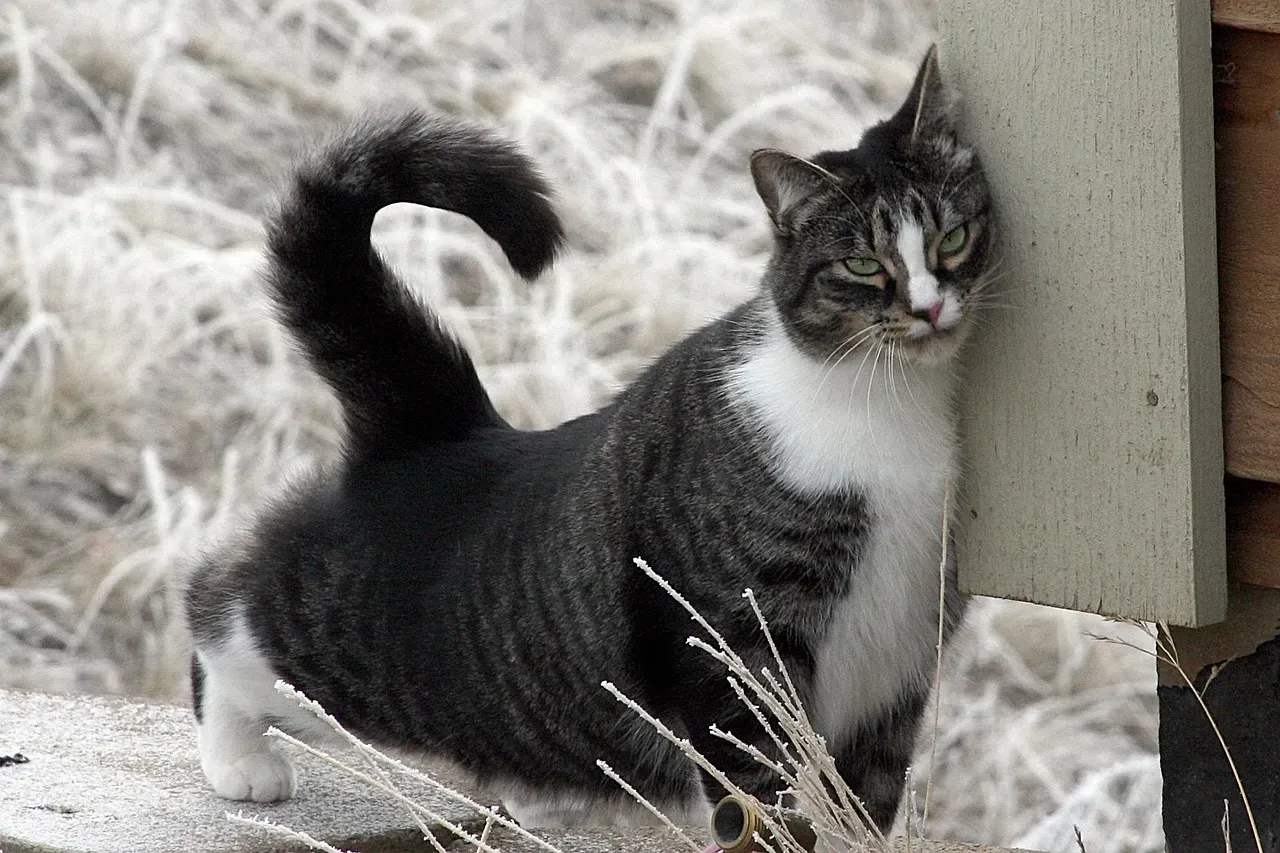
If you’ve noticed your cat rubbing their cheeks against the corners of walls, furniture legs, and yes, even your ankles, they are not simply being affectionate in a cute, clumsy way. Your cat marks their scent by rubbing their face and body, which deposits natural pheromones to establish boundaries within which they feel safe and secure. It’s a full-scale ownership claim, pressed directly onto your belongings.
Cats communicate through scent glands on their cheeks, flanks, and paws. When you see your cat rubbing on furniture, the corner of the wall, or even your legs, that’s marking territory and claiming ownership of that space. Honestly, from their perspective, your home is basically one giant scent canvas they’re continuously signing, like an artist who never wants to stop working.
They Patrol the Perimeter Like a Security Guard
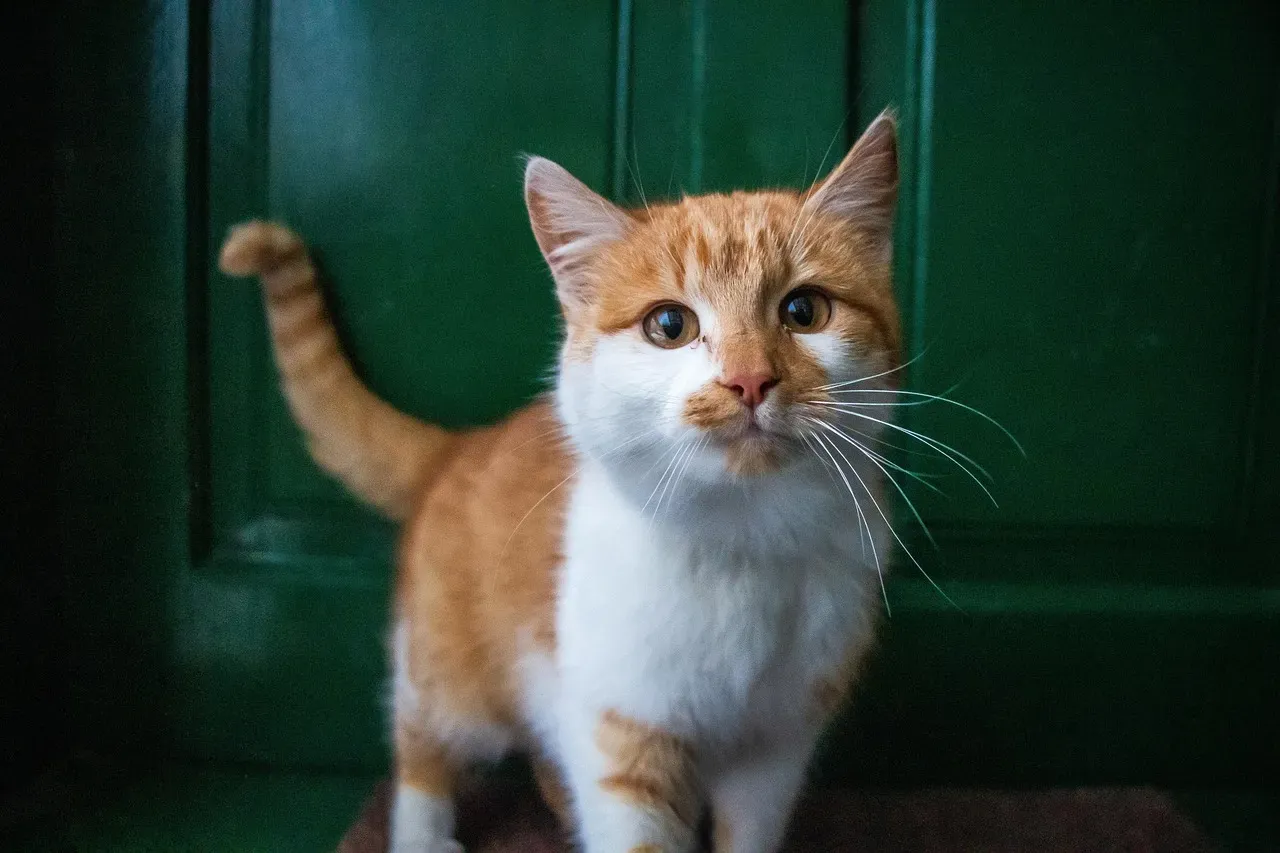
In addition to scent markings, cats communicate ownership of territory through body language and behaviors. An assertive cat may patrol their domain by walking along the perimeter while upright with their tail held high. This sends a clear signal of confidence and authority over the space. You’ve seen this walk. It’s the walk of someone who absolutely owns the place.
Your kitty may also do this by patrolling your home, blocking doorways, or rubbing their bodies on everything inside your house, even you and your family members. The doorway blocking is a personal favourite move of cat royalty. It’s not laziness. It’s strategic positioning. They’re keeping tabs on every inch of their domain, and you just happen to live inside it.
They Scratch the Furniture With Zero Remorse
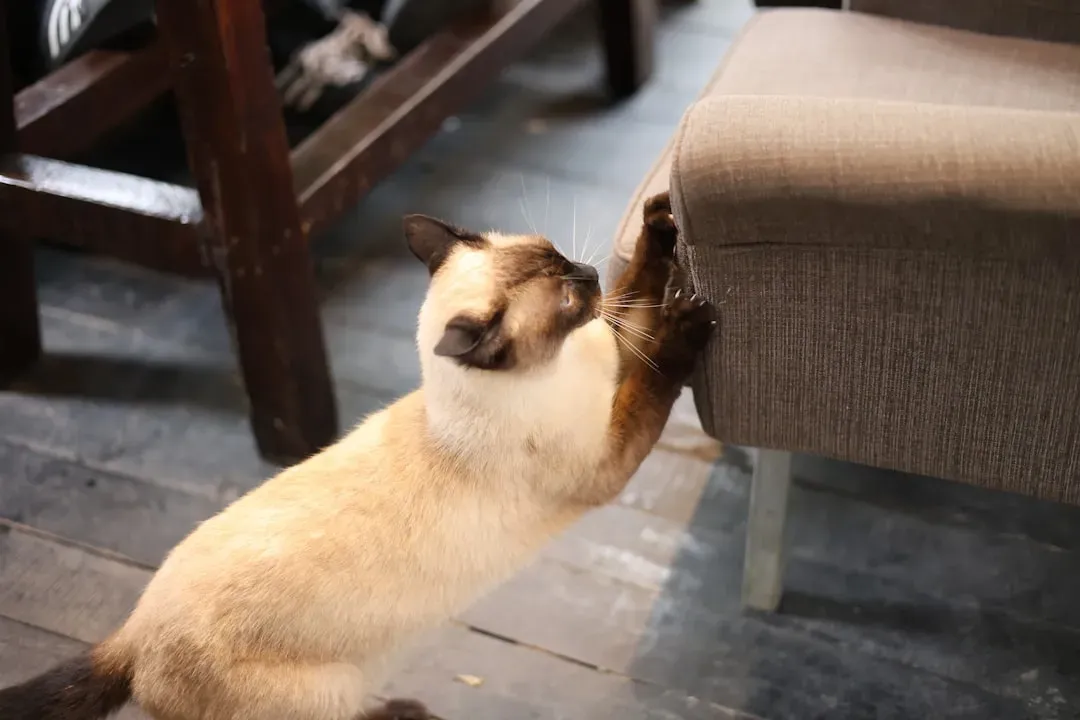
Cats need an outlet to exhibit natural marking behaviors such as scent rubbing and scratching. Your sofa didn’t stand a chance. Scratching is not just about keeping claws sharp; it’s a deliberate dual-purpose message. When a cat scratches objects like sofas or carpet, it leaves both a visual mark and a scent mark for any other creature brave enough to wander into their territory.
Scratching a favorite armchair or sofa is another undesirable behavior you sometimes get from a territorial cat who’s marking their territory. The frustrating part? They usually pick the most expensive, most visible piece of furniture to scratch. Coincidence? Probably not. Think of it like a medieval lord planting their flag right at the entrance to their castle. Maximum visibility, maximum message.
They React Dramatically to Other Animals Outside the Window
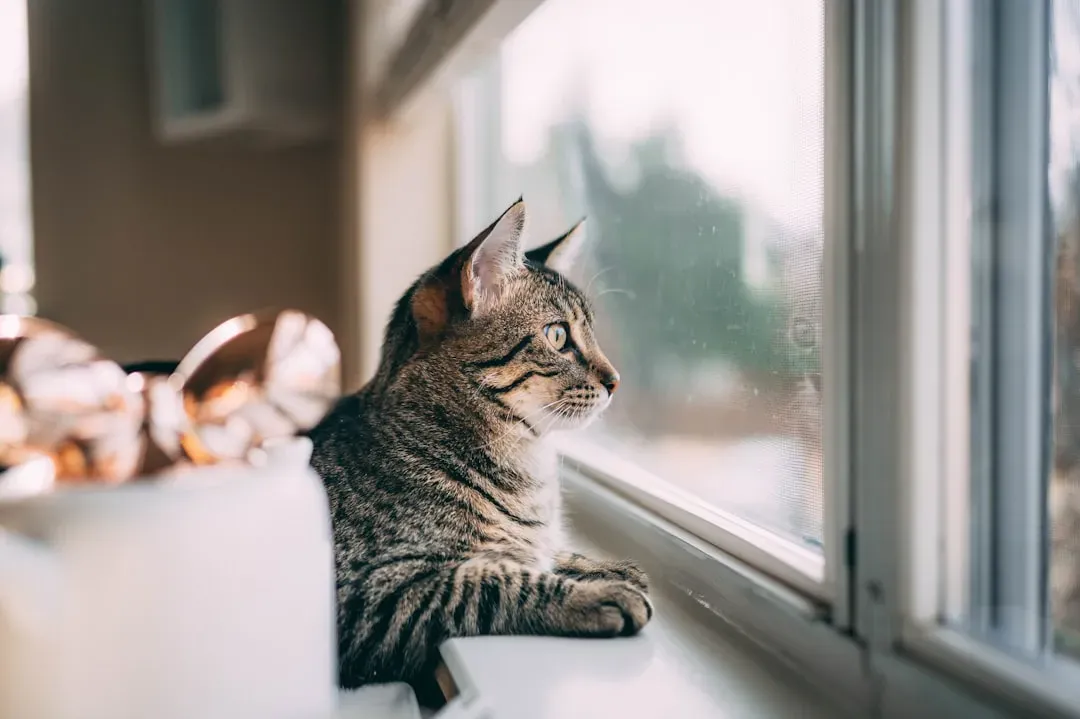
You’re sitting quietly, drinking your morning coffee, and suddenly your peaceful cat transforms into a chattering, tail-lashing goblin at the window because a neighbourhood cat dared to walk across the garden. Cats are usually cautious and concerned about intrusions into their area, especially at certain times such as dawn and dusk. That dramatic reaction isn’t overreacting. It’s border control.
When a new animal is introduced to the home, you may see a cat suddenly become more vocal about areas it wants to claim as its own. The message is clear: this is the cat’s domain and they want to make that evident to any newcomers. Even just seeing another cat through glass is enough to trigger a full territorial declaration. It’s hard to say for sure, but sometimes I think cats consider windows to be the castle walls, and they take guarding them very seriously.
They Ignore Your Commands Entirely on Purpose
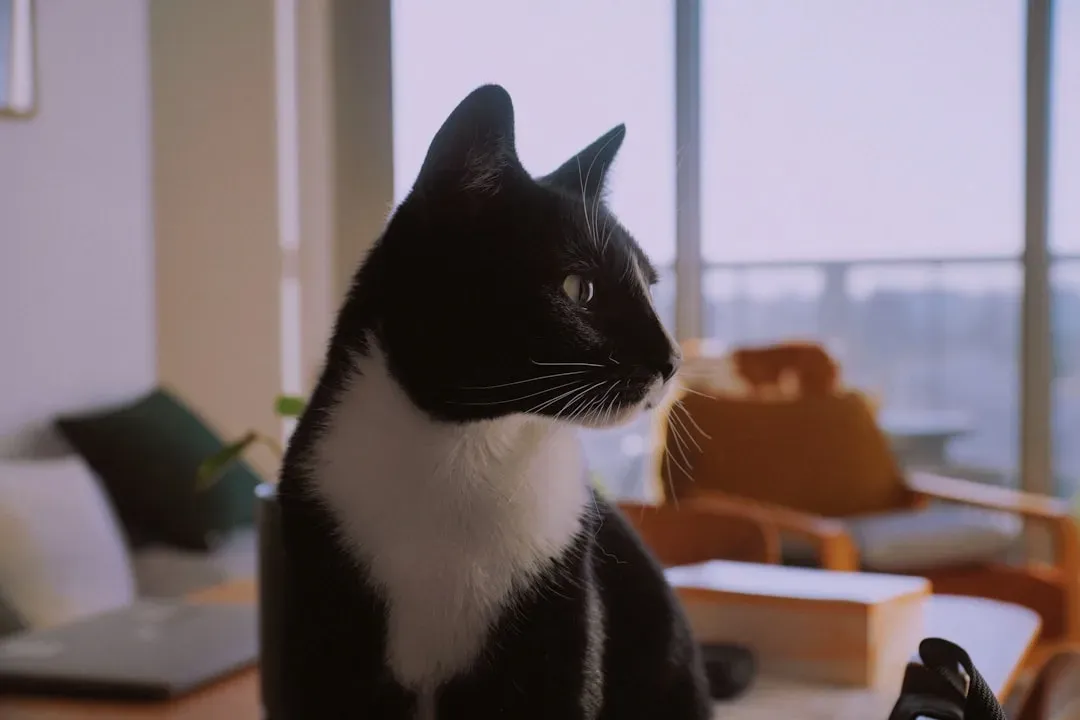
Let’s be real: if you call your dog, they come running. If you call your cat, they open one eye, consider your request, and proceed to do nothing. If your cat responds to your calls or commands only when it suits them, they’ve officially established dominance. You’re not the boss; you’re the loyal servant who’s lucky to be noticed at all. Dramatic? Sure. Accurate? Completely.
Cats are intelligent enough to recognize social hierarchies and their place within a household. They can discern their owner’s status compared to other humans and animals in the home. Cats tend to act more affectionately and submissively to the dominant member of a household who controls resources like food, territory, and access to desirable areas. So yes, they know exactly what you’re saying. They just don’t consider your authority particularly relevant to their kingdom.
They Get Possessive Over You Around Other People or Pets

Ever had your cat suddenly park themselves on your lap the exact moment a visitor sat down, or give an ominous stare to your friend who got a little too cozy on the couch? That is possession in action. A cat’s home or “core territory” is very important to them. Their owners are a major part of their home, so cats are naturally territorial over their owners. You, quite literally, belong to them.
Possible triggers for excessive possessive behavior include living with multiple cats, guests visiting the home, and new human family members. Although most of us enjoy being kneaded and headbutted by our cats as a sign of affection, some cats might exhibit an extreme form of this behavior if they are feeling possessive of their owner. Sometimes they might meow insistently or deliberately get in your way in order to direct your attention onto themselves. It’s sweet, honestly, even when it’s a little overwhelming.
They Yowl and Vocalize to Defend Their Space
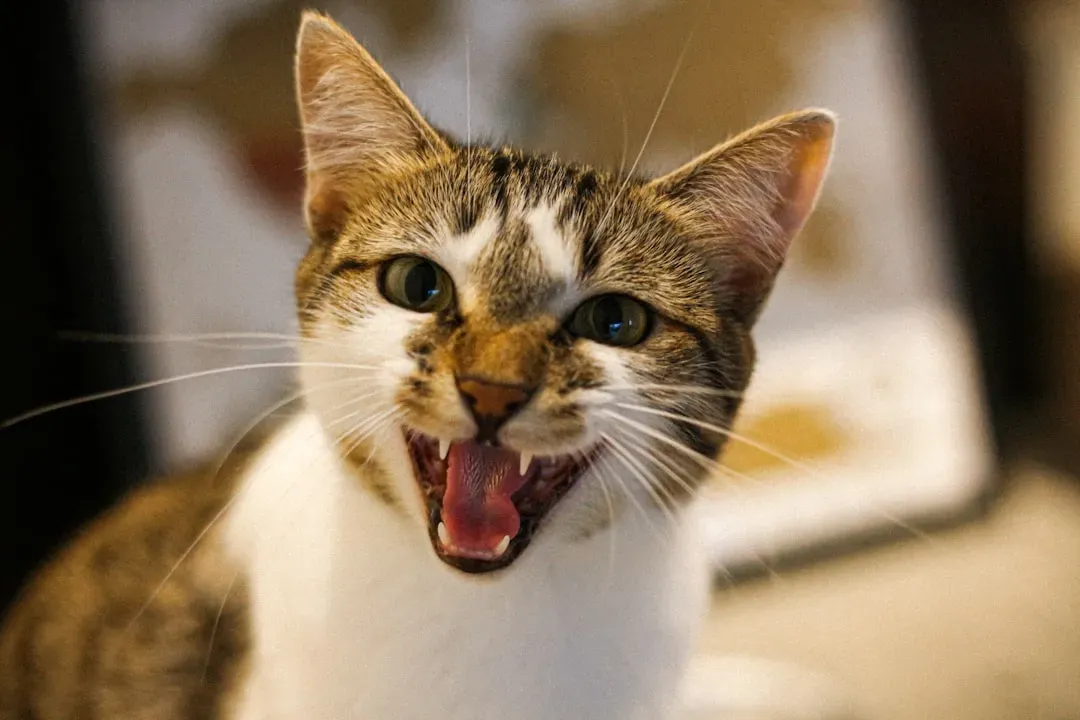
Territorial cats often display aggressive behavior toward perceived intruders on their patch, which can lead to excessive vocalization and fighting in extreme cases. A territorial cat will often guard their territory against all comers, threatening them with their body language, hissing, and yowling. These are not random sounds. Your cat is holding court and issuing royal decrees.
Dramatic meows, somewhat reminiscent of a police siren, represent another very obvious signal that territory is being defended. How many times have you been woken at night by these urgent and prolonged meows? Exactly. That 3 a.m. yowling session wasn’t your cat being bored. It was them issuing an official statement to the neighbourhood that this castle has an active and very vocal sovereign on duty.
They Spray or Urine-Mark Key Spots Around the Home
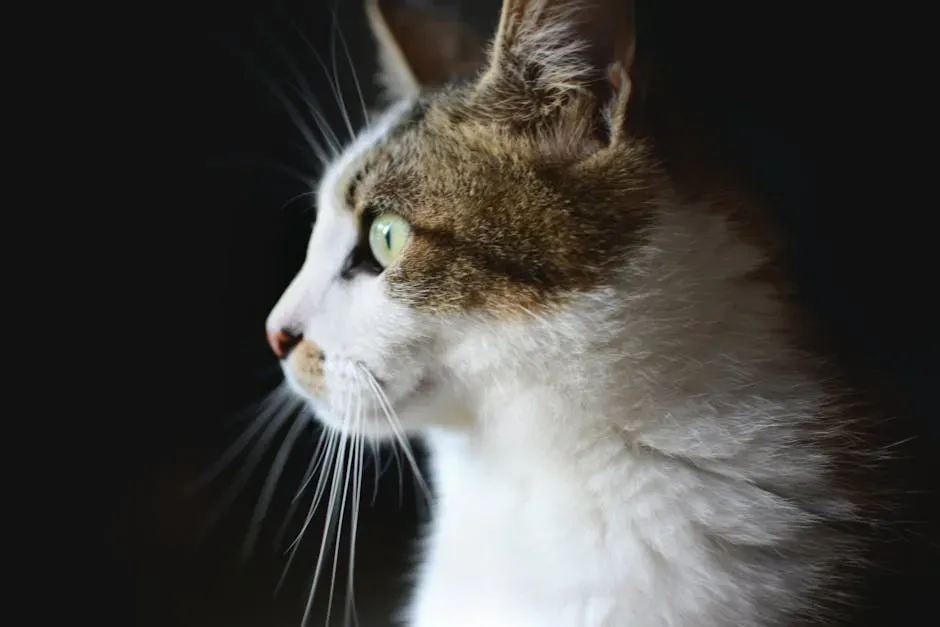
This one is less endearing, but it belongs on the list because it is one of the most unmistakable signs that your cat means serious territorial business. Territorial marking, or urine marking, is a way cats communicate with their environment and other animals. When a cat marks territory, it claims ownership, creates a sense of security, and establishes boundaries.
Unlike simply eliminating outside of the litter box, urine marking is actually a form of communication your cat uses to let other cats know whose turf they are on. When marking this way, your kitty sprays a mix of urine and other chemicals, usually onto a vertical surface. Any time an indoor cat feels threatened or distressed, they may leave a mark to affirm the location of a safe territory. A change in household routine, the addition of a person or pet, or even a remodeling project can trigger anxiety and marking. Even rearranging your living room furniture can, in their mind, be treated as an act of invasion requiring a response.
They Occupy the Highest Points in Every Room
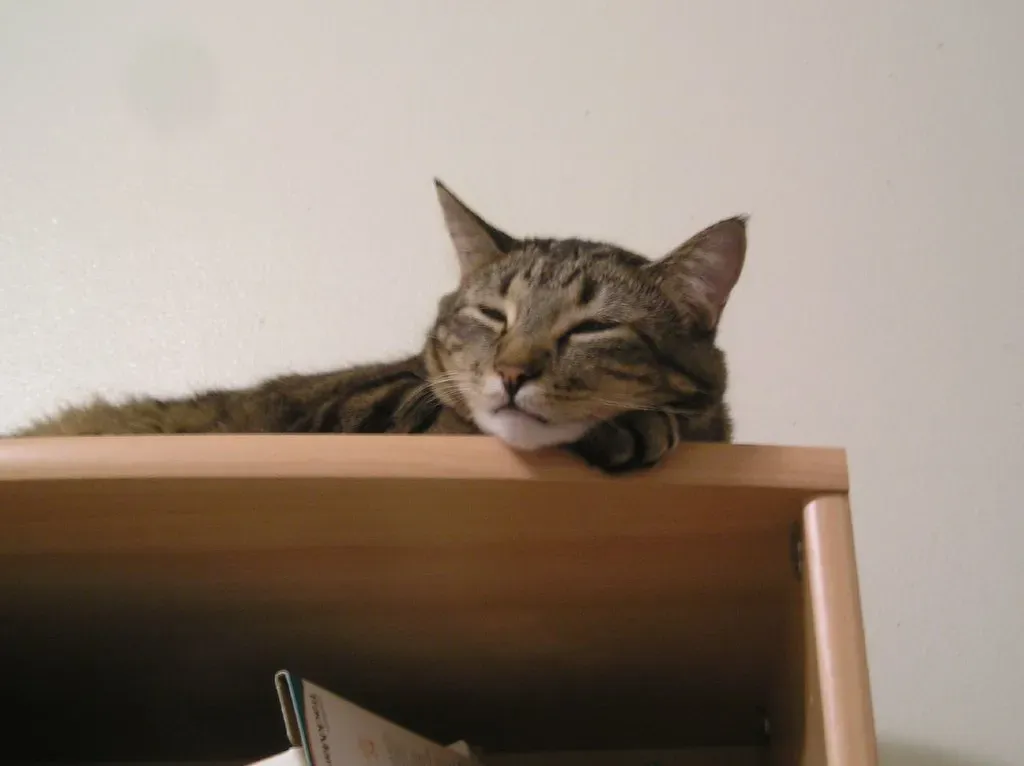
Some cats like to have access to soft resting places up high where they can observe their territory and feel safe. You’ve seen it. The top of the refrigerator, the highest shelf, the back of the tallest armchair. This isn’t random either. It’s strategy. Height equals surveillance, and surveillance equals control of the castle.
If a cat lives in a house as a housecat, their territory corresponds to the space in which they have access. We have to consider the available space in three dimensions; therefore, giving the cat the opportunity to climb high can greatly increase the range of their territory. So when your cat perches up high and stares down at you with those half-lidded eyes, they are not meditating. They are watching over their kingdom and filing a mental report on everything happening below.
They Treat New Objects and Visitors as Potential Threats
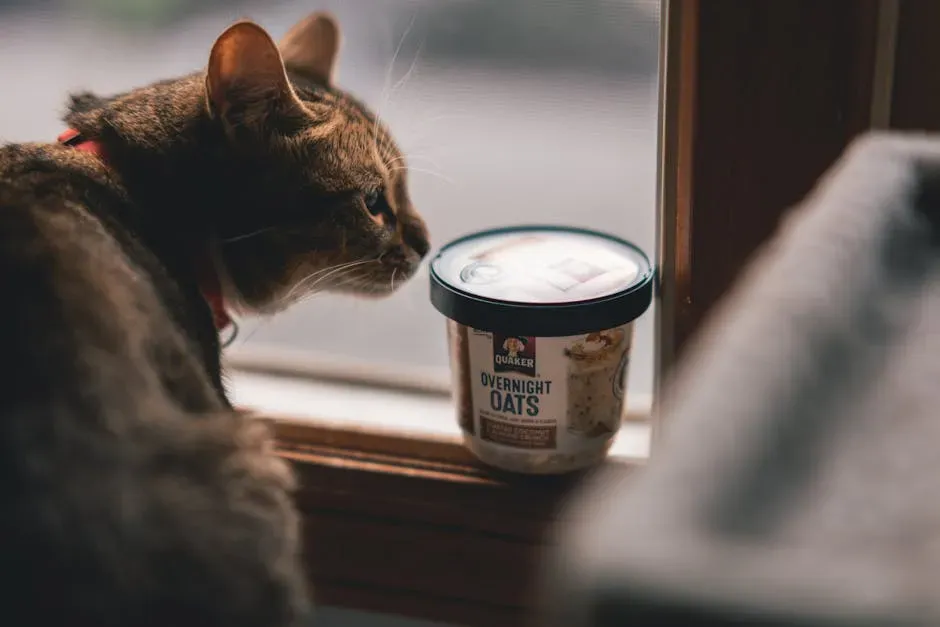
You bring home a new bag of shopping, a friend’s coat, or a new piece of furniture, and within minutes your cat is sniffing it intensely, possibly sitting on it or rubbing against it. Cats sometimes deposit scent onto new objects brought into the household, presumably to create a common scent and mask an unfamiliar one. Your home has a specific smell that belongs to your cat. Anything new disrupts that scent map and must be immediately investigated and catalogued.
Other causes of territorial behavior include stress, a change in routine, a new house, the introduction of a new pet, or a lack of socialization when your furry friend was young. If the signals your cat has laid are missing or if the territory suddenly changes, your cat will find itself in unfamiliar territory. There will inevitably be a period of stress in which they will have to map out their territory afresh. Basically, anything that enters the castle without prior approval from the monarch gets treated with deep suspicion first, acceptance second, and a thorough scenting just to be safe.
Conclusion: Your Home Is Their Castle, and Honestly? That’s Okay
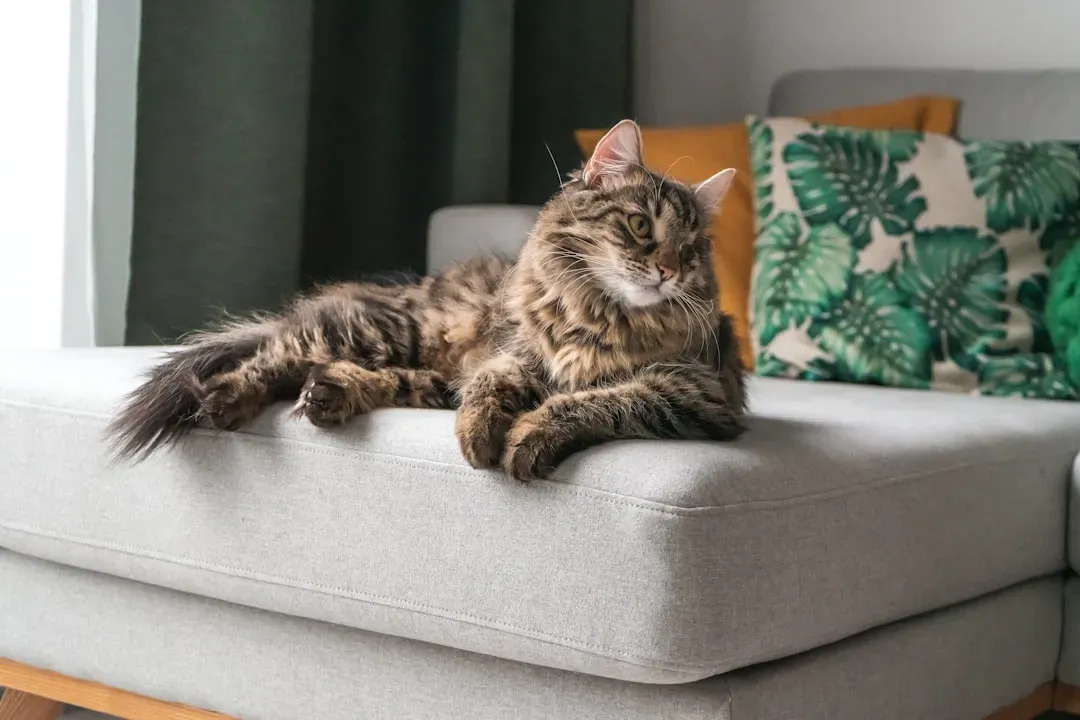
Look, there’s something genuinely wonderful about sharing your home with a creature so profoundly convinced of their own sovereignty. Your cat’s territorial nature isn’t a flaw. It’s a direct line back to their wild ancestors, hardwired over thousands of years into their instincts. Research and observation suggests that cats do think of their home and families as their own territory. You weren’t imagining it. It’s real, it’s ancient, and it’s not going anywhere.
The good news is that understanding these signs helps you build a better relationship with your feline ruler. When a cat marks territory, it claims ownership, creates a sense of security, and establishes boundaries, which means all of these behaviours are really just your cat saying “I feel safe here, and I belong here.” That’s not so bad for a housemate, honestly.
The next time your cat strolls past you with their tail held high, commandeers your chair, or gives a suspicious glare to your dinner guest, just remember: you don’t rent the castle from them. You’re invited to live in it. And that, in cat terms, is actually a very high honour. So, which of these royal signs does your cat display the most? Tell us in the comments.