Most people picture a stressed cat as one cowering from fireworks or hissing at a rottweiler. But the truth is far more nuanced and honestly, a little humbling for those of us who think we know our cats well. Your feline companion could be quietly unraveling over something as ordinary as your favorite scented candle or the rearrangement of a bookshelf.
Felines are subtle animals, and it can be genuinely tricky to tell if you have a stressed cat in your home. Their behavior might change slightly, or they might begin to do things that you perceive as “being naughty.” In fact, cats are remarkably skilled at hiding signs of stress or pain – it’s simply in their nature. So the problem often goes unnoticed until things escalate. Let’s dive in and unpack the eleven surprising culprits you might not have considered.
1. Your Beloved Scented Candles and Air Fresheners
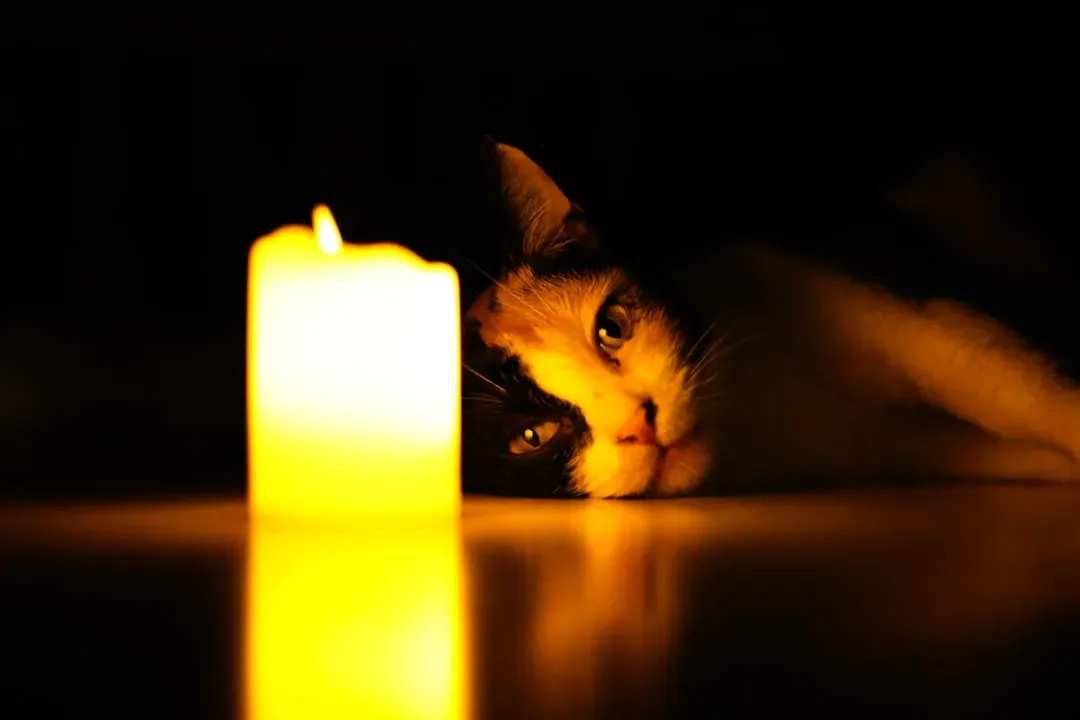
Here’s the thing – what smells calming and lovely to you might be the olfactory equivalent of a fire alarm for your cat. The smell of your favorite scented candle, lemon-scented cleaner, and even freshly laundered clothes might make you feel relaxed, but your cat might not feel the same way. Cats have such a powerful sense of smell that an offensive odor they cannot escape can become an unexpected and significant trigger.
A cat’s sense of smell is roughly 14 times that of a human, so just imagine what an intense plug-in air freshener feels like from their perspective. Avoiding citrus scents in particular, considering non-scented detergent, or simply keeping a well-ventilated home with fans or cracked windows when you are cleaning can make a real difference. Switching to pet-safe, unscented products is one of the simplest and most impactful changes you can make.
2. Rearranging the Furniture
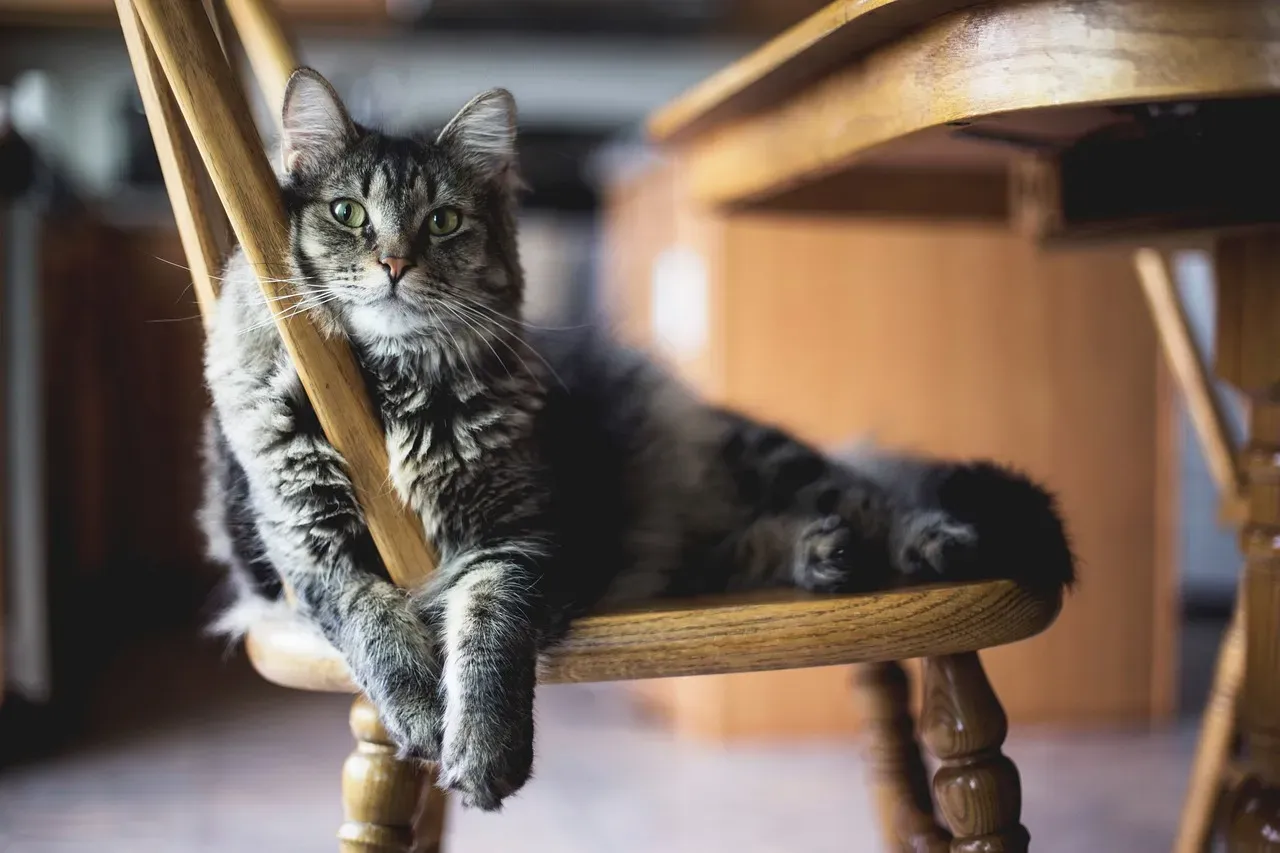
You decided to shake things up with a living room refresh. Congratulations on the new layout. Your cat, however, did not vote for this. Changing up your home decor may be fun, but it can be stressful for your pet, especially for cats. Changes in their surroundings, like rearranging furniture, can create anxiety for animals, so it is best to keep things consistent or make changes slowly, allowing your pet to smell new items along the way.
Think of it this way: your cat has mentally mapped every square inch of your home. Moving the couch is like someone randomly swapping road signs overnight. Stress and anxiety can affect cats more than we realize, often triggered by subtle changes in their environment or routine. Simple things such as changing the location of their resources – food, water, and the litter box – can directly impact a cat’s stress level. When redecoration is unavoidable, do it gradually and let your cat explore and investigate each new addition at their own pace.
3. Your Unpredictable Schedule
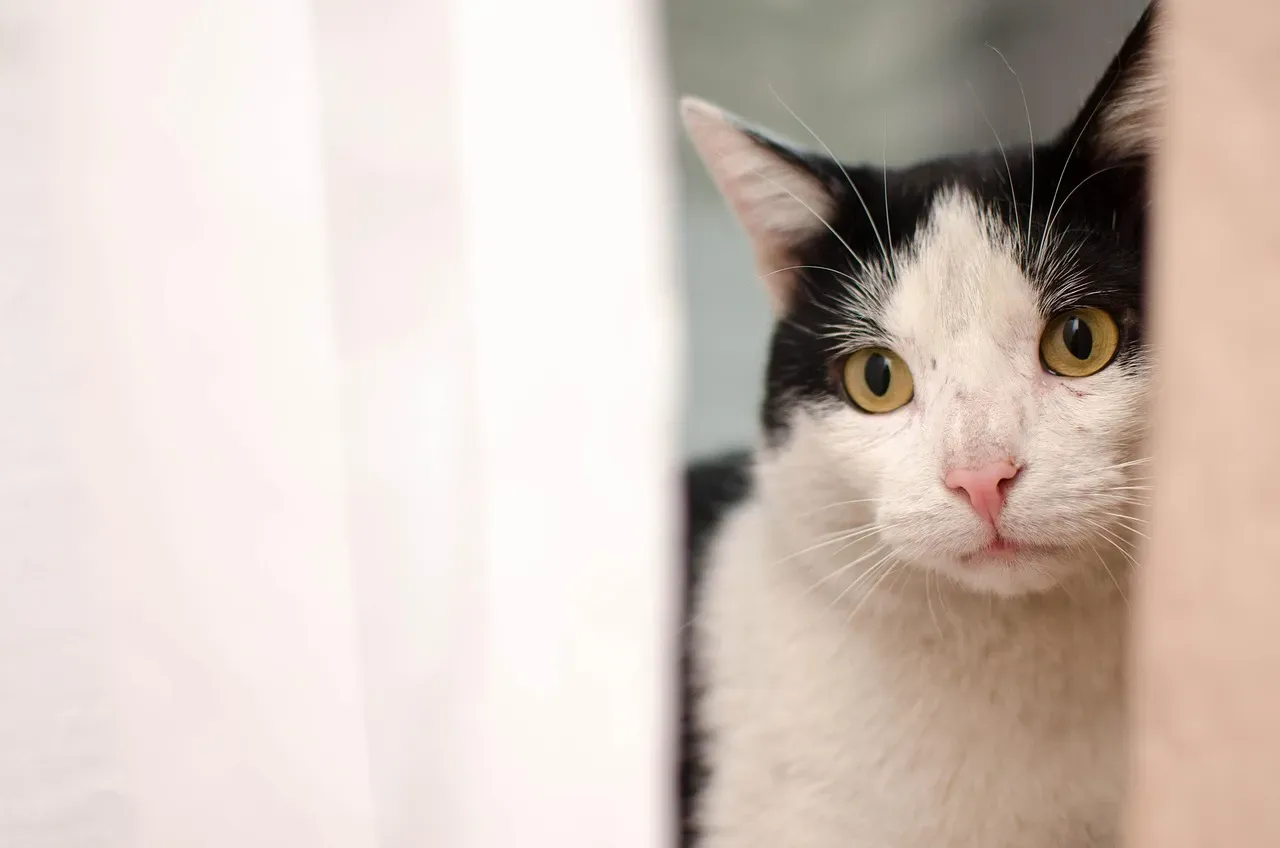
If you get a new job, change shifts, or start getting home later than usual, your cat could start to pick up on these changes and get nervous. The reason is simple – cats like for life to go according to schedule, and any change can trigger stress. It sounds almost laughably sensitive, but it is very real.
Feeding your pet at inconsistent times throughout the day can stress her out, as can spending erratic amounts of time with you. Keeping a regular schedule for feeding and playtime and sticking with it goes a long way. Cats are creatures of habit, so maintaining a normal routine is very important for decreasing not just their stress and anxiety, but also yours. Creating a routine that is beneficial to managing cat anxiety and stress includes sticking to normal bedtime, wake time, and meal schedules.
4. Guests Visiting Your Home
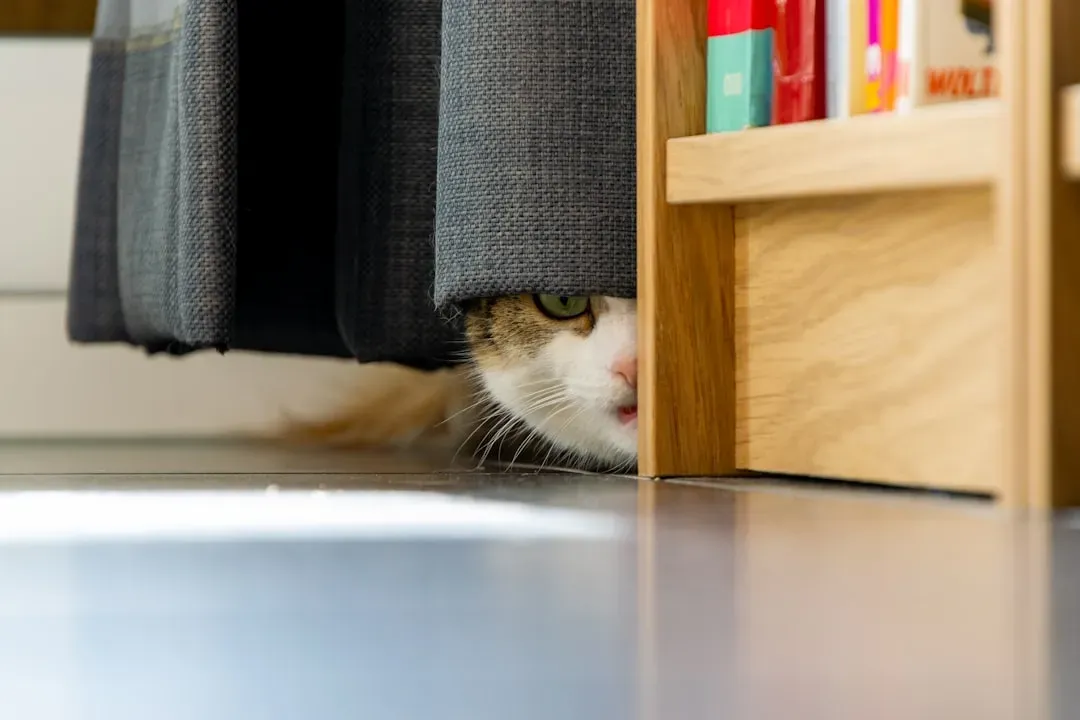
You may love hosting dinner parties. Your cat almost certainly does not. In fact, a visit from a stranger was the single most common source of stress for cats, according to a review in the Scientific World Journal. That stat honestly surprised me when I first read it. Think about how many times you have had guests over without giving a second thought to how your cat was handling it.
Whether your friends are staying for the weekend or you have got the family over for Christmas, having people over can cause some cats real stress. Providing a hiding place where they can escape the chaos, or ideally a quiet room to themselves, will go a long way to reducing their anxiety. Let your cat hide away in an area separate from visitors until she is ready to emerge, so she can approach when it is comfortable for her. Never force an introduction. Let your cat call the shots.
5. Too Much Affection From You
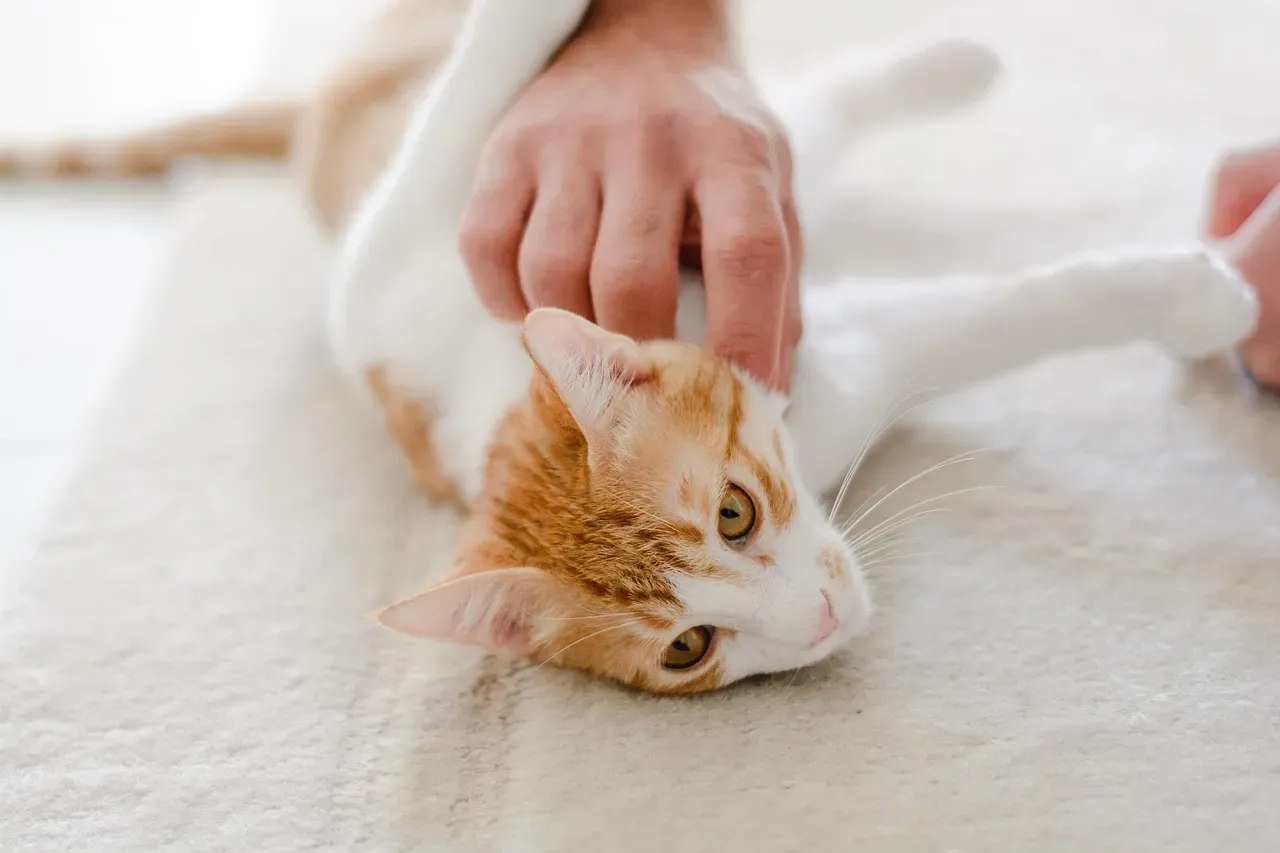
This one stings a little, I know. Honestly, it is one of the hardest truths for devoted cat owners to accept. Pet parents are often an unexpected source of stress for cats. This may be because you are being overly affectionate. Often, pet parents want to nuzzle their cats or squeeze them close when their cats would be content with the occasional ear scratch.
Allowing your cat to initiate contact with you, so they feel they have choice and control over the interaction, is probably the easiest way to establish the quality and quantity of affection that they want. Pay close attention to body language. If your cat shows signs of distress, such as flattened ears, dilated pupils, or a swishing tail, it is essential to give them space and allow them to calm down. Learning to love your cat on their terms, not yours, is a game changer.
6. Changes in Your Household Members
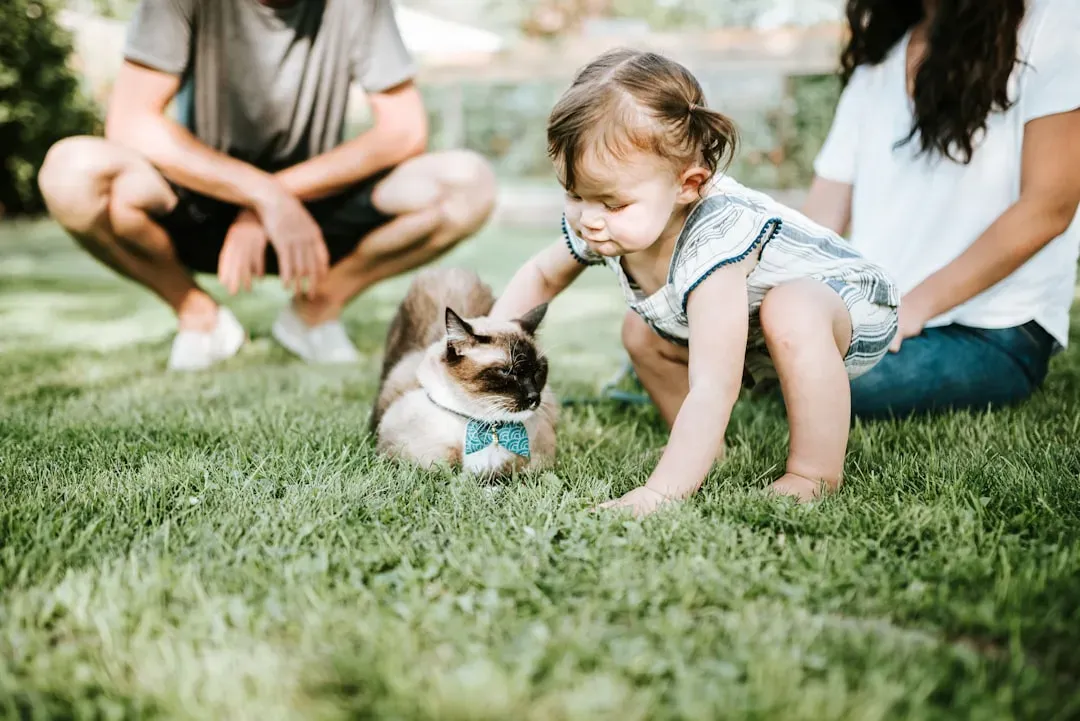
For cats, any change in your inner circle can trigger stress. This includes people leaving the household due to death, divorce, or going away to college, and new people joining the household thanks to romantic relationships, marriage, new children, or older parents moving in. Cats are far more emotionally invested in the social structure of the home than most people give them credit for.
While cats and babies can get along with a bit of patience, a new baby brings with it strange smells and sounds that can be confusing to your cat. There are plenty of things you can do to prepare your cat for your new arrival, such as introducing them to sounds of a baby crying or letting them explore new items like pushchairs and nursery furniture. Slow, deliberate introductions are the key with any new household change. Try to keep your cat’s world as close to normal as possible during times of transition with a fixed feeding schedule and a safe place to retire if she needs to step away.
7. A Dirty or Poorly Placed Litter Box
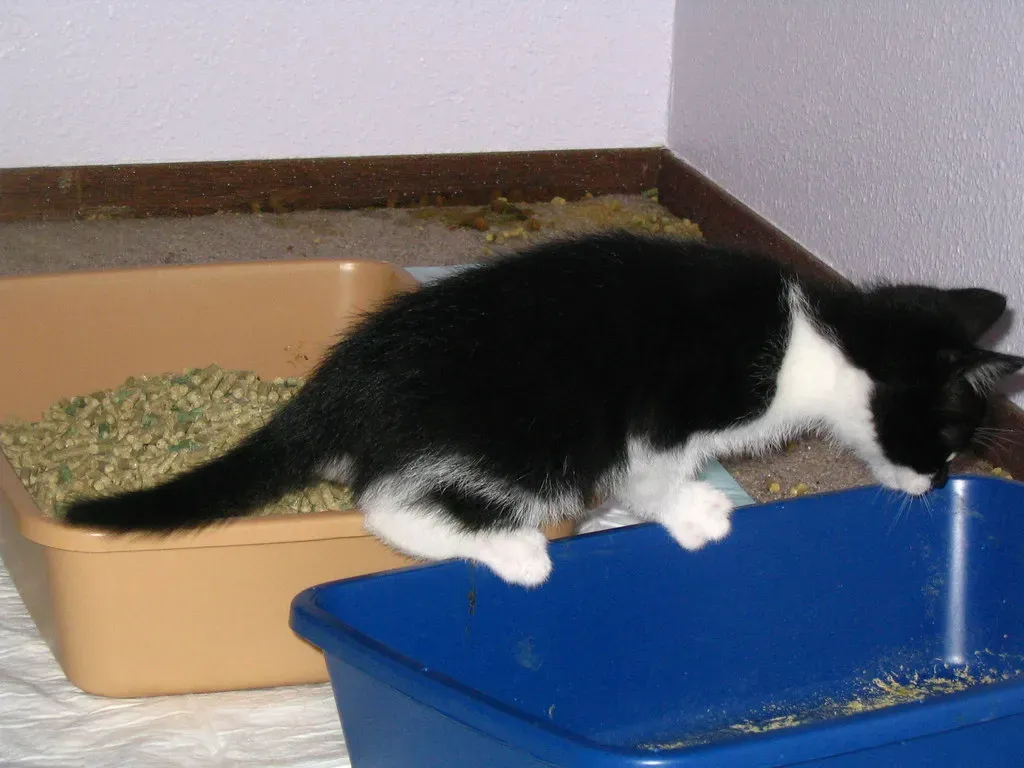
If you have ever walked into a gas station bathroom and immediately turned around, you already understand this one perfectly. The rule of thumb with cat litter trays is that you should have one per cat per household, plus one extra. Cats are clean animals and do not enjoy doing their business where there is already mess. A neglected litter box is not just unpleasant – it is a genuine source of ongoing stress.
Sharing facilities is stressful for many cats, and some cats prefer one box for solids and another for liquids. You should offer one litter box per cat plus one, and place them in different rooms to ensure everyone has easy access. Scoop litter boxes at least one to two times a day. In general, heavily fragranced litters are not appreciated by most cats and should be avoided. Keep things clean, unscented, and accessible – your cat’s comfort depends on it.
8. Seeing Their Own Reflection
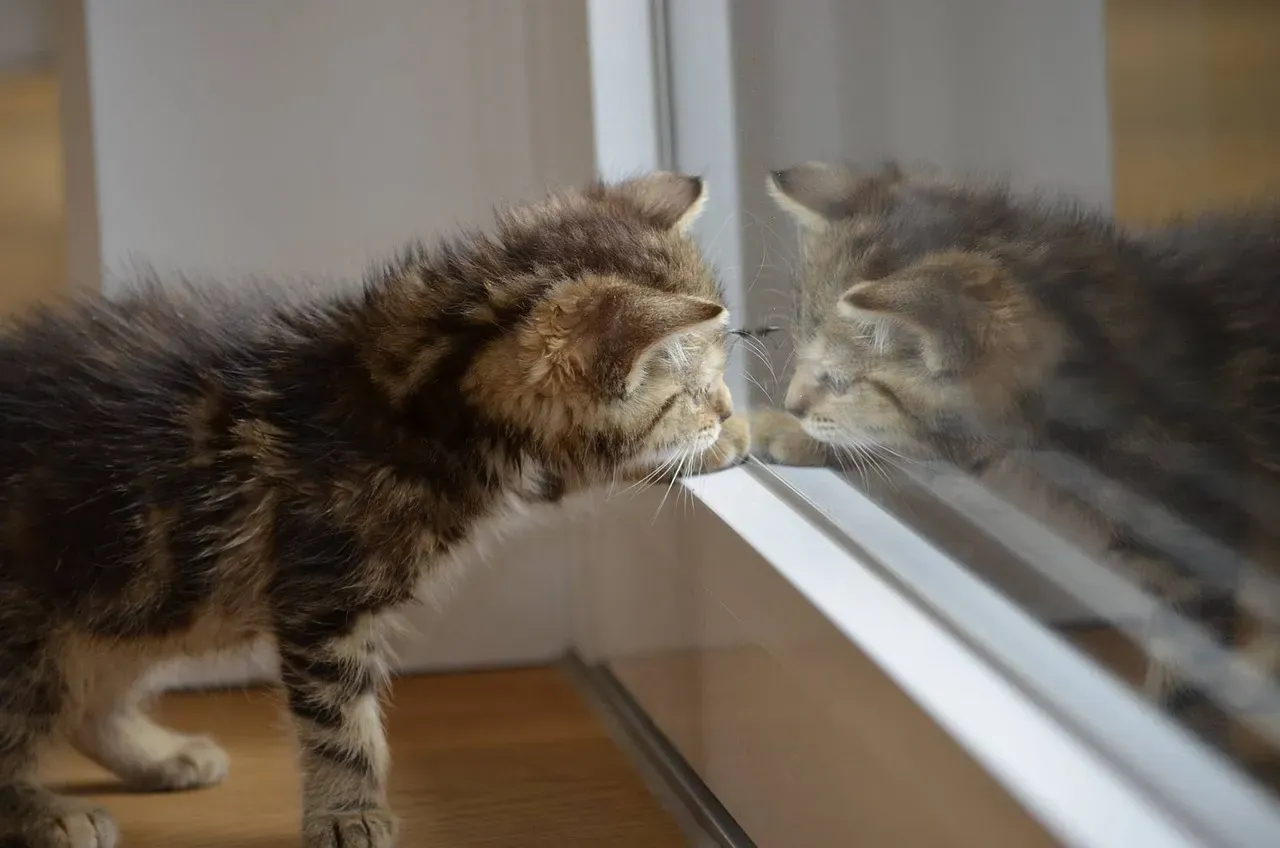
I know it sounds crazy, but mirrors can genuinely freak cats out. Like dogs, cats lack self-awareness, which means that when they gaze into a mirror, they see another cat staring right back at them. For some cats, that reflection means another cat is invading their territory. What you see as home decor, your cat sees as an uninvited intruder.
This is particularly relevant in rooms with large floor-length mirrors or mirrored wardrobe doors. If possible, keep your cat out of mirror-filled rooms or lift floor mirrors onto the wall outside of your cat’s line of sight. It is an easy fix, and the relief it can bring a territorial cat is surprisingly significant. Sometimes the smallest adjustments have the biggest impact on their sense of security.
9. Boredom and Lack of Mental Stimulation
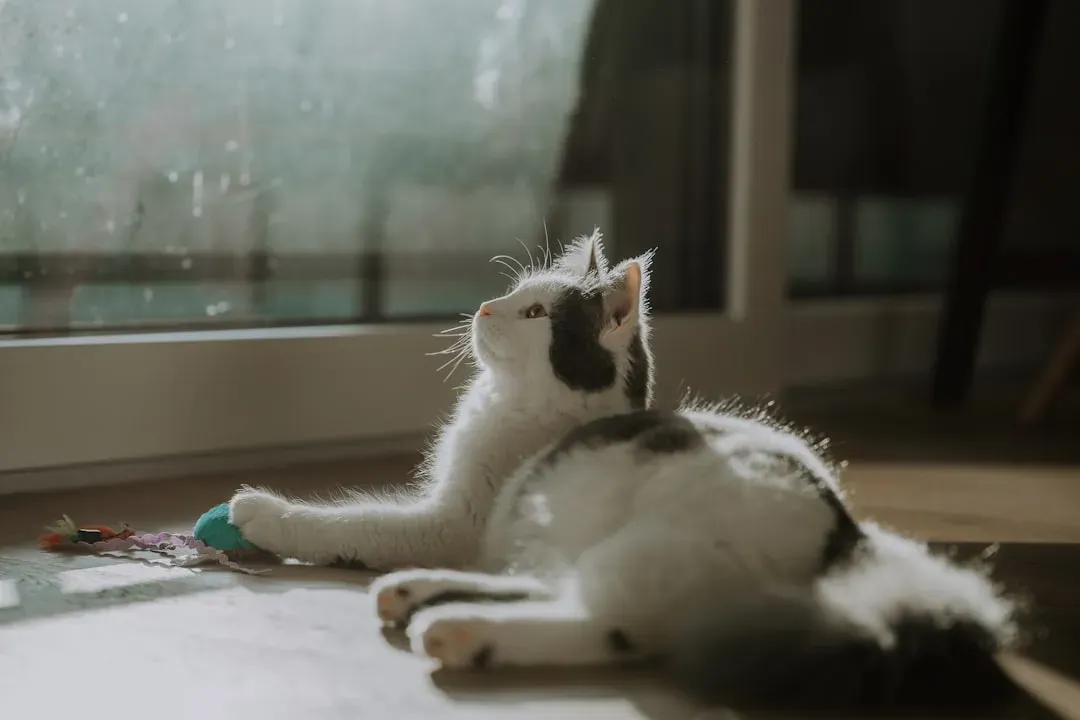
Boredom is not just a human problem. Being bored can cause stress in cats too, and for indoor cats especially, the daily environment can quickly become monotonous. Cats are natural born hunters that love exploring, and even though they have been domesticated over many hundreds of years, they were not originally designed to be kept entirely indoors. You may think your cat has plenty of enrichment in and around your home, but living indoors is very far removed from living in the wild.
You can relieve boredom and encourage your cat’s natural hunting instinct by placing puzzle toys filled with treats or your cat’s usual food around the house. Toys that simulate hunting, like wand toys or laser pointers, and interactive feeders help redirect energy and reduce tension. Cats need mental stimulation, especially if they are indoors full-time. Think of enrichment not as a luxury, but as a basic need – like food or water.
10. A New Pet Being Introduced to the Home
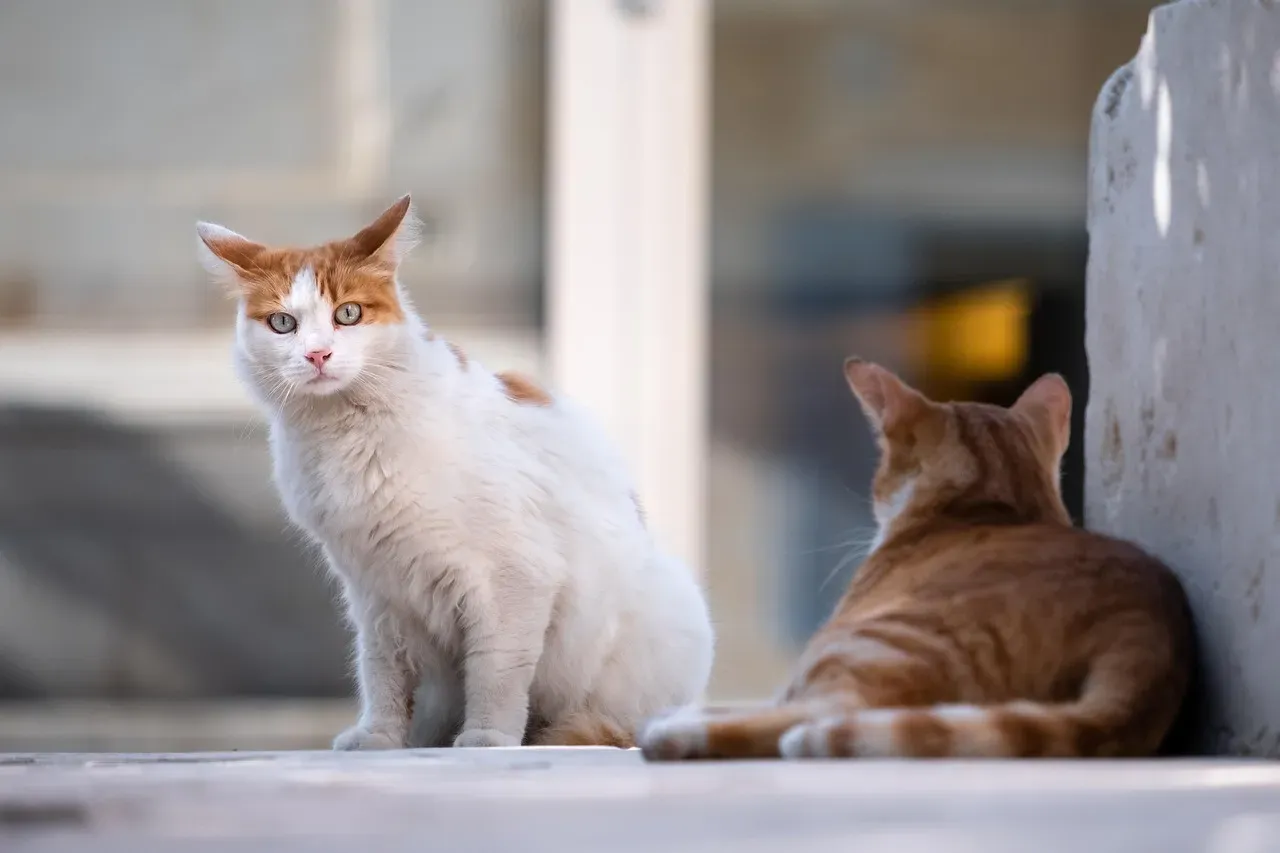
Cats are territorial animals, so when there is a sudden change or disruption to their normal territory, it can cause a lot of stress. Not getting along with another pet in the household and introducing a new cat to the home are two of the top stressors among house cats. The combination of a potential threat of a new cat and the new scents around the home can cause a lot of stress.
Even if you already have two cats that coexist peacefully, a third new addition can completely destabilize that dynamic. Try slowly acclimating new cats or other pets to your cat by keeping them in separate rooms and allowing them to smell each other before meeting. If you have a single-cat household, do not assume your cat would like another cat friend. If their behavioral issues are not related to loneliness, adding another cat to their territory can only make things worse. Some cats like having a feline housemate, whereas others prefer to run the kingdom on their own.
11. Your Own Stress and Emotional State
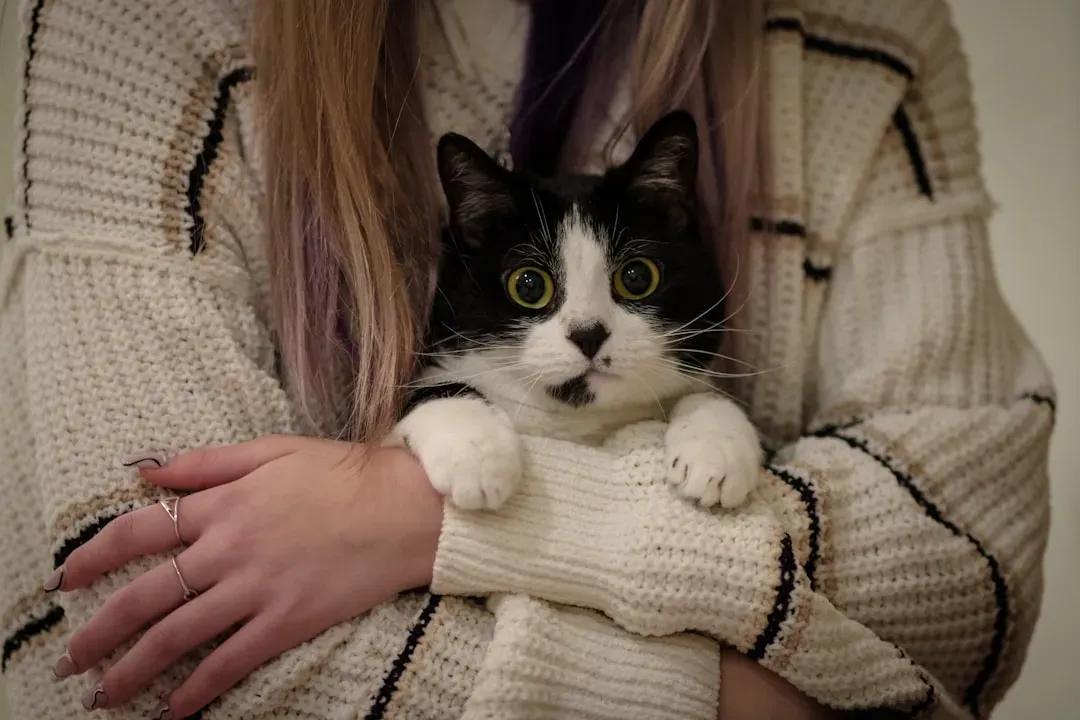
Your cat is watching you more closely than you think. Cats tend to mirror their pet parent’s emotions, meaning your stress or schedule shifts can directly impact their behavior and emotional well-being. It is a little unsettling when you realize your cat might be picking up the anxiety you have been carrying around all week.
Cats can pick up on their owner’s stress, so if possible, try not to show that you are feeling stressed about your cat’s actions. The irony is real: stressing about your cat’s stress will only make things worse. Developing a strong bond with your cat can be anxiety-reducing in itself, as when you are strongly bonded, your presence can act as a calming influence on your cat, leaving them feeling more relaxed and less stressed. Your calm is contagious in the best possible way.
Conclusion: Your Cat Is Counting on You
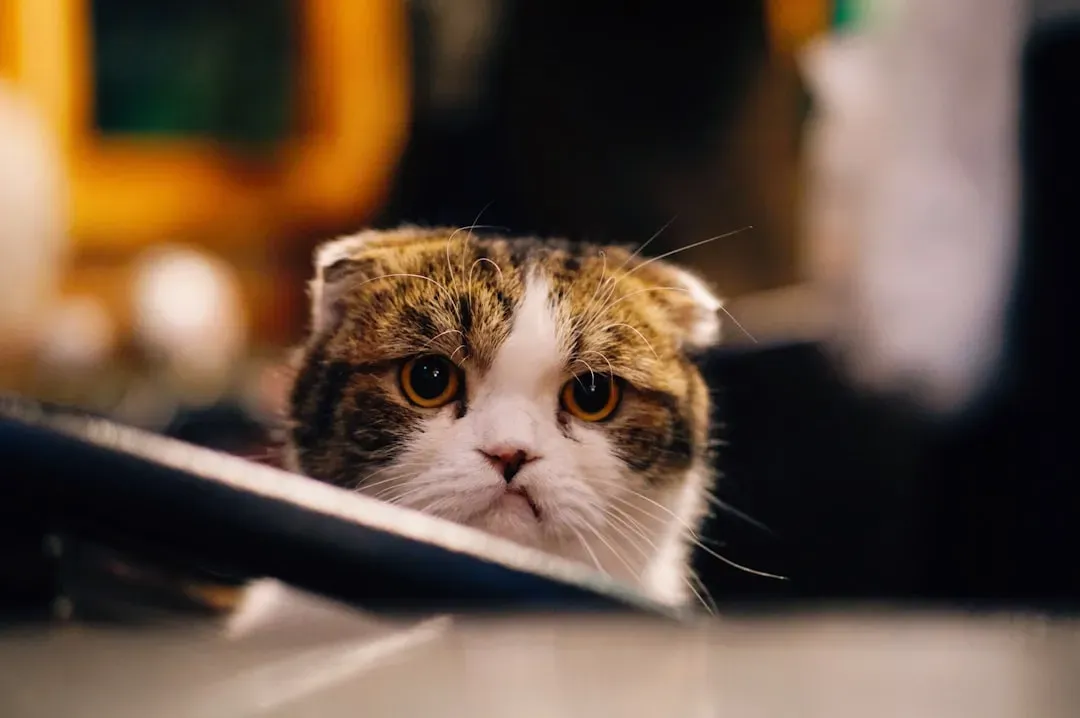
Most of these stressors are not dramatic or obvious. They are the everyday, easy-to-overlook details of home life – a new candle, a slightly messy litter box, a busy holiday weekend. Things that stress your cat could be things that you do not find worrying at all. Cats, being solely responsible for their survival, are constantly risk-assessing, looking for the presence of threat and danger in every new location or social encounter.
Stress that becomes chronic may lead to various medical and behavioral problems. It is best to identify the stressor as soon as possible and adjust to allow your cat to recover. Small, consistent efforts – a cleaner litter box, a quieter space during gatherings, a more predictable routine – can transform your cat’s quality of life in ways that are both real and measurable.
Your cat cannot send you a text to say they are overwhelmed. They rely entirely on you to notice, understand, and respond. Now that you know what to look for, you are already halfway there. What surprised you most on this list? Share your thoughts in the comments below.