You’ve got a cat sharing your space, but do you actually have a connection? There’s a massive difference between coexisting with your feline and building a genuinely strong, meaningful relationship with them. Cats often get a bad reputation for being aloof or indifferent, but that’s simply not the case for most of them. They’re capable of forming incredibly deep bonds with their humans, sometimes even deeper than dogs. The key is understanding their unique language and needs.
If you’ve ever wondered why your cat seems distant or wished you could strengthen that invisible thread between you, you’re not alone. Building trust with a feline takes intention, patience, and a bit of insider knowledge. Let’s dive into eleven practical ways you can deepen your connection and transform your relationship with your whiskered companion into something truly special.
1. Master the Art of the Slow Blink

Cats communicate through subtle signals, and the slow blink is essentially a feline smile that signals safety and trust. When your cat looks at you and slowly closes their eyes, they’re telling you they feel comfortable and secure in your presence. This isn’t just folklore; it’s rooted in actual cat behavior.
To reciprocate this affection, look into your cat’s eyes and perform a series of slow blinks, followed by keeping your eyes half-closed. It’s a simple gesture, but it speaks volumes in cat language. Think of it as a secret handshake between you and your furry friend. The beauty of this technique is that it requires no physical contact, making it perfect for cats who are still warming up to you or prefer their personal space.
2. Let Them Initiate Physical Contact

Here’s where most cat owners get it wrong. We see our adorable felines and immediately want to scoop them up for cuddles. Research from 2025 showed oxytocin levels rose in both humans and cats during relaxed petting sessions, but only when the cat initiated the contact. Forcing affection on your cat doesn’t just fail to create bonding; it actively works against it.
Cats generally don’t appreciate uninvited approaches into their personal space, and an invite may come in the form of them brushing up against you or approaching and sniffing your outstretched hand. Watch for these cues and respond accordingly. When you respect their boundaries and let them come to you, you’re building a foundation of trust that will pay off exponentially. Your cat learns that you’re safe, predictable, and respectful of their autonomy.
3. Create Interactive Play Sessions
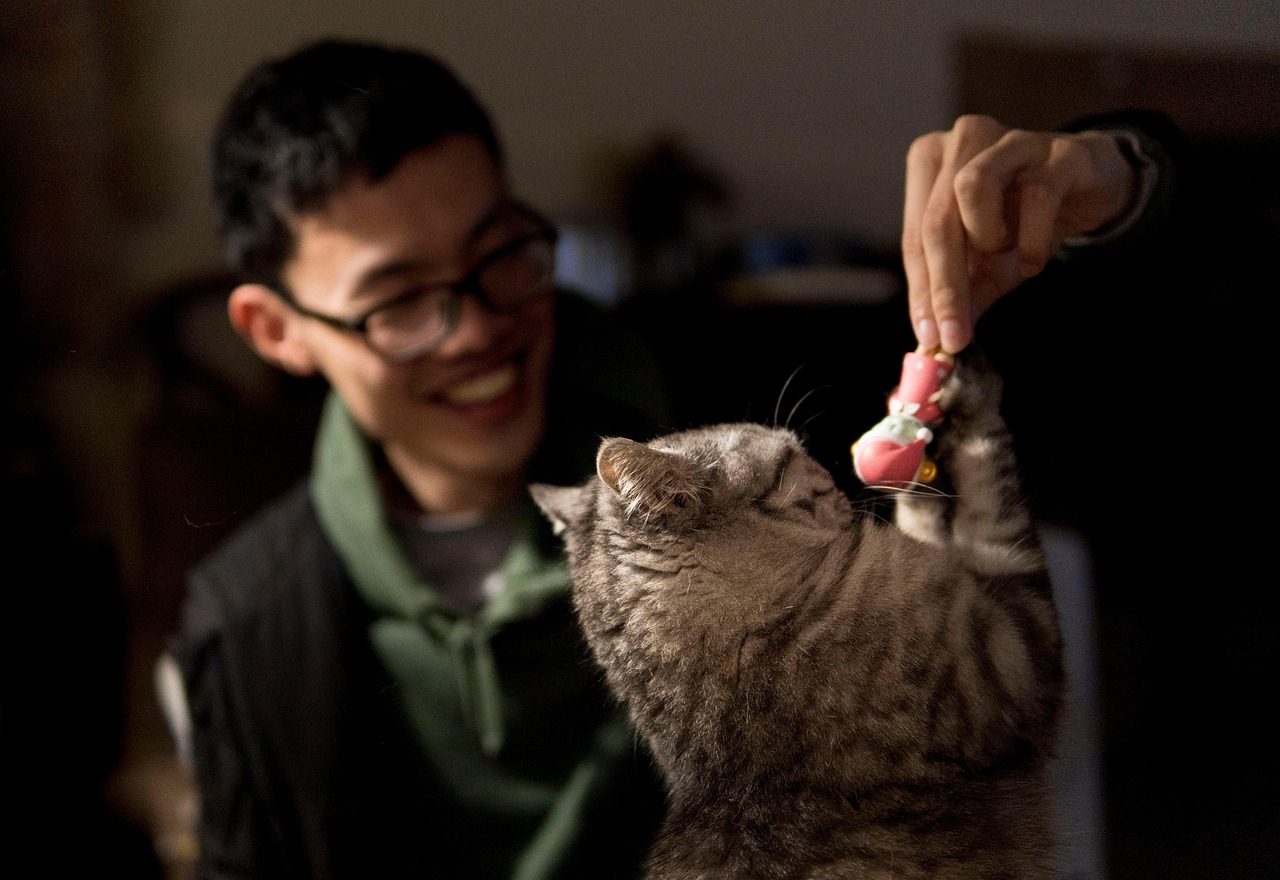
Play is one of the most effective ways to bond with your cat, as it channels natural hunting instincts and provides beneficial mental stimulation. I’m talking about dedicated, focused playtime where you’re not scrolling through your phone or half-watching television. Setting aside at least ten minutes twice a day to focus on playing and interacting with your cat will strengthen your bond.
Use toys that mimic prey, like feather wands or fishing pole-style toys. Let your cat stalk, chase, and occasionally catch the toy. This isn’t just exercise; it’s you speaking directly to their primal instincts. The satisfaction they get from a successful “hunt” becomes associated with you, cementing your role as a source of positive experiences. Honestly, there’s something deeply satisfying about watching your cat fully engaged in play, their entire body focused on the hunt.
4. Establish Predictable Daily Routines

Cats thrive on consistency, and predictable feeding times, play sessions, and calm evening routines help your cat feel grounded and secure. Think about it from their perspective: when they know what to expect and when to expect it, they can relax. Uncertainty breeds anxiety in cats.
Cats thrive on predictability, so stick to a consistent schedule when it comes to mealtime, playtime, litter box maintenance, and other daily activities. This doesn’t mean you need to be militant about exact times, but general patterns matter. Morning cuddles followed by breakfast, evening play sessions before dinner – these rhythms create a sense of safety. Your cat begins to understand the flow of their day, and you become the dependable constant in that flow.
5. Use Meal Times as Bonding Opportunities

Let’s be real: food is a massive motivator for cats. If you feed your cats meals instead of free-feeding, they will learn to come to you for their food and associate you with meals, viewing you as someone good and worthy of trust. This is such a simple shift, yet it completely changes the dynamic.
When you’re the hand that feeds, literally, your cat starts seeing you as essential to their wellbeing. You can take this further by being present during meal times, talking softly to them, or even offering some food by hand if they’re comfortable. Each meal becomes a mini trust-building exercise. It’s one of those strategies that works almost universally, regardless of your cat’s personality or background.
6. Respect Their Need for Personal Space

Your cat may have a favorite sleeping spot or perch, and you should let them have this as their own without picking them up, patting them, or annoying them while they’re there. Cats are not small dogs; they need alone time to recharge. Forcing interaction when they’ve retreated to their safe space is one of the fastest ways to erode trust.
Many cat owners worry that if they don’t force affection they’ll never receive any, but often the opposite is true – once your cat learns to trust you not to invade their space, they’ll likely want to spend more time in your company. It’s counterintuitive, but giving space creates closeness. When your cat knows they can retreat without being pursued, they feel safer and more willing to engage on their terms.
7. Learn to Read Their Body Language

Look for signs of comfort like slow blinking, kneading, purring, or choosing to sit near you, while tail swishing, pinned ears, or a tense body signal discomfort and a need for space. Cats are constantly communicating; we just need to pay attention. Understanding these signals transforms your interactions from guesswork into informed responses.
Bonding with your cat happens more successfully if you pay attention to their communication style, as cats are always trying to tell you something through how they touch you, their meows, and tail movements. Once you start noticing the subtleties, you realize just how expressive cats actually are. That slight ear twitch, the position of their whiskers, the speed of their tail movement – all of it means something. When you respond appropriately to these cues, your cat recognizes that you understand them.
8. Incorporate Gentle Grooming Sessions
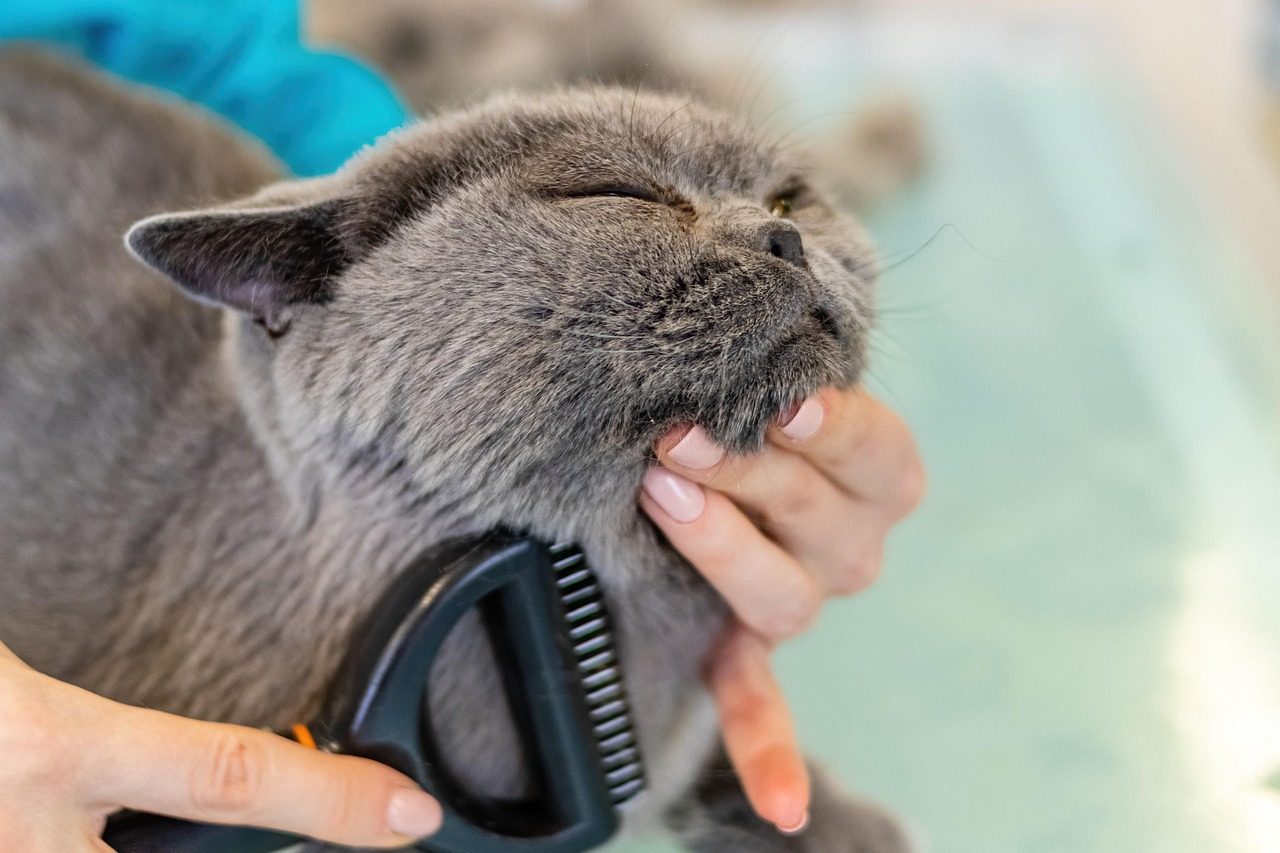
Brushing is something most cats enjoy, as it ties in with their natural sensibility for cleanliness and promotes feelings of comfort and safety. Mutual grooming represents a significant trust signal in feline social structures, and incorporating gentle brushing into your routines helps recreate this natural behavior.
Start with short sessions and pay attention to your cat’s comfort level. Some cats will purr and lean into the brush, while others need more time to appreciate it. The key is to make grooming a pleasant, bonding experience rather than a chore. If your cat associates the brush with relaxation and positive attention from you, they’ll begin seeking out these moments. It’s like a spa day that strengthens your relationship.
9. Train Your Cat Using Positive Reinforcement

Cats are trainable, and training can be a fabulous way to bond as it strengthens communication and is often fun for both of you. Many people don’t realize cats can learn tricks, respond to commands, and even walk on leashes. Since cats are very food-motivated, using treats is an excellent way to train them, though you can also reward with play or praise.
Training sessions become quality one-on-one time where you and your cat are working together toward a goal. It’s mentally stimulating for them and incredibly rewarding for you when they master something new. Whether it’s coming when called, sitting, or high-fiving, these shared achievements deepen your connection. You develop a unique language between you and build mutual respect.
10. Offer Choices and Ask for Consent

Nothing fuels stress faster than when a cat has no choice concerning interaction and security within their environment, which applies to everything from being picked up without warning to having no option to retreat and hide. Cats value autonomy more than almost anything else. When you give them control over their interactions with you, they feel empowered rather than trapped.
Giving your cat choices about where to nap, whether to play, and who to interact with builds their confidence and helps them learn you won’t force them to do anything. Before petting, pause and see if they lean in. Before picking them up, gauge their body language. These small moments of consideration accumulate into a reservoir of trust. Your cat learns that you respect their decisions, making them far more likely to choose your company voluntarily.
11. Be Patient and Consistently Present
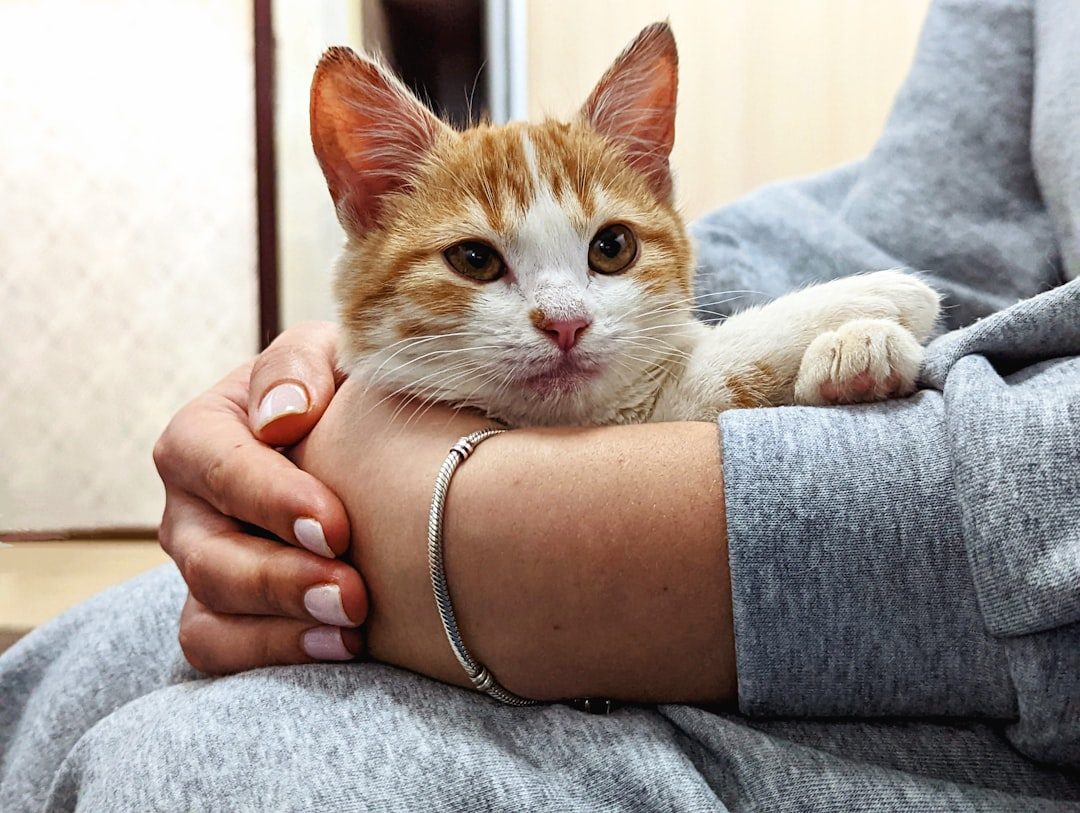
Patience and understanding are essential when working toward gaining the trust of a cat. Building a genuine bond doesn’t happen overnight, especially with cats who’ve had difficult pasts or naturally cautious personalities. Some cats warm up in days; others take months. That’s completely normal.
Being present in the moment when your cat comes to you for attention, acknowledging them and taking time for them, strengthens the bond significantly more than multitasking. Put down your phone, pause what you’re doing, and give them your full attention when they seek it. These moments of genuine presence are what your cat will remember and seek out again. Consistency in showing up, being gentle, and remaining patient creates an unshakeable foundation for your relationship.
Conclusion

Strengthening your bond with your cat isn’t about grand gestures or expensive toys. It’s about the small, consistent actions that demonstrate respect, understanding, and genuine care. From mastering the slow blink to respecting their need for space, each strategy builds upon the others to create a relationship based on mutual trust and affection.
The truth is, cats are incredibly rewarding companions when we take the time to understand them on their terms. They don’t ask for much – just patience, respect, and thoughtful interaction. When you invest in these eleven approaches, you’re not just improving your cat’s quality of life; you’re enriching your own. The bond you’ll develop will be deeper, more authentic, and infinitely more satisfying than simply coexisting.
What’s your favorite way to connect with your feline friend? Have you noticed changes in your cat’s behavior when you shifted how you interact with them?