You probably think you know your cat pretty well. They curl up next to you at night, purr when you scratch behind their ears, and occasionally knock things off the counter for no apparent reason. That’s just cat behavior, right? Here’s the thing, though. Your feline friend might be hiding something from you, and they’re really good at it.
Cats naturally conceal their discomfort as a survival instinct inherited from their ancestors, since showing weakness could attract predators. Unlike other pets, they don’t tend to show their emotions overtly, and signs are often very subtle, such as withdrawing and becoming quiet. That seemingly aloof cat lounging on your couch might actually be dealing with chronic stress you haven’t even noticed. Let’s dive into the hidden signs your cat might be secretly stressed and what you can actually do about it.
1. Changes in Grooming Habits Tell a Bigger Story
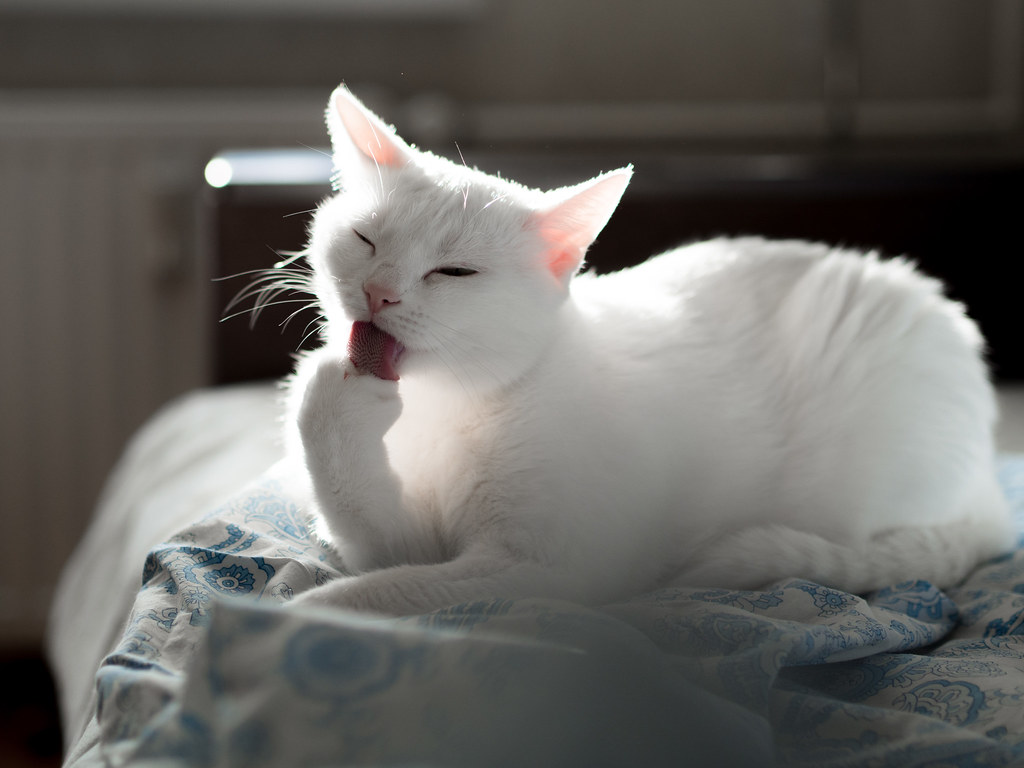
If your cat is aggressively grooming themselves, especially resulting in bald spots or irritated skin, it could signal anxiety. Think about it like this: when humans get stressed, some bite their nails or pick at their skin. Cats lick. Sometimes they lick a lot.
Over-grooming and bald patches are signs of displacement behaviour, where licking becomes a coping mechanism. On the flip side, some stressed cats go the opposite direction and just stop grooming altogether. While some cats may overgroom creating irritated skin, others might stop grooming altogether, leading to a matted or unkempt appearance. If your normally fastidious feline suddenly looks unkempt, that’s a red flag worth investigating.
2. Litter Box Mysteries Aren’t About Spite
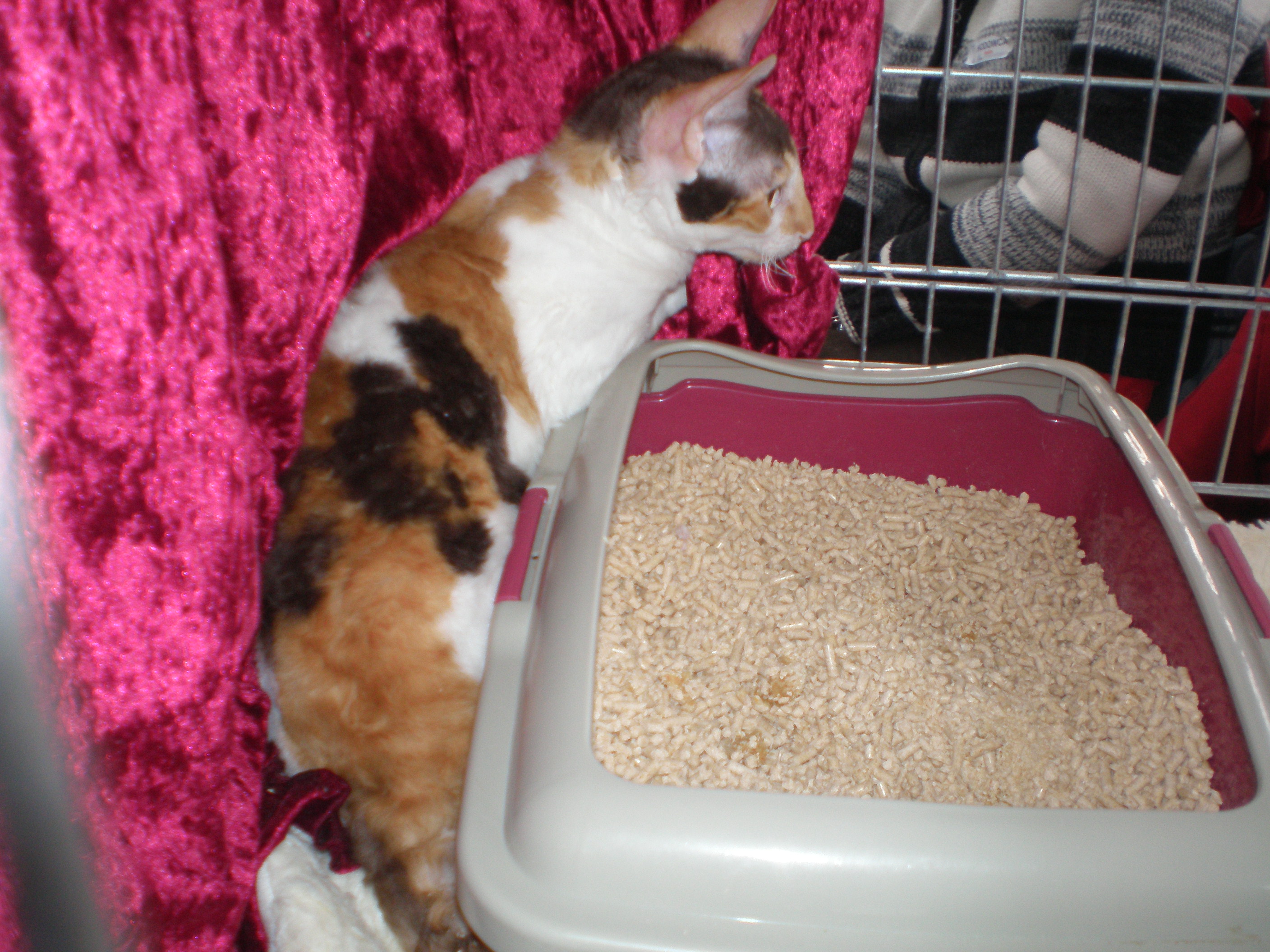
Let’s be real, finding cat urine on your bed or favorite shoes is infuriating. Your first instinct might be to assume your cat is punishing you for something. However, elimination outside the litter box isn’t necessarily spiteful behavior but can often mean your cat is looking to mix their scent with yours.
One of the most common signs of stress in cats is urinating outside the litter box, usually because the smell of their own urine is comforting and litter absorbs the smell. Cats may also spray onto vertical surfaces to mark their territory, and this marking behavior can be comforting when they are stressed. Before you get angry, consider what’s changed in your home recently. A new pet? Different work schedule? That might be the real culprit.
3. Excessive Vocalization Can Mean They’re Asking for Help
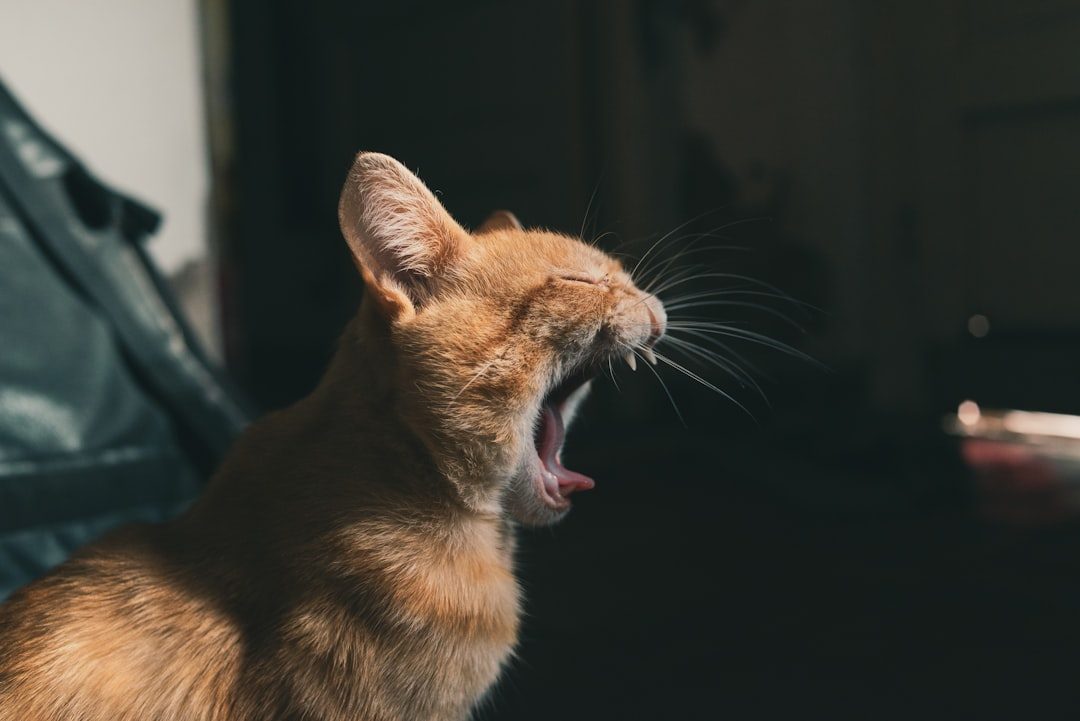
When cats experience stress, they tend to be more vocal, and may make sounds that indicate distress. Is your normally quiet cat suddenly meowing at all hours, especially at night? That’s not just them being annoying.
Meows and yowls may be a cry for help, as your cat is attempting to get your attention. Excessive meowing or yowling often indicates insecurity or discomfort, and stress-driven vocalisation acts as a call for reassurance. Some cats basically shout their stress to the world, while others become completely silent. Either extreme is worth noting. If the sudden chatter continues, it’s time to figure out what’s bothering them.
4. Hiding More Than Usual Is a Major Clue
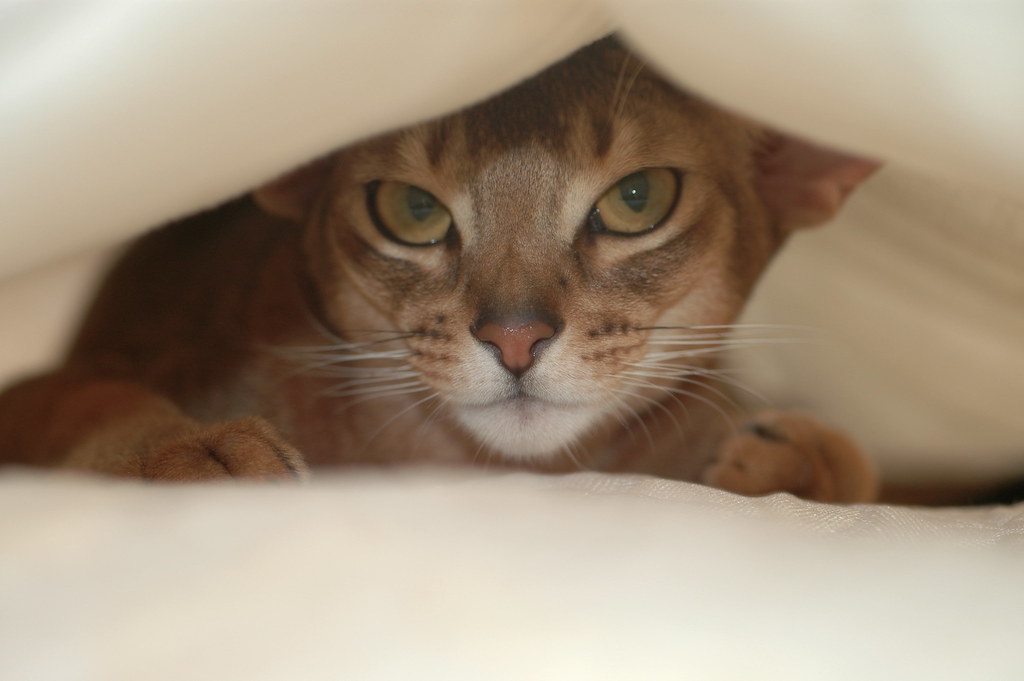
All cats enjoy quiet time in a safe hiding place, but if your cat is hiding more than usual, they may be stressed. Sure, cats love a good cardboard box or cozy corner. It’s basically their thing. However, there’s a difference between occasional alone time and complete social withdrawal.
When cats feel stressed or scared, they often retreat to a safe, secluded spot. If your formerly sociable feline suddenly spends entire days under the bed, something is definitely wrong. Cats are prey animals, meaning they instinctually hide to feel safe and comfortable, and safe hiding spaces give your cat a cozy environment to retreat to when stressed. The key is recognizing when hiding crosses from normal behavior into avoidance.
5. Body Language Speaks Volumes
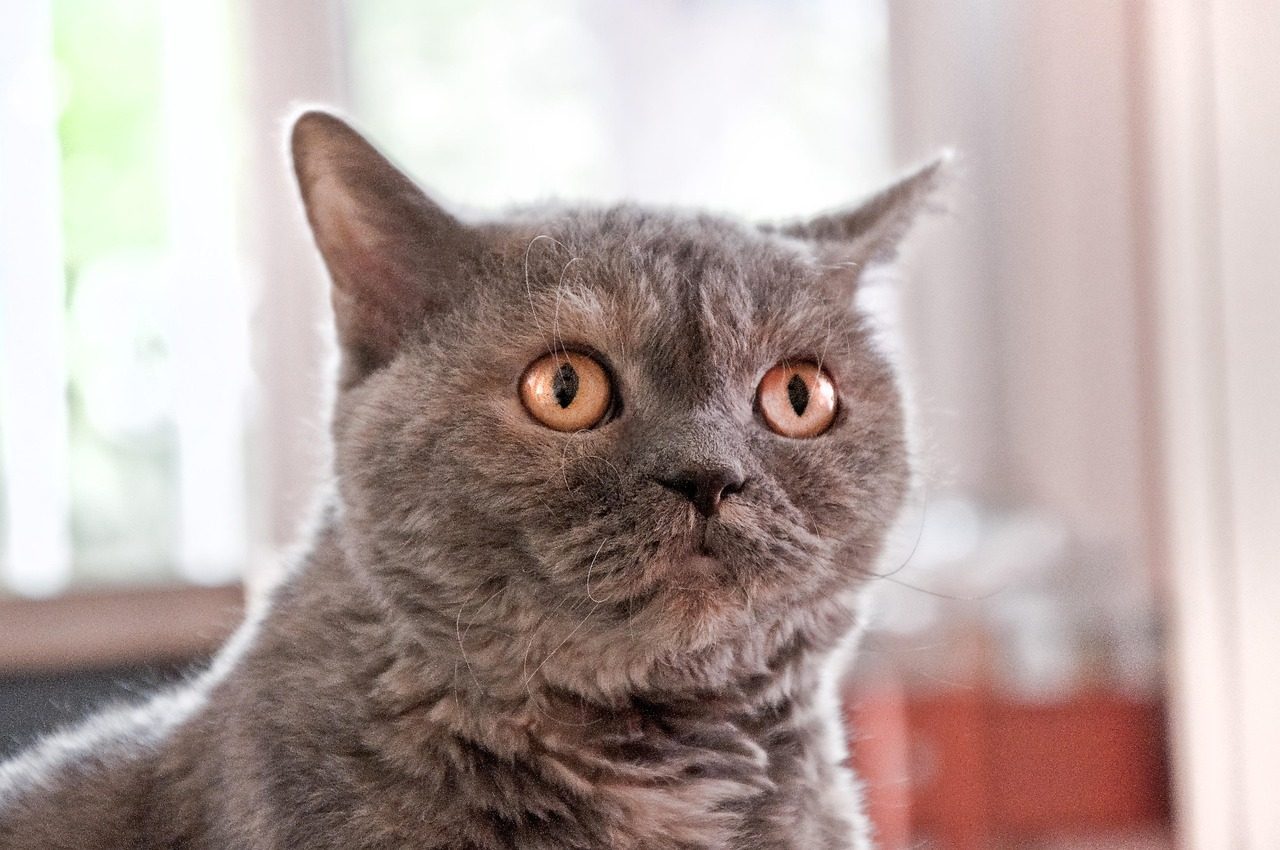
Cats that are feeling anxious frequently have dilated pupils, and may lick their noses, flatten their ears against their head, or hold their whiskers back. Your cat’s body is constantly broadcasting their emotional state, if only you know how to read it.
You may notice your kitty letting her tail droop or holding it close to her body, and stressed kitties often sit in a hunched, stiff position instead of lounging. Flattened ears, dilated pupils, twitching tails, and crouched postures often appear before overt stress behaviours. Learning these subtle signals helps you catch stress early, before it escalates into bigger problems like health issues or destructive behavior.
6. Appetite Changes Signal Inner Turmoil
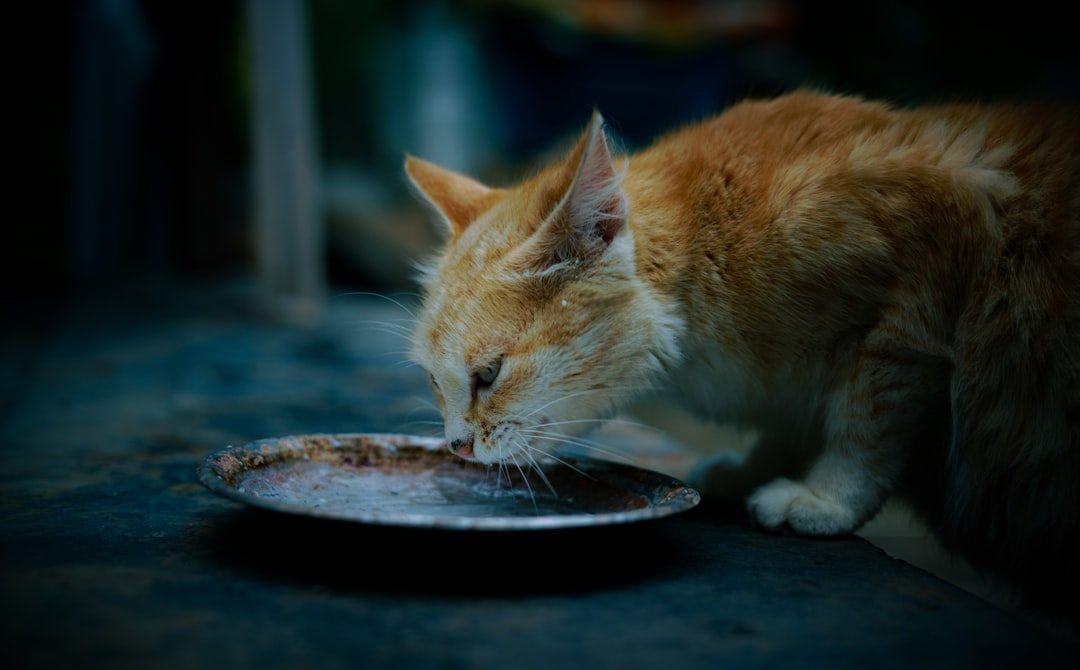
Stressed cats may not be as interested in eating as they are when they feel secure. Has your food-motivated cat suddenly become picky? Or maybe they’re eating way more than usual? Both extremes can indicate stress.
Chronic stress can affect patterns of behaviour and routines, such as not eating or over-eating depending on the cat’s personality. Just like stress eating in humans, cats react differently to anxiety. Some lose their appetite completely, while others find comfort in food. Stress can lead to inflammation in a cat’s digestive system, meaning your cat is more likely to vomit and have diarrhea when experiencing stress. Track any sudden changes and mention them to your vet.
7. Aggression or Unusual Skittishness Appears Out of Nowhere
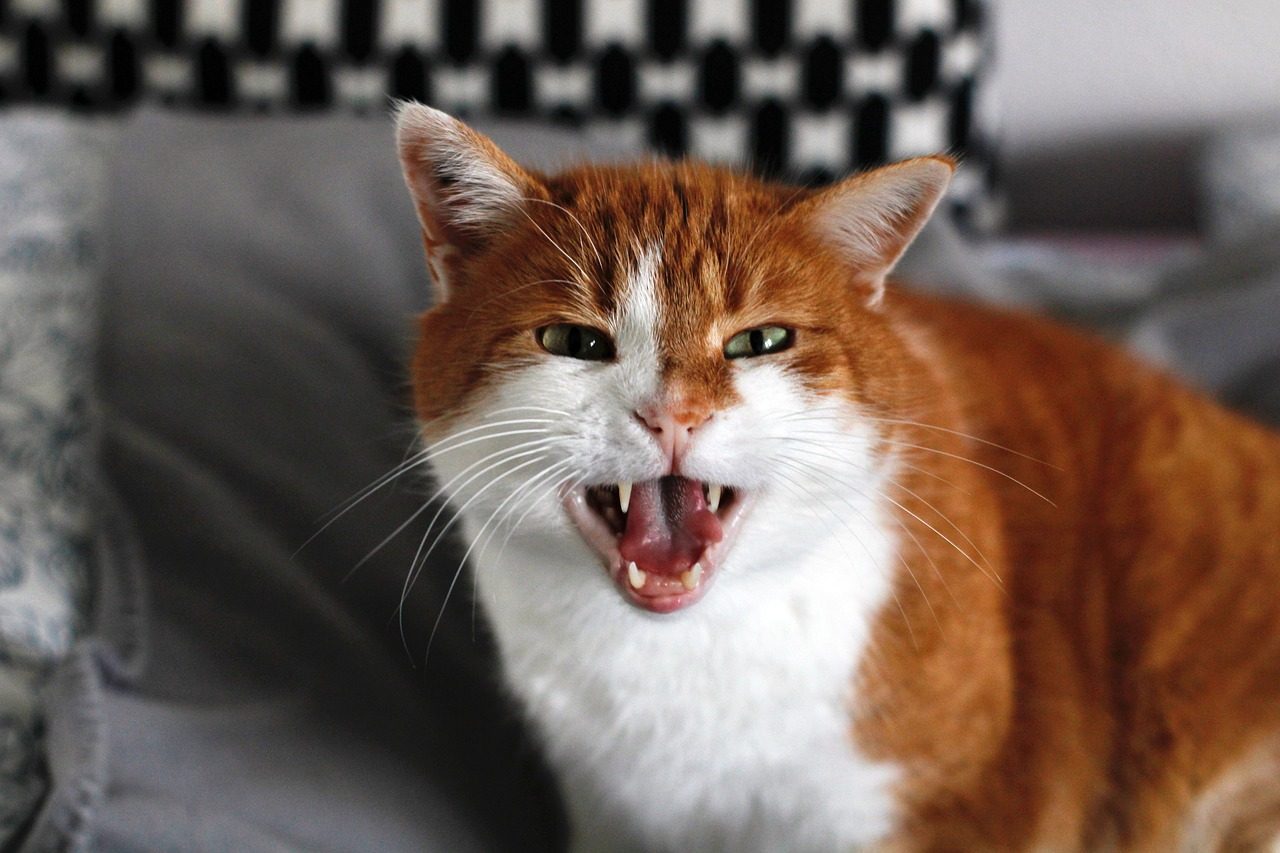
Anxiety can make a cat act more aggressively or become unusually skittish, and if your normally friendly cat starts hissing, swatting, or appears more jumpy and easily startled, it could be underlying anxiety. Your sweet cuddlebug suddenly swatting at you? That’s jarring and honestly a bit hurtful.
Stress may cause a cat to exhibit aggression toward people or other pets in the home. Sometimes this aggression gets redirected toward whatever happens to be nearby, even if it’s not the actual source of stress. Stress typically causes cats to be more aware of their surroundings, becoming hypervigilant and easily startled. That jumpy, on-edge behavior isn’t your cat being difficult. They genuinely feel threatened by something in their environment.
8. Sleep Pattern Disruptions Reveal Unease
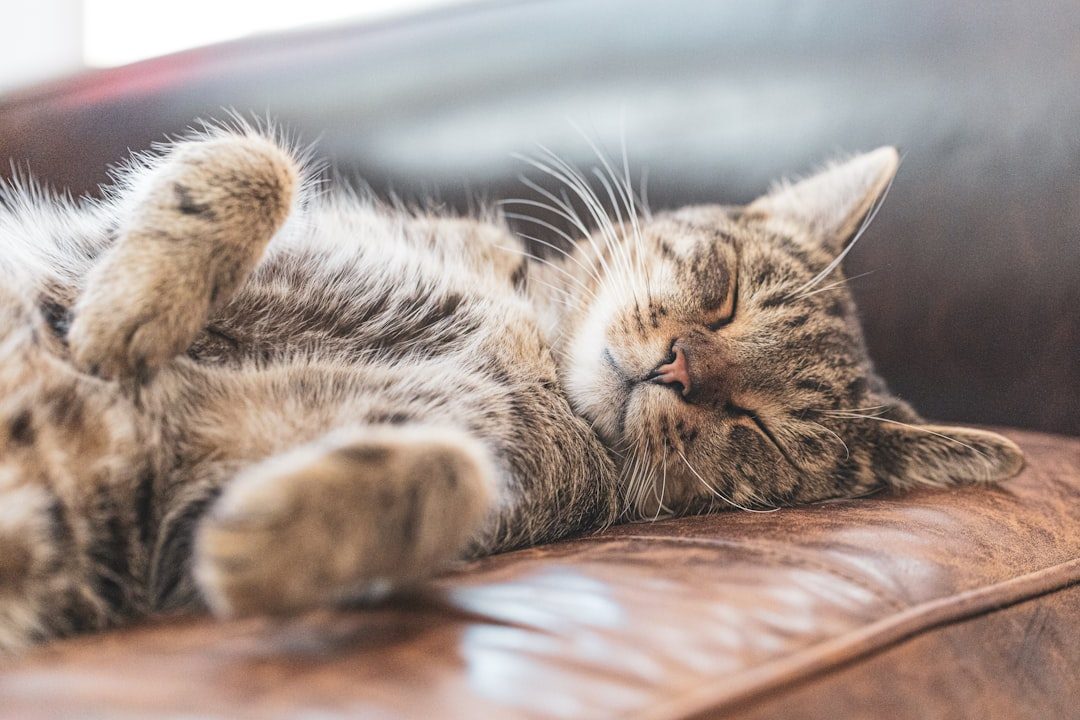
Cats sleep a lot, we know this. They’re basically professional nappers. Cats can experience changes in sleeping patterns due to anxiety, which might mean sleeping more than usual or showing signs of restlessness and inability to settle down.
If your cat seems unable to get comfortable, constantly changing positions, or pacing when they’d normally be snoozing, anxiety might be the issue. Conversely, some stressed cats just check out completely and sleep even more than usual. Stress can sap energy causing lethargy, or provoke bursts of hyperactivity such as restless pacing. Pay attention to what’s normal for your individual cat and watch for deviations from that baseline.
9. Changes in Social Behavior Go Both Ways
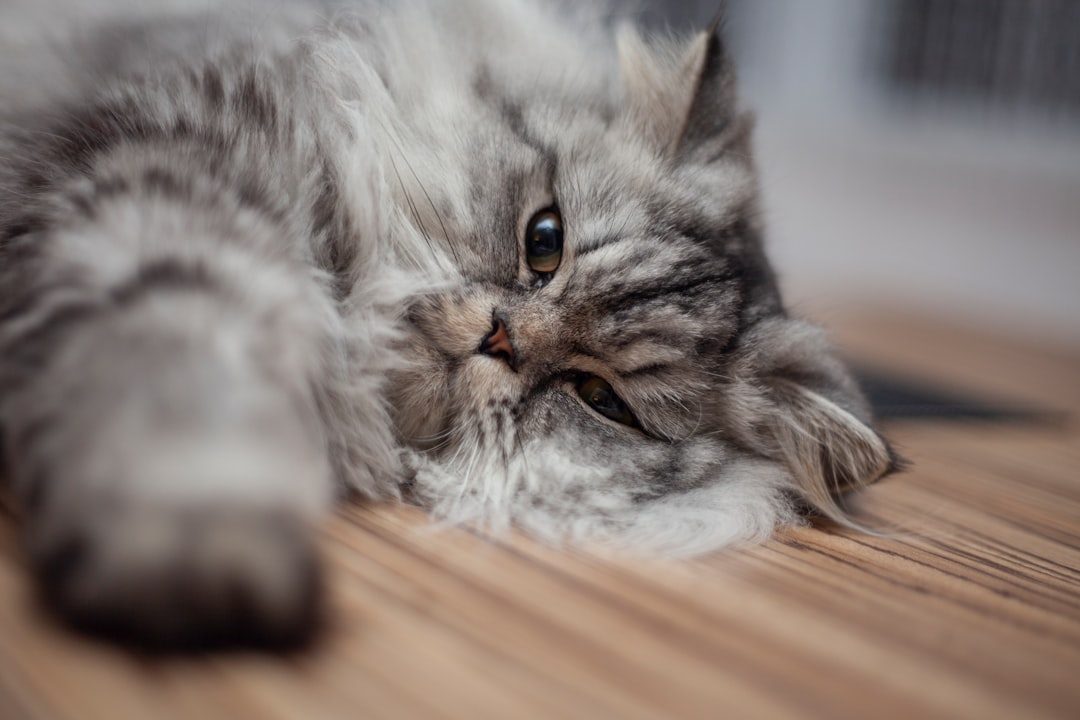
Depending on your cat’s personality, they may avoid interaction or become more needy when they are stressed. This one’s tricky because stress manifests so differently depending on your cat’s personality. Some cats become clingy shadows, following you everywhere.
Some cats might respond to anxiety by becoming more clingy or seeking extra attention from their owners, seeking reassurance due to feeling anxious. Others want absolutely nothing to do with you or anyone else. Chronic stress can cause cats to become more dependent on owners or withdrawn from social interactions depending on personality. Neither is wrong, they’re just different stress responses. The key is noticing when your cat’s normal social patterns suddenly shift.
10. Destructive Behavior Increases Dramatically
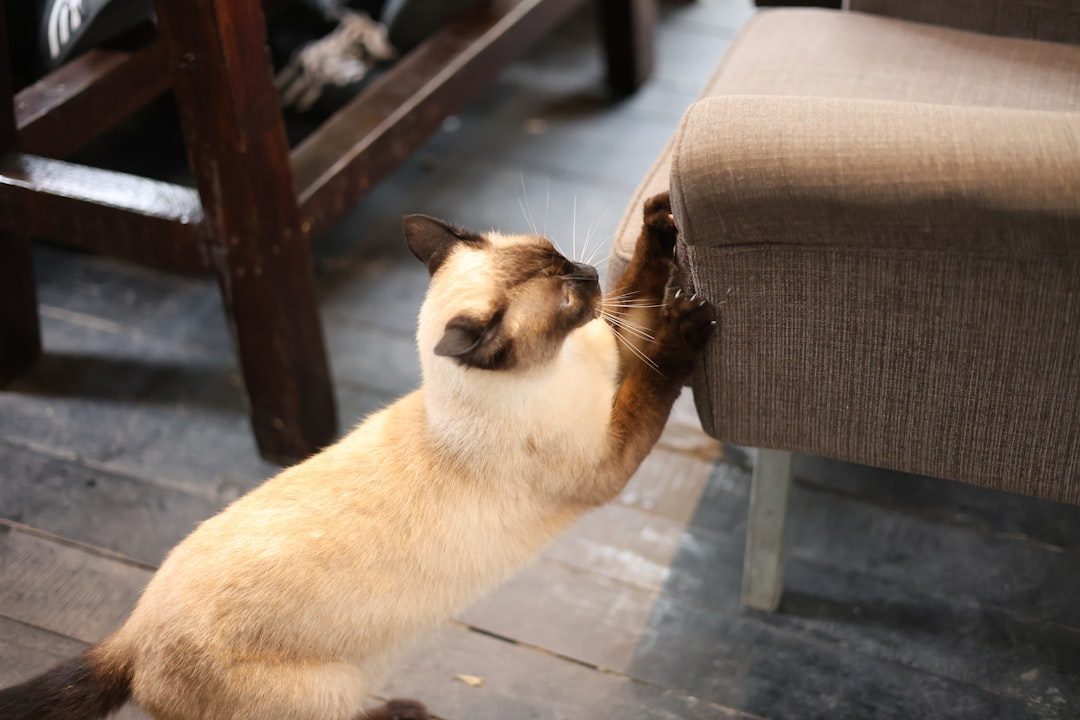
Stress may cause your cat to exhibit destructive behavior such as clawing curtains or furniture. Sure, cats scratch things. That’s normal. However, excessive or newly destructive scratching indicates something deeper is happening.
If your cat feels an intruder is threatening their territory, they may obsessively rub their face on surfaces to leave their scent. They’re basically trying to reclaim their space and make themselves feel secure again through scent marking. Scratching furniture or other objects more frequently can be a sign of anxiety. Providing appropriate scratching posts helps, however addressing the underlying stressor is really what your cat needs.
11. Physical Symptoms Can’t Be Ignored
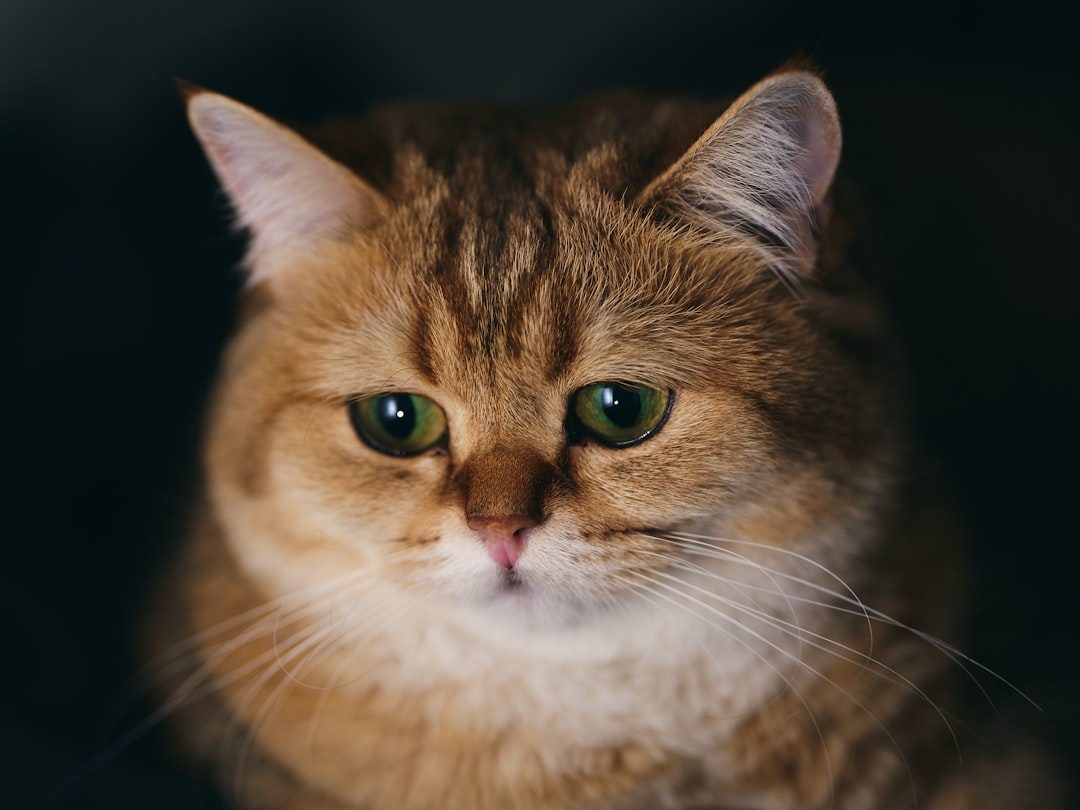
In cats, the physical response to stress can be particularly harmful and manifest as changes in appetite, coat condition, urinary habits, or digestive system function. Stress isn’t just psychological for cats. It literally makes them physically sick.
Prolonged stress can lead to serious health consequences, such as feline idiopathic cystitis or dermatologic issues. Anxiety can trigger medical conditions, particularly Feline Lower Urinary Tract Disease and Upper Respiratory Infections, so you may notice related symptoms. If your cat develops recurring health issues without obvious medical causes, stress might be the hidden culprit. Experts have found that prolonged stress can compromise a cat’s immune system, leading to more frequent health issues.
How to Actually Help Your Stressed Cat
First things first: If your cat has signs of anxiety, contact your veterinarian to do a medical exam checking for any underlying health issues that may be causing the anxiety. Rule out medical problems before assuming it’s purely behavioral.
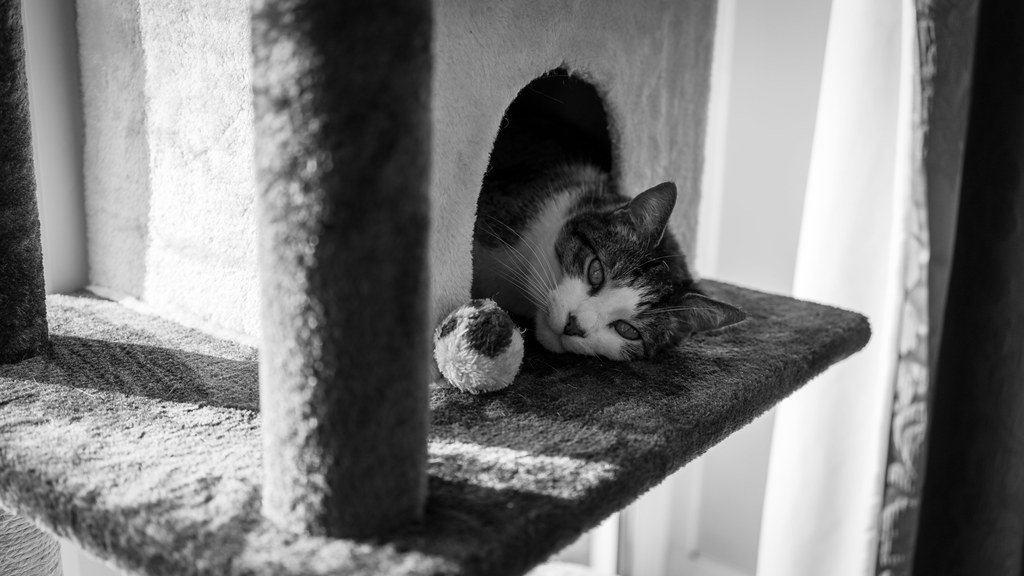
Cats enjoy climbing to high spaces that give them a vantage point to survey their surroundings, so providing cat trees, window seats, and elevated beds creates an enriching space. Pheromone sprays and diffusers work by mimicking positive cat pheromones and can help calm stressed or anxious cats by reassuring them. Providing consistent routines, offering sufficient playtime, and creating safe spaces help cat owners foster a comfortable and nurturing environment.
Try to make sure they know what to expect each day, as cats like routine and familiarity. Engaging in play with your cat helps them express natural behaviors, which is good for your cat’s mental health. Sometimes the solution is surprisingly simple: more predictable schedules, dedicated play sessions, and respecting their need for personal space. The best treatment combines behavioral modification, environmental changes, natural calming aids, and potentially medication, though it may take several months for your cat to overcome anxiety.
Final Thoughts on Feline Stress
Your cat’s stress signals aren’t always dramatic or obvious. Cats are masters at hiding discomfort, making it essential to understand the subtle and obvious signs of feline stress. The good news? You’re already ahead of the game by learning to recognize these signs.
Recognizing early signs of anxiety allows caretakers to intervene promptly, potentially preventing more serious behavioral or medical complications. Your cat depends on you to notice when something’s wrong and to make their world feel safe again. With patience, observation, and the right interventions, you can help your secretly stressed cat return to their happy, relaxed self. Have you noticed any of these signs in your own cat? What changes helped make the biggest difference?