If you live with cats, you already know your sofa is never truly “yours” again. Some breeds, though, seem almost hardwired to turn every couch, chair, and table leg into a scratching project. You can absolutely manage it, but only if you understand what you’re dealing with before those tiny paws move in.
In this article, you’ll walk through twelve breeds that are famously enthusiastic about scratching and need more than a basic cardboard post in the corner. You’ll see why they scratch so much, what kind of home they really need, and how you can channel that energy into safe, acceptable options so your furniture doesn’t pay the price.
Maine Coon: The Gentle Giant With Giant Claws

You look at a Maine Coon and see a big fluffy teddy bear; what you do not see right away is the power behind those paws. This breed is large, athletic, and naturally loves to stretch tall and dig their claws into something solid. If you bring one home and only offer a small, wobbly post, your sofa back or doorframe will feel like the better option.
Because of their size, a Maine Coon often needs scratching posts that are taller than you expect and heavy enough not to tip over when they lean in with their full body weight. You’ll likely need multiple vertical posts, a few wide scratching boards, and maybe even a sturdy cat tree positioned right where your cat likes to survey the room. If you meet those needs early, you’ll save your table legs from becoming their favorite stretching station.
Bengal: The Wild Child Who Treats Your Home Like a Jungle Gym
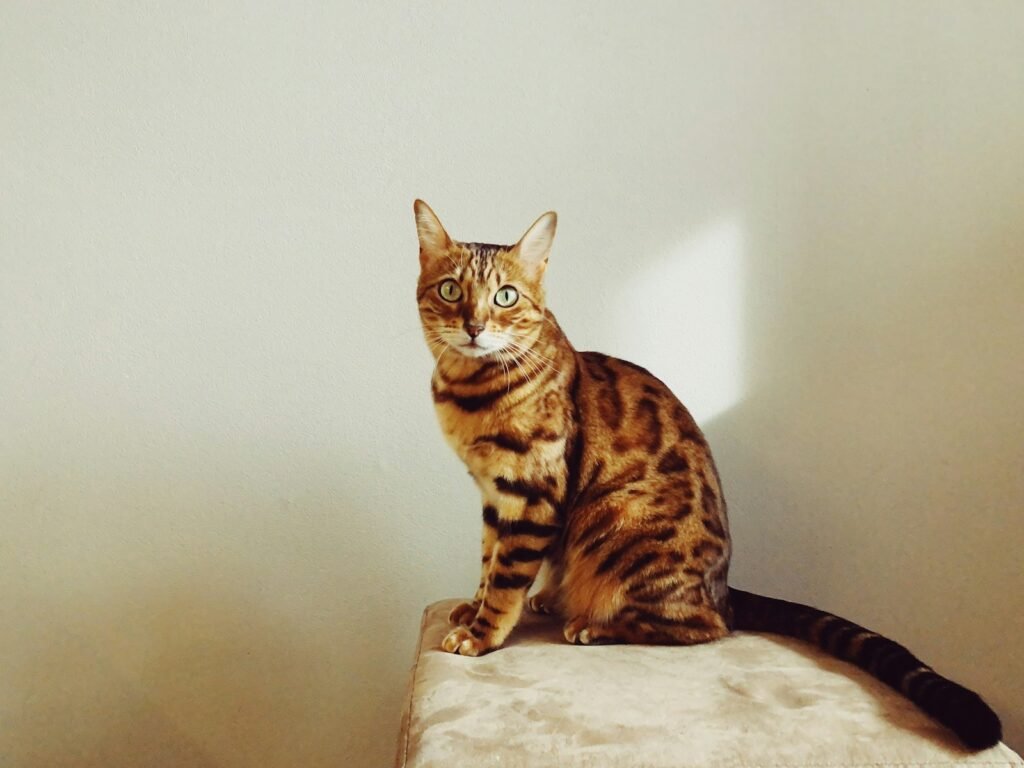
If you choose a Bengal, you’re basically inviting a small jungle cat into your living room. This breed is intensely active, curious, and driven to climb, leap, and scratch as part of their daily routine. When that energy has nowhere appropriate to go, a Bengal will happily scale your curtains or test their claws on the side of your couch.
To keep a Bengal’s claws off your furniture, you need to think in terms of vertical territory and variety. Offer tall cat trees with multiple scratching surfaces, wall-mounted shelves, and different textures like sisal, cardboard, and wood. Rotate toys and rearrange scratching spots occasionally so your Bengal stays interested in those instead of “upgrading” to your expensive upholstery.
Siamese: The Vocal Velcro Cat Who Scratches for Attention
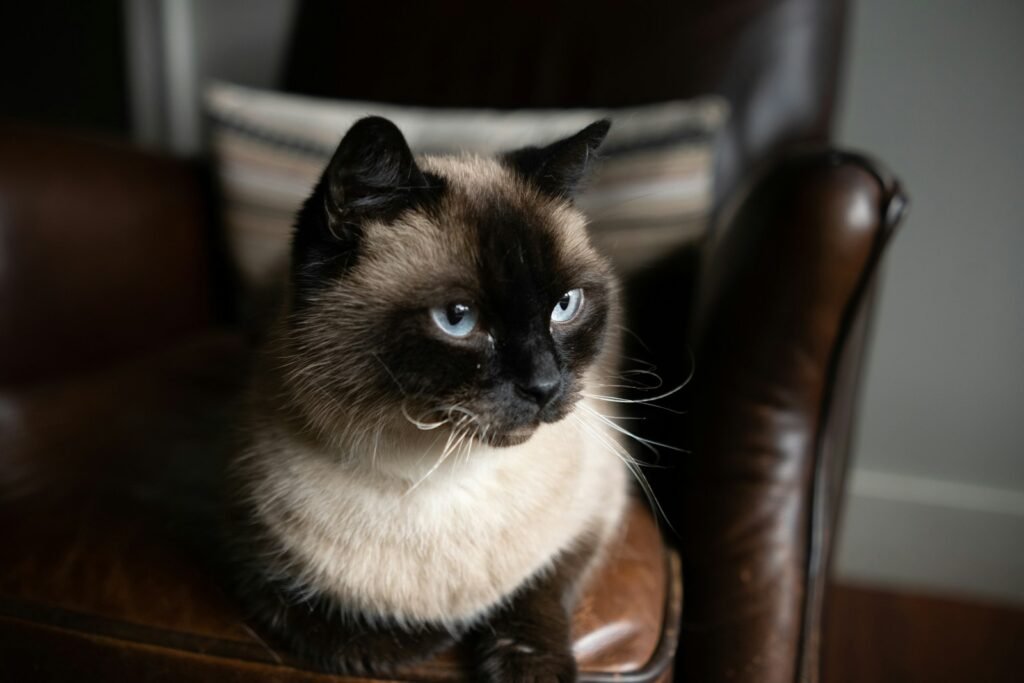
A Siamese cat isn’t just active; they’re emotionally intense and deeply tuned in to you. When they feel bored, ignored, or frustrated, they often act out in very visible ways, and scratching your favorite chair is an effective way to get your focus. If you work from home or spend long hours out, you might find new scratch marks appearing exactly where you’ll notice them first.
You can redirect a Siamese’s scratching habit by tying it to positive attention rather than drama. Place scratching posts right next to the spots where you relax, then reward your cat every time they use them with play, petting, or a small treat. If you consistently make scratching posts the “on switch” for good interaction, your Siamese is far more likely to choose them instead of your leather sofa.
Abyssinian: The Insatiably Curious Acrobat
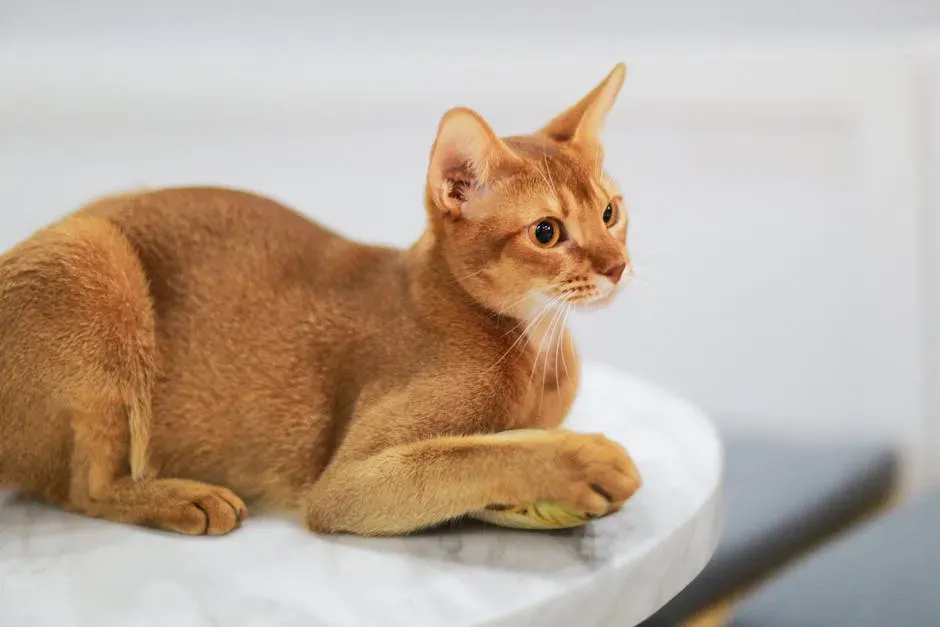
An Abyssinian is like a parkour athlete in cat form. They’re constantly in motion, jumping on counters, scaling backs of chairs, and exploring every surface you thought was out of reach. Scratching is part of how they test and claim their surroundings, so if you leave big open patches of furniture unprotected and unchallenged, they will eventually experiment on them.
To keep an Abyssinian happy, you need a scratching setup that feels like an adventure zone, not an afterthought. Place posts near windows, add horizontal scratchers along their favorite walking routes, and experiment with ramps or angled boards that double as launch pads. The more your home feels like an interactive playground, the less likely your Abyssinian is to treat your couch as the main attraction.
Oriental Shorthair: High-Energy Talker With High Scratching Needs
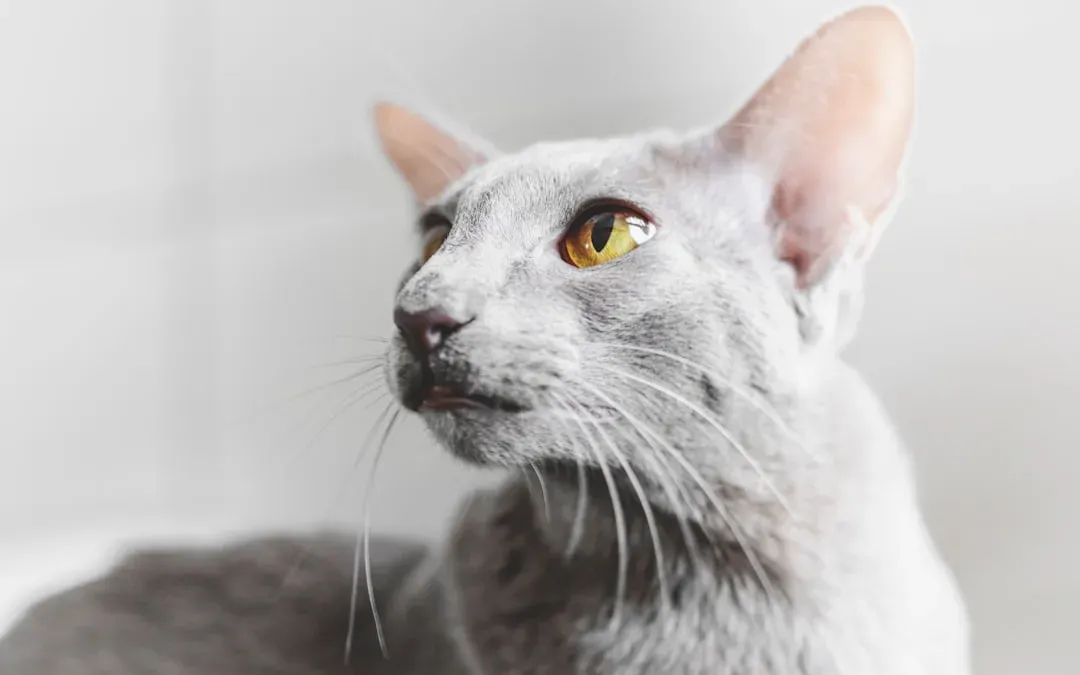
Oriental Shorthairs share a lot of personality traits with Siamese cats: they’re vocal, social, and very attached to their humans. When they get overexcited or overstimulated, many of them settle themselves by scratching something nearby. If that “something” happens to be the edge of your bed or the side of your recliner, you’ll see the results pretty fast.
To protect your furniture, you need to give an Oriental Shorthair both emotional engagement and practical outlets. Interactive play sessions, puzzle feeders, and climbing towers help burn off some of that buzzing energy. Place scratchers near beds, sofas, and doorways where they tend to change gears between resting, playing, and greeting you, so scratching naturally happens on the right surfaces instead of your fabric.
Savannah: The Tall, Athletic Powerhouse
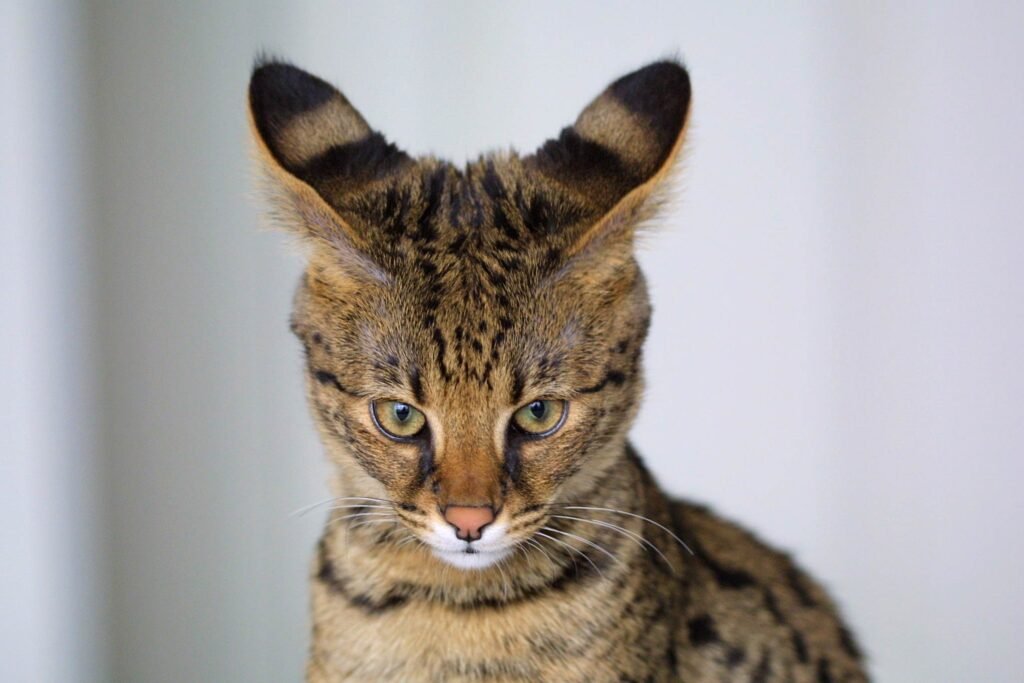
A Savannah cat can easily tower over many other breeds when they stand on their hind legs, which means your countertops and shelves are fair game. Scratching is a full-body move for them, not just a quick claw flex. If you underestimate their athleticism and only offer small scratchers, they’ll go looking for taller, sturdier options – like the sides of cabinets or wooden doors.
You’ll want to think big and strong when you set up scratching spots for a Savannah. Heavy-duty floor-to-ceiling posts, stable cat trees bolted to the wall, and wide sisal-covered pillars can all become acceptable outlets. By offering these impressive alternatives and positioning them along your cat’s natural traffic patterns, you take the pressure off your furniture and give your Savannah a workout that feels satisfying.
Turkish Van: The Water-Lover Who Also Loves Your Woodwork

Turkish Vans are known for their odd love of water, but what often surprises people is how much they also love to explore every structure in the house. They’re agile, clever, and strong, so they tend to enjoy scratching solid materials like wood even more than soft fabric. That often means chair legs, banisters, and wooden door frames become uninvited targets.
To redirect a Turkish Van, you need to offer them equally satisfying textures close to where the temptations are. Consider adding sturdy wooden or sisal-covered posts near doorways, under windows, and by routes they use to jump up onto counters. Combine those with engaging activities like water-safe toys in the sink or tub, so your cat has plenty to do that doesn’t involve testing the durability of your baseboards.
Russian Blue: The Sensitive Scratcher With Hidden Energy
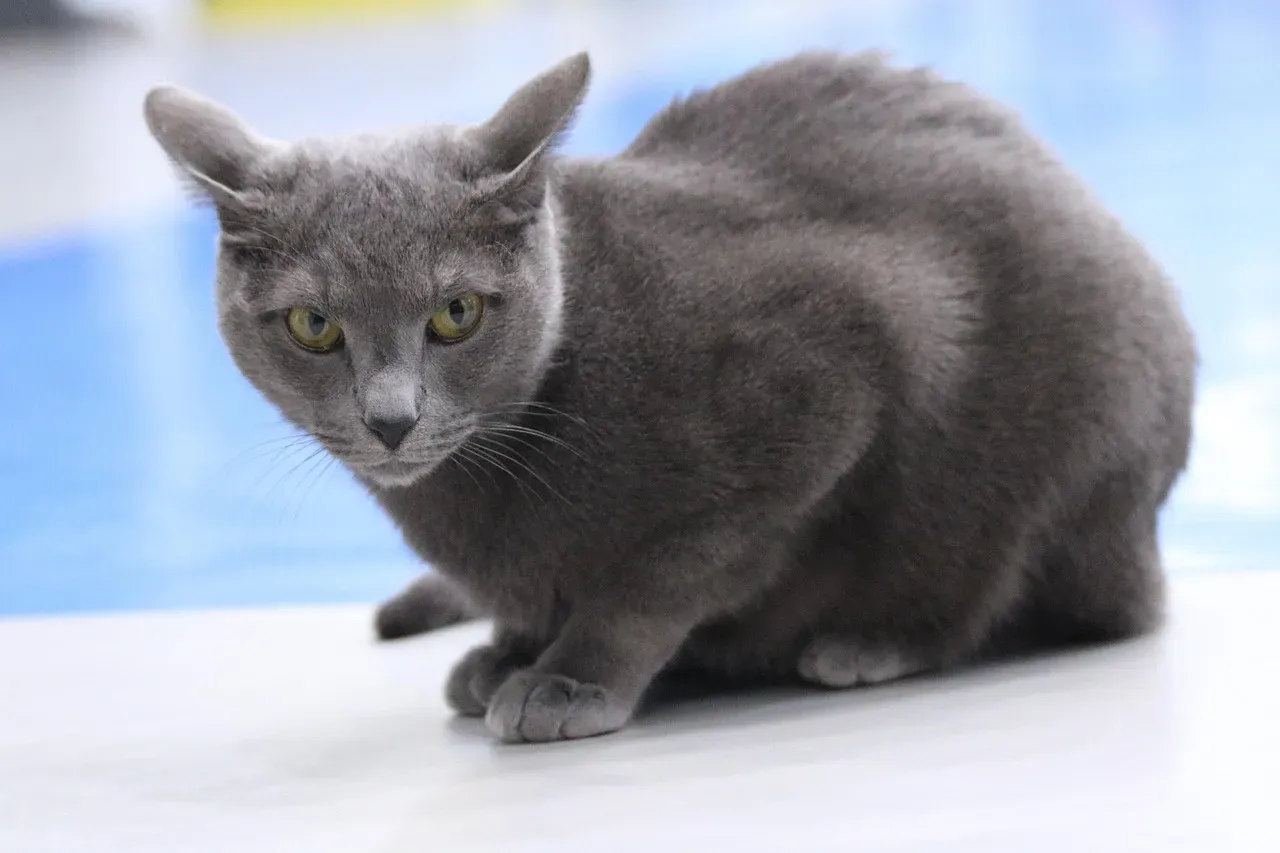
A Russian Blue might look calm and reserved on the surface, but beneath that quiet exterior is a cat that feels stress and routine changes quite deeply. When anxiety or pent-up energy builds up, many of them turn to repetitive behaviors like scratching more often or focusing on one particular spot. That can quickly turn a single corner of your sofa into a shredded patch if you miss the early signs.
You can help a Russian Blue by creating a sense of safety and control around their scratching options. Offer scratching posts in calm, low-traffic areas where they can retreat and decompress, not just in the middle of your living room. Keep routines predictable, use gentle play sessions to ease tension, and praise them when they scratch those safe posts; this can turn scratching into a calming ritual in the right place instead of a nervous habit on your furniture.
American Shorthair: The Everyday Cat With Old-School Instincts
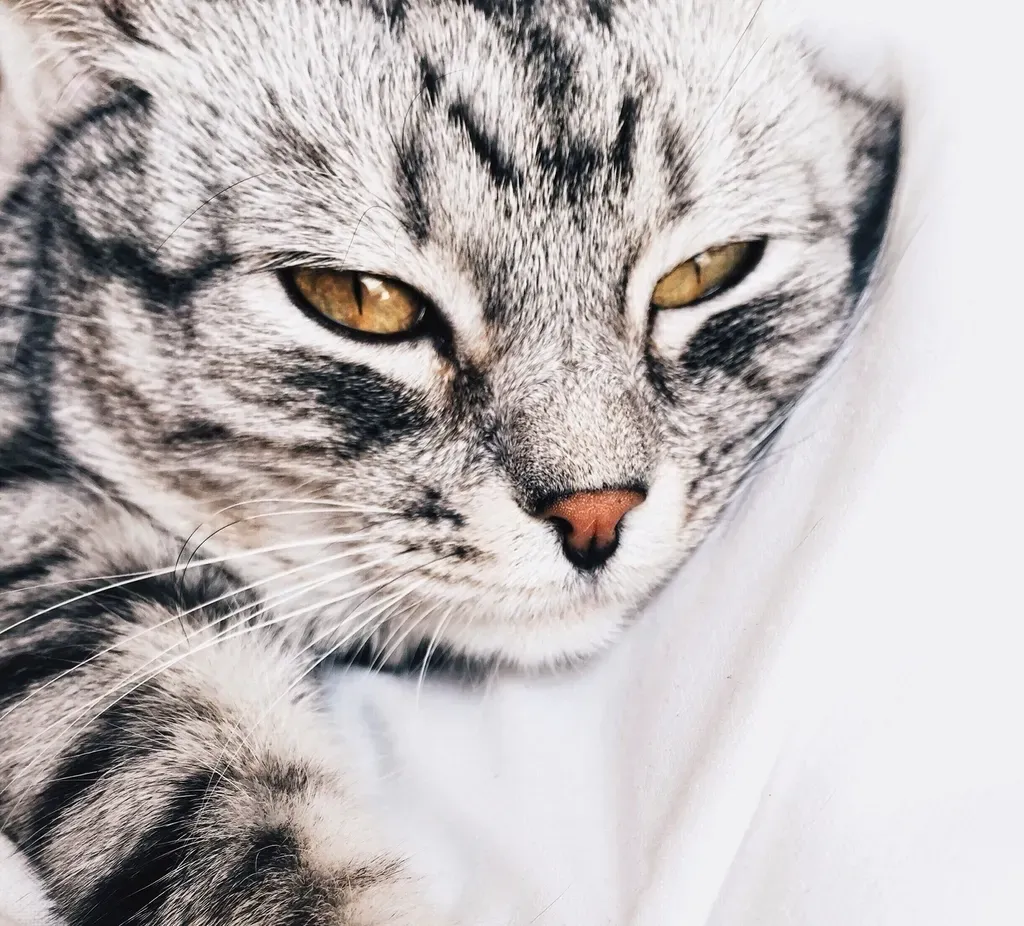
An American Shorthair is often seen as a classic, easygoing house cat, but that laid-back vibe doesn’t erase their deep hunting and territory instincts. Many of them really enjoy maintaining their claws and marking their favorite spots with scratch marks and scent. If your favorite armchair is where they nap and cuddle with you, it might also become the place they “claim” with their claws.
To work with those instincts, give your American Shorthair dedicated scratchers positioned right next to their favorite resting zones. Place a vertical post beside your favorite chair, a flat scratcher near the bed, and maybe a multi-surface board by a sunny window. When you see them wake up and stretch, gently guide their paws to the post and reward them when they use it; over time, that routine can save your upholstery from slow, steady damage.
Norwegian Forest Cat: The Rugged Climber in a Modern Living Room
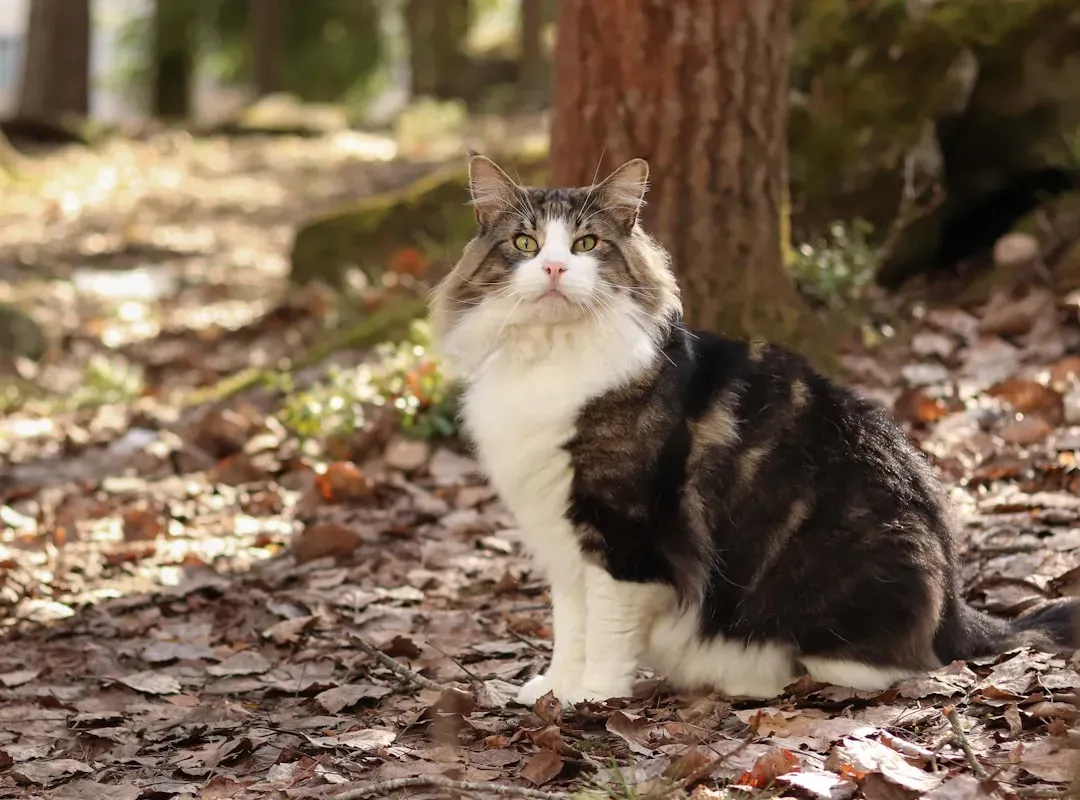
Norwegian Forest Cats evolved in harsh, forested environments, which means their bodies and brains expect trees, bark, and high branches. In your home, those instincts translate into a love of climbing, perching, and vigorously scratching tall, solid objects. Without appropriate substitutes, they’ll improvise using bookshelves, wooden chairs, or even doorframes as if they were tree trunks.
If you bring one into your home, you’ll want to create a “mini forest” indoors. Tall cat trees with thick, bark-like scratching surfaces, wall-mounted perches, and sturdy posts near windows can all satisfy their need to go up and dig in. By building vertical highways and scratching spots that mimic tree behavior, you’ll reduce the urge to convert your furniture into their personal woodland.
Bombay: The Panther Look-Alike With a Taste for Texture

Bombay cats, with their sleek black coats and panther-like walk, often come with an athletic streak and a love for ritual behaviors. Many Bombays are drawn to certain textures and will return to them again and again to scratch, knead, and mark. If that texture happens to be your fabric headboard or microfiber couch, you’re going to notice fast.
You can outsmart this tendency by paying close attention to what surfaces your Bombay tests during the first few weeks at home. Once you spot their preferences – rough, soft, angled, or flat – offer scratchers with similar feels, placed right beside the off-limits items. Combine that with gentle redirection and a quick reward when they choose the approved option, and you stand a much better chance of keeping that “panther” away from your favorite chair.
Ragdoll: The Relaxed Lap Cat Who Still Needs to Scratch

Ragdolls are famous for going limp in your arms and following you around like a fluffy shadow, so it’s easy to forget that even relaxed breeds have strong scratching instincts. Because they’re often kept strictly indoors and spend a lot of time lounging, they may focus their scratching in just a few favorite spots. If one of those happens to be the arm of your sofa where you always sit together, it can slowly get chewed up before you realize what’s happening.
To prevent that, you should place appealing scratchers exactly where your Ragdoll loves to hang out and cuddle. Soft-but-sturdy sisal posts, cardboard loungers that double as beds, and low, stable boards near windows can all work well. Encourage their use with gentle praise, a quick play session, or a treat, and you’ll turn scratching into part of your shared routine without sacrificing your furniture.
Conclusion: Scratching Is Inevitable, Furniture Damage Is Optional
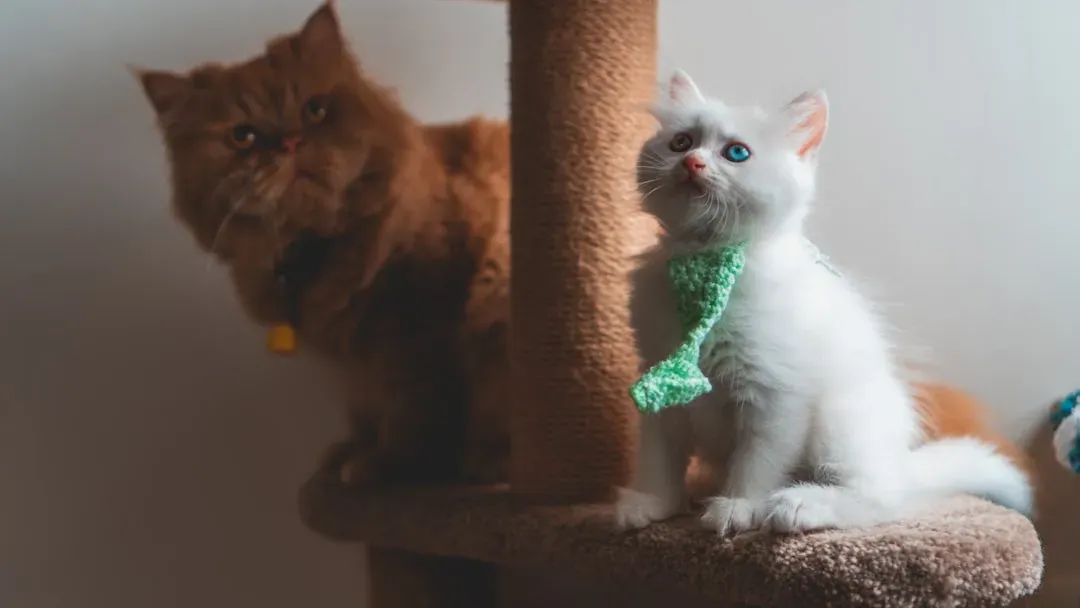
When you bring home one of these breeds, you’re not adopting a problem; you’re adopting a set of instincts that need a practical outlet. Scratching keeps your cat’s claws healthy, lets them stretch properly, and helps them feel secure in their space. The real issue isn’t whether they’ll scratch, but whether you’ve given them better choices than your couch, chairs, and doorframes.
If you plan ahead with sturdy, well-placed scratching posts, a variety of textures, and a bit of training and routine, you can absolutely share your home with even the most enthusiastic scratcher. Your cat gets to act like a cat, and you get to keep your furniture looking like it belongs to a human, not a tiny demolition crew.