You might think cats are the ultimate low-effort companion. They groom themselves, use a litter box, and seem content to nap through the afternoon. That’s partly true, but here’s the thing: not all felines fit that mold.
Some cat breeds demand far more attention, care, and commitment than you might expect. We’re talking about daily grooming routines, specific health needs, constant companionship, and sometimes even special diets. If you’re considering welcoming one of these beauties into your life, you need to be prepared. Let’s dive into the world of surprisingly high-maintenance cats and discover what makes them so unique.
Persian Cats: Daily Grooming Is Non-Negotiable
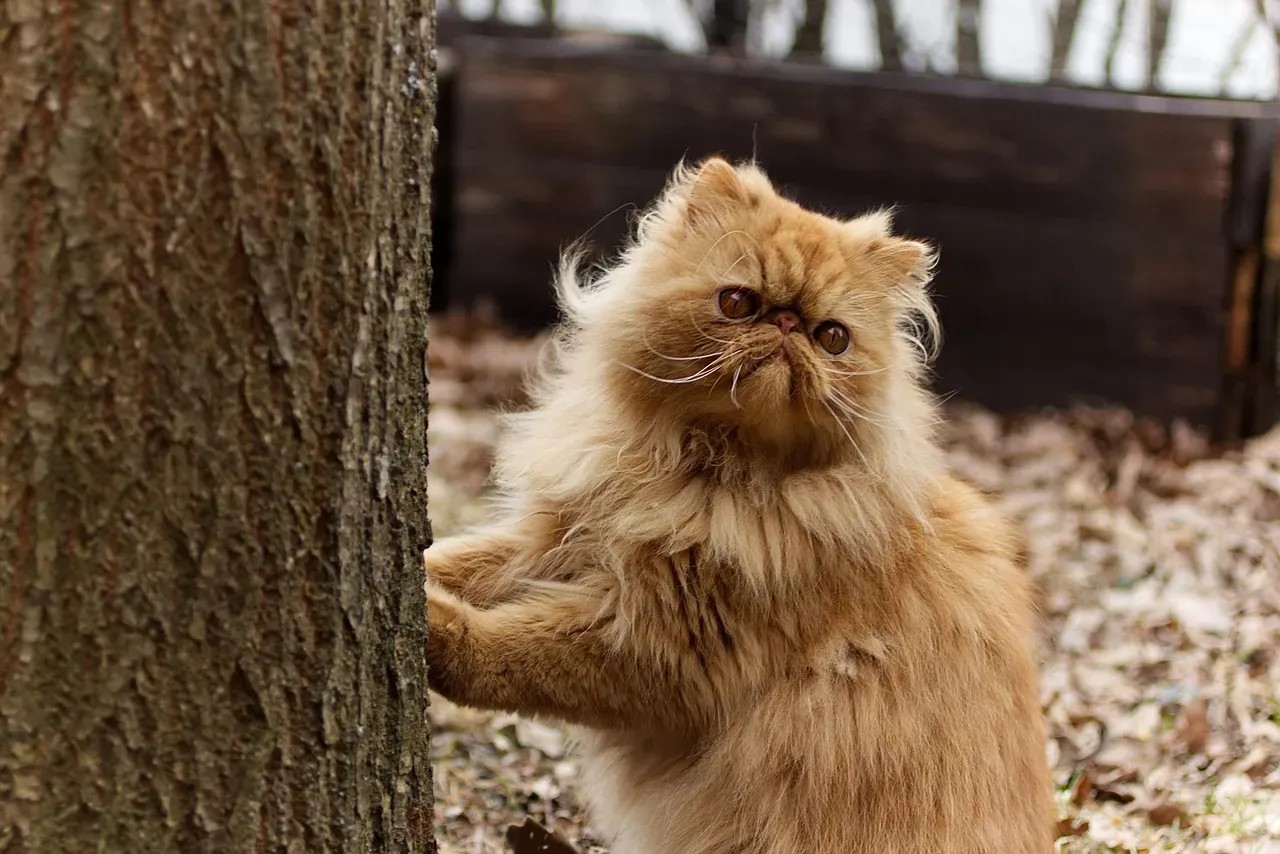
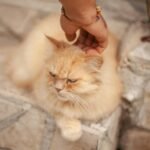
Persian cats are synonymous with luxurious long coats that demand daily grooming to prevent mats and tangles, and their facial structure can lead to tear staining and necessitates regular cleaning. That face you find adorable? When it comes to Peke-faced Persians, the cats with flatter faces, they are prone to eye problems as well as breathing difficulties due to their shortened skulls.
You’ll need to invest in quality grooming tools and dedicate time each day to brushing them. Like many long-haired cat breeds, Persians do need bathing, so it’s recommended to get your feline accustomed to water at an early age. Honestly, if your schedule is packed or you’re often away from home, a Persian might not be the right fit for you. Their calm demeanor is wonderful, but the upkeep is real.
Himalayan Cats: The Ultimate Fluff Ball Challenge
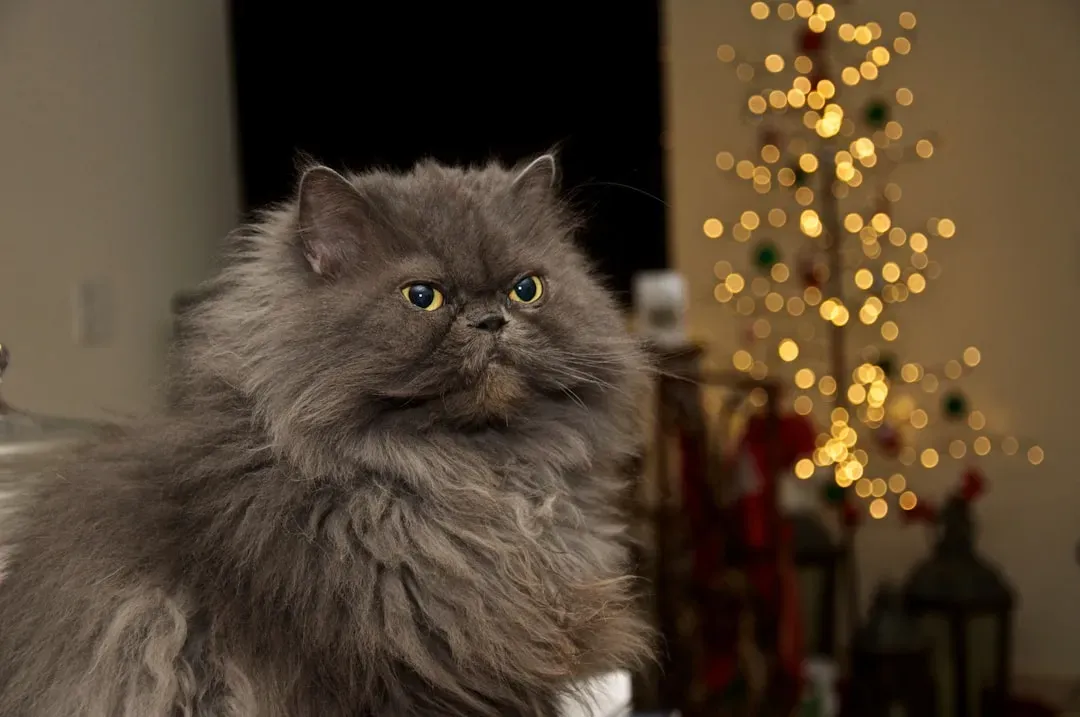
This popular pet requires daily grooming as the short, dense undercoat and long, luscious top coat can easily mat, and they’re heavy shedders. A brachycephalic breed, Himalayans can be prone to breathing difficulties that need careful management, as well as misaligned teeth and eye conditions. Think of them as the high-maintenance cousin of the Persian.
Those beautiful Himalayan coats need daily grooming to keep them tangle-free. Beyond grooming, you’ll also be dealing with potential respiratory issues and other health concerns that come with their flat faces. Himalayans are also susceptible to polycystic kidney disease, a hereditary condition that results in cysts growing in the kidney, and they have a higher incidence of feline asthma. This breed is adorable and affectionate, but you need to be ready for regular vet visits and meticulous daily care.
Maine Coon Cats: Gentle Giants With Big Grooming Needs
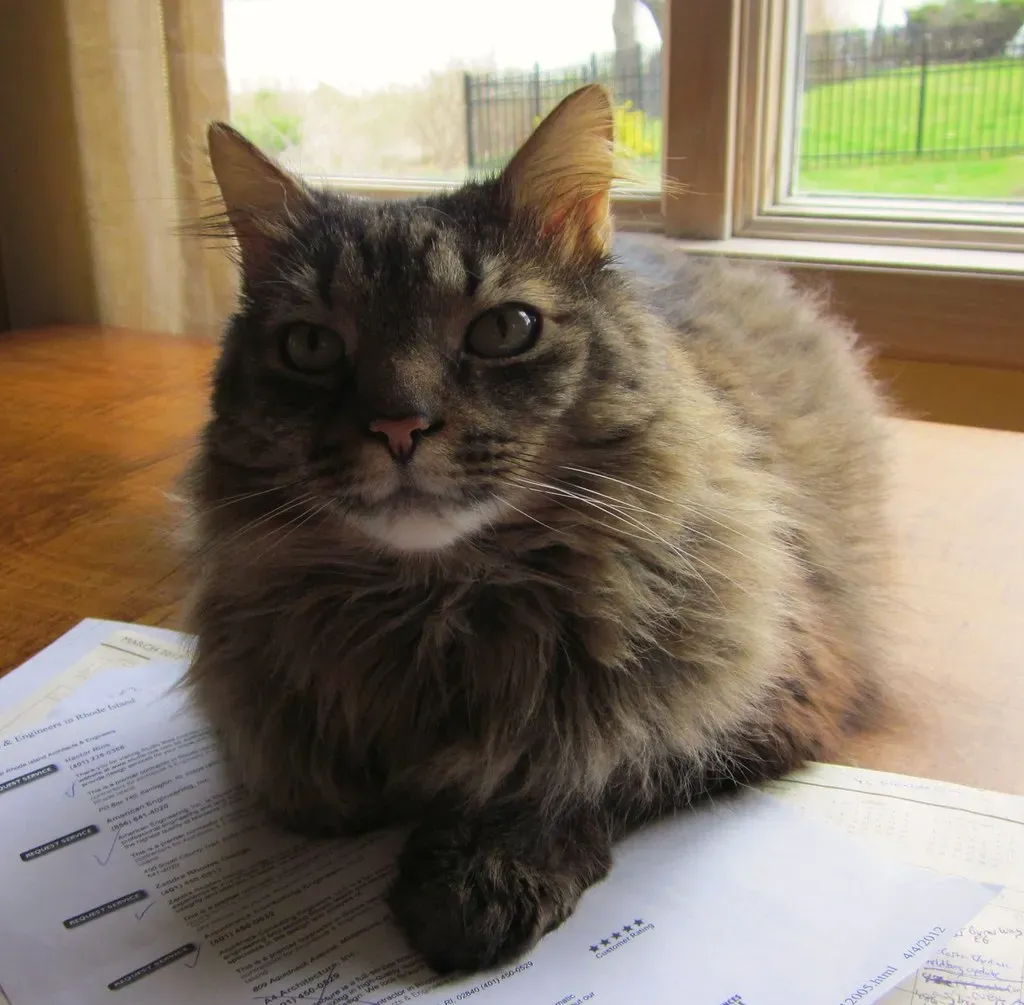
Maine Coons are one of the largest domesticated cat breeds, known for their thick fur coats and tufted ears that require regular grooming, and they engage in moderate to high levels of activity and have a sociable nature, making interactive play a crucial part of their care. Let’s be real, these cats are massive.
They require regular brushing to prevent mats and tangles. Their social nature means they won’t do well if left alone for long periods. Maine coons are the original floofy cats, and because they’re so sweet and floofy, they shed a lot, and this breed needs regular brushing to prevent mats and tangles. If you’re looking for an independent cat that doesn’t demand much interaction, skip the Maine Coon. They crave companionship and need engagement to stay happy.
Sphynx Cats: Hairless Doesn’t Mean Effortless
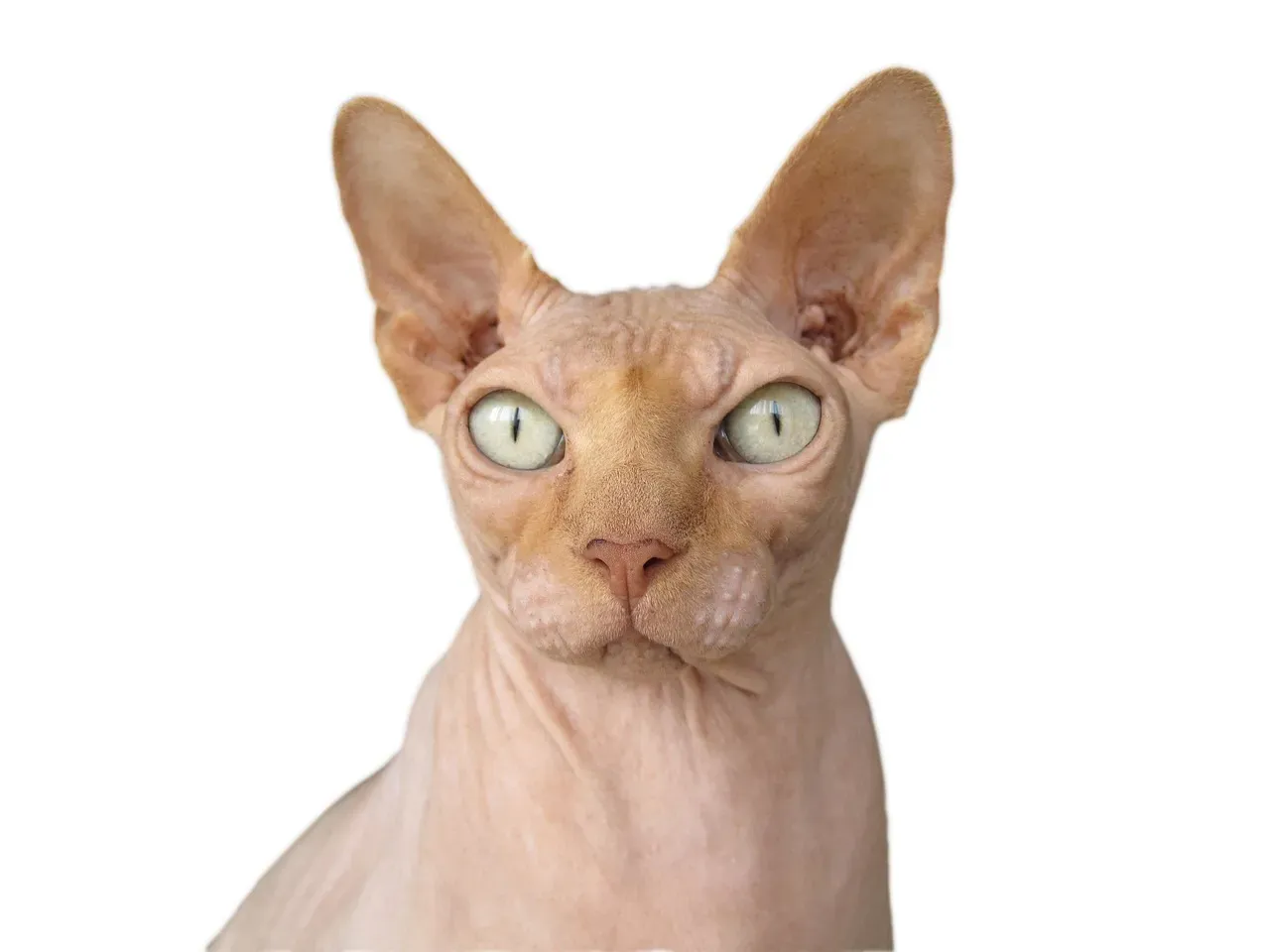
Here’s where things get interesting. Unlike their furry counterparts, Sphynx cats lack a coat to absorb oils, requiring frequent bathing to maintain healthy skin. You’d think no fur equals no grooming, right? Wrong.
Sphynx cats are a high-maintenance breed that requires regular baths. Unlike cats with fur, a Sphinx cannot absorb body oils on their hairless skin, leaving them with excessive body oils, and most reputable breeders recommend bathing your Sphynx weekly and giving them a gentle ear cleaning to prevent a build-up of earwax. You need to take extra care to protect your Sphynx cat from the cold because they don’t have any fur, and Sphynx cats should never be let outside as they are very prone to sunburns. They also need sweaters in winter and are prone to specific health issues. The commitment is intense.
Ragdoll Cats: Needy Lap Cats That Require Grooming
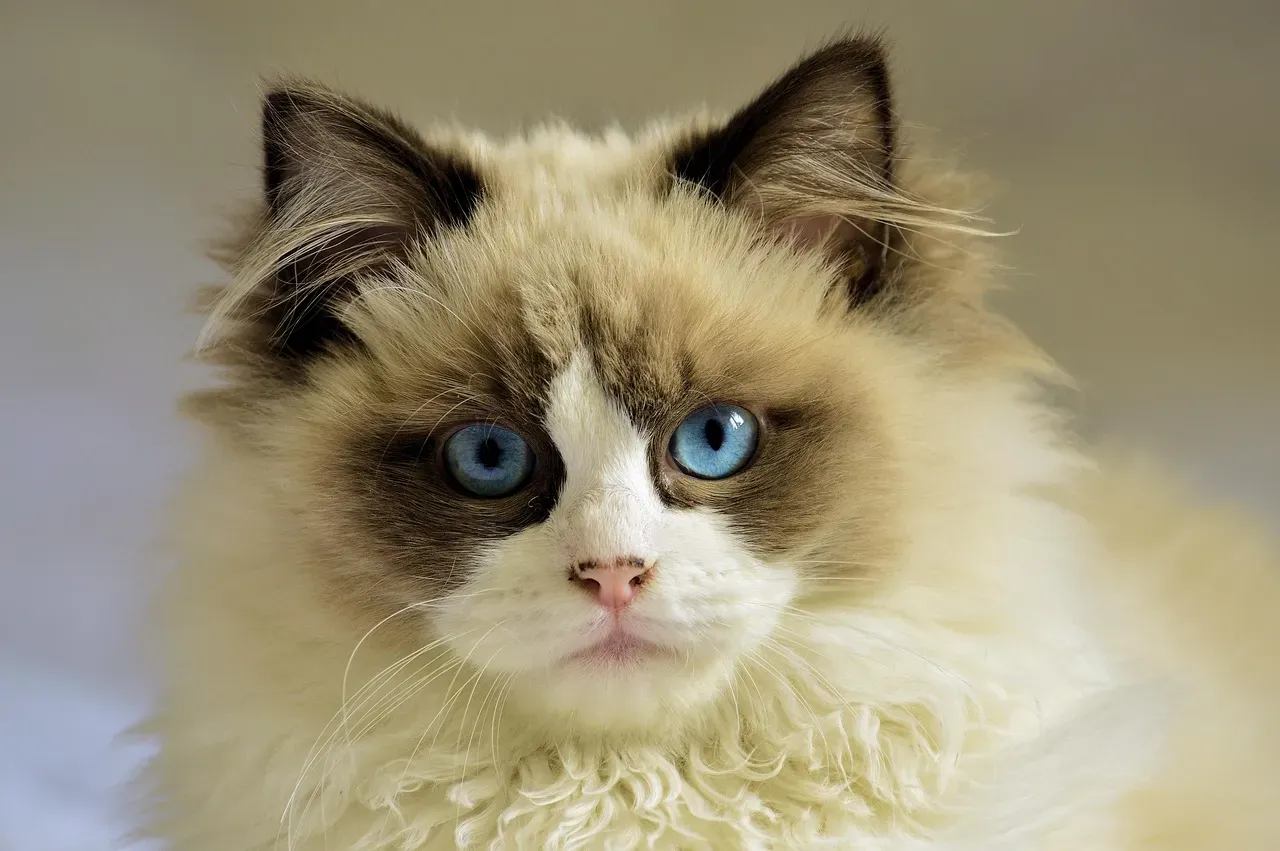
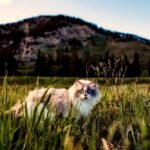
Their semi-long coats need regular grooming multiple times a week to reduce shedding and prevent mats. Ragdolls tend to be very attached to their owners and often prefer indoor living due to their low awareness of road dangers, and they require consistent affection and benefit greatly from interactive play and mental stimulation.
They’re docile and sweet, but that also means they’re not particularly street-smart. Ragdolls require regular grooming, but their fur is relatively low-maintenance compared to other long-haired breeds. Brushing them twice a week helps prevent tangles and keeps their coat shiny. Still, they need emotional attention constantly and thrive on human interaction. If you travel often or work long hours, a Ragdoll might become anxious or depressed.
Bengal Cats: Wild Energy in a Domestic Body
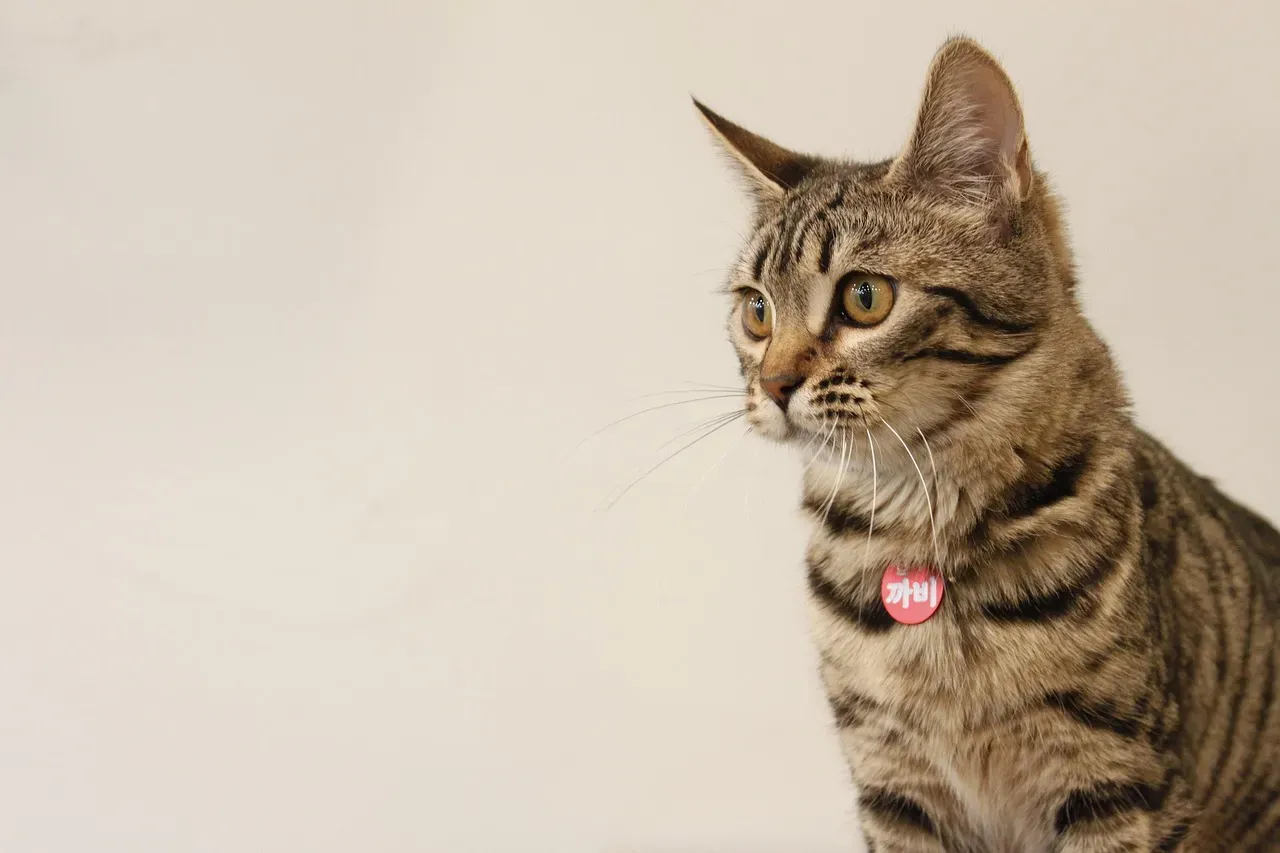
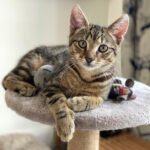
Bengals are highly active and intelligent, often requiring more mental stimulation and physical exercise than other breeds. These cats look like miniature leopards, and they act like them too.
The chausie’s need for exercise, play, and mental stimulation makes them a high-maintenance cat breed. They need plenty of toys and climbing opportunities and shouldn’t ever be unsupervised. Bengals are similar in their demands. They’re not the type to lounge around all day. You’ll need to provide interactive toys, climbing structures, and dedicated playtime. Bengal cats are highly active and require ample space to climb, run, and play. Enriched environments with cat trees, shelves, and interactive toys can help meet their physical and mental stimulation needs. If you’re not prepared for a highly energetic companion, think twice.
Siamese Cats: Vocal and Socially Demanding
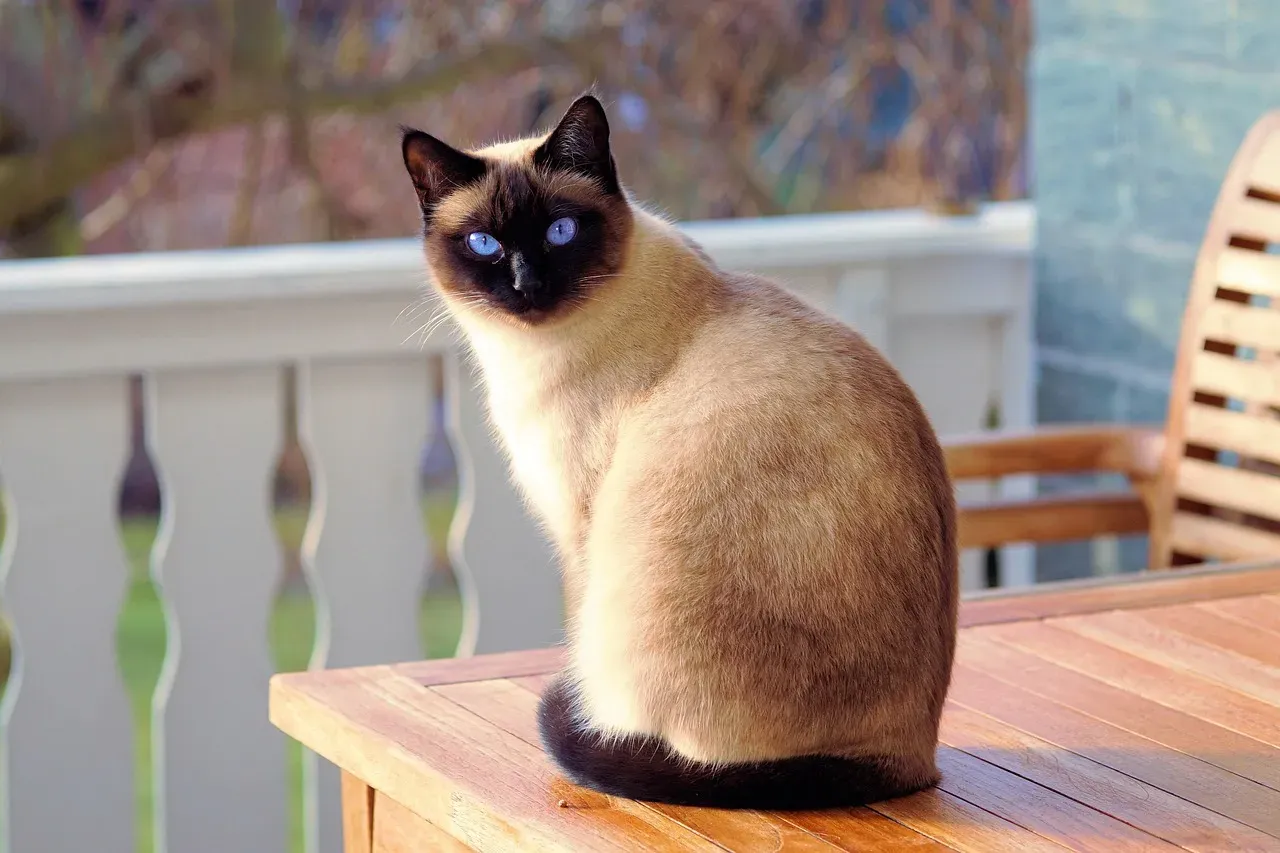
Siamese cats are famous for their striking appearance and engaging, almost dog-like personalities. They have short coats requiring minimal grooming but compensate with very high social needs. Siamese cats are highly vocal and crave constant interaction, following their owners around and often chatting loudly. These cats are not happy when left alone for extended periods and can become anxious or demanding.
They’re incredibly intelligent and will let you know when they’re unhappy. Siamese cats are notoriously vocal and noisy. Due to their loud, low-pitched voice, they’re often fondly called meezers. Many owners report how these cats keep talking with them as if they share a common language and, at times, even scold them if they think they’re being ignored. If you value peace and quiet, a Siamese might not be your ideal match. They demand attention, conversation, and companionship throughout the day.
Scottish Fold Cats: Adorable But Health-Prone
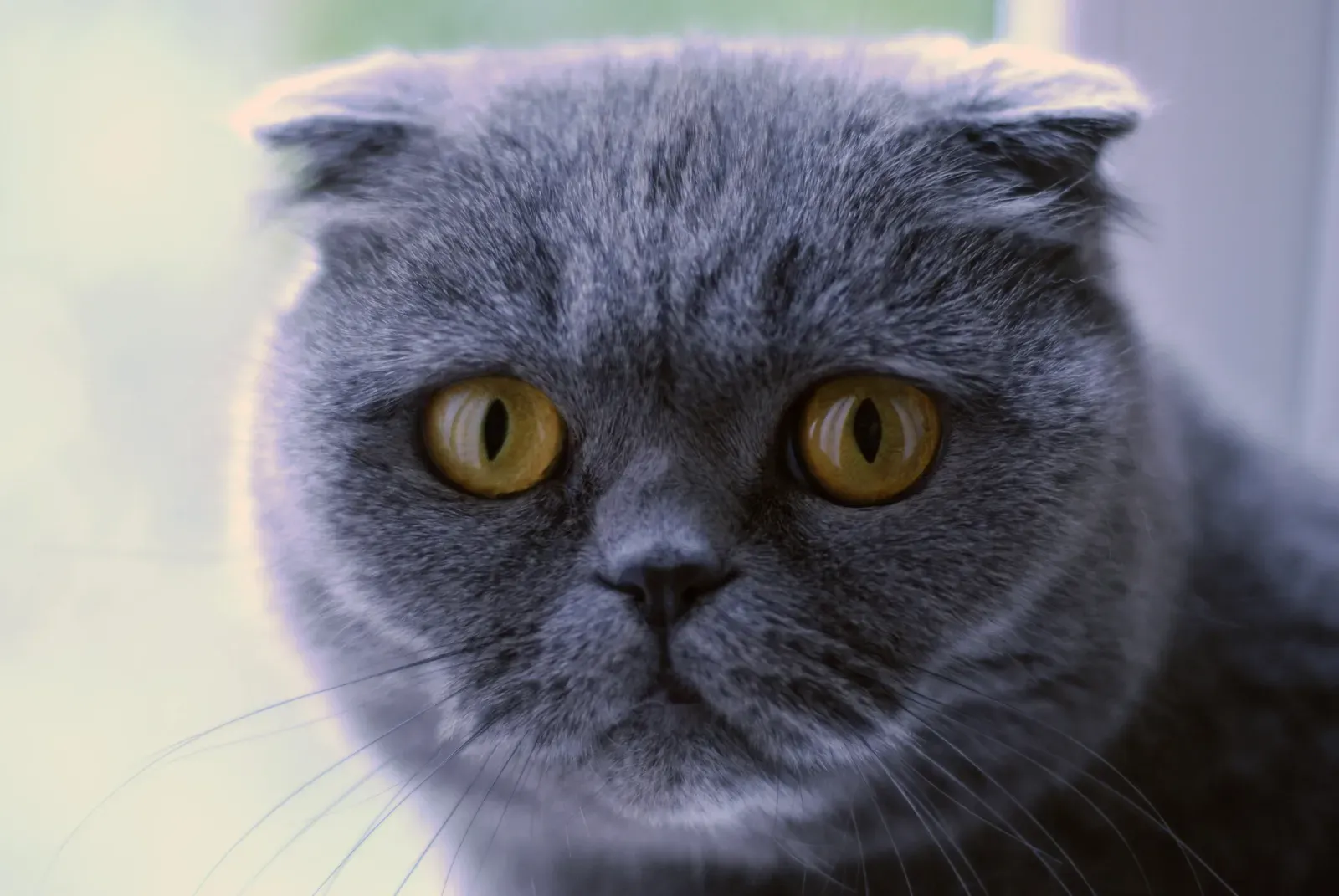
Unique for the folded ears from which they get their name, the Scottish Fold is the product of mutation first noted in 1960s Scotland. While adorable in appearance, some argue the squashed ears of the Scottish Fold are problematic as they may prevent the cats from cleaning themselves effectively. Unfortunately, the Scottish Fold is also prone to a number of health issues, and the genetic defect that causes the ears to fold affects the cartilage and the joints throughout the kitty’s body. As such, Scottish Folds are at high risk of extreme arthritis, which must be carefully managed to reduce pain or discomfort.
Their cuteness comes at a price. The folded ears are caused by a genetic mutation that affects cartilage throughout their entire body. Scottish Fold cats have a life expectancy of 11 to 15 years. The breed is prone to numerous genetic health issues that can affect their quality of life, which has led to Scottish Fold cats being banned in some countries. You’re looking at potential lifelong medical care and pain management. It’s heartbreaking but necessary to know before you commit.
Norwegian Forest Cats: The Maintenance of Thick Coats
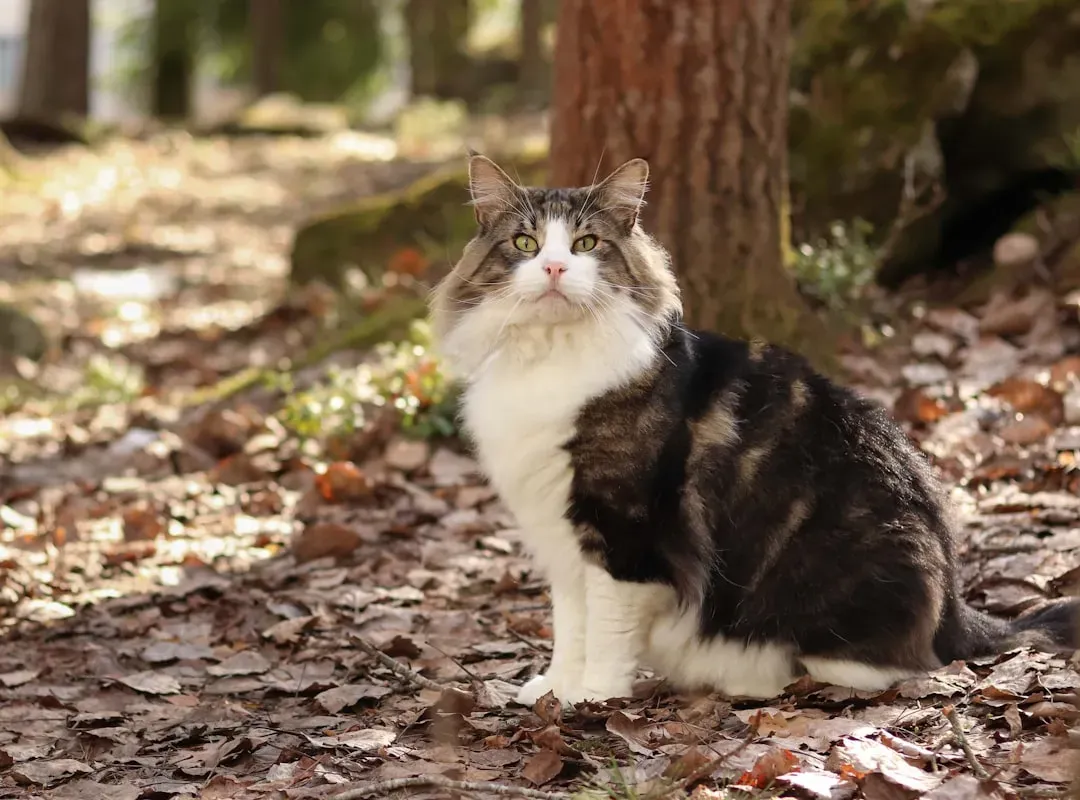
The Norwegian Forest Cat has a long, dense coat to protect itself from the harsh Norwegian winters. The coat has a water-repellant top layer with a thick, woolly undercoat, and the breed requires weekly or every-other-day brushing to prevent mats and tangles from forming and causing discomfort and injury. These cats are very social, intelligent, and are known for acting more dog-like than cat-like.
Their coat is designed to withstand brutal cold, which means it’s incredibly thick. You’ll be brushing regularly, especially during shedding season. They’re also highly social and need interaction and stimulation. If you want a cat that’s content being alone most of the day, this isn’t it. They’re loving and loyal but require time and attention.
Exotic Shorthair Cats: Short Hair, High Shedding
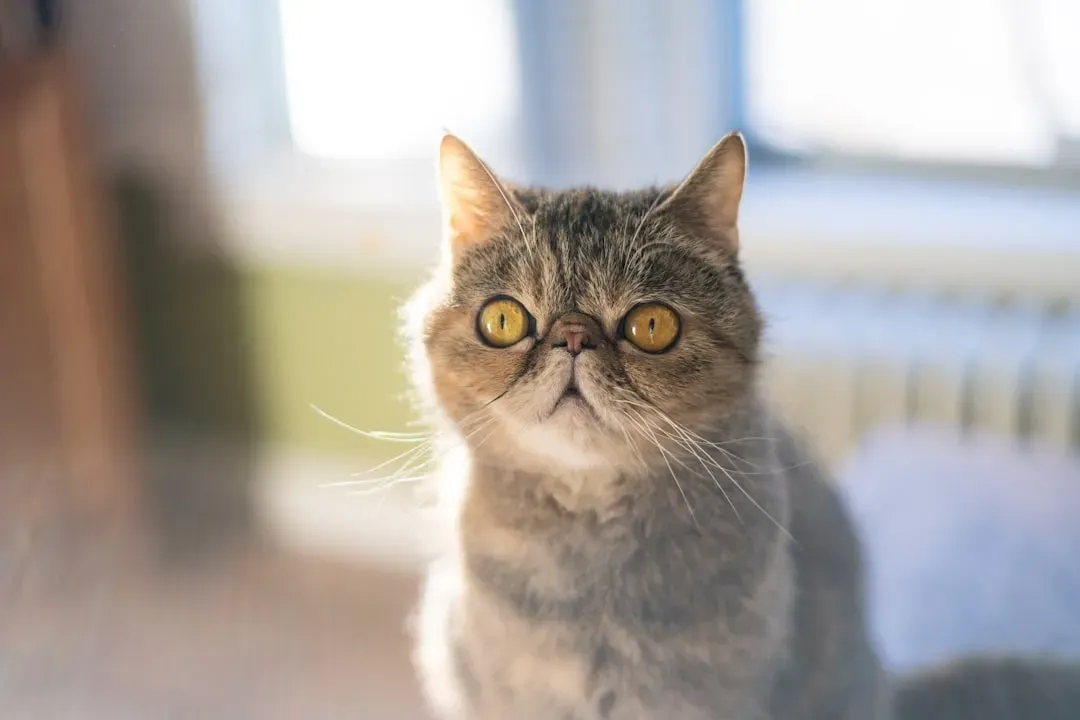
Exotic Shorthair cats are another breed that you may think is safe for people with allergies. Although the hair is short, this cat is a constant shedder. It isn’t the length of the hair that is the problem, it’s the quantity that becomes airborne and circulates dried dander and saliva particles through the air. The coat is thick and it does require brushing and combing on a regular basis to reduce the risk of the cat developing hair balls.
Don’t be fooled by the short coat. These cats shed constantly. Their plush, dense fur requires regular grooming to manage shedding and prevent hairballs. Vacuuming becomes a daily chore, and you’ll find cat hair on everything. They’re sweet and calm, but the maintenance is surprisingly high for a shorthaired breed.
Turkish Angora Cats: High Energy Needs Attention
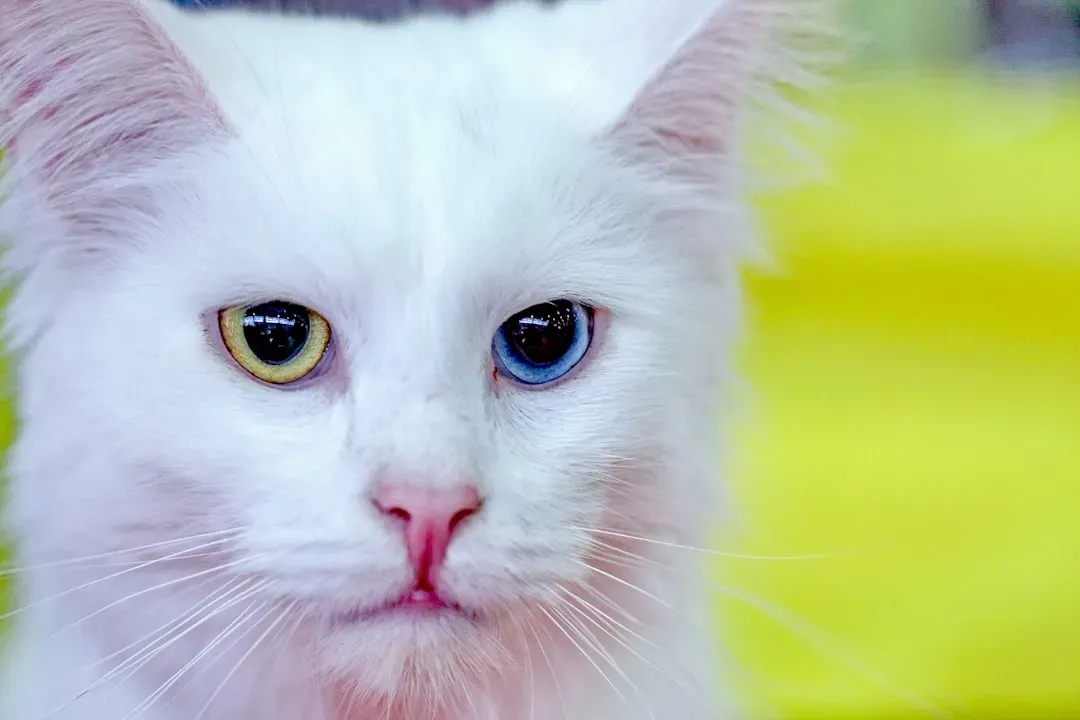
The Turkish Angora is a cute, elegant and very resolute cat with high intelligence. Once these cats have something in their heads, they’re doing it. No bookshelf is too high, and no door too closed. They’re very lively, playful and active, and they love jumping around everything and watching things from on high. The Turkish Angora doesn’t like being left alone or being left to its own devices.
The coat of the Turkish Angora needs to be brushed every day. They’re intelligent, curious, and demand interaction. They can open doors, get into cabinets, and will find trouble if left unsupervised. These outgoing affectionate cats are interested in everything you do and want to help. They are extremely clever and can open cabinets, doors and are known to get into things. This is a sociable breed, best suited in a home that will have another cat or dog to keep them company if someone is not home all day. If you’re not home often, they’ll become bored and destructive.
Manx Cats: Unique Physical Needs and Health Concerns
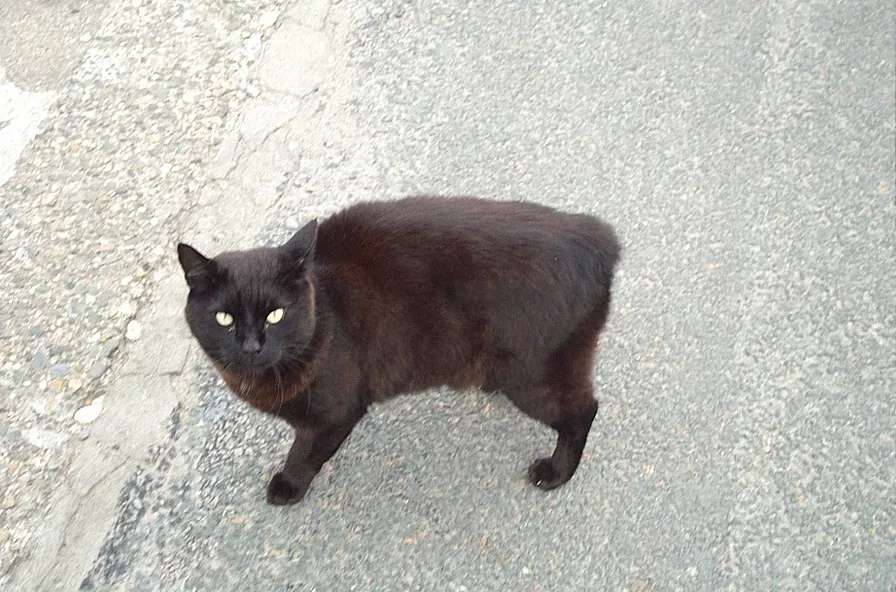
The Manx is easily identified by the absence of a tail and, over the years, has become a fashionable breed. As with any breeding abnormality, the breed’s tailless-ness can be associated with spinal defects that present as problems defecating or urinating. Most of these problems appear by six months of age, and a Manx kitten likely has some spinal issue if they are displaying difficulty walking or walk with a stiff or hopping gait.
Their lack of a tail is caused by a genetic mutation that can lead to serious spinal and neurological issues. You’ll need to monitor them closely for any signs of health problems and be prepared for potential medical interventions. It’s not just about grooming or attention; it’s about ongoing health vigilance and care. They’re charming and unique, but that uniqueness comes with responsibility.
Conclusion: Are You Ready for the Commitment?
Owning a high-maintenance cat breed isn’t for everyone. These felines demand time, energy, resources, and above all, dedication. From daily grooming sessions to managing complex health issues, from providing constant companionship to ensuring they get enough mental and physical stimulation, the commitment is significant.
The reward, though, can be immense. These breeds often form incredibly deep bonds with their owners. Their loyalty and affection can be unmatched. Just make sure you’re honest with yourself about what you can realistically provide before bringing one of these beauties home. What do you think? Are you up for the challenge, or does a lower-maintenance companion sound more your speed?

Hi, I’m Andrew, and I come from India. Experienced content specialist with a passion for writing. My forte includes health and wellness, Travel, Animals, and Nature. A nature nomad, I am obsessed with mountains and love high-altitude trekking. I have been on several Himalayan treks in India including the Everest Base Camp in Nepal, a profound experience.