You’ve probably heard all the horror stories about cats shredding sofas and turning curtains into confetti. Here’s the thing, though: scratching isn’t your cat’s way of plotting against you or destroying your home out of spite. It’s actually one of the most natural, healthy behaviors they can engage in. Think of it as your cat’s version of yoga combined with a good manicure session.
Scratching is good for a cat’s overall health, impacting their physical and mental well-being. When your feline friend digs their claws into a surface, they’re maintaining their claws, stretching muscles all the way from their toes to their shoulders, and even leaving messages for other cats through scent glands in their paws. Some breeds just happen to be more enthusiastic about this essential activity than others. Let’s explore which cats are the overachievers in the scratching department, and why you should celebrate rather than dread this instinctive behavior.
1. Bengal Cats: The Wild Scratchers
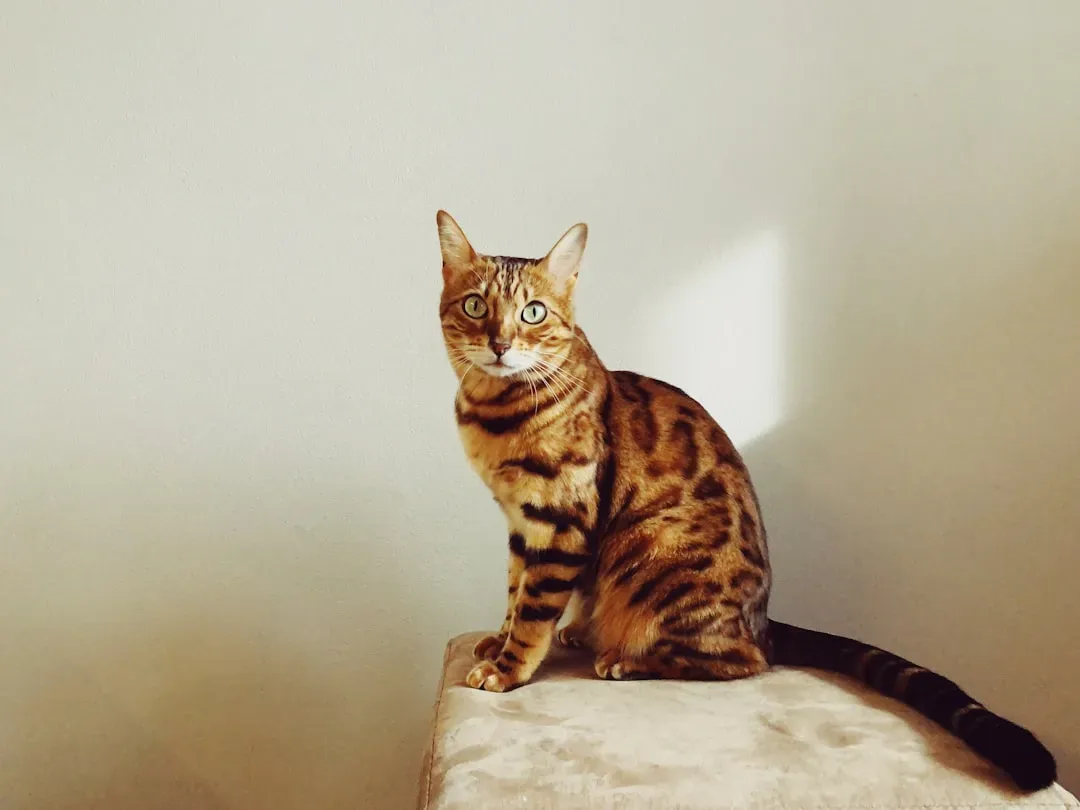
Bengals have an energetic and, at times, destructive nature. This breed does tend to have a habit of scratching furniture, something they do to stretch, exercise, and mark their territory. These gorgeous spotted felines carry a bit of wild ancestry in their DNA, which means they have energy levels that would put most breeds to shame. When a Bengal scratches, it’s not just maintenance, it’s a full-body workout.
Their athletic build demands regular physical activity, and scratching provides exactly that. You’ll often catch them reaching up high, fully extended on their back legs, working those muscles like they’re training for the feline Olympics. Bengal cats are highly intelligent and can be taught where they should scratch. The good news is their smarts make them trainable, so channeling that scratching energy toward appropriate surfaces is totally doable.
2. Abyssinian Cats: The Playful Enthusiasts
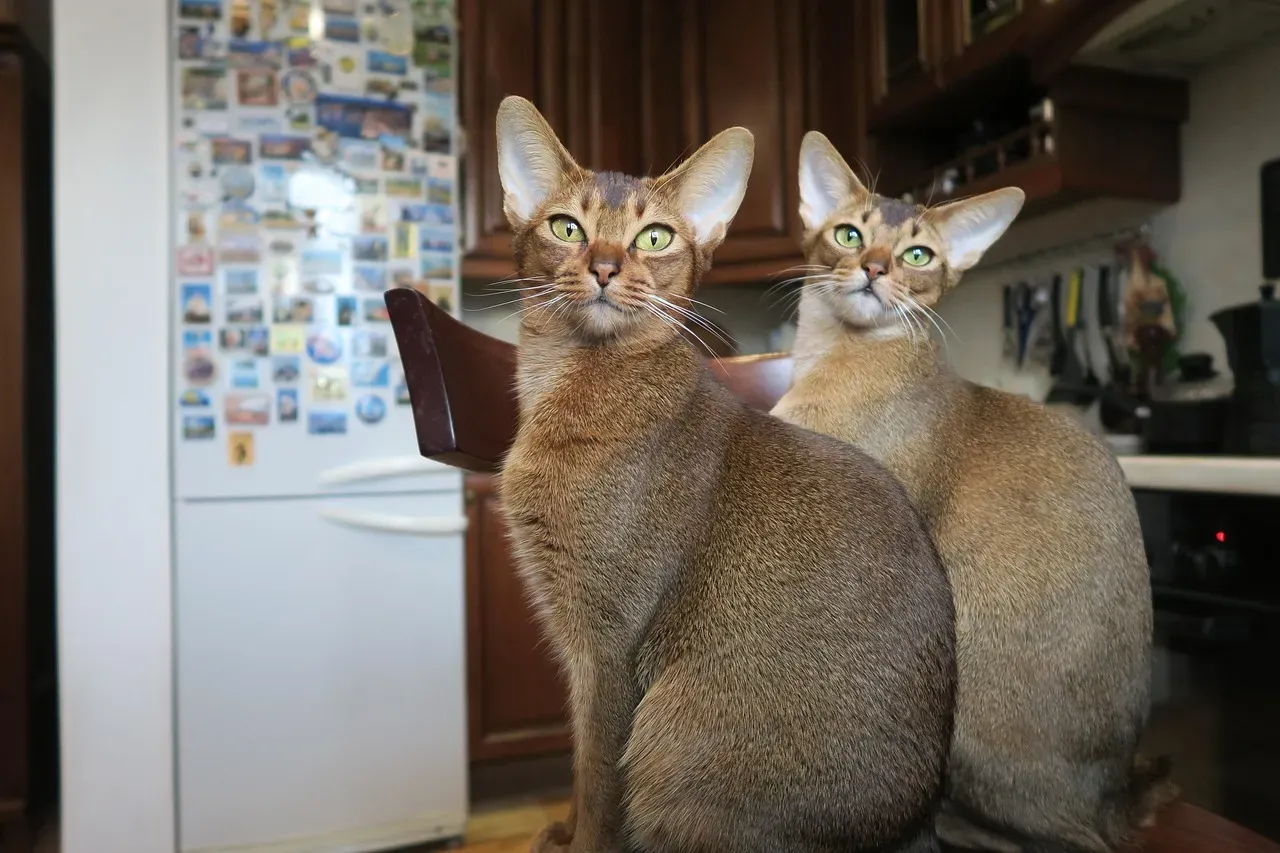
The Abyssinian breed is playful, mischievous and high energy. These cats don’t do anything halfway. When they’re awake, they’re in constant motion, exploring every corner of your home with curiosity that rivals a toddler discovering the world for the first time.
This breed has been known to scratch furniture when they are bored or anxious. Abyssinians need mental stimulation like we need coffee in the morning. Their scratching often intensifies when they’re under-stimulated, which tells you something important: they’re not being destructive, they’re asking for engagement. Give them puzzle toys, climbing trees, and plenty of interactive play, and you’ll see that scratching energy redirected beautifully.
3. Siamese Cats: The Talkative Territory Markers
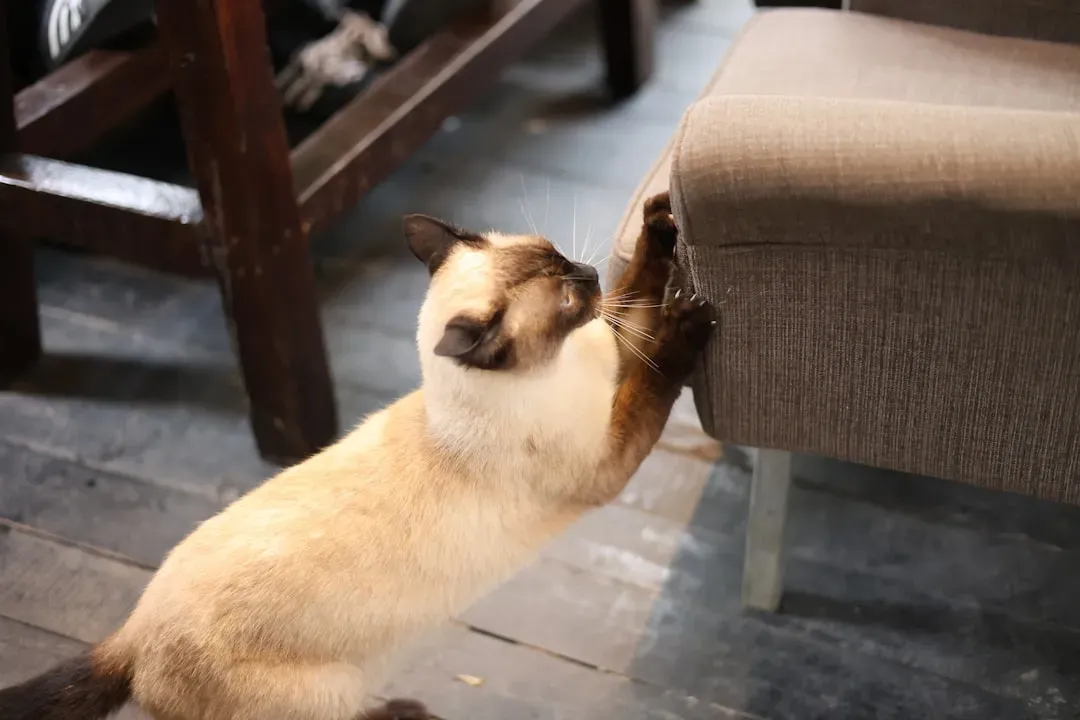
Siamese cats are known for being vocal about absolutely everything, and their scratching habits are no exception to their expressive nature. Siamese cats are very playful but can get overly excited and irritated. These beautiful cats can be independent and may scratch furniture and other objects when they are stretching and exercising. They’re incredibly social and form deep bonds with their humans, which means they want to leave their mark everywhere you spend time.
Siamese cats do respond well to training and can be trained to use scratching posts. Their intelligence works in your favor here. These cats learn quickly what surfaces earn them praise and treats. The scratching itself is their way of communicating ownership and comfort in their space, which is actually a sign of a confident, well-adjusted cat.
4. Maine Coon Cats: The Gentle Giants Who Still Need to Scratch
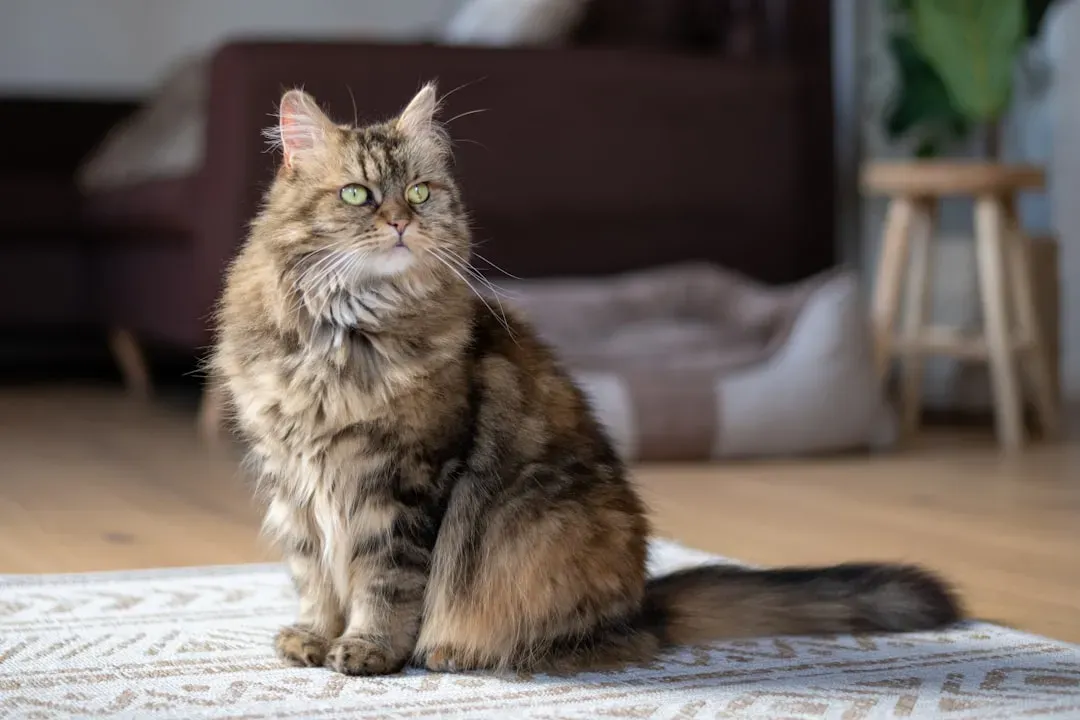
Wait, you might be thinking, aren’t Maine Coons supposed to be gentle? They absolutely are, but gentle doesn’t mean they don’t scratch. These massive, fluffy beauties still have all the natural feline instincts, just wrapped in a laid-back personality. Maine Coon cats are not known for being destructive but you can generally expect some furniture-scratching behaviour from them.
What makes Maine Coons interesting is that their size demands larger scratching surfaces. A regular post won’t cut it for these big cats who can weigh upwards of twenty pounds. When they stretch and scratch, they need stability and height to fully extend that impressive frame. Their scratching is methodical rather than frantic, more like a deliberate stretch after a long nap than a frenzied attack on your couch.
5. Russian Blue Cats: The Anxiety-Driven Scratchers
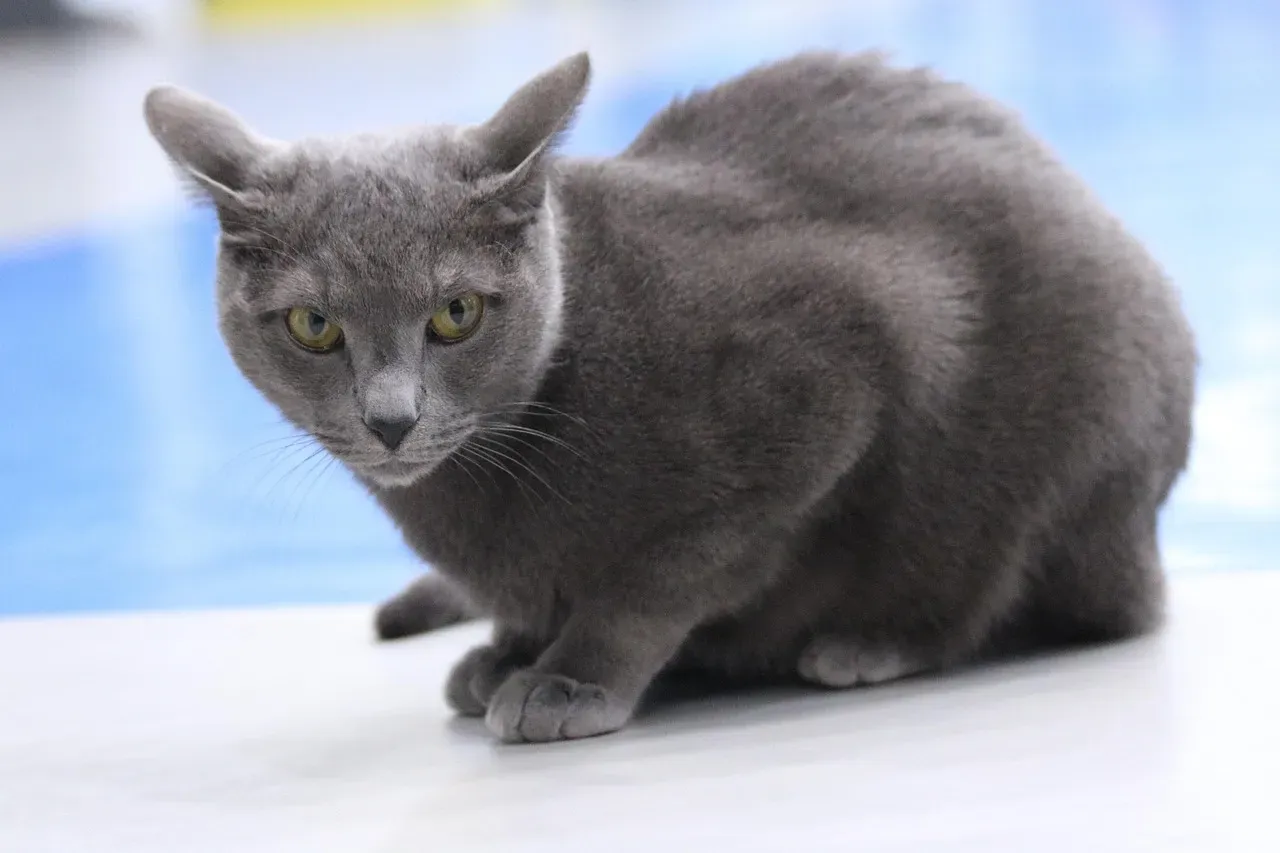
Russian Blues are often recommended as low-maintenance cats, but they have a sensitive side that not everyone talks about. These elegant silver-coated felines can be prone to anxiety, especially in chaotic households or when their routine changes. A new household pet, changing homes, construction in or around your home, changes in the household routine (e.g., when the school year starts), and houseguests, can stress your cat and lead to unwanted behavior, including scratching.
When a Russian Blue scratches excessively, it’s often their way of self-soothing and reclaiming control over their environment. Key to helping reduce your feline friend’s stress is to ensure they have plenty of scratching opportunities. Rather than viewing this as problematic, see it as your cat communicating their emotional state. Providing multiple scratching options throughout your home gives them healthy outlets for those feelings.
6. Savannah Cats: The Exotic Powerhouses
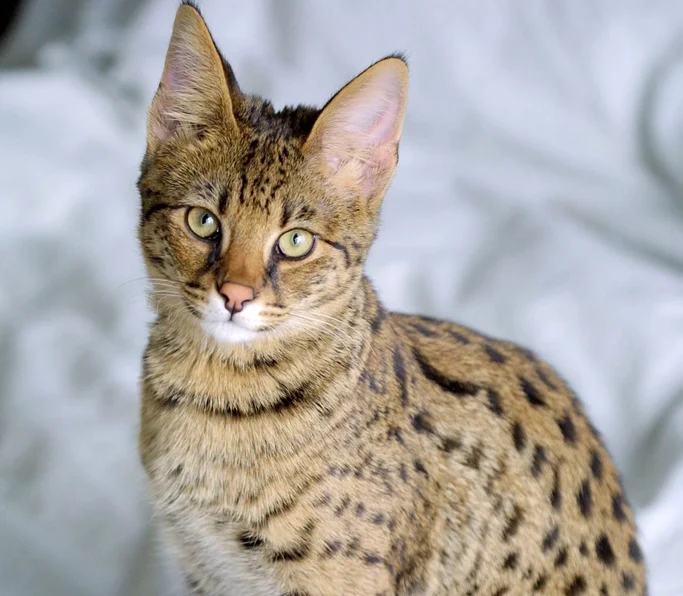
Savannah cats are another breed with wild heritage, and boy, does it show in their scratching behavior. These tall, athletic cats have energy reserves that seem endless. They’re climbers, jumpers, and yes, prolific scratchers who approach the activity with the intensity of their serval ancestors.
Their scratching is deeply tied to their need for vertical territory. In the wild, their relatives would mark trees at impressive heights to communicate with other cats. Your Savannah is doing the same thing when they reach up as high as possible on that scratching post or, let’s be honest, your doorframe. It’s not destruction; it’s instinct telling them to claim space and stay physically fit.
7. Oriental Shorthair Cats: The Active Communicators
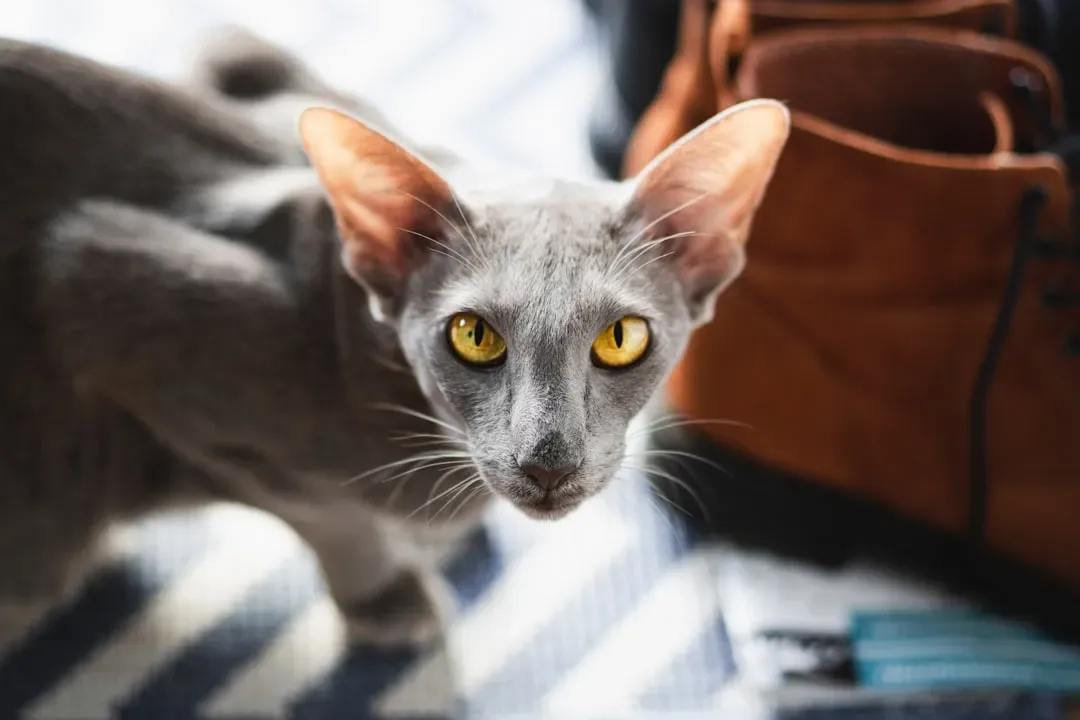
Oriental Shorthairs share many personality traits with Siamese cats, including their love of physical activity and their need to mark territory frequently. These sleek, elegant cats have lean, muscular bodies that require regular stretching and exercise. Scratching provides both in one satisfying motion.
Scratching simply feels good. It’s a form of exercise because it engages the cat’s muscles and allows them to stretch. Oriental Shorthairs seem to understand this instinctively. They’ll scratch after waking up, before playing, and sometimes just because it feels wonderful to dig their claws into a satisfying surface. Their enthusiasm for scratching isn’t a flaw; it’s evidence of a healthy, active cat who knows what their body needs.
8. Burmese Cats: The Social Scratchers
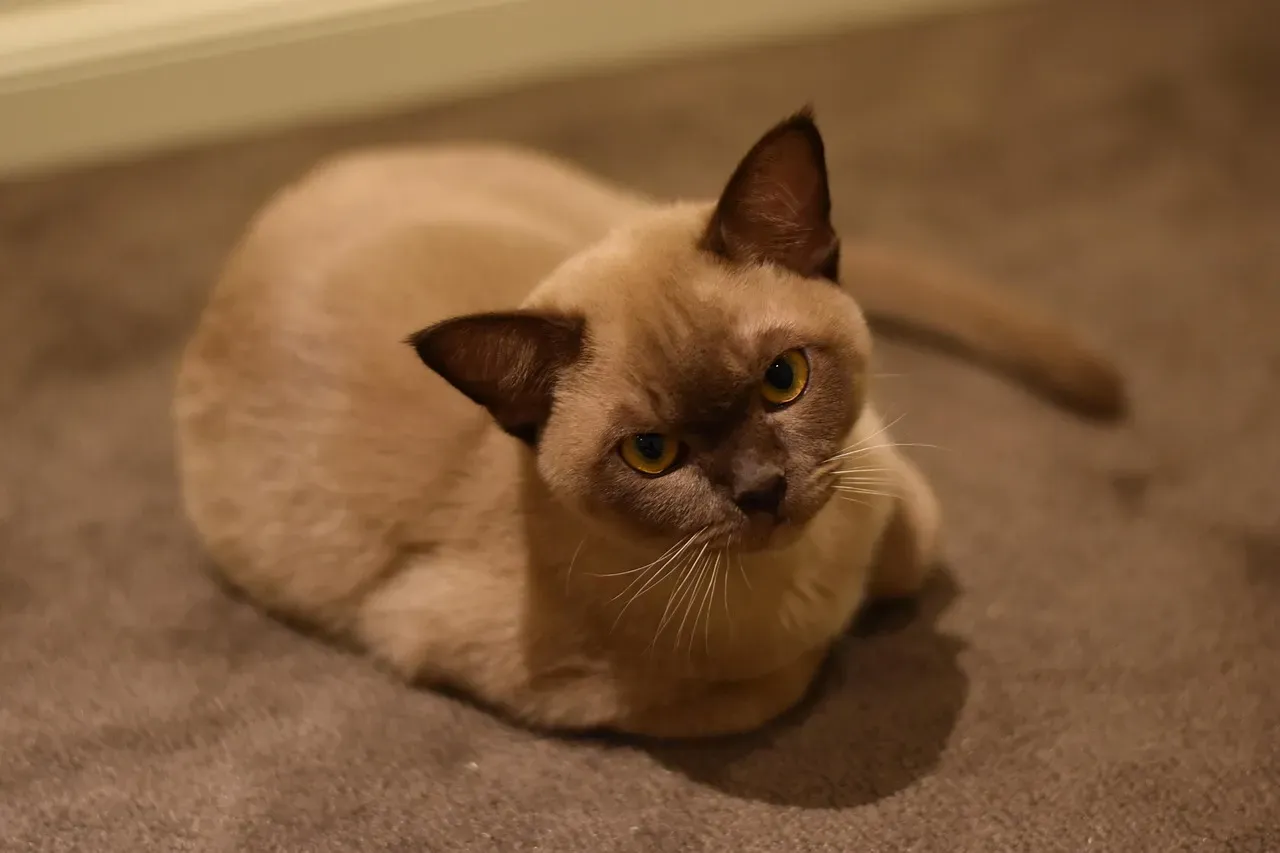
Burmese cats are incredibly people-oriented, following you from room to room like affectionate shadows. Part of their scratching behavior is tied to their social nature. They often scratch near areas where their humans spend time, not to destroy things but to mark those spaces as shared territory.
The most important reason cats scratch is to mark their territory (both visibly and with the scent of the foot pads). Some cats may increase their territorial marking (e.g., scratching, urine marking) in situations of anxiety or conflict. When your Burmese scratches near your favorite chair or by the door, they’re essentially saying “this is our space together.” It’s actually quite sweet when you think about it that way.
9. Turkish Angora Cats: The Elegant Climbers

Turkish Angoras are graceful, intelligent, and surprisingly athletic despite their delicate appearance. These cats love heights and will scratch their way up to the highest point in any room. Their climbing instincts are strong, which means they need vertical scratching surfaces that double as ladders.
Their long, silky coats might make them look like pampered princesses, but underneath they’re active cats with all the natural instincts intact. Scratching helps them to flex their muscles, all the way down to their toes and claws. For Turkish Angoras, scratching is part of their daily fitness routine, keeping them agile enough to execute those impressive leaps and climbs they’re famous for.
10. Norwegian Forest Cats: The Natural Tree-Climbers
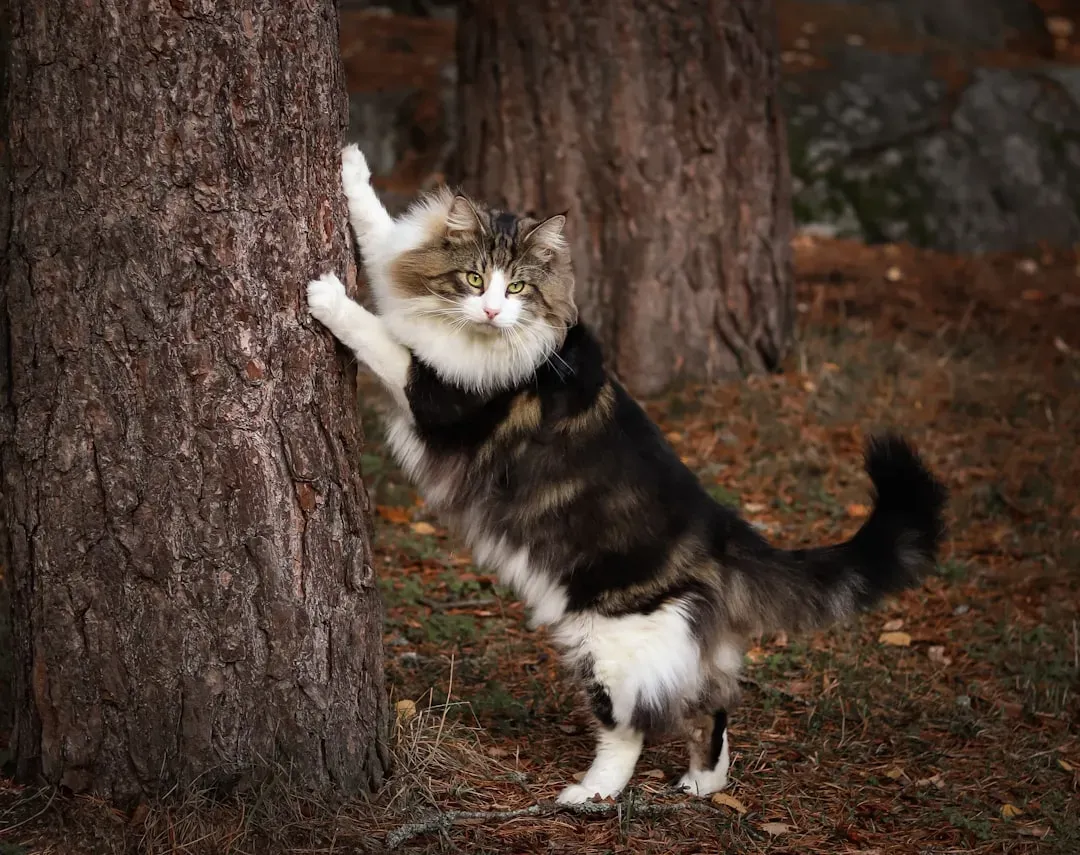
Norwegian Forest Cats evolved to climb trees in the Scandinavian wilderness, and that heritage shows in their powerful claws and relentless scratching habits. These large, fluffy cats have thick paw pads and strong claws designed for gripping bark, which means household surfaces are no match for them.
Scratching helps your cat shed loose, dead layers from their claws, which keeps them healthy and sharp. For Norwegian Forest Cats, keeping those claws in prime condition is especially important given their size and climbing abilities. When they scratch, they’re maintaining the tools they instinctively know they need. It’s not about your furniture; it’s about their biological imperative to stay equipped for climbing.
11. Cornish Rex Cats: The High-Energy Acrobats
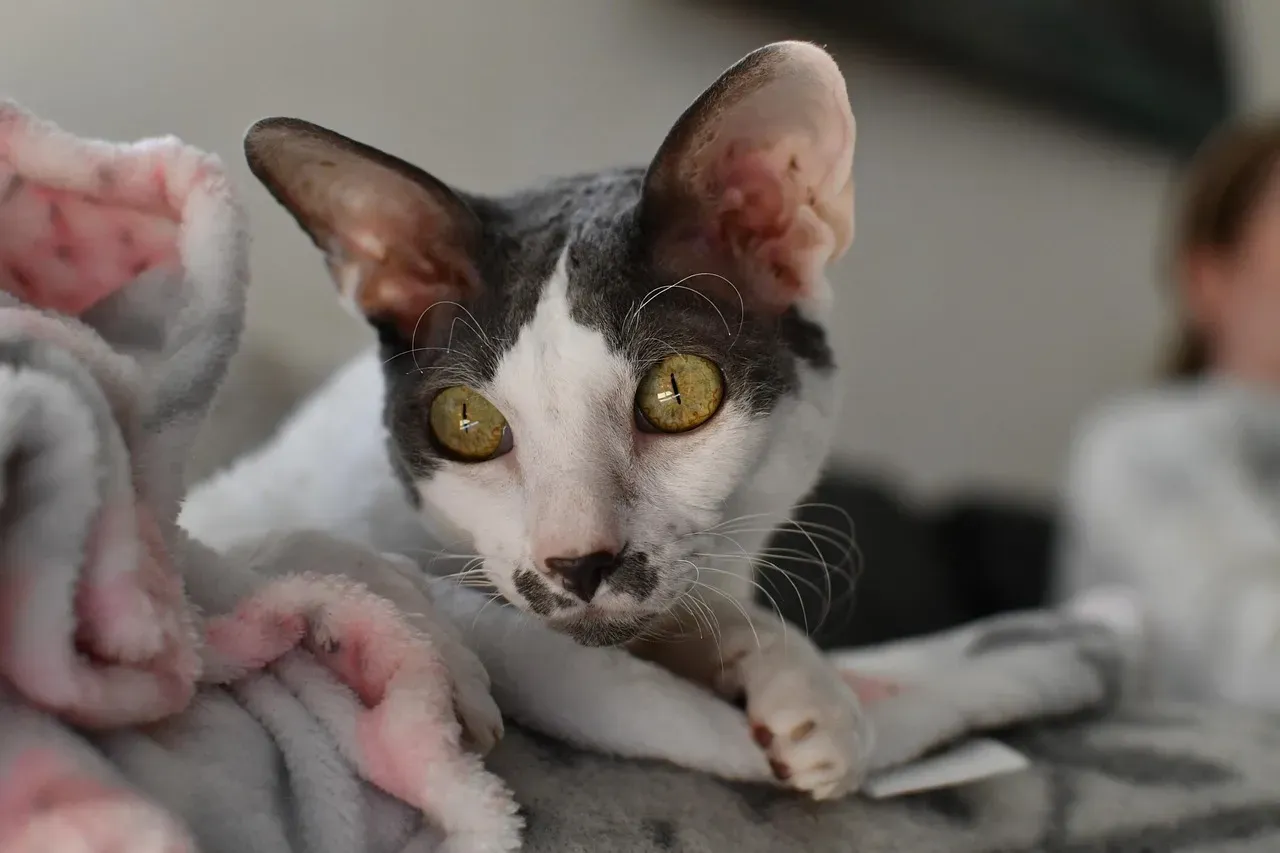
Cornish Rex cats have energy that seems disproportionate to their slender frames. These playful, mischievous cats are always on the move, and scratching is just one more activity in their busy schedule of causing delightful chaos. Their thin coats and active metabolisms mean they’re constantly burning energy, and scratching is one outlet for that drive.
What makes Cornish Rex scratching notable is its association with play. They often scratch as part of their acrobatic routines, using surfaces to launch themselves into impressive jumps and spins. An intense scratching session on a sturdy scratching post can be a great outlet for your cat’s anxiety, stress, or excitement. Scratching can also be a form of exercise, as it gives your cat a chance to move her muscles. For the Cornish Rex, it’s all connected: play, exercise, and scratching flow together seamlessly.
12. Scottish Fold Cats: The Unexpected Scratchers
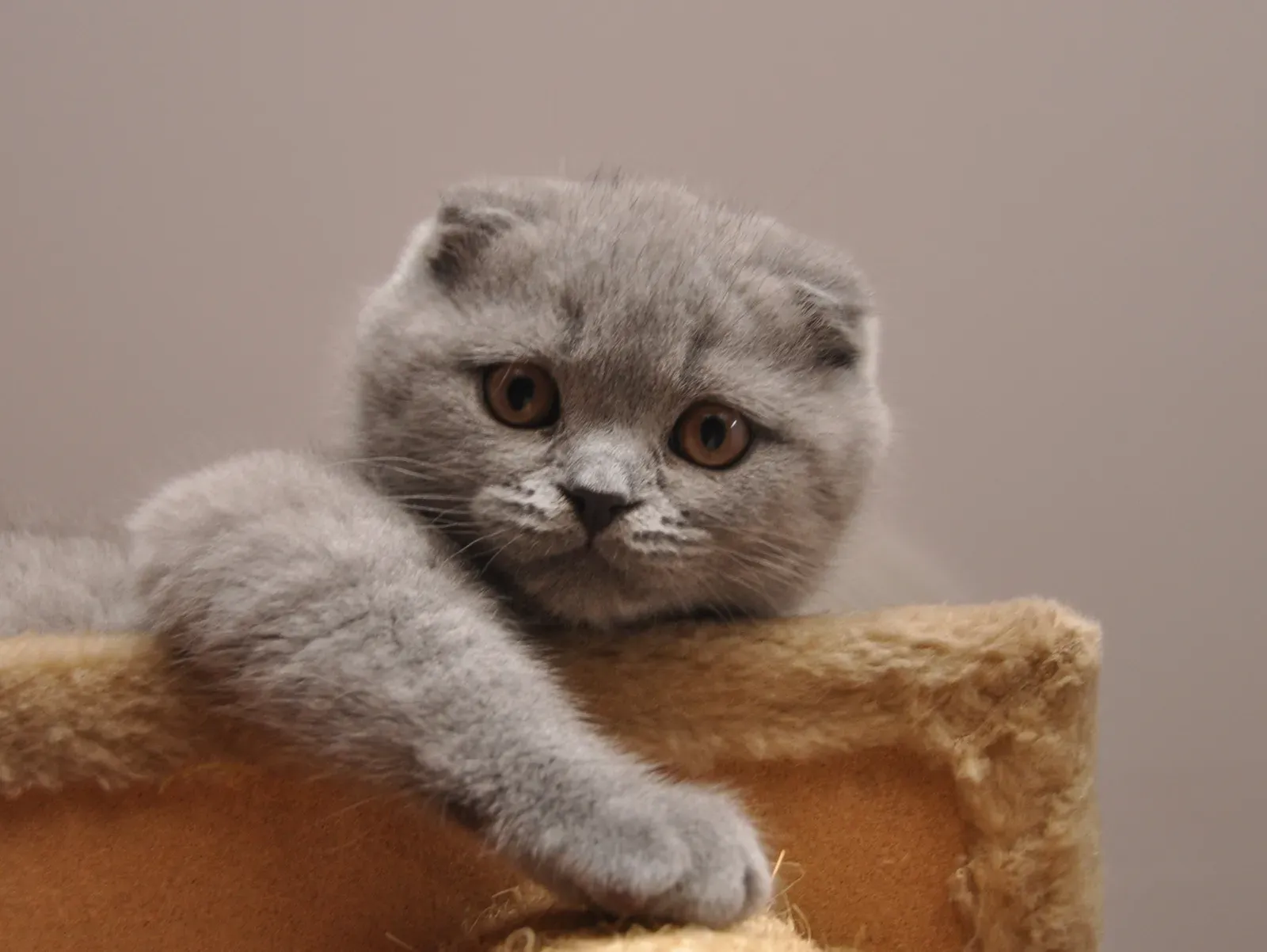
Scottish Folds are often pictured as docile, owl-faced couch potatoes, but they’re more active than their reputation suggests. While they’re generally easier to train than some other breeds, they still have all the natural scratching instincts. Scottish Folds are curious, adventurous and easy to train. Although these cats aren’t quite as laid-back as some of the other breeds on our list they can quickly be trained on what they are allowed to scratch.
Their scratching tends to spike during their playful moods, which can catch owners off guard if they’re expecting a constantly calm cat. The good news is their trainability means you can guide them toward appropriate surfaces with relatively little effort. Their scratching is a reminder that even the most adorable, seemingly low-key cats are still cats with needs that must be honored.
Conclusion
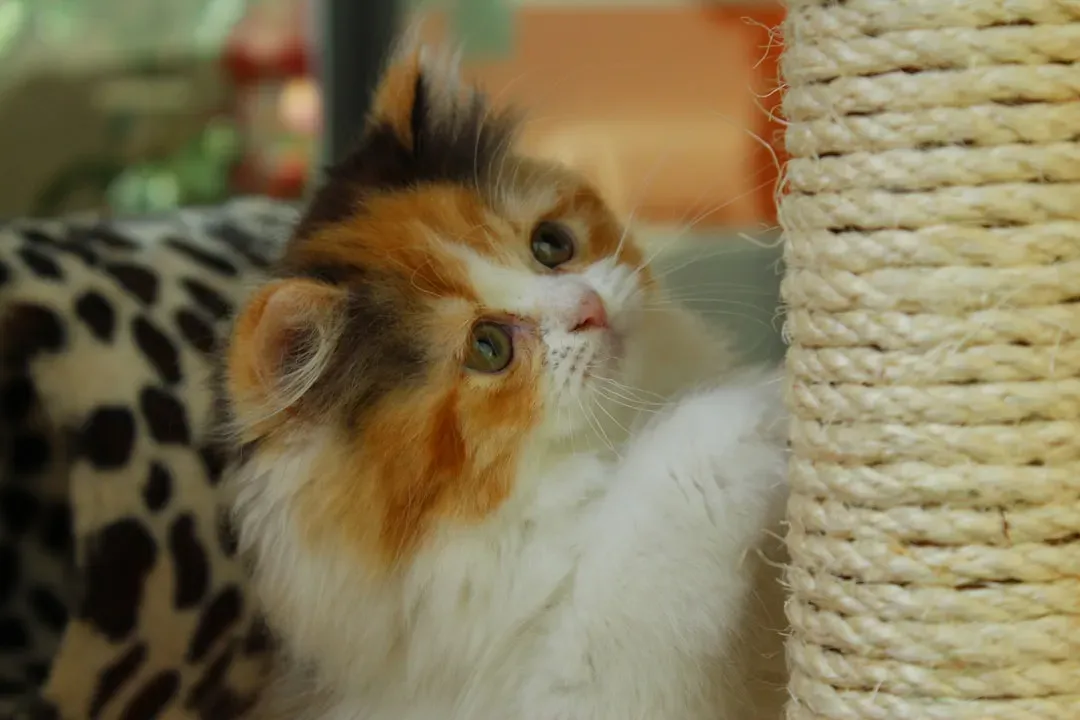
Understanding and accepting scratching behavior is crucial for a cat’s overall health. So instead of focusing on how to stop scratching altogether, embrace your cat’s scratching instinct and provide them with suitable alternatives. That approach will result in a happy kitty and a stronger bond between you and your feline friend. Whether you have a high-energy Bengal or a gentle Maine Coon, scratching is something to work with, not against.
The breeds on this list aren’t problem cats. They’re just cats being authentically themselves, fulfilling biological needs that have been hardwired into them for thousands of years. Provide them with great scratching posts, keep their claws trimmed, and celebrate the fact that your active scratcher is a healthy, happy feline expressing natural behaviors. What’s your cat’s favorite scratching spot? You might be surprised how much you learn about your feline friend just by paying attention to where and how they scratch.