Finding the perfect feline companion for tropical regions can be quite a challenge. While many cats prefer cooler temperatures, several remarkable breeds have evolved specifically to handle scorching heat and high humidity. These resilient cats possess special physical traits like shorter coats, larger ears for heat dissipation, and slender builds that make them natural survivors in warm environments.
Whether you live in Florida, Arizona, Hawaii, or any other hot climate region, selecting the right breed is crucial for your pet’s health and happiness. So let’s get started exploring these heat-loving felines that will thrive alongside you, even when the temperature soars.
Siamese – The Royal Heat Warrior from Thailand
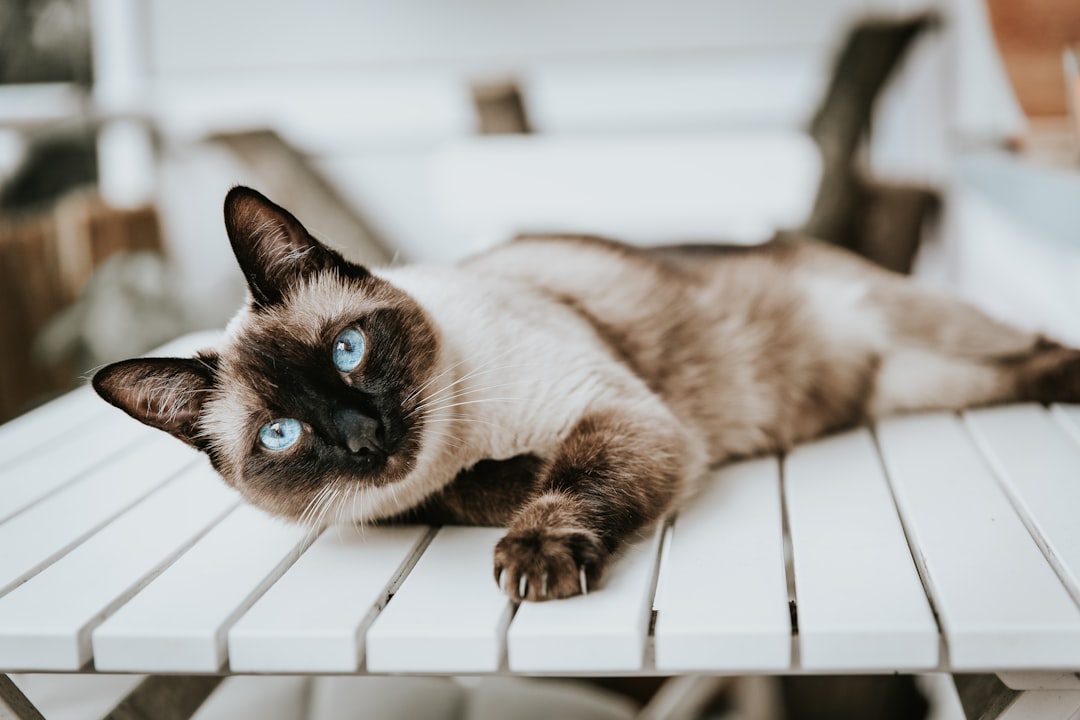
Siamese cats originally come from Thailand, formerly known as Siam, where the climate is tropical with periods of heavy monsoons that bring moist and hot air from the Indian Ocean. This ancient breed developed remarkable adaptations over centuries of living in sweltering conditions.
These elegant cats have short furs that lie close to the body, are medium-sized and slender, and despite having medium-sized ears, Siamese cats are still quite successful in staying cool during hot temperatures. Their distinctive color-point pattern actually relates to temperature regulation, making them fascinating heat-adapted creatures.
Sphynx – The Hairless Heat Seeker
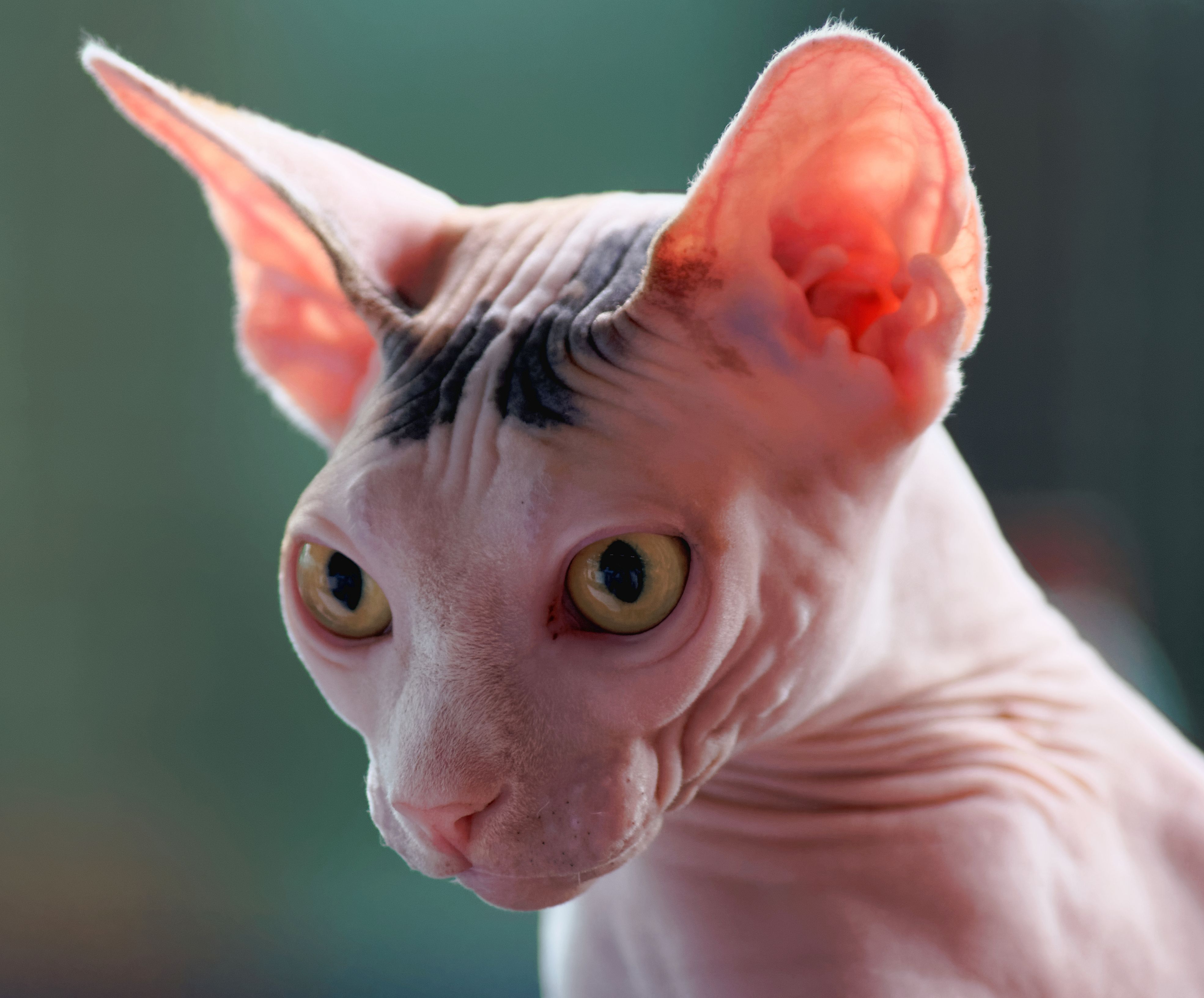
Known for their hairless appearance, the sphynx cat is a very affectionate and loyal breed that also craves warmth so consider spending time with them outdoors. These remarkable cats actually love soaking up the sun, though they need protection from burning.
Because they have no fur, Sphynx cats lose body heat more readily than coated cats, making them both warm to the touch and prone to seeking out warm places. While they’re sensitive to cold and prone to sunburn in summer, most are indoor-only cats. Still, their ability to handle heat makes them surprisingly suitable for warm climates with proper care.
Abyssinian – The Desert Survivor
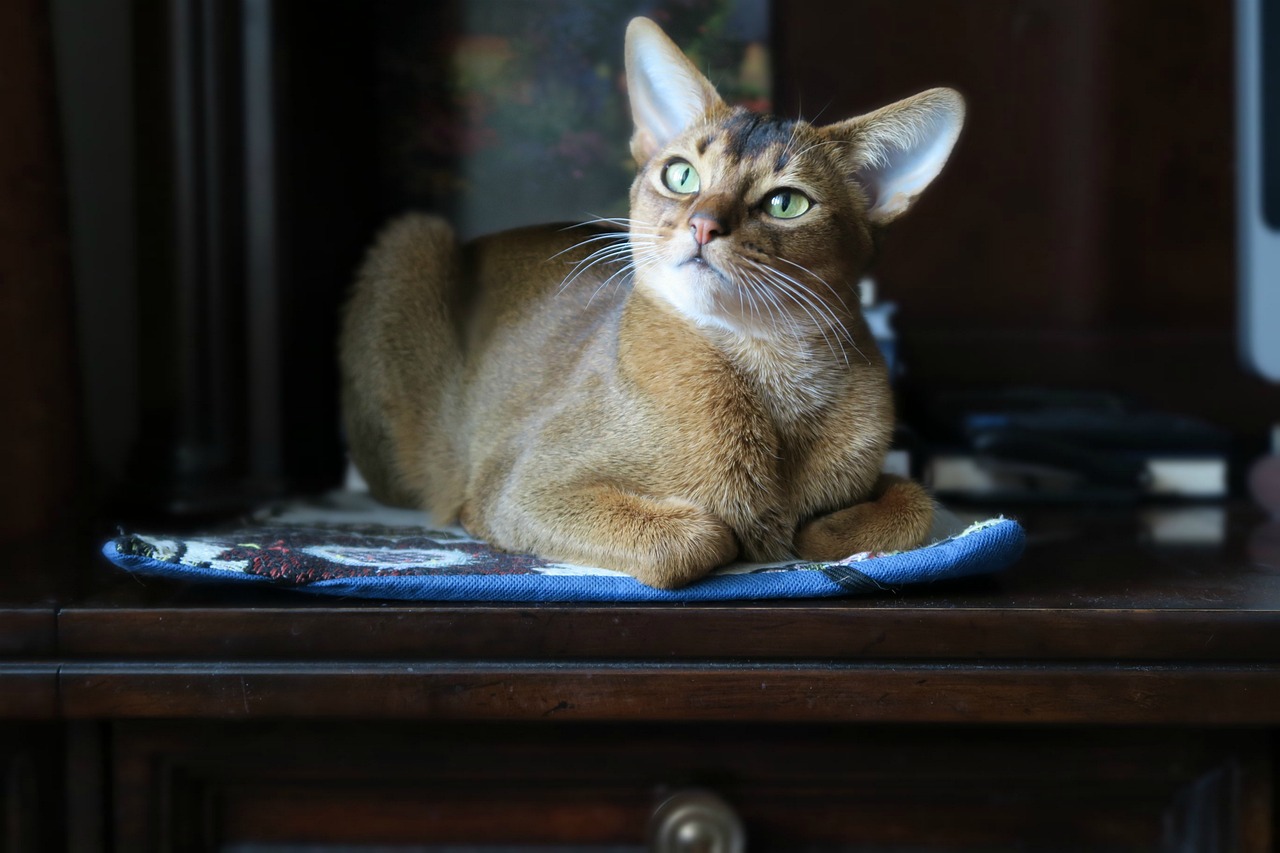
People and animals living in desert regions had to adapt to relentless desert temperatures, and Abyssinian cats certainly understood the assignment with their large ears, short furs, and slender bodies helping them stay cool in places where most other breeds would suffer from heat stroke. These athletic cats are truly built for heat.
The Abyssinian, with origins speculated to be in Southeast Asia and coastal areas of the Indian Ocean, thrives in warm climates thanks to its short, fine coat and active lifestyle. This breed’s sleek, ticked jacket provides striking appearance and helps in heat dissipation, making it well-suited for warmer environments. Abyssinians are known for their high energy levels and curiosity, which drive them to explore and play in sunny, open spaces. Their lean, muscular build facilitates efficient body heat regulation.
Egyptian Mau – The Ancient Heat Champion
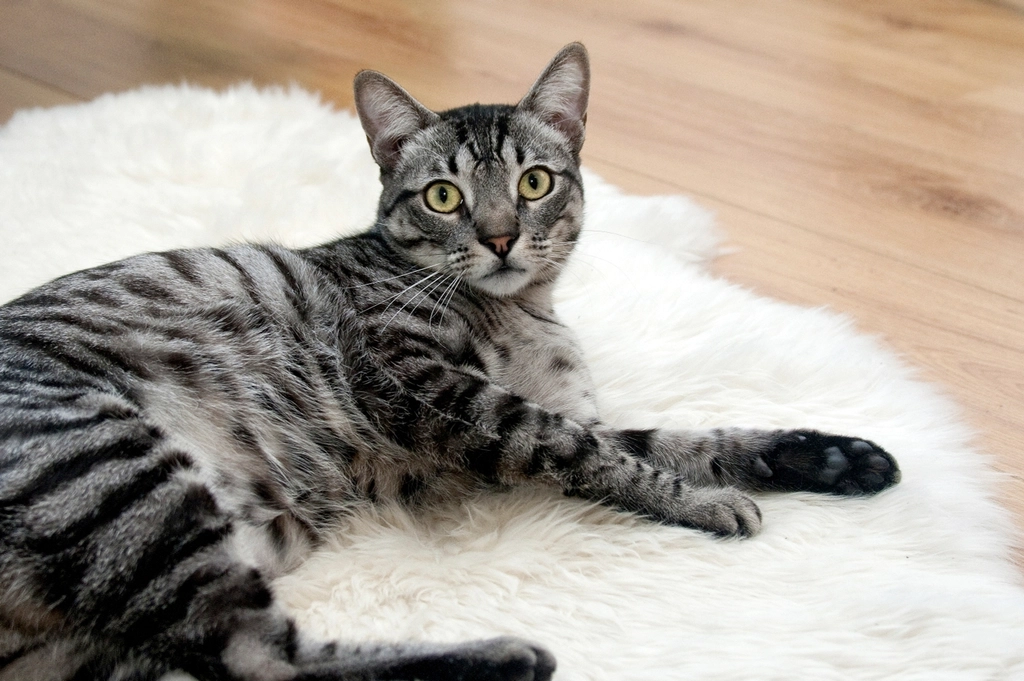
This is another natural and ancient breed that comes from Egypt, with Egyptian Maus being just as ancient as Abyssinian cats and having to be just as resilient to the harsh desert climate. Egyptian Mau cats are slender, medium-sized cats with short furs perfectly adapted to high temperatures. Their spotted coats tell the story of thousands of years in the desert.
Their ears are medium-sized to large, which is another advantage to surviving hot weather, and the ears are also broad at their base, which further helps the cat cool itself. Famous for their spotted coats, the Egyptian mau has an athletic build that makes them great jumpers and runners, enjoying warm climates and having short furs to help them thrive.
Burmese – The Tropical Warrior
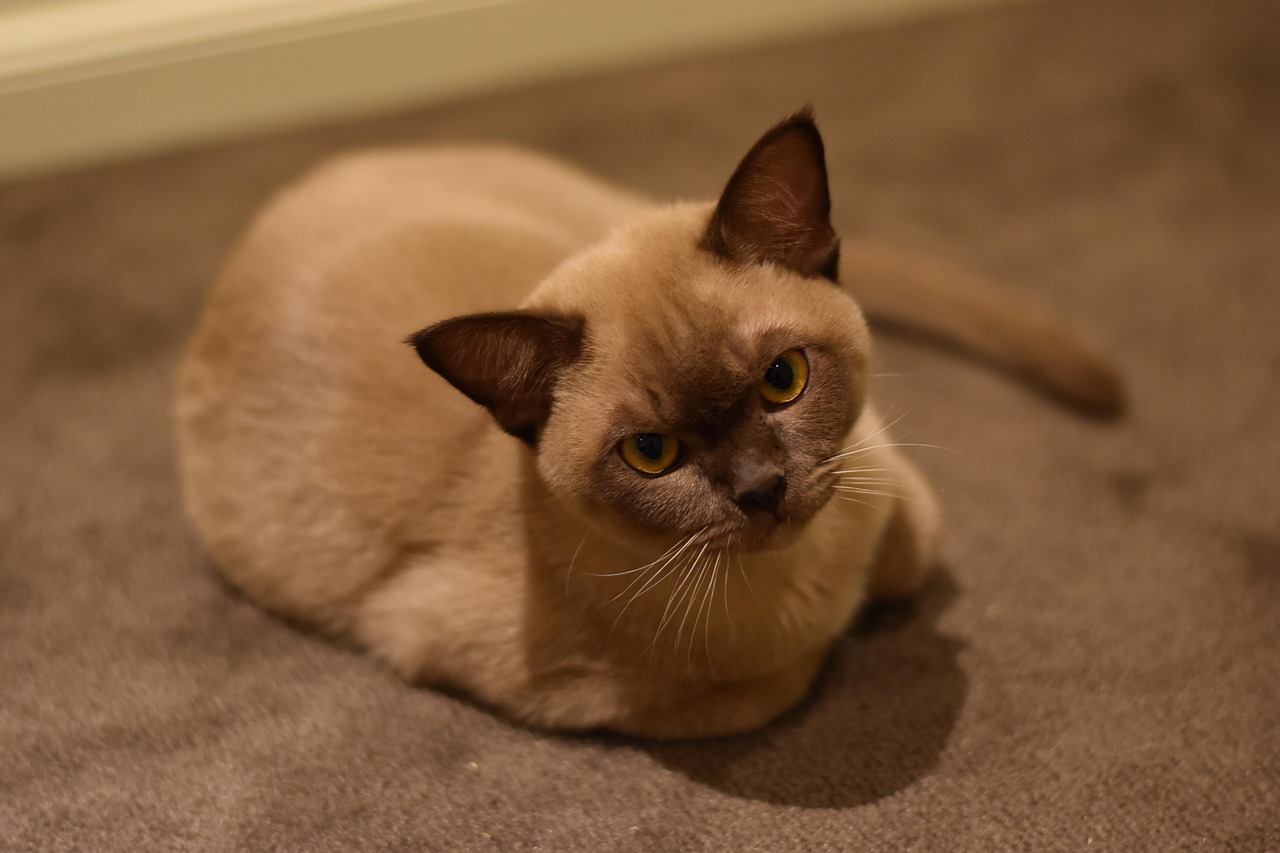
Just like their name suggests, Burmese cats originated in the territory of former Burma, modern Myanmar, which has a tropical to sub-tropical hot monsoon climate that can be really challenging to people and animals that aren’t used to it. Of course, Burmese cats are certainly accustomed to this climate, and if they can survive such conditions, they will certainly thrive in the US.
While Burmese cats might not have as large ears as Abyssinians, they are still well-equipped for hot climates with their short furs. Burmese cats have short coats that can make them ideal for living in warmer climates and are also highly intelligent, enjoying a challenge.
Bengal – The Wild Heat Adapter
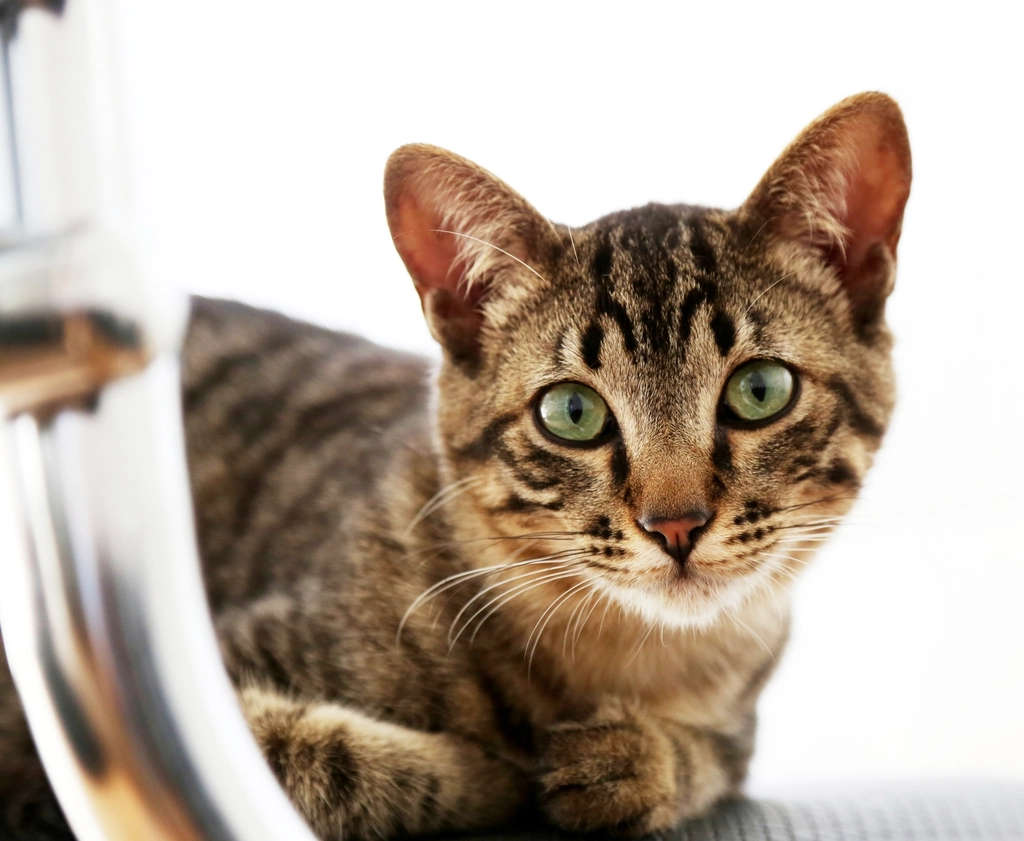
Despite their size and the fact that their ears are relatively small, Bengal cats are well-adjusted to high temperatures, with Bengal’s not-so-distant ancestors, Asian leopards, thriving in the hot desert and tropical climate zones in Asia, and Bengal cats inheriting this trait. Their wild heritage shows in their heat tolerance.
The Bengal is a medium to large-sized cat that is generally quite long, lean, and muscular, weighing up to 6.8 kg, and as low shedders, they are believed to be a hypoallergenic cat breed. In terms of temperament, they are energetic, smart, playful, and love being around water. Water play becomes especially valuable during hot weather for cooling down.
Singapura – The Tiny Heat Expert
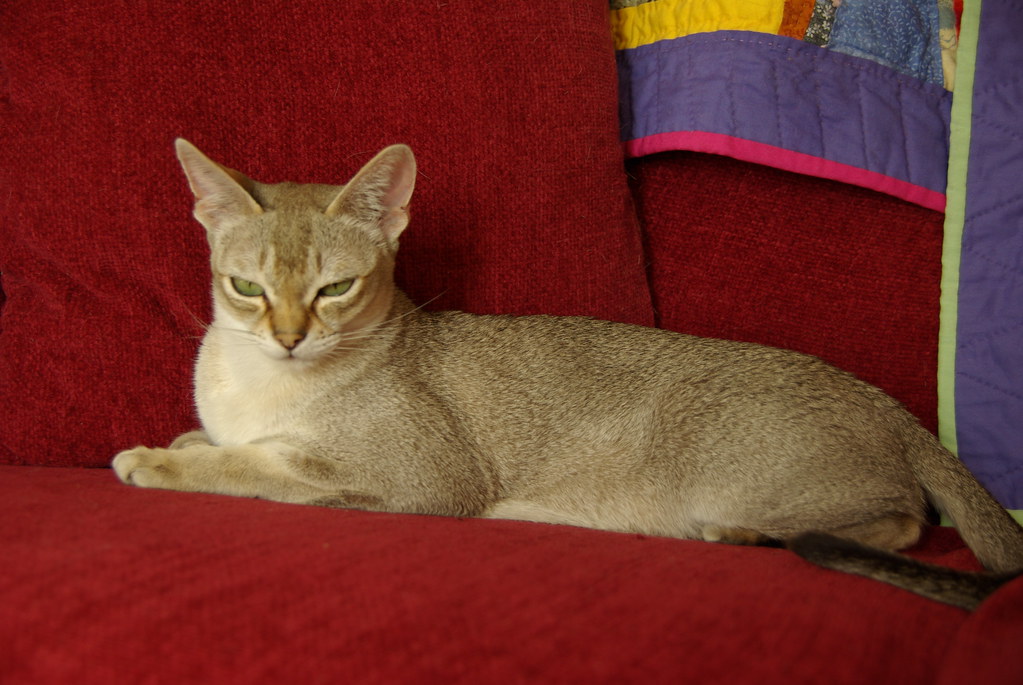
Despite having a controversial origin story, Singapura cats certainly originated in Singapore, a small city-state in SE Asia with a tropical climate and lots of humidity, where everyone knows that high humidity makes hot temperatures even more noticeable. These cats evolved in one of the world’s most challenging hot, humid environments.
The native Singapore animals certainly know how to stand the heat, with Singapura cats being small felines with short furs and large ears – physical characteristics that make them perfect for hot climates. You should consider getting a Singapura cat if hot temperatures and high humidity are common where you live.
Devon Rex – The Curly-Coated Cool Cat
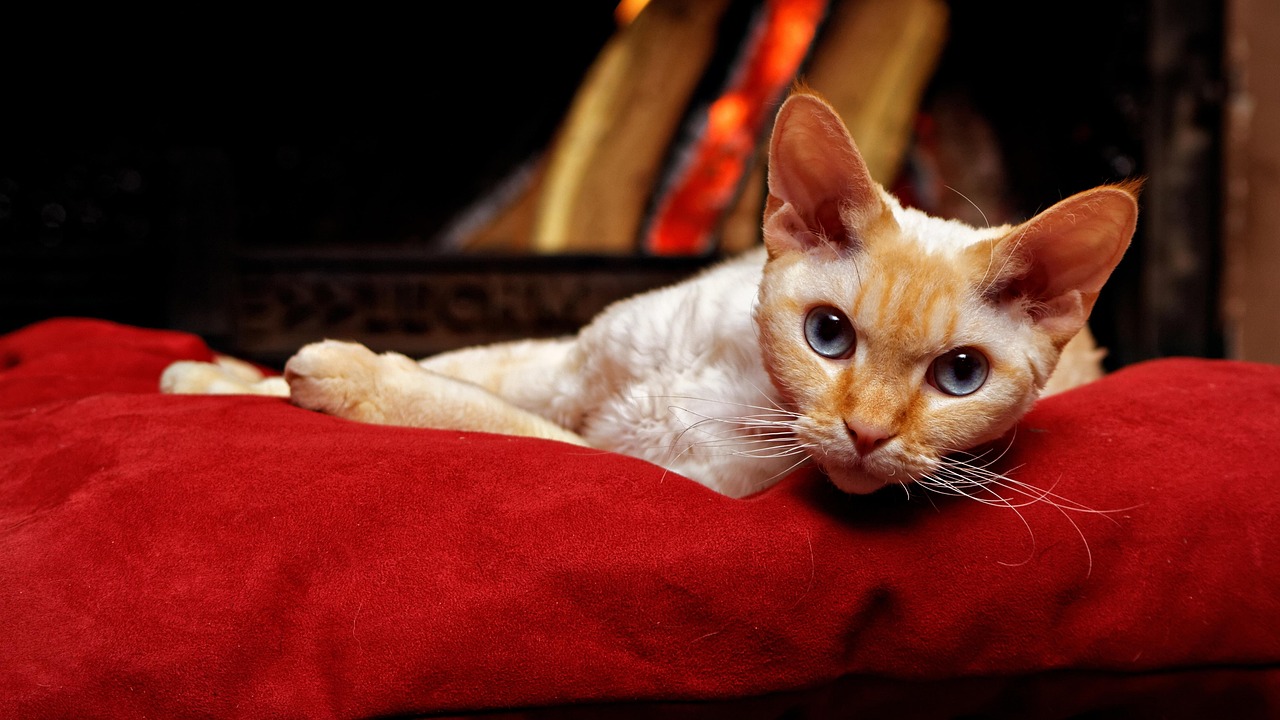
Devon rex cats are highly intelligent and energetic, benefiting from having cat trees and interactive toys to keep their bodies and minds busy. Devon rex cats are highly intelligent and energetic, benefiting from having cat trees and interactive toys to keep their bodies and minds busy. Their unique coat structure makes them surprisingly heat-tolerant.
Cornish rex cats have short curly coats and are considered a hypoallergenic cat breed, being a high-energy breed that loves playing with their pet families. Though this refers to Cornish Rex, Devon Rex shares similar characteristics with their distinctive curly, heat-dissipating coat that helps them stay comfortable in warmer temperatures.
Khao Manee – Thailand’s White Royal
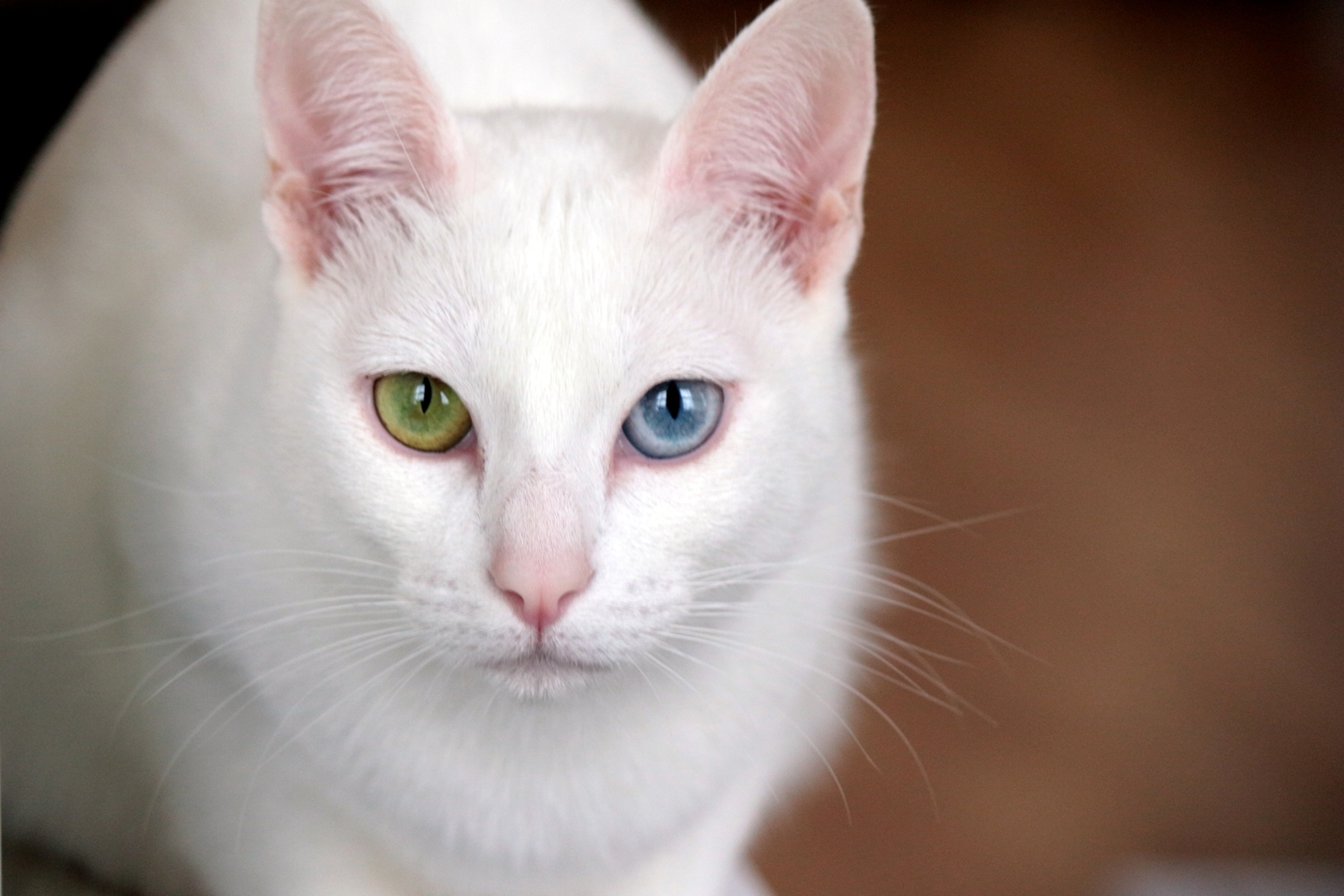
Khao Manee originate from Thailand and are considered royalty there, having short fur coats to keep them cool and being stark white, which attracts less heat. These stunning cats were bred specifically for tropical living by Thai royalty centuries ago.
The Khao Manee cats are among the most expensive breeds, typically costing $7,000-$11,000, coming in one color: white, with eye colors that are blue, green, gold or sometimes with two different colored eyes. Their pure white coats reflect heat rather than absorbing it, making them naturally suited for sunny climates.
Peterbald – The Russian Hairless Wonder
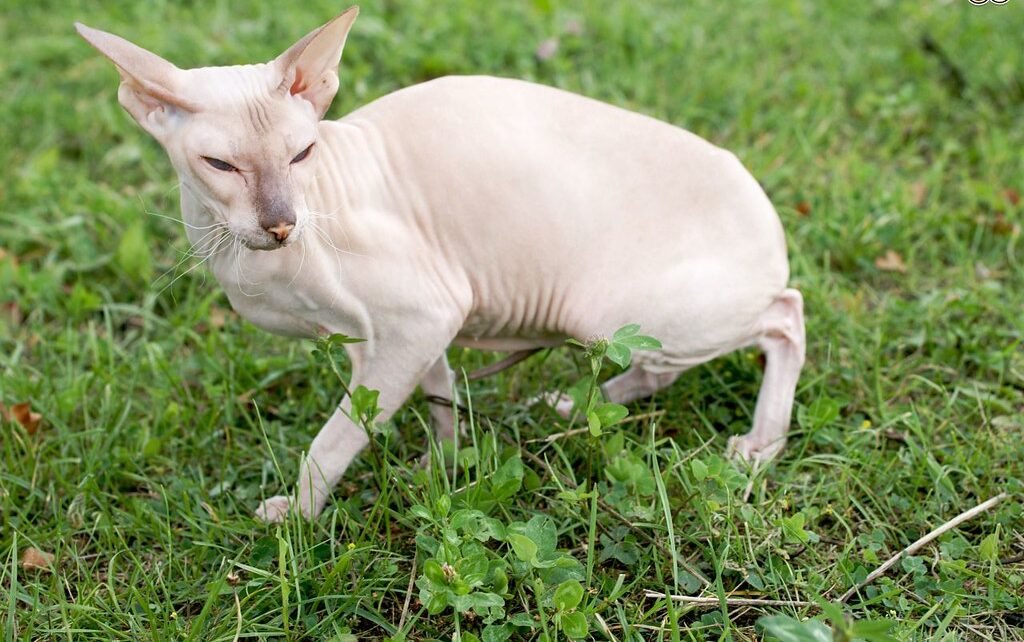
These are a hairless cat breed that resembles the Oriental cat with a wedge-shaped head, with lifespans of 12-15 years and weights ranging from 6 to 10 pounds. Like all bald cats, you will need to bathe Peterbalds every few weeks to a month. Their lack of fur eliminates overheating issues common in hot climates.
Peterbalds are the social butterflies of the cat world, craving human attention like no other breed and being known to be very outgoing and friendly. These cats are not just affectionate; they can be quite demanding and loud, often using their voices to get what they want. Their hairless bodies naturally stay cool even in intense heat.
Balinese – The Silky Heat Handler
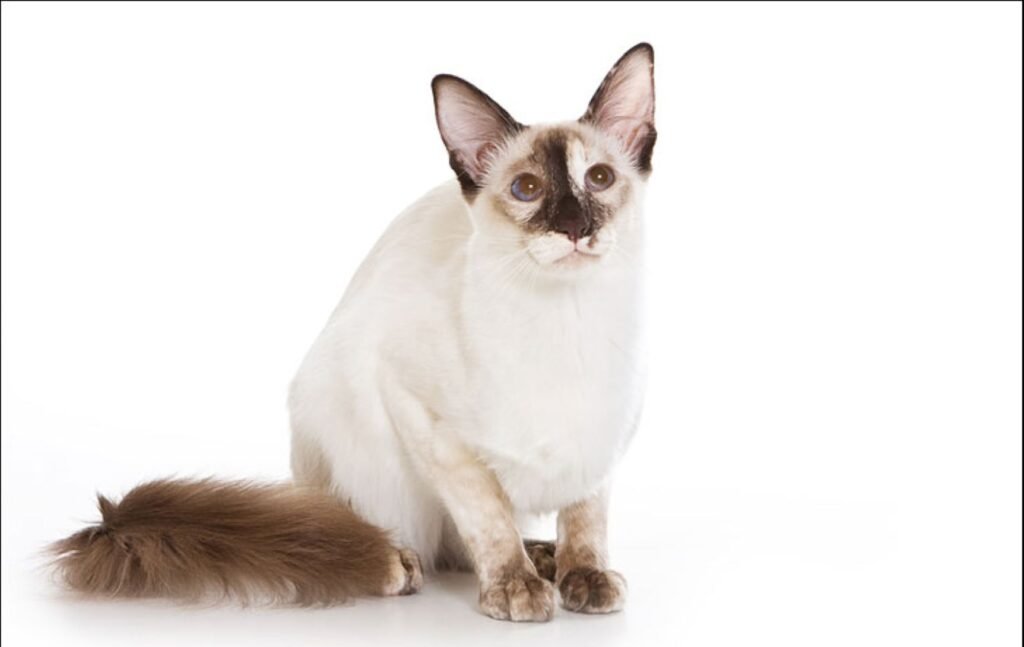
A very talkative cat, the balinese will do well in warmer climates due to their silky coats. Interestingly, the balinese do not have an undercoat so their fur is less likely to get matted. This single-layer coat design prevents heat from being trapped close to their skin.
A very talkative cat, the balinese will do well in warmer climates due to their silky coats, and interestingly, the balinese do not have an undercoat so their fur is less likely to get matted. Their elegant appearance combined with heat tolerance makes them perfect for warm-weather cat lovers who appreciate beauty and practicality.
Savannah – The Athletic Heat Lover
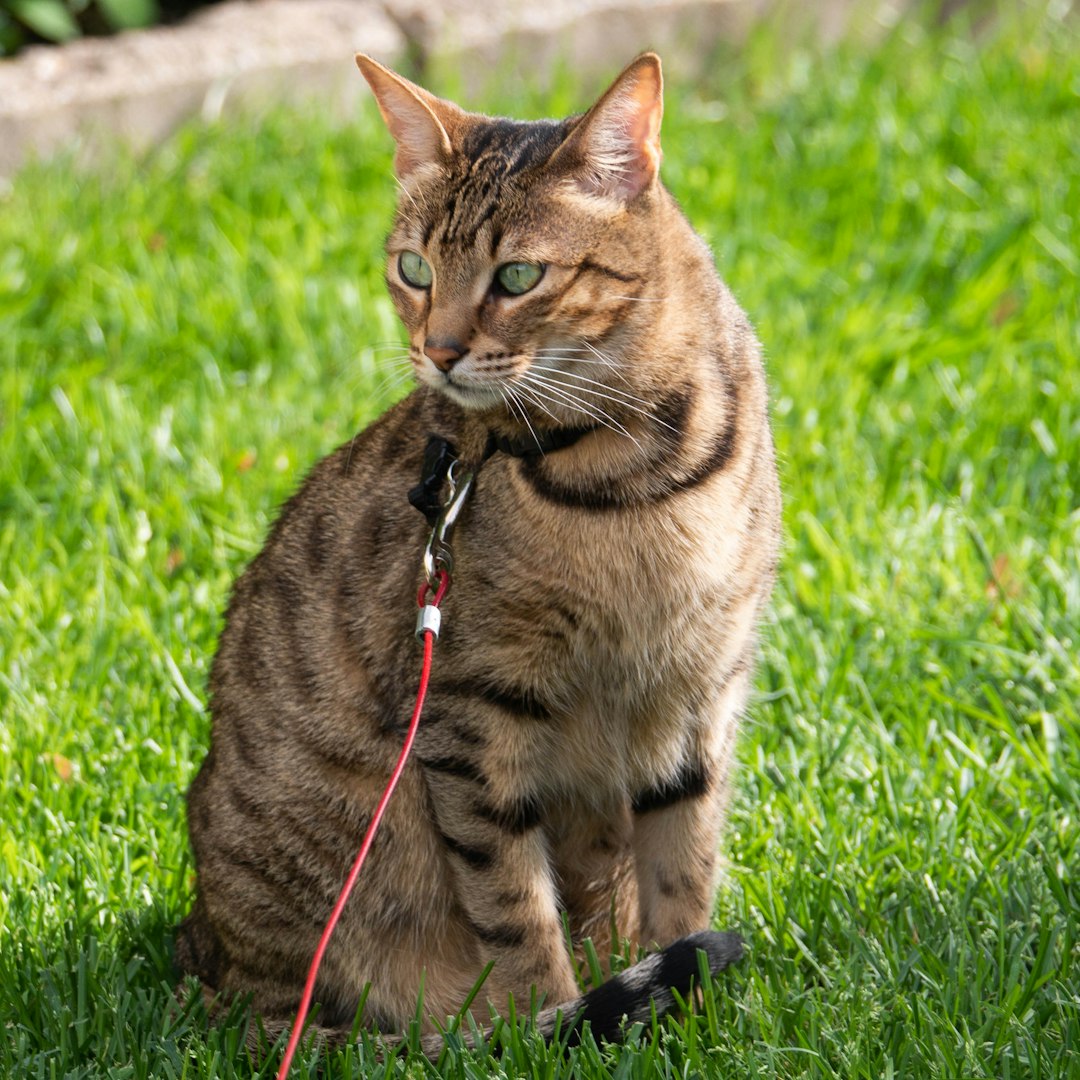
Savannah cats are said to have dog-like personalities, loving going for walks, playing in water and always being up for a game of fetch. This makes them perfect partners for outdoor activities in the sun. Their high energy levels and love of outdoor activities make them ideal for active families in hot climates.
Savannah cats are said to have dog-like personalities, loving going for walks, playing in water and always being up for a game of fetch. This makes them perfect partners for outdoor activities in the sun. Water play becomes especially important in hot weather, and Savannahs naturally gravitate toward cooling activities that help them regulate their body temperature while staying active.
Conclusion
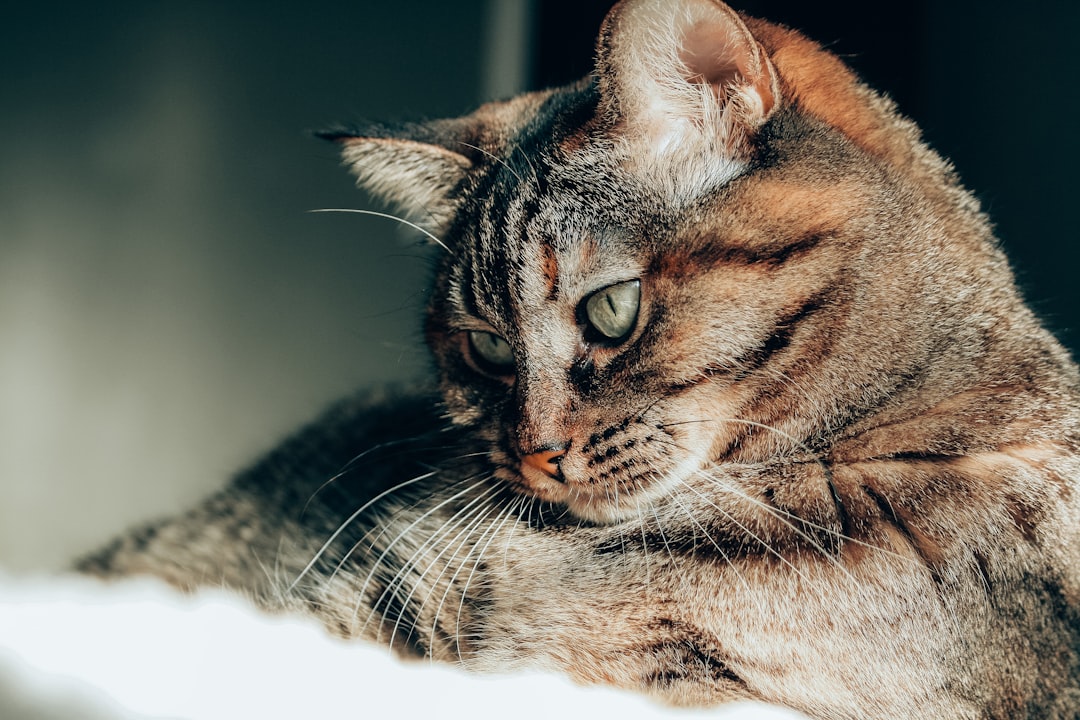
Choosing the right cat breed for hot climates isn’t just about comfort – it’s about ensuring your feline friend can thrive year-round without health risks. These twelve remarkable breeds have proven themselves as natural heat warriors, each bringing unique adaptations that make them perfect companions for tropical living.
From the hairless Sphynx that seeks out warm spots to the athletic Savannah that embraces outdoor adventures, these cats show us that evolution has created perfect solutions for every climate challenge. Remember to always provide fresh water, shade, and proper veterinary care regardless of breed. What do you think about these amazing heat-adapted felines? Which one caught your attention the most?