You probably already know that cats have a reputation for being independent. Still, there’s a big difference between a cat who tolerates solitude and a cat who practically thrives on it, quietly retreating to a sunlit corner and giving the distinct impression that they had better things to do long before you walked in. Honestly, some cats are introverts in the truest sense of the word, and they wear it like a badge of honor.
Just like humans, cats have distinct personalities, and some are undeniably more introverted than others. Understanding whether your cat leans toward introversion can transform the way you interact with them. So, if you’ve ever watched your cat vanish the second a doorbell rings, or wondered why they seem happiest when the house is quiet and calm, you are going to want to read this. Let’s dive in.
1. Russian Blue: The Zen Master of Quiet Dignity
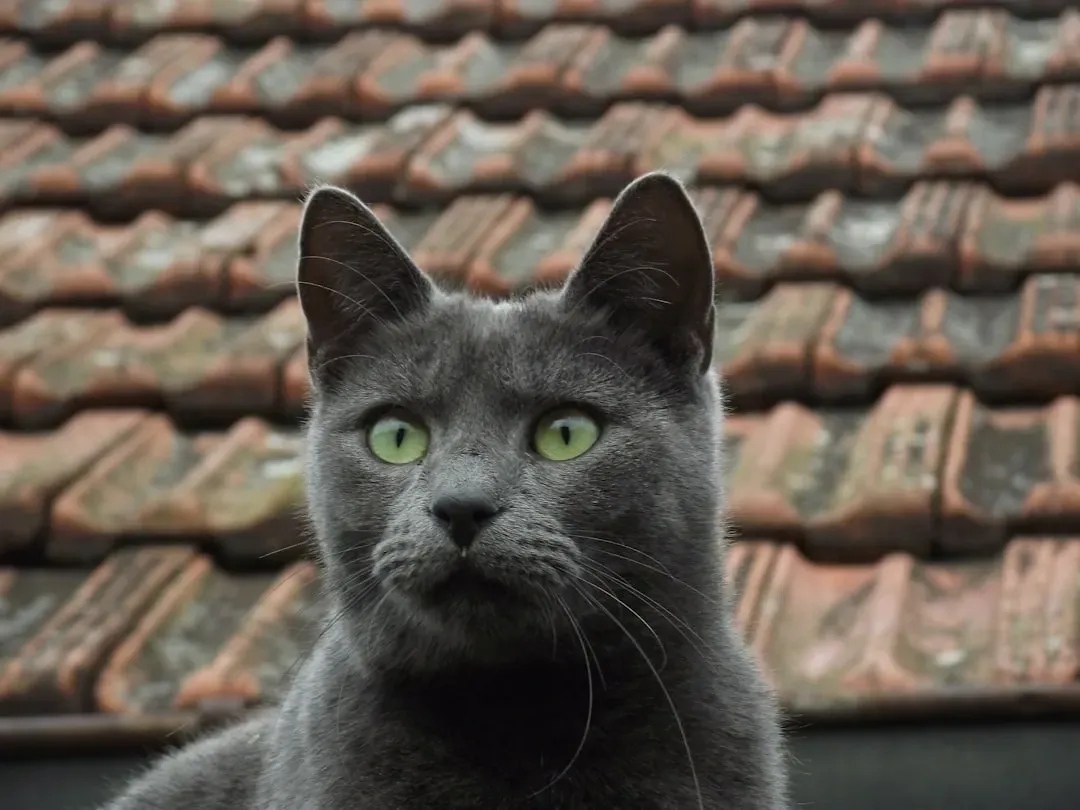
Elegance and grace define the Russian Blue, a breed known for its striking silvery-blue coat and vivid green eyes. These cats are the epitome of quiet dignity, making them ideal for those seeking a sophisticated companion. Think of them as the feline equivalent of someone who absolutely loves their alone time but is fiercely loyal to the few people they truly let in.
This breed delights in quiet routines and forms deep bonds with their chosen person, often shadowing them from room to room in silent support. Russian Blues dislike loud noises and busy households, instead flourishing in calm spaces where they can observe and interact at their own pace. Their affection is subtle, a soft headbutt or a gentle purr, making them perfect for those who appreciate understated gestures of love. To respect their space, you should avoid forcing interaction during loud, hectic moments and instead let them approach you on their own terms.
2. British Shorthair: The Dignified Roommate
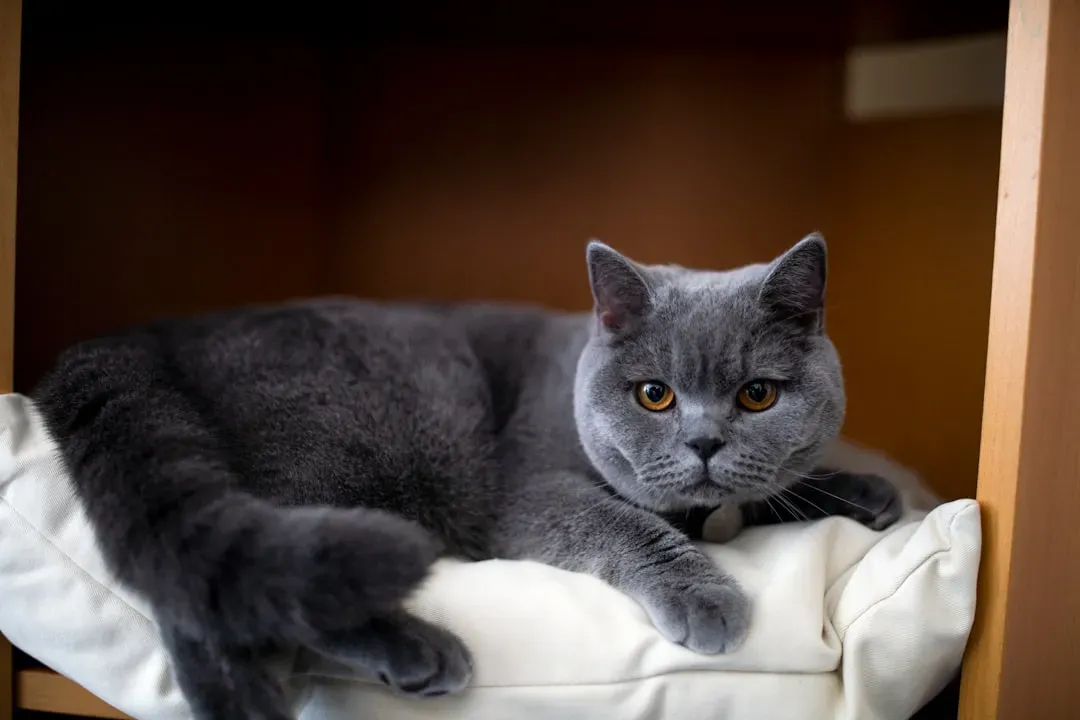
Famous for their plush coats and reserved smiles, British Shorthairs respect personal space like no other breed. They’re the cats who understand that sitting together quietly counts as quality time. Never clingy or demanding, they offer companionship without neediness. Their self-sufficient nature perfectly complements introverted lifestyles, as they’re happy to entertain themselves while you recharge your social batteries after a long day.
Their lack of clinginess shouldn’t be mistaken for a lack of love. Their affection is silent but constant. A British Shorthair shows they care by being near. If you want to honor their introvert energy, avoid picking them up when they haven’t initiated contact. Let them come to you. That, right there, is the golden rule with this breed.
3. Persian: The Velvet-Pawed Recluse
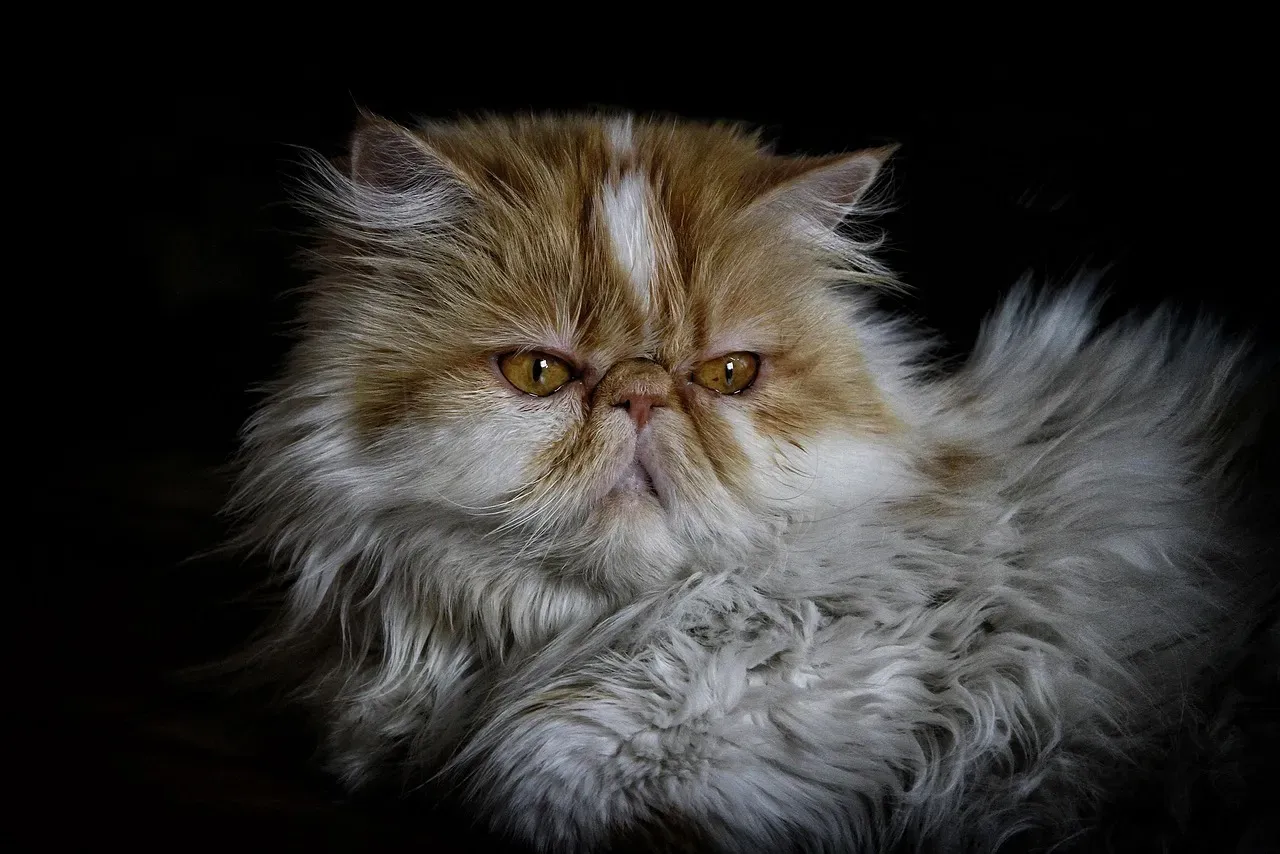
The Persian cat is the epitome of feline royalty, with its luxurious fur and serene demeanor. Low on intensity and high on affection, Persian cats are a brilliant choice for those who value calm. They may often look like they’re wearing a grumpy expression, but don’t let that fool you, this breed is super sweet and easy-going. Loving and charming, the Persian cat is quiet, sedate, and can easily be left alone for the day. Just be mindful that they need a very calm and relaxed environment to thrive.
Persians usually communicate with their expressive eyes rather than with vocalizations. They prefer a peaceful environment and are ideal for homes where a silent companion is desired. Here’s the thing: if you want your Persian to flourish, you need to be the keeper of quiet. A chaotic, noisy household will genuinely stress them out. Create peaceful zones they can retreat to, and they’ll reward you with that signature slow blink that means everything in cat language.
4. Ragdoll: The Gentle Giant Who Knows When to Back Off
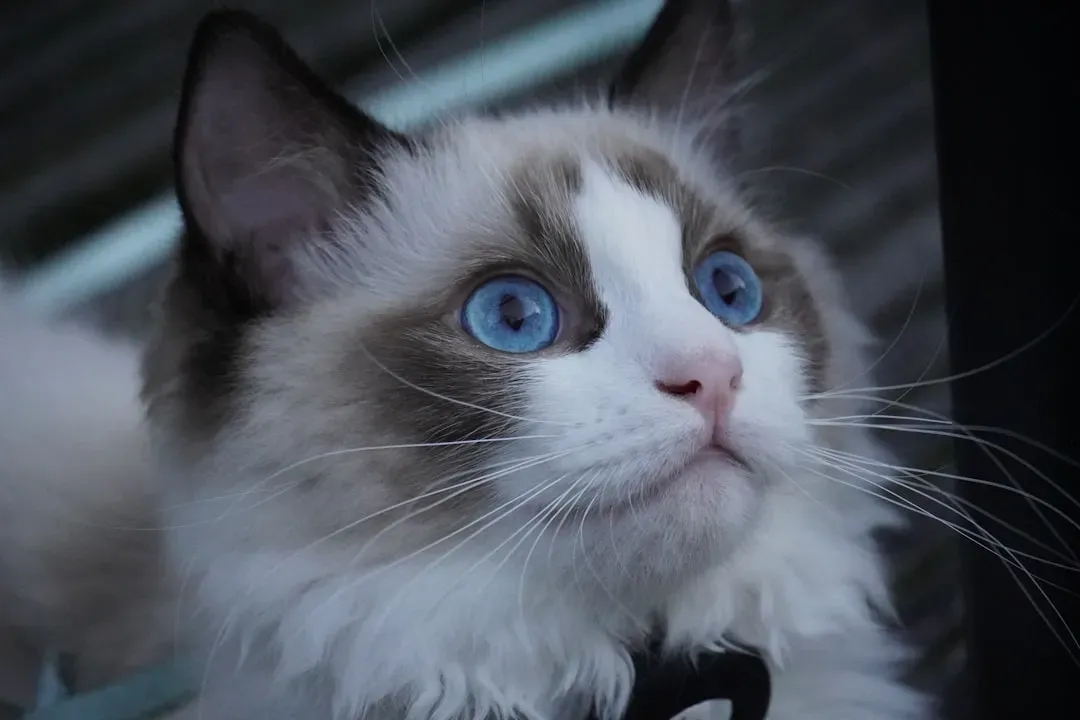
Ragdolls are known for their docile and easygoing nature, rarely getting startled or overwhelmed. They love to be near their people, often following them around like a shadow, but they never demand more attention than you’re willing to give. Their gentle, nonintrusive affection is ideal for those who want companionship without chaos. Whether lounging on your lap or quietly napping nearby, a Ragdoll brings a warm, grounding presence to any peaceful home.
This cat gets its name for the way its body relaxes when you pick it up. Ragdolls aren’t just laidback, they also love to cuddle and prefer quiet, low-key environments. Respecting your Ragdoll’s space means being mindful of overstimulation. Even a docile cat has limits. Watch for the subtle tail flick or the slight body shift that signals they’ve had enough petting for now. Trust those cues, and your bond will only deepen.
5. Scottish Fold: The Quiet Observer
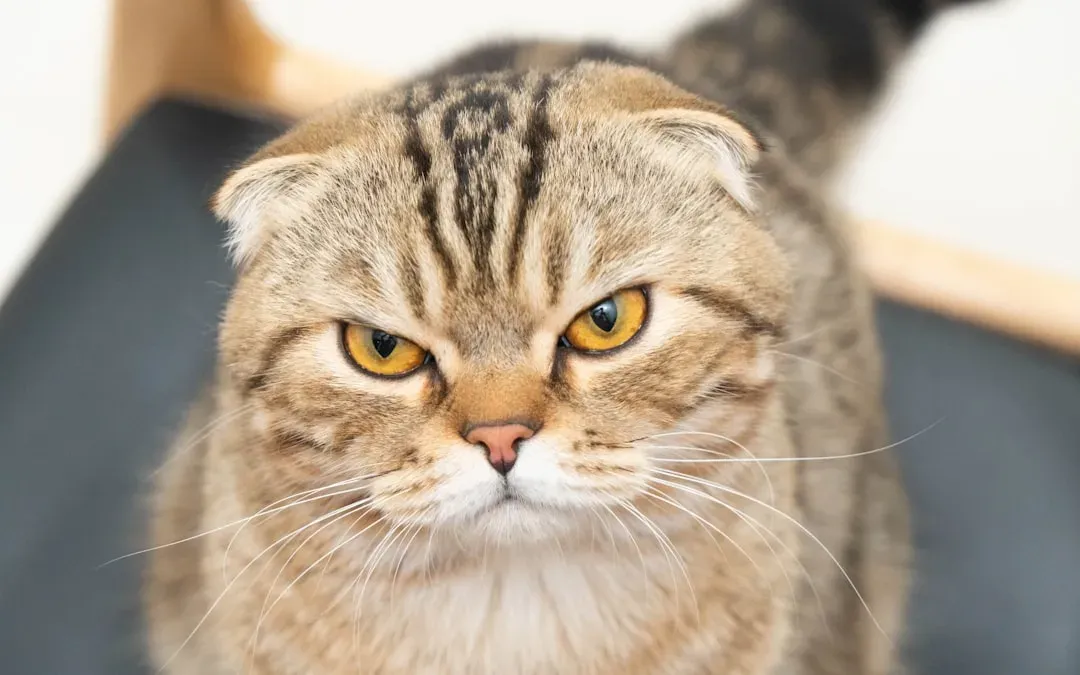
Scottish Folds, with their distinctive folded ears and sweet expressions, are masters of calm observation. These cats are gentle, soft-spoken companions who thrive in serene environments. They’re excellent listeners, always nearby, ready to lend a comforting presence without interrupting your thoughts. Scottish Folds enjoy routine and predictability, making them a stable force in the lives of those who seek comfort in familiarity.
If you keep an eye on them, you’ll notice that they are secret shadows. A Scottish Fold is highly emotionally aware and shows they care by being an observant companion. The best thing you can do for a Scottish Fold is maintain a consistent daily schedule. They genuinely thrive on predictability, and abrupt changes in routine can throw off their emotional equilibrium in ways that aren’t immediately obvious.
6. Maine Coon: The Large and Quietly Devoted Introvert
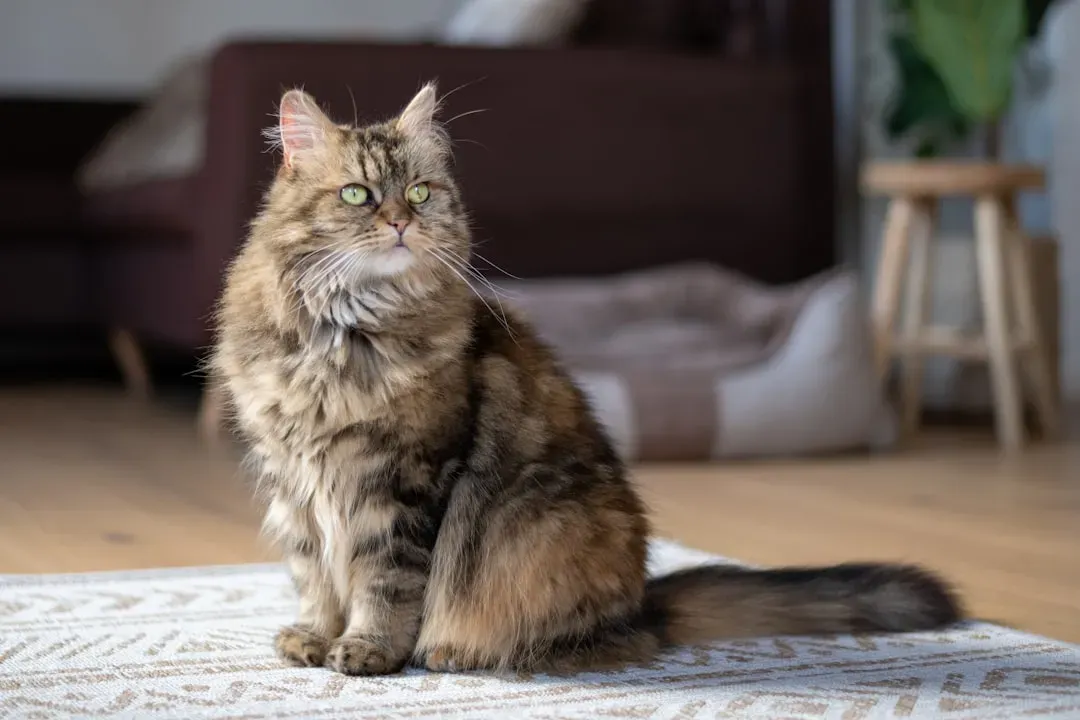
Maine Coons bring a special blend of companionship without overwhelming their humans. Despite their impressive size, these gentle giants move through life with surprising grace and restraint. They offer the comfort of presence without constant demands for attention. Their soft chirps and trills provide just enough conversation without becoming overwhelming. For those who appreciate substantial but unobtrusive companionship, Maine Coons strike the perfect balance.
They are quiet and mellow cats that don’t meow for attention on a daily basis. You won’t find them disrupting your wind-down time at the end of a busy workday, and they handle alone time quite well. Respecting your Maine Coon means giving them vertical space. Think cat trees, high shelves, window perches. They love to observe from above, which is their version of having a private office where nobody bothers them.
7. Chartreux: The French Monk in Feline Form
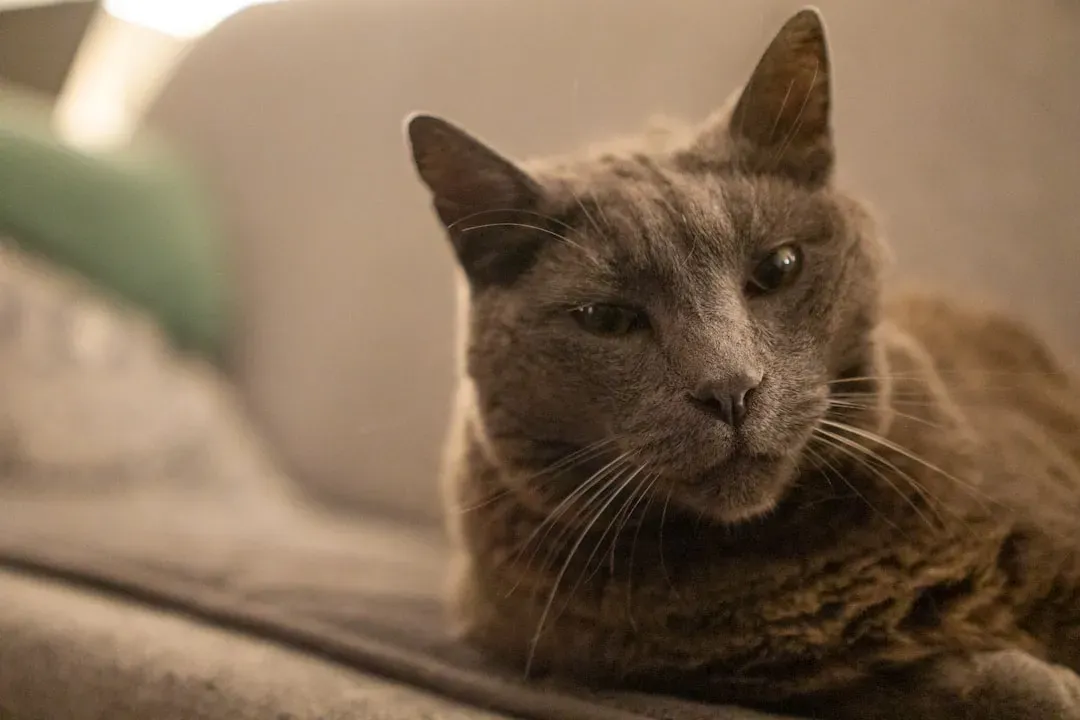
The Chartreux is a rare French breed of cats, with a calm and quiet nature. These cats are thought to have been bred centuries ago to keep French monks company, making them an ideal feline friend for those who value tranquility. They are loyal, mellow, and adore keeping their chosen humans company in a very thoughtful, quiet, and undemanding way. Affectionate with everyone, easy to handle, and fond of short play sessions, their loving and intelligent nature make them a joy to have around.
The truth is that Chartreux cats are incredibly loyal. They just show it through ‘stealth’ affection. They are famous for being ‘dog-like’ in their devotion. Often, they follow their favorite human from room to room without making a peep. I think the Chartreux is genuinely one of the most underrated introvert breeds out there. To give them what they need, you should avoid crowded, overly social environments and offer them a calm, dedicated spot in the home that is entirely theirs.
8. Norwegian Forest Cat: The Independent Nordic Soul
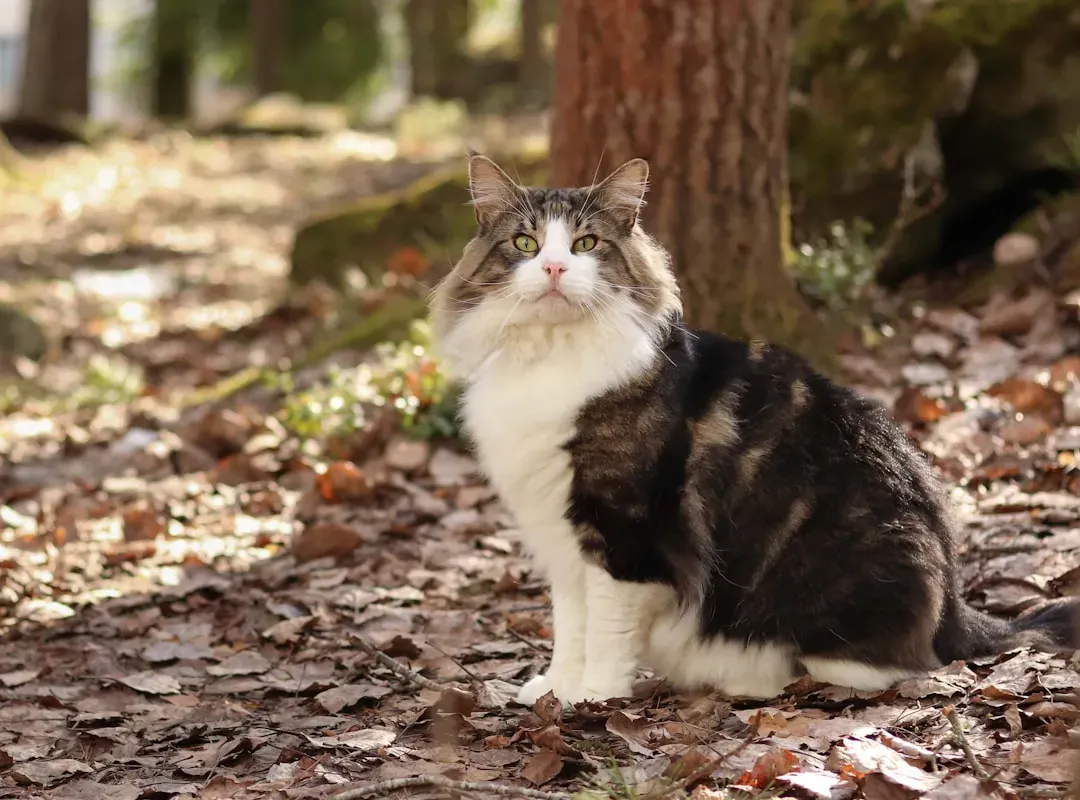
Despite their wild, majestic appearance, Norwegian Forest Cats are gentle giants at heart. They are calm, laid-back, and deeply bonded to their families. These cats appreciate quiet spaces and are respectful of their human’s need for solitude. Imagine someone who grew up hiking solo through remote forests. They love you, they’re loyal, but they also need significant stretches of uninterrupted peace. That is a Norwegian Forest Cat.
The Norwegian Forest Cat is reserved, observant, and selective. They form deep bonds, but carefully choose whom to trust. Norwegian Forest Cats are known for their quiet and independent nature. They are not overly demanding and are content to entertain themselves, making them ideal for those who may not have a lot of time to spend with their pets. Give them outdoor-facing windows, climbing opportunities, and plenty of patience when introducing strangers into the home.
9. Birman: The Sacred and Softly Spoken
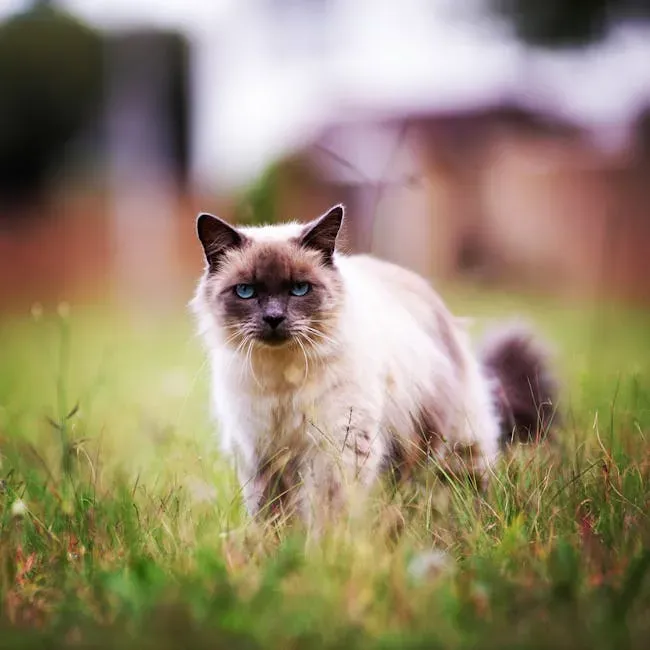
Birmans are relatively quiet cats. Most are soft spoken and refined, with soft chirp-like voices. However, with constant response from their owners when the cat meows, the Birman may become quite a talker. There’s an elegant mystery to the Birman that makes them feel almost otherworldly, and their introverted streak is no exception to their quietly captivating character.
Bred to be a companion cat, the Birman has a beautifully friendly and laidback temperament that makes them well suited to quiet home life. They are quiet, loyal and known to be rather lazy, so if you enjoy chilled out days at home, this could well be the buddy for you. Birmans prefer one person over everyone else, so if you’re looking for a pet who will be devoted mostly to you and you alone, this breed is a great choice. Respecting a Birman’s space means not overwhelming them with new people too quickly. Slow introductions, calm tones, and consistent routines are everything to them.
10. Siberian: The Thoughtful, Self-Sufficient Forest Cat
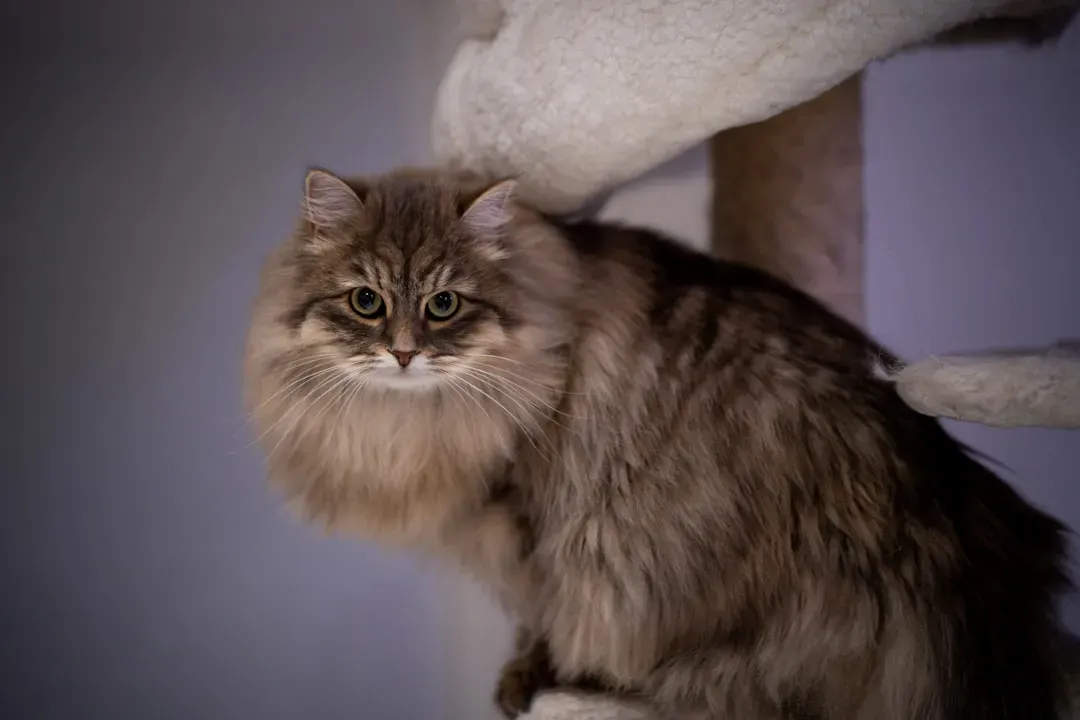
Gentle Siberians make ideal companions for those who appreciate a calm yet affectionate pet. Their luxurious, thick coats and striking eyes give them a captivating presence, adding to their charm. These cats have a friendly and playful nature, engaging in interactive activities while also enjoying moments of solitude. They are independent enough not to demand constant attention but still form strong, loving bonds with their owners. Thriving in peaceful and stable environments, Siberians offer the perfect blend of companionship and independence, making them a wonderful addition to any quiet home.
It’s hard to say for sure whether every Siberian leans strongly introvert, but the breed’s tendency toward selective social engagement is undeniable. The Siberian Forest Cat is a chilled out kitty with a mellow and quiet temperament. This breed gets along famously with everyone, but their affectionate and friendly natures come with an independent streak, which means they can be left alone all day if need be. They’re an intelligent breed and great problem-solvers. Give them puzzles, high perches, and the freedom to decide when cuddle time begins.
11. American Shorthair: The Laid-Back Loner Who Loves on Their Own Schedule
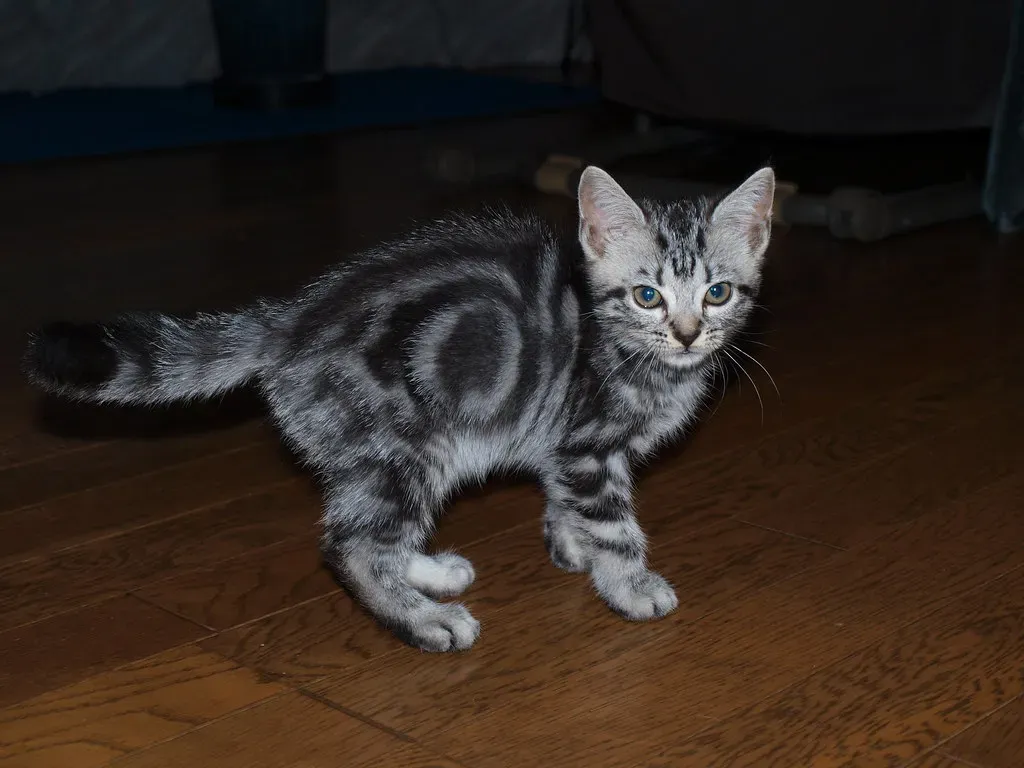
The American Shorthair tolerates being left alone. She is an affectionate cat, but also spends time just sleeping in the sun. The American is an easy cat to care for and makes a wonderful, quiet companion. Let’s be real, the American Shorthair is basically the introvert who functions perfectly well at social events but desperately needs the next day to decompress alone. They’ll engage when they feel like it and then quietly excuse themselves.
While affectionate, the American Shorthair values personal space and prefers sitting close rather than being constantly held. Their loyalty shows in quiet ways, following family routines, relaxing nearby, and engaging in play when the mood strikes. They’re playful without being needy, which suits busy households looking for an easygoing cat. Respecting their introvert nature is simple: let them initiate. Don’t scoop them up out of nowhere. Just share the same room and let the connection build organically.
12. Himalayan: The Serene Homebody With Royal Preferences
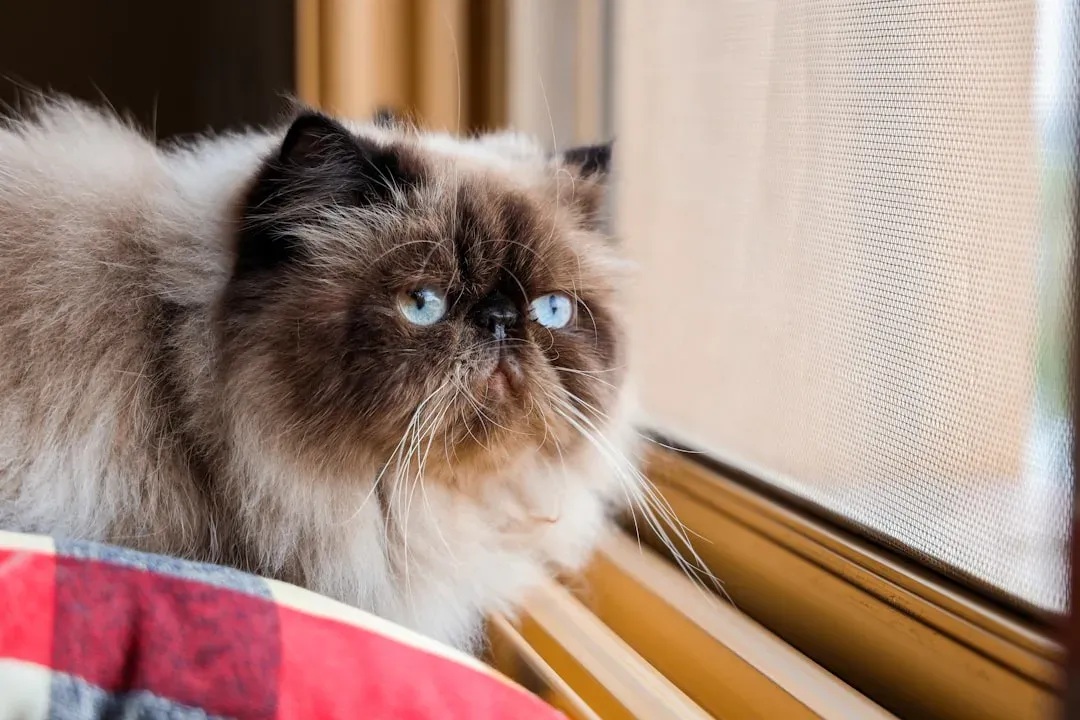
Content with indoor living, Himalayans are happiest when surrounded by love and routine. Although they inherit the Siamese’s striking coloration, their temperament leans strongly toward the Persian’s serene and relaxed personality. Think of the Himalayan as the Persian’s equally refined sibling who also happened to get some particularly dramatic eye color in the genetic lottery.
They do tend to be calm, quiet, sweet, good natured and get along well with other pets. With their luxurious coats and regal bearing, they exude an air of elegance and serenity. They are known for their affectionate and loving nature, seeking out cuddles and attention while respecting your need for personal space. To honor a Himalayan’s introvert tendencies, you should keep their environment calm and predictable. Loud parties, frequent visitors, and sudden routine changes are genuinely stressful for them. A quiet room stocked with their favorite things is not a luxury for this breed. It’s a necessity.
Conclusion: The Art of Letting Your Introverted Cat Just Be
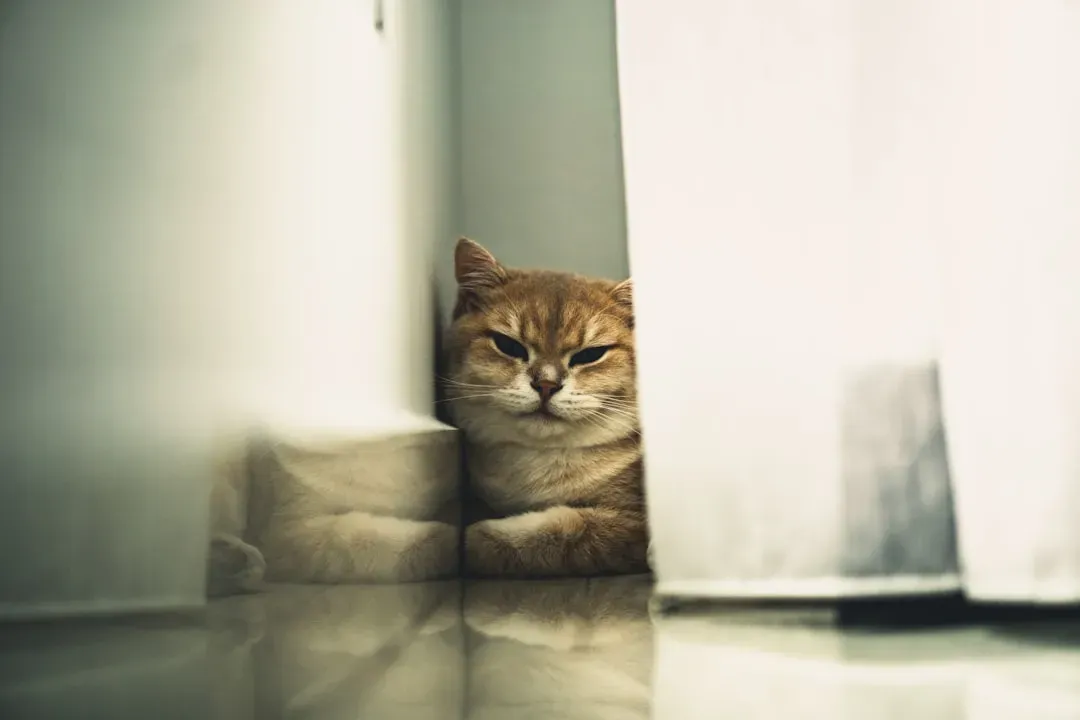
Here’s the thing about introverted cats: they don’t need fixing. Your cat’s introverted behavior isn’t something to change. It’s simply who they are. By providing safe spaces, respecting their boundaries, and letting them initiate interaction on their own terms, you’re giving your cat the ultimate gift: the freedom to be themselves.
Respecting a cat’s boundaries is not only important for their well-being but also for building a strong and trusting relationship with your feline companion. By recognizing their personal space, being mindful of their sensitive areas, engaging in gentle play, and providing safe spaces, you create an environment where your cat feels secure, valued, and respected. The irony, of course, is that the more space you give an introverted cat, the closer they’ll eventually choose to come. Patience isn’t just a virtue with these breeds. It’s the entire relationship strategy.
Whether you share your home with a quietly watchful Russian Blue or a serene, sun-bathing Himalayan, the message is the same: the best way to love an introverted cat is to respect the silence they guard so carefully. Does your cat recognize themselves on this list?