Most people still picture cats as aloof, unbothered creatures who couldn’t care less about your commands. You probably grew up hearing that cats are untrainable, that they do whatever they want, and that if you try to teach one a trick, the most you’ll get is a slow, judgmental blink. Honestly, I used to believe that too.
The truth, though, is far more entertaining. Certain cat breeds are not just capable of learning tricks, they can be downright showoffs about it. Some will fetch, sit, high-five, walk on a leash, and even figure out how to open your cabinet doors just to prove a point. So if you think your cat is too independent to ever impress you, this list might change everything. Let’s dive in.
1. Abyssinian: The Einstein of the Cat World
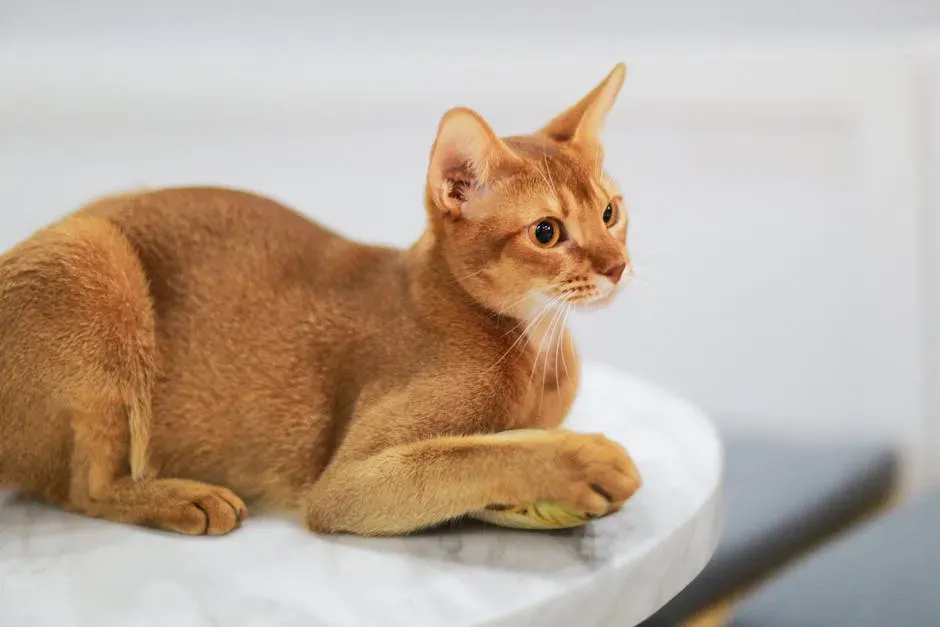
Often called the “Einstein of the cat world,” the Abyssinian is all about curiosity and exploration. If you share your home with one of these, you already know the feeling of watching your cat systematically investigate every corner of the room like a tiny detective. The Abyssinian is often described as the “dog-like” cat because of its strong desire to interact and learn, and this breed is highly intelligent and thrives on mental stimulation.
They respond well to positive reinforcement and can quickly learn commands such as sit, high-five, and even fetch. Their playful nature means they love clicker training, and they can be trained to walk on a leash. Want to keep the momentum going? Given that Abyssinians have relatively short attention spans, it’s best to keep training sessions brief and focused, aiming for about five to ten minutes a few times a day. This helps maintain their interest and avoids any feelings of boredom or frustration, keeping the training process enjoyable.
2. Siamese: The Opinionated Overachiever
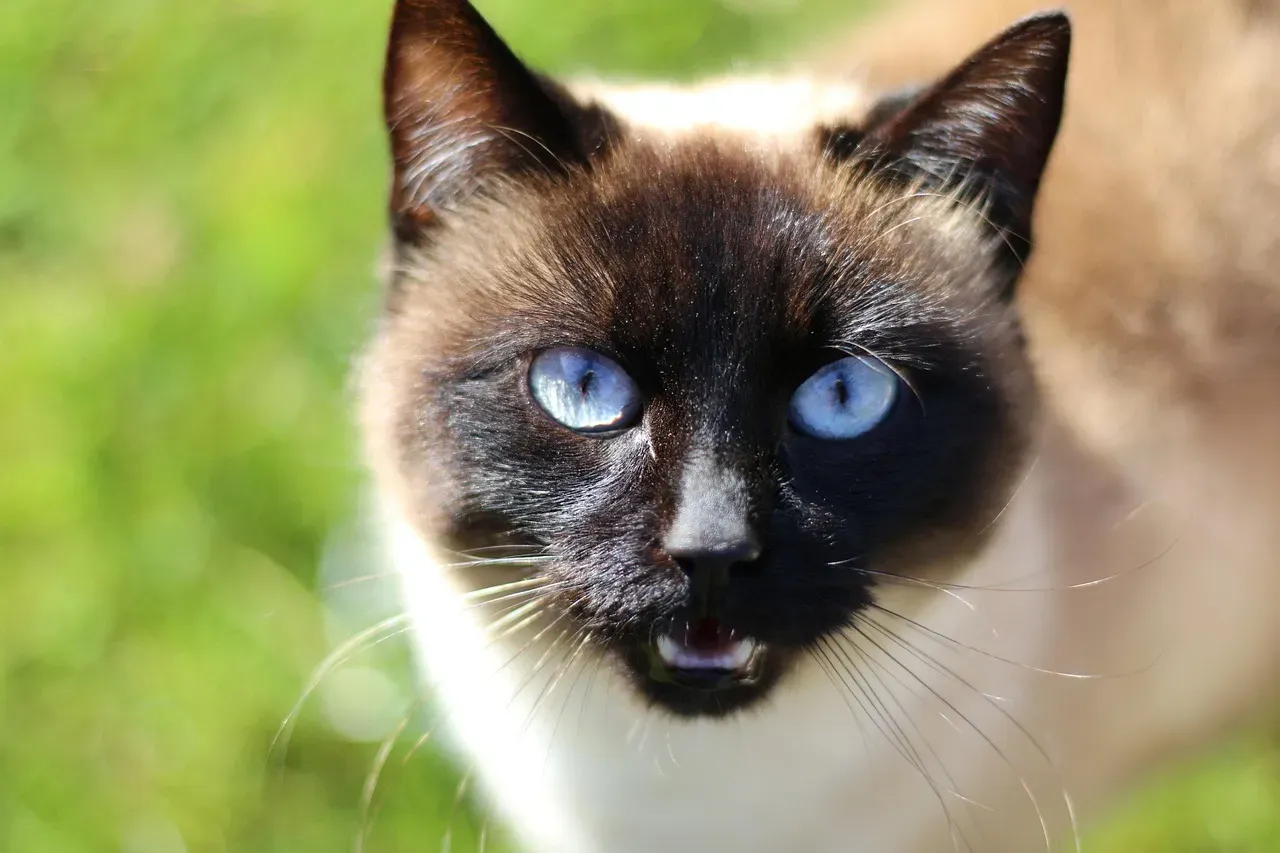
Siamese cats are one of the most vocal and intelligent breeds, making them highly trainable. They crave interaction and mental stimulation, which makes them eager learners. Think of them as that one person in the office who absolutely has to be involved in every meeting. They are not happy on the sidelines. They are incredible communicators, not just meowing but using tone and timing like they are having a real conversation. They learn routines quickly and will absolutely tell you if you are doing the routine wrong. Siamese cats also crave stimulation and connection, which makes them easier to teach and harder to ignore.
They can learn tricks like playing fetch, high-fiving, and even opening doors. It is hard to say for sure where the ceiling is with this breed, because they seem motivated by both treats and pure social attention. The Siamese is smart and loves to learn new tricks. If you do not provide interesting and challenging outlets to exercise its mind, it will find its own stimulating activities, whether you approve or not. You have been warned.
3. Bengal: The Wild Genius With Boundless Energy
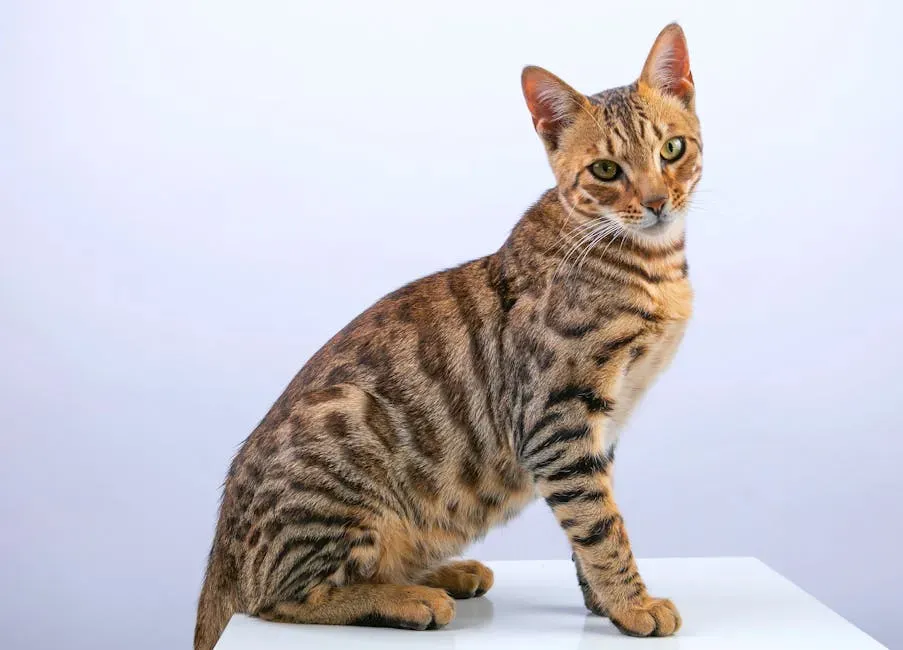
Bengals are one of the most intelligent and trainable cat breeds. They are energetic, inquisitive, and love learning new tricks. Their wild ancestry contributes to their problem-solving skills, making them quick learners. Sharing your home with a Bengal is a bit like living with a tiny leopard who also happens to be working on a PhD. Bengals love playing with complex toys, figuring out problems, and opening doors, drawers, and containers. These cats are also athletic and enjoy water play, so do not be surprised if your Bengal tries to join you in the shower.
The Bengal is good at learning tricks, including playing fetch, and will take you for walks if you are attached to a leash. The key with this breed is channeling all that wild energy productively. Bengals often learn how doors work, how cabinets work, and which objects make the most interesting sounds at two in the morning. They are quick, athletic, curious, and mentally hungry. In a home that offers enrichment, they are amazing. In a boring home, they will create excitement, usually at your expense.
4. Maine Coon: The Gentle Giant Who Loves to Please
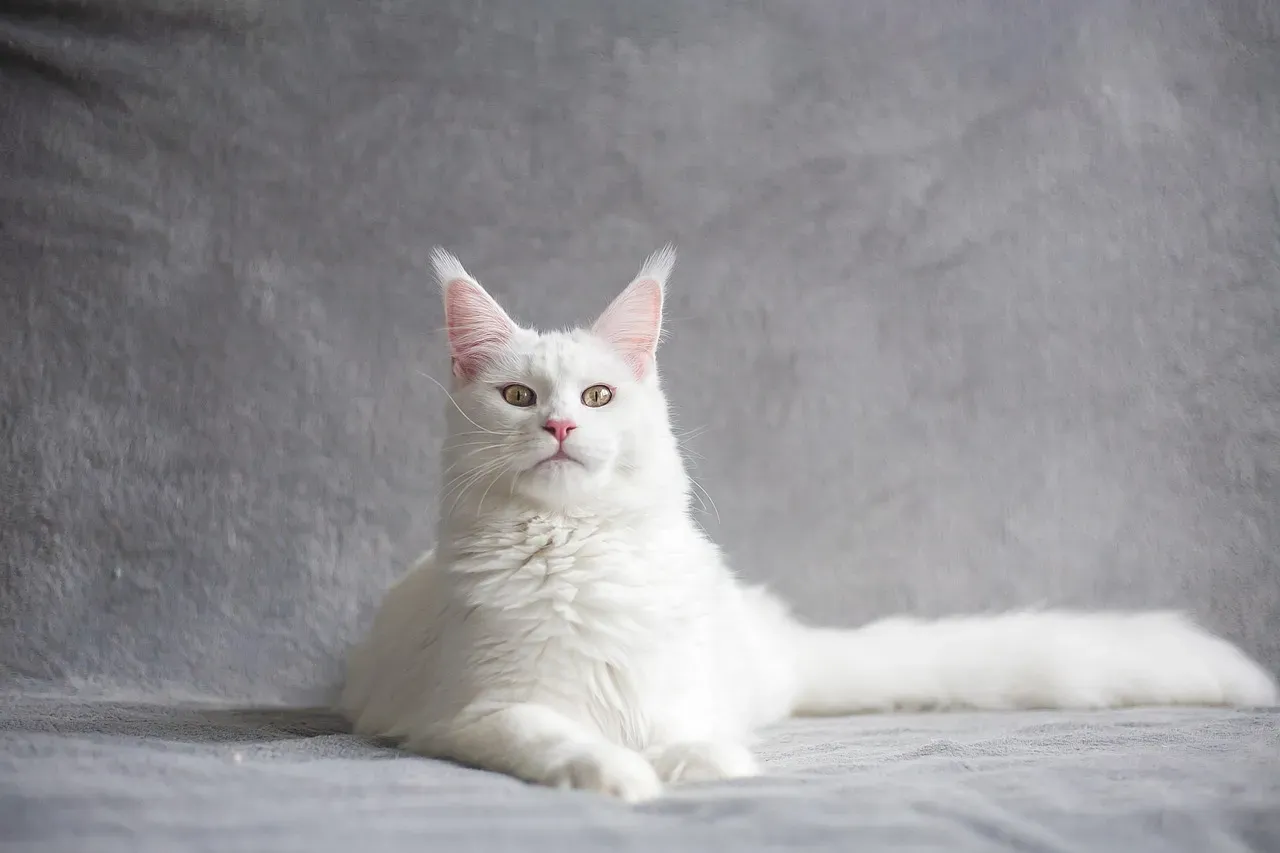
The gentle giant of the cat world is known for a laidback disposition and the ability to adapt to almost any situation. It is believed that the Maine Coon sailed to America from England or Scandinavia on ships with seafarers sailing to the New World. Since then, they have survived centuries of harsh weather and rodent hunting in barns. Now safely relaxing in comfortable family homes, the sharp intelligence and adaptability they honed over the centuries can be used to learn specific traits.
The Maine Coon tends to love people of all ages and is eager to please, picking up new tricks quickly and easily. This breed is the rare combination of large and laid-back but also surprisingly brilliant. As one of North America’s oldest breeds, the Maine Coon is known for problem-solving abilities and adaptability. Their intelligence, combined with their size and strength, made them excellent mousers on farms. Today, that same sharp mind is ready to learn every command you throw its way.
5. Cornish Rex: The Kitten That Never Grew Up
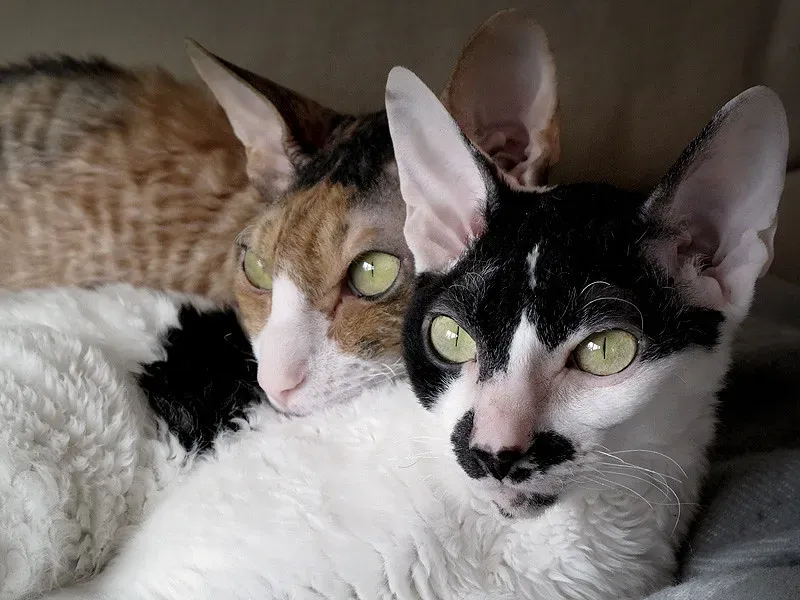
Distinguished by their soft, wavy coat and agile bodies, Cornish Rex cats are active, intelligent, and persistently playful. They are often described as kittenish throughout their lives and possess a keen intellect that makes them quick learners. This trainable breed excels at learning tricks, enjoys interactive toys, and loves to explore. You will likely find that training them feels less like work and more like a game, because for them, it genuinely is. Cornish Rex cats love to play fetch. Very intelligent and highly trainable, these kitties enjoy games of all kinds.
The Cornish Rex and Devon Rex are natural problem solvers, and they are both eager to learn, so you will find that, as well as mastering new tricks and behaviors, they will also enjoy puzzle feeders and other challenging toys that give their brains and bodies a good workout. Because both breeds form deep emotional connections with their humans, they are naturally inclined to want to please them, which makes training both a breeze and a whole lot of fun. If you want a cat that genuinely bonds through learning, this one is for you.
6. Devon Rex: The Elf Cat With a Trick Up Its Sleeve
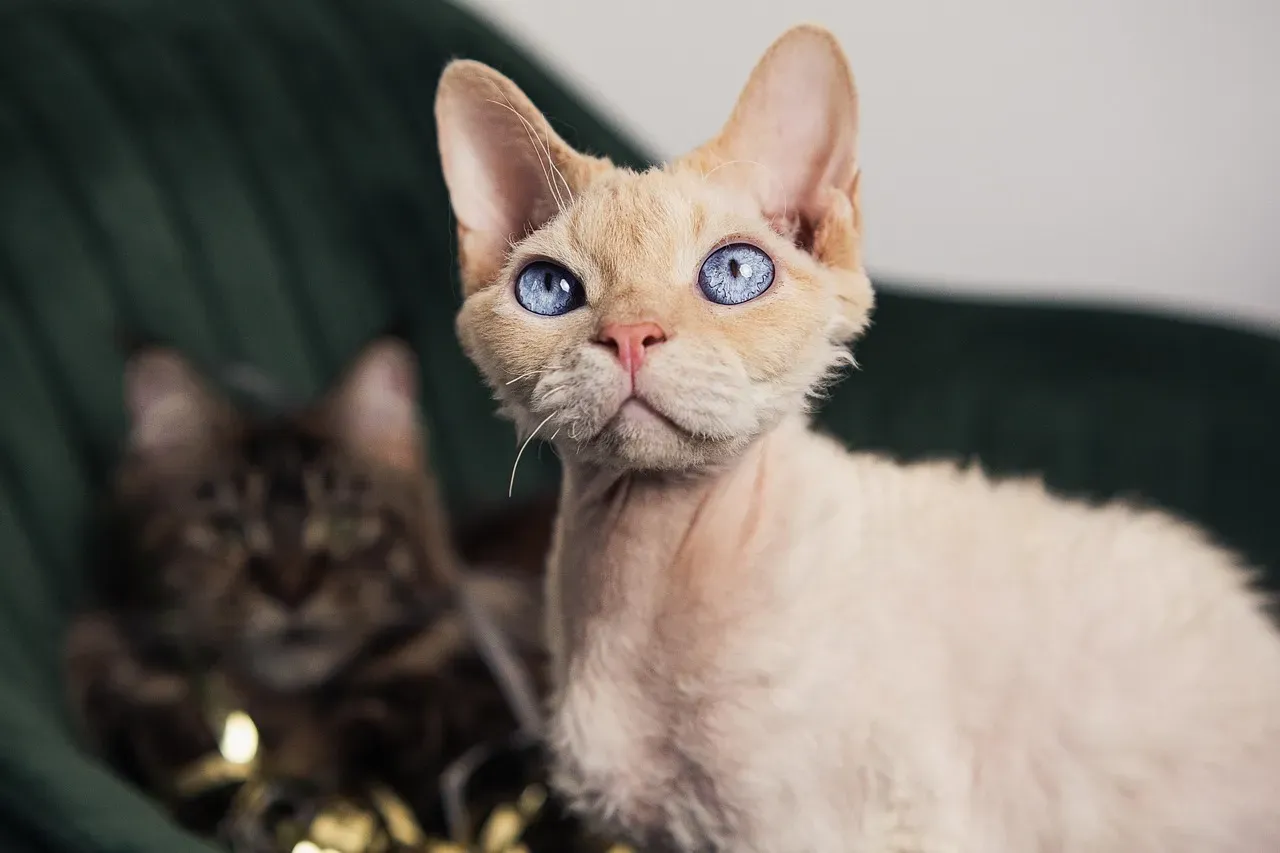
Intelligent, sometimes mischievous, and often playful, the Devon Rex never really loses their fun-loving kitten traits. After their daily dose of exploring, fetching, play-hunting, and spying out the window on neighboring cats, they love to snuggle in your lap. Devon Rexes are much more social than other cats, playing well with older children, enjoying meeting well-mannered strangers, and being incredibly people-oriented.
Not only are Devon Rex cats very trainable, but their intelligence and eagerness make them great candidates for learning basic commands or unique tricks. Many Rexes can be taught to play fetch or retrieve objects, while some have taken on more challenging skills, like using a standard toilet as their potty. Honestly, that last one is so impressive it almost sounds made up. Due to their high intelligence, Devon Rexes are easily trainable, when compared to other breeds, and can learn a large variety of different tricks if motivated by treats. Keep those rewards coming and you will be genuinely astonished.
7. Burmese: The Social Butterfly Who Lives to Entertain
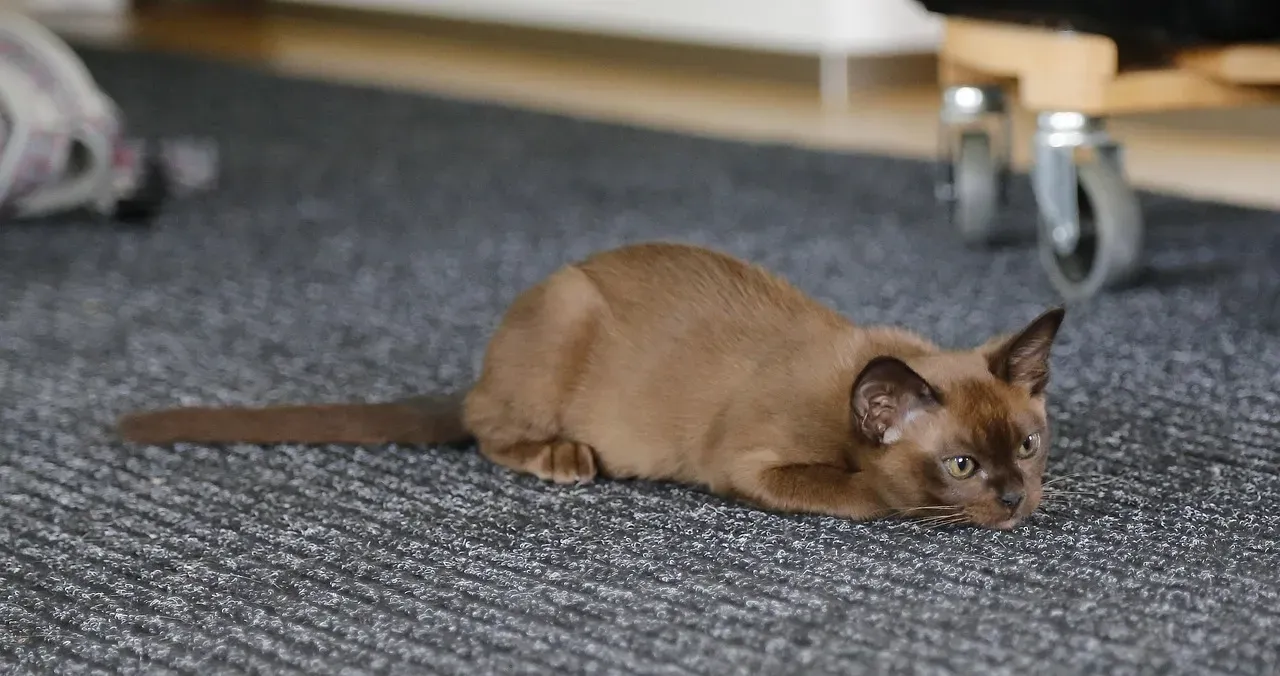
The Burmese are a cross between a Siamese cat and a small brown cat from Burma. Burmese cats are considered highly intelligent and very low-maintenance. They are known to form strong bonds with their owners, but love to be the center of attention, and this breed is playful, energetic, and curious. If you ever needed a cat that truly performs for an audience, look no further. Burmese cats are playful and affectionate but are also highly intelligent. They thrive on interaction and are quick learners, often picking up tricks and commands.
Burmese cats have short coats in various stunning colors, including blue, champagne, and platinum. These energetic cats love to play and learn new tricks. There is something almost theatrical about the Burmese personality. They are not just learning tricks for treats. They are learning tricks because they love showing off to the people they adore. One of the smartest cat breeds, the Burmese craves attention, something you can learn from its body language. Use that to your advantage during every single training session.
8. Tonkinese: The Best of Both Worlds

The Tonkinese is a cross between the Siamese and Burmese. This breed inherits the best of both worlds, showing high intelligence and affectionate companionship. The Tonkinese loves to be with their humans, is eager to learn, and is very social. They also excel at problem-solving and have a reputation for learning basic words and phrases and adapting quickly to new environments. Imagine taking the chattiness of the Siamese and the social warmth of the Burmese and combining them into one cat. That is exactly what you get.
The Tonkinese is the kind of cat that wants to be part of everything. They are smart, but not in a “sit on a shelf and judge you” way, more like “tell me what we are doing and I will help.” Tonkinese cats pick up routines quickly, enjoy puzzle toys, and often learn simple commands faster than you would expect. Their biggest strength is social intelligence: they watch faces, follow gestures, and react to attention like a little furry teammate. Training one of these is genuinely a collaborative experience.
9. Ocicat: Wild Looks, Totally Domestic Brains
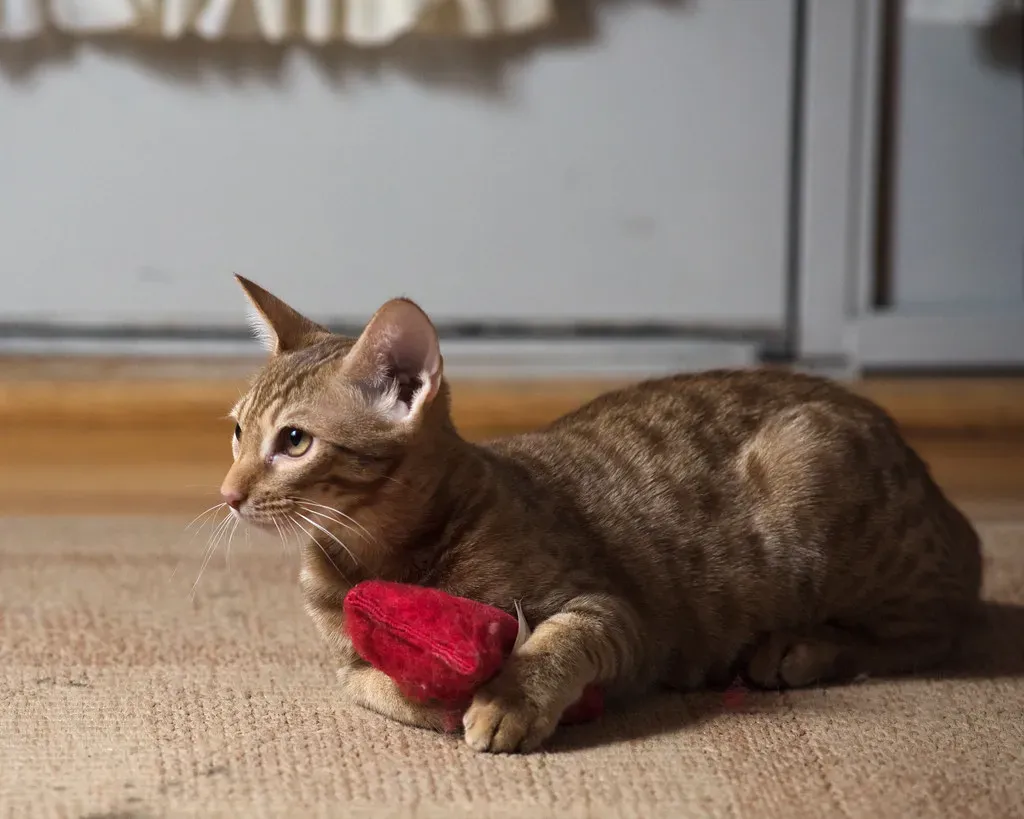
Despite its wild appearance, the Ocicat is one hundred percent domestic, so it is ideal for those who long for a cat with exotic looks and a tame, friendly personality. Named for its remarkable resemblance to the ocelot, the Ocicat has a short coat that is easy to care for, and its temperament is so gregarious that it is often referred to as a dog in a cat’s body. The Ocicat gets its cheerful, outgoing personality from the breeds that formed its foundation, namely Siamese and Abyssinian.
This fantastic cat is capable of walking on a leash, playing fetch, and learning tricks and commands that are typically associated with dogs rather than cats. This fun-loving cat seeks good times above all other things and will happily follow its people wherever they go. You also get the added bonus of a cat that looks like it escaped from the wild. Ocicats tend to enjoy training, interactive play, and being in the middle of the action. Many can learn fetch, leash walking, and basic cues if you make it fun. They are also confident and social, which makes their smarts easy to see. Ocicats often seem to understand games quickly and will push you to keep playing.
10. Savannah: The Exotic Overachiever

The Savannah cat is the result of an African serval and a domestic cat being crossed. That wild heritage is immediately obvious the moment you look at one. With their spotted coats and big ears, it is easy to see that the Savannah has wild roots. Their striking appearance matches their sharp intelligence, and they are just as clever as they look. As one of the smartest cats, the Savannah needs plenty of stimulation in the form of hunting games and loves having space to roam and explore. They can even be taught to walk on a leash and, unlike many other breeds, they are big fans of playing in water.
Much like the Bengal, the Savannah breed is recognized for their active and energetic behavior and need for regular interaction and stimulation. Boasting long lifespans of up to 20 years, the Savannah is a breed for individuals looking for a long-term, energetic companion. Their exotic look, along with their high exercise requirements, make them ideal pets for those who enjoy interactive play and challenging their pets with new tricks and activities. Still, be ready to invest serious time into keeping this cat’s brilliant mind occupied.
11. Oriental Shorthair: The Wordy Wizard
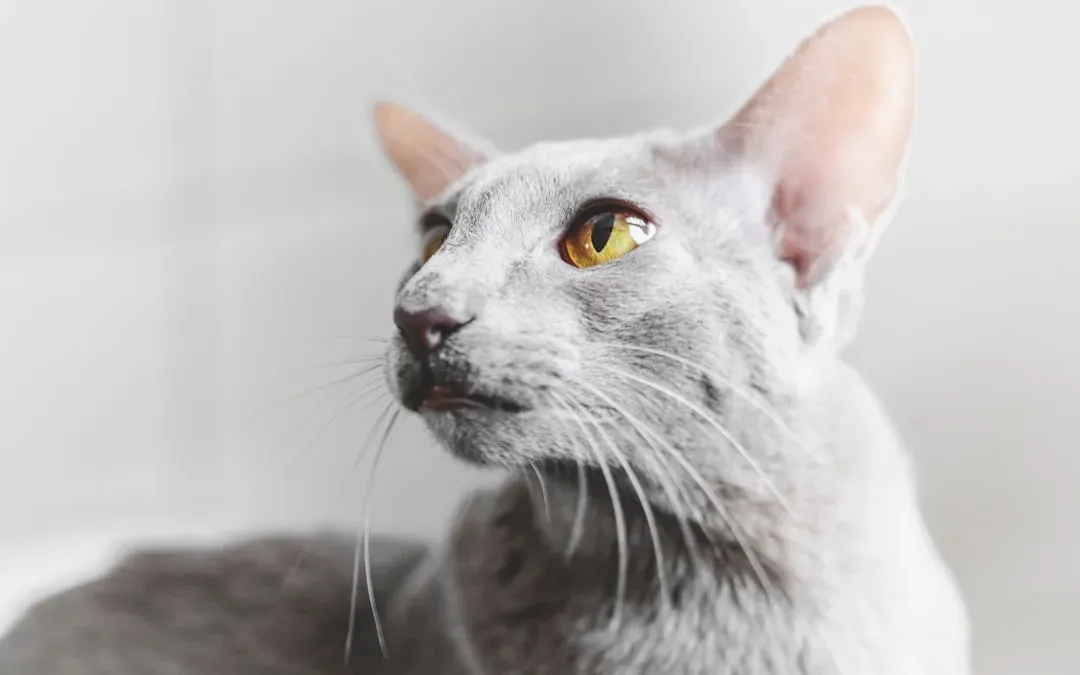
The Oriental Shorthair originated in England in the 1950s as a close relative of the Siamese. This breed has the same sleek body and large ears but comes in more than 300 colors and patterns. Oriental Shorthairs are highly intelligent, talkative, and people-oriented. They enjoy learning tricks, solving puzzle toys, and following their favorite human from room to room. They are essentially the Siamese’s louder, more colorful cousin, and every bit as sharp.
This breed thrives on attention and mental stimulation and becomes restless if left alone too long. That restlessness is not a flaw, it is a signal. Your Oriental Shorthair is simply telling you it is time for another training session. Food-motivated cats tend to be the easiest to work with, but you can use petting, tossing a favorite toy, brushing, and even verbal praise as a reward for your cat. Once you find that positive reward, you can start training. With an Oriental Shorthair, almost anything motivates them as long as it involves you paying attention to them.
12. Turkish Van: The Athletic Showman
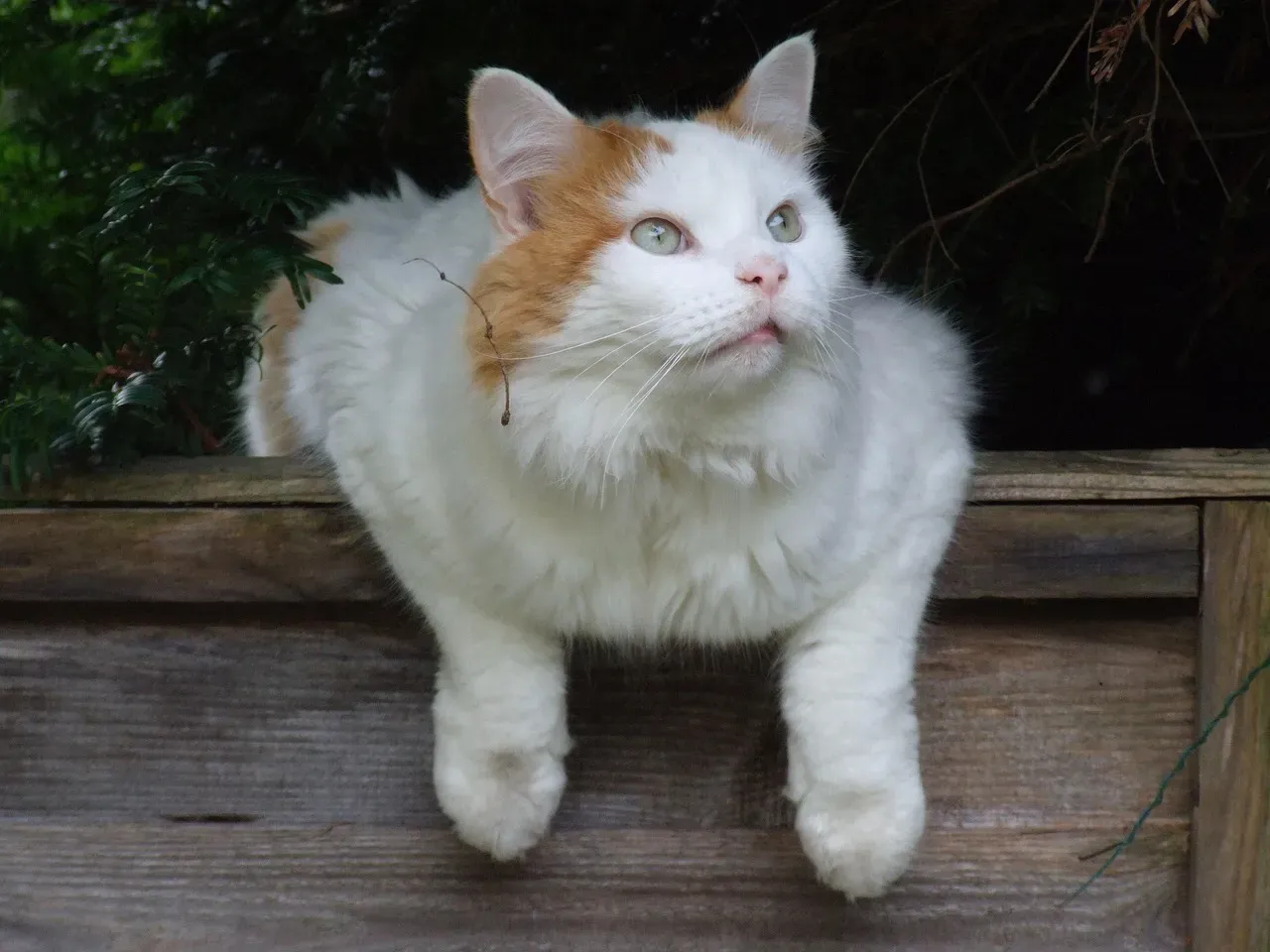
The Semi-longhair Turkish Van is an ancient breed thought to have originated in Turkey where it was called the “Vancat” by residents. Their coat has a unique cashmere-like texture that repels water and dirt and is all white except for color on the head and tail. The Turkish Van loves water and has been nicknamed “the swimming cats,” and this large, agile cat is an intelligent, sweet, loyal, and curious breed. Yes, a cat that loves swimming. I know it sounds crazy, but it is absolutely true.
Athletic and demanding attention, the Turkish Van loves to master tricks for people. It sleeps far less than most cat breeds who typically snooze up to 17 hours a day. It favors playtime over roosting in a lap. It needs interactions and stimulating toys to prevent becoming destructive out of boredom. Turkish Vans are agile and highly trainable and also love to swim and play with water. They can learn to fetch, respond readily to their names, and even enjoy car rides. A cat that rides in cars and swims on purpose? Honestly, what more could you ask for?
Final Thoughts: Your Cat Might Be Smarter Than You Think
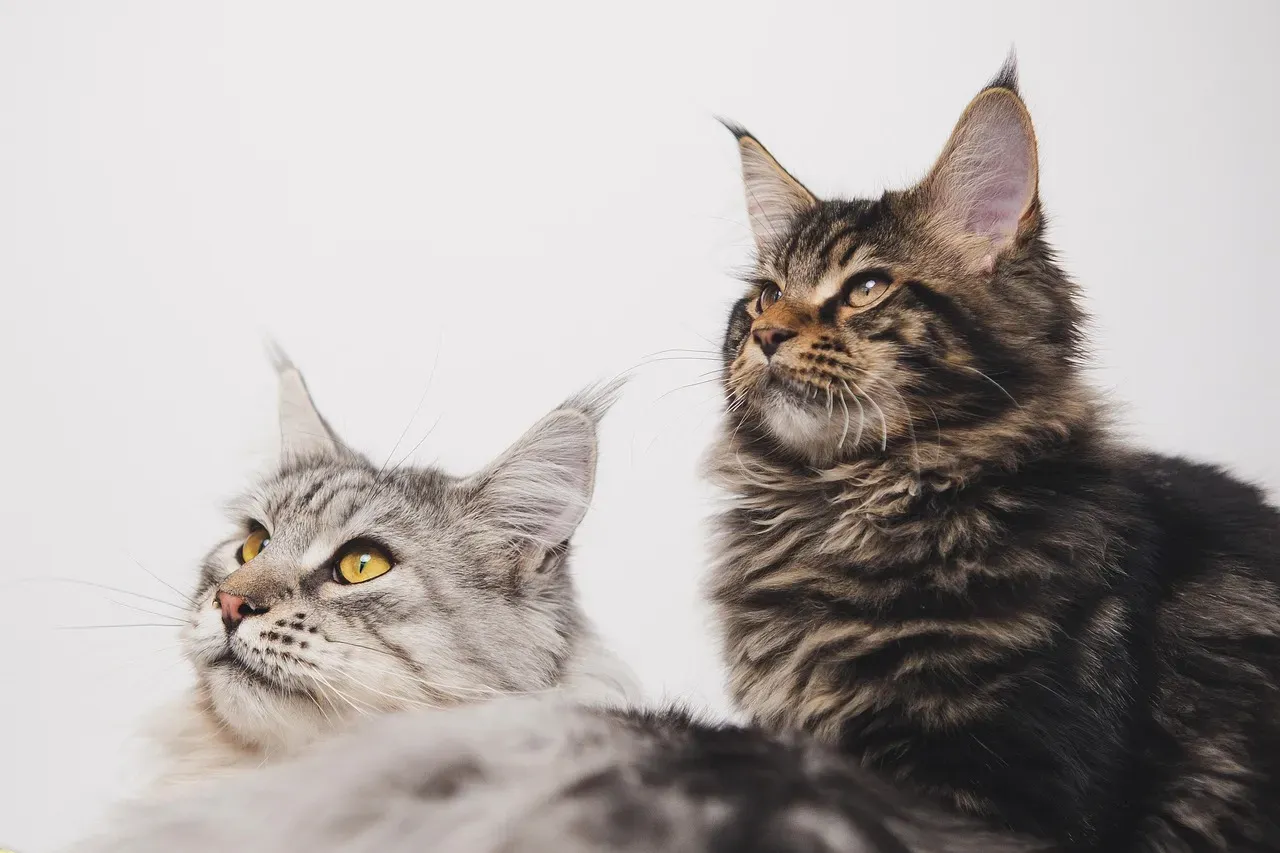
Here is the thing about cat training that most people overlook. Many things can influence your cat’s ability to learn or interest in learning, including personality, reward value, and your training methods. Breed is not the most important factor. Just about any cat can do well with training. It is all about finding something they enjoy enough to do a little work for it. The breeds on this list are simply gifted at making that process feel natural and rewarding for both of you.
Whether you share your home with a mischievous Bengal that has already figured out the kitchen tap, or a vocal Siamese that lectures you if you skip a training session, the potential for connection through learning is real and genuinely special. Many trainable cat breeds can learn impressive tricks, walk on a harness, or play fetch, offering fun interaction. Their ability to understand and communicate often leads to very strong, affectionate bonds with their owners. Training your cat is not just about tricks. It is about building a relationship that goes far deeper than most people expect from a feline.
So the next time someone tells you cats cannot be trained, feel free to smile knowingly. You now know better. Which of these breeds surprised you the most? Drop your thoughts in the comments below!