You’re sitting in your cozy studio apartment, sipping coffee and scrolling through adoption sites. Those fluffy faces are irresistible. You imagine lazy Sunday afternoons with a purring companion nestled beside you.
But here’s what most cat lovers don’t realize until it’s too late. Not every cat is cut out for apartment living, no matter how much you love them. Some breeds are wired differently. They need space to run, climb, explore, and burn off energy that would drive both you and your neighbors absolutely bonkers in a confined space. Let’s be real, bringing home the wrong breed could transform your peaceful sanctuary into a scene of daily chaos. So before you fall head over heels for those stunning markings or captivating eyes, let’s dive into which breeds might not be your ideal roommate.
Bengal Cat
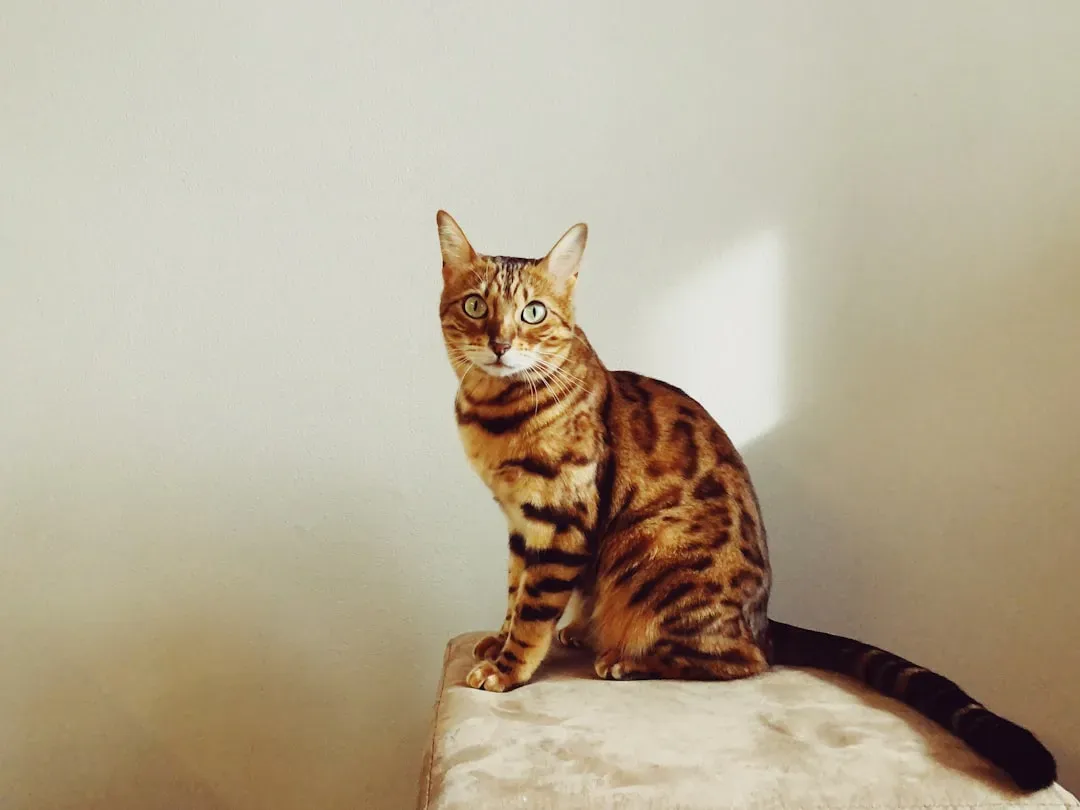
Bengals are often described as the feline version of the Energizer bunny, and smaller spaces can seriously cramp their style. These stunning cats, with their wild leopard-like markings, were literally bred by crossing wild Asian Leopard cats with domestic breeds. That wild ancestry isn’t just for show. They need plenty of space to run and play with their high energy levels.
True to their wild roots, Bengals are energetic and need to stay active to avoid boredom or destructive behavior, so if you choose one, be prepared to spend plenty of time playing with them. They’re curious, athletic, and require constant mental and physical stimulation. Bengals love water and might even join you in the shower! In a small apartment, that boundless energy has nowhere to go except into your furniture, curtains, and probably your sanity.
Savannah Cat
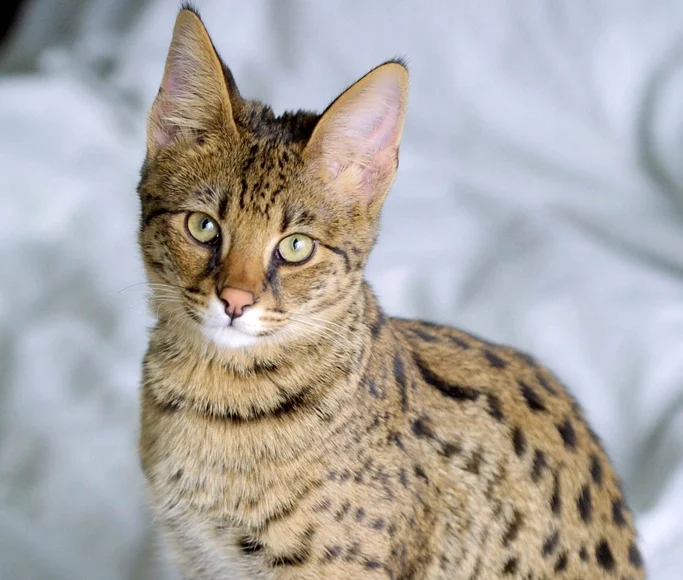
Hybrid cats such as the Savannah are ill-suited for apartments since they like to be outside. These extraordinary cats are part African Serval, which makes them part wild in more than just appearance. These large cats require a lot of exercise, play, and interaction, and they can jump up to 8 feet in the air.
Think about that for a second. Eight feet straight up. Your apartment ceiling suddenly doesn’t seem so high, does it? Savannahs are known for frequenting high places and have an adventurous spirit that’s difficult to satisfy indoors. They also take well to walking with a leash in the great outdoors. If your cat needs outdoor walks like a dog just to stay balanced, apartment living probably isn’t the right fit.
Abyssinian
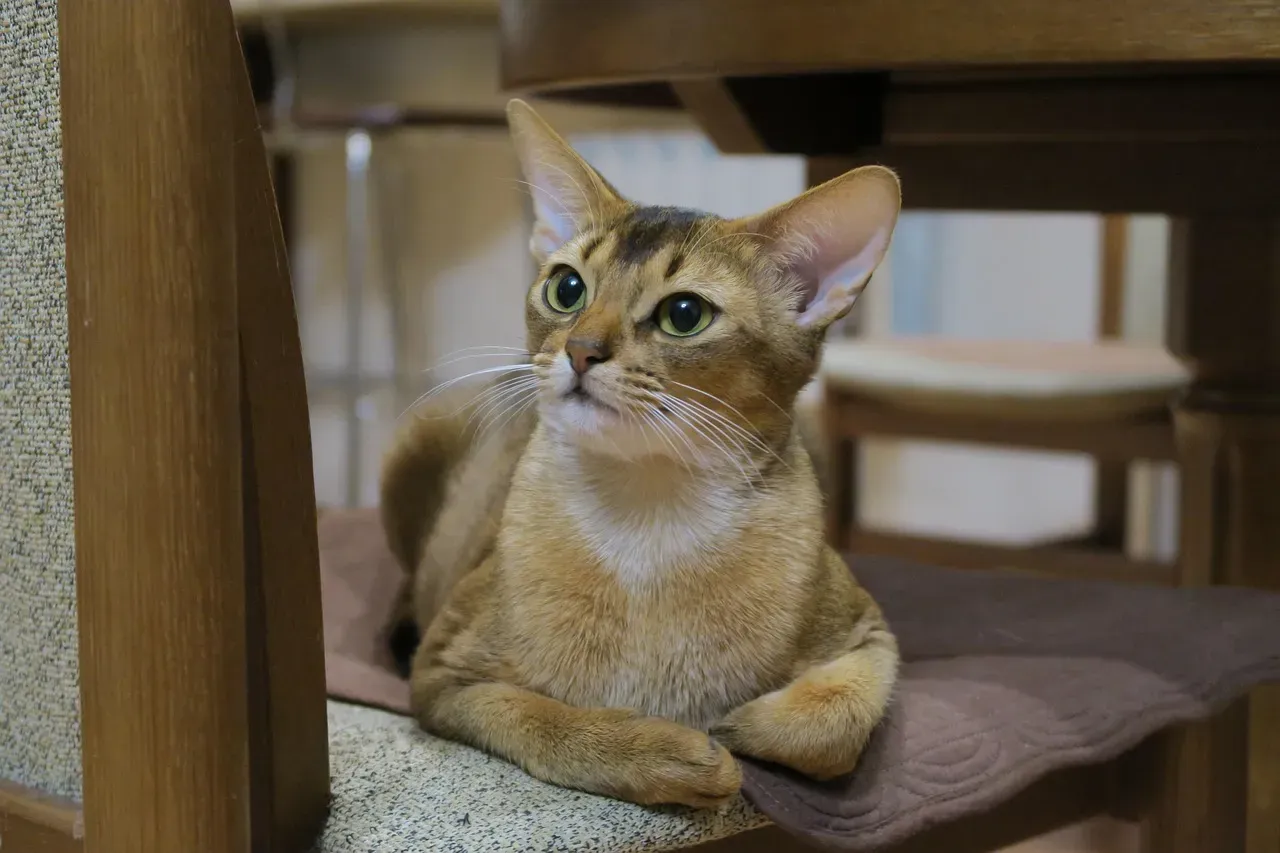
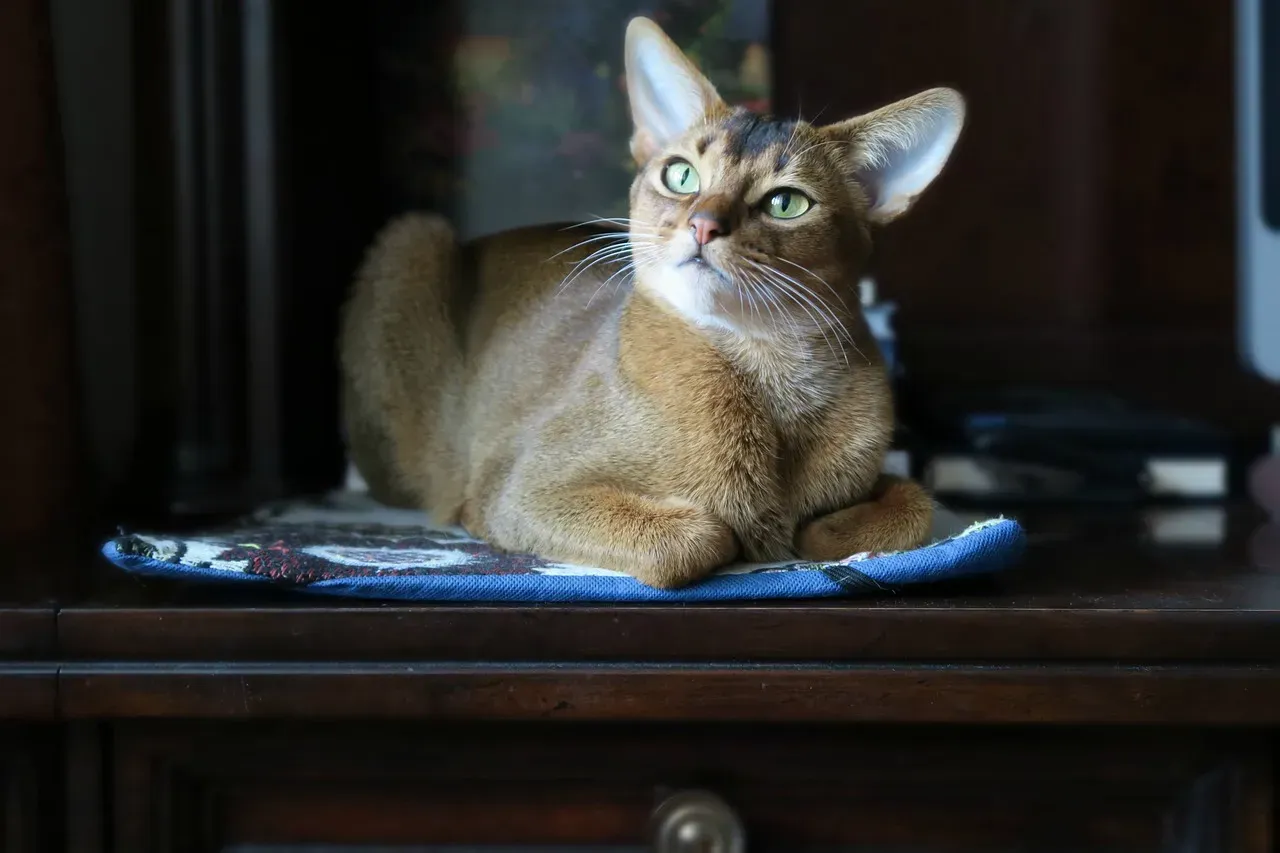
Abyssinian cats boast tons of energy, and they may scale the walls if you try to put them in a one-bedroom rental. Honestly, it sounds like an exaggeration until you actually see one in action. Abyssinians are often called the athletes of the cat world.
Abyssinians are playful and active and like to explore, requiring mental stimulation such as with toys or interactive play to prevent boredom. They’re muscular, wiry, and can reach places you didn’t even know existed in your apartment. These cats are constantly on the move, investigating every nook and cranny. Their natural curiosity paired with sky-high energy levels means they need far more space than most apartments can realistically provide.
Siberian Cat
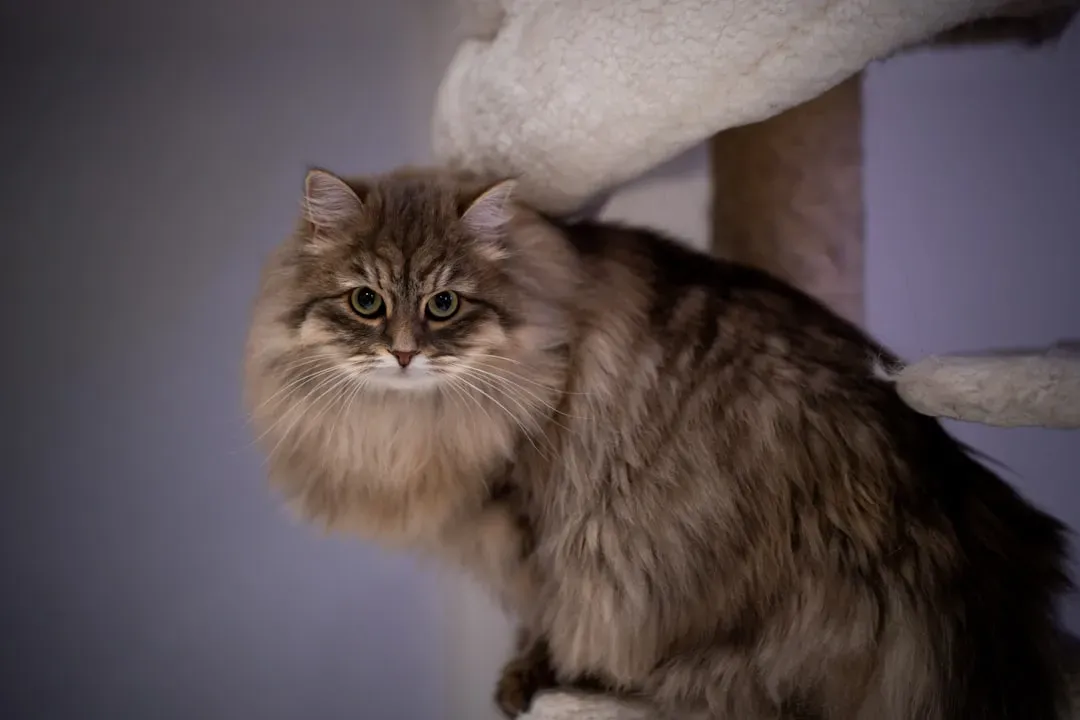
Siberians are a bit too energetic for smaller spaces. These majestic, fluffy giants hail from the forests of Russia, where they had endless terrain to roam and explore. Siberians like to climb, jump, and explore, so having plenty of spaces and levels for your cat to work with can add to the stimulation.
In a cramped apartment, a Siberian will quickly become restless. They’re athletic jumpers and natural climbers who thrive when they have room to move. Without adequate space and vertical territory, they can become bored and potentially destructive. These aren’t lap cats content to lounge all day. They’re adventurers at heart.
Siamese Cat
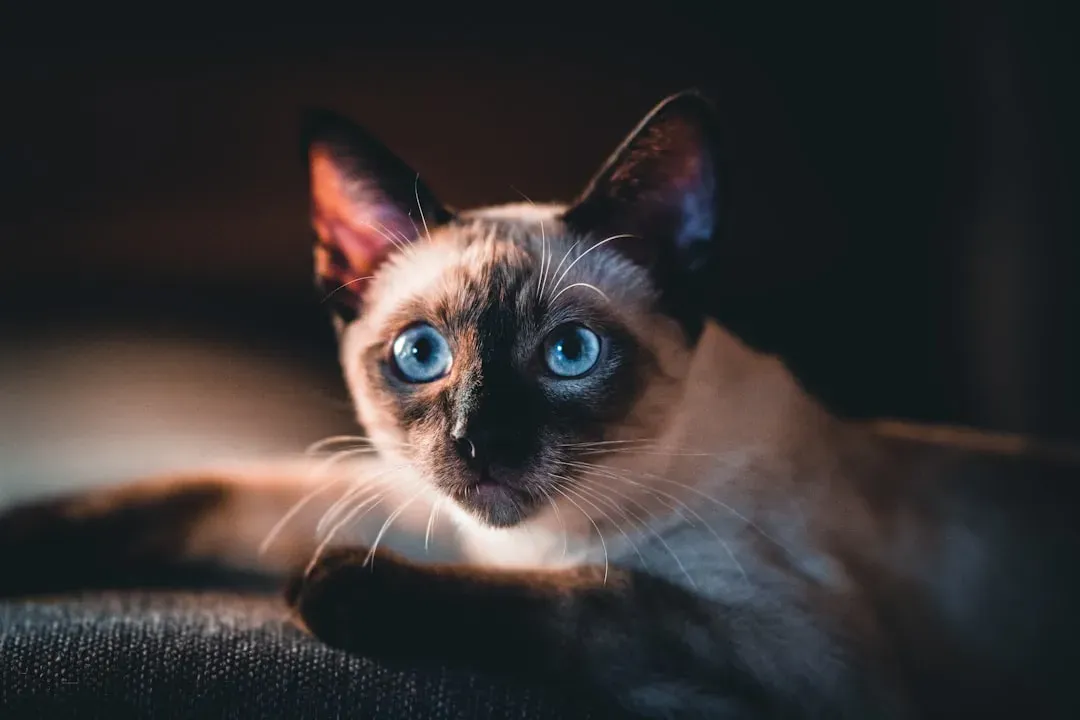
Siamese can be quite vocal, which might cause problems in an apartment block if the walls or floors are thin. Let me tell you, when a Siamese wants your attention, the entire building will know about it. The Siamese cat is energized by attention and affection, thrives on family playtime and conversation, and basically needs to be entertained with their families participating in their games.
Sure, they’re social and loving, which sounds perfect for apartment living. The problem? They’re chatty. Really chatty. And they have strong opinions they’re not shy about sharing. Chatty cats like a Siamese can make it almost impossible for you to have any peace and quiet. If you work from home or have neighbors with thin walls, the constant yowling might not win you any friends.
Norwegian Forest Cat
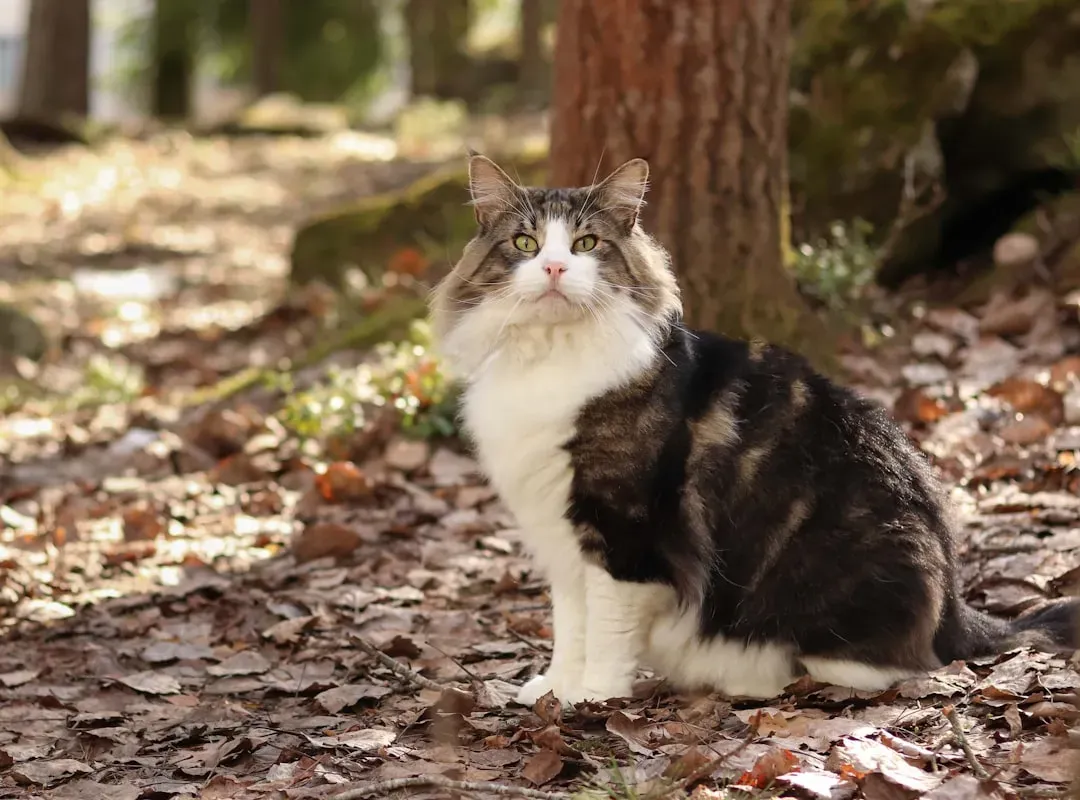
These massive, cloud-like beauties look like they walked straight out of a Viking saga. Norwegian Forest Cats are excellent climbers, often perching themselves on top of bookshelves, cabinets, and any high surface that makes you wonder how they even got up there. Their thick, water-resistant coats and large size suggest they were built for wide-open Nordic forests, not studio apartments.
While they’re affectionate and surprisingly low-maintenance with grooming, their size and climbing instincts require vertical space. They love attention but also need personal space to retreat. In a small apartment, finding that balance becomes tricky. These gentle giants deserve room to roam and climb without feeling confined.
Egyptian Mau
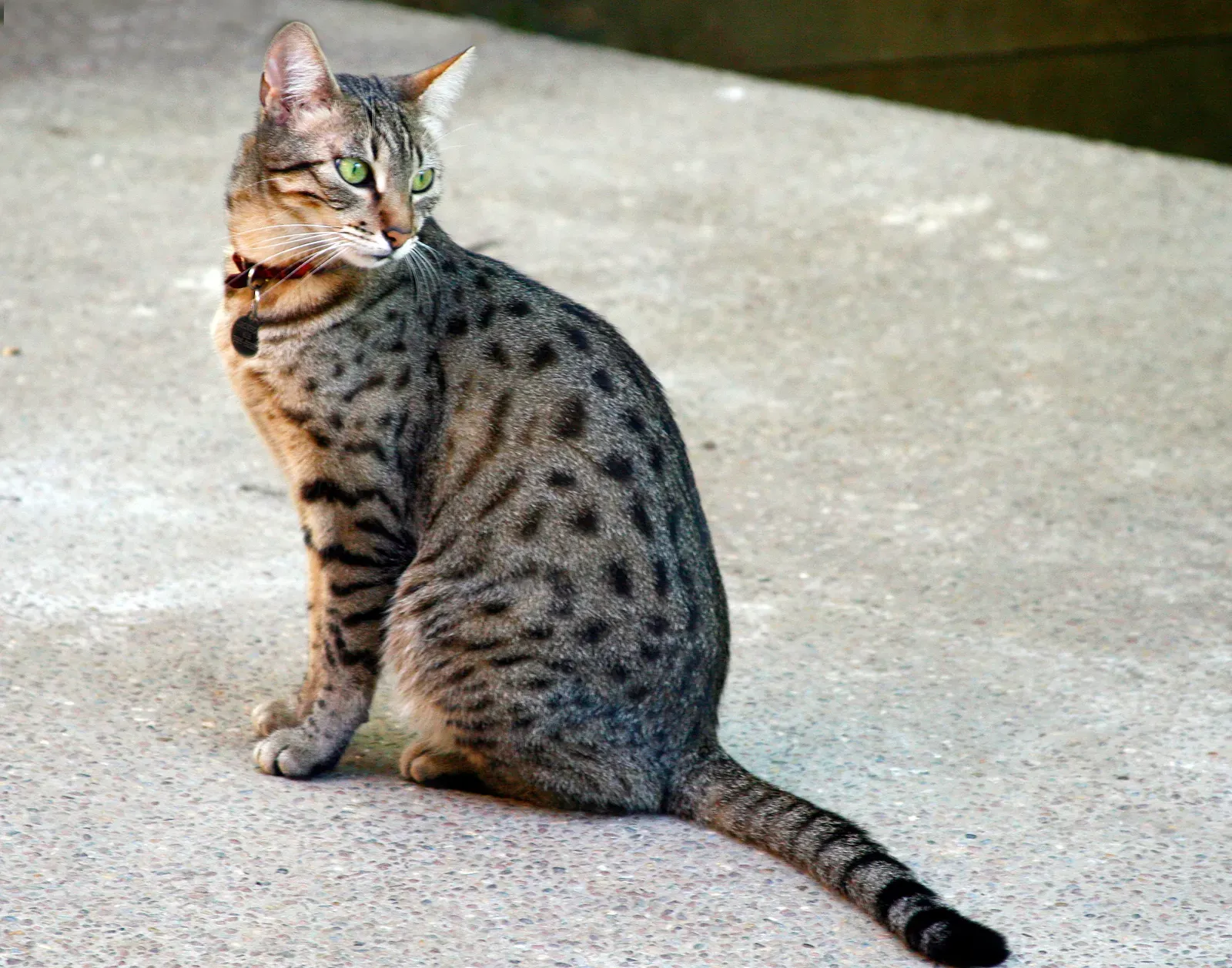
The Egyptian Mau is one of the fastest domestic cat breeds, capable of running at speeds up to 30 miles per hour. Just let that sink in. Thirty miles per hour. In your apartment. These spotted beauties are natural athletes with powerful hind legs built for sprinting and leaping.
They’re also incredibly sensitive and can be shy, which means they need safe spaces to retreat when overwhelmed. Their high prey drive and lightning speed make them poorly suited for small spaces where they can’t properly exercise. Without room to run and release that pent-up energy, an Egyptian Mau will become frustrated and potentially anxious.
Balinese Cat
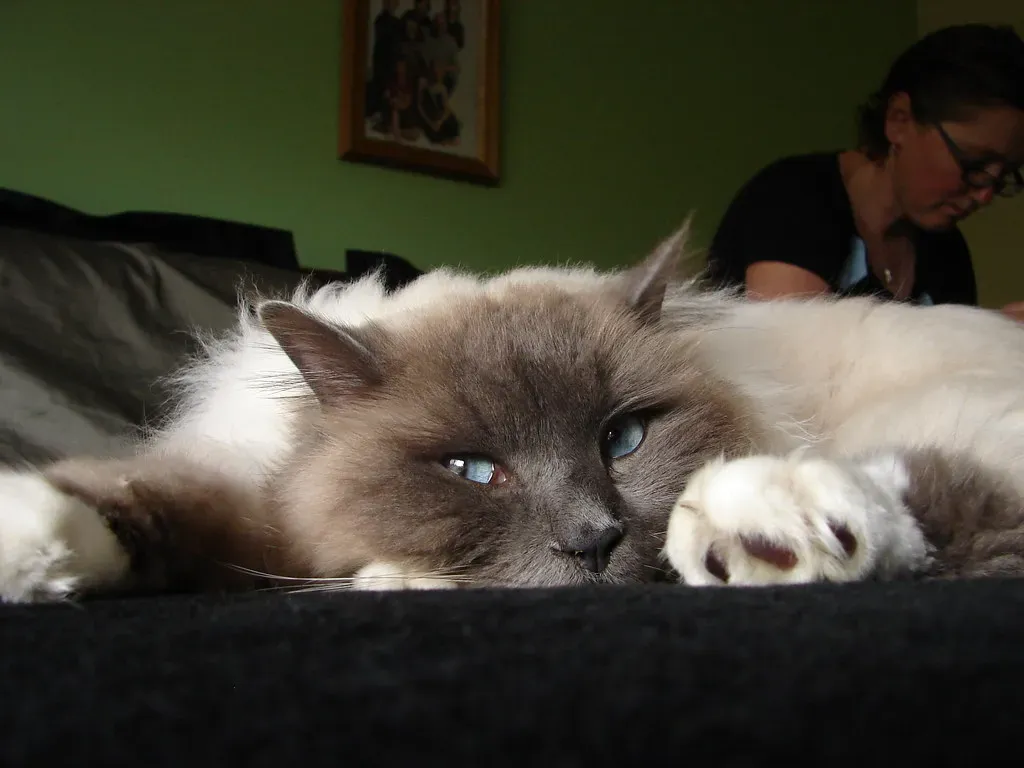
Balinese may look elegant, but they are extremely active, loving jumping, running, and playing fetch with their owners, with high energy levels making them one of the most interactive and playful cat breeds. Think of them as long-haired Siamese with even more energy, if that’s possible.
This breed thrives on human interaction and enjoys spending time with its family, following you around the house and talking to you in their soft yet persistent voice, and if you don’t provide enough playtime, they may get into mischief. In a small apartment without adequate stimulation, that mischief can quickly escalate. They’re acrobats who need space to jump, climb, and play.
Toyger Cat
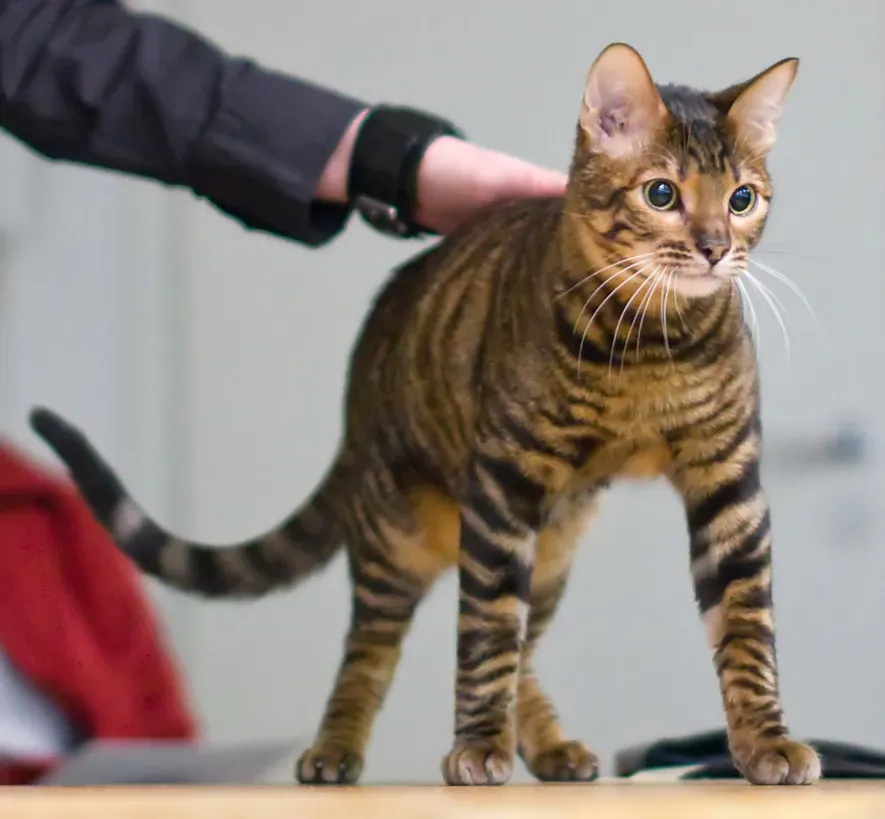
Toygers will do their absolute best to keep you entertained, but be prepared to reciprocate the entertainment, as these cats are highly intelligent and need to be occupied or else they will become bored. These miniature tigers aren’t just bred to look wild; they’ve got the energy to match.
Toygers are problem-solvers who need constant mental stimulation. Puzzle feeders, interactive toys, and plenty of playtime are non-negotiable. In a small apartment without enough enrichment activities, a bored Toyger becomes a destructive Toyger. They’re incredibly social and demand interaction, which is wonderful if you have the time and space, but challenging in tight quarters.
Cornish Rex
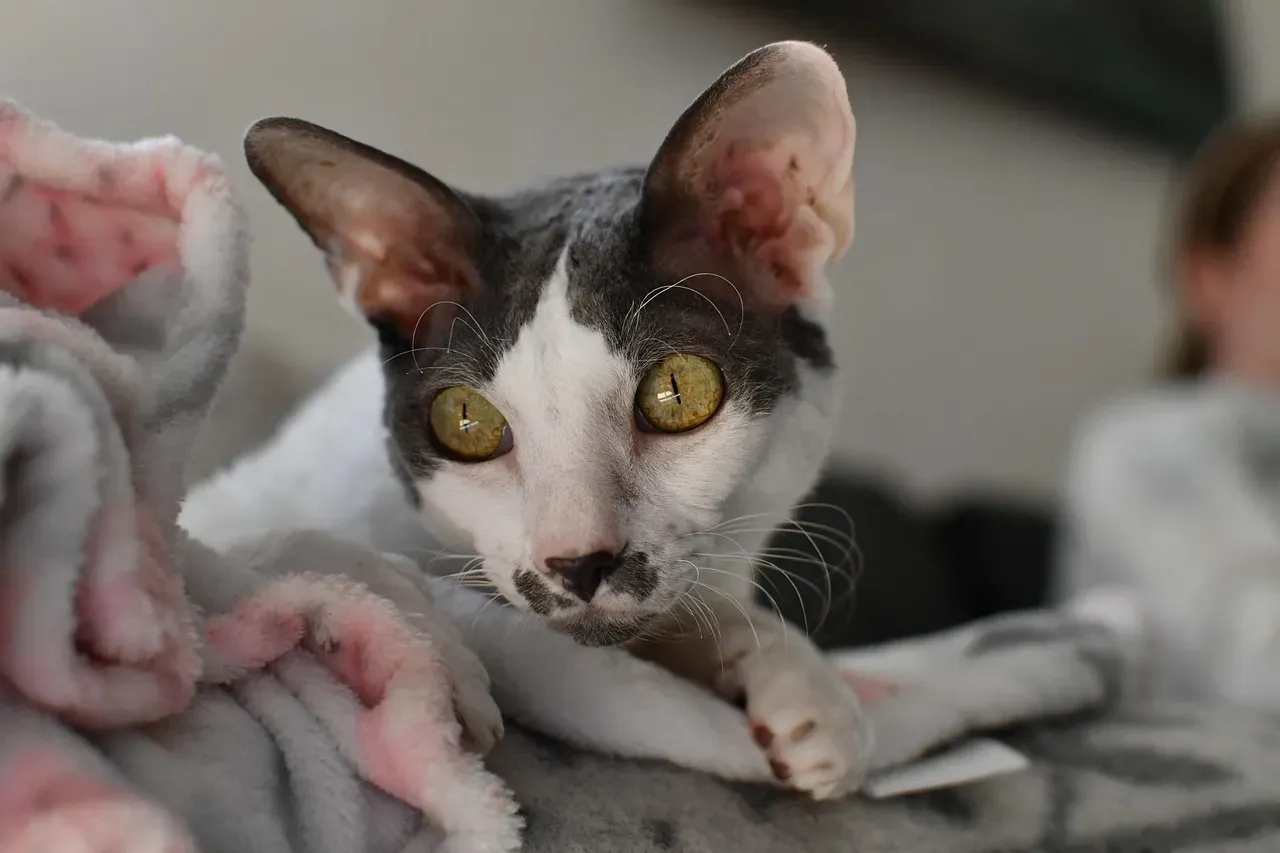
Cornish Rexes are lean, athletic, and highly sociable, and their intelligence and high energy mean they need a lot of play and games to keep them stimulated. These unusual cats with their wavy coats and enormous ears are perpetual kittens. These kitties are playful and retain a kitten-like demeanor into old age.
Their athleticism and intelligence require constant engagement. They’re climbers, jumpers, and explorers who get into everything. While they don’t mind being left for a couple of hours, long periods alone in a small space aren’t ideal. They need room to exercise their bodies and minds, or they’ll find creative ways to entertain themselves that you probably won’t appreciate.
Devon Rex
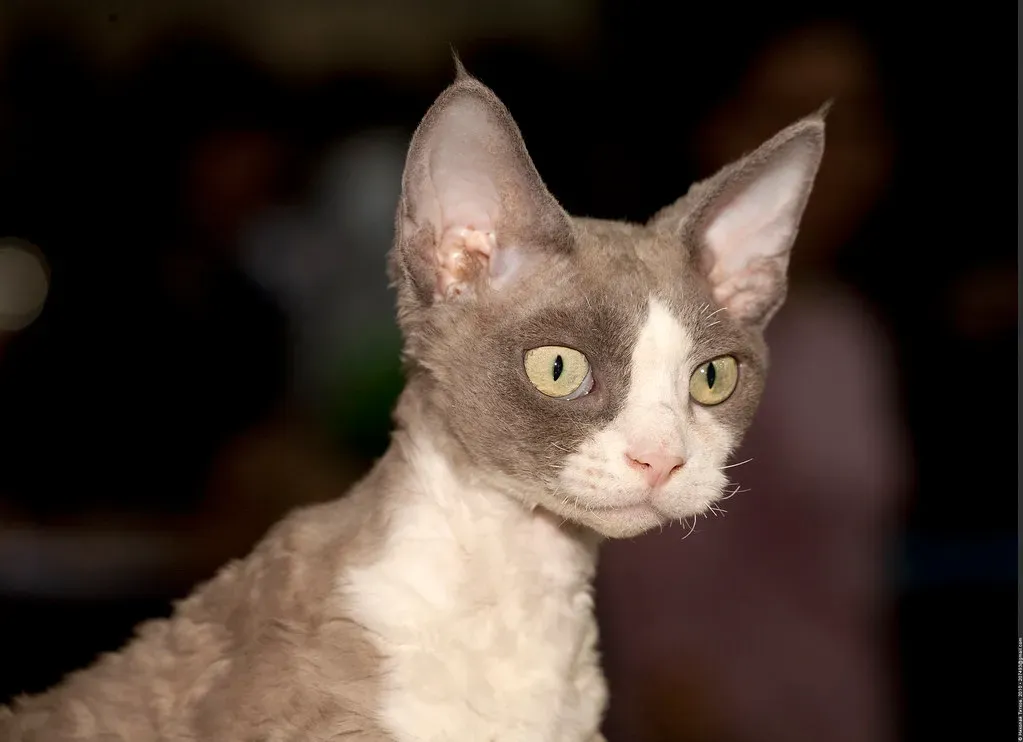
Devon Rexes have energetic, cheeky, and mischievous natures, and their intelligence means they can be trained to respond to commands, which is great mental stimulation for them. These pixie-faced cats with giant ears are bundles of concentrated energy. They love to climb and explore every nook and cranny, so be prepared for a feline that will keep you on your toes!
Devon Rexes are highly intelligent and crave constant mental stimulation. They need interactive toys, laser pointers, and puzzle feeders to stay happy. These cats are also known to follow their owners around, always wanting to be part of the action. In a tiny apartment, their relentless curiosity and activity level can quickly become overwhelming for both cat and owner.
Ocicat
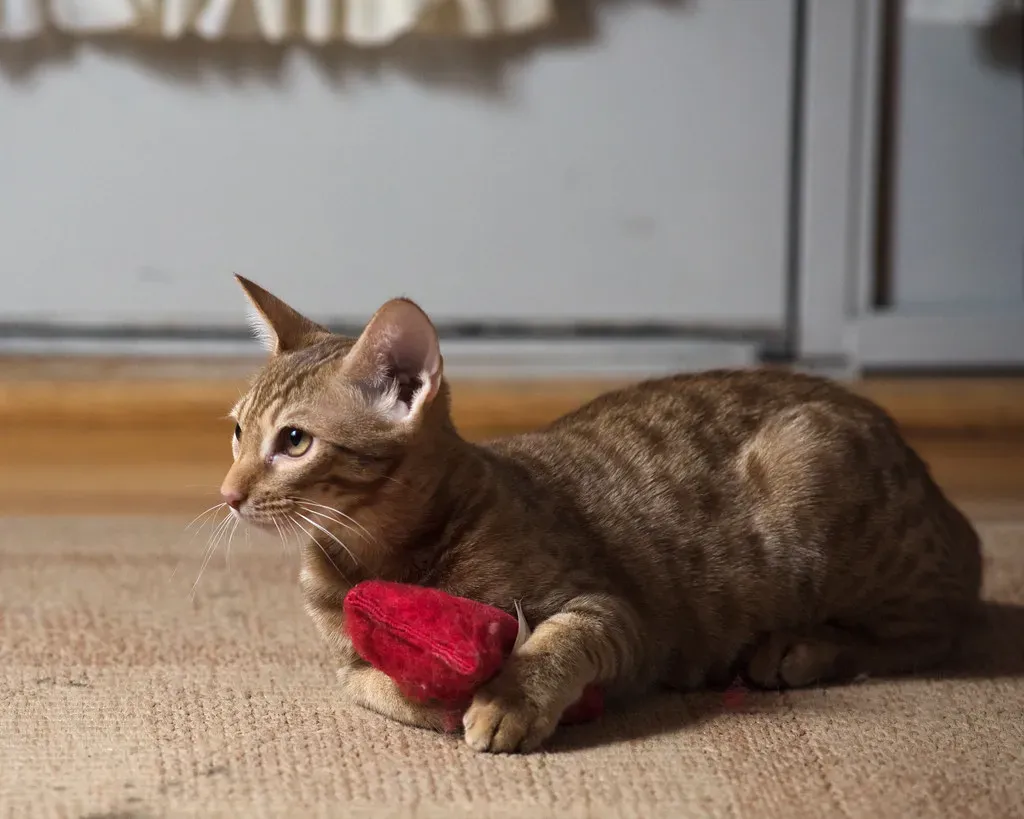
Despite their wild appearance, Ocicats are fully domestic, but don’t let that fool you into thinking they’re couch potatoes. These spotted beauties are athletic, energetic, and incredibly social. They’re intelligent problem-solvers who need plenty of physical and mental stimulation to stay happy.
Ocicats are known for their dog-like personalities. They play fetch, learn tricks, and demand attention. In a small apartment, their high energy and social needs can be challenging to meet. They’re not the type to entertain themselves quietly; they want interaction, space to play, and plenty of climbing opportunities. Without adequate room and stimulation, they become bored and potentially destructive.
Finding the Right Balance
Here’s the thing about apartment living with cats. It’s not impossible, but it requires honest assessment of both your space and your lifestyle. High-energy breeds like Bengals and Abyssinians typically need more space and enrichment than less active breeds, and young cats with higher activity levels also require more room for exercise and play.
If you’ve fallen in love with one of these breeds, consider whether you can provide outdoor enclosures, leash training, or frequent interactive play sessions. Cats who live in apartments need a lot of entertainment and stimulation, including regular playtime. Think vertical spaces, cat trees, puzzle feeders, and dedicated play time every single day. Some high-energy breeds can adapt to apartment living with the right enrichment, but it takes serious commitment.
The breeds we’ve discussed aren’t bad cats. They’re just honest about their needs. They require space, stimulation, and freedom that most apartments simply can’t provide. Choosing a cat that matches your living situation isn’t settling; it’s being responsible and ensuring both you and your feline companion will be happy for years to come. What matters most is finding that perfect match where everyone thrives. Have you considered which breed would actually work best in your space?