You’ve probably seen it happen right before your eyes. One minute you’re admiring your brand new sofa, and the next, your feline friend has decided it’s the perfect scratching post. Furniture destruction is something that countless cat owners quietly accept as part of the deal when they bring a furry companion into their homes.
Yet not all cats are created equal when it comes to their destructive tendencies. Some breeds seem to have an almost magnetic attraction to upholstery, curtains, and carpets. Their wild instincts run deeper, their energy levels skyrocket, and their claws seem perpetually ready for action. Let’s be real, it’s frustrating to invest in quality furniture only to watch it transform into shredded confetti.
If you’re considering adopting a cat or already share your home with one of these spirited breeds, understanding their natural behaviors can make all the difference. This isn’t about blame or shame. It’s about recognizing that certain breeds carry stronger predatory drives and higher activity levels that make them more prone to leaving their mark on your belongings. So let’s dive in and discover which cat breeds are most likely to turn your living room into their personal playground.
Bengal Cats: The Wild Child in Your Living Room
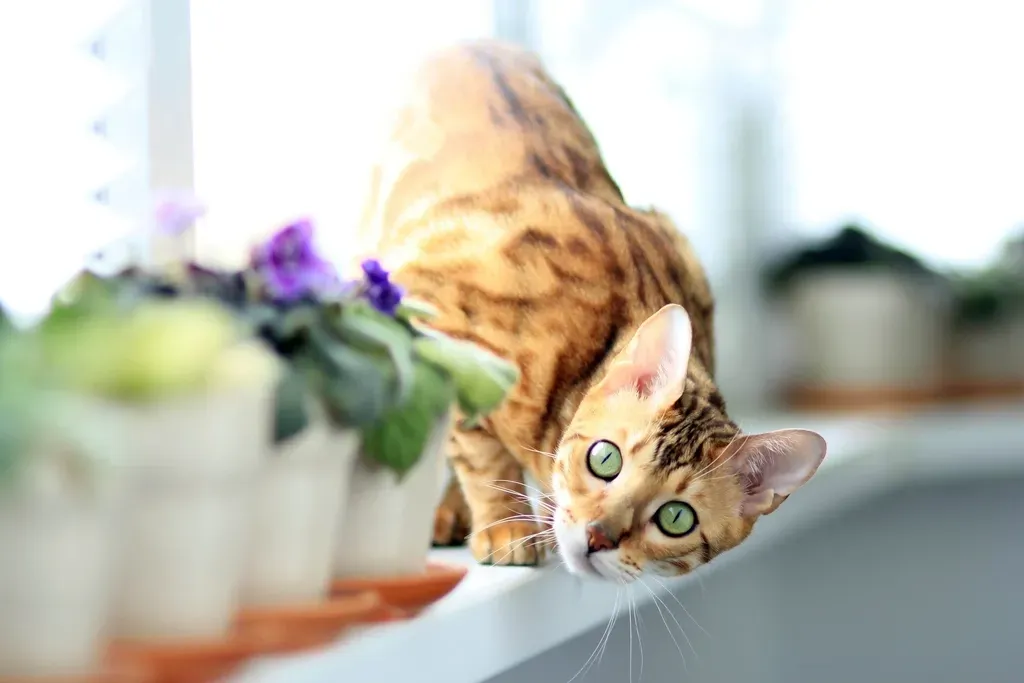
Bengal cats are highly inquisitive, enjoy getting into drawers and cabinets, and love to see how objects will react if they hit or bite them, and they also get bored quickly. These stunning leopard-like felines carry strong wild ancestry that shows up in their behavior every single day. Bengals have an energetic and, at times, destructive nature, and this breed does tend to have a habit of scratching furniture, something they do to stretch, exercise, and mark their territory.
When Bengals have nothing to do, they scratch furniture, knock over decorations, chew on shoes and cushions, and wreak all sorts of havoc. Their intelligence works against furniture survival too. Bengal cats are highly intelligent and can be taught where they should scratch. The trick is getting them to cooperate before they’ve already claimed your favorite chair as their territory. One of the main factors that contribute to furniture destruction in Bengal cats is boredom, as these cats are highly intelligent and require mental stimulation to keep them entertained, and when they don’t have enough outlets for their energy and attention, they may turn to furniture as a source of entertainment.
Siamese Cats: Vocal Vandals with a Mission
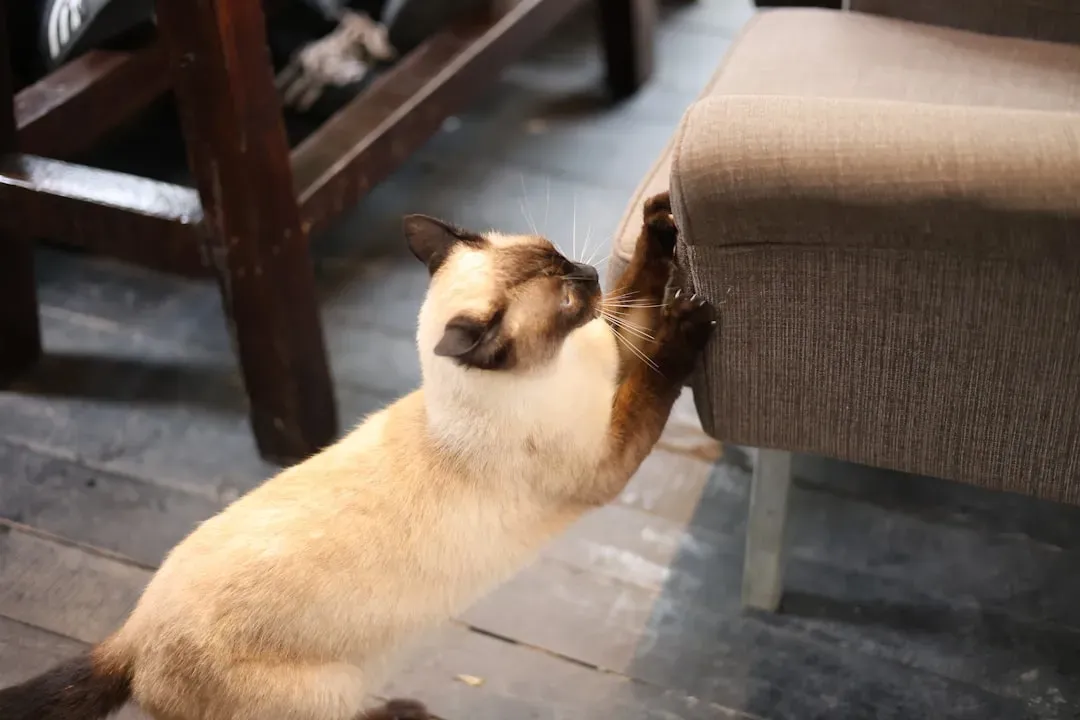
The Siamese cat is also quite an interesting breed – very talkative and very involved in everything, and they like to test things around them physically similar to the Bengal and thus make them a little more claw-happy. Honestly, if you’ve ever lived with a Siamese, you know they don’t do anything halfway. Failing to provide them with the attention they seek results in your Siamese turning to destructive behaviour, such as knocking things down, scratching furniture, or urinating all over your home.
Although affectionate and friendly, Siamese cats can often be a challenge for their parents as they are hyperactive attention seekers, prone to jealousy and territorialism. Siamese cats are very playful but can get overly excited and irritated, and these beautiful cats can be independent and may scratch furniture and other objects when they are stretching and exercising. The thing about Siamese is that they demand interaction constantly. Leave them alone for too long, and they’ll find creative ways to express their displeasure.
Abyssinian Cats: High Energy Equals High Damage
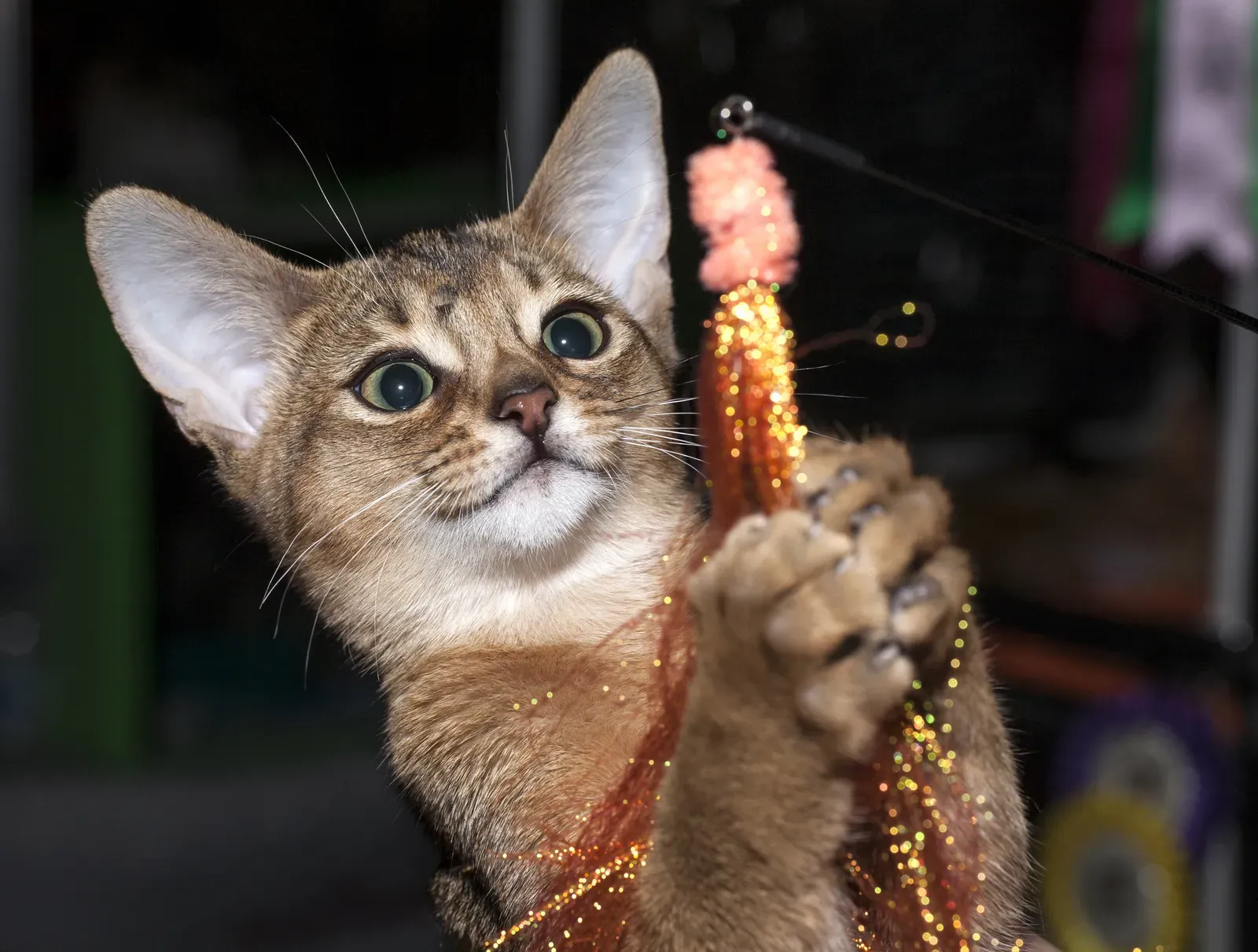
The Abyssinian breed is playful, mischievous and high energy, and these active cats are happy to keep themselves occupied but enjoy interactive play too. Think of them as the athletes of the cat world who never seem to tire. Breeds like the Bengal and Abyssinian are known for their high energy levels and may scratch more frequently due to their playful nature.
These cats don’t just scratch for maintenance. They scratch because they’re bursting with energy that needs an outlet. Having cat trees and scratching posts helps to direct Abyssinians’ attention away from the furniture. Without proper enrichment, your couch becomes the gym equipment they never asked for but desperately need. Their curiosity drives them to explore every surface, and unfortunately, that exploration often involves their claws testing the durability of your drapes.
Maine Coon Cats: Gentle Giants with Sharp Tools
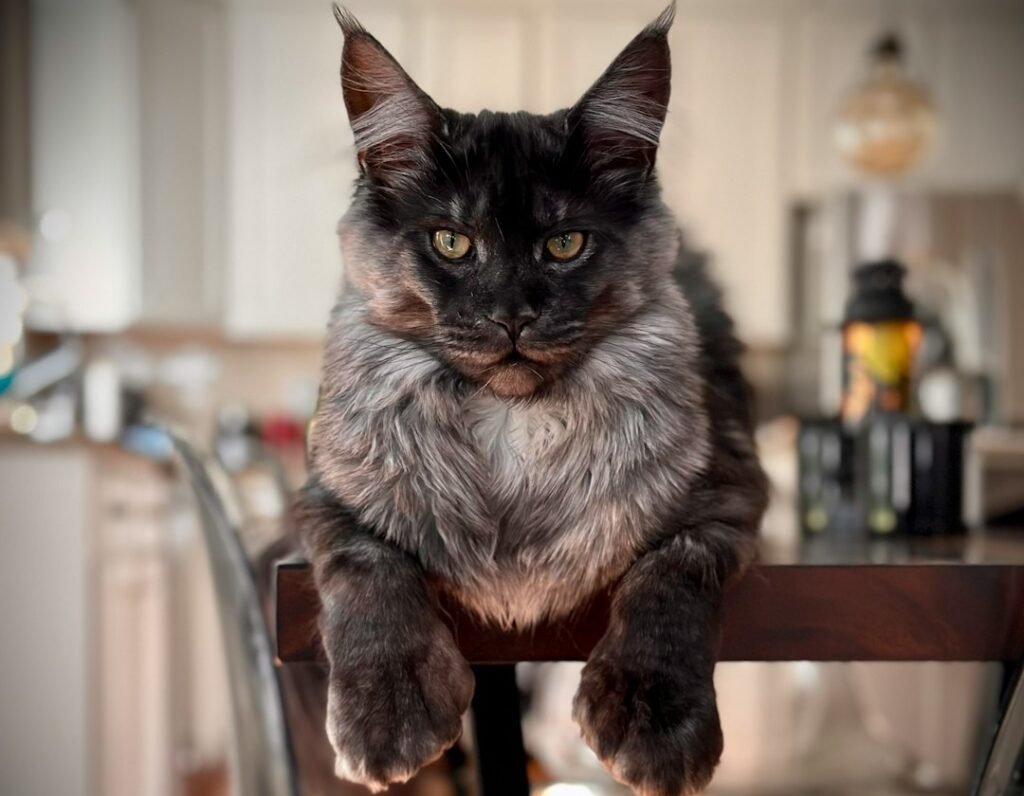
Here’s the thing about Maine Coons. They’re massive, friendly, and surprisingly agile for their size. While they’re generally considered less destructive than some other breeds, their sheer size means when they do scratch, the impact is significant. Floor-to-ceiling scratching posts are unnecessary for most cats but benefit large breeds, such as Maine Coons and Norwegian forest cats or overly active felines.
Their large paws and substantial weight can shred furniture faster than you’d expect from such a laid-back breed. Maine Coons are one of the largest domesticated cat breeds, known for their friendly and sociable nature, and despite their size, they are gentle and unlikely to cause damage to your furniture, and Maine Coons are highly intelligent and can be trained to scratch appropriate surfaces, further reducing the risk of damage. Still, without proper training and scratching alternatives, even the gentlest giant can leave visible reminders of their presence all over your home.
Norwegian Forest Cats: Vikings in Disguise
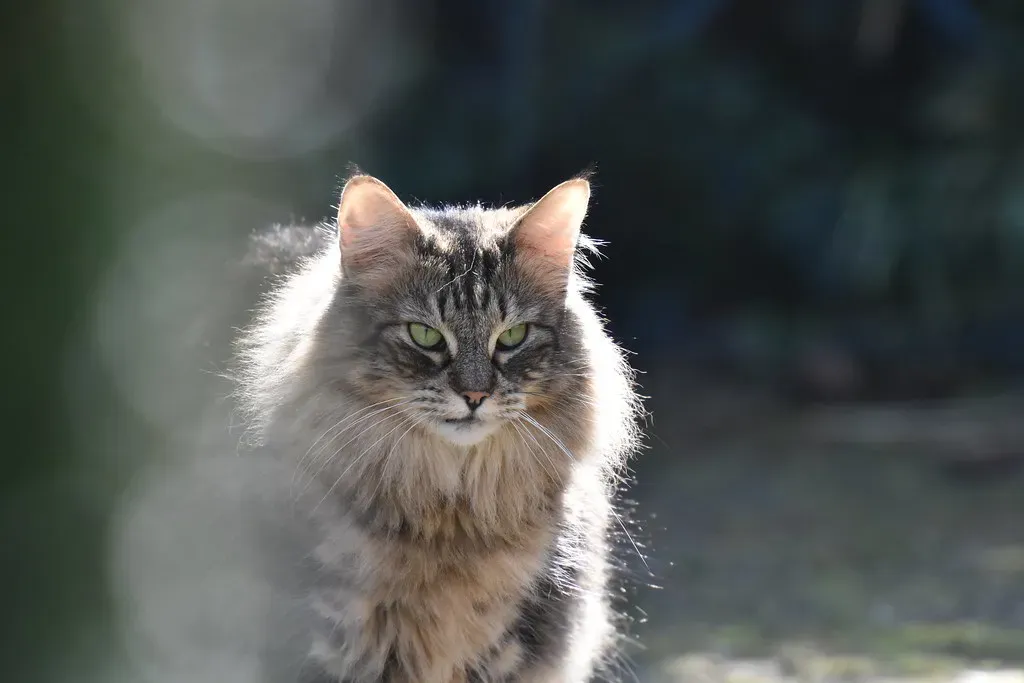
Norwegian Forest Cats evolved to survive harsh Scandinavian winters, which means they developed strong muscles and powerful claws designed for climbing trees. That instinct doesn’t disappear just because they’re living in your apartment. These cats have a natural drive to climb and scratch vertical surfaces, making your curtains and furniture legs prime targets.
Their thick, double-layered coat and robust build give them the physical power to do serious damage when they decide to sharpen their claws. They’re not aggressive or mean-spirited about it. It’s simply part of their genetic programming. Without tall, sturdy scratching posts, they’ll improvise with whatever vertical surface catches their attention, and trust me, your furniture will catch their attention.
Turkish Angora: Elegant Destruction Specialists
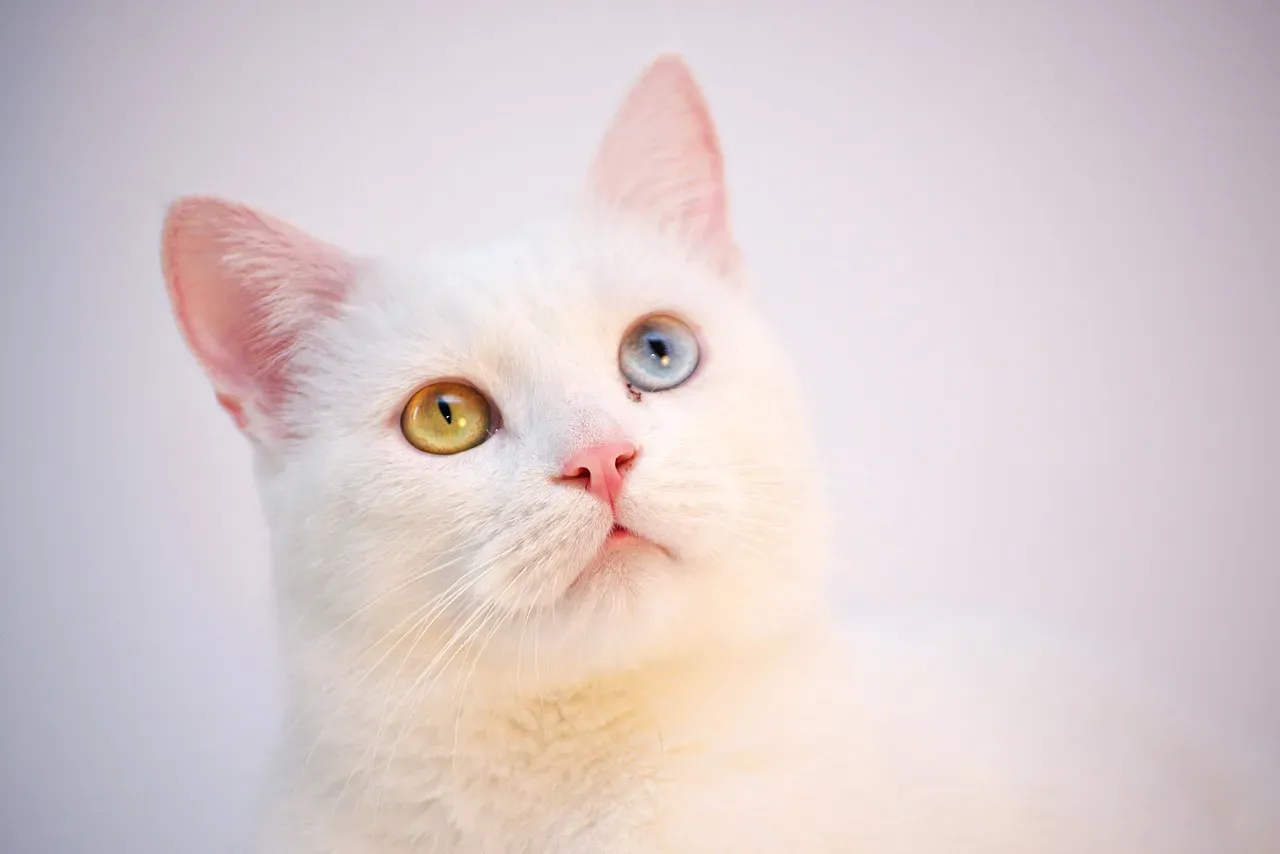
Don’t let their graceful appearance fool you. Turkish Angoras are playful, intelligent, and incredibly active cats who need constant mental and physical stimulation. Their fine-boned structure doesn’t stop them from being athletic powerhouses who love to climb, jump, and yes, scratch everything in sight.
These cats form strong bonds with their owners and can become anxious or bored when left alone for extended periods. That anxiety often manifests as destructive behavior, including aggressive scratching of furniture and household items. They’re problem solvers too, which means if you block access to one scratching spot, they’ll simply find another. Their persistence is admirable until it’s directed at your leather recliner.
Sphynx Cats: Hairless but Not Harmless
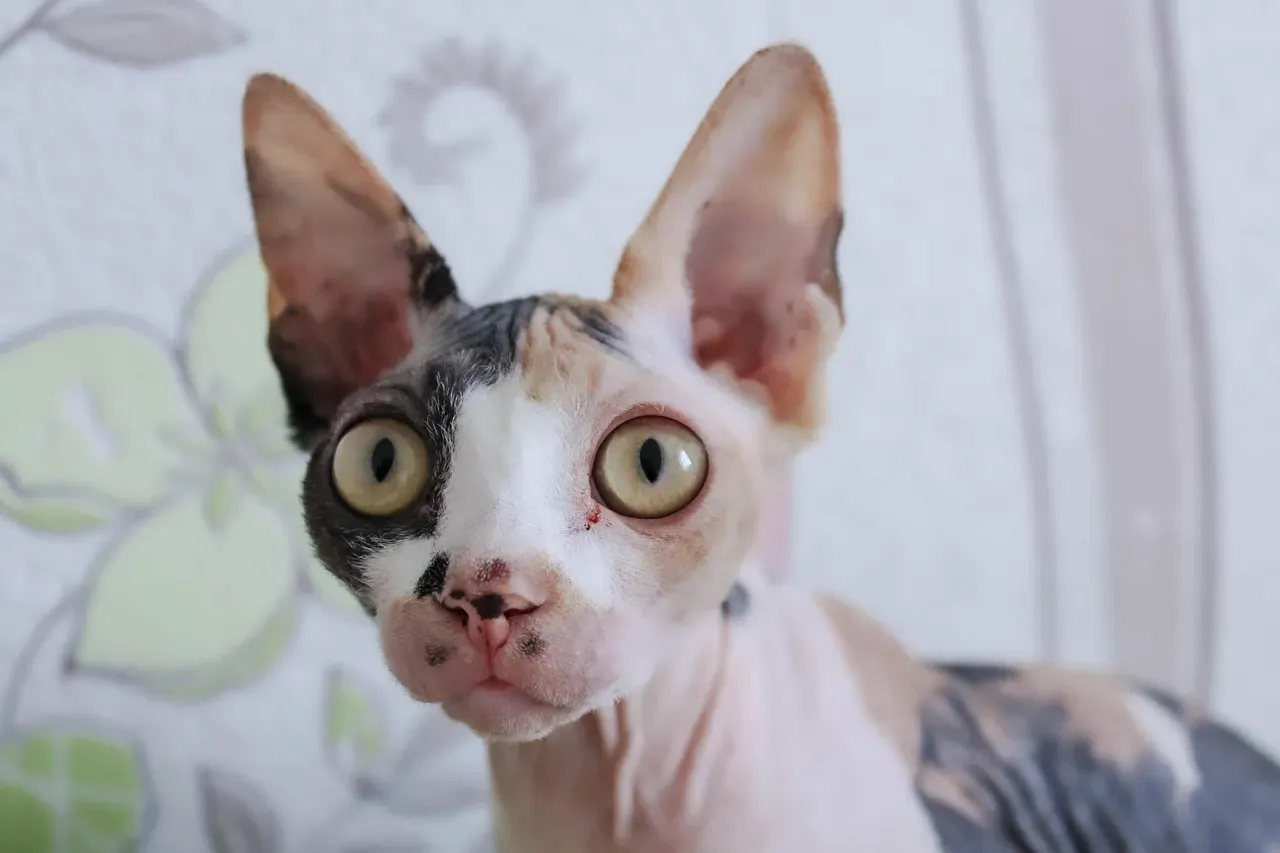
You might think a hairless cat would be less destructive, but Sphynx cats prove that theory completely wrong. These affectionate, energetic felines are constantly seeking warmth and attention, and when they don’t get it, they express themselves through scratching and climbing. Their lack of fur actually makes their claws more prominent and potentially more damaging.
Sphynx cats have high metabolism rates and boundless energy that needs constant outlets. They’re known for their dog-like personalities, following owners around and demanding interaction. When that interaction isn’t available, they redirect their energy toward whatever’s nearby. Their strong, muscular legs give them impressive jumping and climbing abilities, and their claws are just as sharp as any furred cat. The combination creates a recipe for furniture disaster.
Oriental Shorthair: Siamese Cousins with Similar Habits
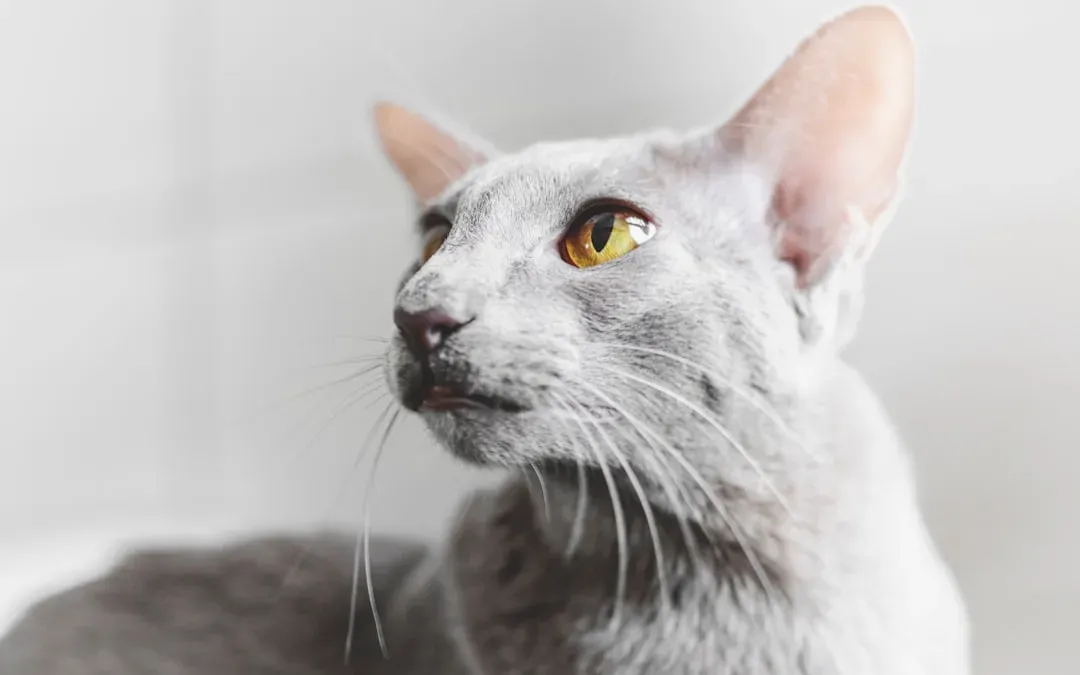
Oriental Shorthairs share many characteristics with their Siamese relatives, including the tendency toward destructive scratching. These elegant, vocal cats demand attention and stimulation constantly. They’re incredibly social and don’t handle loneliness well at all. Clawing household items is especially pervasive in young cats or higher energy breeds that possess an overabundance of inquisitive and activity-seeking tendencies.
Their slender build hides surprising strength and athleticism. Oriental Shorthairs love to climb, explore, and investigate every corner of their environment. Without proper enrichment, they become bored quickly, and bored cats are destructive cats. They’ll scale your curtains, scratch your furniture, and treat your home like their personal jungle gym. Their intelligence makes them trainable, but it also makes them creative when finding new surfaces to scratch.
Burmese Cats: Compulsive Chewers and Scratchers
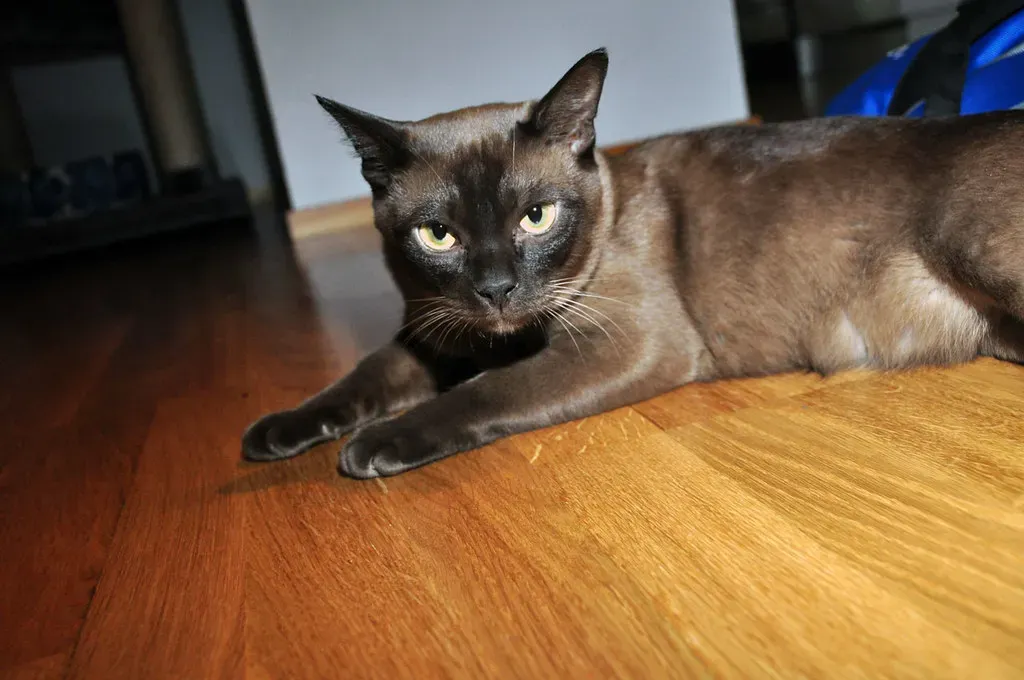
Fabric chewing and sucking is most commonly seen in Burmese and Siamese cats, which suggests a genetic predisposition comparable to obsessive-compulsive disorders in humans. Burmese cats don’t just scratch furniture. They chew it too. This breed has a particular fondness for fabric destruction that goes beyond normal feline behavior.
Wool is often the fabric of choice, and a cat with a serious chewing habit can destroy sweaters, socks, blankets, pillows, and other valuable items, and more importantly, this behavior can be harmful to your cat’s health. Their affectionate, playful nature is wonderful, but their destructive tendencies can be overwhelming for unprepared owners. They need constant supervision and plenty of appropriate outlets for their chewing and scratching urges.
Savannah Cats: Domestic Cats with Wild Ambitions

Savannah cats are hybrids descended from domestic cats and African servals, which explains their extraordinarily high energy levels and strong hunting instincts. These cats are not for beginners. They’re large, powerful, and incredibly athletic with an intense need for physical activity and mental stimulation that far exceeds typical house cats.
Their wild heritage means they have stronger scratching instincts than most domesticated breeds. They need robust scratching posts and cat trees that can withstand their size and strength. Without appropriate outlets, they’ll demolish furniture with alarming efficiency. Savannah cats also love to jump from high places, which means they’ll use your furniture as launching pads and landing zones, leaving claw marks and damage in their wake.
Cornish Rex and Devon Rex: Curly Coated Chaos Makers
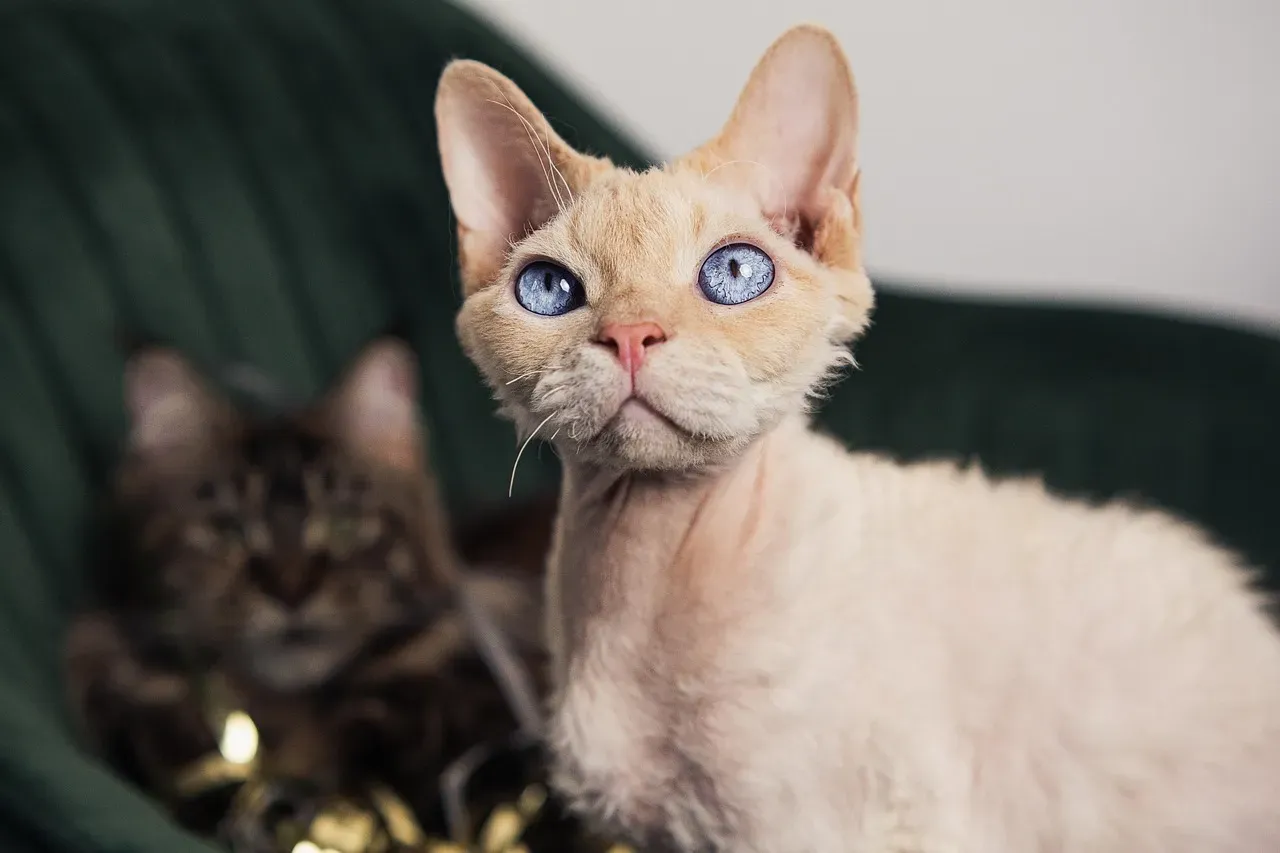
Both Cornish Rex and Devon Rex breeds share similar characteristics including their distinctive wavy coats, large ears, and mischievous personalities. These cats are perpetual kittens who never seem to outgrow their playful, destructive phase. Their high energy and curiosity drive them to investigate everything, and that investigation often involves their claws.
Rex breeds are known for being extremely active and social, requiring constant interaction and entertainment. When they don’t get enough attention, they become destructive. Their slender, athletic bodies allow them to jump to impressive heights and squeeze into tight spaces where they can cause unexpected damage. They’re also notorious for their love of climbing, which means curtains and upholstered furniture become climbing walls in their minds.
Siberian Cats: Forest Dwellers in Suburban Homes
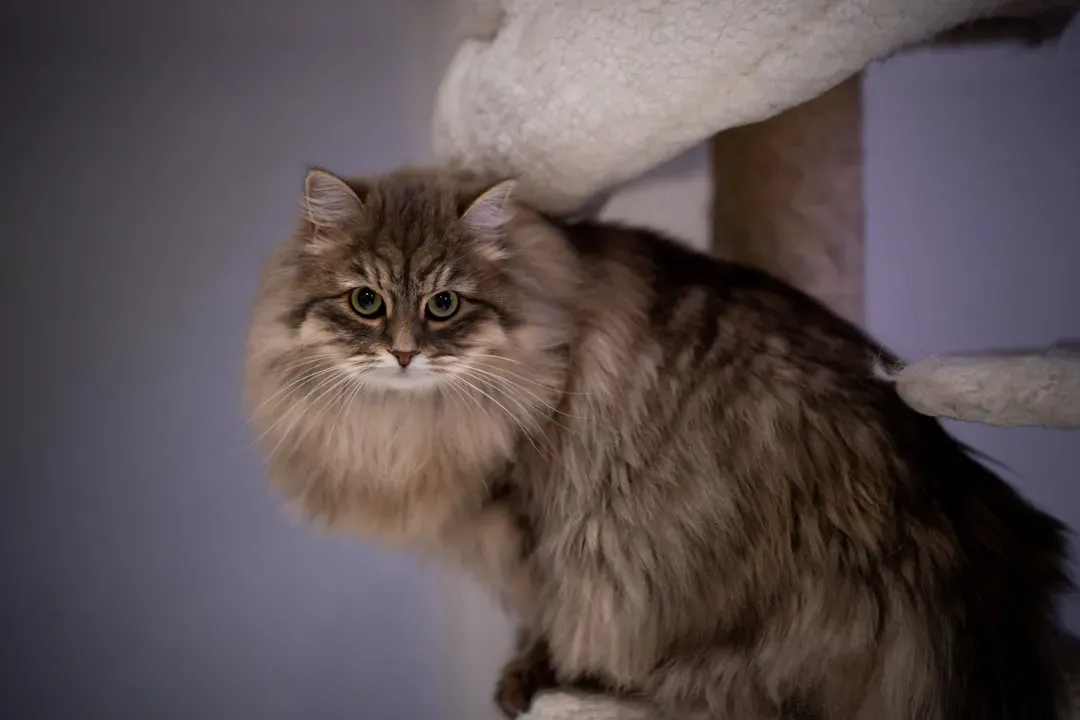
Siberian cats are not known for being destructive but you can generally expect some furniture-scratching behaviour from them. These large, powerful cats evolved in Russian forests where climbing and scratching were essential survival skills. Those instincts remain strong even in domesticated Siberians living in modern homes.
Their thick, triple-layered coat and substantial build give them the strength to do significant damage when scratching. Siberians are generally calm and affectionate, but they still need appropriate scratching surfaces. This breed has been known to scratch furniture when they are bored or anxious. Their size alone means that even moderate scratching creates noticeable damage. They’re not malicious about it, but their natural behaviors can be hard on your belongings.
Understanding the Wild Side: Why These Breeds Scratch More
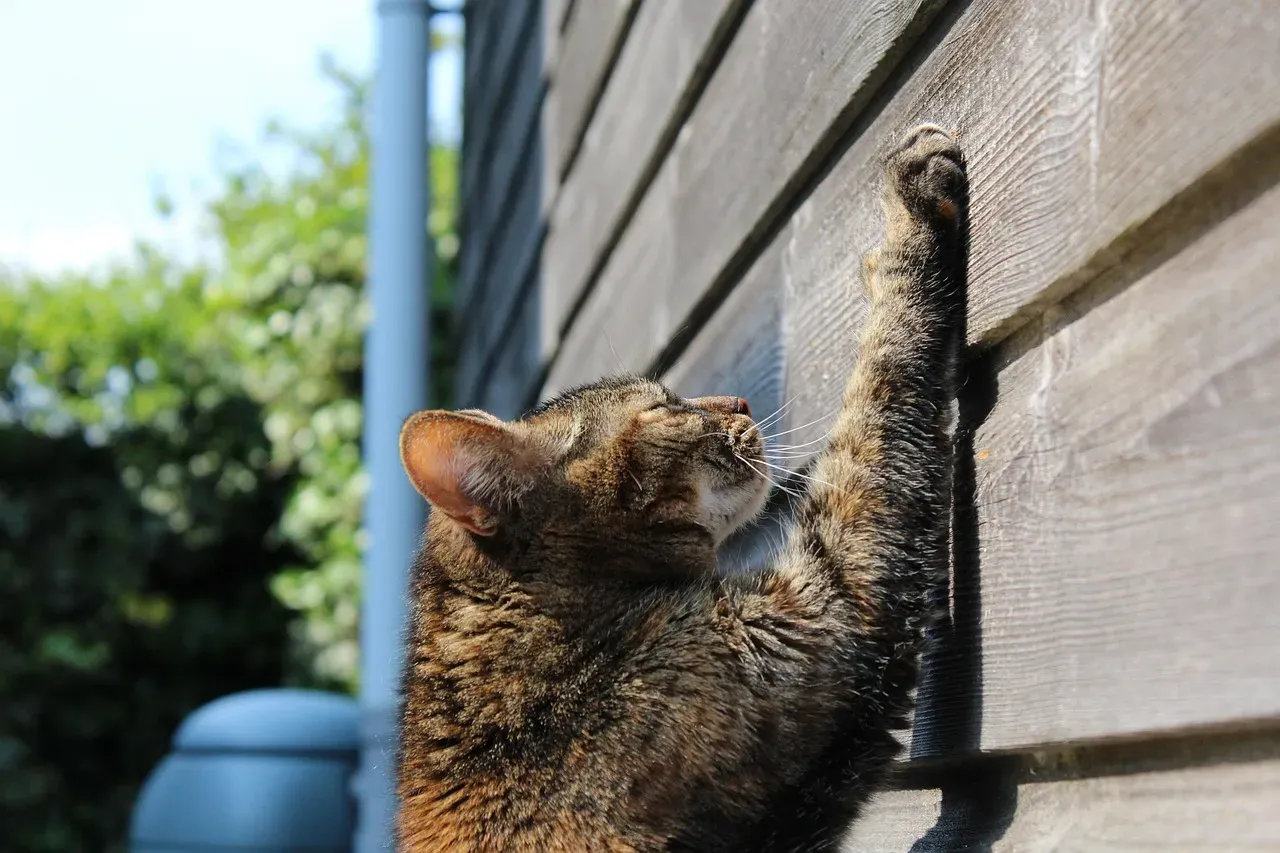
These behaviors are usually part of normal investigation and play, and cats that scratch your favorite sofa or expensive drapes are not on a mission to destroy your home, but rather wish to satisfy certain needs, as scratching is largely a marking behavior that deposits scent from special glands on the cat’s paws into his territory and removes the translucent covering, or sheath, from the claws. Certain cat breeds, such as Siamese and Bengal cats, are known for their high energy levels and need for stimulation, and these breeds may be more prone to destructive behavior if their needs for mental and physical exercise are not met.
The breeds we’ve discussed share common traits including high intelligence, strong hunting instincts, and elevated energy levels. Cats need to scratch – it’s in their nature. Scratching provides cats with much-needed exercise for happiness and health, and their leg muscles, forelimbs, and spine get a little workout whenever a feline scratches, with some cats using their weight as resistance as they scratch, which engages almost all the muscles in the body. These active breeds simply have more energy to burn and stronger instincts to satisfy, which unfortunately often translates to more furniture destruction.
Conclusion
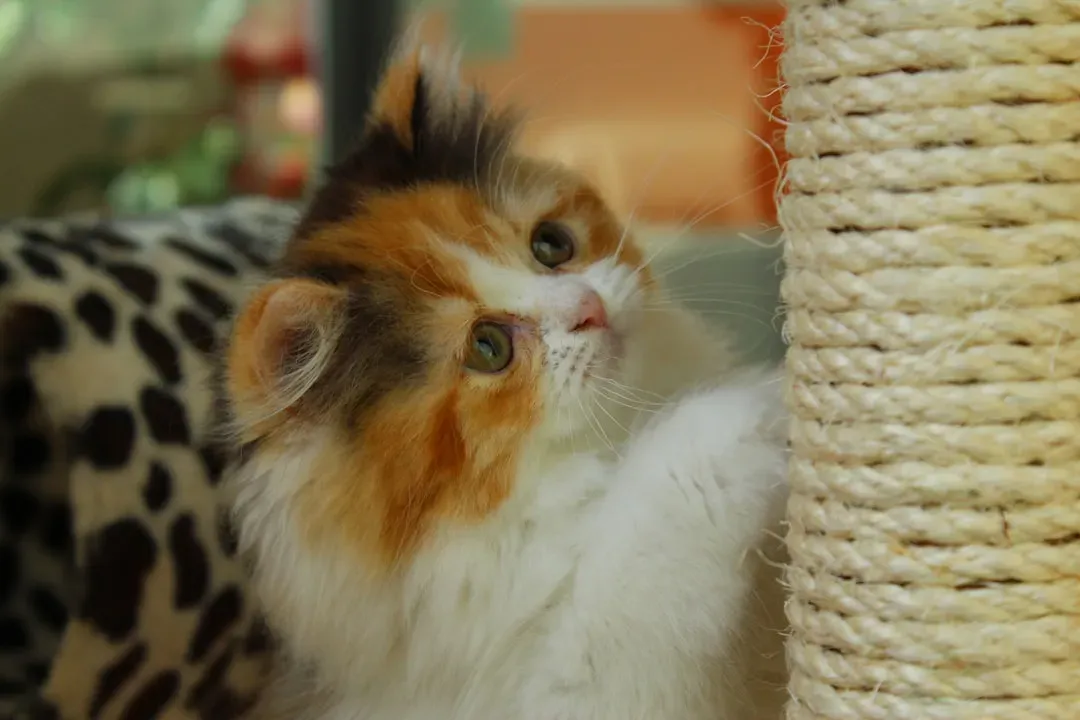
Living with these energetic, claw-happy breeds doesn’t mean you have to sacrifice your furniture entirely. Understanding that their scratching behavior stems from natural instincts rather than malice is the first step toward finding solutions. These cats aren’t trying to destroy your home out of spite. They’re simply being cats, following deeply rooted behaviors that helped their ancestors survive.
The key is providing appropriate outlets for these natural behaviors. Sturdy scratching posts, interactive toys, regular play sessions, and environmental enrichment can redirect those destructive tendencies away from your couch. Each of these breeds brings unique personality traits and companionship that many owners find worth the occasional furniture repair. What’s your experience with these spirited breeds? Have you found creative ways to protect your furniture while keeping your feline friend happy? Share your thoughts in the comments below.