You might think cats belong indoors, curled up on a velvet cushion somewhere. Yet thousands of felines across Kentucky, Tennessee, and other rural states spend their days prowling barns, patrolling fields, and keeping rodent populations in check. These working cats aren’t just surviving out there – they’re thriving.
The need for the working cat may have been the original reason cats were domesticated, to keep rodents from consuming or contaminating grain crops. That ancient partnership still holds strong today in America’s heartland. The question is: which breeds are built for this kind of life?
Let’s dive into twelve remarkable cat breeds that excel in rural settings, bringing both practicality and personality to farms and homesteads.
Maine Coon: The Gentle Giant of the Barn
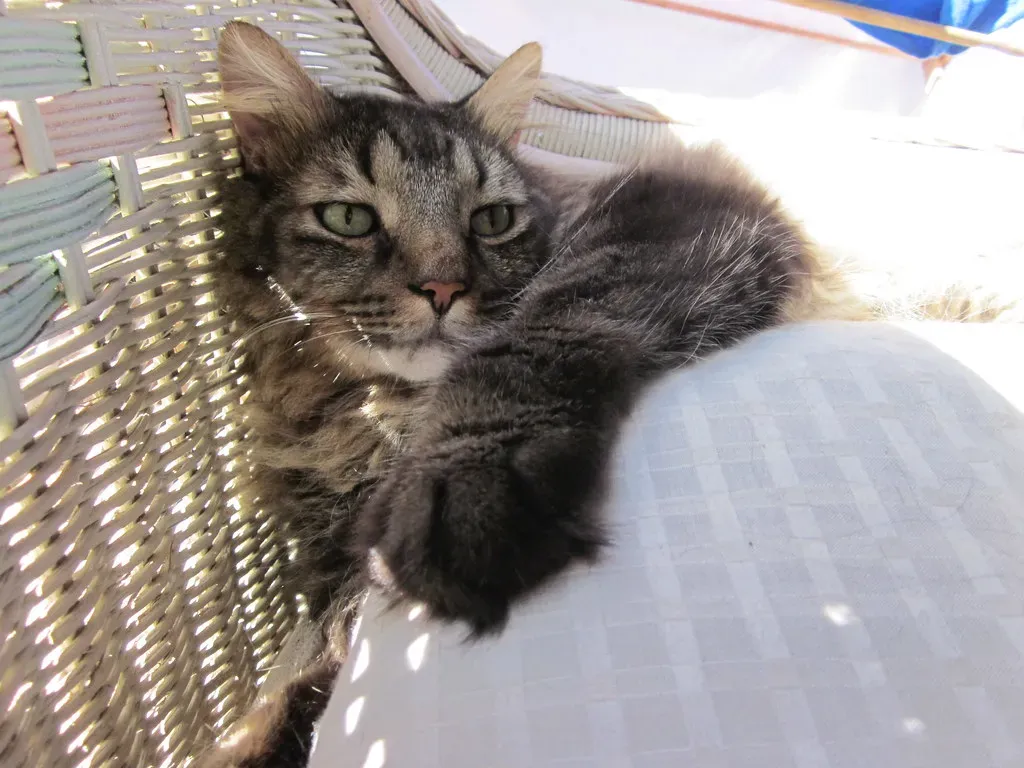
Maine Coons are large, fluffy cats that are well-known for their doglike personalities. They like solitude as much as the next cat and will gladly occupy themselves by hunting down rats but enjoy spending a lot of time with their humans too. Honestly, it’s hard to beat a Maine Coon when you need a cat that can handle harsh weather and serious pest control.
They are rodent and pest-killing Terminator machines. Keep in mind, too, that the breed was developed by farmers in Maine because of their hunting prowess. Their thick, water-resistant coat makes them perfectly suited to cold winters, and they can weigh up to 18 pounds or more. I know it sounds crazy, but these gentle giants are equally comfortable chasing mice through hay bales or snuggling with you after a long day.
American Shorthair: The Classic Farm Cat
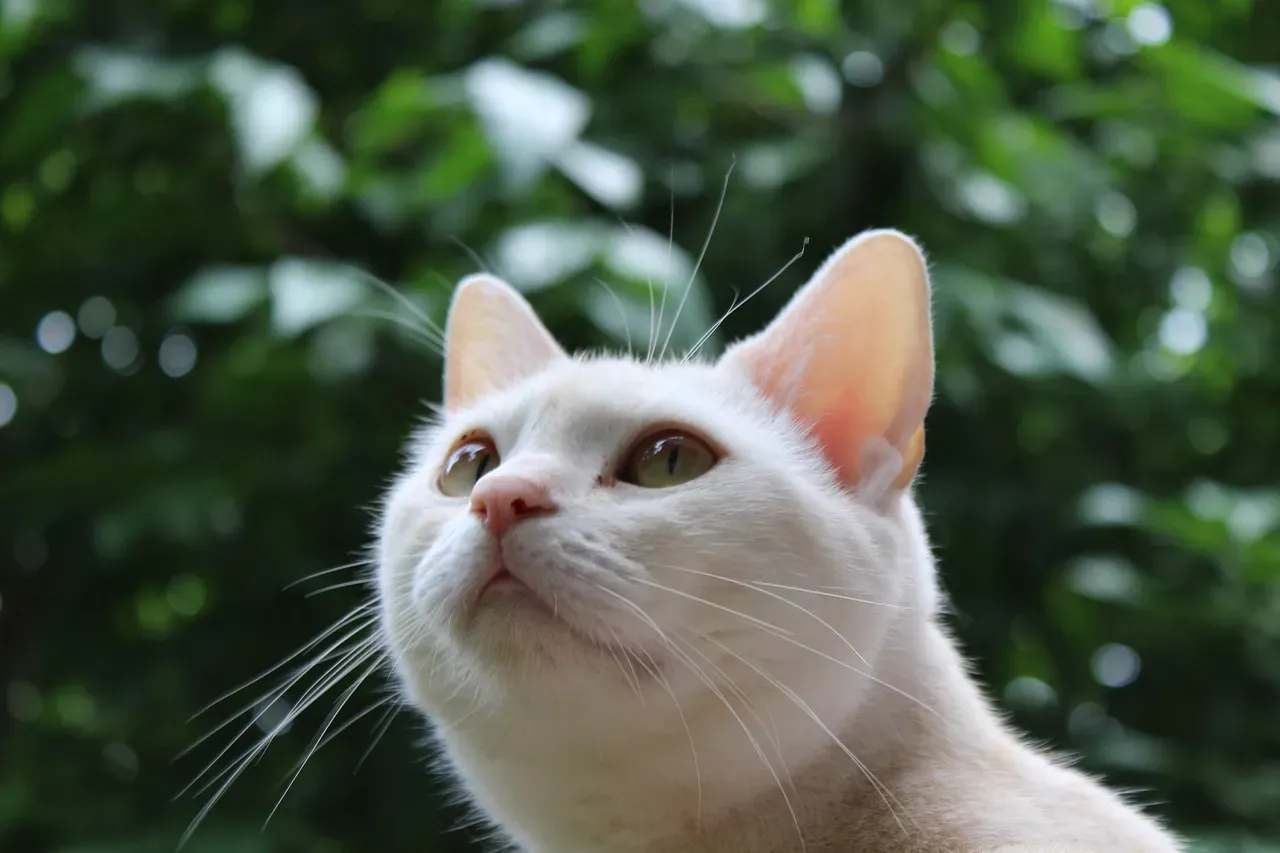
Descended from European cats brought to North America to protect food stores, the American Shorthair is one of the most diverse cat breeds in the world. Their short coat means less grooming maintenance, which is ideal for outdoor life.
The American Shorthairs are sturdy, muscular and famous for hunting mice. The cats are easy to maintain, do not have thick coats and therefore rarely need to be groomed. This also means they are able to adjust to different climates. They’re sociable enough to tolerate humans yet independent enough to handle long stretches patrolling your property alone.
Siberian: Built for Extreme Weather
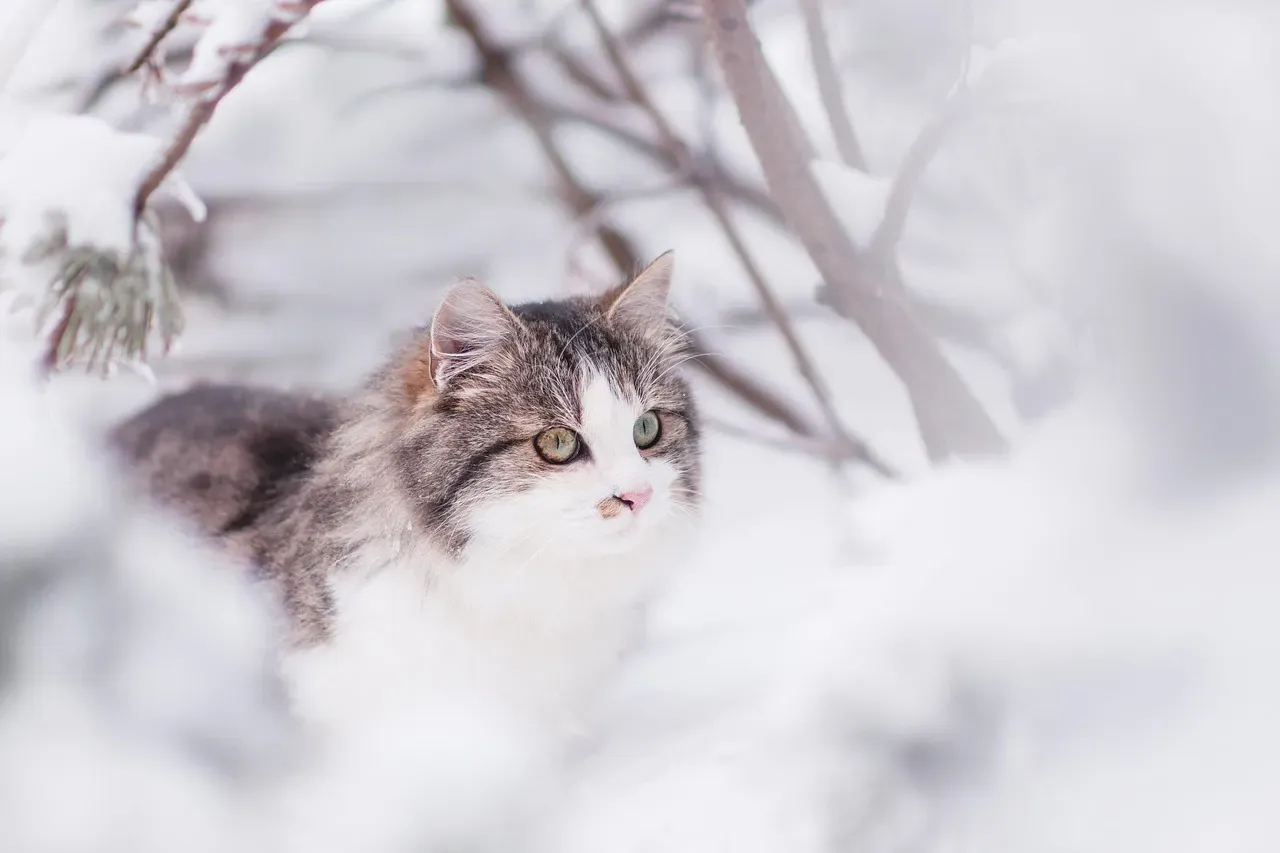
If you’re dealing with bitter winters, the Siberian cat is your answer. Siberians are big, strong cats with long, triple-layered coats perfectly suited to cold and wet weather, though they love being near people too. Picture a cat that looks like it walked out of a Russian fairytale.
Originating from Russia, these fluffy powerhouses have triple-layered fur that acts like a built-in winter coat. Despite their lion-like appearance, Siberians are big softies who adore their humans. They’re playful, agile hunters despite their substantial size, and they form strong bonds with their families while maintaining the independence needed for farm life.
Norwegian Forest Cat: The Woodland Hunter
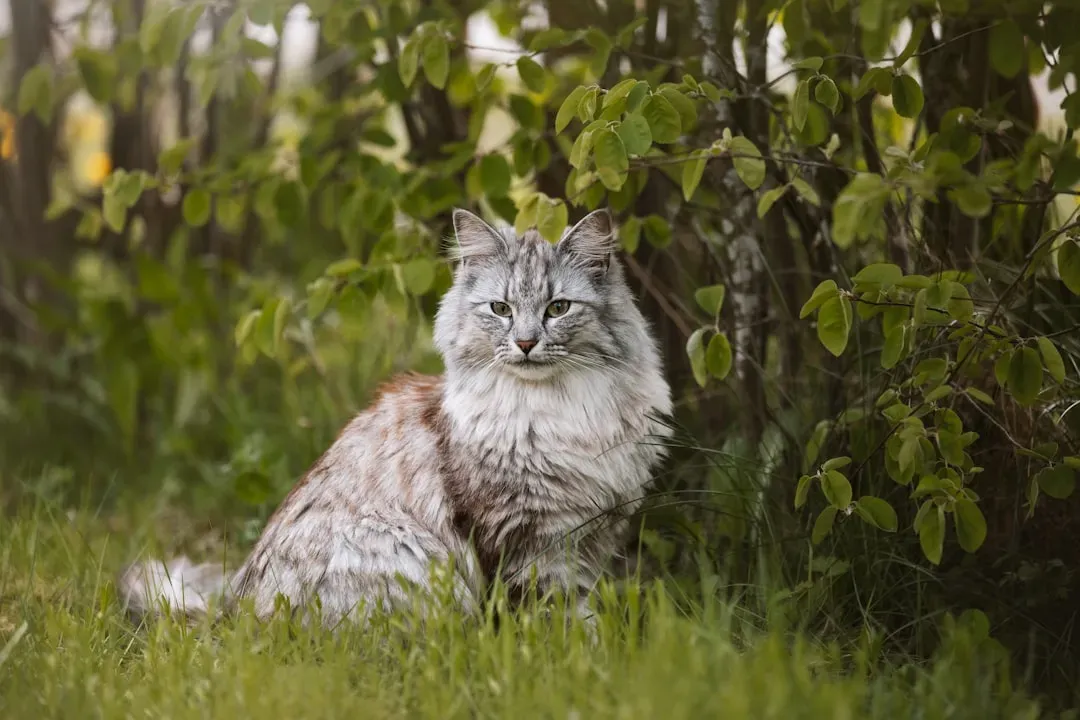
Originating from Northern Europe, Norwegian Forest cats are masters of outdoor exploration. These large fluffy felines are among the strongest cat breeds. Norwegian Forest cats are also expert climbers and are one of the only breeds that descend from trees headfirst.
Their thick, weatherproof coat and incredible climbing skills make them natural barn dwellers. Breathtakingly beautiful with an affectionate and loving personality, the Norwegian forest cat is a physically active and energetic cat with a friendly, calm, and gentle temperament. Intelligent and alert, they enjoy human attention but are very undemanding and rarely meow. They’re family-oriented yet self-sufficient – a perfect combination for rural living.
Bengal: The Wild-Looking Athlete
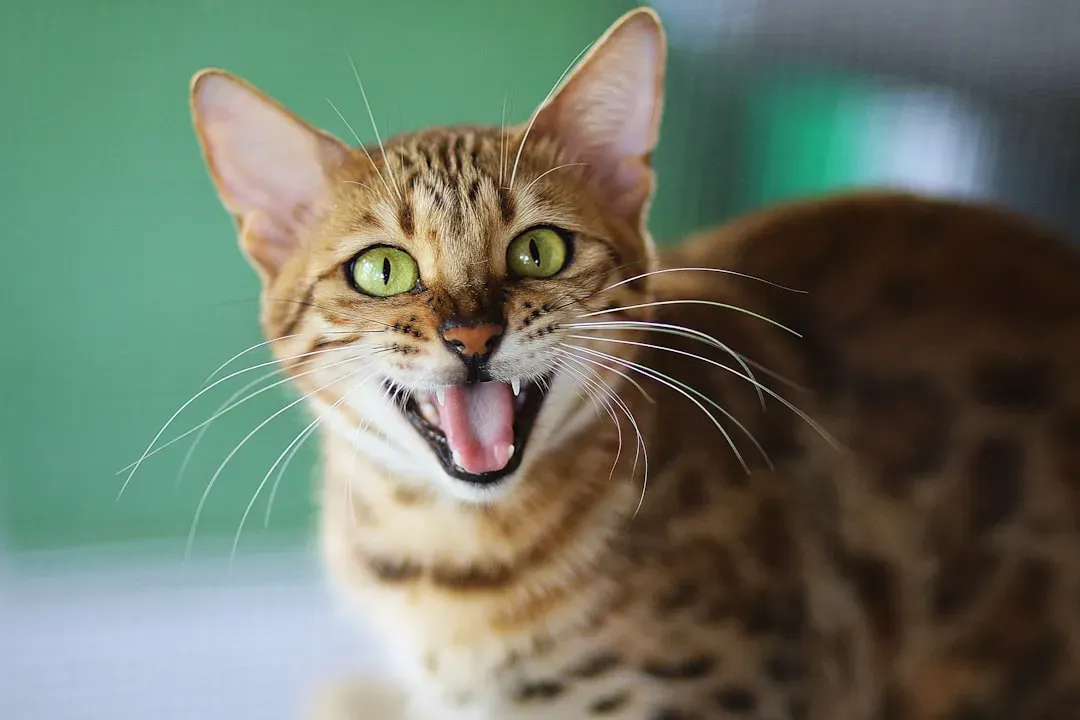
They’re the result of breeding a regular domestic cat with an Asian leopard cat, and the Bengal is a spectacular athlete with a wild prey drive that makes them ideal farm cats. Let’s be real, Bengals look like miniature leopards prowling your property.
Their energy levels are through the roof, which means they’re constantly on patrol. Few cat breeds resemble a little leopard as much as the Bengal. The breed was created by breeding a domestic cat with an Asian leopard cat, meaning this breed has a bit of a wild side. Bengals are highly active, independent, and require plenty of daytime stimulation. They’re intelligent enough to learn tricks and fiercely independent enough to keep your barn rodent-free.
Siamese: The Vocal Vermin Hunter
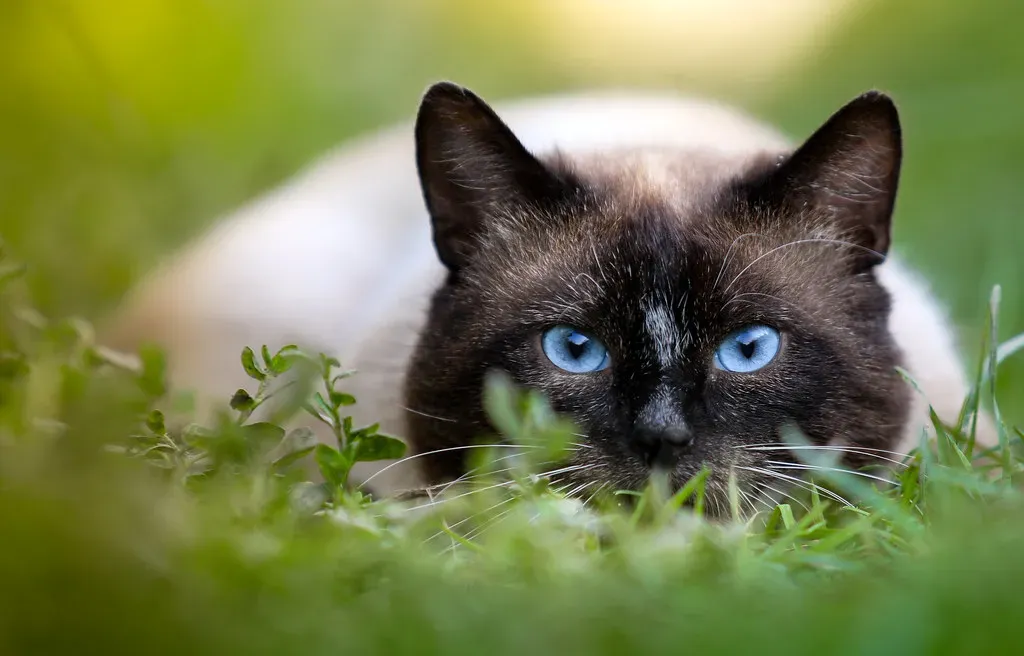
On top of their quirks, Siamese cats are phenomenal hunters. They are highly alert, active, and agile. You won’t have much of a rodent problem with one of these felines around. Here’s the thing: you’ll always know where your Siamese is because they’ll tell you.
Siamese cats are notorious for being highly vocal animals, so it wouldn’t be unusual to get a greeting on your way to your car or when you’re out feeding your barnyard buddies. Though sociable, they need the company of other cats or daily human interaction. If you’re around your farm regularly and don’t mind a chatty companion, the Siamese delivers both entertainment and excellent pest control.
American Wirehair: The Low-Maintenance Mouser
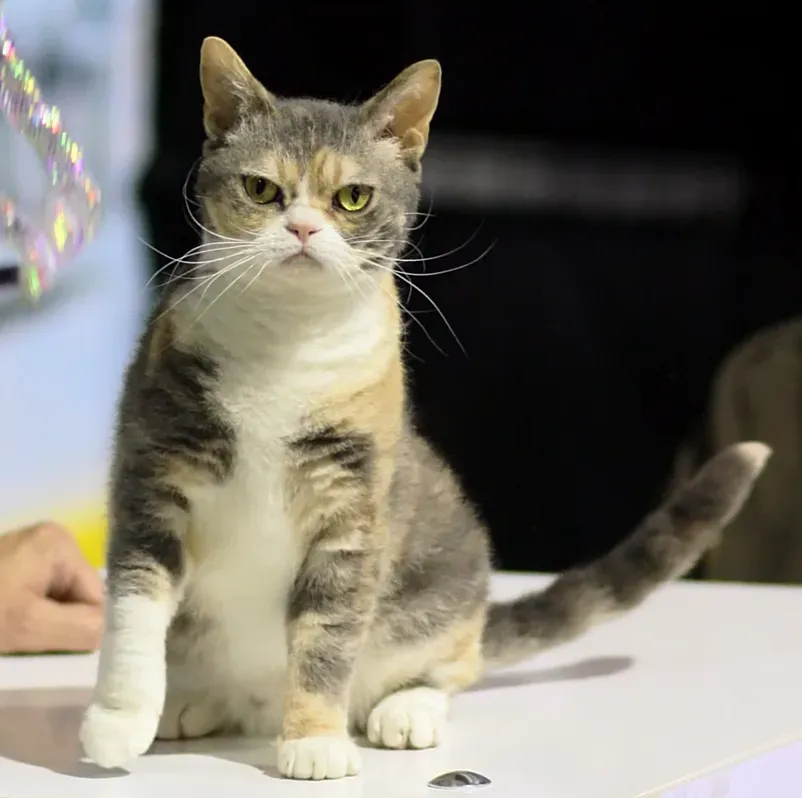
The American Wirehair is an offshoot of the American Shorthair, traced back to a single litter of kittens born with a wiry, dense wool-like coat similar to a lamb’s wool. They’re prolific explorers but not the most energetic breed out there, but they do have a strong prey drive.
This breed originated on a New York farm as a natural mutation, which tells you everything about their suitability for rural life. Their unique wiry coat requires minimal grooming, and they retain the hunting prowess of their American Shorthair ancestors. They’re steady workers rather than hyperactive hunters – think marathon runners rather than sprinters.
Russian Blue: The Reserved Rodent Specialist
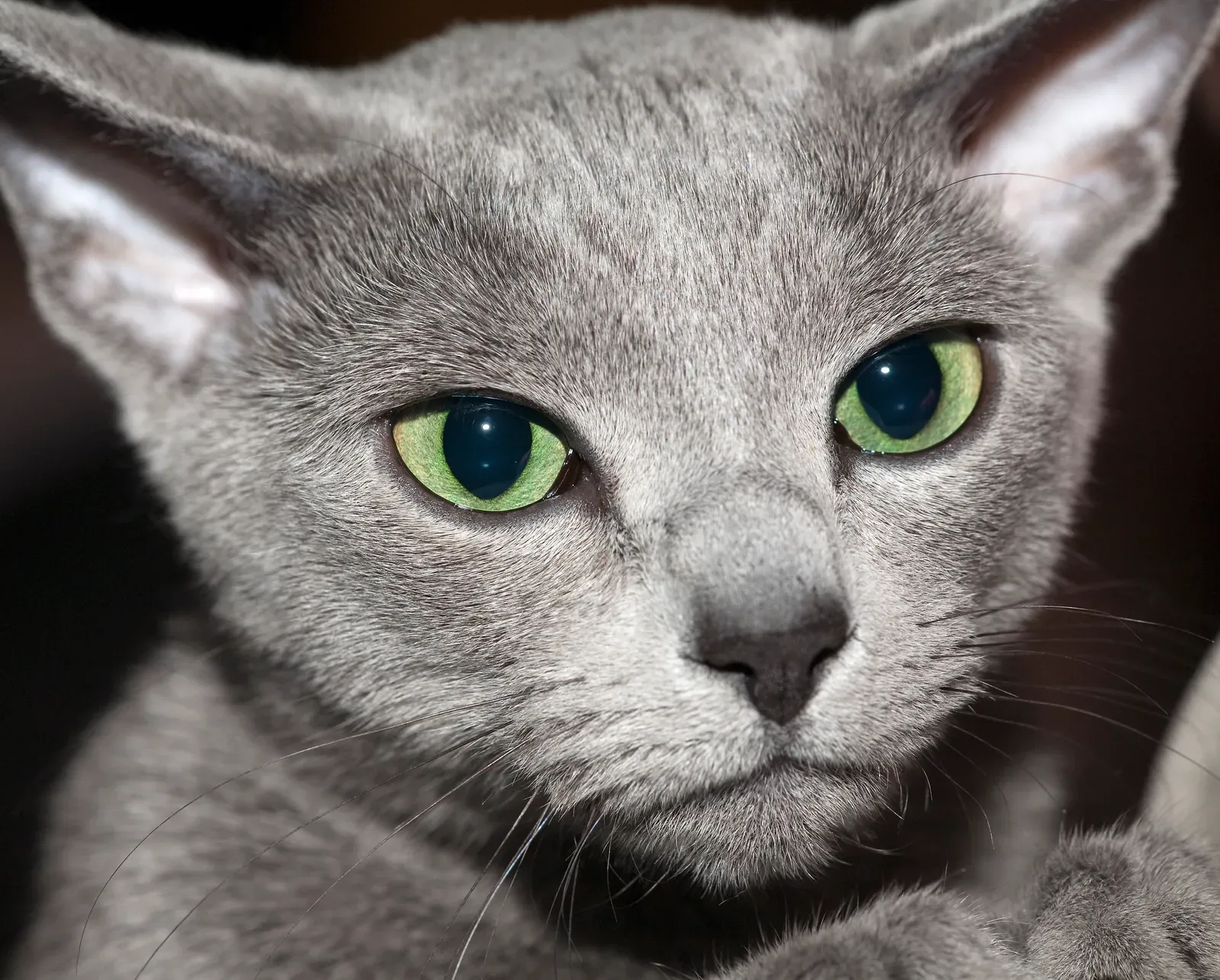
Russian Blues are intelligent and friendly with a reserved demeanor. They tend to bond well with their pet parents but aren’t clingy and are happy entertaining themselves. They’re also voracious hunters who’ll catch everything from mice to birds to rabbits.
Their plush double coat and natural hunting instincts make them well-suited to outdoor life. A devoted, intelligent, and sensitive little soul, the Russian blue has a quiet and cautious nature and while incredibly loyal and loving, they also possess an independent streak which means they’re happy to spend time doing their own thing. If you prefer a quieter cat who still gets the job done, the Russian Blue is your match.
Chartreux: France’s Stealthy Mouser
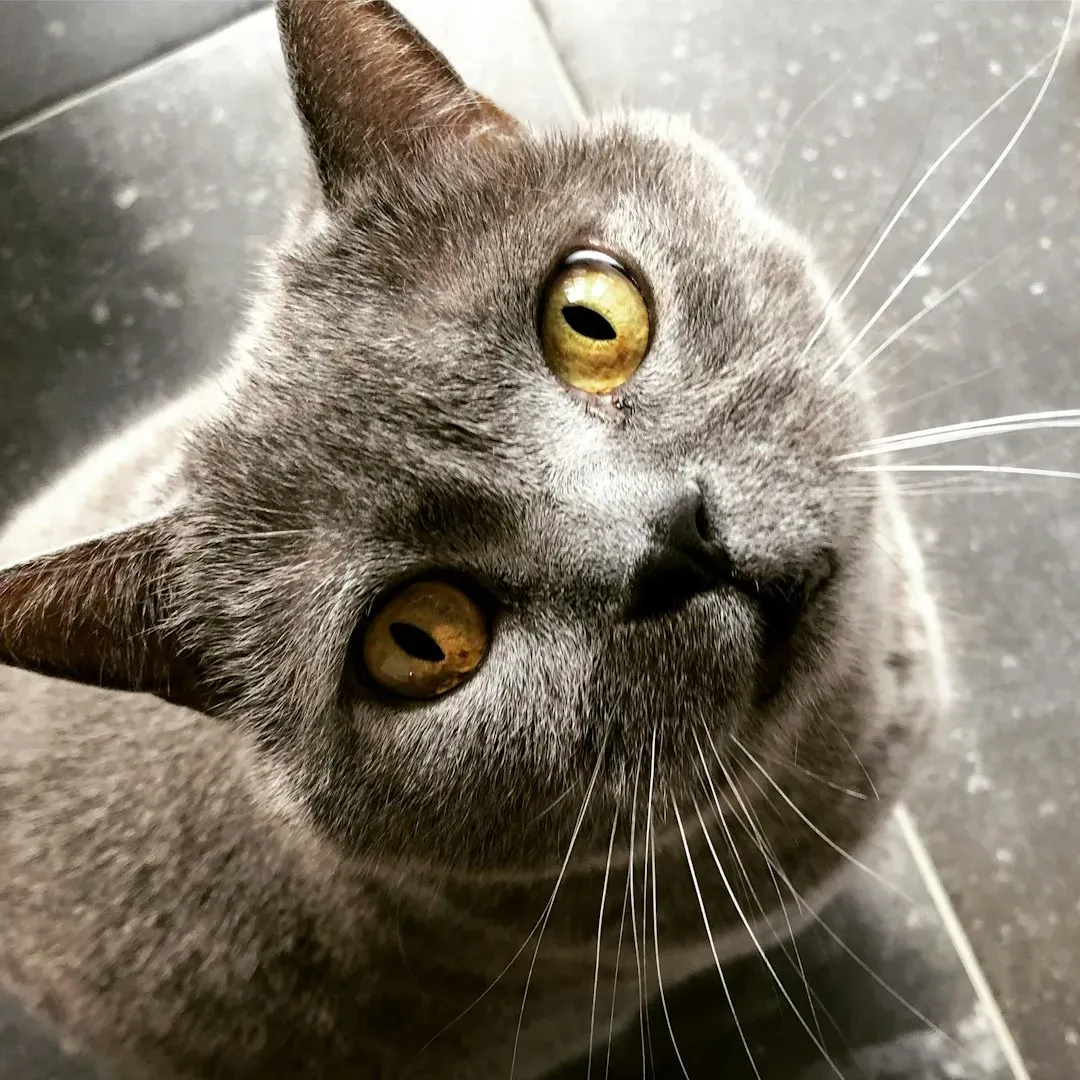
The rare but instantly recognizable Chartreux hails from France, with a water-resistant blue-gray coat and distinctly aloof personality. They’re smart, active animals that are known to be quiet or mute, and their big muscular bodies make them great hunters for any farm. They’re pretty neutral towards both people and other pets.
This ancient breed brings a dignified presence to any homestead. Their water-resistant coat is perfect for damp climates, and their quiet nature means they won’t disturb livestock. They’re not lap cats, but they’re reliable workers who mind their own business while keeping your property pest-free.
Manx: The Tailless Sprinter
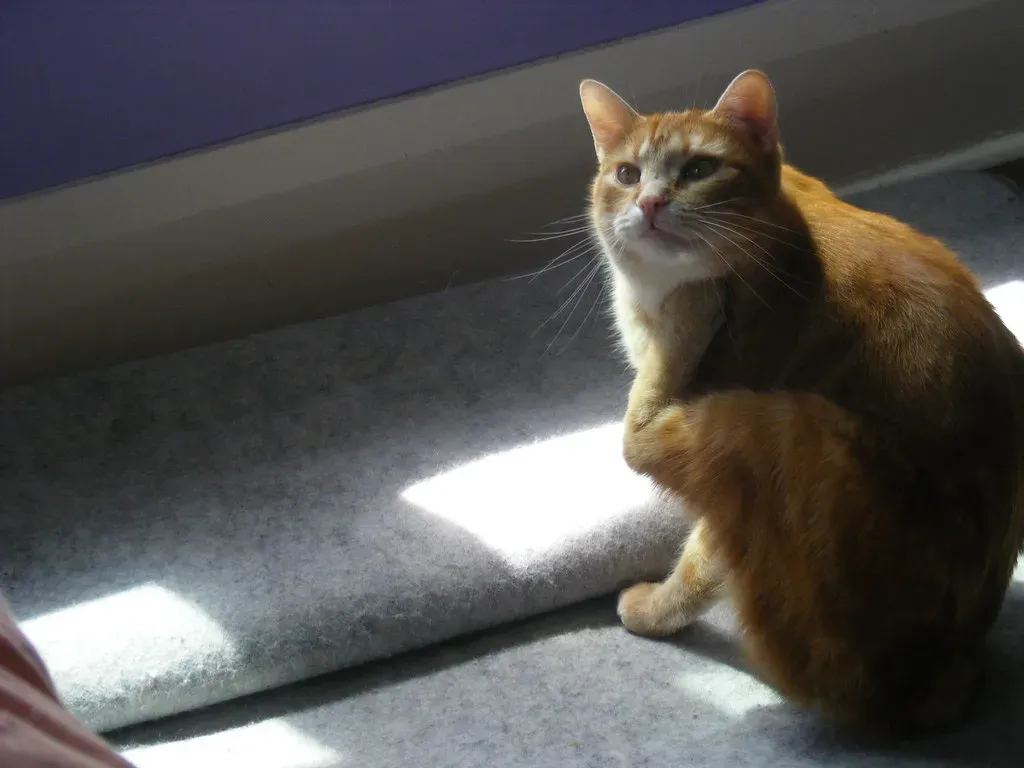
The Manx is a high-speed, tail-free rocket of a cat that thrives outdoors. Without a long tail to get in their way, these natural-born sprinters are built for speed, agility, and a little bit of chaos. Their lack of a tail isn’t a disability – it’s an advantage in tight spaces.
Originating from the Isle of Man, these cats have been working breeds for centuries. They’re playful, intelligent, and affectionate with their families while maintaining strong hunting instincts. Their compact, muscular build allows them to dart through barns and outbuildings with remarkable efficiency.
American Bobtail: The Adaptable Traveler

They are stocky kitties with strong jaws and a rugged appearance. American Bobtails are extremely intelligent, with reports of them opening doors and escaping from cages without training. They also love to hunt and will quickly dispatch any pesky fly that comes into your home.
The American Bobtail is a medium-to-large cat breed with its distinctive short tail, which is about one-third to half the length of a typical cat’s tail. The American Bobtail is often described as the “golden retriever of the cat world” due to its affectionate, friendly, and loyal personality. They’re highly adaptable and can thrive in various climates and settings, making them perfect for the unpredictable conditions of rural life.
Japanese Bobtail: The Historic Hunter
The traditional cat of Japan, and noted for its prowess in hunting, it is as sociable as it is lethal. Formerly relied upon to protect the silkworm industry from damage by rodents, it is an increasingly popular breed in the United States.
This breed brings centuries of working cat heritage to your farm. They’re active, intelligent, and highly social with both humans and other animals. Their short, bobbed tail gives them a distinctive appearance, and their hunting skills have been refined over generations of protecting valuable agricultural resources in their native Japan.
European Shorthair: The Continental All-Rounder
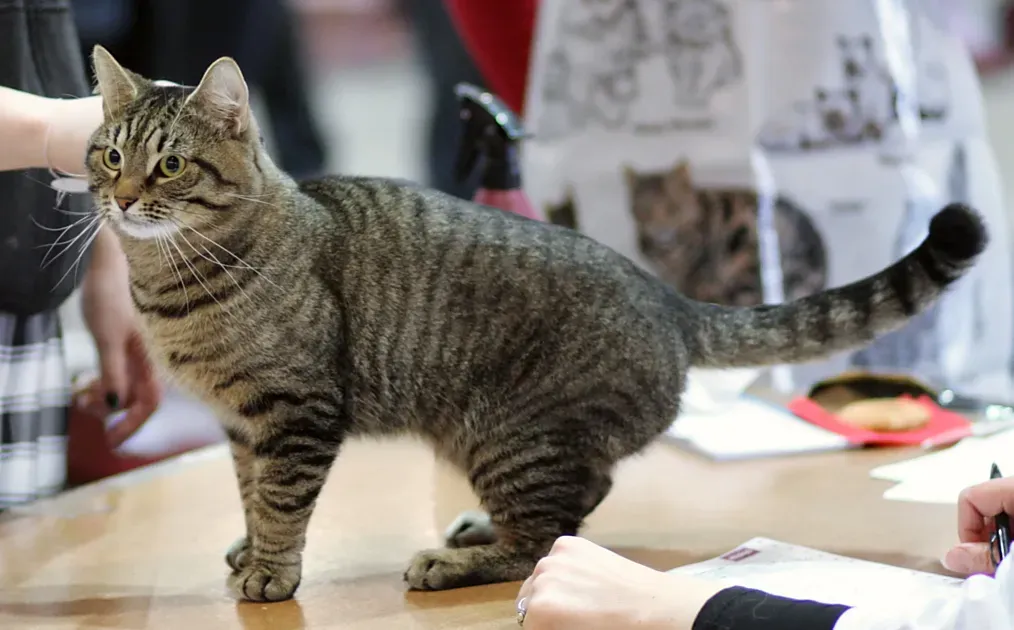
European Shorthairs are one of the most common breeds in Europe, and for good reason. European Shorthairs are keen hunters, known to keep houses and gardens free of pests. One of their best traits is they’re highly adaptable and will prosper whether they’re moving to a new home or exploring a new environment.
This breed represents centuries of natural selection across diverse European climates. The European Shorthair is a versatile and well-balanced cat breed that originates from Europe. Often considered the continent’s native domestic cat, this breed has been around for centuries, naturally evolving into a strong and adaptable feline. They’re low-maintenance, strong, and possess excellent hunting skills – everything you need in a working farm cat.
Understanding Your Cat’s Language: The Complexity Behind the Purr
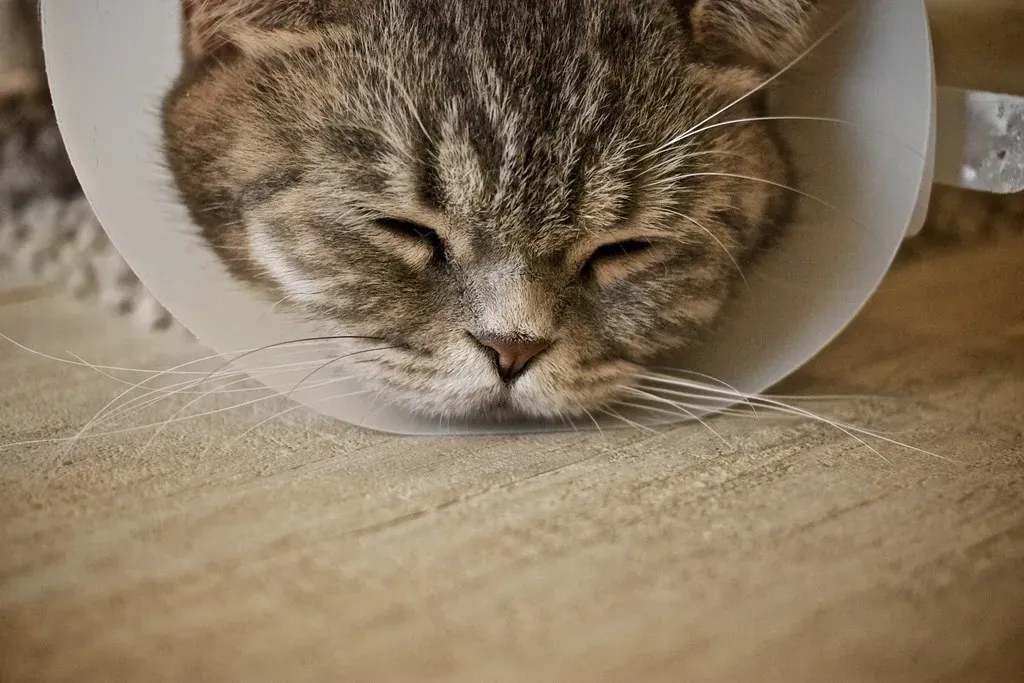
Now, here’s something that might surprise you about these rural cats: its significance extends beyond simple pleasure. Cats may purr in different situations, including when they are injured or anxious, indicating that purring serves multiple purposes. That comforting rumble isn’t always what it seems.
Many pet parents might assume a cat’s purring is a sign of happiness, but purrs can actually be produced when a cat is either in a positive or a negative emotional state. For example, a cat might purr when being pet by their favorite human, but they might also purr if they’re not feeling well. This means when you’re checking on your barn cats, you need to look beyond the purr to understand their true condition.
Animals purr for a variety of reasons, including to express happiness or fear, and as a defense mechanism. It has also been shown that cats purr to manage pain and soothe themselves. Researchers have discovered that the specific frequency range of purring has been associated with improved bone density, tissue regeneration, and pain relief. This suggests that cats may instinctively use this mechanism for self-healing, helping them to recover from injuries or illness. It’s like they carry their own first-aid kit built right into their bodies.
The truth is, understanding when your cat purrs and why requires looking at the full picture. It’s also often helpful to correlate a cat’s purring and its body language to get a grasp on what it wants to say. Cats usually combine body language and purring to interact with you. For example, a cat’s purr usually translates to a greeting whenever their tail is held up straight. This becomes especially important for rural cats who might be injured during their outdoor adventures but still purr when you approach them – they might be seeking comfort rather than expressing happiness.
Working cats lead riskier lives than their indoor counterparts. All are subject to some risks inherent to outdoor life. Their prey may transmit parasites and disease, they may be injured by various means, and they can be struck by vehicles. That’s why it’s crucial to understand the full spectrum of feline communication – not just the sounds they make, but the context surrounding those sounds.
The purr represents just how complex and remarkable cats truly are. Purring may be a much more complicated form of communication than we’ve assumed. These animals can communicate contentment, request assistance, self-soothe during pain, bond with their offspring, and even potentially accelerate their own healing – all through the same vibrational mechanism. For farm owners in Kentucky, Tennessee, and beyond, recognizing these nuances can mean the difference between a well-cared-for working cat and one whose distress signals go unnoticed.
Rural cats live rich, purposeful lives. They patrol fields under starry skies, navigate weather extremes, hunt with precision, and form unique bonds with the humans who care for them. Whether you choose a massive Maine Coon or a sleek Siamese, these twelve breeds bring something special to country living – a blend of independence, intelligence, and instinct that has served humans for thousands of years and continues to do so across America’s rural landscape.
Did you ever imagine a cat’s purr could mean so many different things? What surprises you most about these working cat breeds?