You’ve probably heard someone say their kitten will eventually mellow out with age. They’ll tell you that climbing curtains and pouncing on ankles at midnight is just a phase. Here’s the thing though – for some breeds, that spirited personality isn’t going anywhere. Those intense behaviors you see in kittenhood? They’re baked right into their DNA.
Roughly half of breed behavioral differences can be attributed to hereditary factors, meaning your energetic troublemaker might just be living up to their genetic programming. Some breeds carry traits that remain consistent throughout their entire lives, from kittenhood through their senior years. Let’s be real, if you’re thinking about bringing home one of these breeds, you need to know what you’re signing up for. So let’s dive into twelve breeds that keep their demanding, challenging, or high-maintenance personalities well into adulthood.
Turkish Van: The Perpetual Wildcard
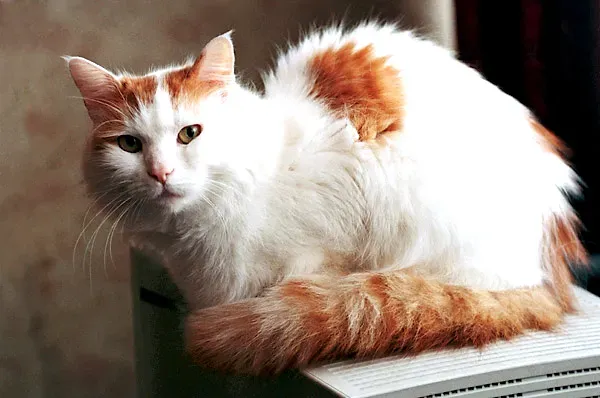
Turkish Vans scored the highest in aggression toward humans and commonly showed aggression toward both humans and other cats. This isn’t a kitten phase that disappears with time. These stunning cats with their distinctive coloring maintain their strong-willed nature throughout their lives.
Turkish Van cats formed their own behavioral cluster, setting them apart from all other breeds studied. They’re known for being intensely territorial and don’t always appreciate being picked up or handled on someone else’s terms. Think of them as the cat that makes its own rules and expects you to follow along.
Siamese: The Demanding Chatterbox
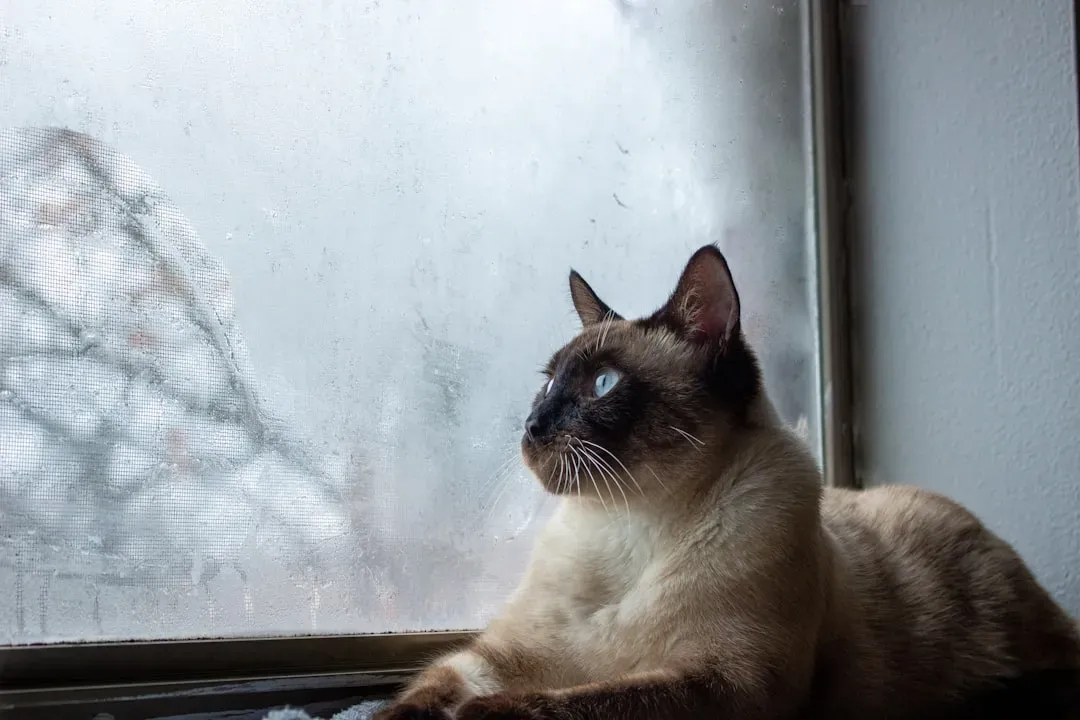
These cats never stop talking, and I mean never. Siamese are one of the most talkative and demanding cats, and like a yappy toy-breed dog, these cats always have something to say. If you’re hoping for a quiet, independent feline, this breed will disappoint you spectacularly.
Their need for constant interaction doesn’t diminish as they age. They’ll follow you everywhere, vocalize their opinions about everything from dinner being five minutes late to your choice of television show. If you leave a Siamese cat alone for too long without something to occupy herself, she may become mischievous, opening cabinets, finding new hiding spots, and even turning on sink faucets. Their intelligence paired with their social needs creates a lifelong commitment to active engagement.
Bengal: The Indoor Athlete
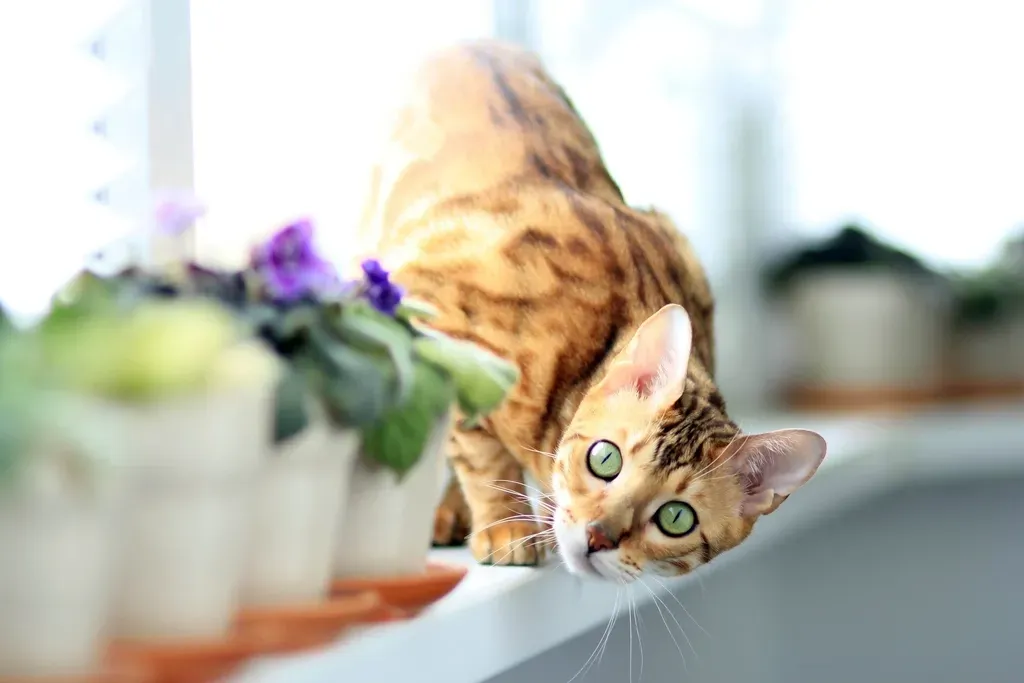
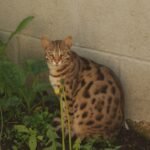
Bengals bring wild cat energy into your living room, permanently. Bengal cats love to be with their owners, they’ll follow you around the house and “help” with whatever activity is at hand, and often enjoy playing fetch, playing in water, and even walking on leashes. This isn’t behavior they outgrow.
Their athletic abilities and need for stimulation remain intense throughout adulthood. Some people call them demanding, which honestly feels like an understatement. These cats require plenty of stimulation, attention, and interactive play, and without enough activity, they can become bored and may resort to destructive behaviors. You’re essentially adopting a toddler that never ages out of the terrible twos.
Devon Rex: The Mischievous Pixie
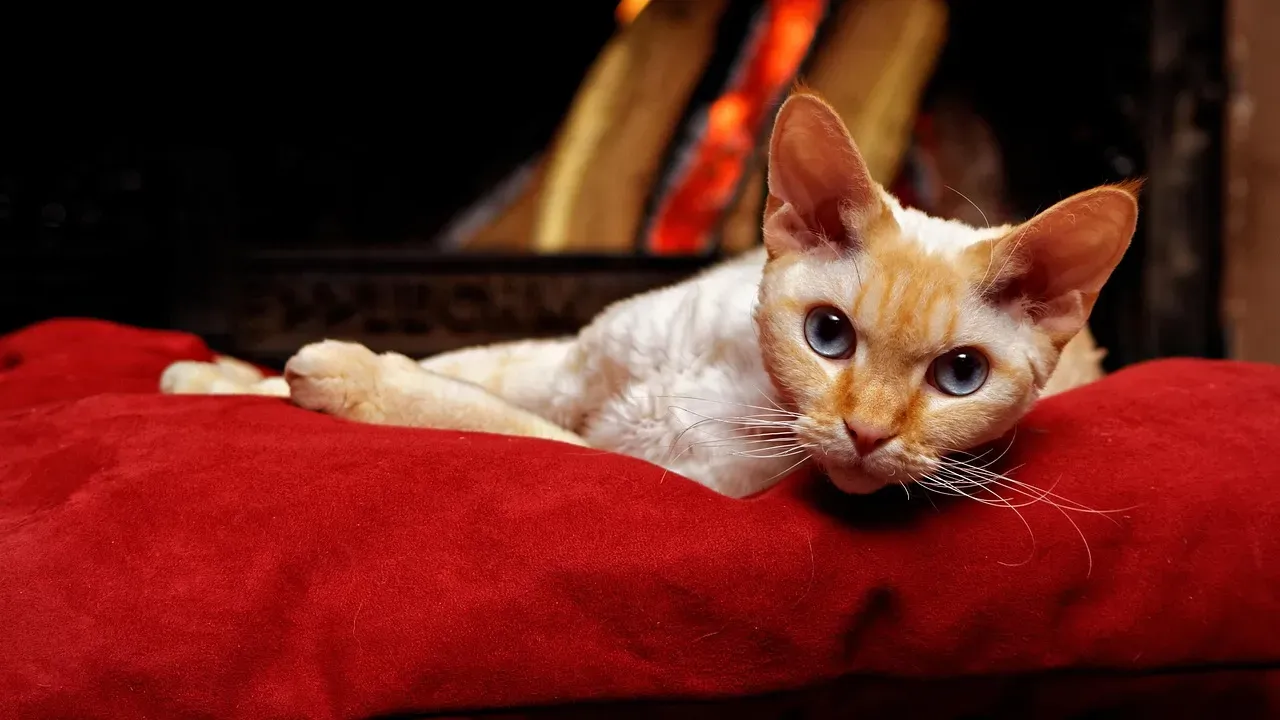
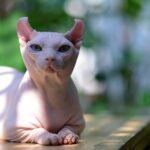
The Devon Rex is a playful cat breed often described as forever a “kitten at heart”. Notice that word – forever. Their playful, slightly chaotic personality doesn’t mature into calm dignity. They remain perpetually silly.
These cats need a huge level of input from their owners to curtail destructive behavior, and Devon rexes have energetic, cheeky, and mischievous natures. Their intelligence means they can be trained, which is great, except it also means they’re clever enough to get into everything you don’t want them touching. They’re the cats that’ll knock your coffee over just to see what happens, year after year.
Abyssinian: The Restless Explorer
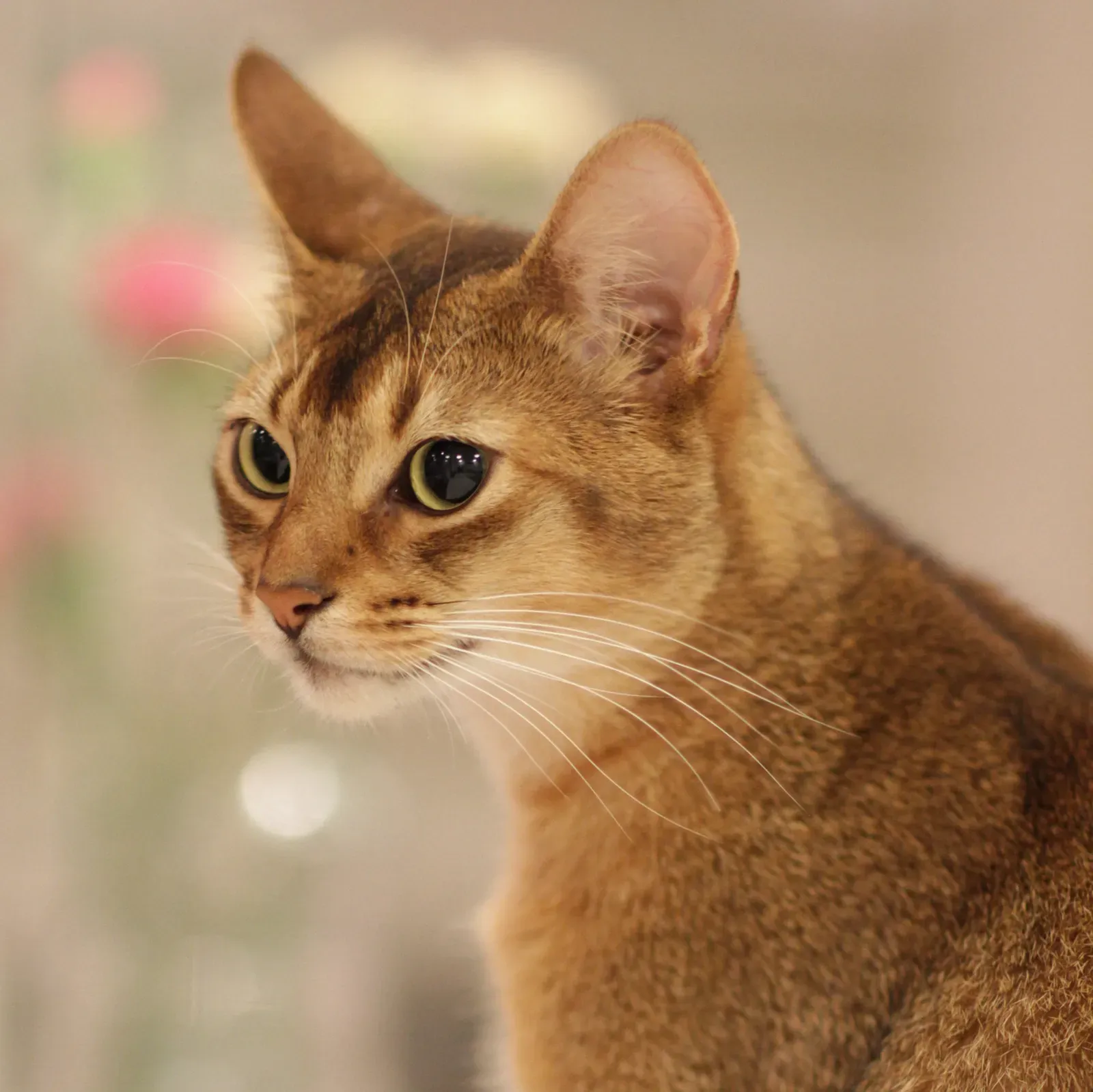
If you’re looking for a low-key and docile cat, you won’t find that in the Abyssinian, as this cat will keep you on your toes and they are extremely inquisitive and performative. Their curiosity and activity levels stay elevated throughout their entire lives.
Abyssinians are active cats that love to be on the move, and because of their high energy level and intelligence, you’ll need to occupy them with food puzzles, daily exercise, and even training for tricks and agility. Think of them as the cat equivalent of someone who’s had three espressos before breakfast. Every single day. For their entire life.
Oriental Shorthair: The Attention Seeker
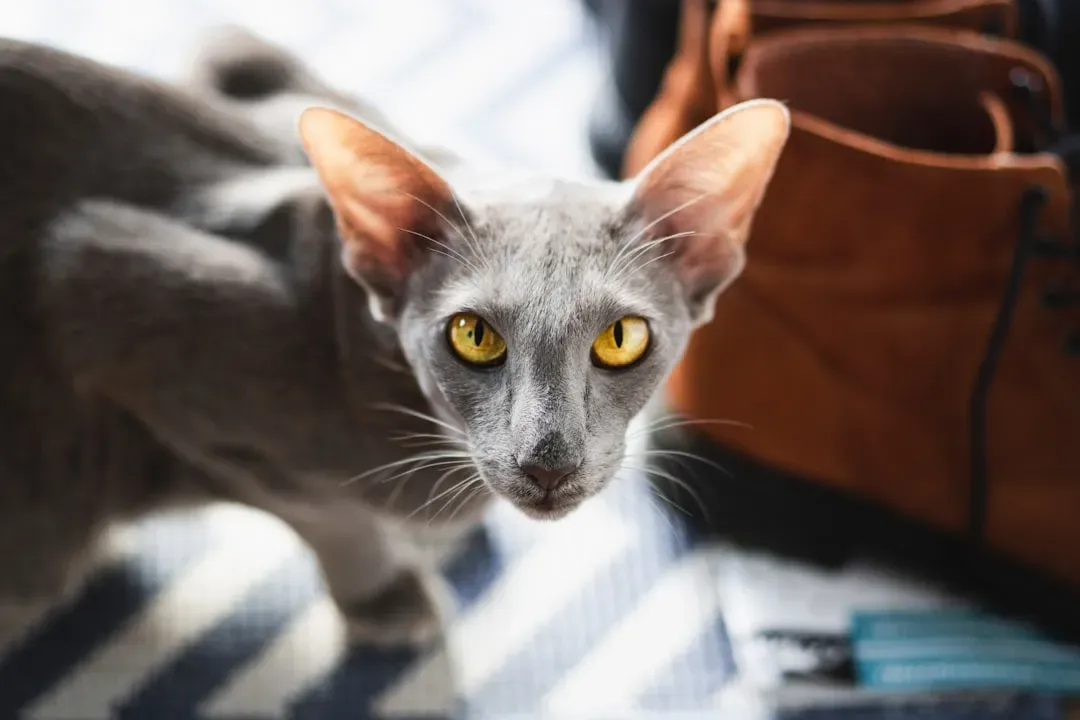
These elegant cats share the Siamese’s demanding personality but with their own unique flair. They form intense bonds with their people and don’t handle being ignored gracefully. Their need for interaction remains constant from kittenhood through their senior years.
Oriental Shorthairs are incredibly social and will insert themselves into every aspect of your life. They’re the cats that’ll sit on your laptop keyboard during important meetings, not because they’re kittens learning boundaries, but because they genuinely believe they should be the center of attention at all times. Their vocal nature and attachment issues persist regardless of age.
Cornish Rex: The Acrobatic Troublemaker
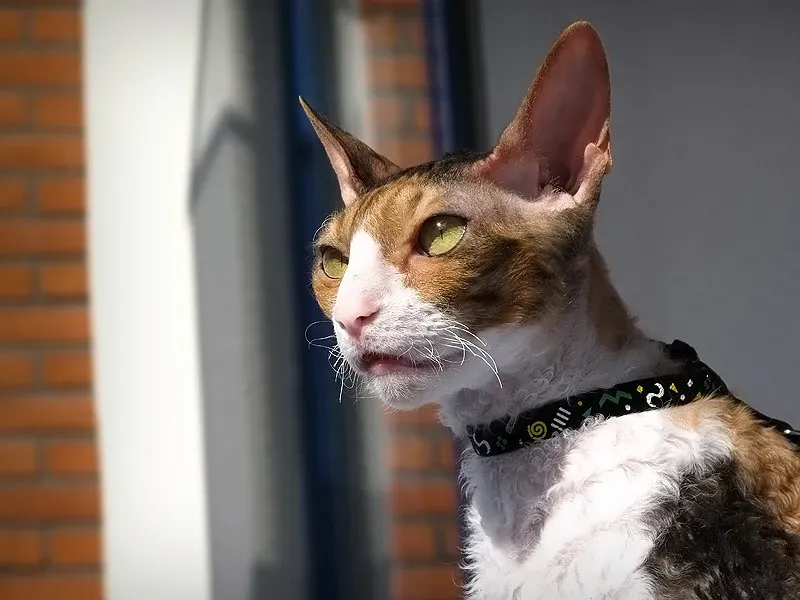
Cornish Rex and Bengal cats were among the more active breeds studied, and that distinction carries through their entire lives. These cats have energy reserves that seem genuinely unlimited. Their wavy coats and slender builds hide surprising strength and athleticism.
This breed likes even walking on leashes and is very acrobatic, with soft, wavy coats, and they never stop moving – they’re playful and curious, they’ll leap on your shoulder, chase toys, knock things off tables. The phrase “never stop moving” should be your warning sign. It’s not an exaggeration.
Burmese: The Velcro Cat
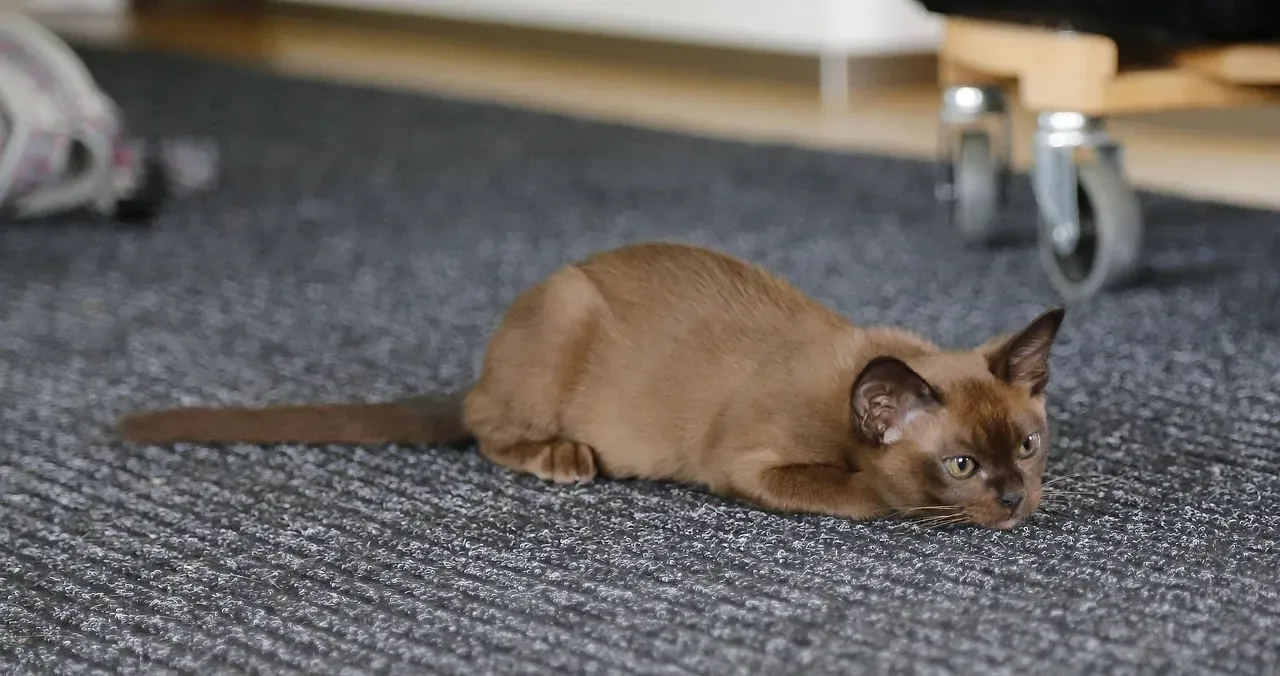
Burmese cats attach themselves to their humans with super glue intensity. The Burmese cat fully expects to be in charge of the house and will become involved in whatever you happen to be doing. This bossy, demanding nature doesn’t soften with maturity.
Burmese cats are athletic and acrobatic and may be able to leap to the highest spot in the room with amazing ability. Their combination of physical prowess and emotional neediness creates a lifelong commitment to hands-on cat parenting. They’re not content to be furniture, and they’ll make sure you never forget they exist.
Savannah: The Wild Card Hybrid

These hybrids retain their wild ancestry throughout their lives. Savannahs are tall, athletic, and possess energy levels that make other active breeds look lazy by comparison. Their dog-like personalities include following their owners around and learning tricks, but also stubbornness and territorial behavior.
Early generation Savannahs especially maintain challenging behaviors. They require extensive stimulation, large spaces to roam, and owners who understand they’re not bringing home a typical housecat. Their wild genetics mean unpredictable behaviors can surface at any age. What works one day might not work the next.
Maine Coon: The Gentle Giant With Demands
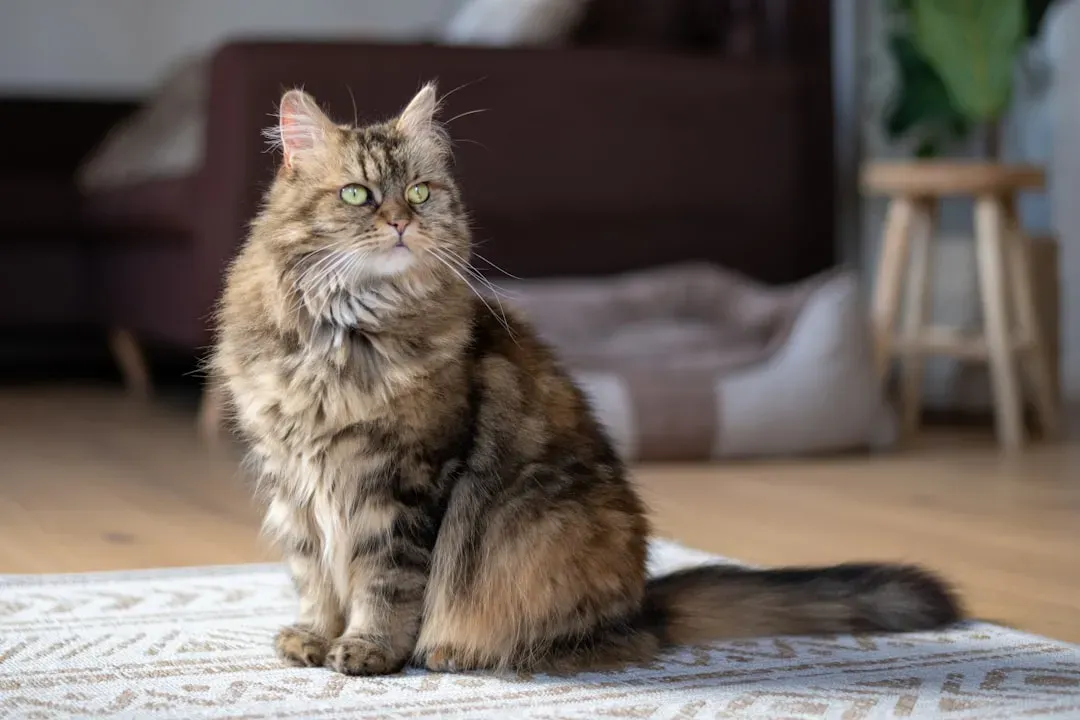
A generally healthy breed, their biggest demands are attention as they crave their owner’s company and exercise. Maine Coons might be gentle, but they’re not low-maintenance. Their size alone creates ongoing management needs.
Maine Coon cats always prefer to be close to their humans and often follow them around the house and even into the bathroom. Their need for companionship doesn’t decrease with age. They remain sociable, needy for interaction, and physically active well into their senior years. You’re basically living with a very large, very hairy shadow.
Russian Blue: The Anxious Aristocrat
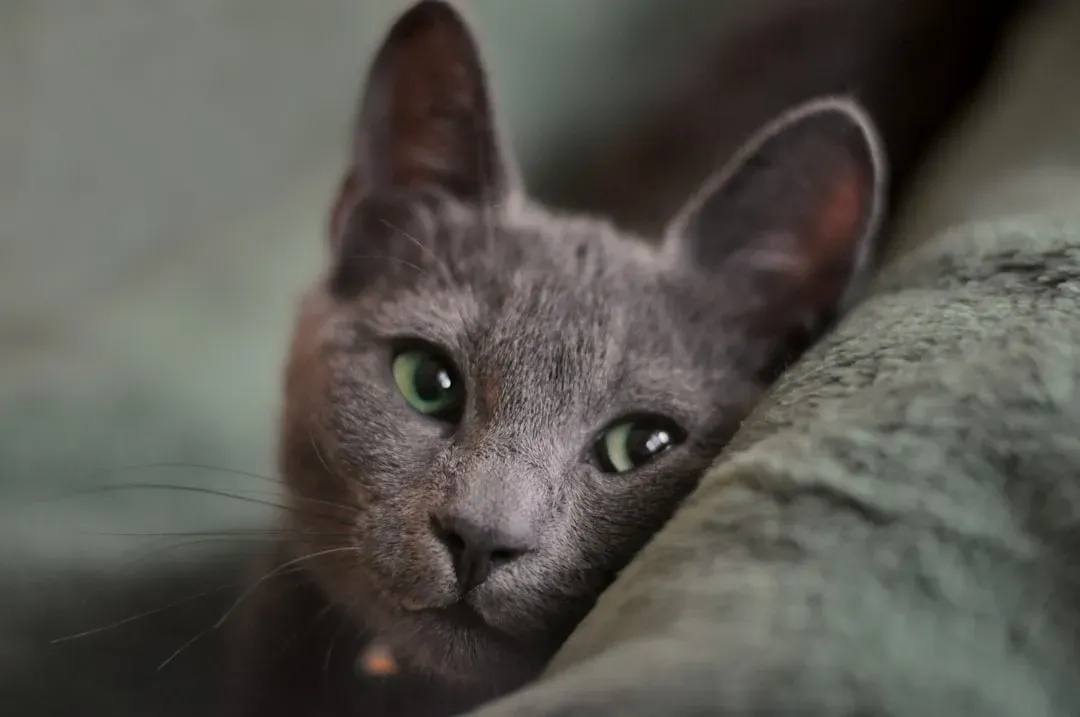
Russian Blue scored high in fearfulness and was strongly linked to shyness toward strangers. While shyness might not seem like difficult behavior, managing an anxious cat long-term presents real challenges. Their fearful tendencies are lifelong traits.
Russian Blues require consistent routines and struggle with environmental changes throughout their lives. New people, new furniture, schedule disruptions – all these trigger anxiety responses that don’t improve simply because the cat ages. Their nervousness around strangers persists from kittenhood through their golden years, requiring patient, understanding owners willing to accommodate their needs.
Ragdoll: The Deceptive Teddy Bear
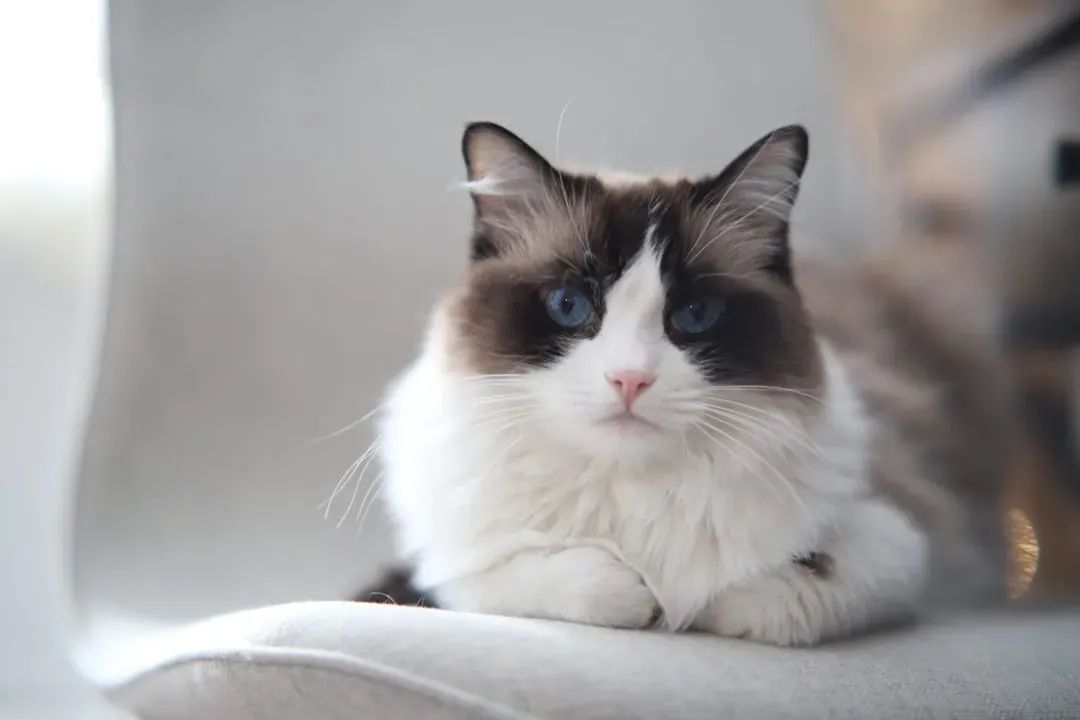
Here’s where things get interesting. Ragdoll cats were more likely to show shyness toward strangers and unknown objects. Wait, what? Yes, despite their cuddly reputation, Ragdolls can display persistent behavioral challenges.
Their docile reputation sometimes masks genuine behavioral issues. Ragdolls may tolerate human handling due to their calm and inactive nature rather than their desire for human interaction. This means they might not be the snuggly teddy bears people expect. Some Ragdolls maintain standoffish or defensive behaviors throughout their lives, surprising owners who chose them specifically for their supposed mellow temperament.
Conclusion: Know What You’re Getting Into
Behavior traits studied are moderately or highly heritable, and breeding programs using personality as a main selection criterion could lead to less unwanted behavior. The science is clear – these personality traits stick around. That kitten climbing your drapes at three in the morning might be showing you exactly who they’ll be at three years old, or even thirteen.
Choosing a cat based solely on looks or a brief interaction can set you up for years of frustration. Each breed on this list brings specific, persistent behavioral challenges that require commitment, patience, and sometimes professional intervention. They’re not bad cats – they’re just exactly what their genetics programmed them to be.
What do you think? Did your high-energy kitten ever actually calm down, or are you still finding them on top of the refrigerator at midnight?