You’ve probably heard it before. Someone complaining about their cat’s behavior gets reassured with a simple “Don’t worry, they’ll grow out of it.” Maybe you’ve even told yourself that when your kitten knocked over your coffee for the third time this week or refused to let you sleep past dawn.
Here’s the thing though: not all cats grow out of their quirks. Some breeds come hardwired with personalities so intense, so demanding, or so hyperactive that age doesn’t mellow them one bit. They arrive as tiny tornadoes and stay that way through their senior years. If you’re hoping time will transform your chatty, attention-seeking, or boundary-pushing cat into a calm lap ornament, you might be in for a surprise.
Let’s be real, these aren’t necessarily bad cats. In fact, many owners adore these traits. The constant companionship, the vocal conversations, the playful antics. It’s all part of the package. The problem is when people adopt these breeds expecting a typical cat experience, only to realize they’ve signed up for something far more demanding. Understanding breed temperament matters more than most people think. So let’s dive in.
1. Bengal: The Perpetual Wild Child

The Bengal was identified as the most active breed among studied cats, while breeds like Persian and Exotic were the most passive. That’s not just a phase. Bengals tend to be hyperactive from the moment they are born, and if you don’t enable them to burn their energy or give them enough attention, they can send a few challenges your way.
Intelligence and hyperactivity make these gorgeous felines more mischievous than many other cat breeds, and Bengals also get bored quickly. If you’re gone all day, expect consequences. When Bengals have nothing to do, they scratch furniture, knock over decorations, chew on shoes and cushions, and wreak all sorts of havoc. They’re not acting out because they’re kittens. This is simply who they are.
2. Siamese: Drama Queens for Life

Siamese cats have bold, vibrant personalities and are known for being affectionate, energetic, intelligent, and extremely vocal, rarely content to sit quietly in the background. Think they’ll quiet down with age? Think again.
Siamese cats are drama queens – if you’re five minutes late feeding them, they act like they’re being starved, and if you close a door they want to go through, it’s a personal betrayal. These aren’t the independent, aloof cats of stereotypes – they form intense bonds, demand constant interaction, suffer genuine distress when ignored, and communicate their every thought through an impressive vocabulary of sounds. Honestly, living with a Siamese is like living with a very small, very opinionated roommate who never learned the concept of “indoor voice.”
3. Turkish Van and Angora: The Aggressive Duo

Research consistently shows something striking about these breeds. Bengal and Russian Blue breeds were more fearful and extroverted, whereas Turkish Van and Angora were more aggressive. The Turkish Van breed scored considerably higher in aggression towards humans and lower in sociability towards cats.
This isn’t kitten roughhousing that disappears over time. Turkish Van and Angora were ranked as the most aggressive toward family members and strangers among studied breeds. It’s hard to say for sure, but many owners report that their Turkish Van remains feisty and territorial throughout life. They’re beautiful, sure, with their striking looks and unique personalities. The catch is you need to understand what you’re getting into before bringing one home.
4. Russian Blue: Fearful and Forever Anxious

The Russian Blue was identified as the most fearful breed, while the Abyssinian was the least fearful. That nervous temperament? It doesn’t fade with maturity. This is a sensitive cat that doesn’t like to be ignored, and when they don’t get attention, the Russian Blue may become anxious or fearful.
These cats require understanding and patience. They’re not naturally social butterflies who’ll eventually warm up to chaos. They prefer routine, predictability, and gentle handling. Russian Blue cats were strongly linked to shyness toward strangers, while Burmese cats were less likely to be shy. If you want a confident, easygoing cat who adapts easily to change, a Russian Blue probably isn’t your match.
5. Sphynx: Attention-Seeking Never Stops
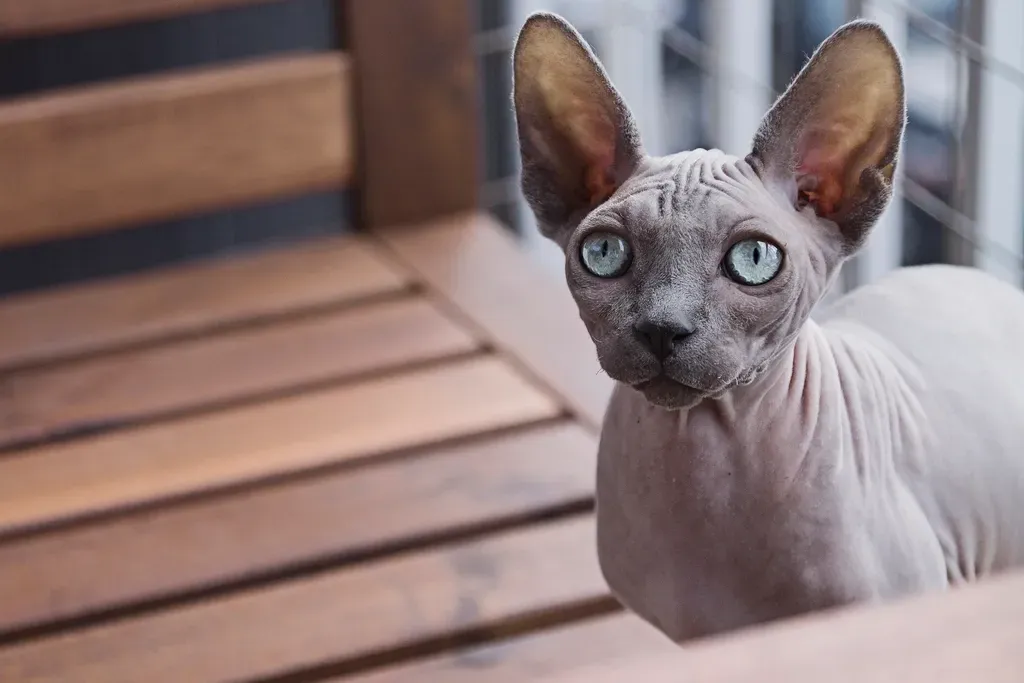
The Siamese cat has a reputation for being a very clingy breed, but the Ragdoll and the Sphynx are close runners-up – Siamese cats are very vocal and social by nature and thrive on human interaction. The Sphynx cat is known to be needy and lack independence, they don’t want to spend much time on their own and prefer to be around another creature, and Sphynx cats get so lonely that if you spend several hours a day away from home, it’s recommended that you get your pet another friend.
I know it sounds crazy, but some Sphynx owners report their cats never learning to self-soothe. Sphynx cats are obsessed with attention – if sleeping at night and they want attention, they will bite noses to get owners to wake up and pet them, and they insist on sleeping on their owner’s neck. Let’s be real: this isn’t temporary kitten behavior. This is lifelong clinginess.
6. Devon Rex: Mischievous Pixies Who Never Settle
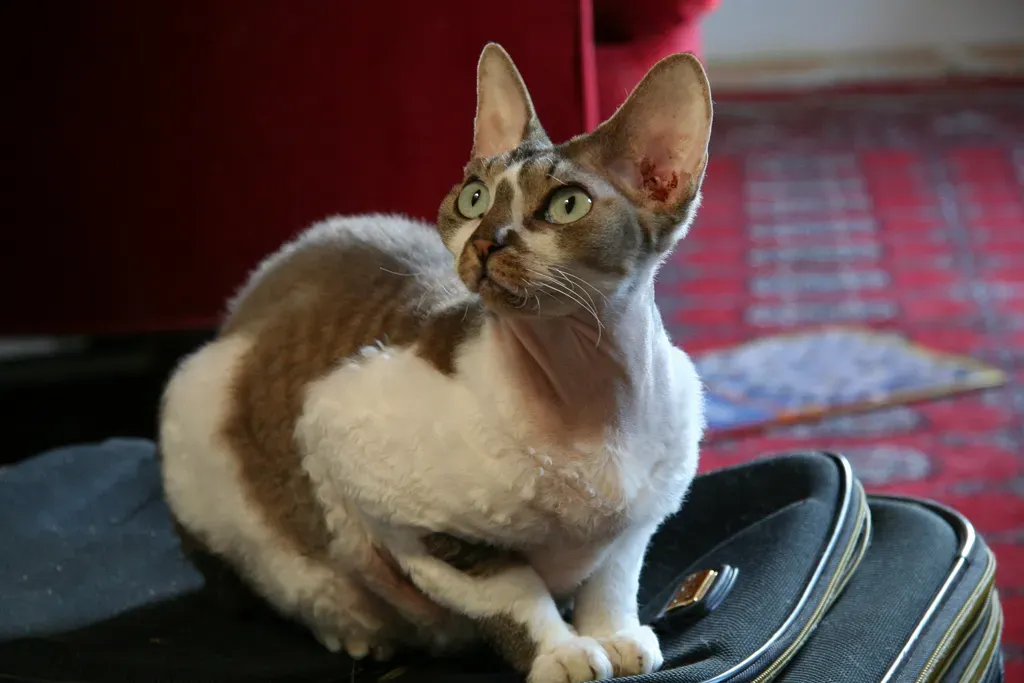
Bengal, House cats, and Devon Rex were ranked among the most aggressive toward family members. That combination of playfulness and pushiness doesn’t disappear. The Devon Rex, with its elf-like looks and wavy coat, is the epitome of curiosity and playfulness – they’re known to perch on shoulders, fetch toys, and boldly explore every nook and cranny of their home, and their intelligence and mischievous nature often lead them to open doors, drawers, and hearts with equal ease.
Think of them as permanent toddlers. They’re adorable, energetic, and endlessly entertaining. They’re also exhausting. Devon Rex cats remain kitten-like in energy and curiosity well into their senior years. If you’re looking for a cat who’ll eventually settle down and stop getting into everything, you might want to look elsewhere.
7. Korat: Socially Demanding Throughout Life

Korat was identified as the second most aggressive breed toward family members among studied breeds. The Korat has strong opinions about how things should be, and they’re not afraid to enforce those opinions. Cornish Rex, Korat, and Bengal were identified as the most active breeds, contrasting sharply with British Shorthair, which was the least active.
These cats form incredibly strong bonds with their people. The flip side? They can become possessive and territorial. Their social nature means they demand interaction, and their activity levels mean they need constant stimulation. Aging doesn’t dim their intensity. A senior Korat is still a Korat – opinionated, active, and deeply bonded to their human.
8. Oriental Shorthair: The Loud and Restless Breed

Oriental cats are the most likely to have a behavioral problem according to their owners. Why? Because their energy never quits. Oriental breeds were among the most active breeds studied. These cats are closely related to Siamese, sharing that same vocal, demanding temperament.
Veterinarians perceived Siamese to be active and vocal, Persians to be less active and destructive, and Oriental Shorthairs to be more excitable and destructive. Oriental Shorthairs stay excitable. They stay talkative. They need mental stimulation and physical activity throughout their entire lives. Owners who don’t understand this often label them as “problem cats” when really, they’re just being themselves.
9. Cornish Rex: Hyperactive Acrobats Forever

Cornish Rex, Korat, and Bengal were identified as the most active breeds. The Cornish Rex combines high energy with high intelligence, which is a recipe for constant motion. They’re climbers, jumpers, and explorers who never seem to tire.
Even as they age, Cornish Rex cats maintain much of their youthful energy. They’re playful well into their senior years, which can be delightful if you’re prepared for it. The problem comes when owners expect them to calm down after kittenhood. Spoiler alert: they don’t. These cats need interactive play, climbing structures, and plenty of attention from day one until their final years.
10. Siamese and Balinese: The Grooming Obsessives

The breeds exhibiting the most excessive grooming were the Siamese and Balinese. This isn’t normal self-care that every cat does. The most common types of compulsive behavior are excessive grooming and chewing of wool, other fabrics, plastic, rubber, cardboard, or string, and in many cats compulsive behavior results from stress or anxiety.
Chewing wool or other fabrics tends to occur in Siamese and similar breeds and is likely inherited. Notice that word: inherited. This isn’t learned behavior. It’s genetic. A Balinese kitten who over-grooms will likely become a Balinese adult who over-grooms. Managing stress helps, but the underlying tendency remains. These breeds need careful monitoring throughout their lives to prevent compulsive behaviors from escalating.
11. Burmese: Demanding and Dog-Like

Burmese cats are wonderful companions, but they’re also intense. Burmese cats were less likely to be shy compared to other breeds, which sounds great until you realize it means they’re also less likely to give you personal space. Burmese were among the most active breeds.
These cats follow you everywhere, demand to be involved in everything, and vocalize their needs constantly. Some describe them as having dog-like loyalty and attachment. That’s endearing, but it’s also exhausting if you’re not prepared for a cat who acts more like a shadow than an independent pet. Burmese cats stay people-oriented throughout life. They don’t “grow out” of needing you.
12. Ragdoll: Clingy Cats in Disguise

Wait, Ragdolls? Aren’t they supposed to be the chill, laid-back breed? Well, yes and no. Ragdoll cats were more likely to show shyness toward strangers and unknown objects as well as aggression toward humans. That aggression might surprise people who expect a docile lap cat.
Ragdolls are gentle and love cuddles, and Sphynx cats also love physical closeness and crave warmth since they don’t have fur. The vast majority of Ragdolls are sweet and affectionate, but they’re also prone to separation anxiety and clinginess. Ragdolls may tolerate human handling due to their calm and inactive nature rather than their desire for human interaction. They might seem easygoing, yet many Ragdoll owners report their cats becoming distressed when left alone or experiencing routine changes. That sensitivity doesn’t fade with age.
Conclusion: Personality Is Forever

Temperament can be defined as interindividual differences in behavior that are stable over time and in different contexts, and the terms personality, coping styles, and behavioral syndromes have also been used to describe these interindividual differences. Stability over time. That’s the key phrase. Heritability estimates obtained were moderate, varying from roughly between zero point four to zero point five three, and results show that it is possible to partition the observed variation in behavior traits into genetic and environmental components, with substantial genetic variation existing within breed populations.
Translation? A lot of cat behavior is genetic. It’s not a phase. It’s not something most cats outgrow. Environmental enrichment helps, training helps, but the core temperament remains. If you adopt a Bengal, expect lifelong hyperactivity. If you adopt a Siamese, expect lifelong vocalization. If you adopt a Sphynx, expect lifelong neediness.
The beauty of understanding breed temperament is that you can make informed decisions. You can prepare yourself. You can provide the right environment and meet your cat’s needs instead of fighting against their nature. These breeds aren’t difficult because they’re broken. They’re just being themselves. So what do you think? Did you expect certain breeds on this list? Tell us in the comments which breed surprised you the most.