You’ve seen it happen. A cat who once purred at your every touch now swats when you get too close. Maybe your sweet feline buddy who used to snuggle on the couch has turned into a hissing, scratching shadow of her former self. Let’s be real, it’s heartbreaking when your beloved companion transforms from affectionate friend into a grumpy, unpredictable stranger.
The truth is, not all cats age gracefully. While some felines remain cuddly sweethearts throughout their golden years, others develop behavioral challenges that can test even the most patient owner. Understanding why certain breeds become more aggressive with age can help you navigate these changes with compassion, patience, and practical solutions. So let’s dive into the breeds that tend to get meaner as the years pile on.
1. Turkish Van: The Territorial Terror
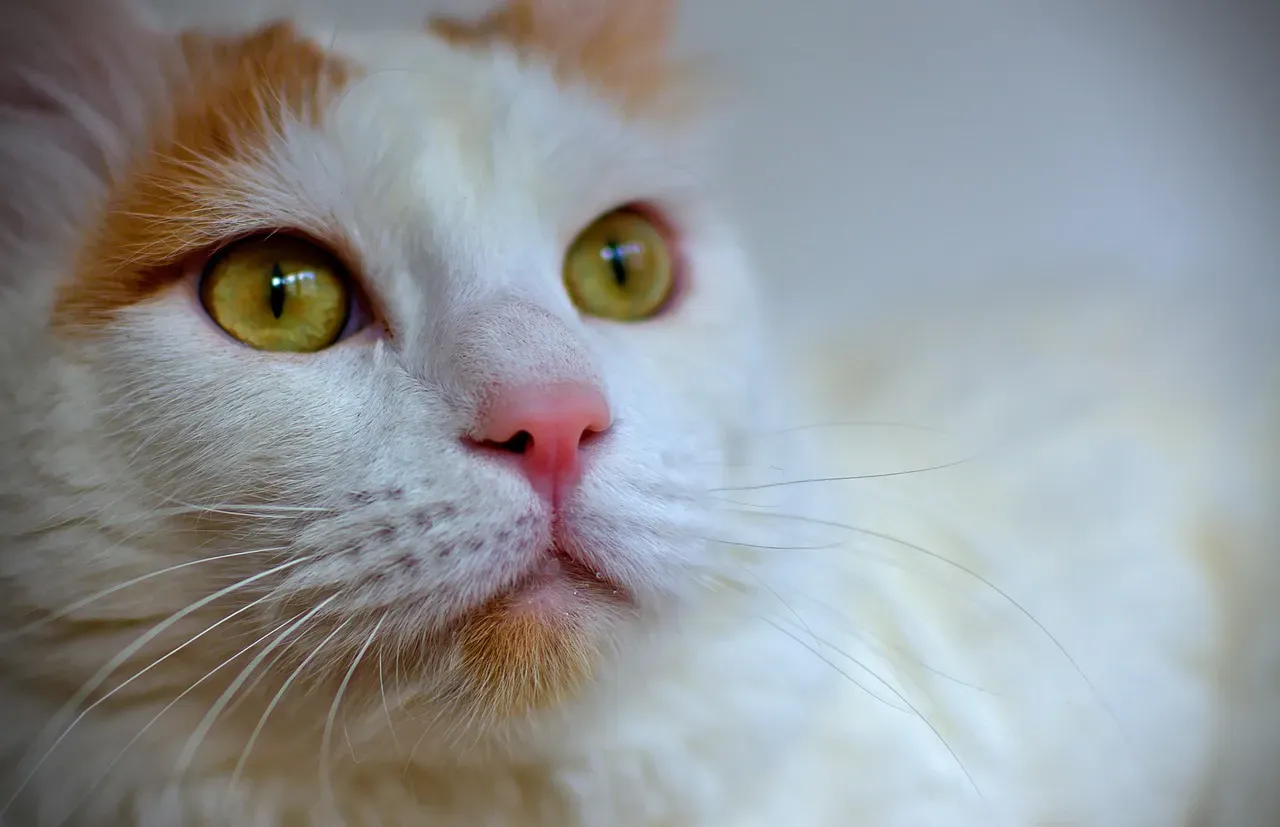
Turkish Vans were the most likely to display aggression towards people. This breed doesn’t just become grumpy with age. They take territorial behavior to a whole new level. As Turkish Vans mature, their already strong-willed nature intensifies, and they become increasingly protective of their space.
Their aggression often stems from heightened anxiety as their senses decline with age. When hearing or vision starts to fade, these cats startle more easily and lash out defensively. The solution? Create predictable routines and announce your presence before approaching. Use visual cues like turning on lights before entering a room, and avoid sudden movements that might trigger their defensive instincts.
2. Siamese: The Jealous Guardian
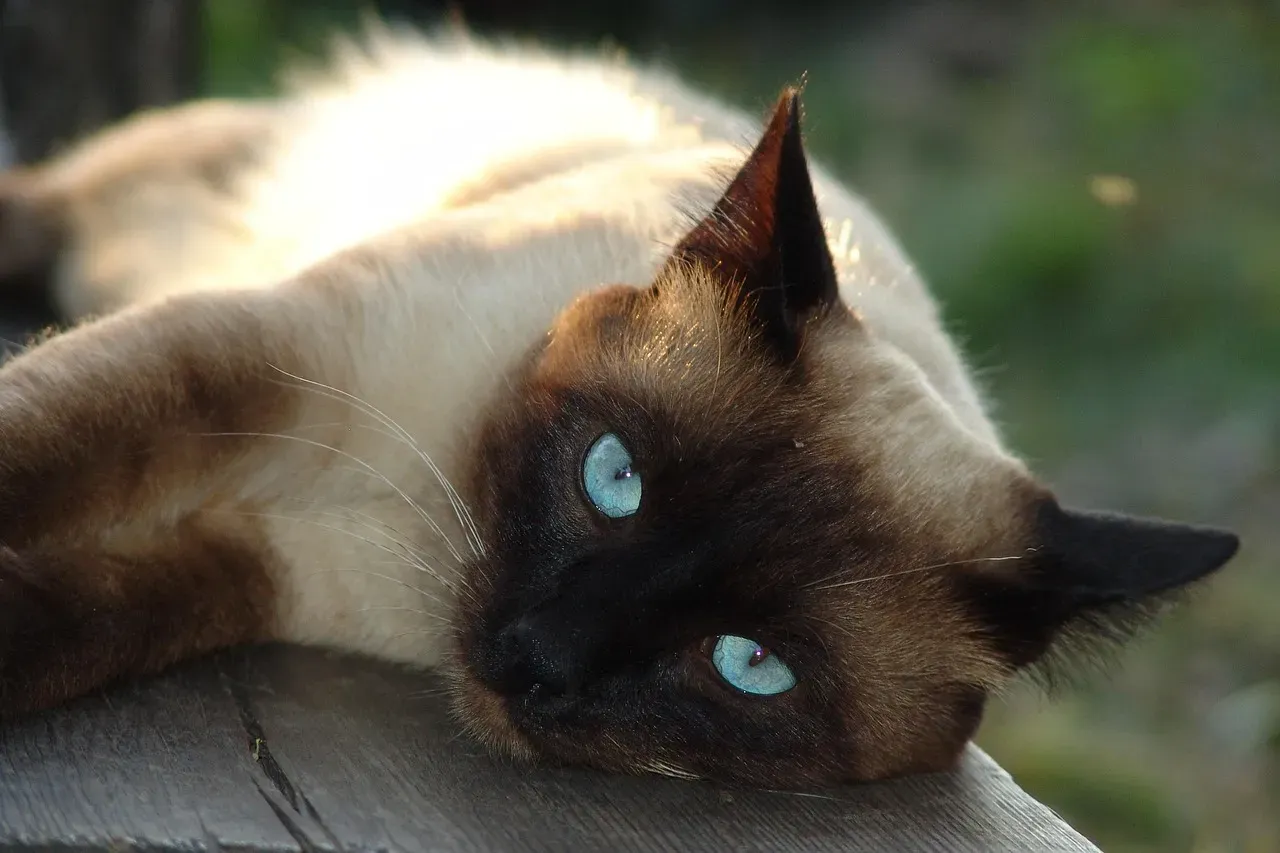
Some cat breeds are said to be more aggressive than others, such as Siamese, Bengal, and Egyptian Mau. The Siamese is notorious for becoming increasingly possessive as they age. These vocal cats form intense bonds with their owners, and that attachment can morph into jealousy when they reach their senior years.
Aging Siamese cats often display aggression toward new pets or people who threaten their relationship with their favorite human. Senior cats may act aggressively in old age because their patience has declined over the years, and they’re less and less tolerant of any changes to their routines. Keep your Siamese’s environment stable and maintain one-on-one bonding time daily. If you must introduce new family members or pets, do it gradually with plenty of positive reinforcement.
3. Bengal: The Overstimulated Hunter
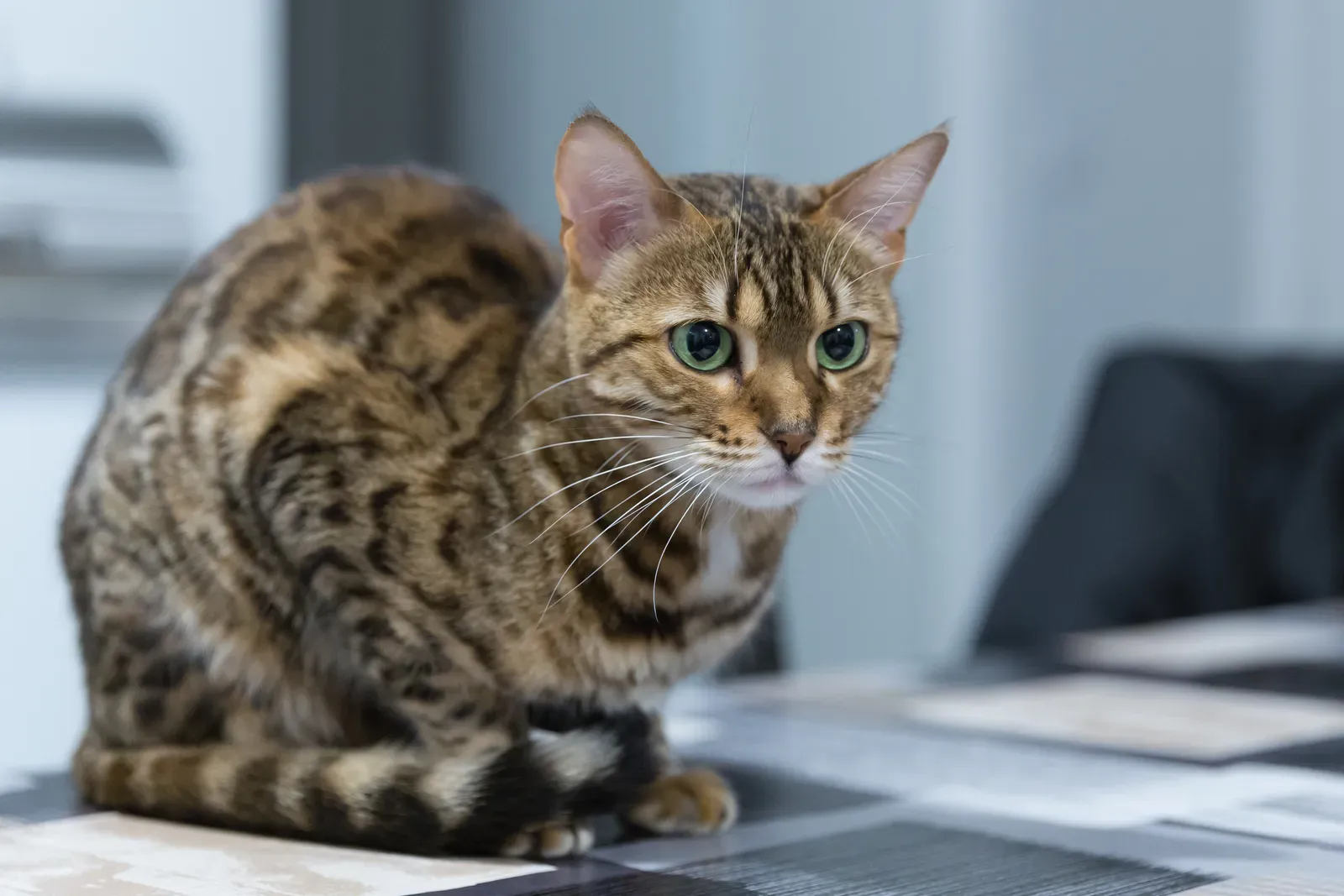
The Bengal’s wild ancestry doesn’t fade quietly into old age. These cats maintain their predatory instincts but lose the physical ability to express them appropriately, leading to frustration and aggression. Think of it like a retired athlete who still has the competitive drive but not the body to match.
Reduced Tolerance: An older cat may simply have less patience. They may have become less tolerant to being handled or to interactions they once enjoyed. They might react aggressively to things they previously ignored. For Bengals, provide environmental enrichment that matches their declining energy. Interactive puzzle feeders and gentle play sessions can redirect their hunting instincts without overwhelming their aging bodies.
4. Egyptian Mau: The Anxious Aristocrat
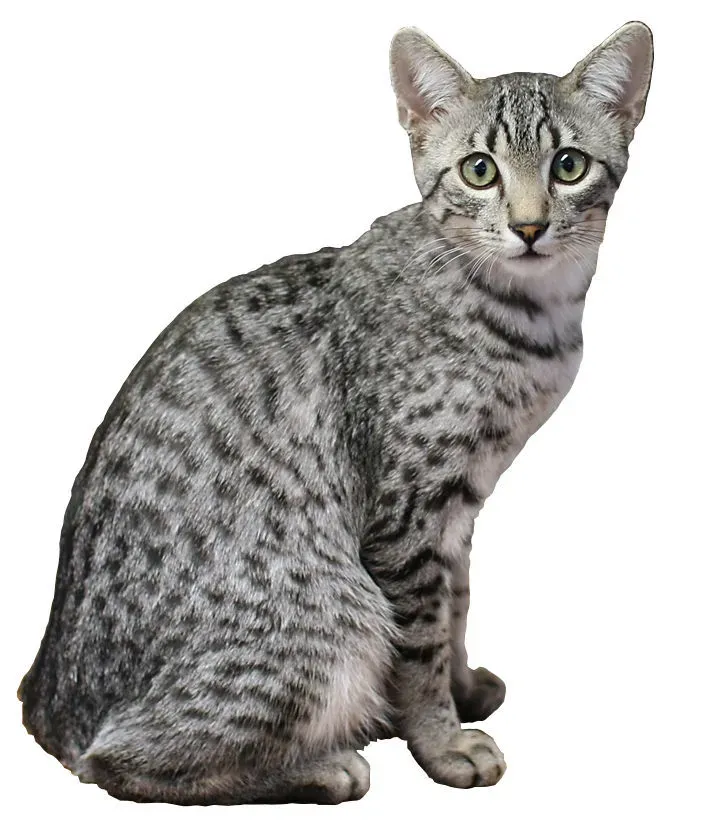
Egyptian Maus are naturally skittish, and this anxiety amplifies dramatically as they age. When combined with cognitive decline, their nervousness transforms into unpredictable aggression. These cats were never the most social to begin with, but senior Maus can become downright hostile when stressed.
Vision and hearing loss can cause your cat to easily startle, making her suddenly appear aggressive. The key is minimizing environmental stressors. Keep your Mau in a quiet, consistent environment with minimal surprises. Consider pheromone diffusers to help ease their anxiety, and always approach them from where they can see you coming.
5. Scottish Fold: The Painful Grouch
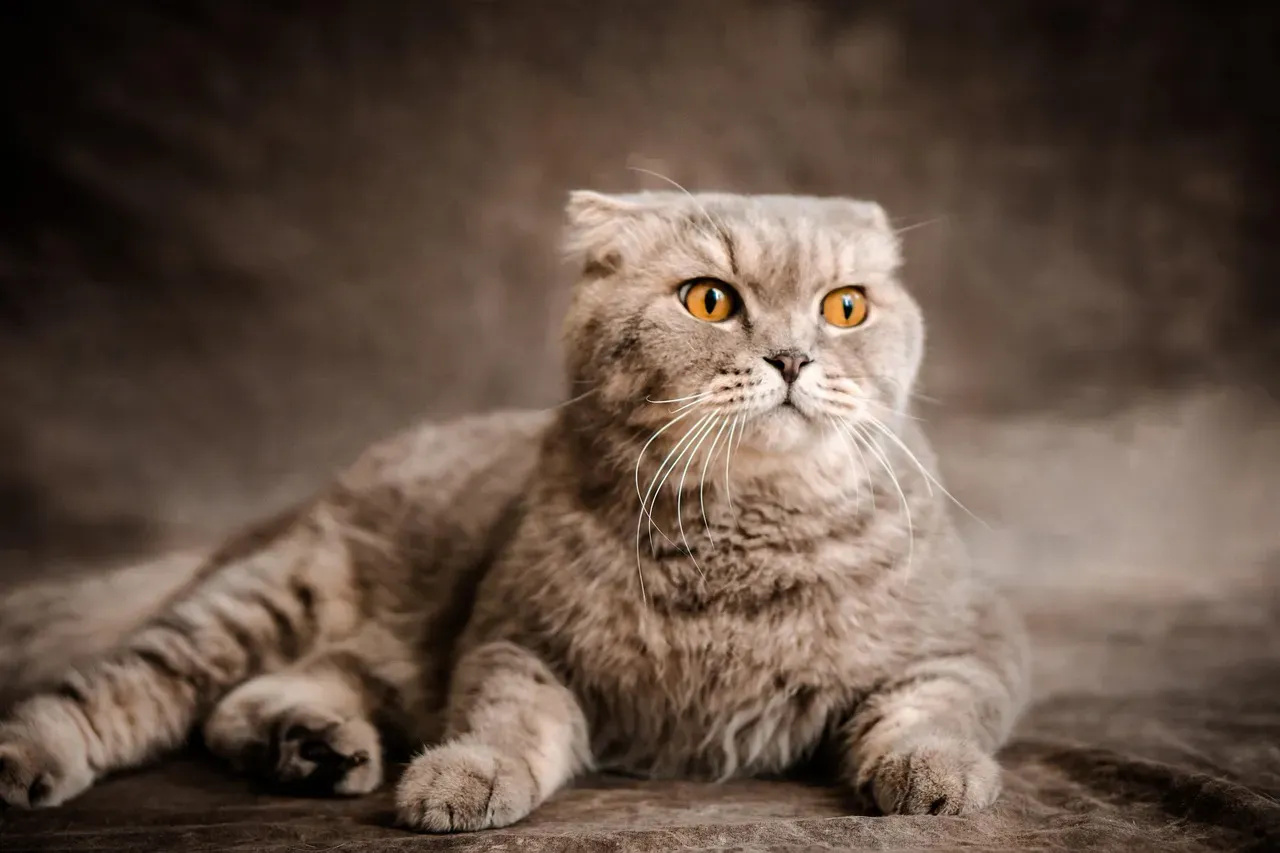
Here’s where things get heartbreaking. Scottish Folds are prone to a genetic condition affecting their cartilage, which can cause severe arthritis as they age. Arthritis is a painful condition. If your cat seems less enthusiastic about you petting her, it could be because her joints are bothering her. What looks like meanness is often just pain expressing itself through defensive aggression.
Watch for signs that your Scottish Fold is hurting. A cat that suddenly bites when touched in certain areas isn’t being mean, she’s protecting herself. Work with your veterinarian to manage pain through medication, joint supplements, or even monthly injections specifically designed for arthritic cats. Gentle, supportive petting in non-painful areas can maintain your bond without causing distress.
6. Persian: The Demanding Diva
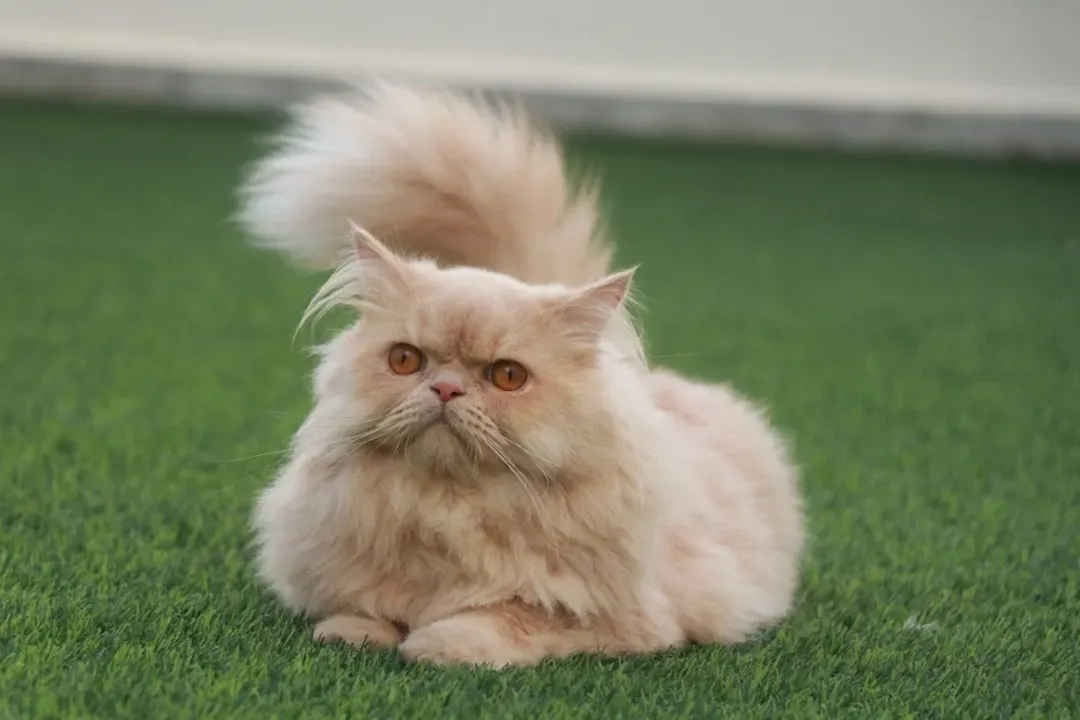
Persians are high-maintenance throughout their lives, but aging intensifies their need for specific care routines. When grooming becomes painful due to arthritis or skin sensitivity, these cats can turn aggressive during what was once a pleasant bonding activity. Their long coats also mat more easily as they age and groom themselves less.
FCD affects over half of cats between the ages of 11 and 15, and as many as 85% of cats over age 16. Senior Persians suffering from cognitive dysfunction may also forget why they tolerated grooming in the first place. Break grooming sessions into shorter, gentler intervals and use softer brushes designed for sensitive skin. Honestly, sometimes it’s worth investing in professional grooming services to avoid the stress for both of you.
7. Russian Blue: The Anxious Introvert
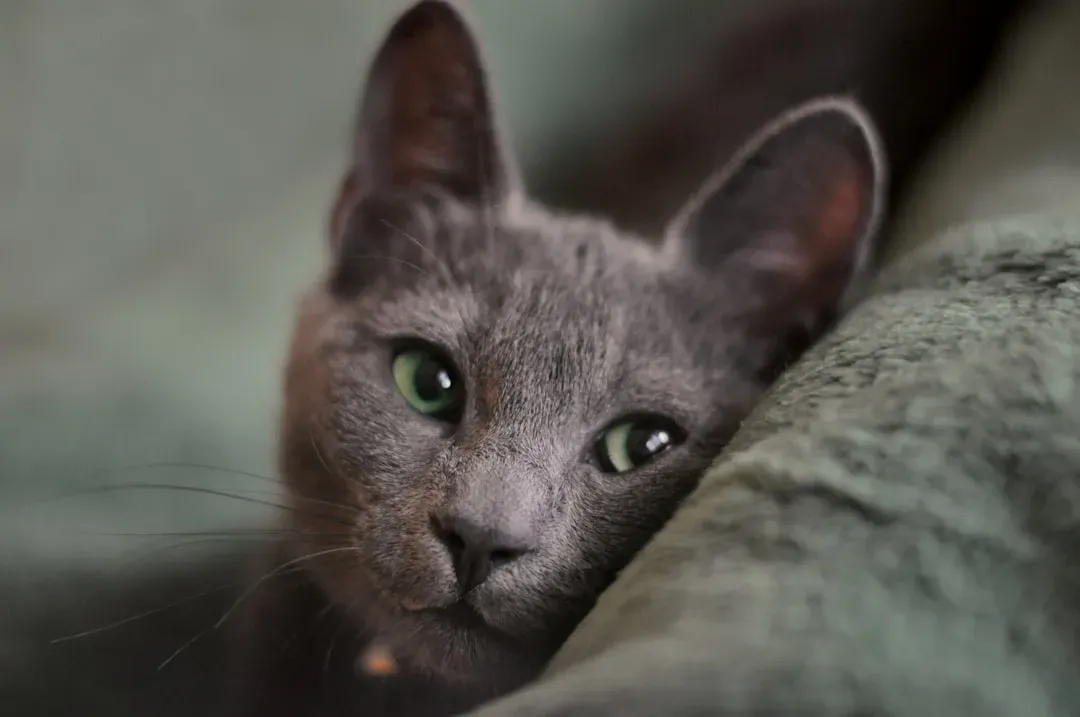
Russian Blues are naturally reserved, but aging transforms their shyness into anxiety-driven aggression. These cats become increasingly intolerant of household disruptions, and what once might have sent them hiding under the bed now triggers defensive attacks.
Cognitive decline causes stress over environmental changes. As cats age, their capacity to cope with stress can also decline, resulting in anxious and moody behaviors. Create safe spaces throughout your home where your Russian Blue can retreat without being disturbed. Respect their boundaries and never force interaction when they’re clearly asking for space.
8. Maine Coon: The Confused Gentle Giant
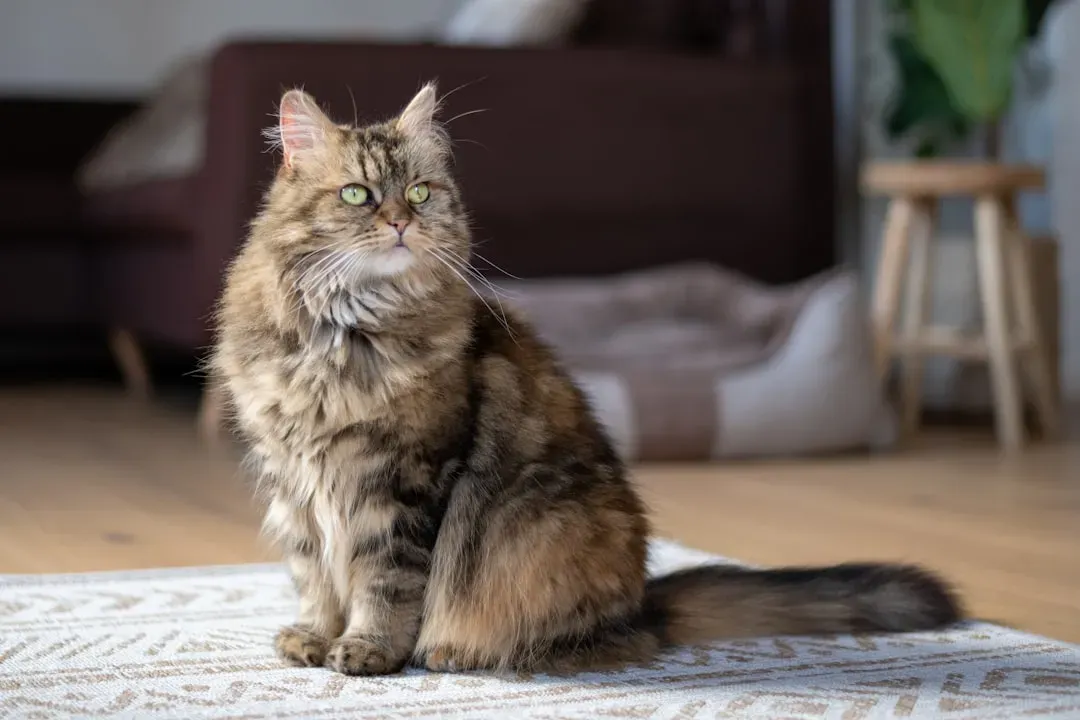
It sounds surprising, right? Maine Coons are known as gentle giants, but their size becomes problematic when cognitive dysfunction sets in. It can increase their anxiety and tendency to react aggressively… A confused, disoriented Maine Coon who doesn’t recognize familiar people can cause serious injury simply due to their sheer size.
The biggest challenge with aging Maine Coons is distinguishing between confusion and aggression. They’re not trying to hurt you; they genuinely don’t understand what’s happening. Keep their environment simple and consistent. Place food bowls, water, and litter boxes in the same locations, and maintain predictable daily routines to minimize disorientation.
9. British Shorthair: The Stubborn Recluse
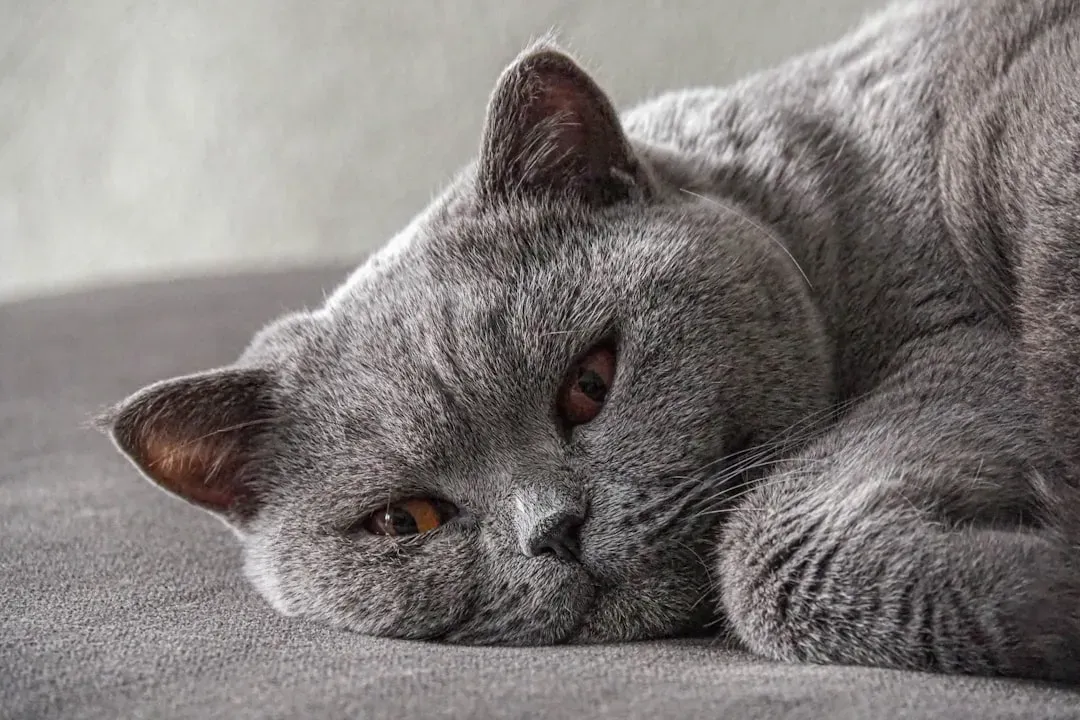
British Shorthairs had the highest probability for decreased contact to people whereas Korats had the lowest probability. While not overtly aggressive, aging British Shorthairs become increasingly antisocial and react aggressively when their desire for solitude isn’t respected. Their independence, once charming, becomes inflexibility.
This breed benefits from clear communication about boundaries. If your British Shorthair retreats to a favorite spot, let them be. Forced interaction will only escalate aggression. Instead, allow them to come to you on their terms, and reward positive interactions with treats or gentle praise.
10. Burmese: The Overstimulated Attention Seeker
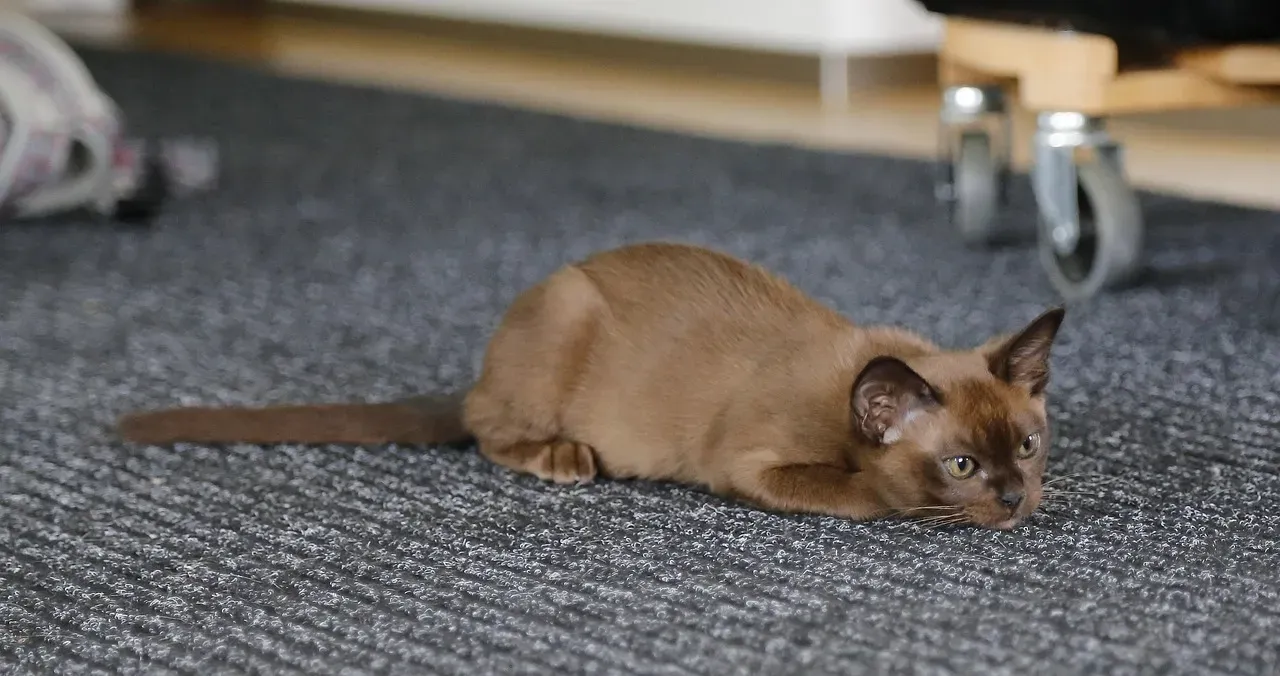
Burmese cats crave attention throughout their lives, but aging brings a frustrating paradox. They still want interaction but become easily overstimulated, leading to sudden aggressive outbursts during petting sessions. One moment they’re purring contentedly; the next, they’re biting your hand.
Some cats may always be aggressive about being touched in an area where they once experienced pain, such as with severe leg or back injuries. Learn to read your Burmese’s body language carefully. Watch for dilated pupils, twitching tail, or flattened ears, all signs that overstimulation is building. End petting sessions before they reach that threshold, leaving your cat wanting more rather than pushing them over the edge.
11. Ragdoll: The Mobility-Challenged Sweetheart
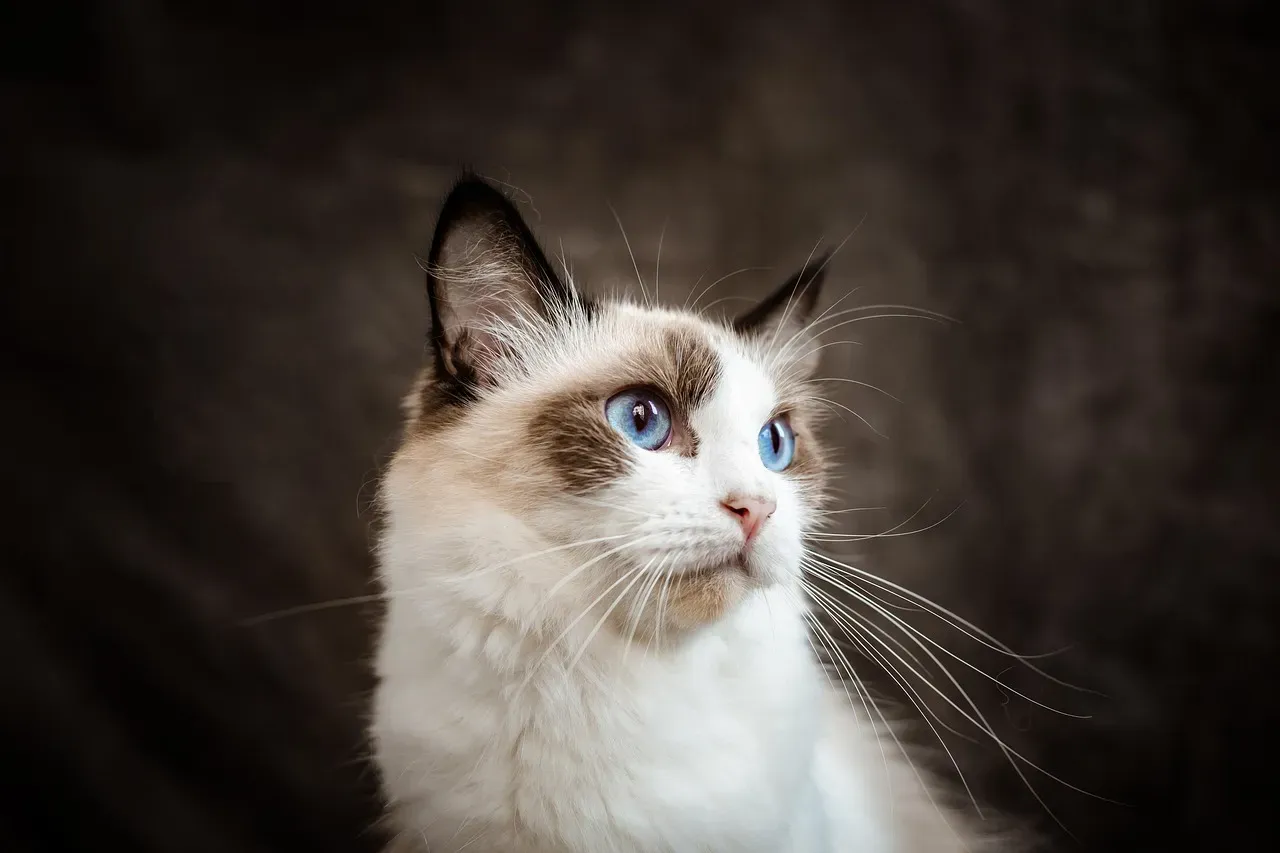
Ragdolls are typically docile and tolerant, but their large size makes age-related mobility issues particularly challenging. When arthritis or other joint problems make jumping or moving painful, these once-placid cats become defensive about being handled or approached.
If your cat has started urinating or defecating outside the litter box, this could be a sign of arthritis. Maybe your cat is having trouble getting in and out of the box, gets sore when trying to squat, or there is a barrier like a staircase making things difficult. Provide multiple litter boxes with low sides on every floor of your home. Add ramps or steps to favorite sleeping spots so your Ragdoll doesn’t have to jump. These accommodations maintain their dignity and reduce frustration that can manifest as aggression.
12. American Shorthair: The Health-Related Irritant
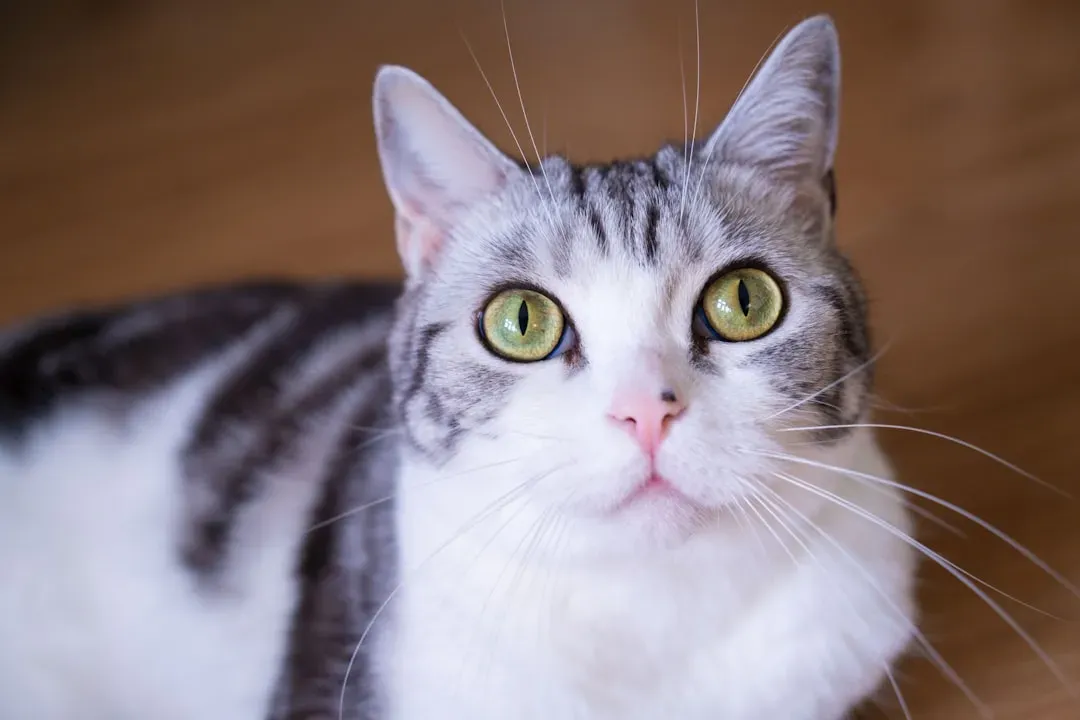
American Shorthairs are generally even-tempered, but they’re also prone to certain health conditions that worsen with age. Hyperthyroidism can cause irritability, so new grumpiness should warrant thyroid hormone testing. What appears as personality change is often an underlying medical condition expressing itself through behavioral changes.
The most important solution for aging American Shorthairs is regular veterinary care. Schedule checkups at least twice yearly for senior cats, and don’t dismiss behavioral changes as just getting old. Treatable conditions like hyperthyroidism, diabetes, or kidney disease often manifest as increased aggression. Addressing the medical issue frequently resolves the behavioral problem entirely.
Finding Peace in the Golden Years
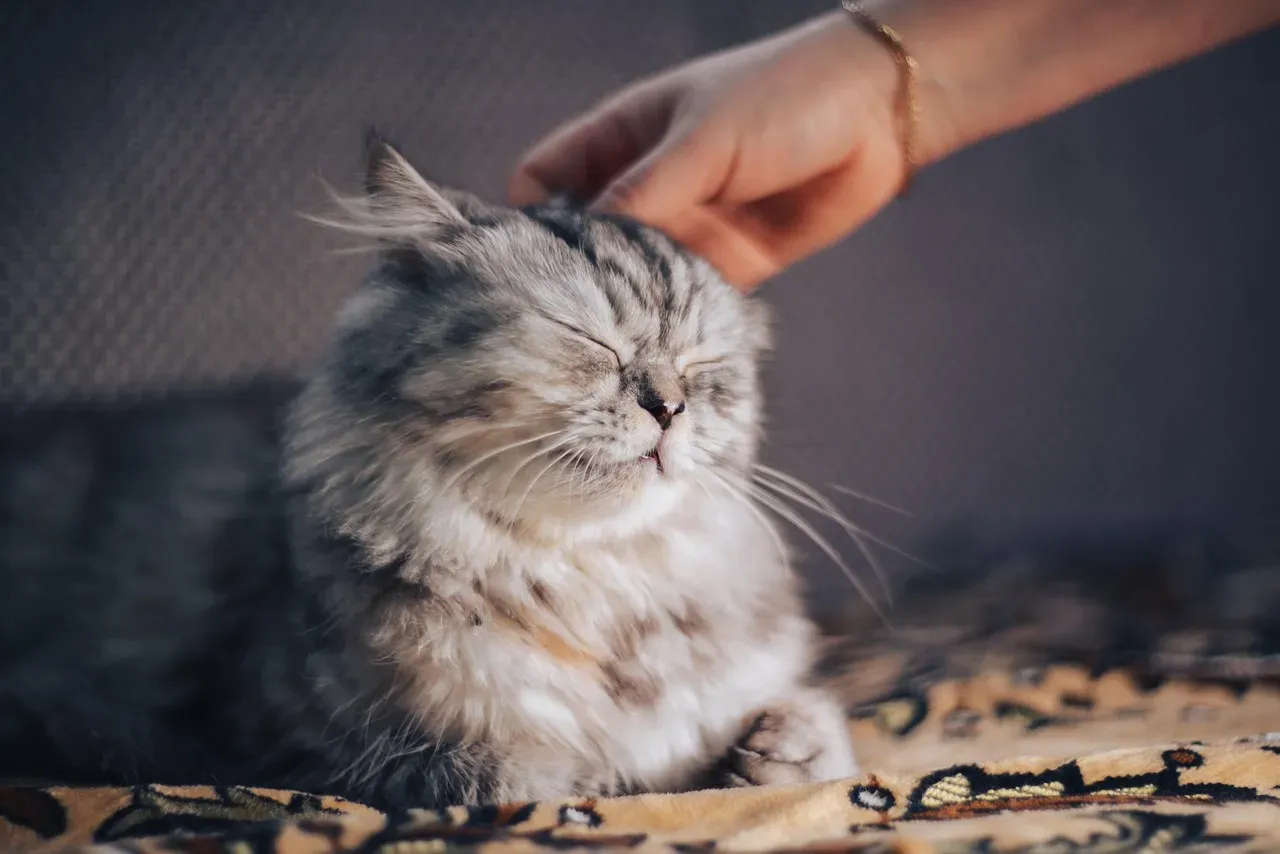
Living with an aging cat who’s become aggressive isn’t easy, but it’s rarely hopeless. In conclusion, while older cats can exhibit increased aggression, it’s rarely about becoming “mean.” It’s typically a symptom of an underlying issue. The key to helping your senior cat is early identification, veterinary care, environmental adjustments, and a patient, understanding approach.
Remember that your cat isn’t trying to punish you or being deliberately difficult. Pain, confusion, sensory decline, and cognitive dysfunction are real challenges that deserve compassion rather than frustration. With the right interventions, environmental modifications, and veterinary support, many aggressive behaviors can be managed or even resolved. Your patience during these difficult years honors the years of love and companionship you’ve shared together. What changes have you noticed in your aging cat’s behavior? Share your experiences in the comments below.