You probably think you know what you’re signing up for when you bring home a gorgeous feline. Maybe you’ve already imagined long evenings with your new best friend curled up beside you. What you might not have imagined is spending an hour every few days fighting tangles, mats, and endless fluff.
Here’s the thing: some cats are absolute maintenance queens and kings. Their coats demand time, patience, and dedication that can catch new owners completely off guard. We’re not talking about a quick brush here and there. We’re talking daily sessions, specialized tools, and occasionally even professional help.
1. Persian Cat

Persians are synonymous with luxurious long coats that demand daily grooming to prevent mats and tangles. Their facial structure can lead to tear staining and necessitates regular cleaning. Without consistent effort, their beautiful fur quickly becomes a matted mess that’s painful and requires professional intervention.
What catches people off guard is the sheer volume of maintenance. Without meticulous care, Persian coats can easily become tangled, requiring professional grooming or veterinary intervention. Most owners underestimate how much time they’ll spend each day with a brush in hand. This breed isn’t forgiving if you skip a few days.
2. Maine Coon
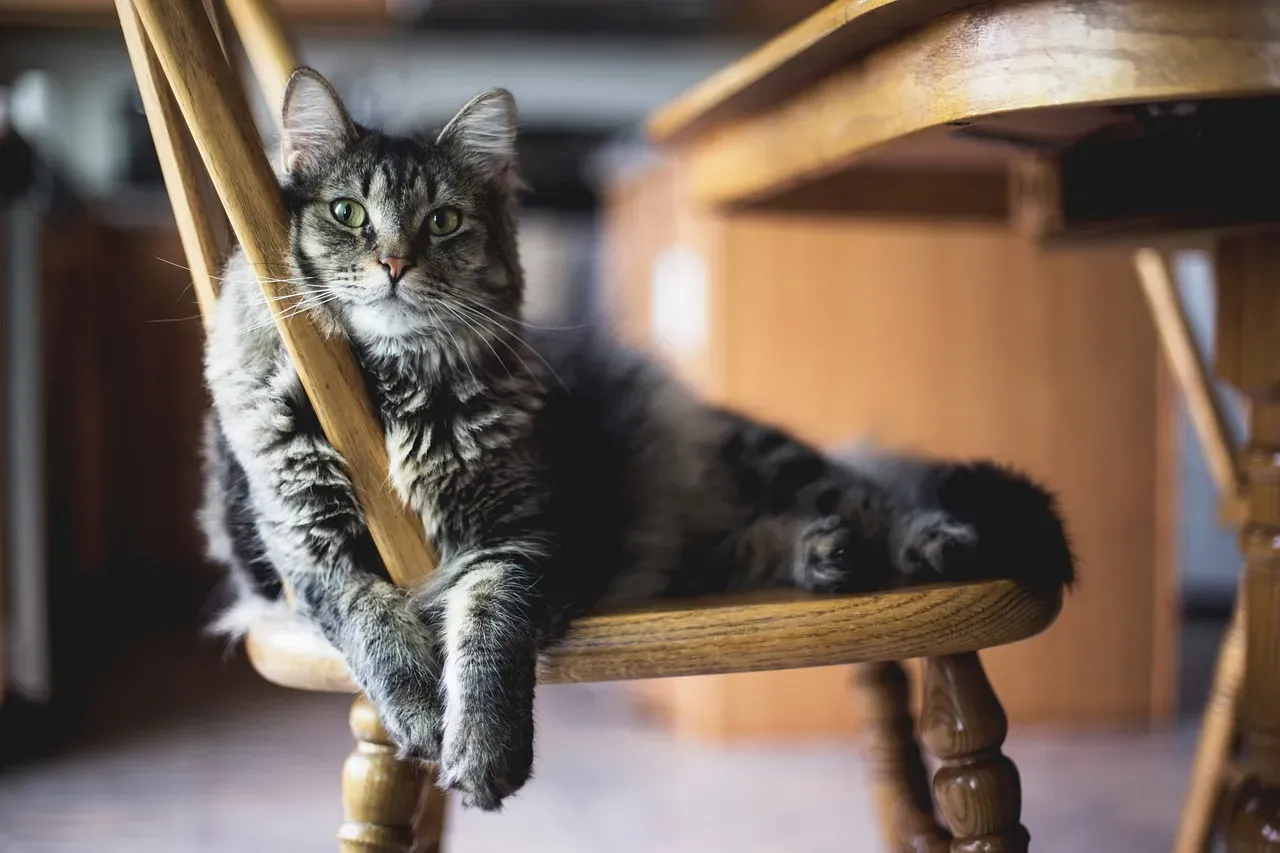
Maine Coons are one of the largest domesticated cat breeds, known for their thick fur coats and tufted ears that require regular grooming. Let’s be real, these gentle giants fool you with their easygoing personalities. Their long hair can easily become matted, so daily or at least weekly grooming sessions are imperative.
The undercoat is where things get tricky. If you don’t take care of your Maine Coon regularly, their undercoat will become matted and dirty, tugging on their skin and causing problems from rashes to inflammation. This isn’t just aesthetic. It’s genuinely uncomfortable for the cat, and solving severe matting often means a trip to the groomer for a complete shave.
3. Himalayan Cat
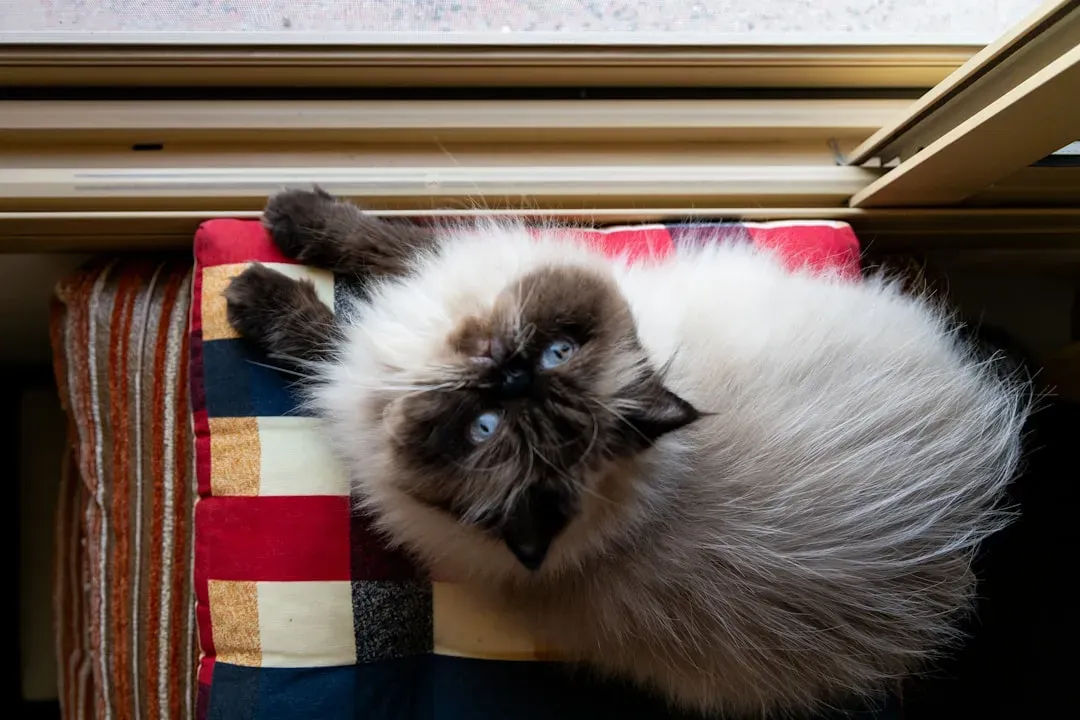
Himalayans inherit the long, dense coat of the Persian, necessitating daily grooming. Think of them as Persians with colorpoint markings – so yeah, all that maintenance comes with the package. Himalayan fur is prone to matting and requires daily brushing to keep it in good condition.
They also have a thick undercoat, making them prone to shedding. Owners who adopt Himalayans expecting moderate upkeep are in for a surprise. Missing even a couple of grooming days can lead to tangles that are stubborn and time consuming to remove.
4. Ragdoll Cat
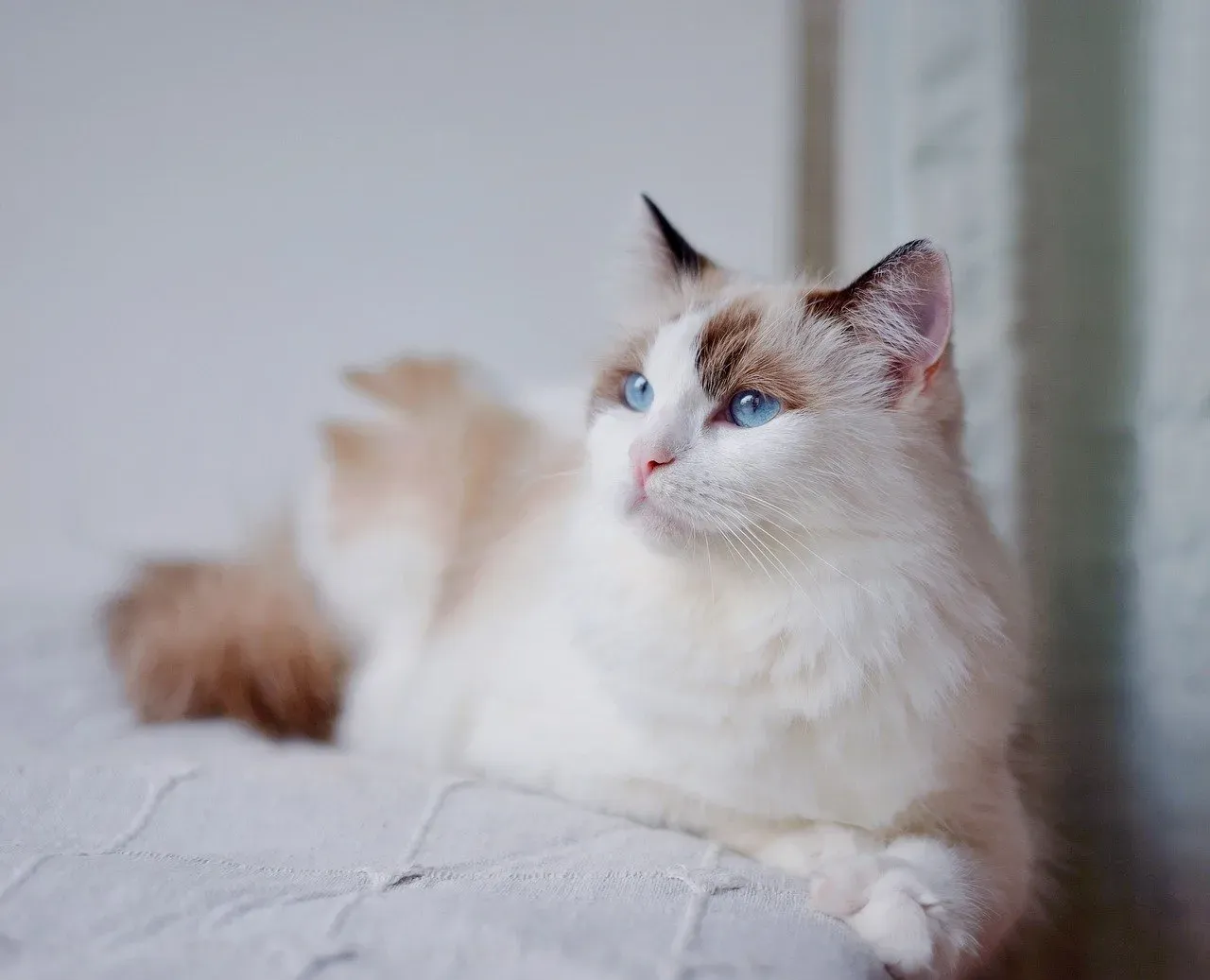
Now, Ragdolls might seem like they’d be low drama because of their chill temperament. Ragdoll cats have silky, semi-long fur with no undercoat, which makes their coat more likely to tangle if not properly maintained. Use a soft-bristle brush or grooming glove three to four times a week, focusing on high-friction areas like underarms and the belly.
Here’s the kicker: Ragdolls do tend to get mats from time to time, especially senior cats, those with heavy winter coats, overweight cats, and in areas like their ruff, armpits, and pantaloons. The trouble spots can turn into serious grooming challenges fast if you’re not vigilant.
5. Norwegian Forest Cat
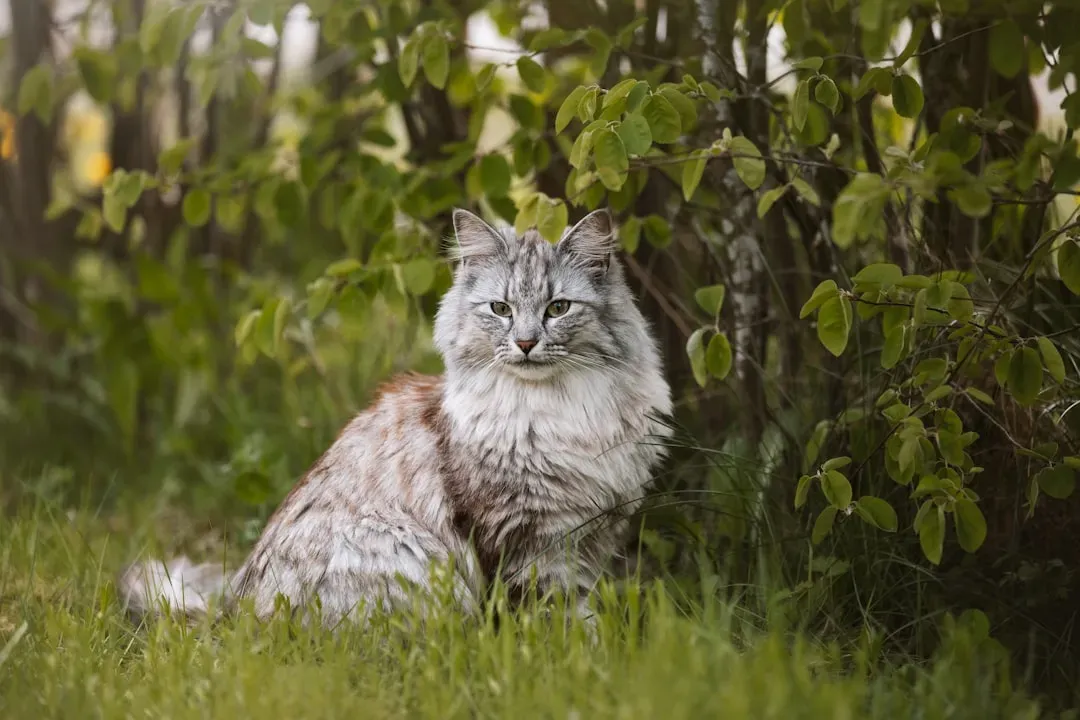
Norwegian Forest cats have exceptionally dense fur designed to protect them from harsh northern weather, but they are surprisingly low maintenance. Wait, low maintenance? Regular combing and brushing at least once a week is required to prevent mats, and in the spring and fall when they shed more heavily, grooming efforts need to increase to several times a week.
Despite what some sources claim, this breed still demands dedication. Norwegians require grooming several times a week to keep the coat free from knots and tangles, especially during shedding season. That thick double coat isn’t just for show – it’s a magnet for tangles when neglected.
6. Birman Cat
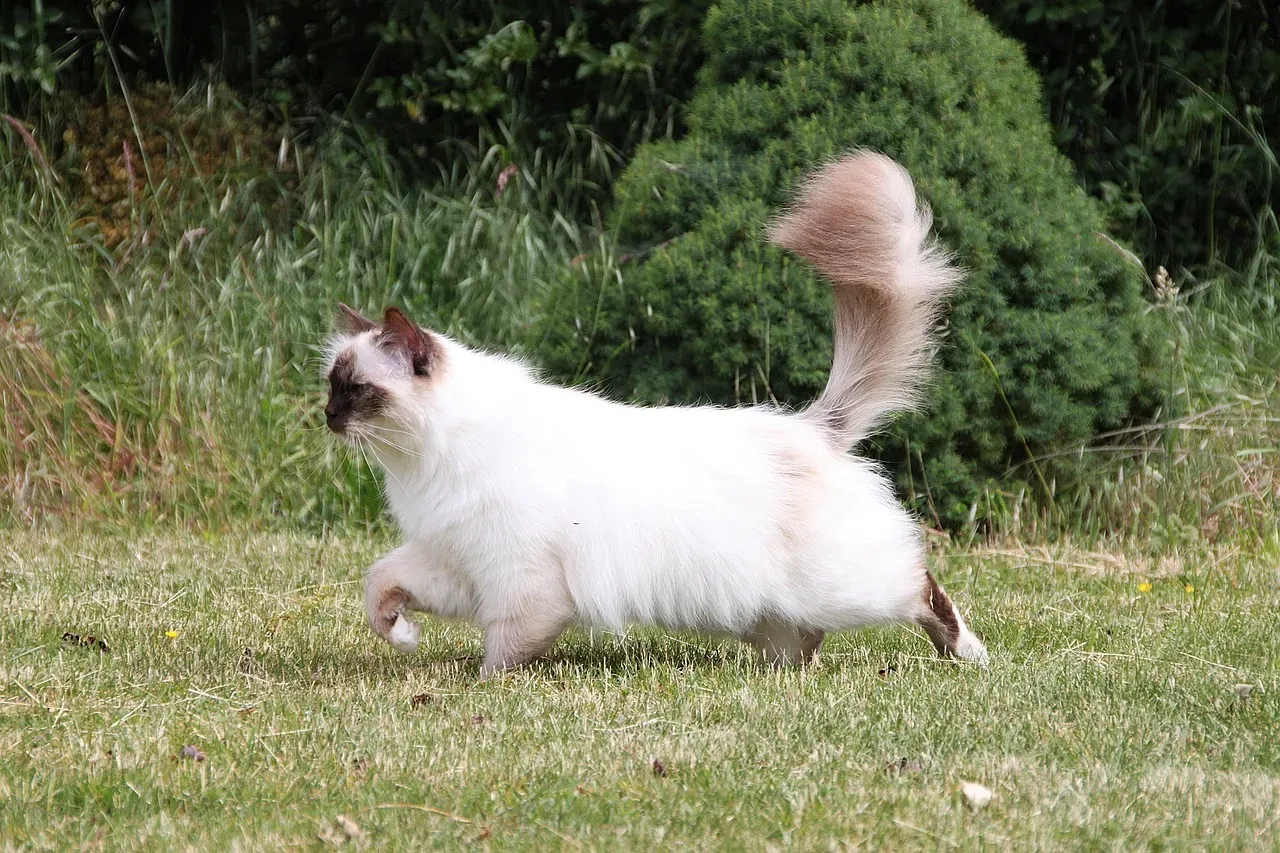
Birmans require frequent grooming, similar to many other longhaired breeds like Himalayans and Persians. These silky beauties may look angelic, but their coats require serious effort. These longhaired cats require regular brushing to prevent tangles and matting, remove dirt and debris, and minimize shedding.
Many owners love Birmans for their sweet disposition and striking blue eyes. The reality check comes when they realize daily grooming isn’t optional. Skipping sessions means dealing with mats that form quickly in their soft, flowing fur.
7. Exotic Shorthair
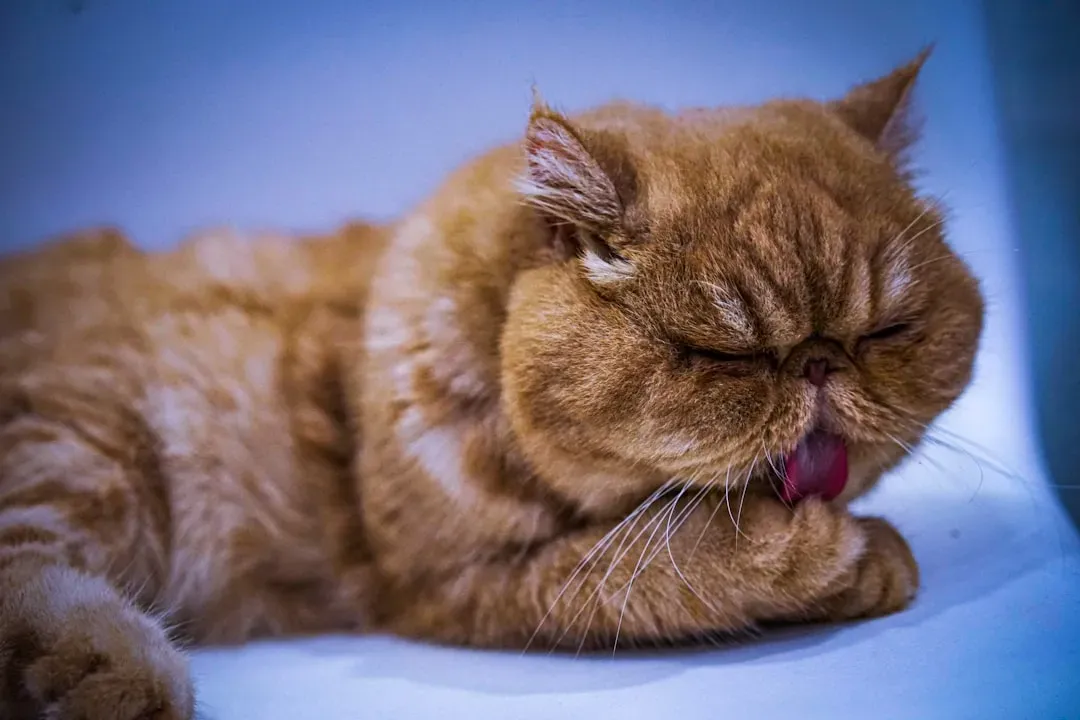
Hold on – shorthaired, right? Though technically a short-haired breed, the Exotic Shorthair has a thick, plush coat that gives it a fluffy appearance. Don’t let the name fool you. While their grooming needs are lower than those of long-haired breeds, regular brushing is still recommended.
The dense texture of their coat means it can mat more than you’d expect from a shorthaired breed. Regular combing prevents the buildup of loose fur and keeps their plush appearance looking pristine rather than scraggly.
8. Turkish Angora
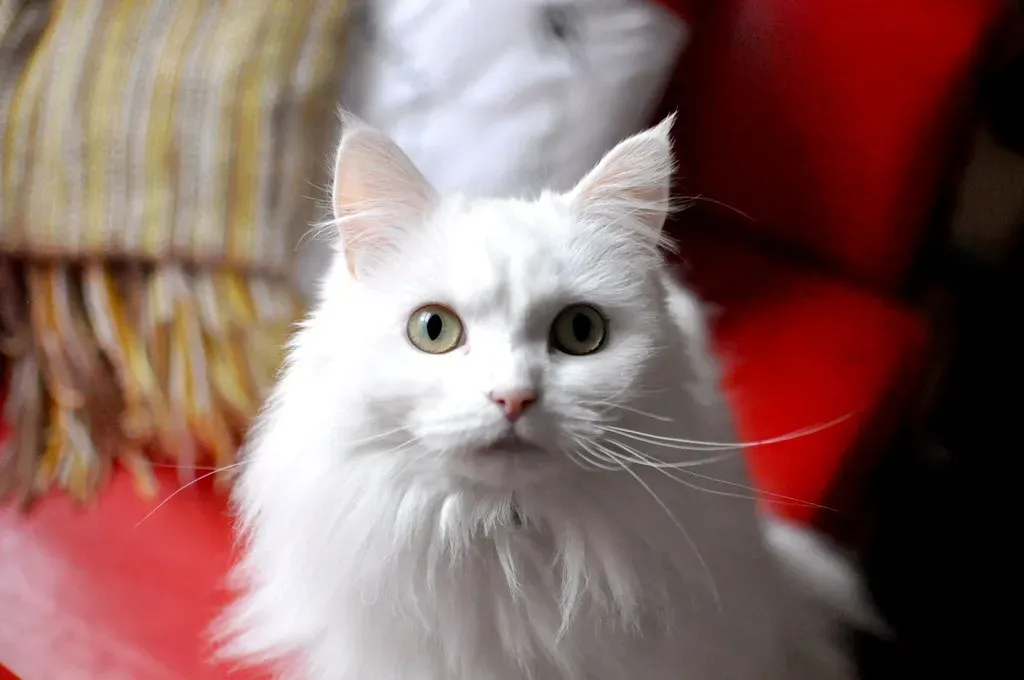
Turkish Angoras are elegant, graceful cats with fine, silky fur. Their medium-length coat may seem manageable at first glance, but it requires consistent attention. The single-layer coat lacks an undercoat, which sounds like it would be easier to maintain – it’s not.
Their fur tangles surprisingly easily, especially around the ruff and tail. Weekly brushing at minimum is essential, and during seasonal shedding periods, you’ll need to increase frequency significantly. Honestly, these cats demand more grooming consistency than many people anticipate.
9. Selkirk Rex
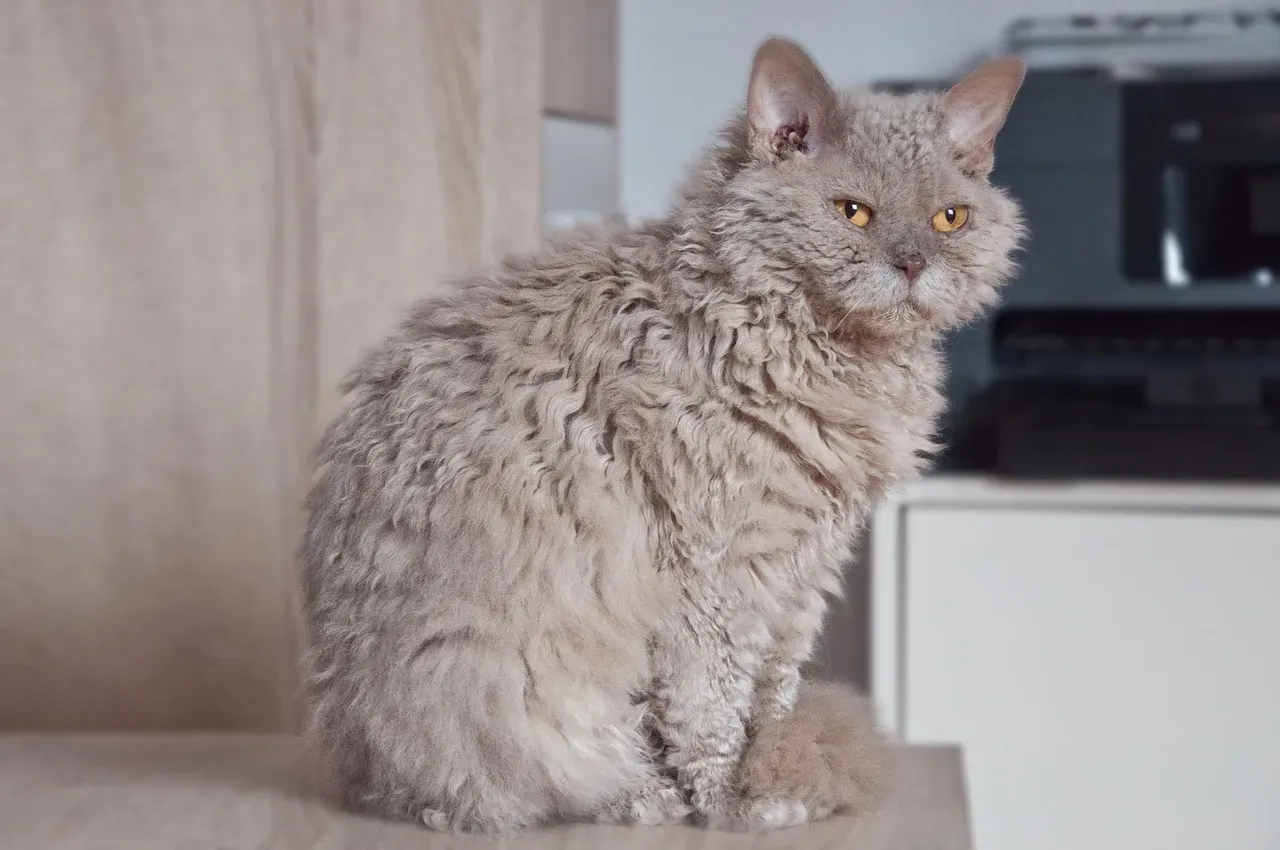
Their fur is dense, meaning you’ll have to brush them a couple of times throughout each week to prevent tangles. The curly coat that makes Selkirk Rex cats so distinctive is also what makes them grooming-intensive. Brushing your Selkirk Rex about twice a week will reduce loose hair and prevent knots and matting, but if their curls are loosening or frizzing out, you may be grooming too much.
It’s a delicate balance. You need to groom enough to prevent mats but not so much that you disrupt those adorable curls. The learning curve for proper Selkirk grooming frustrates a lot of first-time owners.
10. Scottish Fold Longhair
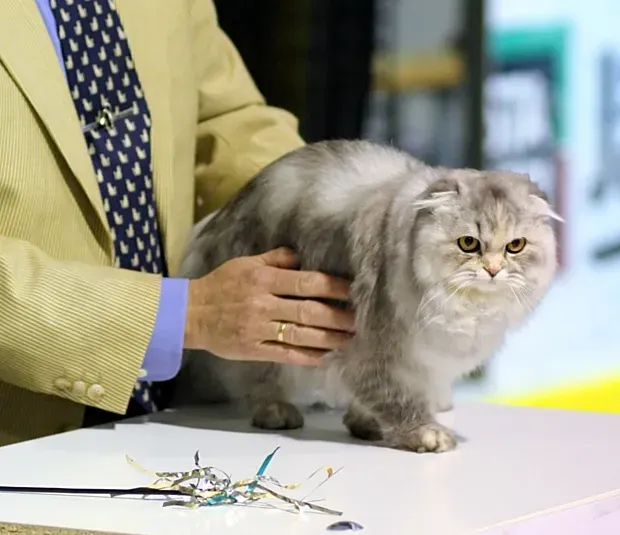
Scottish Folds are famous for their folded ears and round faces. The longhaired variety, though less common than shorthairs, needs regular grooming attention. Their medium to long fur can mat easily, especially behind the ears and under the legs.
Owners drawn to the breed’s unique look sometimes overlook coat care requirements. Consistent brushing several times a week keeps their fur healthy and prevents painful tangles from forming in hidden spots.
11. Balinese Cat
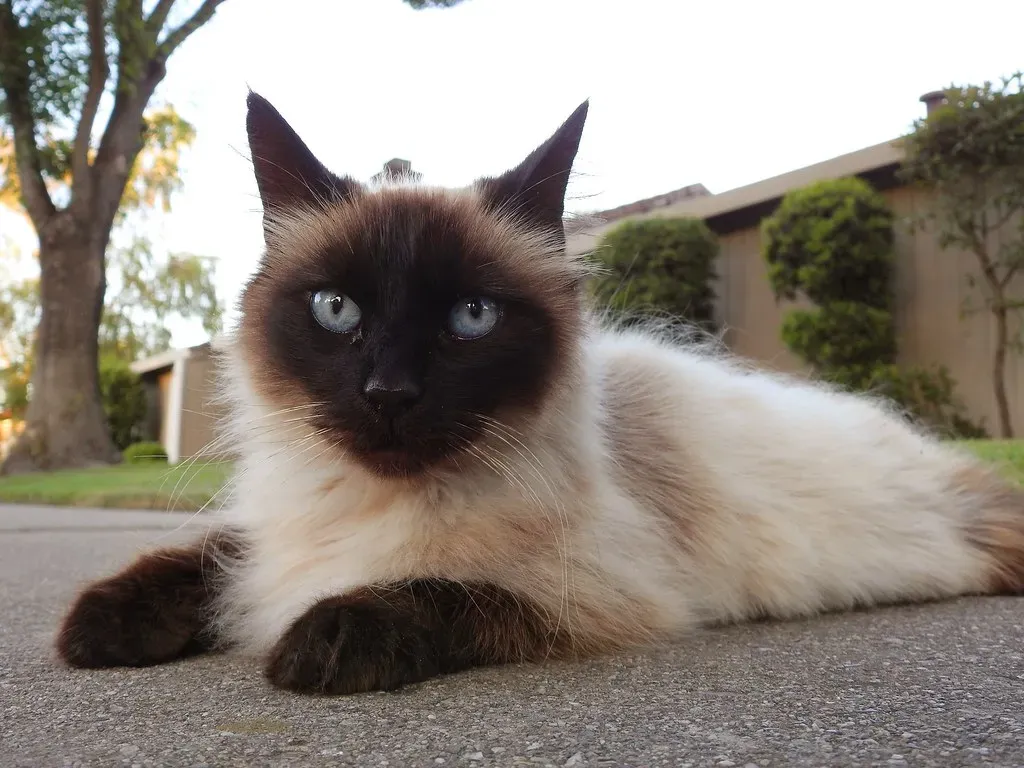
Balinese cats are essentially longhaired Siamese, and they come with grooming needs that surprise many adopters. Their fine, silky coat lacks the thick undercoat of some other longhaired breeds, but it still requires regular attention. Without consistent brushing, their fur can tangle and look unkempt.
These cats are energetic and playful, which means they get into everything – and their fur picks up debris along the way. A few brushing sessions each week keeps them looking sleek and prevents the formation of small mats.
12. Somali Cat
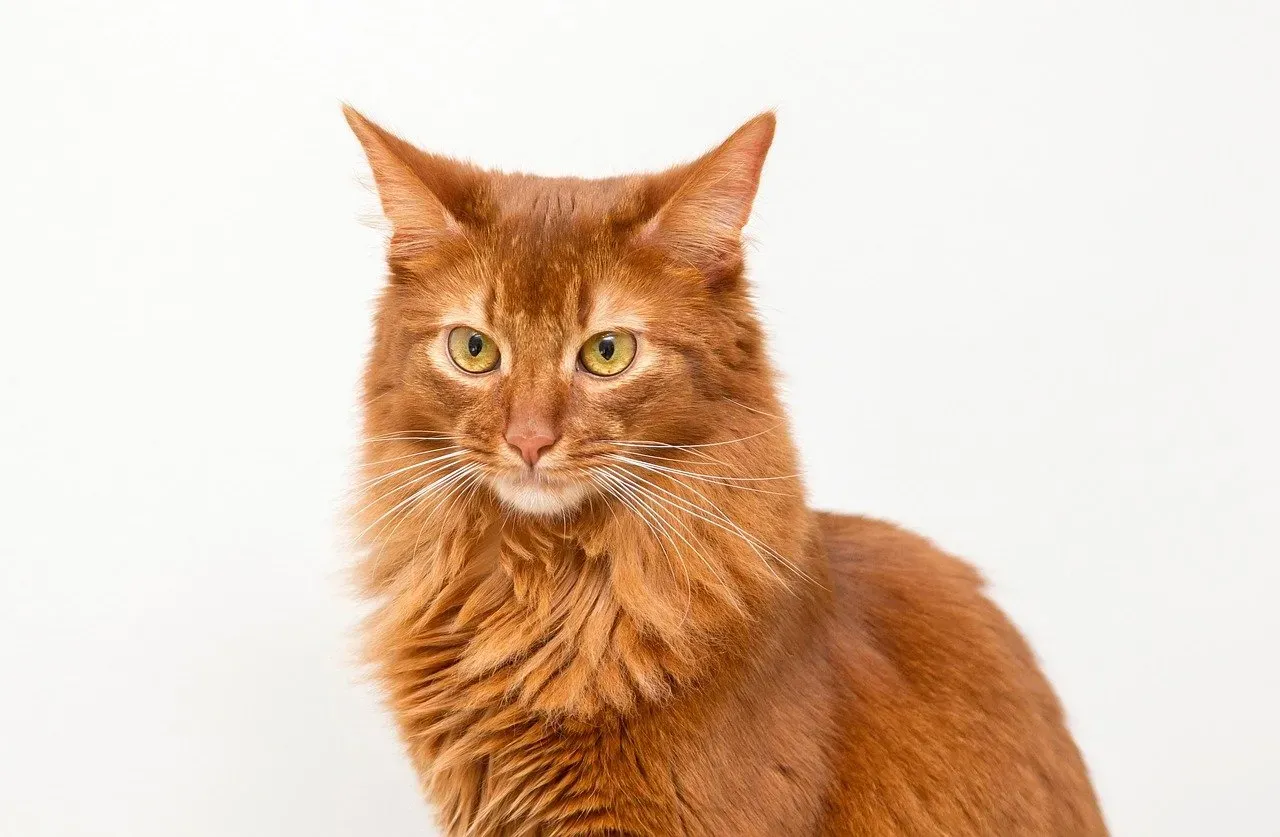
Somalis are the longhaired version of Abyssinians, sporting a gorgeous bushy tail and full ruff around their necks. Their medium-length coat is soft and fine, prone to tangling if not brushed regularly. Despite their somewhat wild appearance, they need consistent grooming care.
What owners don’t always realize is that Somalis shed quite a bit, especially during seasonal changes. Regular grooming not only prevents mats but also helps manage the amount of fur floating around your home. It’s an investment that pays off in cleaner furniture and a happier cat.
Conclusion
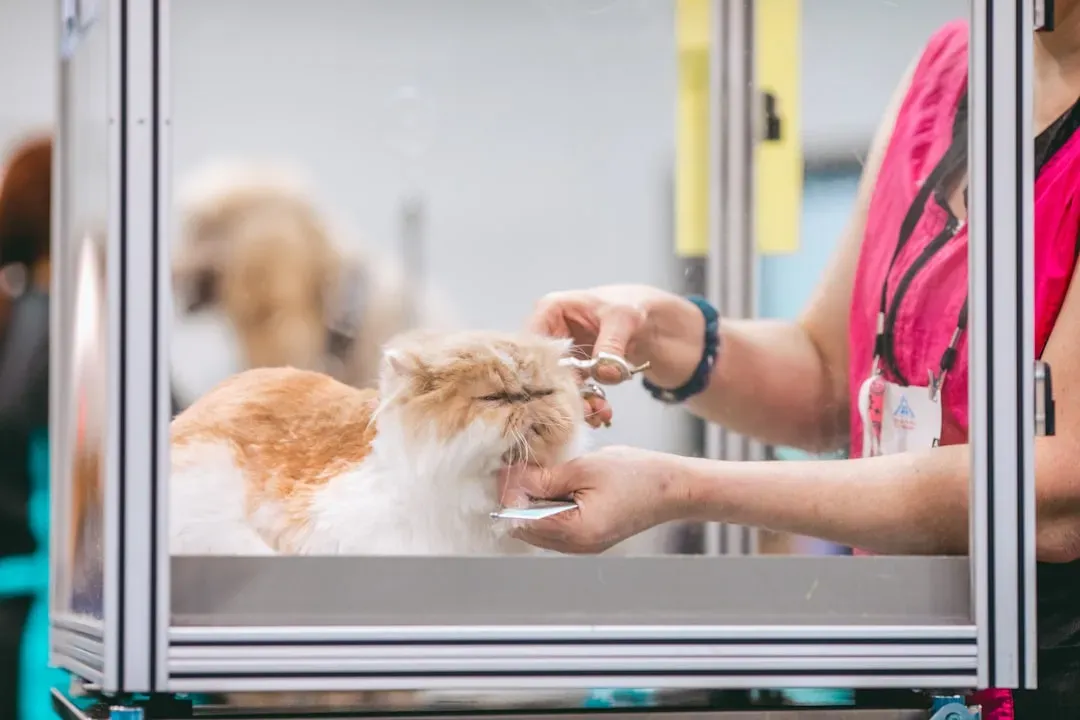
Choosing a cat based purely on looks can lead to grooming regret down the line. These twelve breeds are stunning, affectionate, and wonderful companions – but they come with a commitment that extends beyond feeding and playtime. Daily or near-daily grooming isn’t punishment; it’s essential for their health and comfort.
The good news? Grooming can become a bonding ritual between you and your feline. It’s a quiet moment of connection where your cat learns to trust your touch and you get to admire their beauty up close. So before you bring home that fluffy Persian or majestic Maine Coon, make sure you’re ready to invest the time. What do you think – are you up for the grooming challenge?