You’re scrolling through social media and there it is again. Another perfectly posed shot of a Persian cat with those smooshed features and flowing fur making your heart melt instantly. Those Scottish Fold ears tucked down like tiny origami. A sleek, hairless Sphynx lounging dramatically on a velvet cushion. These cats look absolutely stunning on your screen, don’t they?
Here’s the thing, though. What looks gorgeous in a carefully curated Instagram post doesn’t always translate to a harmonious daily life at home. Veterinarians worldwide have noticed certain breeds consistently bring owners into their clinics looking exhausted, overwhelmed, or simply unprepared for the reality of living with these cats. The allure of exotic appearance often overshadows the practical demands these breeds require every single day.
Persian Cats: The Daily Grooming Marathon
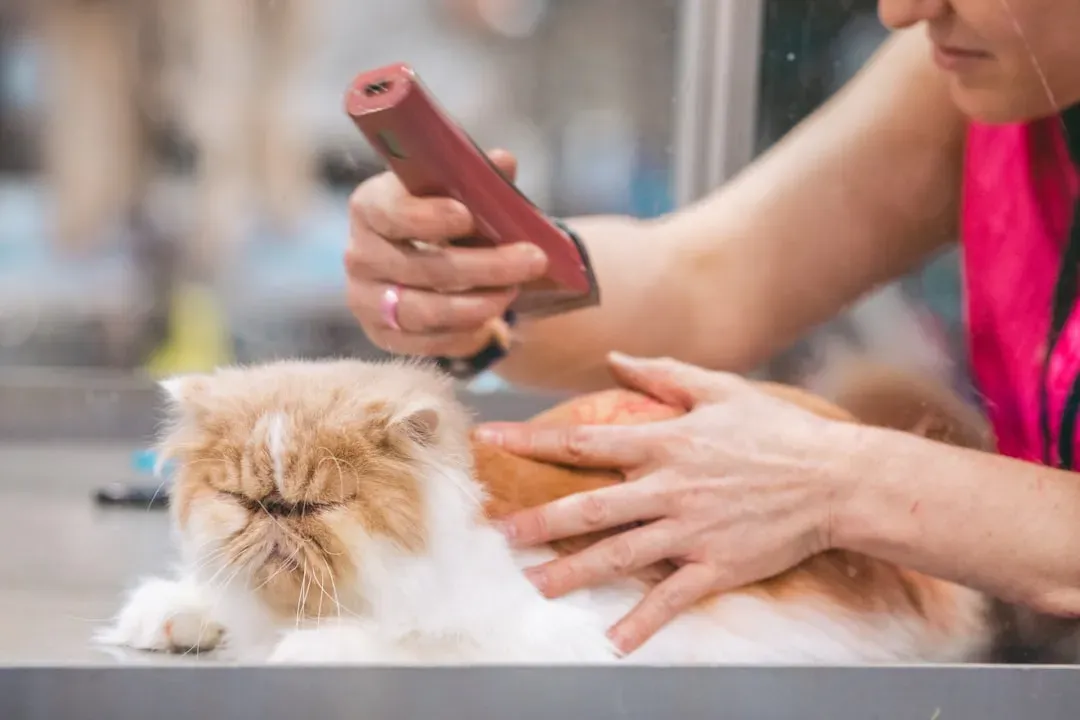
The Persian’s luxurious long coat requires daily grooming to prevent matting and tangles, yet many owners quickly discover their Instagram-worthy cat needs far more than they bargained for. Their thick and oily coats are prone to matting, and skipping at-home grooming sessions could result in large, painful mats that require professional grooming or even shaving your Persian.
Let’s be real, daily grooming means daily. Not when you feel like it. You’ll need to brush them every morning or evening with a metal comb that reaches down to the undercoat. These flat-faced cats produce more tears than most other breeds, which can lead to unsightly tear stains and potentially uncomfortable, infection-prone moist fur, requiring owners to gently clean their Persian’s eyes every day. Their flat face can cause breathing difficulties and increase the risk of respiratory infections, while being predisposed to health issues such as brachycephalic airway syndrome, polycystic kidney disease, and dental problems due to their facial structure.
Sphynx Cats: Not as Low Maintenance as They Appear
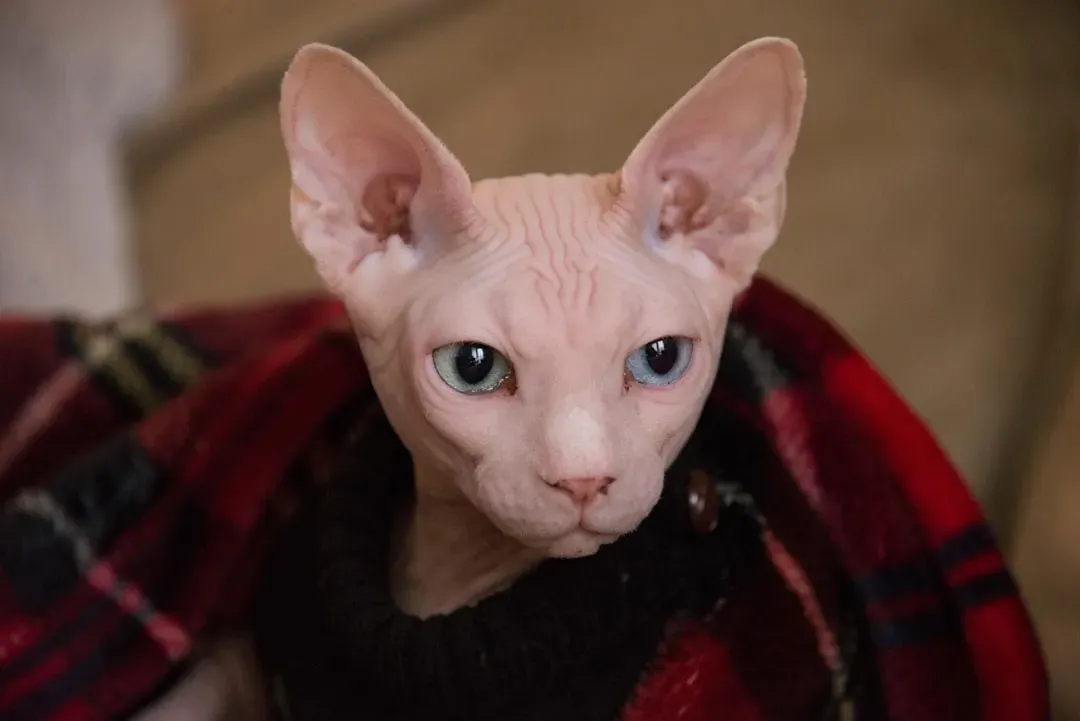
Looking at a hairless cat, you might assume grooming would be effortless. No fur equals no brushing, right? Think again. While Sphynx are considered low maintenance due to their absence of shedding, this breed does require specific care that can make them more high maintenance in some ways than their fluffier counterparts, including regular bathing to remove the buildup of oils on their skin, which can otherwise cause skin problems.
Sphynx cats are considered high-maintenance due to their need for regular bathing, ear cleaning, nail trimming, dental care, and protection from extreme temperatures. Their lack of fur means oils accumulate directly on their skin, leaving greasy marks on furniture and bedding. Most Sphynx cats need bathing every one to two weeks using a gentle, cat-specific shampoo, paying special attention to skin folds and creases where oils tend to accumulate, always using lukewarm water and drying thoroughly afterward to prevent chills. They are more sensitive to temperature extremes due to their lack of fur, requiring owners to ensure they are kept warm in cold weather and protected from sunburn in the summer.
Bengal Cats: Boundless Energy and Demanding Nature
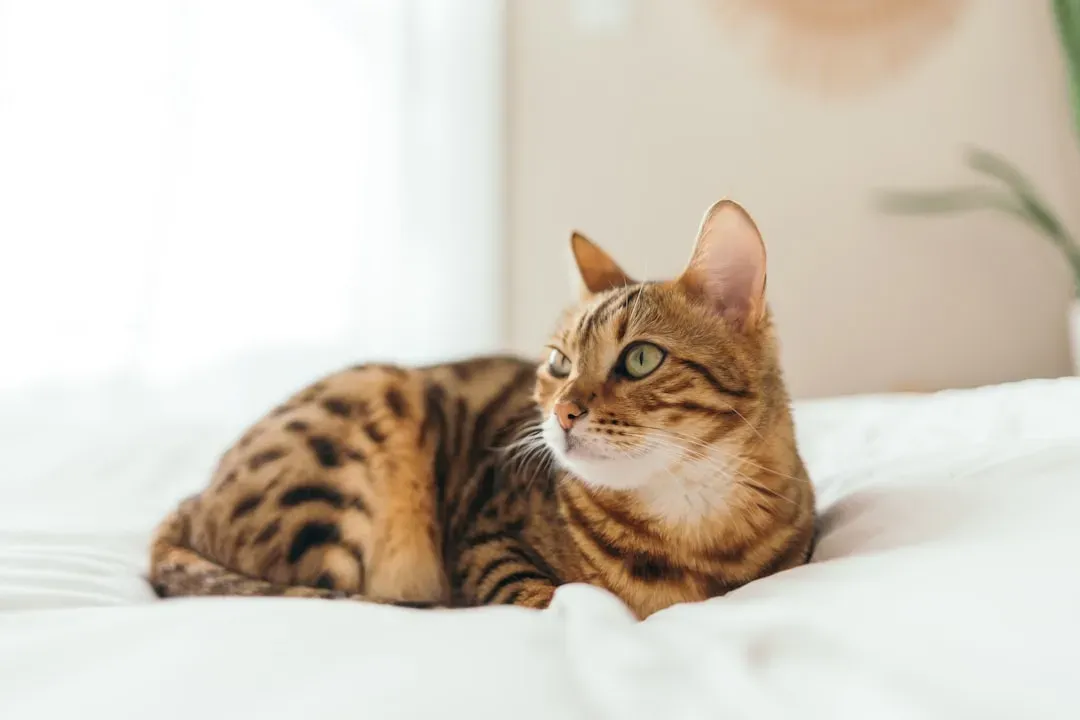
Bengals are known for their high energy levels and need for extensive activity, often displaying more aggressive tendencies than typical domestic cats, with their wild ancestry manifesting in behaviors that can be problematic in home environments, including territorial marking, destructive scratching, and difficulty with standard litter box training. The exotic leopard-like appearance draws people in, but the reality hits fast.
The Bengal is known for having a higher energy level and higher intelligence than the average cat and could be considered the Border Collie of the cat world. If you take any animal with higher intellectual and physical demands and limit its interaction with other living creatures to an hour or so a day, it is bound to become bored, and without physical, social, and mental stimulation, your Bengal is likely to begin to exhibit undesirable, destructive, or depressive behavior. Honestly, many owners surrender Bengals to shelters because they simply weren’t prepared for the constant demands. The high energy levels that make Bengals exciting can also be overwhelming for unprepared owners, as these cats require significantly more daily interaction than many other breeds.
Scottish Fold Cats: Adorable Ears, Painful Reality
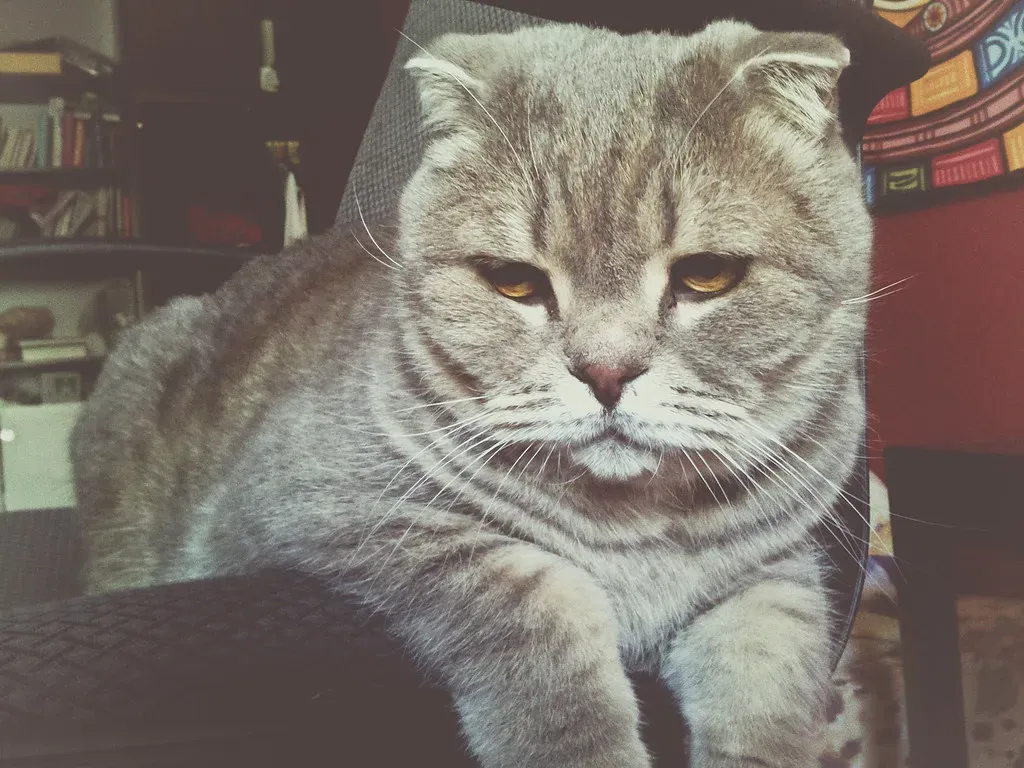
Those folded ears are undeniably cute. They make every photo look like your cat is perpetually asking a question. Yet behind that adorable appearance lies a deeply troubling issue. The Scottish Fold comes with a range of health concerns due to a natural dominant gene mutation related to osteochondrodysplasia, a disorder which affects the development of bone and cartilage, with research indicating all Scottish Folds suffer from this painful condition.
Every single Scottish Fold has this condition. Not some. All of them. Veterinary organizations mention breeds with problematic characteristics such as Scottish Folds and Manx, and any breed with severe brachycephaly or other compromised conformation. Many first-time owners have fallen in love with Scottish Folds due to their folded-over ears and smushed faces, but Scottish Folds bond with a single family member at the expense of everyone else, favoring whichever person brings them food and water, and don’t have much use for anyone who doesn’t regularly come bearing gifts. The cuteness factor comes at a steep ethical and physical price.
Munchkin Cats: Short Legs, Big Problems
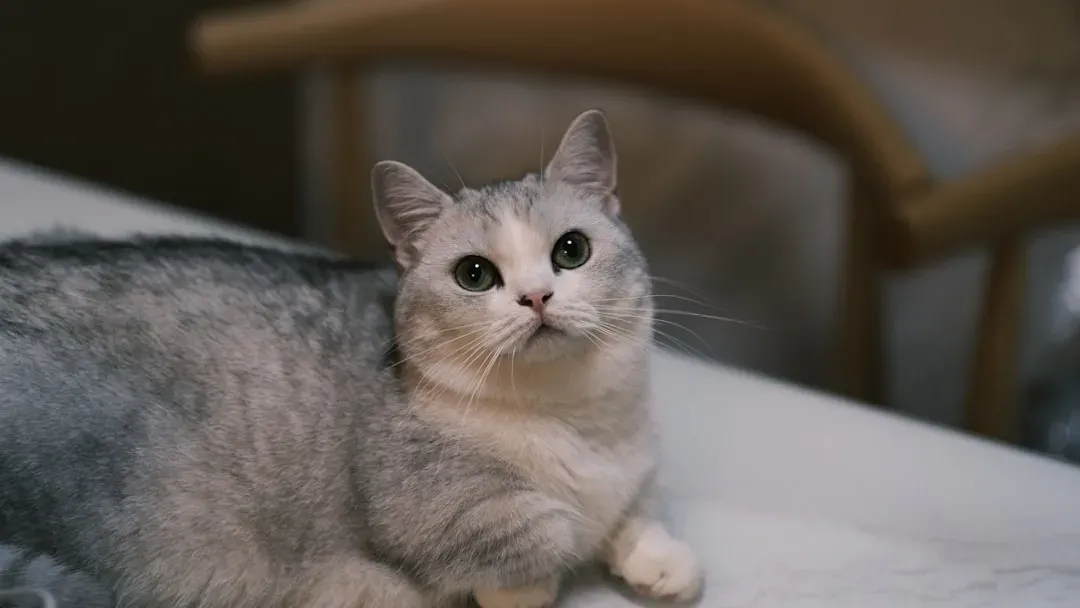
These little cats with their stubby legs seem like the perfect Instagram stars. They waddle adorably and look perpetually kitten-like. Because of their short legs, Munchkins don’t jump as well as other cats, so you’ll have to lift them to and from chairs and beds to help avoid injury, and obesity can present very real physical challenges to the breed as it can make even normal mobility difficult.
You’re not just getting a cute cat. You’re signing up to be your cat’s personal elevator. Need to get on the couch? You’ll lift them. Want to look out the window? You’re their stepladder. Their shortened limbs create mobility limitations that affect their entire quality of life. The breeding practices behind creating these shortened legs raise serious welfare questions among veterinary professionals who wish breeders would prioritize health over appearance.
Himalayan Cats: Persian Problems with Extra Steps
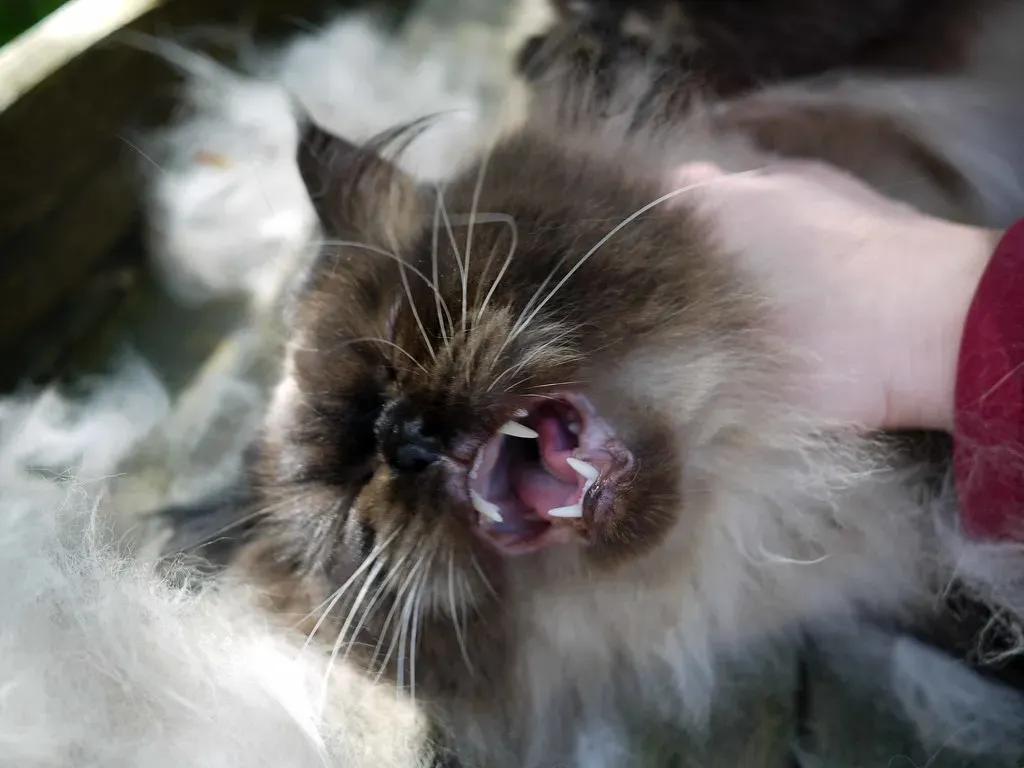
The Himalayan cat is certainly a magnificent breed, but owners need to be aware of their special needs, as Himalayans need regular daily grooming to remove mats and tangles from their long fur. Essentially, you’re getting all the grooming demands of a Persian combined with the health issues that come with brachycephalic facial structures.
Some have immune system issues and are prone to inherited diseases like hypertrophic cardiomyopathy. They also share the same tear-staining problems and respiratory difficulties that plague Persians. It’s like someone looked at the Persian cat and thought, “How can we make this even more high maintenance?” The result is stunning to look at but exhausting to live with. Many vets quietly shake their heads when another Himalayan owner walks through their door overwhelmed by grooming needs and vet bills.
Manx Cats: The Tailless Conundrum
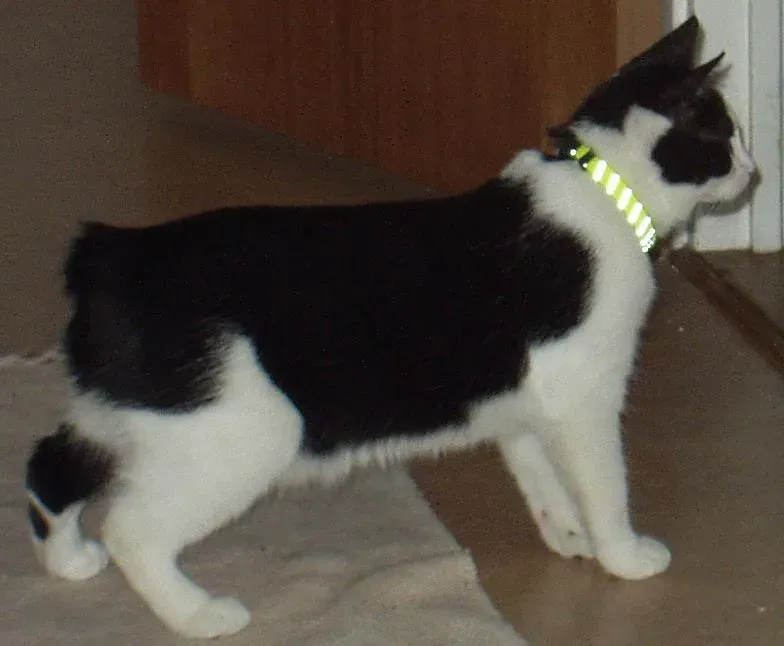
The Manx is easily identified by the absence of a tail and has become a fashionable breed over the years, yet as with any breeding abnormality, the breed’s tailless-ness can be associated with spinal defects that present as problems defecating or urinating, with most of these problems appearing by six months of age.
The lack of a tail isn’t just cosmetic. It’s connected to their spine, and that missing piece can cause serious issues. A Manx kitten likely has some spinal issue if they are displaying difficulty walking or walk with a stiff or hopping gait. You might think adopting a Manx means avoiding the hassle of stepping on a tail, but what you’re potentially signing up for is a lifetime of monitoring for urinary and bowel problems. Some Manx cats live perfectly healthy lives, but the risk is always there, lurking beneath that tailless exterior.
Siamese Cats: Vocal Demands and Attachment Issues
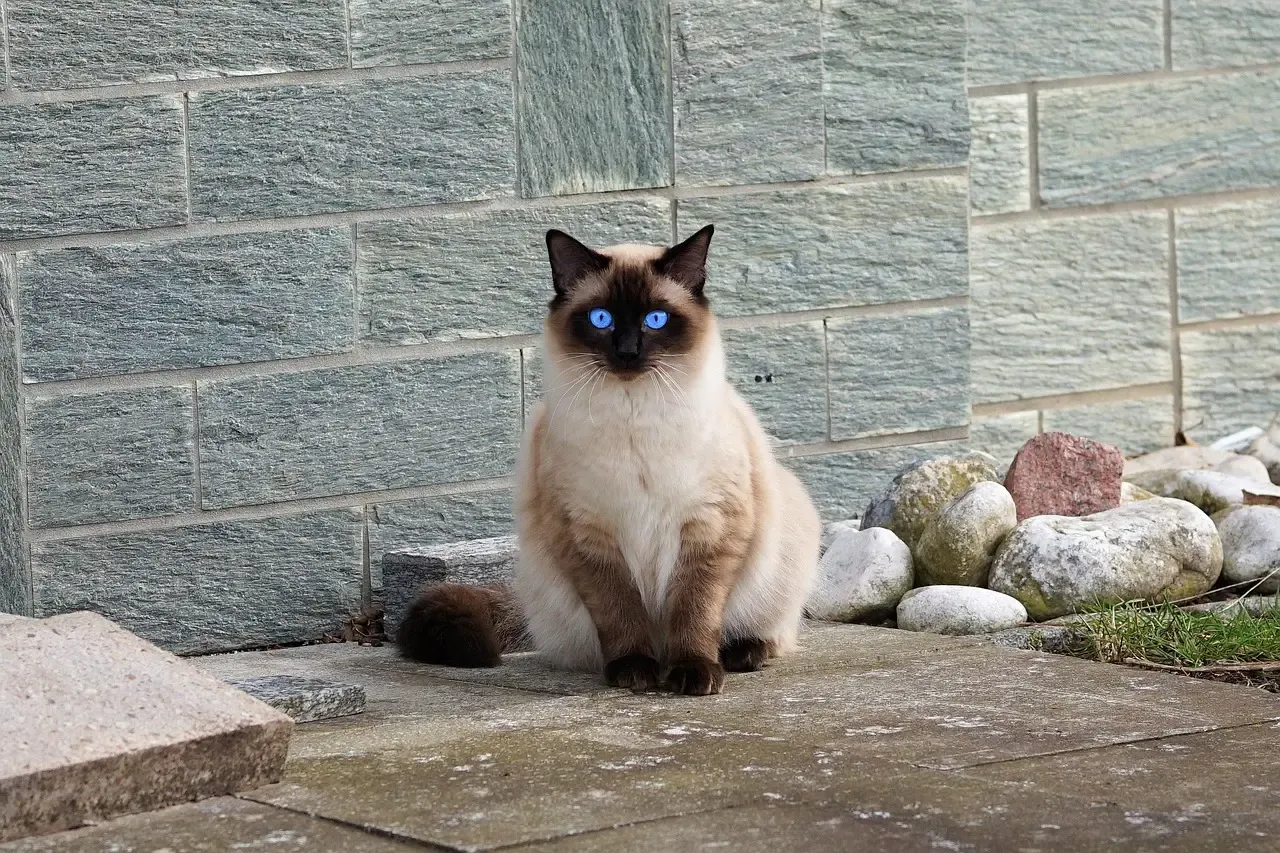
Siamese cats are an agile and athletic breed that require stimulation or a lot of toys to keep them occupied, with adult Siamese cats needing to be fed at least twice a day but kittens needing more frequent feeding, at least three or four times per day, as they burn off calories more quickly. They’re beautiful, intelligent, and incredibly social, which sounds wonderful until you realize what that actually means.
They often bond with a single family member, and they can turn aggressive if another person in the family tries to interrupt their snuggles, which can be problematic if you have kids in the house, and breaking them out of this habit can be nearly impossible, especially if you don’t have a history of training cats. Siamese are also prone to several health problems including asthma, mediastinal lymphoma and systemic amyloidosis, which can lead to liver or kidney failure. Their legendary vocalizations aren’t just occasional meows. These cats will hold full conversations with you, whether you want to participate or not.
Maine Coon Cats: Gentle Giants with Hidden Health Risks
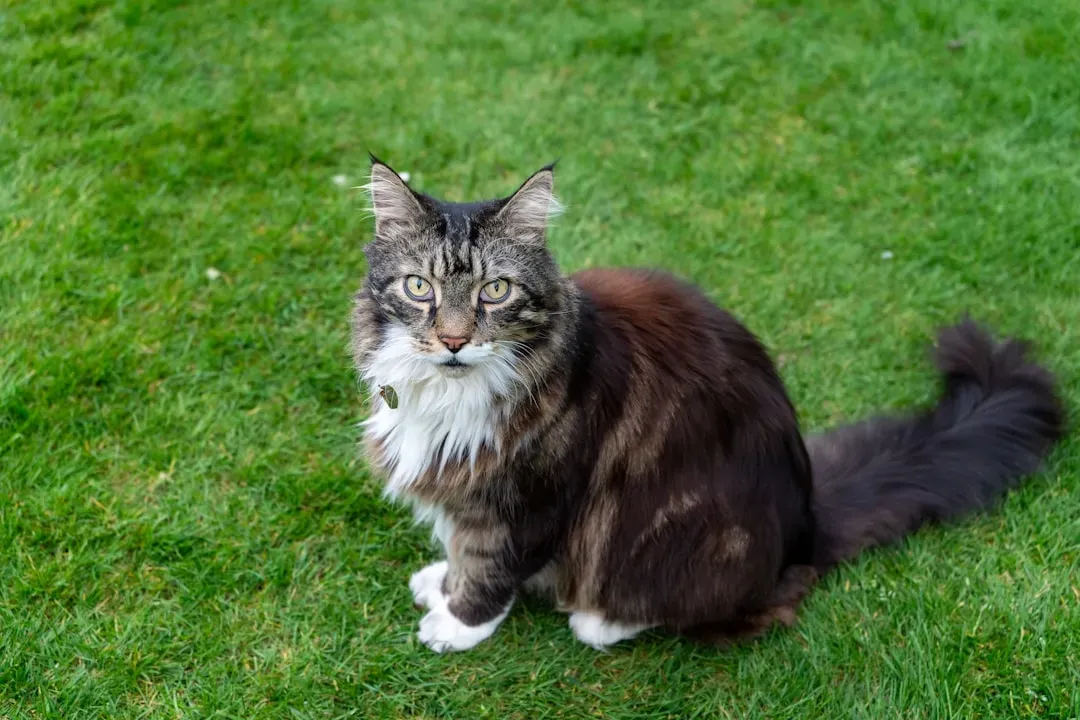
Maine Coons are often praised as one of the friendliest, most dog-like cat breeds. Their size and fluffy appearance make them social media darlings. Maine coons have a high prevalence of hypertrophic cardiomyopathy as well as hip dysplasia, with patellar luxation, pyruvate kinase deficiency as well as spinal muscular atrophy having also been identified in the breed.
As they are a long-haired breed, Maine coons shed quite a bit and require frequent grooming, with some having cottony, high maintenance coats that need daily combing and regular grooming that should be started from a kitten age and continued throughout their lives. You’ll also need to budget for potential cardiac screenings and be prepared for the possibility of expensive treatments down the line. The gentle giant title comes with giant-sized responsibilities that many owners don’t anticipate when they fall in love with those tufted ears.
Ragdoll Cats: Deceptively High Medical Needs
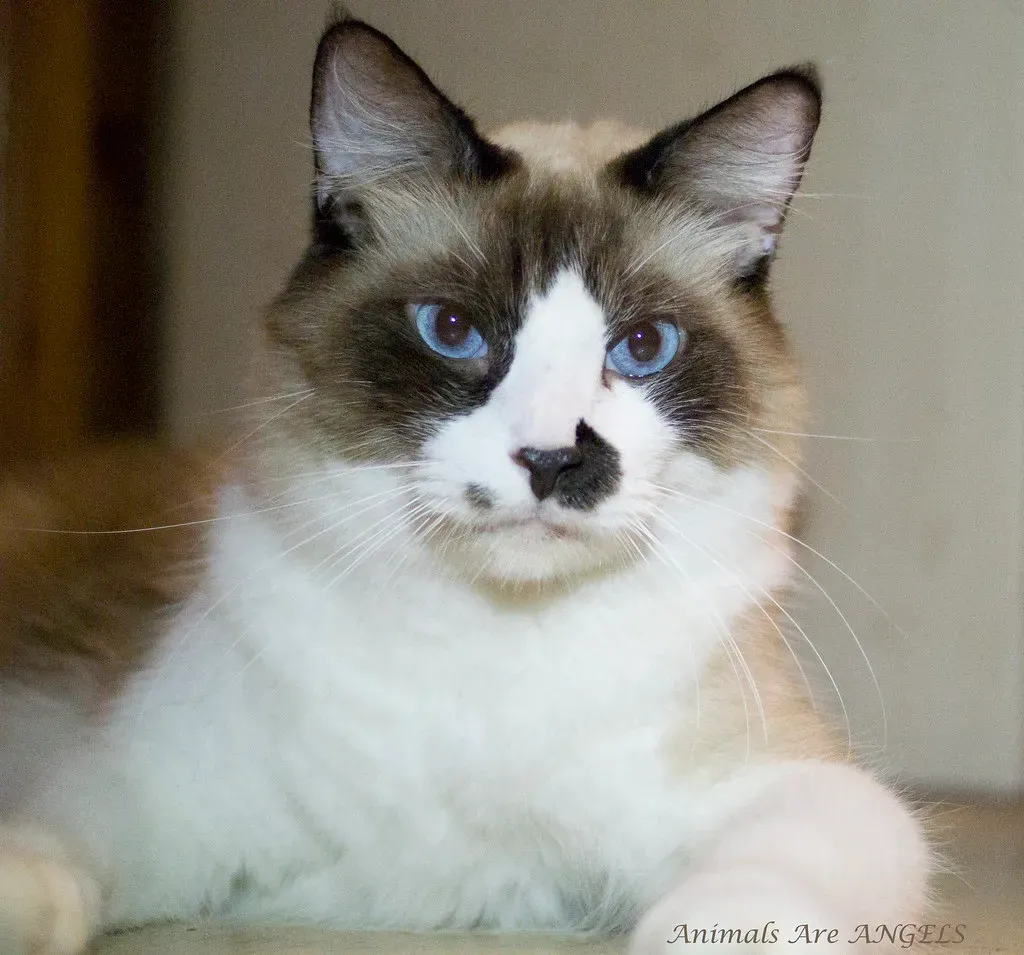
Ragdolls look like living plush toys. Their docile nature and tendency to go limp when picked up make them seem like the perfect low-effort companion. Ragdolls can develop a heart condition called hypertrophic cardiomyopathy and are also prone to bladder stones, with hypertrophic cardiomyopathy being one such condition that has been identified in Ragdoll breeds because of an inherited genetic mutation, and their docile nature often masking serious health problems until they reach critical stages.
Many Ragdoll owners are caught off guard when their seemingly healthy cat suddenly develops heart failure, requiring emergency interventions and ongoing cardiac medications that cost thousands annually. Their gorgeous long coats also require regular grooming to prevent matting. What appears effortless in photos translates to consistent maintenance and vigilant health monitoring in real life.
Exotic Shorthair Cats: Persian Lite with Similar Issues
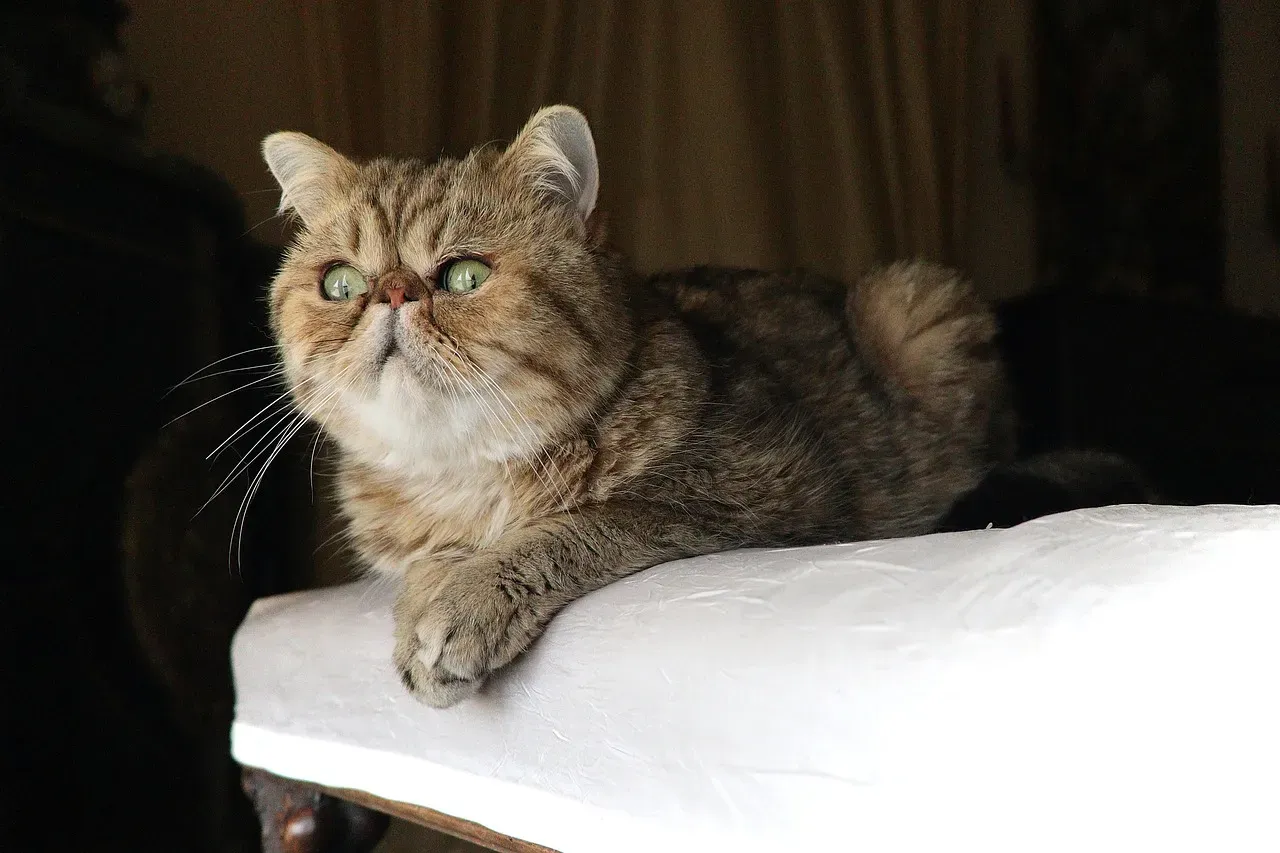
The Exotic Shorthair was literally created to be a short-haired Persian, which sounds like a great idea on paper. Less grooming, right? Breeders created Exotic Shorthairs out of a design to invent a short-haired version of Persians. Unfortunately, breeders kept the flat face, which means these cats inherit many of the same breathing and eye problems that plague Persians.
You still get the tear staining, the respiratory issues, and the brachycephalic airway syndrome. The shorter coat is easier to manage, sure, but you’re trading one set of problems for another. Nearly two-thirds of Persians and related breeds had at least one health condition as a consequence of their limited gene pool. Vets see Exotic Shorthairs in their clinics facing similar health challenges as their long-haired cousins, just with slightly less fur to clean.
Burmese Cats: Diabetes and Blood Disorders
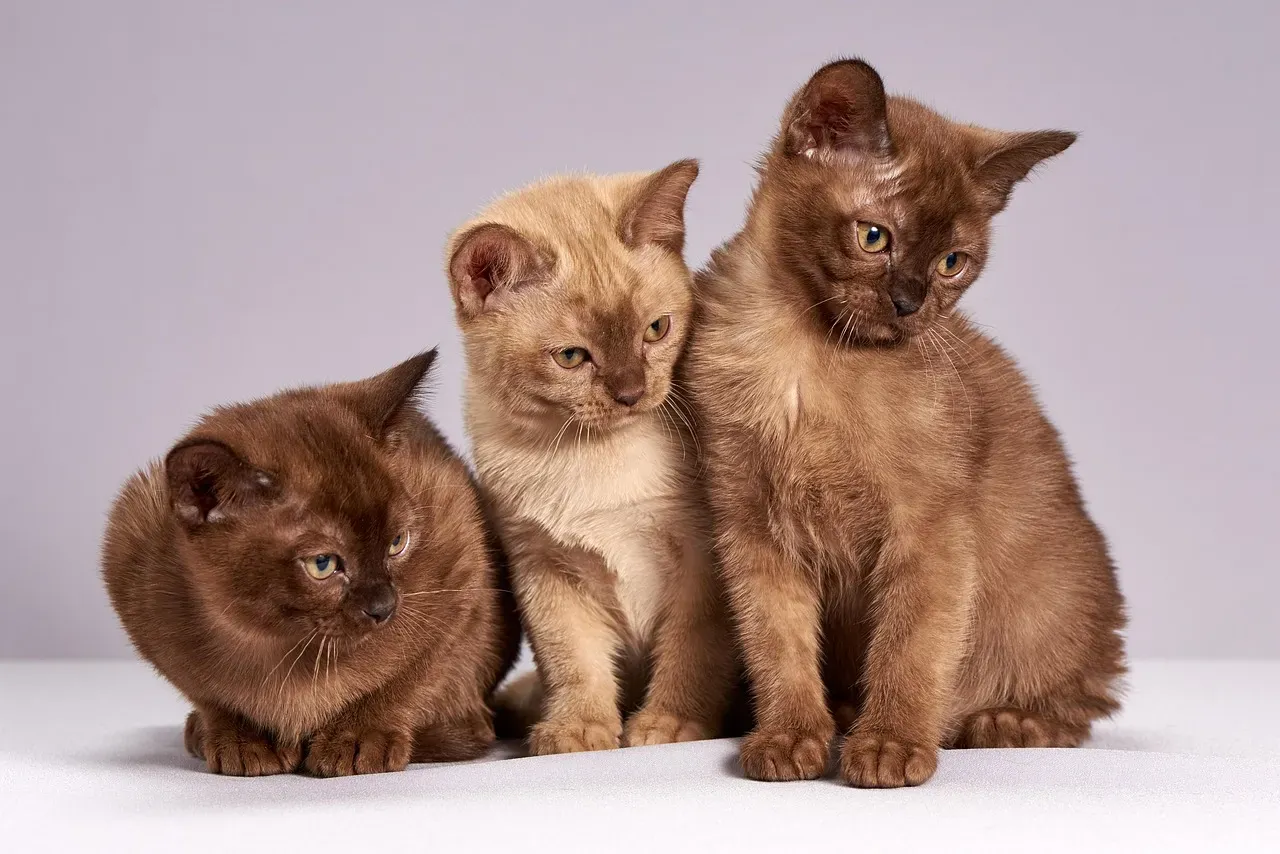
Burmese are the most common cat breed to develop diabetes, which can cause weakness, blindness, excessive appetite and thirst and may require daily insulin injections to control it, and Burmese cats are also prone to hypokalaemic polymyopathy, a condition of low blood potassium which can cause skeletal muscle weakness, episodic in nature.
These are sleek, beautiful cats with charming personalities, but their genetic predisposition to serious metabolic conditions means owners need to be prepared for potentially lifelong medical management. Daily insulin injections aren’t anyone’s idea of fun, and the cost adds up quickly. Blood sugar monitoring, special diets, regular vet visits – the reality is far removed from those elegant photos you see online. Vets often wish people would consider the long-term health implications before falling for a breed’s appearance.
Why Vets Keep Seeing the Same Problems
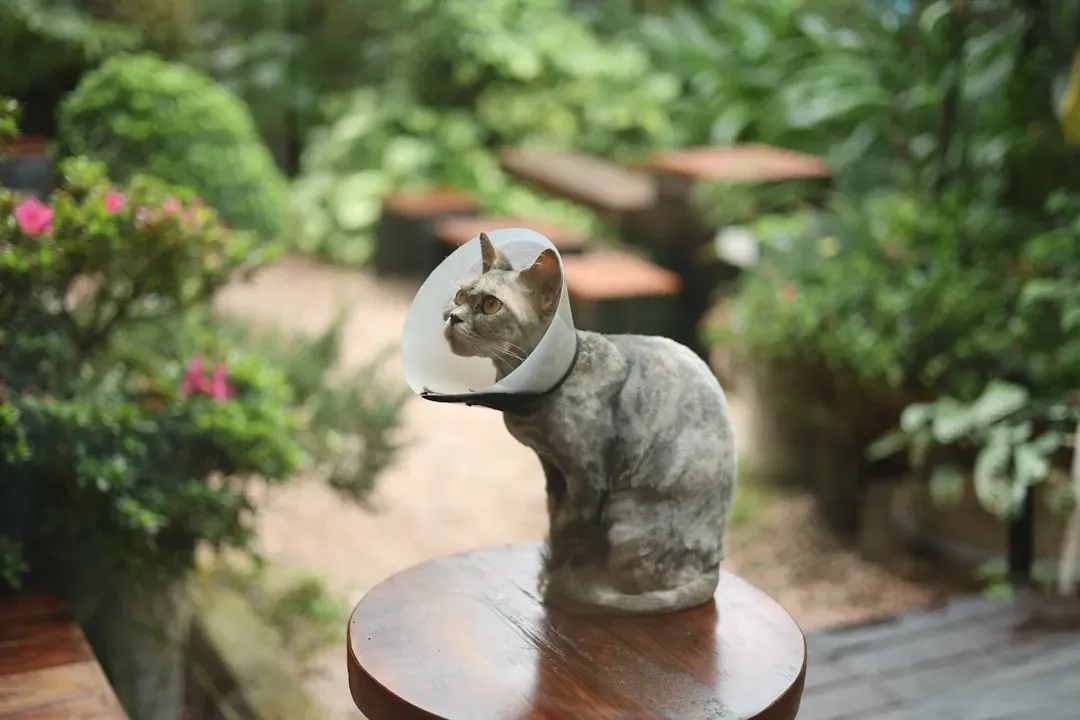
The uncomfortable truth is that many of the most beloved cat breeds exist in a state of chronic suffering that has been normalized as breed characteristics, and veterinarians don’t share these concerns to spoil dreams of owning a particular breed but speak from years of watching cats suffer needlessly from conditions that could be prevented through responsible breeding practices or by choosing healthier alternatives.
The concept of cruel breeding practices refers to breeding that deliberately perpetuates genetic traits known to cause health problems, pain, or reduced quality of life in animals, with many health issues seen in Persian, Scottish Fold, and Sphynx cats resulting from breeding decisions that emphasize extreme physical characteristics, and when breeders select for increasingly flat faces, more pronounced ear folds, or complete hairlessness, they often inadvertently concentrate genes that cause serious health problems. It’s heartbreaking for veterinary professionals who entered the field to help animals, only to see the same preventable issues year after year.
Instead of contributing to demand for genetically compromised breeds, consider the millions of healthy mixed-breed cats waiting in shelters, as these resilient felines, with their diverse genetic backgrounds, often live longer, healthier lives free from the breed-specific ailments that plague their purebred counterparts. There’s nothing wrong with admiring these beautiful breeds online. Just remember that double-tapping a photo is vastly different from the daily reality of caring for some of these cats. Mixed-breed cats from your local shelter don’t come with the same Instagram clout, but they do come with significantly fewer built-in health problems and often just as much personality.
Did you know that genetic diversity actually protects cats from many of these issues? What would you prioritize when choosing your next feline companion?

Hi, I’m Andrew, and I come from India. Experienced content specialist with a passion for writing. My forte includes health and wellness, Travel, Animals, and Nature. A nature nomad, I am obsessed with mountains and love high-altitude trekking. I have been on several Himalayan treks in India including the Everest Base Camp in Nepal, a profound experience.