You love cats. Of course you do. Their soft purrs, playful antics, and those mesmerizing eyes have a way of melting even the coldest hearts. Maybe you’re thinking about adopting a feline friend or perhaps you already have one curled up on your lap right now. Either way, there’s something you need to know about certain breeds that most people don’t expect.
Let’s be real, when we think about aggressive pets, cats don’t usually top the list. Dogs? Sure. But cats are supposed to be those independent, low-maintenance companions, right? Well, here’s the thing. Some cat breeds have personalities that are, shall we say, a bit spicier than others. They might look adorable with their fluffy coats and big eyes, yet they can surprise you with behaviors ranging from territorial hissing to outright swatting when they feel their boundaries have been crossed.
Here’s what’s fascinating. Aggression is not inherently linked to specific breeds, yet some cat breeds are quicker to snap or lash out than others. It’s like comparing a ticking time bomb to a gentle breeze. Both are cats, sure, yet their reactions to stress, boredom, or perceived threats can vary dramatically.
So let’s dive in and discover which breeds might challenge your expectations.
Siamese: The Jealous Drama Queen
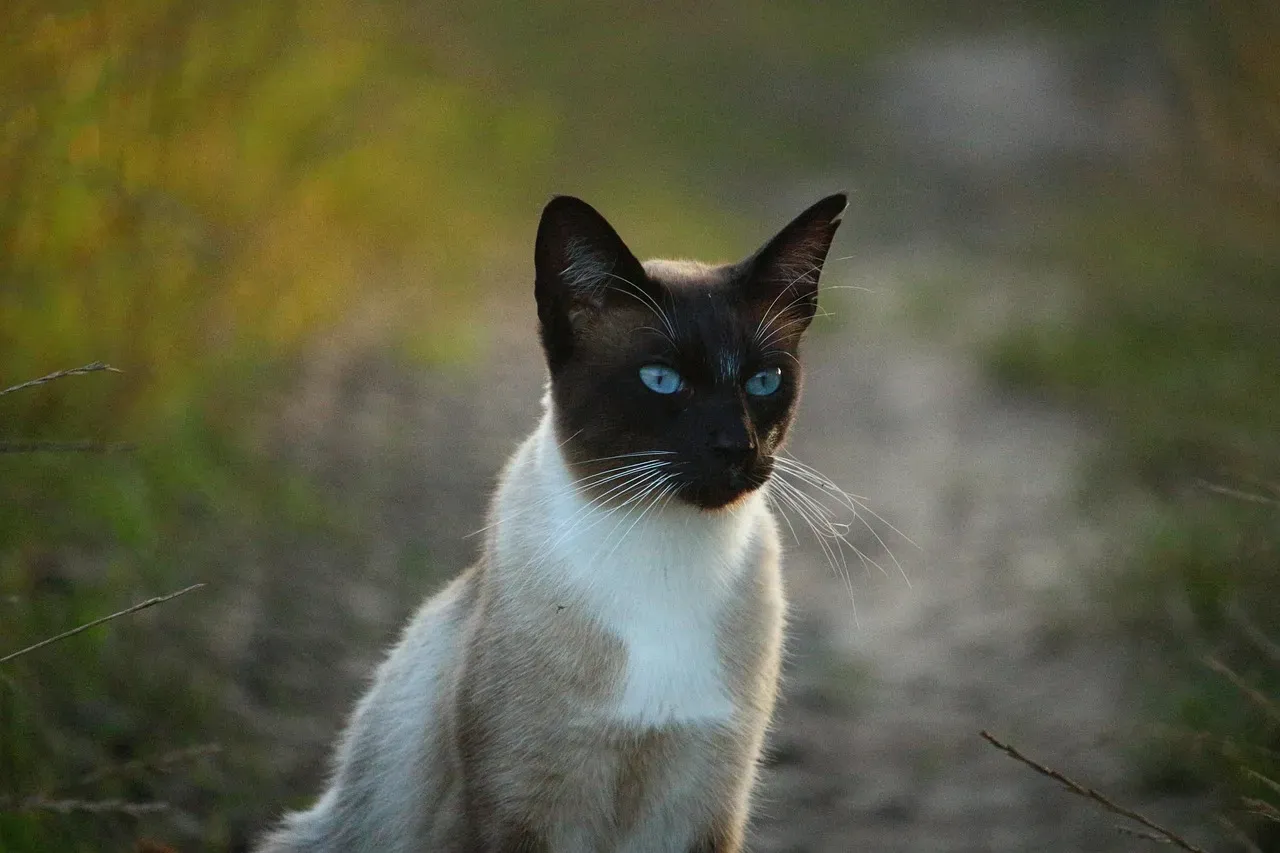
The Siamese cat is known to be one of the most aggressive cat breeds, likely due to the breed’s tendency to get very jealous of other pets. Think of them as the divas of the cat world. Siamese cats are needy and clingy, becoming very attached to their favorite human.
The problem? If they see you petting another cat or hanging out with a human, your Siamese may lash out in an attempt to get attention back on them. They’re territorial, vocal, and honestly, they know exactly how to push your buttons when they’re not getting what they want. This breed is very popular due to its stunning features and intelligence, but it is known for its territorial tendencies and is known to imprint on individual humans.
Bengal: The Wild Child at Heart
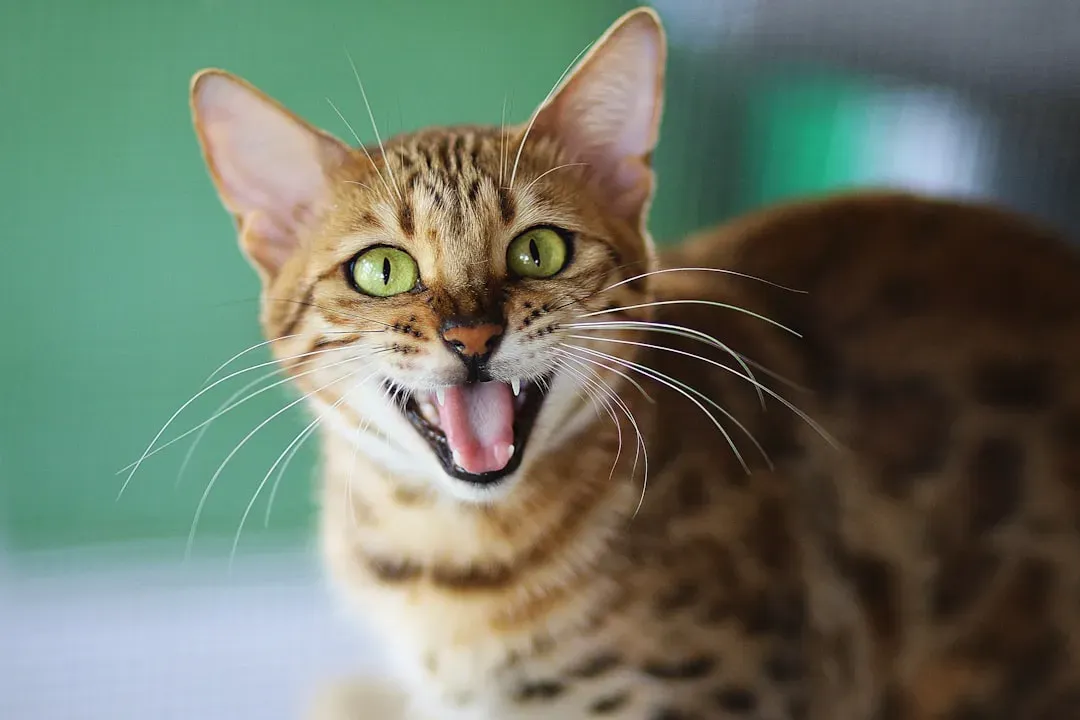
The Bengal cat is large and feels as if it still belongs in the wild. These miniature leopards are stunning, no doubt about it. Their coat patterns make them look like they belong prowling through a jungle rather than lounging on your couch.
Behavioral issues like territorial spraying and play aggression are quite common if this breed doesn’t meet its needs. The Bengal is notoriously high maintenance, so you’ll need to put a lot of time into this cat to avoid aggressive behavior. Bengals also get bored quickly. If you leave them alone all day without enough stimulation, you could be in for a surprise when you get back.
Bengals are territorial, and they can be aggressive toward other cats. Their intelligence and high energy levels mean they need constant mental and physical stimulation, or else your furniture becomes their personal climbing wall.
Sphynx: The Attention-Seeking Troublemaker
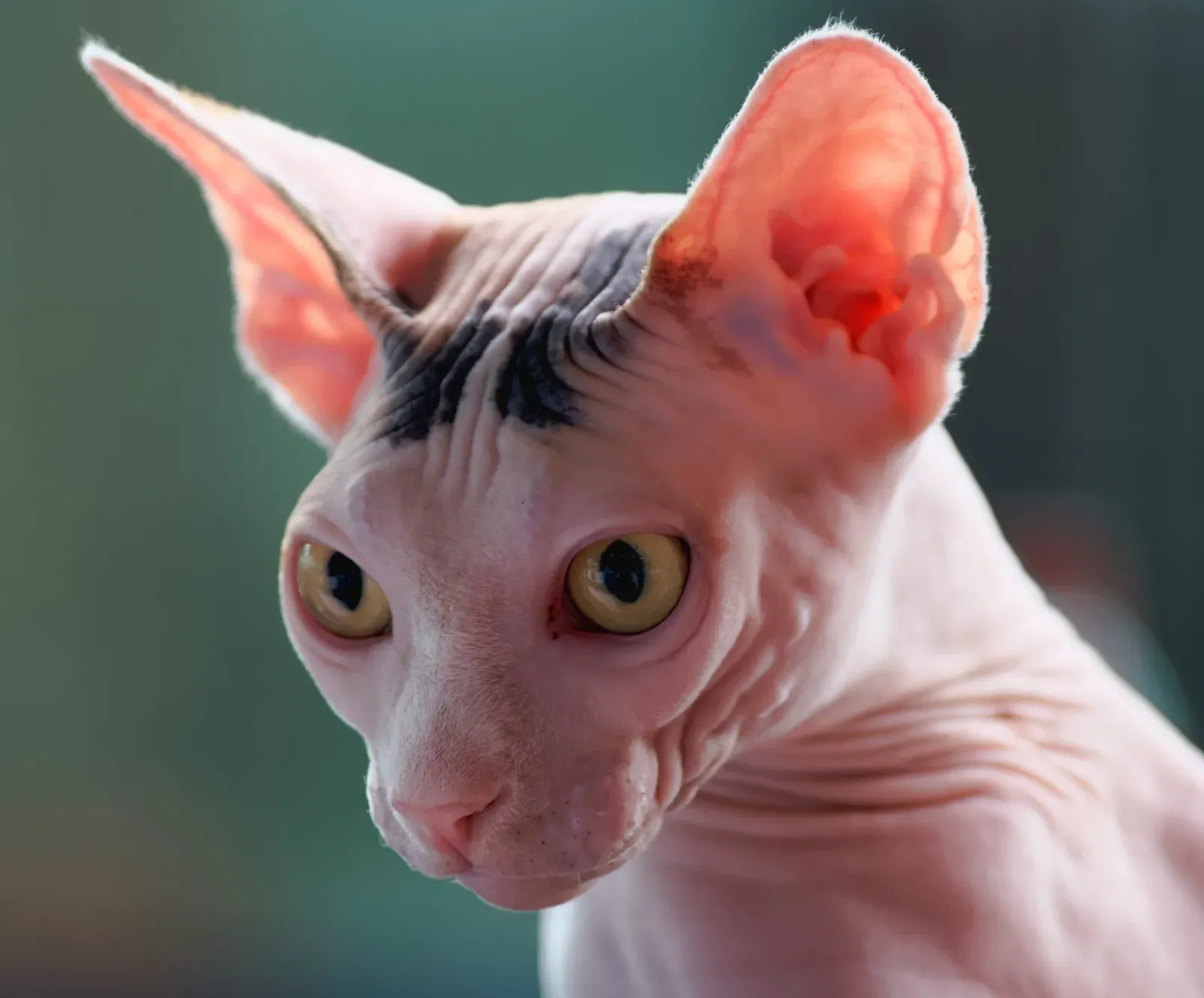
Despite their lack of fur, Sphynx cats pack a punch when it comes to personality. This breed is very demanding, which doesn’t just mean taking extra care of their skin due to a lack of fur. It also means the Sphynx cat always wants to be the center of attention.
These cats hate being alone for a long period and will follow their humans everywhere, demanding love, warmth, and a constant source of entertainment. A bored Sphynx is a destructive Sphynx, and its playful nature can sometimes come off as aggressive behavior – biting during play, launching surprise attacks on its owners, or wrestling anything that moves (including your toes at 3 AM).
They’re hyperactive, intelligent, and easily bored. Think of them as toddlers who never learned the concept of personal space.
Scottish Fold: The Moody Charmer
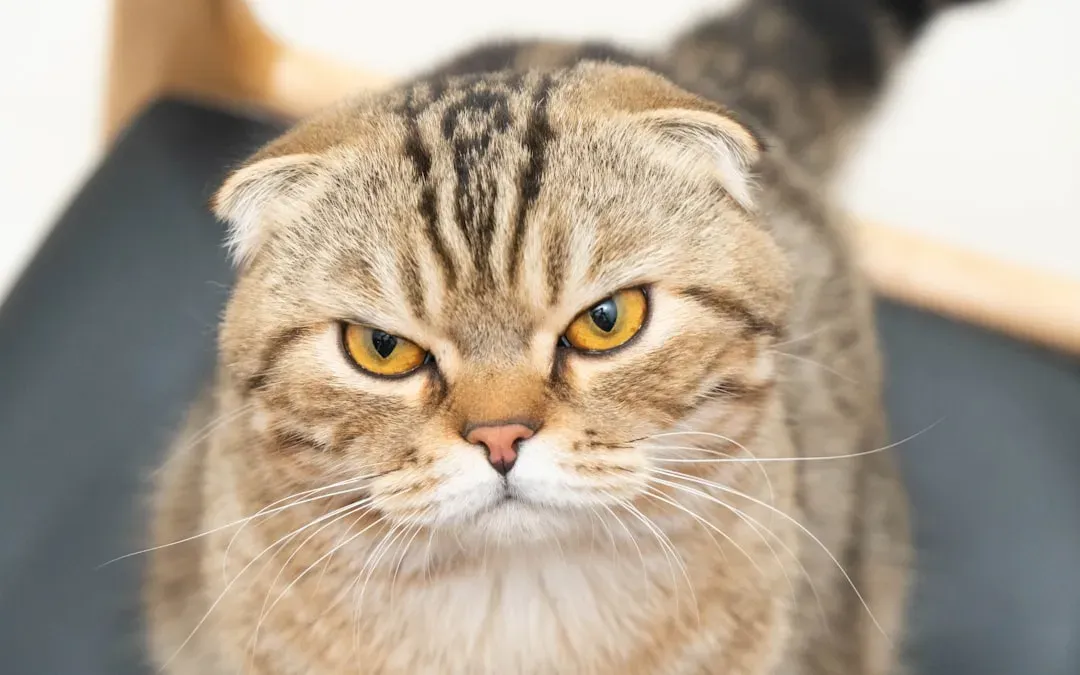
It’s probably surprising to see the Scottish Fold here. They have plump faces, chubby cheeks, and big, owl-like eyes. How could something so adorable be aggressive? Well, appearances can be deceiving.
This breed is quite sensitive to change and may become aggressive when new pets are brought home. This cat is also not the friendliest toward babies and children. The Scottish Fold doesn’t like to share the attention and is also fond of rough petting.
While they are generally affectionate, Scottish Folds can also be stubborn and independent, deciding when and how they want attention. If they’re in a bad mood, they might just swat your hand away as a warning. Their cuteness masks a surprisingly feisty personality.
Egyptian Mau: The Possessive Speedster
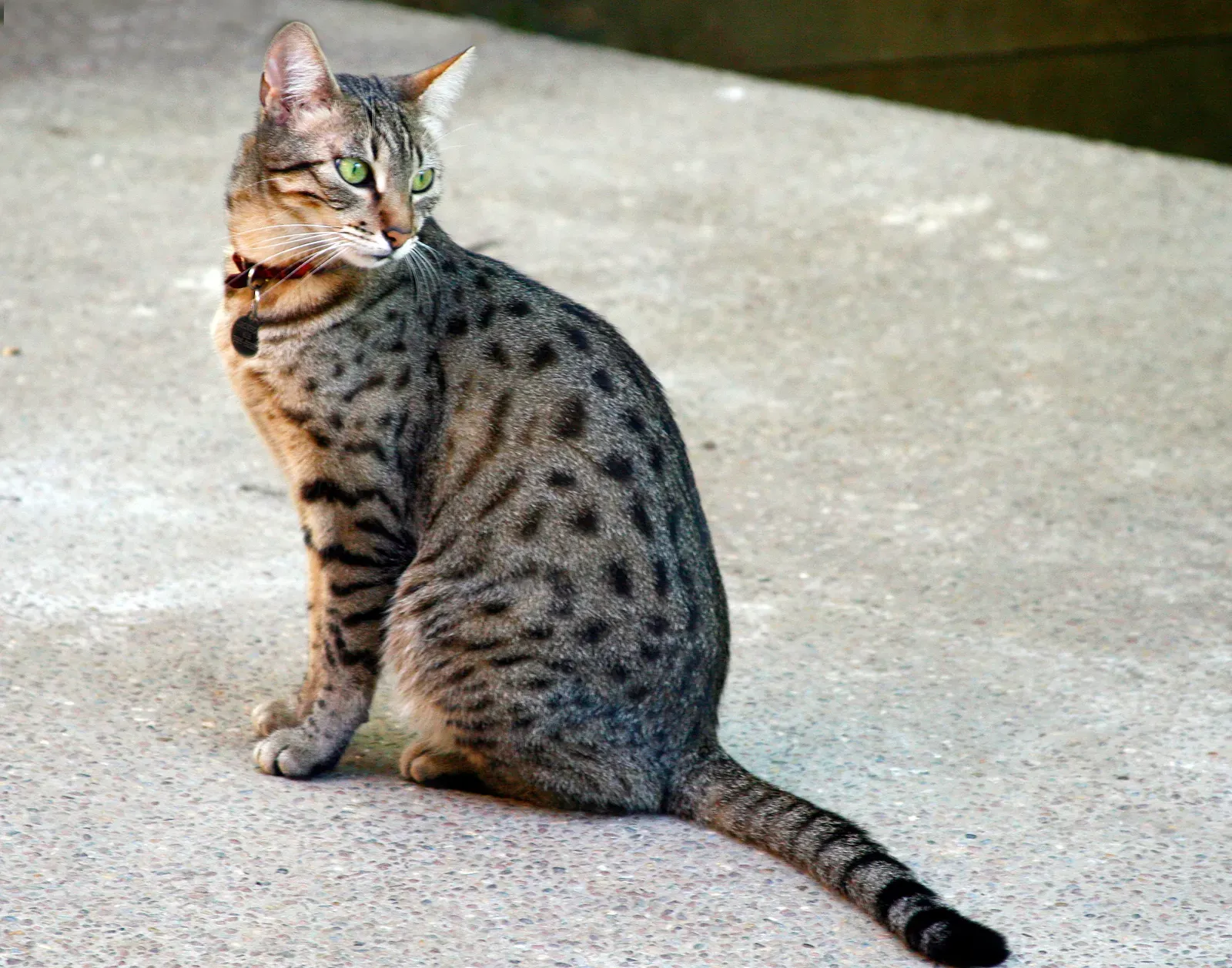
If you want a dog-like cat, the Egyptian Mau is the way to go. However, they are extremely intelligent cats, and if you don’t find ways to keep them mentally stimulated, they can lash out and be challenging to own.
These spotted beauties are fiercely protective. Egyptian Maus can display aggression when their food or toys are threatened. They are fiercely protective of their possessions and may act out if they perceive any potential infringement.
Plus, they’re ridiculously fast. These felines hold the title of the fastest domestic cat, reaching speeds of up to 30 mph. Imagine a possessive cat that can outrun you when annoyed. That’s an Egyptian Mau for you.
Pixie Bob: The Untamed Hunter
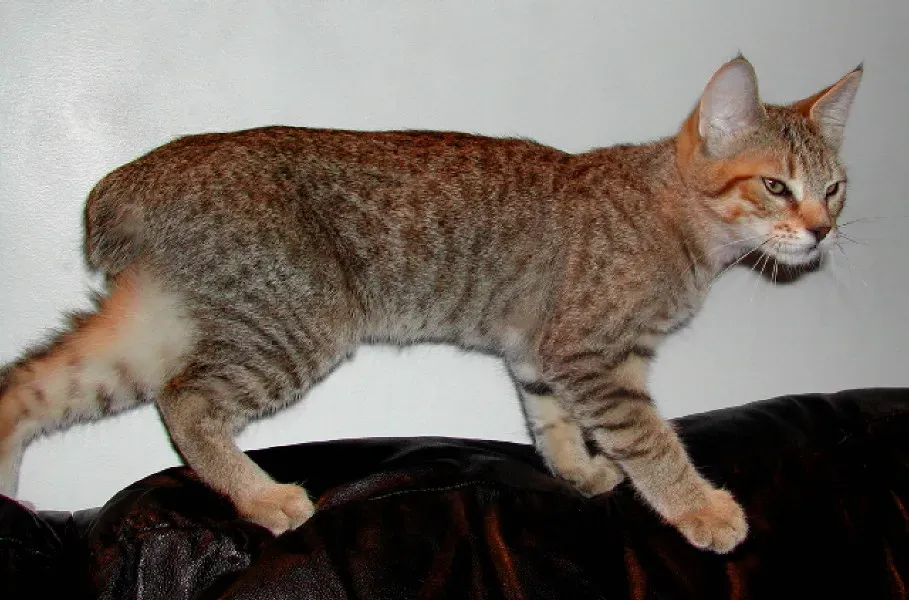
The Pixie Bob has more of a wildcat lineage, and because of this, they can be a bit more challenging to own and have a few more aggressive tendencies. They love hunting and stalking, and without proper socialization, they can bite.
These cats look like tiny bobcats with their short tails and tufted ears. While they are playful, intelligent, and affectionate, Pixie Bobs also have a strong hunting instinct and a dominant personality. They can be territorial and bossy, especially if they feel challenged by other pets. While they usually get along with humans, they don’t tolerate being manhandled and may let you know with a firm bite or scratch if they’re not in the mood.
Their wildcat heritage means their instincts run deep. Proper socialization from kittenhood is absolutely essential.
Bombay: The Fearless Panther Lookalike
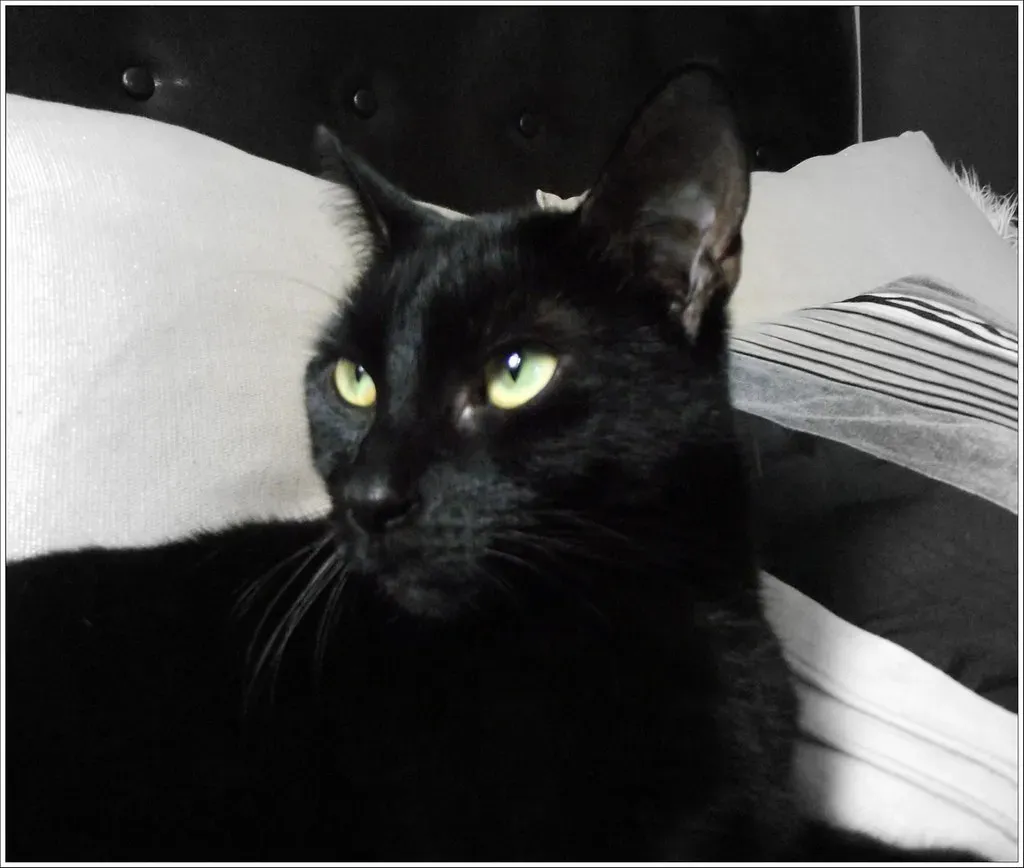
The Bombay breed is a hybrid mix, they have numerous strong behavior traits. They are known to be both fearless and aggressive . They have sturdy and small-to-medium bodies, which means that they can be surprisingly forceful for their size during playfights. Much like the Siamese and Sphynx cat, the Bombay requires a significant amount of attention, which, when not met, can come out in aggressive tendencies.
These mini-panthers are sensitive to sudden noises and can react aggressively when startled. Their sleek black coats and copper eyes make them stunning, yet their temperament requires experienced cat owners who understand their needs.
Singapura: The Tiny Defender
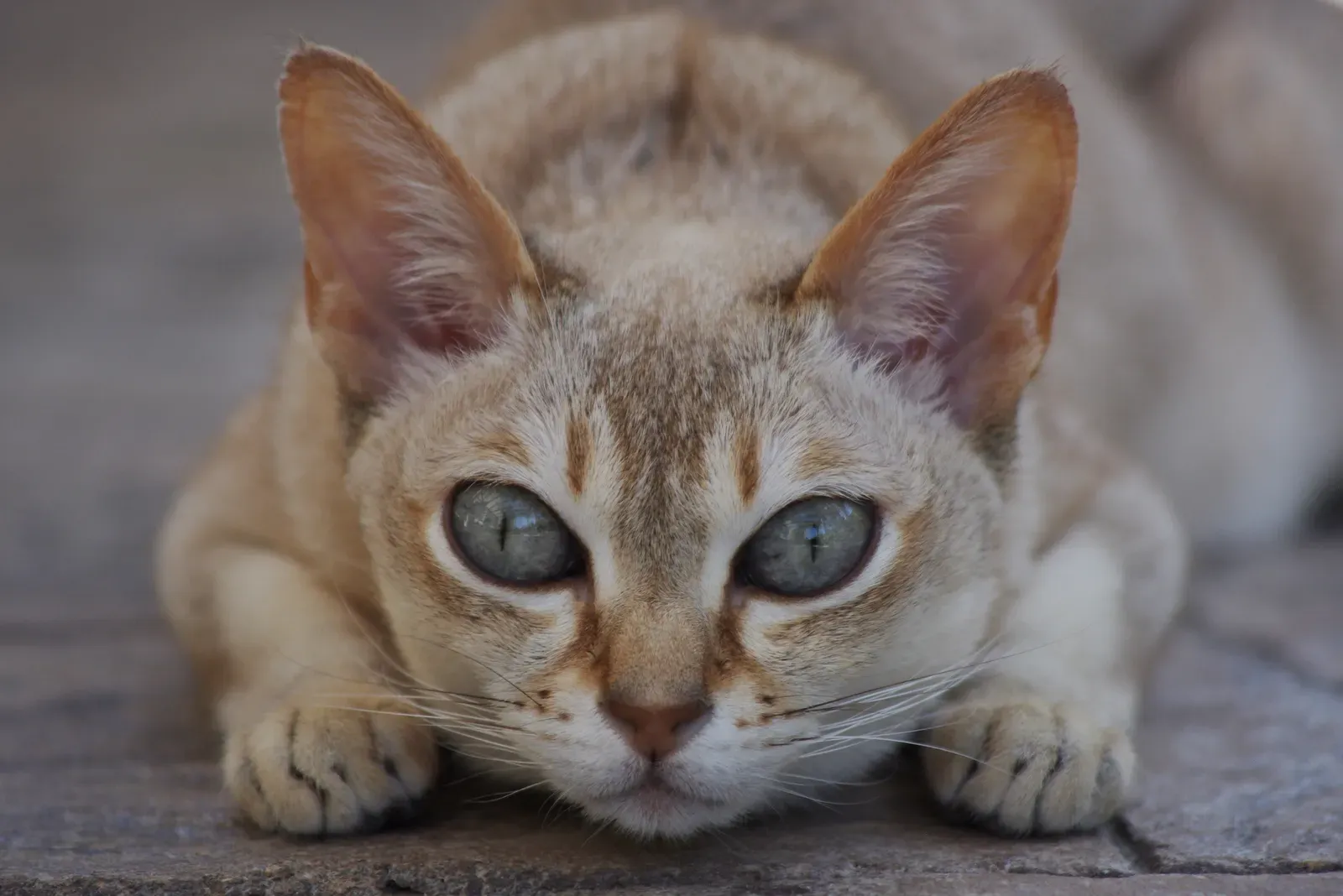
Don’t let their small size fool you. The Singapura breed is the smallest cat breed in the world. This sweet and shy kitty may become aggressive if they feel threatened. This breed is wary of strangers and may get easily startled. It’s important to socialize your Singapura as a kitten, so they don’t take to hiding or defensively scratching.
They’re adorable little things, weighing in at barely five or six pounds. Yet their tiny stature makes them extra vigilant about perceived threats. Their defensive instincts kick in quickly, making socialization crucial from day one.
Turkish Van: The Territorial Swimmer
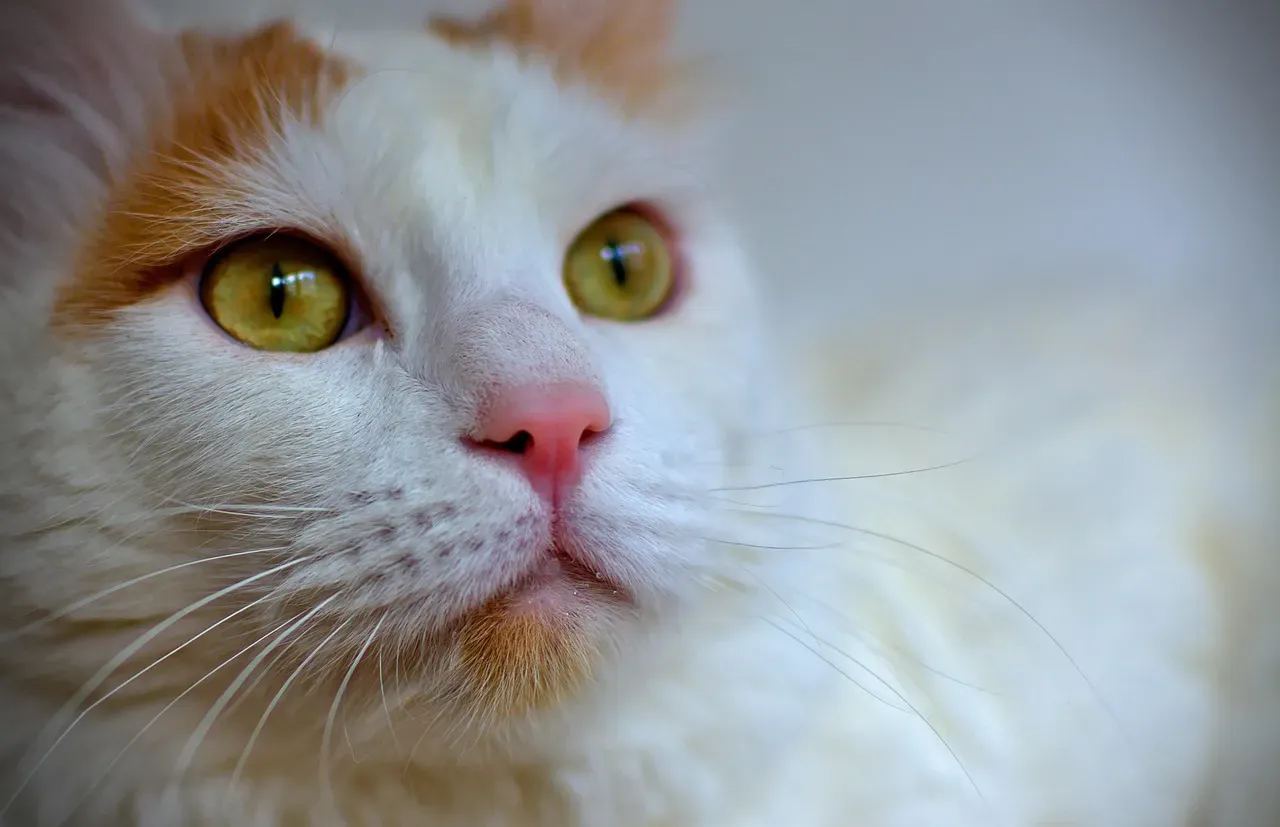
Turkish Van and Angora cats were the most aggressive towards both people and other cats. These cats are unusual because they actually love water, which is rare among felines. Studies have found Turkish Vans to be among the most likely to display aggression towards people and other cats. The Turkish Van is a cat that prefers to be the only cat in the household.
They’re territorial, assertive, and honestly, they’re not interested in sharing their space with other pets. If you’re looking for a multi-cat household, the Turkish Van might not be your best bet.
Cymric: The Hyperactive Fluffball
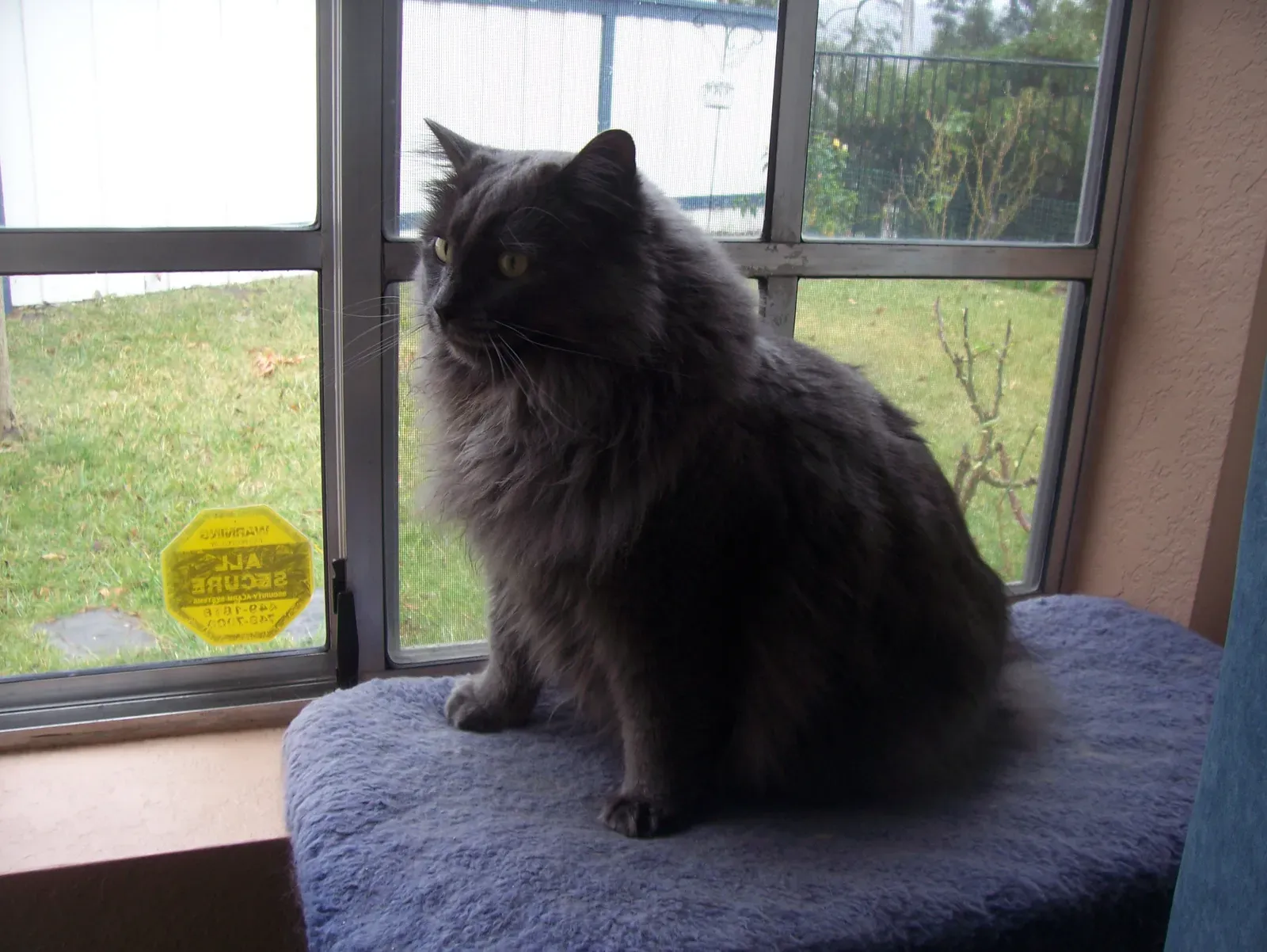
With a tendency to shed up a storm, Cymric cats make their presence known by their bountiful balls of cat fur surrounding their chosen household. While their double coat needs might scare off potential cat parents, their sweet nature makes up for it. They are prone to hyperactivity, and energetic bouts, which might lead to an unimpressed demeanor if their enthusiasm is not reflected.
These tailless wonders need outlets for their boundless energy. Without proper engagement, their hyperactivity can manifest as aggression or destructive behavior. They’re sweet, sure, yet they demand active participation from their owners.
Korat: The Reserved Aristocat
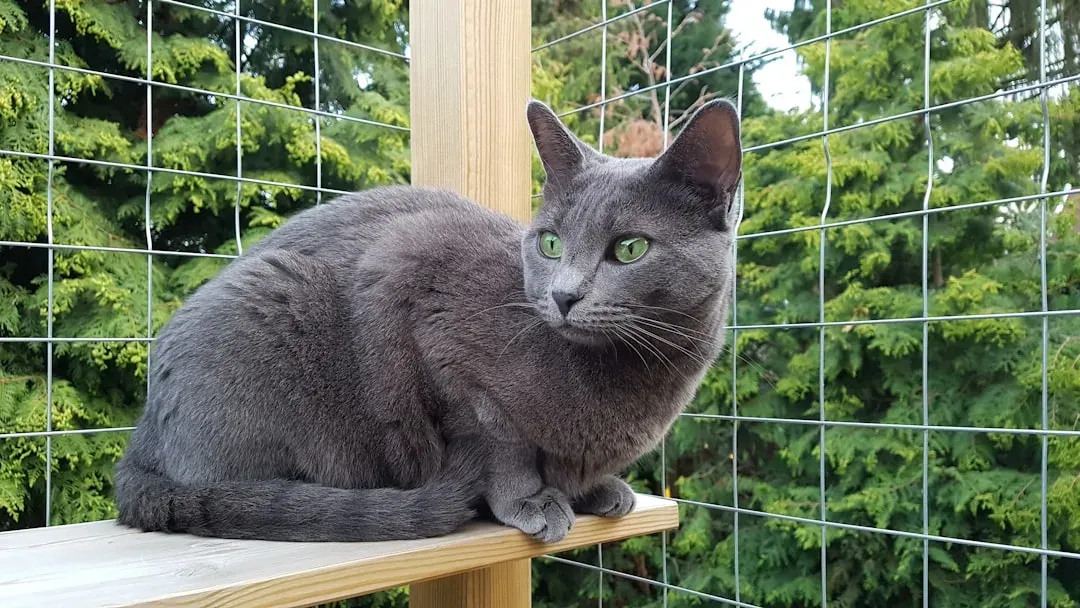
Korats tend to be reserved around strangers. However, if this cat is kept exclusively indoors then he can become aggressive towards other pets or even humans in his home. It is important for an owner to spend plenty of time playing with his pet so that he does not lash out at everyone around them.
These silver-blue beauties are affectionate with their chosen people yet can become territorial and irritable without proper stimulation. They’re intelligent cats that need mental challenges to stay balanced.
Chausie: The Hybrid Handful
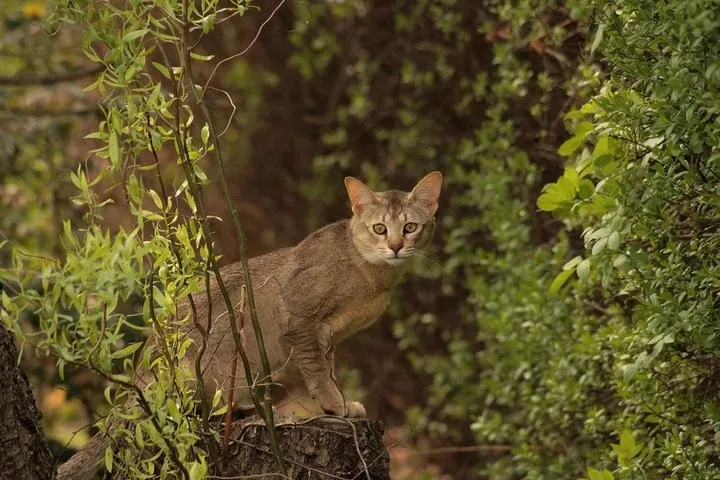
A mix between a domestic and non-domestic cat breed, this lengthy feline is the perfect playful yet lovable addition to the family. They are very active and intelligent, meaning these spirited softies need ample attention and stimulation. Families with small children should be wary of leaving this cat breed alone with their kids if they have not been taught how to handle cats with care and caution. As a Chausie cat is a hybrid breed, their roughhousing way of play and territorial behavior is something to keep an eye on with your young ones.
Their wild ancestry shows through in their play style and territorial instincts. They’re wonderful companions for experienced cat owners yet can be overwhelming for families unprepared for their intensity.
Understanding Your Feisty Feline

So what have we learned? Cat aggression isn’t about breeds being inherently mean or dangerous. It’s about understanding their unique personalities, needs, and triggers. Aggressive behaviors in cats often stem from fear, stress, and anxiety, not anger, spite, or other reasons that humans usually use to explain a cat’s aggressive behavior.
While some cats have a bad reputation as a mean and aggressive breed, it’s important to note that every cat can make a great pet if you meet their basic needs and socialize them correctly. The cat breeds we’ve highlighted here can be a bit more challenging to own, and if you don’t meet their basic needs, they can lash out, which can lead to aggressive behaviors and tendencies.
The breeds we’ve explored today aren’t monsters. They’re complex, intelligent creatures with specific requirements. Proper socialization, adequate mental stimulation, regular play sessions, and understanding their individual personalities go a long way in preventing aggressive behaviors.
Did any of these breeds surprise you? Perhaps you’re now looking at your supposedly sweet Scottish Fold with a bit more respect. What’s your experience with these feisty felines? Share your stories in the comments below.