Ever wonder why some cats seem to have more to say than a chatty neighbor over the backyard fence? While all cats meow to communicate with their human companions, certain breeds take conversation to a whole new level. These feline chatterboxes have made talking their specialty, turning every meow into an art form that could either delight or drive you to distraction.
From demanding breakfast announcements at dawn to commentary on your daily activities, these vocal virtuosos have transformed simple meowing into complex conversations. They’ll greet you at the door, follow you around the house sharing their thoughts, and even respond when you talk back to them. Some have voices so distinctive they sound more like crying babies than traditional cat sounds. Get ready to meet twelve breeds that will keep your household anything but quiet.
1. Siamese – The Undisputed Champion of Cat Conversation
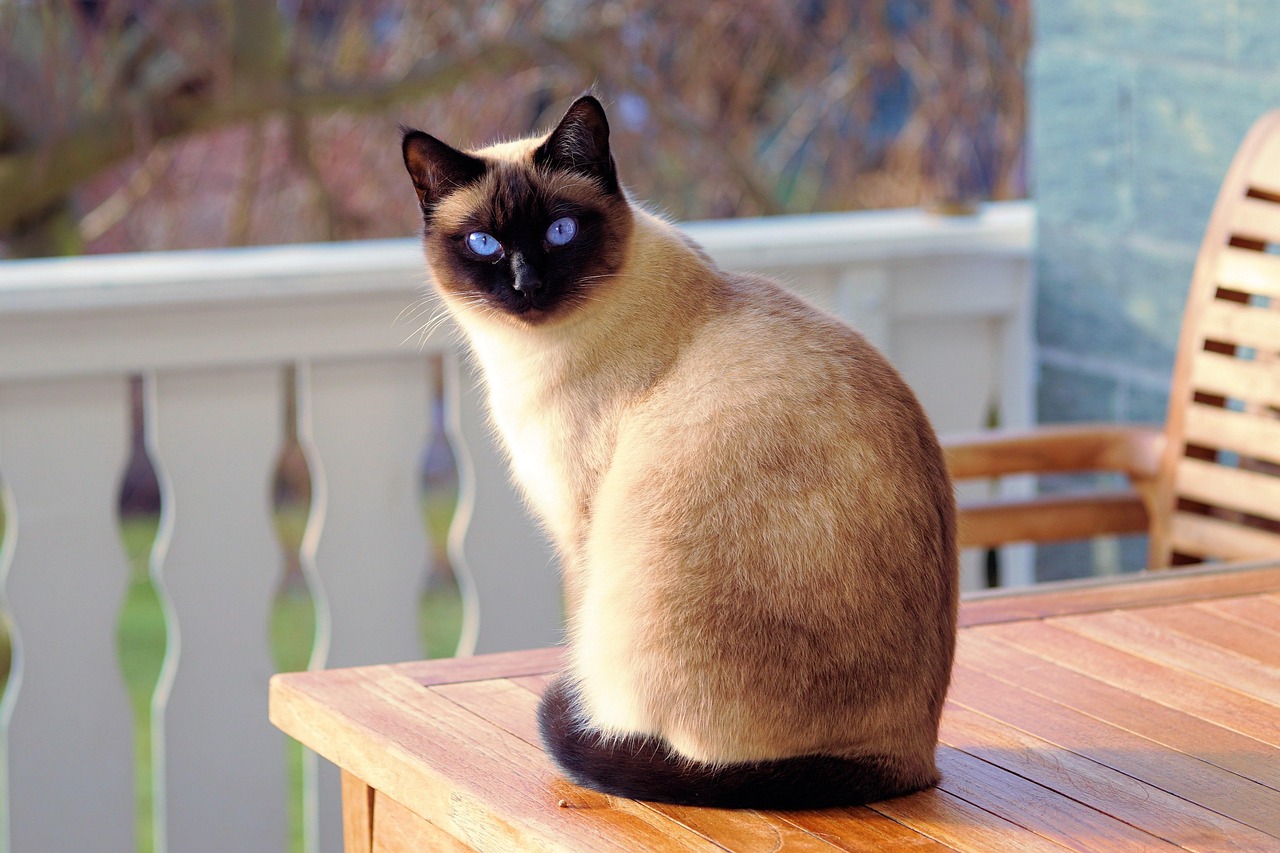
The Siamese cat ranks at the absolute top of the vocal cat breed ladder and is known for wanting constant attention from their humans. Their vocalizations often sound more like a ‘reow’ than a traditional ‘meow’, making them instantly recognizable even from another room. These elegant cats have perfected the art of demanding conversation.
They meow when they wake up, when they’re excited, when they want pets, when they want food, when they want you to notice what they are doing, when they’re alone, when they stare at the wall. Siamese cats have a distinctive vocalization that sounds like a human baby cry among their large repertoire of other interesting cat sounds, and some will vocalise during the night, which can be quite loud and disturb their owners’ sleep. Their social intelligence drives this constant need for communication.
2. Oriental Shorthair – The Opera Singer of the Cat World

The Oriental Shorthair is the Pavarotti of the feline world, with purrs that can sound like a truck rumbling by, and meows that are loud and raspy, ensuring they are always heard. This breed is loud and proud and can purr like a Mack truck, making them impossible to ignore when they want your attention.
Oriental shorthaired cats are quite similar to Siamese cats – they’re very loud when they vocalise, and when they’re not purring like a truck, they tend to have quite a loud and raspy voice which they like to make sure is heard. Life is good when the Oriental has plenty of playmates and attention, but this cat can get a bit cranky if left alone for long durations and may even scold you for being late.
3. Maine Coon – The Gentle Giant’s Melodic Chirps
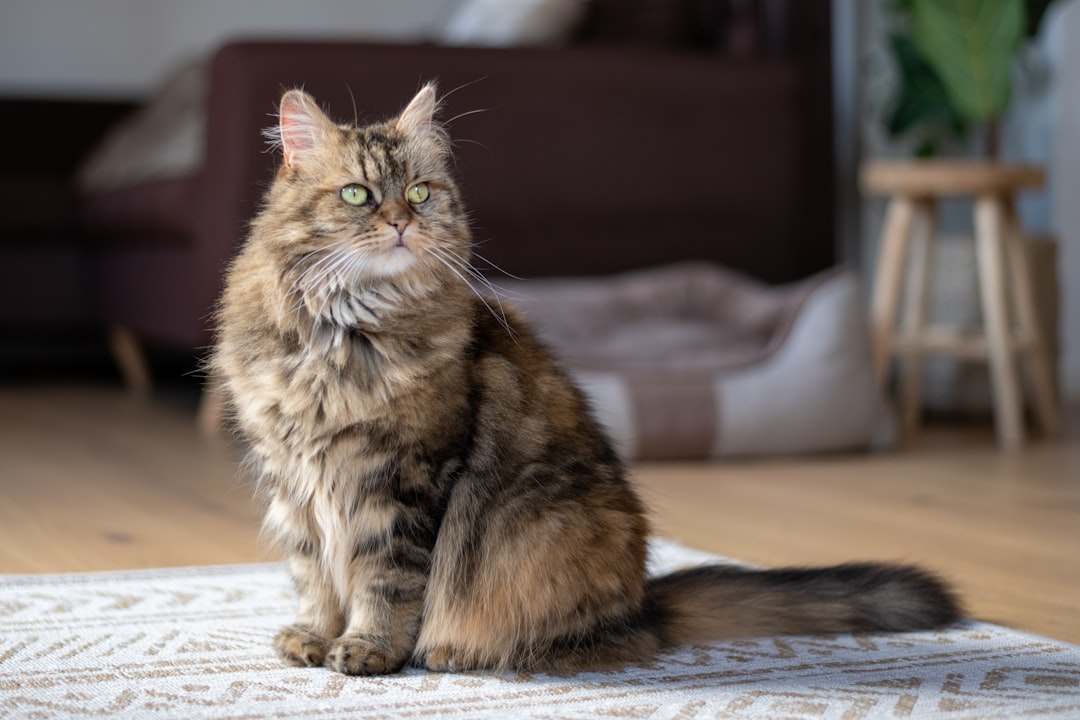
When it comes to vocal cats, the Maine Coon is a true chatterbox known for their melodic chirps and trills, rather than the typical meows you might expect. Their vocals are not thunderous meows so much as melodic chirps and trills, almost as if the Maine Coon speaks in questions, with the inflection rising at the end of each trill.
Maine Coon cats are the champions of chirping, and this fluffy and super-sized cat breed is renowned for warbling from the windowsill at backyard birds. Their chirps and trills are often a sign of happiness and contentment, making their conversations feel more like musical performances than demanding requests for attention.
4. Bengal – The Wild Talker with Jungle Sounds

Bengal cats bring a touch of the wild with their unique vocal range, making sounds that resemble jungle noises. Bengals are absolutely beautiful cats and not only do they enjoy a nice meow, they also like to be really loud! Bengals have a similar behavior to watch dogs interestingly, so they will meow when strangers come to the door.
Bengal cats are not only visually striking but also vocally impressive, making various sounds, including meows, chirps, and even yowls, with these vocalizations reflecting their active and playful personality, often used to express their needs or desires. Although they look wild, the Bengal cat breed is nothing but a snuggle monster with a fancy rosette coat, and these exotic fur babies like to meow back to their hooman’s questions and chirp at any and all passing birds.
5. Sphynx – The Hairless Chatterbox
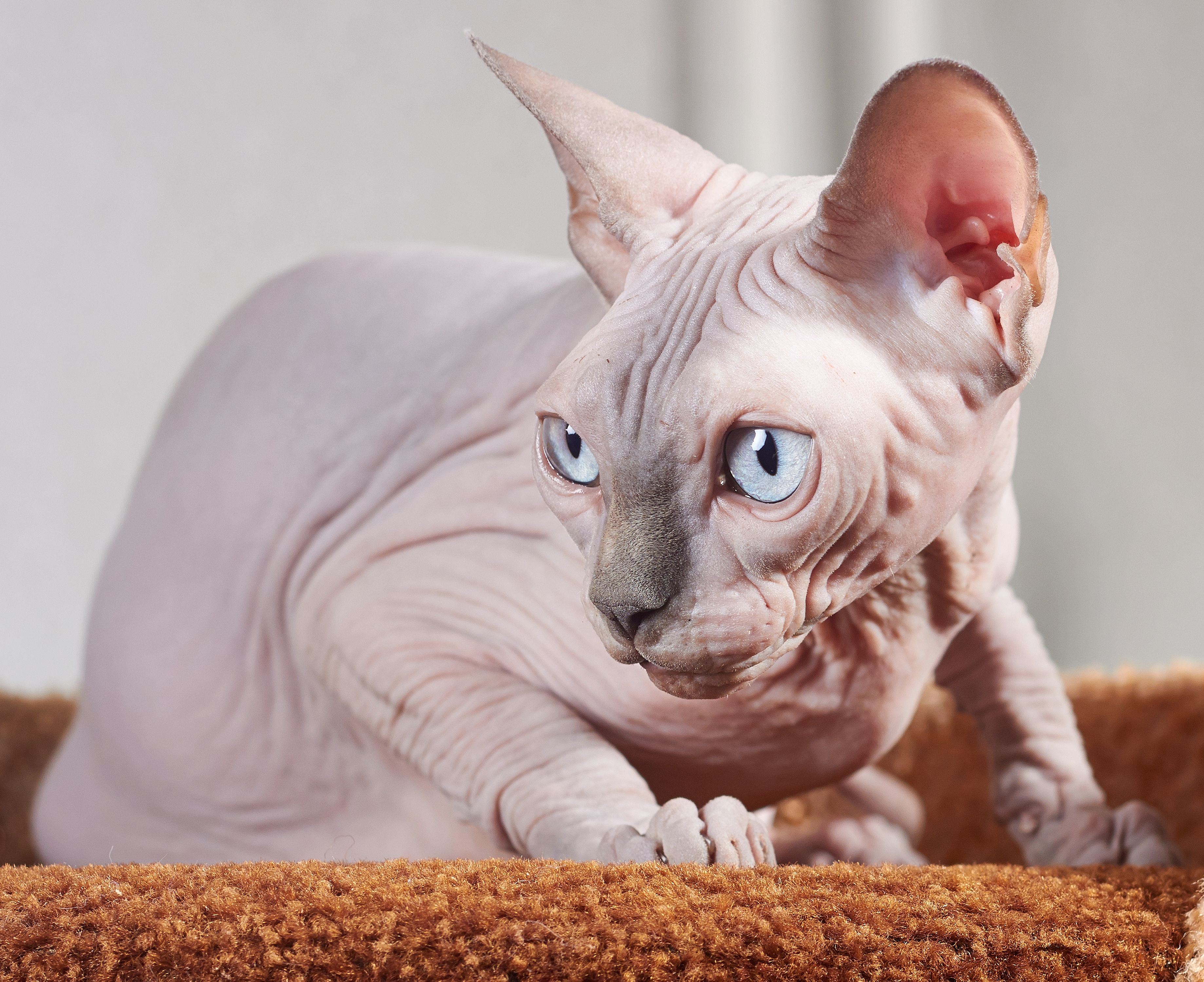
Sphynx cats are known to have a rather raspy voice, and this breed can be quite demanding and insistent with their vocalisation – they purr, meow, sing and chirp in a range of tones. Their talkative nature is likely due to their intense desire for social interaction with their human family, as Sphynx are known as “Velcro cats” because they stick close to your side always.
The weird but wonderful Sphynx cat breed likes to tell you stories, and these unique, affectionate and very vocal cats can regale you for hours as they snuggle for warmth with their favourite hooman. The distinctive Sphynx cat is known for its lack of fur and love of conversation, often meowing to initiate interaction and keep the conversation going, reflecting their friendly and affectionate demeanor.
6. Tonkinese – The Inherited Talker
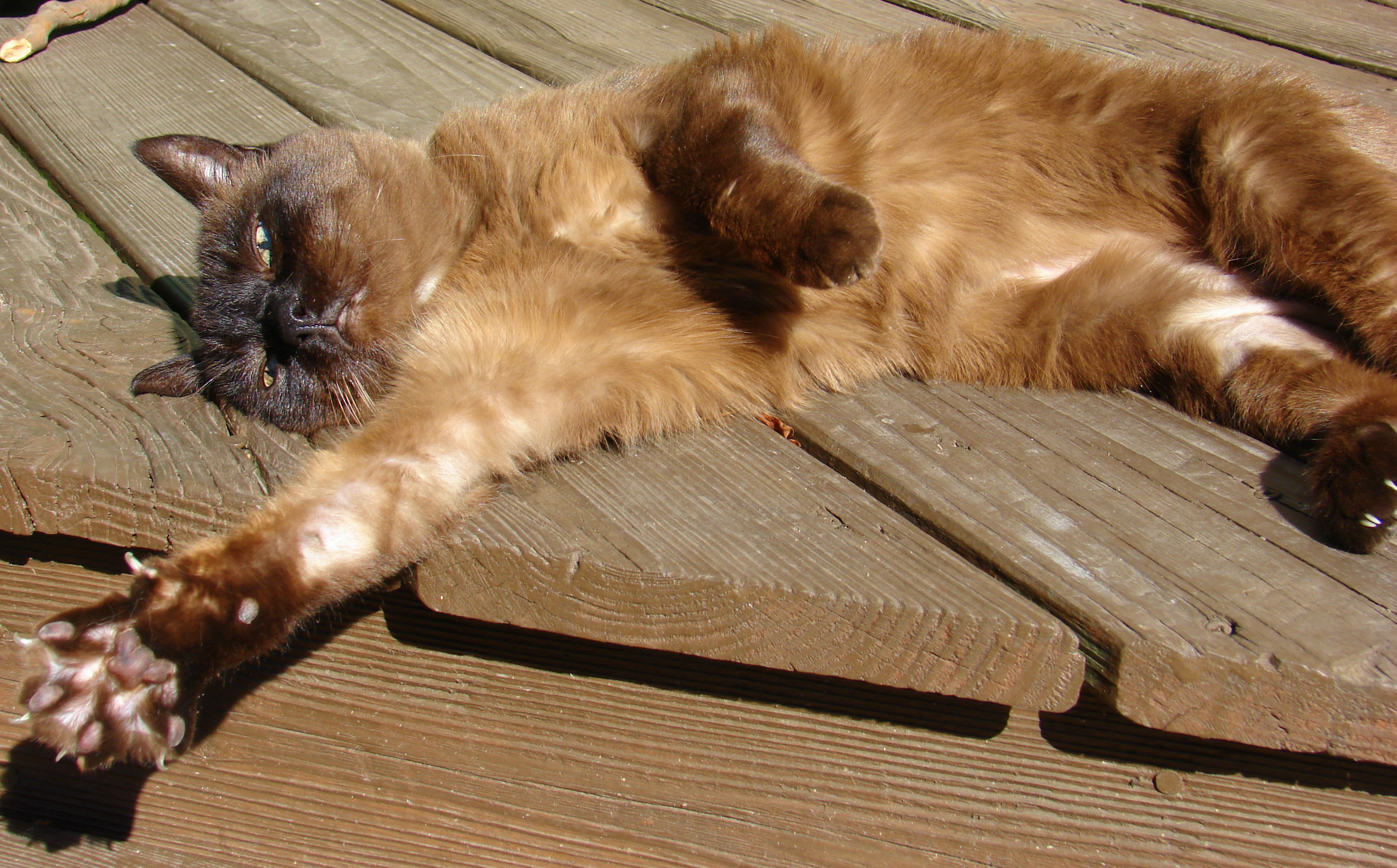
The Tonkinese is a combination of two vocal breeds – the Siamese and the Burmese – so it makes sense that the Tonkinese inherited a chatty nature, and like the parent breeds, Tonkinese are affectionate and people-oriented cats who love to be wherever you are. Charmingly, Tonkinese will almost always answer you if you speak directly to them, but they are capable of quiet moments too, using several different sounds when talking to their people, including meowing, chirping, and trilling.
The alluring Tonkinese cat has inherited their Siamese forefathers’ gift of the gab and is one of the most vocal cat breeds you will come across, with the playful nature of the Tonkinese meaning that any game of fetch will be accompanied by a generous amount of commentary. This cat loves to talk, talk, talk, and also unleashes a powerful purr, rushing to the front door to greet visitors and welcome them with plenty of chatter.
7. Turkish Van – The Swimming Cat’s Vocal Nature
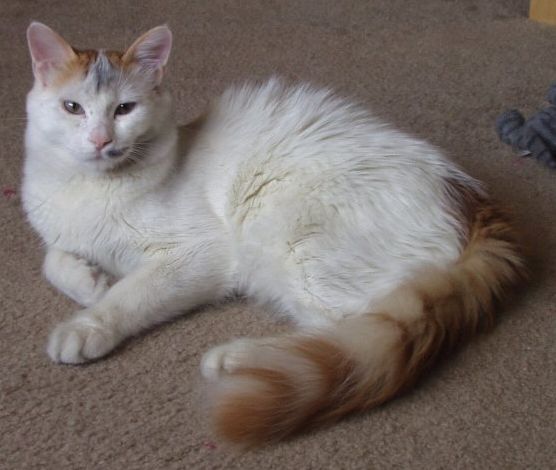
Turkish Van cats are very vocal and will happily talk your ear off in a multitude of tones. Although they do not have loud voices, these cats are quite vocal and have a great deal to say for themselves, and you will know when yours is nearby because you’ll hear it “talking”.
Turkish Vans have a very musical quality to their sounds, making their incessant talking easy to acclimate to. Turkish Van cats are moderately vocal and are known to communicate their needs and feelings but do not typically meow excessively, with their meows often being meaningful and used to interact with their family members when they need attention or food.
8. Japanese Bobtail – The Singing Cat
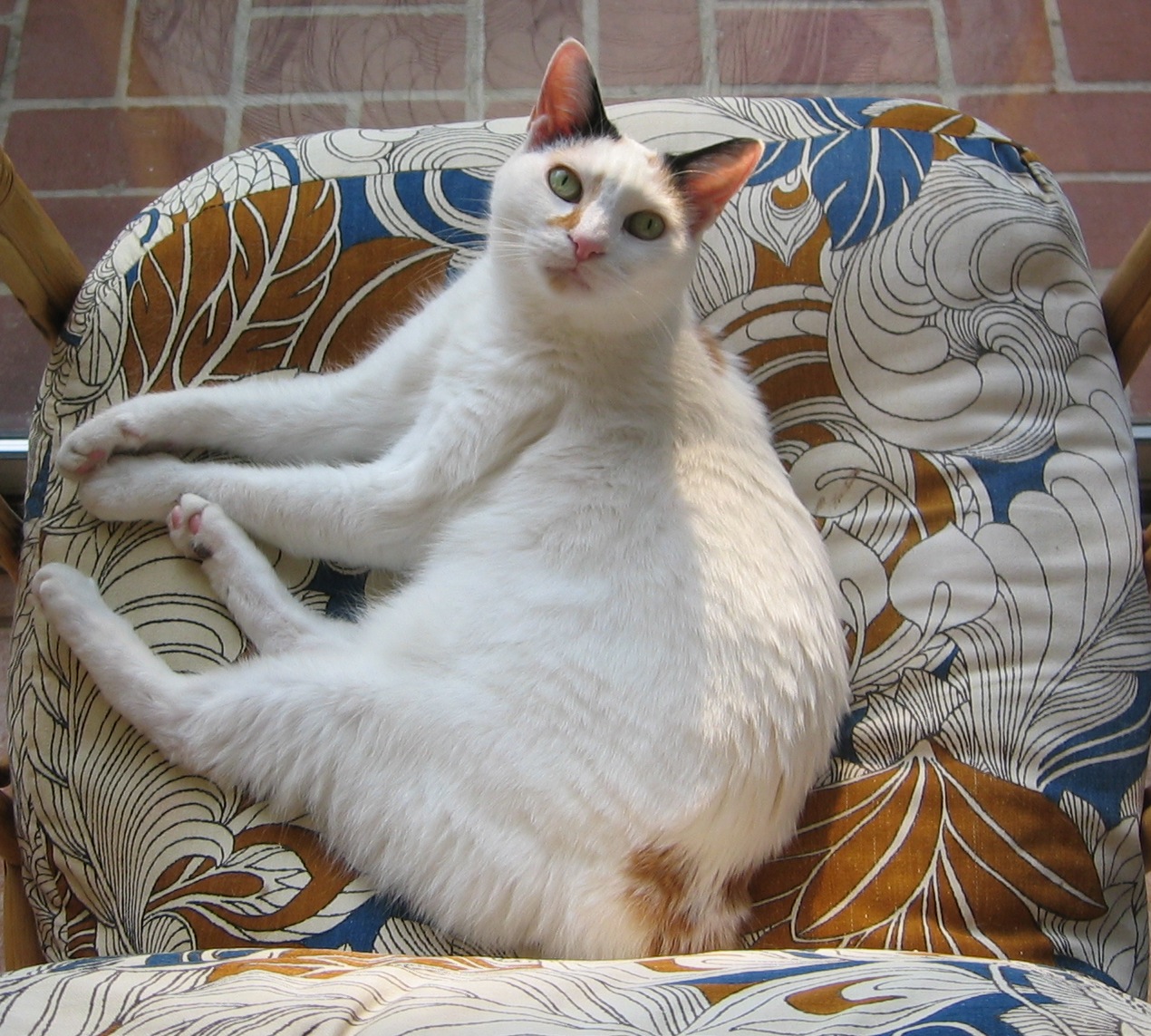
Considered an unusually “talkative” breed, they often interact vocally with people, with their soft voices capable of nearly a whole scale of tones, leading to a folk belief that they can sing. Japanese Bobtails are talkative, with voices described as almost songlike, communicating with a wide range of chirps and meows.
They enjoy companionship and have loving, outgoing personalities and love to talk to you with a large vocabulary of soft chirps and meows. Bobtails commonly follow their people around the house, conversing with them through melodious chirps and meows, turning everyday activities into shared conversations.
9. Burmese – The Sweet-Voiced Conversationalist
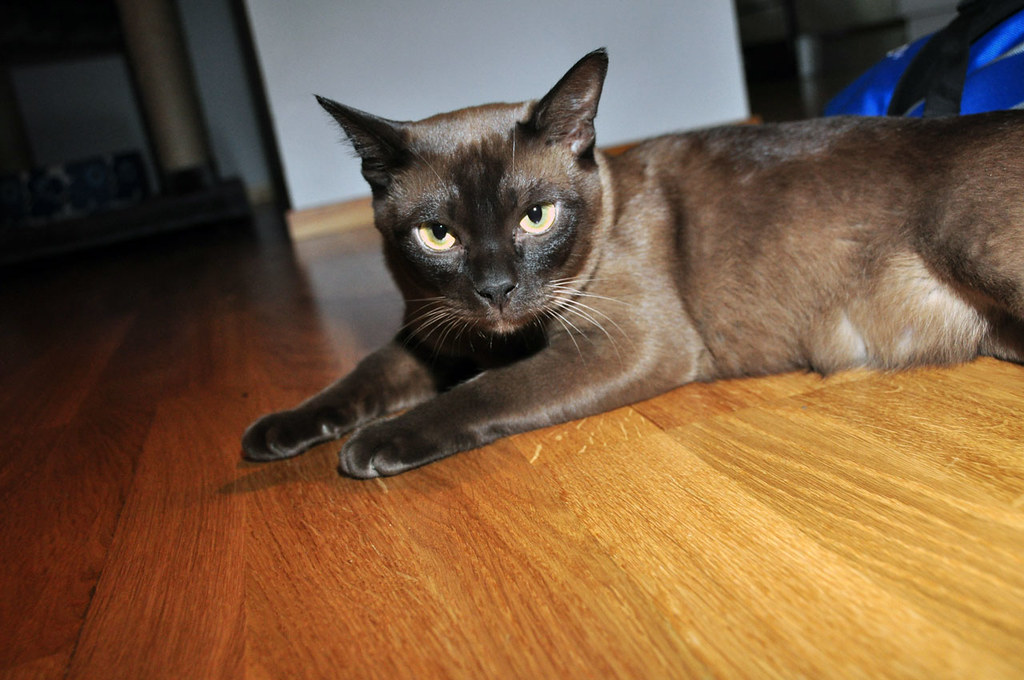
Unlike the intense and insistent yowl of the Siamese, the Burmese has a softer, sweeter voice that mostly consists of gentle meows and trills. The Burmese cat breed can be just as chatty as the Siamese, but they tend to be slightly more polite, opting for musical meows over the dramatic reow of their Siamese cat kin.
Burmese cats are known for their affectionate nature and their love of conversation, typically having a sweet, soft voice and are known to vocalize to seek attention or to show affection to their owners. Their gentler approach to conversation makes them perfect for families who want a chatty cat without the drama of more demanding breeds.
10. Siberian – The Russian Chatterbox
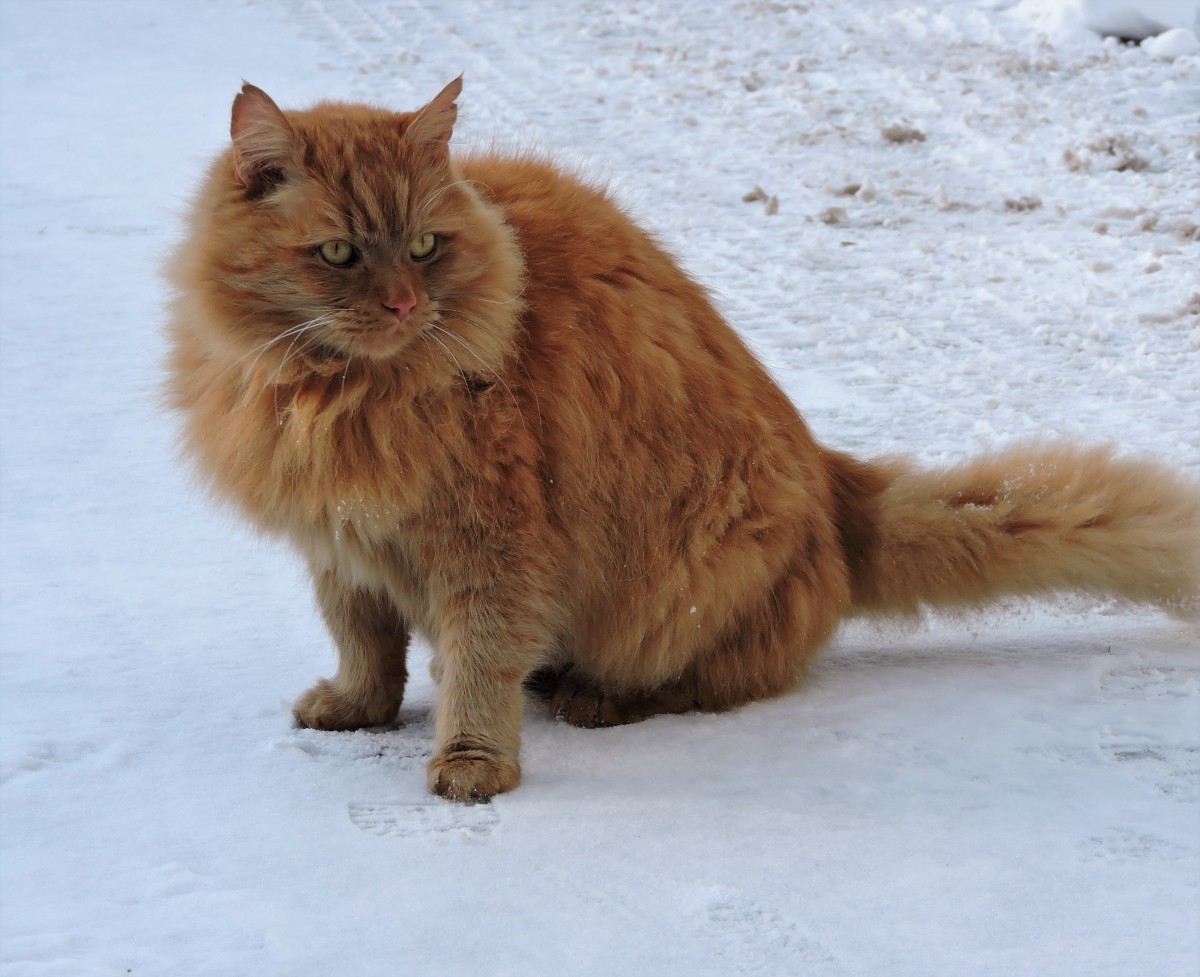
The Siberian loves to talk, follow around his favorite people and soar in the air for toy mice. Siberian cats prefer to vocalize in purrs, chirps, and mews rather than louder tones, making their conversations feel more intimate and personal.
They’re pretty active cats, and they can be quite vocal, though their approach is more conversational than demanding. These gentle giants from Russia have developed their vocal skills alongside their impressive physical presence, creating a perfect balance of size and sound.
11. Turkish Angora – The Attention-Demanding Vocalist
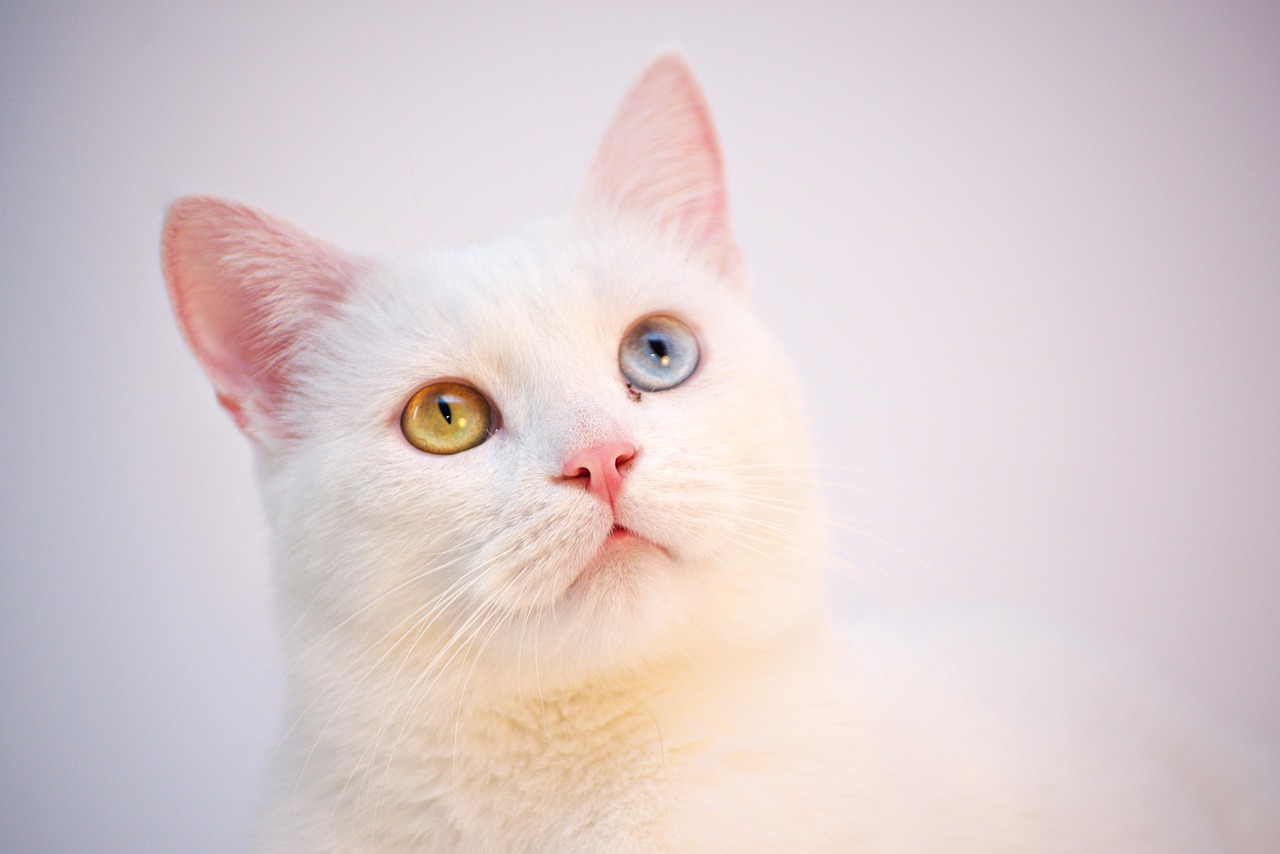
Turkish Angora cats are well known for being one of the more vocal cat breeds, with a wide range of meows that they use to communicate with their owner, usually showing off their vocal talents when they are demanding attention. Their aristocratic heritage shows in their refined yet insistent way of making their needs known.
Sporting a royal heritage, the Turkish Angora hails from the mountains of Turkey and was historically prized by European nobility before being introduced to the United States, and this cat loves to talk, talk, talk. Their royal background seems to have instilled in them a sense that their voice should always be heard and respected.
12. Abyssinian – The Soft-Spoken Chirper
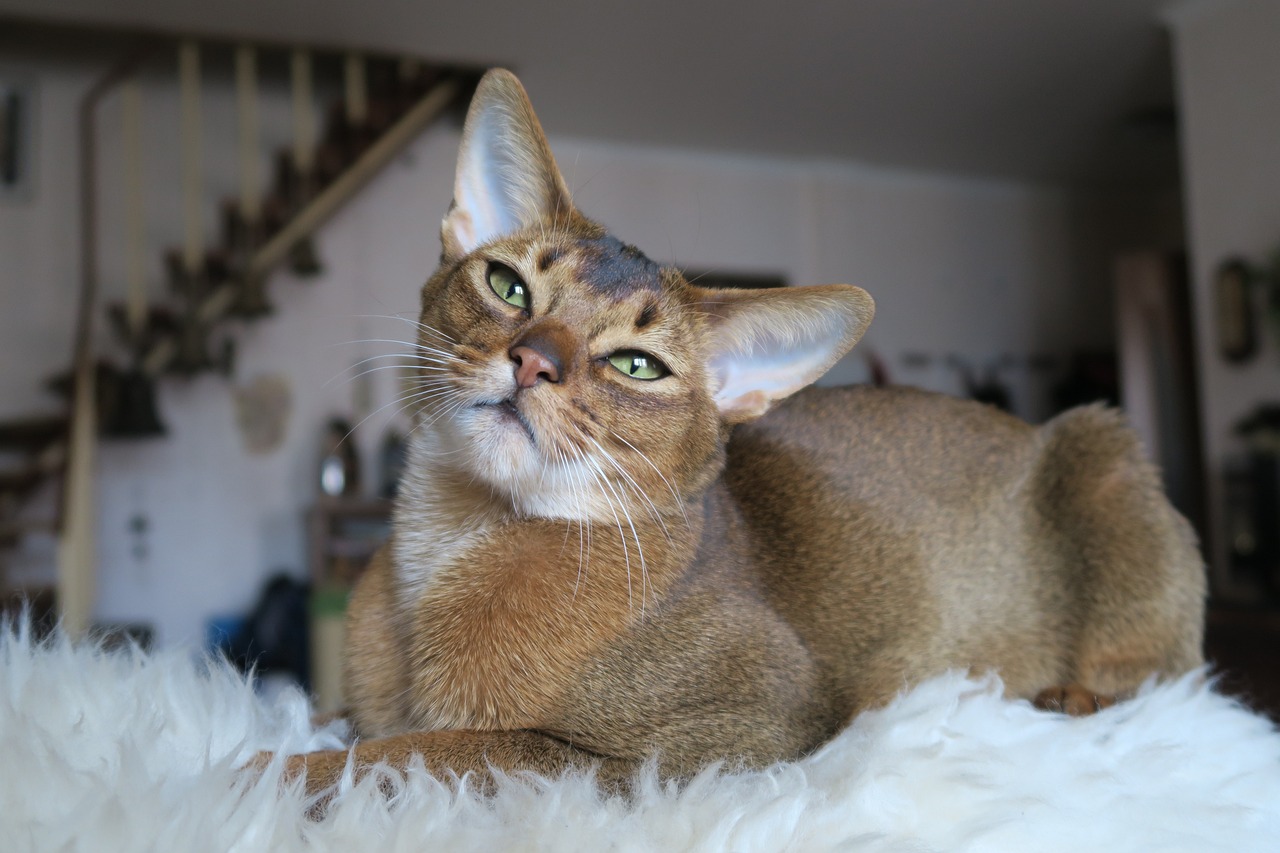
They have soft chirrup-like vocalizations which do not sound like the expected “meow”. Abyssinians are not the loudest cats, but they are undoubtedly communicative, tending to vocalize in soft, chirping sounds, especially when happy or excited, making them delightfully chatty companions.
They are a highly social breed and can be demanding of attention, doing well in multi-cat households due to their social nature. While their voice might be softer than other breeds on this list, their constant need for interaction and their unique chirping sounds earn them a place among the most talkative cat breeds.
Conclusion
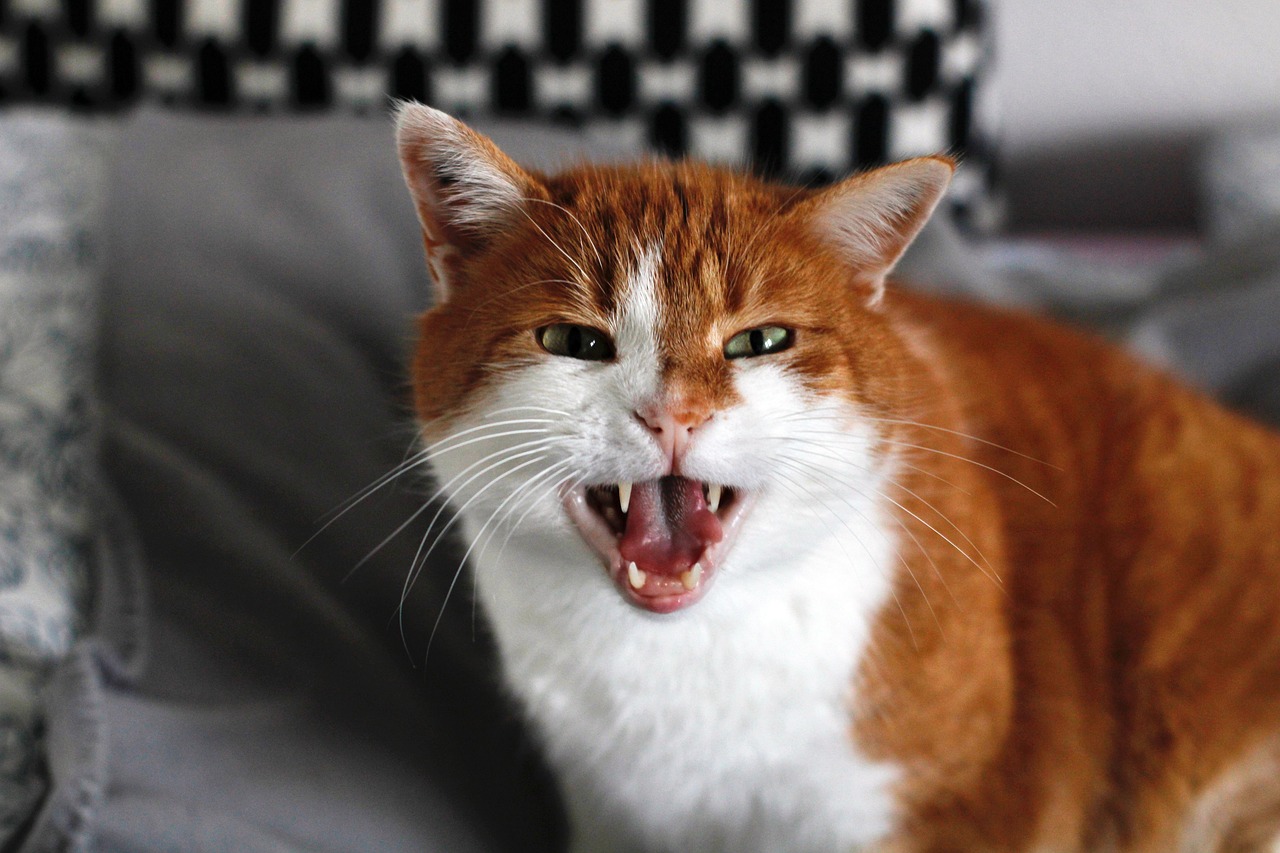
These twelve vocal virtuosos prove that cats have far more to say than we often realize. From the demanding conversations of the Siamese to the gentle chirps of the Abyssinian, each breed brings its own unique style to feline communication. Whether you’re seeking a constant companion who narrates your day or a chatty friend who greets you with enthusiasm, these talkative breeds offer endless entertainment through their vocal performances.
Remember that individual personalities vary within breeds, so while genetics play a role in vocalization, each cat develops their own communication style. Living with a vocal cat means embracing the chatter, responding to their conversations, and appreciating that they see you as worthy of their ongoing commentary. What do you think – would you welcome one of these chatty companions into your home, or do you prefer the strong, silent type?