Cats are fascinating, mysterious, and wildly misunderstood creatures. For thousands of years, humans have been spinning tales about them, some charming, some bizarre, and more than a few genuinely dangerous to the animals we claim to love. You’d think that in 2026, with all the science and veterinary knowledge available to us, we’d have sorted most of this out by now. Honestly? We haven’t.
For centuries, cats have captured human imagination, spawning countless myths, superstitions, and misconceptions that persist even today. These widespread beliefs about our feline companions often influence how we care for them, sometimes to their detriment. What’s more troubling is that many of these myths aren’t harmless folklore. They directly affect how people feed, house, train, and treat their cats every single day. So let’s set the record straight, once and for all. Let’s dive in.
Myth 1: Cats Are Cold, Independent, and Don’t Need Affection
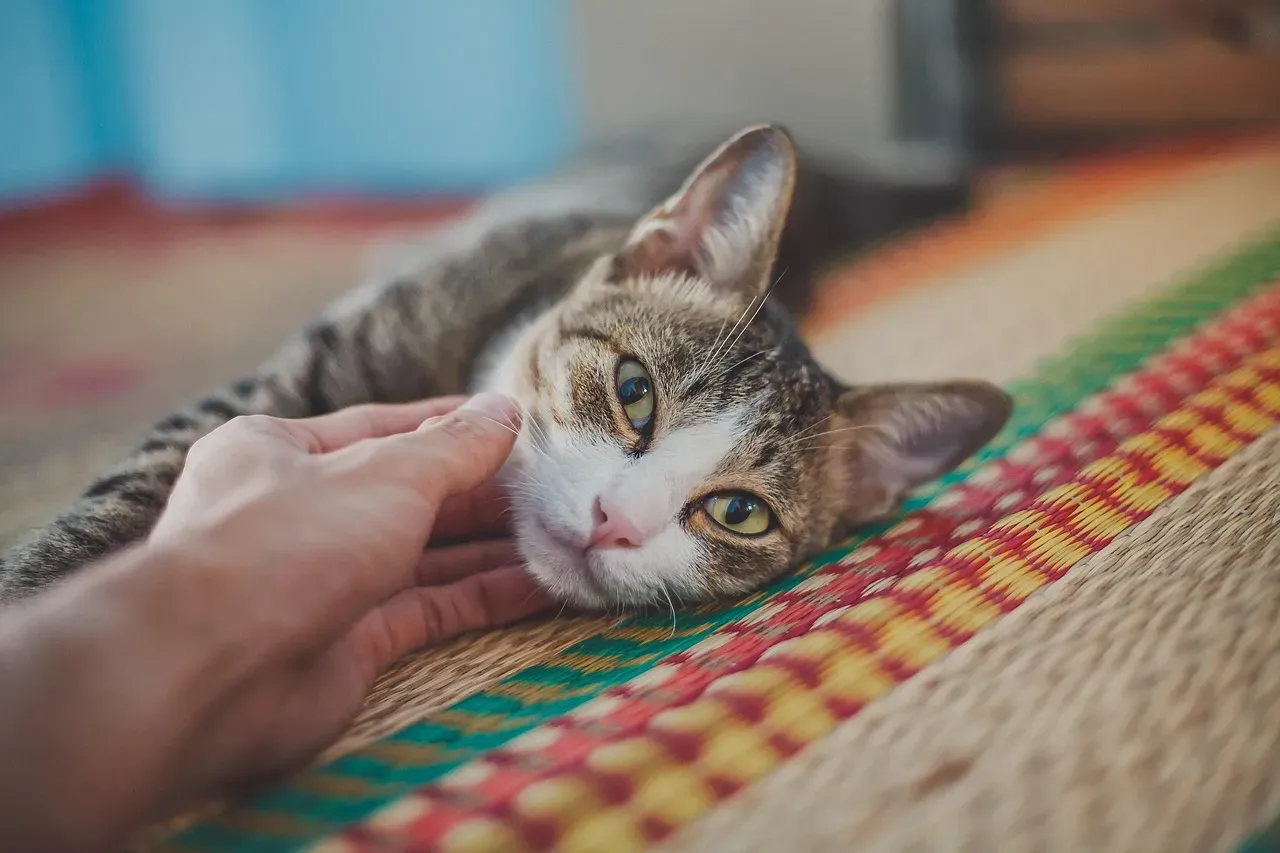
This is probably the most damaging myth of all, and it starts with a fundamental misreading of cat behavior. One of the most persistent myths about cats is that they’re cold, distant creatures who don’t form strong bonds with their human companions. This misconception often leads people to choose dogs over cats when looking for an affectionate pet. The result? Cats in millions of households are being denied the social interaction they genuinely need.
The truth is that cats bond with their people, often just as much as dogs do. Studies show that most cats create strong attachments to their guardians and experience feelings of comfort and safety by being around them. Cats show their love in many ways, like purring, kneading, slow blinking, rubbing up against your legs, and following you from room to room. It’s not that they don’t love you. It’s that they love you differently, and if you miss those signals, you’ll miss the relationship entirely.
Myth 2: Cats Are Low-Maintenance Pets That Take Care of Themselves
People’s expectations of cats and their ability to interpret their behavior are influenced by pervasive myths that often paint cats as ‘low maintenance, self-sufficient’ animals, in stark contrast to other popular pets. This belief sounds convenient, but it quietly sets cats up for neglect. Thinking your cat is just “fine on its own” is like assuming a houseplant doesn’t need water because it hasn’t died yet.
While cats have a reputation for being independent, they need just as much care as dogs do. Regular vet visits, daily exercise and mental enrichment, and plenty of positive attention from their guardians are all essential to a cat’s well-being. Cats that are housed exclusively indoors need a lot of enrichment in order to stay happy and healthy. Sunny windows, interactive cat toys, quality food, and clean litter boxes will keep your cat happy. Skipping any of these isn’t a minor oversight. It’s a welfare failure.
Myth 3: Milk Is a Healthy Treat for Cats
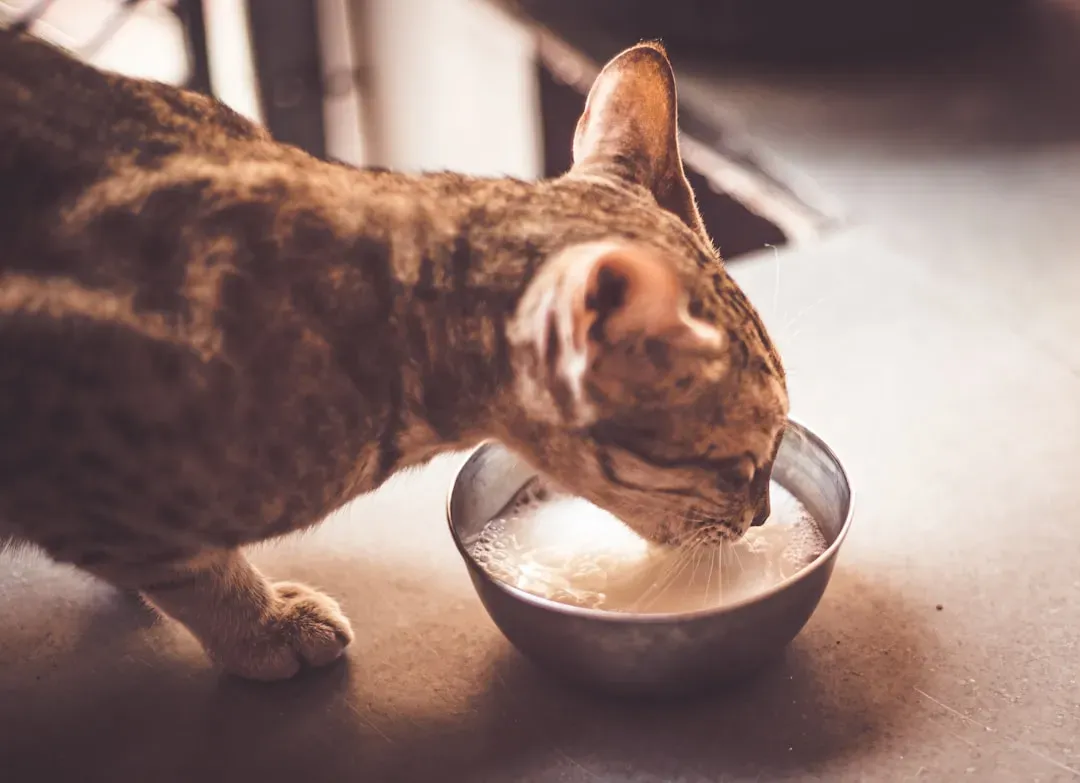
You’ve seen it a thousand times in cartoons and old movies: a cat blissfully lapping at a saucer of milk. It’s practically iconic. It’s also a health hazard. Contrary to popular imagery of cats happily lapping up bowls of cow’s milk, most adult cats are actually lactose intolerant and should not consume dairy products. This widespread misconception has led countless well-meaning owners to offer milk as a treat, often resulting in digestive upset for their feline companions.
Kittens naturally produce the enzyme lactase to digest their mother’s milk, but most cats lose this ability as they mature. When adult cats consume cow’s milk, it can cause stomach upset, diarrhea, and other gastrointestinal issues. For cats that enjoy milk-like treats, specially formulated cat milk products are available that are lactose-free and safer for feline consumption. So before you reach for that carton, think twice. Your cat’s stomach will thank you.
Myth 4: Declawing Is Just Like Trimming Nails
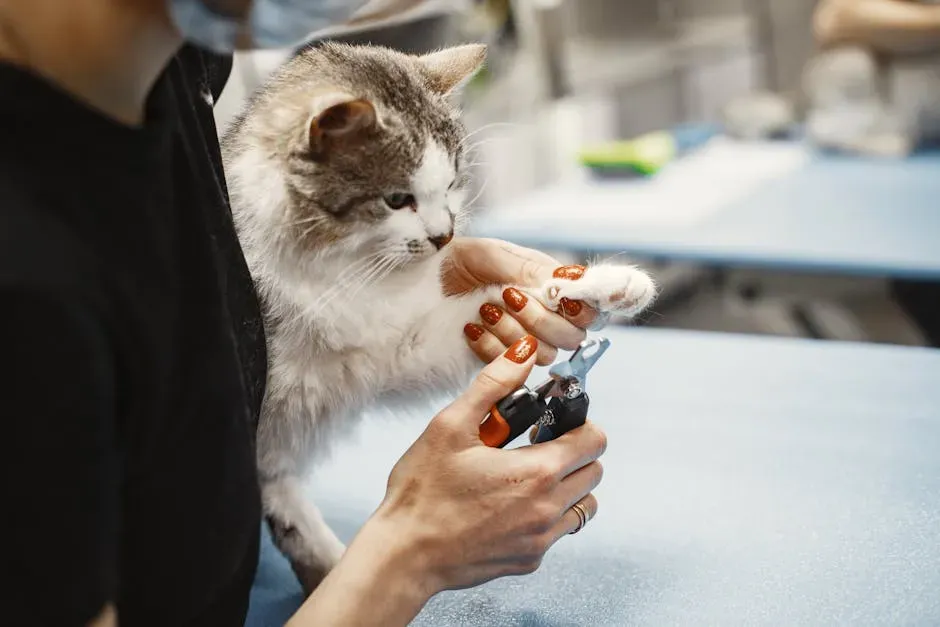
Here’s the thing: this myth isn’t just wrong, it’s actually cruel. Declawing is a surgical procedure that would be the equivalent of amputating your fingers at the knuckles closest to the fingertips. Unless a vet recommends the procedure for a medical reason, you should never declaw your cat, as it leads to long-term pain that your cat will have to deal with for the rest of their life, as well as potentially long-term behavioral issues.
This excruciating procedure robs cats of vital mobility and self-defense abilities. Without claws for grasping, pain-free walking is impaired long-term. Behavior issues frequently arise post-declaw as well. There are humane alternatives for directing scratching activity, making amputation absolutely unnecessary. A scratching post, nail caps, or regular trimming are all you need. There is truly no reason to put your cat through that kind of permanent harm.
Myth 5: Cats Always Land on Their Feet

Cats do have a remarkable ability to orient themselves mid-fall, and it’s genuinely impressive. The misconception that cats always land on their feet “may be thanks to a cat’s ‘righting reflex,’ an internal balancing system, combined with very flexible backbones, which allows him to twist his body the right way midfall.” However, these systems are not foolproof, and during a short fall, a cat may not have enough time to react, resulting in a clumsy fall.
Veterinarians use the term “high-rise syndrome” to describe cat injuries sustained from falls, including sprains, bone fractures, and even respiratory issues. Contrary to popular belief, cats are more apt to be injured from low heights than high because they don’t have time to turn or twist their bodies into the necessary position for a safe landing. I know it sounds crazy, but a fall from a second-floor window can actually be more dangerous than one from a higher floor. Don’t test that theory either way.
Myth 6: A Purring Cat Is Always a Happy Cat
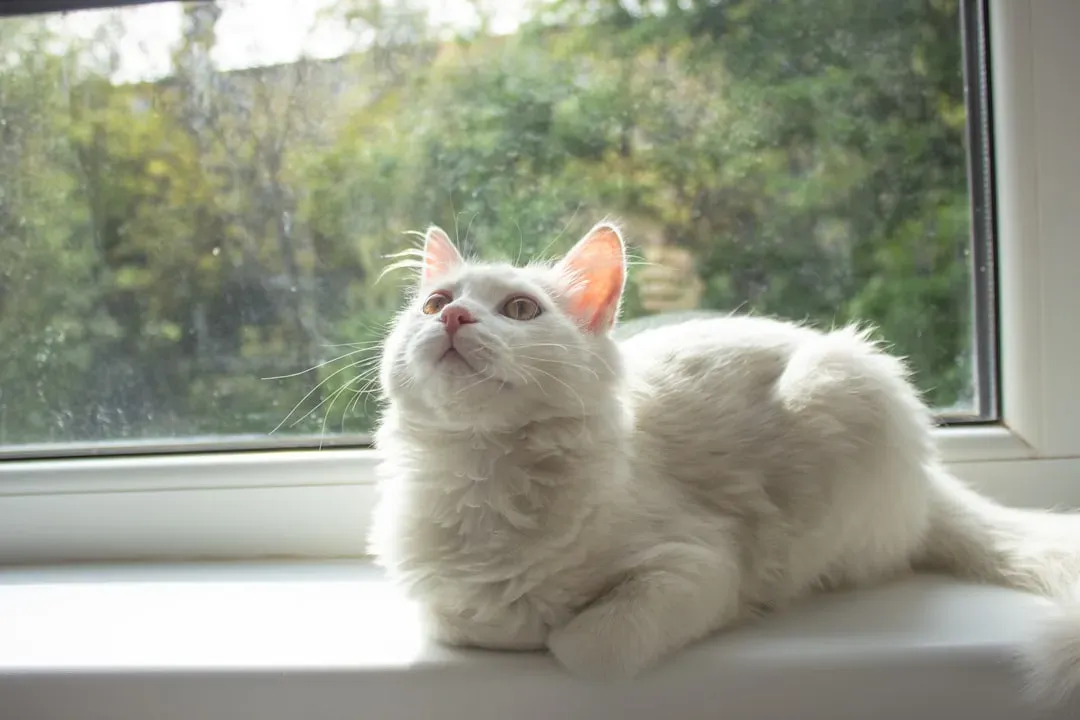
Purring is one of those sounds that just instantly makes you relax, right? There’s something deeply soothing about a rumbling, contented cat. The problem is, purring doesn’t always mean contentment. While cats definitely purr when they are happy, they also purr when they feel sick, are in pain, or are afraid. Mistaking distress signals for happiness is one of the easiest ways to miss a cat that needs your help.
Purring releases endorphins. A cat in pain may purr to self-medicate. Like a smile, it may also be an attempt at appeasement in a “threatening” situation when they’re scared. It’s essential to observe other behaviors to understand how your cat truly feels. Think of it as your cat’s version of a poker face. Just because they look calm doesn’t mean everything is fine.
Myth 7: Indoor Cats Don’t Need Vet Visits
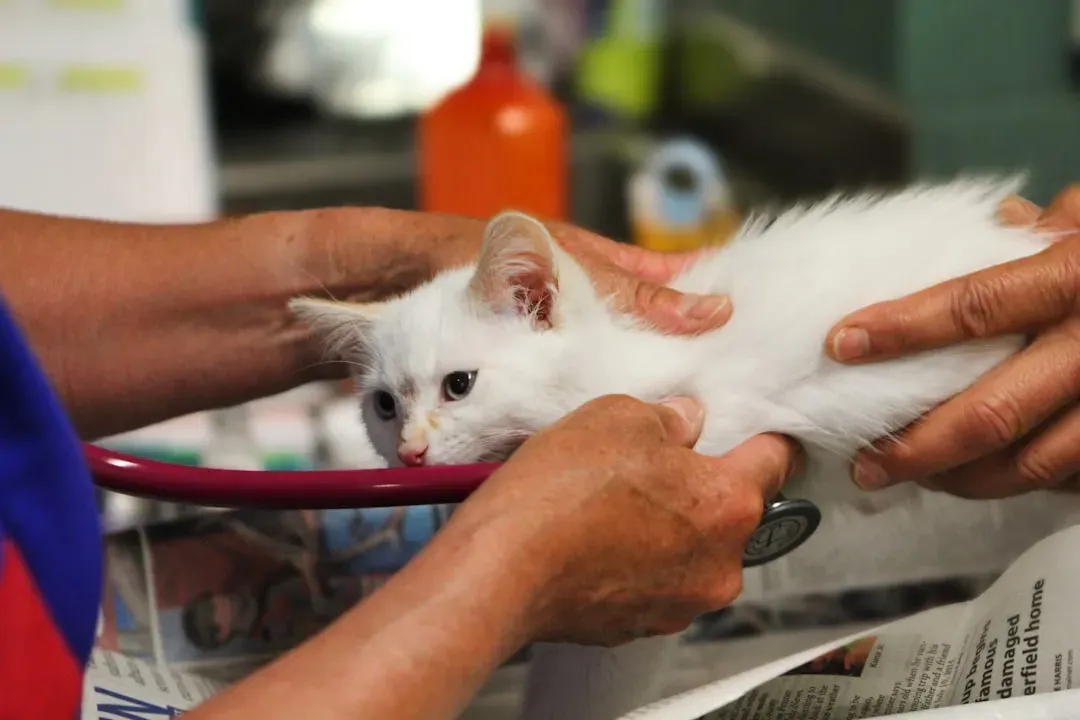
Some folks think indoor cats don’t need regular vet check-ups. This isn’t true. Indoor cats face health risks just like outdoor cats do. They can develop dental issues, obesity, and even kidney disease. Regular vet visits catch these problems early. This myth is sneaky because it masquerades as common sense. The logic seems reasonable on the surface: if your cat never goes outside, what could go wrong?
Your cat needs annual wellness check-ups, vaccines, dental exams, and nutritional consultations, just like we do. Kittens may need several visits in their first year for vaccinations. Adult cats generally benefit from annual check-ups, while senior or special-needs cats might require more frequent visits. Skipping the vet because your cat seems fine indoors is a bit like skipping your own doctor’s appointments because you haven’t left the house. Problems still happen.
Myth 8: Cats Don’t Need Exercise or Play
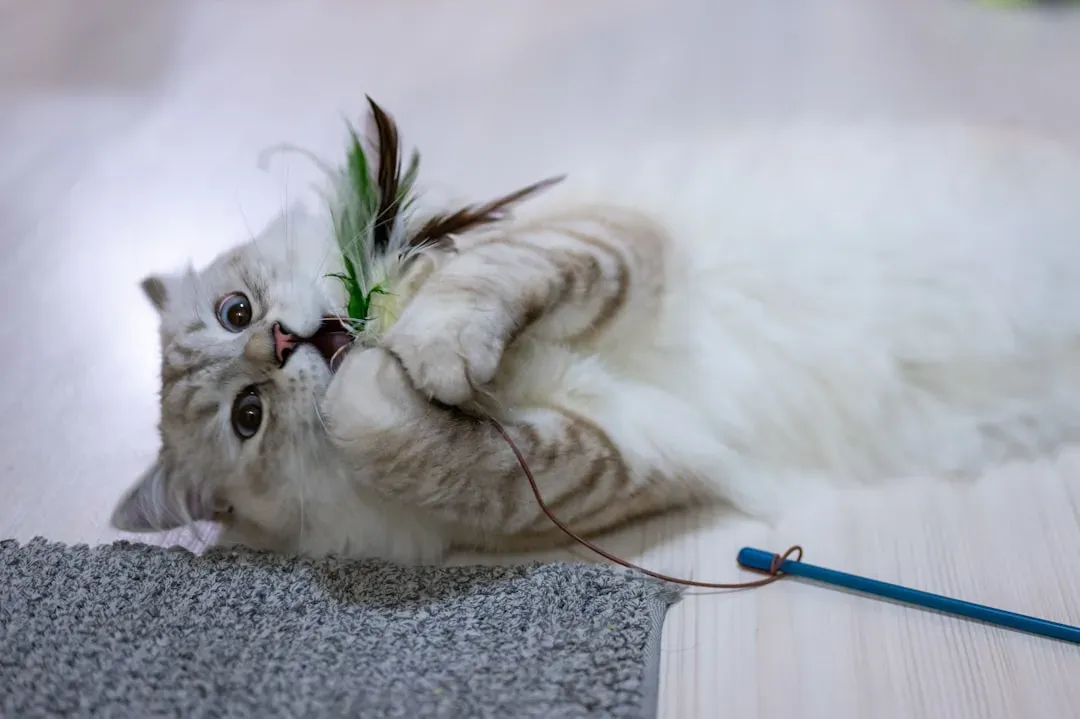
This myth likely stems from observing cats’ frequent napping and seemingly sedentary lifestyle. The truth is that cats are natural predators designed for bursts of activity. In the wild, they would spend significant energy hunting, climbing, and exploring. Domestic cats retain these instincts and need regular exercise to maintain physical and mental health. Laziness in your cat is sometimes a sign of boredom rather than personality.
Without adequate exercise, cats can develop obesity, muscle weakness, behavior problems, and even depression. Experts recommend at least two 15-minute play sessions daily for indoor cats. Interactive toys that mimic prey movement are particularly effective at engaging your cat’s natural hunting instincts. Think of playtime not as optional entertainment, but as essential medicine. Your cat’s body and brain both depend on it.
Myth 9: Cats Can’t Be Trained

This one genuinely baffles me, because cats are incredibly intelligent animals. Yet the myth that they are impossible to train persists everywhere you look. It is a misconception that training is not possible or relevant for cat welfare. Cats are trainable; the current world record for the number of tricks performed by a cat in one minute is 26. It’s not just possible; it’s highly beneficial to the cat, for a number of reasons.
Cats are just as trainable as dogs. Most people do not train their cats because they don’t know how or have heard the myth that cats don’t listen or learn. But cats love training and learning just like dogs. Experts recommend teaching your cat to go inside of its carrier. This trick can decrease the stress associated with visiting the vet and could prove lifesaving in an emergency situation. Training strengthens your bond and sharpens your cat’s mind. It’s a win on every level.
Myth 10: Cats Are Totally Solitary Animals With No Social Needs
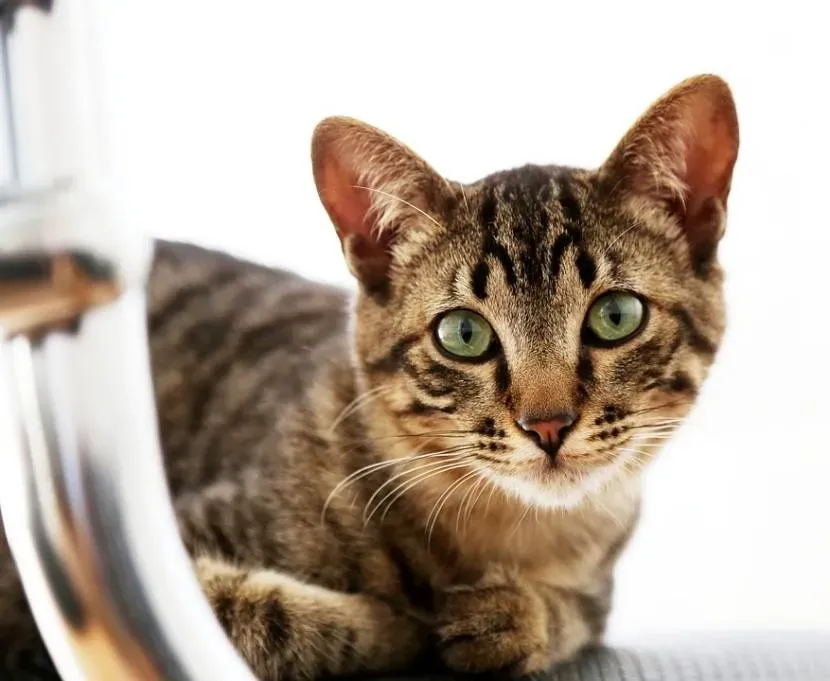
Let’s be real: the image of the lone, self-sufficient cat has been romanticized to the point of harm. Owners are inclined toward agreement that ‘cats are independent’ and ‘have less social needs than other animals.’ Beliefs such as these are not supported by the scientific data on cat social behavior and may result in failure to meet cats’ individual social or environmental needs. Believing this myth means cats are regularly left without companionship they actually need.
Many cat caretakers assume that their pets do not need opportunities to interact with novel stimuli or experience diverse social interactions. Growing scientific evidence suggests that early exposure to other cats, humans, and a variety of environmental stimuli can benefit a cat’s social behavior and overall cognitive development. A cat’s history of social exposure and access to diverse social stimuli early in life is a significant predictor of their social behavior and welfare. In short, isolation isn’t independence. It’s deprivation.
Myth 11: Black Cats Bring Bad Luck
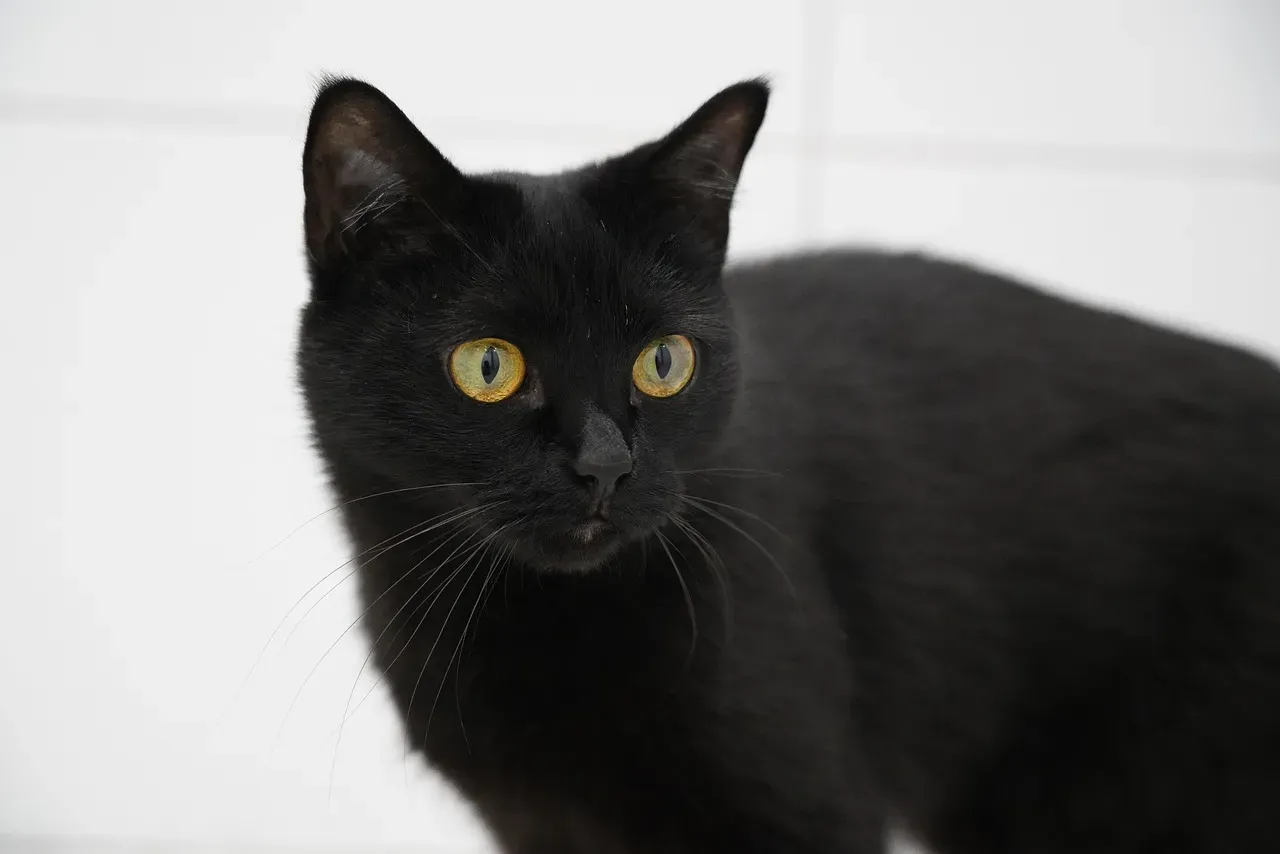
This myth has haunted black cats for centuries, quite literally. Their long history with people remained mostly positive until the hysteria surrounding witches began. Cats were cared for by single women who were then accused of witchcraft. People believed that these cats were helping witches with their evil deeds. They also believed that black cats were witches in disguise. Superstition born from fear became embedded in culture, and it has had real consequences.
This harmful myth has real consequences, as black cats are often the last to be adopted from shelters and the first to be euthanized. In reality, a cat’s fur color has absolutely no bearing on luck, personality, or behavior. In many cultures throughout history, black cats were considered good luck. They were revered in ancient Egypt and are still considered fortune-bringers in Japan, Scotland, and parts of the UK. The pigmentation that causes black fur, melanin, may even provide some health benefits, and some research suggests that genes associated with black coat color might offer increased resistance to certain diseases. A black cat isn’t a bad omen. It’s just a cat that deserves a home.
Myth 12: Cats Misbehave Out of Spite or Revenge
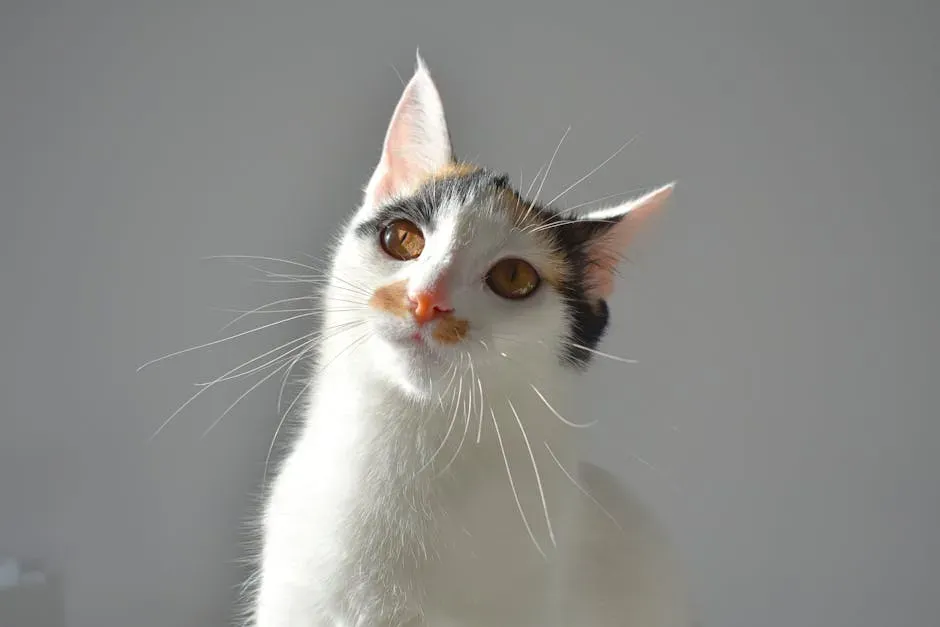
You come home to find something knocked off the shelf or the litter box ignored. Your first instinct? Your cat is punishing you for leaving. It’s a very human interpretation, and it’s completely wrong. For a cat to act out of spite or revenge would require a long list of thoughts and feelings. Those are human reactions, which cats aren’t capable of. A cat’s thoughts and communications are different from people when they are trying to communicate a need.
If your cat is soiling outside the litter box, they may have a medical issue that needs to be treated. This is a myth that causes serious damage. There are many reasons cats soil outside their litter box. Those reasons fall into one or more of these categories: it’s either a medical issue, an emotional or stress issue, or a problem with the litter box setup. Positive punishment of cats, such as responding with loud verbal reprimands or hitting cats in response to unwanted behaviors, is counterproductive, eliciting or exacerbating behavior problems such as biting or scratching. When your cat acts out, it’s asking for help. Listen instead of punishing.
The Truth About Our Cats Deserves Better Than Myths
Here’s what it really comes down to: every single one of these myths, whether about milk, declawing, independence, or black fur, has the power to quietly harm the animals living in our homes. Cats are among the most popular pets worldwide, but there are still major gaps in the public’s general understanding of their social behaviors and related needs. In addition to these knowledge gaps, people often have negative or ambivalent attitudes about cats, which can directly impact their welfare outcomes.
You don’t have to be a vet or a feline behaviorist to do better. You just have to be willing to question what you’ve always assumed was true. These myths about cats’ physical, psychological, and social needs have life-or-death consequences. A better understanding of cat behavior, and an appreciation for each cat’s individuality, will benefit cats as well as caretakers. Your cat can’t correct the record on your behalf. Only you can do that.
So the next time someone tells you their cat is “just being a cat” while clearly struggling, or reaches for a bowl of milk to offer as a reward, gently share what you know. These aren’t minor misunderstandings. They’re the difference between a cat that merely survives and one that truly thrives. Which kind of life do you want for yours?