Ever think your cat loves everything you do? Think again. Your feline friend has a whole list of grievances they’d share if they could talk. Cats are mysterious little creatures with their own set of preferences, dislikes, and boundaries that we often cross without realizing it. What seems like affection to us might feel like torture to them.
You might believe you’re the perfect cat parent, but chances are you’re doing at least a few things that make your kitty silently judge you from across the room. Let’s uncover the everyday habits that might be driving your clever cat absolutely bonkers.
Staring Directly Into Their Eyes
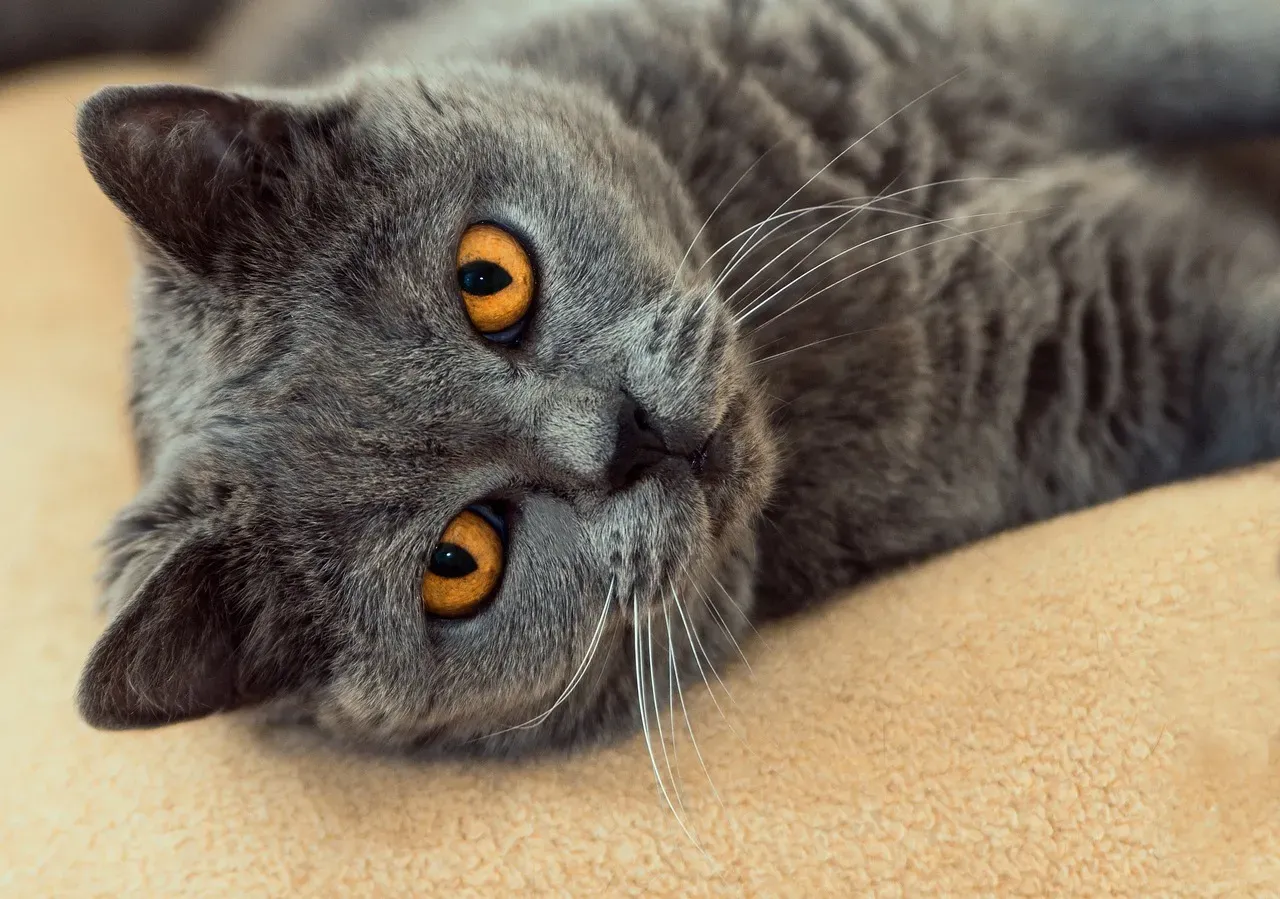
Here’s the thing about eye contact with cats. While you might think locking eyes with your furry companion is a sweet bonding moment, in kitty-speak maintaining eye contact is seen as a show of dominance or aggression. Your cat interprets that loving gaze as a challenge or even a threat.
Direct eye contact is an important form of communication between cats. A hard stare can be the first stage in a confrontation. So when you stare intensely at your cat, they’re wondering why you’re trying to pick a fight. Instead, try the slow blink technique, which in cat language means “I trust you and feel safe around you.”
Touching Their Belly When They Roll Over
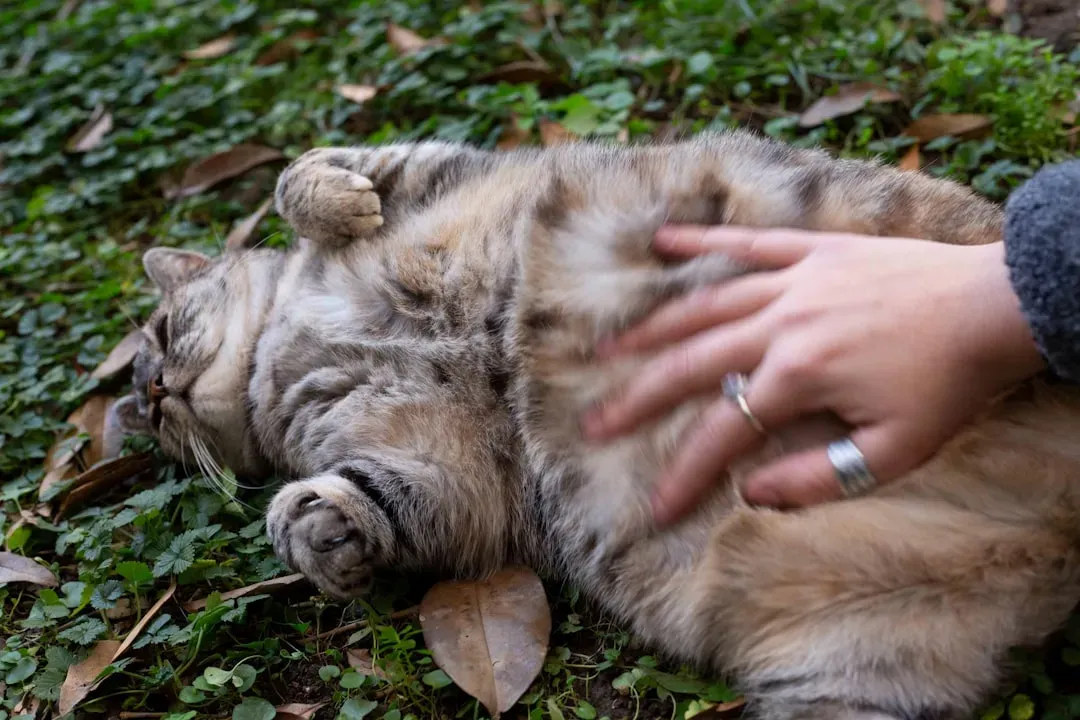
When your beloved cat flops on to the ground, stretches out on their back, shows off their belly, and rolls from side to side, it seems like an obvious invitation to rub that fluffy tummy. However, do so at your peril, as in general, cats don’t like this area to be touched. It’s basically a trap designed to test your understanding of cat behavior.
When they move around like that, it’s called a social roll. It can be an invitation for play and it means they are relaxed but it is not an invitation for a belly rub, and most people misinterpret that. The belly is an incredibly sensitive area for cats, and touching it can make them feel vulnerable and uncomfortable. If your cat actually enjoys belly rubs, consider yourself one of the lucky few.
Picking Them Up Without Warning
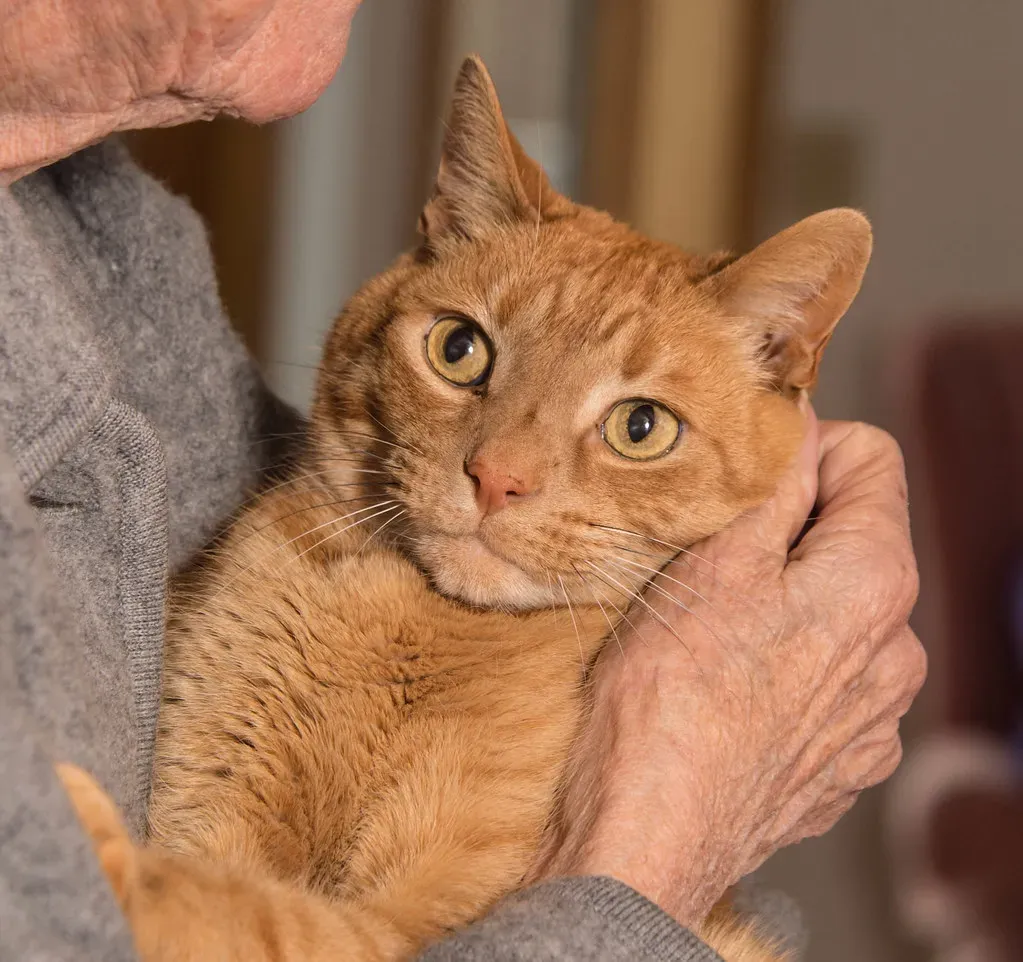
Let’s be real, nobody likes being suddenly grabbed and lifted into the air without consent. Most cats do not enjoy being picked up and cuddled tight or kissed, because that’s really intense for them, that’s too much. They are little self-sufficient survivalists and they like to feel in control of what’s happening. When you scoop them up unexpectedly, you’re taking away that sense of control.
The majority of our feline friends enjoy a cuddle with their favourite human. However, you should always wait for a cat to come to you. After all, you’d feel pretty anxious (or just annoyed) if some giant scooped you up without asking. Give your cat the choice to approach you on their own terms, and you’ll have a much happier relationship.
Petting Them for Too Long
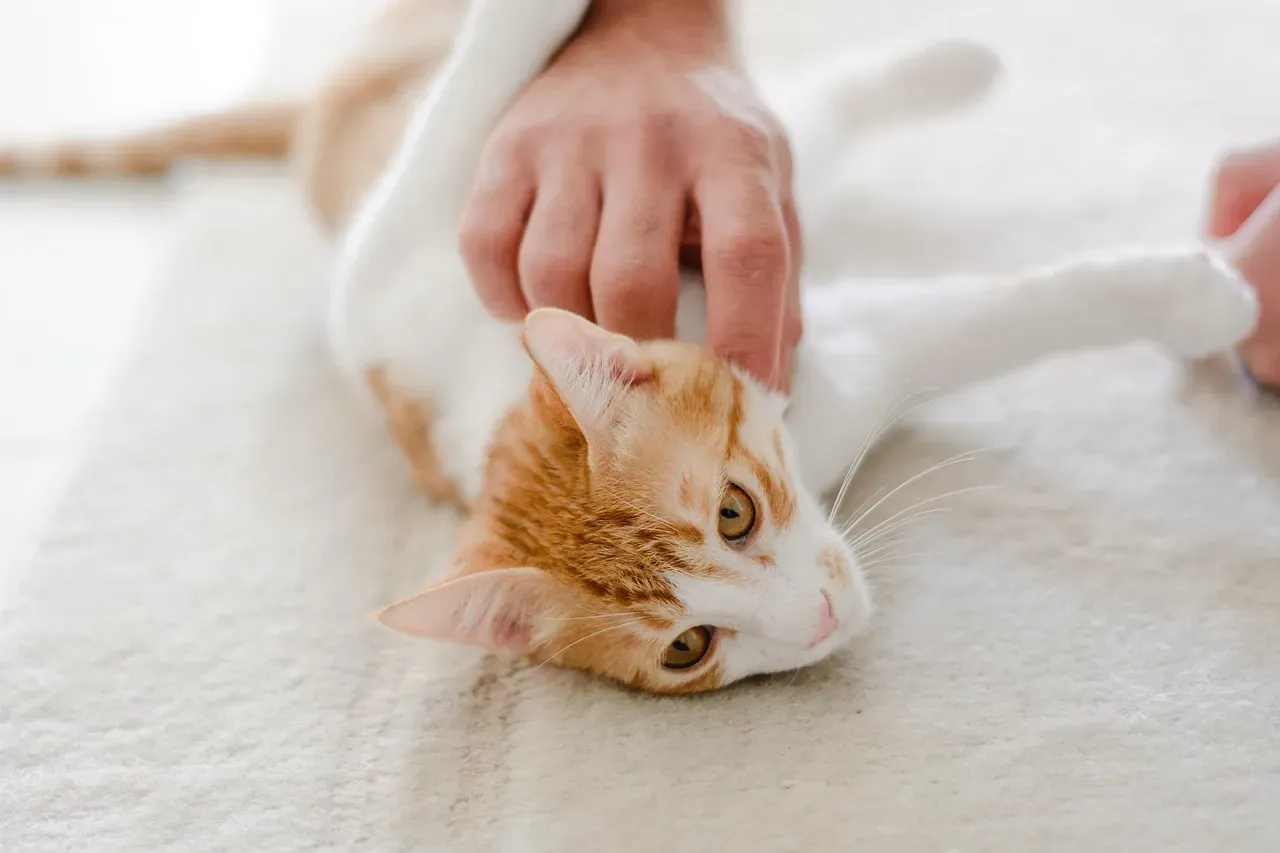
Petting-induced aggression occurs when a cat suddenly feels irritated by being petted, nips or lightly bites the person petting him, and then jumps up and runs off. This type of aggression isn’t well understood, but behaviorists think that physical contact, like stroking, can quickly become unpleasant if it’s repeated over and over. What starts as enjoyment can rapidly turn into overstimulation.
Think of it like someone rubbing the same spot on your back repeatedly until it becomes annoying rather than relaxing. Try to follow the 3-second rule for cats: Pet them for 3 seconds, then pause. If they stay close, seem at peace or nudge you to keep going, give them some pets for another 3 seconds. Watch for signs like tail flicking or ears pulling back, which signal they’ve had enough.
Keeping a Dirty Litter Box
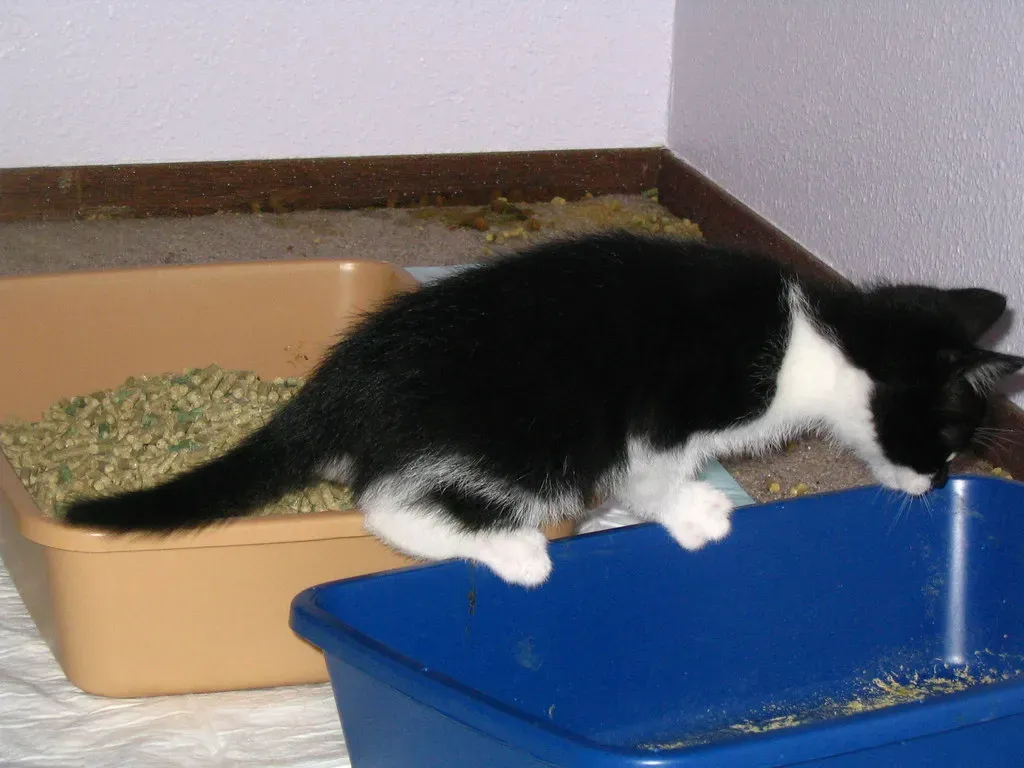
I know it sounds crazy, but this is actually the number one way to annoy your cat. Using a dirty bathroom is never a pleasant experience, and it should come as no surprise that a kitty would feel the same way about their litter box. Although it usually isn’t necessary to bathe cats, they are still fastidiously clean animals. Our feline friends spend an average of half their waking hours grooming themselves. So, is it any surprise that cats hate when their litter boxes aren’t clean too?
Cats are particular about their litter boxes. If the box is too dirty, too small, or filled with a type of litter your cat dislikes, it might stare at the box in confusion or frustration. Daily scooping isn’t just a suggestion, it’s a requirement for maintaining your cat’s happiness and preventing them from finding alternative bathroom spots around your home.
Playing Loud Music or Making Sudden Noises
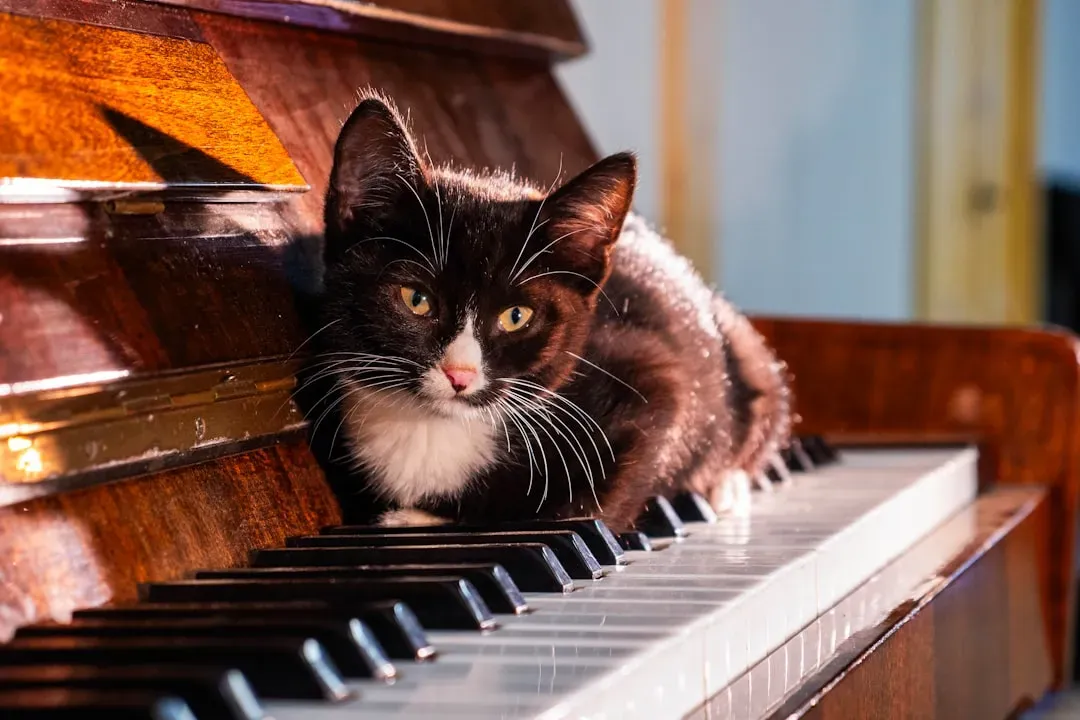
Cats have a highly tuned sense of hearing. It’s great for keeping them safe out in the wild, but it’s not so great for housecats with owners who like to play loud music. That concert-level volume you enjoy might be genuinely painful for your cat’s sensitive ears.
Fireworks, thunderstorms and construction noises can be confusing and scary for pets. Vacuum cleaners, blenders, and even your enthusiastic singing voice can send your cat running for cover. They’re not being dramatic, their hearing is just far more acute than yours, making everyday sounds overwhelming.
Constantly Changing Their Food
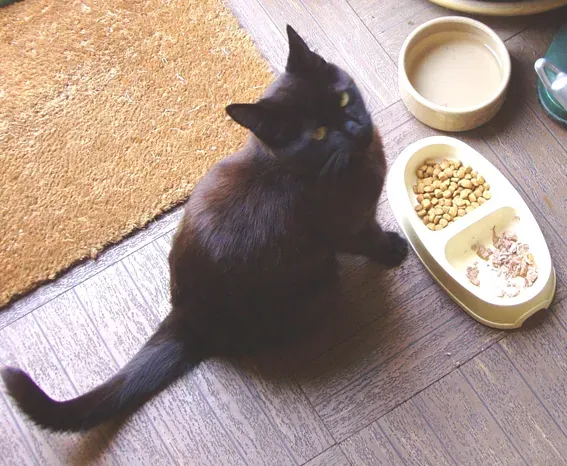
You might think variety is the spice of life, but many cats prefer routine over culinary adventures. Varying your cat’s diet may annoy them. Changing their food flavor and texture frequently might not be the culinary adventure you hope it will be. Cats are creatures of habit who thrive on predictability.
Switching up their meals constantly can upset their stomach and stress them out. They’re perfectly happy eating the same thing every day, unlike us humans who get bored easily. If you must change their food, do it gradually over several days to avoid digestive issues and unnecessary annoyance.
Interrupting Their Sleep
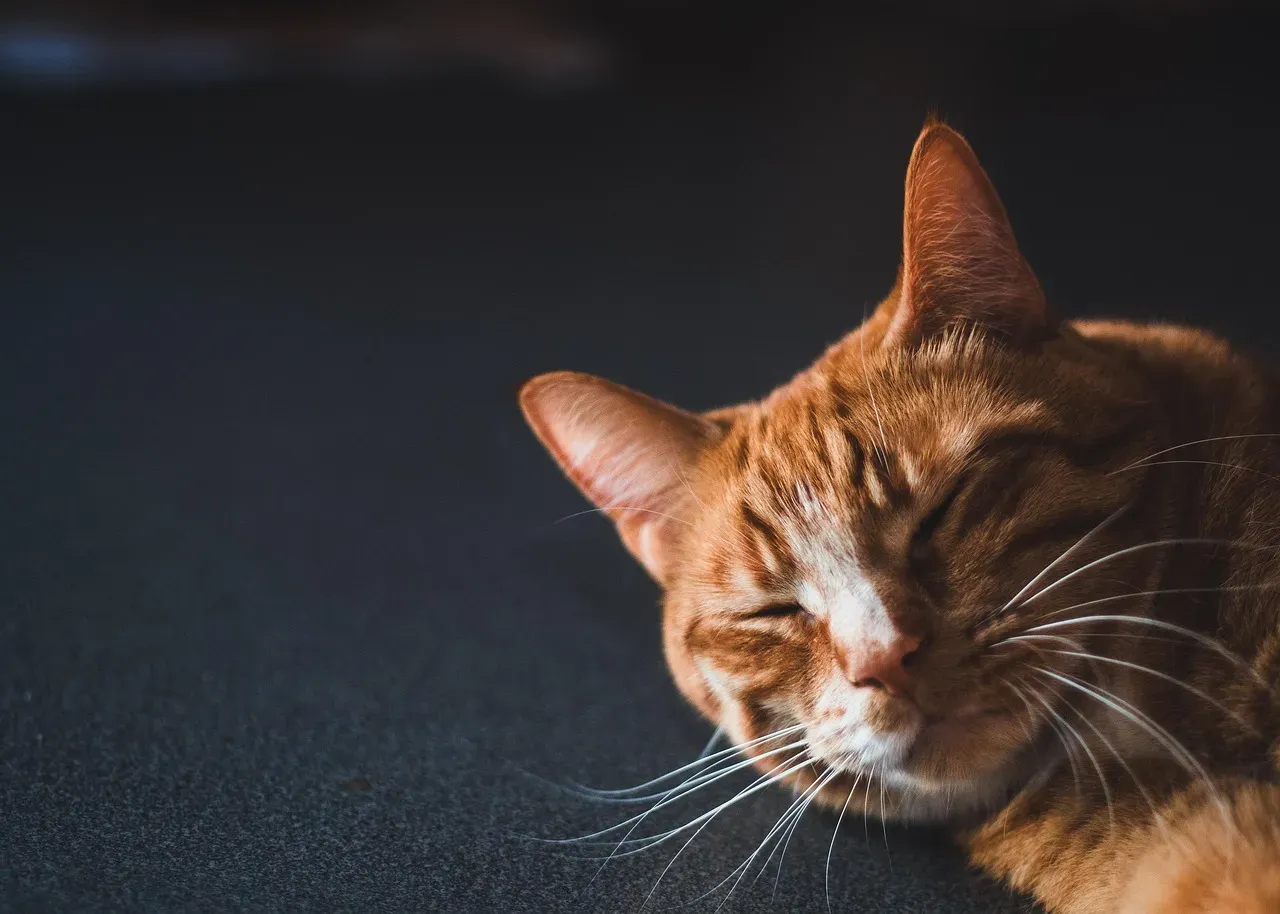
Imagine you’ve just stretched out on your bed for a little snooze, when someone comes along wanting you to entertain them. You wouldn’t love it – and neither does your cat. Cats sleep roughly about 15 hours a day, and they take that sleep seriously.
When you wake them up for playtime or cuddles when they’re clearly trying to rest, you’re disrupting their natural rhythm. This behavior is the second-best way to annoy your cat, after a dirty litter box. Look for signs like ears back or flat, tail flicking, and even growling or hissing. This is an indication to stop and give them their space. You are pestering your cat while they are trying to rest or don’t want to play.
Placing Their Litter Box in a High-Traffic Area
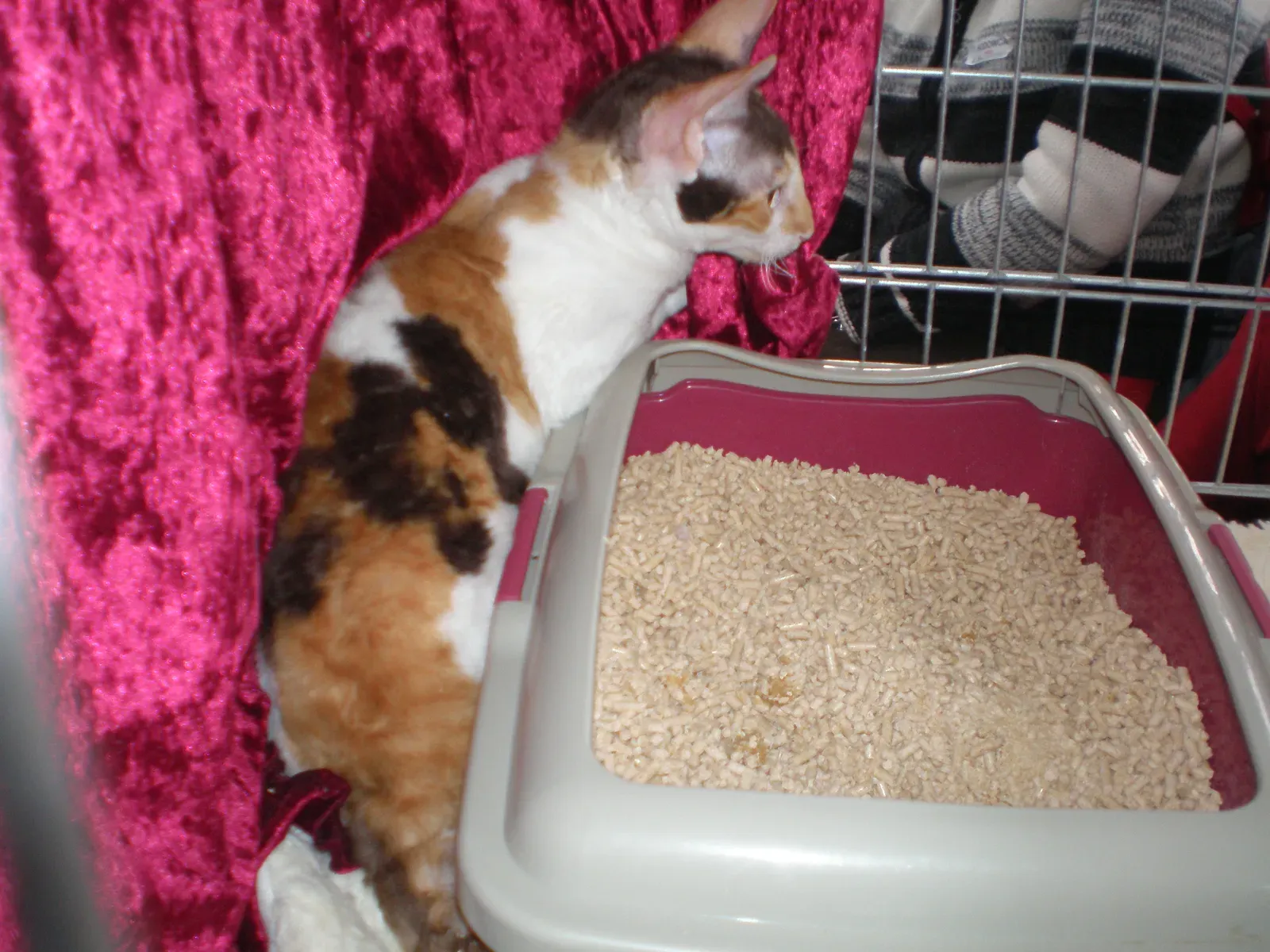
Cats like privacy when they toilet. That’s because they want to feel safe and they don’t want to get interrupted by other cats. Putting their litter box near a busy doorway, next to the washing machine, or in the middle of the kitchen makes them feel exposed and vulnerable.
Placing your cat’s litter tray in any busy area can be a problem. If that tray is somewhere that’s busy and there’s lots going on, maybe there’s loads of kids and maybe there’s other cats as well, then that cat is much less likely to use it. Give them a quiet, private corner where they can do their business in peace.
Using Strong Scents and Air Fresheners

Smells are super important to cats, and familiar scents signify comfort and safety. As such, switching up air freshers or home fragrances can disorient your cat. That new lavender plugin you love? Your cat probably hates it with a passion.
Cats have a sense of smell that’s roughly about 14 times stronger than ours. What smells pleasant to you might be absolutely overwhelming to them. Strong perfumes, scented candles, and cleaning products can all contribute to your cat feeling stressed and uncomfortable in their own home.
Talking to Them in a High-Pitched Baby Voice
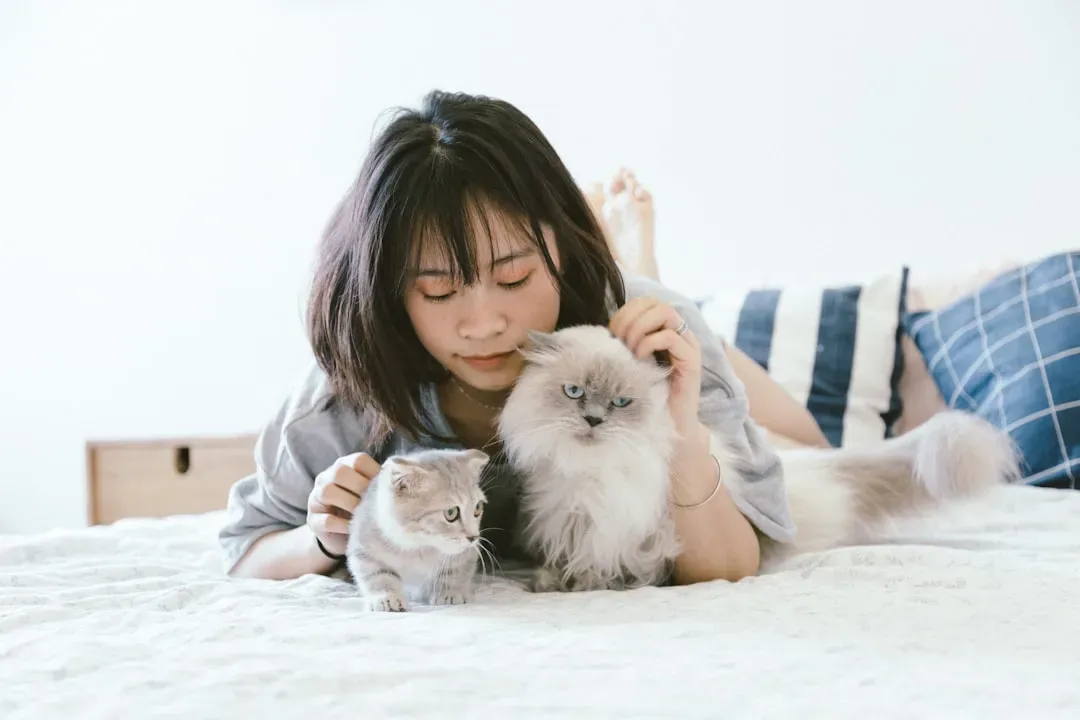
I’ll admit, we’re all guilty of this one from time to time. Resist the temptation to speak to your fur-baby in that high pitched baby voice. Cats can hear higher-pitched sounds 1.6 octaves above the human range. That squeaky voice you use might actually be irritating rather than endearing.
While some cats might tolerate it, others find it genuinely annoying. Cats respond better to calm, normal tones of voice. Save the baby talk for actual babies, and your cat will probably appreciate your restraint.
Ignoring Their Boundaries and Body Language
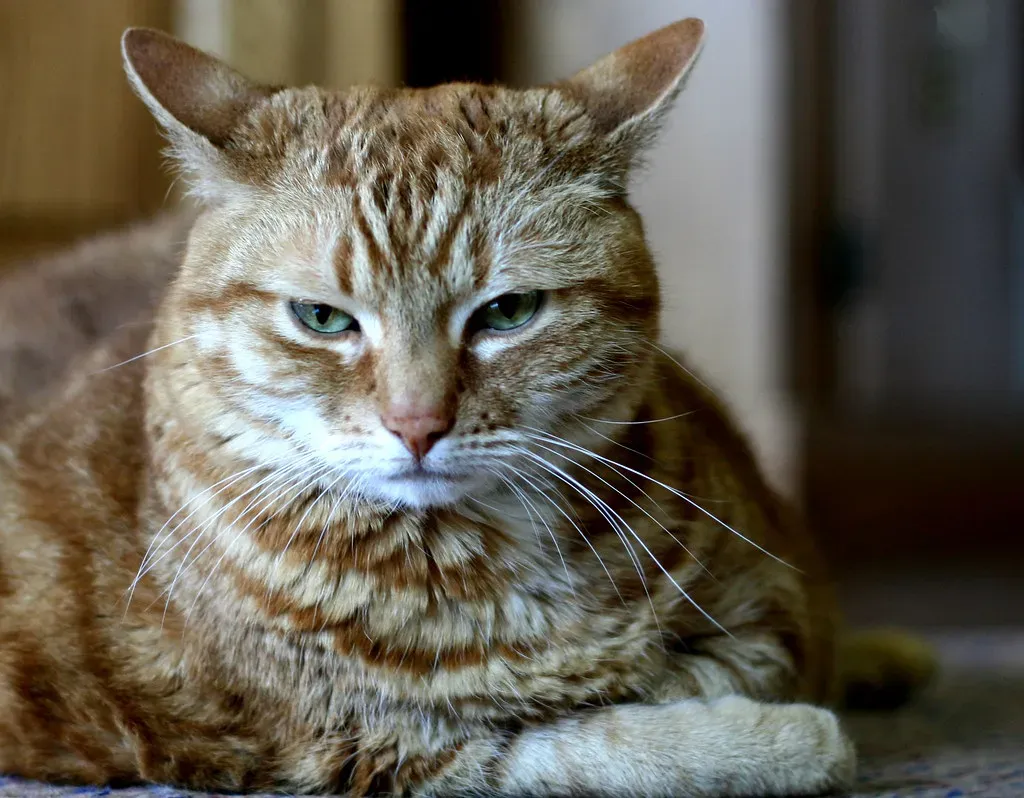
If you’re not sure what annoys your cat, the best way to figure it out is to tune in to what they’re telling you through their behavior. Every cat has different preferences. For example: While some cats enjoy cuddling and being carried, others find it stressful. Pay close attention to their reactions. If your cat is clawing their way away or avoids you afterward, they’re asking you to respect their boundaries.
Cats communicate constantly through their ears, tail, whiskers, and body posture. Flattened ears mean back off. A twitching tail signals irritation. When you ignore these clear signals and continue whatever you’re doing, you’re essentially telling your cat that their feelings don’t matter. Learning to read and respect their body language is crucial for a harmonious relationship.
Conclusion
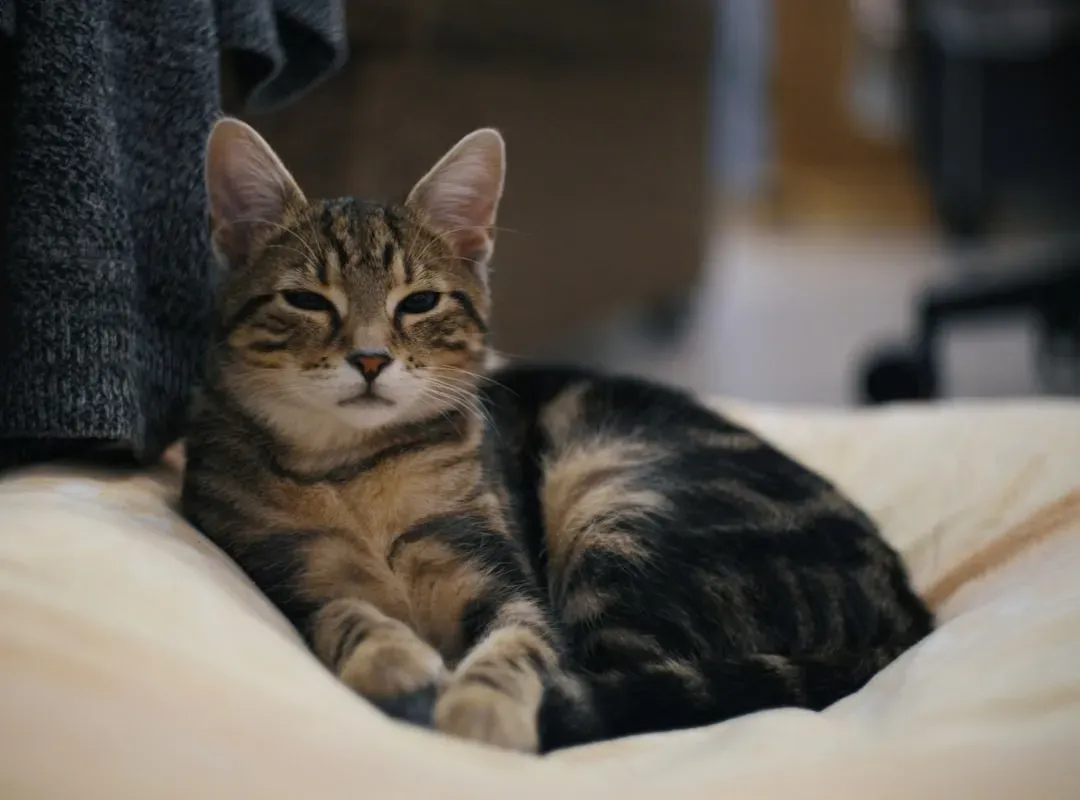
Understanding what annoys your cat isn’t about walking on eggshells around them. It’s about respecting them as the independent, intelligent creatures they are. These 12 habits might seem harmless to us, but from your cat’s perspective, they’re daily frustrations that can strain your bond. The good news is that once you’re aware of these behaviors, you can easily adjust them.
Your cat isn’t trying to be difficult or demanding. They’re just communicating their needs in the only way they know how. By paying attention to their signals and making small changes to your routine, you’ll have a happier, more relaxed feline companion. So, did any of these habits surprise you? What changes will you make today to keep your clever cat content?