You’ve probably heard it a million times. Cats are independent loners who barely tolerate your existence. They need to roam outside to be happy, and honestly, they’re just miniature dogs with bad attitudes, right? Wrong. Let’s be real here, your feline companion has been wildly misunderstood.
Most of what you think you know about what your cat wants might actually be holding you back from building a truly remarkable bond with your pet. The truth is, cats have complex emotional needs that are frequently overlooked because of persistent myths that paint them as low maintenance creatures who don’t need much from you. Ready to discover what your cat really wants? Let’s dive into the fascinating world of feline desires and uncover the truth behind those whiskers and that mysterious gaze.
They’re Antisocial Creatures Who Don’t Need Your Company
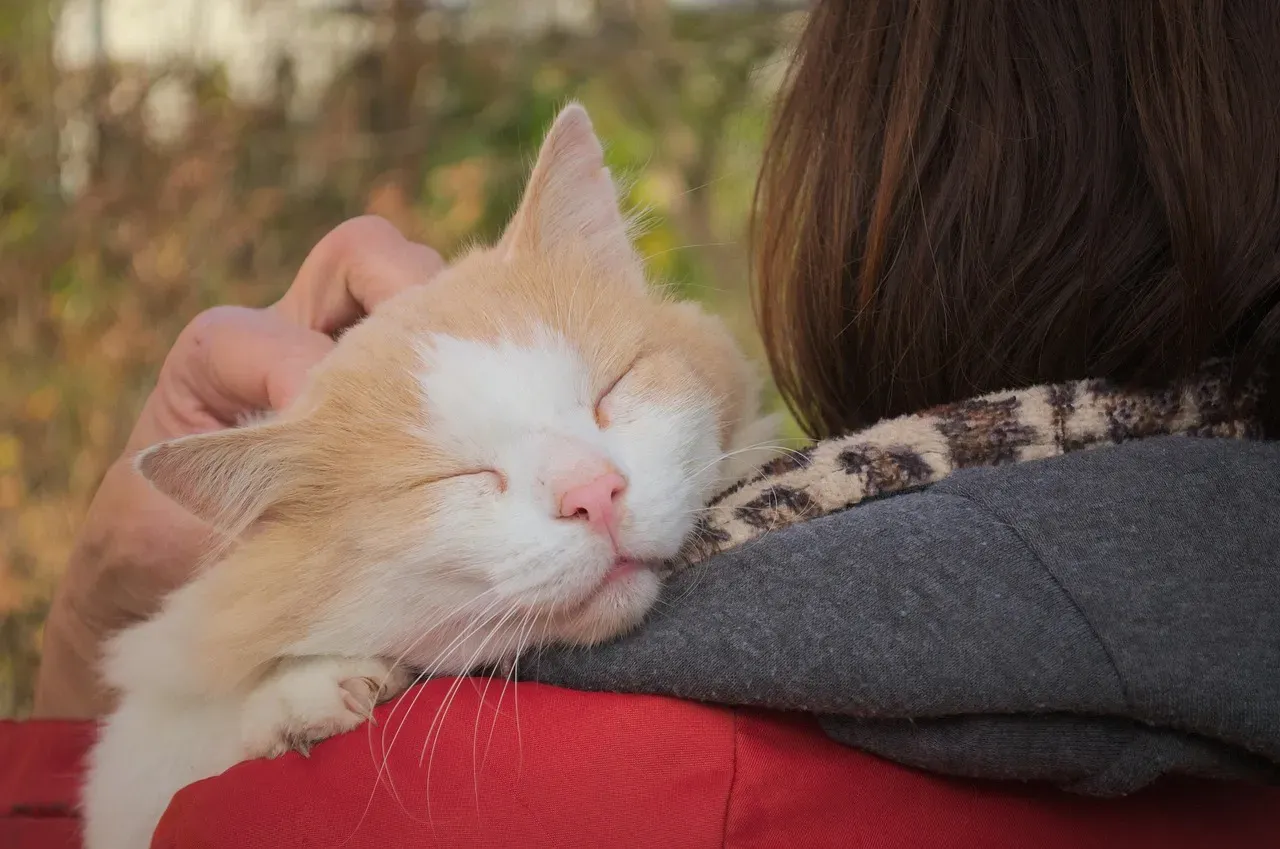
Your cat isn’t universally antisocial at all. Rather, cats are facultatively social, meaning their social behavior is flexible and heavily influenced by their genetics, early development, and lifetime experiences. Think about it this way: your cat didn’t evolve to live in packs like dogs did, but that doesn’t mean they’re cold, distant creatures who prefer solitude.
Studies actually show that most cats create strong attachments to their guardians and experience feelings of comfort and safety by being around them. Your cat might not jump up and down when you come home, but those slow blinks, the gentle head bumps, and the way they follow you from room to room? Those are genuine expressions of love and connection. Beliefs that cats have less social needs than other animals are not supported by scientific data and may result in failure to meet cats’ individual social or environmental needs.
All Cats Are Lonely And Need A Feline Companion
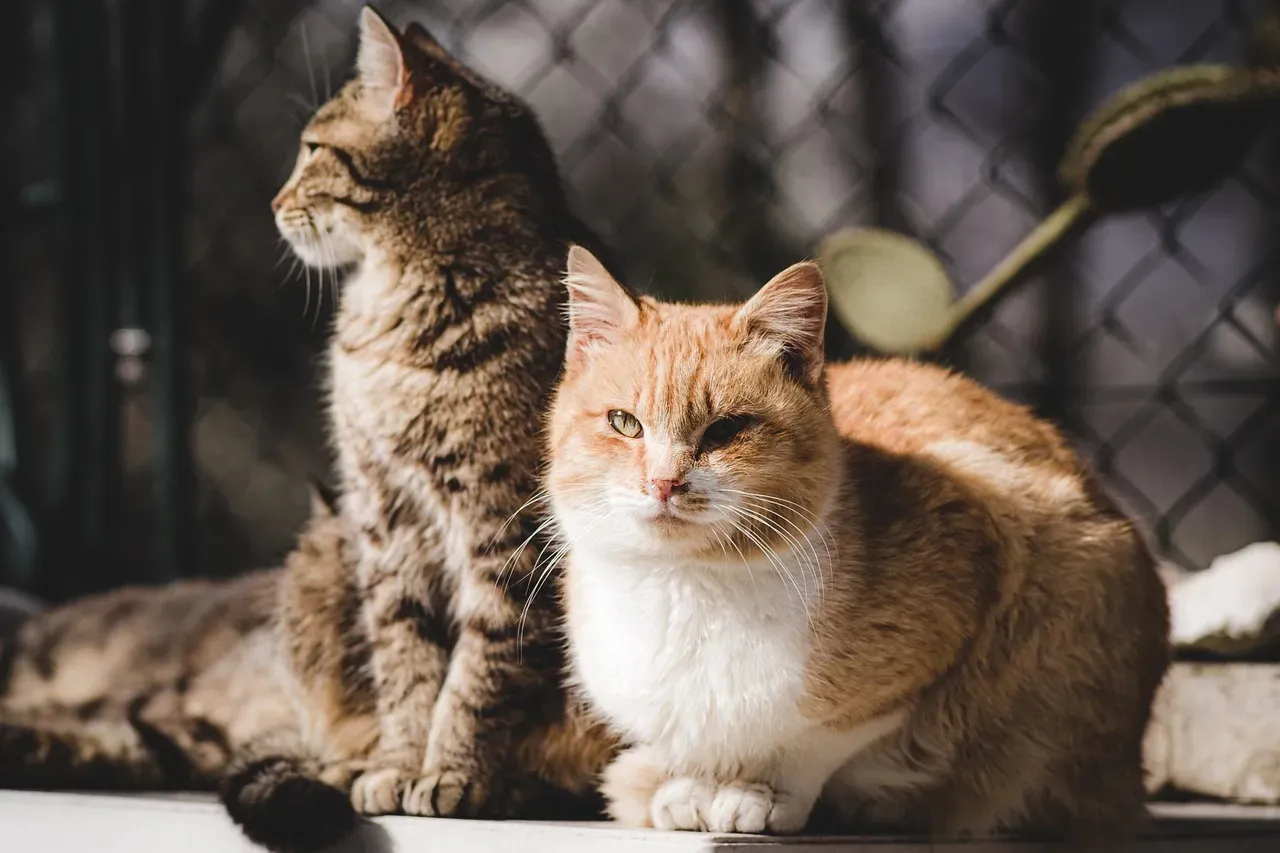
Here’s where things get really interesting. It’s not true that every singly kept cat is lonely and in need of a feline friend. Some cats form pair bonds and benefit from the presence of another cat, while for others, the company of an additional cat may be stressful. Your cat’s social preferences are as individual as your cat themselves.
Domestic cats have diverse social compositions that include both solitary and social group structures. Because many factors such as access to resources and early socialization experience influence the likelihood of cats enjoying or tolerating each other, it can be difficult to predict how unfamiliar individuals may respond when introduced in homes. Adding another cat to your household thinking you’re doing your single cat a favor might actually backfire spectacularly. Pay attention to what your individual cat needs rather than following blanket assumptions.
Cats Want Outdoor Access To Be Truly Happy
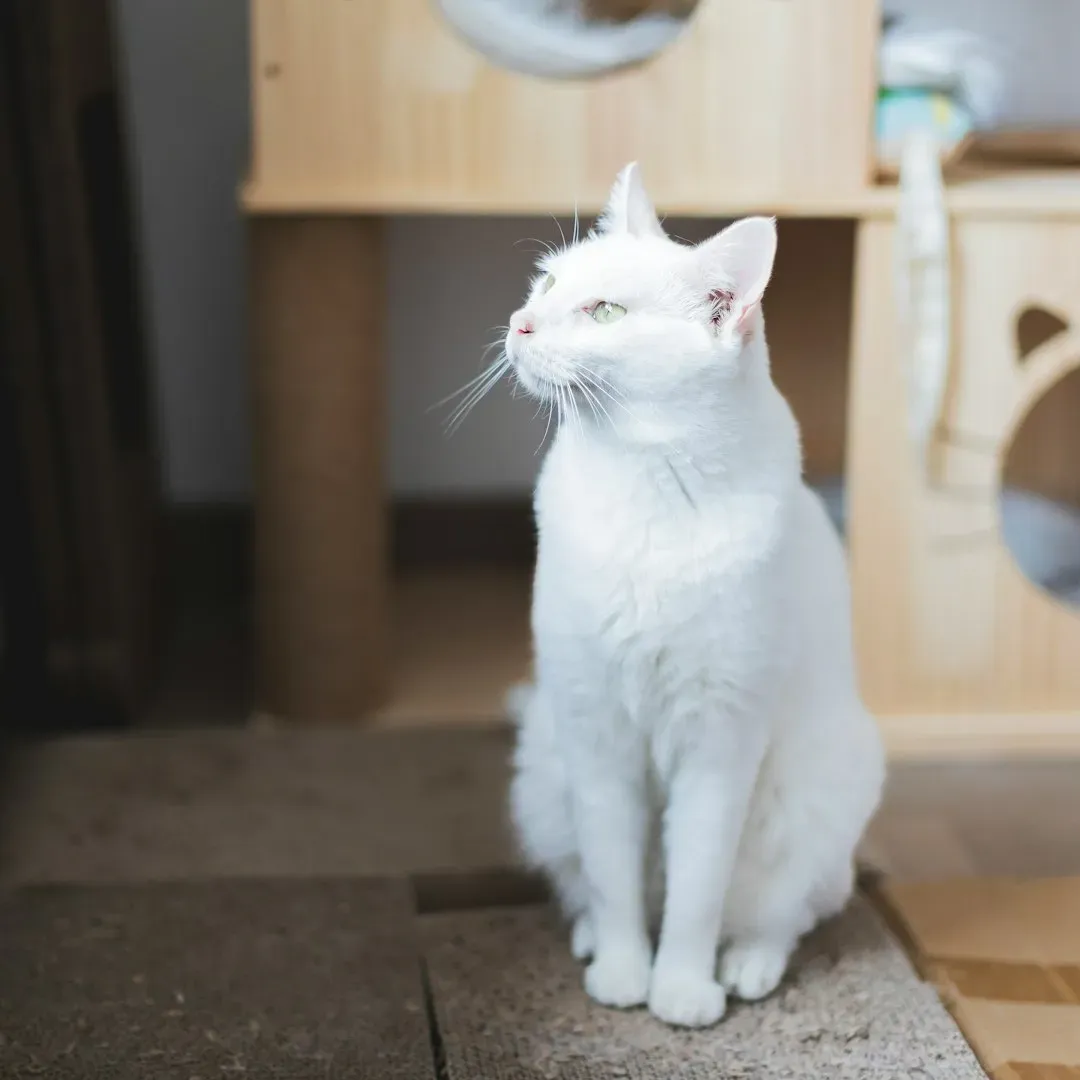
Outdoor cats are not necessarily happier than indoor ones. In fact, letting a cat outside unsupervised drastically shortens its lifespan. I know it sounds crazy, but your cat doesn’t actually need to roam the neighborhood to feel fulfilled.
Many cats thrive indoors, enjoying long and robust lives without the risks the outdoors pose to their health and safety. It all comes down to providing opportunities for your feline friend to express their normal behaviors, such as hunting and exploring. The key word here is opportunity. Your cat needs environmental enrichment, interactive toys, climbing spaces, and mental stimulation. Give them these things indoors, and they’ll be perfectly content without facing the dangers of cars, predators, and diseases lurking outside.
They’re Low Maintenance Pets Who Don’t Need Much Attention
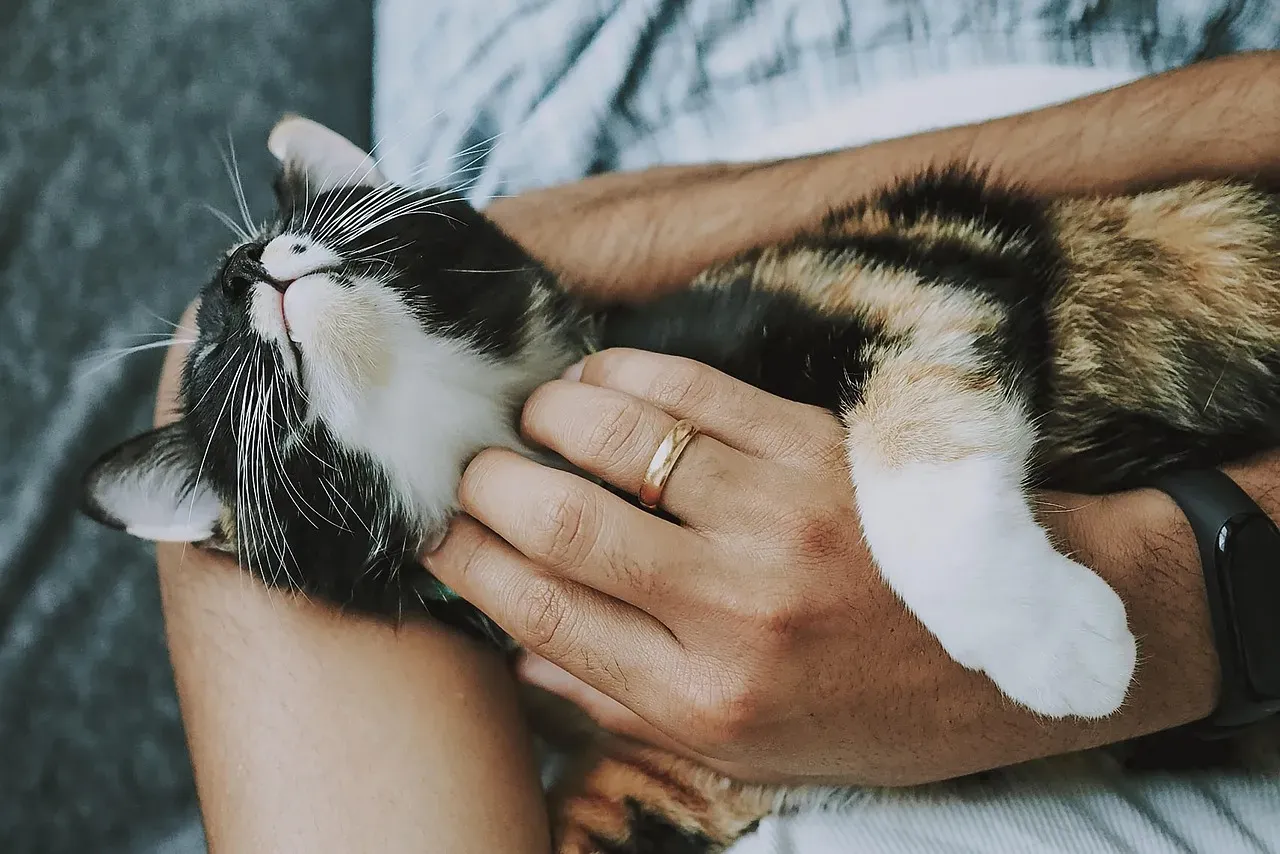
This might be one of the most damaging misconceptions out there. While cats have a reputation for being independent, they need just as much care as dogs do. Regular vet visits, daily exercise and mental enrichment, and plenty of positive attention from their guardians are all essential to a cat’s well-being.
The misconception that cats are low-maintenance pets and you don’t need to do much with them or for them has real consequences for feline welfare. Your cat craves interaction, playtime, and engagement with you. Neglecting these needs because you think cats don’t care is like assuming your friend doesn’t want to hear from you because they’re introverted. It’s just not accurate.
Cats Can’t Be Trained Like Dogs
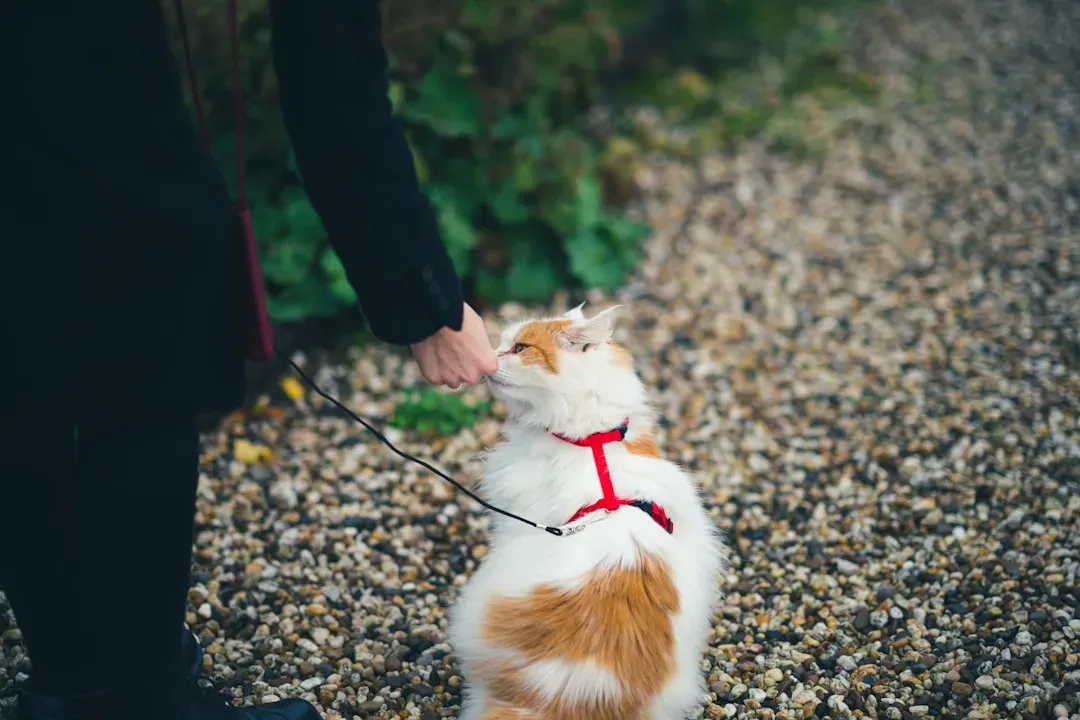
It is a misconception that training is not possible or relevant for cat welfare. Cats are trainable; the current world record for the number of tricks performed by a cat in one minute is 26. Yeah, you read that right. Twenty six tricks in sixty seconds.
With some patience and positive reinforcement, your kitty can learn all sorts of tricks and good manners. Just like with dogs, short, fun training sessions work best. When your cat displays the behavior you ask for, reward them with a treat or toy. Training isn’t just about showing off your cat’s impressive skills either. It strengthens your bond, provides mental stimulation, and can make essential activities like vet visits far less stressful for everyone involved.
Purring Always Means Your Cat Is Content And Happy
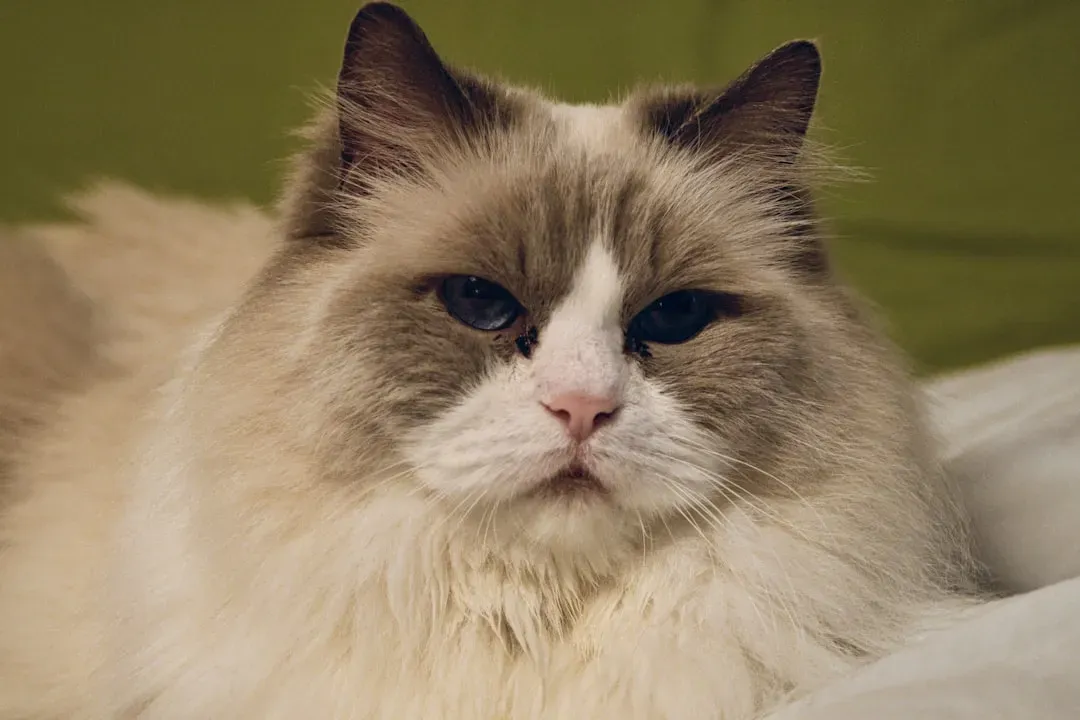
A purring cat may be expressing contentment, but this behavior may also be for other reasons. Purring releases endorphins. So, a cat in pain may purr to self-medicate. This one surprised me when I first learned it.
While cats often purr when they are content and relaxed, purring can sometimes serve as a means of self-soothing when they are anxious or in pain. Additionally, a cat may also purr to communicate with other cats or their owner. Pay attention to the context and your cat’s overall body language. A purring cat who’s also hiding, has dilated pupils, or seems tense might actually be telling you they’re stressed or unwell, not asking for belly rubs.
They Hate Being Petted And Only Tolerate Touch
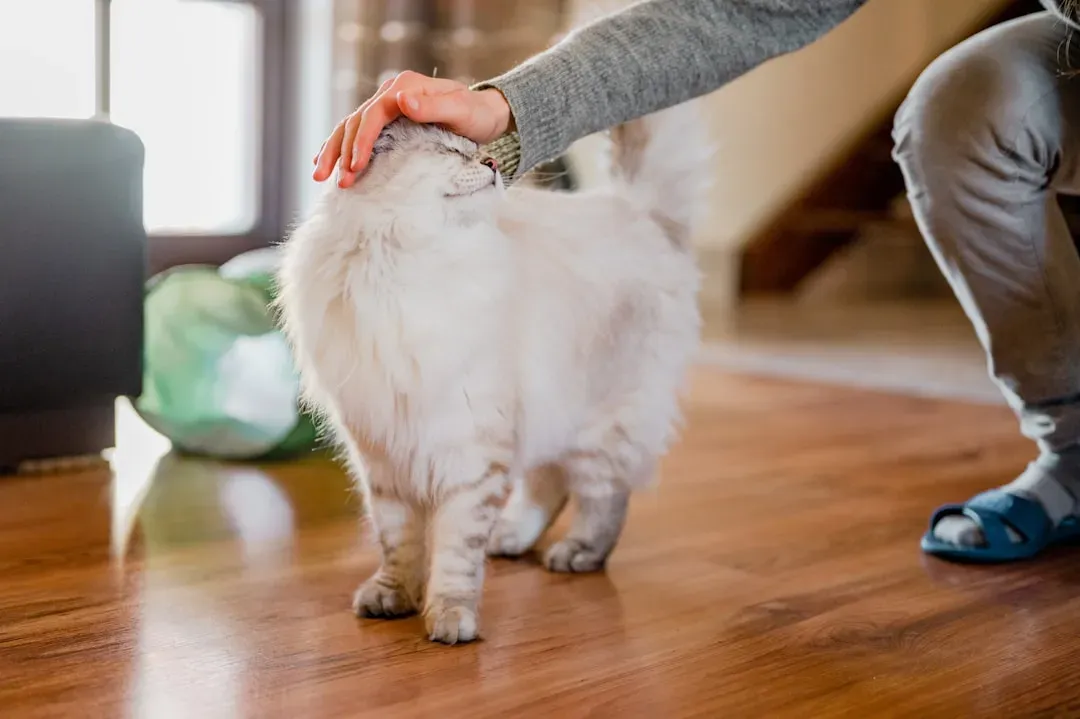
Media outlets misinterpreted a study about cat stress and claimed that cats hated to be petted. The study reported that 13 cats simply “tolerated” being pet and showed more stress than the other cats in the study. This created unnecessary confusion among cat lovers everywhere.
You need to pay attention to the signals they’re giving you about what kind of touch they like. The truth is, most cats only like to be petted on their face and neck and do not like their feet, tail or body touched. Your cat does want physical affection from you, but on their terms and in the places they find comfortable. Learning to read their body language transforms petting from something they tolerate into something they actively seek out and enjoy.
Exposing Their Belly Is An Invitation For Rubs
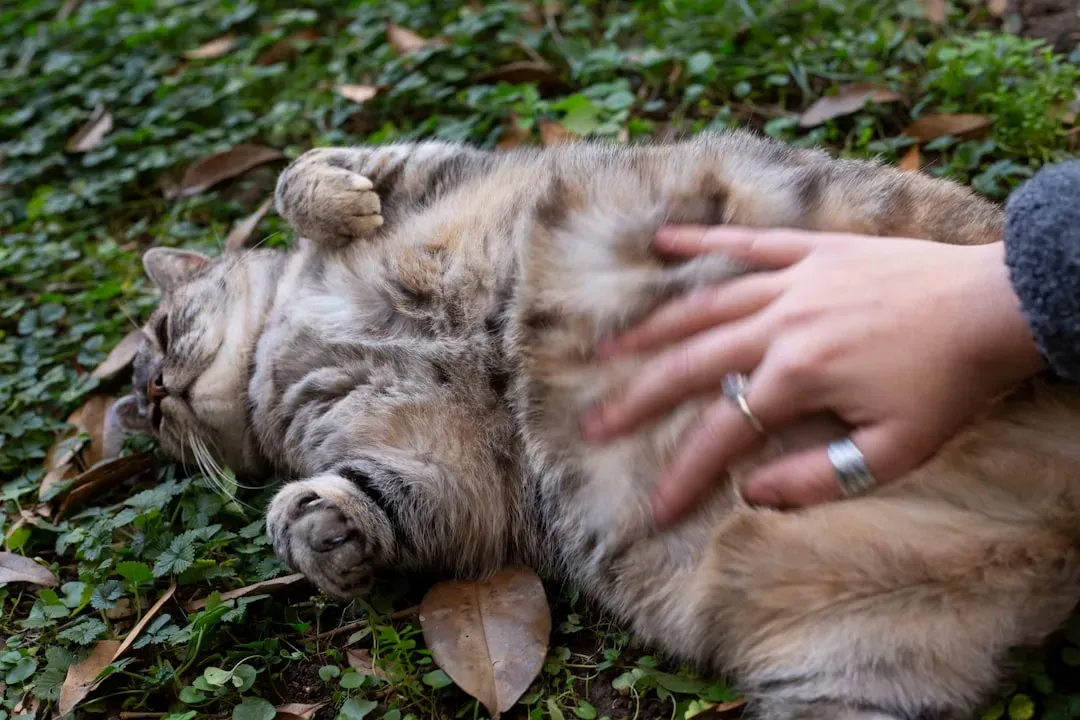
Although a cat exposing its belly may seem like an invitation for a tummy rub, it’s not always the case. A vulnerable belly is a sensitive area that cats instinctively protect. When a cat rolls onto its back and exposes its belly, it’s saying, “I trust you” and expressing comfort in your presence.
If you try to take them up on their ‘offer’ and give them a pat, a cat may react with a light bite or a scratch, as they were not expecting a physical response from you. It’s hard to say for sure, but this might be the most common mistake cat owners make. Your cat showing you their belly is actually one of the highest compliments they can give you. They’re revealing their most vulnerable area because they feel safe with you. Respect that trust by admiring from a distance rather than going in for the belly rub.
Cats Don’t Need Regular Veterinary Care Unless They’re Sick
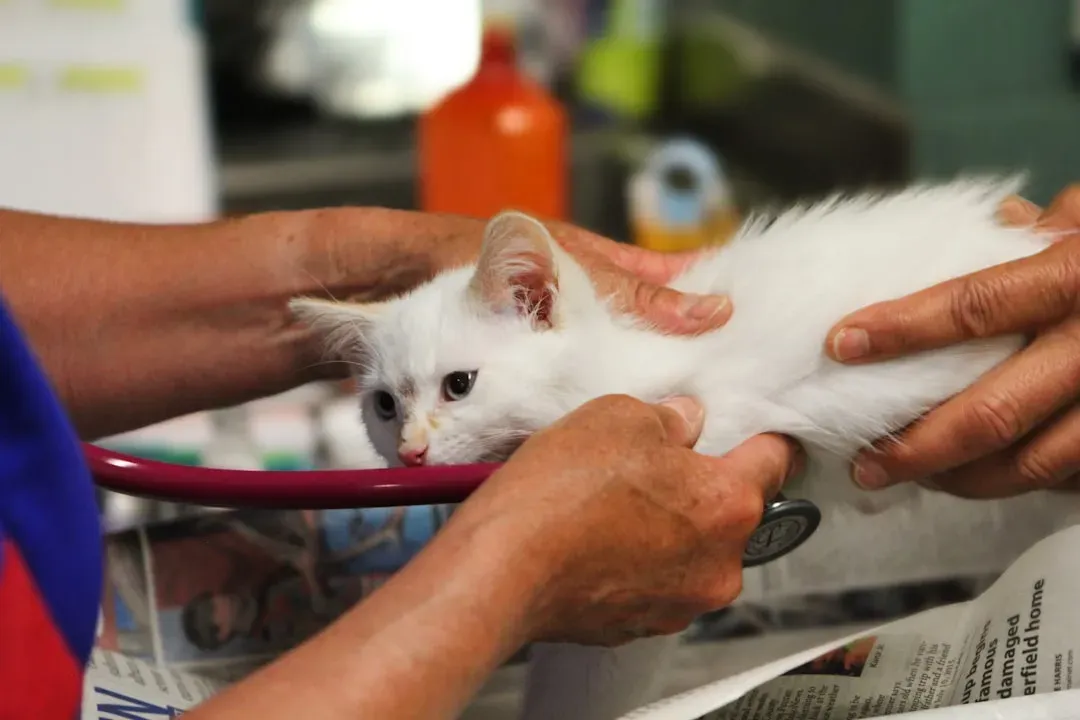
Cats need regular veterinary care, but unfortunately, a large percentage of cats do not see the veterinarian as often as they should, primarily because owners believe such visits are stressful for their cats. But regular veterinary visits are crucial because they help to spot medical conditions in your cat even when he’s not displaying any discomfort that you can see.
Cats visit the veterinarian less than dogs and one of the reasons is the lack of knowledge about preventive clinical care. This negatively affects feline health, as many medical problems, such as obesity, respiratory diseases and behavioral disorders, could be avoided with regular veterinary care. Your cat is a master at hiding pain and illness. Regular check-ups catch problems before they become serious, potentially life threatening conditions.
Milk Is A Natural Treat Cats Love And Need
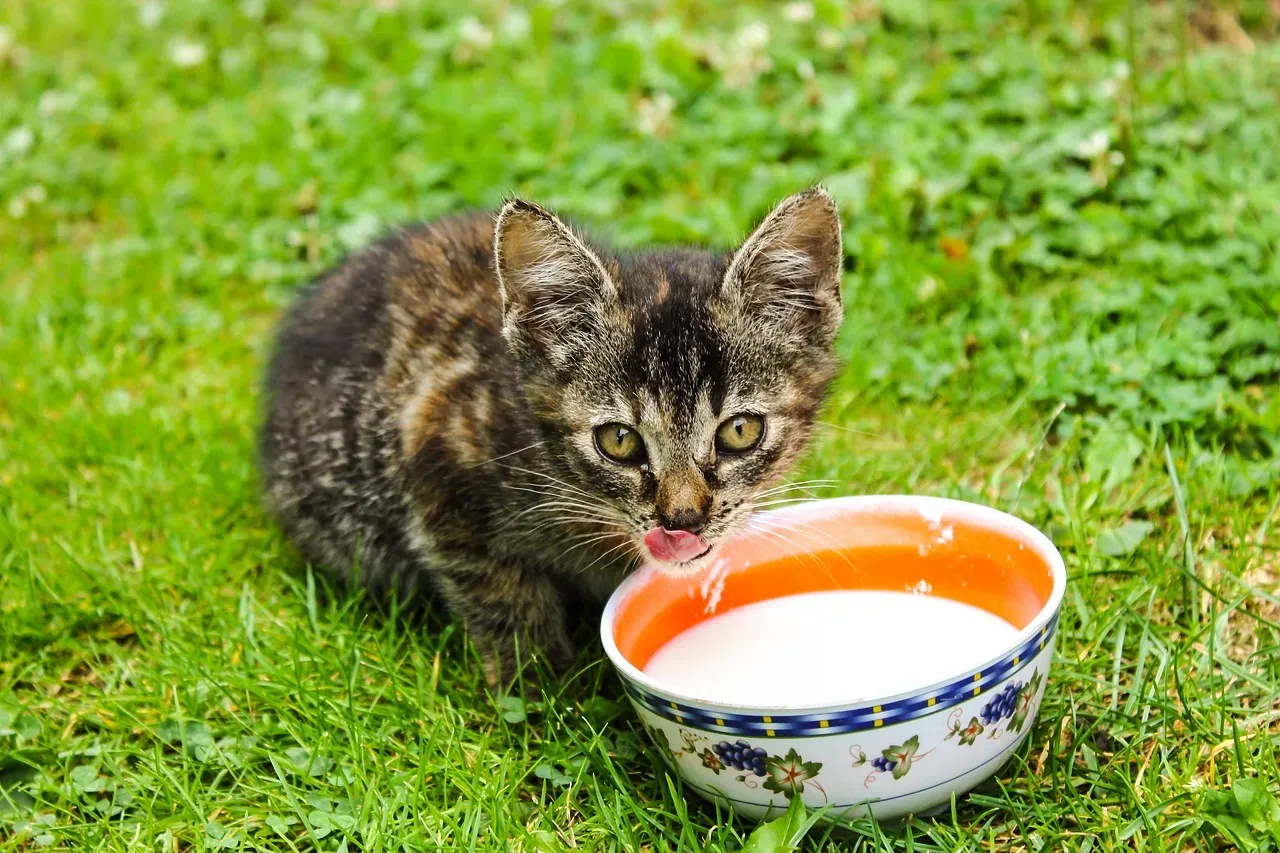
Many cats get diarrhea from milk and too much milk can quickly add up to an obesity problem. Despite what every cartoon and movie has taught you, milk isn’t the ideal treat you think it is.
A lot of cats happen to be lactose intolerant. When cats wean off their mother’s milk, they typically lose the ability to digest milk. So, it would upset their stomach if you were to feed them cow’s milk. Some cats might enjoy the taste, but that doesn’t mean it’s good for them or something they actually need. Fresh water and appropriate cat treats are what your feline friend truly desires.
They’re Spiteful And Misbehave To Get Revenge
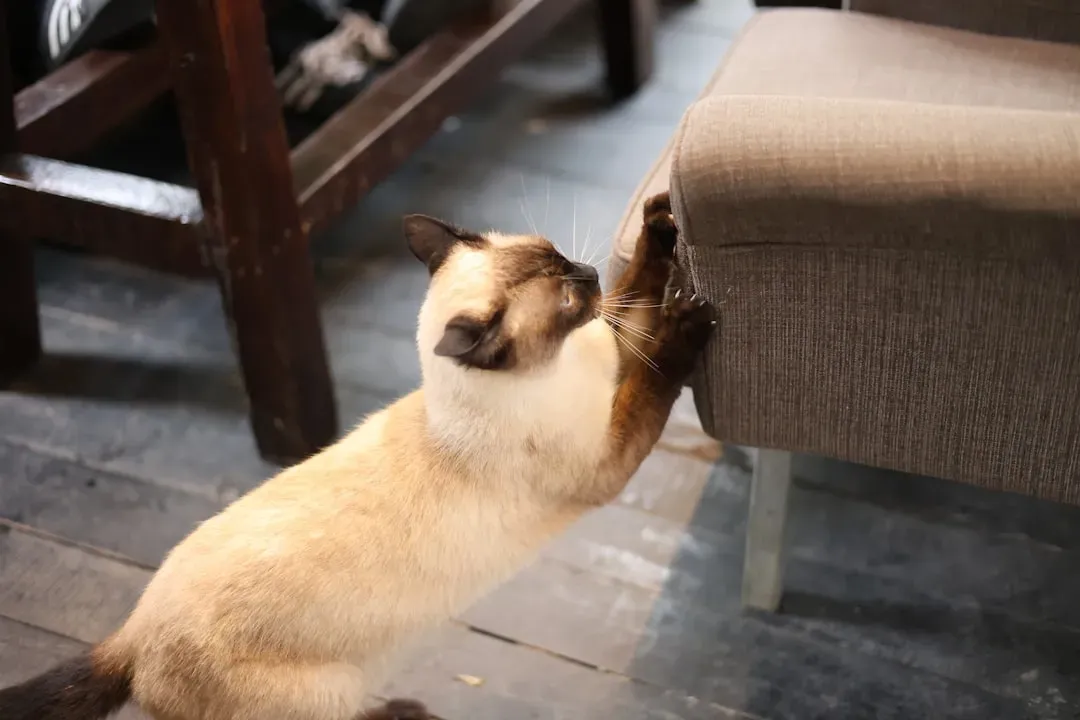
Owners who agreed with the sentiment that cats ‘often misbehave to get back at their owners for doing something that the cat doesn’t like’ were more likely to use positive punishment to deter unwanted behaviors. Unfortunately, positive punishment of cats is counterproductive, eliciting or exacerbating behavior problems such as biting or scratching.
Your cat isn’t plotting revenge because you were late with dinner or went on vacation. While it might seem like your cat is expressing their dislike for your interior design choices, they don’t scratch the furniture to upset you. Cats need to be able to scratch to keep their claws in good condition, and also to mark their territory. When your cat does something you perceive as bad behavior, they’re actually trying to meet a biological need or responding to stress in their environment. Understanding this changes everything about how you respond.
Cats Don’t Need Playtime Or Interactive Engagement
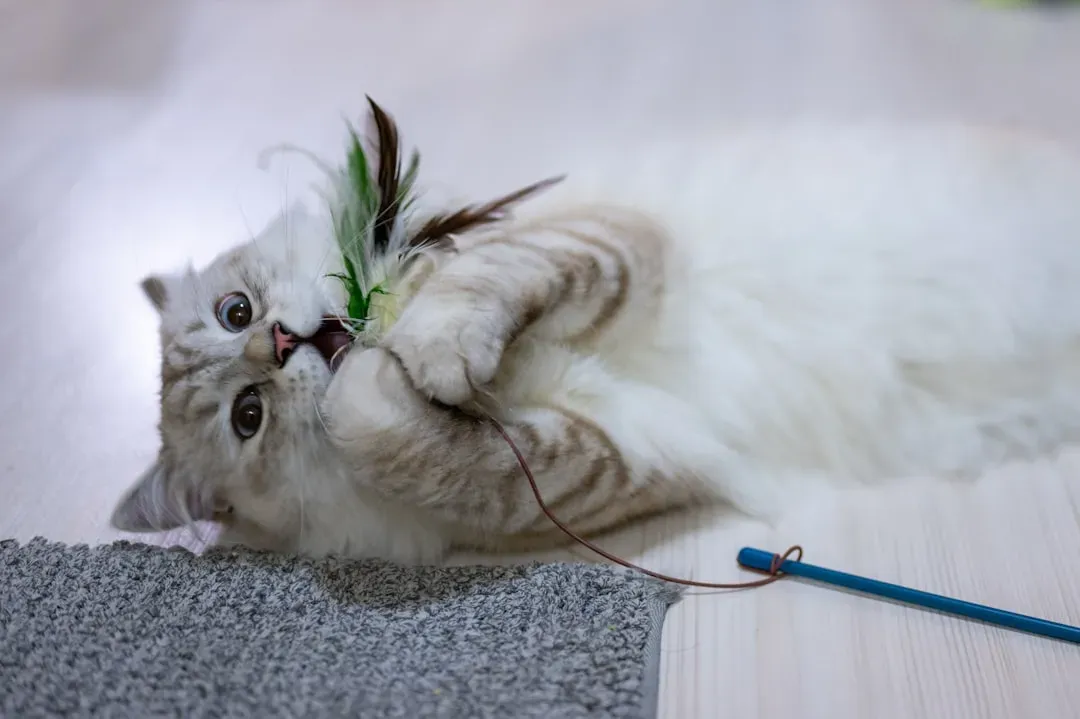
People often fail to provide cats with enough stimulation. It’s important to give them opportunities to show their natural feeding behavior. So instead of simply putting their food in a bowl, give them a chance to stalk it, to toss it in the air and pounce, and reproduce the whole sequence of events that they would do when they hunt.
Your cat’s brain and emotional system is still designed for the hunt! That’s why it’s important when caring for your cat, that you let them express this behaviour so they don’t feel frustrated. Daily interactive play isn’t optional enrichment. It’s essential to your cat’s mental and physical wellbeing. Those hunting instincts need an outlet, and if you don’t provide appropriate toys and engagement, your cat will find their own ways to express these needs, often in ways you won’t appreciate.
Conclusion: Understanding Creates Connection
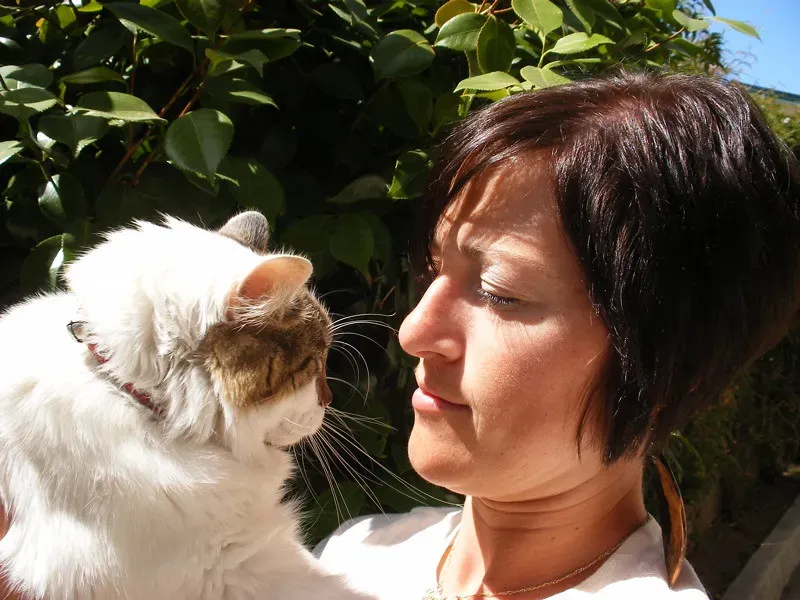
A better understanding of cat behavior, and an appreciation for each cat’s individuality, will benefit cats as well as caretakers. The bond between people and their cats will be improved if people appreciate and invest in their cats. Once you replace these misconceptions with actual knowledge about what your cat needs and wants, everything shifts.
Your cat isn’t a low maintenance pet who tolerates your presence while secretly wishing for something else. They’re complex, emotionally sophisticated creatures who form genuine bonds with you, need mental stimulation and physical activity, and have individual preferences that deserve respect. The journey to understanding your cat isn’t always straightforward, but it’s absolutely worth it. What surprised you most about these misconceptions? Share your thoughts in the comments.