You’ve probably caught yourself staring at your cat, completely baffled by what they’re doing. One minute they’re frantically racing through the house for no apparent reason, and the next they’re staring at you with those slow, sleepy blinks. It’s easy to wonder if these quirky behaviors mean something’s wrong, or if your feline friend is just being, well, feline.
Here’s the thing though: many of those seemingly strange behaviors are actually your cat’s way of telling you they’re doing just fine. In fact, they might be thriving. Understanding what your cat is communicating through their actions can deepen your bond and give you peace of mind that you’re providing the care they need. Let’s dive into some of the most curious cat behaviors that actually signal a healthy, happy pet.
The Infamous “Making Biscuits” Ritual
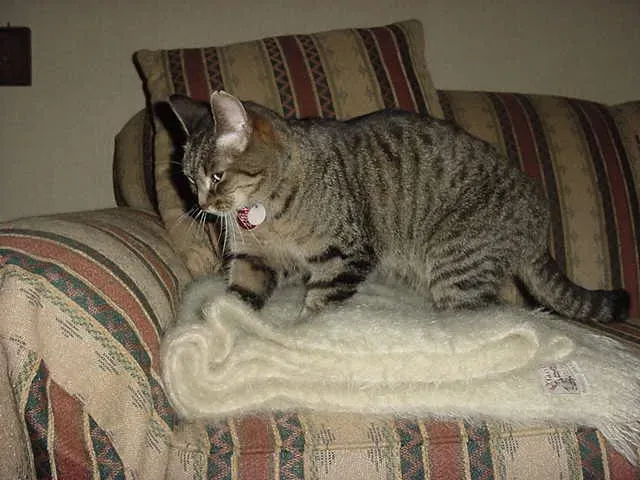
When your cat rhythmically presses their paws into soft surfaces like blankets, pillows, or your lap, they’re performing what’s known as kneading – a behavior that starts when nursing kittens knead their mother’s belly to help with milk flow, and adults typically knead when they feel safe, happy, and contented. The action of kneading provides adult cats with the same feeling of contentment as stimulating milk flow from nursing.
Cats have scent glands in their paws, and when they knead, they release their unique scent onto whatever surface they’re pressing, marking territory and claiming you as their own, reinforcing their bond with you. So when your cat is digging those claws into your leg (ouch!), they’re not trying to hurt you. They’re actually saying you’re part of their family.
That Adorable Slow Blink They Give You
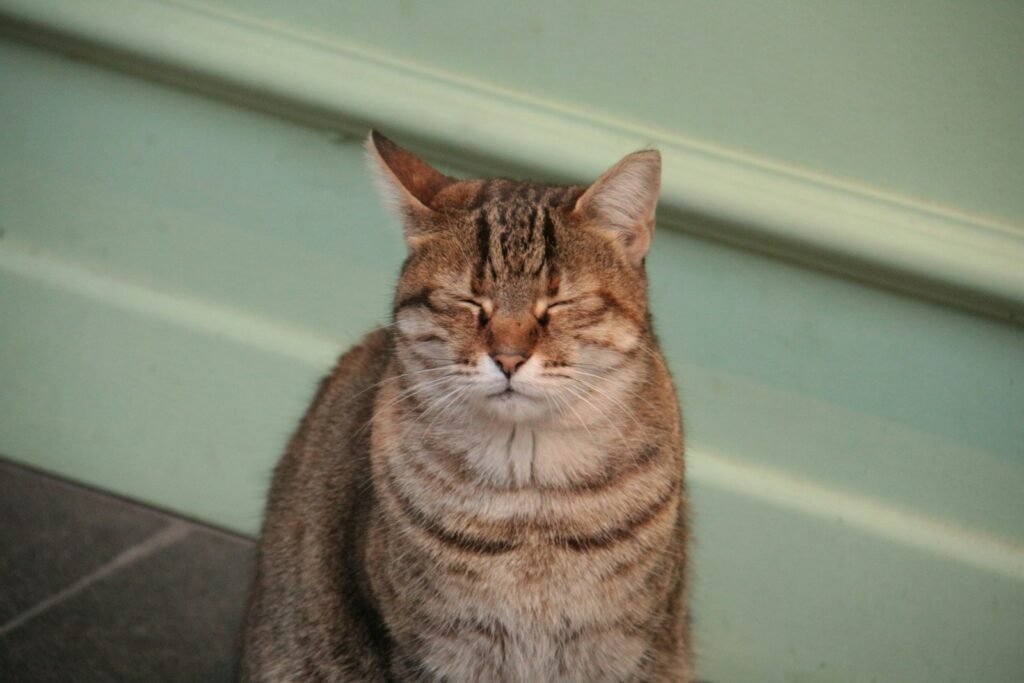
The slow blink happens when your cat looks at you and closes their eyes slowly while opening them at the same pace, signaling trust in cat language because cats are always alert in nature, so by closing their eyes, they trust you to keep them safe. Think of it as a cat kiss. When your feline gives you this gentle eye communication, they’re dropping their guard completely.
You can actually return this gesture to your cat. Try slowly closing your eyes when your cat is looking at you. Many cats will respond with their own slow blink, creating a sweet moment of mutual understanding and trust.
The Sudden Crazy Sprint Across the House
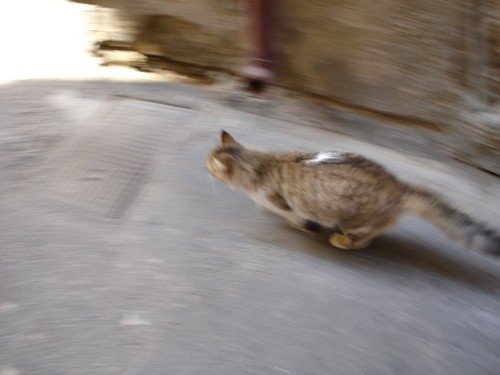
You know those moments when your cat suddenly tears through the living room like they’re being chased by an invisible force? Cats that engage in exploratory behavior, playing with toys, or investigating new areas are expressing happiness and a sense of security with you and in their environment. These random bursts of energy, sometimes called “zoomies,” are completely normal.
Playfulness behaviors are all marks of positive mental health. It’s basically your cat releasing pent-up energy and expressing their natural hunting instincts. Indoor cats especially need these moments to stay mentally and physically stimulated. If your cat is zooming around, it means they’re feeling good enough to play.
Headbutting You Out of Nowhere
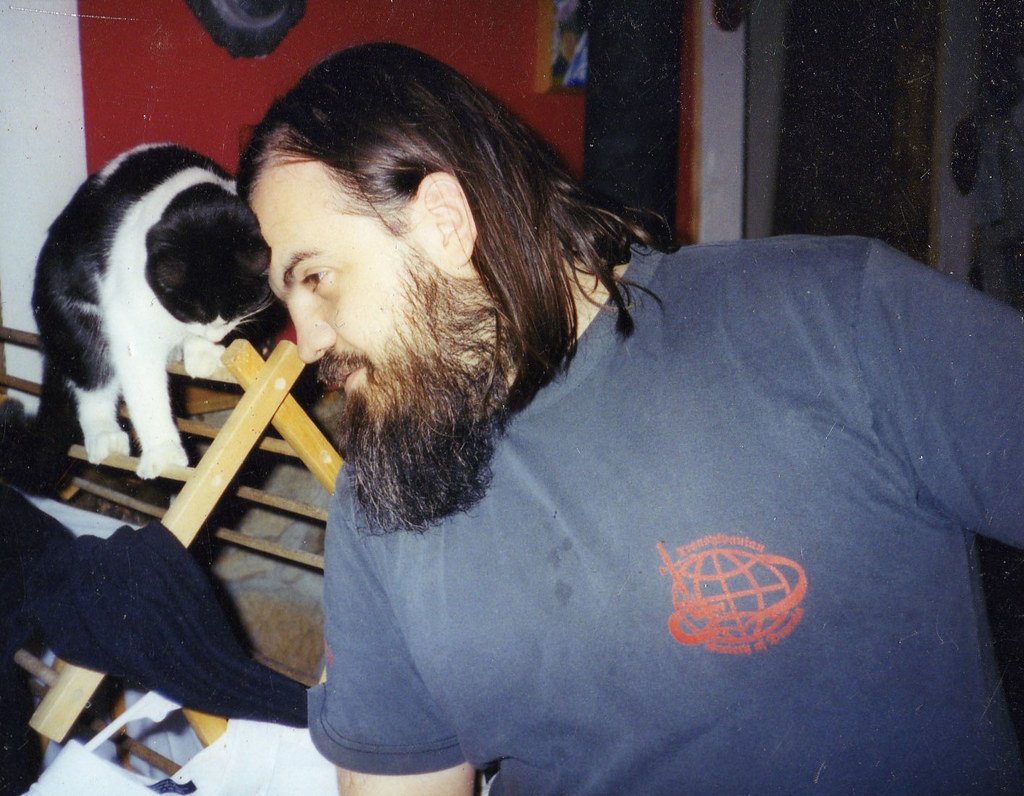
If your cat frequently headbutts you or gently rubs their head against you, consider it a sign of affection and a happy cat. This behavior, often called bunting, is one of the sweetest compliments your cat can give you. Cats have this endearing behavior of rubbing against us, leaving their scent on us, kind of like saying you’re part of their family.
Your cat has scent glands located on their cheeks, chin, and forehead. When they rub these areas against you, they’re mingling their scent with yours. It’s their way of creating a shared family scent and marking you as someone important in their world.
Following You From Room to Room
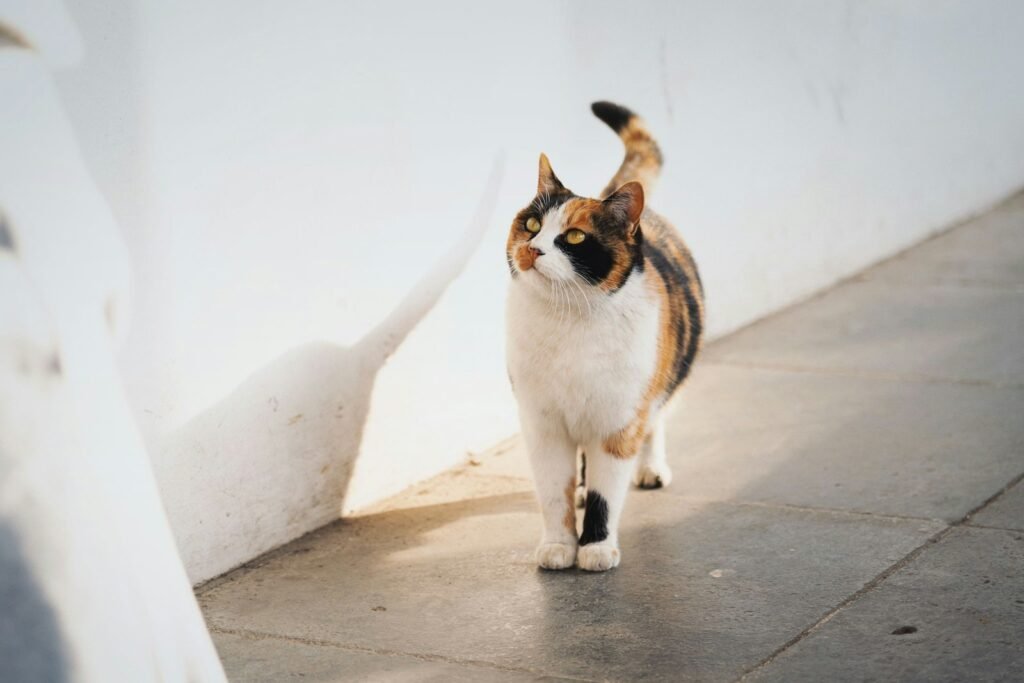
When your kitty decides to become your little shadow, this velcro-like behavior where your cat follows you from room to room shows trust, affection and that they feel completely safe around you. Some people think cats are aloof and independent, but many felines genuinely enjoy being near their favorite humans.
Following you from room to room can be a sign that the cat has socially bonded with you. Even if they’re not demanding attention or cuddles, just being in your presence makes them feel secure. It’s honestly one of the most endearing ways cats show their love.
Showing You Their Belly
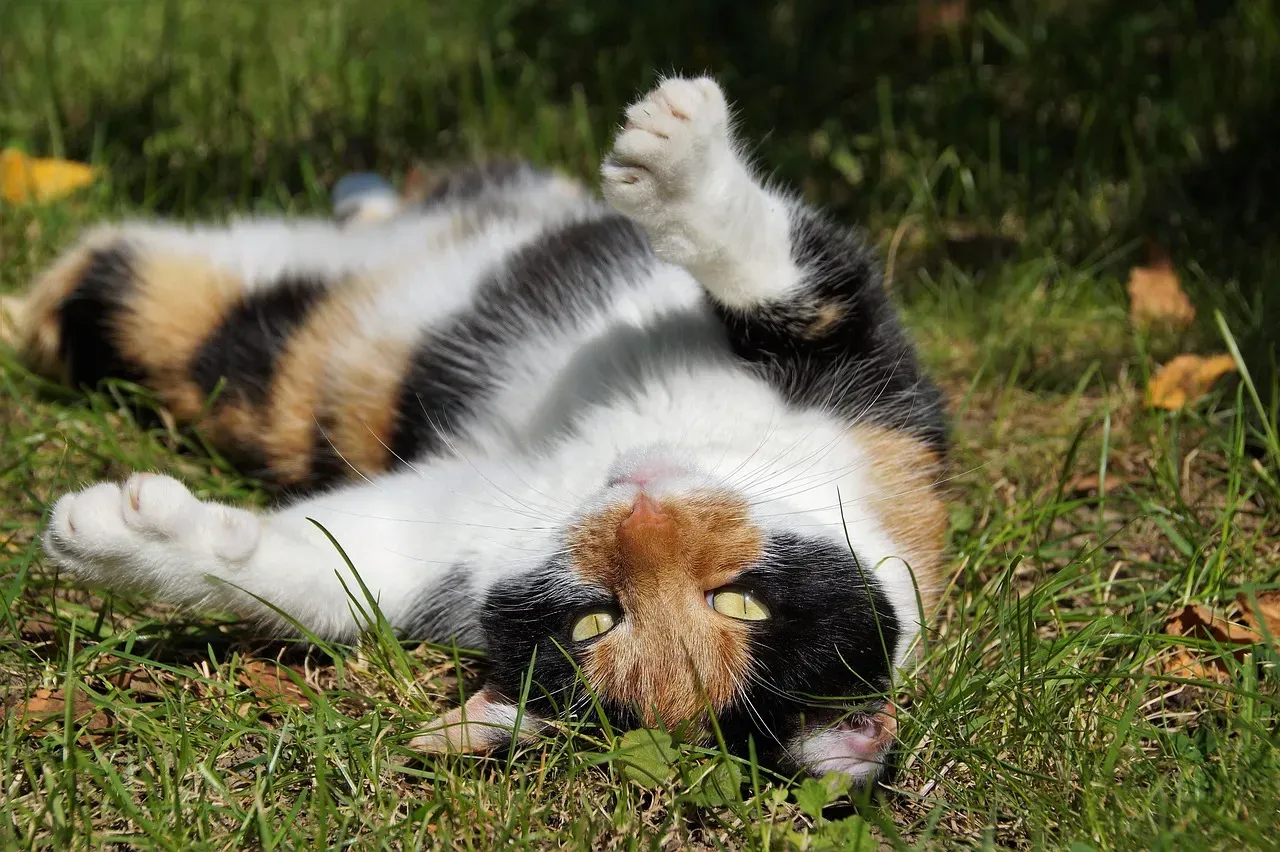
When your cat comes up to you and suddenly rolls onto their back, it’s a way for them to show their happiness and affection, and the belly is a vulnerable area so it takes trust for a cat to expose theirs. If your cat rolls onto its back or exposes its belly in your presence, it’s a sign of trust and comfort indicating happiness, as most animals don’t expose their vulnerable bellies unless they feel safe.
Here’s the catch though: just because they’re showing you their belly doesn’t necessarily mean they want you to touch it. Many cats will quickly grab your hand if you try. The belly exposure itself is the compliment, not always an invitation for belly rubs.
The Mysterious Purr Engine
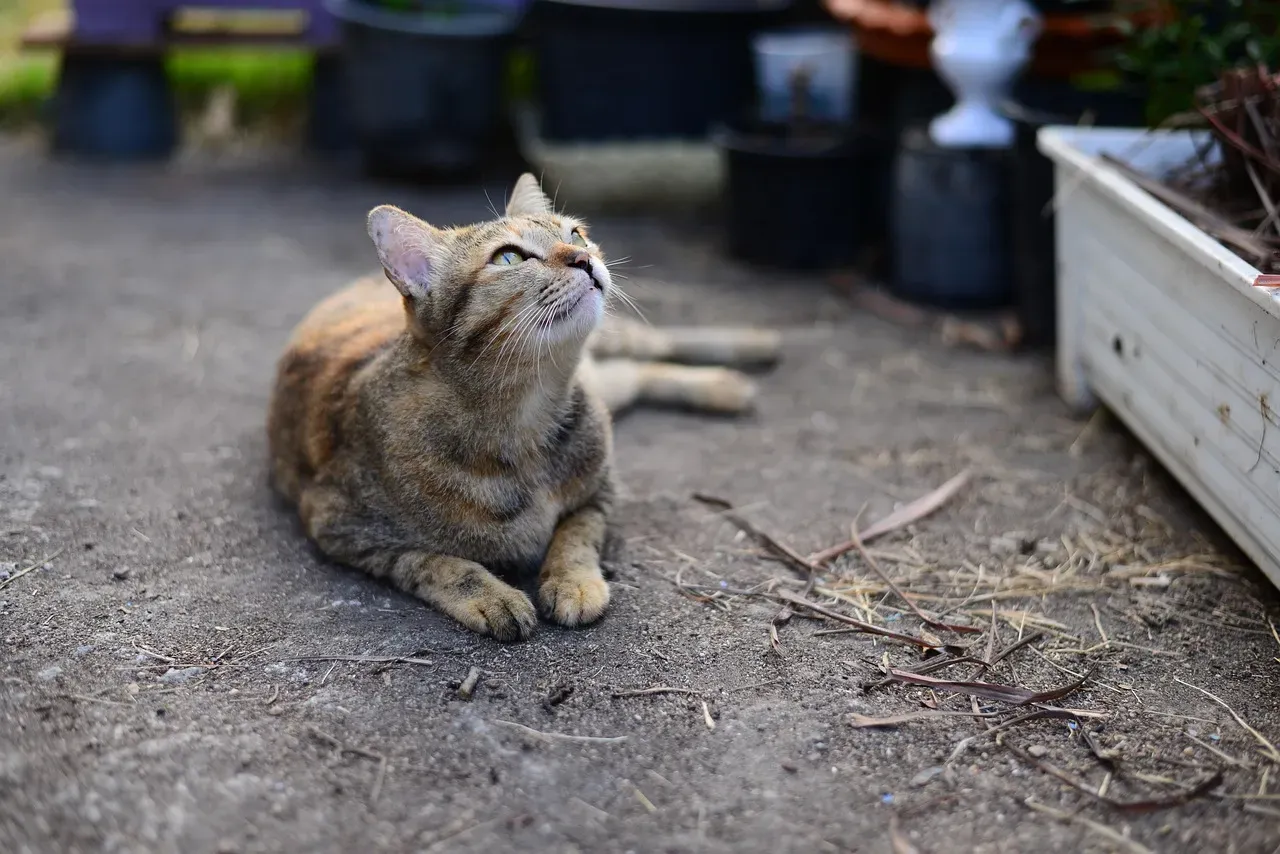
If your cat seems otherwise content and is letting the purrs roar, you can assume they’re happy, like when your feline friend is lazing in the sun letting out deep purrs sharing their joy. Soft purring in a relaxed environment can be a sign of comfort. That rumbling sound is like music to any cat parent’s ears.
Contrary to popular belief, purring isn’t always a good sign, as sometimes cats in pain or under stress will use purring as a self-soothing mechanism. So you’ll want to look at the context. If your cat is relaxed, stretched out, and purring away, that’s contentment. If they’re purring but seem tense or hiding, it might be worth a vet check.
Chirping and Trilling Sounds
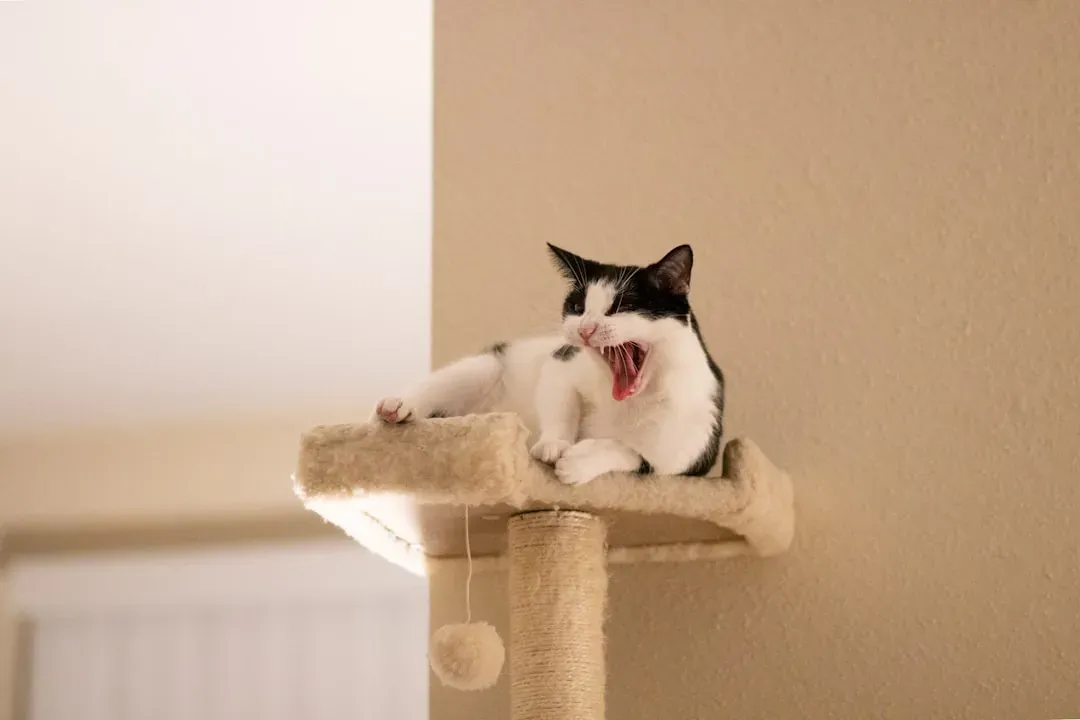
Chirps and trills are in their happy vocal repertoire, often signaling excitement or a friendly greeting. These adorable little sounds are different from regular meows and often happen when your cat sees you after you’ve been away or when they’re excited about something like spotting a bird outside.
Mother cats use trilling to communicate with their kittens, so when your adult cat trills at you, they’re using a vocalization that’s associated with family bonds and positive feelings. It’s like they’re saying hello in their special cat language.
Maintaining a Healthy Appetite
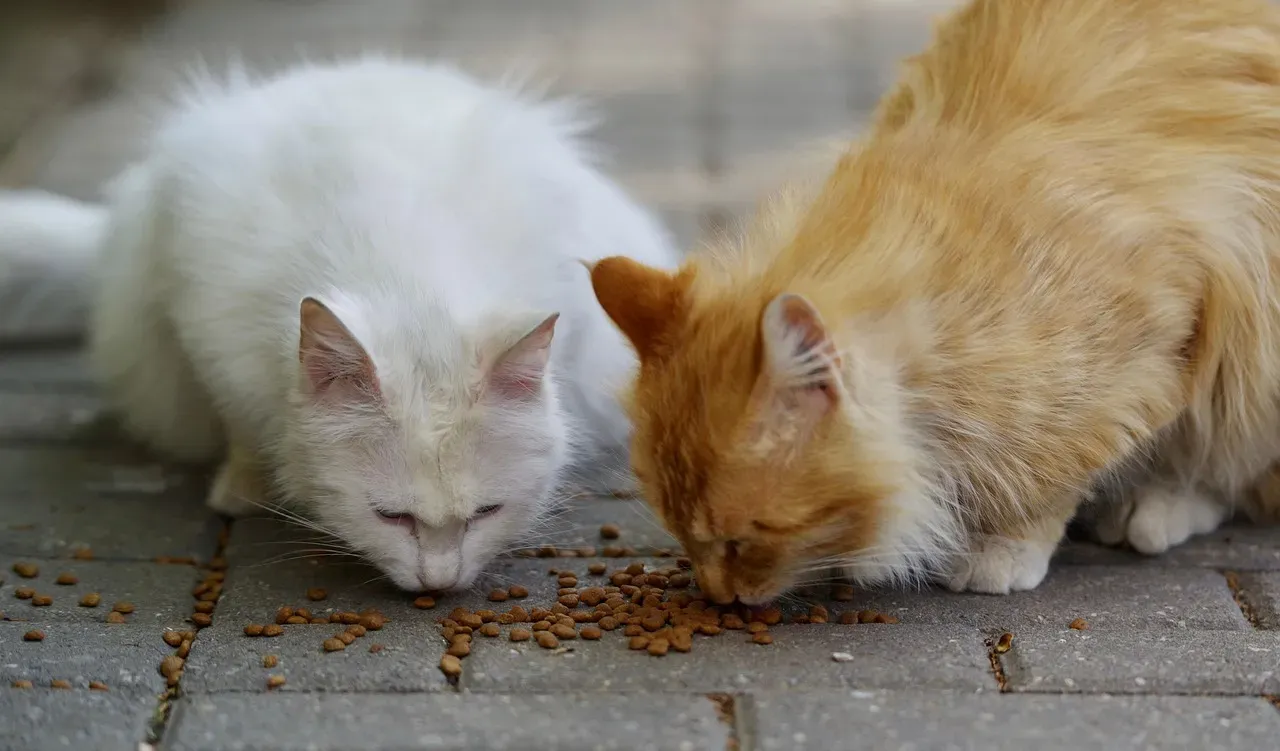
Eating well is almost always a sign of a happy cat, as a happy cat will have a good, healthy appetite. A cat’s appetite is a huge indicator of their health and overall mood, and when they are happy, cats will ask for snacks, show excitement when you provide a treat, and maintain a steady weight.
Changes in eating habits can be one of the first signs that something’s off with your cat, either physically or emotionally. So when your cat comes running at the sound of the food bag or enthusiastically digs into their meals, you can feel reassured that they’re feeling good.
Regular Grooming Habits
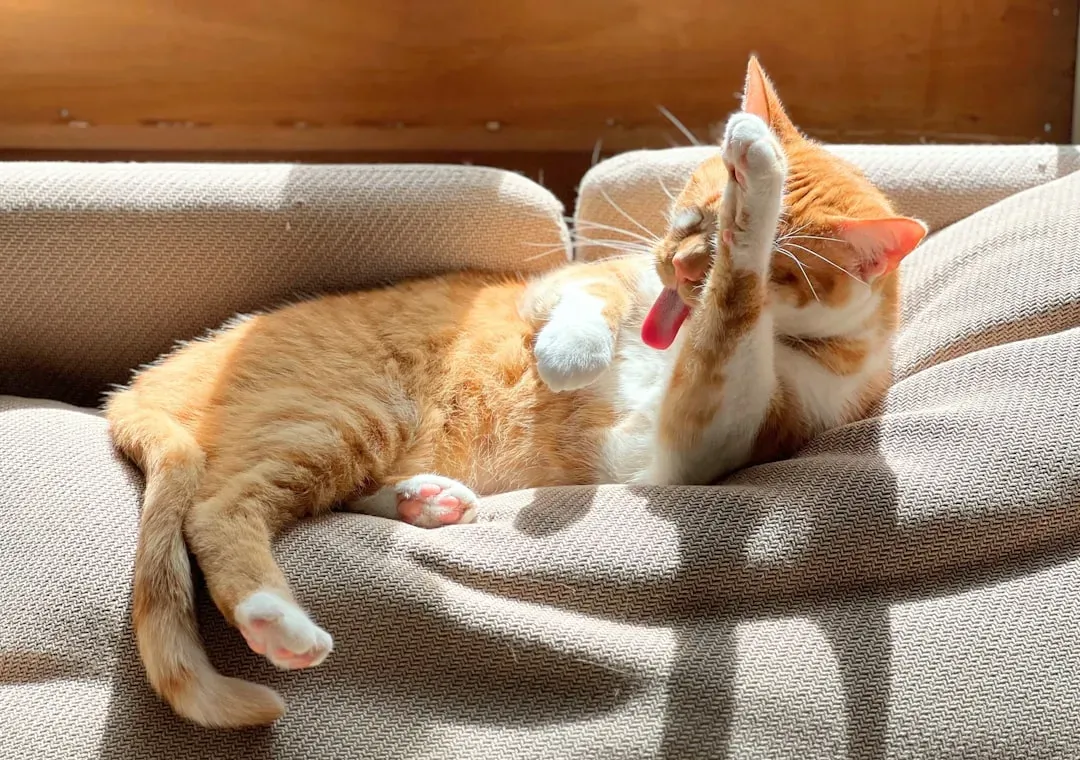
Cats who are happy regularly groom themselves as their way of taking care of themselves while feeling good and relaxed, and happy cats will groom themselves daily taking the time to lick their paws and tail. A clean, well-kept coat is a sign of a healthy, happy cat.
Cats are naturally fastidious creatures, and a shiny, well-groomed coat reflects their emotional state. On the flip side, if your normally well-groomed cat suddenly stops caring for their fur, it can signal stress or illness. So that meticulous self-care routine? It’s actually a good thing.
Seeking Out Playtime and Interaction
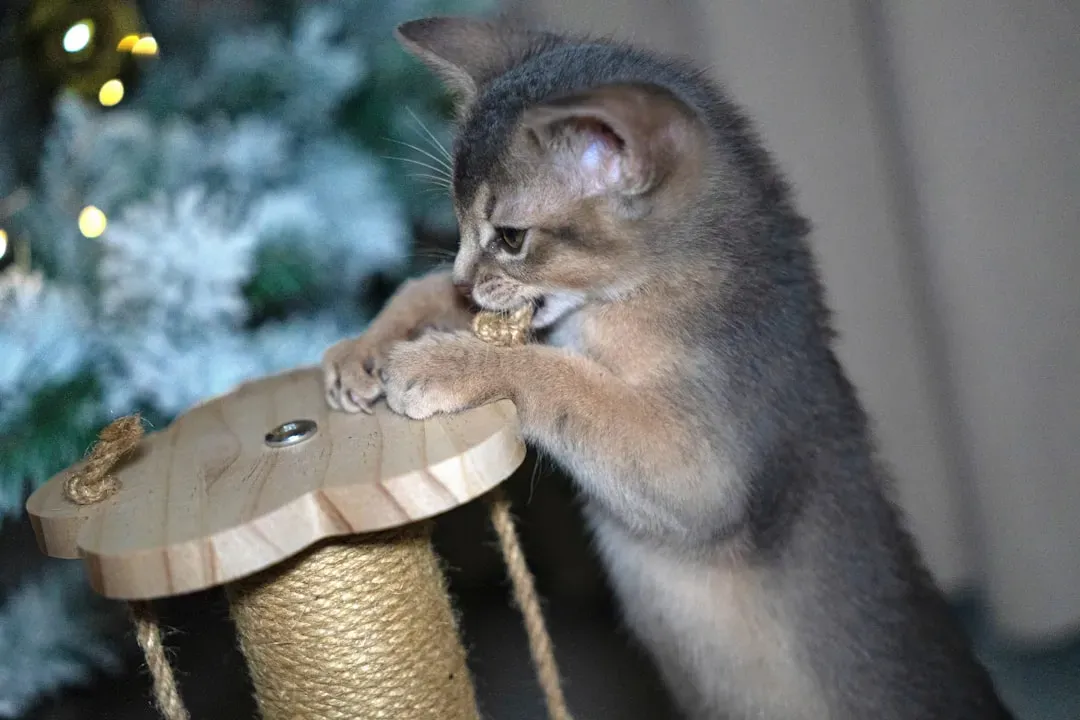
When your cat wants to play, happy cats tend to initiate playtime with owners even those who aren’t that active. Cats will indulge in certain behaviors if they feel like they trust you and are happy, as they wouldn’t nuzzle your leg or play with their favorite toy if they were anxious or not feeling well.
Whether it’s batting at a feather toy, pouncing on a catnip mouse, or bringing you their favorite toy, these playful moments are signs of mental and physical wellness. Cats that feel unwell or stressed typically withdraw and lose interest in activities they once enjoyed.
Maintaining Consistent Sleep Patterns
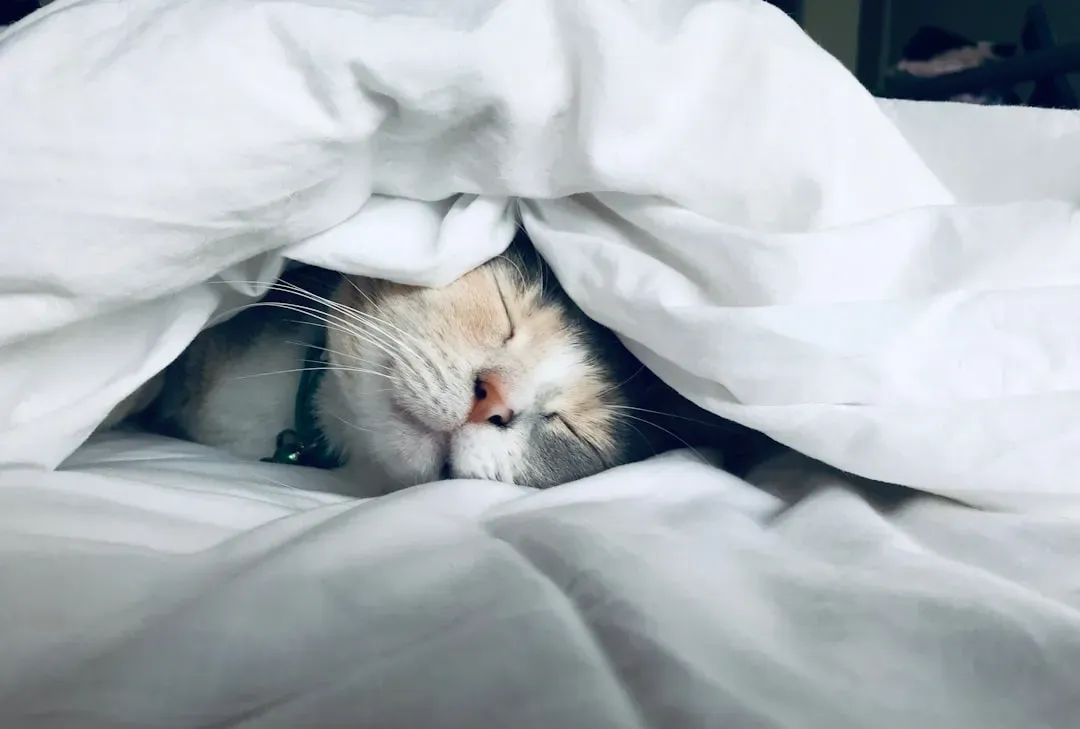
Happy cats sleep the right amount at the right times, and cats can spend up to 20 hours a day sleeping and resting, sticking to a consistent sleeping schedule if they are happy. Yes, cats sleep a lot – it’s perfectly normal for them to snooze away a huge chunk of the day.
What matters more than the amount of sleep is the consistency and quality. A happy, healthy cat will have regular sleep patterns and will sleep in relaxed positions, sometimes even in vulnerable spots that show they feel safe in their environment. Sudden changes in sleep habits, like sleeping much more or less than usual, can indicate stress or health concerns.
Conclusion: Reading Your Cat’s Secret Language
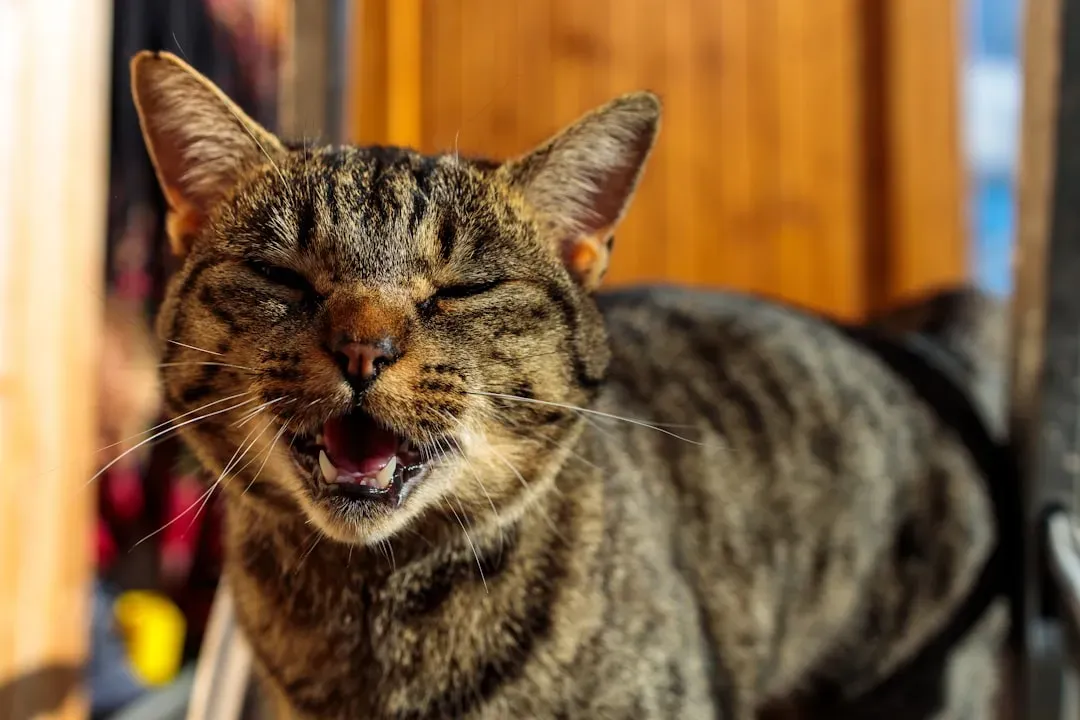
Learning to interpret your cat’s behaviors transforms your relationship with them. These quirky habits that might have once puzzled you are actually windows into your cat’s emotional and physical wellbeing. The better you understand your cat, the closer your bond will be, as your cat’s body language, vocalizations, and behaviors give you lots of information and indicators that allow you to become more attuned to your cat’s emotions.
Every cat has their own unique personality and way of expressing themselves. Some cats are more vocal, others more physical in showing affection. The key is knowing what’s normal for your individual feline friend so you can spot when something changes. What do you think about these behaviors? Have you noticed your cat doing any of these happy signs? Share your experiences with us in the comments.