You’re finally sitting down with your favorite meal, and within seconds, you feel it. The stare. Those enormous eyes locked directly onto your fork, tracking every single movement from plate to mouth. Maybe there’s a little whine thrown in, a gentle paw tap on your leg, or the unmistakable sound of drool hitting the floor. Let’s be real, some dogs have turned begging into performance art.
If you’ve ever wondered why certain breeds seem permanently stationed near the dinner table, you’re about to find out. It’s not just about being hungry. Their food obsession runs deep, often rooted in genetics, historical breeding purposes, and sometimes even personality quirks that make resisting nearly impossible. From the scientifically proven food fanatics to the sneaky counter surfers, these twelve breeds are experts at ensuring you never enjoy a solo snack again.
1. Labrador Retriever: The Genetic Food Fiend

The Labrador Retriever is the most food-obsessed breed, due to a common POMC gene mutation found in about 23% of individuals. This isn’t just your imagination or poor training. Science backs up what every Lab owner already knows: these dogs genuinely feel hungry more often than other breeds. The POMC gene variation disrupts normal hunger regulation, causing persistent hunger, begging, scavenging, and overeating behaviours.
According to the American Kennel Club, some breeds are always pawing at their owners until they give in – and Labrador Retrievers have topped the list. What makes this particularly challenging is their size combined with their appetite. Labs are big, energetic dogs who need substantial food portions, yet their brains never quite register the “I’m full” signal. Honestly, watching a Lab at mealtime is like witnessing someone who hasn’t eaten in days, even if they finished a full bowl just hours ago.
2. Beagle: The Nose Knows No Boundaries

Beagles aren’t just known for their adorable floppy ears and infectious howls; they’re also notorious for their intense love of food, attributed to their historical role as rabbit hunters. Their incredible sense of smell means they can detect a crumb from across the house, making them relentless food seekers. This is a breed that will eat themselves to the point of illness if poorly supervised.
If you own a Beagle, you’ve probably learned to secure trash cans, keep counters clear, and never leave food unattended. These little hounds approach every meal as if it’s a treasure hunt, using their tracking instincts to locate anything remotely edible. Their determination is impressive, really. They’ll sit beneath your chair for hours, unwavering, just waiting for one tiny morsel to drop.
3. Pug: Master of the Guilt Trip

Pugs, with their expressive faces and compact bodies, have a well-documented penchant for all things edible, with their history as a favored companion in Chinese and European royal courts possibly explaining their expectation of indulgence. Those big, round eyes weren’t designed by accident. Pugs know exactly how to manipulate their humans, and they’ve been perfecting this skill for centuries.
If there’s one thing Pugs are famous for – aside from their expressive eyes – it’s their food obsession, which makes them highly trainable with positive reinforcement but means their meals need to be carefully managed. Their compact size works against them because weight gain happens quickly, leading to breathing difficulties and other health complications. Still, try explaining that to a Pug staring at your pizza. It’s hard to say no when they look at you like you’re personally responsible for their starvation.
4. Dachshund: Small Dog, Enormous Appetite

The Dachshund, a small breed with a big personality, is notorious for its food obsession, with their elongated bodies and lively spirits once essential for hunting badgers, showcasing their cleverness and tenacity in inventive attempts to secure treats. Don’t let their short legs fool you. Dachshunds are determined little creatures who will find ways to access food you didn’t think possible.
Their unique body structure makes weight management crucial. Extra pounds put tremendous strain on their long spines, potentially causing serious back problems. Yet try telling that to a Dachshund who’s spotted you opening the snack cupboard. They’ll station themselves nearby, radiating pure hope and expectation until you cave. Their persistence is legendary, matched only by their ability to look perpetually underfed no matter how much they’ve eaten.
5. Golden Retriever: The Friendly Food Thief

Golden Retrievers are famously enthusiastic eaters, making them one of those food-obsessed dog breeds that pet parents need to monitor closely, with their love of treats making training a breeze but their puppy dog eyes dangerously convincing at mealtime. Goldens are so lovable and gentle that you almost don’t notice when they’ve cleverly swiped food right off the table. Almost.
These dogs were bred as hunting and retrieving companions, which required focus, energy, and food motivation. That same drive translates beautifully to training sessions but becomes problematic around dinner. Golden Retrievers possess an uncanny ability to appear out of nowhere the moment you unwrap anything edible. They’re like food-seeking missiles with wagging tails and innocent expressions, making it nearly impossible to stay firm on house rules.
6. Pembroke Welsh Corgi: The Stare Down Champion

When it comes to food obsession, the Pembroke Welsh Corgi knows how to play the cards, with their “steely, unwavering stare” a honed weapon for guilt-tripping you out of your meal. Corgis might be low to the ground, but their food motivation reaches impressive heights. These herding dogs are smart, focused, and absolutely relentless when they want something.
The Corgi’s inherent scavenging spirit, originally bred for herding, applies its focus and determination to anything remotely edible, be it their own food, the cat’s forgotten kibble, or even a stray chip. Their stocky build makes them prone to weight gain, which can lead to serious health issues given their short legs. Still, watching a Corgi work the room during dinner is like watching a professional at work. They know every trick in the book.
7. Rottweiler: The Surprising Softy

Rottweilers trace their origins back to ancient Rome, where they were bred as cattle-driving dogs, with their history of working alongside butchers making them naturally food-driven as they often received scraps as rewards. Beneath that intimidating exterior beats the heart of a food-loving softie. These powerful dogs are incredibly intelligent, which means they quickly learn which behaviors result in treats.
Highly intelligent, Rottweilers quickly pick up on human behavior, remembering what works and repeating actions that lead to food rewards, making their strategic begging skills expert at reading emotions. They’ll study your patterns, memorize your weak moments, and strike with precision timing. That combination of size, intelligence, and food motivation makes them formidable begging machines. When a hundred-pound Rottweiler gives you those pleading eyes, resistance feels futile.
8. French Bulldog: The Stubborn Snacker

French bulldogs are incredibly food motivated, though their training might be hindered by their super stubborn nature, with this breed originally kept as companion dogs suggesting their fixation on food comes from always being pampered. Frenchies believe they deserve unlimited treats, and they’re not shy about expressing this belief. Their flat faces give them an adorable, perpetually hungry expression that’s hard to resist.
These compact dogs require careful portion control because their brachycephalic features already make breathing challenging. Extra weight compounds the problem significantly. Yet Frenchies approach every meal and snack opportunity with enthusiasm bordering on obsession. They’re experts at positioning themselves strategically wherever food preparation happens, waiting patiently (or not so patiently) for their opportunity to score a bite.
9. Bulldog: The Enthusiastic Gulper

Bulldogs are known for being big eaters who always act like they’re hungry and are prone to overeating. These stocky, muscular dogs don’t just eat their food – they inhale it. Mealtime for a Bulldog is a race against an invisible clock, with food disappearing at alarming speed. Their enthusiasm for eating is matched by their tendency to beg between meals.
Despite their somewhat lazy reputation, Bulldogs become remarkably motivated when food appears. Their wide, flat faces and soulful eyes create the perfect begging expression, one they’ve clearly practiced to perfection. The challenge with Bulldogs is maintaining a healthy weight while managing their insatiable appetite. They need controlled portions and regular exercise, neither of which aligns with their preferred lifestyle of eating constantly and napping frequently.
10. Cocker Spaniel: The Persistent Pleader

With their soulful eyes, silky ears, and cheerful spirit, Cocker Spaniels bred for hunting are just as happy exploring as curled up beside you, with their smaller size and loving nature making them ideal companions who, because they aim to please and are often highly food-motivated, can be prone to food obsession. These beautiful dogs with their flowing coats and gentle expressions are masters at working the sympathy angle.
Cocker Spaniels combine charm with persistence, a dangerous combination when you’re trying to enjoy dinner in peace. They’ll position themselves nearby, maintaining eye contact while occasionally releasing soft, pitiful sounds designed to break your resolve. Their food motivation makes training relatively easy, which is wonderful. The downside? They expect rewards for absolutely everything, including simply existing near you while you eat.
11. Basset Hound: The Low-Rider with High Appetite
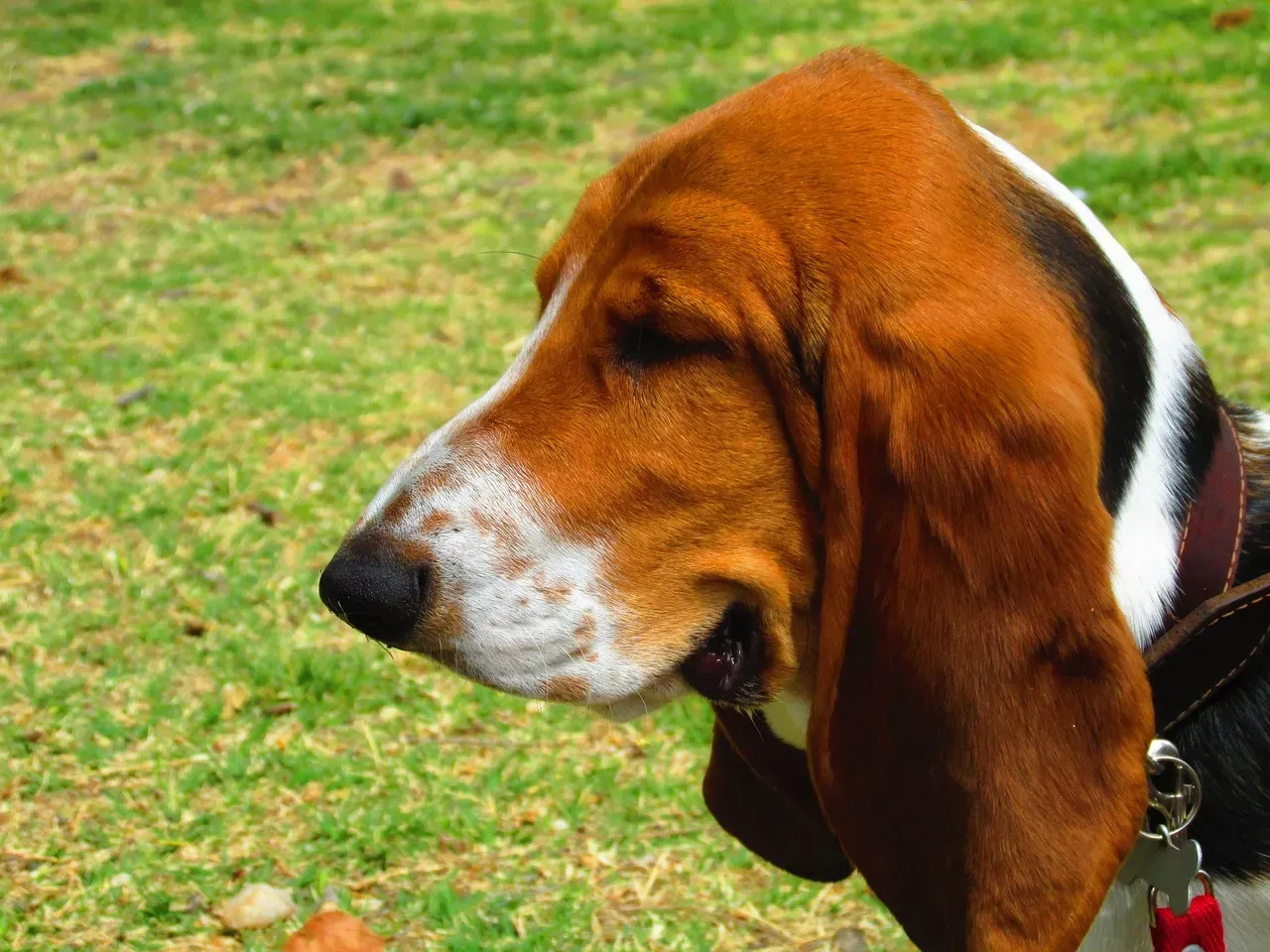
Bassets are another hunting breed that absolutely adores food, with these long and low dogs never seeming to act satiated. With their droopy eyes, long ears, and low-slung bodies, Basset Hounds look perpetually sad, especially when food is involved. That expression isn’t accidental – it’s evolutionary perfection designed specifically to extract treats from softhearted humans.
These hounds possess incredible noses second only to Bloodhounds in scenting ability. That powerful sense of smell leads them on constant food-seeking missions throughout the house. Bassets move slowly and deliberately, giving the impression of calm, lazy dogs. Don’t be fooled. When food appears, they suddenly discover energy reserves you didn’t know existed. Managing their weight is crucial given their long backs and short legs, yet convincing them they don’t need that extra snack requires remarkable willpower.
12. English Bull Terrier: The Food-Driven Character

Other pups which made the list include Beagles, gorgeous Dachshunds and English Bull Terriers, too. With their distinctive egg-shaped heads and muscular builds, Bull Terriers are unique in appearance and personality. They’re also completely food-obsessed, approaching meals and treats with single-minded determination that’s both impressive and exhausting.
These dogs are strong, energetic, and incredibly focused when something interests them. Unfortunately for your peaceful mealtimes, food interests them greatly. Bull Terriers will use their considerable intelligence to problem-solve their way to food, whether that means learning to open cabinets, counters, or containers you thought were secure. Their persistence combined with their strength makes them formidable opponents in the battle over who controls the snacks. Training helps, consistency is key, but honestly? You’re probably still going to have a shadow at every meal.
Living with a Food-Obsessed Friend

Sharing your life with one of these perpetually hungry breeds means accepting that solitary snacking is a thing of the past. You’ll develop new skills: eating faster, hiding food more creatively, and perfecting the art of saying no to those heartbreaking eyes. It’s worth remembering that their food obsession often made them excellent working dogs, easy to train, and wonderfully responsive to positive reinforcement.
Managing their weight through portion control, quality nutrition, and regular exercise becomes part of your daily routine. You’ll learn which vegetables make acceptable low-calorie treats, discover creative feeding puzzles that slow them down, and possibly invest in containers they can’t possibly breach. The trade-off? Unconditional love, endless entertainment, and a companion who thinks you’re absolutely amazing, especially around six o’clock when dinner usually appears. Did you realize so many breeds were scientifically proven food fanatics? What tricks have worked for managing your perpetually hungry pup?