You probably never thought twice about turning on the blender, slamming a kitchen drawer, or letting your phone ring out at full volume. It’s just life, right? Normal household stuff. But here’s the thing – what feels completely unremarkable to you might be sending your cat into a full-blown panic on the other side of the room.
Cats experience sound in a way that is almost incomprehensible to us. Their hearing operates on a completely different level, and the gap between your world and theirs is enormous. Understanding which everyday sounds are secretly wrecking your cat’s nervous system could genuinely change the way you manage your home. Let’s dive in.
The Vacuum Cleaner: The Monster in the Closet
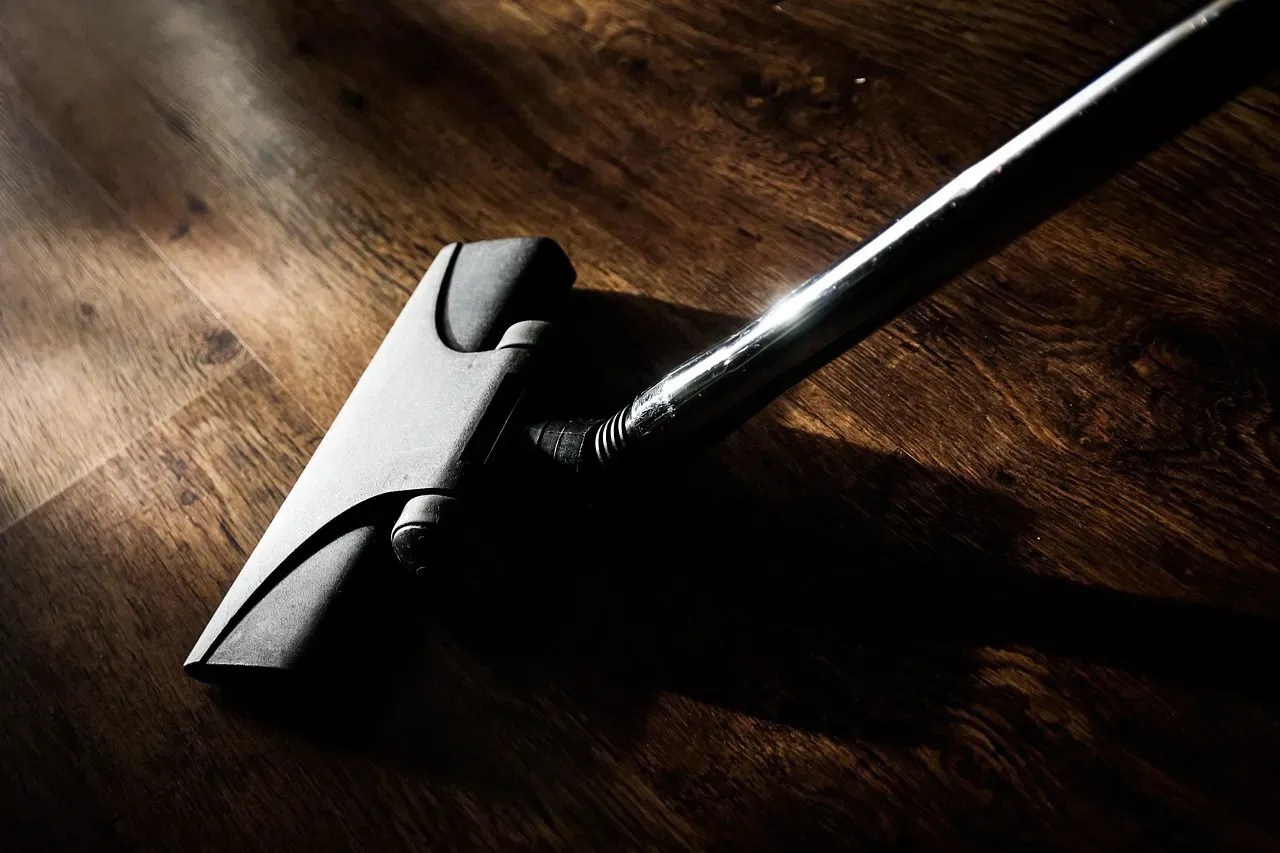
Ask any cat owner what happens the moment a vacuum cleaner switches on, and you’ll almost always get the same answer – the cat vanishes. You’ve likely noticed your cat darting under the bed at the sound of a vacuum cleaner, and that reaction makes complete sense, because cats have an acute sense of hearing that turns everyday sounds into terrifying experiences. It’s not drama. It’s not them being difficult. To your cat, that machine is genuinely alarming.
Everyday loud noises like a running vacuum cleaner can be startling and painfully loud for your cat. Think of it this way: it would be like someone parking a helicopter in your living room without warning. When you vacuum, consider putting your cat in a safe room and using a blanket to seal out the sound that can come under the base of the door. Such a small adjustment can make an enormous difference in your cat’s daily stress levels.
Thunderstorms: Nature’s Unavoidable Assault

Because their hearing is so sensitive, sudden loud noises such as storms can easily startle or frighten cats. The problem with thunderstorms goes beyond just the sound itself. The rolling unpredictability of thunder means your cat never knows when the next crack is coming, and that uncertainty alone keeps them locked in a high-alert state throughout the entire event.
Weather-related noises such as thunderstorms are particularly frightening for many cats. Honestly, this one is hard to fix because nature doesn’t exactly cooperate with your cat’s anxiety levels. If your cat seems especially bothered by loud noises, help them cope by avoiding exposure whenever possible, masking outside sounds with steady background noise, and providing quiet, secure places for them to hide. A cozy covered bed in an interior room can work wonders during a storm.
Fireworks: A Celebration That Feels Like an Attack

Fireworks are arguably one of the cruelest sounds for cats, because they combine extreme volume, erratic timing, and zero predictability. When cats are exposed to loud, unpredictable noises over and over, it can cause long-term anxiety, with their bodies releasing stress hormones that keep them on high alert, leading to changes in appetite, sleep, and behavior. A single night of fireworks can leave your cat unsettled for days.
In severe cases of noise aversion, it may take days for an animal to recover from exposure to the triggering sound, and the cat may also exhibit constant anxiety in anticipation of the trigger. That anticipatory dread is real and measurable. You can support your cat by giving them quiet, secure places to hide, keeping them indoors during noisy events, and closing windows and curtains when loud noises are expected.
The Doorbell: A Jolt From Nowhere
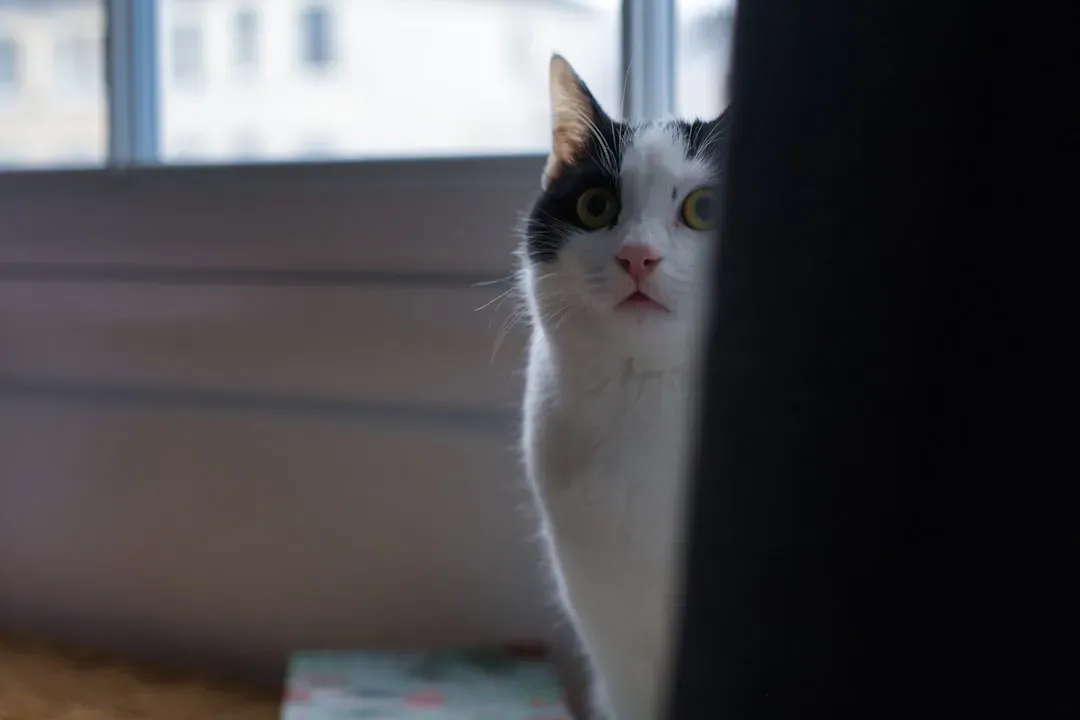
Loud and sudden noises can alarm and scare cats, causing them to panic, and examples include fire alarms, doorbells, thunder, fireworks, and passing traffic. The doorbell is particularly sneaky because it always comes without warning. Unlike the vacuum, which you pull out and your cat can see coming, the doorbell strikes with zero context and maximum shock value.
Cats also dislike noises they haven’t heard before or don’t understand, and they find it very stressful when a new noise interrupts them and they can’t figure out where it’s coming from. When a sharp, electronic ring pierces the silence of a calm afternoon, your cat’s brain does the same thing it has been doing for thousands of years – it goes straight into survival mode. Creating a designated retreat space well away from the front door can help your cat self-regulate after these sudden interruptions.
The Screaming Kettle: High Pitch, High Stress

I know it sounds crazy, but that pleasant whistle from your kettle on the stove might be doing real damage to your cat’s stress levels. Loud and startling thumps, bangs, and clanks aren’t the only noises that can stress cats – high-frequency sounds such as whistling tea kettles and even the sound of our voices can cause anxiety. Your cat doesn’t just hear the whistle, they feel it.
Cats can hear noises from 45 to 60,000 hertz, compared to the human hearing range of 20 to 20,000 hertz – a difference of almost two octaves. That high-pitched shriek sits directly in the zone your cat finds most piercing and alarming. Switching to an electric kettle that shuts off automatically and quietly is one of the simplest swaps you can make for your cat’s sake.
Electronic Device Hums: The Invisible Irritants
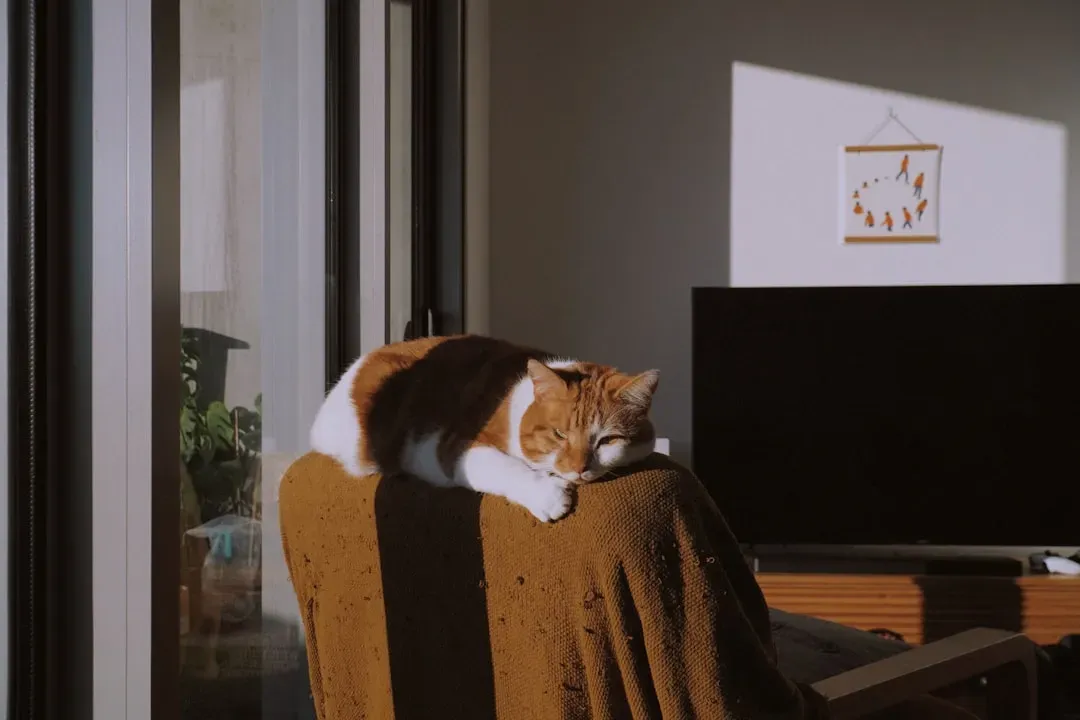
Here’s something most people never consider. Cats can hear a lot of sounds we can’t, including ambient sounds like fluorescent light bulbs, video computer monitors, dimmers on light switches, and whistling tea kettles. You walk past your TV and hear nothing. Your cat, sitting on the couch beside it, may be enduring a persistent high-frequency whine that never stops.
Many electronic devices emit noises that are vexing to cats – computers, televisions, smoke detectors, and even remote controls produce high-frequency sounds that we can’t necessarily hear but are extremely abrasive to cats. It’s the equivalent of someone slowly dragging a nail across a chalkboard, all day, every day. Exposure to high-frequency sounds can cause irritability and annoyance in cats, so try to switch off electronic devices such as televisions, computer screens, and fluorescent light bulbs when they are not in use.
Aerosol Cans and Hissing Sprays: Triggering a Primal Response
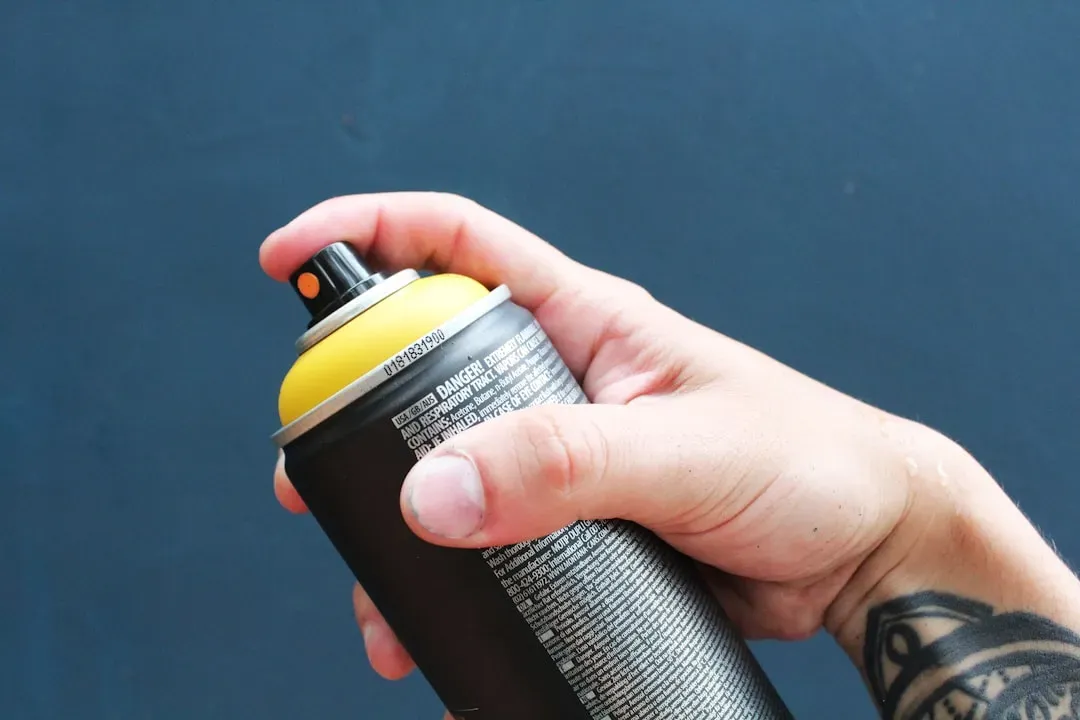
Your hairspray, air freshener, or cleaning spray might be more unsettling to your cat than you ever imagined. Cats associate hissing sounds with negative interactions and outcomes, and you might be surprised by how many things in and around our homes replicate that hissing noise, including hair spray or aerosol cans, plastic bags when they are rustled, or scrunched-up aluminum foil. That “pssshhh” sound directly mimics the hiss of a threatening animal.
The hissing sound mimics the sound of a snake, which taps into a primal fear that cats have, and this triggers an immediate defensive response. Think about that for a moment. Every time you spritz some dry shampoo or spray the countertop, your cat’s ancient brain is essentially screaming “snake!” at full volume. Switching to pump-action bottles where possible is a thoughtful alternative for sensitive cats.
Babies Crying and Children Shrieking: Too Close to Danger Signals

To cats, a baby’s cry can feel like a piercing alarm, as these sounds often fall directly in their most sensitive hearing range, making them impossible to ignore. It seems counterintuitive, since baby cries feel warm and human to us. To your cat, though, the pitch and unpredictability of an infant’s wail registers as a genuine threat signal.
Children’s shrieks carry the same effect, adding unpredictability and suddenness to the mix. Homes with young children can become genuinely overwhelming for sensitive cats. The key is giving your cat reliable, noise-free sanctuaries, like a room with a cat flap or a high shelf in a quieter area of the house, where they can decompress completely away from the chaos of family life.
Slamming Doors and Banging Pots: The Shock Factor
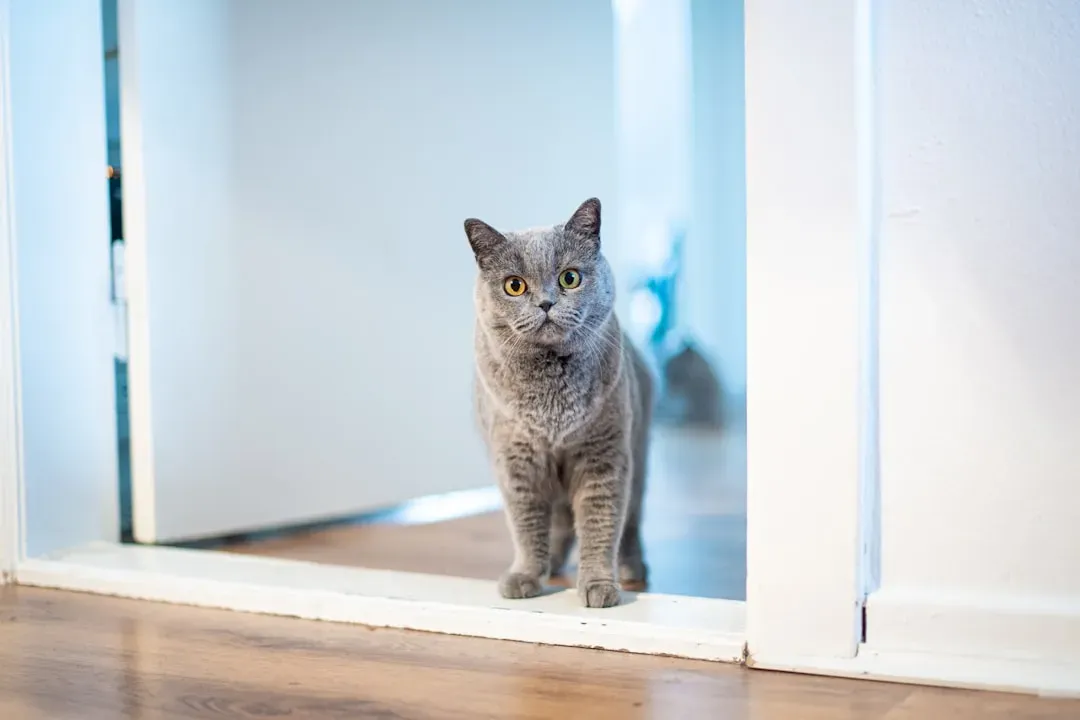
Let’s be real – most of us slam doors or clatter pots without even noticing. It’s part of moving through a home. Sudden loud sounds like pots and pans banging or doors slamming startle cats very easily, and any loud, abrupt sound is bound to stress them out because they aren’t expecting it and aren’t ready for it. The element of surprise is actually what makes this category particularly damaging.
A brief, involuntary defensive response to loud, sudden noises, called the acoustic startle reflex, is a normal, adaptive response in mammals that protects the animal and typically resolves quickly once the noise ends. The trouble is, in a busy household, those slams and bangs keep coming. Each one resets the stress clock. Long-term exposure to noisy environments can cause a feline to suffer from chronic stress, which is far more serious than a simple fright.
Loud Music and TV: It’s Not Just the Volume
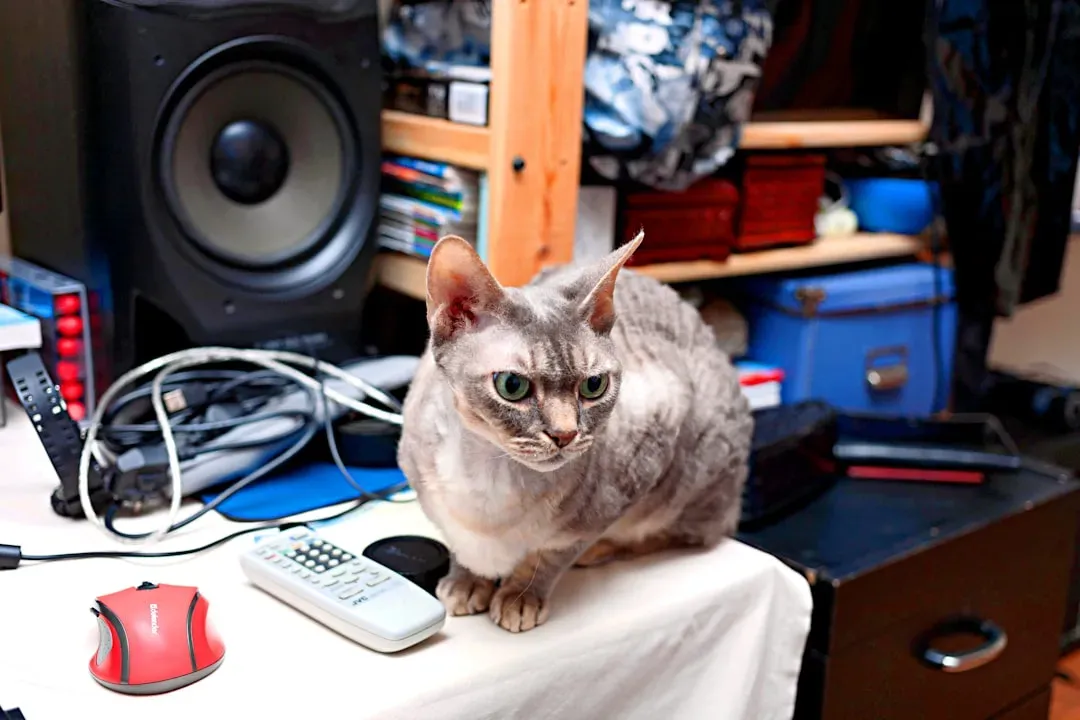
You might think cranking up your playlist or bingeing a loud action movie is harmless fun. Your cat disagrees deeply. Cats are more sound-sensitive than humans, which means noises sound louder to them than they would to us, and cats also have a more comprehensive hearing range and can hear noises at lower and significantly higher pitches than people. So even your “moderate” volume is hitting their ears far harder than it hits yours.
Excessive chronic noise can also raise your cat’s blood pressure, caused by your cat living in a heightened state of stress. That’s not a small thing. Chronically elevated blood pressure is a genuine health concern. Using headphones lets you enjoy your music while not disturbing your cat, or you can make sure your cat has an escape route and encourage them into a different room before you start playing music at high volume.
Construction and Power Tools: Prolonged Sonic Assault
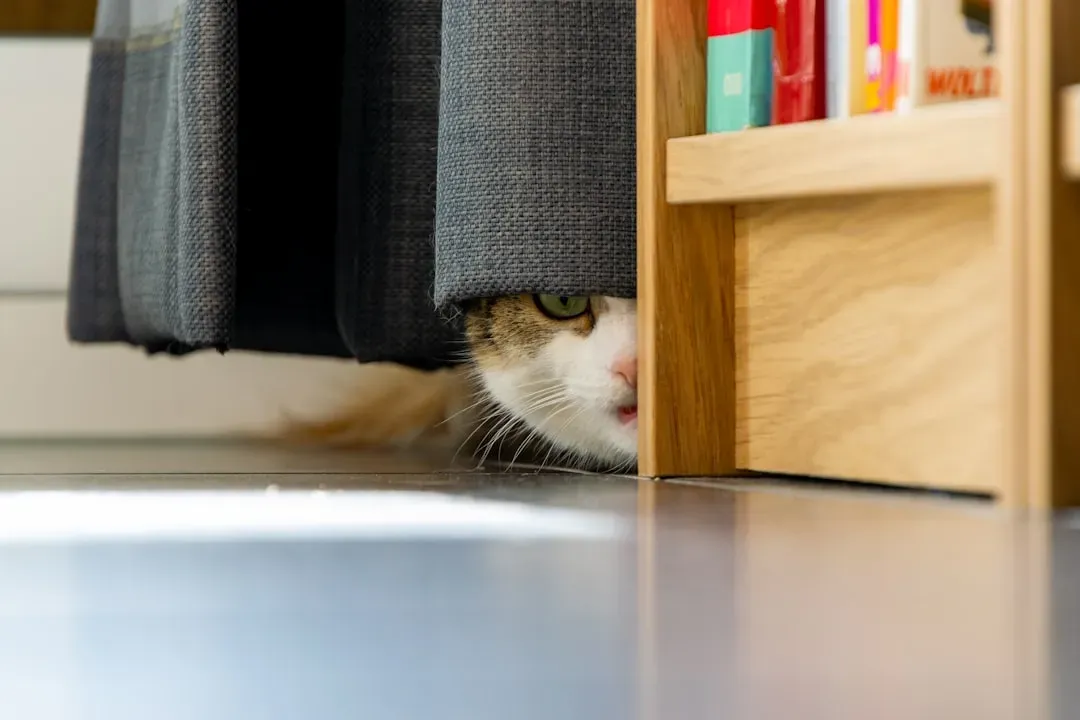
Home renovations are exciting for humans and genuinely hellish for cats. Drills, circular saws, hammering, and the random unpredictability of construction noise keep cats in a state of sustained alarm. When cats are exposed to loud, unpredictable noises over and over, it can cause long-term anxiety, with their bodies releasing stress hormones that keep them on high alert, leading to changes in appetite, sleep, and behavior. A renovation that goes on for weeks can be truly debilitating for a sensitive cat.
Some animals suffer acute stress as a result of stimuli that should not be interpreted as harmful, such as loud noises and quick movements, and this stress can limit exploration and play, reduce sleep, and increase hiding. If you’re doing major work in the house, it’s genuinely worth considering boarding your cat with someone in a quieter home for the duration. It’s not overprotective; it’s actually the kind thing to do.
Your Own Voice at High Volume: Closer Than You Think

This one stings a little, but it needs to be said. High-frequency sounds, including even the sound of our own voices, can cause anxiety in sensitive cats. Raised voices during arguments, loud laughter, or even excited, high-pitched talking can genuinely distress your cat. They can’t tell the difference between a heated human conversation and an actual threat unfolding in their home.
Research found more behavioral indicators of fear and stress, including negative ear positions, hiding, freezing, and vigilance in cats during noisy times compared to quiet ones, and following a shift from a quiet to a noisy environment. Your emotional energy translates directly into your cat’s stress response. When your cat reacts to sound, you need to remain calm, because nothing will reassure them more than your own casual acceptance of the noise. Be the calm in your cat’s storm. Literally.
Conclusion: Your Cat Is Always Listening
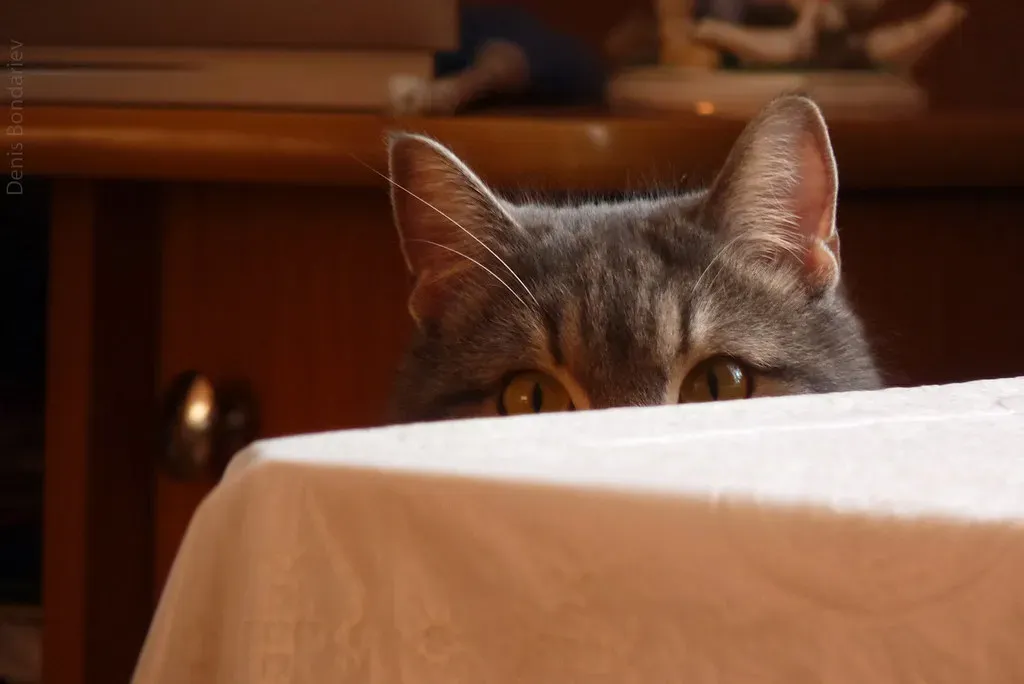
It’s easy to forget that your home, from your cat’s perspective, is a landscape of constant sonic events. Cats live in a world of sound that is richer and sharper than our own, with ears that can rotate like little satellite dishes to zero in on faint noises and a hearing range that extends far beyond ours, meaning the smallest squeak or highest beep from an appliance lands directly in their sensitive zone. That’s not a metaphor. That’s just their biology.
The good news is that most of these stressors are manageable once you know what to look for. Small changes – quieter appliances, designated safe spaces, mindful volume control – can make a dramatic difference in your cat’s daily quality of life. While you can’t prevent every unsettling noise your cat can hear, you can take steps to alleviate their stress, and by creating a safe space where they can hide, your cat will feel more secure when these noises do occur.
Your cat chose you as their safe person. The least we can do is make the world a little quieter for them. So next time you reach for the blender at 7 in the morning, maybe glance over at where your cat is sleeping first. What do you think – how many of these sounds does your cat react to? Tell us in the comments.