You probably glance at your cat’s whiskers every single day without giving them a second thought. They’re adorable, sure. They twitch when your cat smells something curious, fan out when they’re stalking a toy across the floor, and make your feline companion look endlessly expressive. But here’s the thing – those wispy strands of hair are arguably the most complex, sophisticated sensory tools in the entire animal kingdom.
Most people assume whiskers are just long facial hairs. They are not. Not even close. What’s actually going on beneath the surface is a world of nerve endings, proprioceptors, blood vessels, and biological engineering that science is still unpacking. If you think you know your cat, wait until you read this. Let’s dive in.
1. Whiskers Are Basically Nature’s Built-In Radar System
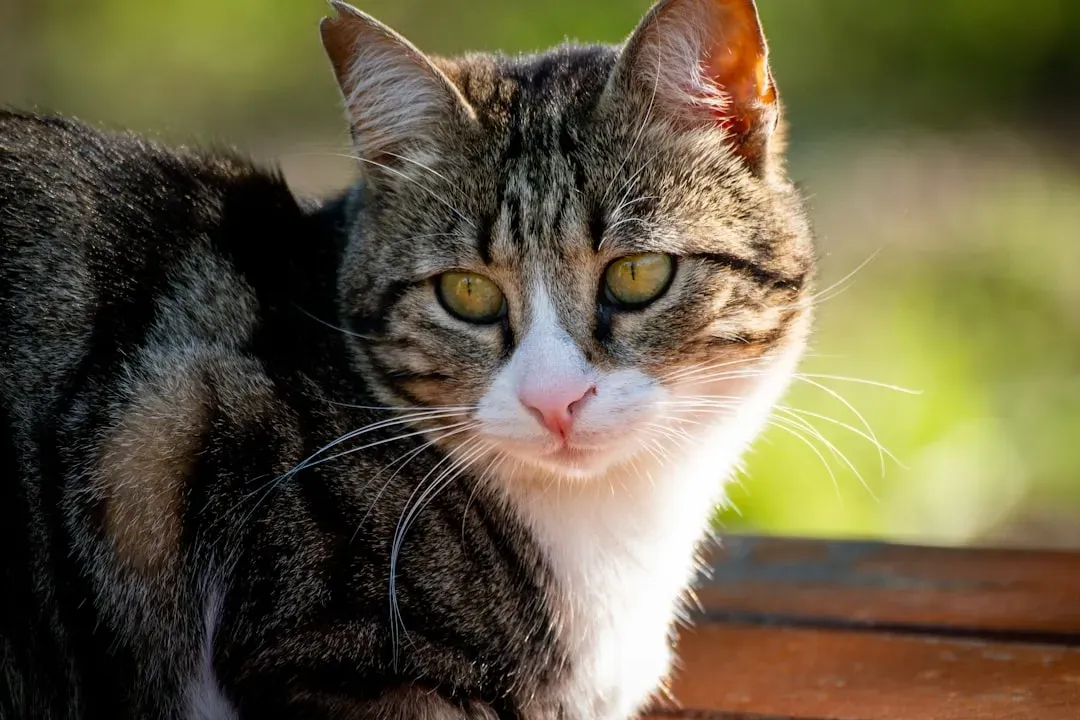
The official title for cat whiskers is vibrissae, which comes from the Latin word “vibrio” meaning “to vibrate.” The hair follicle of your cat’s whiskers is loaded with nerves, and the whisker tip features a sensory organ known as a proprioceptor – together making them incredibly sensitive to vibrations and changes in their environment. Think of it like a living antenna, not just a hair. Every tiny shift in the air around your cat is instantly registered and processed.
Whiskers are also much more deeply embedded in a cat’s body than normal fur hair, as they’re directly connected to the muscular and nervous system. This enables whiskers to send sensory messages to the brain about your cat’s surroundings, which is what makes them such savvy explorers. Honestly, it’s less “cat hair” and more “biological supercomputer accessory.”
2. Your Cat Touches the World With Its Face
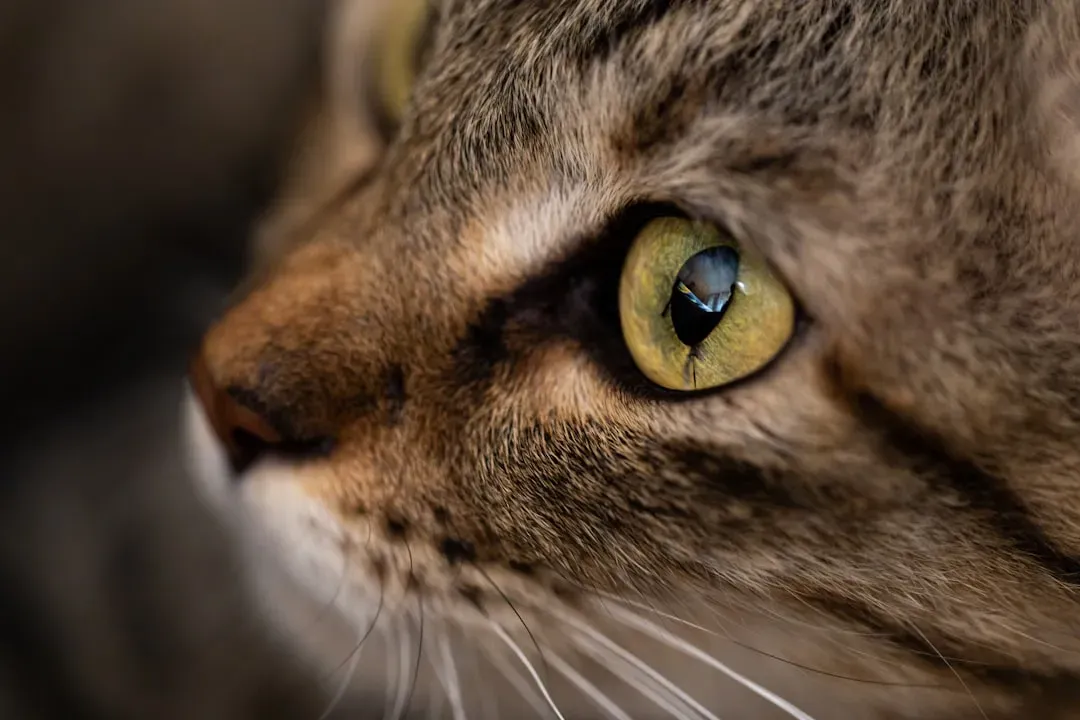
Whiskers are more sensitive than regular hairs because the follicles they originate from are packed with blood vessels and nerves. In fact, a cat’s whiskers are as sensitive as a human’s fingertips. So while a human’s sense of touch is in the fingers, a cat touches the world with its face. That’s not a metaphor. It’s literally how feline anatomy works.
Although whiskers are sometimes called tactile hairs, the whiskers themselves don’t have any sense of touch. Rather, the movement of the whiskers triggers the nerves in the hair follicle, and that information is sent to the brain – telling a cat about the location, size, movement, and texture of an object, as well as more general environmental information. It’s a fascinating indirect system, and it’s incredibly precise.
3. They Double as Night-Vision Assistants

If you’ve ever wondered how your cat seamlessly moves around during the night without bumping into anything, it is in part because of their whiskers. The air currents in a room are different depending on where furniture is placed, and their intelligent whiskers pick up on this and tell their brain where things are. Your entire living room is essentially mapped out through airflow. Wild, right?
Cats have excellent night vision, but their whiskers give them an extra edge. In low light, they use their whiskers to sense the shape, size, and movement of objects around them, kind of like a sixth sense. By detecting subtle shifts in the air, cats can avoid bumping into things, sneak up on prey, or leap onto high, narrow ledges with precision. It’s like having headlights you never need to charge.
4. Whiskers Are a Built-In Body-Width Measuring Tape
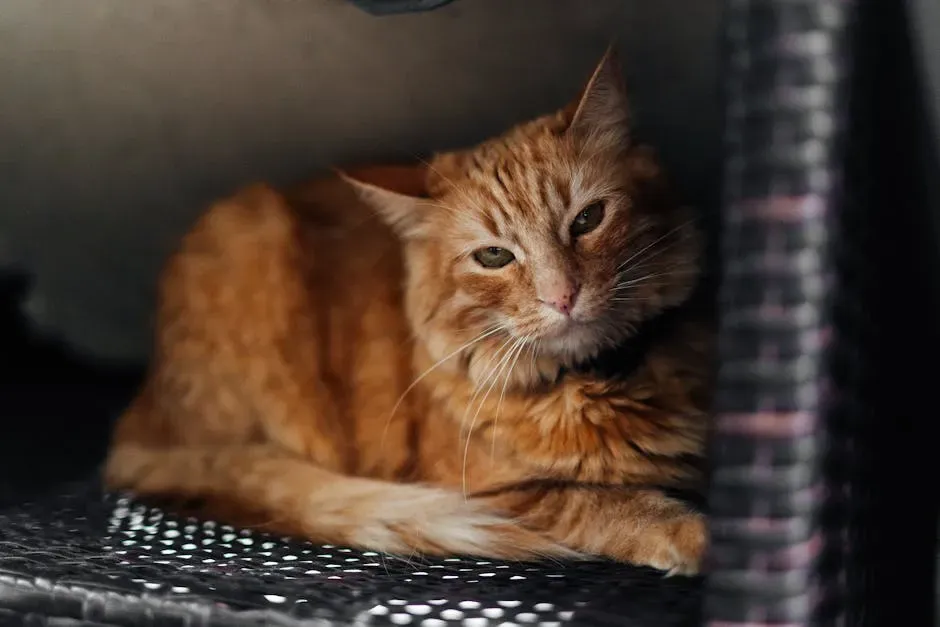
The size of a cat’s whiskers isn’t random – they’re usually about the same width as the cat’s body. Their size helps cats judge whether they can fit through tight spaces, like under furniture or through a gap in a fence. If the whiskers touch both sides of a space, it tells the cat they may get stuck. It’s the original precision measurement tool, no batteries required.
You may have seen your cat put their head into an opening before the rest of their body – this is because their whiskers work as a built-in ruler. Because whiskers are placed around the width of your cat’s body, they are excellent at helping your cat gauge how tight a space is. Next time you see your cat doing that “should I fit?” head-tilt, you’ll know exactly what’s happening.
5. Cats Have Whiskers on Their Legs Too
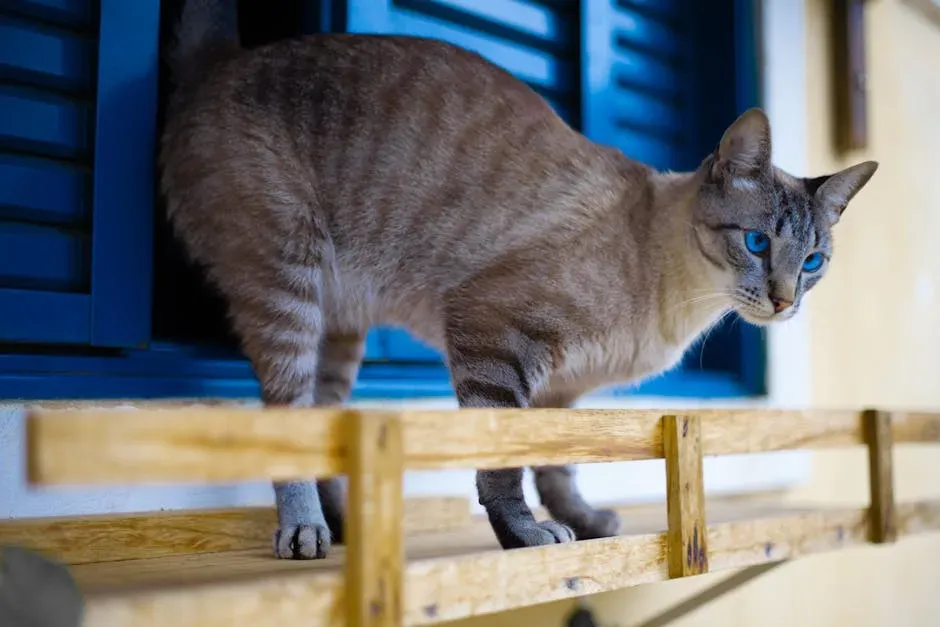
Did you know cats also have whiskers on their eyebrows, chin, and even the back of their front legs? The leg whiskers, called carpal vibrissae, help detect movement from prey or obstacles below them, which is especially handy during hunting or climbing. Most cat owners are completely unaware of these hidden sensory gems tucked behind the wrists.
Once a cat pounces on their prey and has it in their paws, their whiskers help them “see” where to deliver the fatal bite. Think of it like a surgeon relying on touch during a delicate procedure. The carpal whiskers are the final precision instrument in the hunt, converting a near-miss into a clean capture every single time.
6. Whisker Position Reveals Your Cat’s Mood
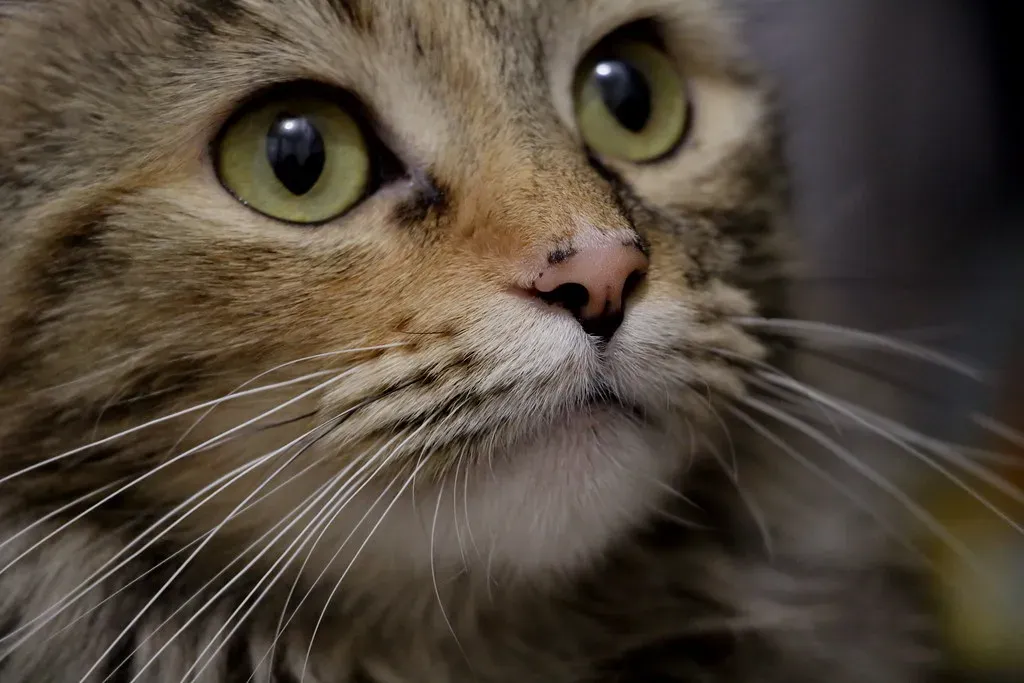
When a cat is relaxed, their whiskers are loose and out to the side. If they’re alert or curious, the whiskers point forward. When they are scared or angry, the whiskers pull back tightly against the face. You’ve essentially been carrying around a built-in mood decoder this whole time without knowing how to read it.
Cat whiskers can also be involved in communicating with other cats and even observant owners. Tiny muscles around the base of the whiskers allow stressed cats to point their whiskers toward potential threats and relax them when they are content. Let’s be real – once you know this, you’ll never stop watching your cat’s whiskers during feeding time or when a stranger walks through the door.
7. Each Cat’s Whisker Pattern Is Completely Unique
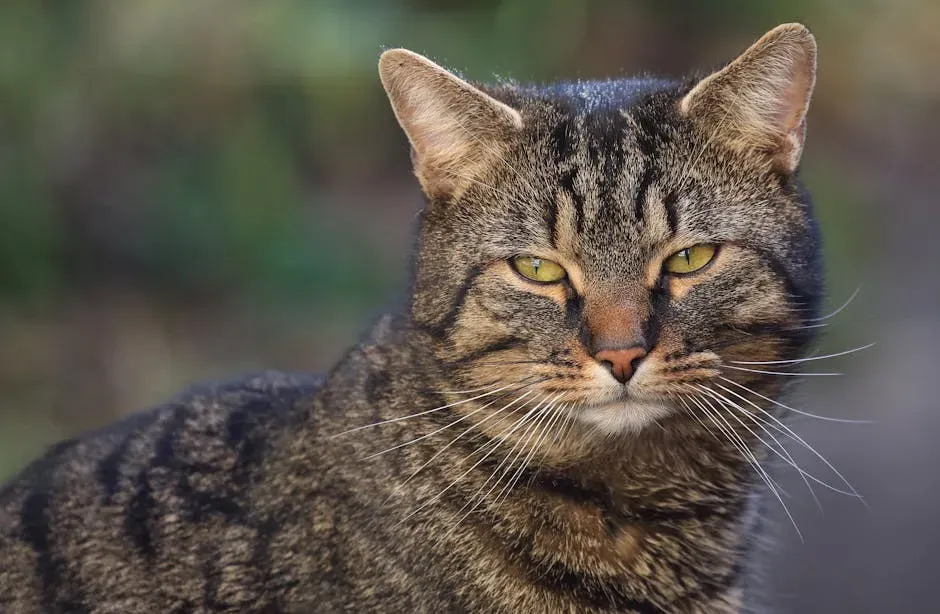
Just like human fingerprints, a cat’s whisker pattern is unique – no two cats have exactly the same spacing or number of whiskers. While most cats have about 24 whiskers on their cheeks, 12 on each side, the exact placement and angle vary from cat to cat. Your cat is literally one of a kind, right down to those quirky, criss-crossing strands above their upper lip.
Usually, cats will have 24 whiskers spread out symmetrically, so 12 on each side of their face. Some cats have more than the average 24 whiskers, but if you pay close attention, you’ll notice that there’s always an even number. Having a symmetrical set of whiskers helps your cat accurately assess their surroundings. Symmetry isn’t just aesthetic here. It’s functional engineering.
8. Whisker Fatigue Is a Real Condition
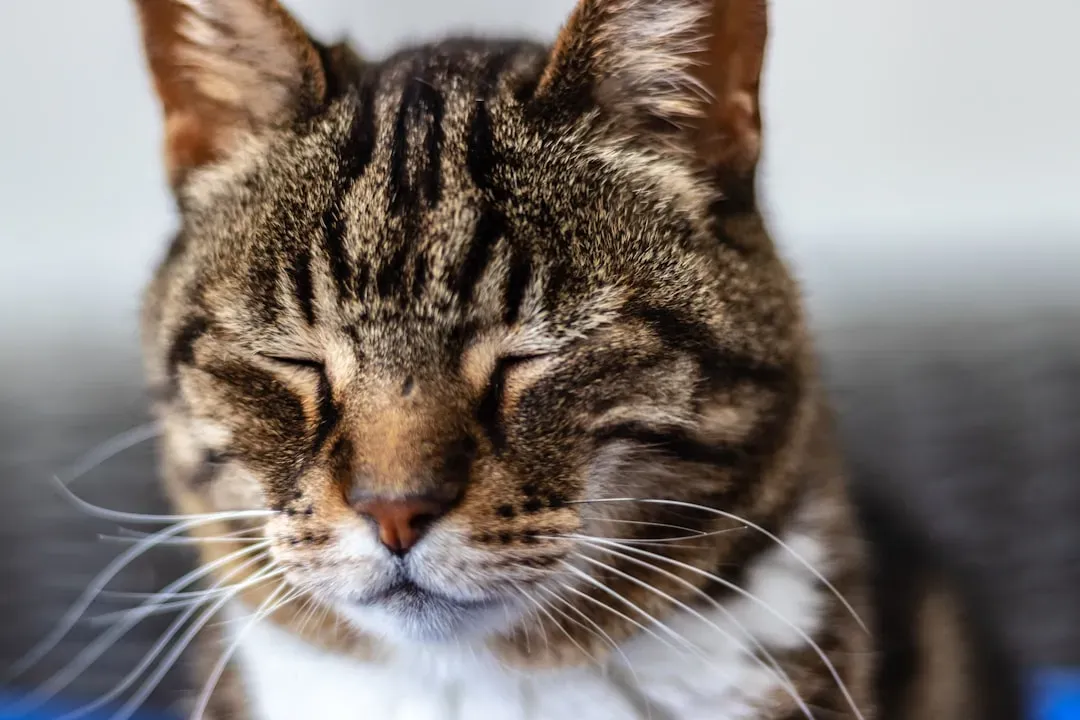
Whisker fatigue is a relatively newly recognized condition. It occurs when cats’ whiskers are over-stimulated, often by frequently touching against the sides of their food or water bowls. I know it sounds almost too precious to be real, but veterinarians and feline behaviorists take it genuinely seriously. It’s not just a marketing trick for fancy cat bowls.
You should choose food and water dishes with a flatter design so the cat’s whiskers don’t touch the sides every time they try to eat or drink. Repetitive contact with the dishes sends unnecessary messages to the cat’s brain and can be overwhelming. It’s the sensory equivalent of trying to eat a meal while someone constantly pokes your fingertips. After a while, you’d give up too.
9. Whiskers Can Change Color as Cats Age
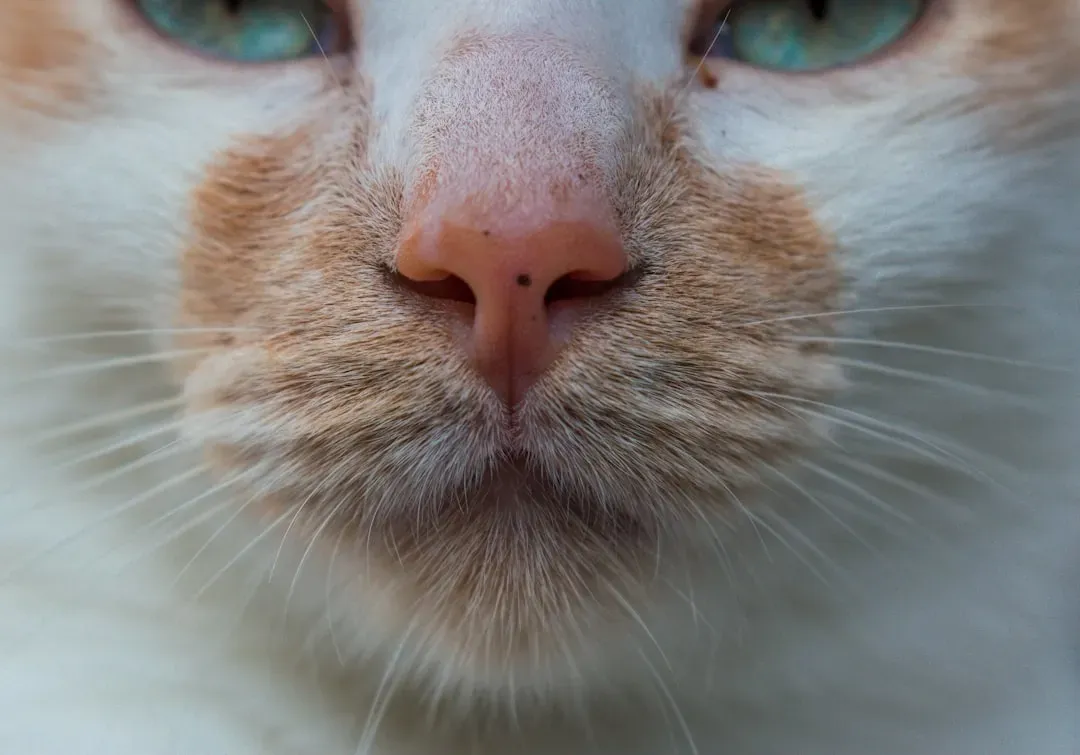
Like humans’ hair turning grey with age, cats’ whiskers can also change color. In addition to age, genetics can also play a factor in a change in whisker color. A few cats are born with black whiskers, but others may change to black with age. It’s one of those subtle signs of aging that most owners quietly notice but rarely understand.
Yes, cats can have different colored whiskers, and black cats often do have black whiskers. Torties and calicos may have different colored whiskers, and tabbies and ticked tabbies may have whiskers that start off dark at the root and get lighter toward the end. It’s a fascinating genetic detail that adds another layer of individuality to every single cat on the planet. Hard to say for sure how many owners have ever stopped to actually notice this.
10. Whiskers Shed and Regrow Naturally
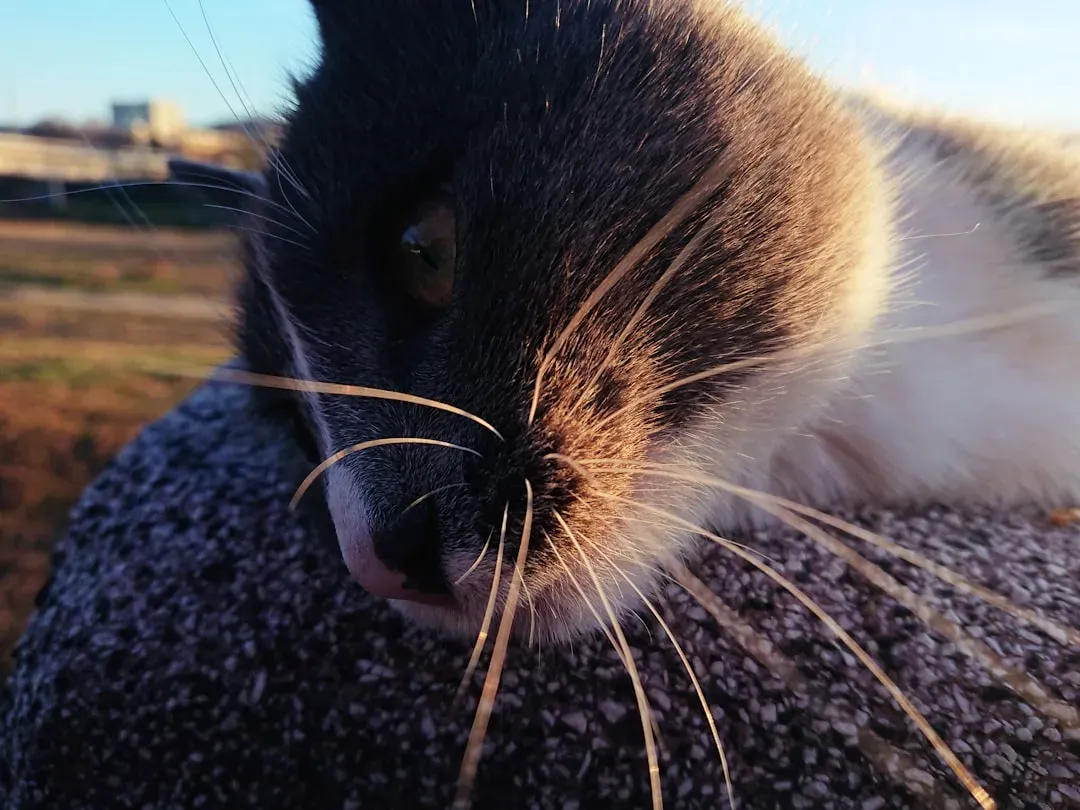
Cats shed not only their fur but also their whiskers, both on the face and the legs. Not to worry, though – as long as the whiskers shed naturally and the hair follicles are not damaged, the whiskers will grow back. Typically, no more than one or two whiskers shed naturally at a time, and it can take anywhere from 6 weeks to 3 months for the whisker to grow back and be functional. Finding a stray whisker on your sofa is completely normal.
Cats do shed their whiskers, and while shedding is a natural process and the hairs do grow back, excessive whisker loss or breakage might be a sign of a medical issue. So if you spot one or two fallen whiskers during your cat’s morning grooming routine, no need to panic. Still, if they’re losing them in clumps, that’s worth a trip to the vet.
11. The Shape of a Whisker Is Engineered for Precision
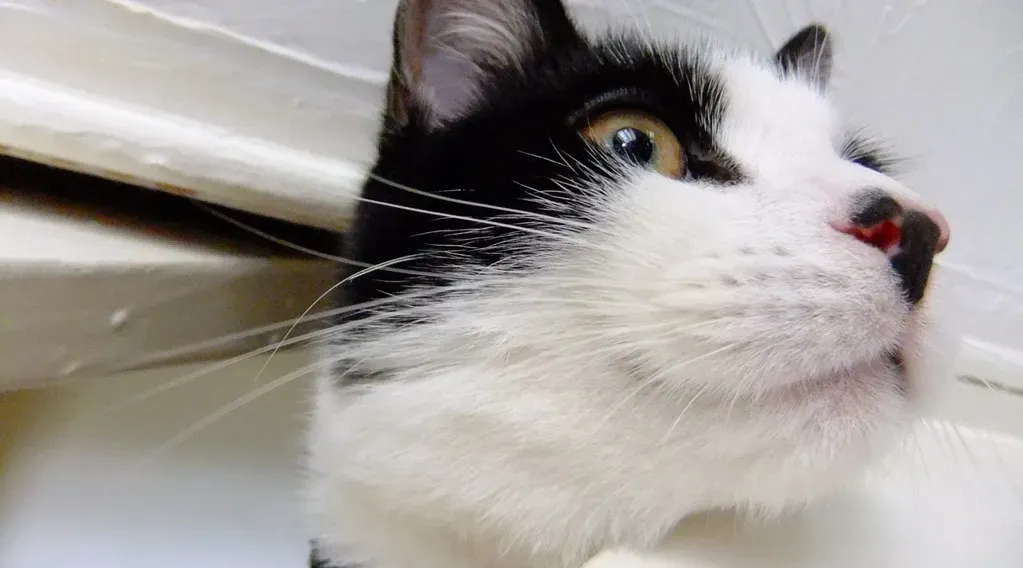
Cats have conical or tapered whiskers that are narrower at the tip than the base. Research shows that this shape provides more accurate information about the environment, allowing cats greater mobility and more accurate movements in their surroundings than other mammals such as harbor seals that have cylindrical whiskers. It’s the difference between a blunt antenna and a finely tuned needle. The design is not accidental.
Cats have conical or tapered whiskers that are narrower at the tip than the base, and research shows that this shape provides more accurate information about the environment, allowing cats greater mobility and more accurate movements. Think of it like comparing a standard household antenna to a high-precision satellite dish. The geometry alone makes all the difference in signal quality, and your cat’s whiskers have been refined over millions of years to be exactly this effective.
12. The World’s Longest Cat Whiskers Belong to a Record-Breaking Maine Coon
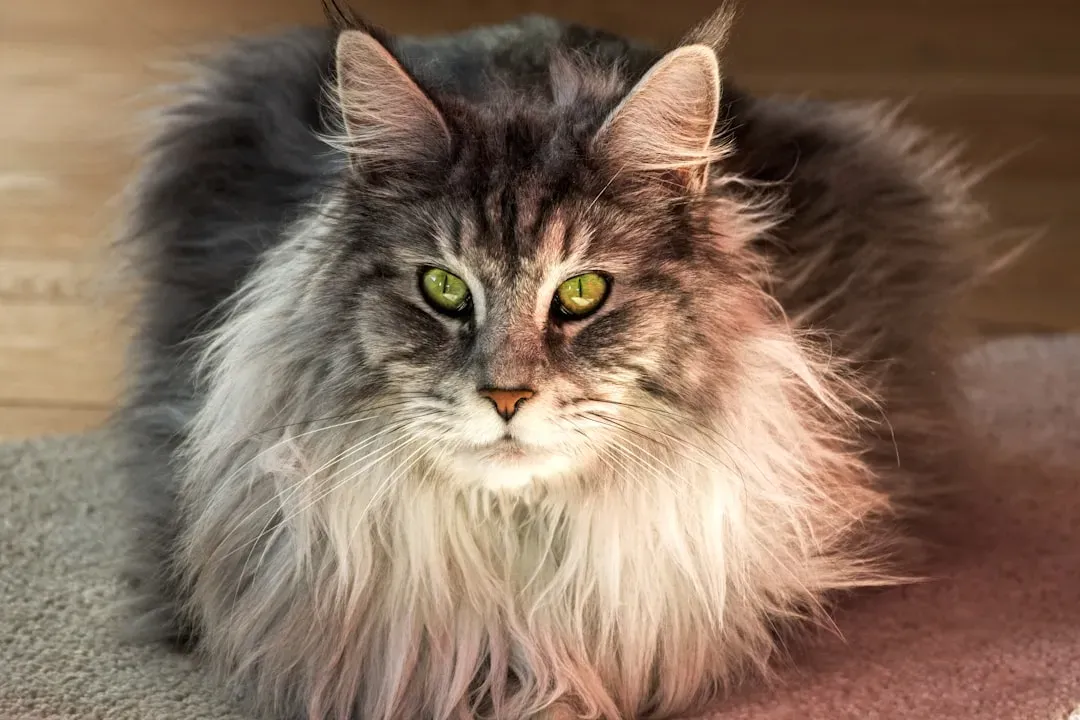
While kittens have shorter whiskers that grow longer over time, mature whisker length varies according to breed. Longer-haired cats like the Maine Coon tend to have longer whiskers than short-haired or hairless breeds. In fact, the world record for the longest cat whiskers was awarded to Missi, a Maine Coon cat from Finland that had whiskers measuring seven-and-a-half inches long, according to the Guinness Book of World Records. That is genuinely jaw-dropping.
Curly or bent whiskers occur naturally in certain cat breeds like the Cornish Rex and Devon Rex, where genetic mutations affect hair structure throughout their bodies. These cats’ whiskers may appear crimped, wavy, or shortened compared to typical straight whiskers, but they still retain much of their sensory function. From record-breaking length to curly genetic quirks, whiskers are just as diverse as the cats who wear them – each pair as individual as the animal itself.
Conclusion
Cat whiskers are so much more than a charming facial feature. They are precision instruments, emotional barometers, navigational tools, and hunting aids – all rolled into a few seemingly delicate strands of specialized hair. From detecting air current shifts in a darkened room to measuring body width before squeezing into tight spaces, every single whisker on your cat is earning its place.
The next time your cat slowly surveys a doorway before walking through it, or twitches a whisker at something you can’t see or hear, remember – you are watching millions of years of biological engineering at work. These tiny tools have helped felines survive, hunt, and thrive across every corner of the planet. They deserve a lot more credit than most of us give them.
So, take a closer look at your cat’s whiskers today. Did any of these facts change the way you see them? Drop your thoughts in the comments – we’d love to know which fact surprised you the most.