Most people look at their cat and see a fluffy, mysterious, occasionally judgmental companion. You notice the eyes, the tail, the attitude. Yet there’s one feature quietly doing some of the most sophisticated biological work in the animal kingdom, and chances are you’ve never given it the credit it deserves. Those delicate, quivering strands framing your cat’s face are not there to look adorable in photos. They’re something far more extraordinary.
What if those whiskers were actually a finely engineered sensory system that helps your cat hunt, navigate, communicate, and even survive? Believe it or not, the science behind them is genuinely mind-blowing. Get ready to see your cat in a completely different light. Let’s dive in.
1. Whiskers Are Actually Sophisticated Sensory Organs, Not Just Hair
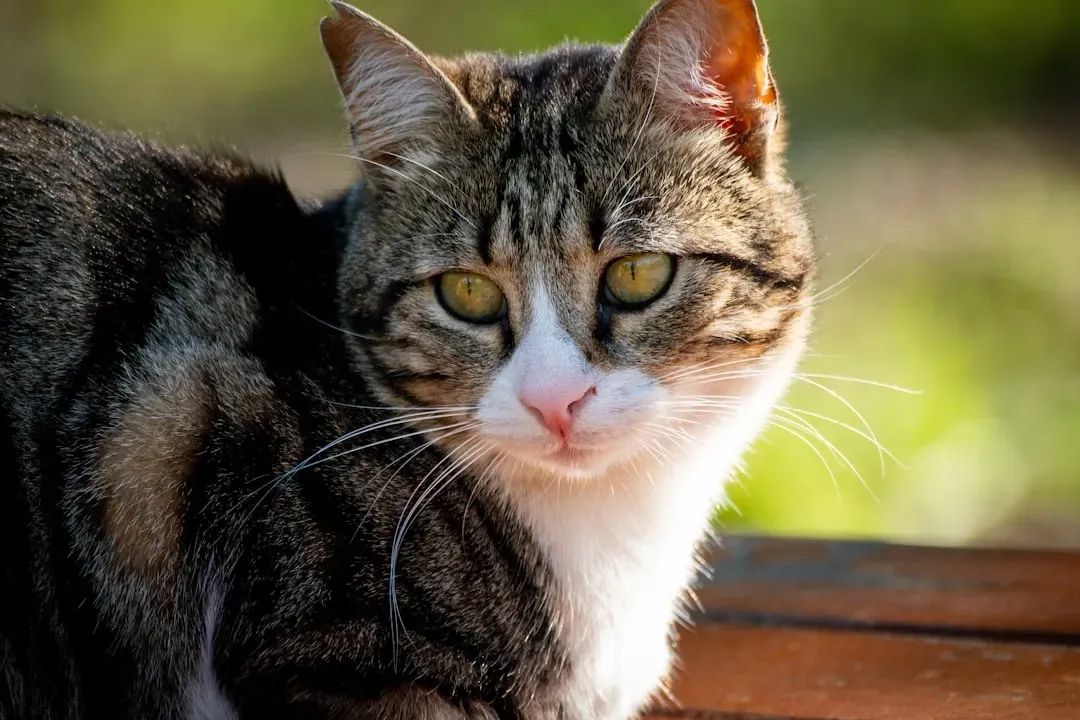
Here’s the thing – when you look at a whisker, you might assume it’s just a longer, stiffer version of regular fur. It isn’t. The official scientific title for whiskers is vibrissae, which comes from the Latin word “vibrio” meaning “to vibrate.” The hair follicle of your cat’s whiskers is loaded with nerves, and the whisker tip features a sensory organ known as a proprioceptor, making them incredibly sensitive to vibrations and changes in their environment.
Whiskers are embedded much more deeply in your cat’s body than regular fur, as they’re directly connected to the muscular and nervous system. This connection enables them to send detailed sensory messages straight to the brain about everything going on in your cat’s surroundings. Think of them less like hair and more like a live network of tiny antennae processing the world in real time.
2. Your Cat’s Whisker Tip Has a Special Sensory Detector
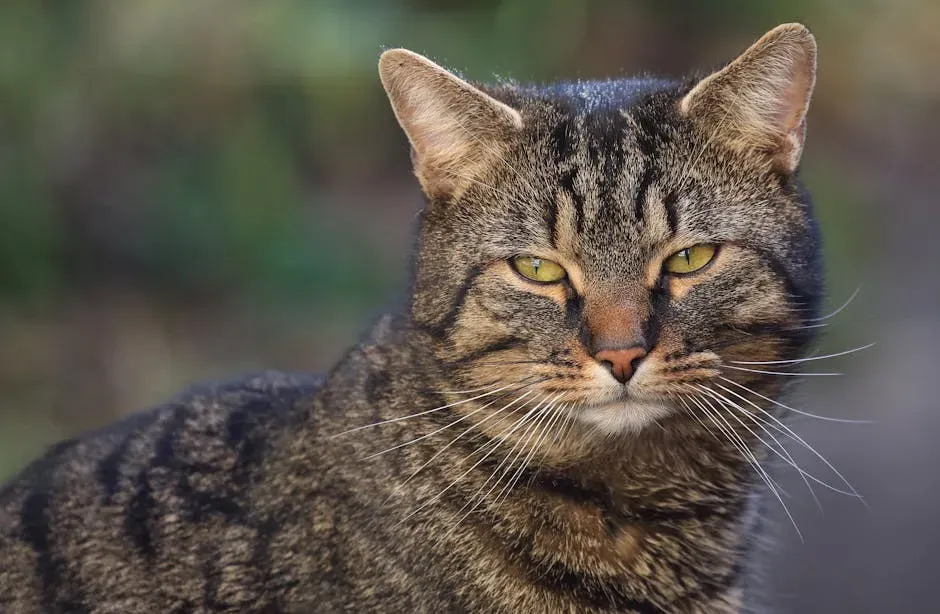
At the tip of each whisker sits a sensor called a proprioceptor. This detector picks up vibrations, such as changes in air currents, and transmits them back down the whisker shaft into the follicle. The follicle itself is connected to more blood vessels and nerve endings than a regular hair follicle, making it extremely receptive. That information is then rapidly transmitted to the brain, enabling your cat to understand what’s happening around them.
When air flows or an object brushes up against a whisker, the sensitive whisker vibrates and stimulates the nerves in the hair follicle. This is exactly why whiskers carry their scientific name, vibrissae – cat whiskers detect subtle changes in air currents and transmit information about the size, shape, and speed of nearby objects. Honestly, it’s the equivalent of having a pair of tiny, biological radar dishes glued to your face. Not bad for something most people think is just cosmetic.
3. Whiskers Are as Sensitive as Your Fingertips
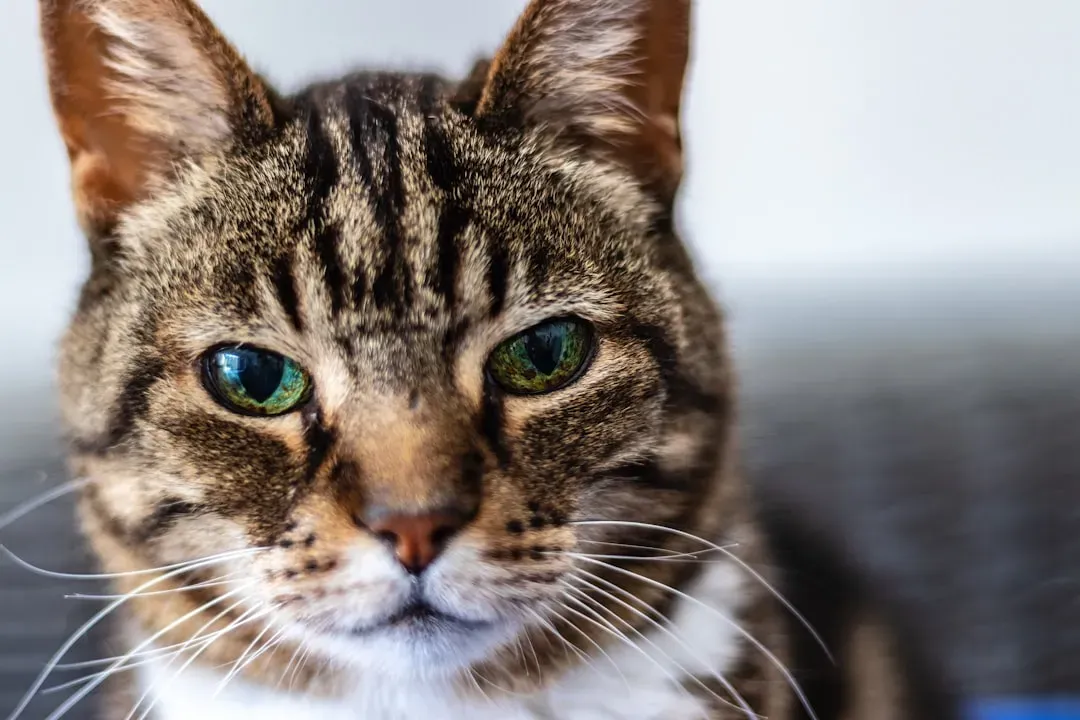
Whiskers are far more sensitive than regular hairs because the follicles they originate from are packed with blood vessels and nerves. In fact, a cat’s whiskers are as sensitive as a human’s fingertips. So while a human’s primary sense of touch is in the fingers, a cat quite literally touches the world with its face.
The main function of cat whiskers is the sense of touch, and the follicles that these hairs grow from are surrounded by specialized sensory cells. These cells transmit tactile information that’s similar to the signals our fingertips send to our brains, stimulated by even the smallest vibrations in the hair, allowing cats to feel solid objects they brush against and also to notice air currents from movement nearby. Next time your cat gently presses its face against something, it’s not just being cute – it’s gathering data.
4. Whiskers Work Like a Built-In Ruler for Tight Spaces
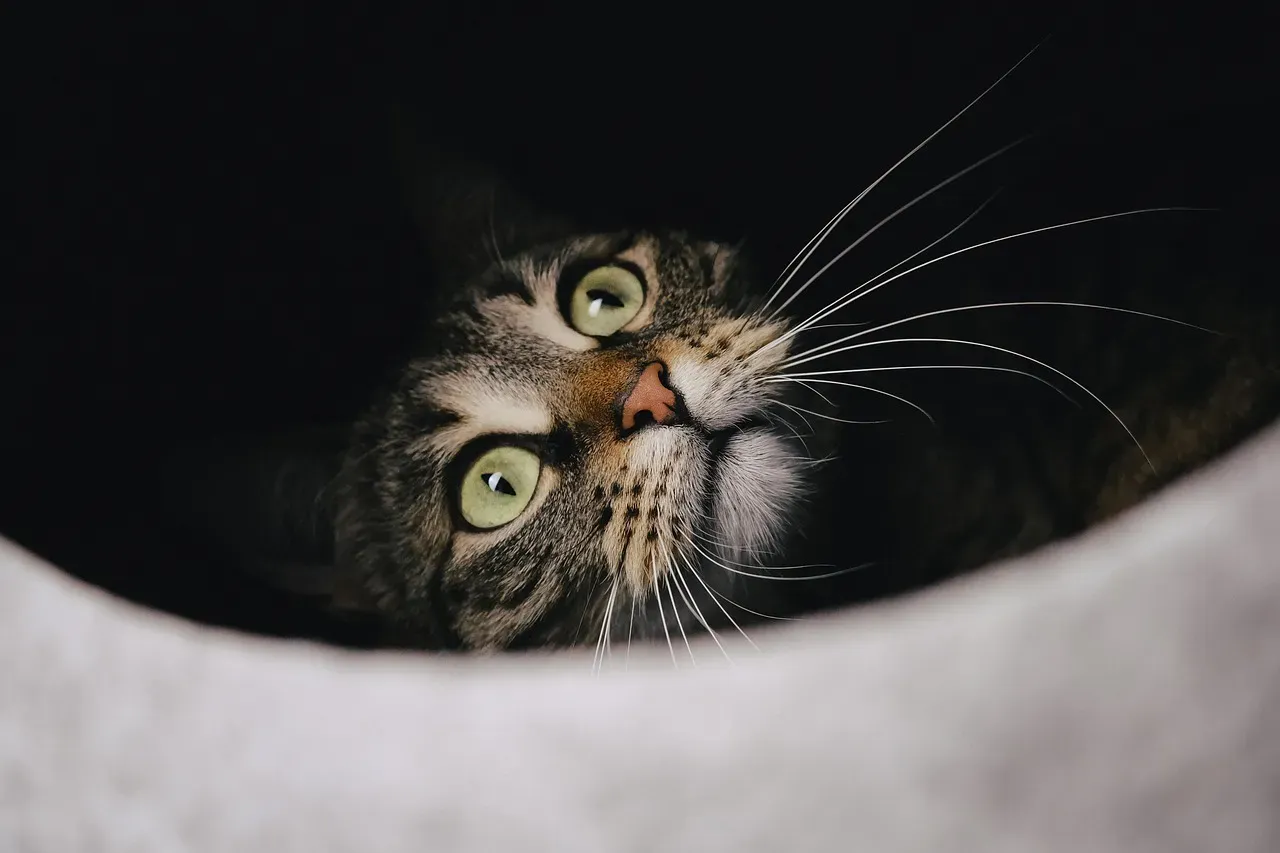
I think this is one of the most surprisingly clever things about cat biology. The size of a cat’s whiskers isn’t random – they’re usually about the same width as the cat’s body. This helps cats judge whether they can fit through tight spaces, like under furniture or through a gap in a fence, and if the whiskers touch both sides of a space, it signals to the cat that they may get stuck.
You may have noticed your cat sticking its head into an opening before the rest of its body follows. This is because their whiskers work as a built-in ruler! Before squeezing into a box or hole, whiskers sweep forward to test whether the opening is large enough, preventing cats from getting trapped and allowing them to move with seemingly magical precision. It’s engineering so elegant that it makes a tape measure look clunky.
5. Cats Have Whiskers on Their Legs, Not Just Their Faces
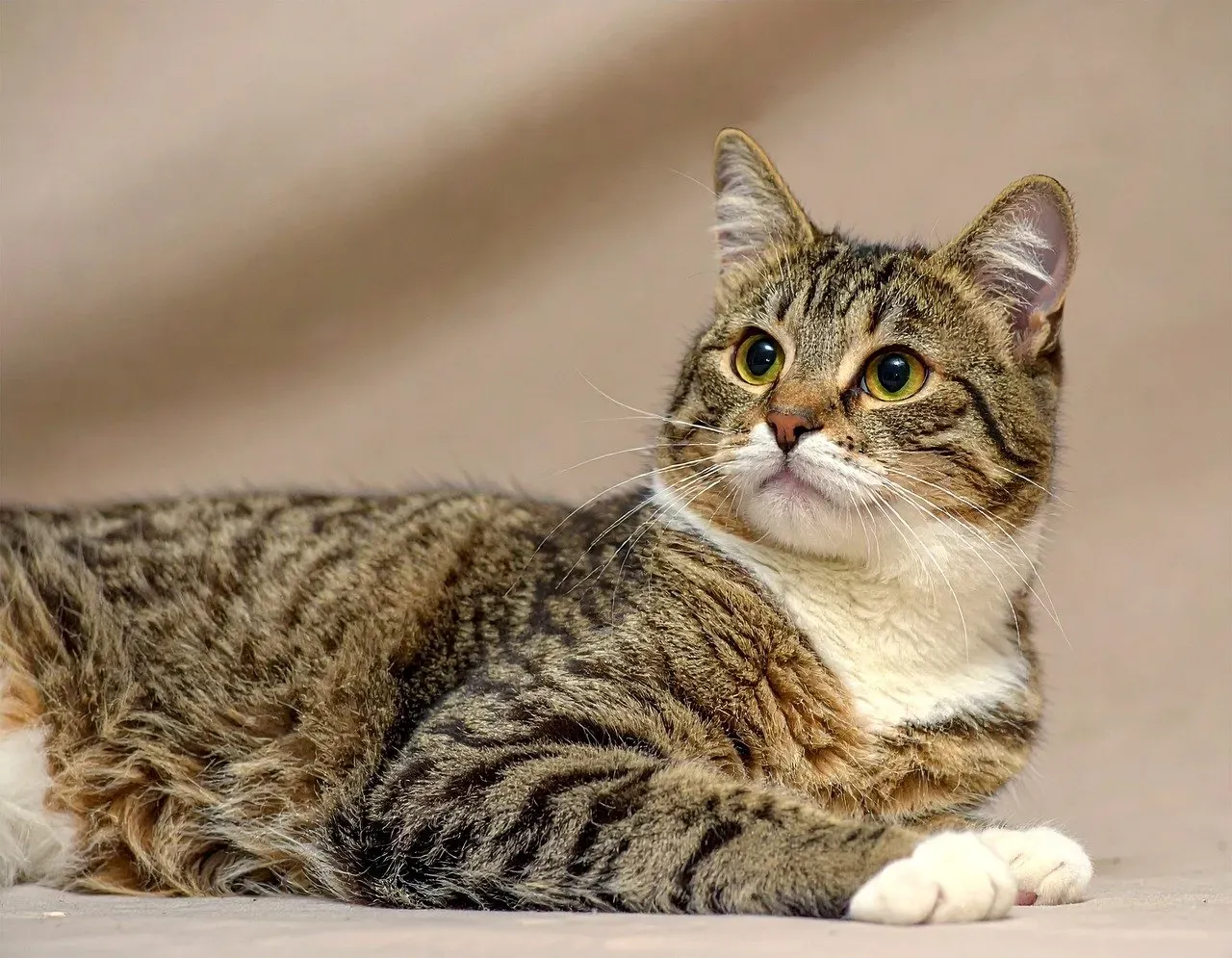
Most people would point to the cheeks and call it a day when asked where a cat’s whiskers are. That’s only part of the story. Beyond the whiskers around the nose, cats also have whiskers on their eyebrows, chin, and even the back of their front legs. These leg whiskers, called carpal vibrissae, help detect movement from prey or obstacles below them, which is especially useful during hunting or climbing.
The leg whiskers are real hunting tools, specifically called carpal whiskers. Cats use them when holding prey to sense how much the prey is still moving. Since cats don’t see very well up close, those leg whiskers provide essential assistance in the final moments of a hunt. It’s the kind of detail that makes you realize evolution is a remarkable engineer.
6. Whiskers Help Cats “See” What Their Eyes Can’t
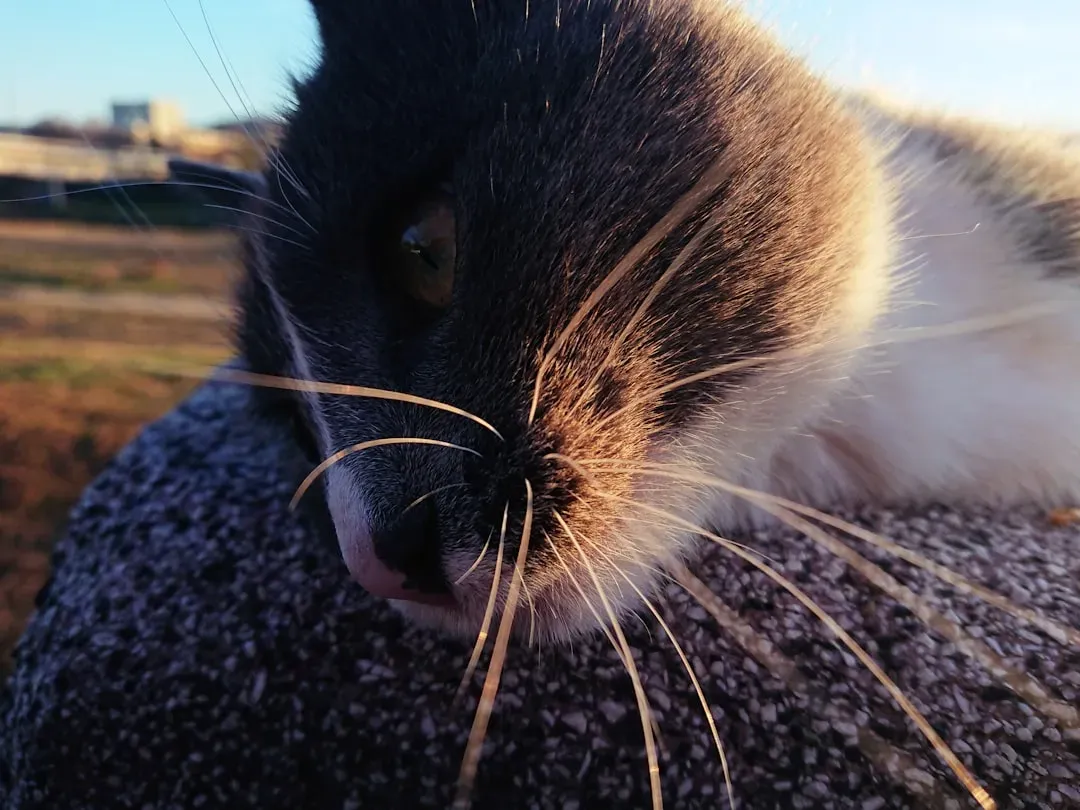
Here’s something that might surprise you. Your cat’s close-up vision isn’t very good, and they can’t easily see anything closer than about 12 inches in front of them. They use their whiskers to navigate the world straight ahead, as by touching them against an object, they can tell where it is, its size, and even its texture.
Cats are somewhat farsighted, and whiskers compensate for the trouble cats have focusing on objects close-up, which is particularly important during hunting. Once a cat pounces on prey and has it in their paws, their whiskers help them “see” exactly where to deliver the fatal bite. So the next time your cat misses a treat sitting right under its nose, it’s not being dramatic. It genuinely struggles to see it.
7. Whiskers Act as a Personal Weather Station and Radar System

If you’ve ever wondered how your cat moves seamlessly around during the night without bumping into anything, it’s in part because of their whiskers. The air currents in a room are different depending on where furniture is placed, and their intelligent whiskers pick up on this and tell the brain exactly where things are.
When a cat is sitting by a window, its whiskers can sense the direction of wind or detect the flutter of an insect’s wings before it’s even visible. This makes whiskers an evolutionary advantage, giving cats heightened awareness that ensures survival in the wild and confidence even indoors. Essentially, your cat is walking around with a live atmospheric sensor system on its face at all times. That’s wild to think about.
8. Whiskers Are Mood Indicators – You Can Read Your Cat’s Emotions Through Them

If you’ve ever struggled to figure out whether your cat wants to be petted or is about to bite you, whiskers are your secret decoder ring. When a cat is relaxed, their whiskers are loose and out to the side. If they’re alert or curious, the whiskers point forward. When they are scared or angry, the whiskers pull back tightly against the face.
In addition to their sensory functions, whiskers play a significant role in communication. Cats can move their face whiskers forward or backward, and this movement can indicate their mood or intentions. When a cat is curious or hunting, it may push its whiskers forward, while a scared or angry cat may pull its whiskers back against its face. Learn this language and you’ll suddenly find your cat far easier to understand.
9. Every Cat’s Whisker Pattern Is Completely Unique
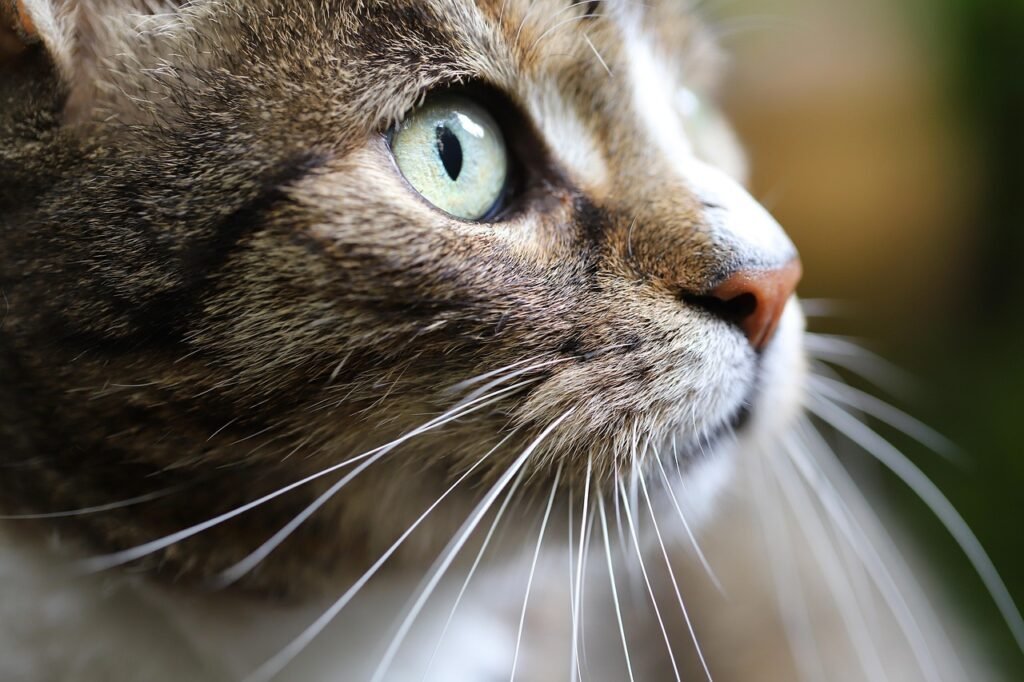
Think about human fingerprints for a second. No two are alike, and that uniqueness is baked right into our biology. Cats are no different when it comes to whiskers. Just like human fingerprints, a cat’s whisker pattern is unique, with no two cats having exactly the same spacing or number of whiskers. While most cats have about 24 whiskers on their cheeks – 12 on each side – the exact placement and angle vary from cat to cat, and some longhaired breeds may have extra-long or extra-curly whiskers.
Usually, cats will have 24 whiskers spread out symmetrically, meaning 12 on each side of their face. Some cats have more than this average, but if you look closely, you’ll notice there’s always an even number. Having a symmetrical set of whiskers helps your cat accurately assess their surroundings. Symmetry, it turns out, isn’t just about aesthetics – it’s about precision sensing.
10. Whiskers Can Change Color as Your Cat Ages
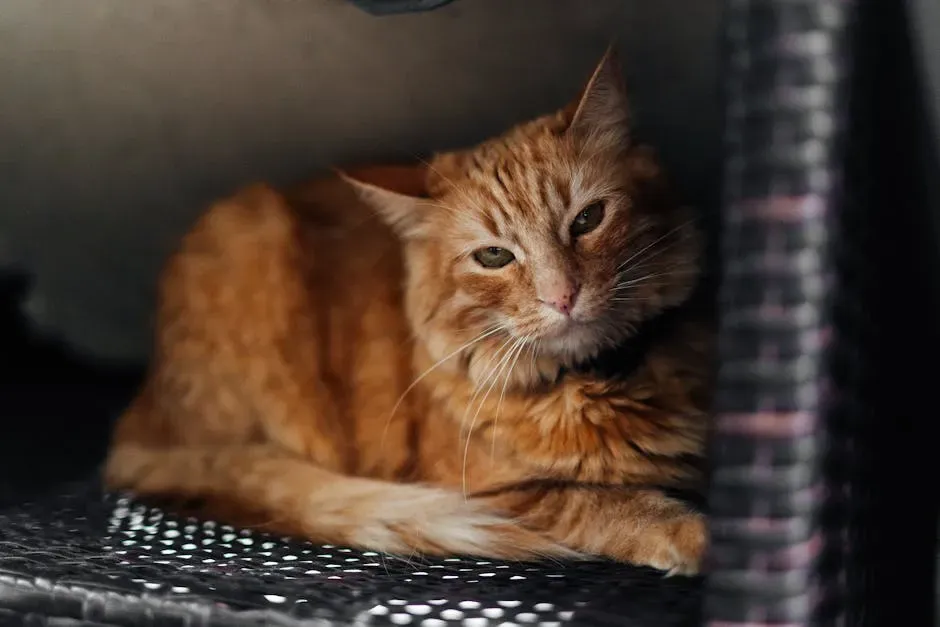
Just when you thought whiskers couldn’t get any more interesting, they go ahead and have an aging arc too. Just like humans go grey with age, your cat’s whiskers can also show the signs of aging. It doesn’t always happen, but sometimes their snowy white whiskers can appear to change to dark grey or even black.
Like humans’ hair turning grey with age, cats’ whiskers can also change color, and genetics can also play a role in a change in whisker color. A few cats are born with black whiskers, and others may change to black with age. The Bombay cat, for example, is born with black whiskers that blend with its sleek black coat. So if your once-white-whiskered tabby starts looking a bit salt-and-pepper around the muzzle, that’s perfectly normal – and kind of distinguished, honestly.
11. Whisker Fatigue Is a Real Condition That Can Stress Your Cat Out

It sounds almost too precious to be true, but whisker fatigue is a genuinely recognized issue. Whisker fatigue is a relatively newly recognized condition. It occurs when cats’ whiskers are over-stimulated, often by frequently touching against the sides of their food or water bowls. Imagine having hypersensitive fingertips and being forced to shove them into a tube every time you wanted a snack. Uncomfortable, right?
Choosing food and water dishes with a flatter design so the cat’s whiskers don’t touch the sides every time they try to eat or drink is actually recommended by veterinary professionals. Repetitive contact with the dishes sends unnecessary messages to the cat’s brain and can be overwhelming. To prevent whisker fatigue, consider using wide, shallow bowls that allow your cat to eat and drink without their whiskers touching the bowl sides, keeping a stress-free feeding environment as a key part of a happy and healthy cat’s life.
12. You Should Never Trim Your Cat’s Whiskers – Here’s Why

Let’s be real – the temptation to give those wild whiskers a little trim might cross your mind. Don’t. Cutting a whisker – even just a few inches – deprives cats of an important sensory tool to navigate their environments. When a whisker is cut, the tactile hair itself doesn’t feel pain since it’s made of keratin like our nails, but the loss significantly impacts how the cat interprets its environment – it’s like being blindfolded in a crowded room, leaving the cat anxious, disoriented, or even panicked.
Cats do shed their whiskers naturally, both on the face and the legs, and as long as the whiskers shed naturally and the hair follicles are not damaged, the whiskers will grow back. Typically, no more than one or two whiskers shed naturally at a time, and it can take anywhere from six weeks to three months for the whisker to grow back and be fully functional. So if you find a loose whisker on your couch, don’t panic. It’s just the natural cycle doing its thing, and your cat is perfectly fine.
Conclusion
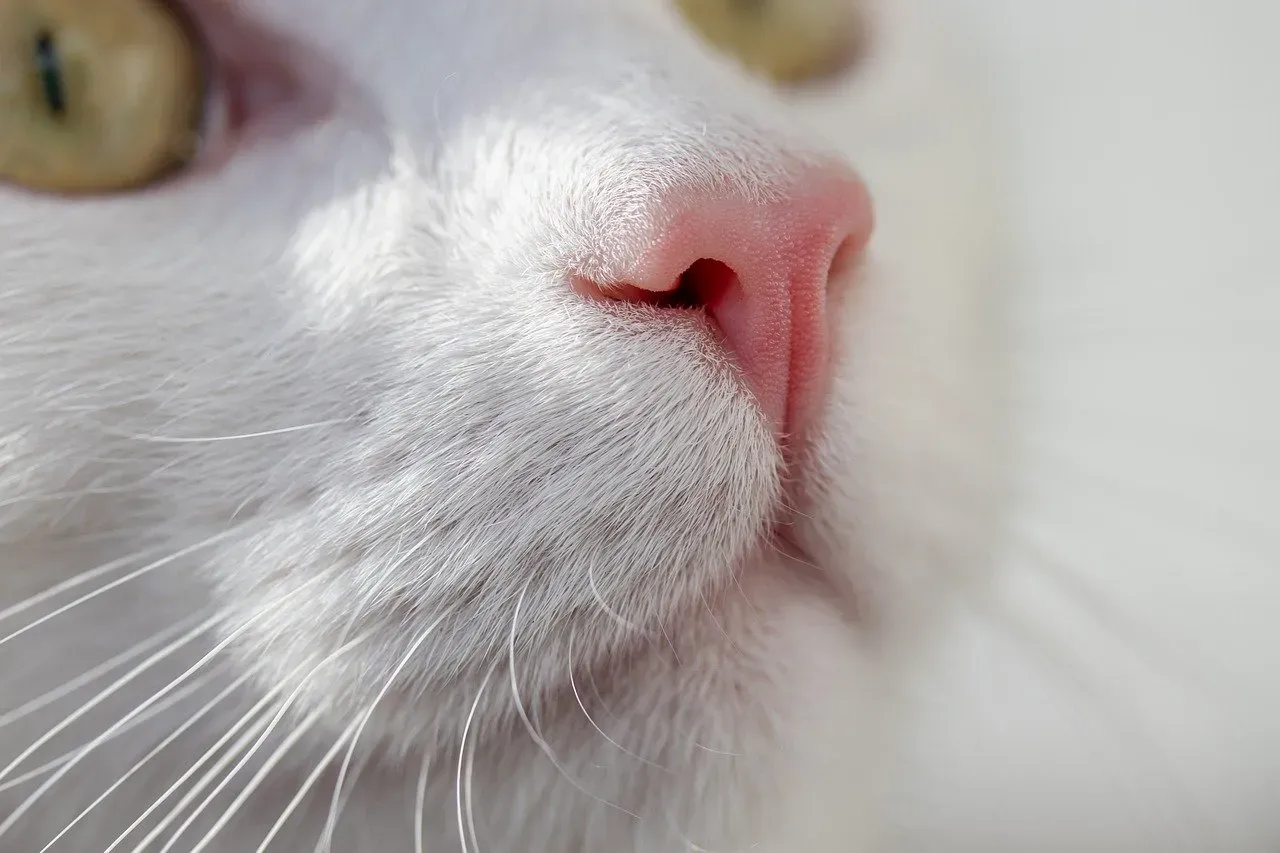
Whiskers are one of nature’s most underappreciated masterpieces. From acting as a built-in GPS system and emotional telegraph to detecting air currents and helping with hunting, they are doing extraordinary work every single second of every day. Your cat is not just sitting there looking aloof – it’s constantly processing the world through those remarkable, quivering sensors on its face.
The next time you lock eyes with your cat across the room and watch those whiskers shift ever so slightly forward, you’ll know exactly what’s going on. Curiosity. Intelligence. Millions of years of evolutionary brilliance, quietly at work. It’s enough to make you look at your cat with a whole new level of respect.
Did any of these whisker facts surprise you? Which one blew your mind the most? Tell us in the comments – we’d love to know!