If you share your home with a cat, you probably think you’re doing a pretty good job. You fill the bowl, you buy the toys, you let them sleep on your pillow even though your back hates you for it. Honestly, most cat owners genuinely love their pets. The problem? Cats are quietly, relentlessly judging every single decision you make. They can’t speak, but if they could, the list of complaints would be long, very specific, and possibly delivered in a withering tone.
The truth is that some of the most well-meaning behaviors cat owners practice every day are actually causing their feline companions a surprising amount of stress, discomfort, or flat-out annoyance. Some of these mistakes are obvious once you know them. Others are downright shocking. Ready to find out which category you fall into? Let’s dive in.
1. Leaving Food Out All Day Like a 24-Hour Buffet
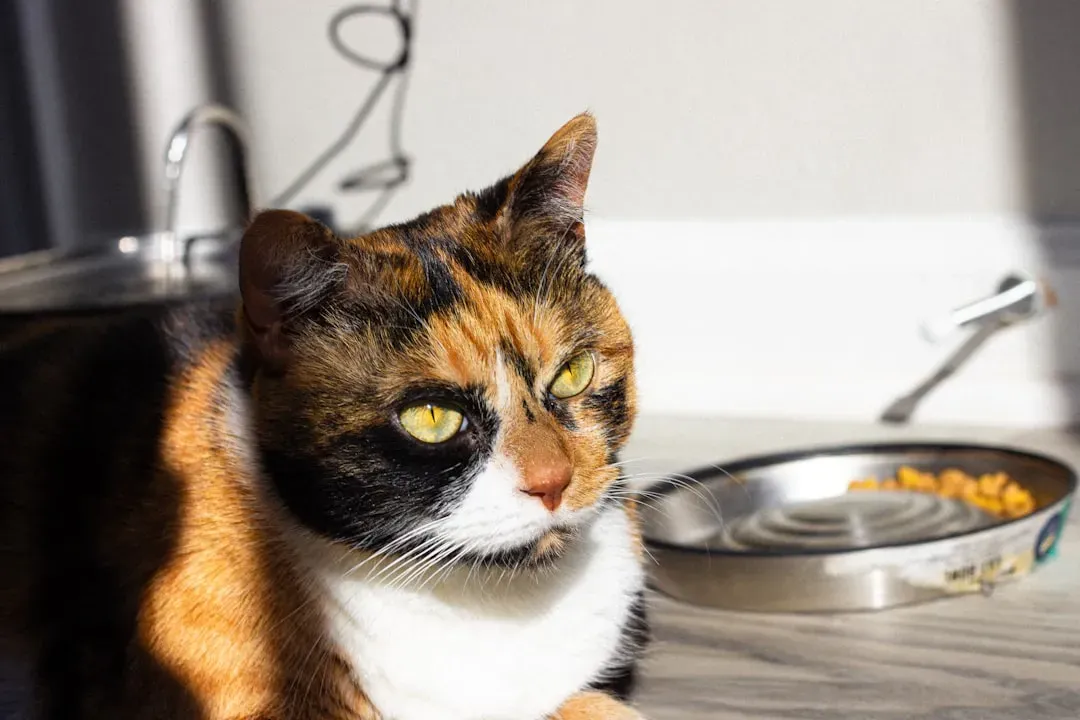
Here’s the thing about free-feeding your cat: it feels generous, but it’s one of the most common ways owners unknowingly compromise their cat’s health. Leaving a bowl of food out all day is a primary driver of feline weight problems, especially when the kibble is high in carbohydrates, which tempts cats to overeat simply because the food is there. Think about it like this: if someone left a giant bowl of your favorite snack in front of you all day, every day, you’d probably overindulge too. It’s not willpower, it’s biology.
The most common feeding mistake is overfeeding cats daily, with well over half of cats seen by veterinarians being overweight, as pet parents overfill the food bowl, leave it available all day, and forget that treats add to the total daily calorie count. Being overweight significantly reduces a cat’s quality of life, making them more prone to developing diseases, and even being moderately overweight can shorten their lifespan. So do your furry judge a favor and measure those portions.
2. Ignoring the Litter Box Until It’s a Biohazard
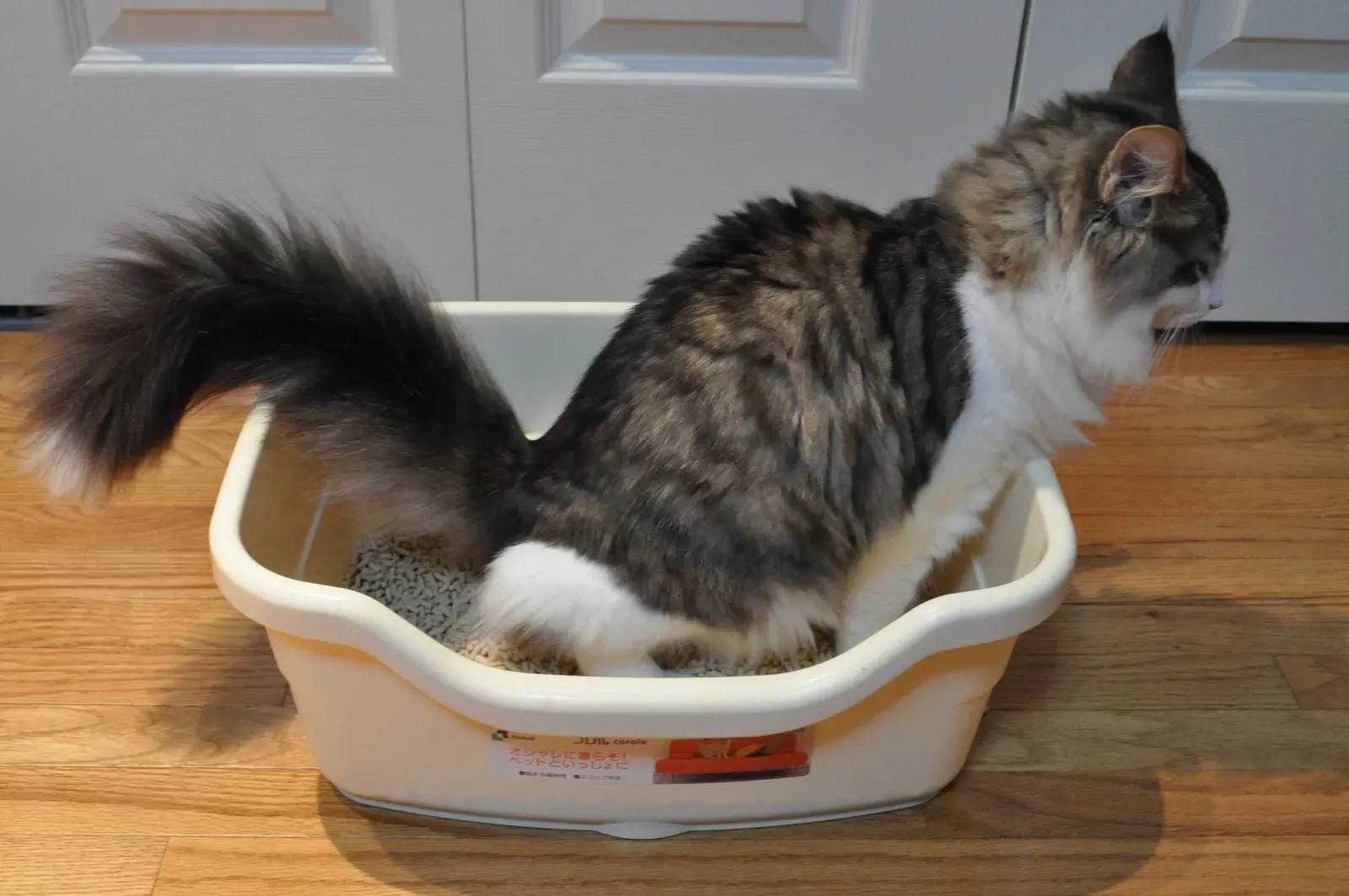
If your cat could hold up a scoreboard rating your litter box maintenance, many owners would score a solid zero. Not scooping out the cat box on a daily basis is actually the number-one way to annoy your cat, according to veterinary experts. It makes perfect sense when you think about it. Imagine being forced to use a bathroom that nobody has cleaned in days. You’d find another arrangement too.
Neglecting regular cleaning is not just unpleasant for your cat emotionally, it also increases the chance your cat will find somewhere else around the house to relieve themselves. Dirty litter boxes are one of the most common reasons cats stop using them altogether, and some owners also make matters worse by using heavily scented litter, which can also turn cats off. The fix is simple: scoop daily, change the litter weekly, and keep the box in a quiet, accessible spot.
3. Waking Them Up When They’re Clearly Napping

Cats sleep roughly fifteen to sixteen hours a day. That is not laziness. That is a highly optimized biological schedule that your cat takes very seriously. Imagine you’ve just stretched out on your bed for a little snooze, when someone comes along wanting you to entertain them. You wouldn’t love it, and neither does your cat. Yet cat owners do this constantly, poking, calling, or picking up a sleeping cat because, well, they’re just so cuddly and irresistible.
Disturbing a resting cat is actually the second-best way to annoy your feline, right after a dirty litter box. You should look for signs like ears back or flat, tail flicking, and even growling or hissing, as these are clear indications to stop and give your cat their space. Learning to read those signals will do wonders for your relationship. A well-rested cat is a far more affectionate one.
4. Bombarding Them With Strong Scents
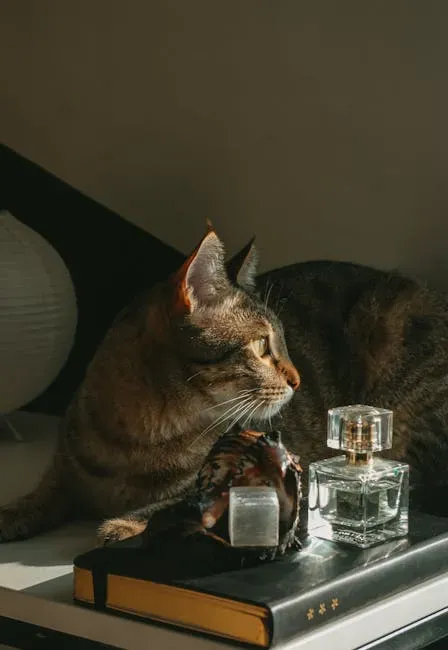
You might love that new perfume or that plug-in air freshener that makes your home smell like a tropical rainforest. Your cat, however, is probably losing its mind. Many cat owners dramatically underestimate just how sensitive their cats’ senses are, including their sense of smell, which means that spritzing on your favorite perfume could be extremely annoying to your cat. A cat’s sense of smell is estimated to be many times more powerful than a human’s. What registers as pleasant to you can feel genuinely overwhelming to them.
Perfume and cologne aren’t the only culprits; strong scents from air fresheners or household cleaners can be overwhelming or even harmful to cats. Cats should always have the option to retreat from anything that is overstimulating or uncomfortable. A practical rule of thumb: if you wouldn’t spray it directly in someone’s face, think twice about how much of it you’re releasing into the shared air your cat breathes all day long.
5. Forcing Cuddles on a Cat Who Clearly Does Not Want Them
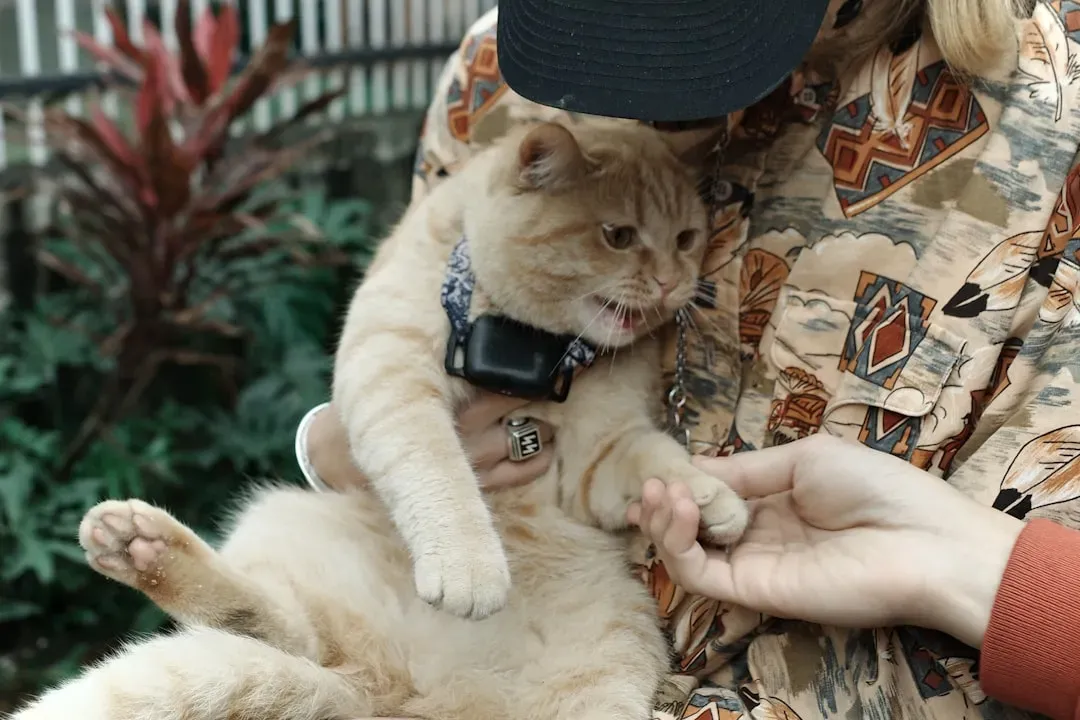
Let’s be real: the urge to squeeze a fluffy cat is powerful and deeply human. Unfortunately, your cat did not consent to being a stuffed animal. Cats are prey and predator animals and they don’t like to be held close or restrained. Humans love to hug and cuddle as a way of showing affection, but cats are not little humans. Forcing a hug on a cat is a bit like someone grabbing you from behind for a long, uninvited embrace. Alarming, not sweet.
Suddenly or roughly grabbing your cat makes them uncomfortable, and they can develop behavioral issues such as reactivity or fear if they are regularly distressed. Interpreting your cat’s body language is essential so you know when they want to be left alone and when they want to interact, as respecting your feline friend’s boundaries is key to building trust. The golden rule here is simple: let the cat come to you. A cat that chooses to curl up on your lap is infinitely more satisfying than one you’re wrestling into submission.
6. Rubbing That Belly Trap
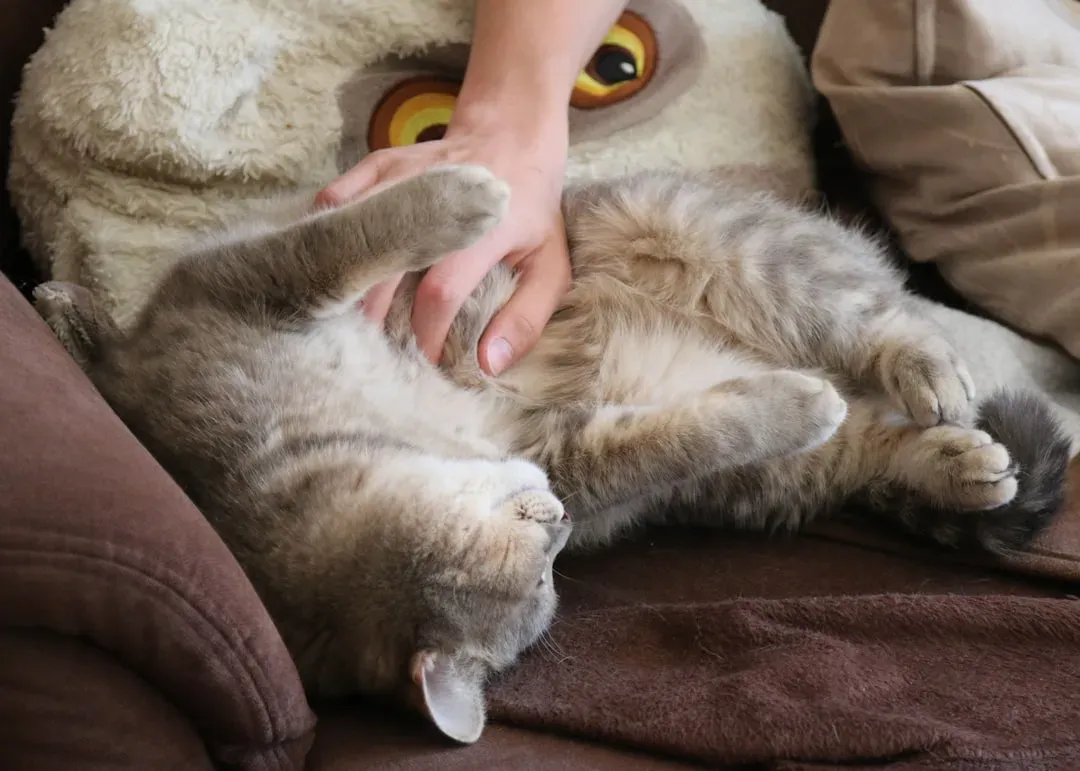
Your cat rolls over, exposes their soft, fluffy belly, and gazes up at you. It is, without question, one of the most visually inviting things in the animal kingdom. It is also, almost certainly, a trap. Cats love to roll around and show their belly, which can seem very inviting, but be aware it is a trap. Cats usually don’t like belly rubs, and the fact that they show their belly doesn’t mean you should touch or rub it.
The exposed belly is actually a sign of trust and comfort, not necessarily an invitation for physical contact. Think of it as your cat saying, “I feel safe near you,” not “please pet me here.” Many cat owners accidentally push their pets too far by not recognizing when a cat wants to be left alone, which can result in scratches, bites, or anxiety. Approach with restraint, maybe offer a gentle chin scratch instead, and watch your cat’s body language carefully before going anywhere near that belly.
7. Skipping Regular Vet Visits Because Your Cat “Seems Fine”
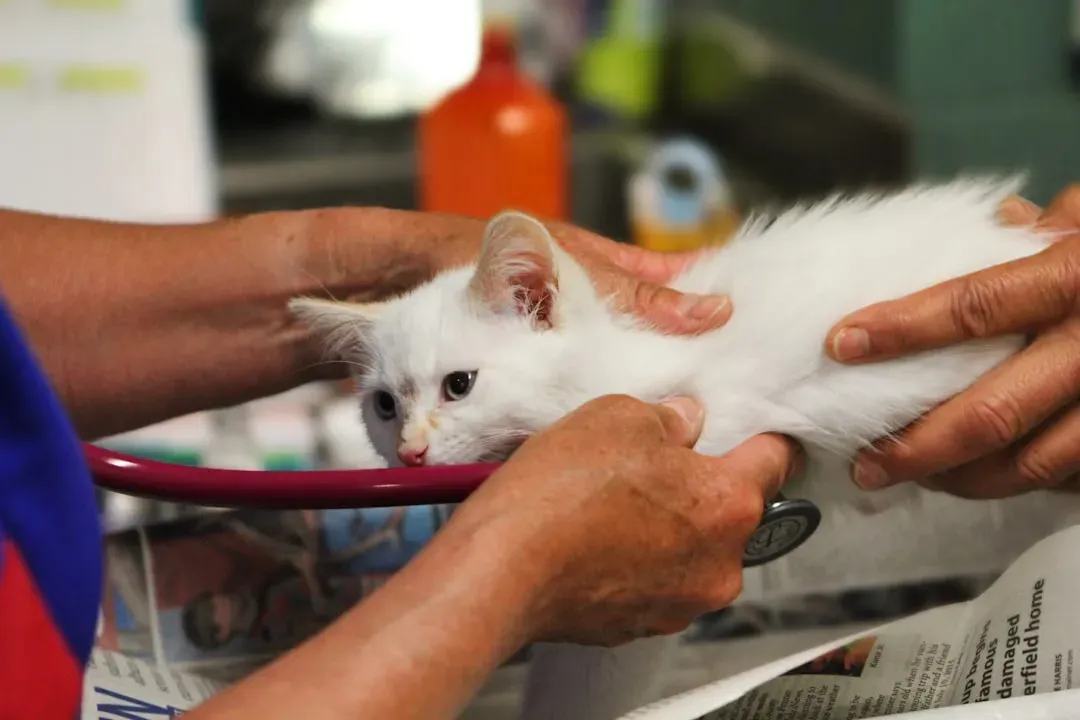
This is probably one of the most genuinely dangerous mistakes on this list. Cats are exceptional at hiding illness. Veterinary professionals have noted this so many times it has become a kind of industry-wide concern. One of the biggest mistakes new cat owners make is skipping annual vet checkups, and since cats are masters at hiding discomfort or illness, by the time you notice symptoms, it may be serious. It’s honestly a little eerie how stoic cats can be when something is very wrong.
Yearly appointments with the veterinarian help protect your cat’s health, and during checkups your pet’s doctor looks for subtle signs of illnesses and diseases, as early detection may make it easier to treat conditions and reduce the risk of complications. Routine blood tests conducted during annual visits can detect diabetes, thyroid disease, heart or bone damage, or liver, kidney, or gallbladder disease long before your pet shows any symptoms. Your cat cannot book their own appointment, so that responsibility falls entirely on you.
8. Neglecting Your Cat’s Dental Health
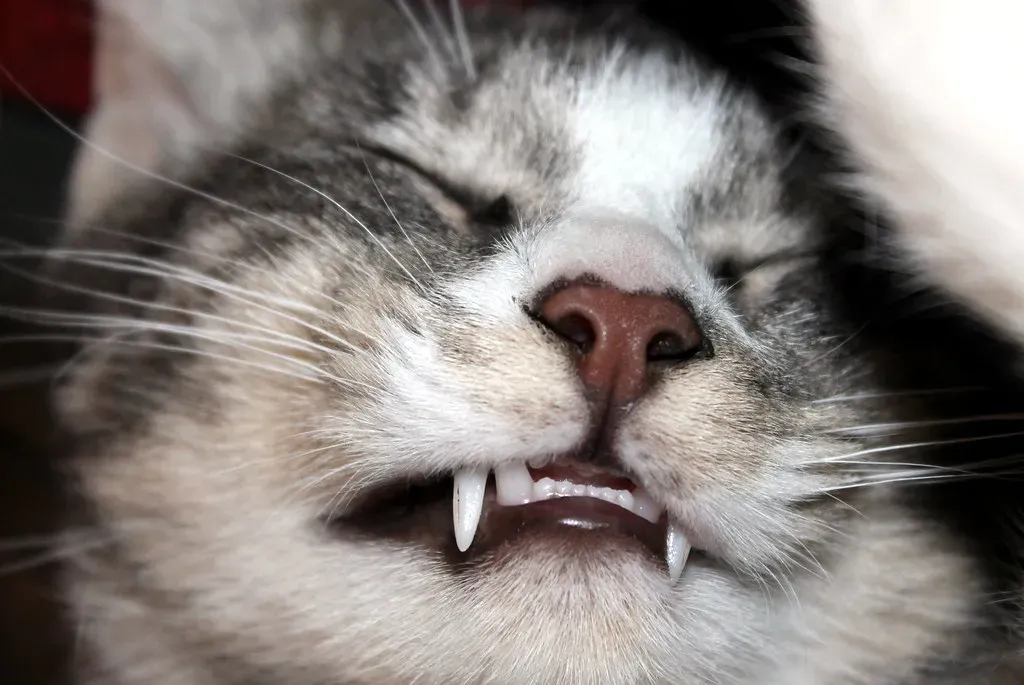
Ask most cat owners whether they brush their cat’s teeth regularly, and you’ll get a look somewhere between confusion and outright horror. Yet dental hygiene is a serious and commonly overlooked part of feline care. Plaque builds up on your cat’s teeth and can cause the same conditions it causes in humans like tooth decay and gum disease, and although eating dry food is supposed to help remove plaque, that’s not always the case if the morsels are small or the cat swallows food whole.
Brushing is the best way to control plaque on your pet’s teeth, and cats tend to accept it more readily if it is started when they are young, though it is never too late to start an oral hygiene routine. Maintaining oral hygiene is very important to prevent issues such as red and bleeding gums, tartar, plaque, and periodontal disease. Start slow. Use a cat-specific toothbrush, be patient, and make it a positive experience. Your cat may never love it, but their long-term health will benefit enormously.
9. Feeding Them an All-Dry Food Diet
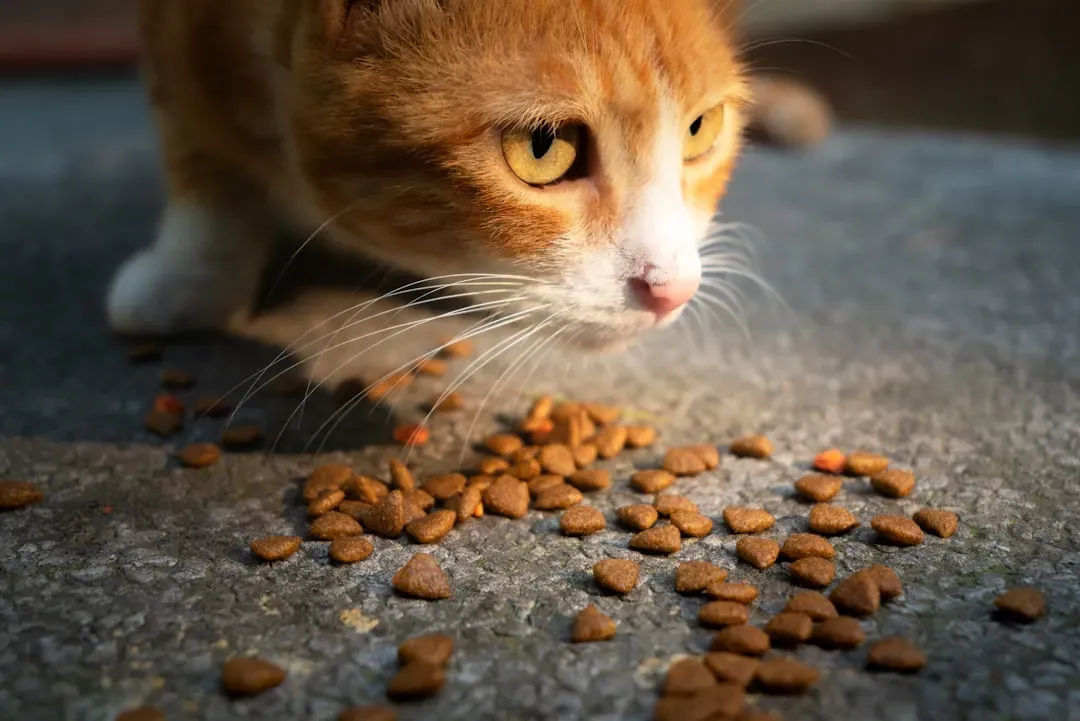
Dry kibble is convenient. It’s easy to store, easy to pour, and most cats will eat it without much fuss. The trouble is that relying on dry food exclusively can quietly cause problems that only become visible years down the line. Feeding your cat the wrong food or having poor feeding habits can contribute to a range of health problems including obesity, diabetes, and kidney issues, and many cat owners make the mistake of feeding their cats an all-dry food diet, which can be deficient in moisture and lead to urinary tract problems.
Cats often need more moisture than dry food provides, as they may not drink enough water on their own, and a diet that incorporates wet food can help prevent dehydration and kidney problems. Cats are true carnivores, and their systems aren’t designed to digest plant-based food, so a grain-free, meat-based diet is recommended so they can get the protein they need. A simple step like adding wet food to the rotation can make a meaningful difference in your cat’s overall health and hydration.
10. Disrupting Their Routine Without Warning
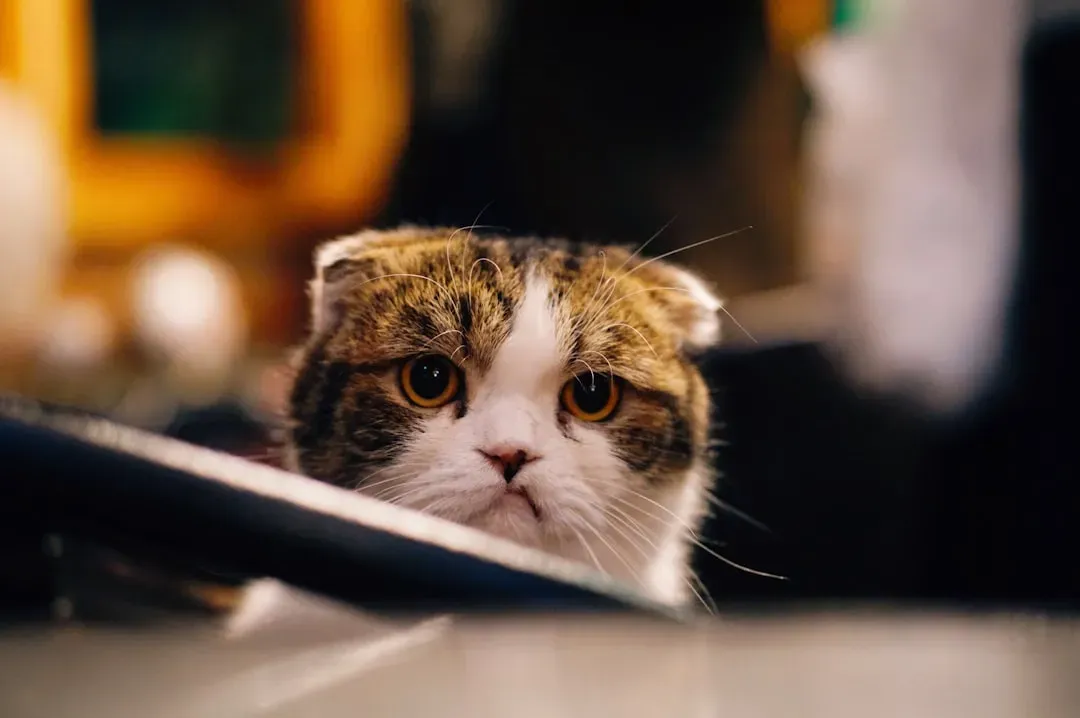
If you’ve ever noticed that your cat acts strangely whenever you rearrange the furniture or change up the feeding schedule, that’s not coincidence. Cats are creatures of deeply ingrained habit, and they find comfort in predictability the same way many humans do. Cats are creatures of habit, and most cats love a predictable routine when it comes to feeding time, playtime, or naptime. Making abrupt changes to their daily routine will likely leave your cat displeased. Think of your cat’s daily schedule as their personal contract with the universe. Break it, and there will be consequences.
This applies to everything from feeding times to the placement of their favorite sleeping spot. Even significant life changes like moving homes or bringing in new furniture can cause your cat notable stress. Providing safe spaces and hiding spots, like covered cat beds, where your cat can retreat when they feel anxious or overwhelmed, and minimizing changes in their routine or environment, goes a long way toward maintaining their sense of security. Transition slowly when changes are unavoidable, and give your cat extra patience during the adjustment period.
11. Surprising Them With a New Cat Without Proper Introductions
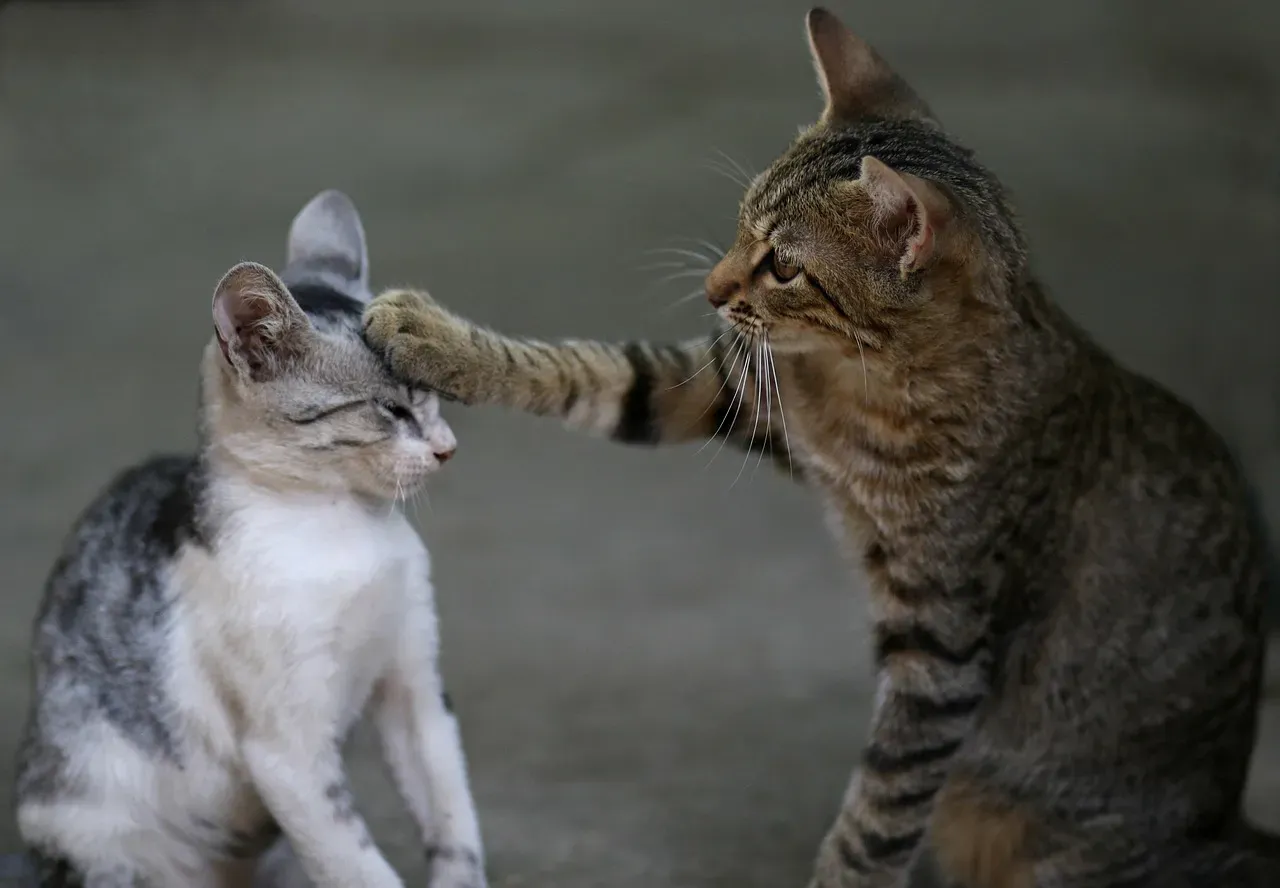
You decided your cat needed a friend, so you brought home another cat and placed them nose to nose, expecting an instant bond. What you likely got instead was hissing, growling, and two very unhappy animals staring at each other from opposite ends of the room. Cats are territorial animals that communicate via scent and pheromones, and bringing another cat home and expecting the resident cat to cooperate immediately can result in aggressive behavior very quickly.
If you only have one cat, you might think that bringing home a companion is a nice thing to do, but especially if your cat is full-grown, adult cats can be territorial and often prefer solitude, and adding another cat to your home may trigger stress and disrupt their established routine. Introductions can take significant time, and there is a lot of misinformation out there about how to properly introduce two cats that have never met each other. Go slowly. Separate rooms, scent swapping, and gradual introductions over days or weeks are far more likely to result in peaceful coexistence.
12. Using Punishment Instead of Positive Reinforcement
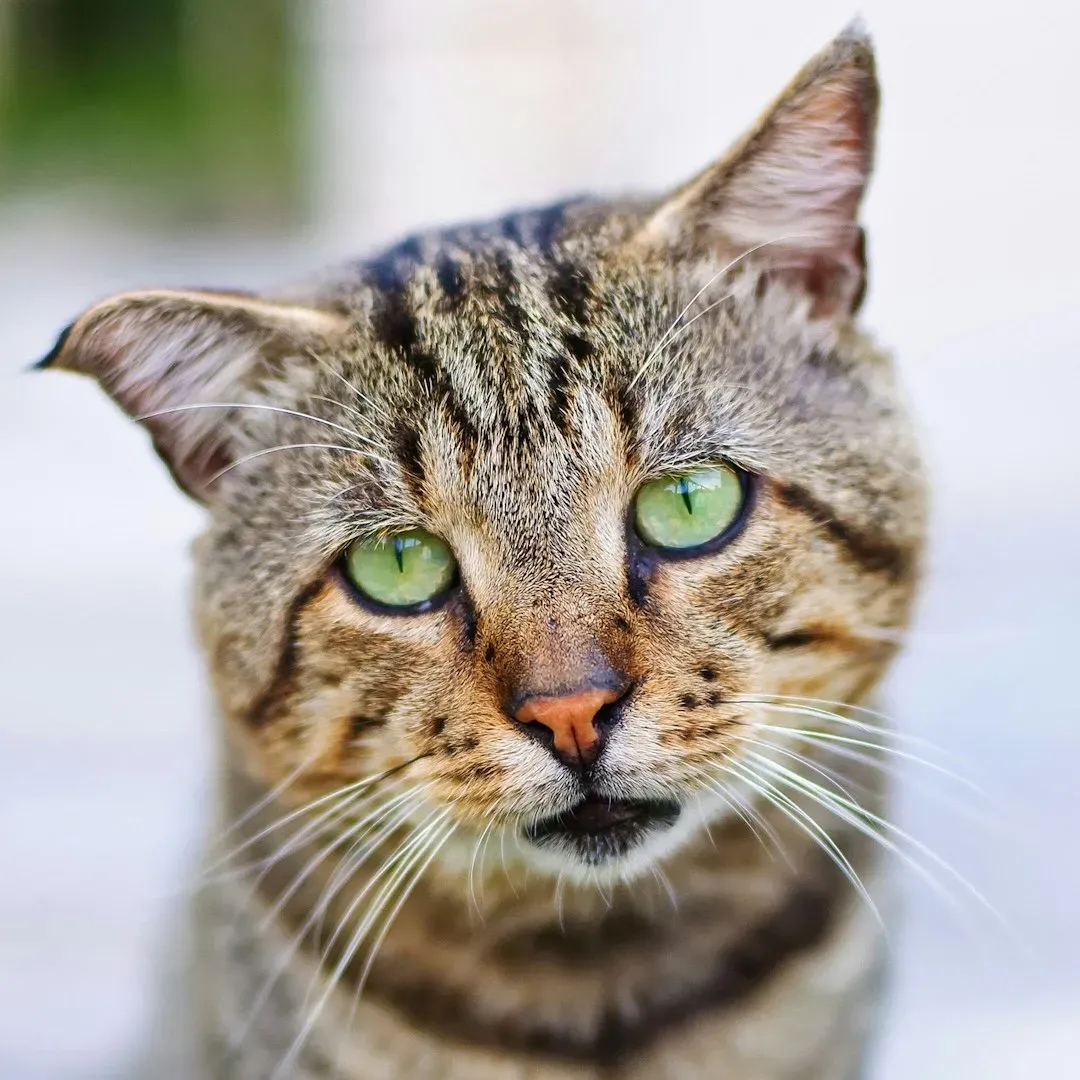
Raising your voice at a cat that just knocked your favorite mug off the counter is a deeply human reflex. It is also almost completely counterproductive. Harsh punishment like yelling or squirting water can create fear and damage your bond with your cat. Your cat does not experience a cause-and-effect connection between the punishment and the behavior the way a dog might. They simply experience you as unpredictable and threatening, which erodes trust over time.
Never give your cat negative consequences such as yelling at or hitting them. Instead, use positive reinforcement to encourage desired behaviors by rewarding your cat with treats, praise, and playtime, as the positive association will motivate them to repeat those actions. Consistently making these interaction mistakes can erode the trust between cats and their owners, as cats have excellent memories and will associate human contact with discomfort if these patterns continue. Redirection and rewards will always outperform punishment when it comes to shaping feline behavior.
Conclusion: Your Cat Deserves Your Best Effort
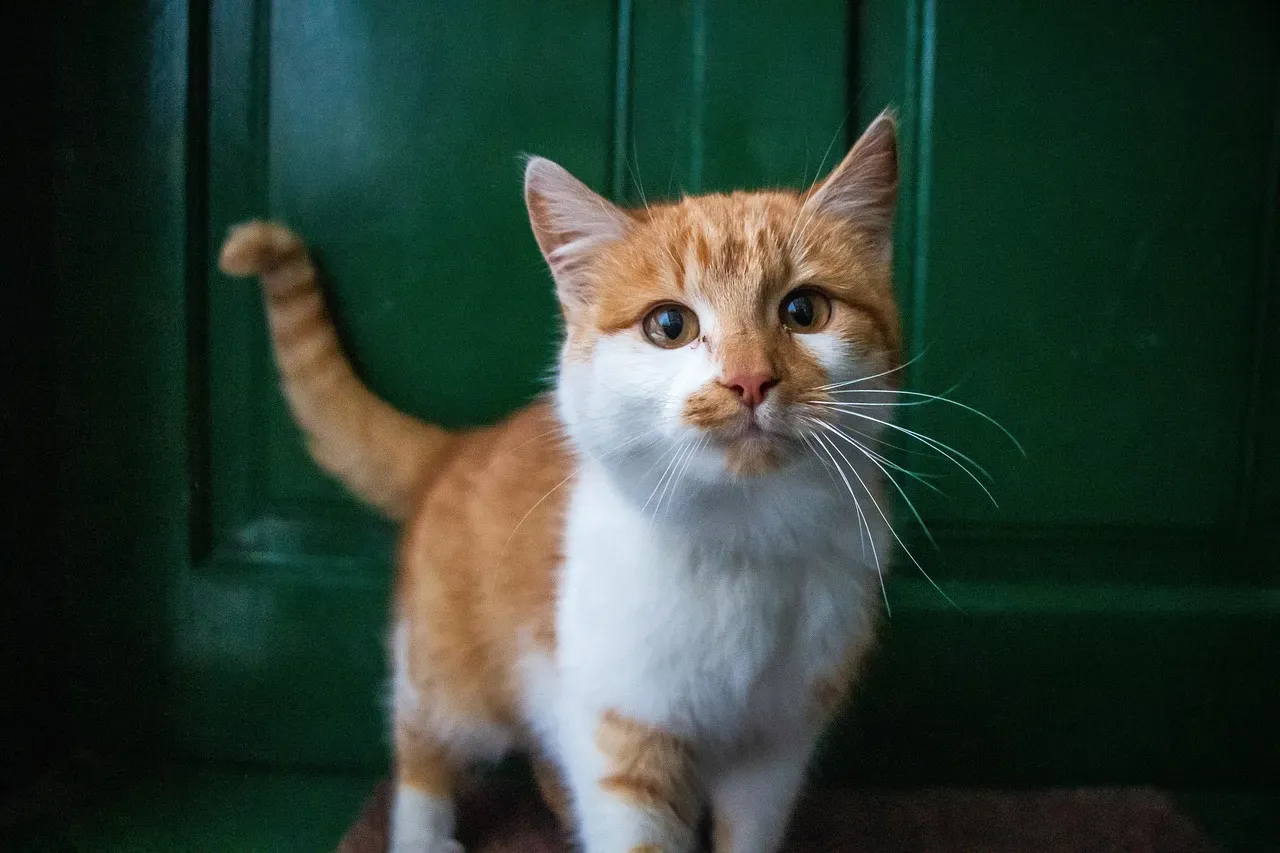
Here’s the honest truth: most cat owners aren’t doing these things out of carelessness. They’re doing them out of love, habit, or simple lack of information. Cats are famously mysterious creatures, and they are not exactly forthcoming when something is bothering them. That’s what makes understanding their real needs so important, because by the time they tell you something is wrong, it often already has been for a while.
The good news is that every single mistake on this list is fixable. Scoop more. Schedule that vet visit. Put down the perfume bottle. Let the cat come to you. These are small changes that cost very little but mean an enormous amount to the animal sharing your home and your life. Identifying detrimental gaps in owner knowledge and correcting misconceptions with accurate, evidence-based information about cats’ needs can help improve the human-feline bond and, as a result, help reduce risks to cat welfare.
Your cat may never say thank you. They probably won’t even look particularly impressed. But somewhere beneath that imperious exterior, they’ll notice the difference. And isn’t that exactly what makes cats so worth the effort? What do you think, have you been guilty of any of these? Tell us in the comments below!