You love your cat with every fiber of your being. You’ve carefully selected the perfect food, bought the comfiest beds, and spend your evenings scrolling through pictures you took just hours before. Yet somehow, your feline companion still looks at you like you’re speaking a foreign language half the time.
Here’s the thing: even the most devoted cat owners accidentally send confusing signals to their pets every single day. Many cat owners make the same mistakes, often without realizing they’re making mistakes at all. Your kitty isn’t being difficult or mysterious on purpose. More often than not, your well-intentioned actions might be creating mixed messages that leave your cat feeling bewildered, stressed, or downright confused. Let’s dive into the most common blunders that even the most loving cat parents make, so you can finally speak your cat’s language fluently.
Sending Inconsistent Signals About Boundaries
Cats respond best to routine and distinct instructions, yet as cat owners, we tend to send out confusing signals that stress them out. This can involve reacting inconsistently to the same action while at other times improvising rules. Think about it: one day you laugh when your cat jumps on the kitchen counter, snapping an adorable photo for social media. The next day, you’re shooing them off that same counter with an annoyed tone.
Cats thrive on predictable patterns, so whatever level of interaction you establish, try to maintain it. Mixed signals confuse them just as much as they confuse us in human relationships. Your cat isn’t being stubborn when they keep testing the boundaries. They’re genuinely trying to figure out what the rules actually are in a household where the guidelines seem to change by the hour.
Forcing Physical Contact Instead of Letting Them Initiate
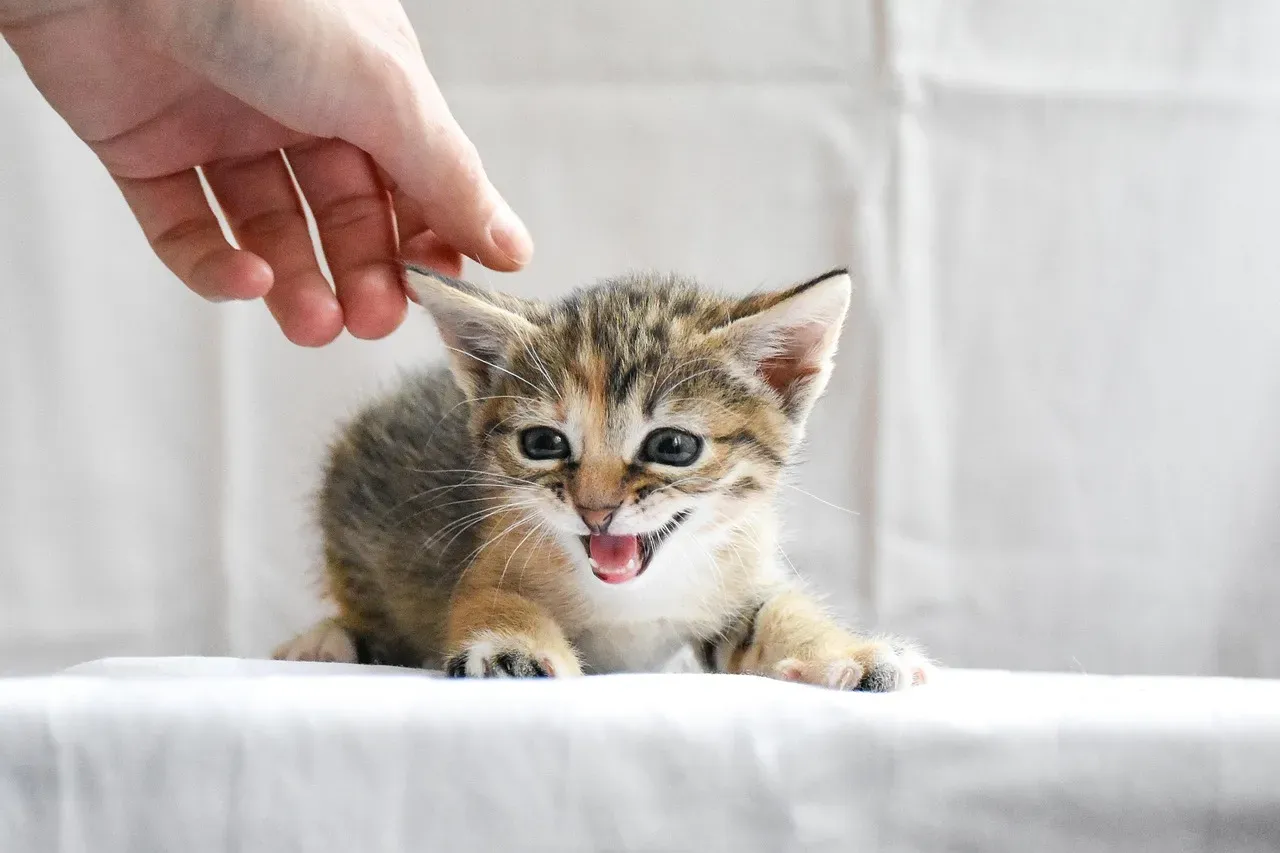
Many owners approach their cats and immediately begin petting or handling them without waiting for signs that the cat is receptive to contact. This approach violates cats’ fundamental need for personal space and control over social interactions. You might see your cat lounging on the couch and immediately swoop in for cuddles, but your cat interprets this as an invasion rather than affection.
Successful cat interactions begin with allowing the cat to make the first move. Rather than immediately reaching for your cat, extend your hand and let them approach and sniff first. This simple gesture respects their need to assess the situation and gives them control over the interaction. Let’s be real, we could all learn something from this approach in our human relationships too. When your cat initiates contact, the interaction becomes infinitely more rewarding for both of you.
Touching All the Wrong Spots
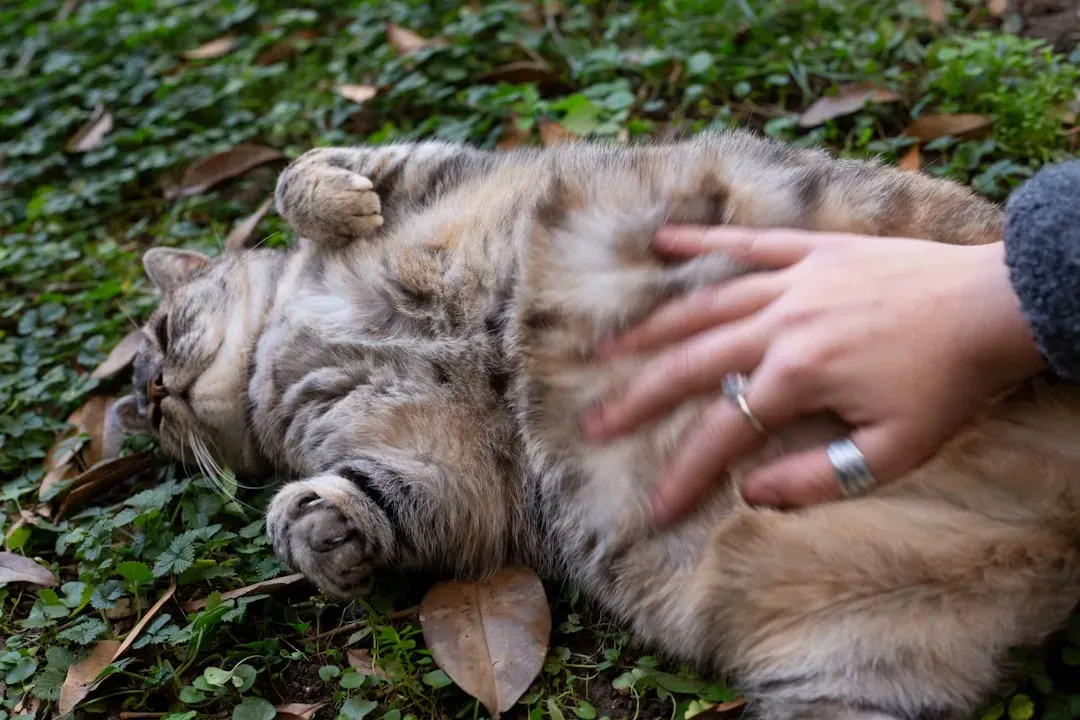
Many owners assume that if a little petting is good, more extensive touching must be better. However, cats have very specific preferences about where they enjoy being touched, and these preferences are rooted in their natural social behavior and sensory systems. That adorable fluffy belly your cat displays might look like an invitation, but it’s actually a trap for the uninitiated.
Most cats prefer being petted on their head, behind the ears, and under the chin – areas where they have scent glands and naturally groom each other. The belly, paws, and tail base are typically off-limits territory. Many cat owners accidentally push their pets too far by not recognizing when a cat wants to be left alone, which can result in scratches, bites, or anxiety. When you persistently pet your cat in areas they don’t enjoy, you’re essentially teaching them that human touch equals discomfort.
Misreading Their Body Language Completely
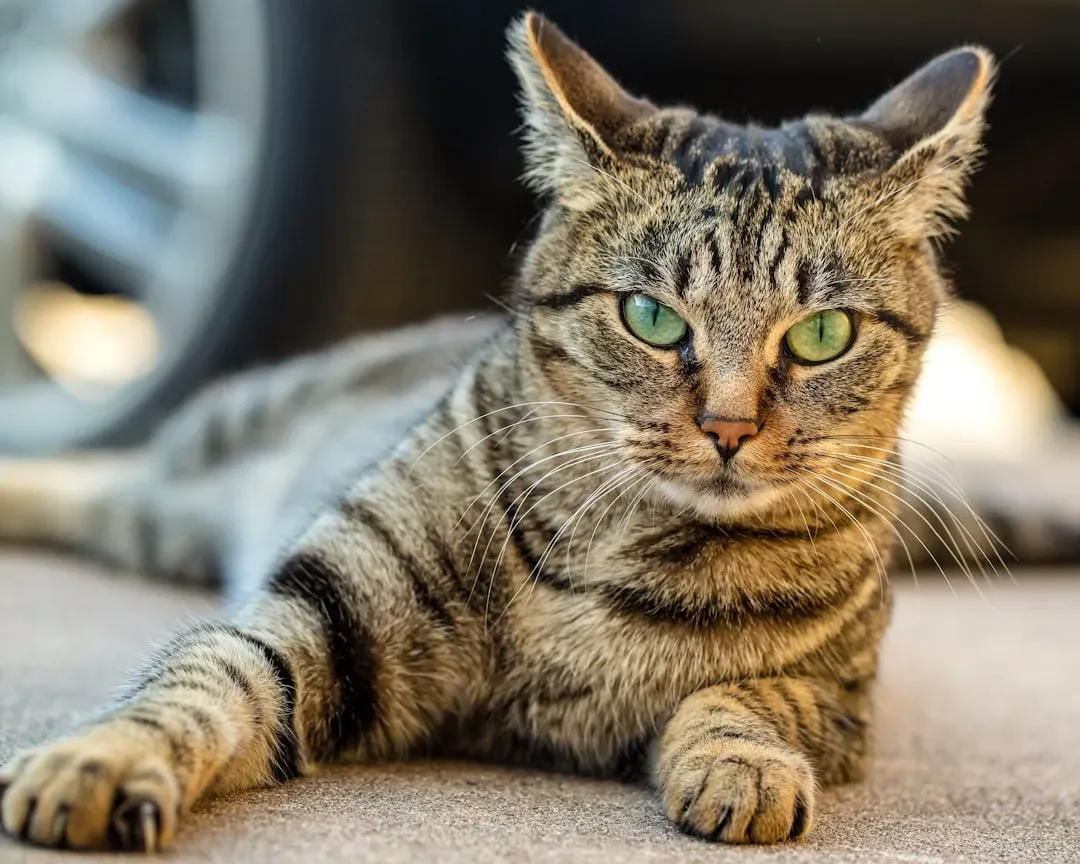
Even though humans have lived with cats for thousands of years, many of us still struggle to decipher their signals, particularly ones indicating discomfort. A study found that people achieved 90 percent accuracy when identifying contentment in cats, but that number dropped to just 72 percent when it came to discontentment. You might think your cat is just being playful when they’re actually displaying early warning signs of overstimulation.
When cats showed obvious distress signals like hissing or aggressive postures, 23.3% of people still got it wrong. When the signals were subtle (slight tension, whisker changes, gradual stiffening), accuracy dropped to essentially a coin flip at 48.7%. Tail flicking, flattened ears, dilated pupils – these aren’t just random movements. They’re your cat’s way of screaming that they need space, yet we often completely miss these cues until the inevitable swat comes our way.
Neglecting Their Litter Box Standards
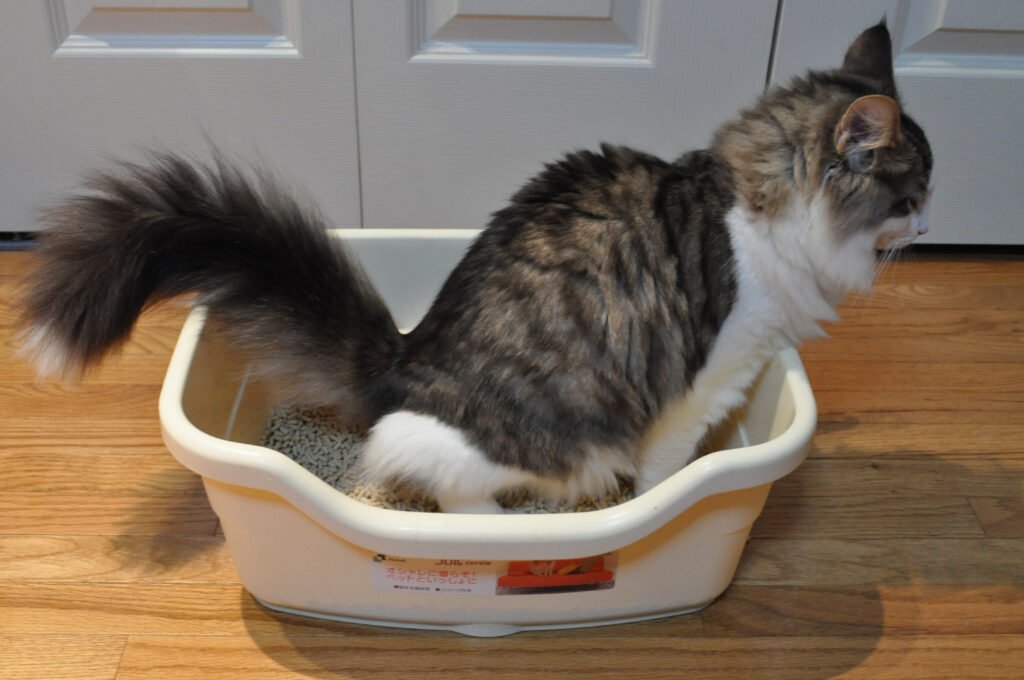
Cats prefer the litter box to be clean every time they use it. This means cleaning after every use or at least a couple of times per day, which is sometimes hard for cat owners to manage. An unclean litter box can make your cat reluctant to use the bathroom. Imagine if someone expected you to use a public restroom that hadn’t been cleaned in three days – that’s exactly how your cat feels about a neglected litter box.
It is one of the most frequent mistakes new cat owners make. You need at least 2 litter boxes for one cat and 3 for two cats. In a multi-cat household, there should always be at least one extra litter box for your cats. When your cat suddenly starts eliminating outside the box, they’re not being spiteful or trying to punish you. They’re desperately trying to communicate that something about their bathroom situation is unacceptable.
Using Scented Products They Actually Hate

Just like scented detergents, scented litter also throws cats off. While lavender and citrus-scented litters may please our noses, they can be like olfactory assaults to cats. Use unscented clumping litter for your cats and kittens. What smells fresh and clean to you might be overwhelmingly offensive to your cat’s incredibly sensitive nose.
If you wash their water or food bowl, make sure not to use scented dishwashing liquids. Cats hate strong odours and these scents can discourage your pet from drinking water from their bowl. Your cat’s sense of smell is roughly 14 times stronger than yours, so that delightful spring rain scent you love is basically a sensory nightmare for them. When your cat suddenly refuses to use their freshly cleaned items, it’s not stubbornness – it’s self-preservation.
Changing Their Food Too Quickly
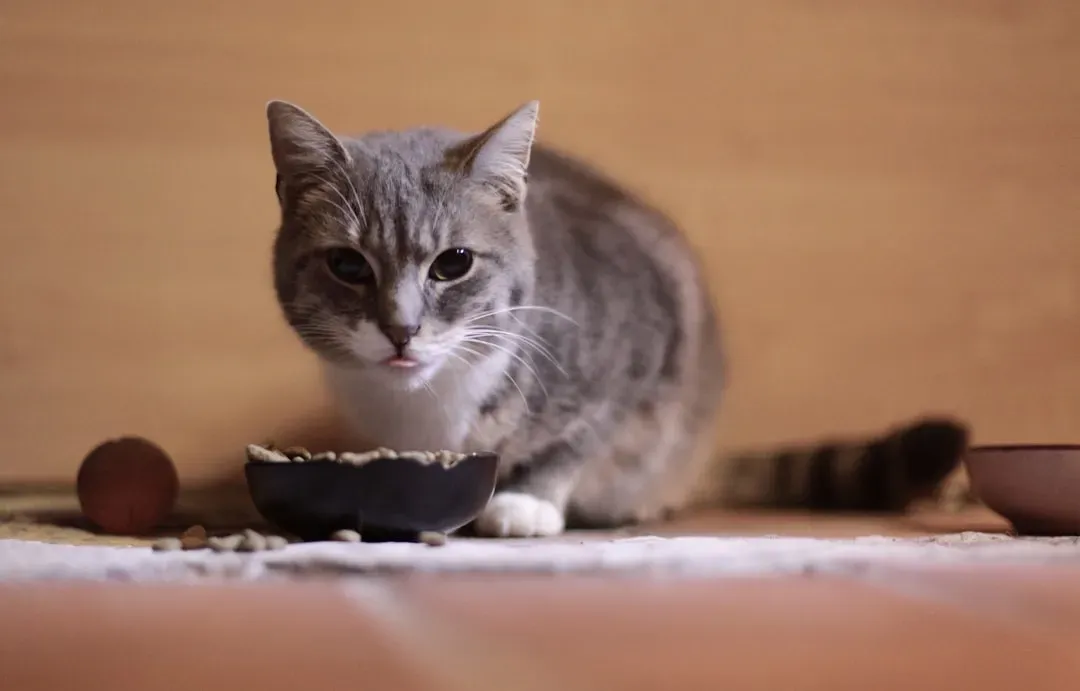
Cat stomach sickness and diarrhea are common reasons for vet visits. Often the culprit is a sudden change in their diet. It’s a common mistake because not all cat owners realize how sensitive cats’ stomachs are to new foods. You might think you’re treating your cat by introducing a fancy new brand, only to find yourself dealing with digestive chaos the next day.
Cats are creatures of habit. They do not like changes to their routine including their food. If you are using one type and brand of cat food and wish to change to another, introduce the new one slowly over at least one week. Cats aren’t being picky eaters for the sake of it. Their digestive systems genuinely need time to adjust to new proteins and ingredients, and rushing this process creates unnecessary confusion and discomfort for your feline friend.
Free-Feeding Without Portion Control
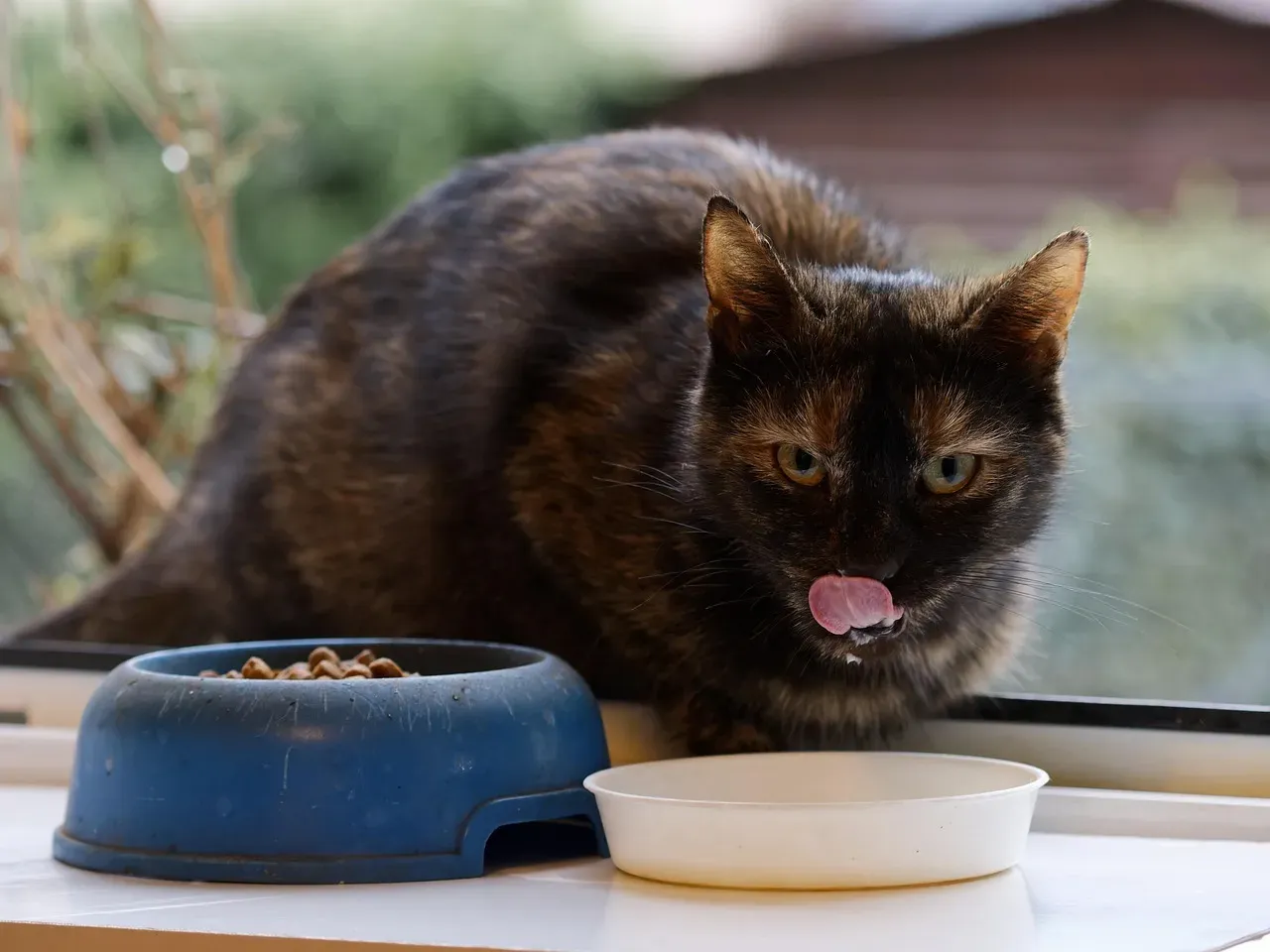
There’s one main drive for cat obesity: leaving a bowl of food out all day. Especially if your kibble brand is high in carbs, your cat will be tempted to overeat. You might think you’re being generous by keeping the food bowl perpetually full, ensuring your cat never goes hungry, but you’re actually setting them up for serious health problems.
The most common mistake is cat owners feeding their cats too much food per day. Over half the cats veterinarians see each day are overweight, and this trend is only increasing as cat parents overfill the food bowl, leave the bowl full and available all day, and forget that treats contribute to the cat’s total daily calorie intake. Think about it this way: your cat’s instinct to graze throughout the day doesn’t match up with the calorie-dense foods we provide them. The result? Roughly 60 percent of American cats are overweight or obese, leading to diabetes, arthritis, and a shortened lifespan.
Skipping Regular Veterinary Checkups
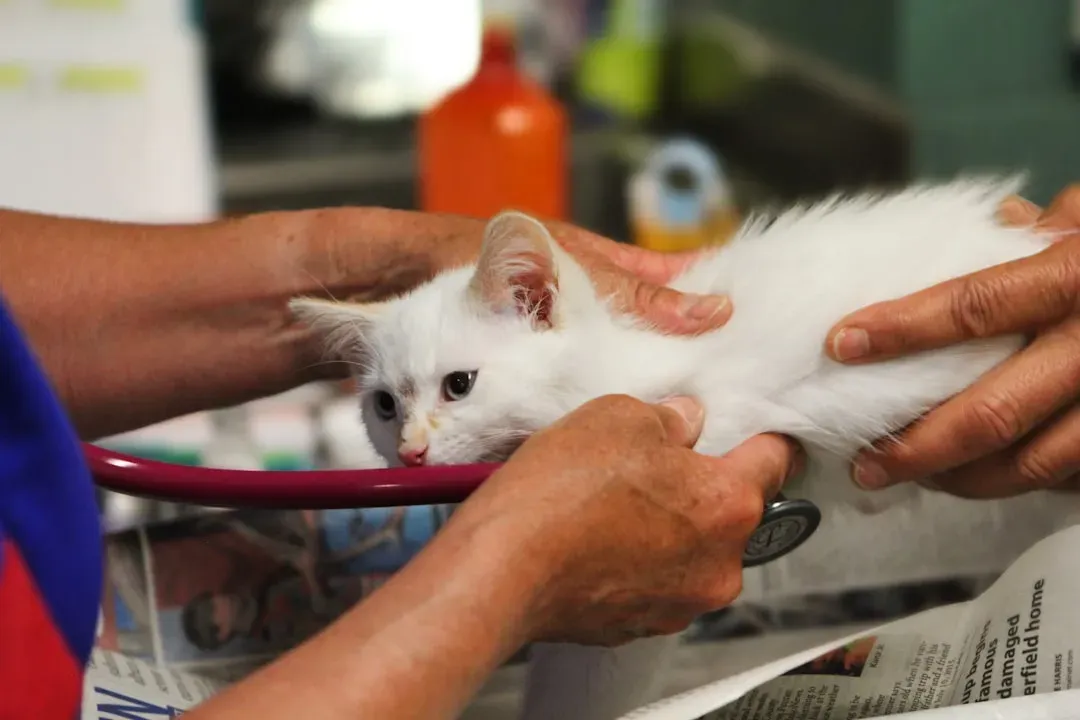
One of the biggest mistakes new cat owners make is skipping annual vet checkups. Cats are masters at hiding discomfort or illness, so by the time you notice symptoms, it may be serious. You might assume that because your indoor cat seems healthy and energetic, they don’t need regular vet visits. This couldn’t be further from the truth.
Visiting your veterinarian once or twice a year allows professionals to help identify any health or medical concerns. During a routine visit, we will weigh your cat, provide annual vaccinations, and perform a full physical examination. We often identify problems during examinations that cat owners wouldn’t be able to find at home – and the earlier we find them, the more successfully we can treat your cat. Your cat’s stoic nature, while admirable, means they’re suffering in silence. Regular checkups catch issues before they become life-threatening emergencies that could have been easily prevented.
Punishing Instead of Understanding
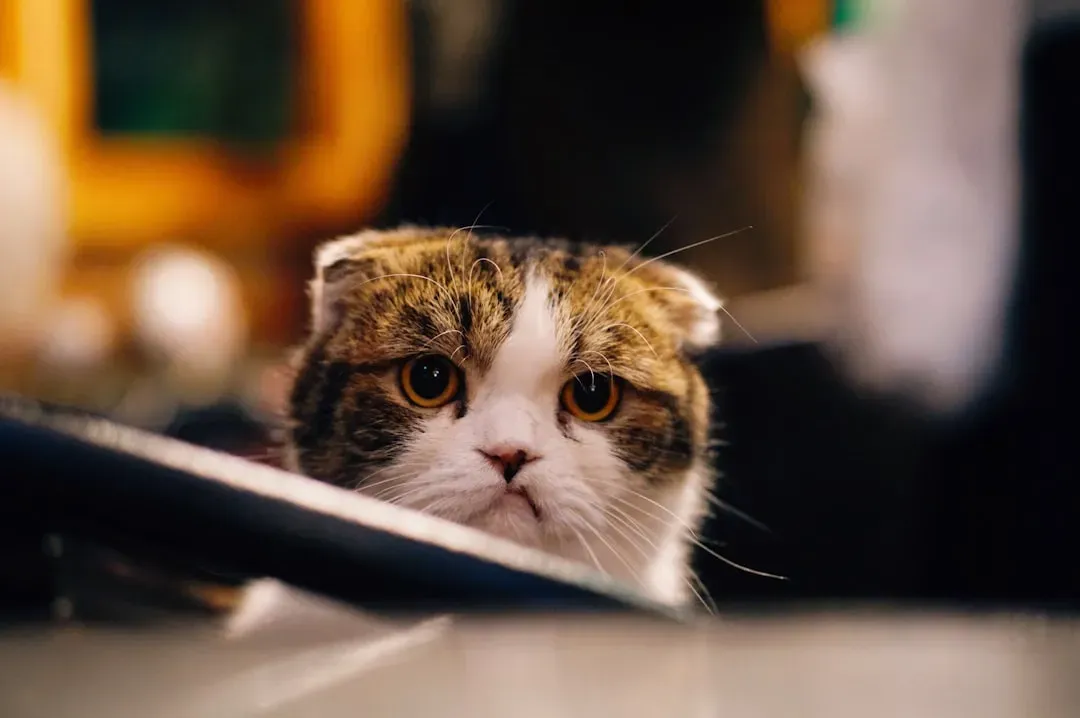
Cats don’t misbehave out of spite. If you think your cat is doing something wrong in a deliberate attempt to make you mad, you are mistaken. Animals exhibit behaviors that serve a purpose. If you punish your cat by hitting, yelling, rubbing her nose in his mess, or putting him in time-out, all you’ll succeed in doing is to make your cat afraid of you. That time your cat knocked your favorite mug off the counter wasn’t revenge for being late with dinner.
Punishment should be avoided, because it can cause your cat to become scared of you and, at best, will stop the undesirable behavior only when you are present. Cats literally don’t have the cognitive framework to be vindictive or spiteful. When your cat does something you don’t like, they’re trying to communicate an unmet need or responding to an environmental trigger. Yelling at them doesn’t teach them anything except that you’re unpredictable and potentially dangerous.
Providing Inadequate Mental Stimulation
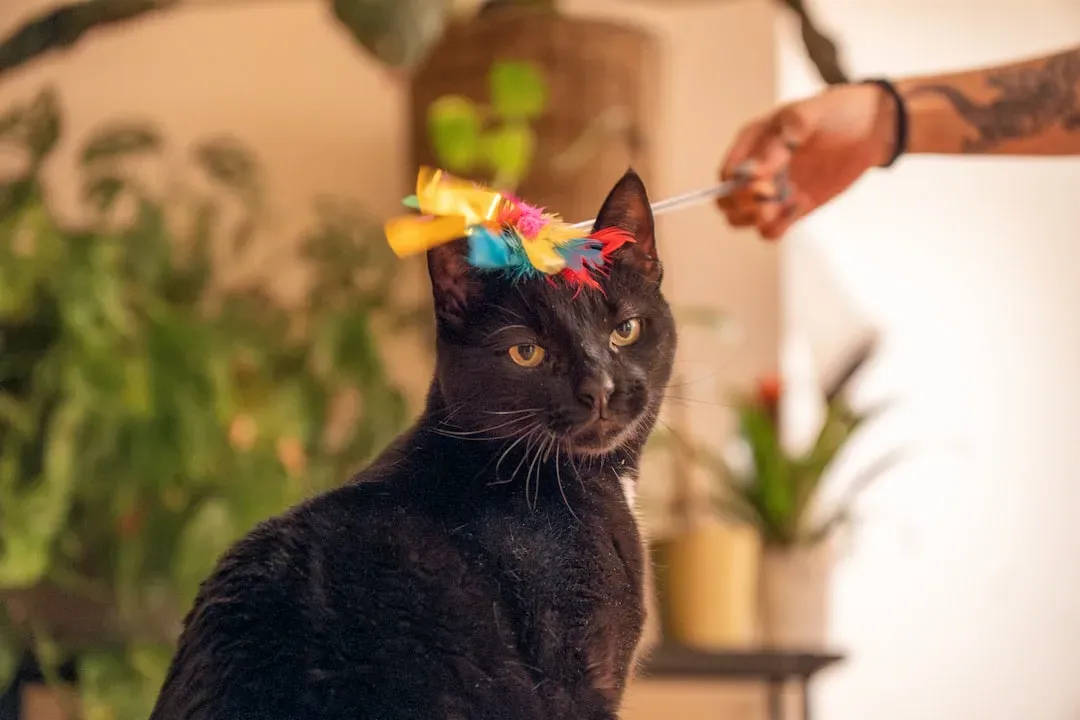
Bored cats develop destructive behaviors and obesity. Daily interactive sessions are non-negotiable for mental and physical health. Your cat might have a mountain of toys gathering dust in the corner, yet they’re still climbing the curtains and knocking things off shelves at three in the morning. The problem isn’t the toys – it’s the lack of engagement.
A cat is a hunter and needs stimulation and the opportunity for discovery. Many behavior problems are the result of a boring environment. Your cat needs interactive playtime, solo play, places to scratch, cozy hideaways for napping, elevated areas for climbing and perching, and time with YOU. Cats are natural predators with hunting instincts that don’t disappear just because they live in a cozy apartment. When you don’t provide appropriate outlets for these instincts through play and environmental enrichment, your cat creates their own entertainment – usually in ways you won’t appreciate.
Ignoring Their Dental Health Completely
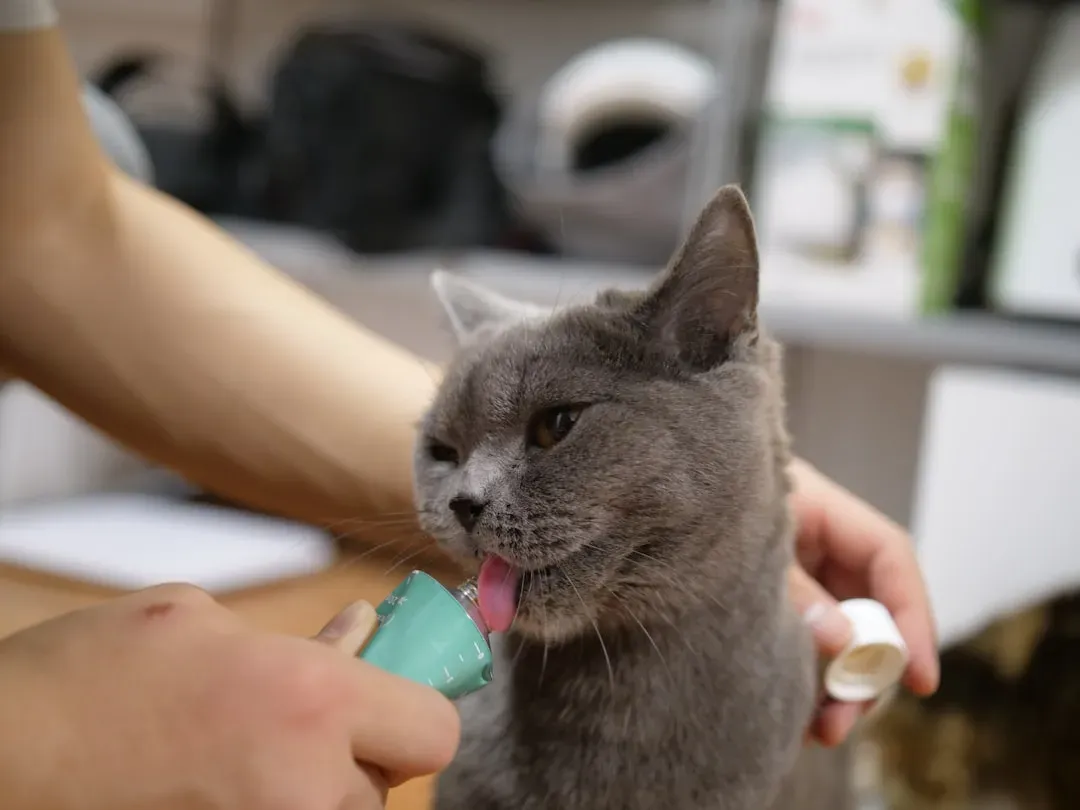
Neglecting oral care causes painful infections and expensive treatments. Start tooth brushing early or use dental treats and water additives. Most cat owners never even think about their cat’s teeth until there’s a problem, which is honestly understandable since convincing a cat to let you brush their teeth sounds like a medieval torture method.
Brushing is the best way to control plaque on your pet’s teeth. Cats tend to accept brushing more readily if it’s started when they’re young, but that doesn’t mean it’s ever too late to start an oral hygiene routine. Dental cleanings at the veterinary office are also a must. Cleanings remove plaque and tartar above and below the gum line while your cat is anesthetized. Dental disease doesn’t just cause bad breath – it can lead to serious systemic infections affecting your cat’s heart, kidneys, and liver. Yet it’s one of the most overlooked aspects of feline care, leaving cats suffering from painful tooth decay and gum disease that could have been easily prevented.
Conclusion
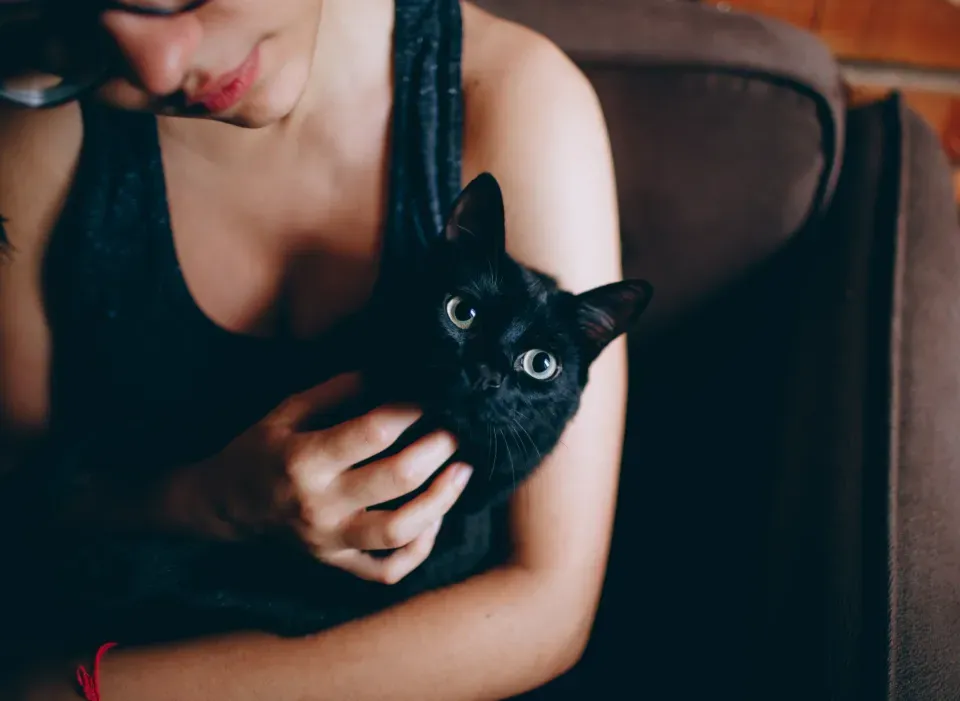
Understanding your cat isn’t about being a perfect pet parent. It’s about recognizing that these mysterious, independent creatures have very specific needs and ways of communicating that don’t always align with our human instincts. Many cat owners make the same mistakes, certainly not because they aren’t dedicated to their cat’s care, but because they’re easy to make. Many don’t realize they’re making mistakes at all. However, some actions or inactions can have long-term consequences on the cat’s health and happiness. The good news is they’re easy to fix once you know what they are.
The beautiful thing about the relationship between cats and their humans is that it’s never too late to improve your communication. Start paying attention to your cat’s subtle signals, establish consistent routines, and remember that respect goes both ways. Your cat isn’t trying to be difficult – they’re just trying to live in a world that makes sense to them. What surprised you most about these common mistakes? Did you recognize yourself in any of these scenarios?