Your cat seems fine. Lounging on the couch, occasionally batting at a toy, looking completely unbothered. So you assume everything’s great, right? Here’s the thing – cats are masters at hiding discomfort and anxiety. By the time you notice something is off, the stress may have already been building for weeks or even months.
Cats don’t tend to show their emotions as overtly as other species do, and often the signs are very subtle, such as withdrawing and becoming quiet. That’s exactly why it’s so important to recognize the signs of stress in your cat early and act accordingly, before things get serious. The truth is, many of the things we do every single day – with the best of intentions – are quietly pushing our cats over the edge. Let’s dive in.
1. Skipping Environmental Enrichment
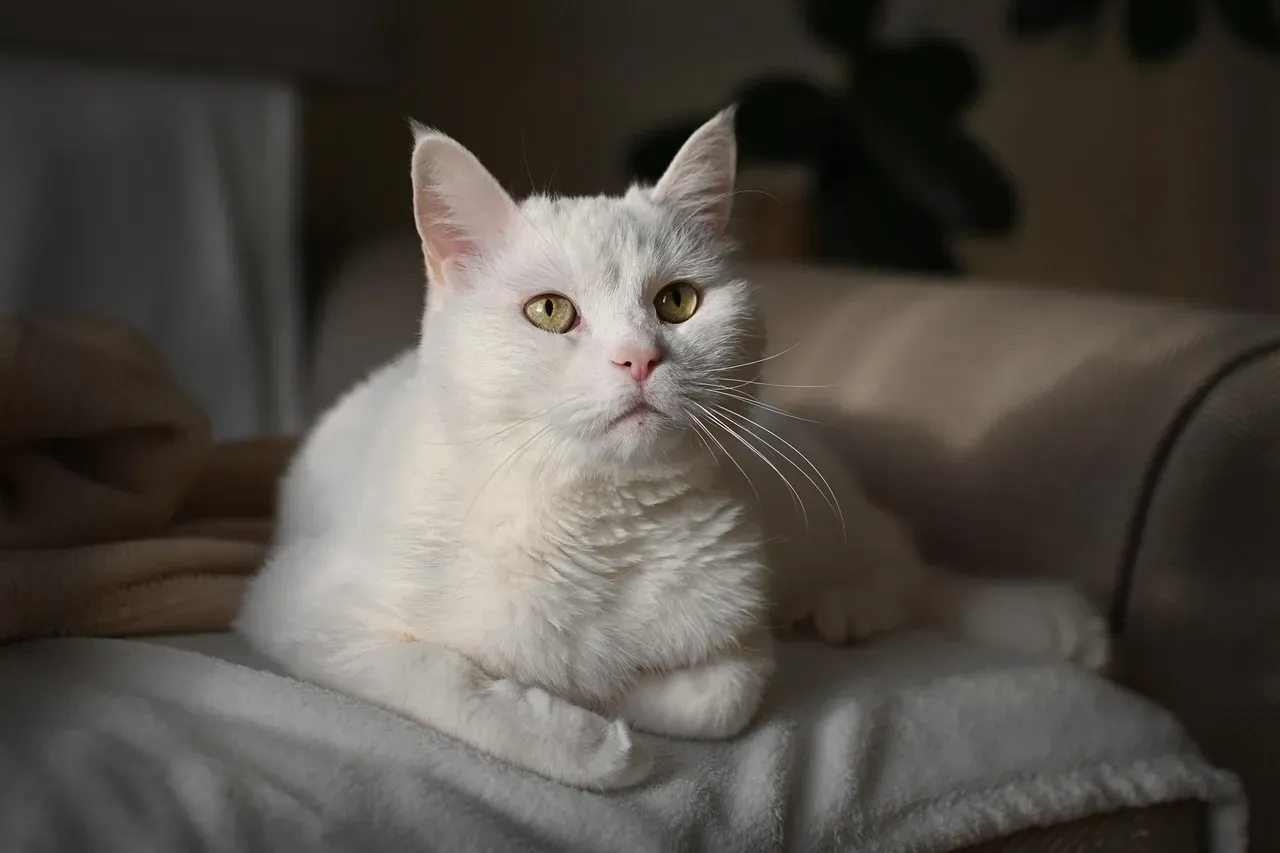
Think about it this way: imagine being locked in a house with no TV, no phone, no books, and nothing interesting to do. That’s basically what it feels like for an indoor cat in a barren environment. A barren environment that provides few opportunities to express normal behavior may lead to stress, and the inability to engage in hunting and exploring behaviors when cats are kept indoors can result in stress-related problems.
Indoor cats with poor enrichment are more likely to develop obesity, stress-related disease, and behavior problems such as inappropriate elimination and overgrooming. Physical safety alone simply is not enough. You need to give your cat things to climb, explore, and interact with. Think cat trees, puzzle feeders, rotating toys – anything that keeps that little brain fired up and engaged.
2. Ignoring the Litter Box Rules
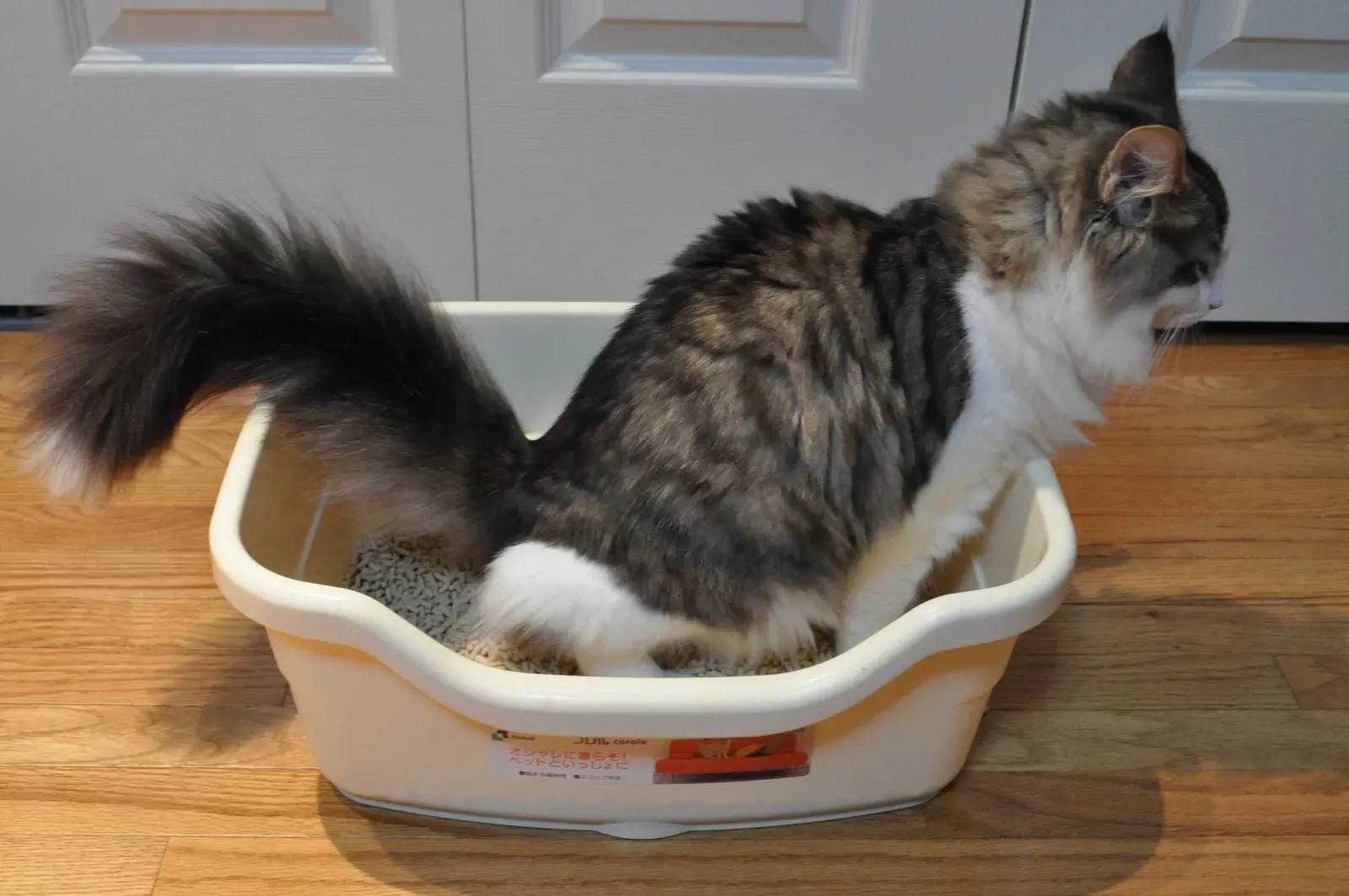
Nobody likes using a dirty bathroom. Your cat absolutely doesn’t either. Poor litter box placement, the wrong litter type, and a too-small box can all cause real distress when your cat wants to use their bathroom. A reliable rule to follow is to provide one box per cat, plus one extra.
One of the most common signs of stress in cats is urinating outside the litter box. Cats usually do this because the smell of their own urine is comforting, and litter absorbs the smell. Cats may also spray onto vertical surfaces to mark their territory, and this marking behavior can be comforting when they are stressed. If you’re dealing with litter box avoidance, don’t assume it’s misbehavior. It’s communication – and it’s worth listening to.
3. Keeping a Chaotic, Unpredictable Routine
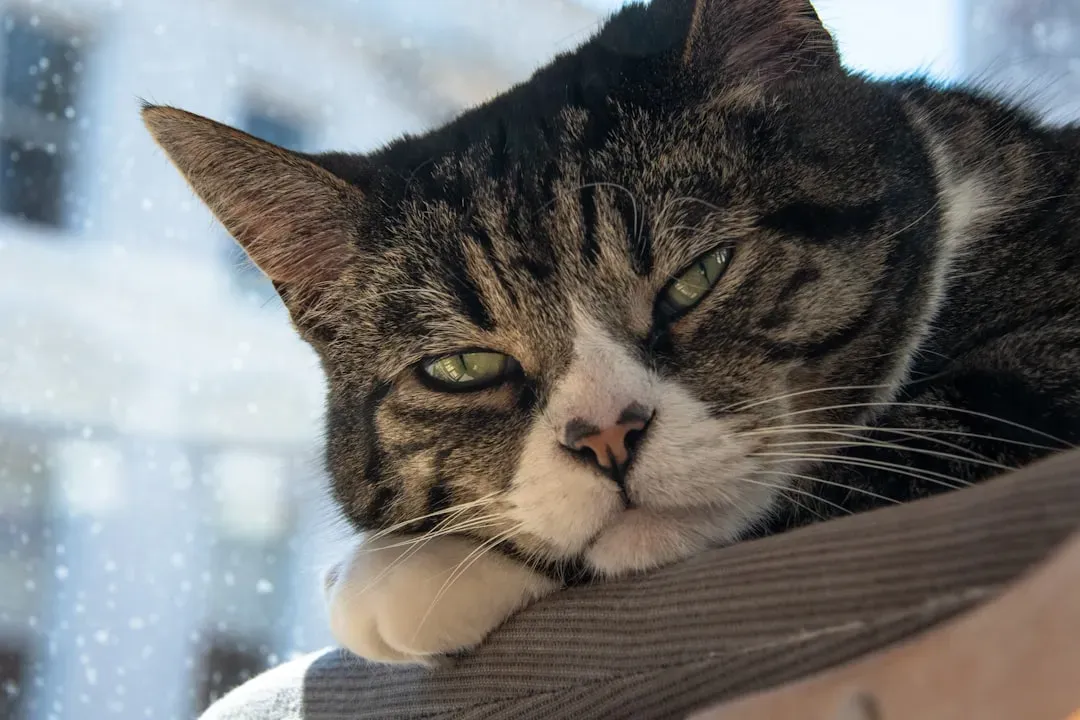
Abrupt changes in schedule, family members, or environment are incredibly stressful for cats, who thrive on routine and treat changes with suspicion. Cats are not spontaneous creatures. They are creatures of habit, and consistency is basically their love language. When your feeding times shift, your work hours suddenly change, or the furniture gets rearranged, your cat notices – and it bothers them more than you’d expect.
We may not realize how sensitive our cats are to something as simple as moving furniture around the room or having company over for dinner. Cats depend on us to keep their surroundings stable and safe. Being predictable in your behavior and creating daily routines is a genuinely effective way to minimize stress. Even small, consistent rituals around feeding and playtime go a long way.
4. Not Providing Enough Vertical Space
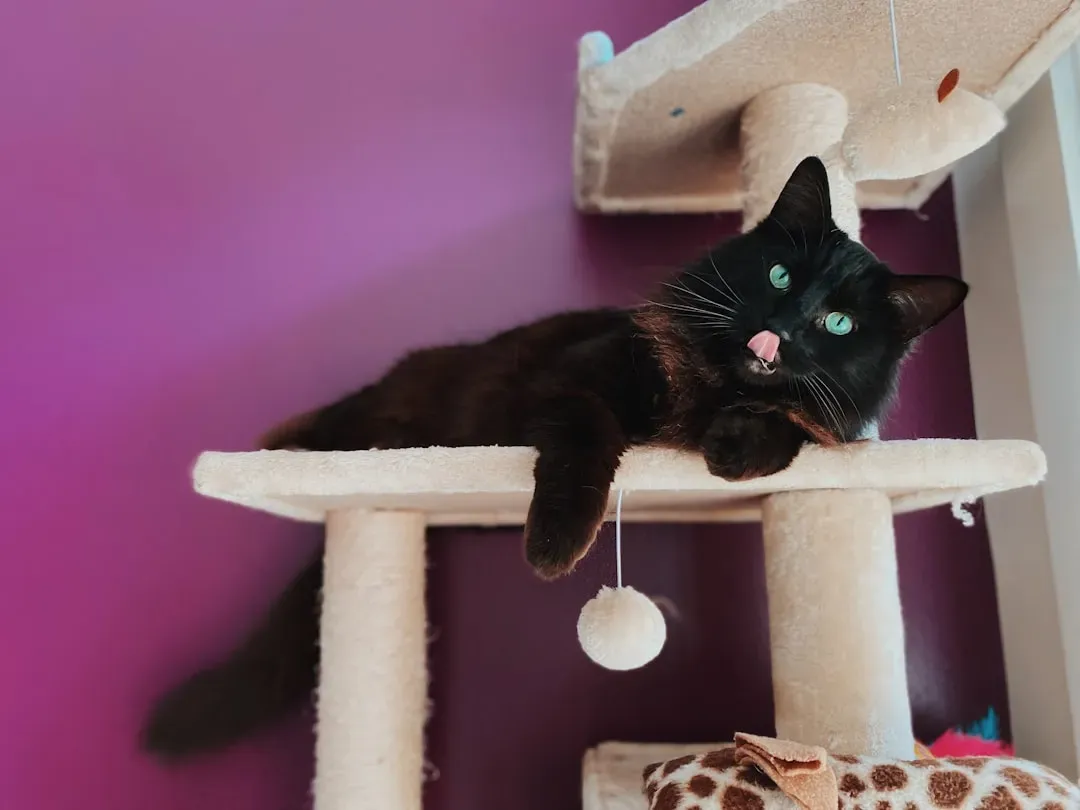
Cats are vertical creatures by nature. In the wild, a high vantage point means safety and control. Your indoor cat still carries that instinct, and when your home offers nothing but floor-level living, it can quietly erode their sense of security. Multiple clinical guidelines emphasize that vertical space and safe hiding spots directly reduce stress. Cat trees, sturdy shelves, or cleared tops of furniture at different heights can make a real difference.
Providing a vertical or three-dimensional space, such as shelves, cat trees, or platforms, should be encouraged, as cats use vertical space as a vantage point and as a hiding area. Some studies have even suggested that providing hiding places reduces stress. Honestly, investing in a good cat tree is one of the most underrated things you can do for your cat’s mental health.
5. Forcing Physical Affection on Your Cat
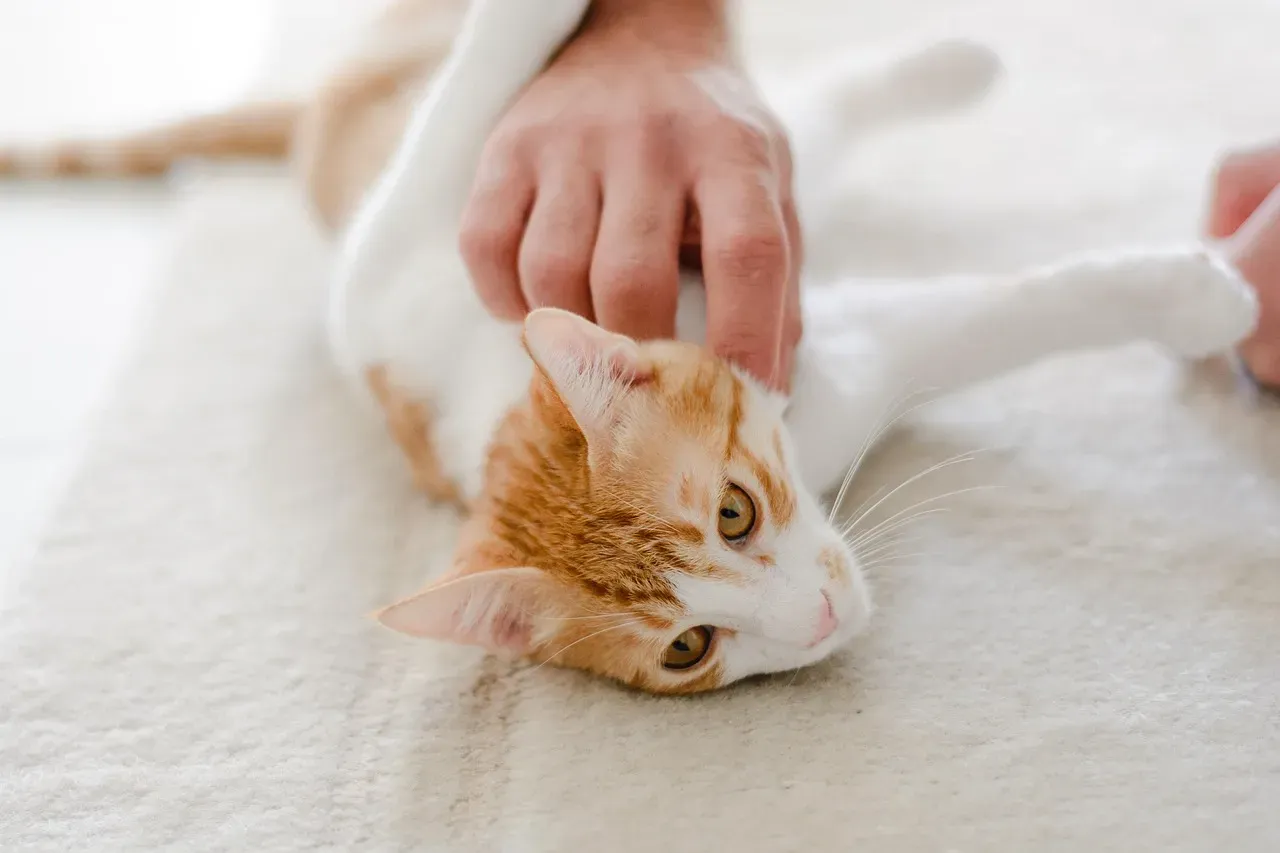
I know it’s tempting. They’re fluffy and adorable, and you just want to squeeze them. The problem is that picking up a cat that doesn’t want to be picked up, or petting them when they’re clearly done with the interaction, is one of the most common sources of owner-induced stress. Wanting more contact than your cat is comfortable with, such as picking them up frequently, can damage the relationship, as the cat may view their owner as unpredictable and choose to avoid them or even act defensively by scratching or biting.
While many cats like to be fussed or stroked, some cats might find it overwhelming and stressful. It’s important to pay attention to your cat’s body language and always give them the option to remove themselves from the interaction. Let your cat be the one to initiate contact when they’re ready. You’ll actually build a stronger bond that way.
6. Yelling or Using a Loud, Harsh Voice
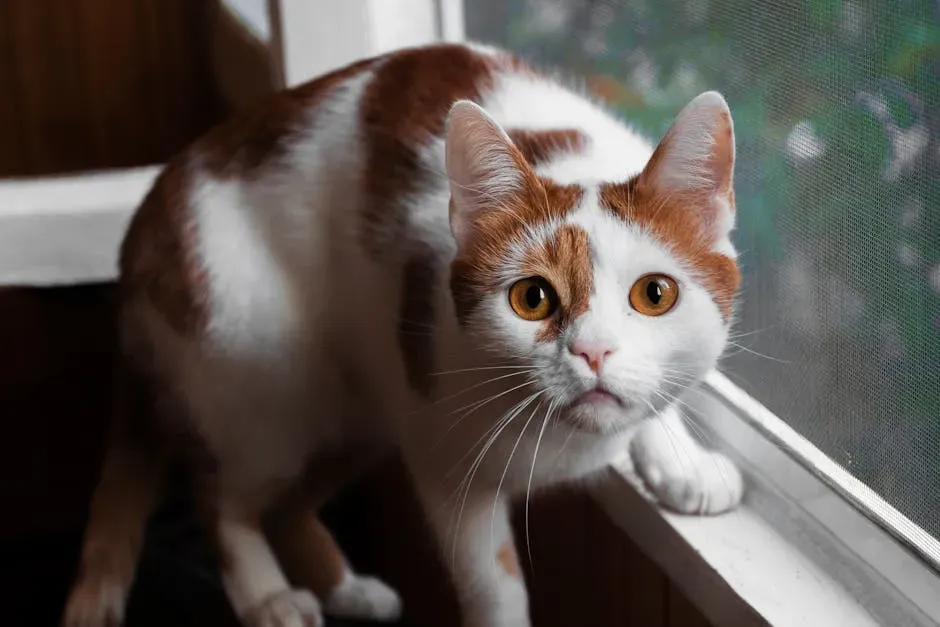
Here’s something a lot of cat owners don’t think about: the volume and tone of your voice matters enormously to your cat. You might be calling them for dinner, scolding them for scratching the couch, or just having a heated phone call in the next room. One common mistake cat owners make is yelling “stop,” as it can cause alarm bells in a cat’s mind if it’s said loudly.
There are some common words and sounds that stress a cat out, usually because they’ve learned to associate them with something negative. Your cat can’t fully decode human language, but they absolutely pick up on tone and emotional energy. A calm, quiet household is genuinely one of the best things you can offer an indoor cat. If redirection is needed, a firm but gentle tone works far better than raising your voice.
7. Having a Dirty or Unstimulating Feeding Setup
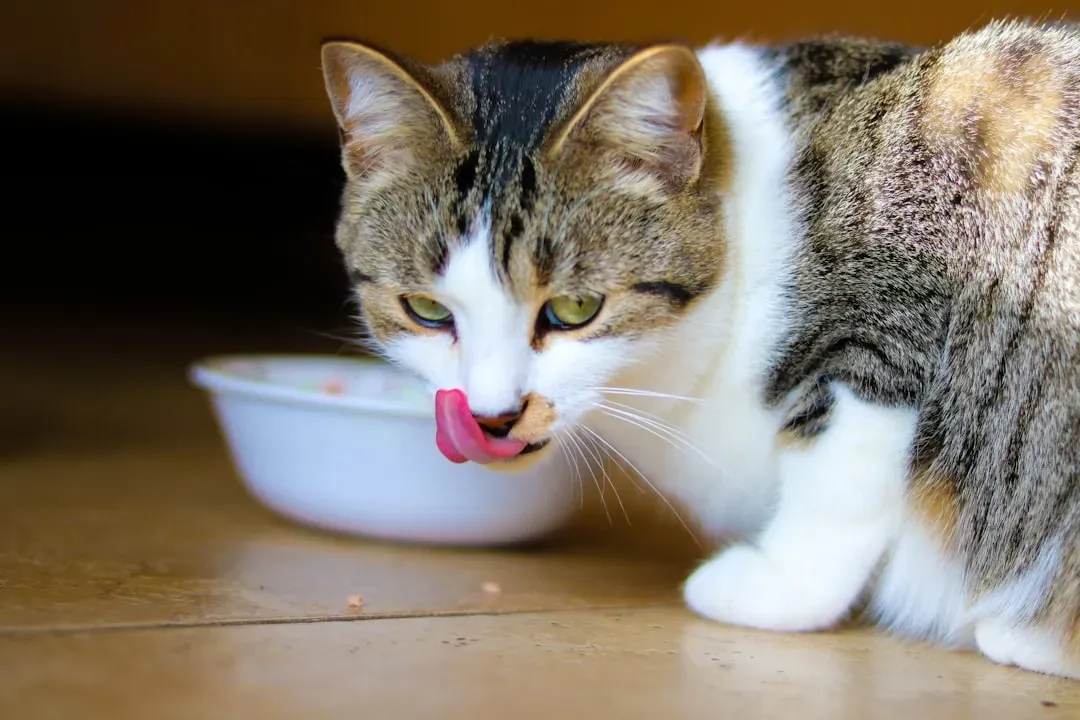
Dropping a bowl of food at the same spot every day might feel sufficient. In reality, it removes one of the most mentally important activities in your cat’s life – hunting and foraging for food. Static bowls filled all day are convenient, but they remove one of the cat’s most important jobs: working for food. Boredom and obesity are tightly linked, and feeding style is a major driver of both.
As cats spend a high percentage of time foraging, providing puzzle feeders and hiding food in several places may be very useful. Toys should be used and changed at regular intervals to keep the cat’s interest. Think of puzzle feeders the way we think of crossword puzzles – they don’t just feed the body, they feed the mind. Even hiding small amounts of dry food around the house counts as meaningful enrichment.
8. Letting Strange Cats Invade Their Sightlines
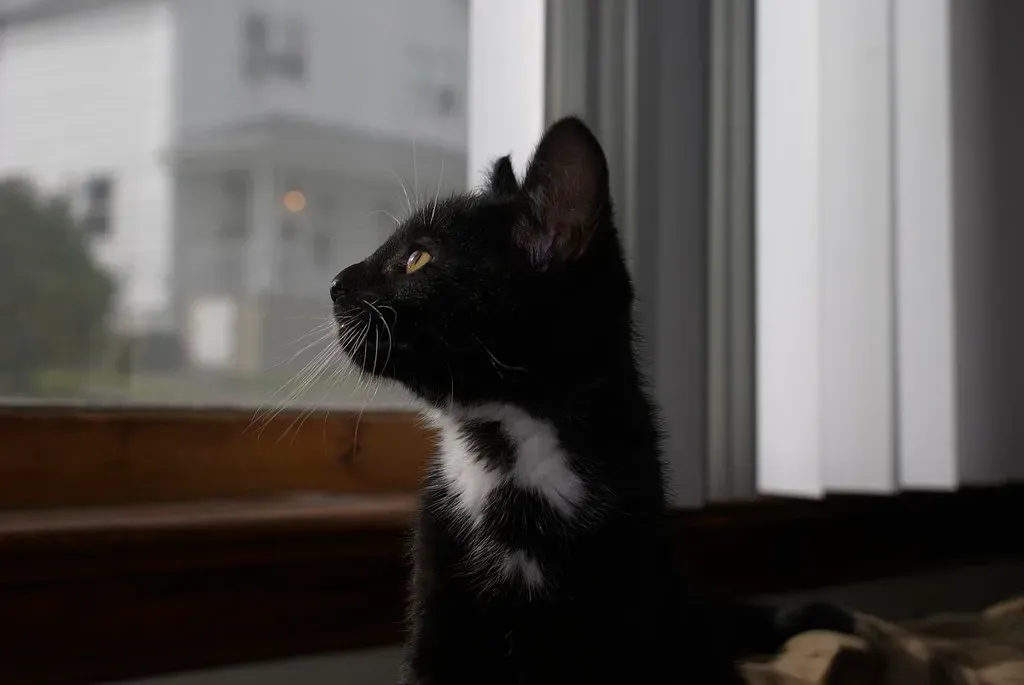
This one surprises a lot of people. Your indoor cat looks out the window – cute, right? Not always. Seeing the outdoors can be entertaining and engaging for an indoor cat, or it may cause stress. Stress signs may include not eating, not using the litter box appropriately, hiding, overgrooming, and aggression.
Whether familiar people or pets come too close to your cat’s territory, or stray cats linger outside, your cat can become highly defensive and territorial. Owners of territorial cats commonly experience urine marking. When stray cats peer in windows or leave their scent markings around your doors, your cat will likely spray urine in those areas to warn off the intruders. If you notice your cat fixating on the window with a puffed tail or hard stare, it may be time to consider blocking that view during certain hours.
9. Rushing the Introduction of a New Pet
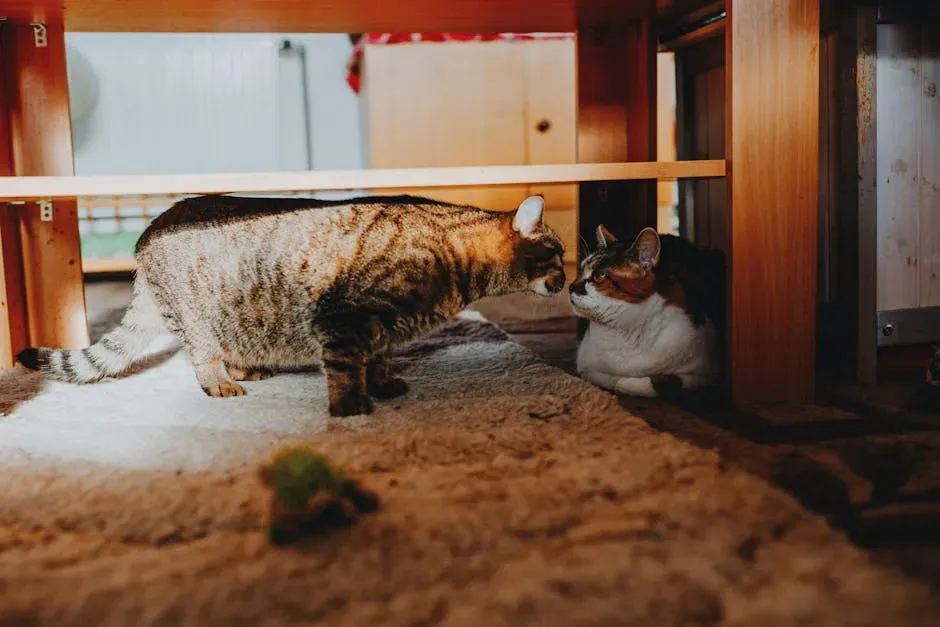
Getting a second cat or a new dog and just dropping them into the home together is a recipe for months of tension and anxiety. Cats are not naturally social creatures the way dogs are, and territorial boundaries matter deeply to them. Although cats can form friendships with other cats, many prefer their own company and do not enjoy living with other cats. If an introduction is rushed, or if there is not enough space or food for them to live together easily, living in a multi-cat household can become very stressful.
Introduce a new cat to your household slowly by confining the new arrival in a separate room for several days, swapping out their bedding so they can check out each other’s scent. Then let your cats see each other through a barrier before fully removing it. This process can take days or weeks, but will greatly alleviate your cat’s stress. Patience during introductions isn’t just kind – it’s essential.
10. Not Providing Adequate Hiding Spots
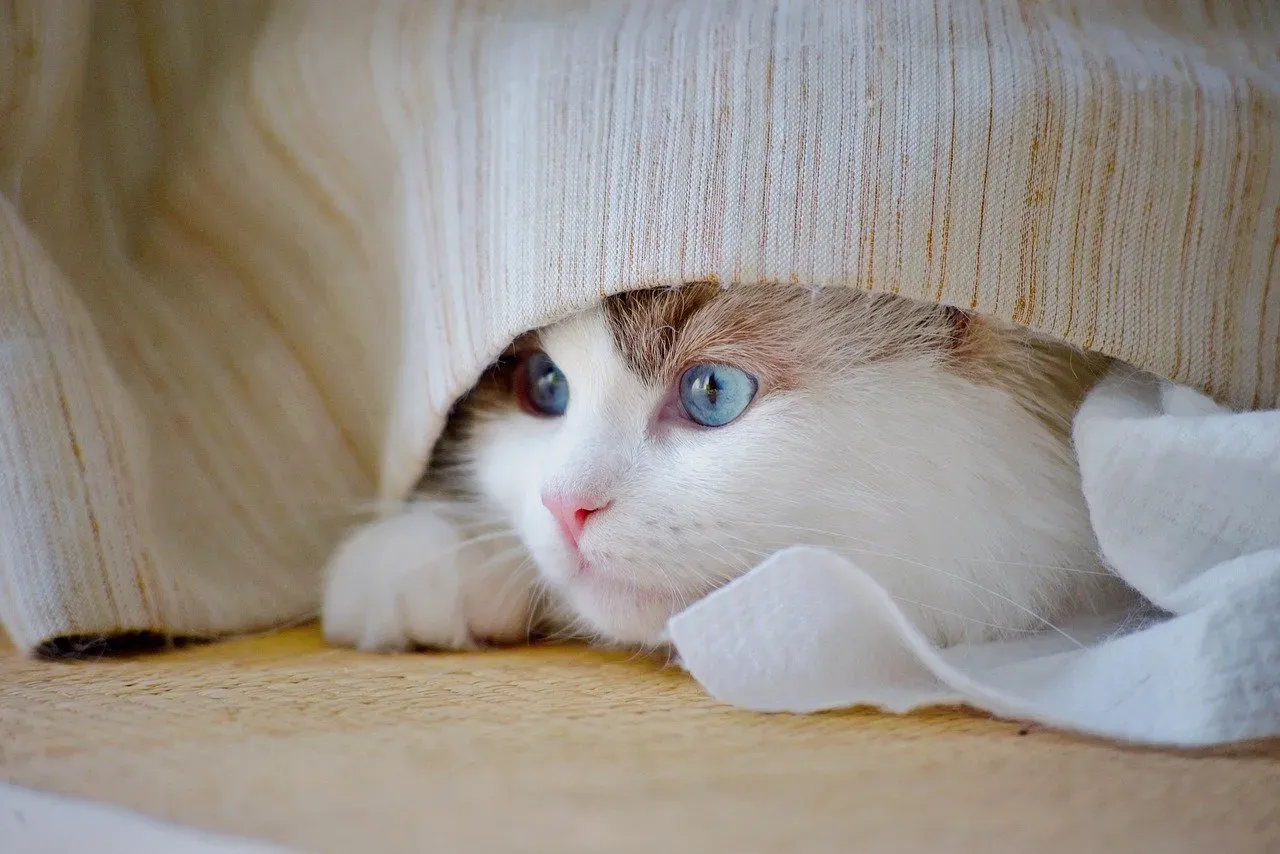
Your cat does not always want to be seen. That’s not antisocial behavior – it’s a deeply wired survival instinct. Being confined indoors, being bored, or having restricted access to hiding places where the cat feels safe can all be very stressful for some cats. When guests arrive, when construction noise erupts, or when household tension rises, your cat needs somewhere to disappear.
Hiding spots should include boxes, covered beds, carriers left open, and quiet corners, with at least one safe resting or hiding area for each cat in each key room. Whether your friends are staying for the weekend or you’ve got the family over, having people over can cause some cats stress. Providing a hiding place where they can escape the chaos, or ideally a quiet room to themselves, will go a long way to reducing their anxiety.
11. Ignoring the Signs of Chronic Stress
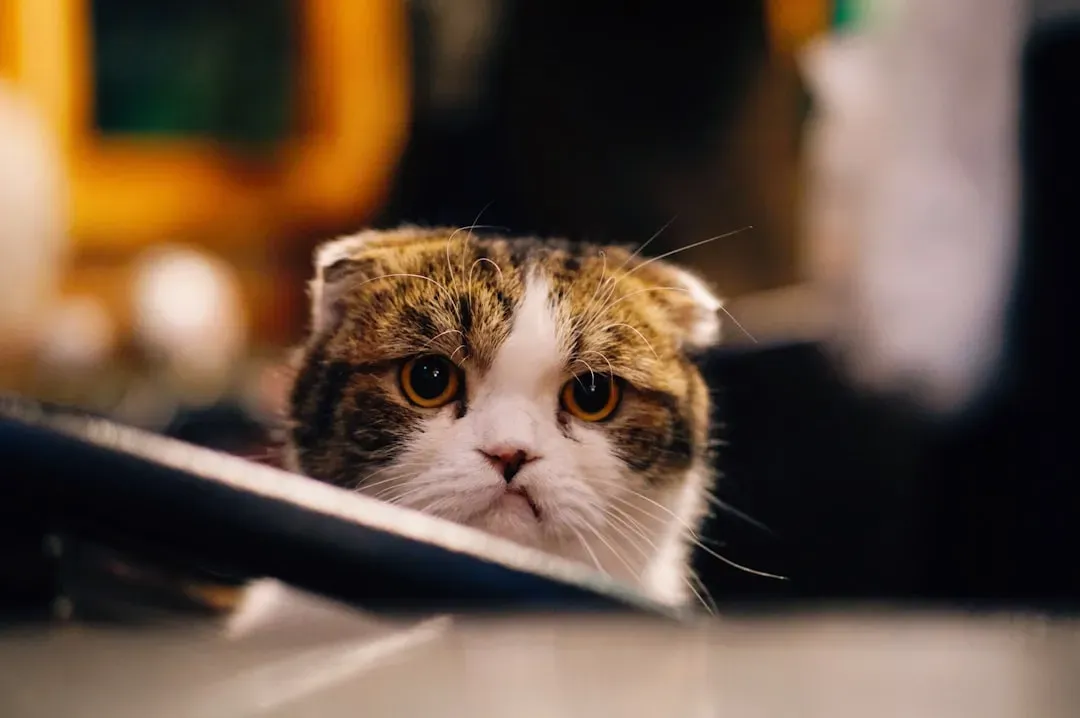
Here’s where things get genuinely concerning. Stress in cats doesn’t just cause behavioral annoyances – it can make them physically sick. The stress response is essential to keep a cat safe, but these systems are less well adapted to dealing with chronic or long-term stress, and this is the type of stress that plays a significant role in the development of behavioral problems and stress-related diseases in cats.
Chronic stress can have significant long-term health implications for cats. It can lead to weakened immune systems, increased susceptibility to illnesses, and chronic conditions like urinary tract infections or gastrointestinal problems. Many signs of anxiety in cats, like increased aggression, diarrhea, lack of appetite, urine spraying outside of the litter box, and scratching up furniture, only make life harder for both you and your pet. Don’t wait until things escalate to take action.
12. Making Big Environmental Changes Without Warning
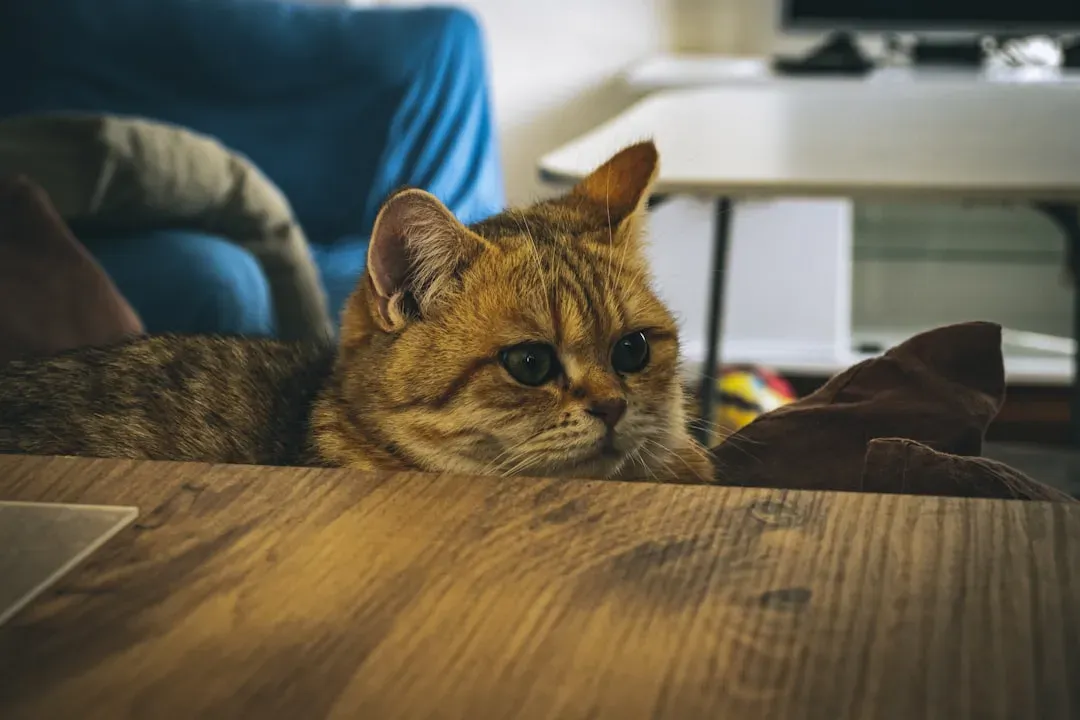
Rearranging the living room, renovating, bringing in new furniture, or even switching cleaning products – all of these can throw your cat into a quiet panic. We may not realize how sensitive our cats are to something as simple as moving furniture around the room or having company over for dinner. Cats are creatures of habit and depend on us to keep their surroundings stable and safe. When we plan to do something that changes the cat’s surroundings, even for a short period of time, we can help alleviate their stress by following a few simple guidelines.
For cats, any change in your inner circle can trigger stress. This includes people leaving the household due to death, divorce, or going away to college, and new people joining the household thanks to romantic relationships, marriage, new children, or older parents moving in. Whenever big changes are unavoidable, try to introduce them gradually and keep at least one “anchor zone” in your home that remains completely unchanged. Your cat’s safe corner could be the one constant that keeps them grounded through all of it.
Conclusion: Your Cat Is Counting on You to Notice
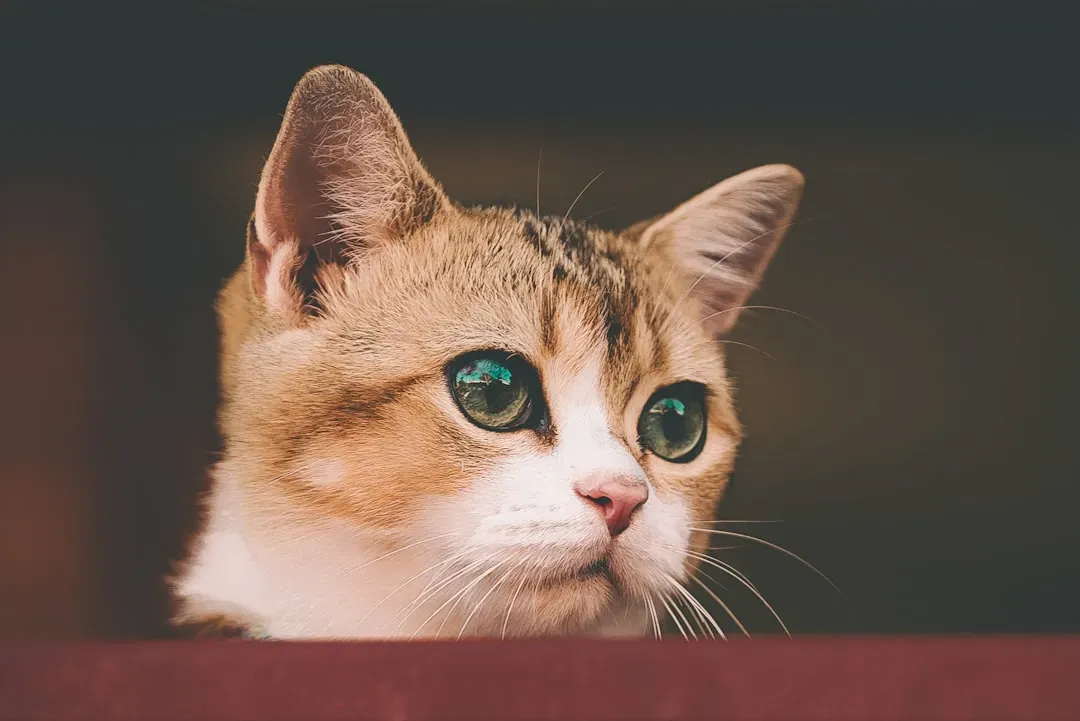
The truth is, most cat owners aren’t being careless – they’re just unaware. Cats are quiet about their suffering. They won’t come to you and explain that the new couch arrangement is stressing them out, or that the neighbor’s tabby keeps staring through the window. They’ll just quietly withdraw, over-groom, or start missing the litter box. And by then, the problem has already taken root.
The good news? Nearly every mistake on this list is fixable. More hiding spots. A cleaner litter box setup. A puzzle feeder instead of a plain bowl. A slower introduction for that new pet. These aren’t expensive or complicated changes – they’re just thoughtful ones. It’s unrealistic to expect a life for your cat that has no potential stress triggers, but appreciating what those triggers might be and keeping them to a minimum will reduce the likelihood of any problems developing because of chronic stress.
Your cat chose to trust you with their entire world. That’s a big deal. The least you can do is make sure that world feels safe, stimulating, and calm. Did any of these mistakes catch you off guard? Tell us in the comments – you might be surprised how many other cat owners are in the same boat.