If you share your home with a cat, you already know the feeling. You’re sitting on the couch, minding your own business, and suddenly your feline companion is staring at a blank wall like it holds the secrets of the universe. Or maybe you woke up at 3 AM to the thunderous sound of paws launching at full speed across your hardwood floors for absolutely no reason. Sound familiar?
Cats have baffled humans for thousands of years. Enigmatic and mysterious, they have enchanted humanity for thousands of years, their behaviors forming a complex mix of instinct, environmental adaptation, and individual personality. Honestly, I think that is exactly why we are so obsessed with them. There is always something new to figure out. So if you have ever wondered what is going on inside that fluffy little head, you are in the right place. Let’s dive in.
1. Kneading, or Why Your Cat Thinks You Are Made of Bread Dough
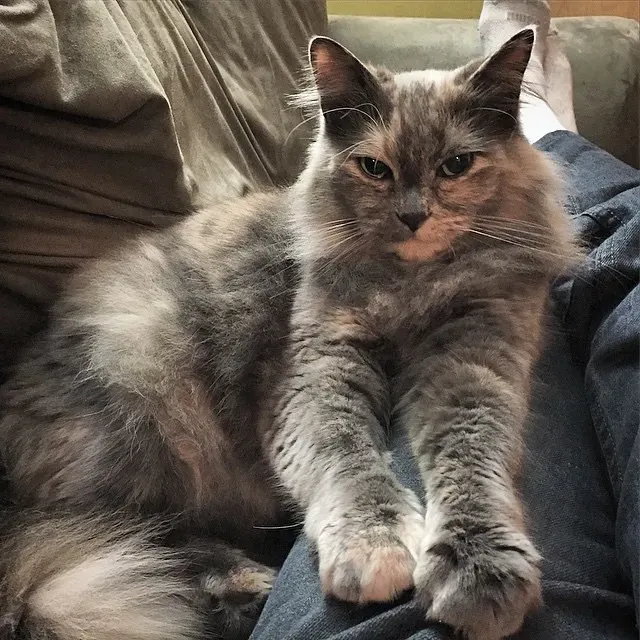
You settle into your favorite chair and suddenly your cat climbs onto your lap and starts rhythmically pressing their paws in and out against you like a tiny, determined baker. This is a repetitive motion where your cat presses their front paws in and out against a soft surface, alternating left and right. Some cats purr loudly during the act, while others may close their eyes in bliss. Your kitty might even drool a little, which is an extra sign that they’re feeling relaxed and safe. It looks adorable. Sometimes it hurts.
Here is the thing: kneading is deeply rooted in kittenhood. Cats knead for several interconnected reasons, most rooted in their earliest days of life. When kittens nurse, they knead their mother’s belly to stimulate milk flow. This rhythmic pushing motion helps express milk and becomes deeply associated with comfort, warmth, and security. Even though adult cats no longer need to nurse, the behavior remains hardwired as a way to self-soothe and express contentment. The motion triggers the release of feel-good hormones, mainly dopamine and oxytocin, which explains why kneading cats often look so peaceful. So when your cat kneads on you, you are basically being treated like a surrogate mother. Take that as the compliment it genuinely is.
2. The Slow Blink, or Your Cat’s Way of Saying “I Love You”
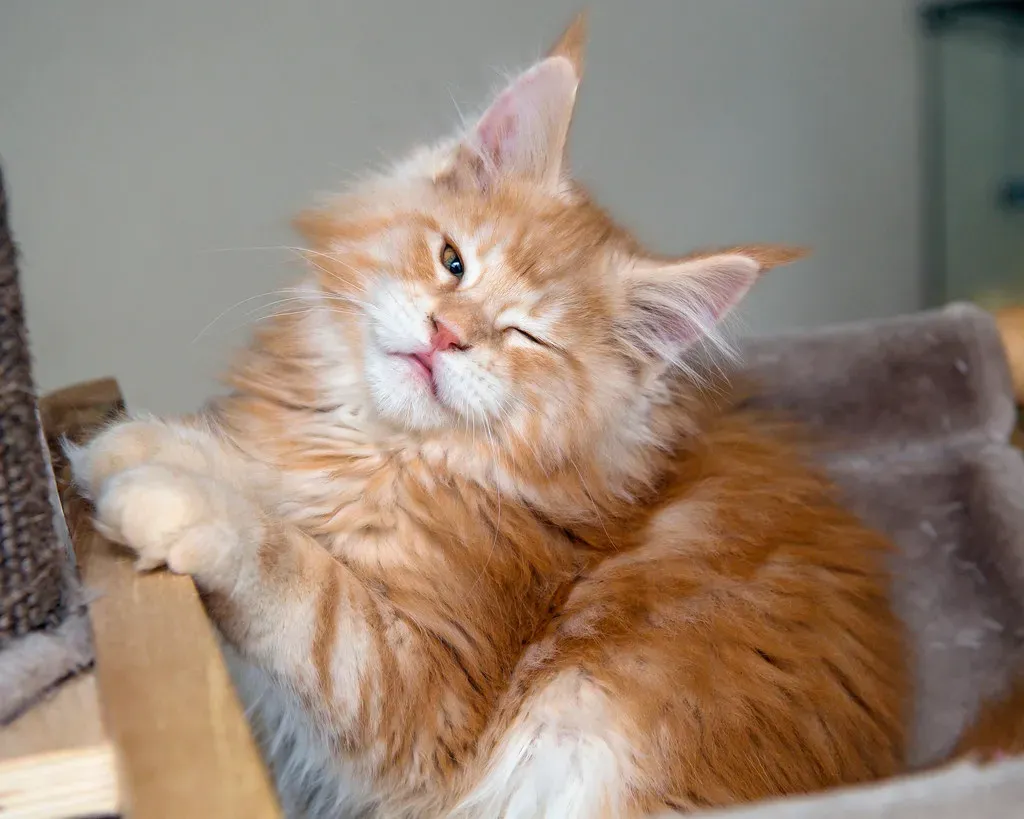
Your cat is sitting across the room, watching you with half-closed eyes, and then gives you a slow, deliberate blink. It feels intimate, a little mysterious, and you are not sure what to do with it. Slow blinking is one of the ultimate signs of trust that your cat can give you. Consider when an animal locks their eyes on prey or a rival. An unblinking stare into their eyes is typically seen as a threat and as a challenge. When your cat looks at you and slow blinks, they are relaxing their guard; after all, a cat in the middle of a slow blink is vulnerable at that moment.
The science behind it is surprisingly touching. In a 2020 study, researchers found that cats were more likely to slow blink after their owners slow blinked at them. They took it a step further by leaving the cat alone with a researcher whom the cat didn’t know. The researcher slow blinked at the cat, which led to the cat approaching the researcher’s outstretched hand. So the next time your cat gives you that dreamy, half-closed look, try slow blinking right back. When humans initiate the slow blink, they are telling the cat that they trust them, which will allow the cat to form a positive association. It is practically the cat language equivalent of “I love you too.”
3. The Midnight Zoomies, or Why Your Cat Becomes a Furry Tornado at 3 AM
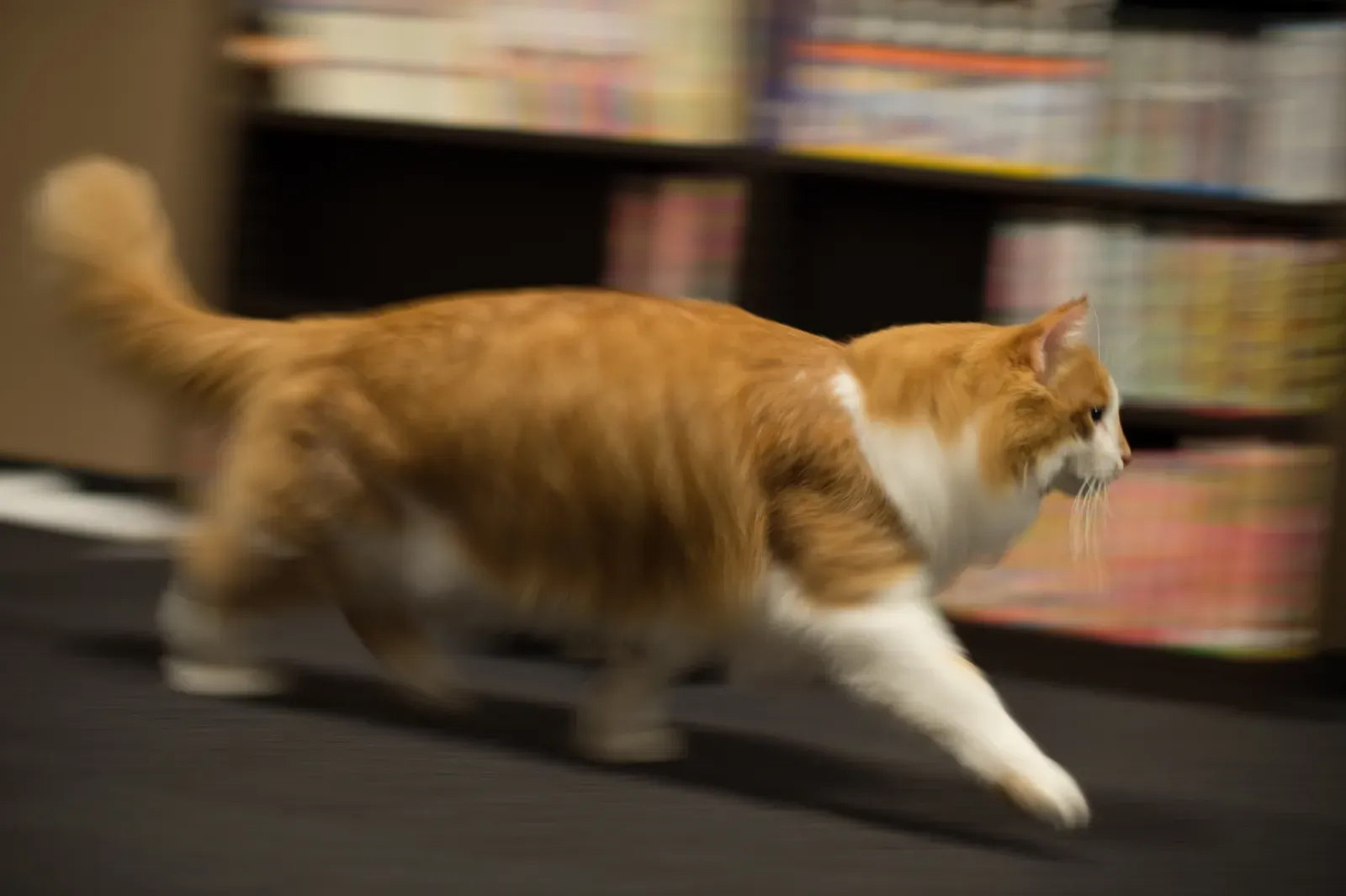
One moment your cat is peacefully napping. The next, they are ricocheting off the walls like a pinball machine with fur. Zoomies, properly known as Frenetic Random Activity Periods or FRAPS, can startle us, especially in the middle of the night. If you have ever watched your cat tear across the room at full speed, skid into a piece of furniture, and then sit down like nothing happened, you have witnessed this phenomenon in its full glory.
The reason behind it is rooted in your cat’s wild ancestry. Even though house cats live comfortable lives, they’re still wired like hunters. Cats are crepuscular animals, which means their bodies are most active at dawn and dusk. If the cat zoomies happen during these hours, then it may be because of their instincts. Cats spend so much time napping, especially if they have plenty of alone time. This leads to built-up energy, which eventually comes out in a short, quick rush. Think of it like a pressure cooker. All that stored energy has to go somewhere, and your living room is the unlucky venue.
4. Bringing You “Gifts,” or the Alarming Morning Delivery You Never Asked For
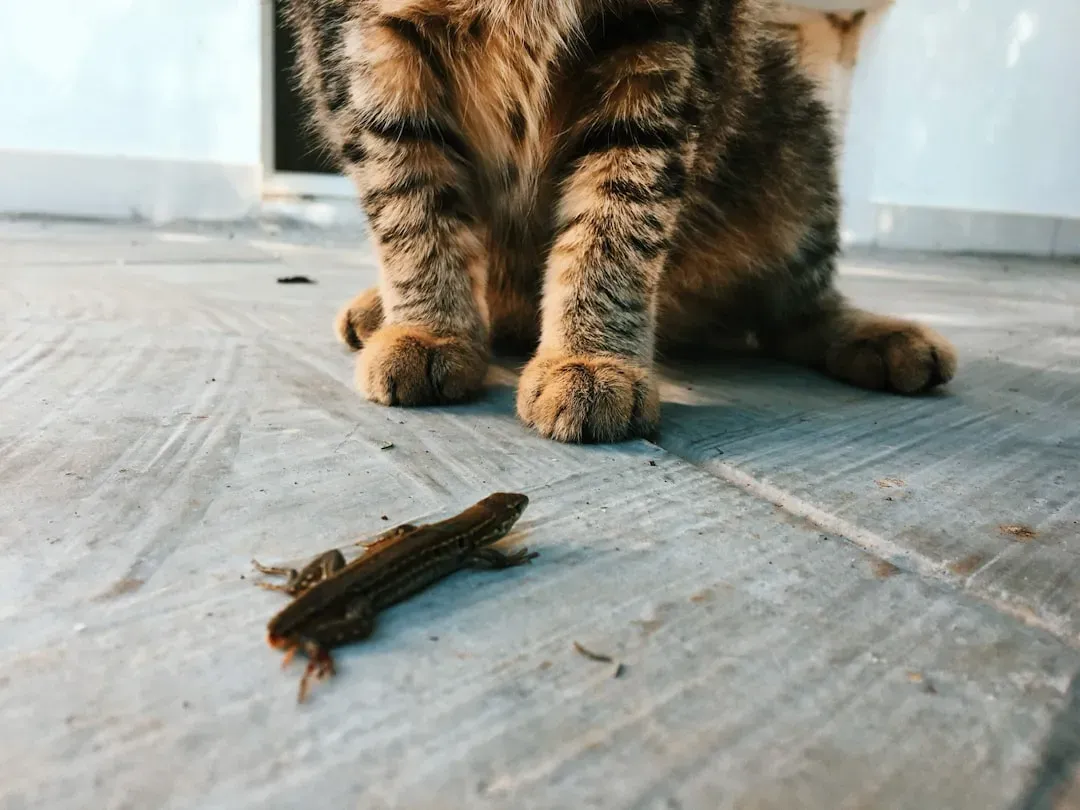
You shuffle into the kitchen half-asleep and find something small, dead, and definitely not from the grocery store sitting proudly on your floor. Your cat is sitting nearby, watching you with what can only be described as quiet pride. The simple answer to why your cat brings you dead animals is because it is their natural instinct to do so. Your feline is a tiny predator and although they have been domesticated for thousands of years, this instinct to stalk and hunt can still be seen in your cat today, even though they have no need to hunt for food.
There are actually several theories for why they bring these offerings to you specifically. Since house cats regard you as part of their posse, many cats will bring you dead animals as a sign of affection. Cats may also do this as a method of storing their prey for later consumption, to try to share their knowledge with you on how to hunt, much like a mother cat teaches her kittens, or to pass on a gift to you as a recognized member of their group. Your cats view you as family, and they wish to provide for your survival. Morbid? Absolutely. But also genuinely sweet, in a very primal way.
5. Scratching Your Furniture, or the Expensive Hobby You Did Not Sign Up For
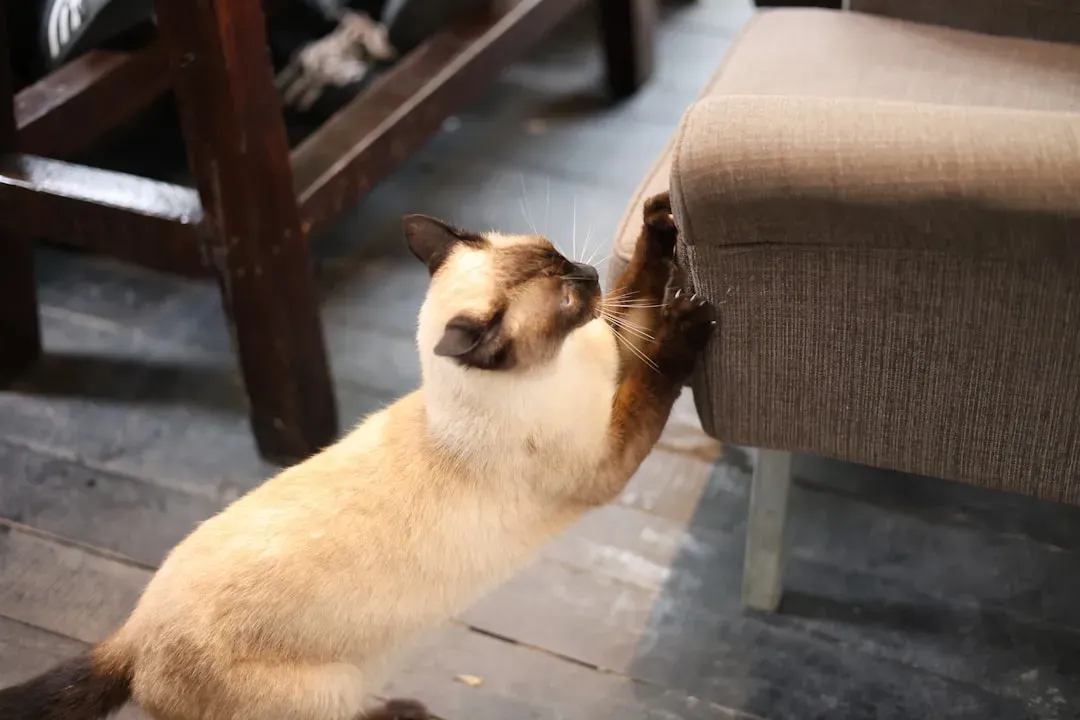
You bought a beautiful new sofa. Your cat took one look at it and decided it was the world’s most satisfying scratching post. Furniture scratching is not done just to sharpen claws and it certainly is not done to be destructive. There is real purpose behind this behavior that goes way deeper than simple mischief. Scratching removes the outer dead nail sheath to expose the new growth. It is also a marking behavior. In addition to leaving a visual mark, it leaves a scent mark from scent glands in the paw pads. Scratching is also how a cat stretches her back and shoulder muscles. Last, but not least, it is an emotional release. These are all much needed functions in daily cat life.
So when you see your cat go to town on your couch, they are actually maintaining their physical health, marking territory, and releasing tension, all at once. Honestly, it is impressive efficiency. Typically, cats look for objects that are tall, sturdy and covered in a claw-appealing material. Objects also need to be located where the cat likes to scratch. Many scratching posts are too short, covered in a soft material and not very sturdy. In other words, your sofa wins because your scratching post lost.
6. The Belly Trap, or the Cruel Trick That Has Fooled Every Cat Owner
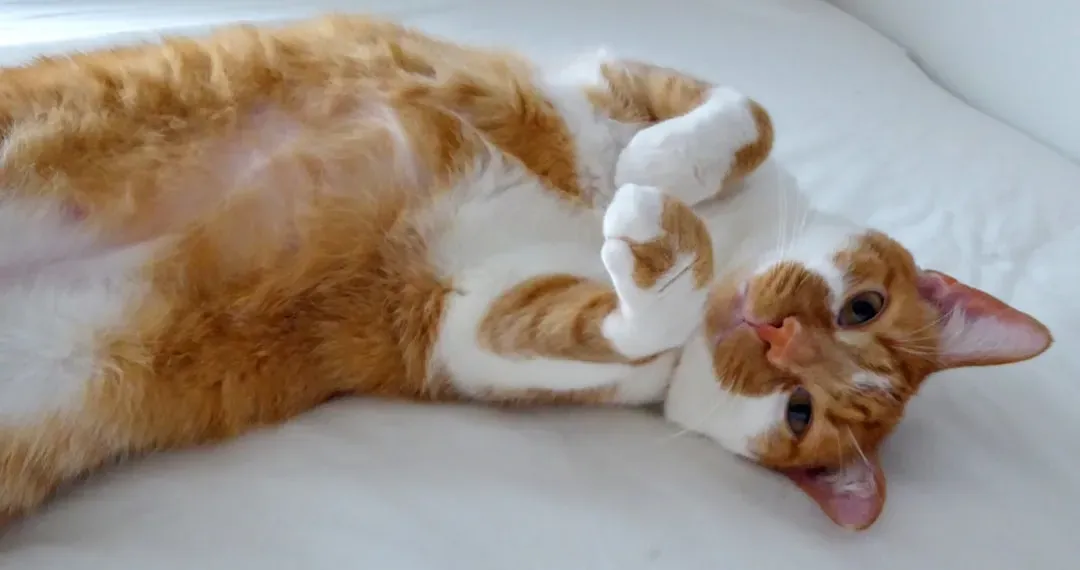
Your cat rolls over, exposes their fluffy belly, and looks up at you with soft eyes. You reach down to pet it. Suddenly you have four sets of claws locked around your hand and a cat staring at you with zero remorse. Most cat owners have experienced what we call the “Tummy Rub Trap”: when your cat rolls over onto their back and shows their soft, fluffy belly as if offering an invitation for pets, but when you do, you get swatted or scratched. A cat’s typical response when its belly is touched is to go into defensive mode. Your cat is not being mean; it is simply a natural reflex of protection.
Here is the key misunderstanding most people have. When a cat lies on its back and shows you its belly, the cat is relaxed, comfortable, and does not feel threatened. It feels safe enough to expose its vulnerable areas without worrying about being attacked. A kitty belly is not necessarily an open invitation for tummy rubs. Your cat is basically saying, “I feel safe around you. I know you won’t attack me.” The belly display is a sign of trust, not an invitation. There is a massive difference, and respecting that distinction will save you a lot of bandages.
7. Head Butting You, or the Most Affectionate Thing That Looks Like an Assault
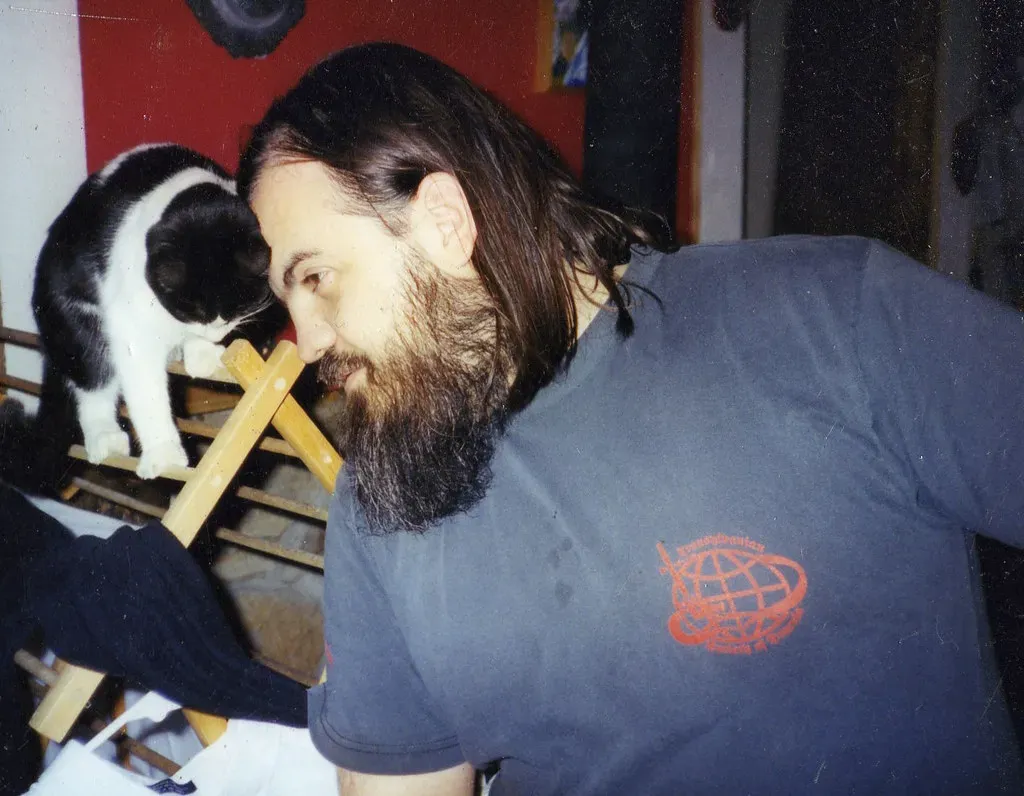
Your cat walks up to you, lowers their head, and gently bonks it against your face or hand. Then they do it again. It might feel random, but it is one of the most tender things your cat can do. Head butting or “bunting” is a sign of affection. There is also a more scientific explanation. Cats have glands on their heads above their eyes and around their ears that emit pheromones when they rub against you, another cat, or even an inanimate object. The chemical signal makes you smell more like your cat and is reserved for marking things that your cat likes.
Think of it as your cat literally stamping you with their personal scent seal of approval. Confident cats are more likely to bunt, so do not feel slighted if your kitty does not head butt you, but you should feel special if you get the royal treatment of a rub by your favorite cat. I think this is one of the most underappreciated cat behaviors out there. It looks like a casual gesture, but it is actually your cat saying, “You belong to me, and I am proud of it.”
8. The Tail-in-Your-Face Greeting, or Oddly Specific Affection
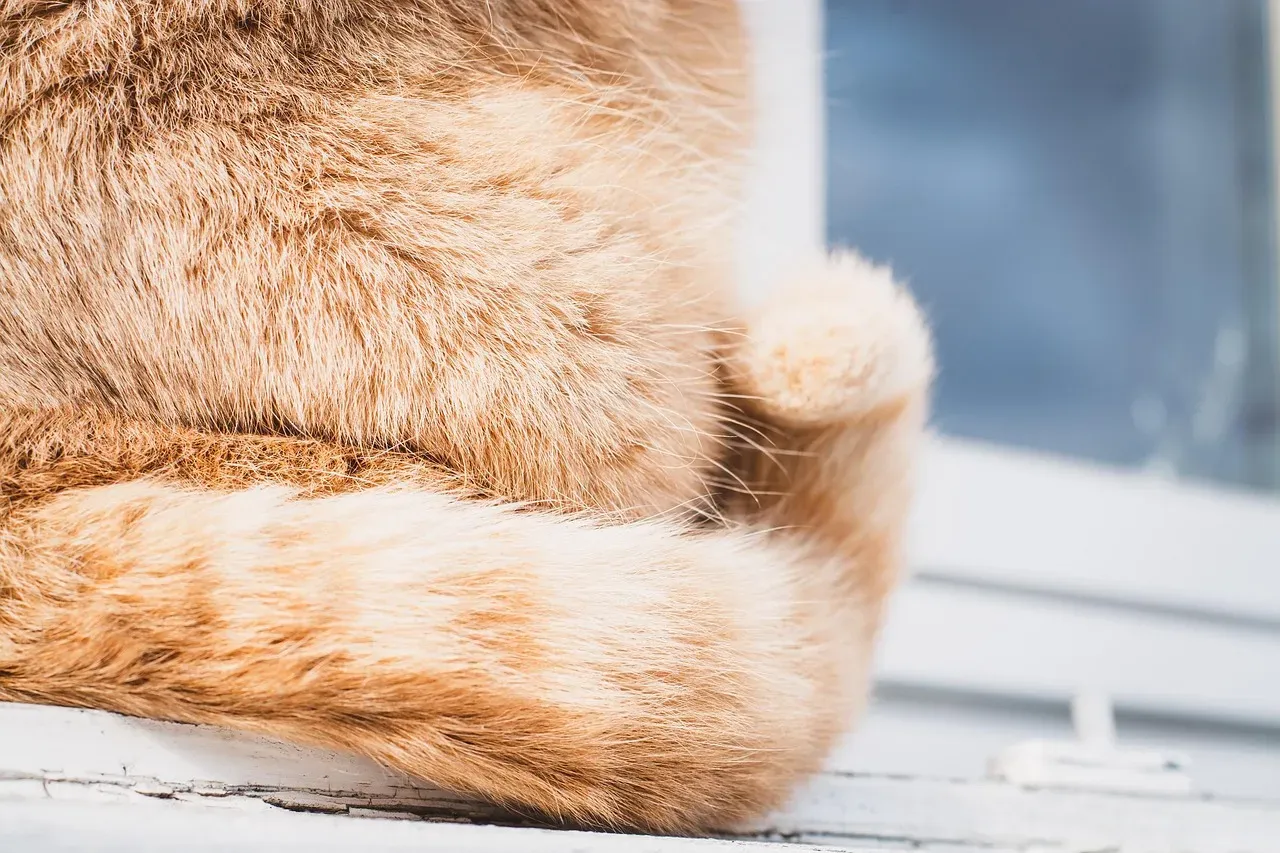
You are reading, relaxing, or trying to have a conversation, and your cat decides to walk across your chest and plant their backside directly in your face. Charming. Strange as it may be, it is actually a compliment. Much like dogs, cats rely on their sense of smell and greet each other by sniffing each other’s posteriors. The raised tail is a sign that your kitty is comfortable with you. They are literally offering you the most personal form of feline greeting they know.
In the wild and in multi-cat households, cats sniff each other as a primary means of gathering information. A cat showing their bottom to you feels like one of the least charming things cats do. This often happens when they leap into your lap for attention, pacing back and forth as you pet them. Instead of a face-to-face interaction, your kitty turns around and sticks their nether regions in your face. It is not rudeness. It is intimacy, just expressed in the most spectacularly awkward feline way possible.
9. Overgrooming or Pulling Out Fur, or When Cleaning Goes Too Far
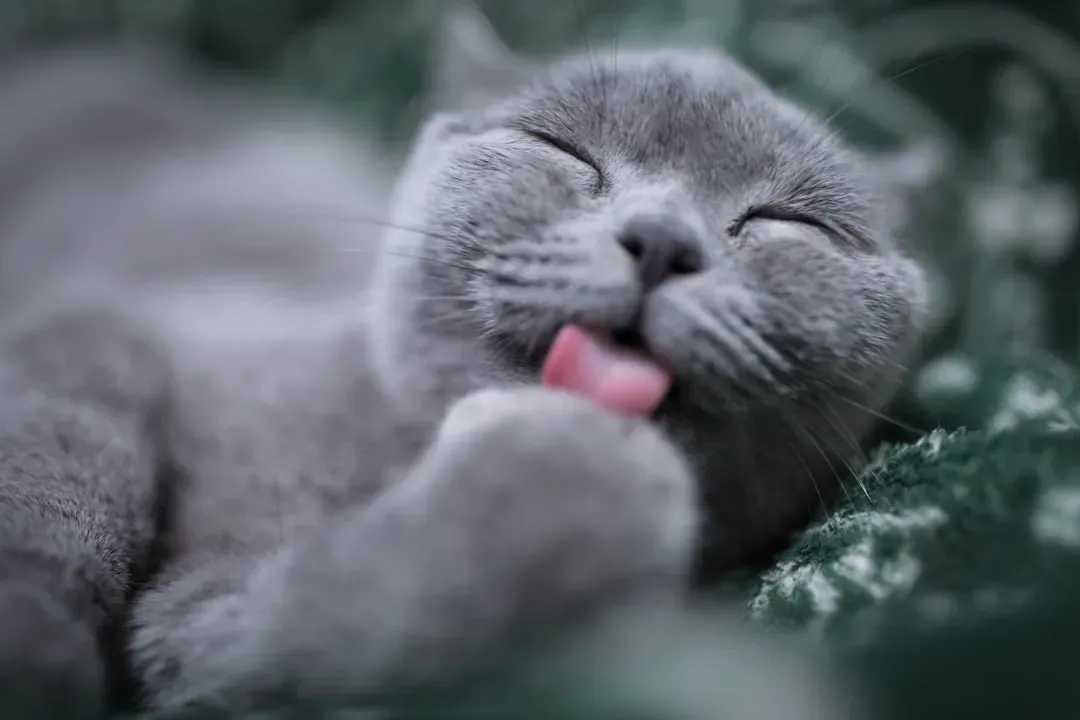
Grooming is completely normal for cats. They spend a remarkable portion of their day licking themselves clean. However, when that grooming becomes excessive, targeting one specific patch of skin over and over again until the fur is thin or gone, something else is happening. Persistent overgrooming on one spot or pulling out clumps of fur can be signs of chronic stress, perhaps because of conflict with another cat in the house or in the neighborhood. It is less about hygiene and more about anxiety.
There are also physical causes worth ruling out. One possible reason is itchy skin, possibly caused by fleas or other parasites, or an allergy. It can be hard to tell from the outside whether your cat is dealing with something physical or psychological, but the distinction matters enormously for treatment. If you notice your cat fixating on one area, or if you can visibly see thinning patches in their coat, a trip to the vet is genuinely important. Do not write it off as “just a habit.”
10. Sitting in Boxes, or the Obsession With Enclosed Spaces That Makes No Sense
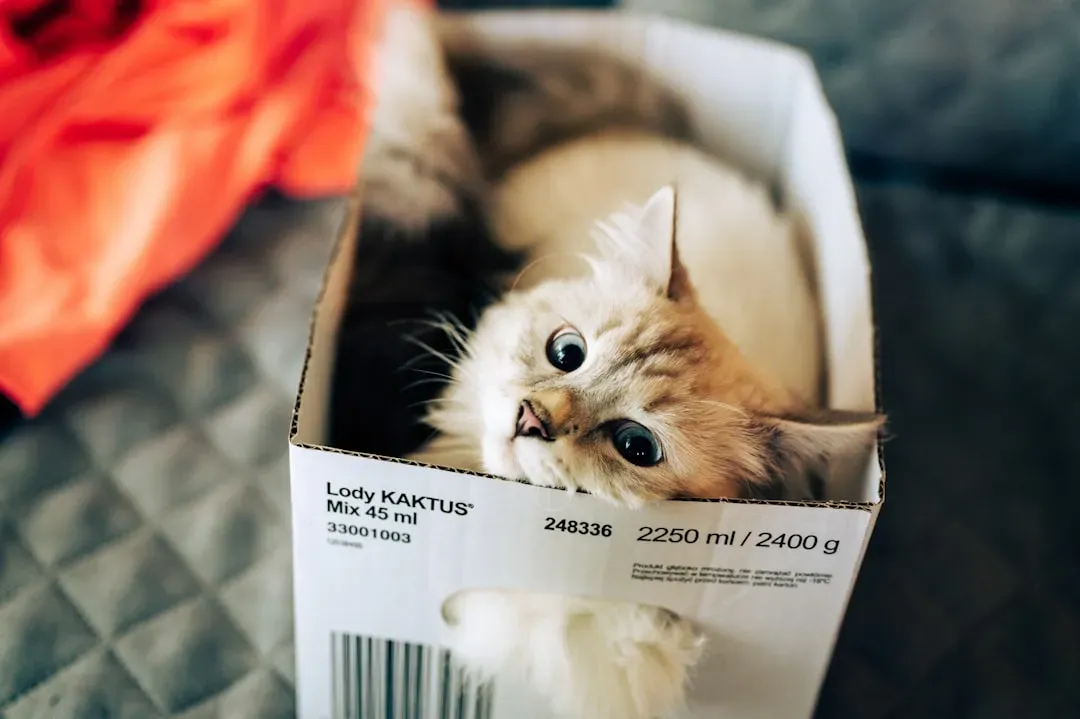
You spent forty dollars on a plush cat bed. Your cat ignored it completely and is now somehow crammed inside a shoebox two sizes too small, looking utterly content. As predators, cats instinctively find hiding places from which to stalk prey. As prey themselves, they also appreciate defensive hiding spots to stay safe. Cats exist in a dual role in the natural world, hunter and hunted, and boxes satisfy both instincts at once.
There is also a genuine comfort element at play here. The swaddling effect that comforts human babies also benefits cats. They can create this hugging benefit by squeezing into boxes to calm their stress. It is the feline equivalent of wrapping yourself in a weighted blanket after a long day. The tighter the fit, the safer they feel. So next time you want to treat your cat, skip the expensive bed and just leave an Amazon box on the floor. Honestly, they will probably prefer it.
11. Chirping at Birds Through the Window, or the Frustrated Hunter’s Language
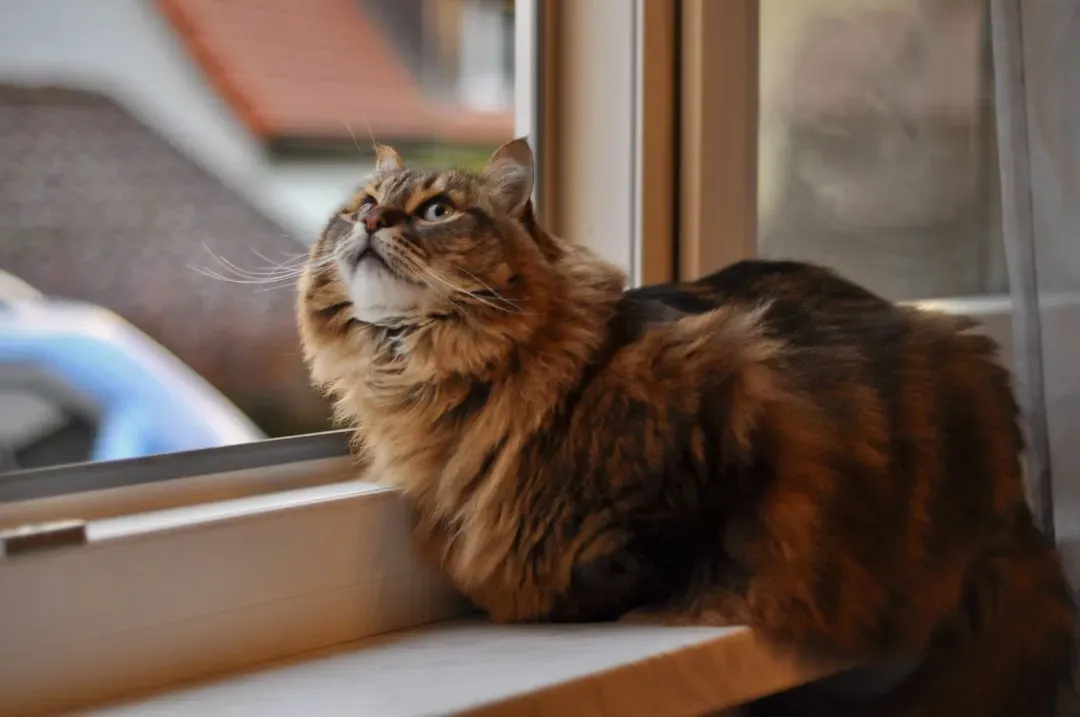
Your cat is sitting on the windowsill, watching a bird hop around in the garden. Their tail starts to flick. Their eyes go wide. Then, out of nowhere, they make this strange chattering, clicking sound, almost like they are trying to speak bird. It sounds absurd, but it has a real purpose. The evolution from wild cats to domesticated companions offers insight into their current behaviors. Domestic cats share a lineage with wild cats. This heritage explains their hunting behaviors. The playful stalking and pouncing on toys mimic hunting tactics vital for survival in the wild.
The chirping or chattering sound is believed to be a manifestation of pure predatory frustration. Your cat can see prey it desperately wants to catch, but the glass is in the way. Some animal behaviorists suggest it may also be an instinctive attempt to mimic the sounds of prey to lure them closer, a tactic seen in some wild cat species. Some animals, including cats, see the ultraviolet spectrum invisible to humans. Rodents use this ability to see and follow urine trails. We do not know exactly what cats see, but when they act as though something enthralls them, it might just be invisible. The world your cat perceives through that window is genuinely different from yours.
12. Purring, or the Sound That Is Not Always What You Think It Is
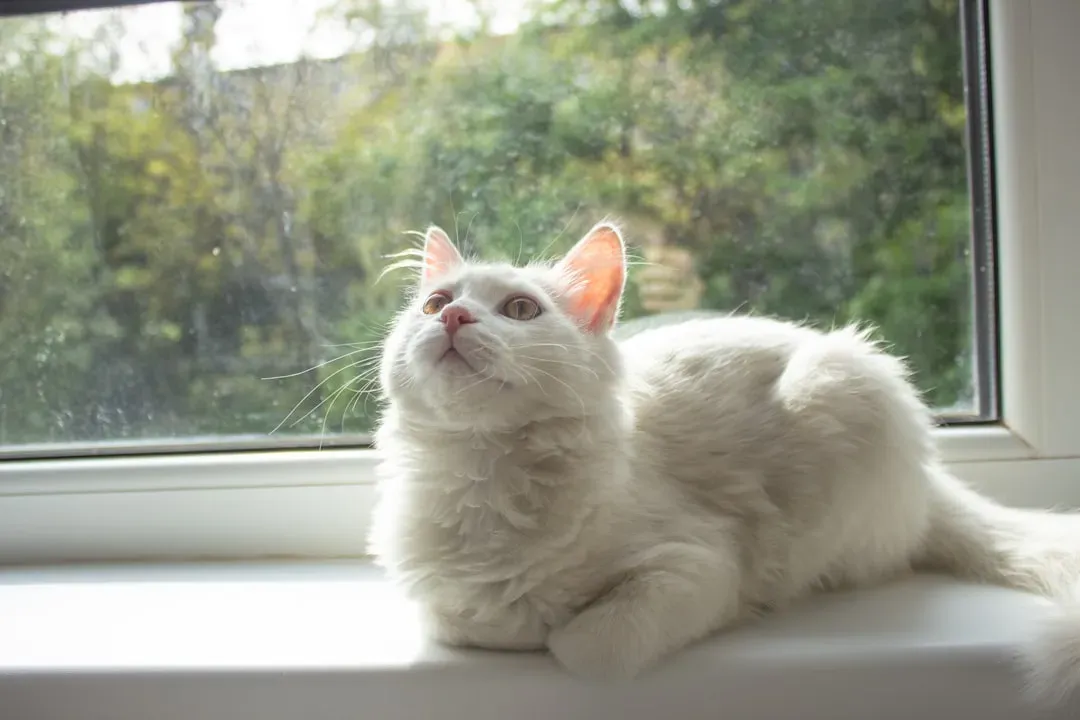
Most of us hear a purring cat and automatically think: happy, relaxed, content. One of the most recognized cat behaviors is purring. Frequently, it is a sign of contentment. When your cats purr while cuddling, they show their happiness and relaxation. That part is true. However, purring is a far more complex and layered form of communication than most cat owners realize.
The whole operation of a purr starts in the brain, which sends a message to the laryngeal muscles to twitch at a rate of 25 to 150 vibrations a second, and the vocal cords separate as the cat inhales and exhales, an operation that occurs between the larynx and the diaphragm. More surprisingly, sometimes their purrs are for affection or need, sometimes for self-medication. They knead because it is left-over kitten behavior or they want to establish home territory. Cats are known to purr when they are scared, in pain, or giving birth. Researchers believe the vibration frequency of a purr, which typically falls between 25 and 150 Hz, may actually promote bone healing and reduce inflammation. Your cat might literally be medicating itself with sound. That is wild, and I think it is one of the most underappreciated facts in all of pet science.
Conclusion
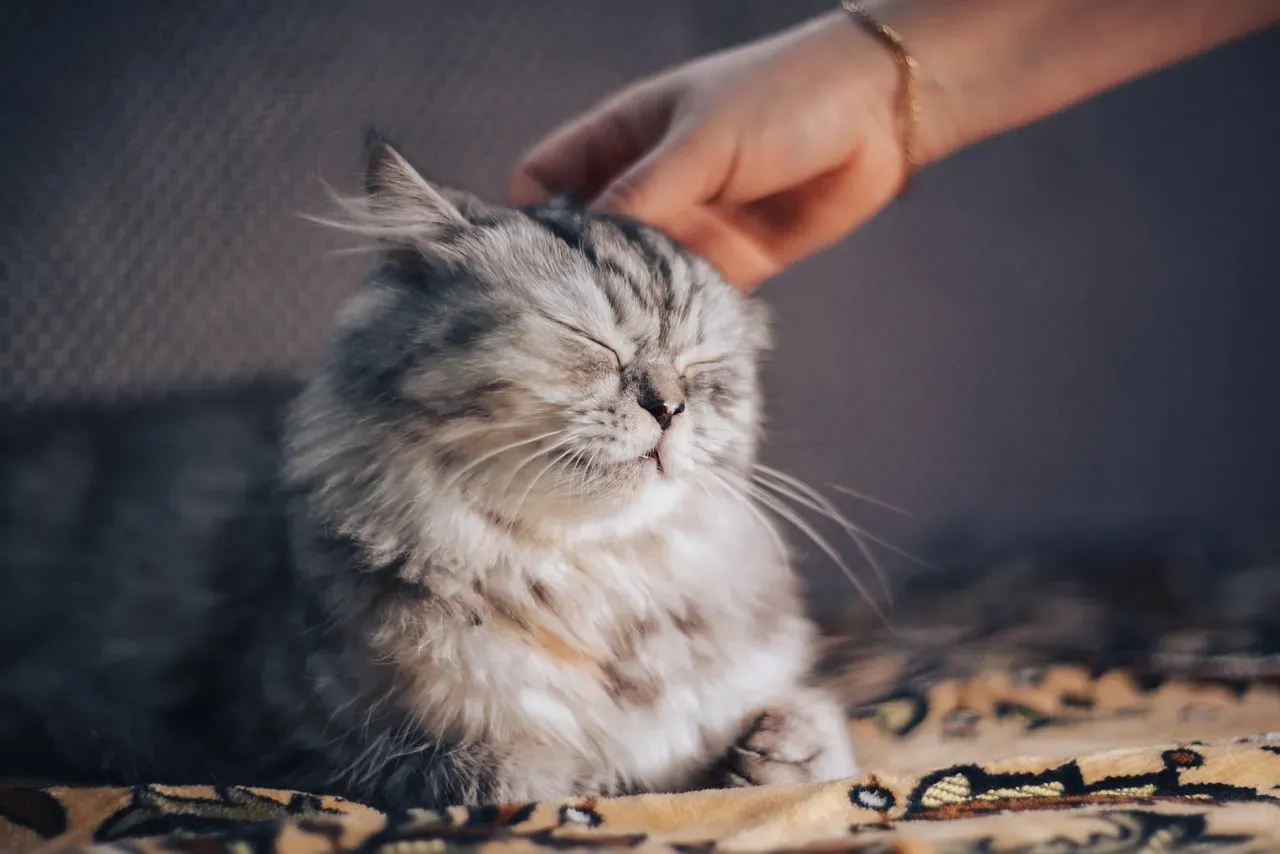
Living with a cat is a little like sharing your home with a tiny, elegant mystery that occasionally knocks your water glass off the table on purpose. Every quirky behavior, from the 3 AM sprint to the suspicious wall-staring, turns out to have a reason rooted in instinct, emotion, or evolutionary history.
Understanding cat behavior is not just about unraveling a mystery; it is about strengthening the bond you share with your feline friend. The more you understand what your cat is actually communicating, the richer and more rewarding that relationship becomes. You stop seeing the headbutt as a random interruption and start recognizing it as a declaration of love.
Cats are not aloof or indifferent. They are complex, deeply instinctual creatures doing their absolute best to connect with you in the only language they know. Once you start speaking a little of that language back, everything changes. So the next time your cat slow blinks at you from across the room, blink back. You might be surprised what happens next. Which of these 12 habits did you find most surprising? Let us know in the comments.