You’ve probably watched your cat do something completely bizarre and thought, “What on earth is going on in that little head?” Maybe they knocked your water glass off the counter while staring you dead in the eye. Maybe they brought you a sock like it was the greatest gift in the history of civilization. Or maybe they just sat down on the exact book you needed, refusing to budge.
Here’s the thing – those weird, maddening, and adorable habits aren’t random. Science is increasingly revealing that cats are far more cognitively sophisticated than most people realize. It’s easy to dismiss cat antics as mere mischief, but many of their everyday behaviors reveal real intelligence at work. Cats that learn routines, manipulate environments, and communicate clearly are using the same mental skills researchers study in labs: memory, problem-solving, and social cognition. So before you write off your feline as an aloof little weirdo, let’s take a closer look at what those quirky habits are actually telling you. Be surprised by what you discover.
1. The Slow Blink: A Language of Trust
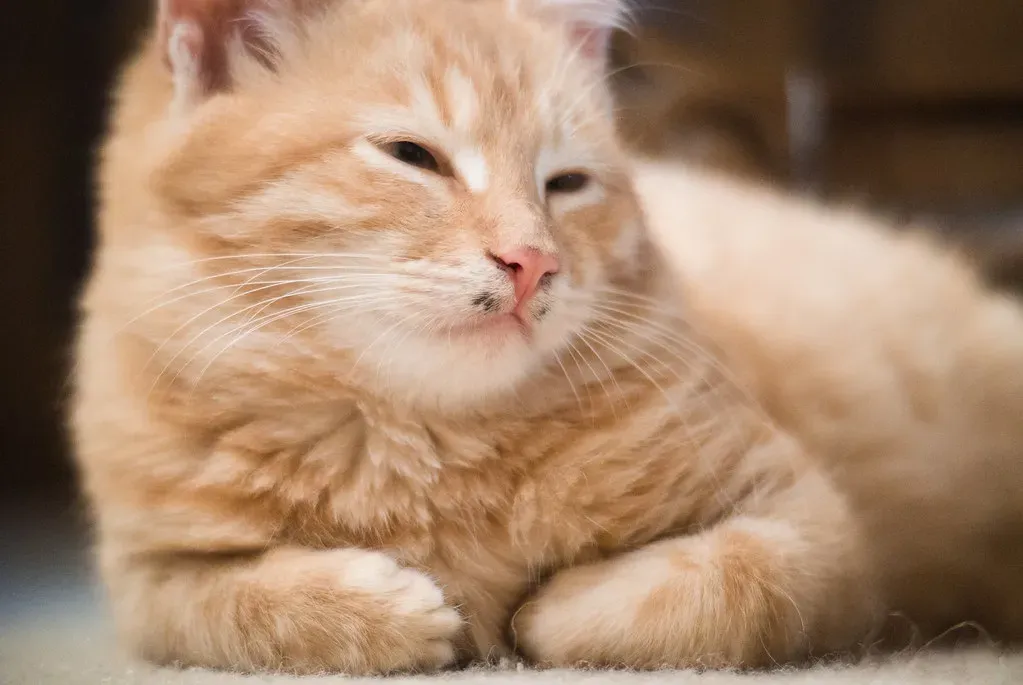
If your cat has ever gazed at you and then slowly, deliberately closed and reopened their eyes, you just received a gift. This behavior, referred to as the slow blink sequence, is a form of communicatory significance that typically involves a series of half-blinks followed by either a prolonged eye narrowing or an eye closure. Think of it like a handshake in a language you didn’t even know you were speaking.
Research suggests that slow blink sequences may function as a form of positive emotional communication between cats and humans. Honestly, the fact that your cat developed a non-verbal way to say “I trust you, and I’m at ease” across species lines is remarkable. If you return the slow blink, you’re communicating back in a language they understand, and this mutual exchange strengthens the bond between you and your feline companion, showcasing their ability to engage in nuanced social interactions.
2. Knocking Things Off Surfaces: Boredom or Brilliance?
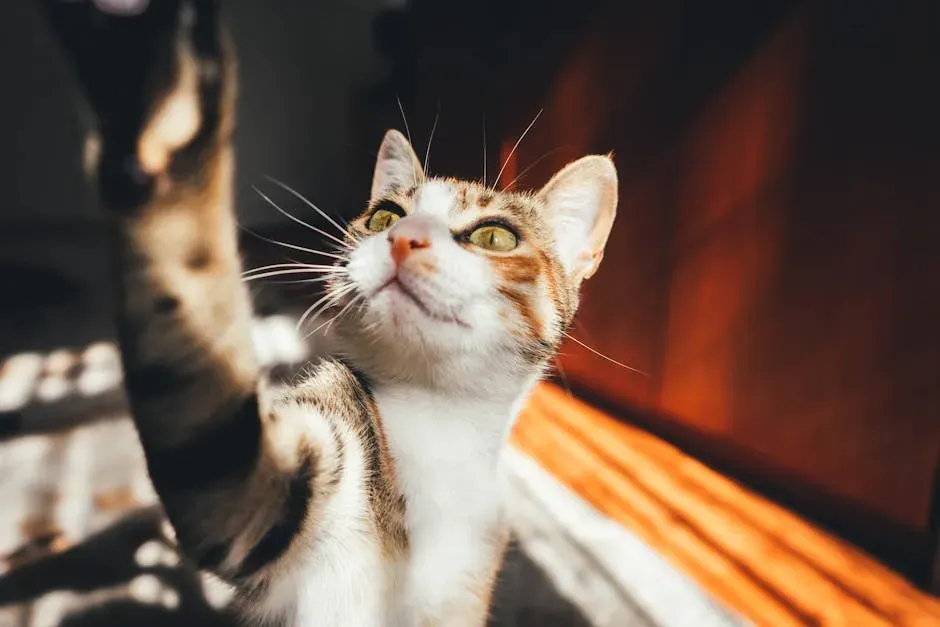
Let’s be real – this one gets cats a bad reputation. You set something on the counter. Your cat approaches. Locks eyes with you. Pushes it off. But hold on before you scold them. “When a cat knocks things off of tables or climbs into cabinets, it is not being naughty,” according to veterinary experts. “This is definitely a combination of boredom, curiosity, and intelligence.”
Highly intelligent cats often crave extra stimulation, and when they don’t get it, they invent their own entertainment. Behaviourists emphasize that these aren’t acts of defiance but signs of boredom or unmet cognitive needs. Think of it this way: if you locked a gifted child in a room with no toys, they’d start flipping chairs too. Your cat isn’t being defiant. They’re bored, smart, and desperately under-stimulated.
3. Kneading: “Making Biscuits” Is Actually Emotional Intelligence

Kneading, often called “making biscuits,” is when a cat rhythmically presses its paws into a soft surface, such as a blanket, pillow, or even their human. This behavior originates from kittenhood when they knead their mother’s milk ducts to stimulate milk flow. The fact that adult cats continue this behavior signals something deeper – they’re tapping into an emotional memory system that connects past security to present comfort.
Many cats continue this habit into adulthood to self-soothe and express comfort. Kneading also serves another purpose – cats have scent glands in their paw pads, so by kneading, they mark their territory and reinforce their claim on a particular space or person. So your cat isn’t just being adorably nostalgic. They’re also saying, very strategically, “This person is mine.”
4. Head Bunting: When Your Cat Claims You as Family

You’re sitting at your desk, and your cat walks over and firmly headbutts your chin. Cute? Absolutely. Meaningful? Even more so. When your cat rubs their head on you, they’re being affectionate and loving. This behavior is called bunting, and it means they recognize you as family and are exchanging scents. Cats have scent glands on their head, and these glands help cats mark their “colony,” meaning bunting signals that they consider you part of theirs.
Bunting involves a cat rubbing its head against objects or people, marking them with scent glands located on their face. This behavior is their way of saying, “You’re mine.” Bunting not only marks territory but also strengthens social bonds. It’s a surprisingly sophisticated act of social bonding for a creature we often assume doesn’t care about us. Spoiler: they care more than they let on.
5. Recognizing Your Name – and Everyone Else’s Too
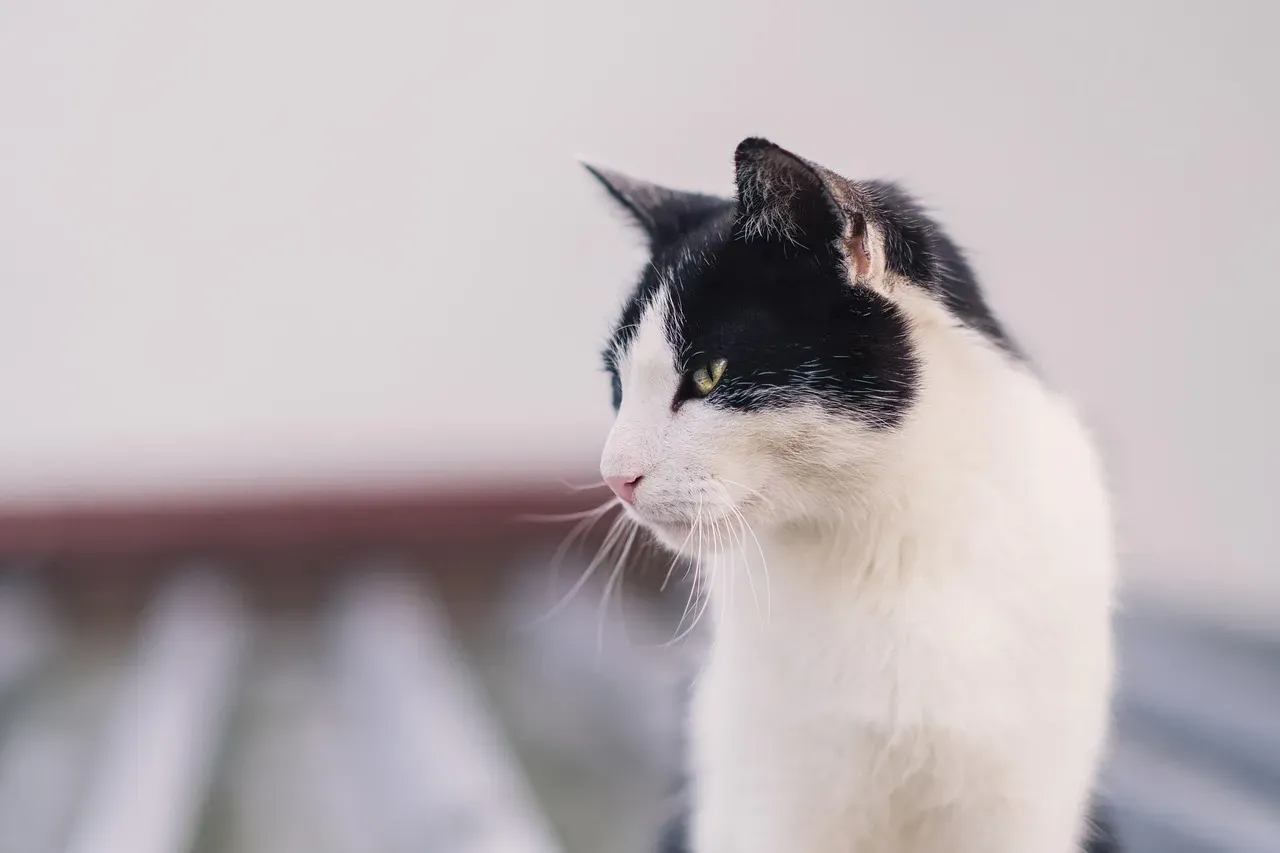
Your cat hears their name and barely flicks an ear. Classic. You might conclude they’re ignoring you, but the truth is a little more mind-bending. Studies have shown that cats do recognize their names. Not only that, but they know their friends’ names too. So while they might or might not respond, a smart cat knows when you’re talking about them.
This is the cat equivalent of a person who hears their name across a crowded room and simply chooses not to turn around. They heard you. Cats are social when it suits them but can also take on a more solitary lifestyle. So it shouldn’t be too surprising that cats more frequently try to solve problems on their own, and this trait is a sign of intelligence that fits with how they move through the world. Independent cognition, not ignorance. There’s a big difference.
6. Bringing You “Gifts”: A Hunter Who Thinks of Others
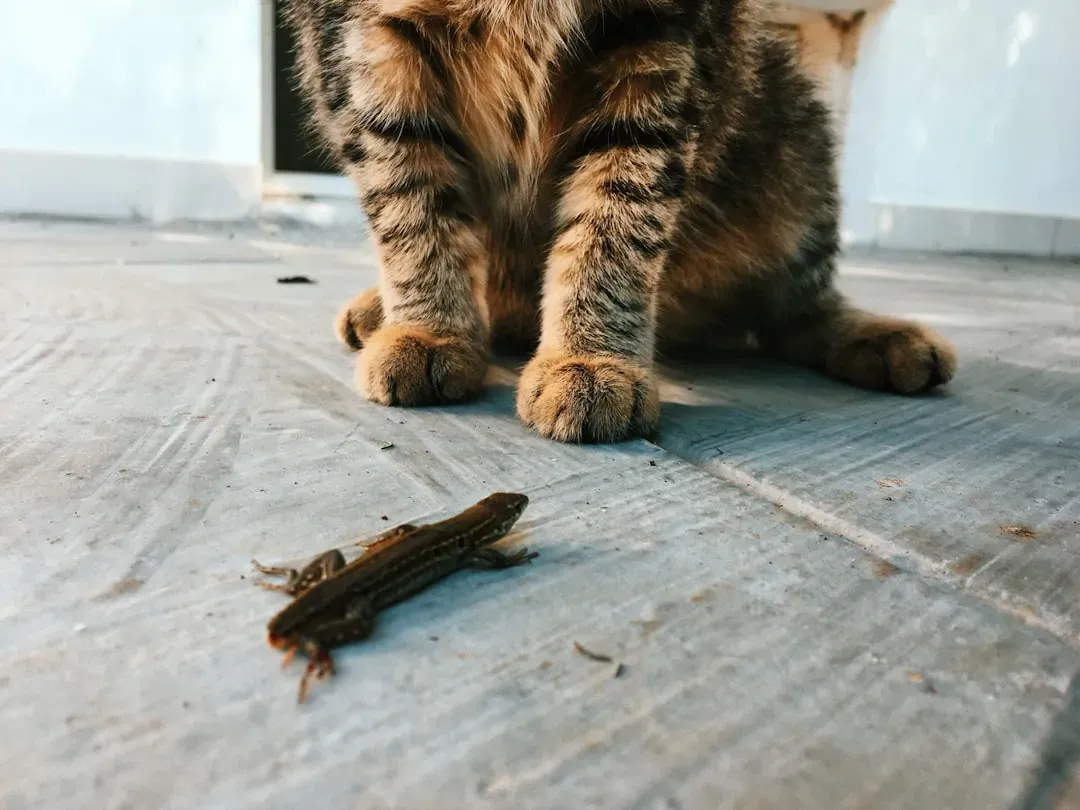
You wake up in the morning and there it is – a toy, a sock, or something considerably more gruesome. Your cat looks immensely proud. Behaviorists have a few theories on why cats are persistent in leaving you their “kills.” Even though this habit may be perceived as a gross one, your cat is acknowledging you as a member of their group and is sharing their hunting success with you. They could be thanking you for taking care of them.
Whether it’s a toy or a dead critter, your cat may be offering you a present as a sign of appreciation. Think of it like a colleague bringing you lunch because they know you’ve been working hard. It’s not random. It reflects an awareness of social bonds, reciprocity, and shared resources. That’s real emotional and social intelligence wrapped in a slightly disturbing package.
7. Staring at You: It’s Not Creepy, It’s Cognitive
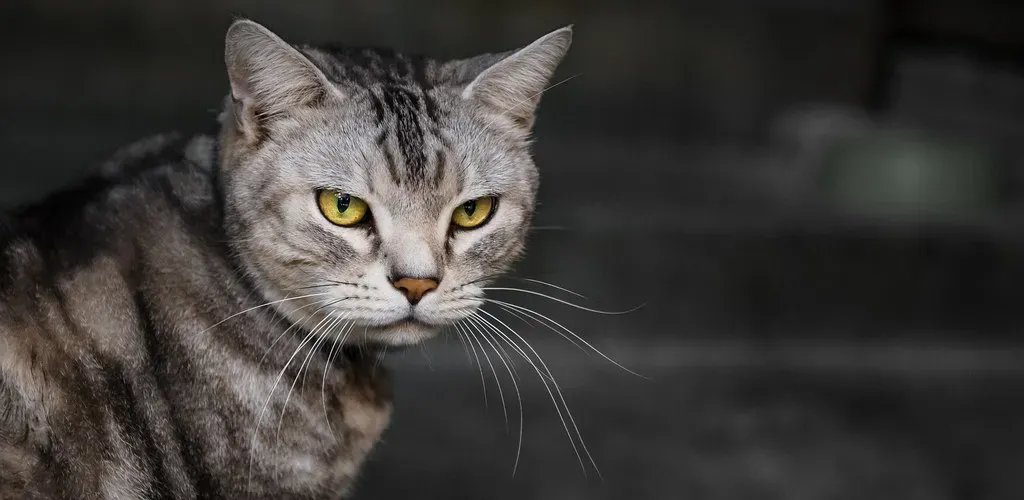
Your cat can stare at you for an unsettling amount of time. No blinking, no moving – just watching. It’s both flattering and unnerving. There are a few explanations for a cat’s aloof staring, but the main reason is fascination. In other circumstances, they’re looking to you for answers. A study revealed that cats look to their owner in the presence of possible danger to know how to react, just as children gauge the severity of a situation by their parents’ reaction.
That means your cat is using you as a reference point for their own emotional regulation. It’s called social referencing – and it’s the same thing human babies do with their parents when encountering something uncertain. Scientists increasingly agree that cats process information in surprisingly sophisticated ways, from remembering specific past events to reading human cues such as pointing. Your cat studying your face isn’t creepy. It’s actually kind of touching.
8. Learning Your Routines Before You Even Notice Them
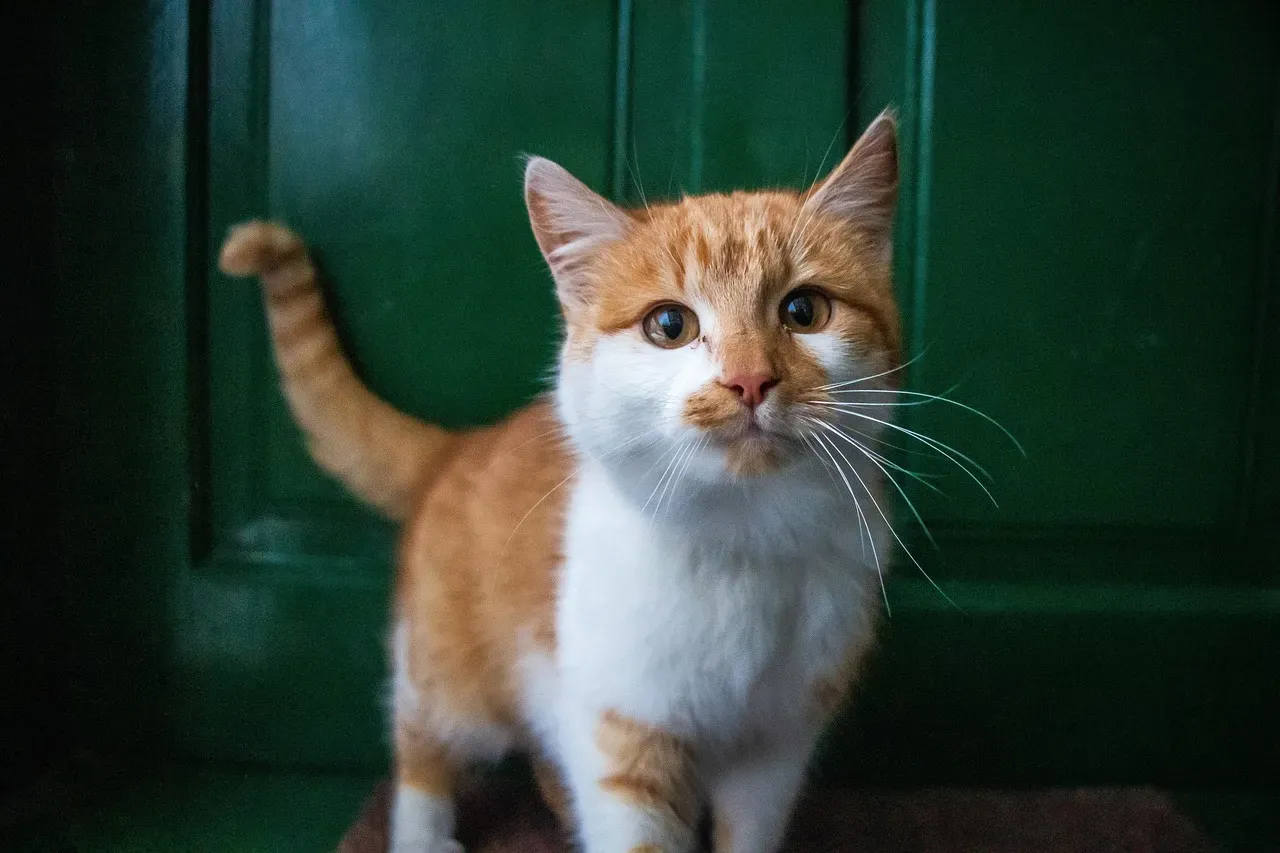
Your cat somehow always appears in the kitchen precisely when you’re about to open the fridge. They’re at the door two minutes before you get home. Coincidence? Not even close. If your cat waits by the door just before their favourite human comes home or materialises in the kitchen the second the fridge opens, that’s not magic. Studies suggest cats use temporal learning – recognizing patterns in time and associating them with predictable outcomes.
In one study, cats remembered the “what” and “where” of past meals for up to 15 minutes. In daily life, this helps them recognize patterns in time and associate them with outcomes, like you closing your laptop as a sign that it’s dinner time. Your cat has essentially mapped your entire daily schedule and filed it away for personal use. That is, honestly, impressive organizational intelligence.
9. Observational Learning: They Watch and Then They Do
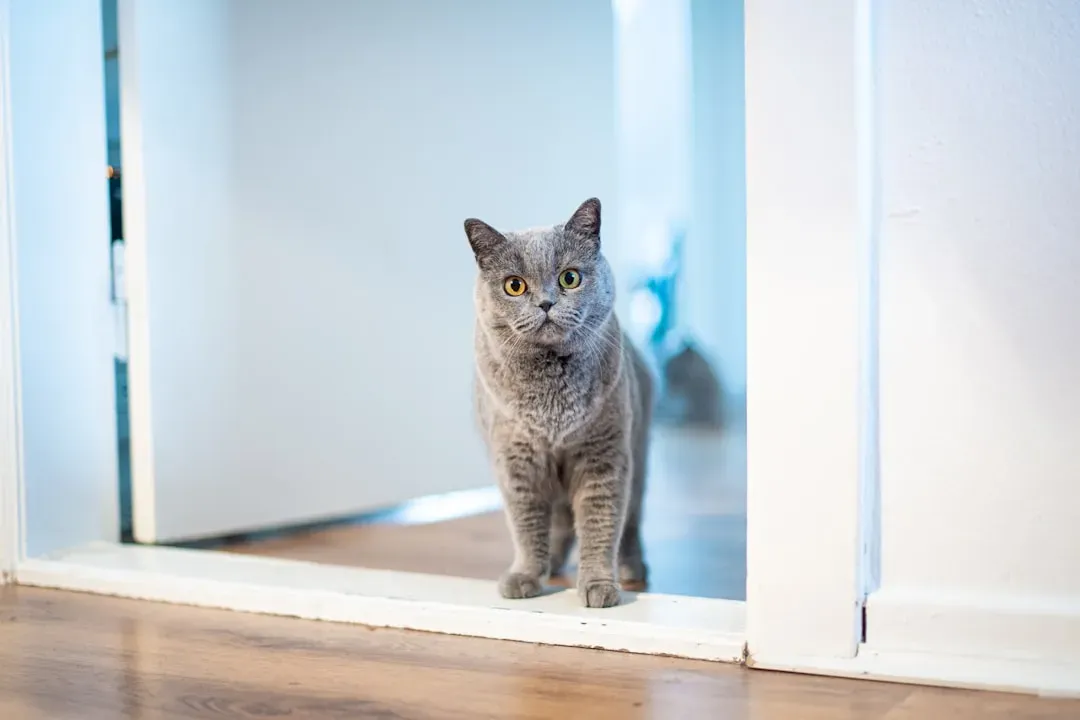
Has your cat ever watched you open a cupboard and then, days later, figured out how to open it themselves? That’s not a coincidence. If your cat can open the bathroom door or turn on the faucet for a drink, it’s probably because they’ve seen you do it. Observational learning is a hallmark of higher cognitive ability, and smart cats are good at it.
This is the same cognitive process that allows young primates to learn from their elders. Watch, absorb, replicate. Smart cats can find solutions by observing and thinking. For example, they can open a door or a drawer to get their favorite toys. It’s a hard skill. Most animals never develop it. Your cat has it and is probably using it on you right now in ways you haven’t noticed yet.
10. Sitting on Your Things: Strategic Attention-Seeking
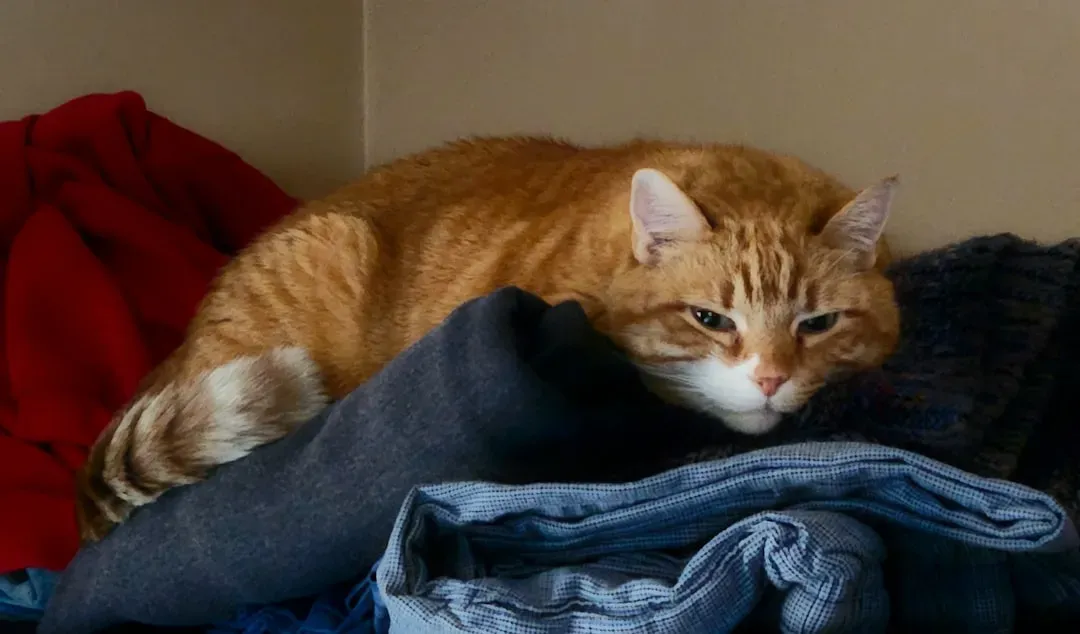
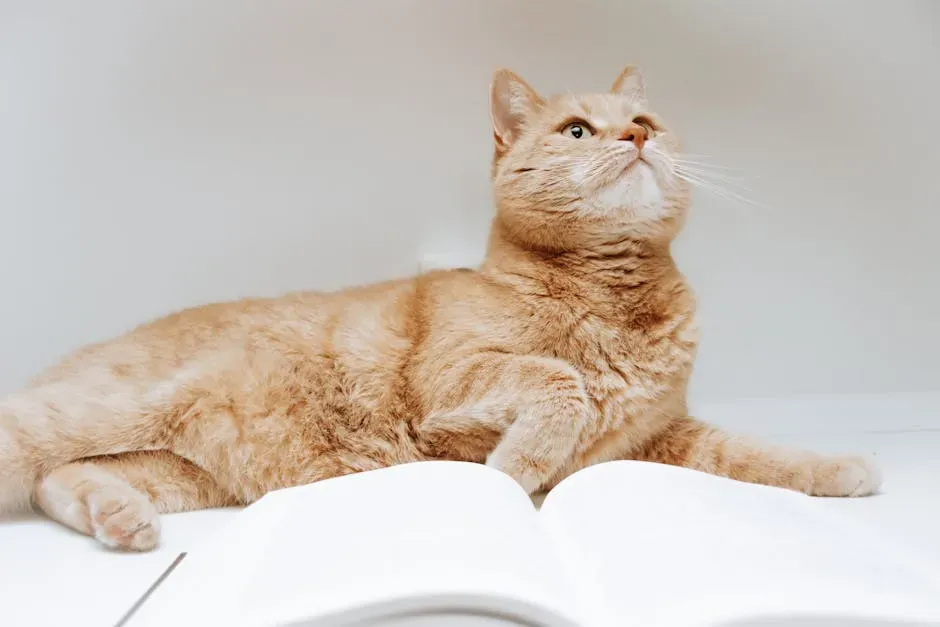
Magazines, laptops, books, clothes you’ve laid out – your cat loves to lay on things at the exact time that you’re using them. This never seems random, because it isn’t. There’s a calculated element to this behavior that most cat owners instinctively sense but never fully examine. Your cat knows you’ll engage with them if they place themselves between you and whatever you’re focused on.
Cats have a peculiar habit of sitting on objects like books, keyboards, or newspapers. This behavior is often a bid for attention or comfort as they enjoy the warmth these items emit. It also serves as a way to insert themselves into your activities, reinforcing their role in your life. It’s social manipulation in the most endearing form. Your cat figured out cause and effect, and they deploy it deliberately. That’s strategic thinking, not cluelessness.
11. Zoomies at 3 AM: Instinct Meets Intelligence
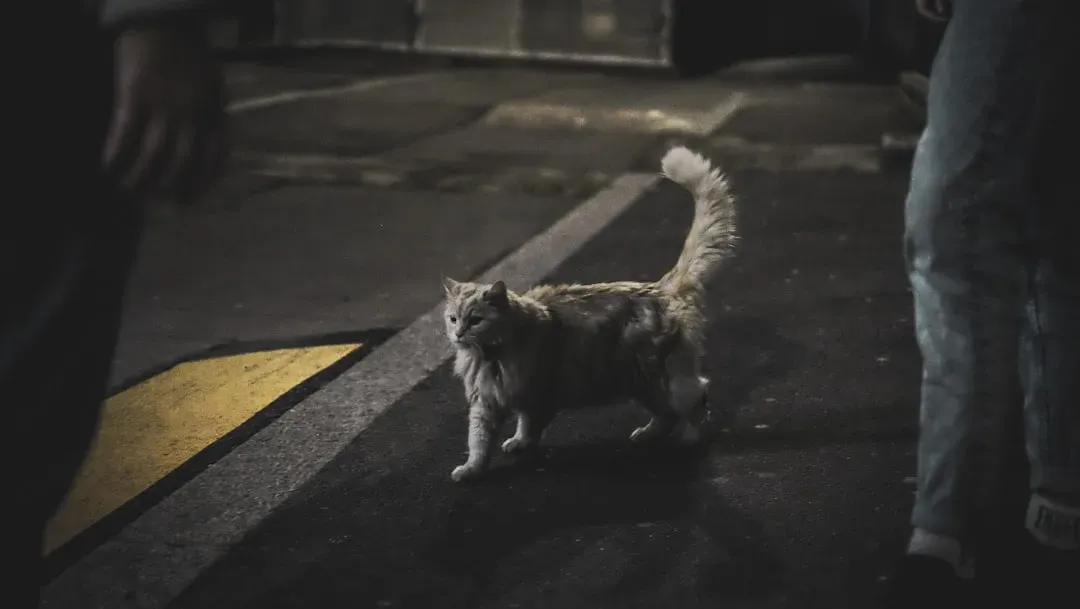
You’re sound asleep. Suddenly, it sounds like a tiny horse is sprinting laps around your living room. You look at the clock: 3 AM. You sigh deeply. But this one actually has a fascinating evolutionary explanation. Most house cats have a lot of energy they pent up and need to release during the day. They are also nocturnal by nature, so their instinct to “hunt” at night could keep you up.
The zoomies aren’t chaos – they’re a preserved behavioral program running exactly as it was designed. Your cat is essentially running a mental simulation of a hunt. When you watch a cat stalk, crouch, and pounce, you can see the gears turning in their cunning heads. Hunting requires planning, timing, spatial awareness, and impulse control, which are all indicators of cognitive sophistication. Even at 3 AM, that brain is doing complex work. Cold comfort, maybe, but still genuinely impressive.
12. Vocalizing Uniquely at You: A Language Developed Just for Humans
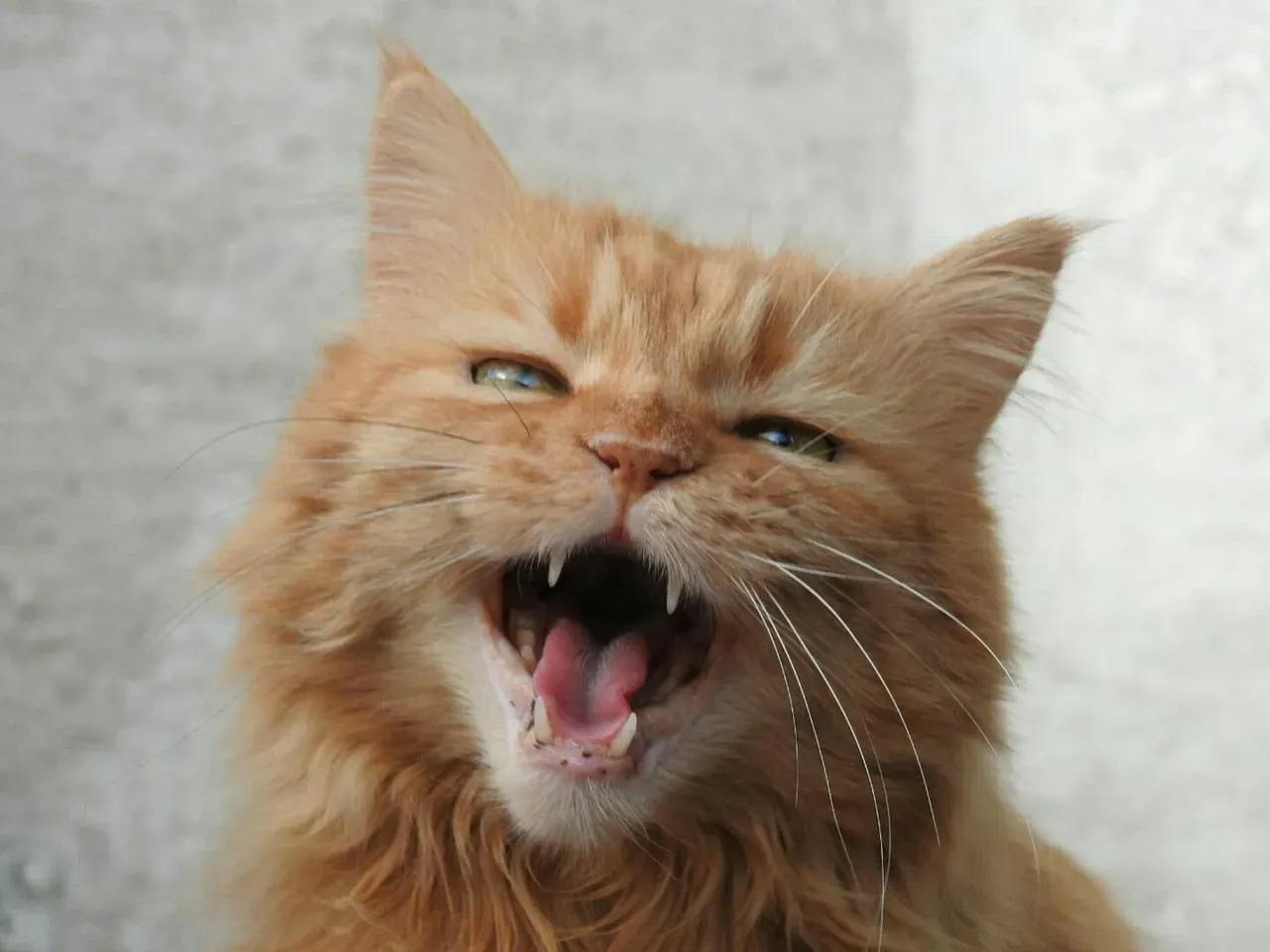
Here’s something that should genuinely blow your mind. Adult cats in the wild almost never meow at each other. Meowing, as a form of communication, is something cats developed largely in response to living with humans. From the gentle purr to the insistent meow, cats communicate with a rich tapestry of sounds. A cat’s meow is often reserved for humans, indicating their ability to adapt their communication to interact with us. The tone, pitch, and frequency of their meows can express a range of emotions, from contentment to urgency.
Saying hello, seeking attention, or begging for food can all be behind a chatty cat. Essentially, cats have learned that meowing prompts their family members to give them something they want. Your cat quite literally invented a communication system tailored specifically for you. That’s not just smart. That’s adaptive, creative, cross-species intelligence. Think about that the next time they wake you up at dawn demanding breakfast.
The Bottom Line: Your Cat Is Watching, Learning, and Always Three Steps Ahead
It’s tempting to reduce cats to their reputation: aloof, independent, mildly indifferent. The science says otherwise. Cats have evolved over thousands of years to develop the intelligence they need to succeed as cats. In other words: cats are the smartest at being cats. That’s not a small thing. Every quirky behavior covered here – from the slow blink to the 3 AM zoomies – reflects a genuinely sophisticated mind operating with purpose.
Cat intelligence is measured across many dimensions, from reading human cues to solving problems. Breed matters less than environment when it comes to how smart a cat is – enrichment, play, and social interaction shape a cat’s brain far more than pedigree. So the next time your cat does something that seems bizarre or frustrating, pause for a moment before reacting. There’s almost certainly a reason behind it, and that reason is usually smarter than you’d expect.
You share your home with a creature that has developed its own language for you, mapped your daily schedule, reads your emotions, and communicates in ways that cross species boundaries entirely. Honestly, that’s a little humbling. What quirky cat habit have you been misreading all along? Tell us in the comments – we’d genuinely love to know.