Watching your beloved feline companion slow down as the years pass can tug at your heart. Maybe you’ve noticed your cat no longer leaps onto the windowsill with the same grace, or perhaps those midnight zoomies have become rare occurrences. Aging is a natural part of life, yet it brings unique challenges for your furry friend.
The good news is that you have the power to transform their senior years into a time of comfort and contentment. With a few thoughtful adjustments and some extra attention, you can help your aging cat navigate this stage with dignity and joy. Let’s explore practical ways to ensure their golden years truly shine.
Schedule Regular Veterinary Checkups Every Six Months
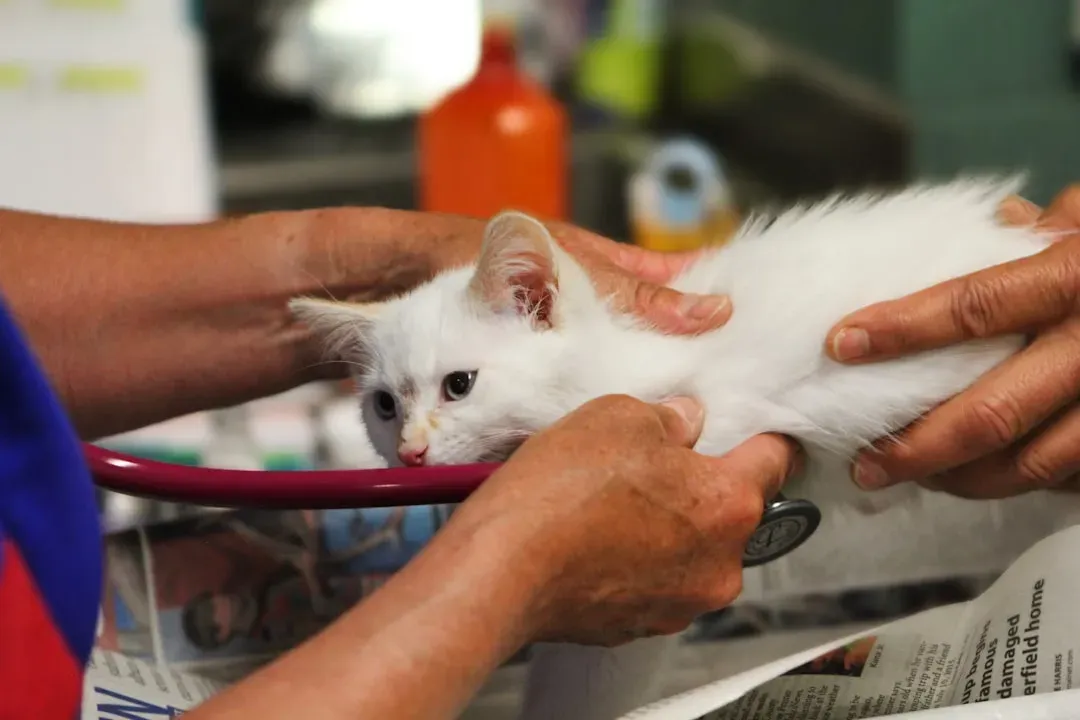
Your senior cat needs more frequent veterinary visits than younger cats, ideally every six months. Think of it this way: six months in a senior cat’s life is roughly equivalent to several years in human terms. During these visits, your veterinarian can catch developing problems before they become serious.
A comprehensive geriatric exam should include blood work and X-rays along with a thorough physical examination. Many age-related conditions like kidney disease, diabetes, and hyperthyroidism develop gradually and your cat might seem perfectly fine on the outside. Cats are masters at hiding illness, and detecting diseases early often results in easier management and better quality of life.
Create Warm and Cozy Resting Spaces
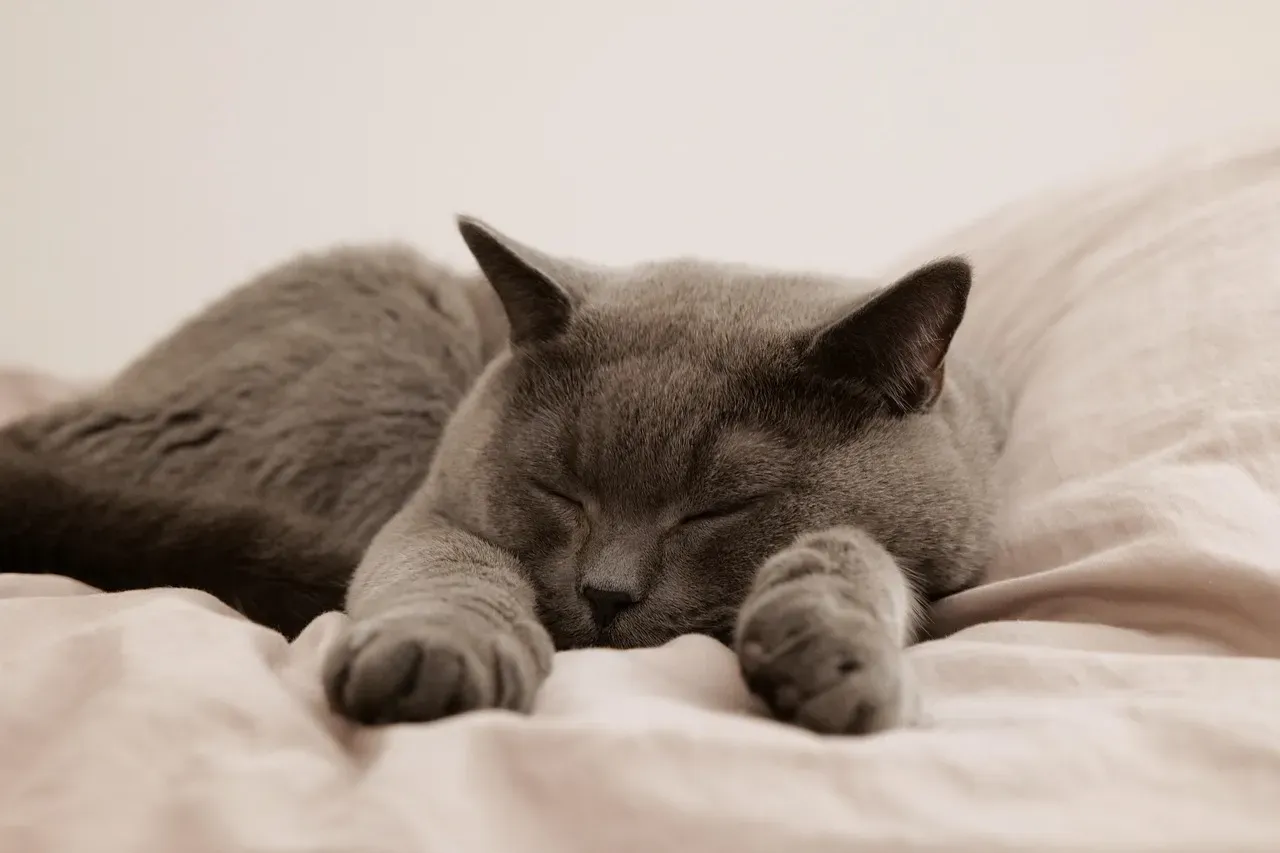
Cats seek out warm places to rest, so make sure your older cat’s favorite bed is not in a drafty area. Your senior feline feels the cold more than they used to, and their joints appreciate warmth too. Consider placing soft beds in multiple quiet locations throughout your home.
A thermal blanket that’s easily washable can help keep them warm. Many arthritic cats love heated pads or beds, and options designed for pets don’t get too hot. Just remember that while warmth is wonderful, too much heat can potentially harm a cat who can’t move quickly away from the source. Your goal is cozy comfort, not a sauna.
Make Litter Boxes Easy to Access
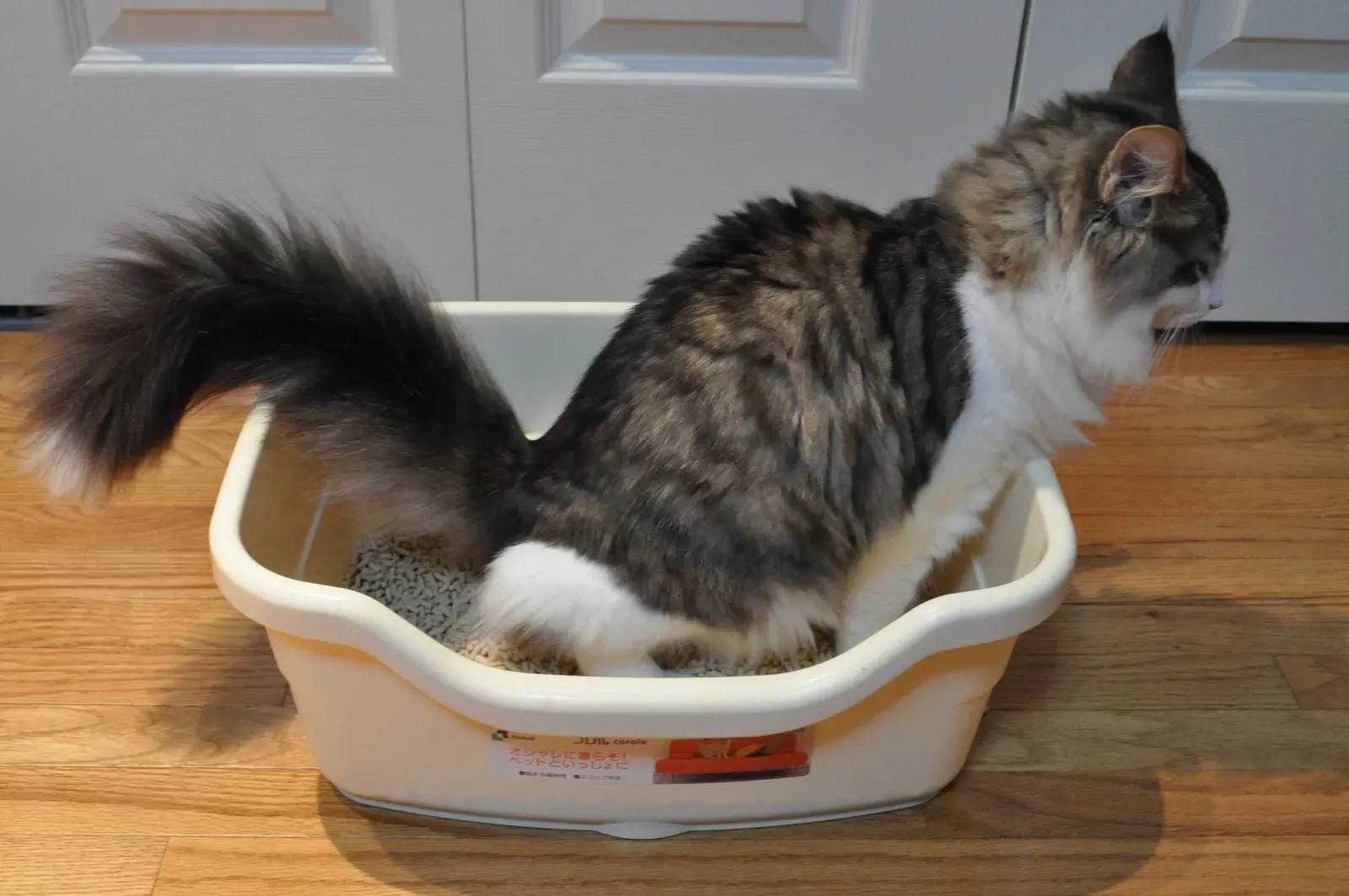
Install litter boxes on every floor to make them easy to reach. Your aging cat shouldn’t have to navigate stairs when nature calls, especially if arthritis makes movement painful. Senior cats often prefer lower, wider, and uncovered boxes that are easier to get in and out of.
Some older cats may climb into a normal litter box to urinate but not to defecate, so use a litter box with very low sides or try a large cookie sheet. You might also place newspaper around the box to catch any accidents. These simple modifications can prevent stressful situations and help your cat maintain their dignity and independence.
Provide Steps or Ramps to Favorite Spots
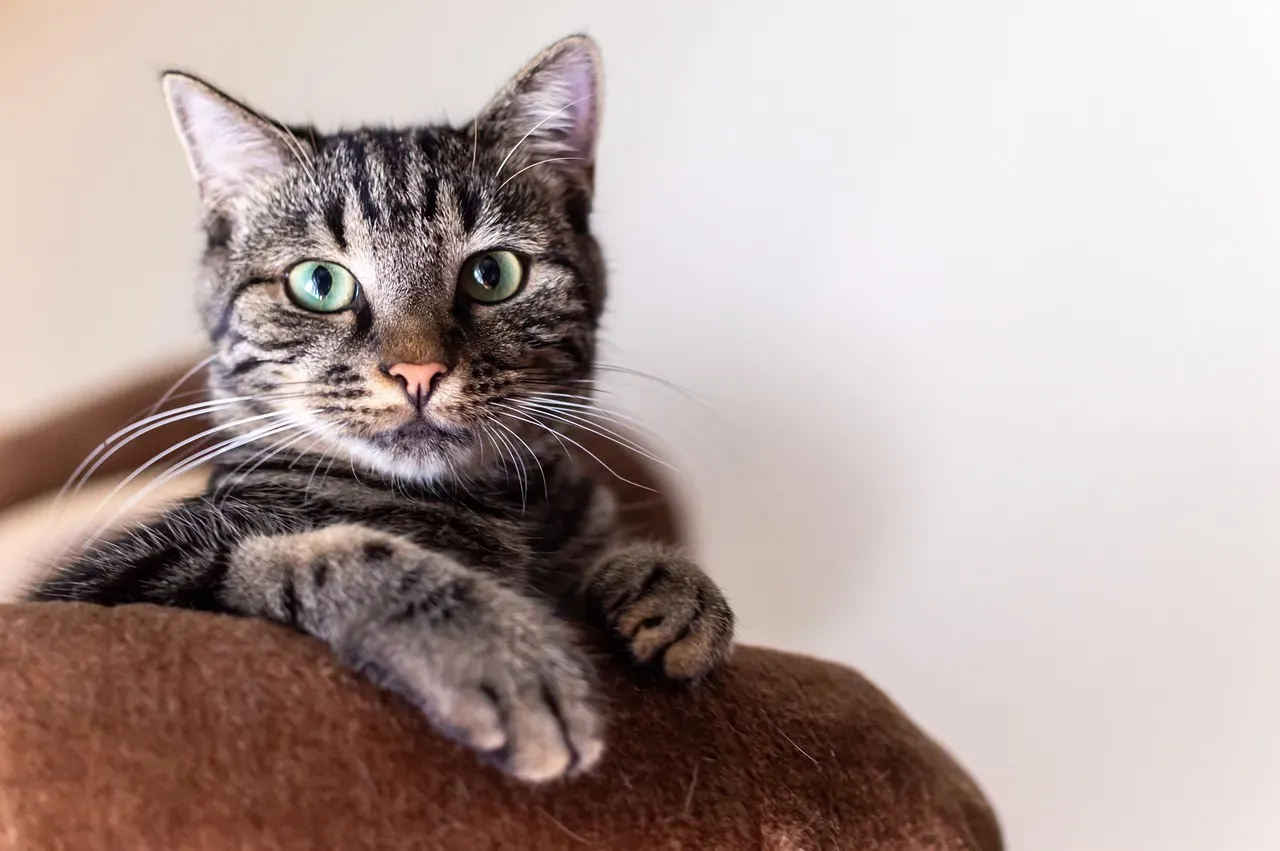
If your older cat can no longer jump on his favorite windowsill, create box steps, ramps, or purchase pet stairs that allow him to reach special spots safely with firm footing like carpet to prevent slipping. Your cat shouldn’t have to give up beloved perches just because their joints protest.
Provide ramps and steps where possible so your cat can still reach their favorite sleeping spots, or a gently sloping ramp can help reach their favorite lookout. I think it’s heartbreaking when cats lose access to the sunny windowsills they’ve enjoyed for years. These mobility aids give them back their kingdom, one comfortable step at a time.
Ensure Fresh Water Is Always Available
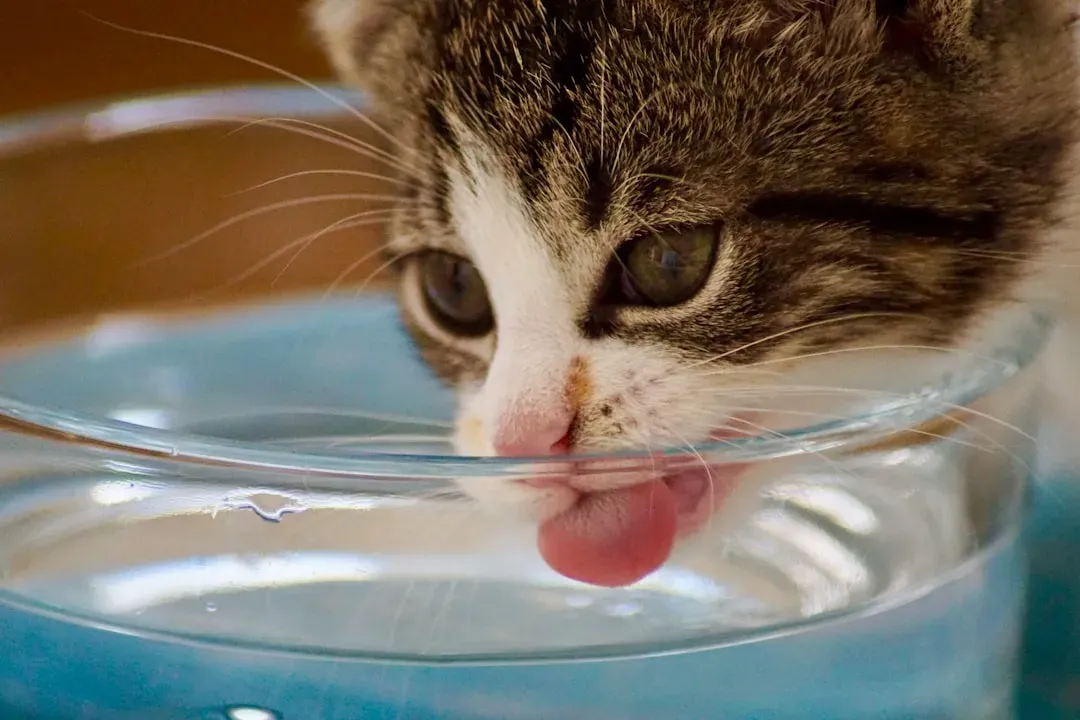
Easy access to clean water is especially important because kidney function frequently deteriorates in older cats. Make sure your senior cat has multiple water sources available so they don’t have to work hard to find water. Place bowls on every level of your home and in areas where your cat spends time.
Picky drinkers may benefit from having more wet food in their diet or water fountains that keep fresh water flowing. Some cats are fascinated by running water and will drink more from a fountain than a static bowl. Proper hydration becomes increasingly critical as cats age, helping support kidney health and overall wellbeing.
Adjust Their Diet for Senior Nutritional Needs
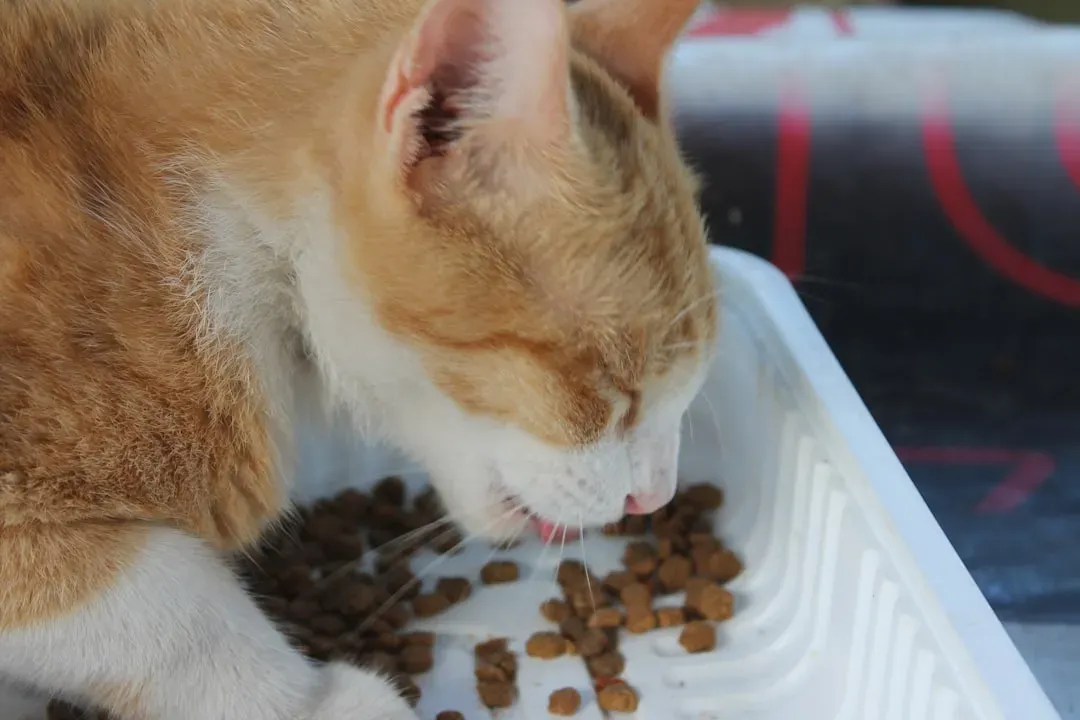
Your veterinarian can offer advice on choosing a diet that provides appropriate nutrition and the right amount of calories for your aging cat. Senior cats have unique nutritional needs due to changes in metabolism, muscle mass, immunity, and organ function, requiring key nutrients like high-quality protein, fiber, antioxidants, omega-3s, and low phosphorus.
Consider mixing canned and dry food to let your cat absorb the water canned food offers. Senior cats need a diet that supports organ function, maintains muscle mass, and prevents age-related health problems, helping them stay active, energetic, and healthy in their golden years. Honestly, the right nutrition can make a remarkable difference in how your cat feels and functions daily.
Help with Grooming and Nail Care
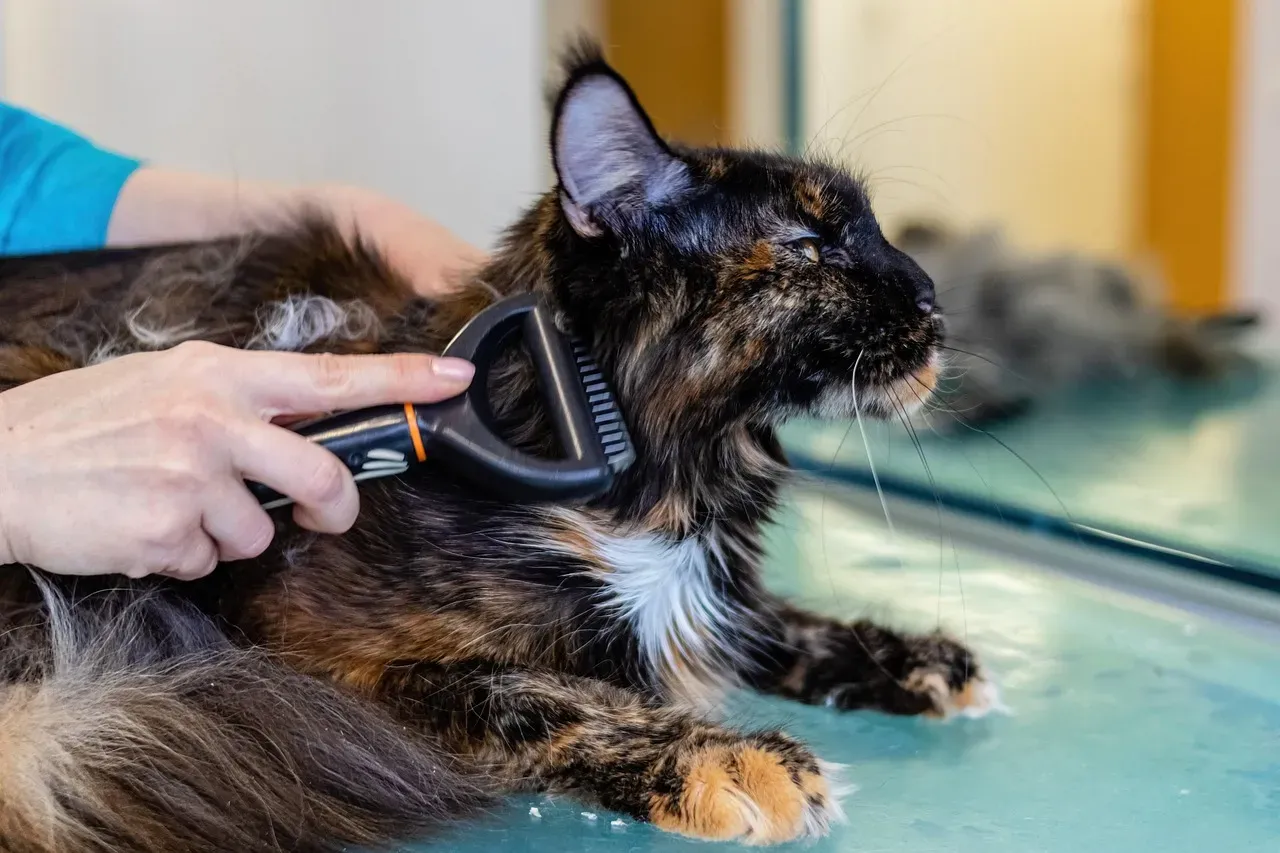
Older cats are more prone to decline in grooming ability, and gently brushing medium- and long-haired cats every day can help keep fur from becoming matted. Your senior cat may struggle to reach certain areas or simply lack the energy for thorough self-care. Regular grooming sessions also give you quality bonding time.
Trim your cat’s nails at least monthly to prevent excessively long claws from growing into the paw pad, which is extremely painful, and use small, sharp nail trimmers carefully. Overgrown nails can make walking uncomfortable and get caught on surfaces. If you’re uncomfortable doing this yourself, a groomer or veterinary technician can help.
Manage Joint Pain and Arthritis Symptoms
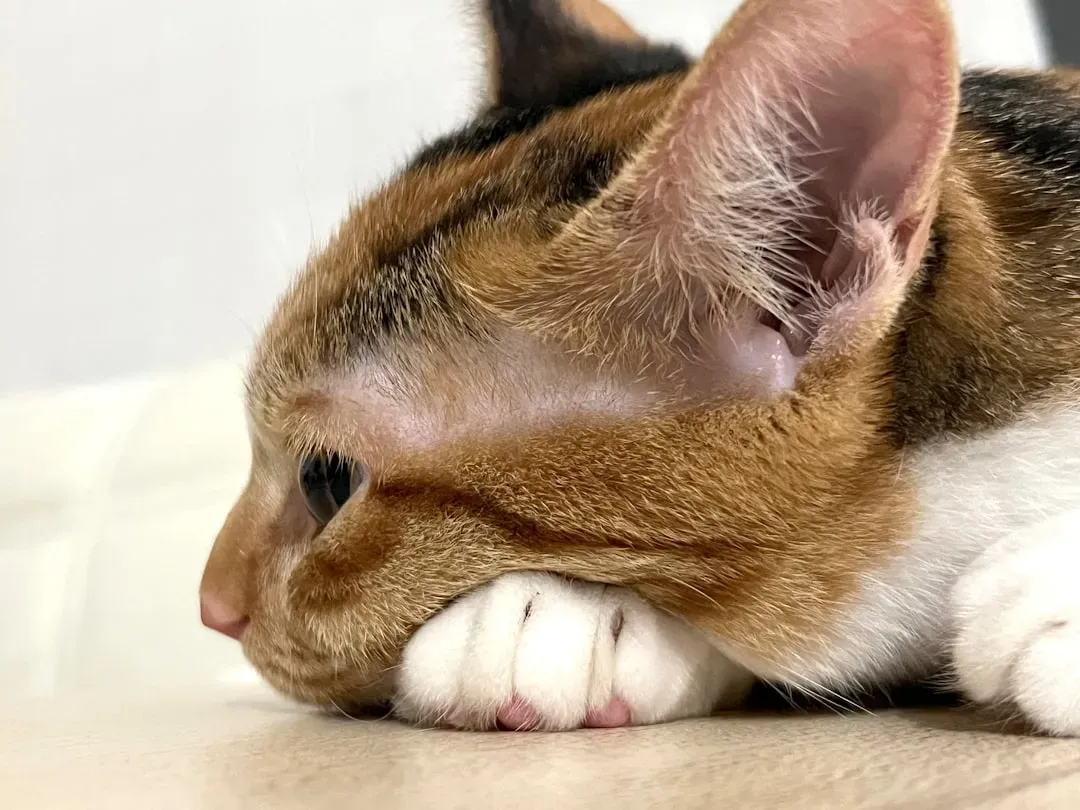
Research shows that the vast majority of cats above the age of 10 have arthritis. Degenerative joint disease is present in most older cats, and your veterinarian can determine if your cat is suffering and develop a treatment plan. The tricky part is that cats rarely show obvious pain.
Many cats benefit from a pain management protocol involving safe and effective medications, supplements, and complementary treatments determined by your veterinarian. You can use heat to naturally soothe sore joints, though monitor heating pad use closely. Small environmental changes combined with appropriate medical care can dramatically improve your cat’s mobility and comfort level.
Maintain Mental Stimulation and Gentle Play
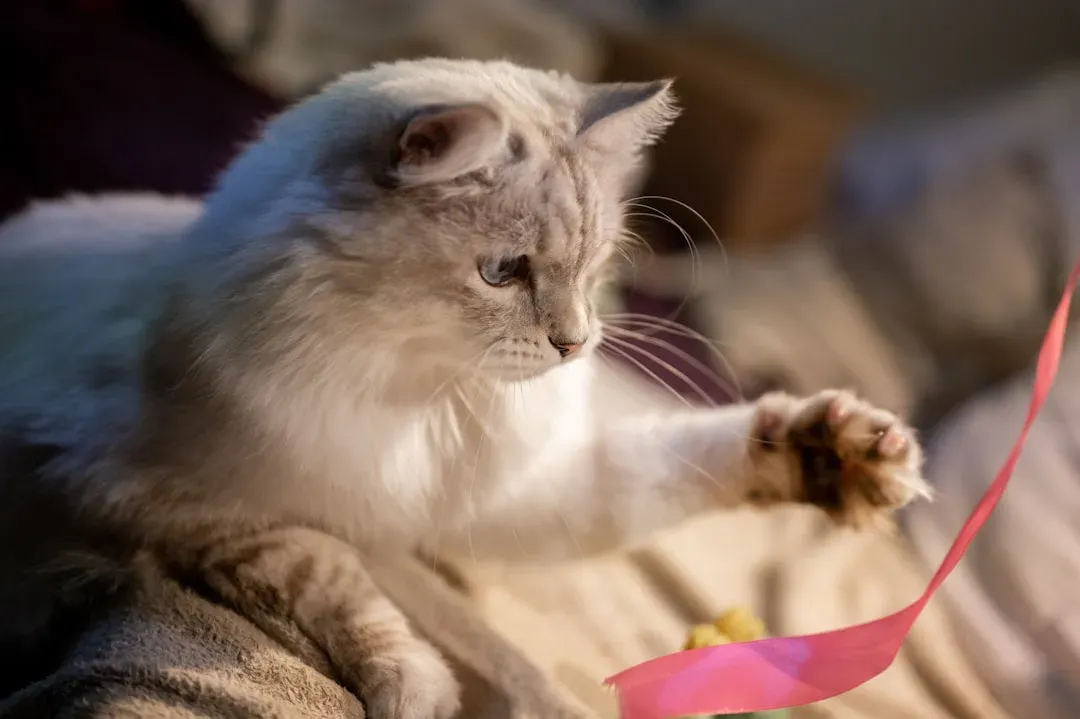
All cats, including seniors, need mental stimulation, exercise, and a proper diet to stay healthy. Stationary track toys can provide stimulation without excess athleticism, and puzzle feeders placed in easy-to-reach locations can help keep your senior cat at their cognitive best.
Even if your cat spends more time napping, gentle play is still important, and short play sessions with wand toys, slow-moving laser games, or puzzle feeders can keep them active, engaged, and prevent weight gain. You don’t need marathon play sessions. Just a few minutes of gentle interaction several times daily can work wonders for both body and mind.
Keep Daily Routines Predictable
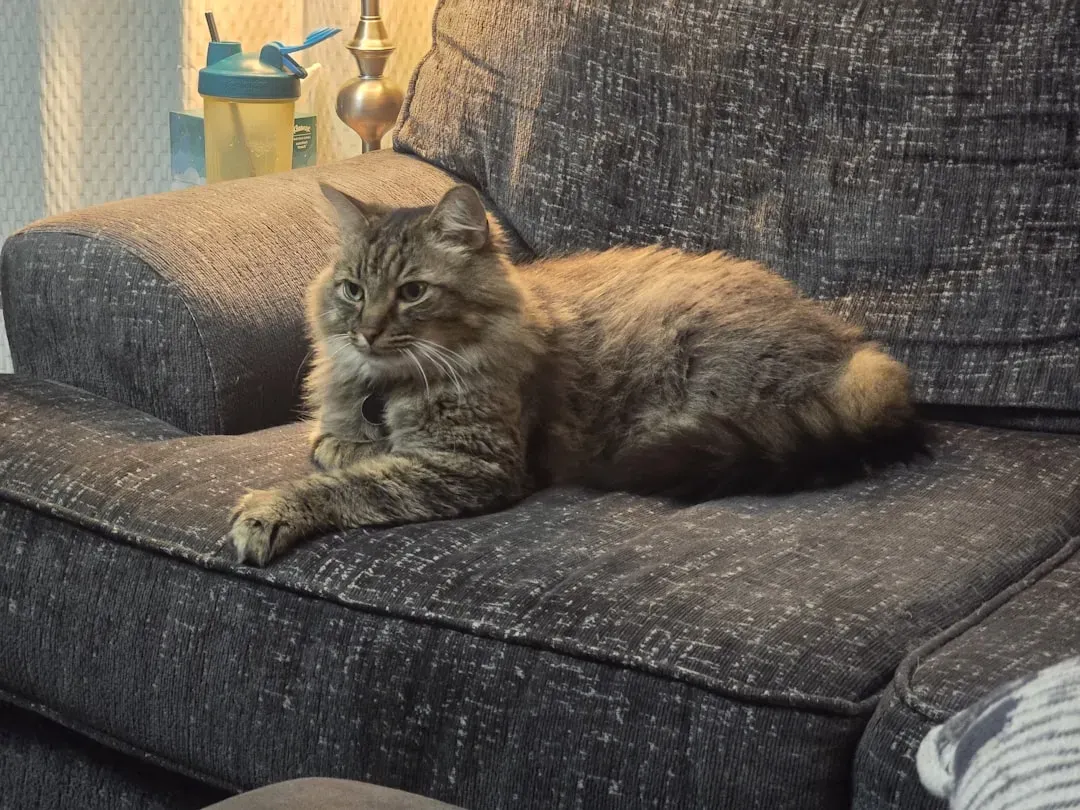
Older cats cherish predictable days more than younger cats do, as cats become set in their ways as they age. Cats love routine, which becomes even more true with age, so keep mealtimes and playtime consistent. Sudden changes can cause anxiety and confusion.
Older cats may be more sensitive to changes in the household since their ability to adapt to unfamiliar situations diminishes with age. Try to maintain feeding schedules, play sessions, and quiet time at roughly the same times each day. This predictability provides security and reduces stress for your aging companion.
Monitor Behavior Changes Closely
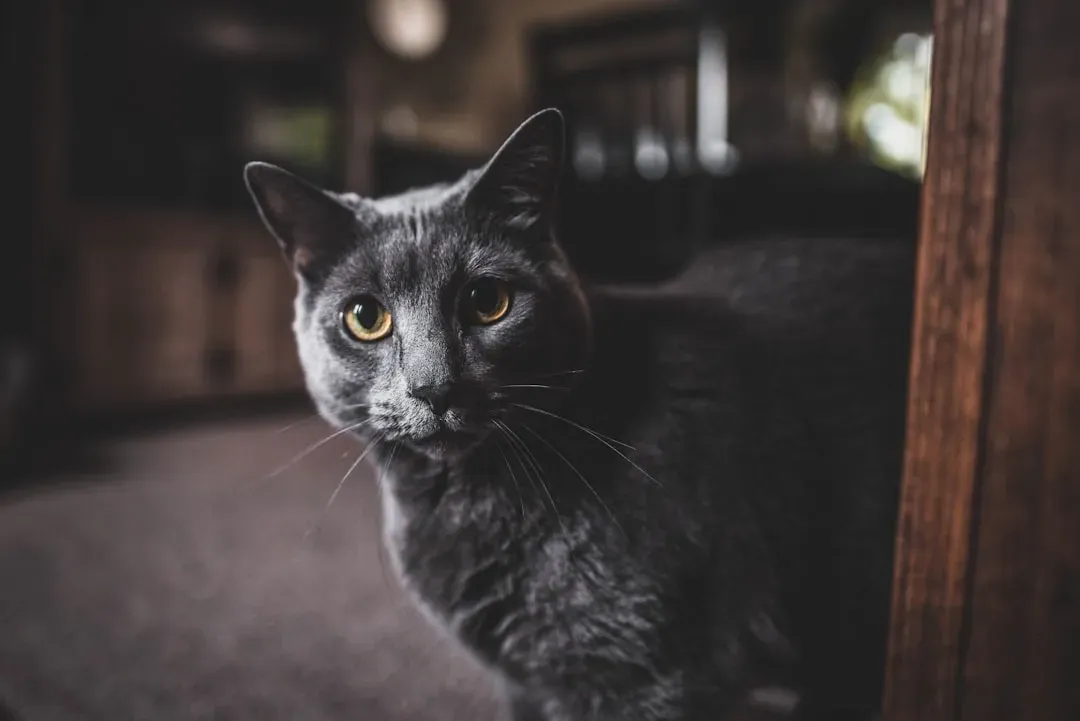
Never assume a new behavior in your senior cat is simply due to age; take them to the vet if you notice them acting differently. Older cats tend to be less active and playful, sleep more, and gain or lose weight, but don’t chalk up health or behavior changes to old age.
Any changes in behavior, energy levels, or sleeping patterns may be a sign your cat is experiencing underlying discomfort or pain. Keep a journal if you notice anything unusual. Subtle changes like avoiding the litter box, increased vocalization at night, or suddenly becoming more clingy can signal health issues that deserve veterinary attention. Your observations are invaluable diagnostic tools.
Provide Extra Affection and Emotional Support
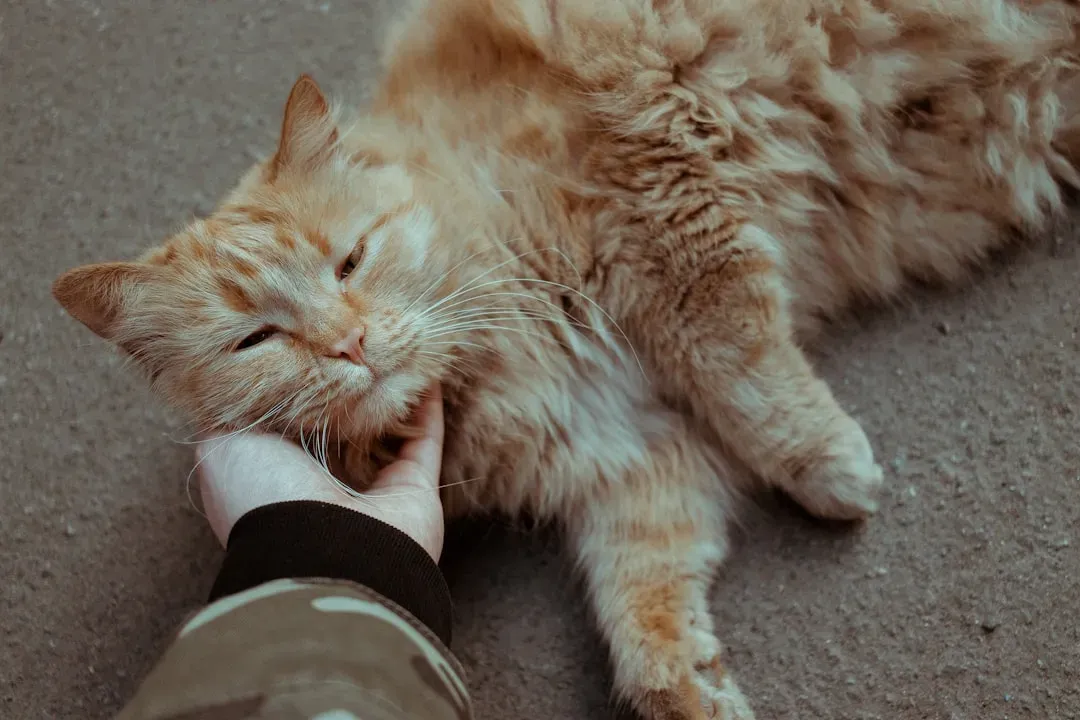
Some cats may need more emotional support as they age and others may prefer to be left alone, but they may become more dependent on relationships and require more attention. Aging cats often crave more attention than they did earlier in life, and spending extra time together will ensure you both get the most out of your cat’s senior years.
Pay attention to what your individual cat needs. Some want to be near you constantly while others appreciate having quiet space with occasional check-ins. Continue to provide physical and mental stimulation by petting, playing, and interacting with your cat in your special ways. These golden years can deepen your bond in unexpected and beautiful ways.
Conclusion
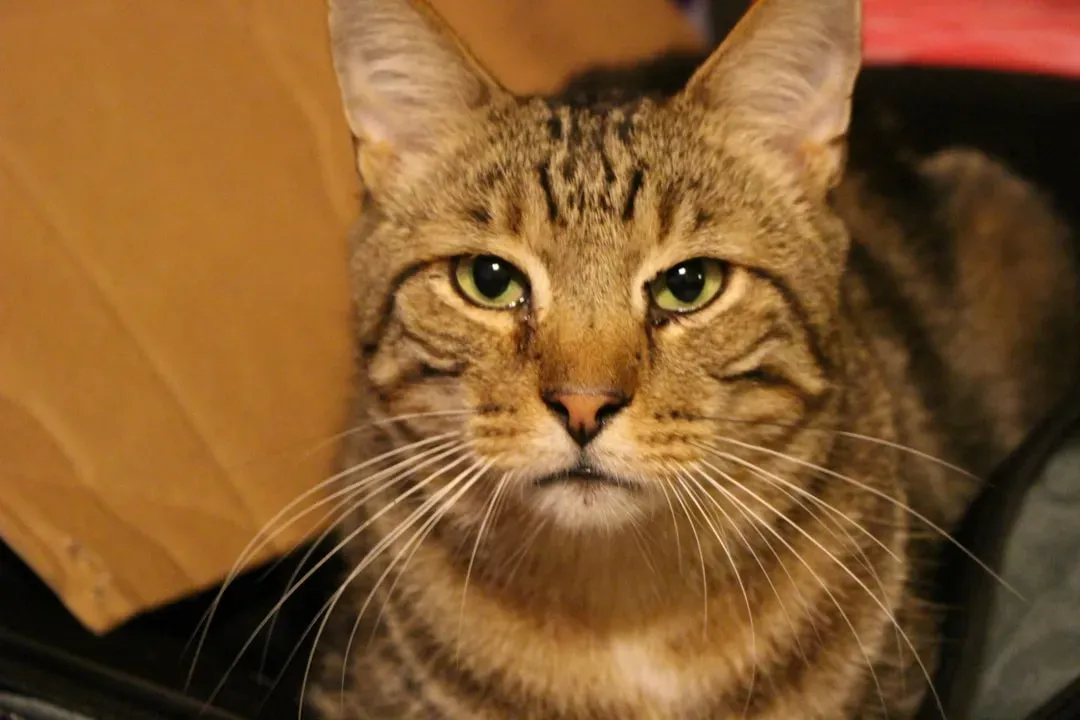
Your senior cat has given you years of companionship, comfort, and unconditional love. Now it’s your turn to return that devotion by making their later years as comfortable and joyful as possible. The adjustments we’ve explored don’t require enormous effort or expense, yet they can profoundly impact your cat’s quality of life.
From regular veterinary care to warm beds, accessible litter boxes to gentle play sessions, each small change adds up to create an environment where your aging feline can thrive. Remember that every cat ages differently, so stay observant and flexible in meeting their evolving needs. What changes have you noticed in your senior cat, and which comfort measures have made the biggest difference? Your experiences might help other cat lovers navigate this precious stage of life.