Ever wondered what’s really going through your cat’s mind? You’re not alone. Cats have this uncanny ability to seem totally mysterious one minute and totally transparent the next. The truth is, they’re constantly communicating with you, but they speak a language that doesn’t involve words.
Learning to read your cat’s emotional signals isn’t just interesting, it’s essential for building a stronger bond with your feline friend. Whether they’re purring contentedly on your lap or suddenly giving you the cold shoulder, every movement, every twitch, and every sound tells a story. Let’s dive into the fascinating world of feline emotions.
The Slow Blink Says It All
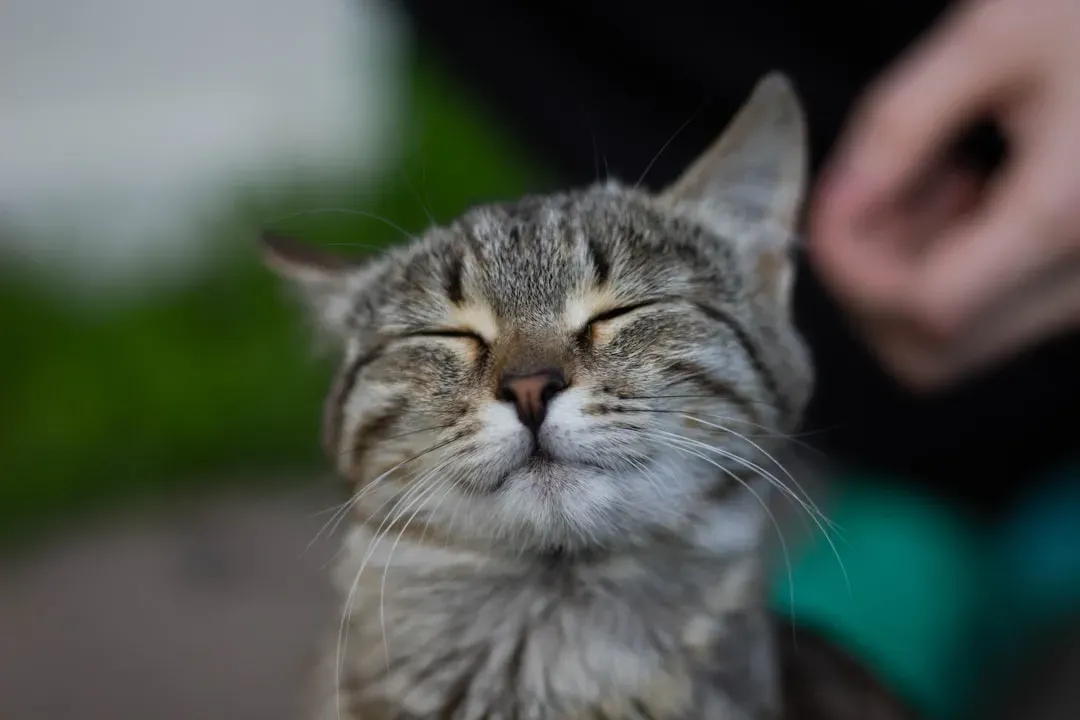
Have you ever noticed your cat gazing at you with half closed eyes, then slowly blinking? That’s essentially a kitty kiss. This slow blink is a sign of a relaxed cat, and it’s actually a good idea to slow blink back.
Think of it as your cat saying they trust you completely. When you return the gesture, you’re reinforcing that bond. It’s one of the most endearing ways cats show affection, honestly.
A Tail Held High with a Question Mark Curve
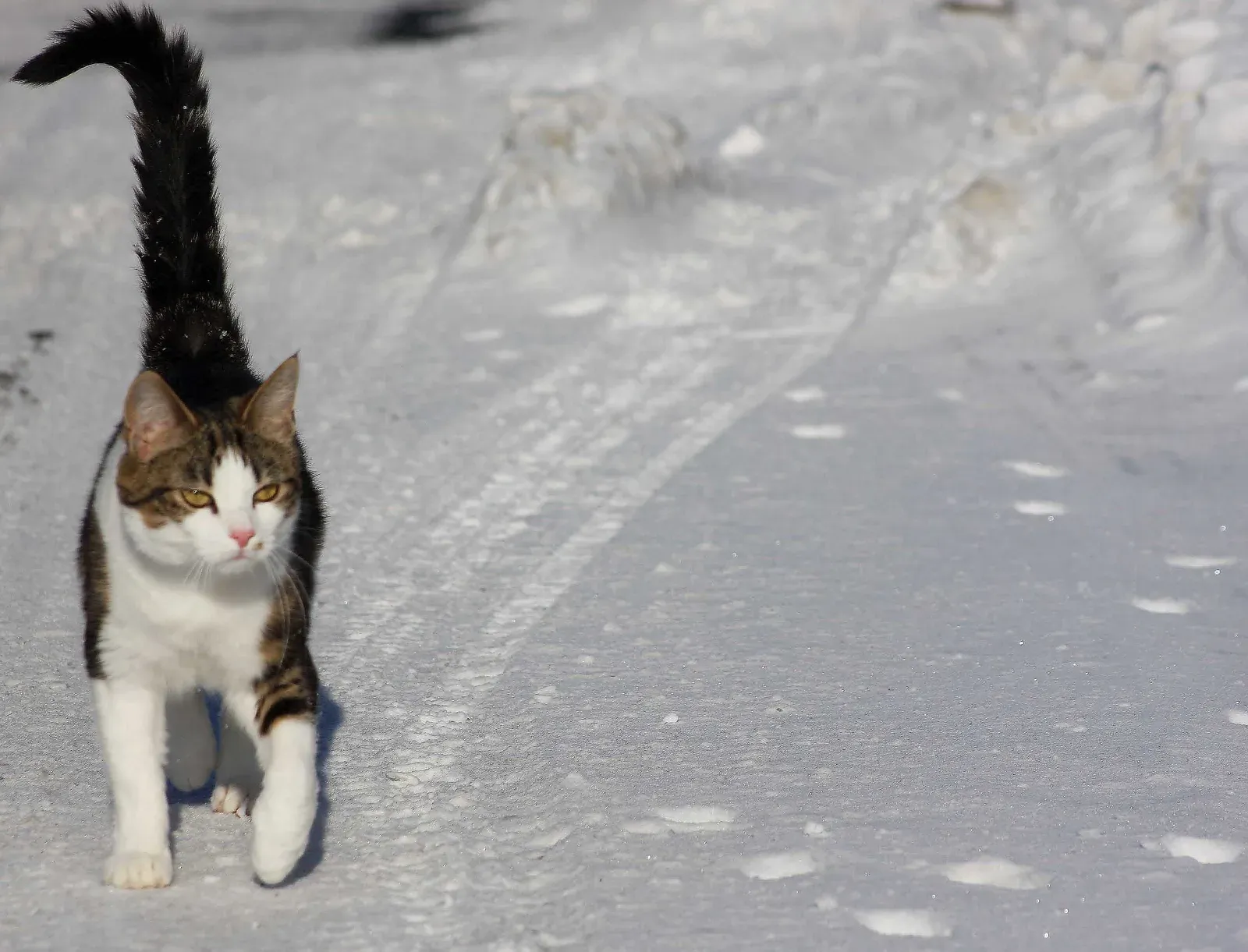
A happy cat often greets their humans with their tail held high, possibly with a slight curve at the end, resembling a question mark, which signals they are happy, confident and ready to interact. This posture is unmistakable once you know what to look for.
When your cat approaches you with this cheerful tail position, they’re basically announcing they’re in a great mood. If the tail is up in the shape of a question mark, that means she’s happy to see you and wants to say hello.
Kneading You Like Dough
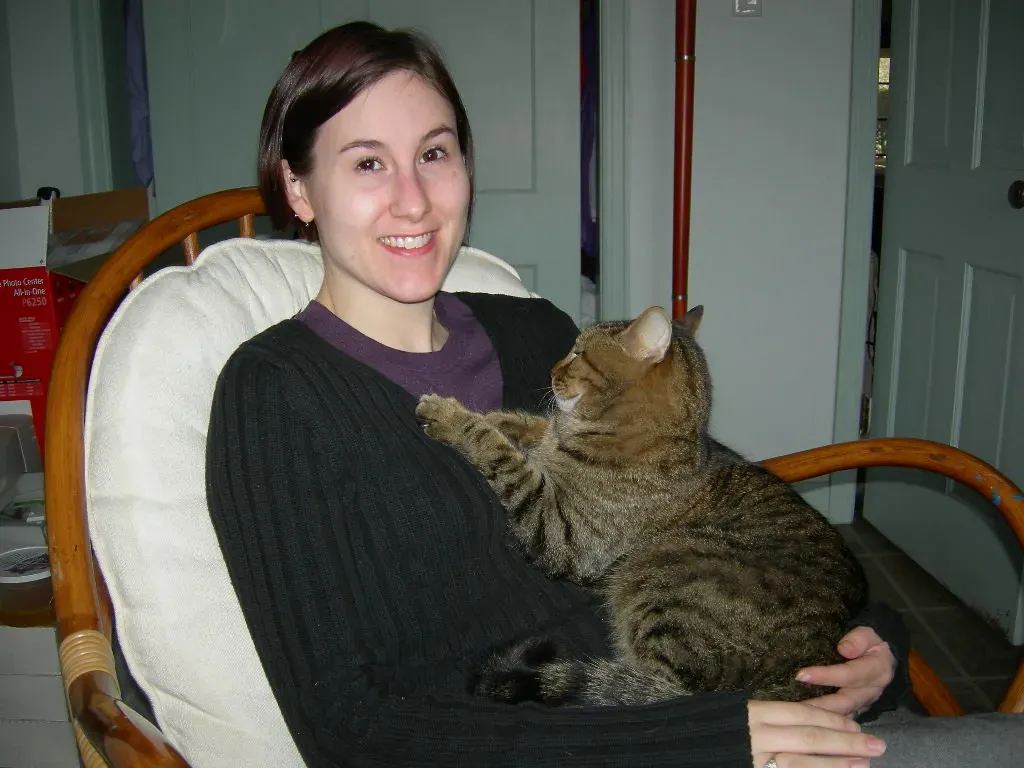
This is sometimes called making biscuits, because the cat works their paws on a soft surface as if they’re kneading bread dough, a leftover behavior from nursing, when they massaged their mother’s teats to make milk flow, and your cat does this when they’re really happy. It’s hard to say for sure, but this behavior is one of the clearest happiness indicators.
You might notice this happening when your cat is on your lap or a cozy blanket. Some cats even drool a little when they’re this content. Let’s be real, it’s adorable even if those claws can be a bit sharp.
Relaxed Whiskers Facing Forward
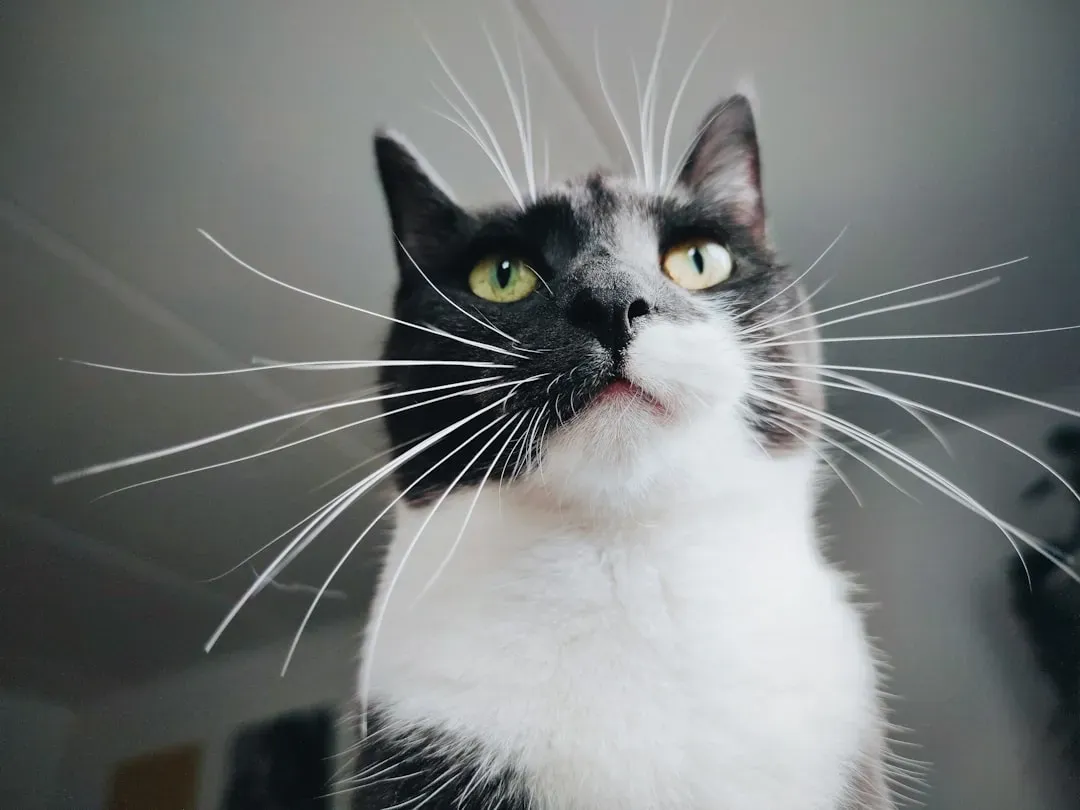
Whiskers are highly expressive, and forward facing, relaxed whiskers typically indicate a happy and playful cat. Most cat owners overlook this subtle sign, but it’s incredibly telling.
In a happy, contented, or relaxed cat, whiskers are in a neutral position slightly to the side, and when a cat’s interest is engaged, whiskers pull forward and fan out. Pay attention next time your cat is lounging in a sunny spot.
Purring During Cuddle Time

Purring is usually a sign of contentment, and cats purr when they’re happy, even while they’re eating. However, there’s a catch here. Sometimes cats can purr in stressful situations, such as going to the vet, and they can also sometimes purr if they are in pain.
Context matters enormously. If your cat is relaxed, nestled against you, and purring softly, that’s happiness. Purring is only a sign of contentment if their body language is relaxed.
Exposing Their Belly
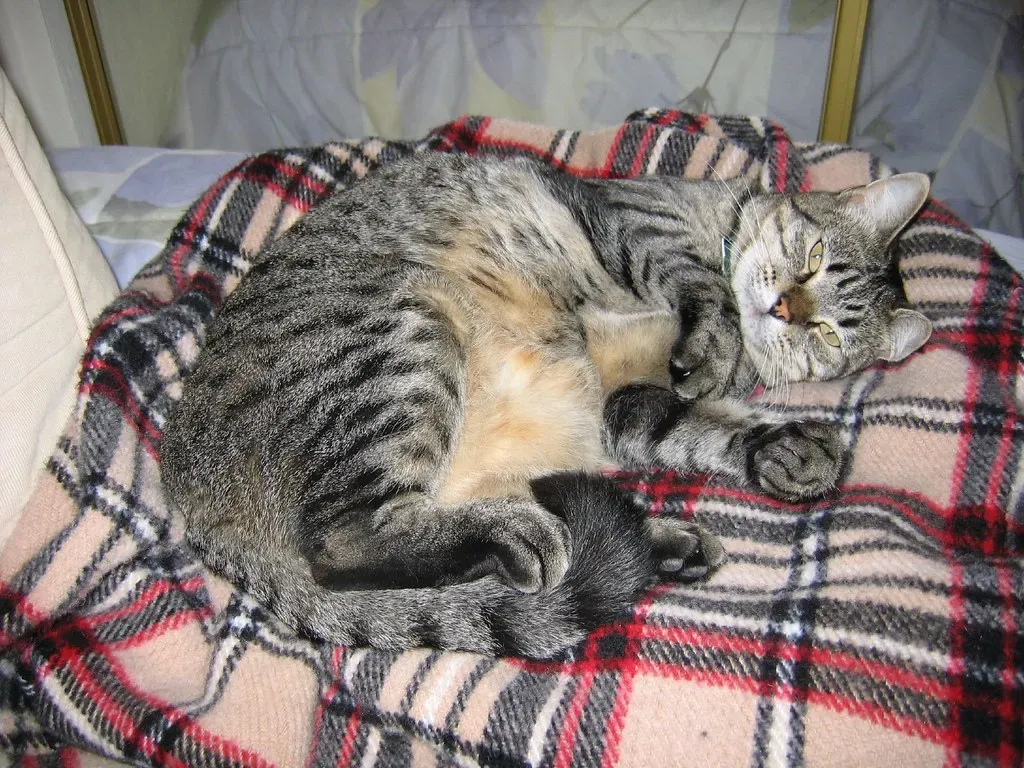
When a cat is happy, their posture is typically loose, with their limbs and tail stretched out away from their body when lying down. A relaxed cat will be loose, such as sprawling in the sun, belly up, and paws in the air.
Here’s the thing, though: this doesn’t always mean they want a belly rub. If they are showing their belly, it probably means that they feel safe, though this is not necessarily an invitation for a belly rub. Some cats will swat you away if you try.
Playful Pouncing and Hunting Behavior
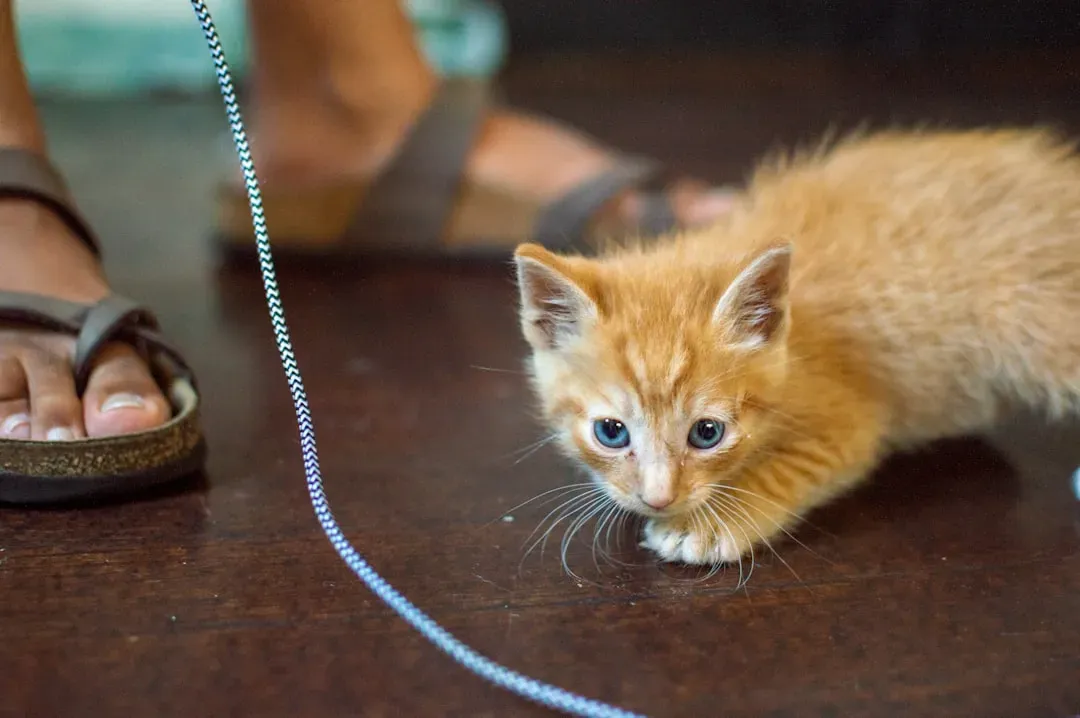
Play is a great indication of happiness, and your kitty will play with other pets and humans that they like or trust, from exuberant sprints and kitty wrestling matches to calm paw patting. When cats initiate play, they’re showing you they feel secure and content in their environment.
Watch for that wiggling rear end before they pounce on a toy. That’s pure joy in action. Even older cats will engage in play when they’re feeling good, though maybe at a slower pace.
Rubbing Against Your Legs
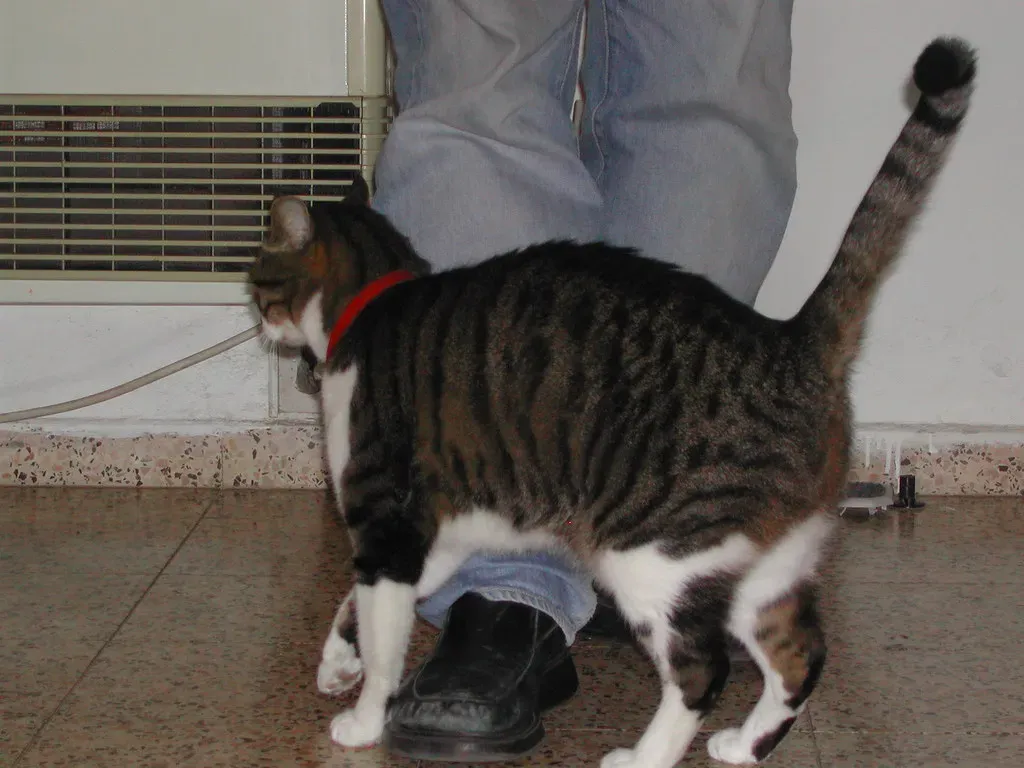
When your cat rubs their chin and body against you, what they’re really doing is marking their territory, telling everyone that this is their stuff, including you. It might sound possessive, but it’s actually a compliment.
This behavior is called bunting, and it’s a major sign of affection and trust. Your cat is essentially claiming you as part of their family group. I think that’s pretty sweet, honestly.
Soft, Upright Ears Pointing Forward
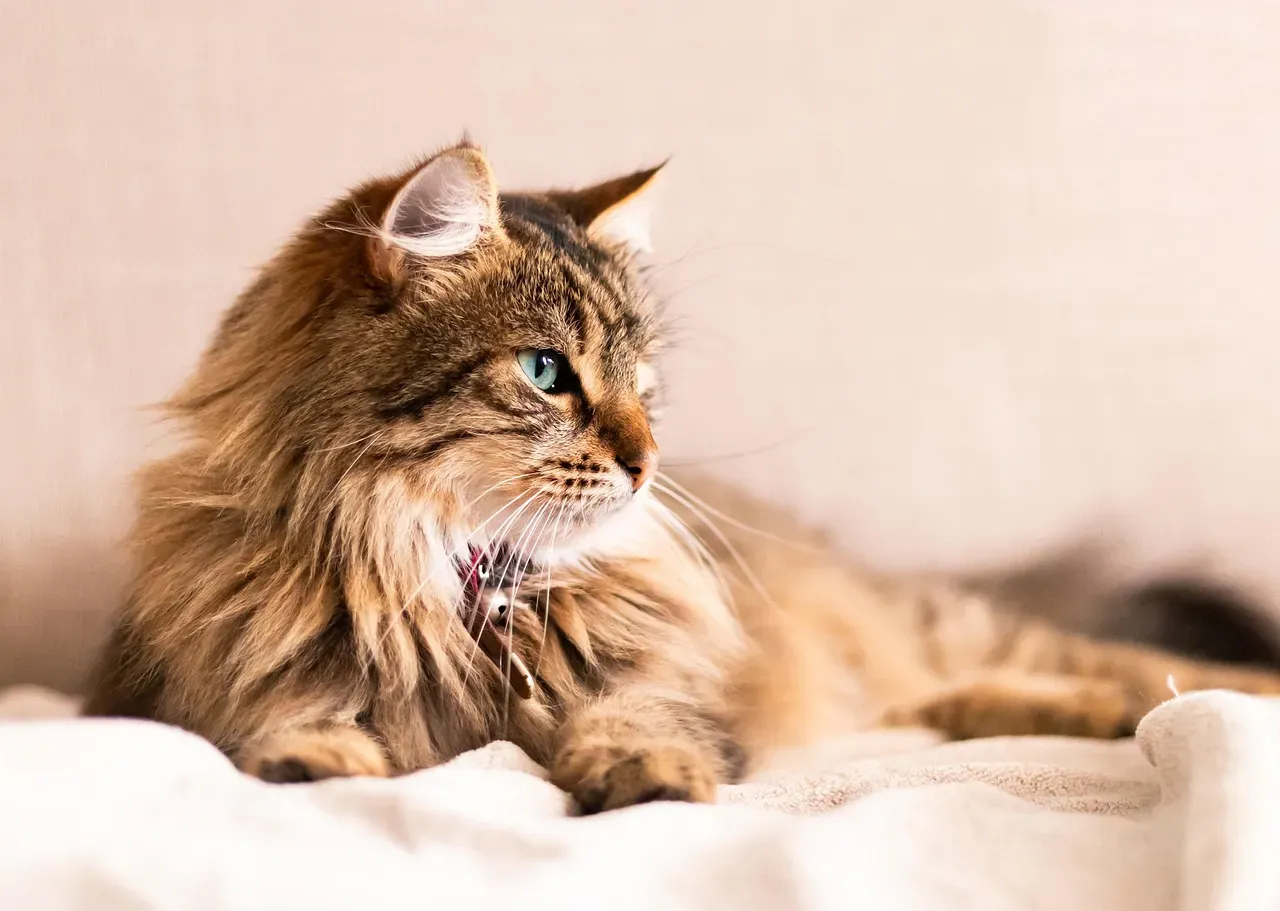
When sitting, your cat will be relaxed and upright, with ears pointed up and forward, but relaxed, sometimes swivelling gently towards familiar sounds like your family’s voices. This is the neutral, happy position for cat ears.
Normal, forward ears indicate a cat that’s feeling confident, relaxed, or engaged. If you see this combined with other relaxed body language, your cat is definitely in a good mood.
A Healthy Appetite
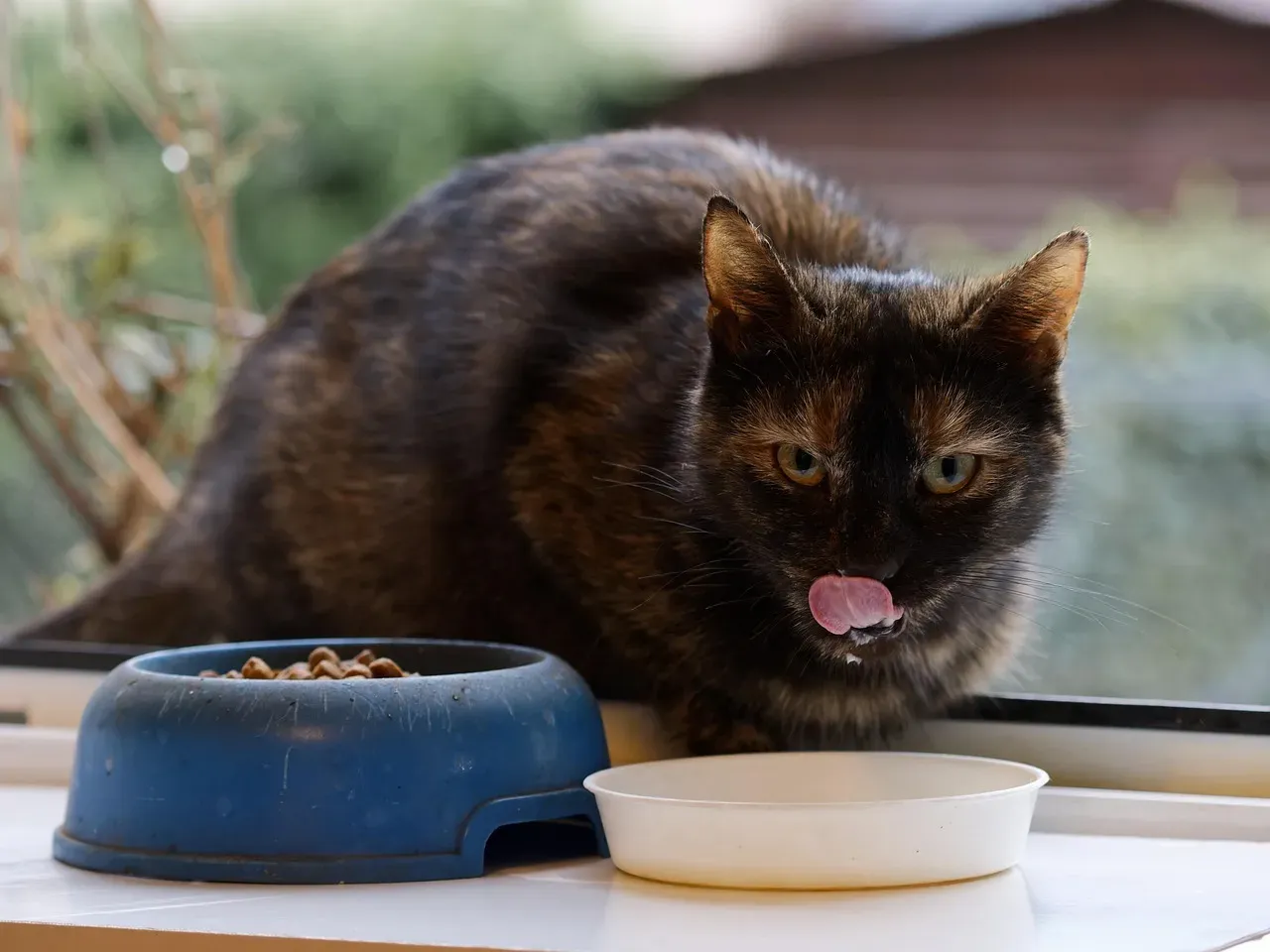
A healthy appetite is a terrific sign of a happy cat, and your kitty may ask you for food by rubbing around your legs and meowing, leading you to their bowl. Cats that feel safe and content eat regularly and with enthusiasm.
If your cat suddenly shows interest in food and eagerly finishes meals, that’s a positive indicator. If your kitty eagerly eats its cat food and finishes meals, it’s a good sign of happiness.
Chirping or Trilling Sounds
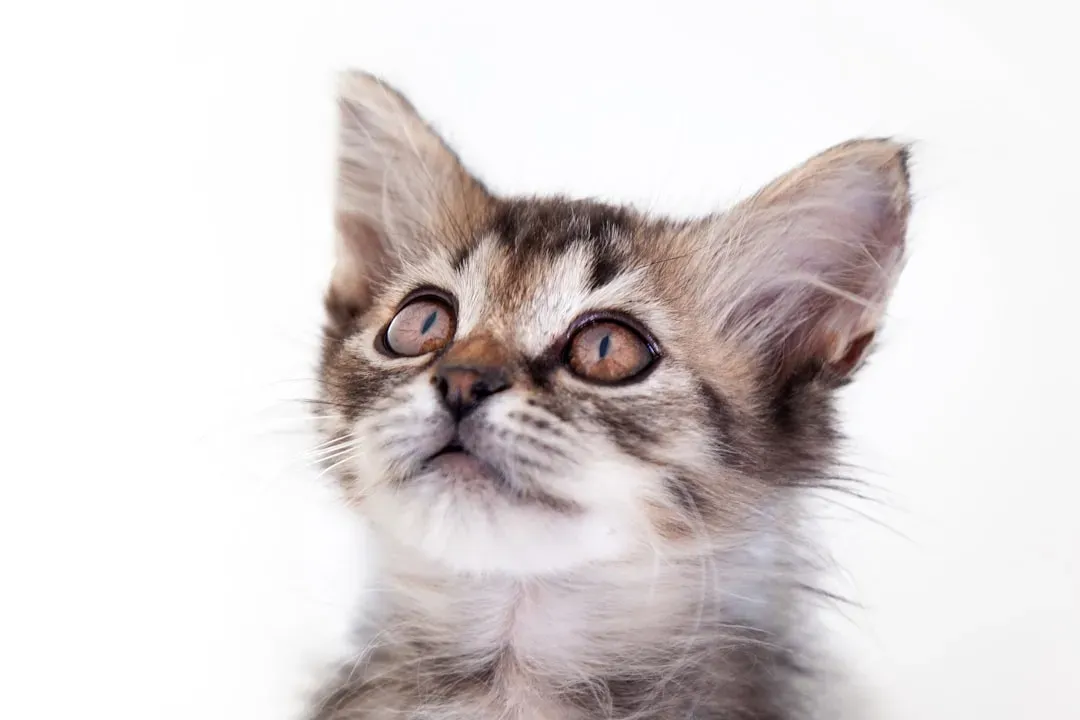
Chirps and trills are how a mother cat tells her kittens to follow her, and when aimed at you, it probably means your cat wants you to follow them, usually to their food bowl. This is an affectionate, communicative sound.
Some cats are naturally more vocal than others. These cheerful little sounds are quite different from meows and usually signal excitement or friendly greetings. You might hear them when you come home from work.
Grooming Themselves Regularly
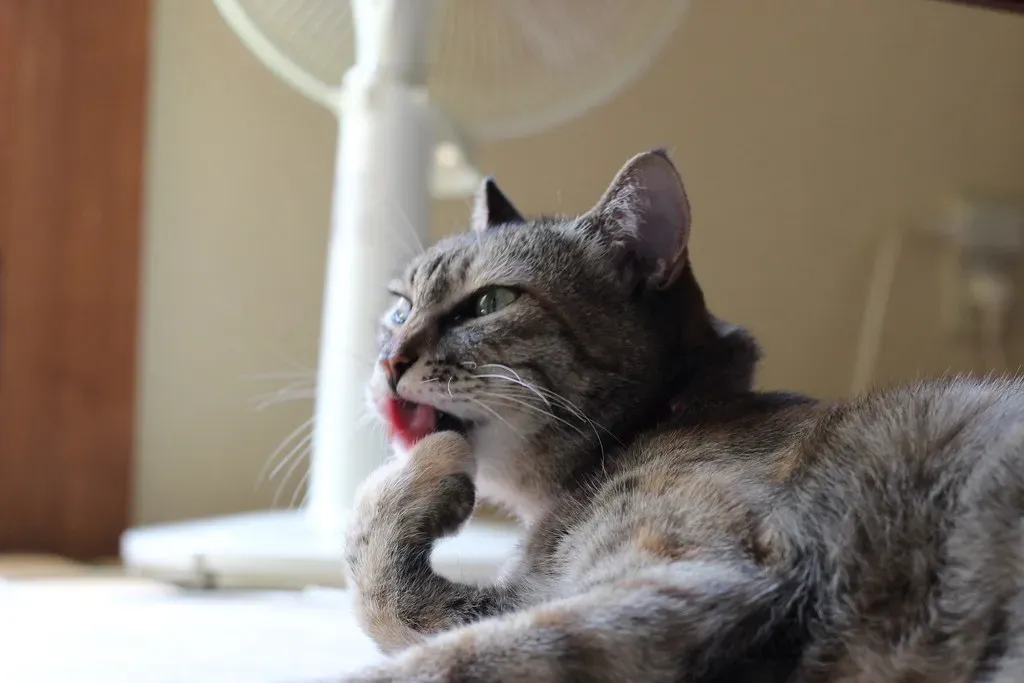
Healthy cats maintain regular grooming habits, keeping their coats shiny and clean. A cat that takes pride in their appearance is generally a happy, well adjusted cat. Neglecting grooming, on the other hand, can signal distress or illness.
When cats feel good, they’ll spend time meticulously cleaning themselves. It’s a sign they feel safe enough to engage in this vulnerable activity.
A Rapidly Swishing or Thrashing Tail
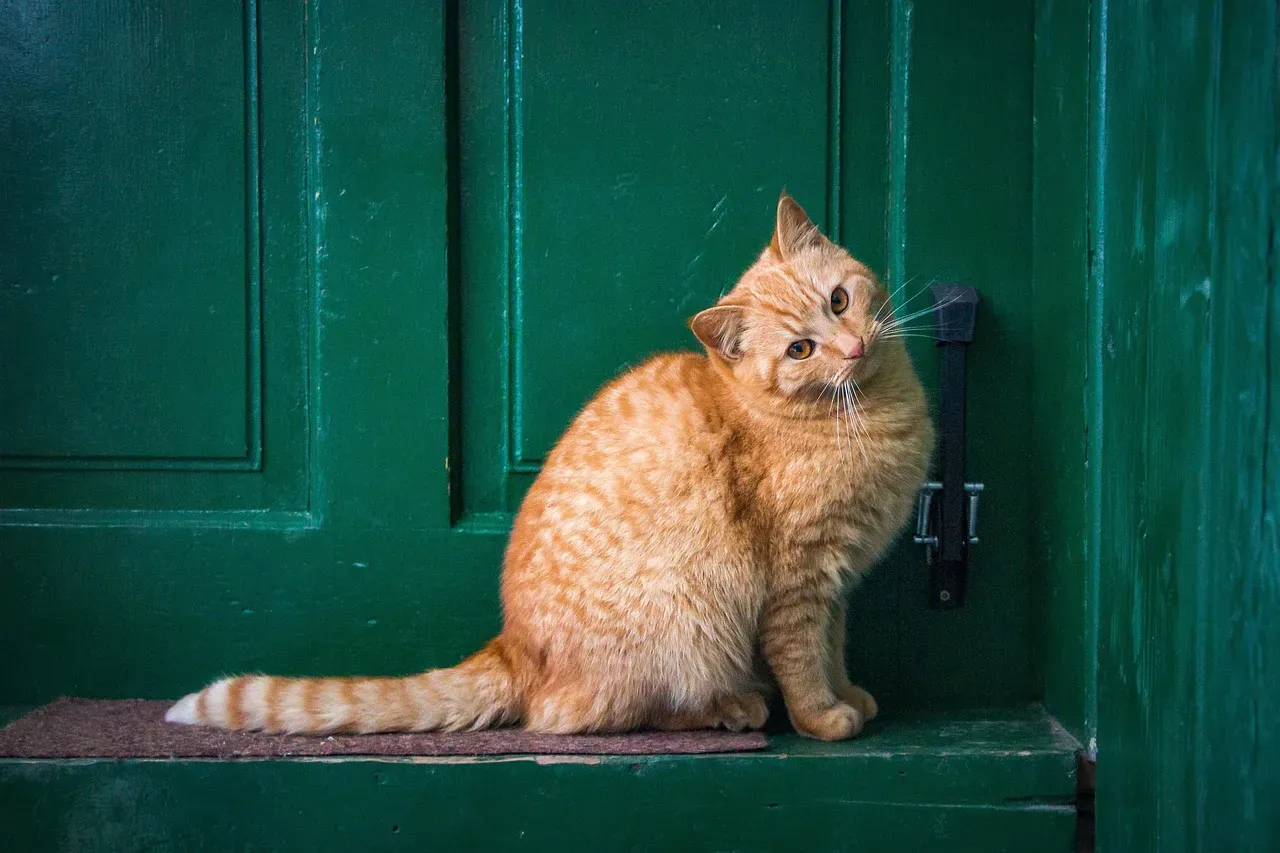
Now we’re switching gears to the grumpy indicators. One of the first subtle signs that your cat is mad at you is when you see her tail placed low, swishing quickly back and forth, from side to side. If your cat twitches their tail rapidly backwards and forwards, this is often a sign they’re getting upset or angry.
This is probably the most recognizable warning sign. If your cat’s tail starts lashing back and forth, looking almost like a dog wagging its tail, it indicates your cat is upset, irritated, angry, and probably about to pounce.
Ears Flattened Back Against the Head
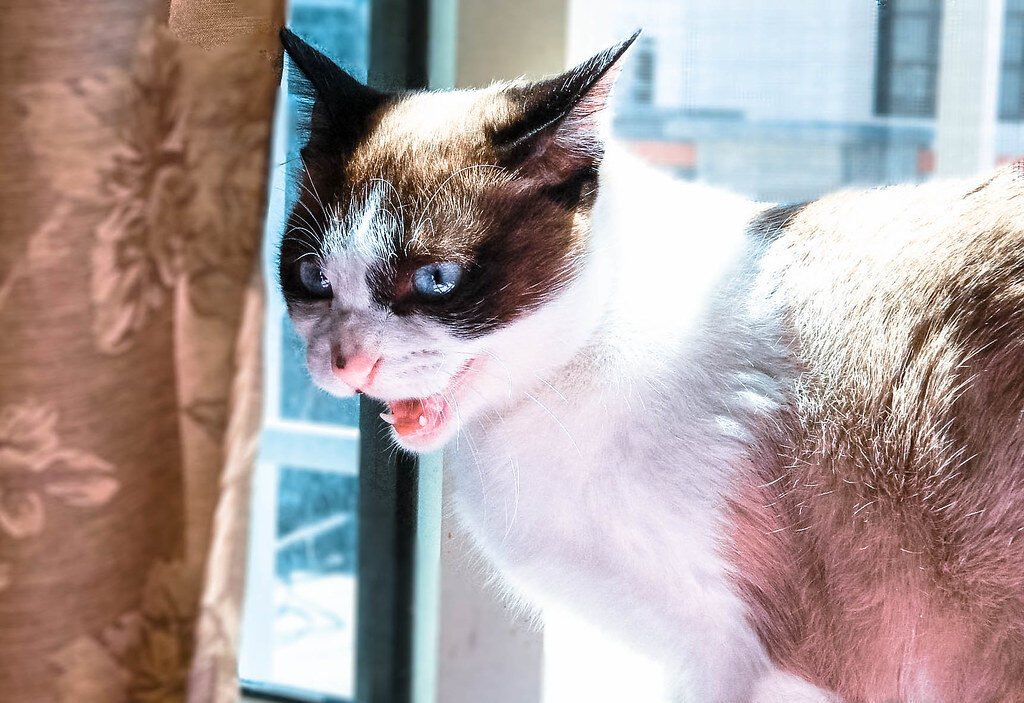
If a cat’s ears lay back on her head, she’s almost surely angry, and you shouldn’t approach a cat with ears in that position. The further back a cat’s ears are pinned, the more terrified they are.
If a cat is feeling threatened or upset, their ears will turn flat and toward the side, looking almost like airplane wings. This defensive posture is your cue to back off immediately.
Dilated Pupils in Bright Light
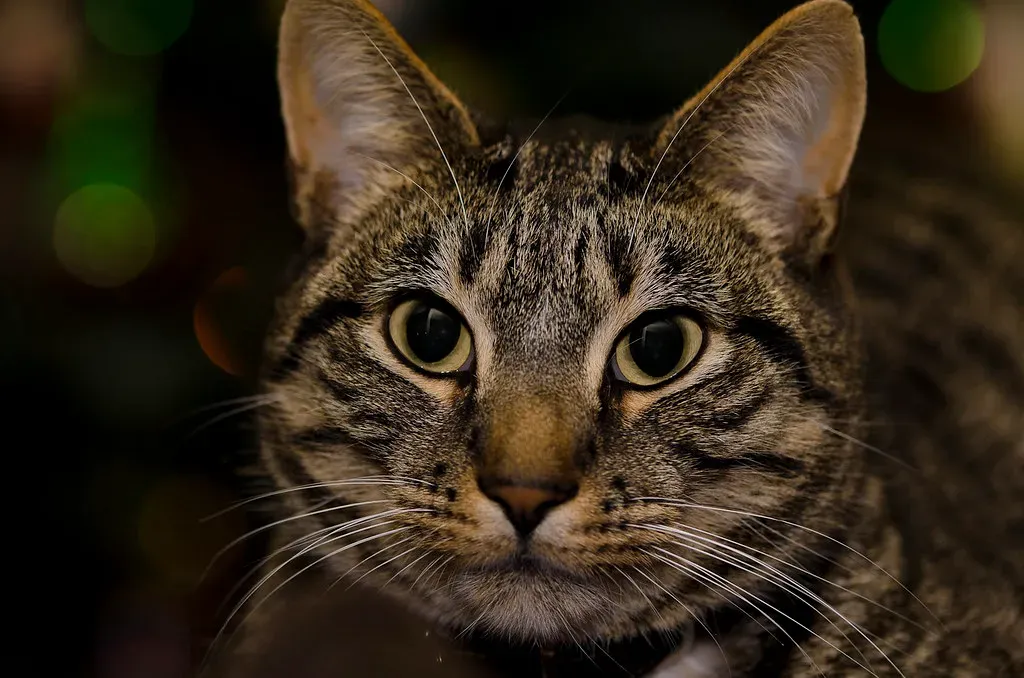
An angry cat’s eyes can look big and their pupils often look dilated. While dilation can happen in low light or during play, when the pupils are large and open in a well lit environment, this usually indicates heightened arousal or an intense emotional state.
Combined with other grumpy signals like pinned ears or a thrashing tail, those big pupils mean your cat is upset or feeling threatened. Context is everything when reading these signs.
Hissing, Growling, or Spitting
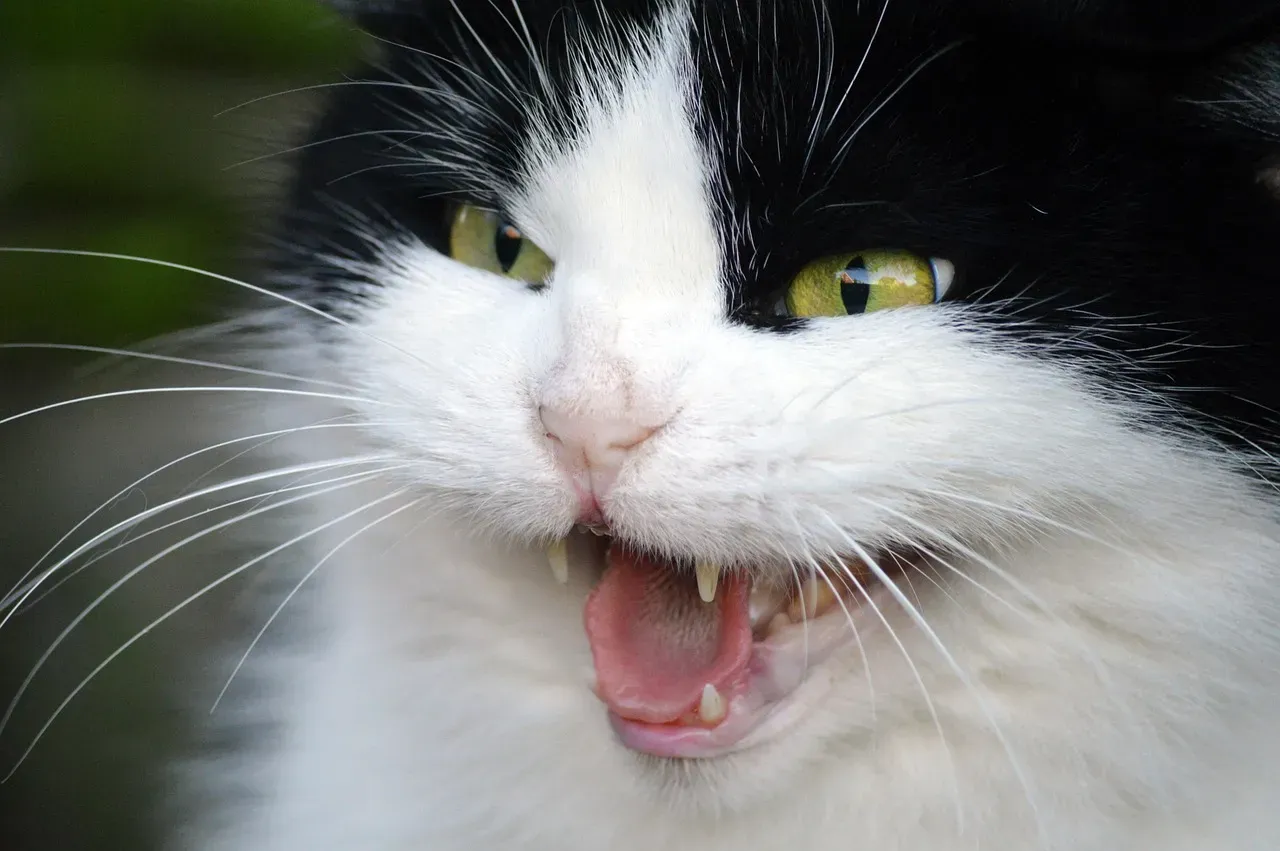
The first and most common sign a cat is upset is a hiss, or, less frequently, a growl. Growling and hissing are among the primary ways cats tell someone they’re angry.
Hissing indicates that a cat is feeling threatened and may be getting ready to fight or flee, and it’s also a very effective way of showing a potential aggressor that the cat is armed with sharp fangs. There’s no mistaking this vocalization.
Whiskers Pulled Tight Against the Face
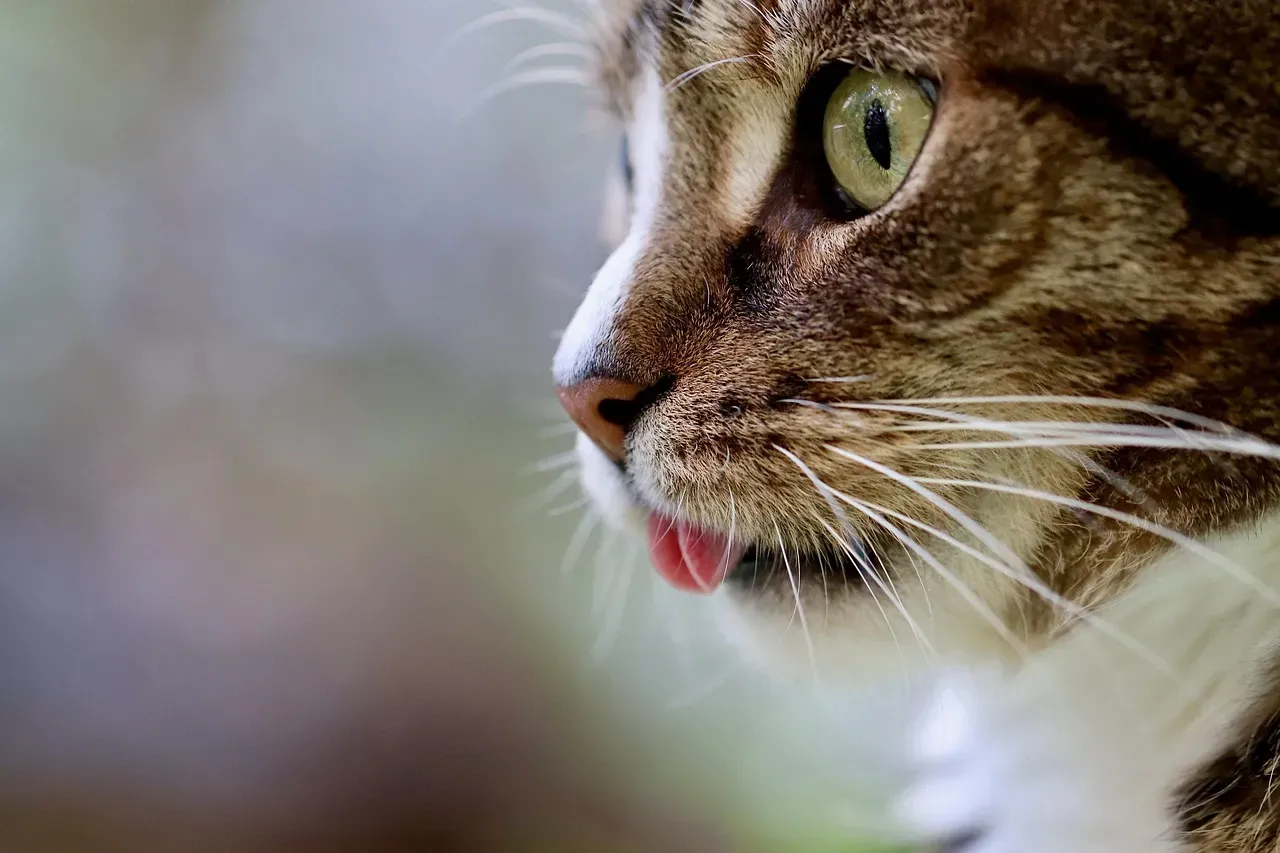
If you see your cat’s whiskers pulled back close to their face, it’s a sign they’re feeling threatened or angry, often accompanied by other body language cues like flattened ears and a twitching tail. If the whiskers are tight against the face, the cat is communicating fear or aggression.
This is a subtle but important indicator. When combined with other defensive postures, those flattened whiskers are telling you your cat is not happy.
Puffed Up Fur and Arched Back
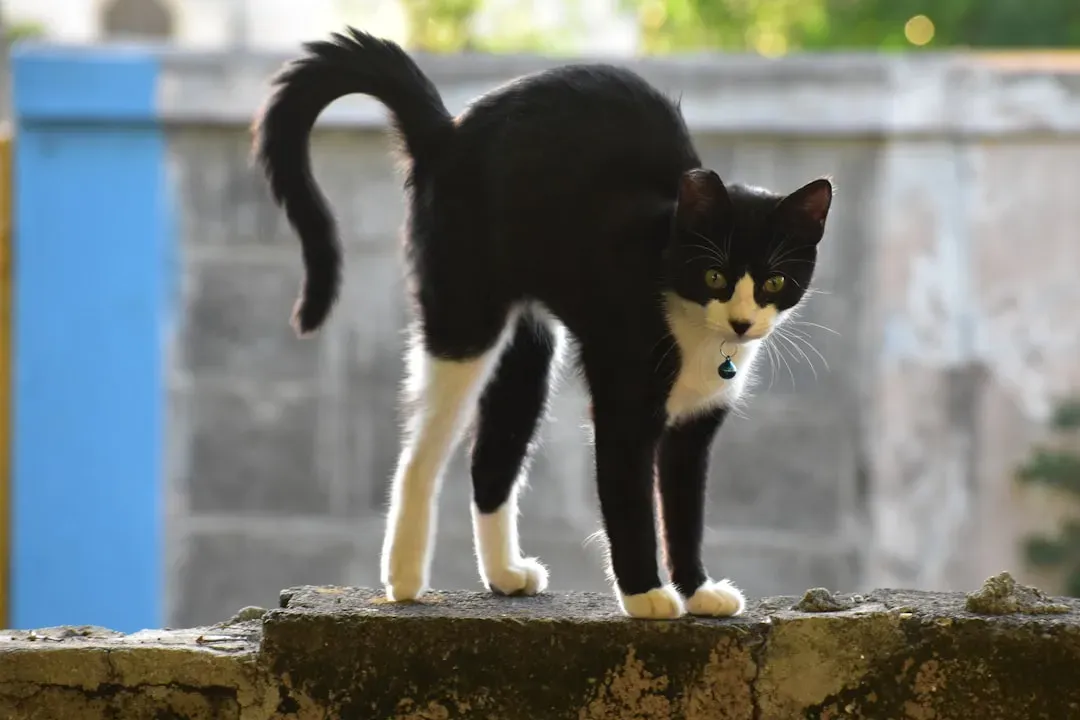
Piloerection is when a cat’s hair stands straight up, and when a cat does that, they are always either surprised or upset in some way, trying to make themself bigger. An arched back is a recognizable Halloween posture, and the classic Halloween cat is a fearful cat, a freaked out cat trying to appear larger.
This defensive display is meant to intimidate potential threats. If you see this, your cat is seriously distressed and you should give them space immediately.
Avoiding You or Hiding More Than Usual
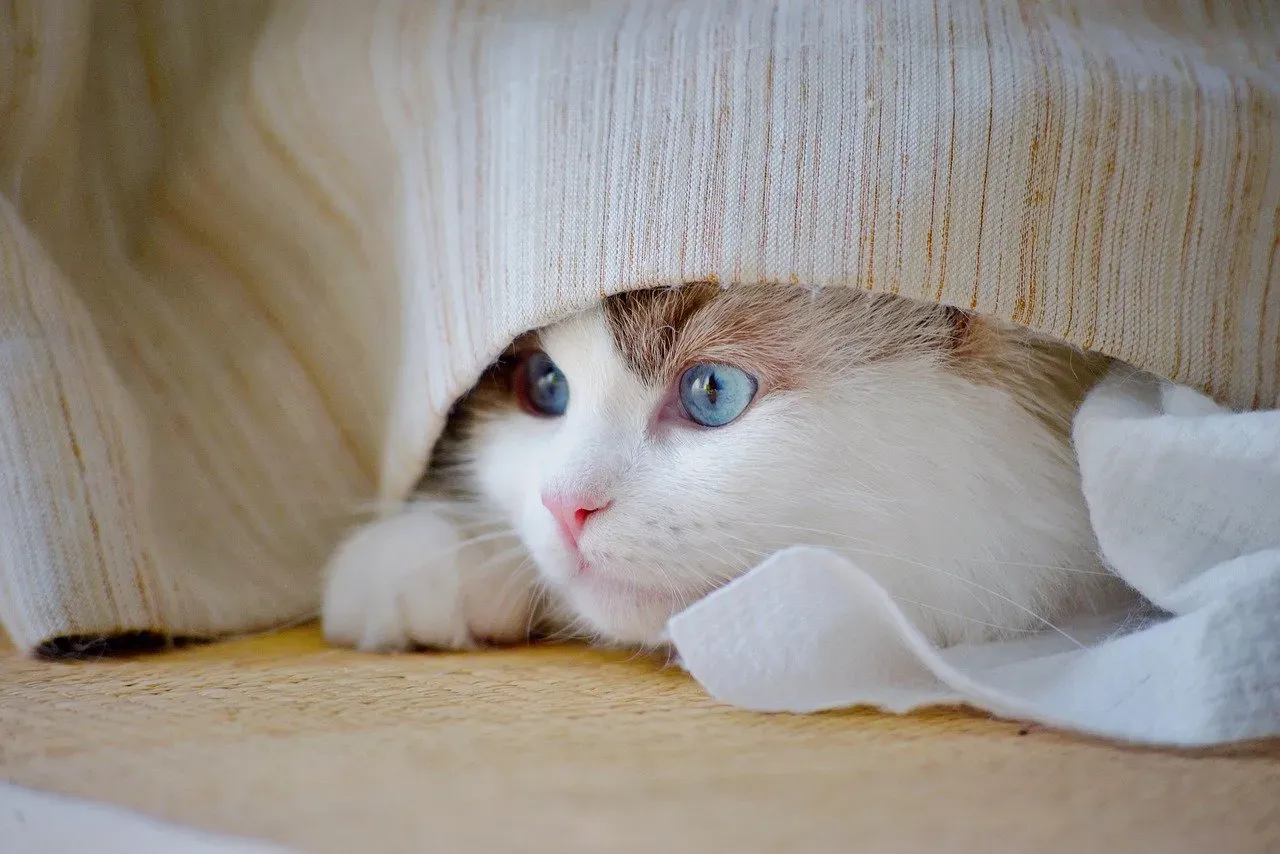
If your furry friend actively avoids you when she’s normally playful or keeps away for longer than usual, it can be a sign she’s mad, scared, or anxious. Cats naturally retreat when they’re feeling stressed or upset.
Sometimes they just need alone time to decompress. Let her have her space, she’ll come back when she’s ready. Forcing interaction will only make things worse.
Sudden Biting or Scratching During Petting
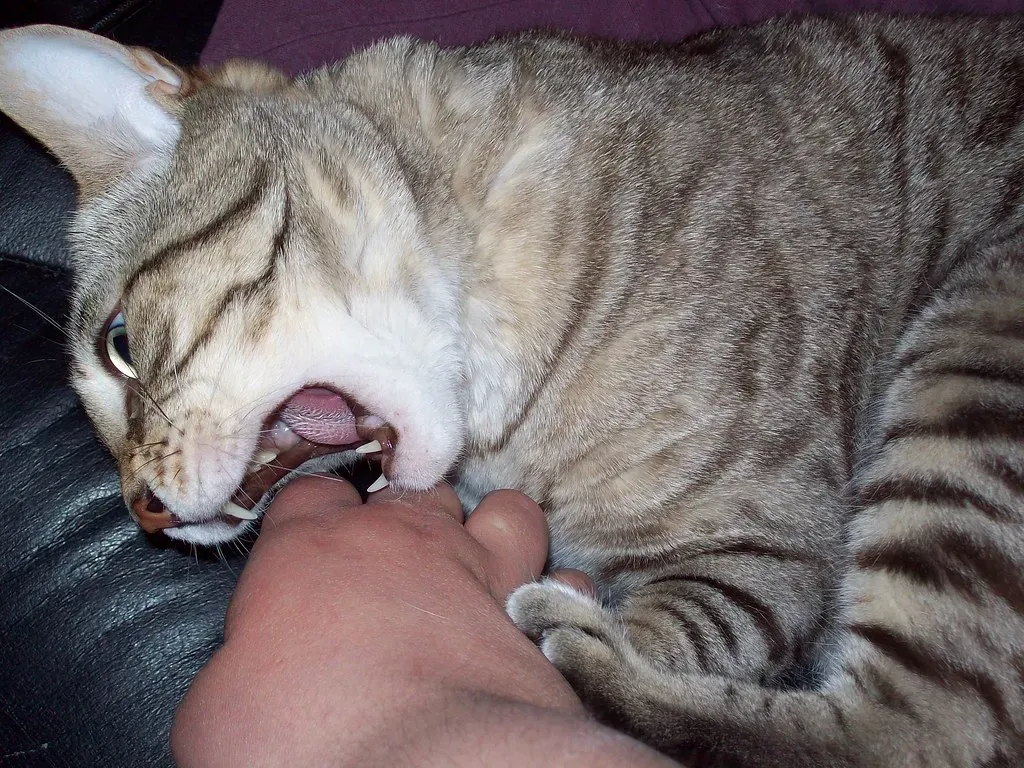
This is called petting aggression, and it’s totally normal if annoying, this leave me alone bite doesn’t mean he’s angry, but that he wants to control the interaction, and the petting that goes on too long overstimulates him. Every cat has a different tolerance level for physical contact.
Watch for warning signs like a twitching tail or tense body before the bite happens. Your cat is communicating boundaries, and it’s important to respect them.
Stiff, Tense Body Posture
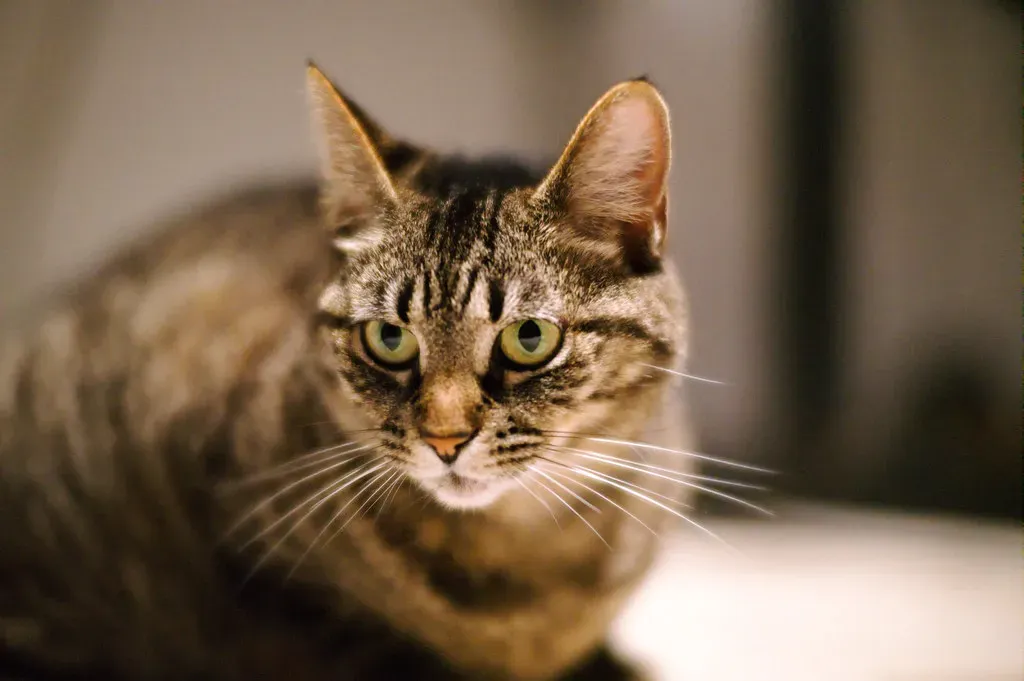
When a cat is feeling stressed, they may have a stiff and tense body held low to the ground. A nervous cat will hold itself tight, with its paws and tail tucked as close to their body as possible and belly protected.
This hunched, guarded position shows your cat feels vulnerable or threatened. They’re making themselves as small as possible to avoid confrontation. It’s the opposite of that relaxed, stretched out happy cat.
Refusing to Eat or Decreased Appetite
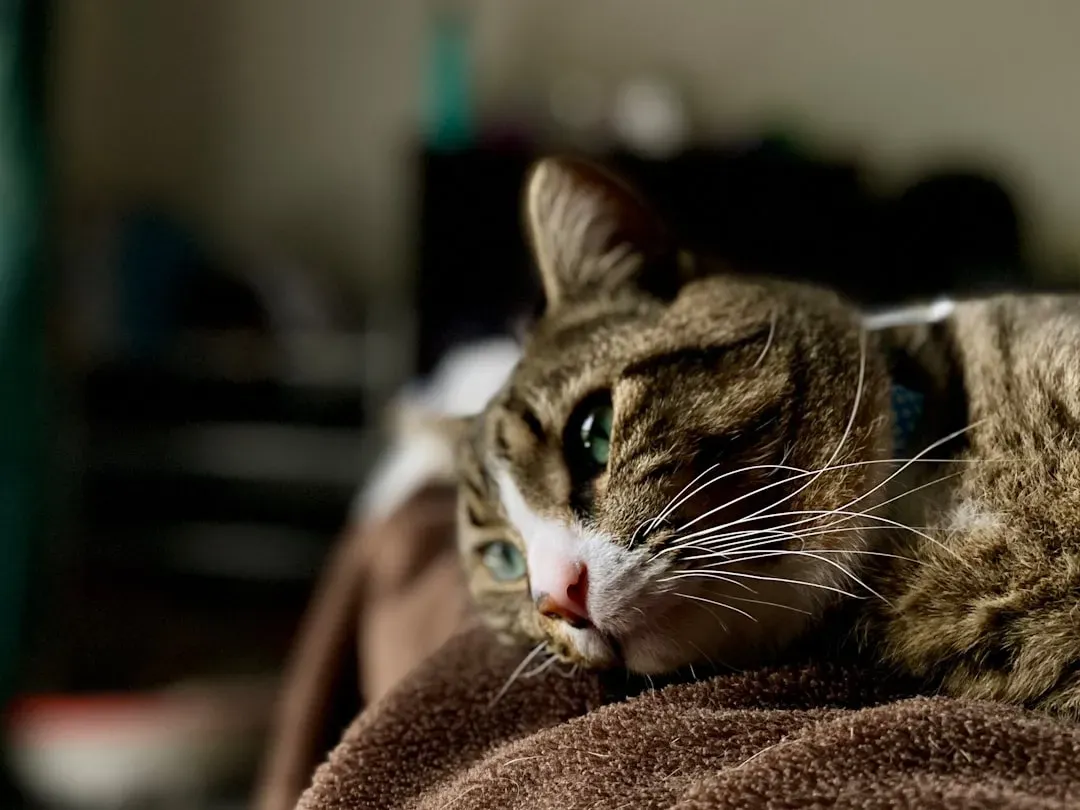
When a cat is upset she may eat less or even refuse to eat at all, often this is a reaction to a new or unfamiliar situation, a change in routine, or a big event at home. However, this can also signal illness, so it warrants close attention.
Keep a close eye on this one, as it can be a sign of illness, and if she won’t eat for more than a day or two, take her to the vet.
Excessive Meowing or Yowling
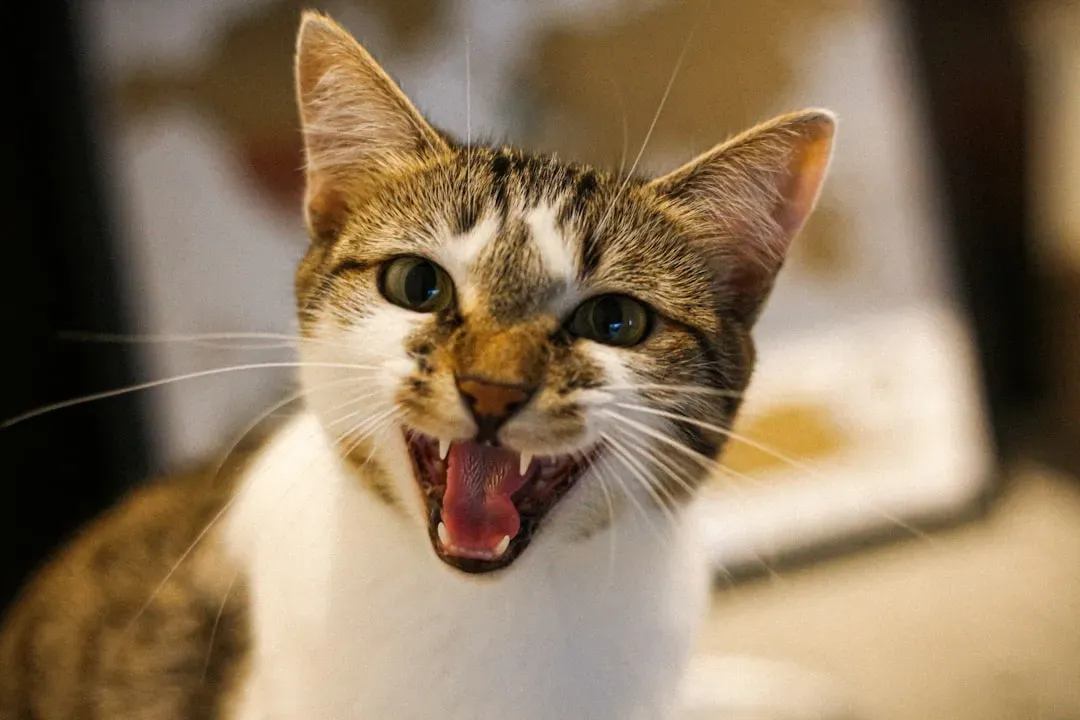
If your usually quiet cat suddenly starts meowing loudly or growling, it could be a sign that they’re unhappy with you. Yowls from an angry cat will be drawn out and low pitched and often given as a warning before they result in biting or scratching.
Cats use different vocalizations to express different emotions. A sudden increase in loud, insistent meowing usually means something is wrong, whether it’s stress, pain, or frustration.
Elimination Outside the Litter Box
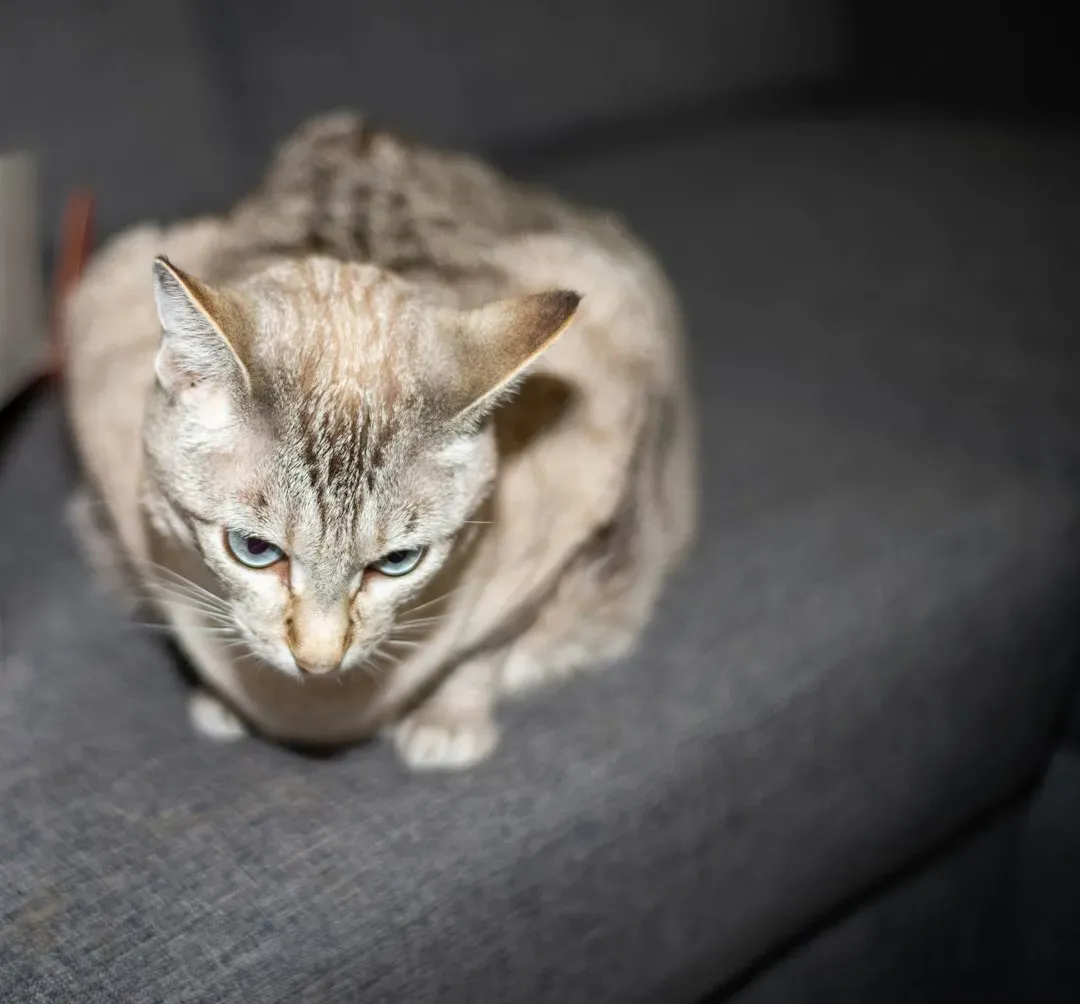
An angry cat most often urinates on soft surfaces like piles of laundry, sofas, or yes, your bed, and it’s a sure sign he’s distressed. This behavior is often misunderstood as spite, but it’s actually a stress response.
It’s important to take care of this problem early, before it becomes a habit, and talk to your vet if you need help stopping the inappropriate eliminations. Never punish your cat for this, it will only increase their anxiety.
Understanding Your Cat Changes Everything
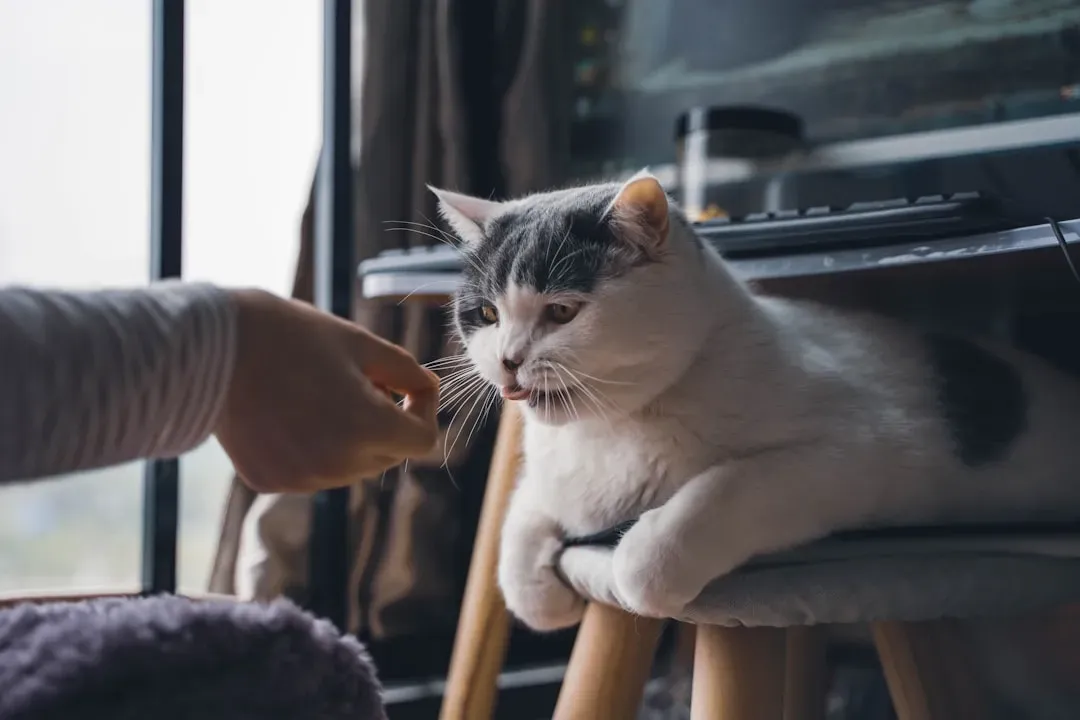
Reading your cat’s emotional cues isn’t just about avoiding scratches or knowing when they want treats. It’s about building a relationship based on mutual understanding and respect. Cats communicate constantly, we just need to learn their language.
The more you observe your cat’s individual quirks and patterns, the better you’ll become at recognizing their emotional states. Some cats are more expressive than others, and what signals happiness in one cat might mean something different in another. Trust your instincts and pay attention to the whole picture, not just one isolated sign.
When you can truly understand what your cat is feeling, you create an environment where they feel safe, loved, and genuinely happy. That’s the ultimate goal for any cat owner. What subtle signs have you noticed in your own cat? The more you watch and learn, the deeper your bond will become.