You probably think of your cat as a creature of mystery. One moment they’re sprawled luxuriously on the couch, the next they’re bolting upright, ears pricked, staring at a perfectly blank wall. You hear absolutely nothing. They, clearly, hear something else entirely.
Here’s the thing – your cat isn’t acting strange. Your cat is simply tuned into a world of sound that you will never fully experience. Their ears are, without exaggeration, biological marvels. Every creak, hum, rustle, and squeak passes through a sensory system so finely engineered it puts even the best human ears to shame. Ready to find out what your cat actually hears? Let’s dive in.
1. The Ultrasonic Squeaks of Mice and Rodents
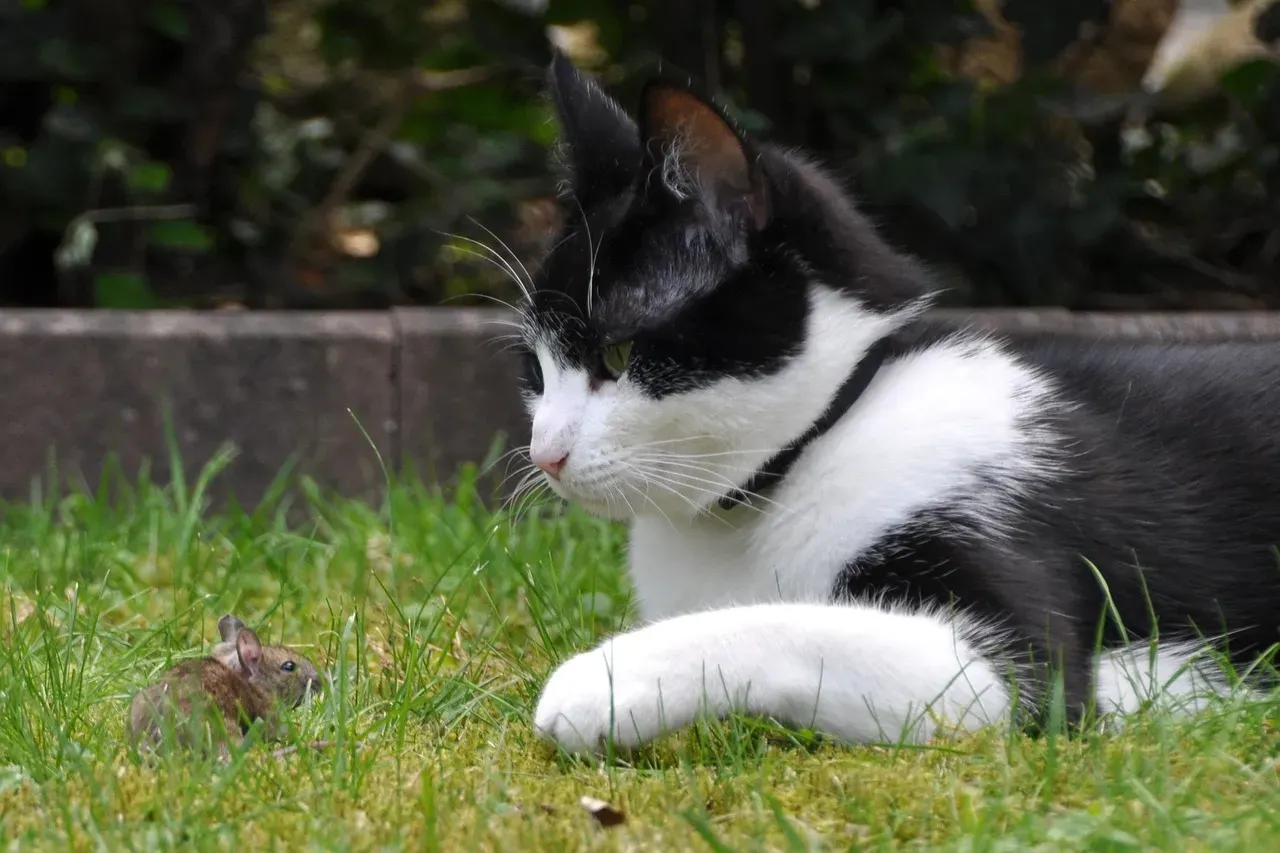
Most people know cats hunt mice. What most people don’t know is how deeply sound, rather than sight, drives that instinct. Being able to hear in the ultrasonic range helps cats hunt small rodents – rats, for example, communicate using ultrasonic vocalizations at frequencies exceeding 19 to 20 kilohertz. Your cat hears those tiny secret conversations, every single one of them.
A cat’s exceptional hearing evolved primarily for hunting success. Their ability to detect ultrasonic frequencies allows them to hear the high-pitched communications of prey animals like mice and rats, which often vocalize above 20,000 Hz. This gives cats a significant advantage in hunting, especially in low-light conditions. Honestly, when you think about it, your cat isn’t mysterious – they’re just operating a highly specialized biological radar system you can’t access.
2. High-Frequency Sounds From Your Home Electronics

Here’s something that might genuinely shock you. Your television, your laptop, your smartphone – they are all, right now, producing sounds your cat can clearly hear and you cannot. Many human-engineered devices produce sound in the ultrasonic range, including cell phones, smart TVs, and security cameras. Some studies have started to measure ultrasonic noise in our environment. High levels have not been found yet, but as more and more devices come online, it is important to monitor levels of ultrasonic sounds, particularly in our homes. Our cats hear at these ultrasonic frequencies, and their health may be at risk.
Inaudible sounds – those we can’t hear – have been found to affect endocrine and cardiovascular function, sleep-wake cycles, seizure susceptibility, and behavior in laboratory animals. In particular, ultrasonic noise has been linked to Feline Audiogenic Reflex Seizures. So the next time your cat suddenly looks agitated near the TV cabinet, consider the possibility that your entertainment system is broadcasting a very unpleasant soundtrack just for them.
3. The Distant Rumble of Thunderstorms Long Before You Notice

You reach for an umbrella when you see dark clouds. Your cat, however, began pacing anxiously an hour earlier. This is not coincidence. Thunderstorms can be highly stressful for many cats. Storms create decibel levels at approximately 120 decibels – almost twice a cat’s hearing comfort zone. In addition to these acute sensitivities, the intense vibration of sound felt through their bodies and paws adds to their agitation.
Think of it like this: imagine if every thunderclap was not just heard but physically felt, twice as loud as anything comfortable, from a much greater distance than you could perceive. Cats can hear sounds from approximately four to five times farther away than humans can. Under optimal conditions, they can detect subtle sounds, like the movement of small prey, from up to 100 feet away. This impressive range gives them a significant advantage both as predators and in detecting potential threats. A distant storm is already deafening to them before you even notice a cloud.
4. The Precise Location of a Single Rustling Sound
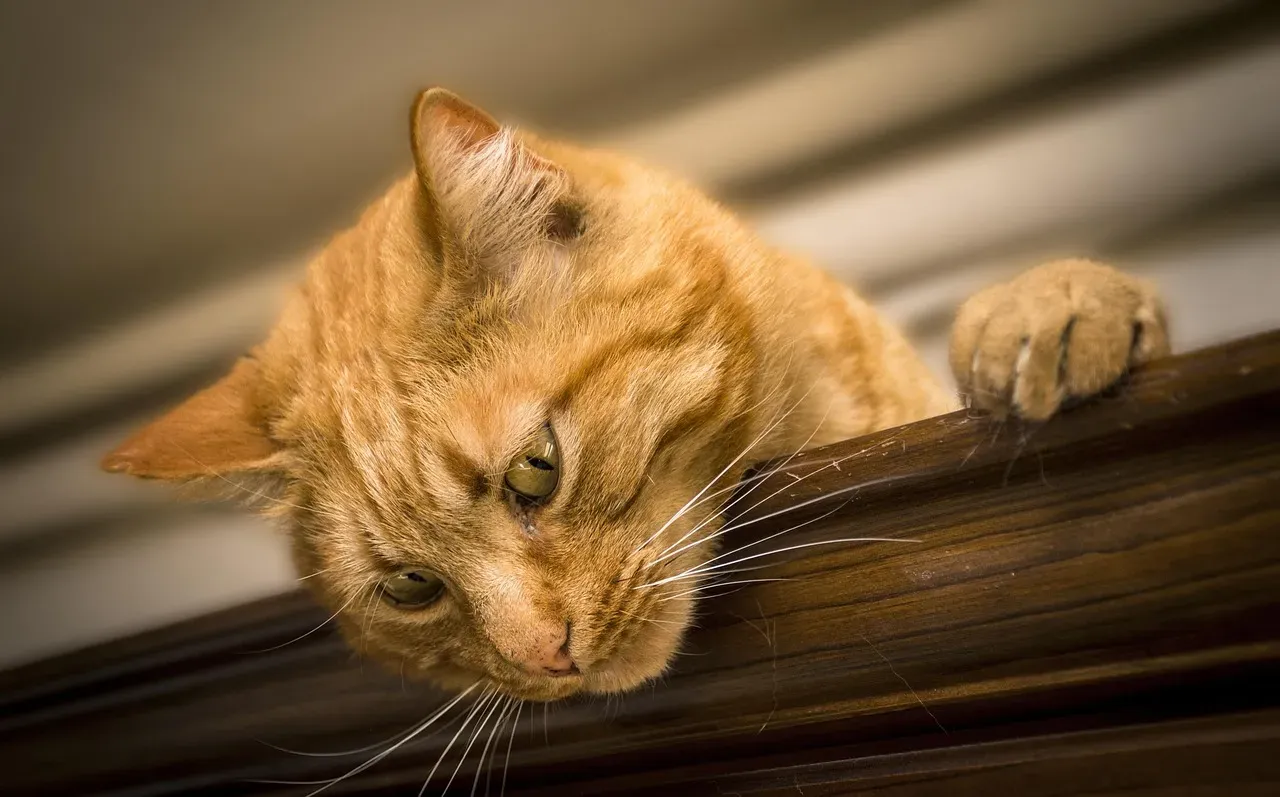
If you dropped a pen behind a couch cushion in a dark room, you’d fumble around looking for it. Your cat would know exactly where it fell. Cats can distinguish between sounds that are just 3 inches apart from a distance of 3 feet, and they can do this in less than 0.06 seconds. This precise directional hearing ability helps them pinpoint the exact location of sounds in their environment. That speed is extraordinary.
Thanks to about 30 sets of muscles – by comparison, humans only have 6 sets – a cat can rotate its pinna up to 180 degrees in order to locate and identify the faintest of noises. Think of their ears as twin satellite dishes, each one spinning independently to triangulate a target. The distance between their ears allows the cat to pinpoint the location of prey. Sounds reach one ear before the other, allowing the cat to compare time and intensity of the signal. The cat then turns its head to orient toward the prey, and its ears move up and down to further fix on the location.
5. The Subtle Differences in Your Own Tone of Voice

You might assume your cat ignores you when you call their name. The truth is far more nuanced. Recent studies have shown that cats not only recognize speech directed specifically at them but can also localize complex sounds in a manner similar to humans. They’re not ignoring you – they are parsing the exact emotional quality of how you said it.
Cats can hear the lower-pitched human male voice at 90 to 155 Hz as well as women’s higher-pitched voices at 165 to 255 Hz. They hear all of it, every inflection, every shift in urgency. They can discriminate between different tones and pitches much better than humans can. So when you’re trying to sound calm while actually feeling anxious, there’s a genuinely good chance your cat already knows you’re bluffing.
6. Ultrasonic Bat Pulses in the Night Sky

On a quiet summer evening, you step outside and hear crickets. Your cat, perched on the windowsill, is hearing something wildly different. Cats can hear ultrasonic pulses that bats use, as well as the sounds of mice and other rodents, and can identify rodents by their squeaks. The night, for your cat, is acoustically alive in a way you simply cannot imagine.
Sounds at a higher frequency than what humans hear are referred to as ultrasound, and this is necessary for the type of prey cats hunt. They can hear ultrasonic pulses bats use, as well as the sounds of mice and other rodents, and identify rodents by squeaks. It’s a bit like your cat wearing a set of professional wildlife monitoring headphones every single moment of the day. No wonder they seem so entertained by seemingly empty corners of the room.
7. The Faint Footsteps of Their Owner Coming Home
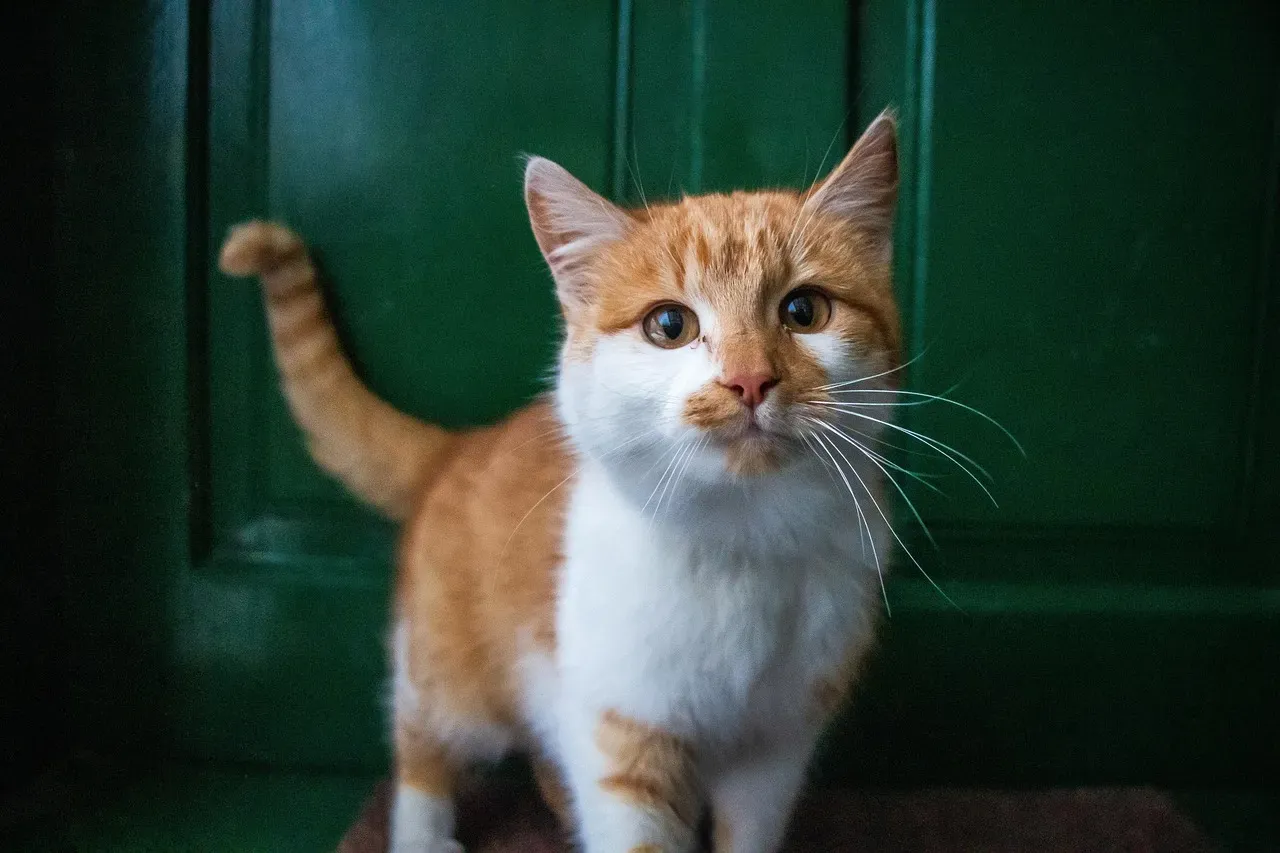
Ever wonder how your cat is always waiting at the door before you even put your key in the lock? It’s not magic. It is not psychic ability. Cats use their super hearing to pinpoint prey, stay safe, and keep track of their owners. If you’ve ever wondered how your cat knows you’re home before you open the door, it’s because they can hear you coming from several feet away.
Your specific footstep pattern, the unique rhythm of your gait, the sound of your particular car engine – all of it is registered and stored. Cat hearing is so good they can hear sounds four to five times farther away than humans. So your arrival is not a surprise to them. They have been listening to your approach for quite some time before you think you’ve arrived.
8. Tiny Pitch Changes That Communicate Emotion
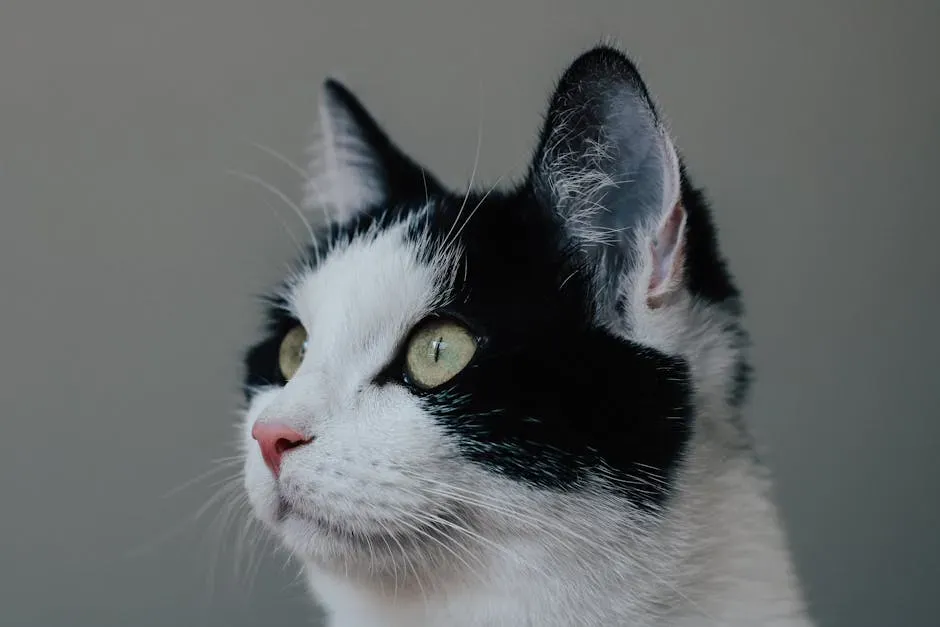
You hear a sound as one note. Your cat hears it as a full conversation. Cats can detect sound variations as slight as one-tenth of a pitch. That level of sensitivity is genuinely staggering. Think about a piano keyboard – a single key has one pitch. Your cat can distinguish between sounds fractionally thinner than the gap between adjacent keys.
Cats can detect the tiniest variances in sound, distinguishing differences as little as one-tenth of a tone. This helps them identify the type and size of the prey producing the noise. In human terms, this means your cat reads the emotional undertone behind every sound they encounter. That slight tremble in another cat’s meow, that micro-shift in a bird’s call – your cat understands all of it with a precision that is honestly humbling.
9. The Hum and Vibration of Household Appliances
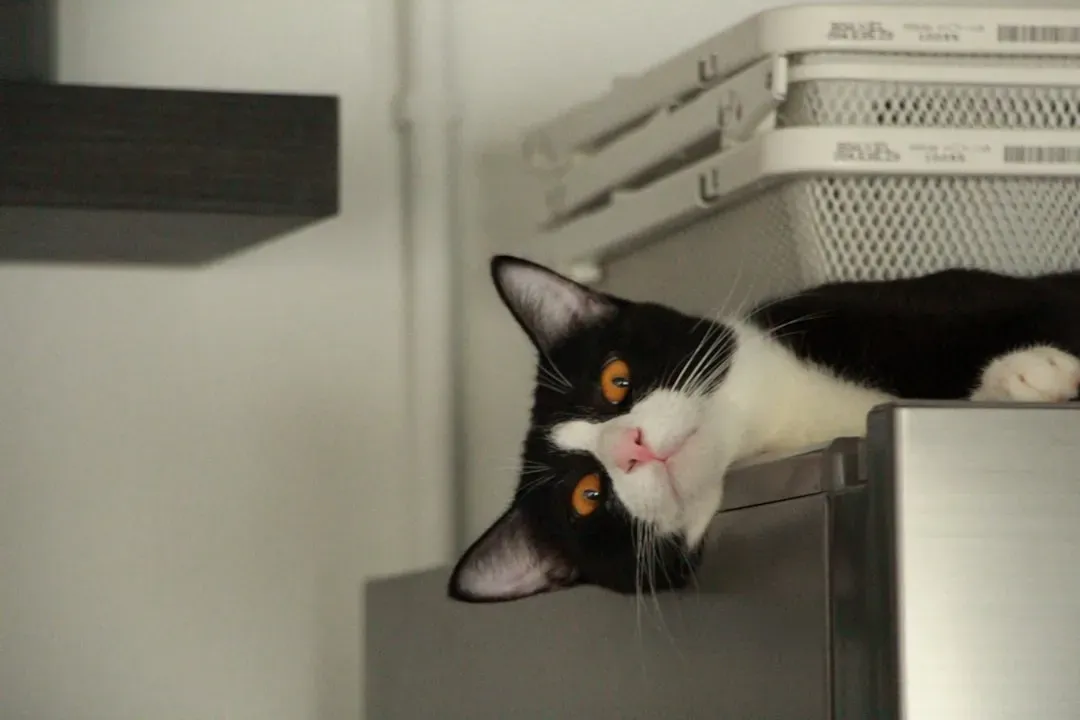
Your refrigerator hums. Your washing machine vibrates. Your router quietly ticks. To you, these are background sounds barely worth noticing. To your cat, each of these appliances is producing its own persistent acoustic signature. If you put your ear to the refrigerator or computer, you can hear the hum and frequencies, and tune into the rumble of trucks on the road and sounds of planes in the sky coming through the window. Now imagine hearing all of that, amplified and sharpened, at all times.
Cats’ specific cone-shaped ears can amplify sound waves up to two or three times for frequencies between 2,000 and 6,000 Hertz. That amplification means appliance hums are not faint background static to a cat – they are loud, present, and constant. In industrialized society, cats often show a significant amount of changes in the ears thought to be due to street noise at around 70 decibels. Your home is, from your cat’s perspective, considerably noisier than you ever imagined.
10. The Distress Calls of Kittens

A mother cat’s bond with her kittens is built heavily on sound, and the precision required to keep those kittens safe is extraordinary. A cat up to 3 feet away from a sound’s point of origin can pinpoint its location to within a few inches in a mere 0.06 seconds. This heightened sense of hearing also enables feline mothers to hear any faint squeals of distress from their kittens. That response speed is the difference between life and danger for a vulnerable newborn.
Auditory signals have greater value to cats for communication than visual ones because they may be exchanged at a greater distance. A cat’s hearing is important for numerous types of communication, such as prey location, parent-young communication, and feline-human communication. I think this is one of the most touching facts about cat hearing – it isn’t just about hunting. It is deeply tied to care, protection, and the keeping of family together.
11. The Emotional State of Other Cats Through Sound Alone
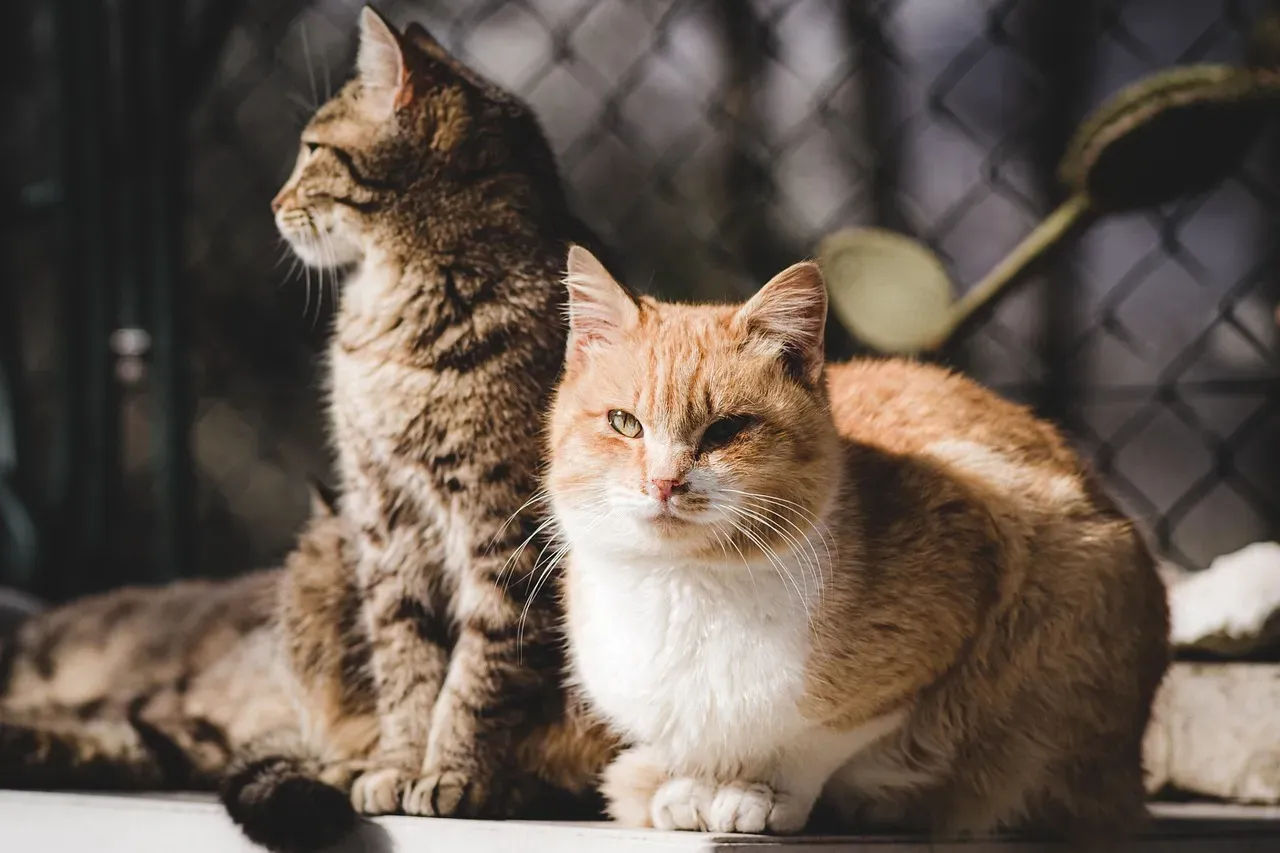
Two cats in separate rooms can communicate their moods to one another through sound alone – and with a clarity humans could never achieve at distance. The variability in ear position also projects information to other cats about the emotional state of the sender cat. Every growl, hiss, or chirp carries layered meaning that is understood by any nearby feline immediately.
Sounds made with the mouth held open in a relatively constant position are usually related to aggression. These include the growl, yowl, snarl, hiss, spit, and shriek. Your cat picks up on all of these nuances in real time. In nature, vocal communication among cats is only used during agonistic, mating, or mother-kitten encounters. Domestic cats employ vocalizations much more frequently when humans are present than during inter-cat communication. That tells you something fascinating – your cat is adapting their sonic communication specifically because of you.
12. Music Frequencies Designed for Their Specific Hearing Range

Here’s something that genuinely surprised me when I first came across it. Cats don’t just passively tolerate music – they respond to it in measurable, physiological ways, but only when the music is tuned to their world. According to a 2015 study by Snowdon et al., cats were more interested in music made specifically for cats than human music. The rhythms of these melodies were based on a cat’s heart rate and walking cadence, their tones were more in the natural vocal and hearing range of felines, and were similar to purring or suckling tones.
Other studies have shown that cats hearing music can help to reduce stress scores. The use of appropriate music can actually have a physiologic benefit to cats. These findings have great value in veterinary medicine when devising treatment plans for cats with anxiety disorders. So if you’ve been playing your playlist for your cat’s entertainment and they walked out of the room, that’s not a judgment of your music taste. It’s simply the wrong frequency range for a very discerning listener.
Conclusion: Your Cat Lives in a Sound World You’ll Never Fully Know
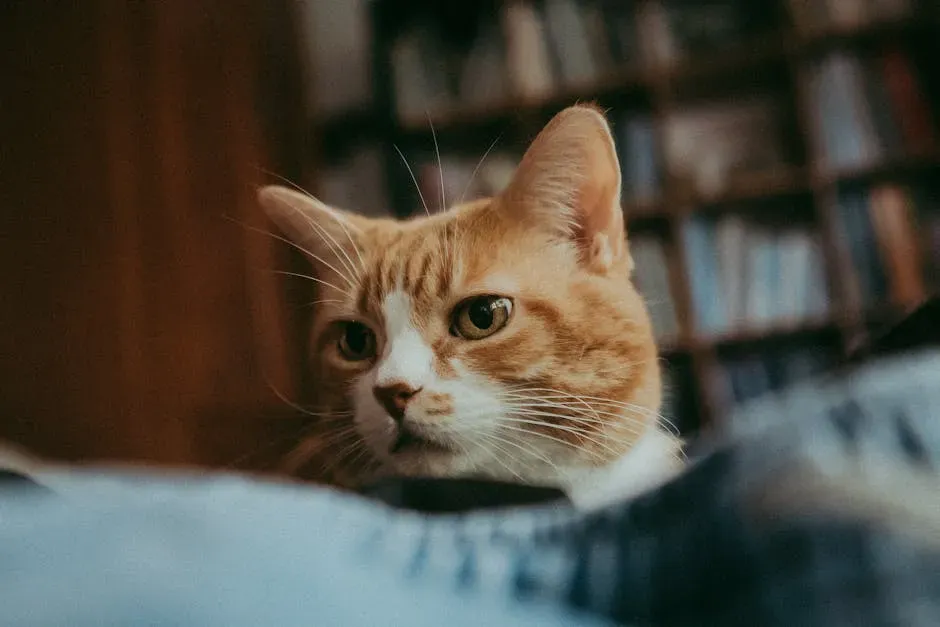
The more you understand about feline hearing, the more that blank-wall stare starts to make sense. Your cat is not confused. Your cat is not broken. Cat hearing is incredibly advanced and differs from human hearing in many ways. They have a broader frequency range, can localize sounds more accurately, and have a sensitivity to small pitch differences that makes them excellent hunters. They simply live in an acoustic dimension richer than anything you have access to.
The hearing range of the cat for sounds of 70 dB SPL extends from 48 Hz to 85 kHz, giving it one of the broadest hearing ranges among mammals. That is not a minor upgrade over human hearing. That is a fundamentally different experience of the world. Every sound you make, every device you run, every storm building in the distance – your cat is already three steps ahead of you in processing all of it.
Living with a cat means sharing your home with a creature whose sensory experience of that home is richer, louder, and more layered than yours will ever be. Honestly, that makes the whole “cats are mysterious” thing a little less mysterious and a whole lot more impressive. What would your daily life sound like if you could hear everything your cat hears? That might be worth thinking about the next time they stare at that blank wall.