There’s something quietly magical about the bond between a cat and an older adult. It doesn’t shout. It doesn’t demand. It simply settles in, warm and steady, and starts to work its gentle influence on everything from your blood pressure to your sense of meaning. Honestly, most people expect cats to be the ones getting the care. What researchers keep discovering, though, is that something deeply reciprocal is happening.
You might think of cat ownership as a lifestyle choice, maybe something sweet and sentimental. Yet the science pouring in from gerontologists, psychiatrists, and animal behaviorists tells a far richer story. From slowing cognitive decline to sparking new social connections, the humble house cat is turning out to be one of the most surprisingly powerful companions an older adult can have. So let’s dive in.
1. Cats Are a Powerful Shield Against Loneliness
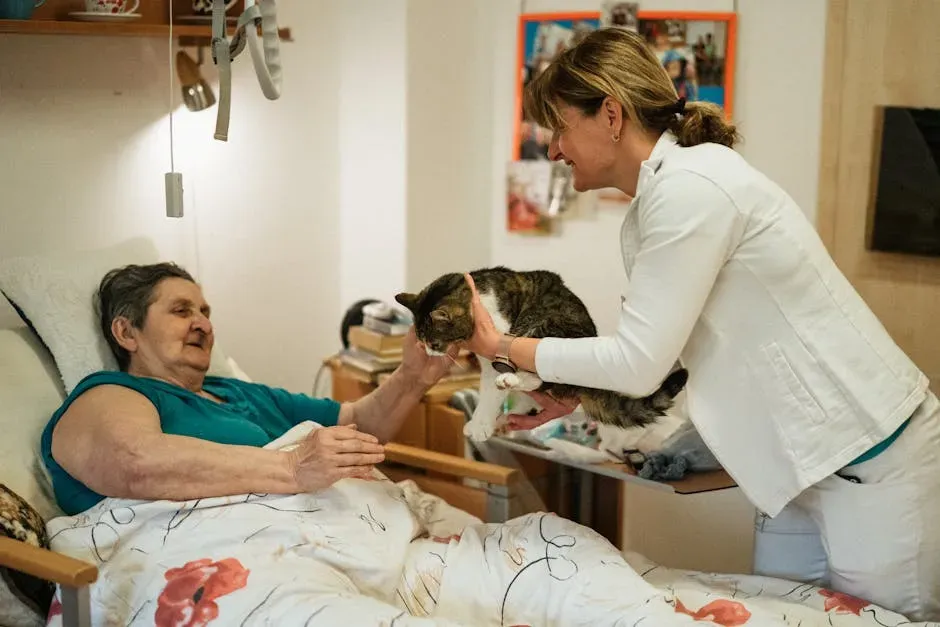
Loneliness in older adults is not just an emotional inconvenience. It’s a serious public health issue, linked to everything from accelerated cognitive decline to early mortality. After four months of fostering a cat, participants in a University of Georgia study showed significant decreases in loneliness scores and improvement in mental health, and over 95% chose to adopt their cats. That’s not just a statistic. That’s a transformation happening in real time, in real homes.
Cats, in particular, offer companionship that is gentle, reassuring, and consistent, especially appreciated by people who prefer quiet emotional connection. For older adults who may have lost spouses, friends, or neighbors over the years, that consistent presence is more than comfort. It’s a lifeline that shows up every single morning without fail.
2. They Help Slow Cognitive Decline
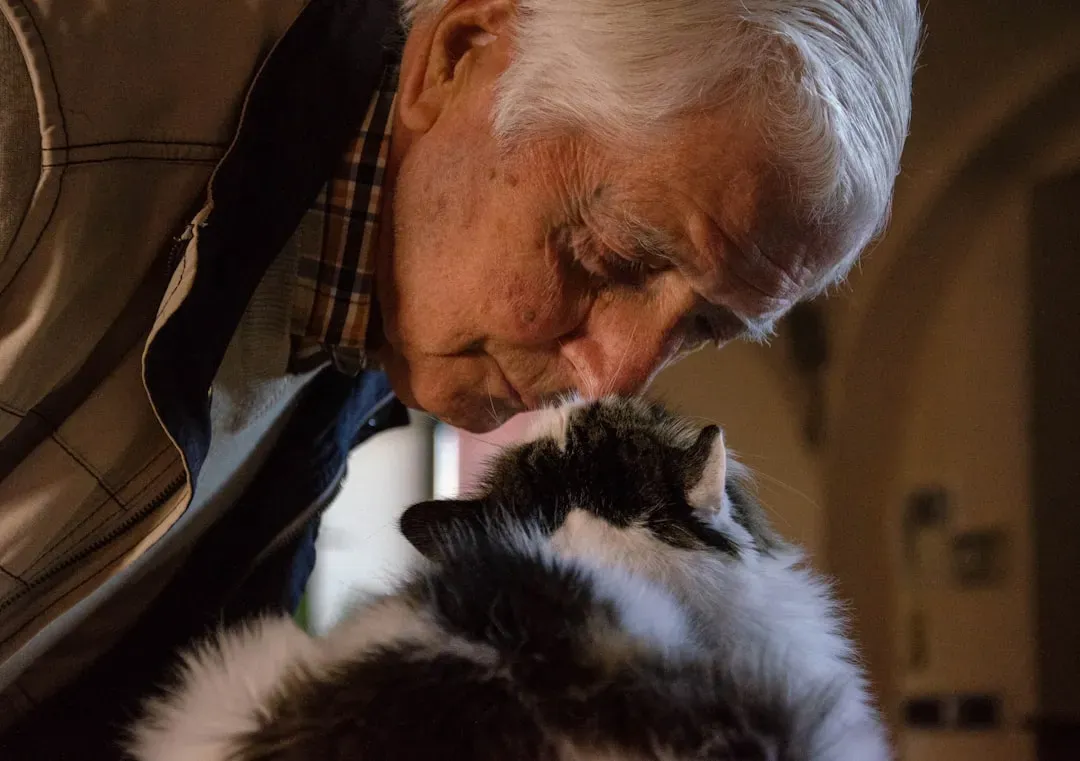
Several recent studies find that pet ownership can help slow cognitive decline and prevent dementia in older adults. In a study of nearly 8,000 older adults published in JAMA Network Open, researchers found that among those living alone, having a pet was associated with a slower rate of cognitive decline, specifically in composite verbal cognition, verbal memory, and verbal fluency. That’s remarkable, considering how many expensive interventions fall short in this area.
Owning a pet could indirectly enhance cognitive and brain health through mechanisms like improvements in well-being, socialization, and decreased stress. Following this logic, owning a pet might indirectly confer protection against age-related declines in cognition. Researchers have also hypothesized that pet ownership might directly benefit cognition by enriching one’s environment and enhancing brain plasticity. Think of it like mental cross-training, only instead of puzzles and apps, you have a small, purring companion keeping your brain engaged every day.
3. The Purr Is Literally Therapeutic
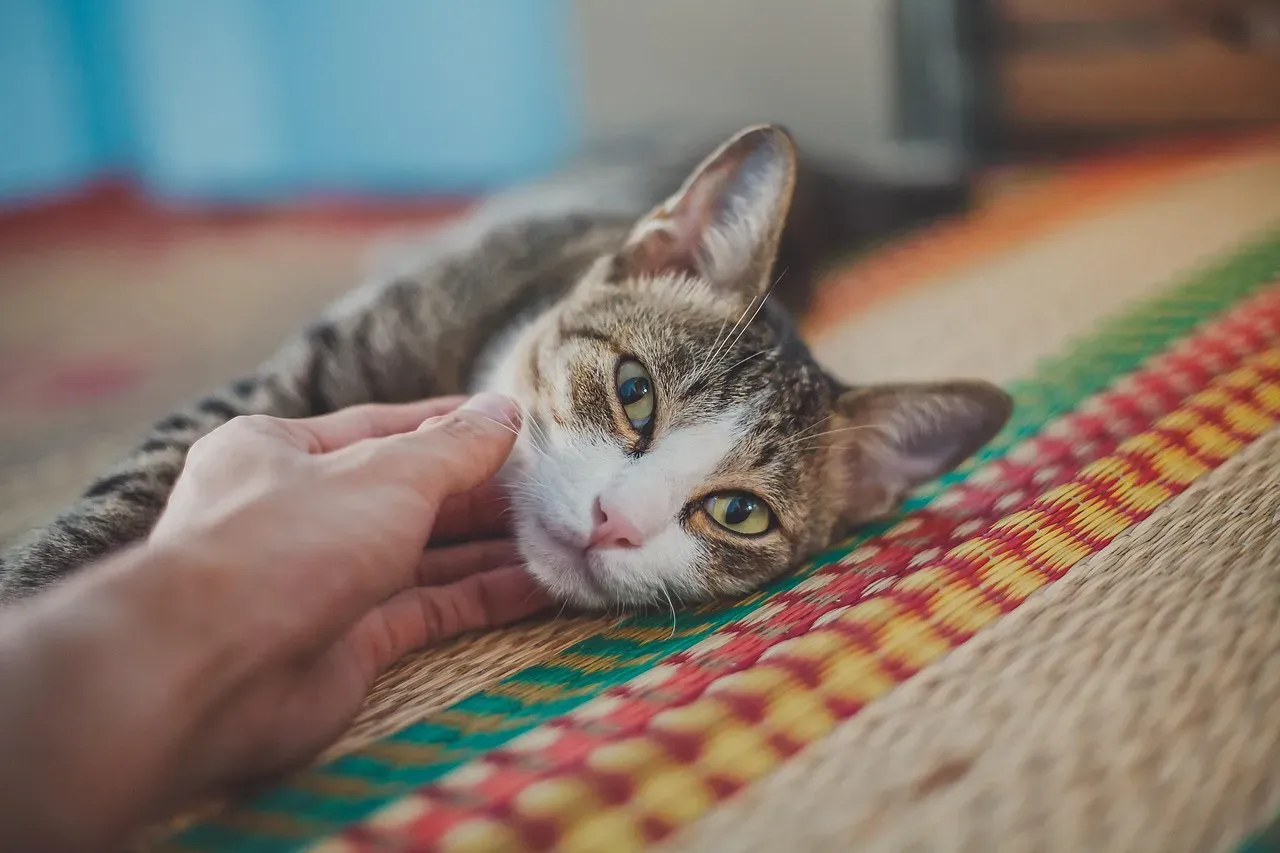
Here’s the thing that still surprises people even when they hear it for the second or third time. That soothing rumble coming from your cat isn’t just pleasant. Research suggests that the frequency of a cat’s purring, typically between 25 and 150 hertz, could have therapeutic effects on the body and mind. That range is the same used in vibrational therapy and physical rehabilitation settings.
A frequency of 25 to 50 hertz can improve bone density, build bone strength, support wound and fracture healing, and stimulate bone fracture repair. It can also provide pain relief and help manage breathlessness and inflammation. For older adults dealing with osteoporosis, joint pain, or chronic inflammation, spending quiet time with a purring cat may offer genuine physical benefits alongside the emotional ones.
4. Cats Support Heart Health in Surprising Ways
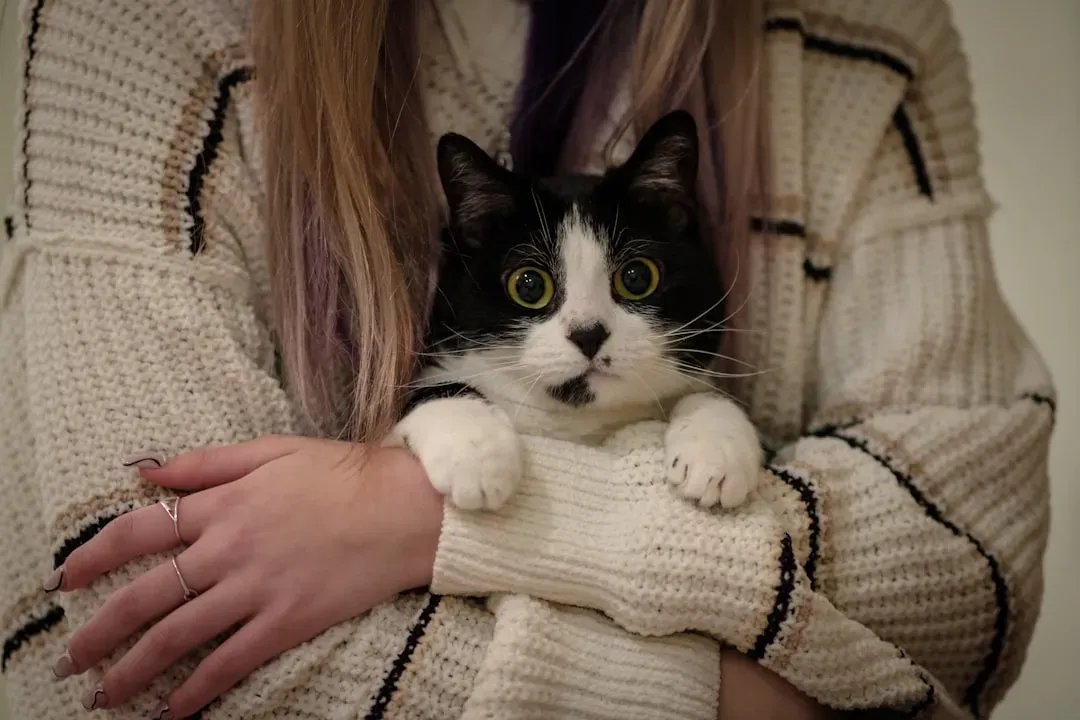
A 2022 study found that cat owners experienced a greater reduction in cardiovascular disease risk factors than other pet owners. That’s a bold finding, and it deserves more attention than it usually gets. While everyone talks about dog walking as heart-healthy exercise, the quiet act of simply living with a cat is quietly doing its own cardiovascular work.
Studies have shown that cat owners are less likely to suffer from heart disease compared to those without cats. The soothing effects of purring help reduce blood pressure, which can lower the risk of heart attacks and strokes. The calming presence of a cat, combined with the rhythmic vibrations of its purr, contributes to a healthier cardiovascular system. It’s a bit like having a built-in, fur-covered stress management system right there on your lap.
5. They Ease Depression and Lift Mood Daily

Research on homebound older adults who own cats found evidence of lower levels of depressive symptoms compared with dog owners. That finding is worth pausing on. The very population most at risk for depression, those who are homebound and isolated, showed measurable improvement through cat companionship. It’s understated, but it’s profound.
The simple act of petting a cat can activate the release of serotonin and dopamine, neurotransmitters that improve mood and relieve anxiety. Cats provide a gentle, reassuring presence that helps people decompress from the pressures of daily life. You don’t need a big dramatic moment to feel better. Sometimes it’s just a cat leaping onto the couch next to you and deciding you’re worthy of its company today.
6. Cats Create Daily Routine and Meaningful Structure

One of the quieter gifts a cat gives an older adult is structure. A cat’s natural tendency to want routine allows you to create a more structured day, helping to increase a sense of control and safety in its predictability. Focusing on them might shift your attention away from any spiraling thoughts, giving you a bit of a mental break. For anyone who has retired, lost a partner, or seen their social calendar shrink, that daily anchor matters enormously.
Caring for a cat can have a therapeutic effect on people with anxiety and depression. Routine tasks like feeding, cleaning, and grooming a cat provide structure to a person’s day. It sounds simple. Honestly, it is simple. But simple doesn’t mean small. That morning feeding routine tells your brain: you are needed, you have purpose, the day has begun.
7. They Reduce Stress and Lower Cortisol Levels
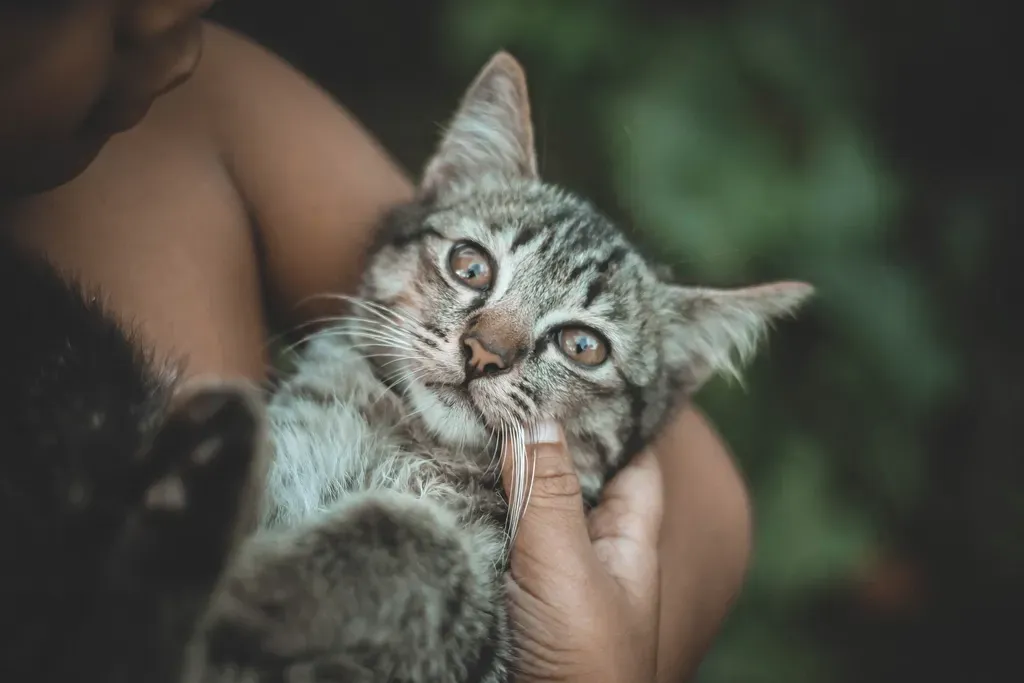
Stress is sneaky in older adults. It accumulates quietly, aggravates chronic conditions, and chips away at immune function. The calming effect of a cat lowers cortisol levels, the stress hormone associated with high blood pressure, and can help alleviate pain, easing chronic discomfort. You get the benefit not from a pill or a clinical program, but from an animal that simply prefers your lap over everything else.
Physiologically, interacting with animals lowers stress hormones like cortisol and boosts oxytocin levels, which promote relaxation, bonding, and positive emotions. Oxytocin, sometimes called the bonding hormone, is the same chemical released when humans hug one another. A cat curling into your chest at the end of the day? That’s chemistry, literally, working in your favor.
8. Cats Foster Social Connection and Conversation
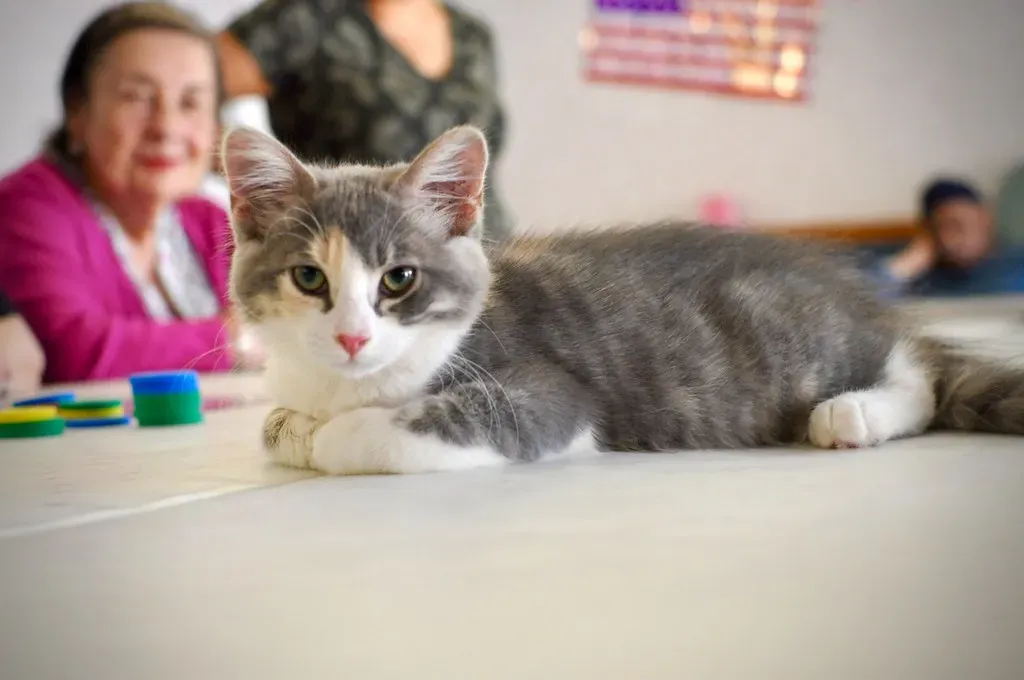
Let’s be real. Cats are fantastic conversation starters. Cats often become a topic of conversation, whether with neighbors, friends, or even strangers. Seniors might find that people are more likely to engage in conversation with them about their cat, which can lead to more frequent and meaningful social interactions. It’s the kind of organic social glue that no senior center program can manufacture.
Having a cat can strengthen relationships with family and friends, as visits might include interacting with the pet. This shared experience can bring people closer together, making visits more enjoyable and memorable. If you’ve ever noticed how a grandchild who seemed too cool to visit suddenly becomes deeply interested in Grandma’s tabby, you already understand this phenomenon perfectly.
9. They Provide an Irreplaceable Sense of Purpose
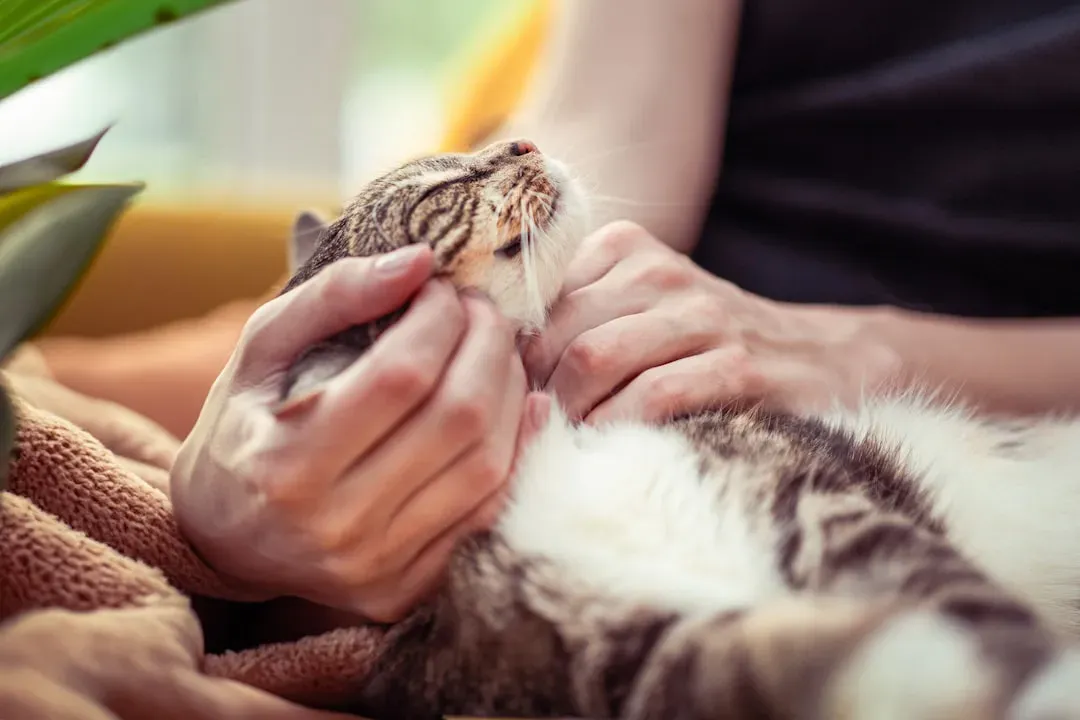
Many elderly individuals experience a loss of purpose as they age, especially if they live alone or feel disconnected from family and friends. Pets provide a renewed sense of responsibility and purpose. It’s hard to overstate what this means psychologically. A sense of purpose isn’t a luxury. Research consistently links it to longer, healthier lives.
Caring for a cat gives owners a sense of achievement and builds confidence. Having a living creature rely on you can strengthen a person’s self-worth. Whether it’s remembering to feed your cat or ensuring it gets playtime, this responsibility reinforces the idea that your actions matter. That might sound like a small thing. For someone who has spent years feeling invisible or irrelevant, it is anything but.
10. Cats Are Especially Ideal Companions for Limited Mobility
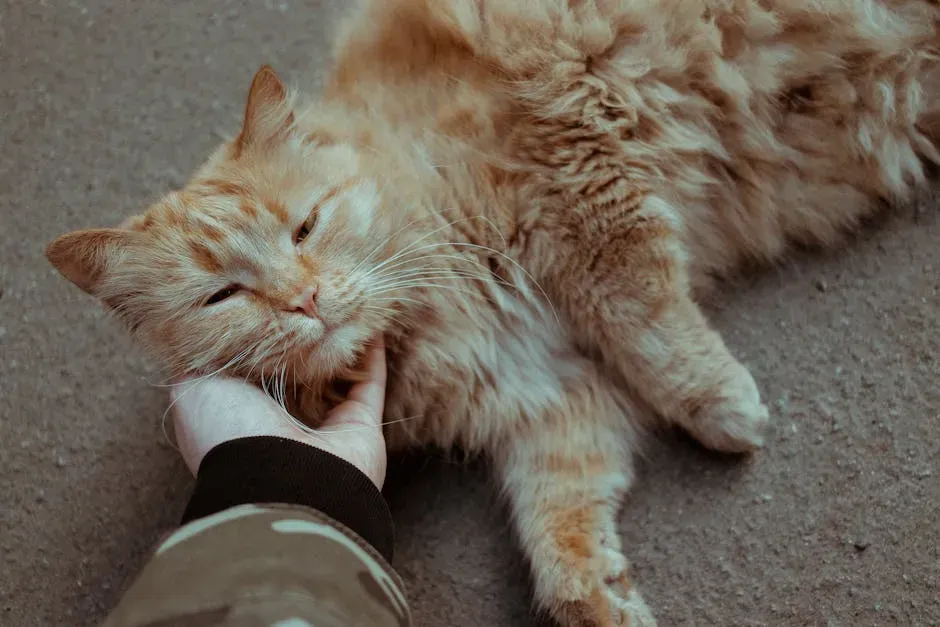
Unlike dogs, cats don’t require outdoor walks in all weather. They don’t demand high-energy interaction. Senior cats are often overlooked in shelters in favor of kittens, yet they offer something uniquely valuable to older adults: calm companionship, predictable routines, and quiet affection. Many senior cats are already litter-trained, less demanding, and content to spend time resting beside their person. This makes them an ideal match for seniors who may live alone or have limited mobility.
Cats improve mental health for seniors by offering companionship without the need for strenuous physical activity. Feeding, brushing, and petting a cat can maintain routine and engagement, both essential to cognitive and emotional well-being. It’s hard to think of another companion animal that fits so gracefully into the rhythms of later-life living. A cat simply adapts, curls up, and stays.
11. They Offer Measurable Benefits for Dementia and Alzheimer’s
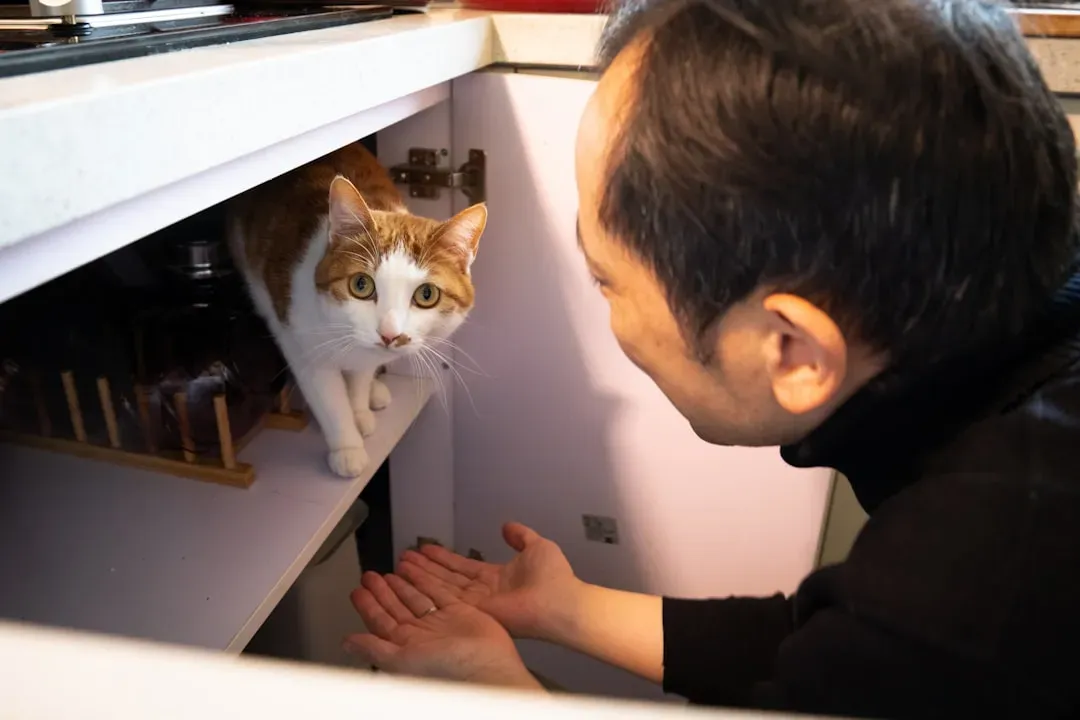
Researchers in Finland followed a group of more than 220 older adults with mild Alzheimer’s who were living in their homes in the community over a five-year period. Over the five years, pet owners had significantly better daily activity function and slower disease progression compared to non-pet owners. The authors conclude that the significant positive effects suggest that having a pet may support daily activity and slow the progression of Alzheimer’s. That’s a genuinely extraordinary result.
Cats provide opportunities for mental stimulation and cognitive engagement. Feeding schedules, grooming routines, and interactive play sessions with toys can help seniors exercise their cognitive abilities and keep their minds agile. For someone navigating the frightening fog of early dementia, the gentle, familiar routine of caring for a beloved cat can serve as a meaningful anchor to the present moment.
12. They Improve Emotional Resilience and Overall Quality of Life

Research shows that older adults can experience physical, emotional, and social benefits from owning or interacting with pets. But beyond the measurable individual benefits lies something harder to quantify: a general uplift in how life feels. The unconditional love and non-judgmental nature of pets create a lasting bond that fosters emotional well-being and mental resilience in seniors. There is no performance required. No conditions to meet. Just love, freely given.
Pet ownership has been found to be associated with positive mental health outcomes, and these benefits may also increase resilience in older adults against mental health disorders, which may positively influence their mental health outcomes. Emotional resilience is arguably the most valuable thing a person can carry into their later years. The idea that a cat, curled purring on a lap, is helping to build it, is one of the more quietly beautiful things science has told us in recent memory.
Conclusion: The Cat on the Couch Is Doing More Than You Think
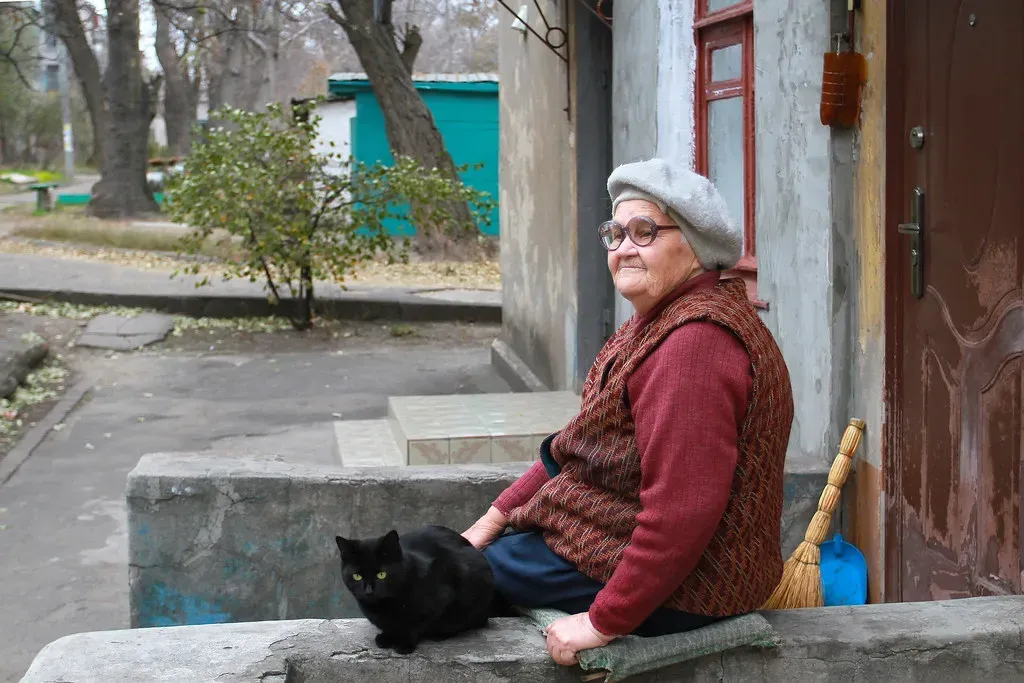
It’s easy to look at a cat napping in a sunny patch by the window and see nothing more than a lazy afternoon companion. But if you’ve read this far, you know that image is only a fraction of the story. Research from 2023 through 2025 shows a consistent, and growing theme: pets offer overwhelming emotional, psychological, and even cognitive benefits to the people who love them. Cats, for older adults especially, are quietly punching far above their weight.
From slowing dementia progression to rebuilding a sense of daily purpose, from lowering cortisol to literally vibrating healing frequencies into aging bones, the ordinary household cat is one of the most underappreciated wellness tools available to older adults today. No prescription needed. No gym membership required. Just a cat, a warm lap, and the willingness to let something small and soft matter enormously to you.
If you have an older adult in your life, or if you are one yourself, maybe the real question isn’t whether a cat can help. Maybe it’s: what are you waiting for? What do you think about it? Share your experience in the comments.