If you live with a cat, you already know one undeniable truth: you don’t own them. They own you. Every corner of your home, every lap, every warm keyboard, every precious moment of personal space has been silently claimed by a creature that weighs roughly as much as a bag of flour. It’s absurd, really. Yet somehow, it’s also the greatest thing in the world.
Cats are unlike any other pet. They operate on their own terms, speak in their own cryptic language, and somehow make you feel deeply honored when they decide to sit near you. Whether you’re a seasoned cat parent or someone newly inducted into the feline cult, there are experiences that only you truly get. Outsiders just don’t understand. Let’s dive in.
1. The Meow Is a Private Language Built Just for You
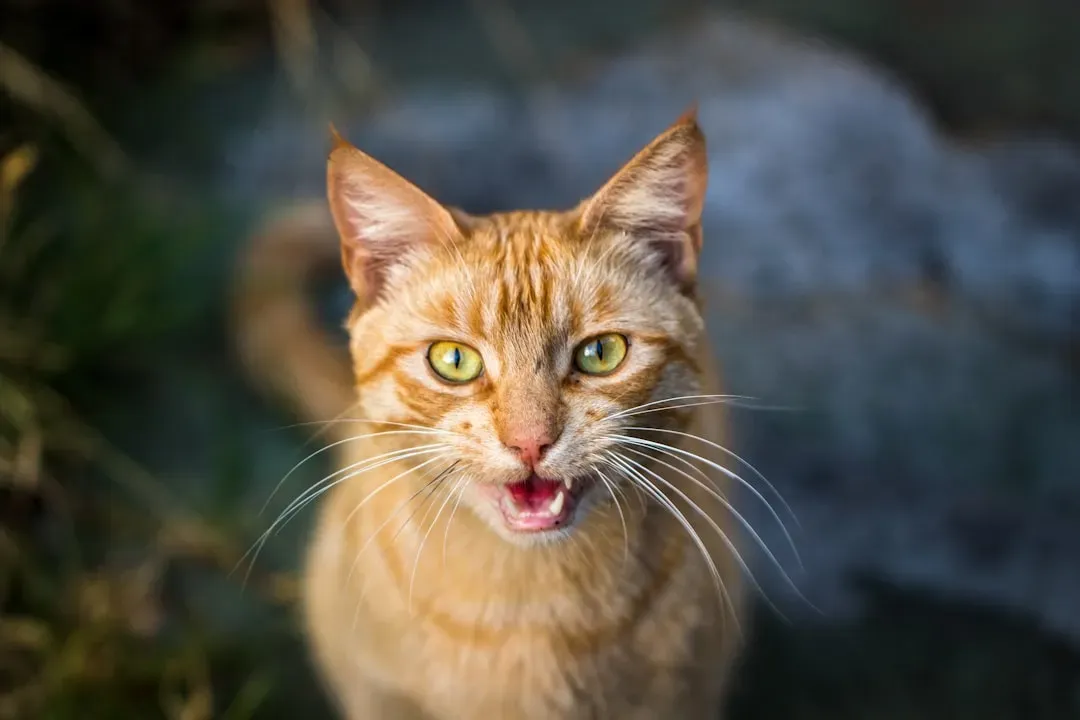
Here’s something genuinely mind-blowing that non-cat people never stop to think about: adult cats don’t actually use meows to talk to each other. Grown cats employ them solely to communicate with humans. That’s right. Your cat basically invented a whole communication system specifically for your benefit. Or, well, for their benefit. Mostly their benefit.
Scientists have identified more than a dozen different meows that cats make, each with its own meaning. More perceptive owners can probably tell a cat’s “I’m hungry” meow from its “I’m bored,” or discern “I’m hurt” from “I’m scared.” Over months and years together, you and your cat develop something genuinely unique, a private vocabulary that no one else in the world speaks.
2. The 3 AM Zoomies Are a Sacred (and Terrifying) Ritual
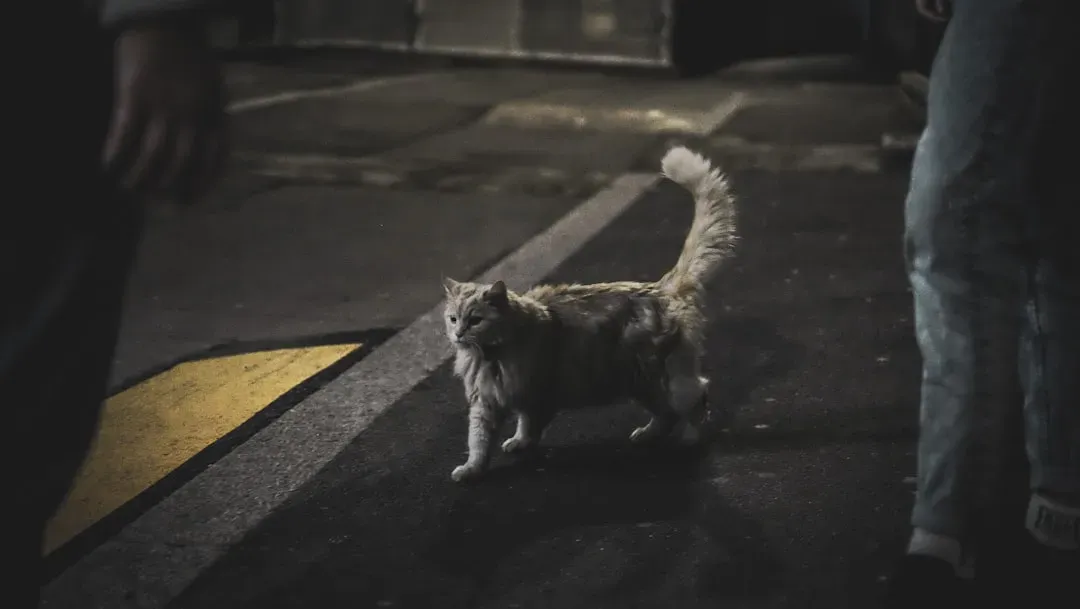
You’ve been there. Dead asleep, buried in your blankets, when suddenly the entire apartment sounds like a small tornado touched down in your hallway. Cats are known for getting the zoomies at dawn. This is probably a time when you’d like to get a little more sleep before your alarm goes off, but this cat behavior comes naturally, and your feline doesn’t care what time your alarm is set for.
Non-cat people think you’re being dramatic when you describe this. You are not. Cats are natural hunters that conserve energy by sleeping most of the day. They’re crepuscular, meaning they are most active during dawn and dusk. So while you’re groggily staring at the ceiling at 3 AM, your cat is simply living its best biological life. You just happen to be there for it.
3. Kneading Is the Highest Form of Love (and Also Slightly Painful)
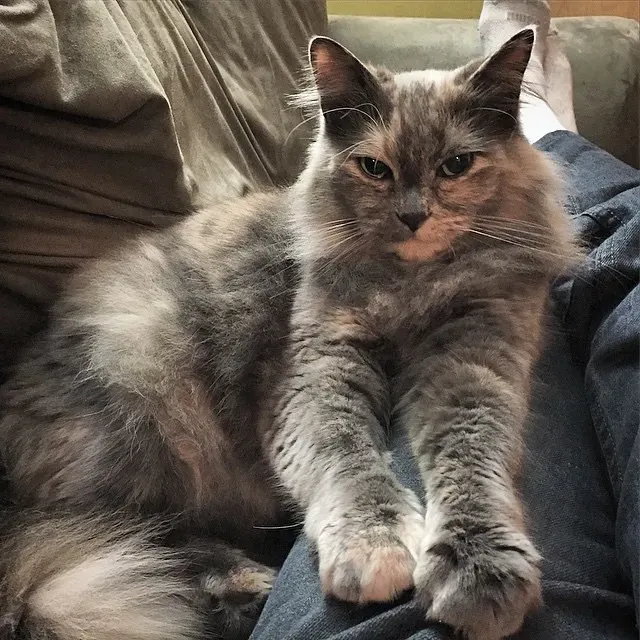
If your cat is kneading you, it’s a sign of affection. This behavior originates from kittenhood when they kneaded their mother’s belly to stimulate milk flow. Adult cats retain this behavior, which is often seen when they’re relaxed or comfortable. So when those tiny needle-sharp paws rhythmically push into your thigh, your cat is essentially telling you that you are a safe, beloved presence. Isn’t that sweet? Through the pain?
The cat may knead while sitting on its owner’s lap, which may prove painful if the cat has sharp claws. Because most of the preferred “domestic traits” are neotenous, or juvenile traits that persist in the adult, kneading may be a relic juvenile behavior retained in adult domestic cats. Kneading is often a precursor to sleeping. Many cats purr while kneading. It’s honestly adorable once you accept that your legs are just a beloved memory-foam mattress to your cat.
4. The Slow Blink Is Your Cat Saying “I Love You”
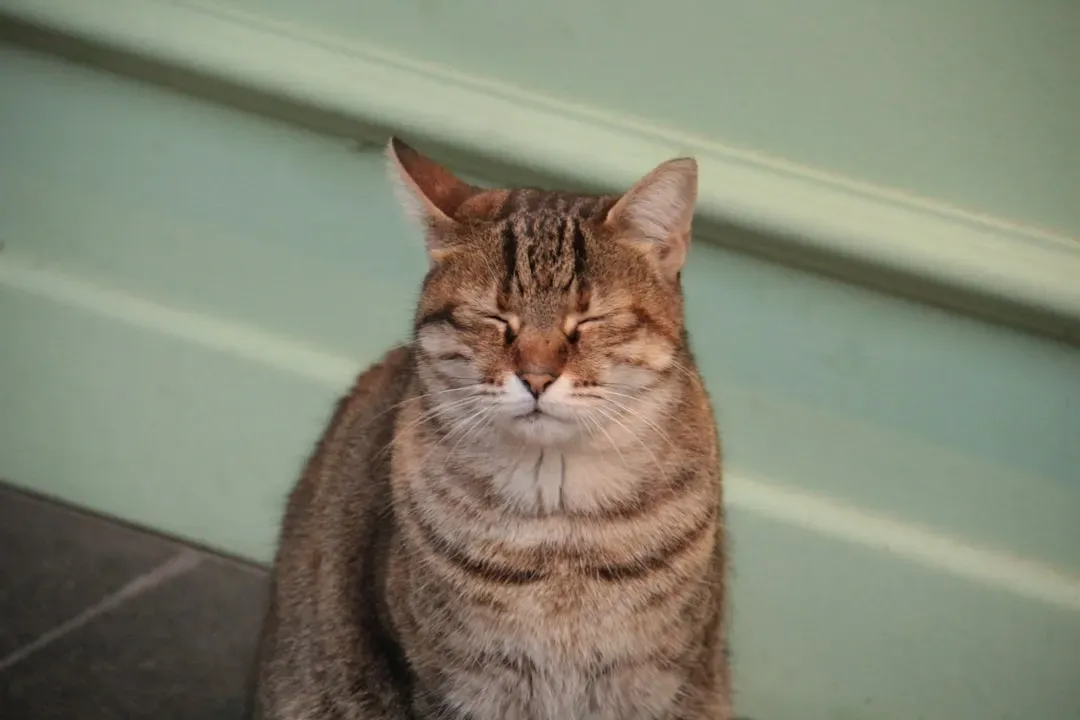
Cat parents know the slow blink. That lazy, deliberate closing and reopening of the eyes that your cat offers you from across the room. It may look like indifference to an outsider, but you know better. When a cat looks at you and then slowly closes and reopens its eyes, it’s a sign of trust and affection. In the feline world, direct eye contact can be seen as a challenge, but a slow blink signals that your cat feels safe and comfortable around you.
Think of it this way: staring in cat language is a power move, a subtle threat. It basically says, “I love you.” Doing the same back is a perfectly valid response, and most cat parents do exactly that. You’ve had entire silent conversations with your cat using only your eyelids. That’s not weird. That’s a deep cross-species bond, and it’s honestly kind of wonderful.
5. The Belly Is a Beautiful Trap You Keep Falling Into
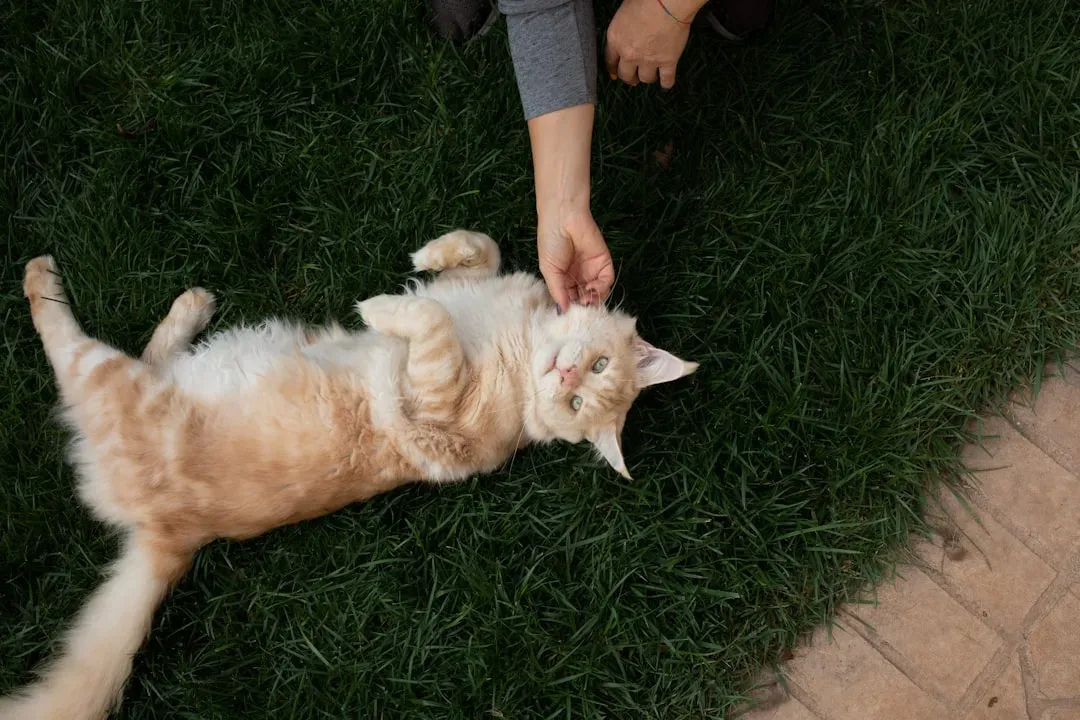
Your cat flops over, rolls onto their back, and exposes that glorious, fluffy stomach. Every rational thought exits your brain. You reach forward. And then it happens. The exposed belly is a sign of comfort and trust, but it is not necessarily an invitation for a belly rub. Many people have touched a cat’s stomach only to have its owner instantly seize up, latching onto their hand with claws and teeth.
Cat parents call this the belly trap, and it gets us every single time. I think every cat owner has a scar somewhere from this exact mistake. The truth is, many people, after they learn that a cat exposing itself feels comfortable, may see a cat with its belly up and think that it’s safe to rub or pet the cat’s belly. It is not safe. It is a gorgeous, irresistible lie. You know this. You will fall for it again anyway.
6. Your Cat Has Claimed You as Territory (Not Just as a Friend)
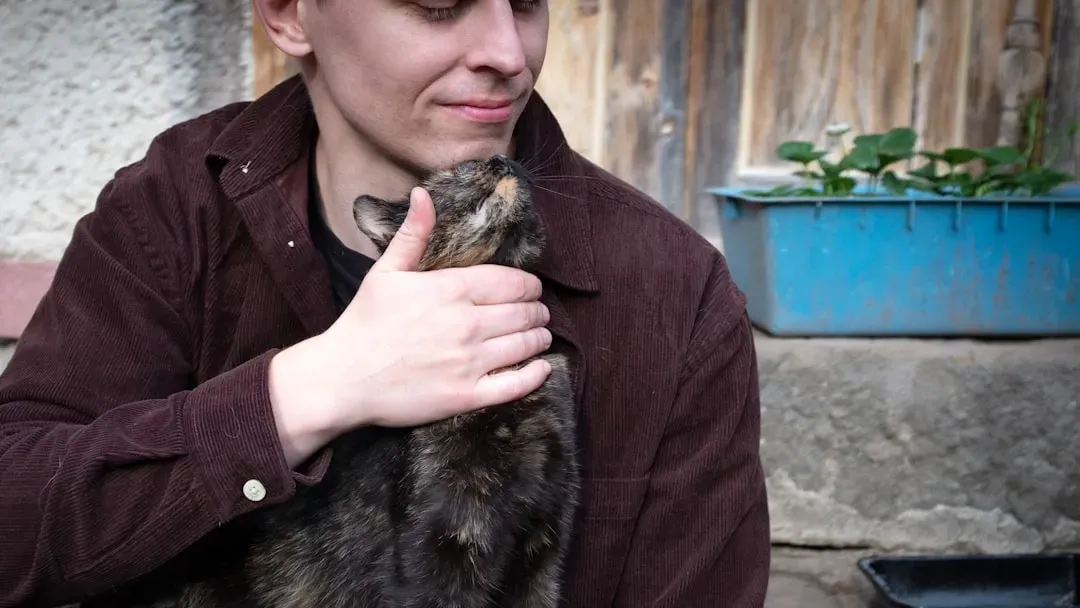
When your cat rubs their face against your leg the moment you walk through the door, you probably think it’s affection. It is, partially. When your kitty rubs their head on you, they are actually doing something that behaviorists call “bunting.” Pheromones are actually being released from the cat’s head and it is their way of showing ownership over you. You are not a friend. You are property. Beloved, well-fed property.
Cats have scent glands on different body parts, such as the forehead, chin, cheeks, and the base of their tails. Rubbing releases pheromones, confirming that you belong to their family. Cats are territorial creatures by nature. They will often mark their territory by rubbing their face against furniture, people, or other objects. This behavior helps them establish their space and feel secure. You, your couch, your favorite sweater, all claimed. All theirs.
7. “Dead Gifts” Are a Compliment, As Disgusting As That Sounds
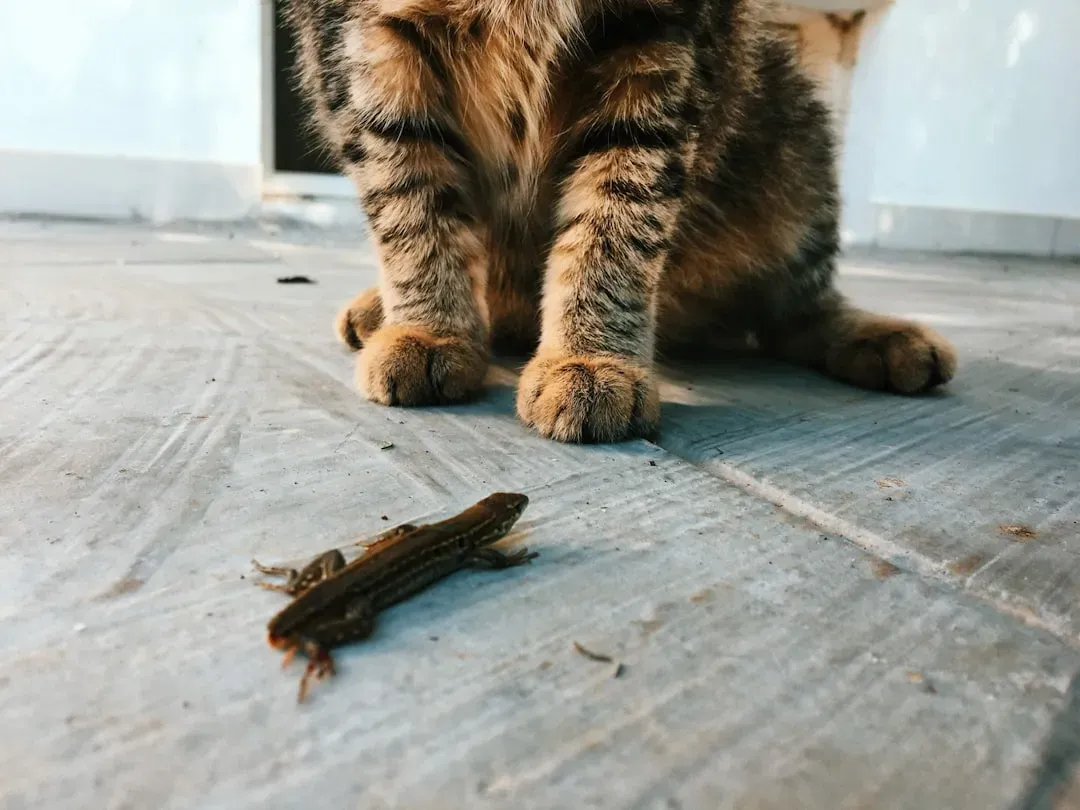
Finding a dead bird on your doorstep is not a threat. Finding a half-eaten mouse on your pillow is not a punishment. Cats have an innate hunting instinct, which can sometimes manifest in them bringing their humans dead birds, rodents, or bugs. This behavior is a way for cats to show their affection and regard their human family as part of their pack. By presenting these items as gifts, cats are demonstrating their desire to contribute to the group’s wellbeing and ensure that their humans are well-fed.
Behaviorists have a few theories on why your cat is persistent in their pursuit of leaving you their kills. Even though this habit may be perceived as a gross one, your kitty is acknowledging you as a member of their group, and is sharing their hunting success with you. They could be thanking you for taking care of them, or perhaps you pay more attention to them when they generously bring you rodents, birds, or insects. So next time you shriek and reach for paper towels, take a moment. Your cat thinks you need to eat. That’s love.
8. Purring Is More Complex Than Anyone Tells You
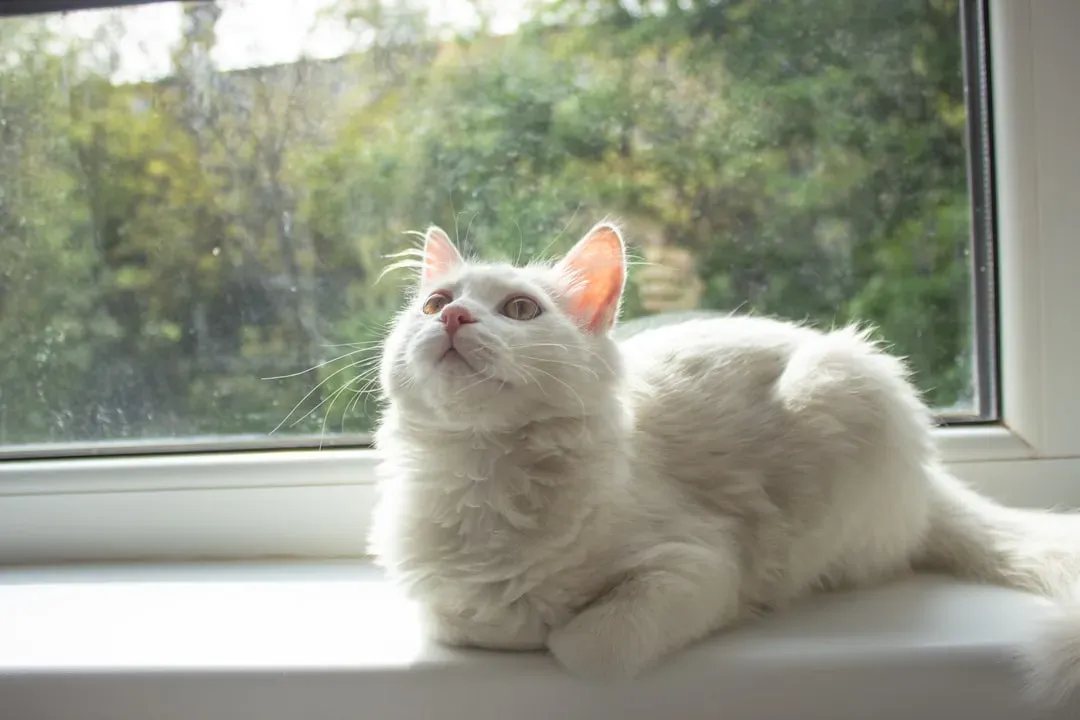
You already know the purr. That deep, vibrating hum that fills the room when your cat is curled up on you. It feels like pure contentment, like everything is right in the world. One of the most recognizable and common cat behaviors is purring, a soft, rhythmic sound that cats produce when they are content. While cat purring is almost always associated with happiness, there are times when it can have other meanings, such as anxiety and discomfort.
Here’s what makes it even more fascinating: purring is also linked to stress recovery and healing. It may be a brainstem-triggered reflex to comfort and regulate pain, respiration, or even bone healing. So your cat’s purring, those moments you assumed were just happy naps, may actually be a kind of self-medication. Purring is generally a sign of contentment, but it can also indicate pain or stress. Paying attention to context is everything when you live with a cat.
9. Your Cat Has a Smarter Brain Than Most People Realize
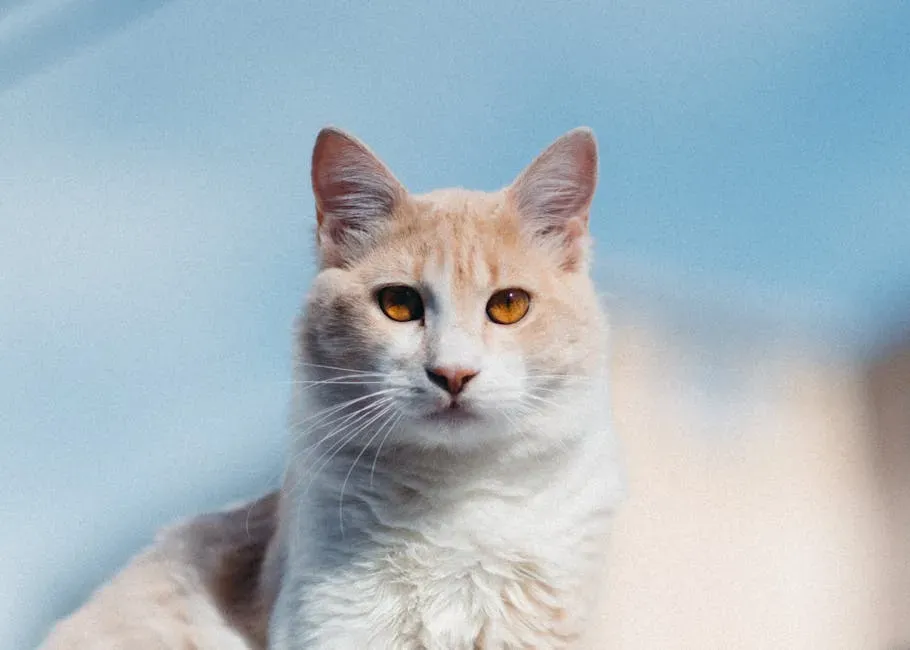
Let’s be real, cats get underestimated constantly. People assume they’re just aloof, low-maintenance decorations. The cerebral cortex of a cat has up to 300 million neurons, compared to about 160 million in dogs. More neurons often correlate with greater cognitive processing power, especially in problem-solving and memory retention. That little creature staring at you from the windowsill is not empty-headed. Far from it.
Cats use observational learning, watching humans and other cats to mimic behaviors. A 2024 study found that cats could associate nonsense words with images faster than infants. They’re much smarter than we give them credit for: they learn what works with what person. They know if one member of the family is prone to get up at 4 AM and give them some treats. Your cat is not randomly meowing at you. They are executing a strategy.
10. The Chirping at the Window Is Pure, Unfiltered Hunting Drama
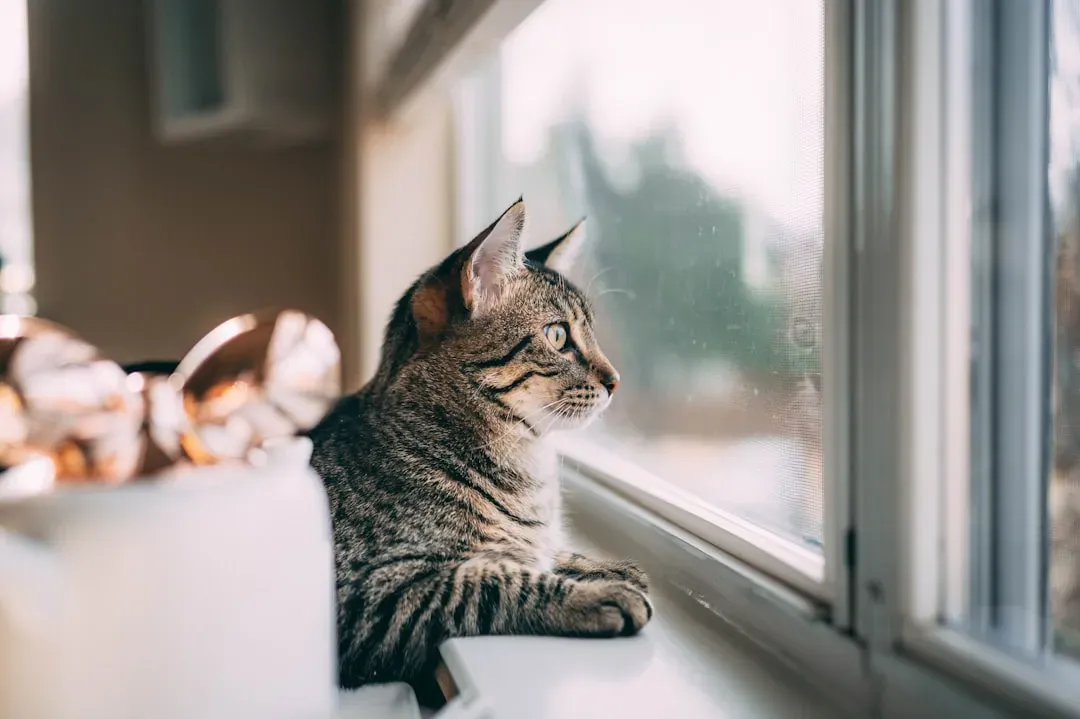
Every cat parent has witnessed this scene: your cat is on the windowsill, completely locked onto a bird outside, and suddenly produces this strange, stuttering, rapid clicking sound from their jaw. It’s equal parts hilarious and oddly intense. A cat’s chirp tends to mean one of two things: its hunting instincts are activated as it spies a bird, bug, mouse, or toy. Likely this type of chirping is accompanied by its tail twitching back and forth and dilated pupils.
The chirp is your cat’s version of a very passionate play-by-play commentary on prey it cannot actually reach. When cats encounter prey, they try to make themselves as quiet and as small as possible, to avoid their prey running from them. Before pouncing at the prey, they push their behinds up into the air and “shake” them with their head low to the ground. The ritual is ancient. Cats stalk and pounce because these behaviors are deeply ingrained instincts, even for those who have never hunted live prey. Your indoor cat is still, fundamentally, a tiny apex predator.
11. They Actually Dream About Their Days (Including You)
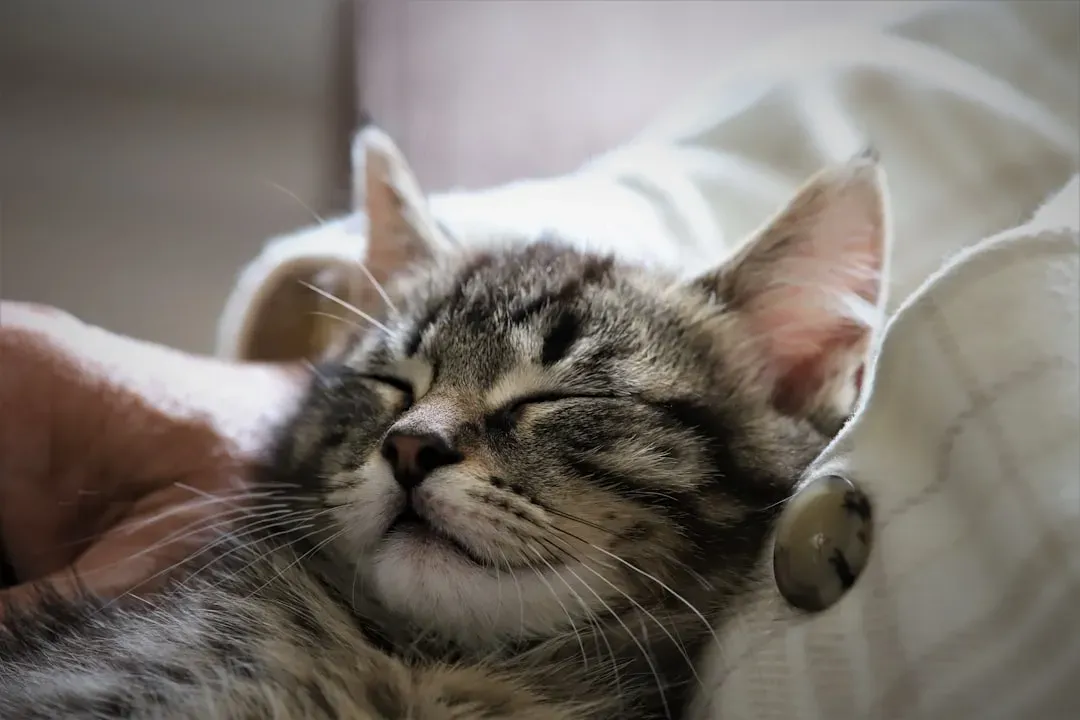
You’ve seen it. Your cat is deeply asleep, paws twitching, whiskers flickering, making tiny muffled sounds. They’re not just resting. EEG studies show cats enter REM sleep and may dream about hunting, playing, or socializing. Twitching during sleep is often a sign of this dream phase. Somewhere in that fuzzy little skull, your cat is running through fields, chasing phantom birds, maybe even interacting with a version of you.
Our kitties experience rapid eye movement, a sleep stage that, in humans, is clearly associated with dreams. A prominent dream researcher theorizes that animals’ dreams reflect on their daily experiences, maybe catching frisbee in the park or snuggling up with a friendly human. So yes, there’s a genuine scientific chance your cat is dreaming about you right now. Or about that squirrel from Tuesday. Either way, they’re living their best life, eyes closed, paws going.
12. Your Cat Can Actually Read Your Mood (They Just Don’t Always Act on It)
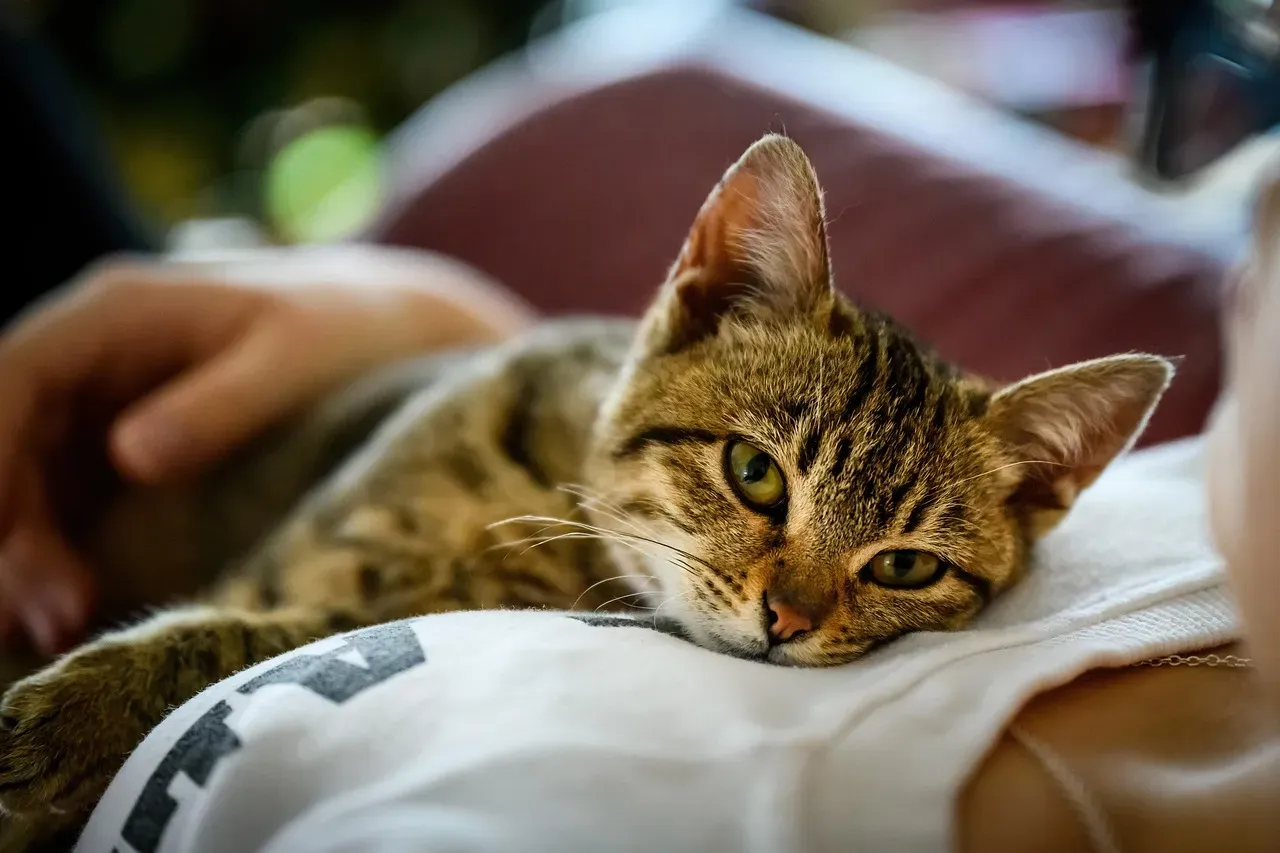
On your hardest days, you may have noticed your cat doing something unusual: sitting closer, purring louder, pressing their warm body against you with more intention than usual. That’s not a coincidence. Cats can recognize human facial expressions and vocal tones, adjusting behavior accordingly. Your cat is genuinely reading you, taking stock of your emotional state, and sometimes choosing to respond.
Cats learn specifically how their owners react when they make particular noises. So if the cat thinks, “I want to get my owner from the other room,” it works to vocalize. They use straightforward learning. Studies have shown that cats provide many physiological and psychological benefits for the owner. Owning a cat can reduce your stress and blood pressure. Studies have shown that simply petting a cat can lower your heart rate and induce a calming effect, which is beneficial for your health. Your feline ruler may act indifferent, but they are paying very close attention. Always.
Conclusion: Life Under Feline Rule Is Surprisingly Fulfilling
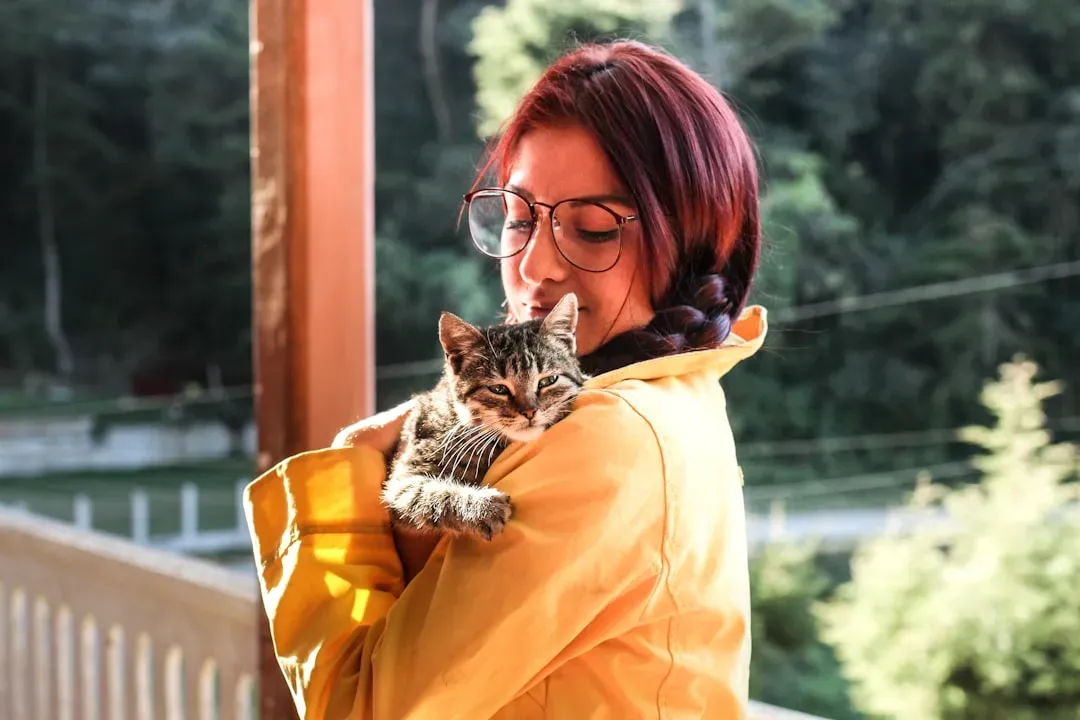
Living with a cat is one of the strangest, most surprisingly deep relationships a human can have. You learn patience from a creature who operates entirely on its own schedule. You learn to communicate without words. You learn to read tiny signals, a flick of a tail, a slow blink, a specific meow, and eventually you speak a language that no one else in your life understands.
Cats have been sharing our lives since about 9,500 years ago, and yet they remain endlessly complex and wonderfully mysterious. Science is still catching up. Scientists are even building a comprehensive cat database called Darwin’s Cats, aiming to enhance our understanding of feline behavior and genetics. The more we learn, the more extraordinary these creatures turn out to be.
So the next time your cat ignores you for three hours and then sits directly on your face at 4 AM, just remember: this is the relationship you signed up for. And honestly? You wouldn’t change a thing. What does your cat do that only fellow cat parents would truly understand? Tell us in the comments.