There is something undeniably magnetic about sharing your home with a cat. Whether it is the way they curl into a perfect spiral on the sunniest corner of the sofa, or the quiet intensity they bring when they stare at you like they are solving a deeply complicated equation, cats are simply fascinating creatures. They have lived beside humans for thousands of years, and yet they remain wonderfully misunderstood.
Most people assume cats are cold, indifferent, or purely self-serving. Honestly? That reputation could not be more wrong. Beneath that mysterious exterior is a companion capable of deep loyalty, emotional attunement, and even healing. If you have ever doubted whether your cat truly cares about you, what follows might completely change your mind. Let’s dive in.
1. Your Cat Speaks a Language Made Just for You
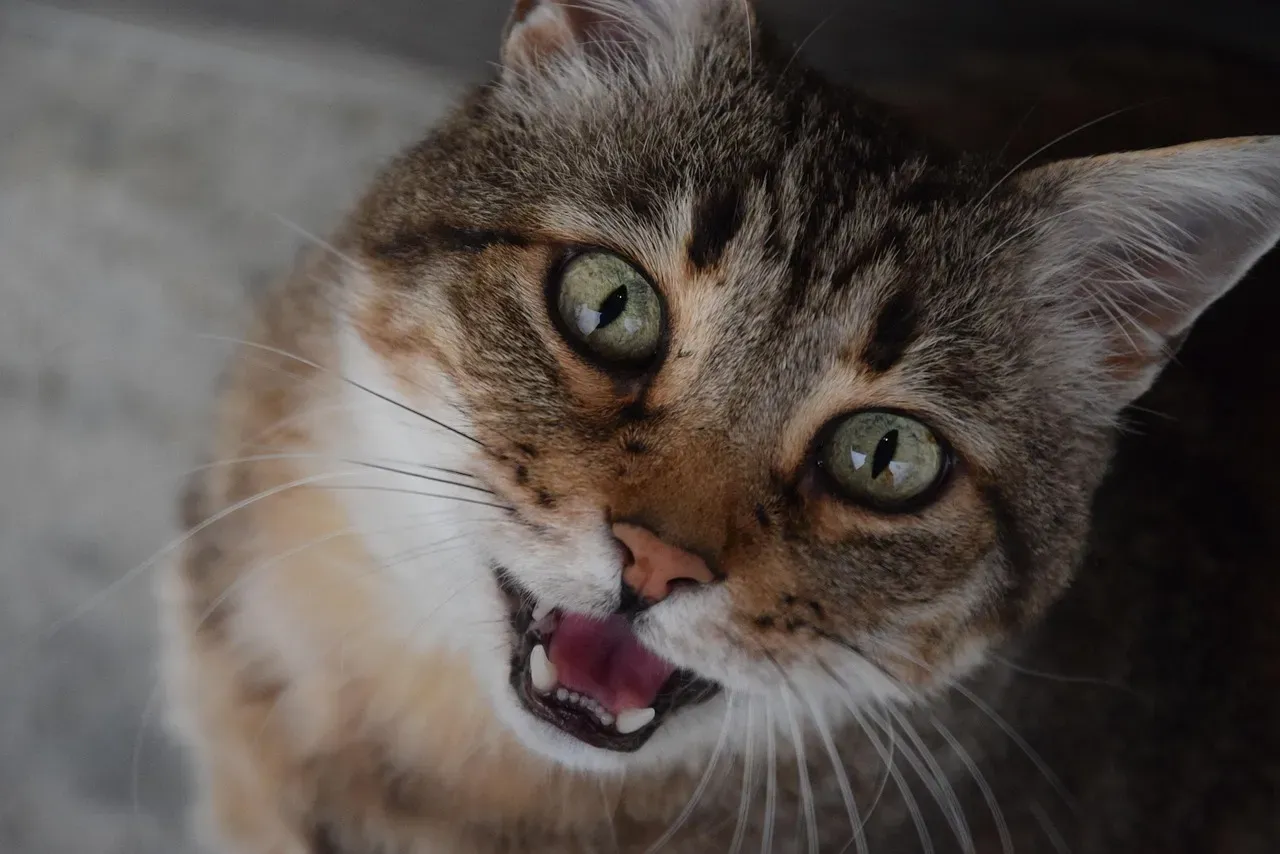
Here is a wild fact most people overlook: your cat does not meow at other cats. While dogs bark at everything, cats reserve their meows mainly for people. Think about that for a moment. That vocal little ritual your cat performs every morning is a private communication channel developed specifically for human interaction.
Cats boast over 100 unique vocalizations, and most of them are aimed at getting a human’s attention. Each chirp, trill, yowl, and soft mew is calibrated to get your attention, express a need, or simply let you know they are present. If you pay close enough attention, you will start to notice your cat has a specific sound for “feed me,” another for “I want to play,” and a third reserved for pure, unbothered greeting. You are learning a language. A very feline one.
2. They Form Deeply Secure Attachments to You
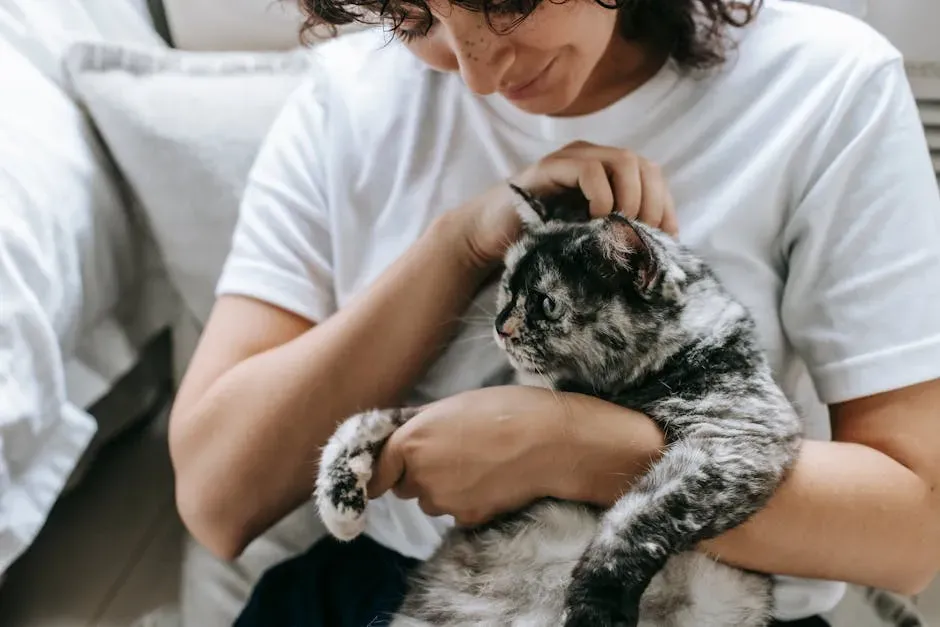
The idea that cats are solitary loners who simply tolerate human presence is one of the great myths of pet ownership. Science is slowly approaching proof of what many cat lovers already know: cats form close bonds with their owners or other chosen special people. The research here is surprisingly rich and genuinely moving.
Of the kittens studied, roughly two thirds were classified as securely attached to their owners. Of the remaining group, most showed ambivalent attachment behaviors. That mirrors the same attachment patterns seen in human infants bonding with caregivers. In other words, the majority of cats view their owners as a source of comfort and security just like dogs do. So do not let your cat’s “independent” behavior fool you – your cat is far more attached to you than you think.
3. Their Purr Is Literally Healing
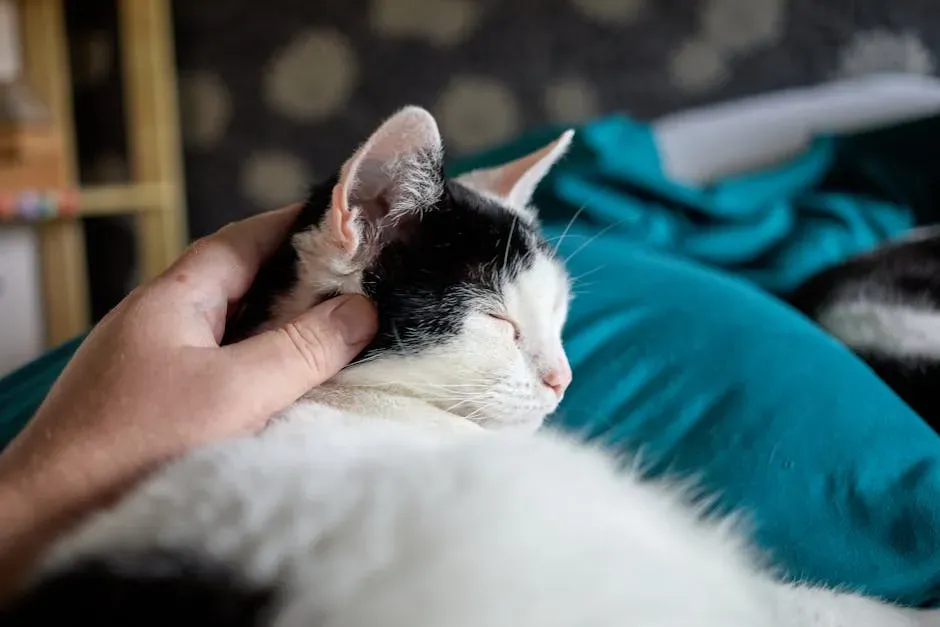
This one genuinely surprised me when I first read it. Your cat curled up on your chest, purring away, is not just offering warmth and comfort. There is actual science happening. Research suggests that the frequency of a cat’s purring, typically between 25 and 150 hertz, could have therapeutic effects on the body and mind. That range is not random. It aligns with frequencies used in medical sound therapy.
According to studies, a frequency of 25 to 50 hertz like that of a cat’s purr can improve bone density, build bone strength, support wound and fracture healing, and stimulate bone fracture repair. It can also provide pain relief and help manage breathlessness and inflammation. Meanwhile, the soothing vibrations of a cat’s purr can help regulate the autonomic nervous system, which controls involuntary bodily functions like heart rate and breathing. By lowering stress and triggering the body’s relaxation response, purring promotes a sense of calm, balance, and emotional well-being. Having a living, breathing sound therapy machine on your lap is genuinely extraordinary.
4. They Are Masters of Self-Sufficiency
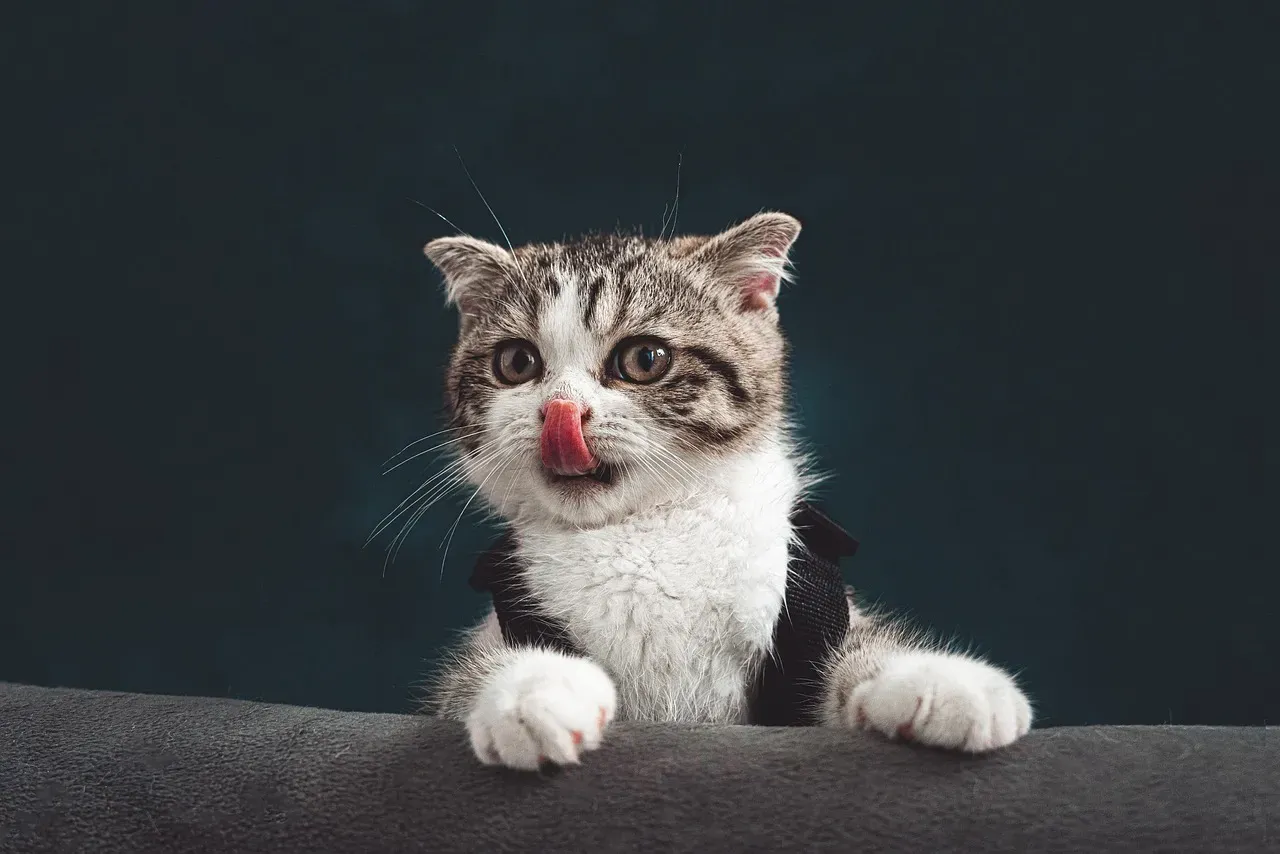
One of the most practical reasons cats make such remarkable home companions is that they ask so little in terms of basic maintenance. Cats are known for being self-sufficient and low maintenance. They want attention on their own terms. They do not need frequent walks or a large yard. For anyone living in a city apartment or juggling a demanding career, that distinction matters enormously.
Cats are well-equipped for grooming. They are flexible, which allows them to reach most areas of their bodies. A cat’s tongue consists of many small barbs or papillae made of keratin, which are facing backwards on the tongue. Grooming helps to maintain healthy skin. Licking stimulates the production of sebum, an oily secretion produced by glands at the base of each hair. Sebum helps lubricate and waterproof the fur, making it shine. Grooming also helps to reduce mats and remove loose hair, dirt, and parasites like fleas. Essentially, your cat arrives factory-equipped with its own cleaning system.
5. They Read Your Emotions With Remarkable Precision
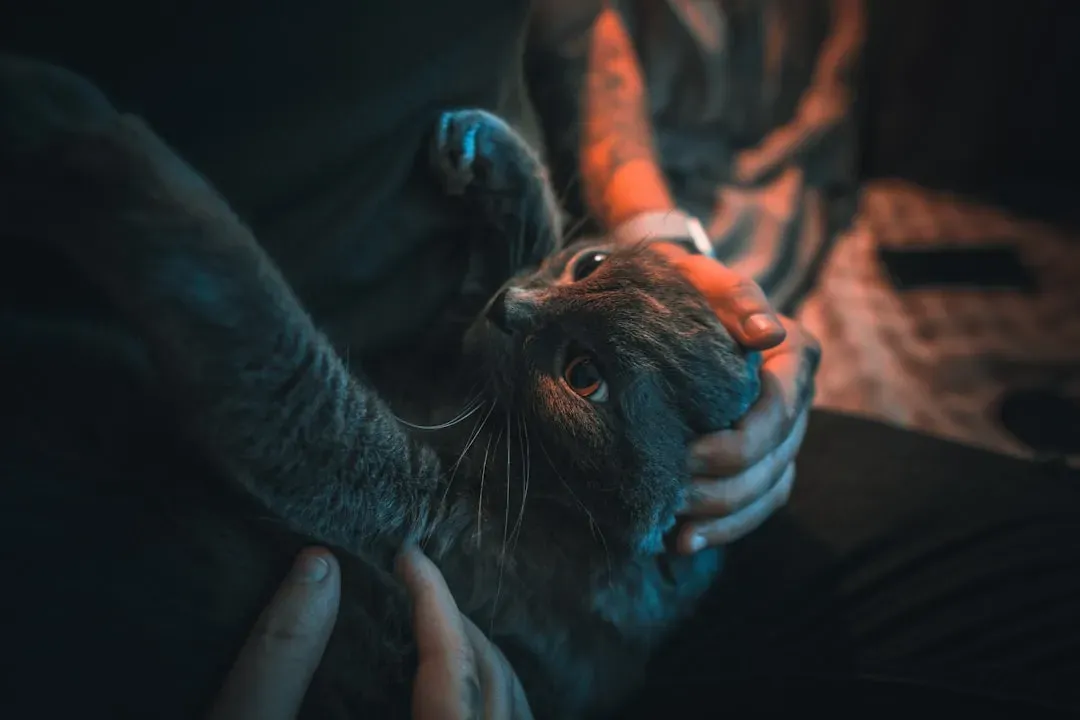
You may have noticed that when you are sad, your cat appears. Not loudly, not intrusively, but simply nearby. That is not coincidence. Research has shown cats can form secure attachments to their owners like infants with caregivers, and they recognize human emotions, read tone and gesture, and exhibit behaviors linked to empathy and social awareness. They are quietly tuned in to you in ways most people never fully appreciate.
Agreeable cats are generally cooperative and less likely to engage in aggressive or destructive behavior, making them great companions for families with children or other pets. They tend to be highly responsive to their owner’s emotions and are often found offering comfort during stressful times. They are compassionate and can sense your emotions, offering comfort when you need it most. It is like having a quiet, perceptive friend in the room who never demands anything back.
6. They Bring Real Mental Health Benefits Into Your Home
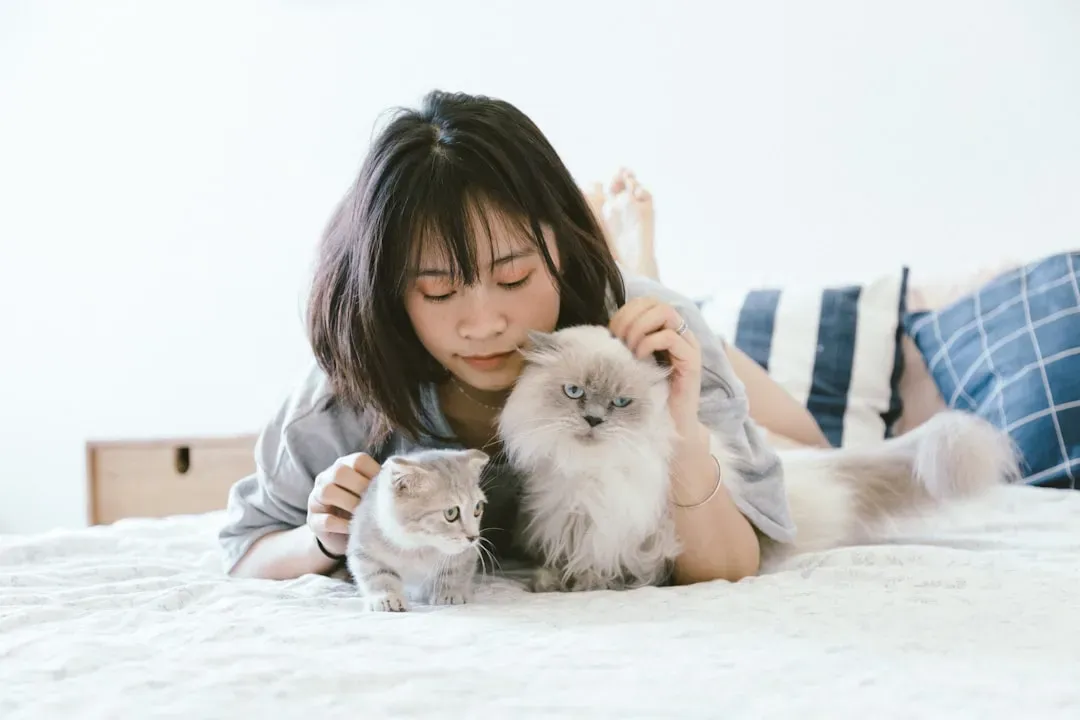
Living with a cat is not just emotionally pleasant. It is genuinely good for your mental health, and the evidence is stacking up. Research shows that pet ownership, especially for cats, can reduce anxiety and stress, improve cardiovascular health, and build emotional resilience. That is a significant return on the investment of a food bowl and a litter box.
The repetitive sound of a cat’s purring has a calming, meditative quality that can reduce anxiety and promote mindfulness. Petting a cat or simply spending time with them often triggers the body’s relaxation response, helping people feel more grounded and at ease. Some cat owners even report a reduction in symptoms of depression, highlighting the emotional benefits of these feline companions. Think of your cat as a warm, furry mood regulator who never misses a shift.
7. They Are Surprisingly Loyal Once the Bond Forms
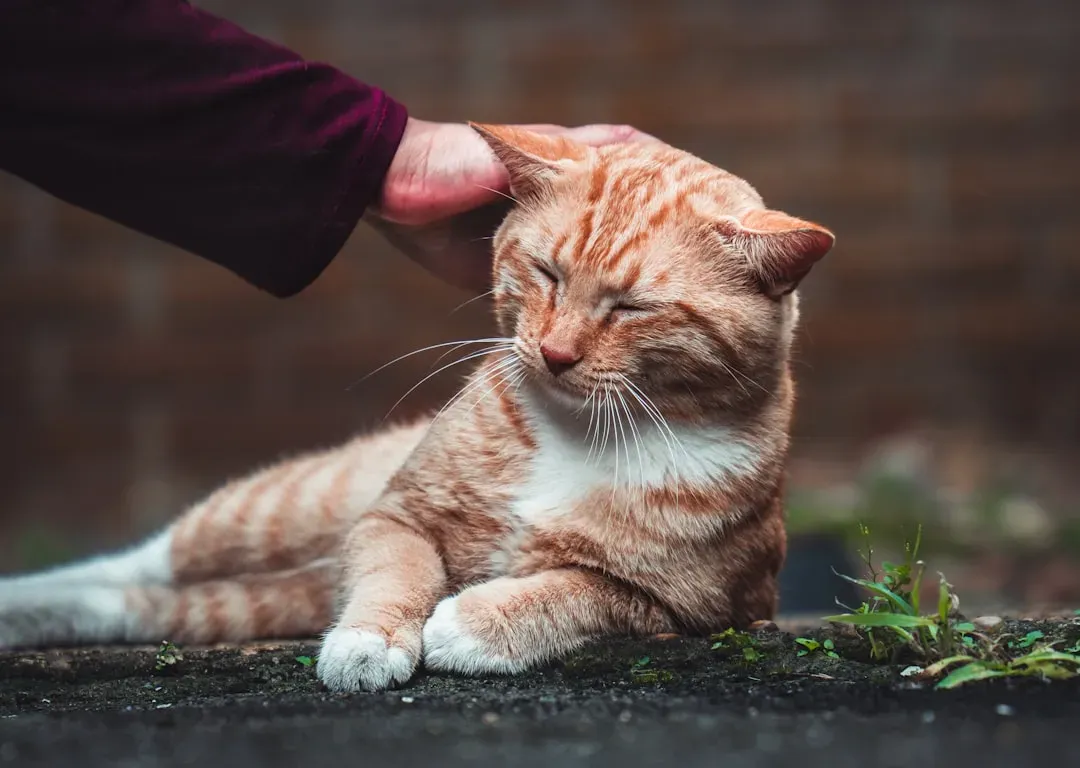
Let’s be real: cats get a bad reputation for being disloyal, and it is simply not fair. The truth is that loyalty in cats is deep, just expressed differently than in dogs. Just as you are loyal to your cat, your cat forms an attachment back as well. As a result, cats are loyal once that bond is formed. Anyone who has a cat knows how protective and loyal they can be, which is one of their many endearing qualities.
Even more reserved and timid cats form deep bonds with their chosen humans. With time, patience, and consistency, shy cats can become loving, loyal companions. Cats who are attached to their humans will solicit attention from them by approaching, meowing, or pawing at them. They also tend to follow their owners from room to room, albeit sometimes at a distance. That shadow following you into the kitchen is not just looking for food. It is affection, cat-style.
8. They Respect Your Independence as Much as Their Own
One of the most underrated qualities of living with a cat is this: they will not make you feel guilty for having your own life. Cats do not make you feel guilty for leaving, and on the contrary, they enjoy their alone time. When you leave the house for work or to get together with friends, your cat will not put up a fight or give you pleading eyes. Chances are your cat has just as much fun home alone.
Cat independence is one of their best qualities. Unlike dogs, which need constant attention and companionship, cats are happy spending time alone. They are ideal for people who lead busy lives because they do not need to be walked or entertained constantly. This mutual respect for personal space is genuinely refreshing. You can leave without a guilt trip, and your cat will greet you calmly when you return. It is a balanced relationship, and a healthy one.
9. They Are Social Without Being Demanding
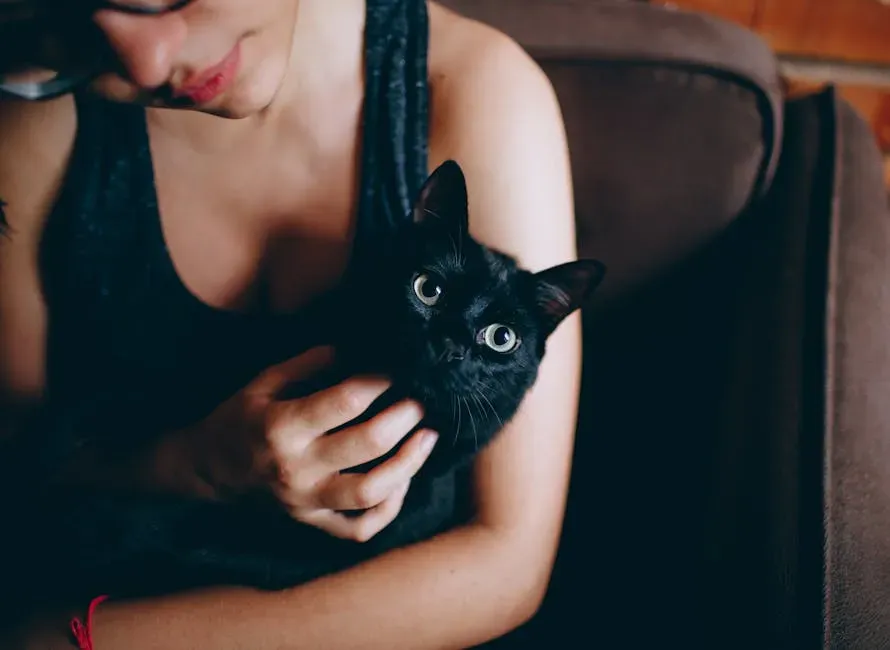
Cats walk a beautiful line between seeking connection and respecting boundaries, and it is one of their most charming qualities. Cats are solitary hunters, yet in the right conditions they form colonies with hierarchies and friendships. They live in a paradox: independent loners who can still thrive in a community. That same paradox plays out beautifully within a home environment.
Affectionate cats crave closeness, love cuddles, and follow you from room to room. They respond well to gentle handling, may talk to you with a chorus of meows, and often purr loudly when you are near. Yet even the most affectionate cat knows when to retreat and let you breathe. It is a nuanced social skill that, honestly, many humans have not mastered. Your cat, it turns out, is better at respecting personal space than most people you know.
10. They Have Playful Personalities That Light Up Your Home
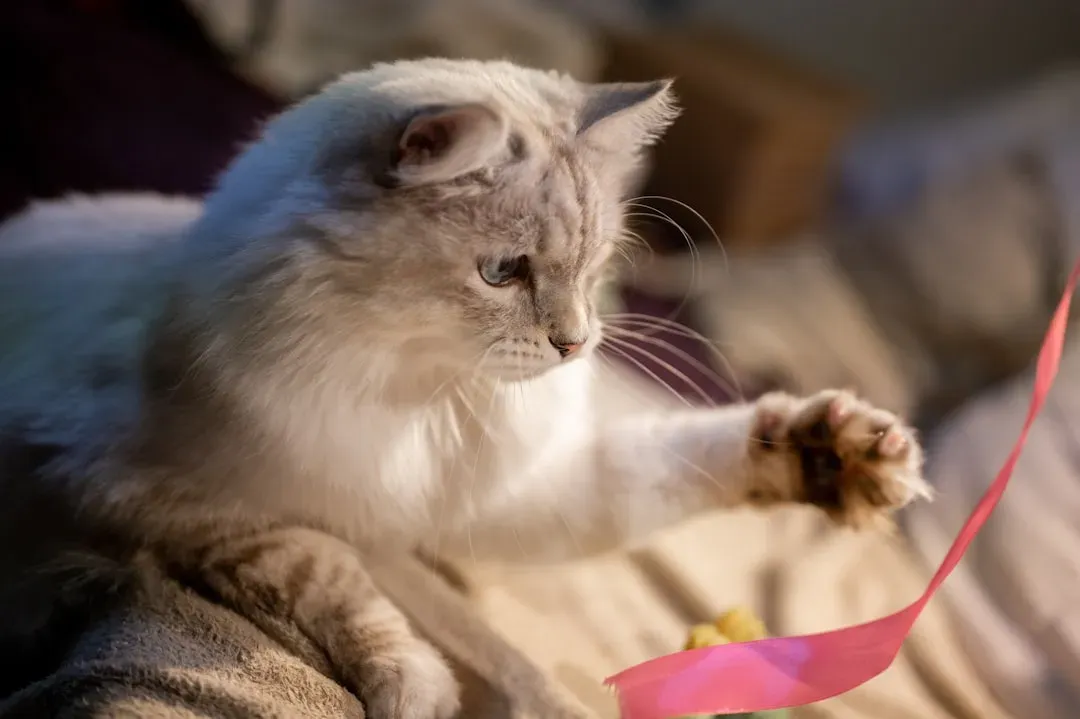
Do not let the composed exterior fool you. Behind every dignified, slow-blinking cat is a creature that will lose its mind over a crinkled piece of paper or a laser dot moving across the floor. Cats have playful personalities, which makes them great with kids. If your family has young kids or grandchildren, a cat is a wonderful pet for the household. That playfulness is not just for kittens, either.
Energetic and curious cats need mental stimulation and physical activity to stay happy. They are curious, adventurous, and fearless. They often take new environments in stride, greet visitors at the door, and are not afraid to leap to the highest shelf. Watching a cat at full play is genuinely one of the most entertaining things in a home. They are spontaneous, acrobatic, and hilariously committed. There is never a dull moment when a cat decides it is playtime.
11. They Have a Uniquely Long Lifespan for Deep Companionship
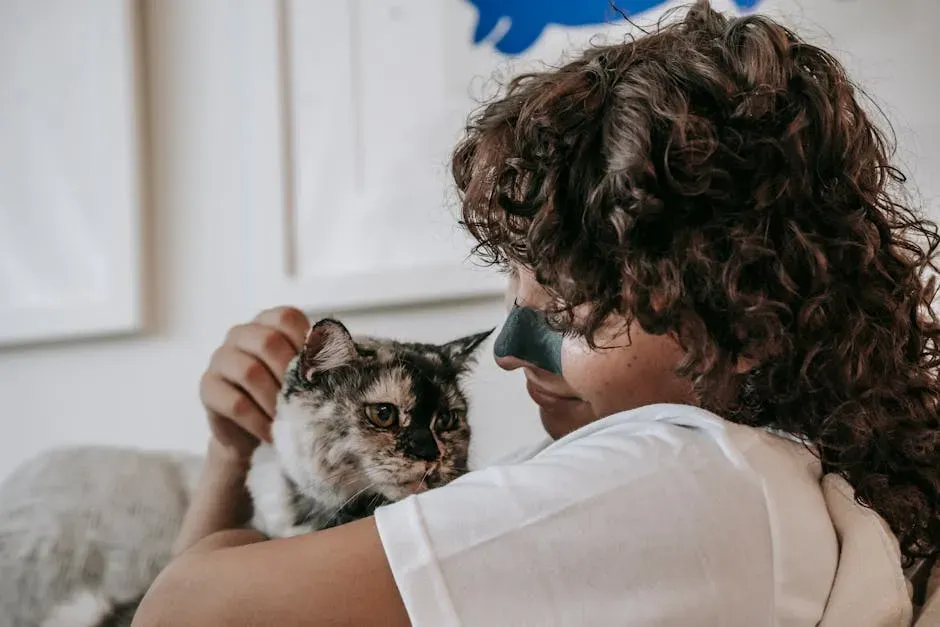
Here is something that does not get talked about enough: when you adopt a cat, you are not just getting a pet. You are investing in a long, evolving relationship. Cats have long lifespans, which means more time with your beloved pet. The average cat lives 12 to 18 years. That is a decade or more of shared mornings, lazy evenings, and quiet companionship.
Each cat personality brings its own unique set of characteristics and behaviors. Whether your cat is agreeable, impulsive, dominant, or curious, understanding and embracing their individuality can help strengthen the bond between you and your feline friend. Over years together, you will notice their moods shift with the seasons, their quirks deepen, and their trust in you grow profound. It is one of the few relationships in life that genuinely improves with time, without any drama.
12. They Can Serve as Emotional Support and Even Therapeutic Companions
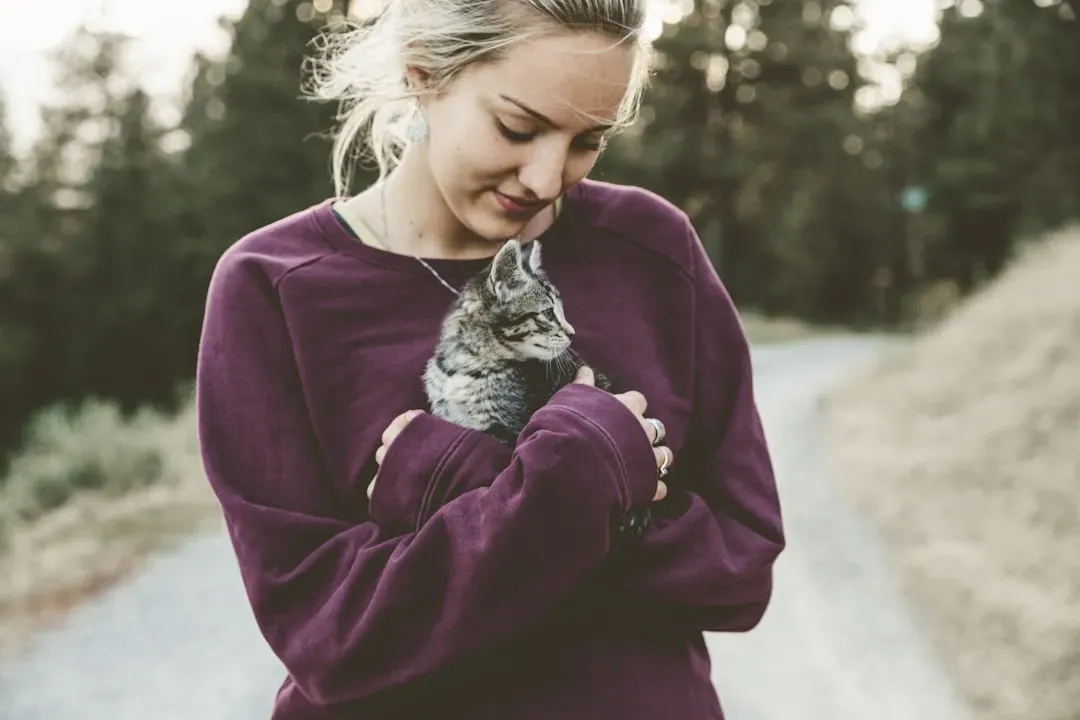
The role of cats as emotional support animals is not a new concept, but the evidence behind it has grown remarkably robust. Some cats, called therapy cats, are trained to help ailing humans in a medically beneficial way to take advantage of the human-animal interaction for purposes of relaxation and healing. Certain breeds are desirable when looking into therapy cats due to their personality and temperament. Some examples of preferred breeds are Ragdolls, Maine Coons, American Shorthairs, Siamese, and Persians.
Therapy cats are utilized as companions at juvenile detention centers, for children with developmental disabilities, and for children with language, speech, and hearing difficulties. Therapy cats are also sometimes used in hospitals to relax children who are staying there, as well as helping those in hospice care cope with their terminal illness. The impact is real, measurable, and deeply human. Their presence fosters trust, security, and companionship, helping people cope with stress and emotional challenges. The bond with a cat provides a sense of comfort, making them valuable partners in managing mental health.
Conclusion
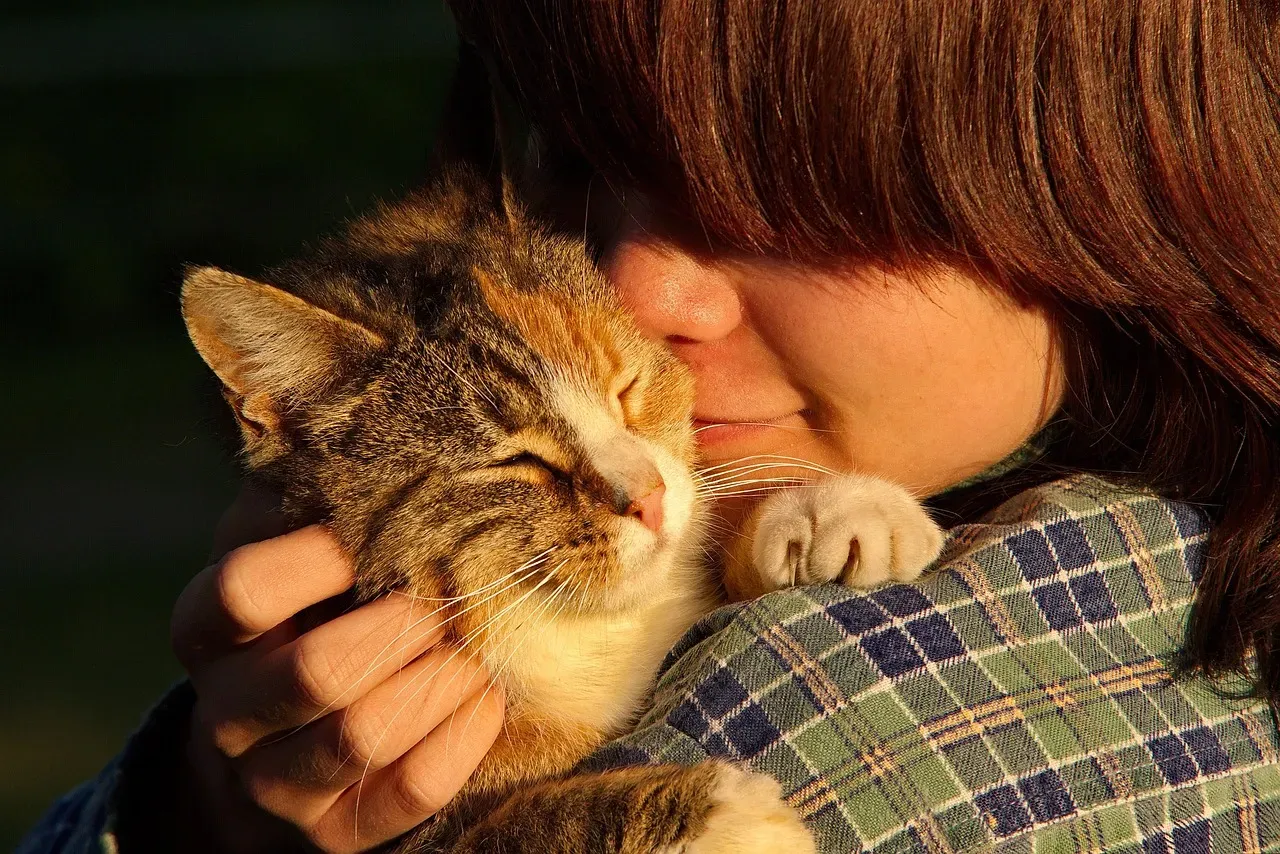
It is hard to argue with twelve compelling reasons. Cats are healers, listeners, loyal companions, emotional anchors, and endlessly entertaining creatures that fit beautifully into modern life. They do not demand everything from you, but they give an extraordinary amount in return.
The truth is, the bond between a human and a cat is quieter than most, built in small moments rather than grand gestures. A slow blink across the room. A warm weight settling on your feet at night. A small nose pressing against your hand. These are acts of love, and they are unmistakably real.
So the next time someone tells you cats are cold or aloof, you can simply smile. You know better now. Have you experienced any of these traits with your own cat? We would love to hear your story in the comments below.