Have you ever walked into your kitchen and felt a furry presence materialize behind you? Maybe you’ve noticed those judgmental eyes watching your every move, or perhaps a paw tapping impatiently on the floor. Your cat has been running this household for quite some time, and nowhere are their expectations more clear than in the kitchen.
Food is number one on a cats list of interests. The kitchen represents not just sustenance but territory, routine, and power dynamics all rolled into one tile floor. Let’s be real, you thought you were just grabbing a snack, but your cat has other plans. So let’s dive in and decode these silent commandments.
Rule One: You Must Announce Your Arrival with Proper Notice
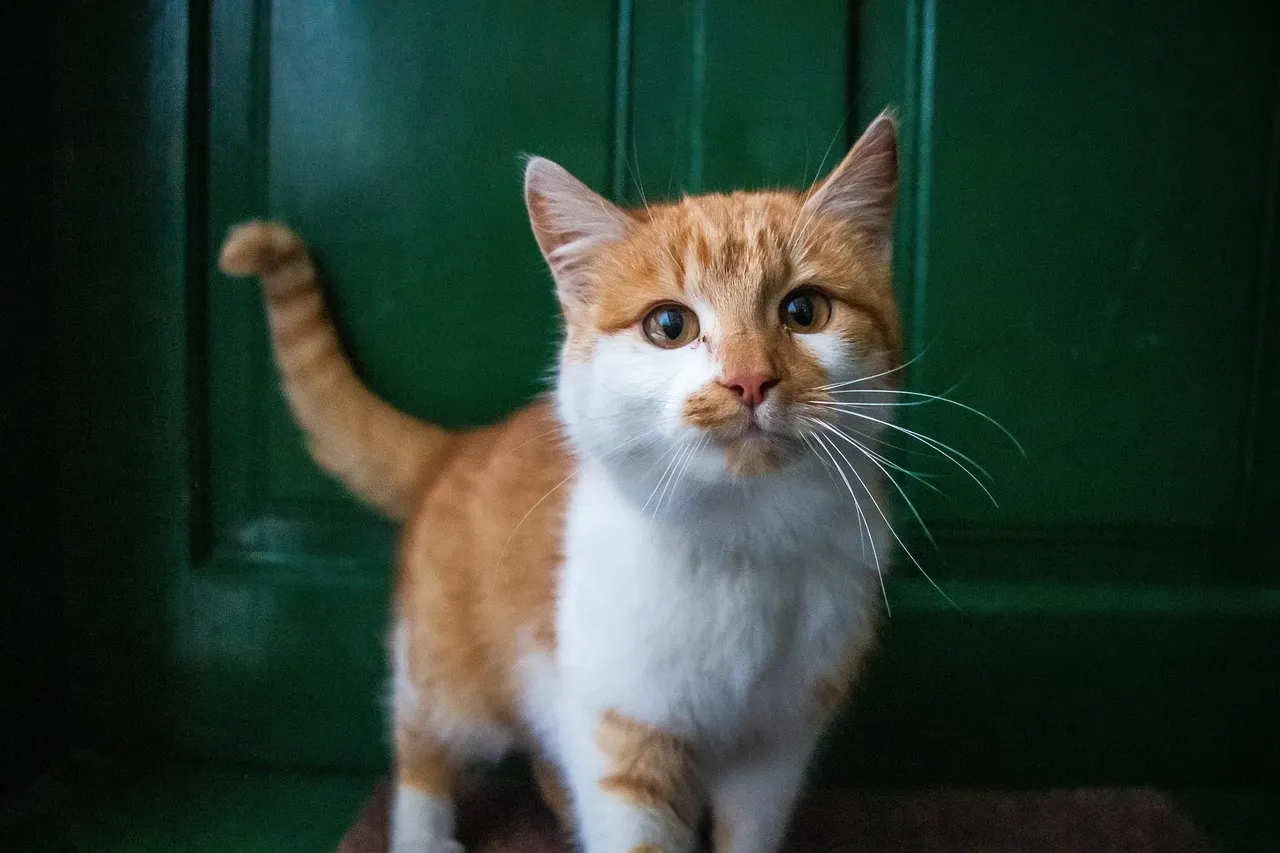
Your cat takes great comfort in familiar routines so her internal clock lets her know when it’s about to become mealtime. They expect consistency. Walk into the kitchen at an unusual hour and watch confusion spread across that whiskered face.
Your cat watches what you do and learns what happens next. For example, they might figure out that going to the kitchen means food or that picking up keys means you’re about to leave. When you deviate from the script, you’re essentially breaking an unspoken contract. Their internal schedule has been meticulously crafted around your movements, and frankly, they’re not thrilled about surprises.
Rule Two: The Escort Service is Mandatory
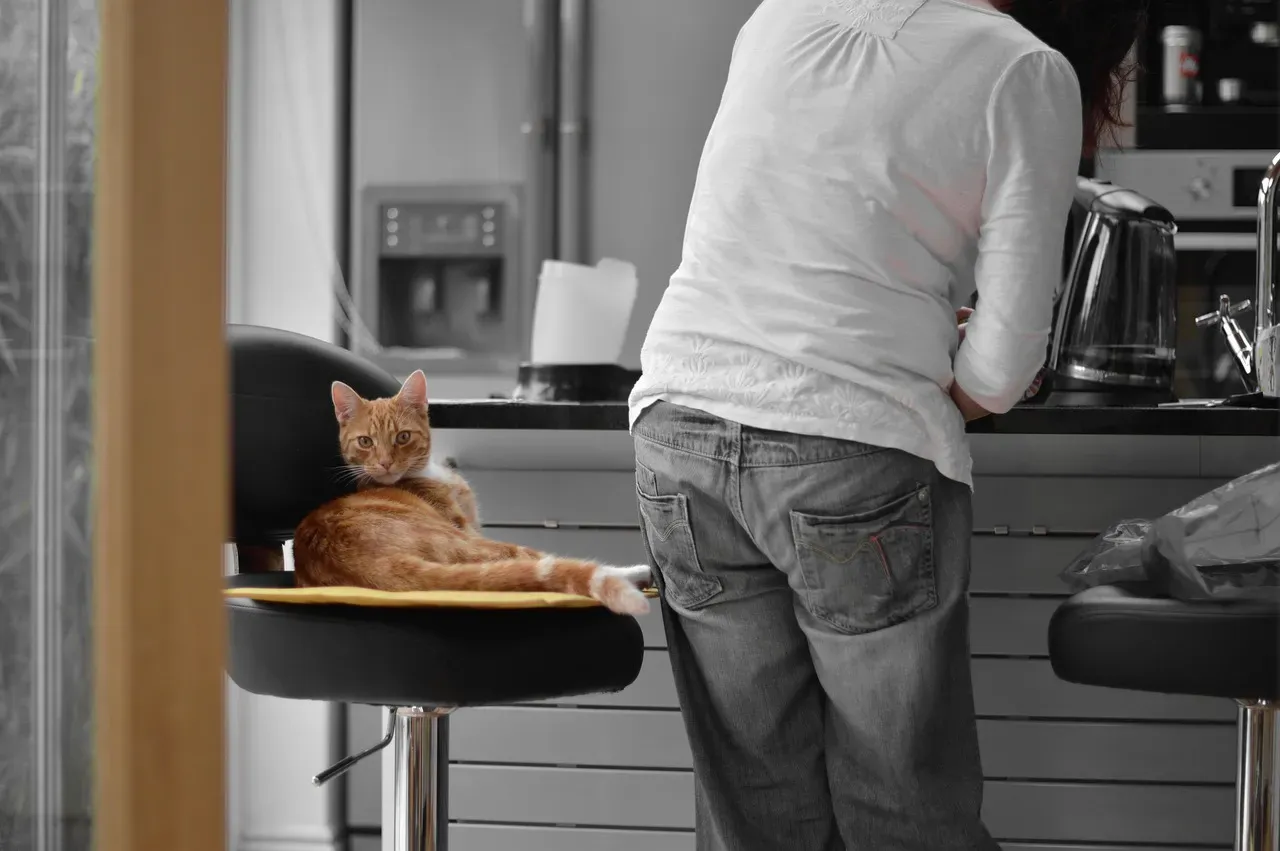
You don’t get to enter the kitchen alone. A common reason why your cat is following you around is because they think dinner time may be coming up or they are in hope of a tasty treat. Every step you take needs supervision.
Cats often follow their owners to the kitchen because they associate this space with food and treats. This behavior is typically reinforced by past experiences of receiving food in this location. Think of your cat as your personal kitchen security detail. They’re monitoring your activities, assessing threat levels, and calculating the probability of food distribution. Honestly, it’s quite sophisticated when you think about it.
Rule Three: All Cabinet Openings Require Feline Inspection
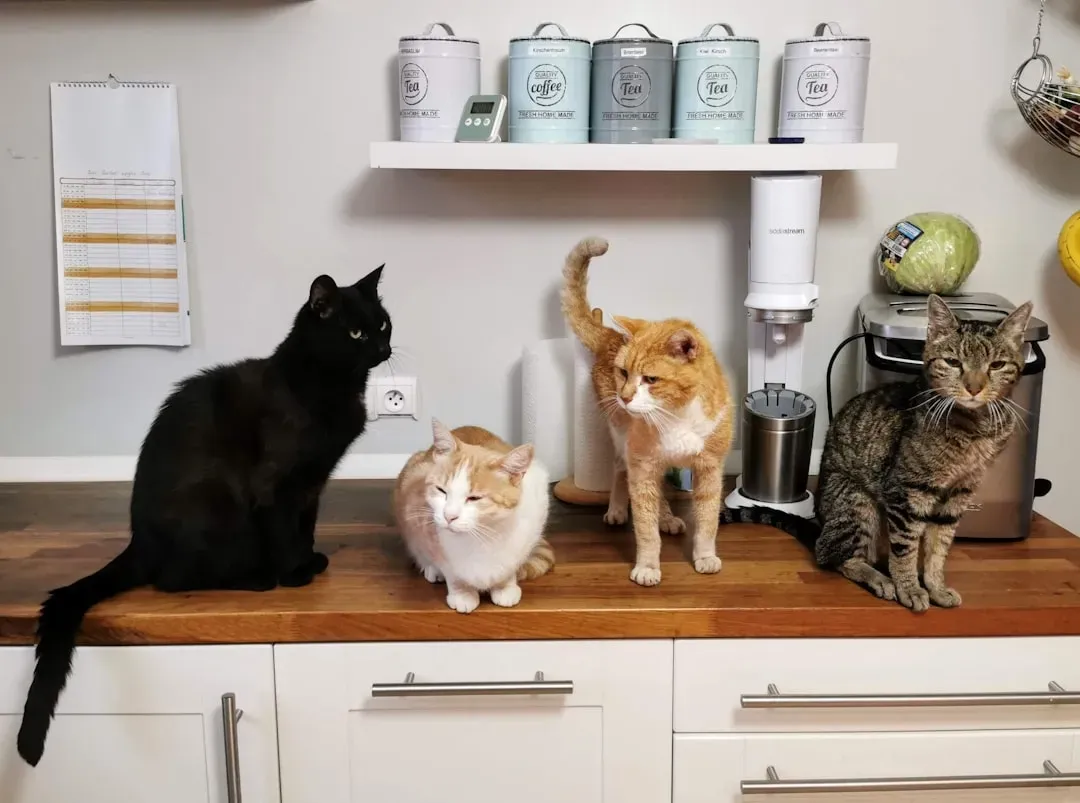
Cats have a very keen sense of smell, says Dr. Schwartz. Their noses will inevitably lead them to the dinner table or kitchen counter when food is there. That pantry door you just cracked open? They need to investigate immediately.
Curiosity drives this behavior, but so does territorial awareness. Cats also like to keep track of their territory. By following you, they’re making sure everything is still in order. Your cat is essentially performing a security sweep. Are you storing their treats correctly? Has the kibble bag been tampered with? These are pressing concerns that demand attention.
Rule Four: Counter Surfaces Belong to Them, Not You
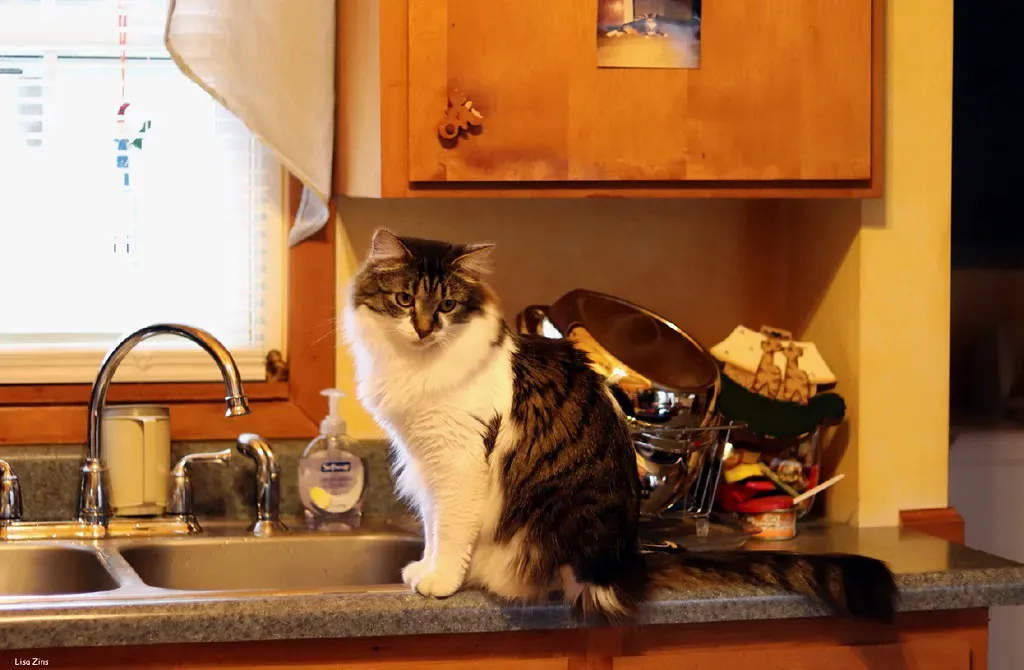
Cats are instinctual climbers, a habit inherited from their wild ancestors who needed safe vantage points to survey their territory and avoid potential predators. That countertop represents prime real estate in their domain.
Even if you keep your cat off the counter when youre home, she may just wait until you leave to go exploring. They’re remarkably patient creatures when it comes to claiming their territory. You might think you’ve won the battle by shooing them away, yet the moment you turn your back, they’re up there again. It’s impressive, really.
Rule Five: Food Preparation Demands Constant Commentary
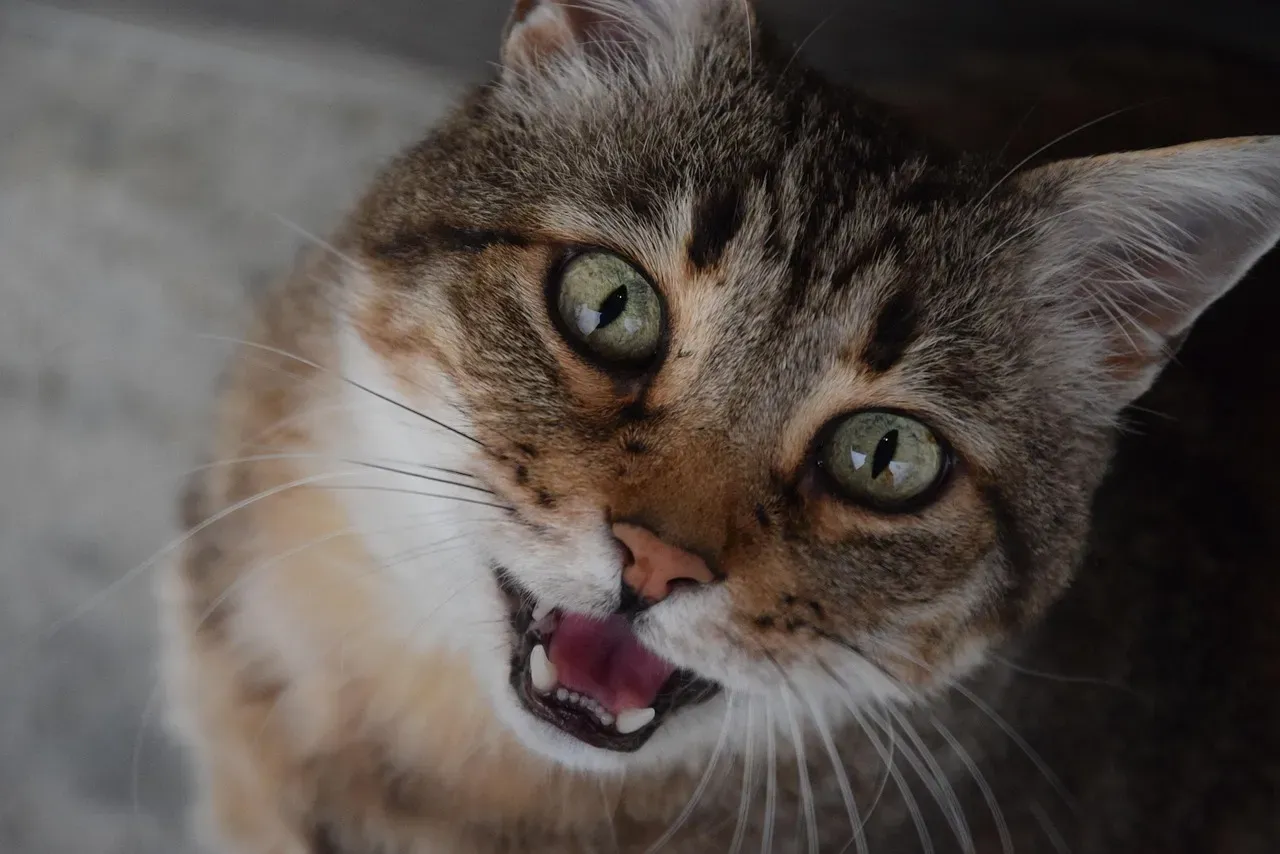
Silence during meal prep is unacceptable. Every time you walk into the kitchen you may be greeted by a vocal reminder. Your cat has opinions, and they will share them loudly.
Whether you’re chopping vegetables or opening a can of tuna, expect a running commentary. The meowing intensifies based on how interesting they find your activities. It’s hard to say for sure, but sometimes it feels like they’re critiquing your culinary skills. The louder the protests, the more they believe you should be preparing their food instead of yours.
Rule Six: All Food Must Be Pre Approved by the Feline Committee
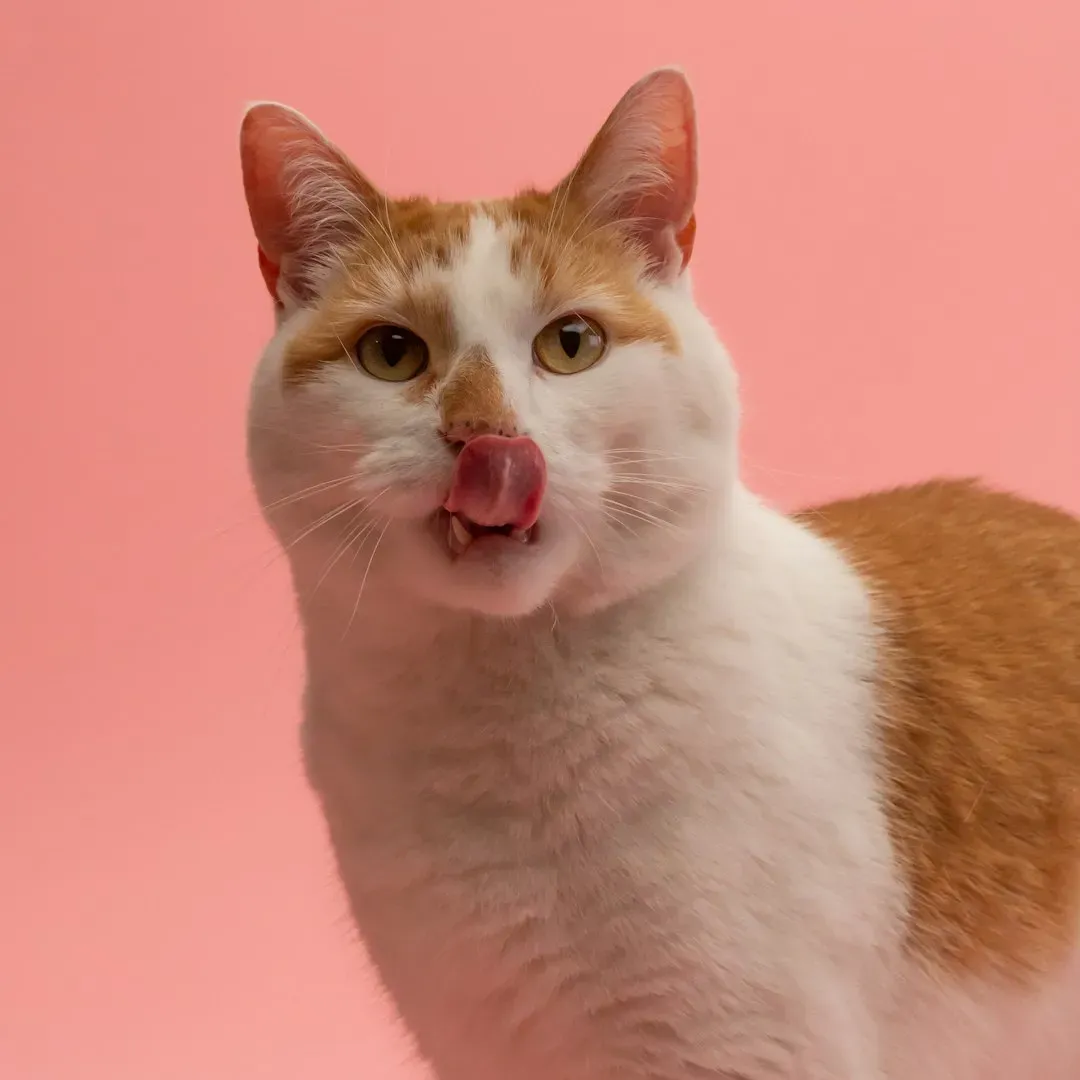
You can’t just eat whatever you want without offering a sample first. Sometimes, they come into the kitchen and eat their own food, which apparently wasn’t interesting to them until I sat down to eat. Your meal suddenly makes their meal appealing.
Perhaps you sitting down to dinner reminds them to eat their own meal, she says. There’s a social component happening here. Mealtime becomes a communal experience whether you planned it or not. Your cat wants in on the action, and they’re not above guilt tripping you with those big eyes and pathetic meows.
Rule Seven: The Floor Belongs to Their Domain During Cooking
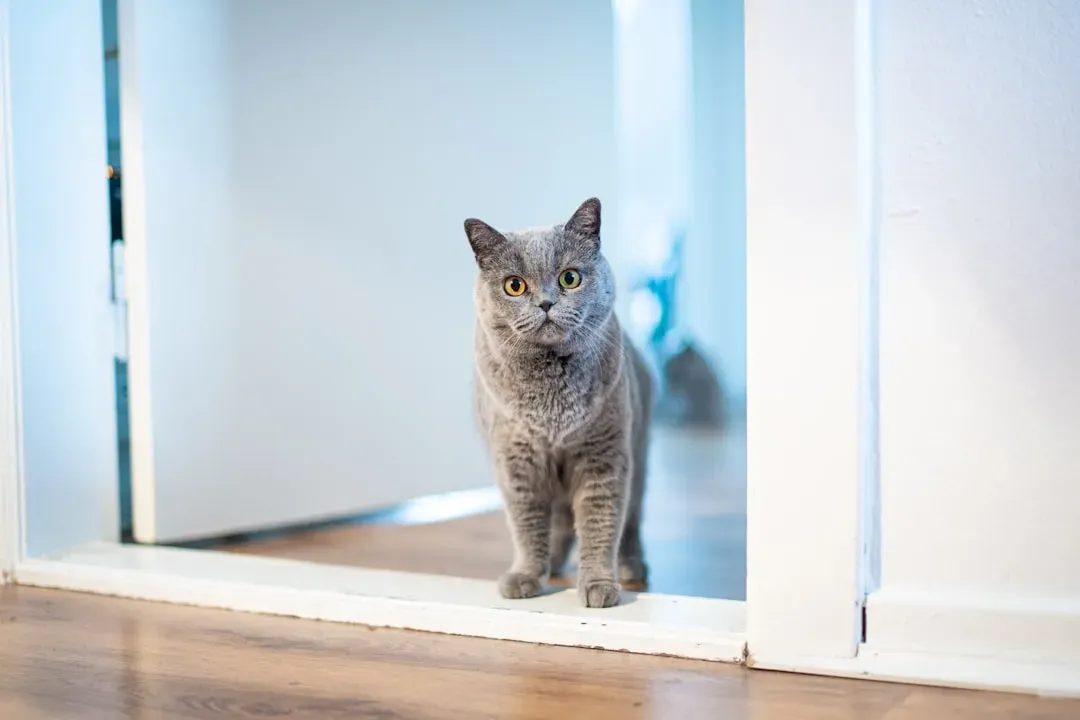
Trip hazards are a feature, not a bug. Cats also find your kitchen, the laundry room, and your bedroom to be full of scents they need to explore and games they need to try out. Every cooking session becomes an obstacle course.
They position themselves strategically underfoot, testing your coordination and patience. One moment they’re by the sink, the next they’ve materialized directly in your path to the refrigerator. It’s like they possess teleportation abilities specifically designed to maximize inconvenience. Yet somehow, you’re the one apologizing when you nearly step on them.
Rule Eight: Dropped Food Belongs to the Kingdom
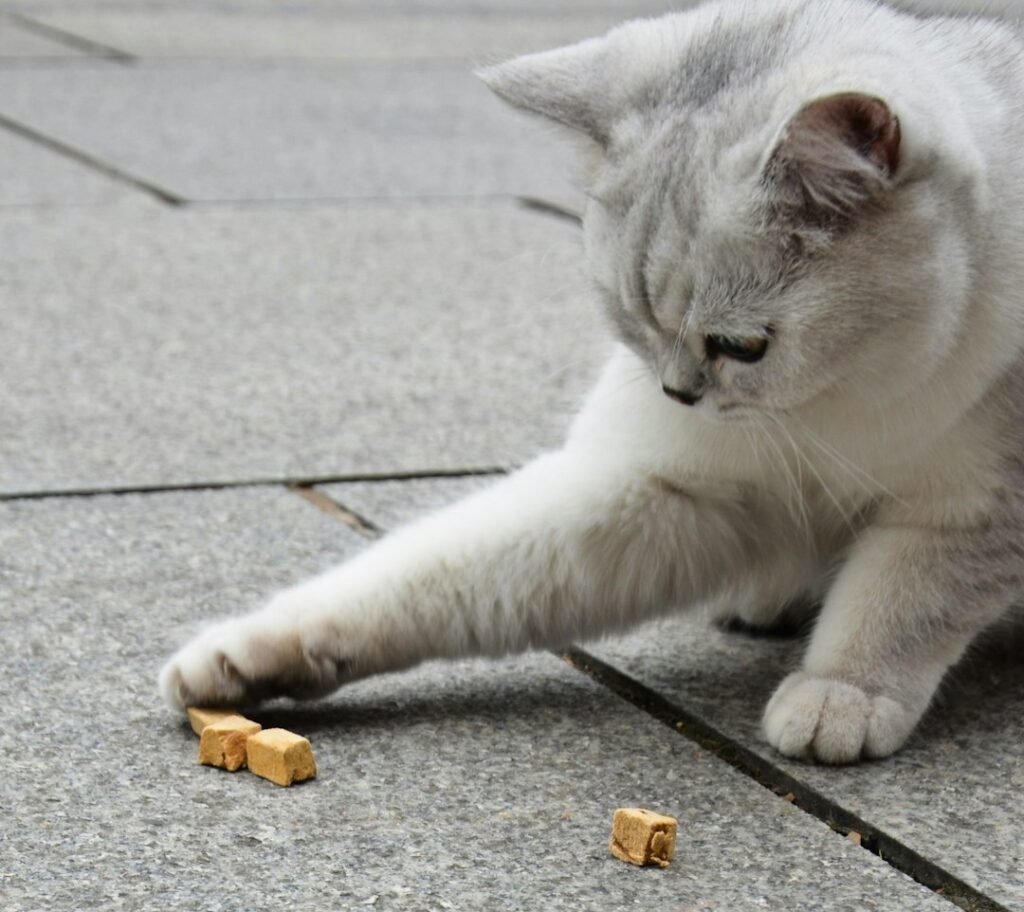
All it takes is a one time discovery of a delicious morsel to teach a cat to try for more tidbits, dozens of times. Drop a crumb once, and they’ll camp out waiting for an encore performance.
Cats are hunters by nature – they expect mealtime to include a chase. So, pawing at their food isn’t a critique of the chef’s efforts. When something hits the floor, it activates their prey drive. Suddenly that piece of lettuce you dropped becomes the most fascinating thing in the world. They’ll bat it around, stalk it, and eventually lose interest once they realize it’s not actually prey.
Rule Nine: Meal Times Shall Be Synchronized
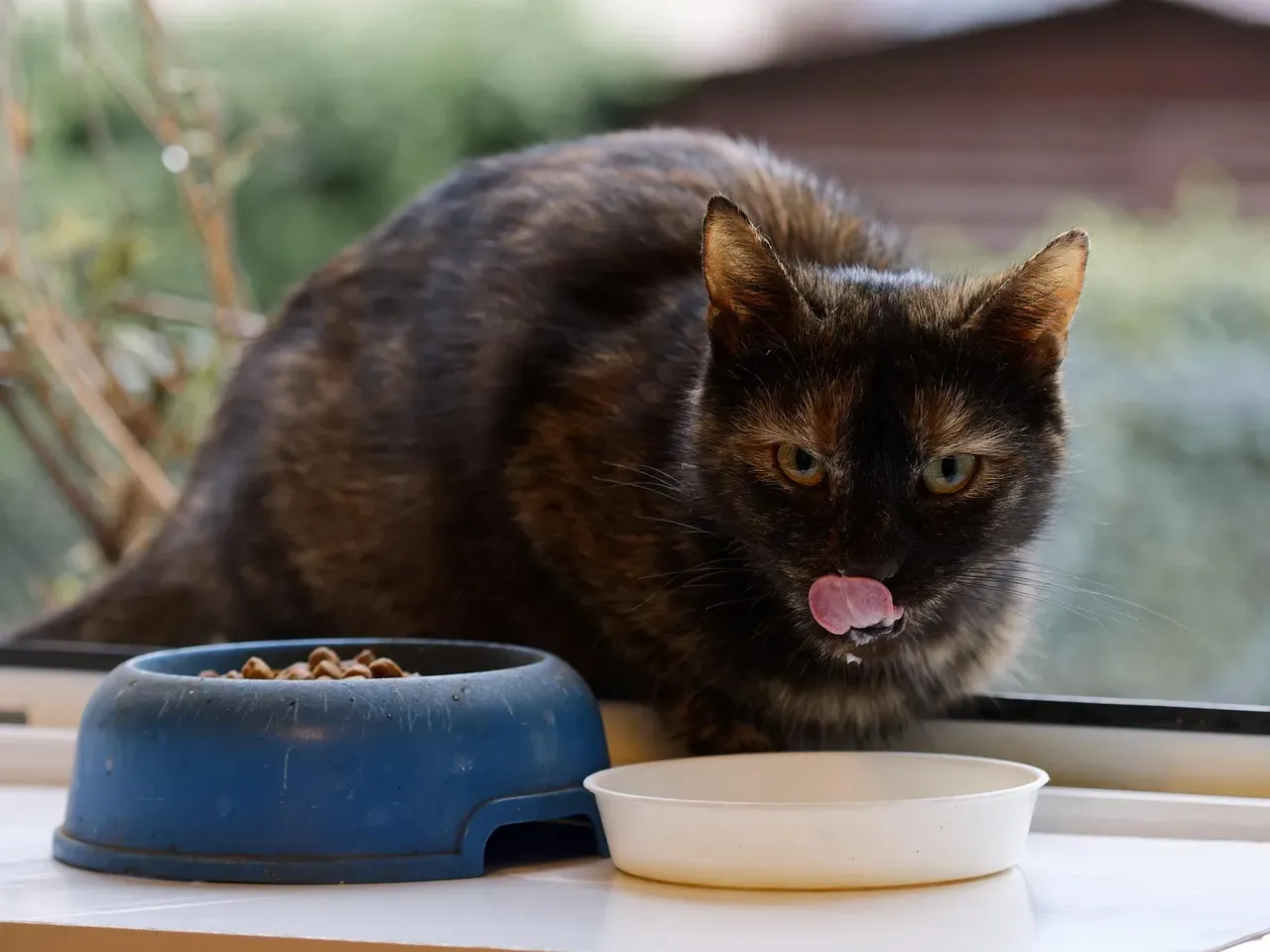
Your cat takes great comfort in familiar routines so her internal clock lets her know when it’s about to become mealtime. Deviation from the schedule is met with vocal disapproval.
Cats are creatures of habit, so will expect their food to be served at the same time every day. Your breakfast at seven triggers their expectation of service. Try sleeping in on Saturday and see how well that goes over. They’ll remind you, repeatedly, that schedules exist for a reason. Their reason specifically.
Rule Ten: Fresh Water Must Meet Feline Standards
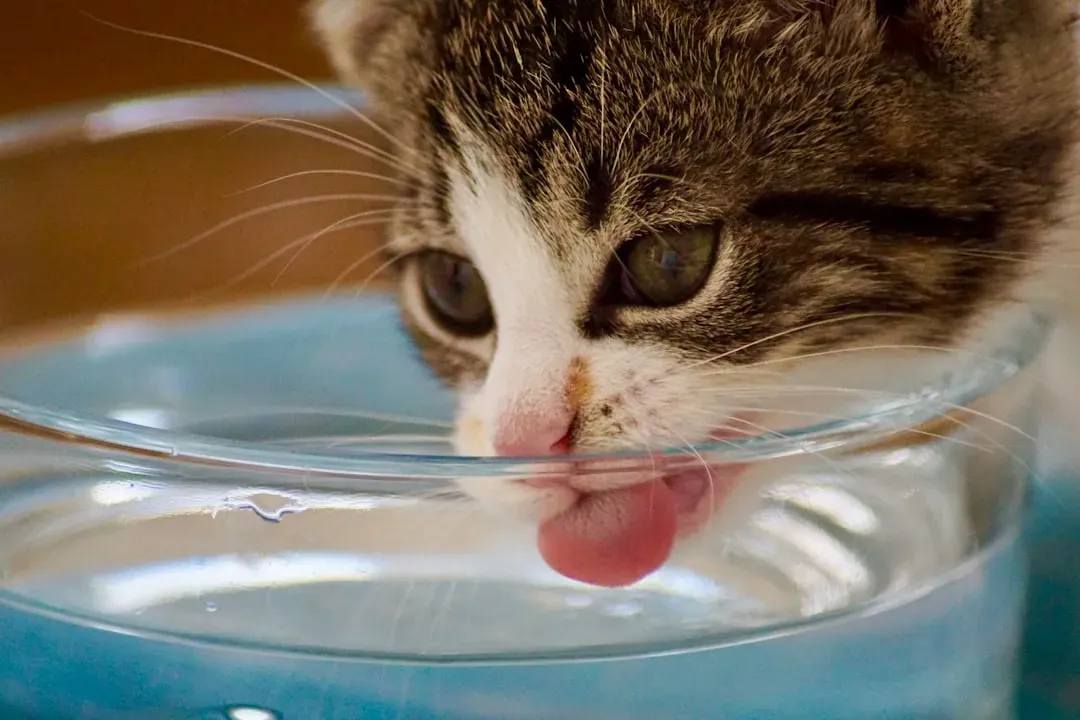
The water bowl situation is serious business. Cats have particular preferences about freshness, location, and presentation. Food and water dishes should be washed daily, and food replaced as needed. They notice when you’ve been slacking.
Yesterday’s water simply won’t do. They want fresh, cold water, preferably from a source they’ve personally approved. Some cats demand running water from the faucet, others prefer their bowl moved away from their food. Let’s be real, they’re connoisseurs with very specific tastes. You might think all water tastes the same, but your cat would strongly disagree.
Rule Eleven: The Refrigerator Opening Ceremony Requires Their Presence
This is called Pavlovian conditioning, where something neutral (like the sound of a fridge door) becomes a sign that food is about to appear. Your cat might start following you more as mealtime gets closer. That distinctive sound triggers immediate response.
Every refrigerator visit represents potential opportunity. Maybe you’re getting the milk out. Perhaps there’s leftover chicken in there. They need to supervise and advocate for their interests. Their expectant stare as you browse the shelves is both adorable and slightly unnerving. It’s like having a tiny, furry supervisor monitoring your snack choices.
Rule Twelve: Clean Dishes Await Their Quality Control Inspection
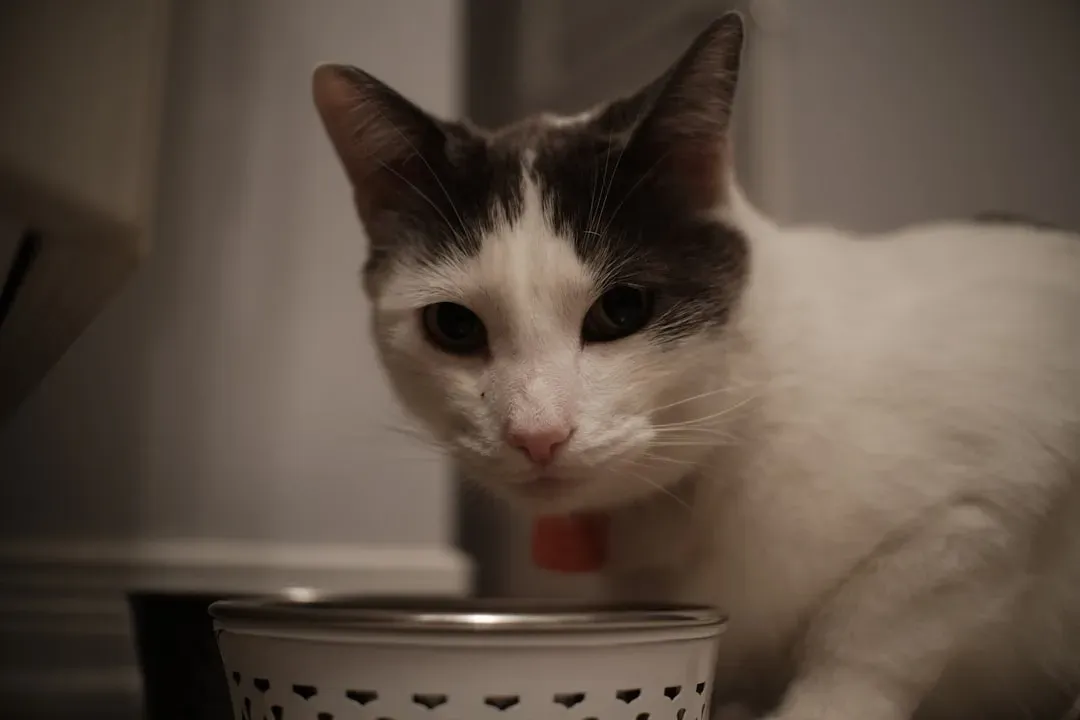
Many cat owners do not completely or routinely empty and wash bowls, and instead “top off” dry cat food. Saliva and crumbs can quickly accumulate, and a dirty bowl increases bacteria and may be unpleasant to cats. They have standards about cleanliness.
You might have washed their bowl, but they’ll be the judge of whether it meets specifications. A thorough sniff test is mandatory before they’ll even consider eating from it. Sometimes they reject perfectly clean bowls for mysterious reasons known only to them. Perhaps the soap scent lingers, or maybe they’re just reminding you who’s actually in charge here.
Conclusion
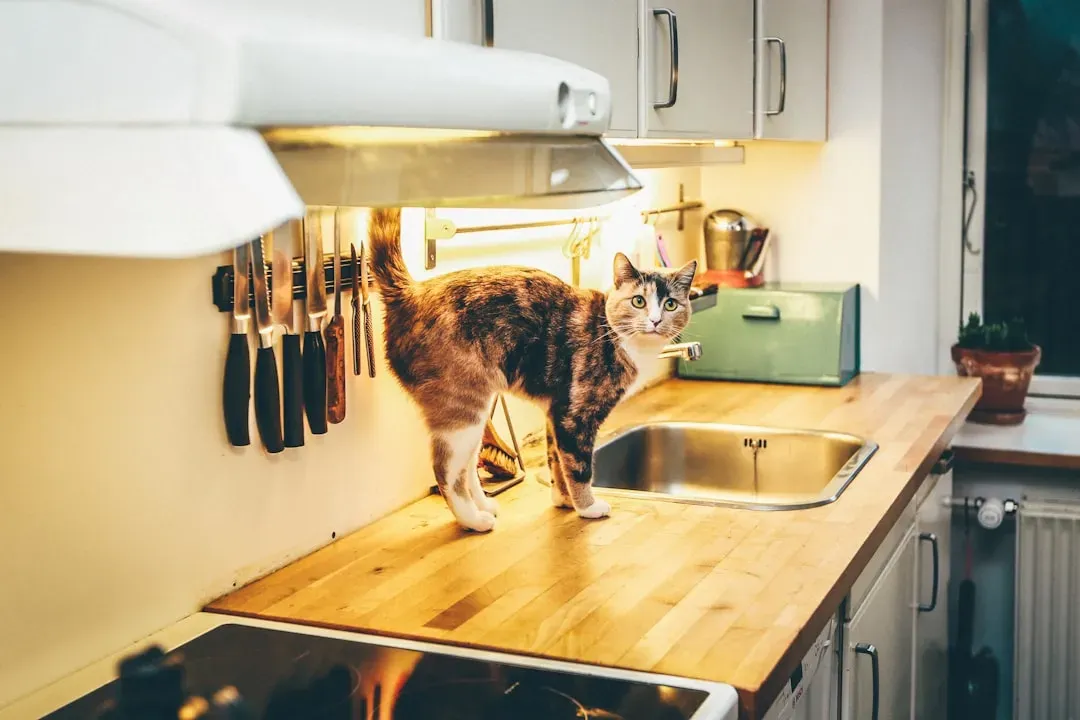
Cats get extremely upset when cats from other groups come into their space as most of cat territory is centered around the availability of food. Your kitchen represents the heart of their territory, and they take their governance seriously.
These twelve rules aren’t suggestions but rather commandments carved in stone, or at least scratched into your cabinet doors. Your cat views the kitchen as their domain where you happen to have cooking privileges. They’ve established a complex system of expectations, routines, and protocols that you’re expected to follow without question. What’s remarkable is how they enforce these rules with nothing more than strategic positioning, pointed stares, and well timed meowing. Did you recognize your own cat’s behavior in these rules? Share your kitchen stories in the comments.