Your morning routine is predictable. You grab your keys, check your bag, and head toward the door. Behind you, a pair of watchful eyes follows every movement. The moment you return hours later, there’s your feline friend, positioned exactly where you left them, as if they’ve been waiting all day.
Most people think cats are independent creatures who barely notice when we leave. The truth is far more complex and touching. Cats can miss their owners, and while every feline is unique in temperament, cats can form strong bonds with their humans, much like dogs or other animals. Their expressions of longing are simply more subtle than the obvious tail-wagging enthusiasm of dogs.
So let’s explore these quiet gestures that reveal your cat’s hidden emotions when you’re away.
The Door Vigil
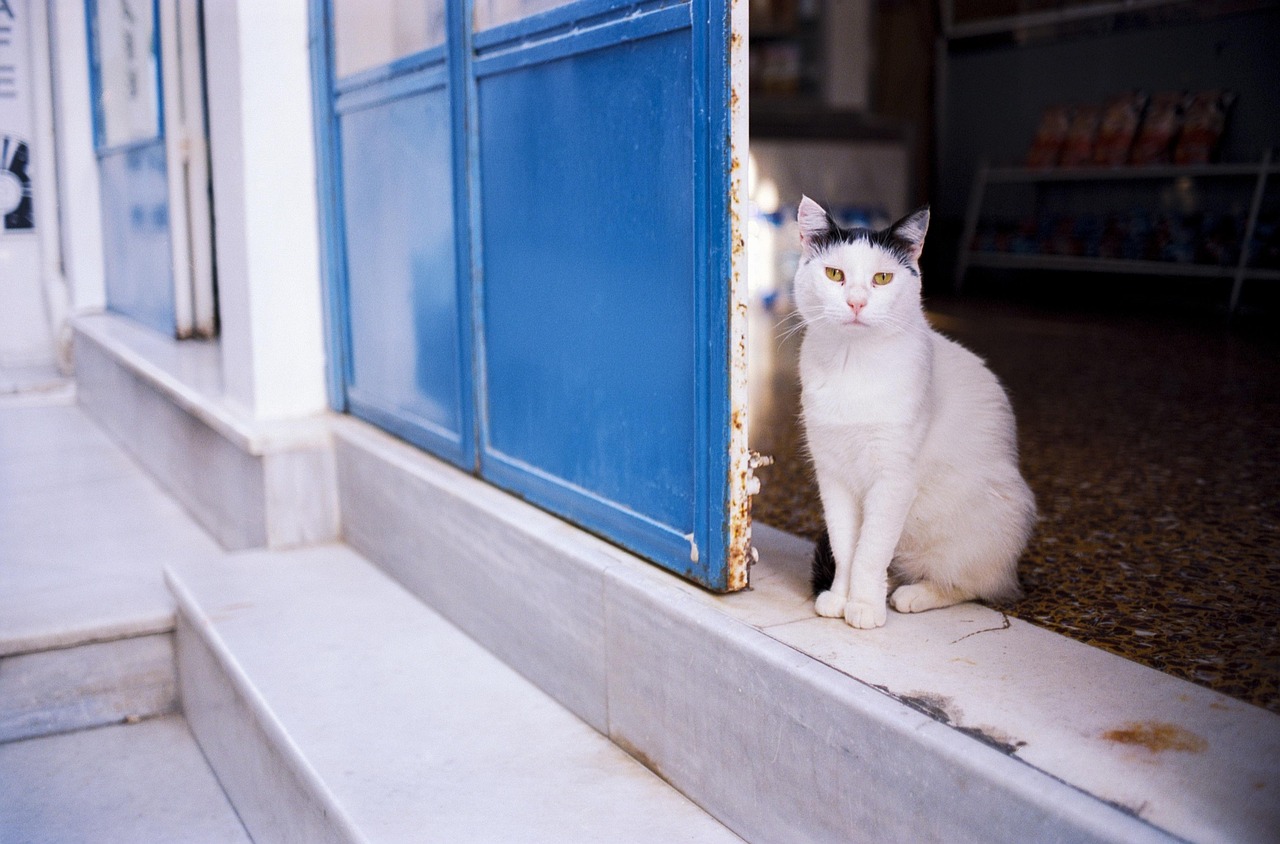
Some cats will sit by the door or run to it when they hear you coming home to show they’re happy you’re back. This behavior goes beyond simple routine. Cats have a good sense of time, which means cats can figure out when in the day you are coming home. Routine is something that makes sense to them, it is easy to follow along, and enables cats to know the time of your arrival.
The door becomes a sacred waiting spot because it represents the portal between your absence and presence. Anticipating your return triggers a “reward response” in their brain. Think of it as feline Pavlovian conditioning: Door opens = treats + pets + playtime. Your cat isn’t just waiting; they’re preparing for the moment their world feels complete again.
Excessive Vocalization
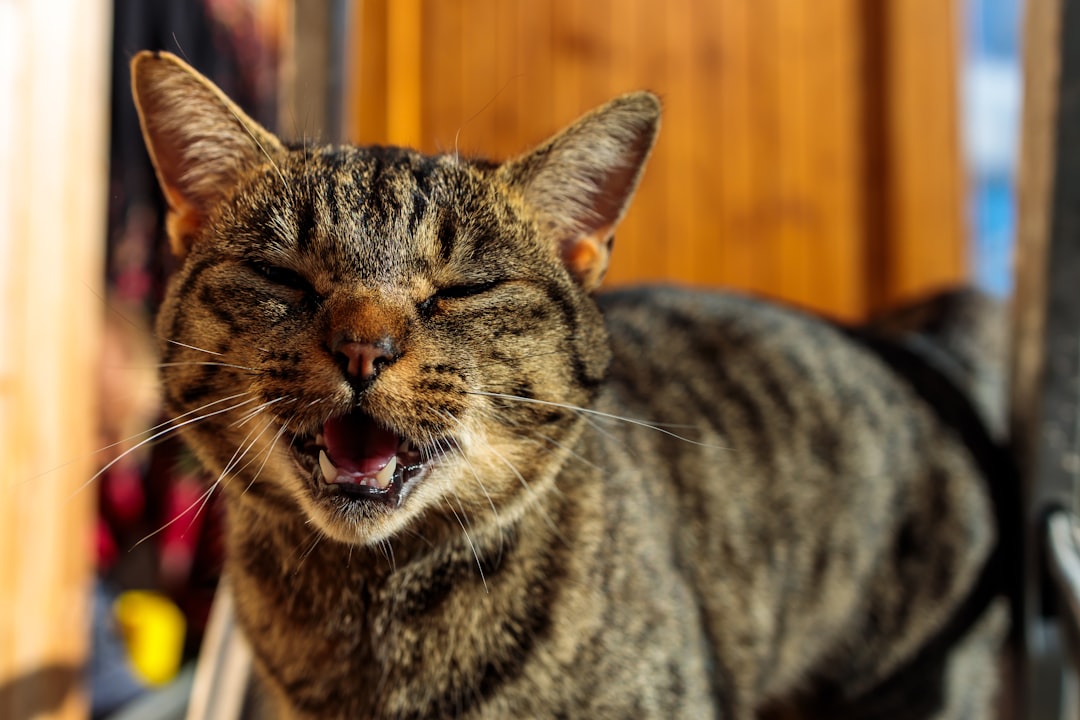
Your cat may make more sounds, like meowing and trilling, to communicate with you and get your attention. This increased chatter serves as their emotional release. Some cats become more expressive in their meowing when they yearn for their owner. An increased meowing is a sign that they missed you and crave your attention.
The intensity and frequency of these vocalizations often correlate directly with how long you’ve been gone. Short trips might earn you a few welcoming chirps, while longer absences could result in a full conversation where your cat seems to be telling you about every moment you missed.
Inappropriate Elimination

A cat is much more likely to show anxiety by not using the litter box. Peeing on the floor (or in your shoes, clothes or bed – something with your smell) is not done out of spite but out of discomfort, distress or nerves. This behavior represents their attempt to merge their scent with yours during your absence.
This isn’t necessarily a sign of spiteful behavior but can often mean that your cat is looking to mix their scent with yours. They’re creating a scent connection that provides comfort while you’re away. Understanding this motivation can help transform frustration into empathy for your cat’s emotional needs.
Excessive Grooming

If you notice your cat compulsively grooming for long periods of time or grooming specific spots over and over, that is often a sign of anxiety. This self-soothing behavior increases when cats feel stressed about separation. Some cat parents have reported coming home to find that their cat has licked themselves bald in some places because of separation stress. This will also result in many coughed-up hairballs.
The repetitive nature of over-grooming serves as a coping mechanism, similar to how humans might fidget with their hands when nervous. Your cat is essentially trying to calm themselves through familiar, comforting actions while processing the stress of your absence.
Sleeping on Your Belongings

When owners leave home, cats usually stay in their usual places, such as on the owner’s bed or chair. Your scent provides comfort during lonely hours. Items that smell strongly of you become temporary replacements for your physical presence.
This behavior reveals how deeply connected to you your cat truly is. They’re not just seeking a comfortable spot; they’re actively choosing locations that maintain their emotional connection to you through scent, creating a bridge between your absence and return.
Loss of Appetite

Some cats may show a loss of appetite after their owner leaves home. This could be due to digestive issues caused by anxiety, or it could be a way for cats to express their missing to their owner. Feline separation anxiety can lead to a reduced appetite, which can – in some cases – become dangerous. While a reduced appetite is a sign they’re missing their pet parents, it’s important to keep an eye on any other unusual behaviors.
The connection between emotional distress and eating patterns in cats mirrors human responses to stress. When their routine feels disrupted by your absence, food loses its appeal, becoming another indicator of how much your presence means to their sense of security and wellbeing.
Destructive Behavior

When cats are lonely, they may knock things over, scratch furniture, or chew on non-food items. A sign of distress can be clawing furniture, curtains or carpet repeatedly, leaving noticeable scratches and missing fibers. Knocking down many objects can be another sign. This isn’t malicious behavior but rather an expression of emotional turmoil.
Think of it as your cat’s way of rearranging their environment to cope with the disruption your absence creates. They’re not trying to punish you; they’re trying to process feelings they don’t fully understand through physical activity.
Increased Clinginess Upon Return
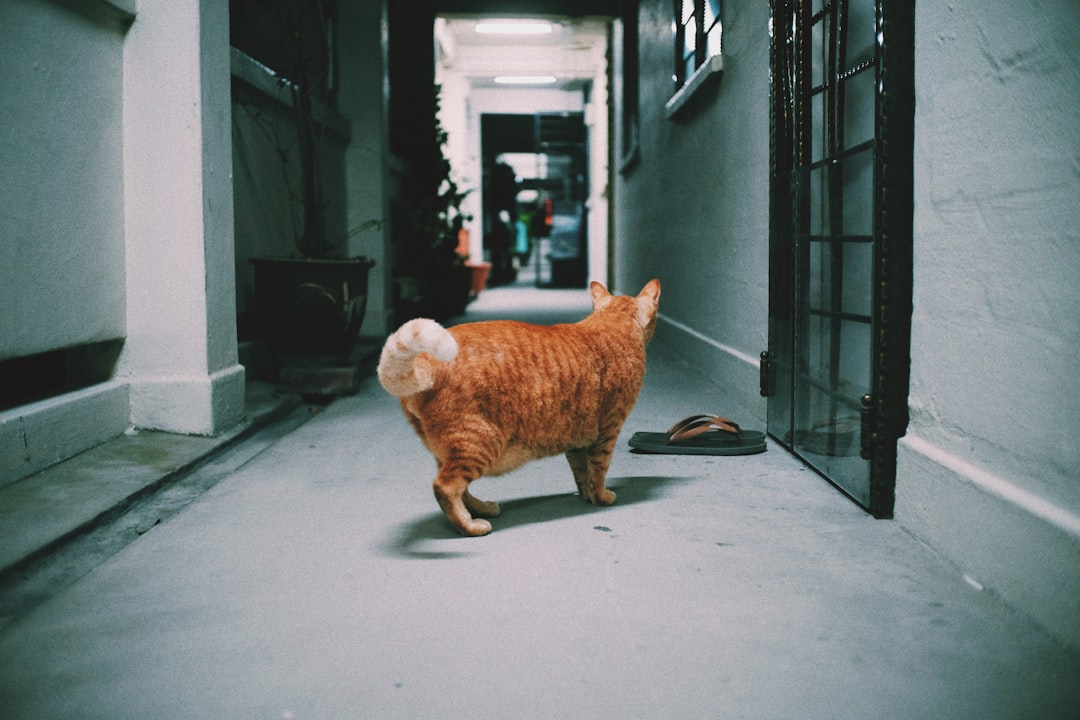
The moment you walk through the door, some cats transform into furry shadows. If you’ve ever tripped over your feline in the hallway or found them waiting outside the bathroom door, you’re not alone. Many cats develop a habit of trailing their humans from room to room. This following behavior intensifies after periods of separation.
Cats seek attention and affection from their owners. When their owners are inside the bathroom, cats might feel left out and lonely, which prompts them to wait outside for a chance to reconnect with their favorite person. Your cat is essentially making up for lost time.
Physical Illness Symptoms
When feline friends are seriously missing us, they can get physically sick as well as feeling pretty down mentally. If your cat isn’t used to your absence, the stress they’re under may cause them to be physically sick, or to have stress diarrhea. The mind-body connection in cats is remarkably strong.
These physical manifestations demonstrate that your cat’s emotional attachment runs deeper than surface behavior. Their body literally responds to the stress of separation, making the reunion even more precious when it finally arrives.
Aggressive Behavior Toward Others

Your cat could act aggressively toward their pet sitter by growling, swiping, or biting. Van de Kieft says this could be a sign they’re upset because you’re not there. This misplaced aggression isn’t personal against the caregiver; it’s your cat’s way of expressing frustration about your absence.
The aggressive response often stems from protective instincts combined with anxiety. Your cat may be defending what they perceive as “your” territory while simultaneously feeling stressed about not knowing when you’ll return.
Hyperactive Greeting Rituals
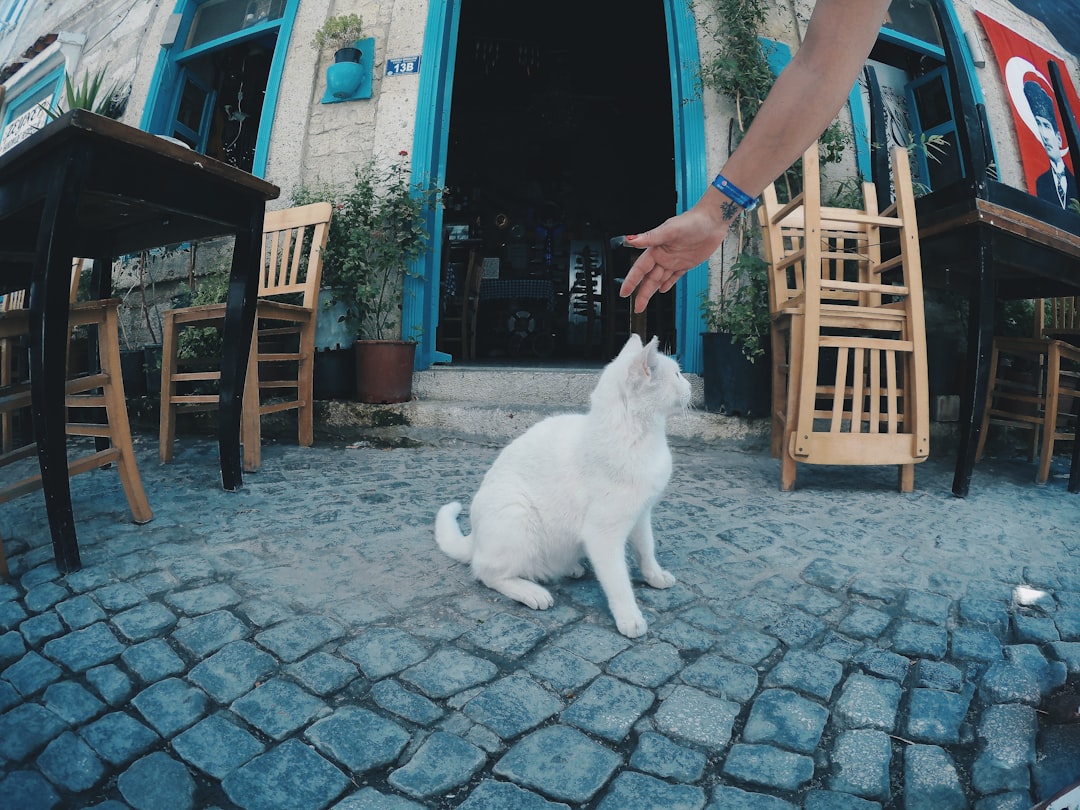
The clip shows her black and white cat and an orange tabby sprinting toward the front door the moment she arrives home from work. This enthusiastic welcome isn’t just excitement; it’s emotional release. One of the greatest parts of pet ownership is being greeted by your furry companion the minute you walk in the door. A cat greeting is not the same as a dog greeting, and the way your cat greets people can tell a lot about how much she trusts them.
The intensity of their greeting often corresponds to the depth of their attachment and the length of your absence. These energetic reunions represent pure joy and relief that their favorite person has returned safely.
Heightened Alertness and Jumpiness
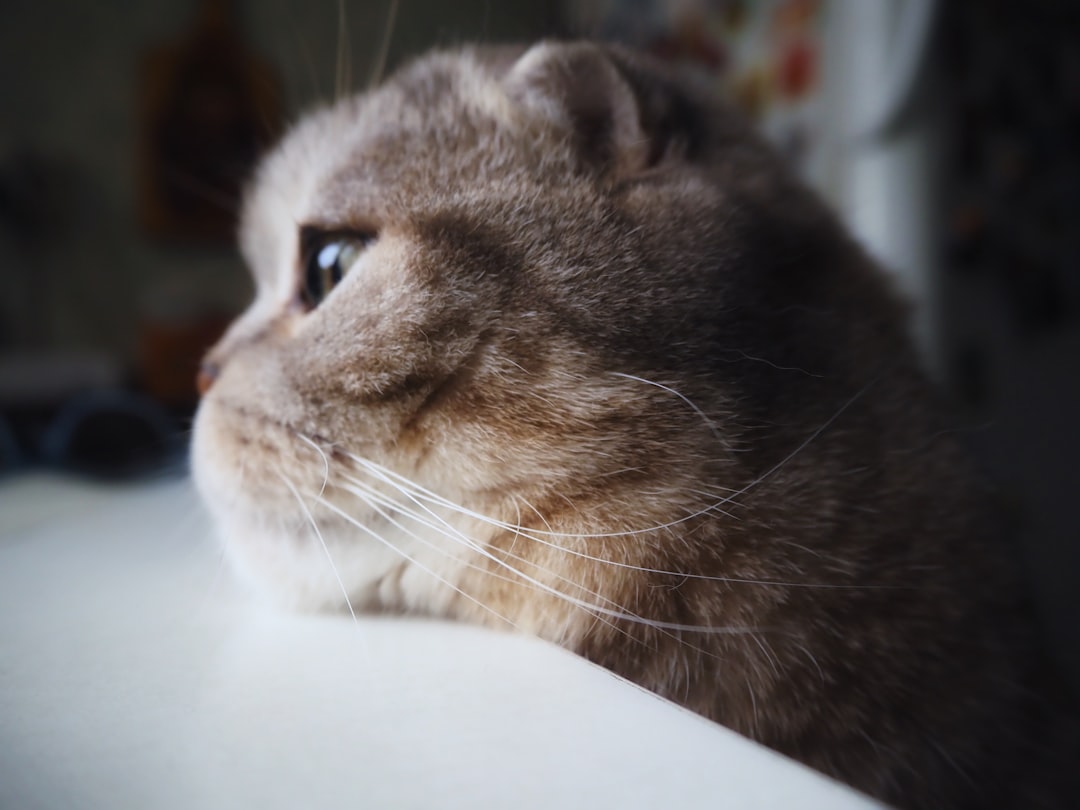
While kitty pals are more often than not, cool, calm and collected, jumpy behavior could be a sign that your cat is missing you, and may even have separation anxiety. If your cat is more on edge and watchful than usual, they’re likely to become scared and startled by noises and human behaviors that they usually wouldn’t flinch at.
This hypervigilance develops as your cat maintains constant awareness of their environment, hoping to detect signs of your imminent return. Every sound becomes potentially significant, every shadow might signal your arrival. They’re living in a state of hopeful anticipation that can be emotionally exhausting.
Conclusion

Understanding these subtle signs transforms how we view our feline companions. Far from the aloof stereotypes, cats experience genuine attachment and demonstrate their affection through these quiet but meaningful behaviors. Each missed meal, every door vigil, and all those extra-long purring sessions upon your return tell a story of devotion that runs deeper than many realize.
The next time you notice these behaviors, remember that your cat is simply saying “I missed you” in the only way they know how. Their love language might be different from a dog’s enthusiastic tail-wagging, but it’s no less sincere or profound.
What do you think about these subtle expressions of feline affection? Have you noticed any of these behaviors in your own cat when you return home?