There is a deeply unfair rumor floating around the animal world, and honestly, cat owners everywhere have let it go on for far too long. Cats are cold. Cats are indifferent. Cats only tolerate you because you control the food bowl. Sound familiar? Here’s the thing though – none of that is really true. Cats are quietly, subtly, magnificently affectionate creatures, and the only problem is that most of us simply aren’t fluent in their language yet.
The ways your cat expresses love don’t look like a dog’s wagging tail or a golden retriever’s full-body enthusiasm. Cats have more subtle ways of making their affection known, and just because they’re naturally more understated, doesn’t mean the bond is any less strong. In fact, once you start to decode these hidden gestures, you’ll see your cat in a completely different light. Get ready to be surprised by what you’ve been missing all along. Let’s dive in.
1. The Slow Blink – Your Cat’s Way of Saying “I Love You”
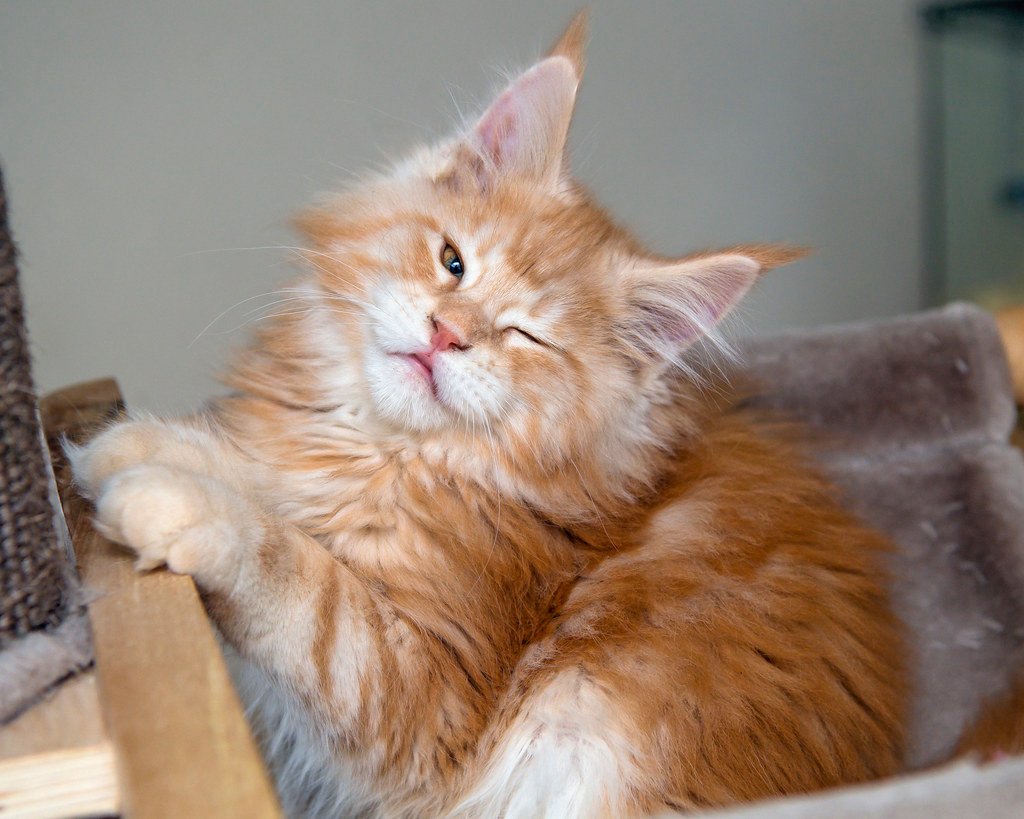
Most people see their cat staring at them with heavy, half-closed eyes and assume the animal is simply bored or sleepy. In reality, something far more tender is happening. Cats only make eye contact with people they like and are even known to make “eye kisses.” This is when a cat will stare with half-closed eyelids and slowly blink, repeatedly.
Think of it as the feline equivalent of blowing a kiss across the room. The slow blink is a sure sign that your cat loves you; it shows your buddy feels relaxed, content, and safe. It’s an invitation to respond with similar openness and love. Think of it as a sort of gentle feline kiss. Try blinking back slowly next time – you might be surprised to find your cat responds in kind.
2. Headbutting and Bunting – The Feline Stamp of Ownership
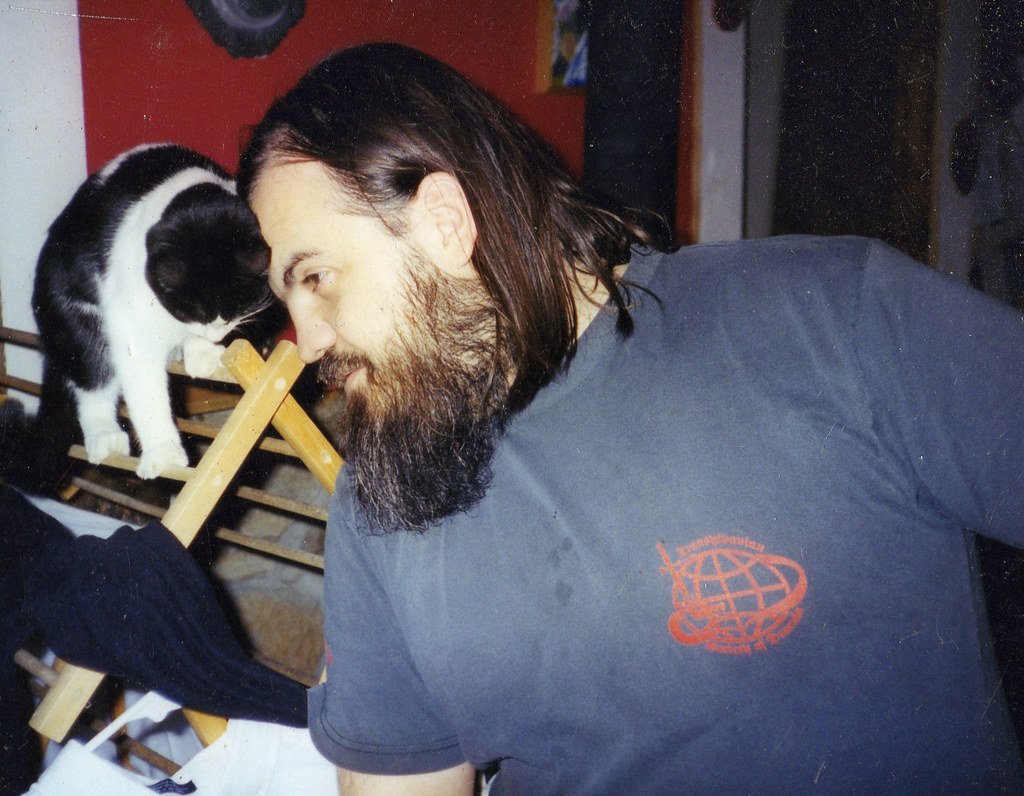
If your cat walks up and bumps their forehead right into your face, don’t be confused or alarmed. That’s not aggression. That’s a declaration. Head-butting, also known as bunting, may seem like an odd way of showing affection, but this nuzzling action is essentially a kitty kiss. Your cat has glands in their cheeks and heads that release “happy messages.” When your cat nuzzles their face against you, they are marking you with their scent. This scent is a source of both comfort and familiarity for them. They’re reminding themselves that you’re safe and part of their happy family.
Headbutting and cheek rubbing are both social behaviors that are learnt and expressed throughout kittenhood. Both are ways in which cats build bonds and affection with other animals and, by extension, with the humans they do it to. So the next time your cat plants their head firmly into your chin, consider yourself officially claimed – and deeply loved.
3. Kneading – “Making Biscuits” on You Is a Massive Compliment
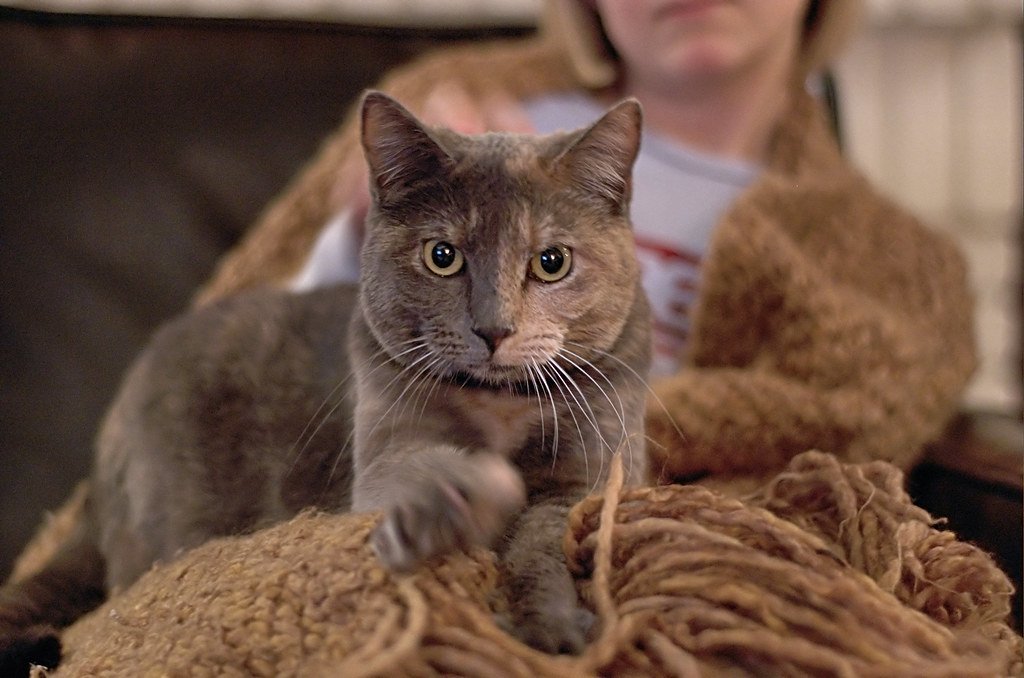
You’ve probably experienced it: your cat climbs onto your lap, starts rhythmically pushing their paws in and out against you, and you have no idea whether to feel flattered or slightly concerned about those little claws. Kneading, often called “making biscuits,” happens when a cat rhythmically flexes and relaxes their front paws against a soft surface, or even their owner. This adorable behavior is more than just cute – it’s a sign your cat feels safe and bonded with you. “Cats learn this behavior as kittens to stimulate milk flow from their mothers,” explains one expert. “When an adult cat kneads on you, it shows they trust you and feel secure in your presence.”
Kneading is believed to bring comfort by releasing endorphins to reduce stress and promote relaxation. Relaxed cats that knead are showing contentment. It’s a little like watching someone instinctively reach for a warm blanket when they feel completely at ease. You are that blanket to your cat. I think that’s one of the sweetest things in the entire animal kingdom.
4. Grooming You – When That Sandpaper Tongue Means Everything
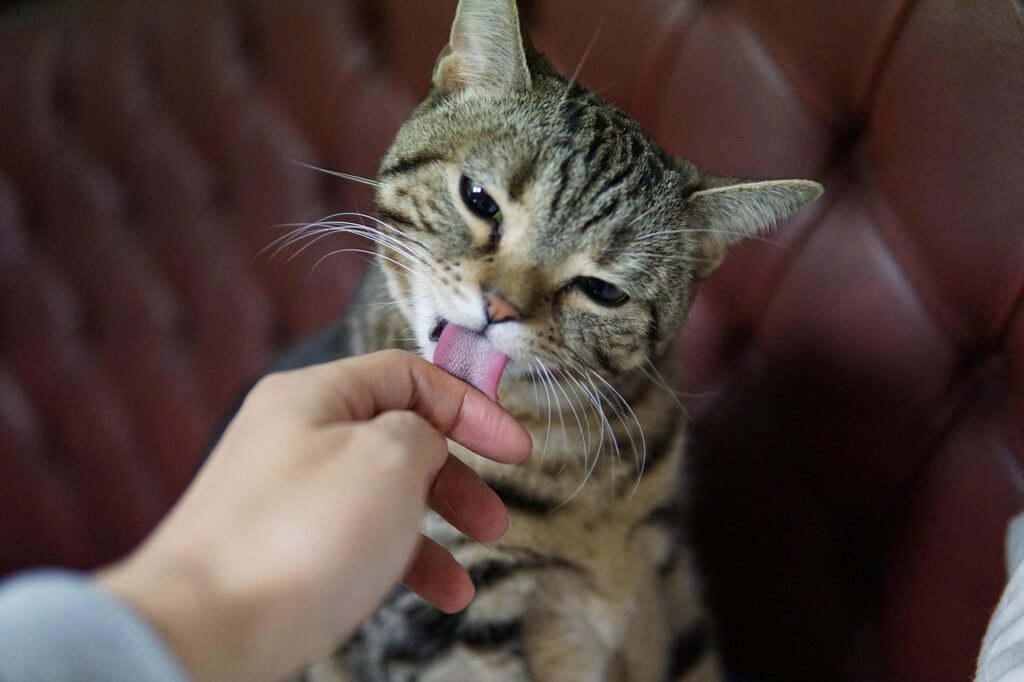
Your cat licking your hand, your hair, or even your face might feel a little odd – that tongue is rough, after all – but the meaning behind it is genuinely touching. Social grooming, also called allogrooming, is a sign of social bonding and is associated with security. Cats are often solitary animals, but if they live in a bonded pair or group, they will spend time grooming each other. If your cat licks you or grooms you, this is cat behavior indicating trust and love.
When a cat licks your skin or hair, it’s mimicking the grooming behavior they use with other cats. This action signifies that they see you as part of their social group and trust you enough to share this intimate behavior. In other words, your cat is treating you like family, the same way a mother cat tends to her kittens. Honestly, there’s no higher honor in the feline world.
5. Following You Everywhere – Even Into the Bathroom
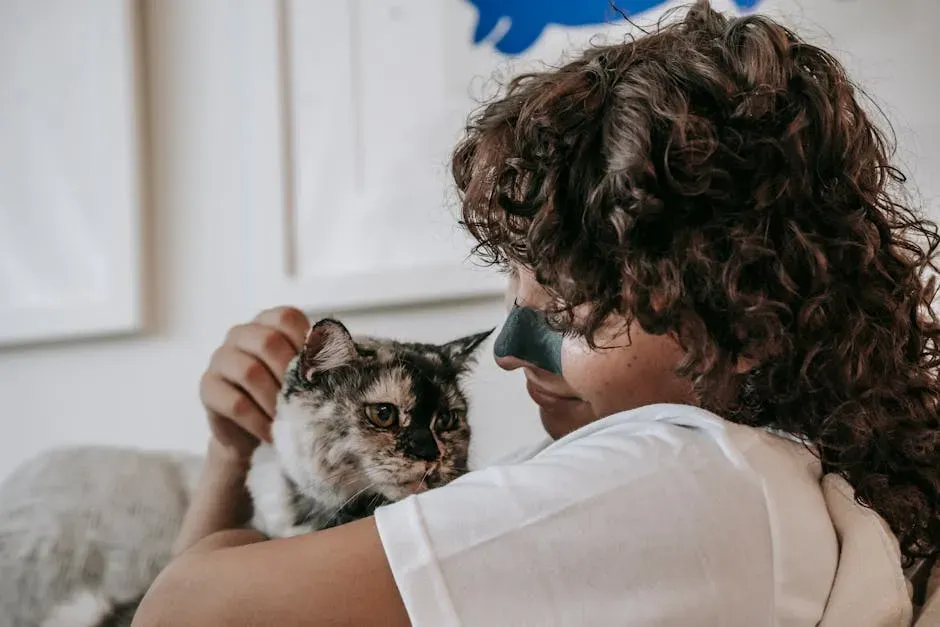
Let’s be real: most cat owners have experienced the slightly surreal moment of being followed into the bathroom by their cat, who then proceeds to sit and stare at them with absolute seriousness. You might find it odd. Your cat finds it completely normal. Some cats don’t really enjoy physical contact but that doesn’t mean they don’t want your companionship. If your cat follows you from room to room – and it’s not feeding time – they want to be close to you. Kind of like your own fluffy little shadow.
Many pet parents might find it odd that their cats follow them everywhere they go, even right into the bathroom. This just means that your cat wants to spend more time with you. A cat that enjoys your company and feels comfortable around you is going to follow you around the house and cling to you like glue. They just want you to know that they see you as a great companion. Privacy? Your cat respectfully disagrees with the concept.
6. Sleeping Near You or On You – The Ultimate Trust Signal
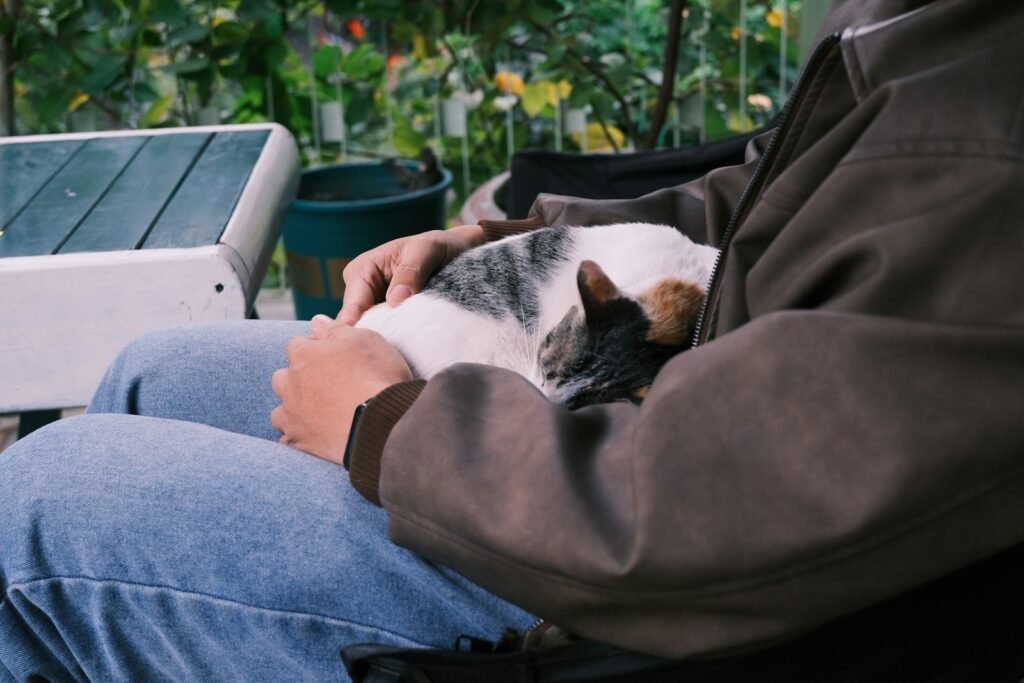
When your cat chooses to nap on your chest, curl up against your legs, or even just settle on the same couch cushion right next to you, that’s not coincidence. That’s a deliberate choice rooted in deep trust. In case you haven’t noticed, your cat sleeps a lot. But like most animals, cats are most vulnerable when snoozing. As a result, they are only going to sleep where they feel most comfortable and secure. If that’s with you, congratulations! Your cat definitely sees you in a positive light.
Sleep is a vulnerable state for cats. Choosing to nap next to you – or even in the same room – is a strong indicator of trust. Think about it this way: would you fall asleep in a place that made you feel unsafe? Neither would your cat. Their snoozing presence beside you is one of the quietest, most sincere love letters they know how to write.
7. The High Tail Greeting – A Tiny Flag of Joy

When your cat walks toward you with their tail pointing straight up toward the sky, sometimes with a little curve at the very tip, many owners simply don’t register what that posture actually means. A cat’s tail can reveal a lot about their feelings. When a cat approaches you with its tail held high, often with a slight curve at the tip, it’s a sign of confidence and affection. This posture indicates that your cat is happy to see you and feels secure in your presence.
Cats use their tails in a variety of ways to communicate their mood. A puffy tail or a tail held low to the body indicates fear or anxiety, while a tail held high expresses confidence and security – and even that your cat is happy to see you. That upright tail is essentially the equivalent of your cat throwing their arms open wide the moment you walk through the door. It’s a greeting card written entirely in body language.
8. Trilling and Soft Vocalizations – Special Sounds for Special People
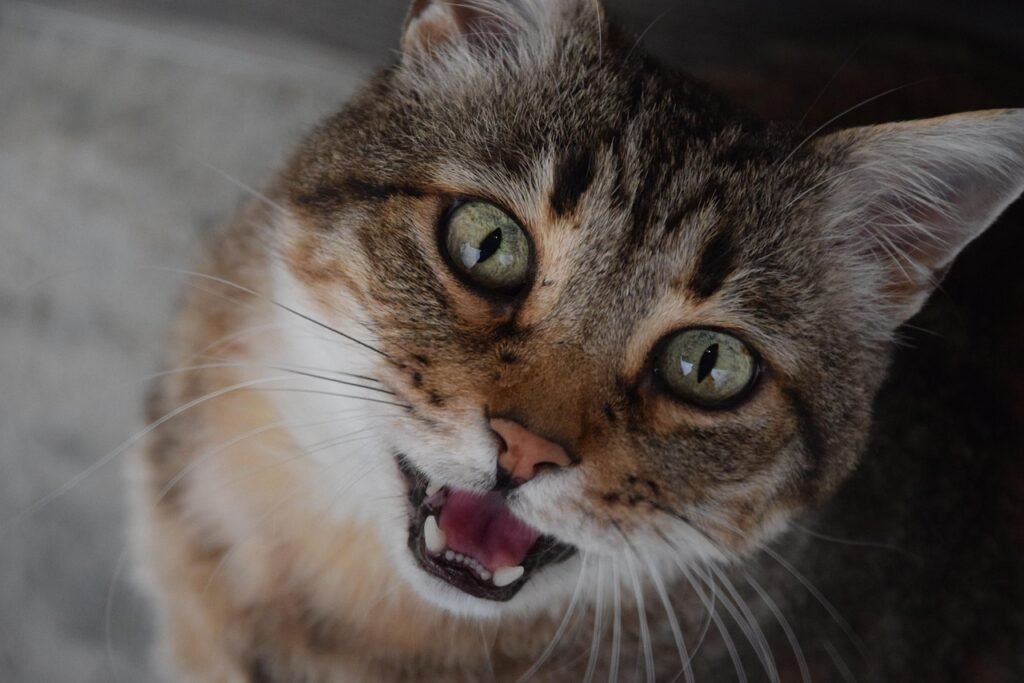
Most people know that cats meow, but not everyone realizes that certain sounds are reserved exclusively for the humans cats love the most. Cats don’t typically meow to communicate with other cats; they reserve this behavior for interacting with humans. If your cat frequently meows at you, especially with a soft, gentle tone, it’s their way of getting your attention and showing affection. Each cat has a unique meow that can indicate different needs or emotions.
There’s also the lesser-known trill, which is genuinely one of the most charming sounds a cat makes. Trilling is a universal sign of affection in cats. These melodic, high-pitched, purr-adjacent noises are almost always reserved for their most favorite humans and are usually performed in greeting or in gratitude after a pat or snack. If your cat trills at you, you should probably feel incredibly special, because not everyone gets to hear that sound.
9. Showing You Their Belly – A Vulnerability Few Will Ever See
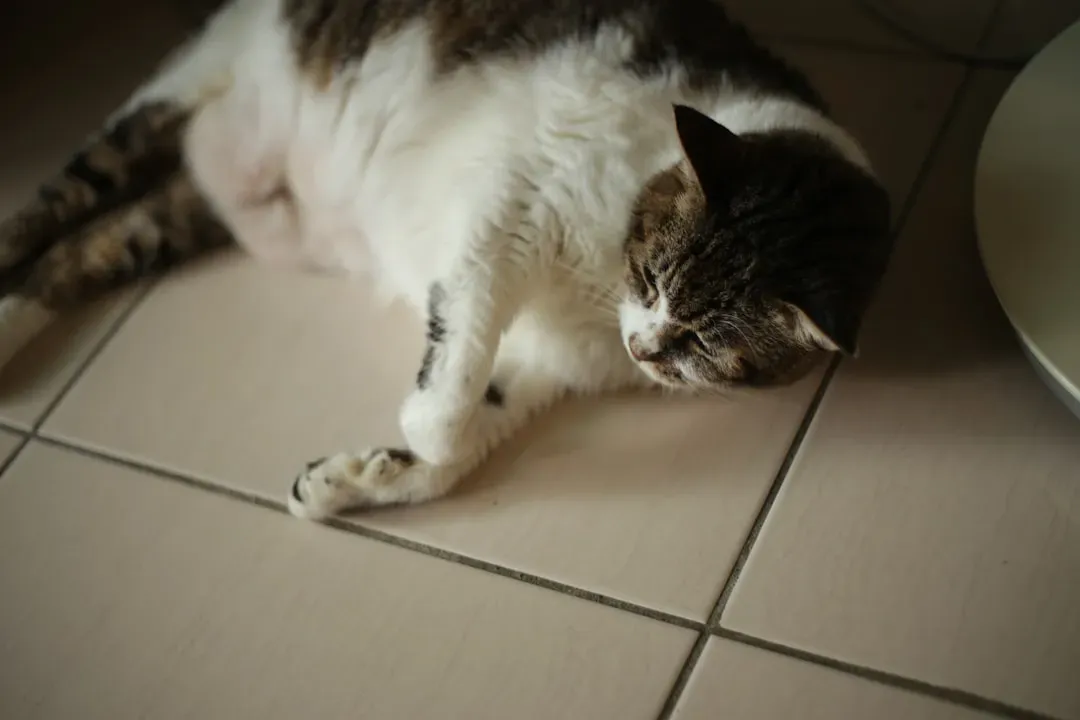
Here’s where a lot of owners make a well-meaning mistake. Your cat rolls onto their back, exposes their soft belly, and you naturally reach out to pet it. Then the claws come out. What just happened? The thing is, showing the belly and inviting a belly rub are two entirely different things. This is often considered the ultimate sign of trust for a cat. Cats only lie on their backs and show their bellies when they are in their most relaxed state. But this is not an invitation to pet your cat’s belly. They are simply communicating that they feel comfortable and safe enough to reveal one of the most vulnerable parts of their body.
Your cat’s belly is a particularly tender spot. If she rolls onto her back and exposes her belly, she’s telling you she’s comfortable being around you. This doesn’t necessarily mean your cat wants you to pet her belly, though; most cats don’t actually like that. It’s mainly a sign that she feels protected when you’re nearby, since being on her back is a defenseless position. Admire the gesture. Resist the temptation. Your fingers will thank you.
10. Bringing You “Gifts” – Gross, But Deeply Loving
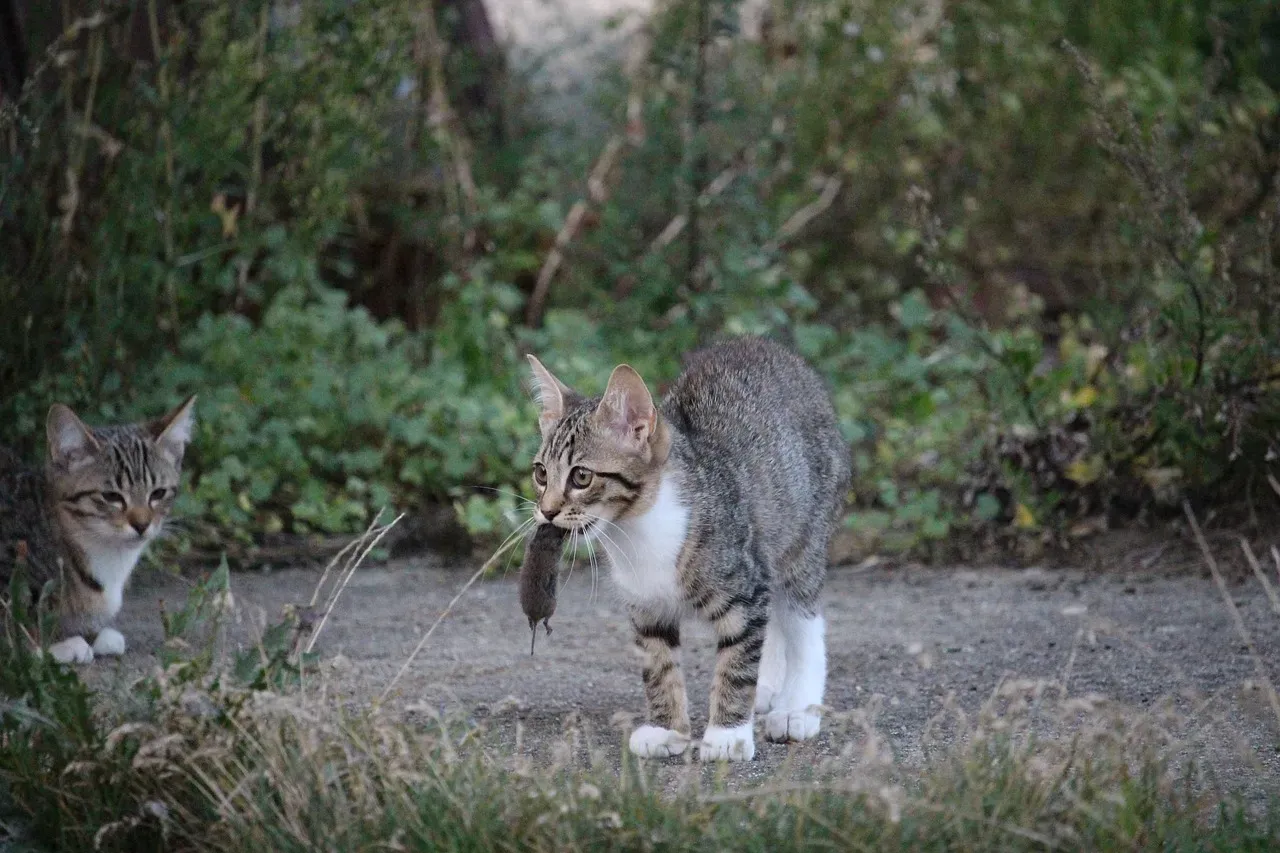
Alright, this one requires a strong stomach. If you’ve ever woken up to find a dead mouse, a half-eaten bird, or some other small unfortunate creature placed near your pillow or front door, your first instinct was probably not “how touching.” Yet that’s exactly what it is. In terms of how cats show affection, the occasional dead rodent or bird is up there. Food is rare in the wild, so if they’re willing to share their prized catch with you, then you are considered a close family member. While it may seem unsightly, it’s the equivalent of your partner surprising you with takeout.
If your cat brings you toys or even a dead mouse, they’re sharing love by giving you a gift. In the wild, cats bring prey to their family; this is your cat’s way of doing the same. So yes, it’s unpleasant. Yes, you should probably wear gloves. Still, try to appreciate the spirit of the gesture – your cat thinks very highly of you and wants to make sure you’re well-fed. That’s love, in its most primal and sincere form.
11. Sitting Near You Without Touching – Proximity Is Affection Too
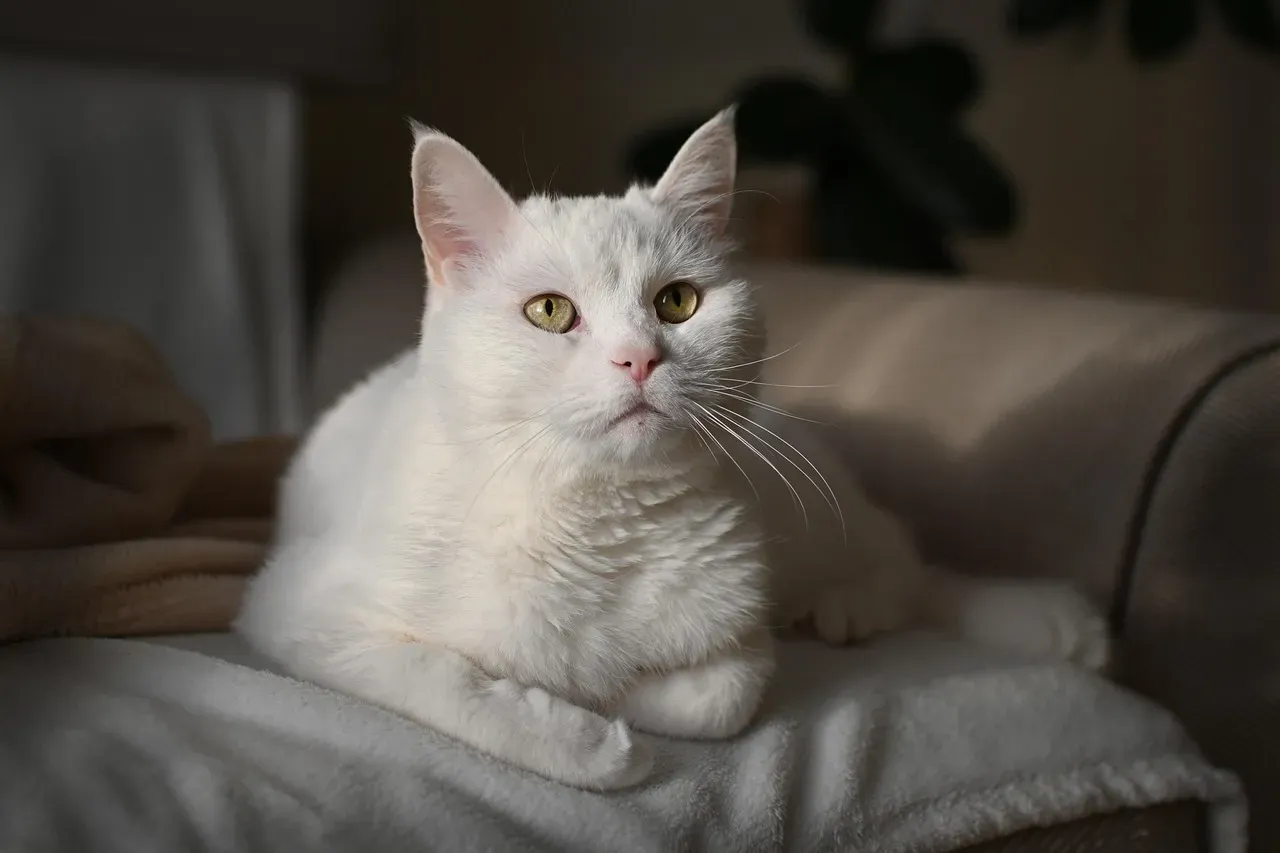
One of the most commonly misread cat behaviors is when your cat settles nearby but doesn’t actually curl up on you. Many owners interpret this as disinterest. It’s actually quite the opposite. A cat doesn’t have to be in your lap to show love. Sitting near you is also a meaningful choice. Cats are selective about where they spend their time. In fact, their independence can be one of their most admired qualities. That makes choosing to share space with you a quiet but powerful sign of attachment.
In the wild, adult cats will lay nearby one another but rarely cuddle like kittens. If your cat likes to be on the rug while you’re on the couch, or in their tree while you’re at their desk, they’re showing you they want to be around you in their own way. It’s the cat version of companionable silence – the kind you share with someone you genuinely love and feel at ease with, without needing to fill every moment with noise or touch.
12. Yawning and Stretching in Your Presence – Relaxed Enough to Let Their Guard Down
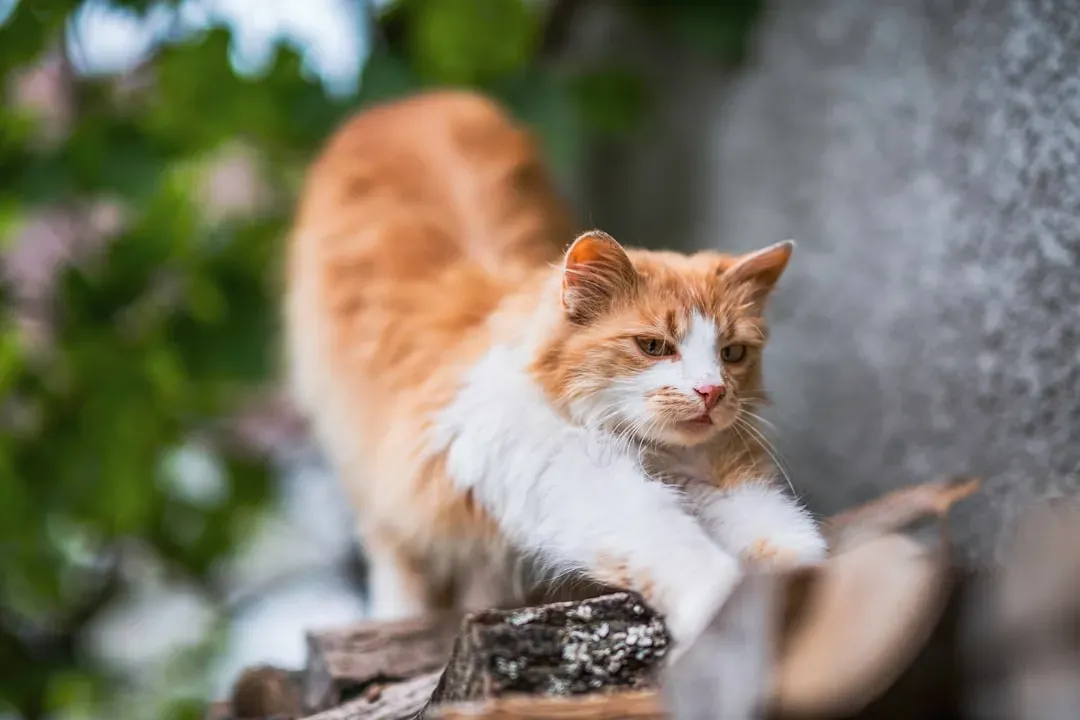
This one surprises almost everyone. When your cat looks up at you, yawns enormously, and then stretches out luxuriously in front of you, it’s easy to think you’re simply boring them. You’re not. Much like slow blinking, yawning and stretching may easily be mistaken for sleepiness, but there’s often more to it than that. It’s a sign that they are comfy around you. Especially if they’re sleeping, if they see you and suddenly get up, meow, and then yawn and stretch before coming to hang out with you, it’s a sign of love.
Research shows that our feline friends are definitely capable of perceiving some human emotions and responding to them. They often rely on visual and auditory cues to come up with an appropriate action or response to convey their feelings. Cats are also able to distinguish between our emotional cues and can read our body language to an extent. That lazy yawn and big stretch is your cat saying, in the most relaxed way possible, that being near you feels completely, perfectly safe.
Conclusion: Your Cat Has Been Telling You All Along
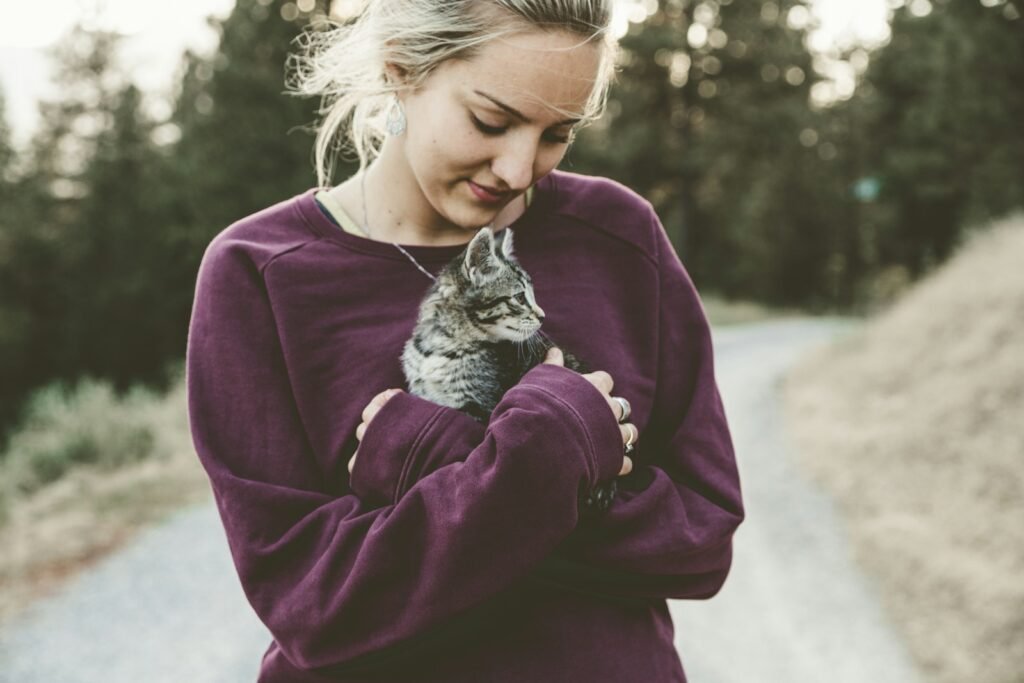
It turns out, you may have been living with a deeply affectionate animal this whole time without fully realizing it. Cats don’t shout their love from the rooftops the way dogs do. They whisper it, through slow blinks and soft trills, through warm bodies pressed against your legs and tiny heads bumped gently into your chin.
Cats show affection in ways that often go unrecognized by their pet parents because some people aren’t sure how cats demonstrate their love. Since cats express their affection in ways very different from people and other pets, it makes sense that we often miss these precious moments. Now that you know what to look for, those moments are yours to keep.
The next time your cat drops into a slow blink across the room or simply settles beside you on the couch without asking for anything, take a breath and really notice it. That quiet presence? That’s the whole point. So here’s the real question worth sitting with: how many of these signs has your cat been showing you all along, and you never even noticed? Tell us in the comments – we’d love to know.