You thought you were the one in charge of how your home looks. You picked the furniture, chose the throw pillows, carefully arranged the bookshelf. But somewhere between unpacking that stylish new vase and waking up to find it on the floor, a sobering truth began to emerge: your cat has been quietly redesigning your home this entire time.
Cats are deeply territorial, sensory-driven creatures with very firm ideas about how a living space should function. They have opinions about your shelving arrangement, your furniture placement, and frankly, whether that decorative candle holder really needs to be up there at all. Let’s dive in and discover what your feline is really up to.
The Shelf Clearer: Your Cat’s Editorial Eye for Clutter
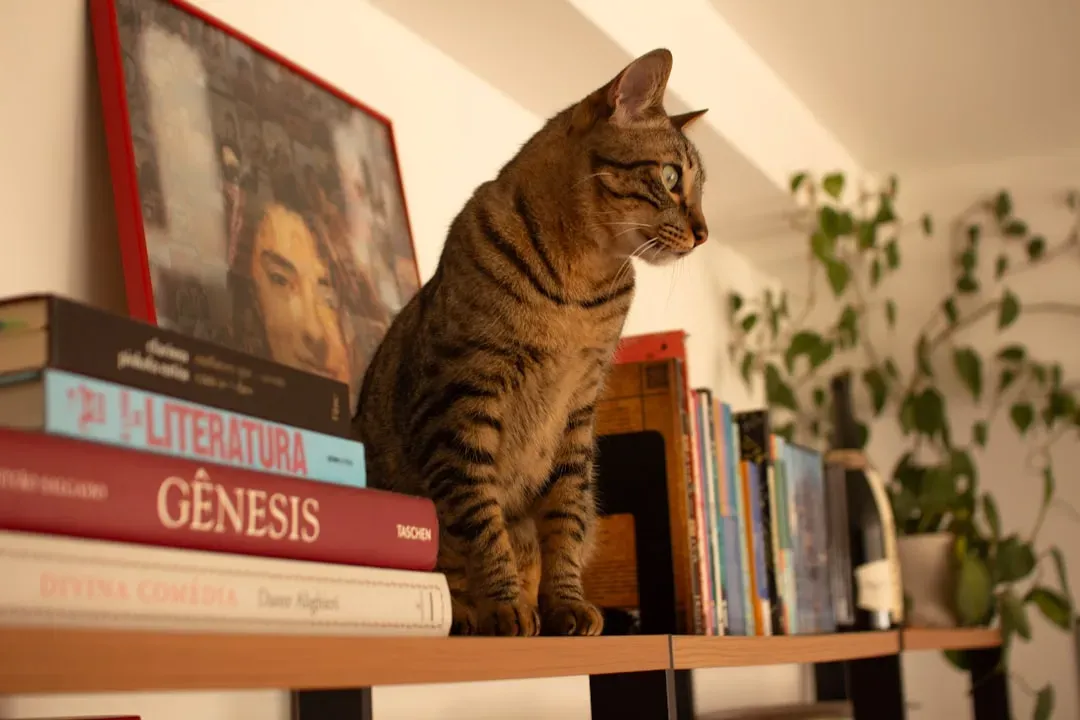
Let’s be real – your cat didn’t knock that ceramic owl off the shelf by accident. Knocking objects off surfaces can be a way of rearranging their space to their preferences. By moving or removing items, they’re essentially redecorating according to their own specifications. In other words, your cat reviewed your decorating choices and found them lacking.
Wild cats are predators, and domesticated cats retain some hunting instincts. They might perceive an object as prey, and knocking it over or batting it can act as a simulated hunting process. So your carefully curated shelf display? Your cat sees it as a challenge waiting to be conquered, one swipe at a time.
The Scent Stamper: Claiming Every Surface as Their Own
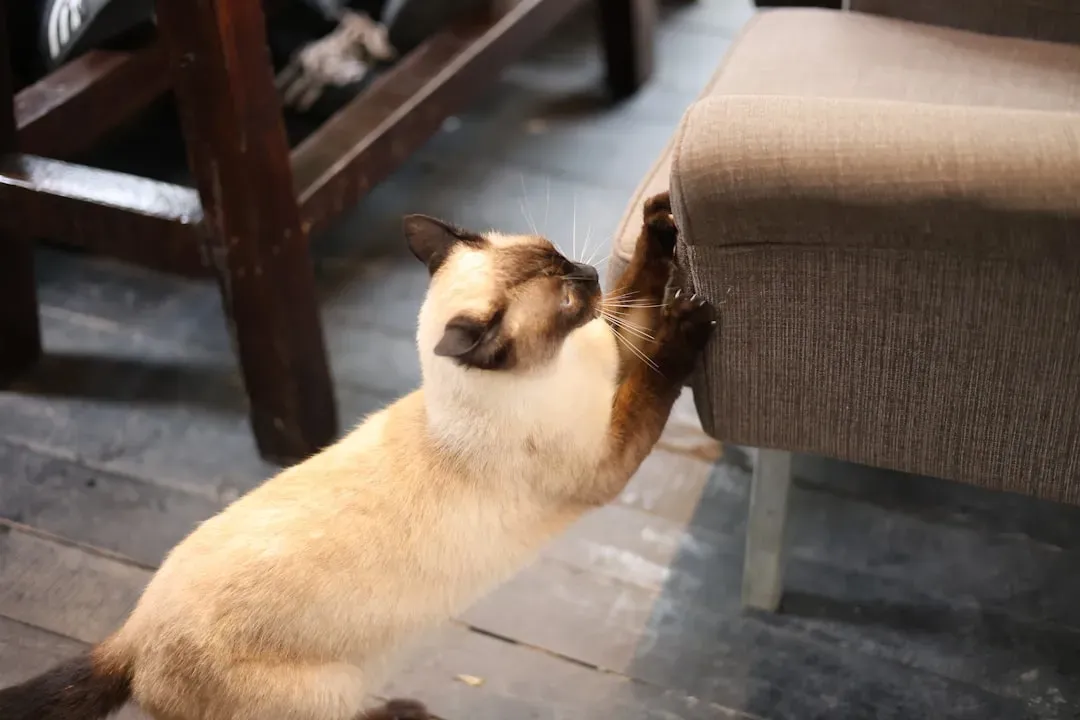
You might have bought that couch. Your cat, however, owns it. Cats scratch furniture because they are marking territory in places where you sit. In the pads of the paws are scent glands that release a kitty’s scent onto everything they scratch. Think of it as a feline signature, written invisibly across every surface they touch.
All cats have scent glands on their paw pads that release special hormones called pheromones, which they can use to communicate with other cats. Cats are territorial and want to send a clear message about their space. That message? “This is mine. All of it. Including the bit you’re currently sitting on.”
The Furniture Critic: Why Your Sofa Gets the Most Attention
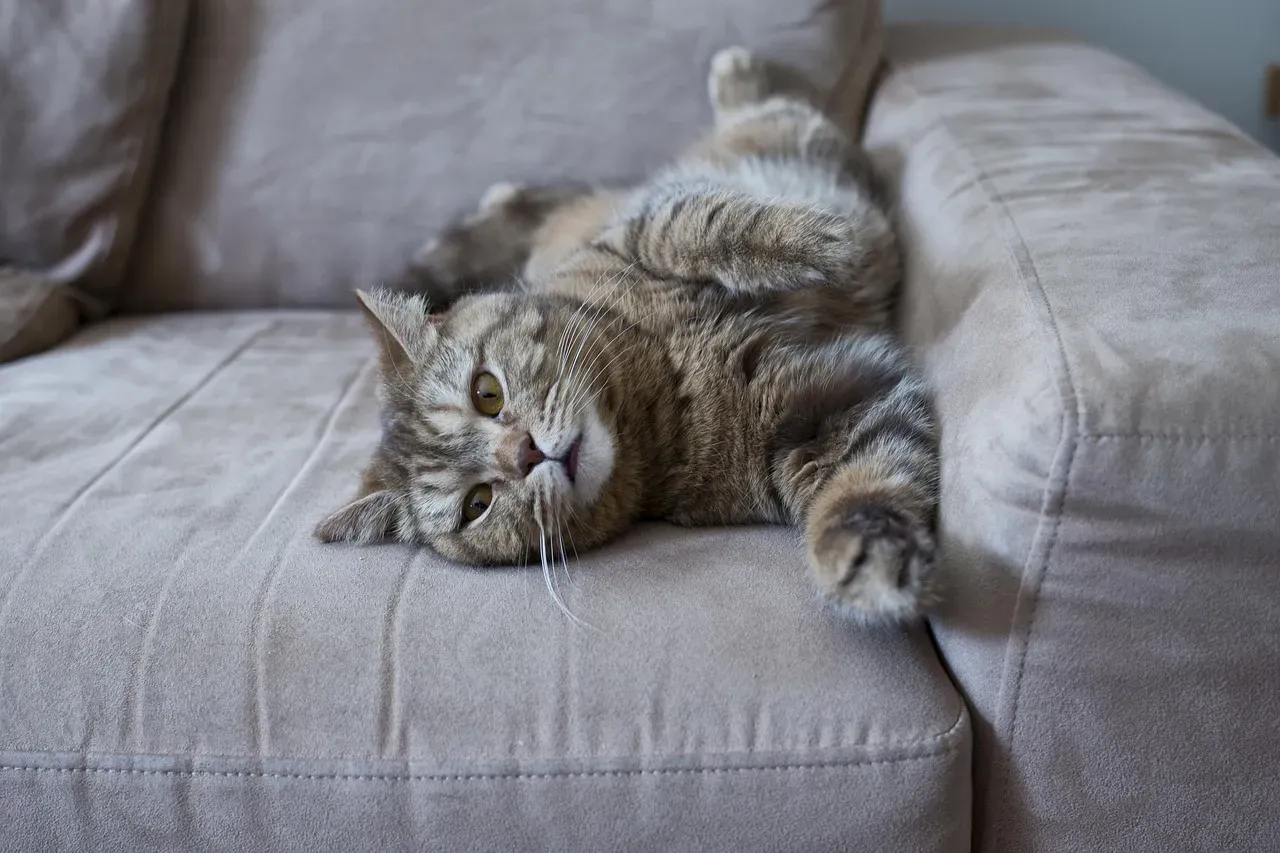
Have you ever noticed your cat gravitates specifically to your most expensive, most beloved piece of furniture? That is not a coincidence. Your furniture often becomes the go-to spot because it’s tall, sturdy, and provides the perfect solid surface for them to dig into and pull against. Honestly, your cat has remarkably good taste in textiles.
Your cat doesn’t want to mark some unused corner of the house as their territory – they want to proudly scratch where their family spends the most time. It’s oddly flattering if you think about it. They scratch where the action is. Where you are. Your couch is basically the VIP section in your cat’s world map.
The High-Rise Enthusiast: Demanding Vertical Real Estate
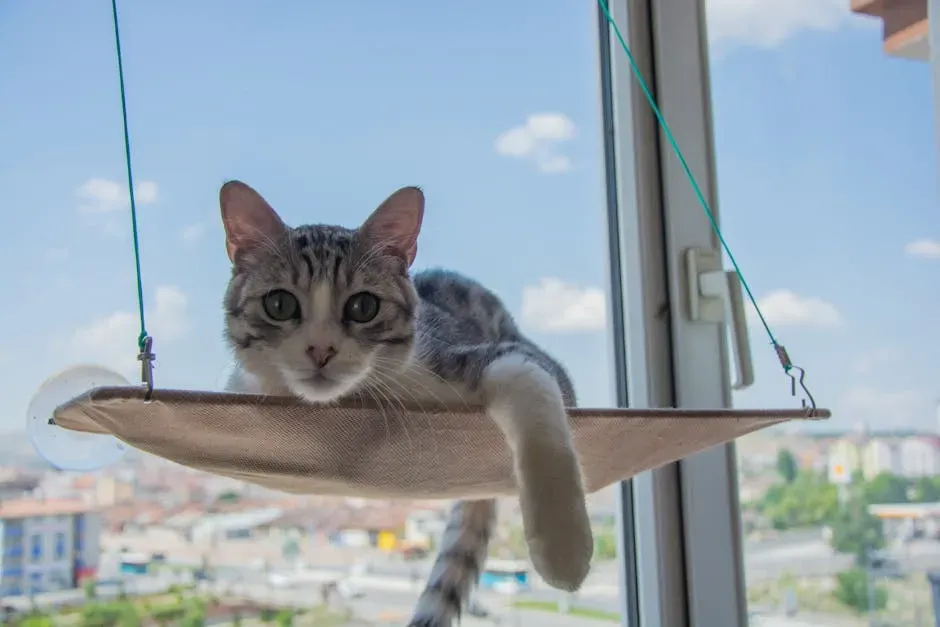
If you could ask your cat what they want in the way of home furnishings, the answer would be clear. Cats would nearly all mention places to perch up high. Cats almost universally love to have elevated options, so if you want your home to be a cat paradise, consider decorating with an eye for making use of vertical space. Your cat essentially wants you to gut-renovate your home into a multi-level jungle gym.
Instinct is a driving force behind a cat’s preference for lofty perches. From a biological and evolutionary standpoint, cats are prey and predators. Before cats graced our homes, they were potential meals for wild animals and sought out small rodents and birds to satisfy their hunger. So when your cat colonizes the top of your bookshelf, they’re not being dramatic. They’re being ancestrally strategic.
The Window Stylist: Insisting on the Best View in the House
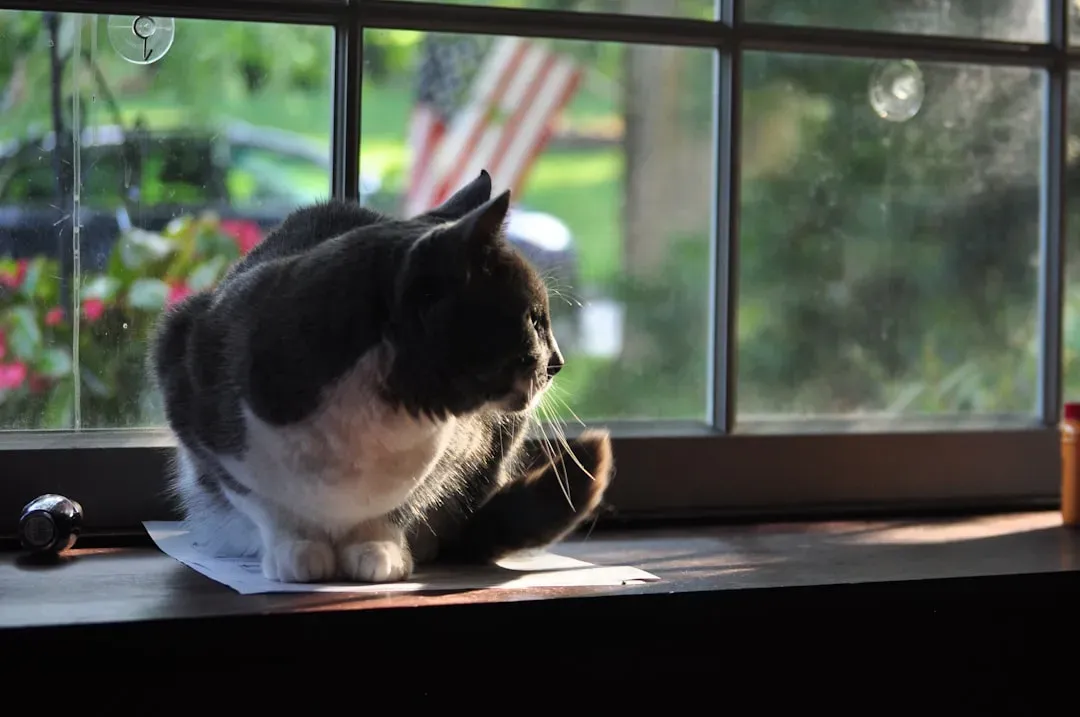
Your cat has very strong feelings about the windows. Specifically, they believe every window should be accessible, ideally sunny, and ideally facing something interesting. For cats, windows aren’t just about sunlight – they’re about stimulation. Watching birds, squirrels, and passing people provides what many call “cat TV,” keeping indoor cats entertained and mentally sharp. The warmth of the sun adds comfort, while the elevation offers a sense of safety and territory.
Window sills exposed to sunlight become perfect microclimates. Beyond warmth, sunlight boosts serotonin – the “feel-good” hormone that enhances relaxation and emotional balance. Your cat isn’t just lounging. They’re self-medicating through interior design. Honestly, that is a level of self-care most of us aspire to.
The Laptop Occupier: Redesigning Your Workspace With Zero Permission
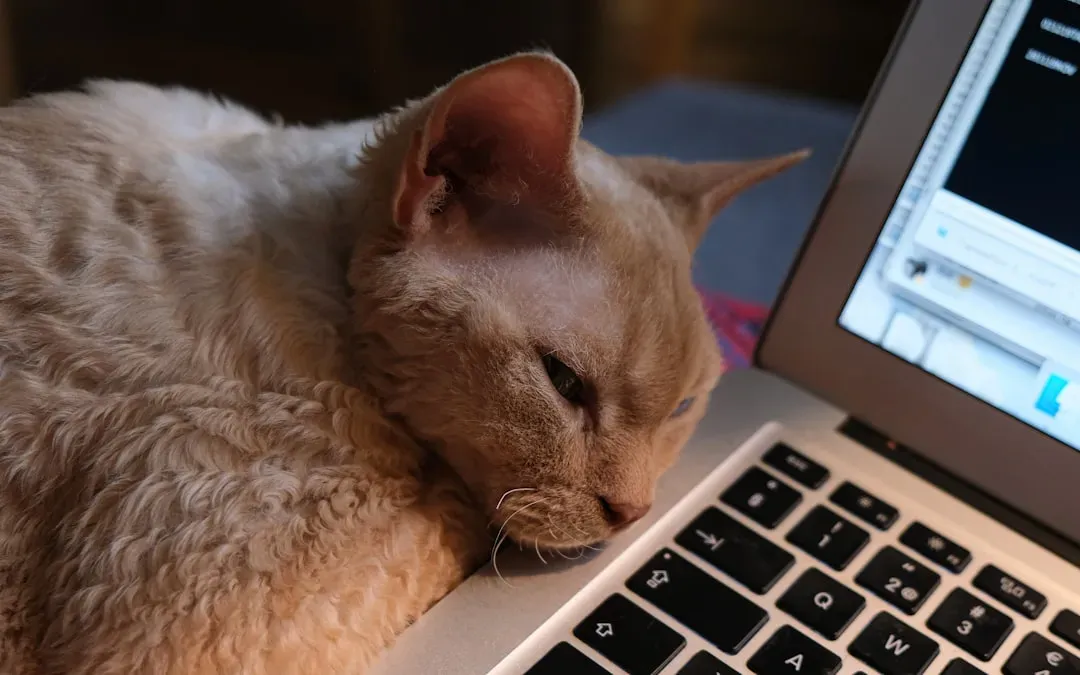
You sit down to work, open your laptop, and within minutes a warm, fuzzy body appears from nowhere and parks itself directly on your keyboard. This is not random. When a cat sits on top of a laptop, they are leaving their scent on it. This scent marking is a declaration of ownership, letting other cats know that they have claimed that spot. Interestingly, cats may also use scent marking as a way to assert dominance over other cats.
Attention-seeking is probably the number one reason cats sit on your stuff. “They know the object is important to you because you’re focusing on it, and that means you’re not focusing on them.” Your cat has decided that your home office setup needs one crucial addition: them. Front and center, no exceptions.
The Territorial Zone Planner: Mapping Your Home Room by Room
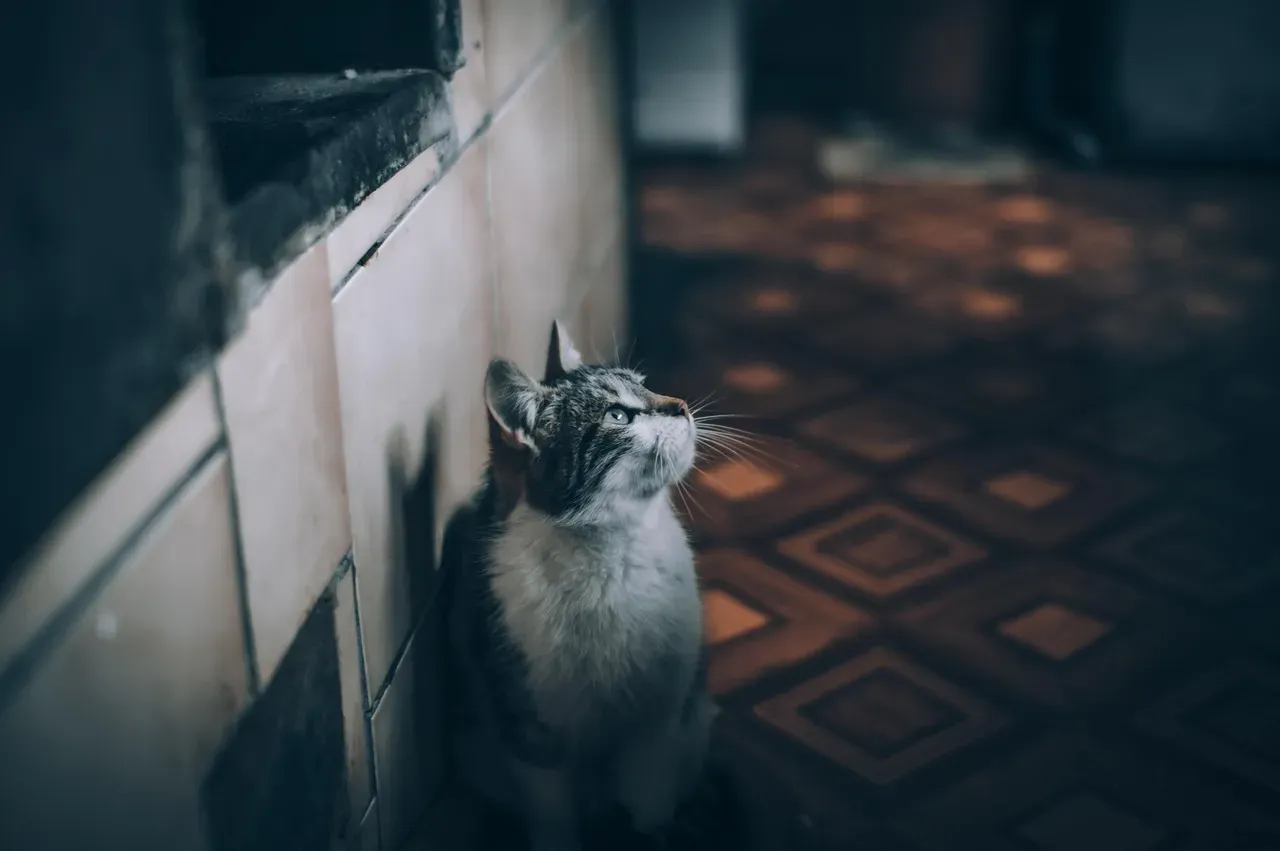
Here’s the thing – your cat doesn’t just live in your home. They manage it. Cats fully inhabit their territory in ways the most devoted interior decorator could understand. They need to know how to travel through it, around it, and on top of it. With their supersenses, they build a giant sensory map that helps them monitor activity. Your floor plan is essentially their strategic operations blueprint.
Cats are territorial, sensitive, and deeply attuned to environmental details we often overlook – light, texture, sound, airflow, even the vibration of footsteps. So when your feline friend curls up in that specific nook or perches on your favorite chair, they’re not being stubborn. They’re responding to invisible cues that make that space feel safe, balanced, and emotionally grounding. Basically, your cat has already run the feng shui assessment. You just weren’t invited to the meeting.
The Plant Rearrangement Specialist: Unsolicited Horticulture Opinions
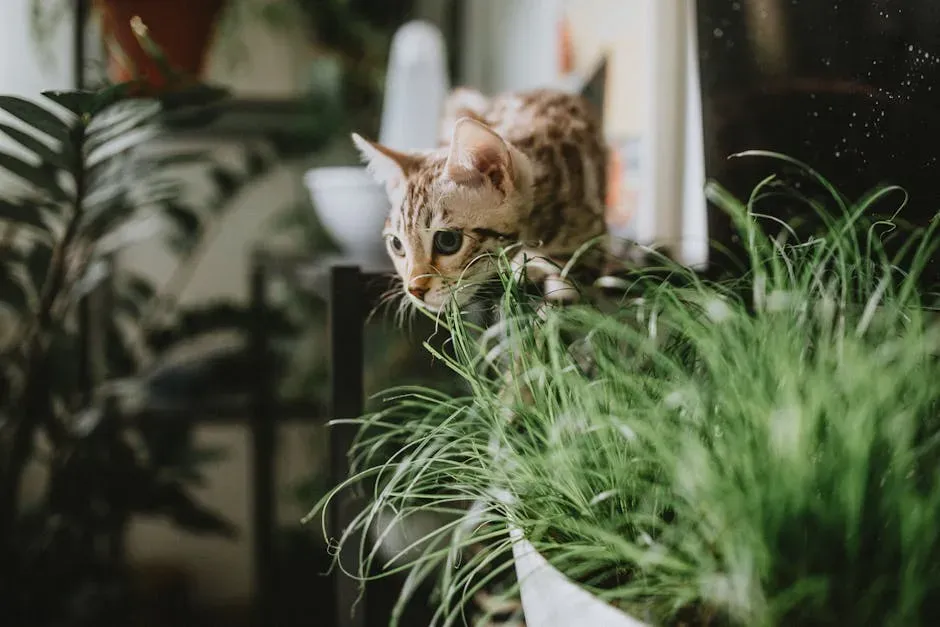
You placed that fiddle-leaf fig perfectly in the corner. Your cat immediately disagreed. One major sticking point with cat owners is that cats love to knock over plants. Cleanup can be difficult – only for them to do it again and again. It’s persistent. It’s committed. It is, in its own strange way, deeply principled.
Soil is similar to litter, making it attractive to cats. Digging in dirt is an evolved trait rooted in their natural instinct to bury waste. So when your cat digs into your beautifully potted monstera, they’re not destroying your decor out of spite. They’re following millions of years of evolutionary interior landscaping advice that you simply cannot argue with.
The Corner Connoisseur: Selecting Spots You Didn’t Even Notice
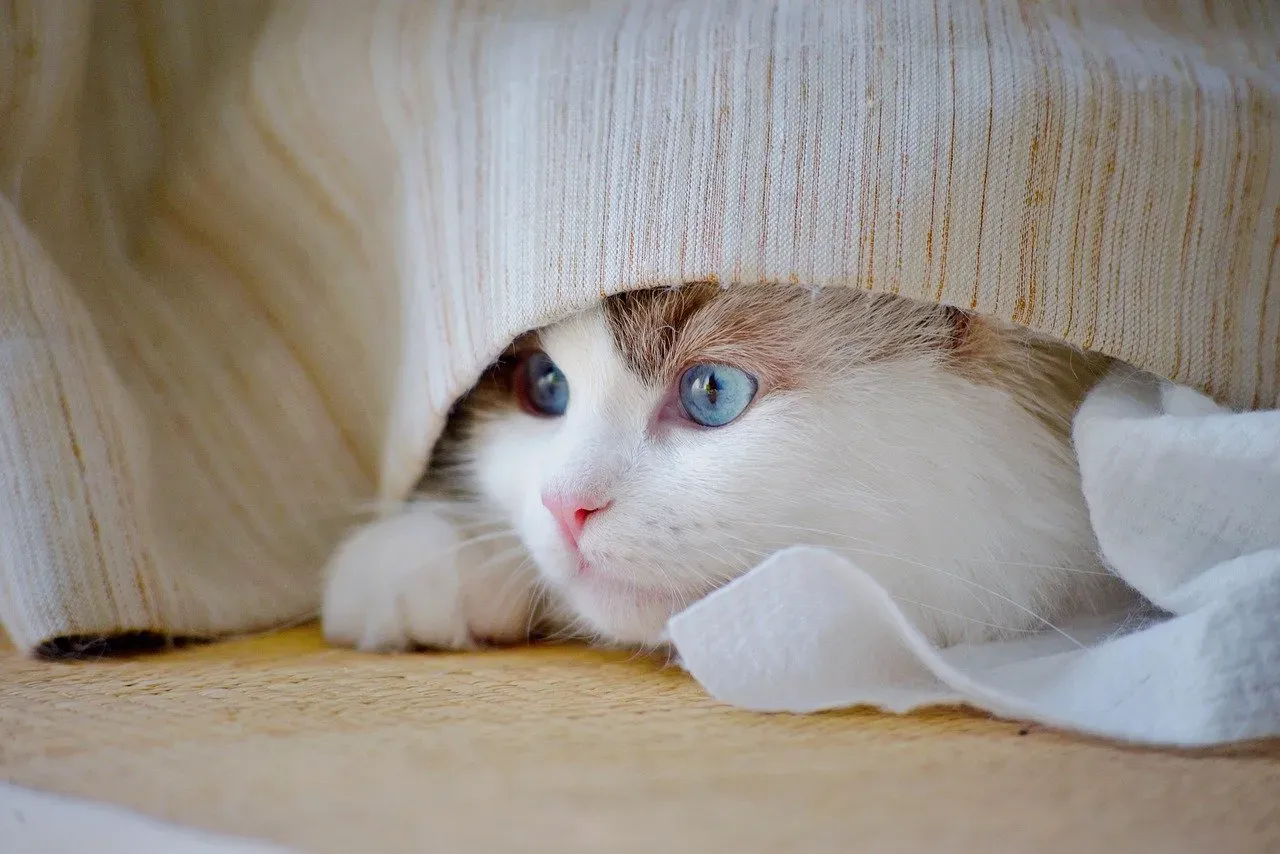
You spent a fortune on a designer cat bed. Your cat sleeps in the cardboard box it was delivered in, or in the exact corner behind the armchair where you never sit. Cats are both predators and prey in the wild. This dual identity has shaped their instinct to find spots where they can see without being seen. Corners, under tables, behind couches, or inside boxes provide exactly that – visual control and physical protection.
Think of it like a military general selecting a command post. Every choice is tactical. It’s not only the comfort of a spot that makes them choose it for napping. It’s also the vantage points from this location, its qualities in terms of noise and disruption, and even your own presence. All of this is important when they choose the right spot for the right task. Your cat is not weird. Your cat is strategic.
The Scratch Texture Curator: Strong Opinions on Material Choices
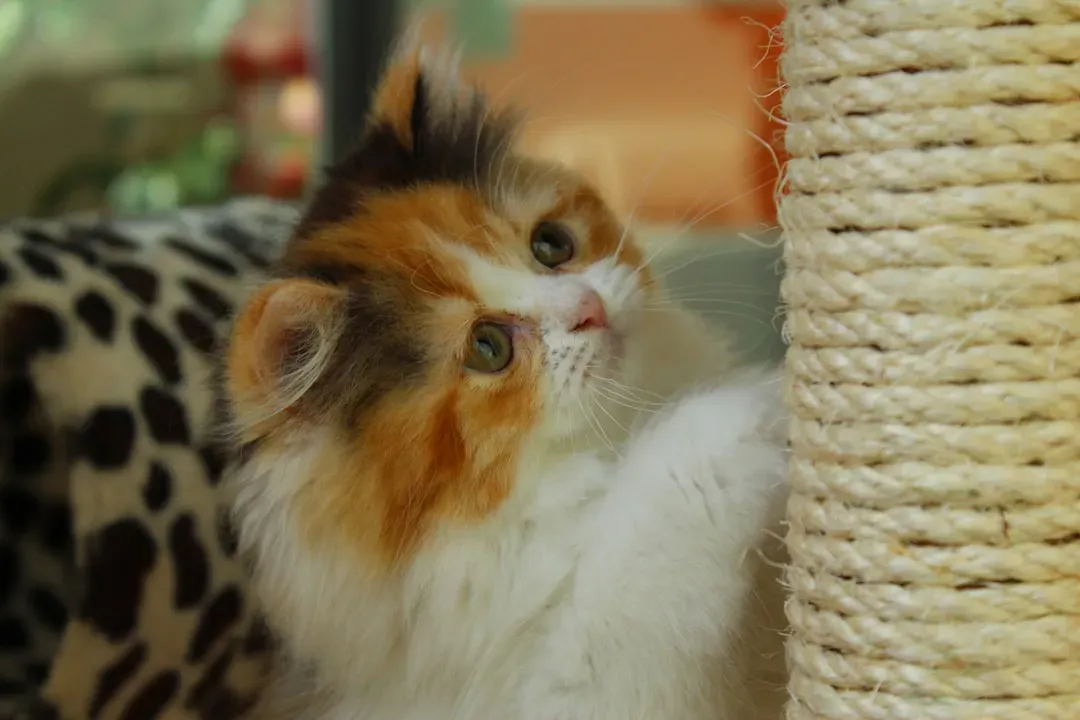
Your cat doesn’t scratch randomly. They have very specific material preferences, and they will communicate those preferences loudly through the destruction of whatever happens to express their aesthetic. Every cat has their own preference, so offering a few options is best. Some cats prefer rope or carpet textures, while others like cardboard. Some like vertical surfaces while others like horizontal scratchers. Your cat is basically a textile critic with claws.
Do not throw away a favorite scratching post when it becomes unsightly. Cats prefer shredded and torn objects because they can really get their claws into the material. Used posts will also appeal to your cat because they smell and look familiar. That ragged, completely destroyed scratching post? That is your cat’s masterpiece. Their pièce de résistance. Do not remove it.
The Stress-Driven Remodeler: Responding to Every Home Change With Protest
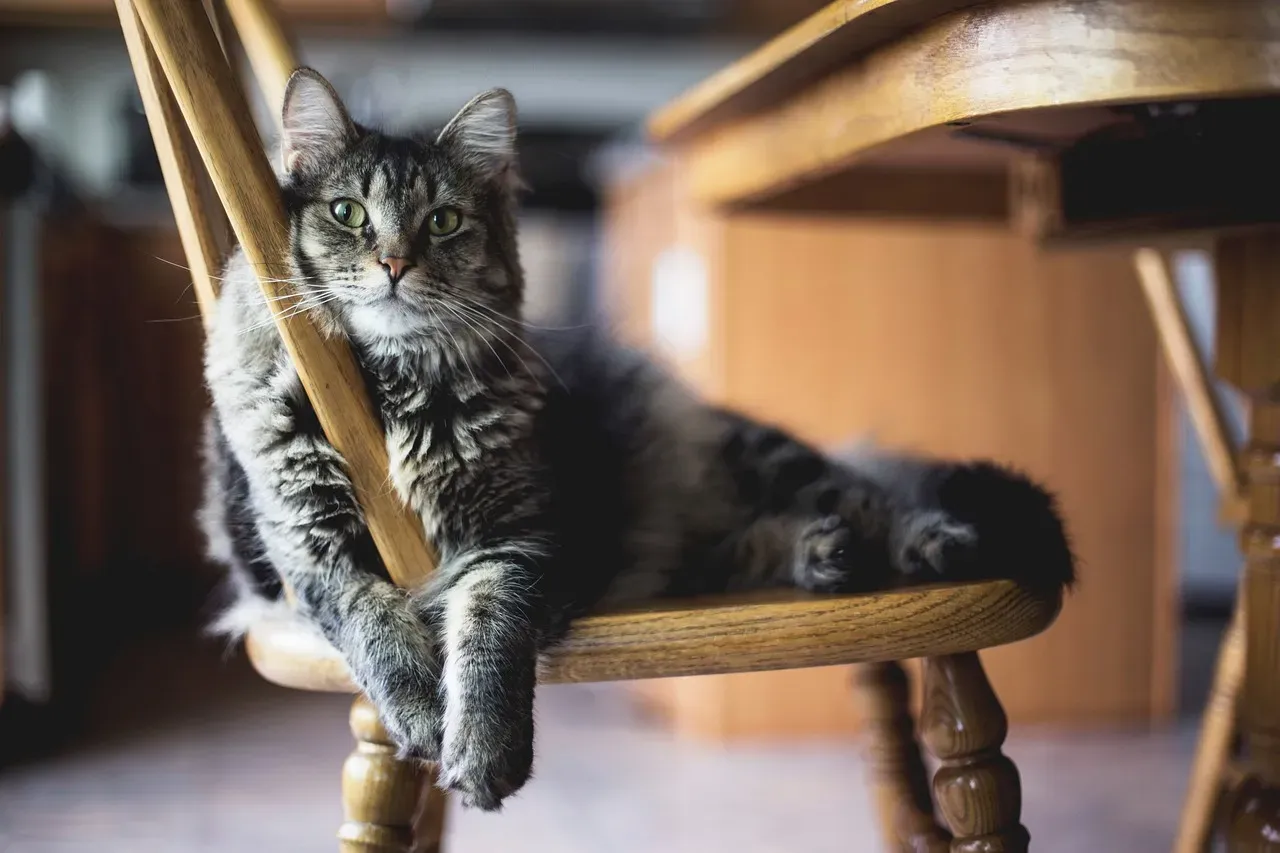
Ever rearranged your living room and noticed your cat suddenly scratching everything in protest? That’s not a coincidence. Changes in the home – new pets, visitors, or even rearranged furniture – can trigger more scratching. Your cat had a vision for how the room should look, and you just violated it entirely without consulting them first.
Marking territory is a very reassuring and soothing activity for cats, which is why cats who are anxious or afraid may scratch furniture more often. So every time you move the couch two inches to the left, your cat essentially files a formal complaint through the medium of your armchair. I think we can all agree that is a completely understandable response to unsolicited renovation.
The Sleeping Space Architect: Redesigning Your Bed Every Single Night
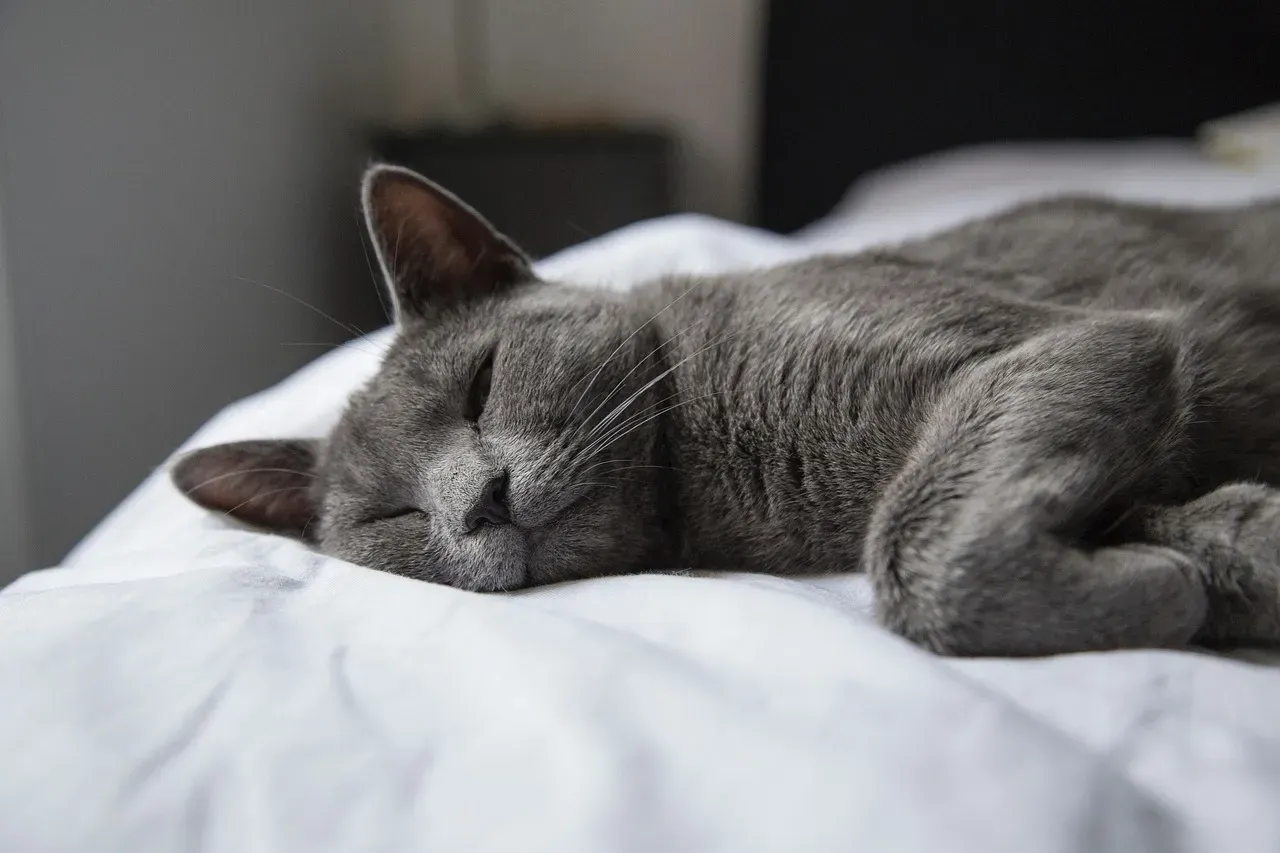
You have a king-sized bed. Your cat has decided the exact spot where your legs go is now unavailable for your legs. Sleep can be a vulnerable time, and cats instinctively gravitate toward places where they feel safe. By choosing to sleep near a familiar human, cats not only find warmth and comfort – they also benefit from a sense of security that reinforces their bond. So your cat sharing your bed isn’t really about you. It’s about them feeling safe. You’re basically their security blanket with a heartbeat.
Sleeping in an elevated spot is popular among cats, especially if the perch offers them protective edges to support their back. Having a high spot with its own little wall or next to an actual wall seems to make many cats feel less vulnerable, making those spots a top choice. Your pillow pressed against the headboard? Prime real estate. Your cat knew it before you did. It’s hard to say for sure, but at this point I think it’s fair to admit they were right all along.
Conclusion: Your Home, Their Vision
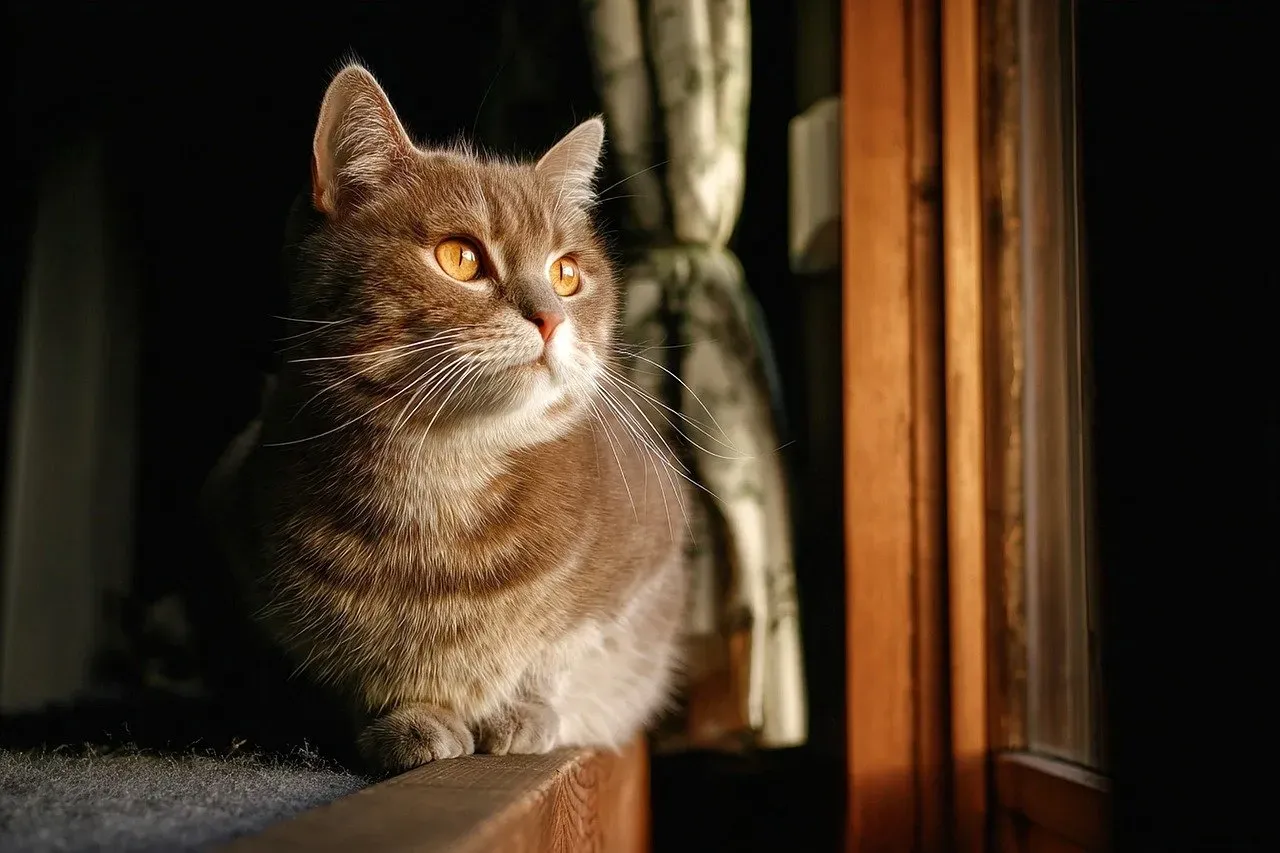
Here’s the honest truth: you and your cat are co-habiting designers with very different briefs. You want a stylish, functional, tidy space. Your cat wants a sensory-rich, vertically expansive, scent-marked sanctuary where every surface tells a story and the best window seat is always available. It’s not a bad vision, honestly.
Understanding why your cat makes the choices they do doesn’t just protect your furniture. It deepens the relationship between you and an animal that is constantly, silently, telling you exactly what they need through their behavior. Cats don’t just live in your house – they interpret it. Every surface, scent, and sound carries meaning. When your cat picks a particular corner or furniture zone, it’s making an emotional choice, one that reflects comfort, safety, and belonging.
So the next time your cat swipes something off the coffee table, colonizes your laptop, or scratches the corner of your brand-new sofa, maybe take a breath before reacting. They’re not ruining your home. They’re redesigning it. Does your cat have a particularly strong interior decorating opinion? Tell us in the comments – we’d love to hear which part of the house your cat has claimed as their own masterpiece.