Have you ever caught your cat staring at you with those intense, unblinking eyes and wondered what on earth was going through their fuzzy little mind? Here’s the thing: while most people think cats are all about those cute meows, the truth is way more fascinating. Your feline friend is actually having full conversations with you every single day, and they’re not using a single sound to do it. They’ve mastered a complex, silent language that involves everything from their tail position to the tiniest twitch of their whiskers. Learning to read these signals can transform your relationship with your cat completely, turning you from a confused roommate into someone who actually gets what they’re trying to say. So let’s dive in and discover the secret ways your cat has been talking to you all along.
The Vertical Tail Salute
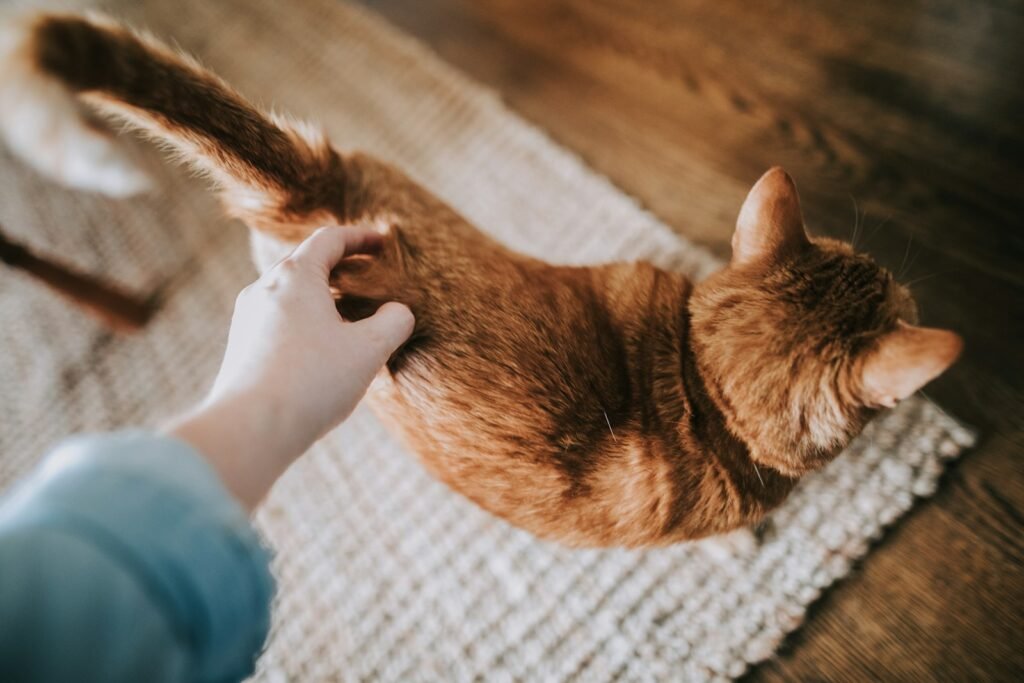
When your cat holds their tail straight up in the air, it’s one of the most reliable signs of a confident and comfortable cat. This tail position typically indicates that your cat feels open to interaction. It’s basically their way of waving a friendly flag at you. Think of it as your cat saying, “Hey, I’m happy to see you and I’m feeling pretty good about life right now.”
When a cat’s tail is upright, they’re feeling social and confident, approaching in a friendly manner. This cat tail language indicates a friendly greeting between cats, and it’s how kittens greet their mothers. If you see this signal, it’s the perfect time to interact with your furry companion. You’ll often notice this tail position when your cat approaches you for attention or when they’re exploring their environment with confidence.
The Slow Blink Love Letter
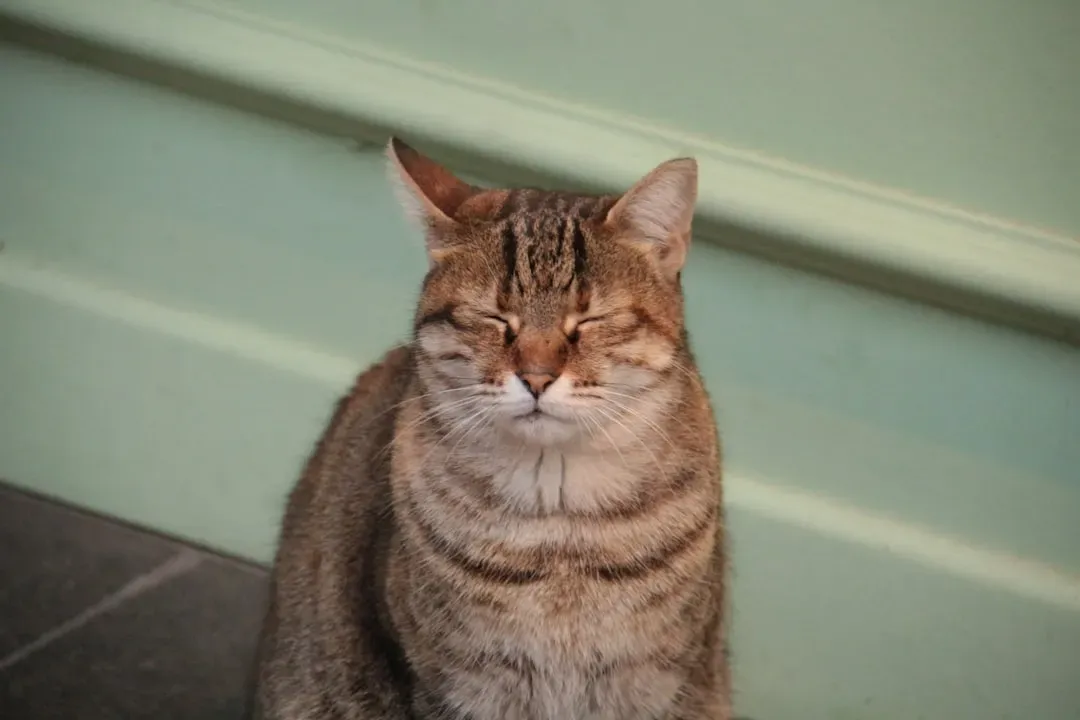
Let’s be real, this one is absolutely adorable. Cats blink slowly to show affection and relaxation. If a cat blinks slowly at you, they’re not threatened by you, in fact, they trust you. Some people call it a kitty kiss, and honestly, that’s exactly what it feels like. Your cat is essentially telling you that they feel safe and content in your presence.
To bond with a cat that blinks slowly at you, you can return their gesture by blinking slowly back at them. This is a great way to communicate with your cats. Try it next time your cat gives you that soft, drowsy look. You might be surprised at how responsive they become when you speak their language. It’s one of those small moments that can genuinely deepen the connection between you two.
The Ear Position Telegraph
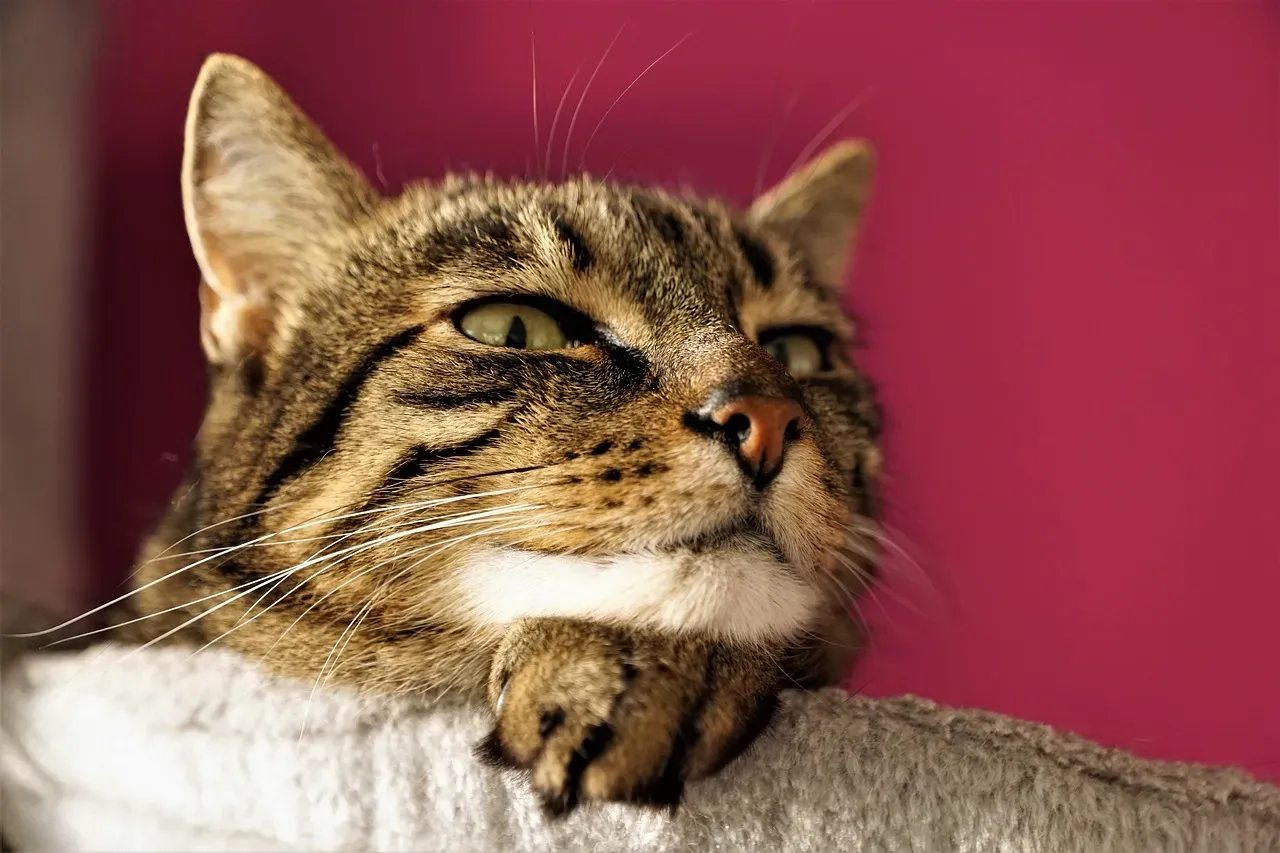
Your cat’s ears are like little satellite dishes constantly adjusting to their emotional state. Ears pointing forward show alertness and curiosity. Your cat is likely engaged with its surroundings, exploring sounds, or focusing on something of interest. This is your cat in detective mode, completely tuned in to whatever has caught their attention.
When ears flatten against the head, your cat is uncomfortable, frightened, or defensive. This posture often pairs with growling, hissing, or a low stance, signaling a strong desire for space. Think of flattened ears as your cat’s way of putting up a “do not disturb” sign. Their ears may be rotated to the sides in an airplane ears pose when feeling stressed or annoyed. Pay attention to these subtle shifts because they happen quickly and tell you exactly how your cat is feeling in that moment.
The Belly Exposure Paradox
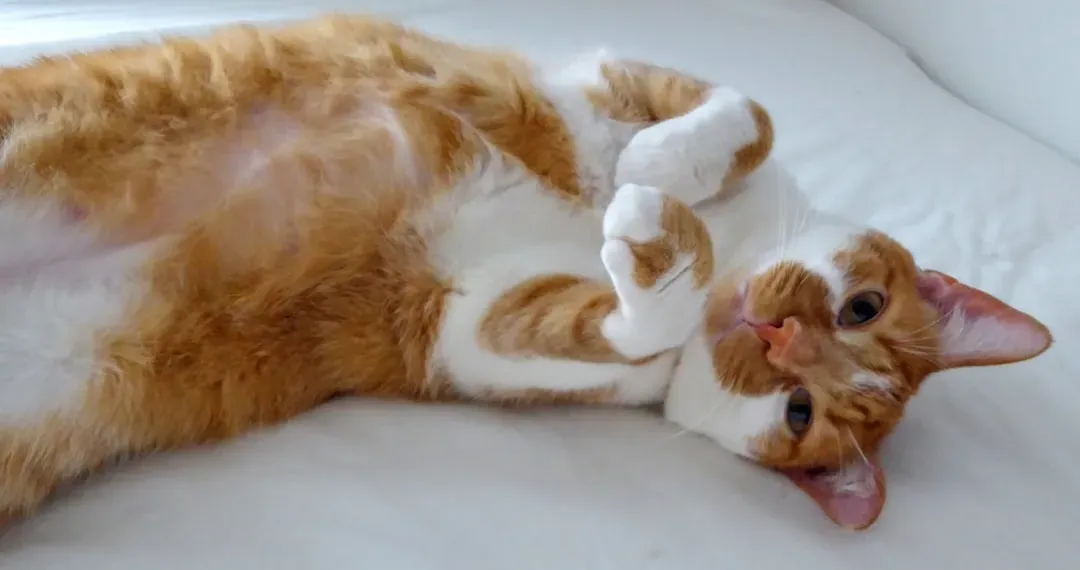
This one trips up so many cat owners. The exposed belly is a sign of comfort and trust, but it is not necessarily an invitation for a belly rub. I know it sounds crazy, but your cat showing you their belly is actually them saying they feel incredibly safe with you, not that they want you to touch that vulnerable spot.
Many people have touched a cat’s stomach only to have its owner instantly seize up, latching onto their hand with claws and teeth. It’s hard to say for sure why cats do this, but it seems like they’re showing vulnerability while still maintaining boundaries. The belly is one of their most vulnerable areas, so exposing it means they trust you not to take advantage of that trust. Respect the signal for what it is: a compliment, not an invitation.
The Kneading Ritual
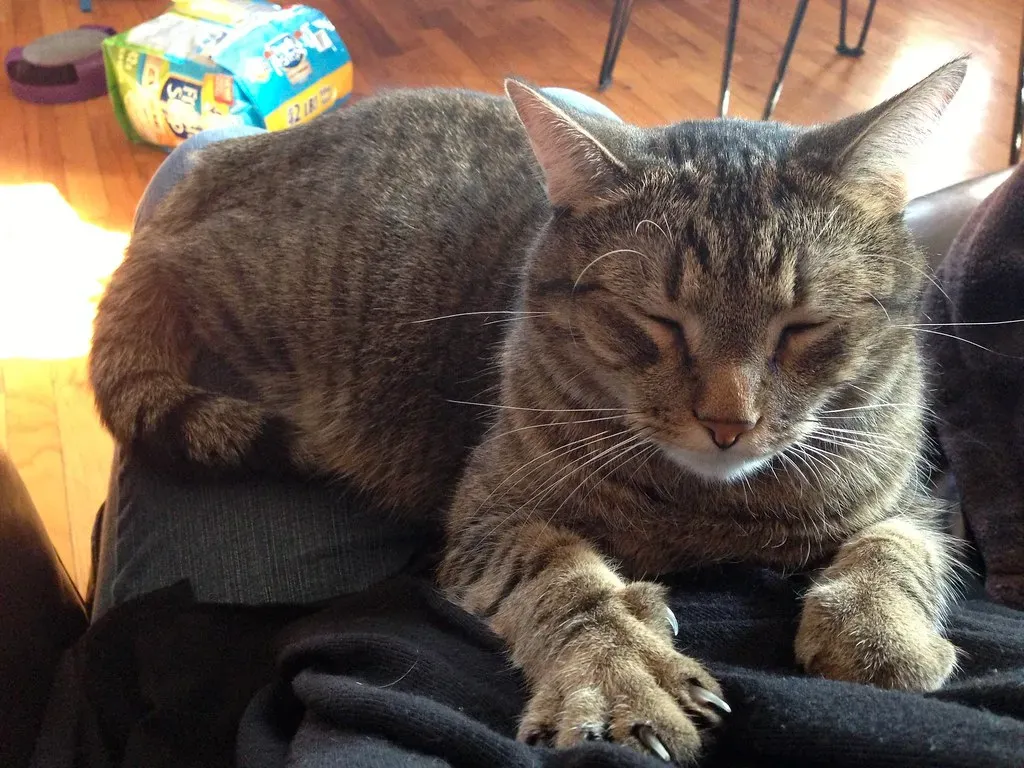
If you’ve ever been gently massaged by your cat’s paws, you’ve experienced kneading. This adorable behavior starts in kittenhood, when babies knead their mother’s belly to stimulate milk flow. When your adult cat does this on your lap, they’re regressing to that safe, comforting feeling they had as a kitten. It’s their way of saying you make them feel secure and content.
Sometimes the kneading comes with extended claws, which can be a bit uncomfortable. Your cat isn’t trying to hurt you, they’re just so relaxed they’ve forgotten to retract their claws. It’s a silent, gentle way of saying I like being near you, and it’s one of the most heartwarming forms of non-verbal communication. If your cat kneads you, consider it one of the highest compliments they can give.
The Head Bonk Declaration
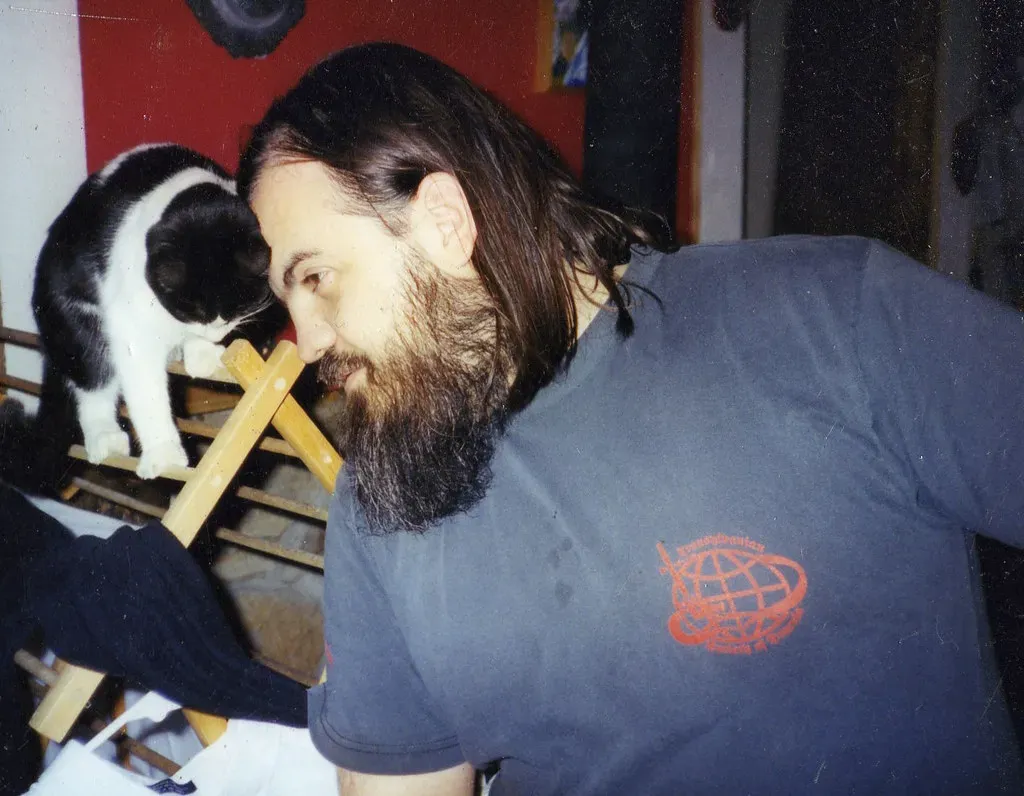
Cats sometimes head bump humans or other cats with the front part of the head, this action is referred to as bunting. This communication might have an olfactory component as there are scent glands in this area of the body. When your cat bonks their head against you, they’re literally marking you as part of their family. It’s both sweet and a bit possessive.
Some cats also rub their faces on humans as a friendly greeting or indicating affection. This tactile action is combined with olfactory communication as the contact leaves scent around the mouth and cheeks. Your cat is essentially saying “you’re mine” in the most affectionate way possible. Next time your cat does this, appreciate that you’ve been officially claimed by your feline overlord.
The Tail Thrash Warning
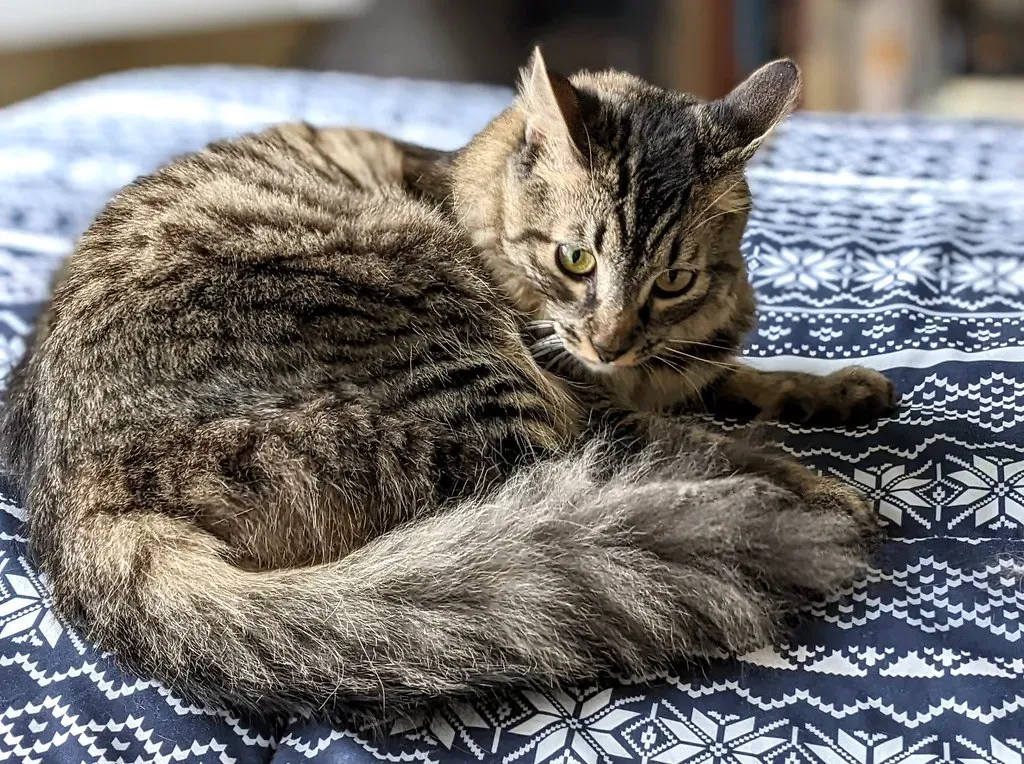
A stalking domestic cat will typically hold its tail low to the ground while in a crouch and twitch it quickly from side to side. This tail behavior is also observed when a cat becomes irritated and is about to lash out. Unlike dogs, who wag their tails when happy, a rapidly moving cat tail often signals the opposite. Your cat is basically revving their engine before they potentially strike.
Rapid tail flicking or strong swishes typically reveal frustration or agitation. Recognizing this shift in cat body language can help you avoid overstimulation or unwanted conflict. If you’re petting your cat and notice their tail starting to thrash, it’s time to stop. They’ve hit their limit and are politely (or not so politely) asking for space before things escalate.
The Whisker Compass
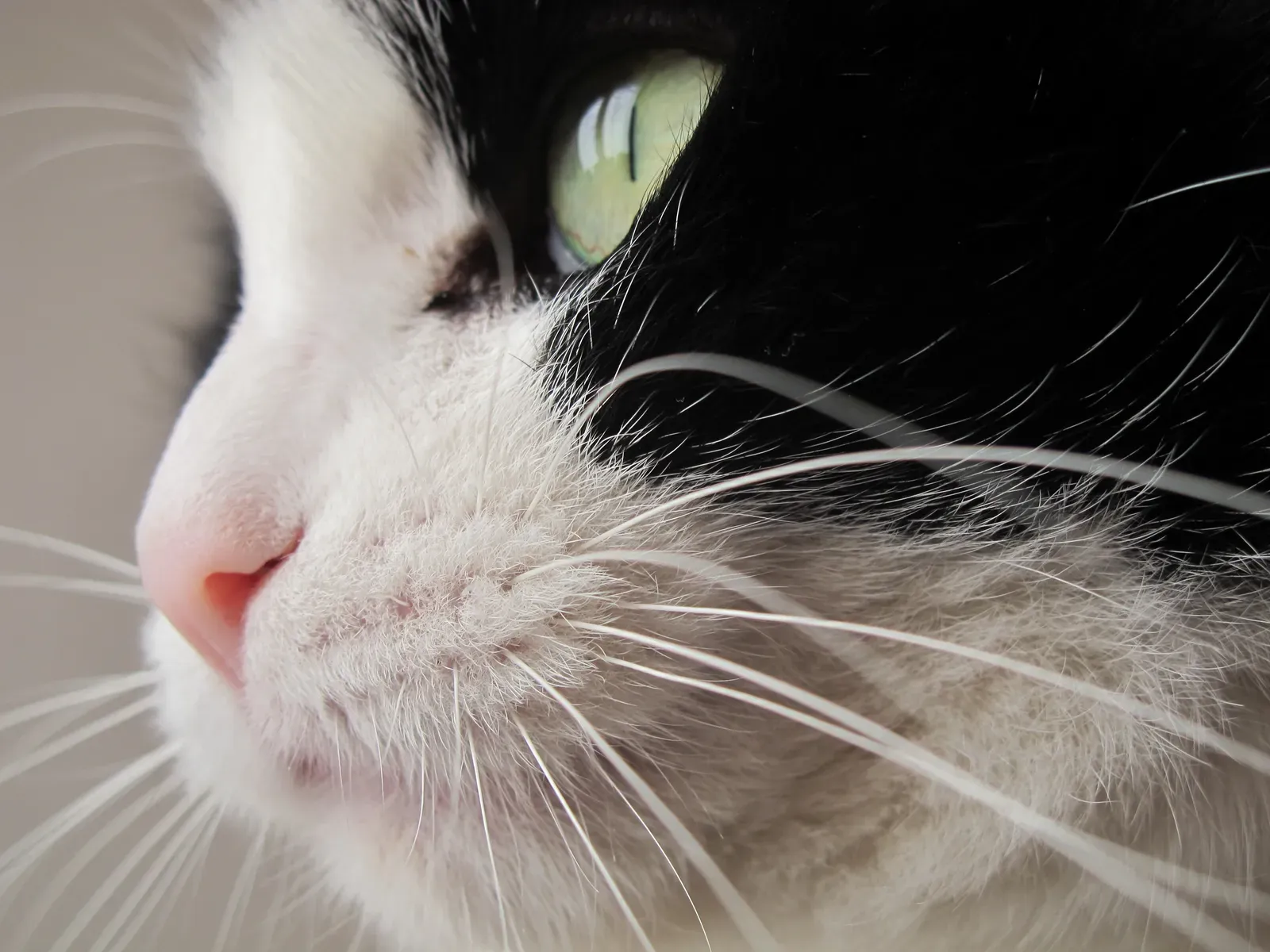
Confident cats might push their whiskers forward, while scared or defensive cats pull them back against their face. Your cat’s whiskers act like mood indicators, subtly shifting position based on how they’re feeling. When whiskers fan forward, your cat is interested and engaged. When they flatten back, something has made them uncomfortable or fearful.
Compared to a cat’s posture, tail, ears, and eyes, the whiskers aren’t going to tell you as much, but they may provide a helpful hint. Think of whiskers as the finishing touch that completes the picture of what your cat is communicating. Combined with other body language signals, whisker position gives you valuable extra information about your cat’s emotional state.
The Direct Stare Challenge
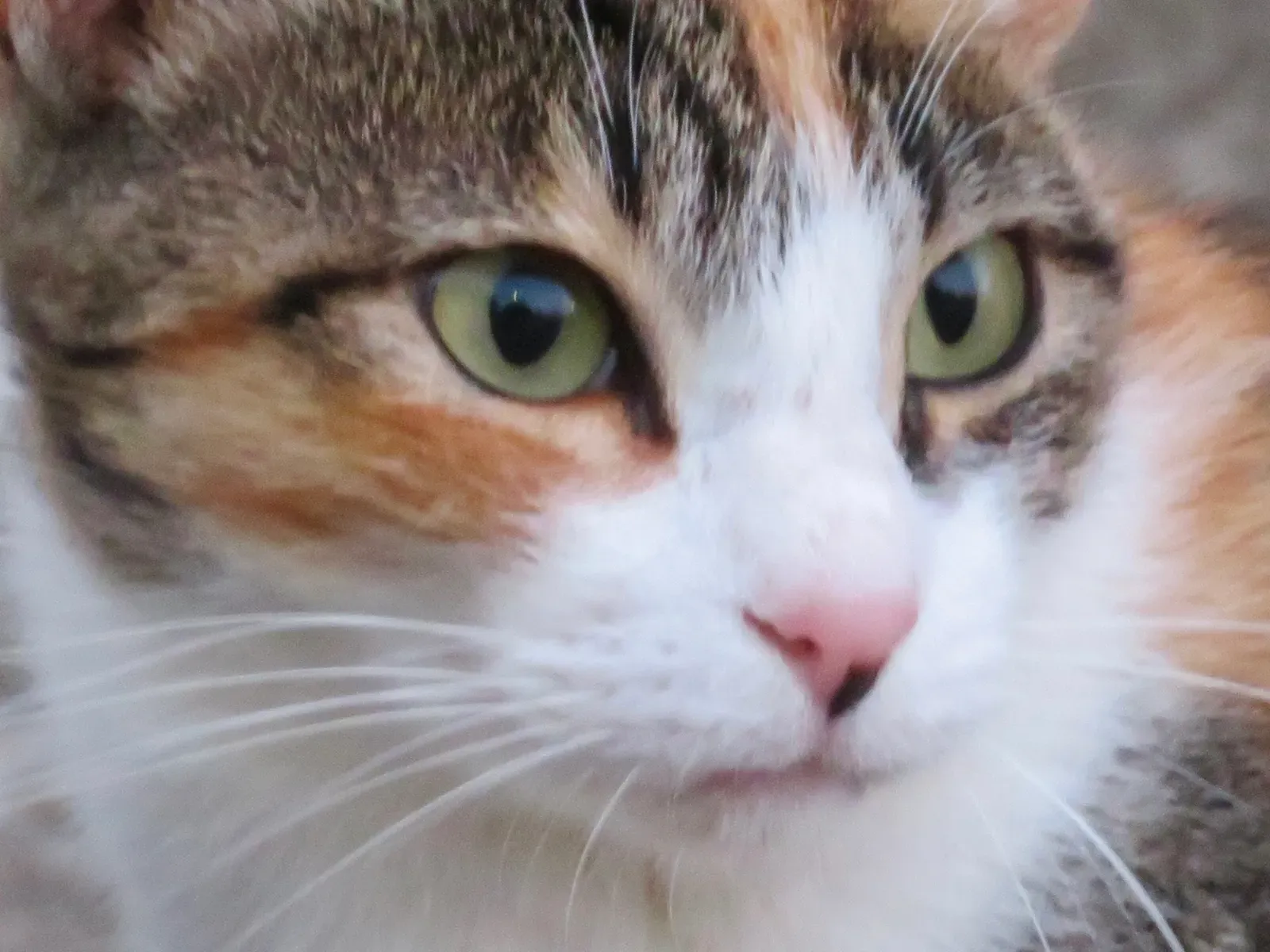
Direct eye contact in cats is often associated with asserting dominance, feeling threatened, or preparing to pounce. Avoid making prolonged direct eye contact, especially with unfamiliar cats, as it can lead to tension and discomfort. In cat language, staring is basically the equivalent of squaring up for a fight. Your cat might interpret your loving gaze as a challenge or threat.
This is why the slow blink is so powerful in contrast. A direct, unblinking stare can feel threatening to them, especially if held for too long. If your cat gives you a hard stare, they might be feeling defensive, territorial, or preparing to pounce during play. Understanding this difference between a soft, sleepy look and an intense stare can help you read your cat’s intentions more accurately.
The Grooming Gift
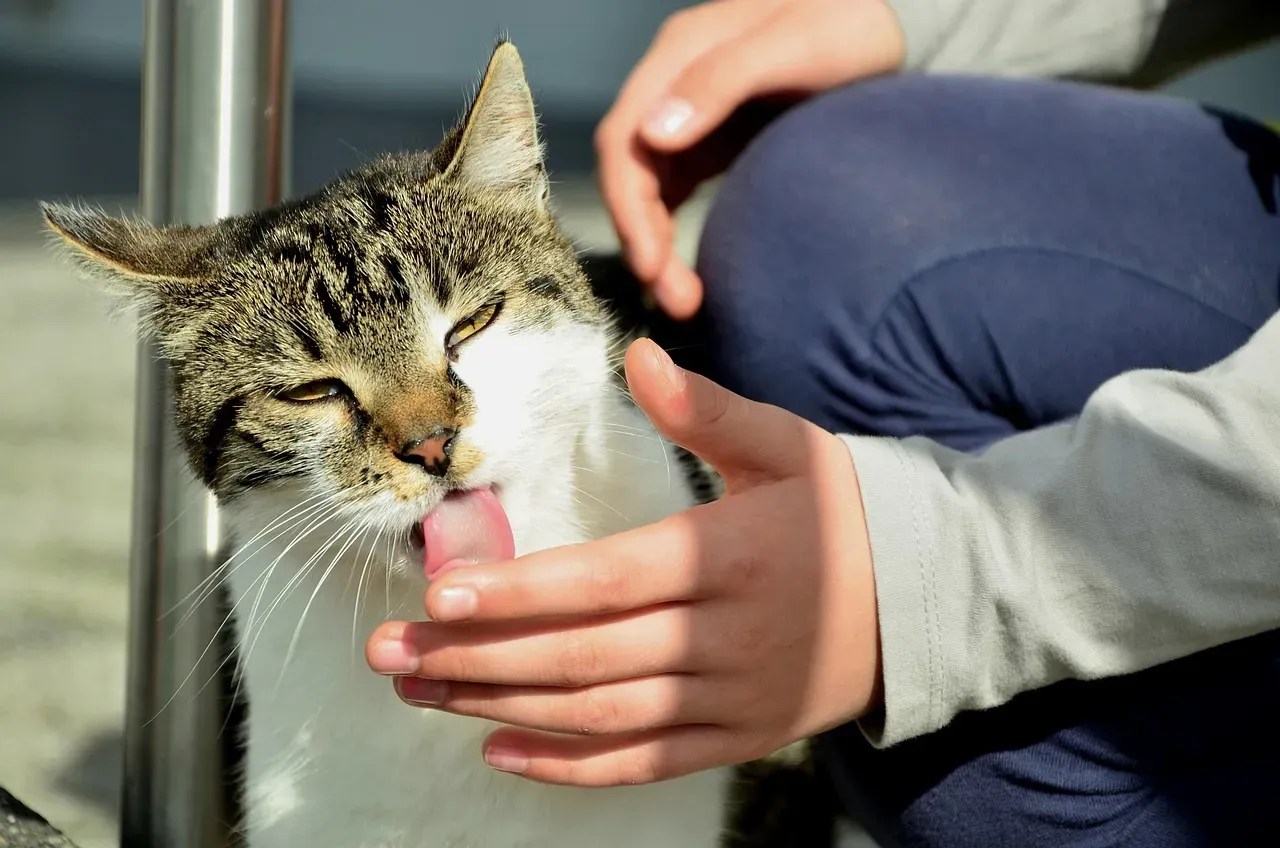
Cats are famous for their fastidious grooming, but grooming can also be a social signal. When your cat licks you or another pet, it’s showing affection and acceptance. This behavior, known as allogrooming, helps strengthen social bonds and spread familiar scents. If your cat gives you a few licks, you’ve officially been accepted into their inner circle. Congratulations, you’re family now.
Even when a cat grooms itself in your presence, it can be a sign that it feels comfortable and safe with you nearby. If your cat gives you a gentle lick or two, it’s offering you a place in its inner circle. Sure, their tongue might feel like sandpaper, but that rough little kiss is one of the sweetest gestures your cat can offer. They’re treating you exactly like they’d treat another beloved cat.
The Purr Complexity
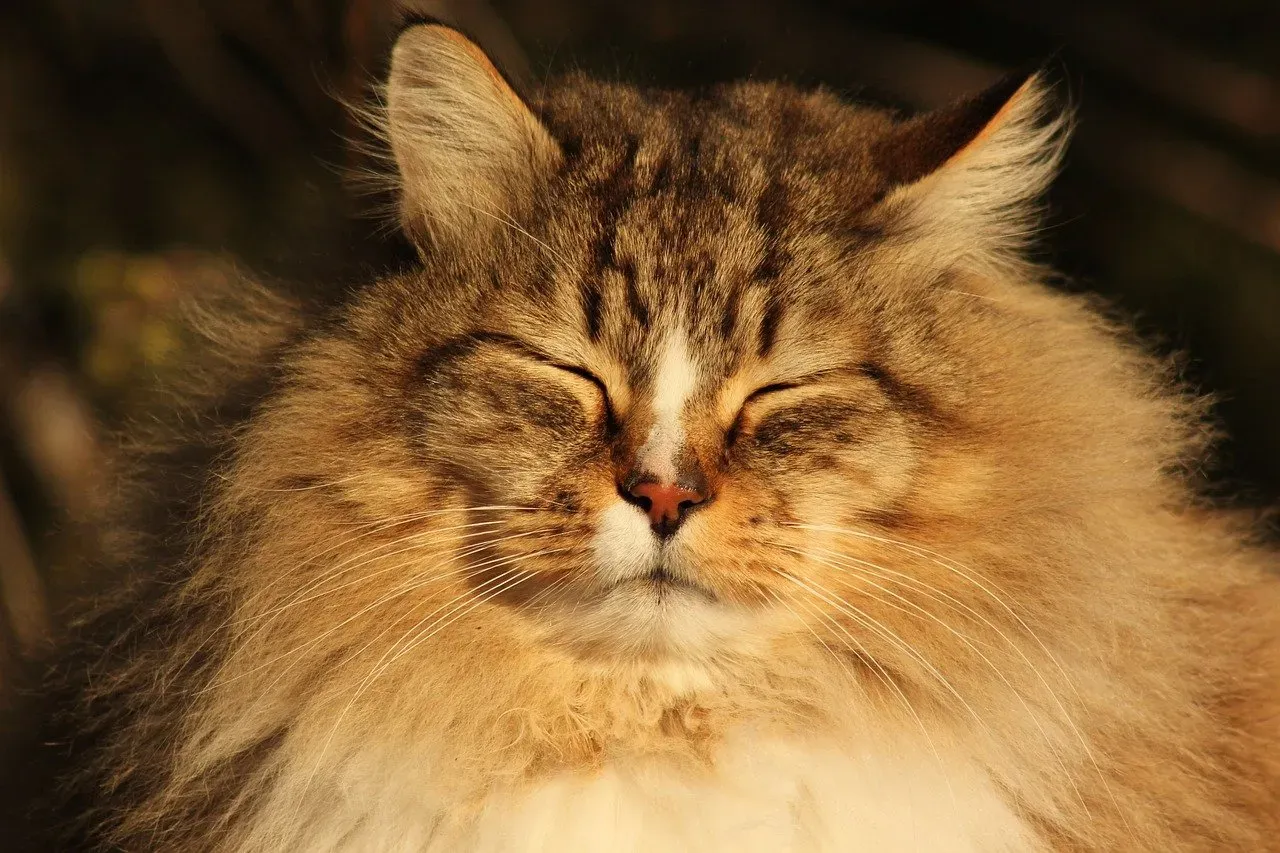
Purring is only true if their body language is relaxed. While purring often signals happiness, cats also purr when stressed, sick, or in pain. Sometimes cats can purr in stressful situations, such as going to the vet. They can also sometimes purr if they are in pain. It’s actually thought that cats might purr to self soothe during difficult times.
Most often, cats purr when they’re happy and feeling cozy, but purring can also happen when a cat is frightened, in pain, or trying to comfort itself. Some experts believe cats purr to calm themselves or even to heal, as purring vibrations are thought to have therapeutic benefits. So pay attention to the context. A purring cat with relaxed body language is content, while a tense, purring cat might need veterinary attention or comfort.
The Body Orientation Code
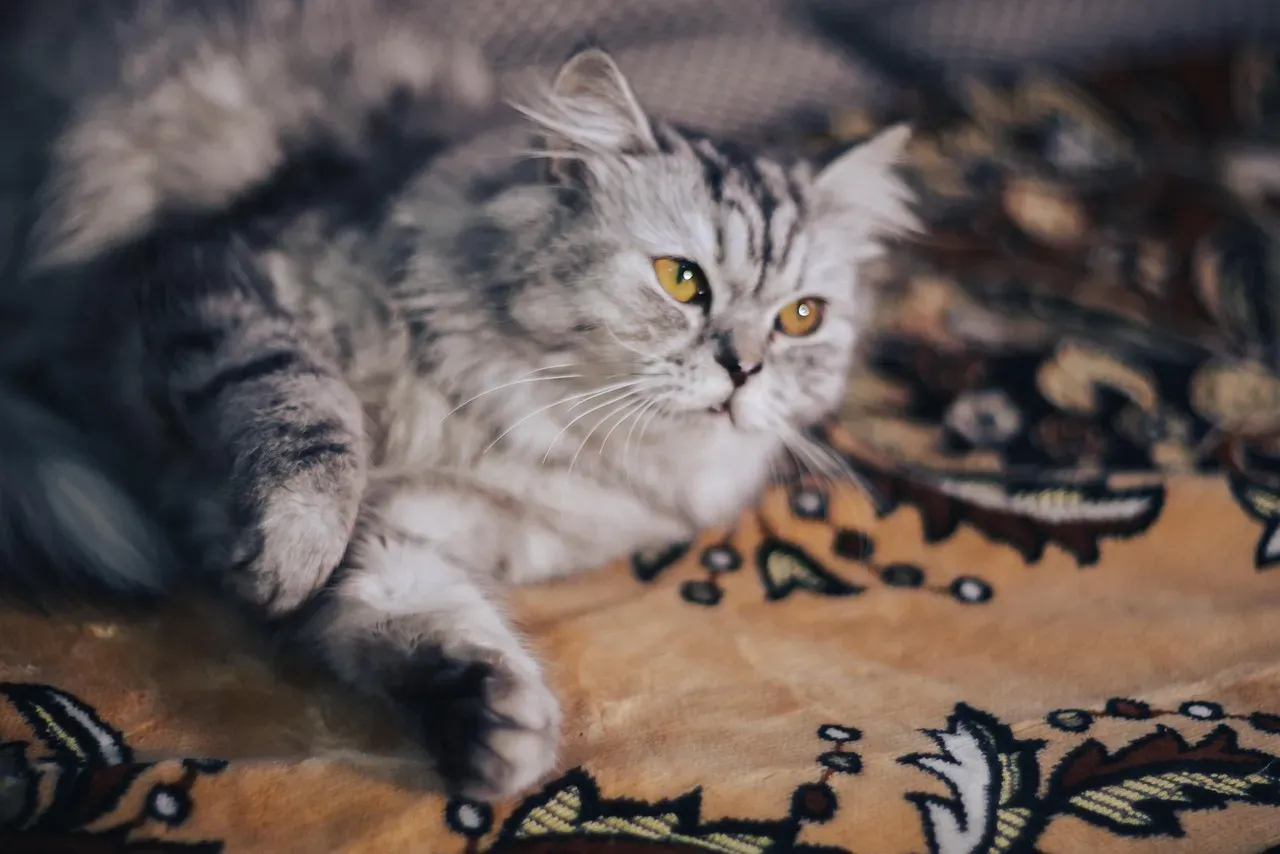
If a cat is pointing their body and head toward you, they may be interested in you and receptive to your advances. This is your cat saying they’re open to interaction and curious about what you’re doing. Their whole body becomes an arrow pointing at whatever has their attention, whether that’s you, a toy, or something outside the window.
A cat who faces away from you may not necessarily be disinterested, however, their letting their guard down around you can also signal comfort and willing to be touched. Sometimes cats show trust by turning their back to you, essentially saying they don’t need to keep an eye on you because they know you’re safe. It might seem contradictory, but in cat logic, showing you their back can actually be a sign of deep trust and comfort in your presence.
Bringing It All Together
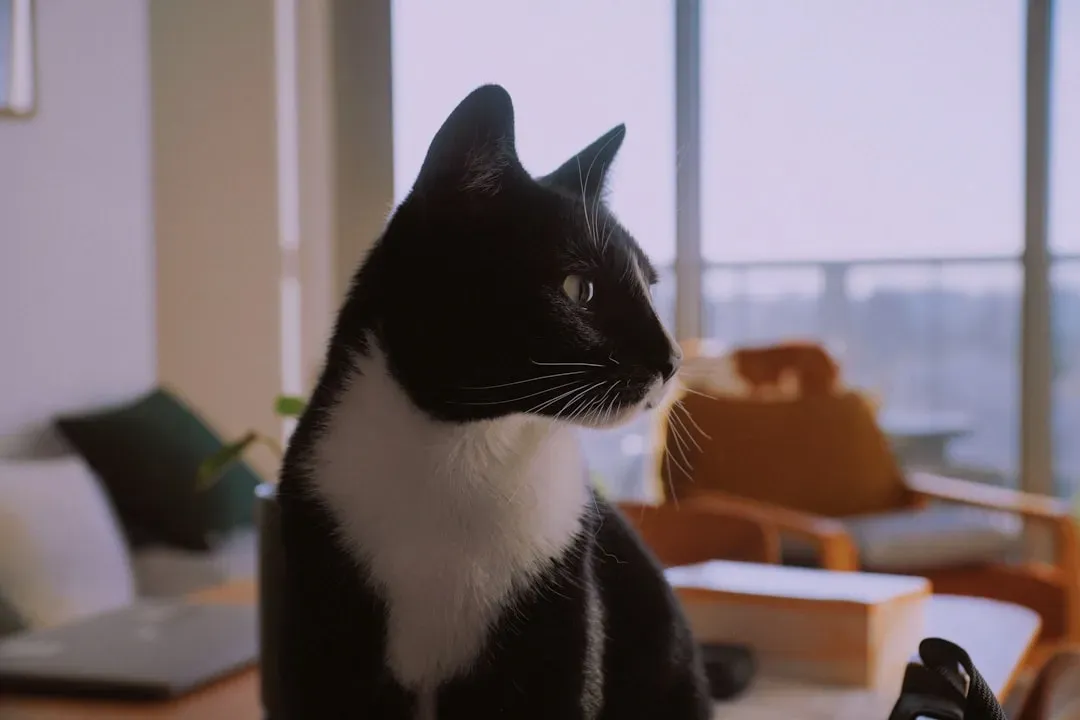
By learning the body language of a cat, we can better understand and fulfill our kitties’ wants and needs. When you’re interpreting cat body language, consider everything that’s going on around the cat. Put yourself in the cat’s paws and ask how the situation and environment might make them feel. Your cat is constantly having conversations with you through their body, and now you have the tools to understand what they’re saying.
The beauty of cat communication lies in its subtlety. Cats communicate primarily through body language, facial expressions, tail movements, ear positions, and even scent marking. This silent language system is incredibly sophisticated and allows cats to convey everything from I love you to back off with remarkable precision. Once you start paying attention to these signals, you’ll realize your cat has been talking to you all along. What do you think about it? Have you noticed any of these signals in your own cat? Tell us in the comments.