Most people scroll past a Bengal cat photo and think, “cool, a leopard-print house cat.” That’s the whole story in their head. Flashy coat, normal cat behavior, done.
It isn’t. Bengals carry enough wild ancestry that ordinary cat rules barely apply, and the quirks that come with it don’t show up in a pet store pamphlet or a five-minute meet-and-greet. They surface slowly, usually around month three, right when a new owner starts wondering if their cat is secretly part raccoon, part dog, and part tiny household dictator. Here’s what actually happens once the novelty wears off and the real personality shows up.
#1 – They Treat Every Faucet Like a Personal Water Park
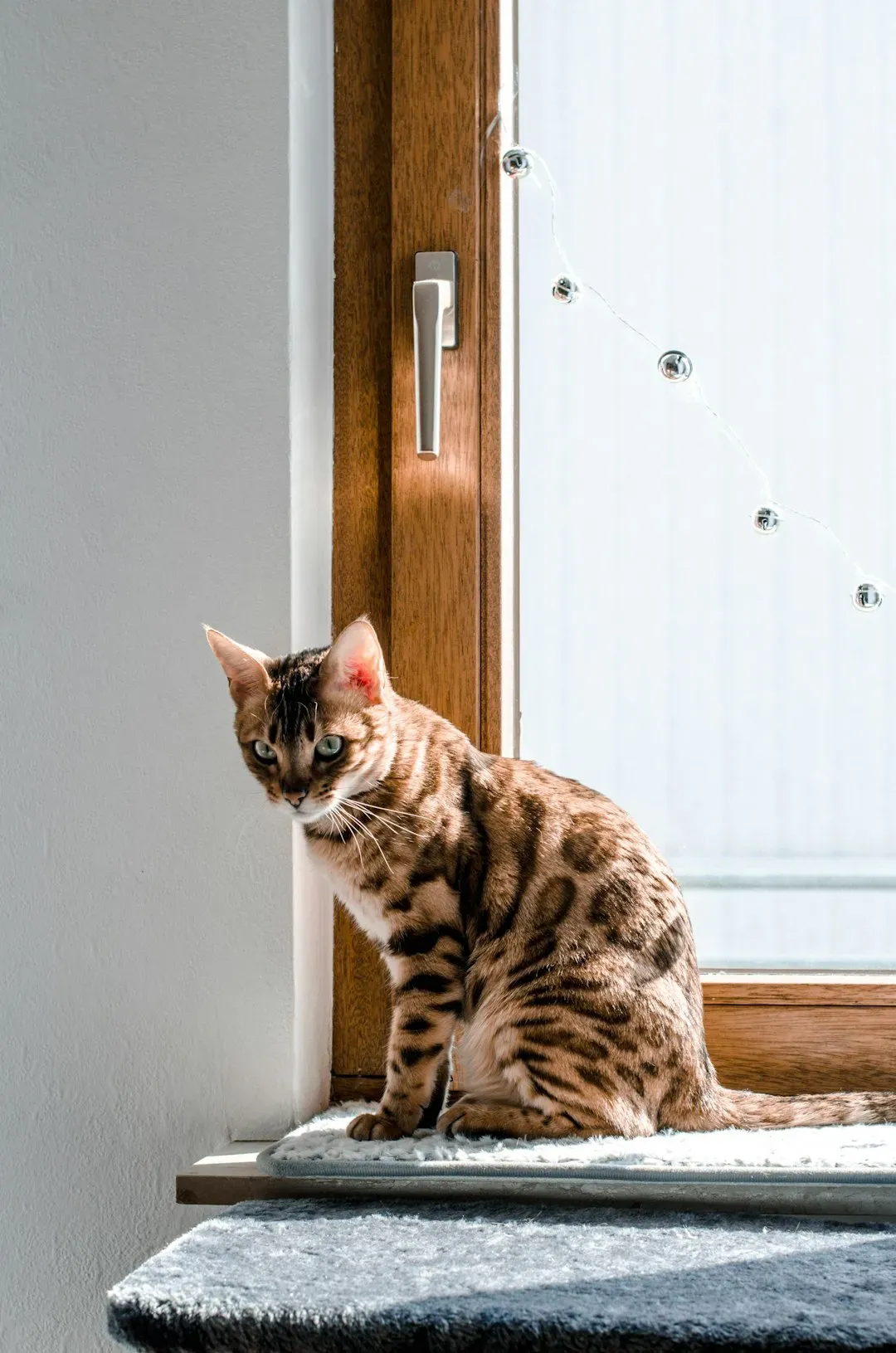
Most cats treat water like it’s lava. Bengals treat it like a toy that was left running just for them. Owners describe their cats pawing at dripping taps, diving into sinks mid-rinse, and swatting at the toilet handle like it’s the best game in the house.
Some Bengals go even further and simply stand under a running shower, completely soaked, completely unbothered. It traces back to their Asian leopard cat ancestors, who actually hunted near water instead of avoiding it. The result is a cat that turns every bathroom trip into a supervised event, because yes, they’re coming in with you.
Fast Facts
- The modern Bengal began in 1969, when breeder Jean Mill crossed a black California tomcat with an Asian Leopard Cat.
- Full championship status followed decades later, when TICA’s board voted to accept the Bengal for championship status starting May 1, 1991, and Brown Spotted Bengals began competing as a recognized breed.
- Adult Bengals typically live 14 to 16 years and weigh between 6 and 15 pounds when fully grown.
- That water obsession isn’t random, it’s a straight inheritance from a wild relative that hunted along riverbanks instead of avoiding them.
#2 – Cabinets and Drawers Become Escape Rooms They Always Solve
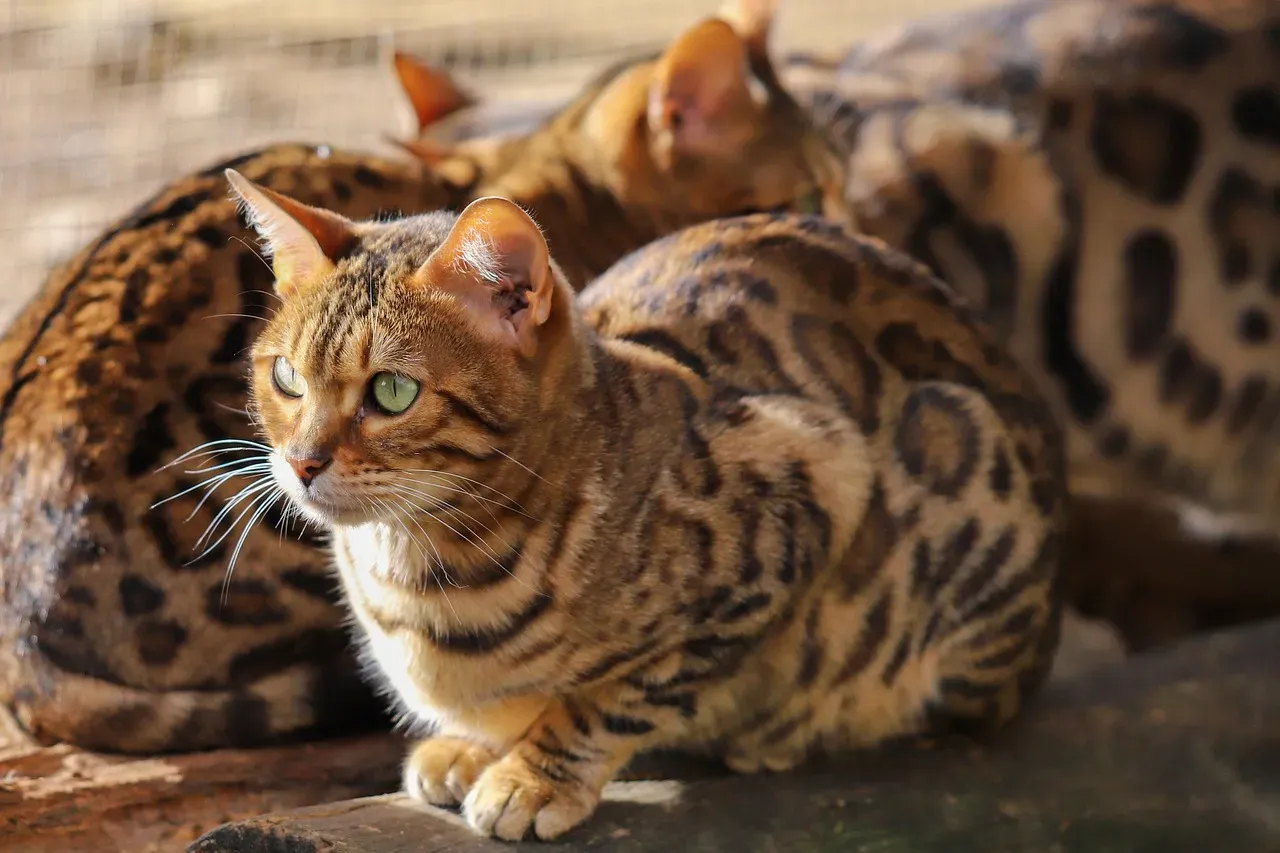
Childproof locks were not designed with Bengals in mind. These cats treat closed cabinets like a puzzle with a prize inside, and they’re annoyingly good at solving it. Hooking a paw under a door edge, jiggling a handle, or throwing their body weight against a lower cabinet are all standard moves.
One owner found their Bengal had figured out how to slide a drawer open just enough to squeeze in and nap among the pots. What’s unsettling is how fast they memorize the sequence. Watch them fail once, and by the second try, they’ve already got it down, which means storage in a Bengal household eventually has to be rethought entirely.
#3 – Fetch Isn’t a Game to Them, It’s a Job
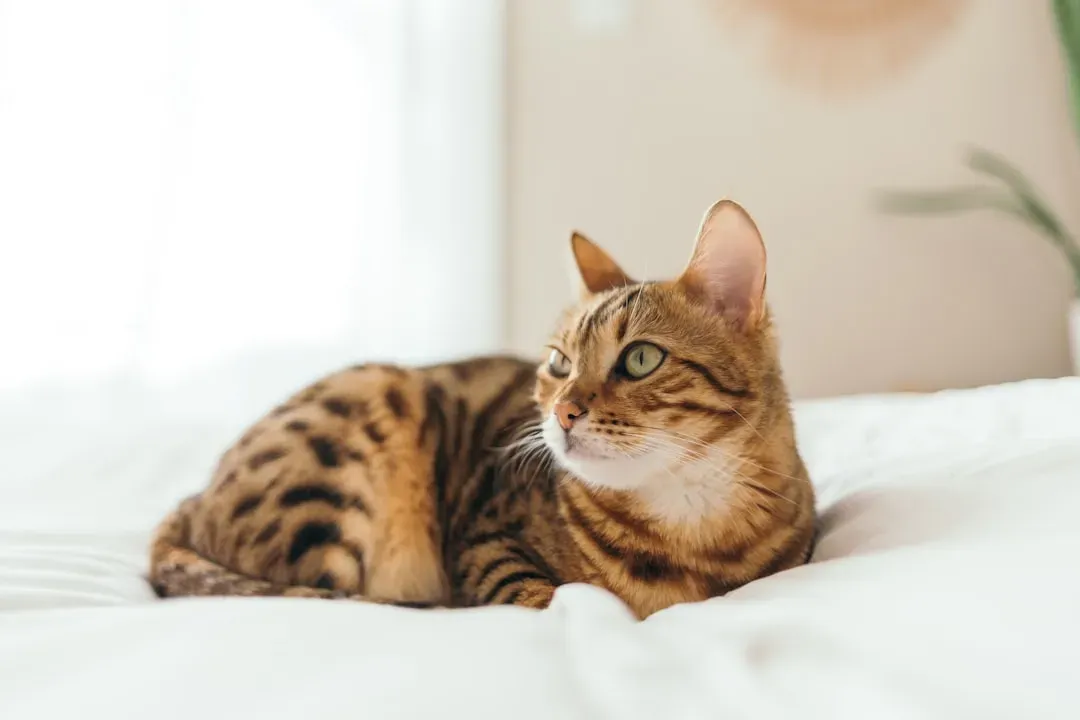
Throw a toy for most cats and you get one half-hearted glance. Throw it for a Bengal and you’ve just started a shift. They chase, retrieve, drop it at your feet, and wait for round two, sometimes bringing the toy to you first to get things started.
Breeders tie this back to an unusually high prey drive that needs somewhere to go. Skip the sessions and that drive doesn’t disappear, it just redirects into shredded cardboard or 2 a.m. sprints. Some owners even swear their Bengal will refuse to bring the toy back if the throw wasn’t good enough, which is its own kind of humbling.
#4 – They Follow You Like a Second Shadow, Doors Included
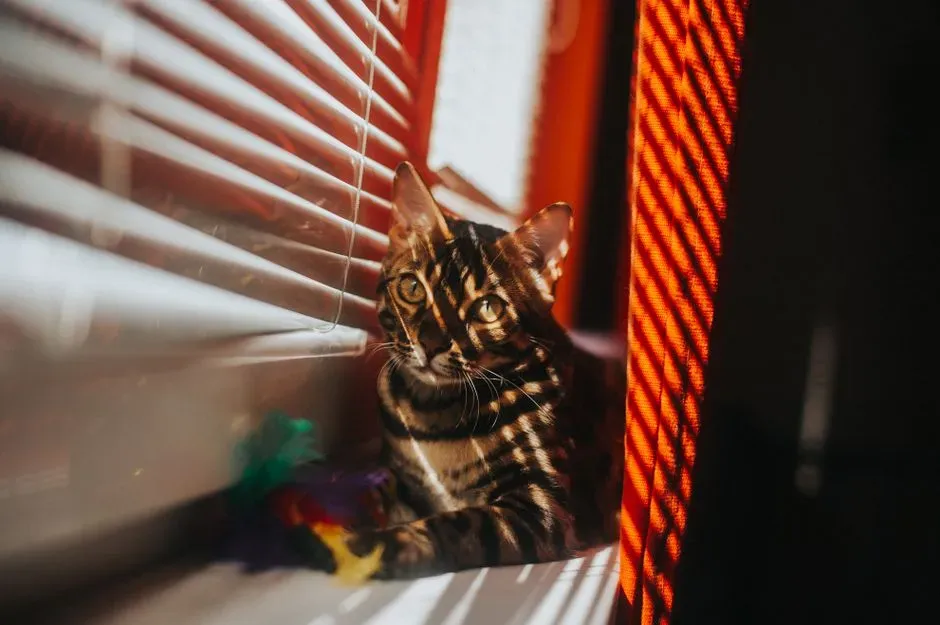
A Bengal doesn’t just want your company, it wants to be in whatever room you’re currently occupying, full stop. Kitchen, home office, bathroom, it doesn’t matter. They trail behind with little chirps and short meows, like they’re narrating the trip.
This isn’t casual affection, it’s closer to supervision. Some Bengals even learn to nudge open bedroom doors just to keep the shadowing going overnight. It’s flattering for about a week, then it becomes the moment you realize privacy is basically a group activity now.
#5 – Their Nighttime Zoomies Run on an Olympic Schedule
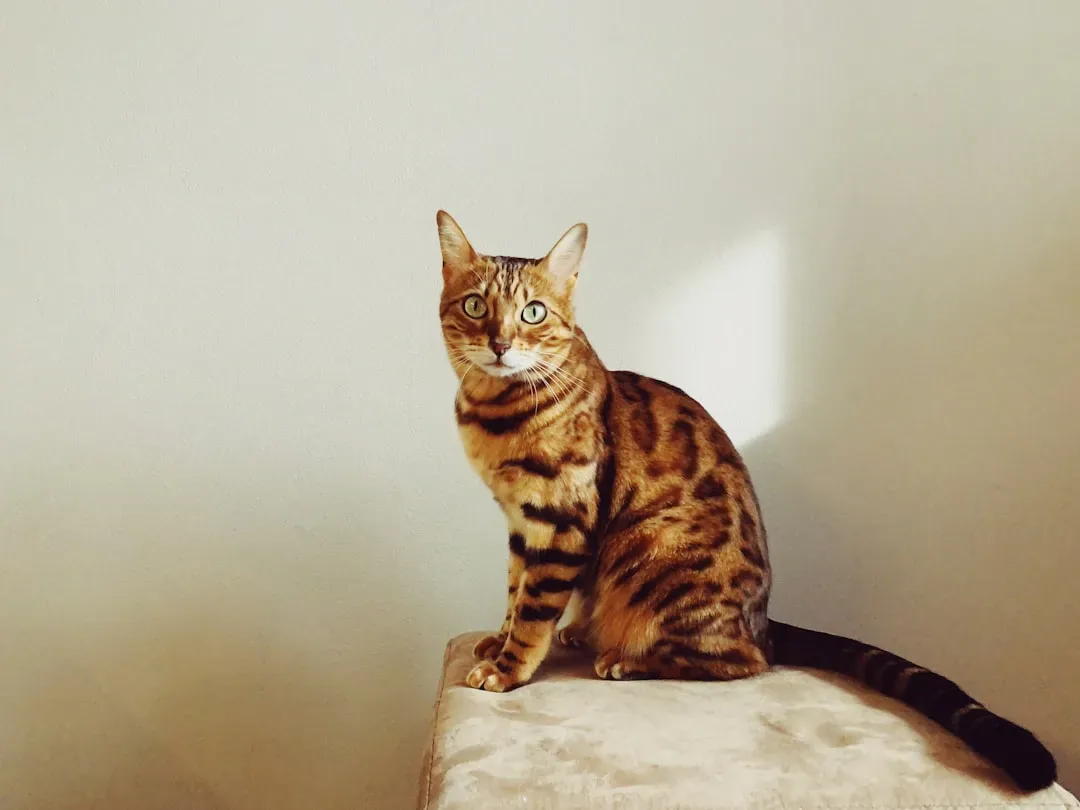
Regular cat zoomies last a couple of minutes and burn out fast. Bengal zoomies can run for over an hour, complete with wall-climbing sprints, vertical launches, and furniture used as a personal parkour course.
The energy spike tends to hit right as the house goes quiet, which is basically wild instinct refusing to clock out just because it’s indoors now. Daytime play helps take the edge off, but it rarely cancels the show completely. Some owners have noticed their cat runs the exact same route every night, like it’s been mapped out in advance.
#6 – They Bond With One Person and Hold Grudges Against Everyone Else
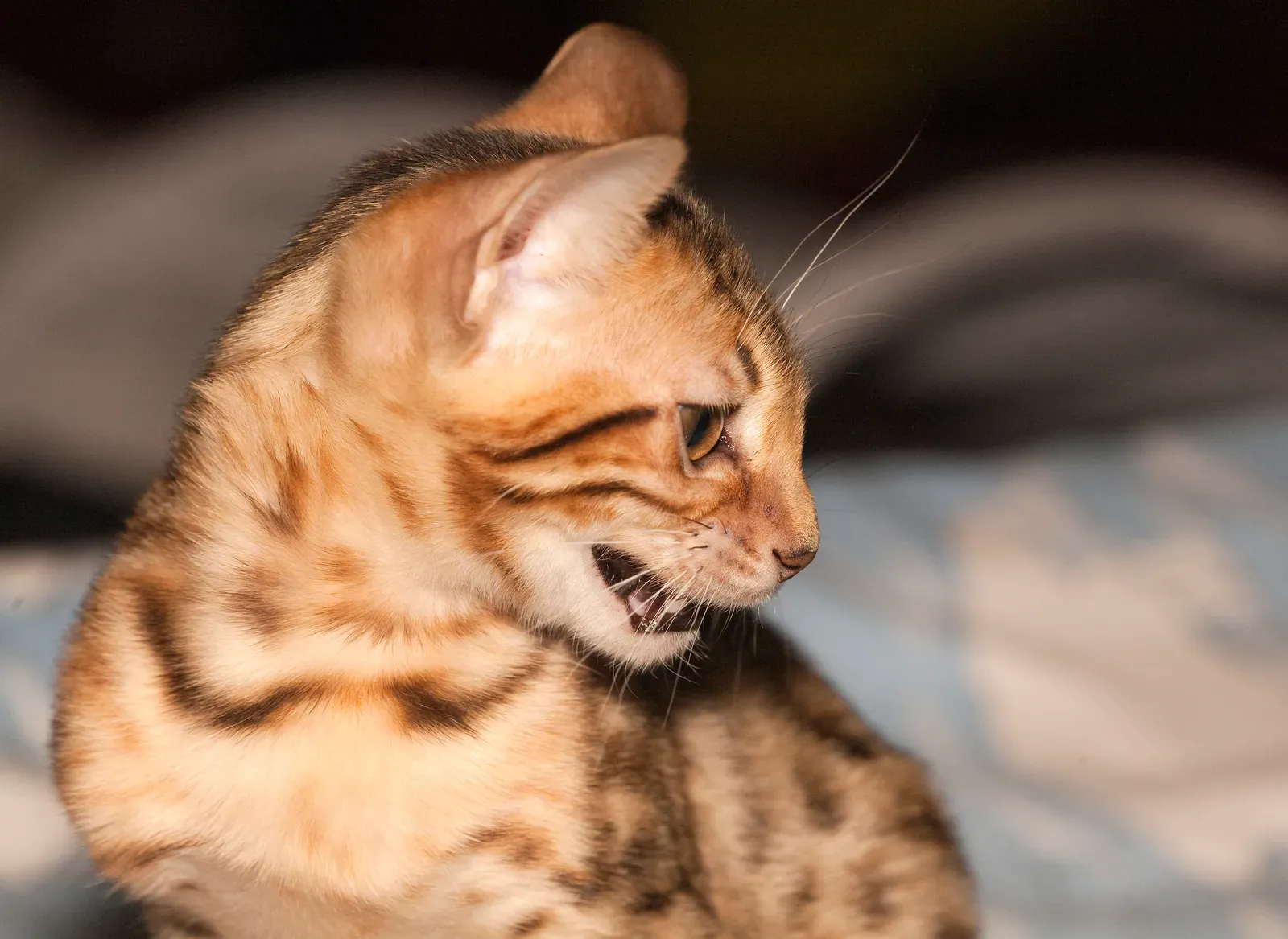
Affectionate, yes. Democratic about it, absolutely not. Most Bengals pick a favorite human and everyone else gets filed under “acceptable at best.” That favorite gets the door greeting every single time. Guests and even other family members can get ignored or flat-out avoided.
It creates real friction in households where everyone expected to share the love equally. Some owners insist their Bengal remembers being scolded or ignored for days afterward, and adjusts affection accordingly. It’s less “pet” and more “emotionally invested roommate with opinions.”
#7 – Their Fur Feels Like No Other Domestic Cat’s Coat
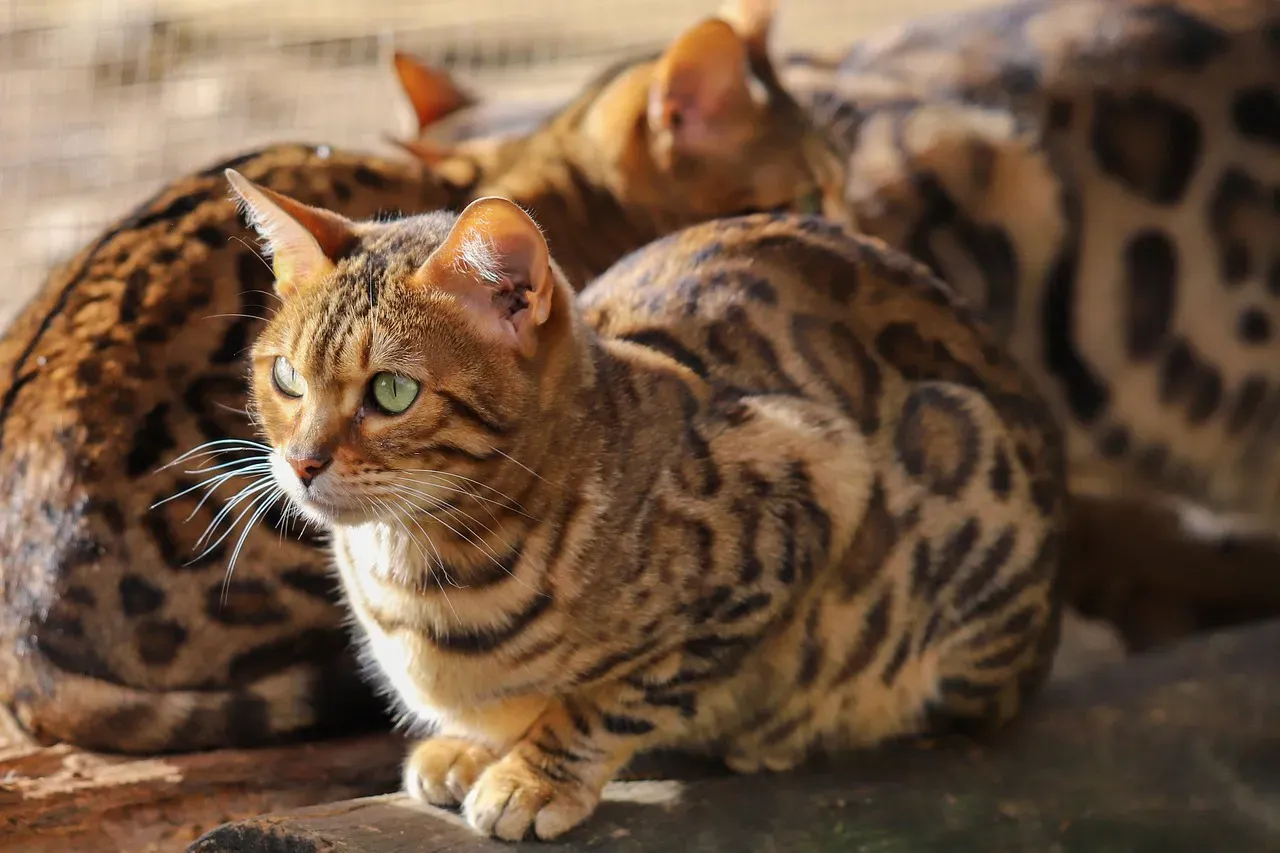
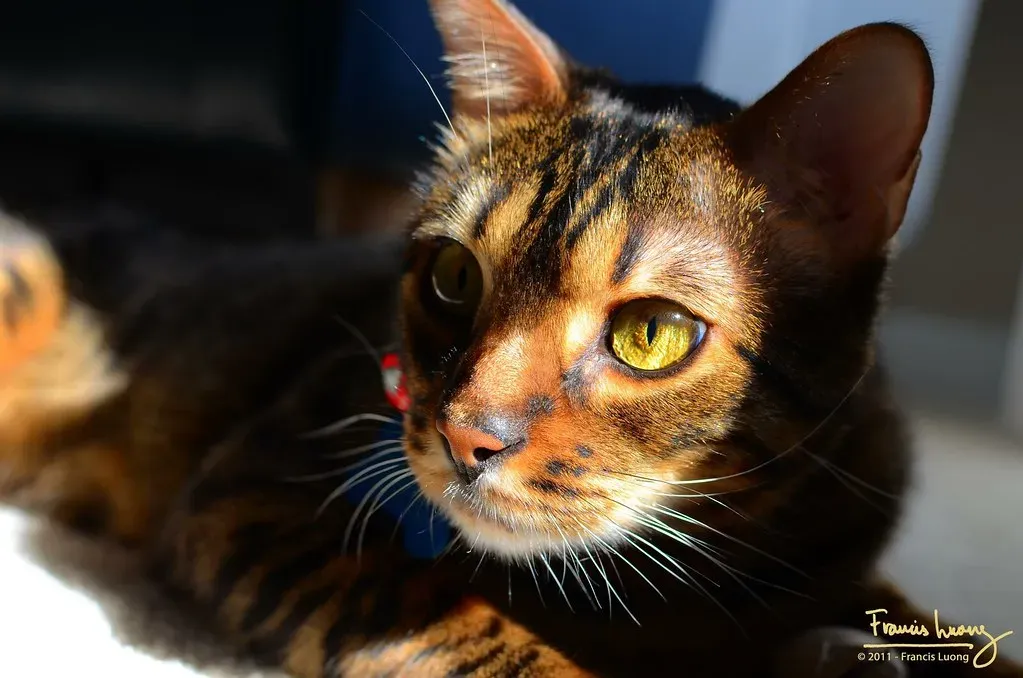
The Bengal coat isn’t just striking to look at, it’s genuinely different to touch. Dense, silky, and low-shedding, but it mats in very specific spots if grooming gets skipped. Owners often describe it as otter-like, almost suede-textured along the spine.
What catches people off guard is how the pattern shifts under different lighting, sometimes revealing spots that seem invisible in a dim room and glossy under direct sun. It’s part of why the breed photographs so well, and part of why regular brushing isn’t optional if you want that signature shine to stay intact.
Worth Knowing
- Bengals are the only domestic cat that can carry true rosettes, the same two-toned markings seen on leopards, jaguars, and ocelots.
- Some carry a so-called glitter gene, which gives individual hairs a shimmering effect in direct light.
- Breeders classify rosette shapes into types like arrowhead, paw-print, donut, cluster, and clouded.
- That tight, glossy coat also means Bengals tend to shed less than many other breeds and need comparatively little grooming.
#8 – They Learn Tricks Faster Than Most Dogs

Clicker training a Bengal tends to go embarrassingly fast. Sit, high-five, even leash walking come together quickly when there’s any consistency behind the effort. They also pick up household routines on their own, like knowing exactly when the food bag usually opens.
Multiple owners have taken it further, training their cats to press buttons or respond to specific verbal cues for requests. It’s genuinely impressive until the repetition sets in and boredom turns that same sharp brain toward finding trouble instead.
#9 – Vertical Space Isn’t a Preference, It’s Claimed Territory
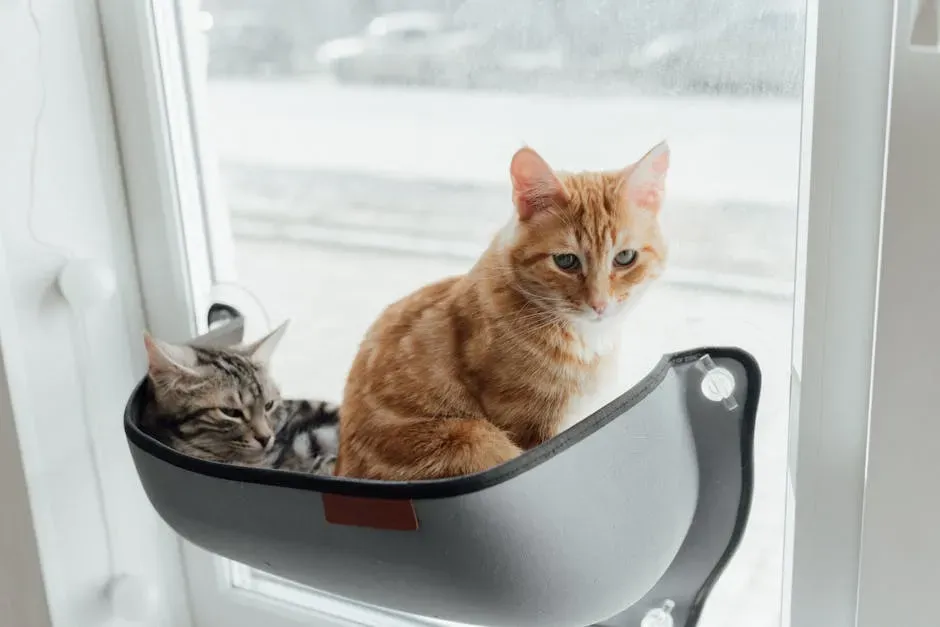
A Bengal doesn’t just enjoy high places, it annexes them. Curtains, bookshelves, refrigerators, whatever gets them to the highest usable point in a room becomes fair game, and once claimed, that spot is theirs.
This isn’t random climbing, it’s a surveillance habit. They return to the exact same perch day after day to watch the room below. Skip the cat trees and wall shelves, and don’t be surprised when the top of a door frame becomes the new throne instead.
#10 – They “Talk” in Full Back-and-Forth Conversations
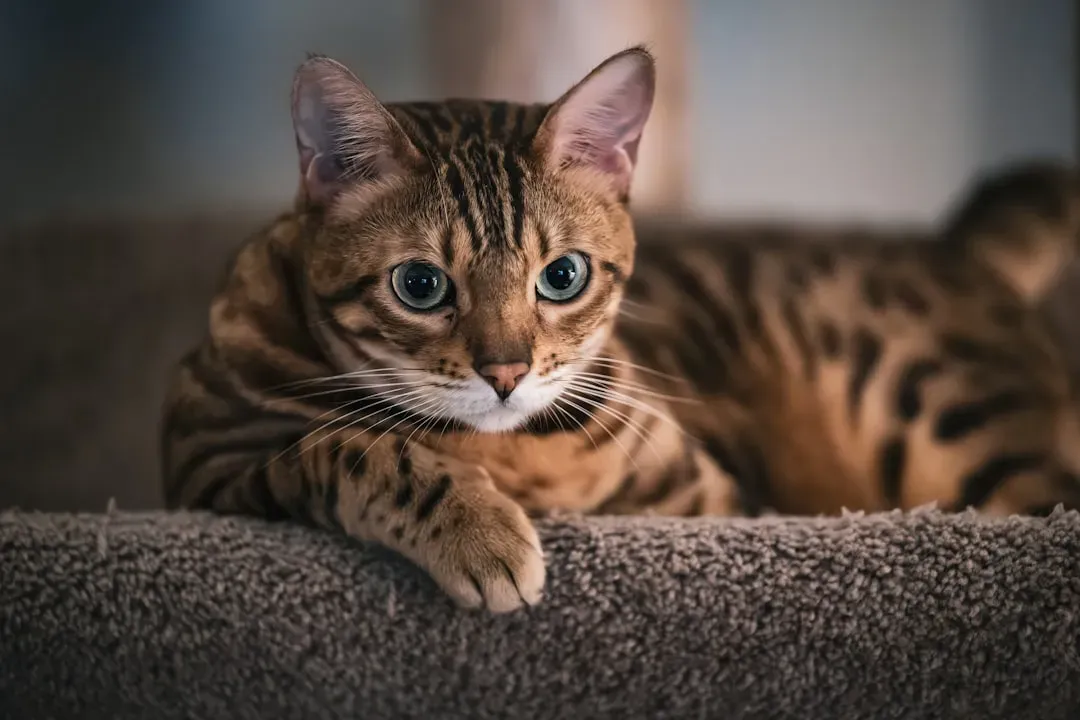
Bengals don’t just meow, they chirp, trill, and string together sounds that genuinely feel like a response to what you just said. They’ll start these exchanges mid-play or while trailing you room to room, and the vocal habit tends to get more pronounced with age and attention.
Some owners report their cat developing distinct sounds reserved for specific people or specific situations, almost like a private vocabulary. It makes a Bengal household feel noticeably louder and busier than one with a quieter breed, in a way that’s oddly endearing once you’re used to it.
#11 – Water Bowls Turn Into Toys, Never Just a Drink Station
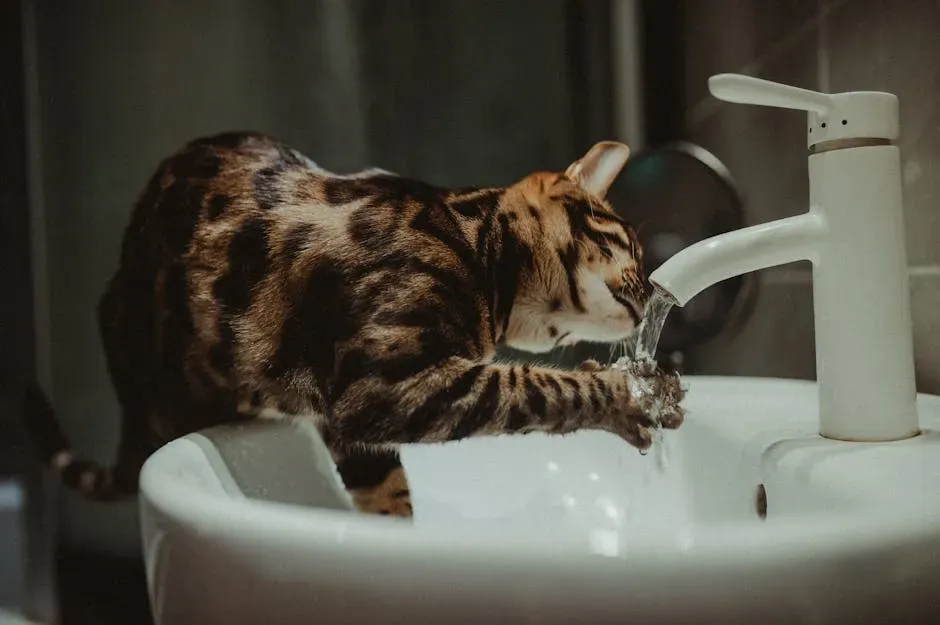
A plain water dish bores a Bengal fast. Given the choice, they’ll dunk toys, splash their paws, or hover around a fountain watching the stream like it’s a personal show. Sinks and tubs with even an inch of leftover water become instant attractions too.
Some go as far as “fishing” for ice cubes or small floating objects dropped in for enrichment. It keeps them entertained and hydrated at the same time, but it also means a standard water bowl setup rarely survives long in a Bengal home without some creative modification.
#12 – They Fixate on One Toy Like It’s the Only One That Exists
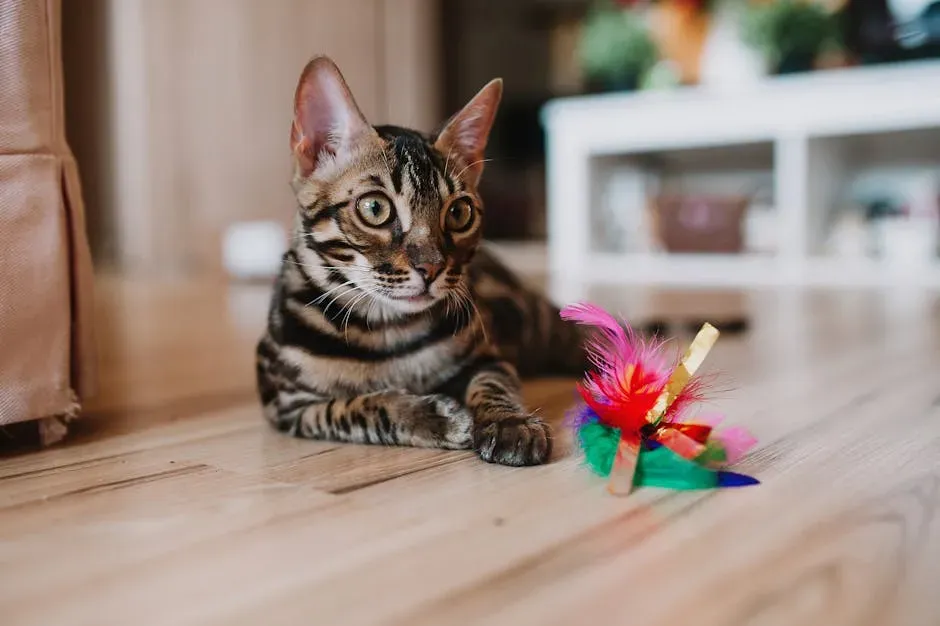
Bengals tend to lock onto a single toy or one style of play and obsess over it for weeks straight, carrying that same item everywhere before eventually moving on. It can look almost compulsive from the outside, but it usually signals a deeper bond forming with whoever plays that game with them consistently.
Some owners have learned the hard way that forcing variety too early just frustrates the cat instead of helping. Letting the current obsession run its course, rather than fighting it, tends to prevent the destructive alternatives that show up when that focused energy has nowhere else to go.
#13 – They Memorize Your Schedule and Exploit It Ruthlessly
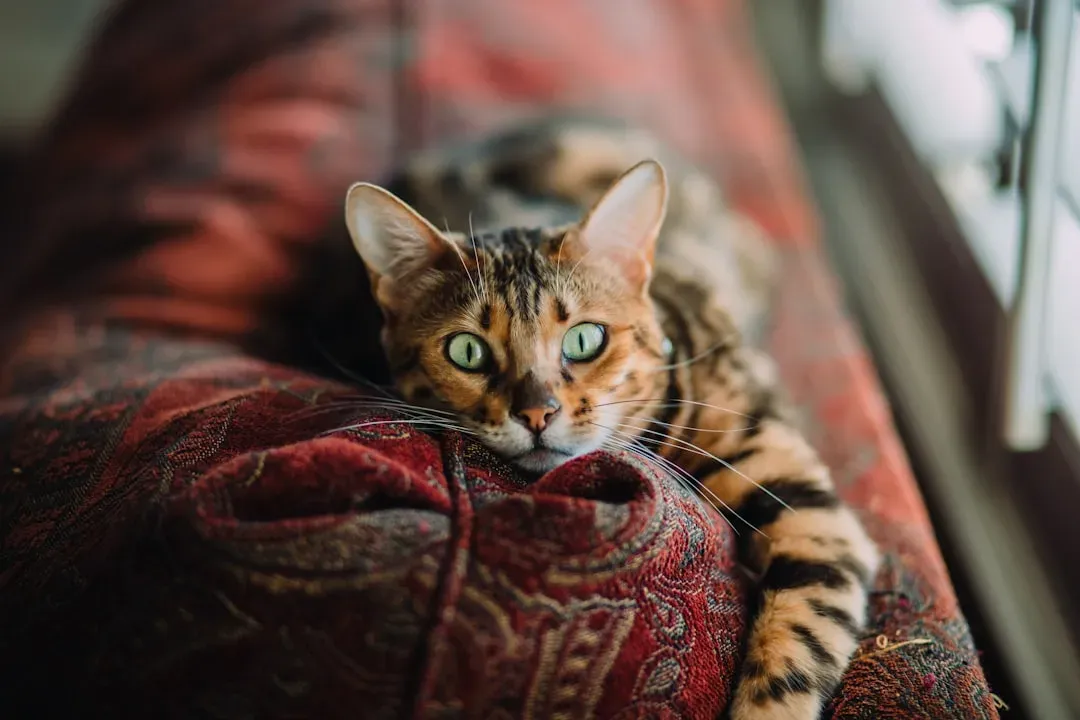
This is the one that surprises even seasoned owners. Bengals don’t just learn your routine, they predict it and insert themselves into it with unnerving precision. They show up at the exact minute the treat cabinet usually opens, no cue required, no coincidence involved.
It goes further than feeding time too. Long-term owners report their cats recognizing the signs of an imminent departure and positioning themselves directly in front of the door, as if blocking the exit might actually change the outcome. Some even claim their Bengal shifted its own sleep pattern just to stay in sync with theirs. At that point, it’s less a pet keeping you company and more a small, spotted supervisor keeping tabs on your entire day.
At a Glance: Signs Your Bengal Has You Fully Trained
- Shows up unprompted the exact minute treats or meals usually happen
- Camps by the door the moment keys or shoes come out
- Notices packing sounds, like a zipper or work bag, before a word is said
- Shifts its own sleep and wake times to match yours instead of the other way around
The Bottom Line
Bengals were never built to be background pets, and pretending otherwise is how people end up overwhelmed by month two. These aren’t quirks that fade with age or training, they’re wired in, straight from a lineage that never fully left the wild behind.
The owners who actually thrive with a Bengal are the ones who stop trying to tame the intensity and start building a life around it, more scratching posts, more puzzle feeders, more actual play instead of five distracted minutes with a laser pointer. Do that, and the chaos turns into something closer to a genuinely funny, weirdly loyal companion. Skip it, and you’ll spend years wondering why your cat seems personally offended by you. Which quirk did your Bengal take to the extreme? That’s the real story worth hearing.
Kristina is a young writer from India. An arts graduate and an avid content creator, Kristina is passionate about animals and wildlife. She enjoys exploring topics related to pet care, animal behavior, conservation, and nature, combining thorough research with engaging storytelling.