If you’ve ever tried brushing a cat that simply refuses to cooperate, you know exactly how quickly an innocent grooming session can turn into an Olympic wrestling match. Some felines tolerate the comb with dignified patience, while others transform into miniature tigers the moment you approach with a brush. Here’s the thing: certain cat breeds are particularly notorious among professional groomers for being extraordinarily challenging to maintain.
These aren’t just cats with long fur or demanding coats. We’re talking about breeds that combine high grooming needs with temperaments that make every session feel like negotiating a peace treaty. Professional groomers know which breeds walk through their doors and immediately raise the difficulty level. Let’s dive into the feline world’s most demanding divas.
1. Persian Cat
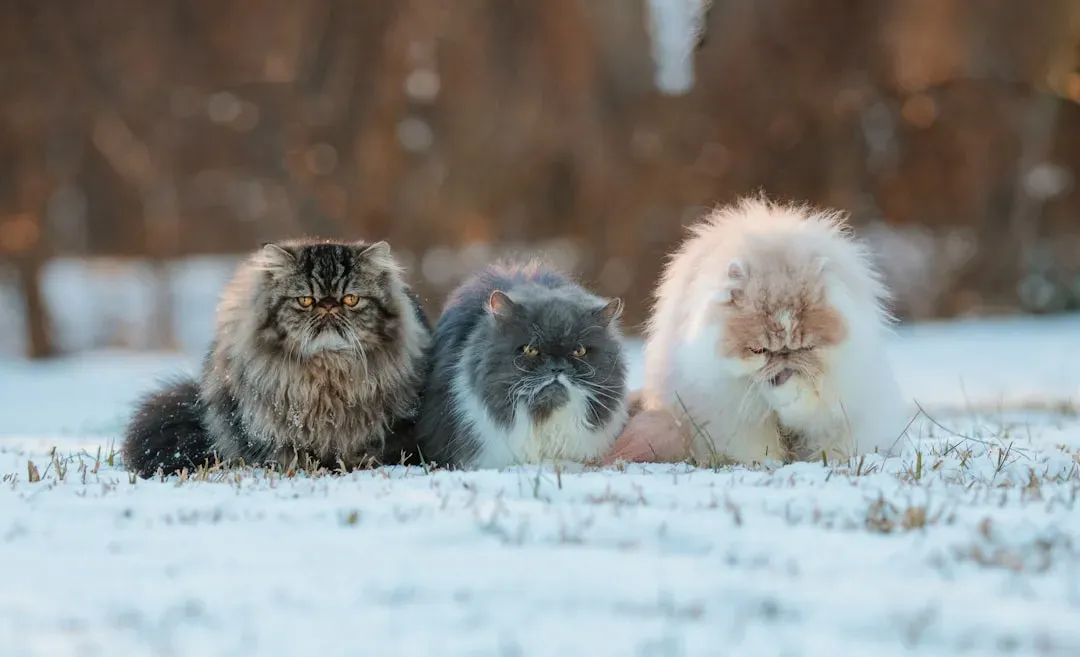
Grooming and bathing a Persian cat is no easy task, even for professional groomers. Their luxurious coat isn’t just for show. Persian cats possess extremely long, fine hair that grows continuously and tangles easily, especially in areas where the cat moves frequently. We’re talking about daily brushing sessions that can stretch to twenty minutes or more, and that’s just to prevent matting.
Persian cats commonly develop mats if not brushed daily. The problem areas? These painful tangles form most commonly behind the ears, in armpits, and along the belly. Even with daily brushing, mats can form overnight in certain areas, requiring roughly about one hundred hours per year dedicated to grooming. It’s honestly no wonder many owners feel overwhelmed.
2. Himalayan Cat
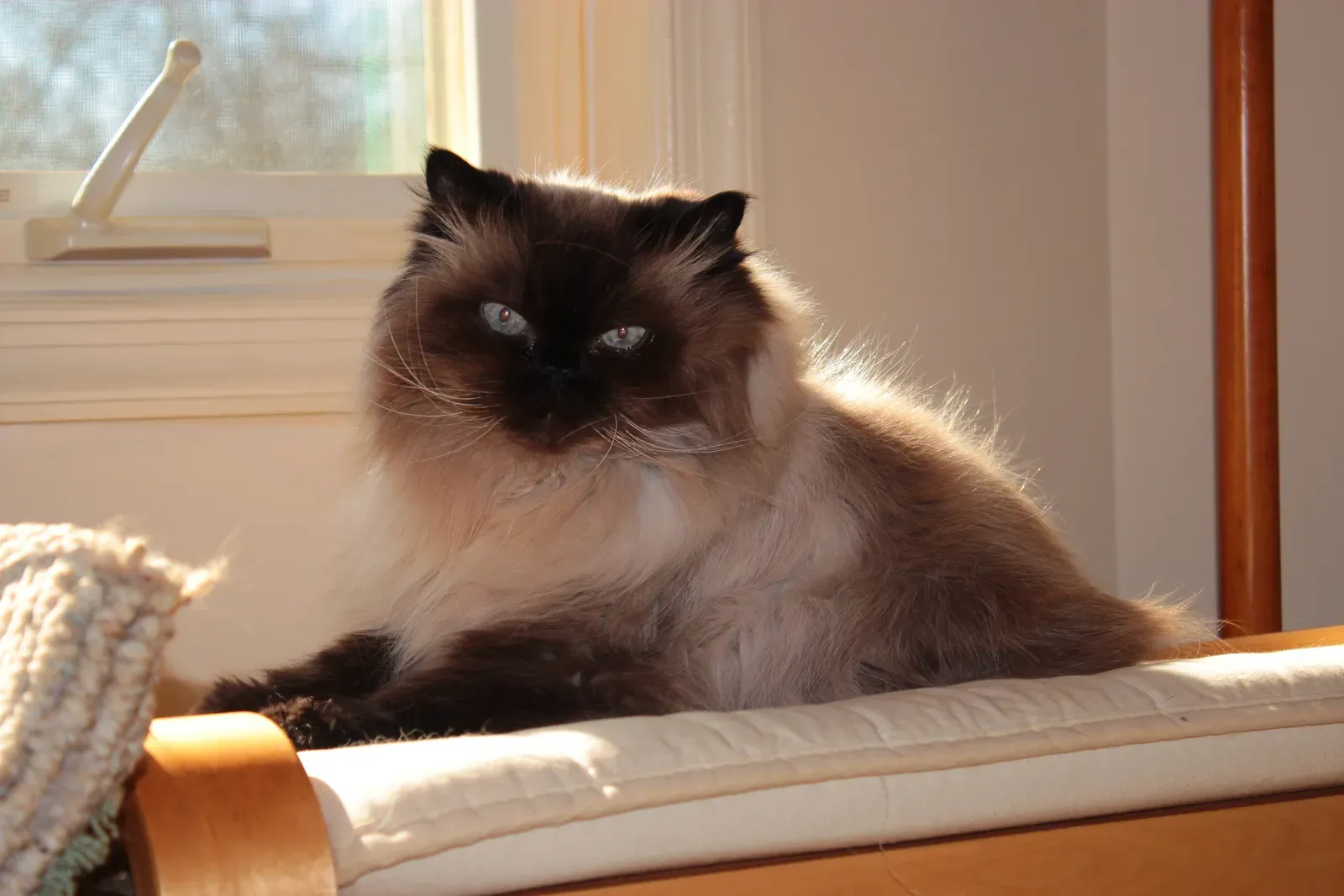
Think of Himalayans as Persians with a color pattern upgrade and equally demanding maintenance requirements. The Himalayan requires daily grooming. Their combination of Persian-like coat density with pointed coloring means constant vigilance against tangles and mats.
Their flat facial structure creates additional challenges, as shortened nasal passages and prominent eyes make them prone to tear staining and eye discharge, requiring regular facial cleaning. Let’s be real, the daily eye cleaning alone can test anyone’s patience, especially when combined with full coat maintenance. Many groomers admit these cats require both skill and serious dedication.
3. Maine Coon
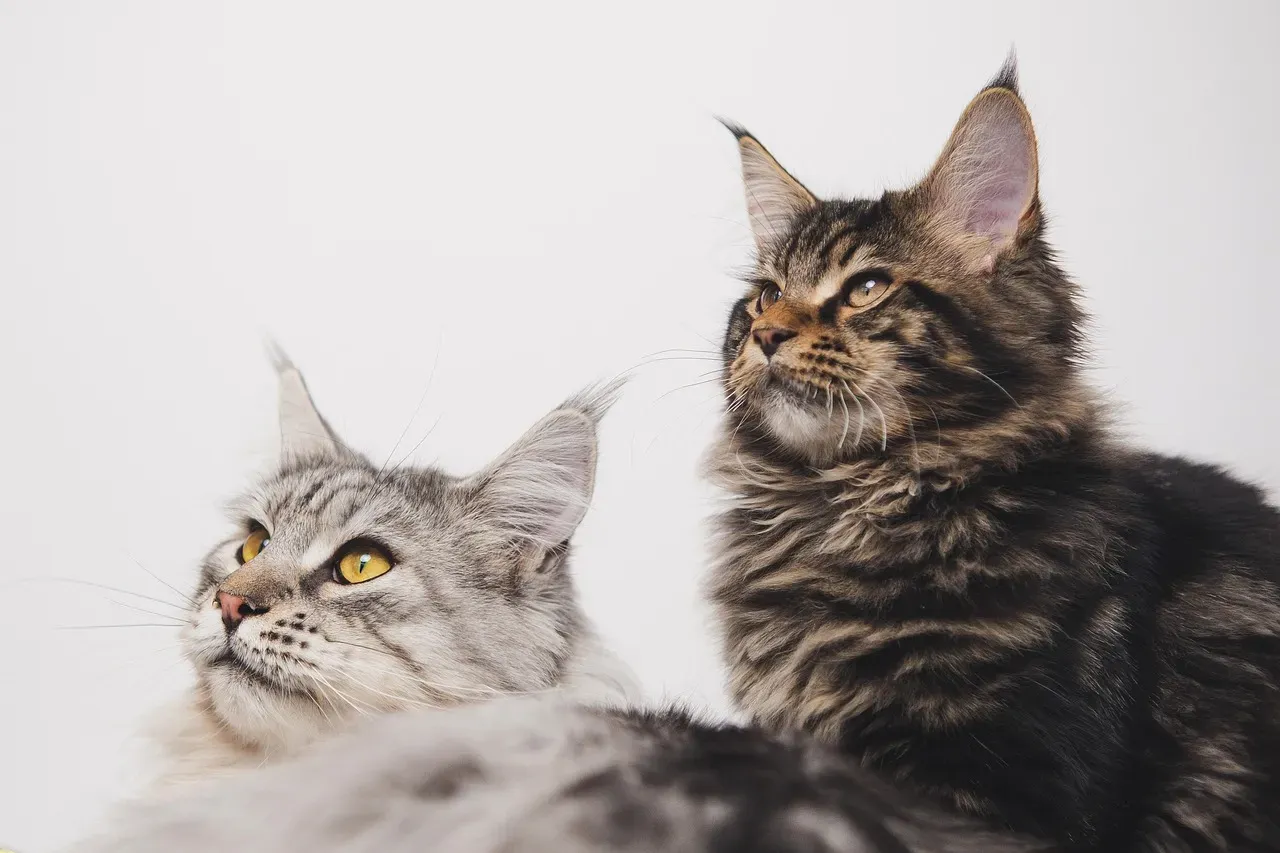
Maine Coon cats often develop matted fur and may resist grooming due to their thick, long coats. Despite their gentle giant reputation, their sheer size combined with a dense double coat creates logistical challenges. Maine Coons have a dense double coat that is prone to knotting and matting, with grooming them at least once a week being ideal to keep their coat manageable.
Their thicker double coat is more prone to tangles and matting, requiring brushing three to four times per week to prevent knots. I know it sounds crazy, but some Maine Coons actually need professional intervention because home grooming simply isn’t enough. If grooming slips, knots and mats may need clipping out by a vet or professional groomer which can work out to be quite expensive.
4. Ragdoll Cat
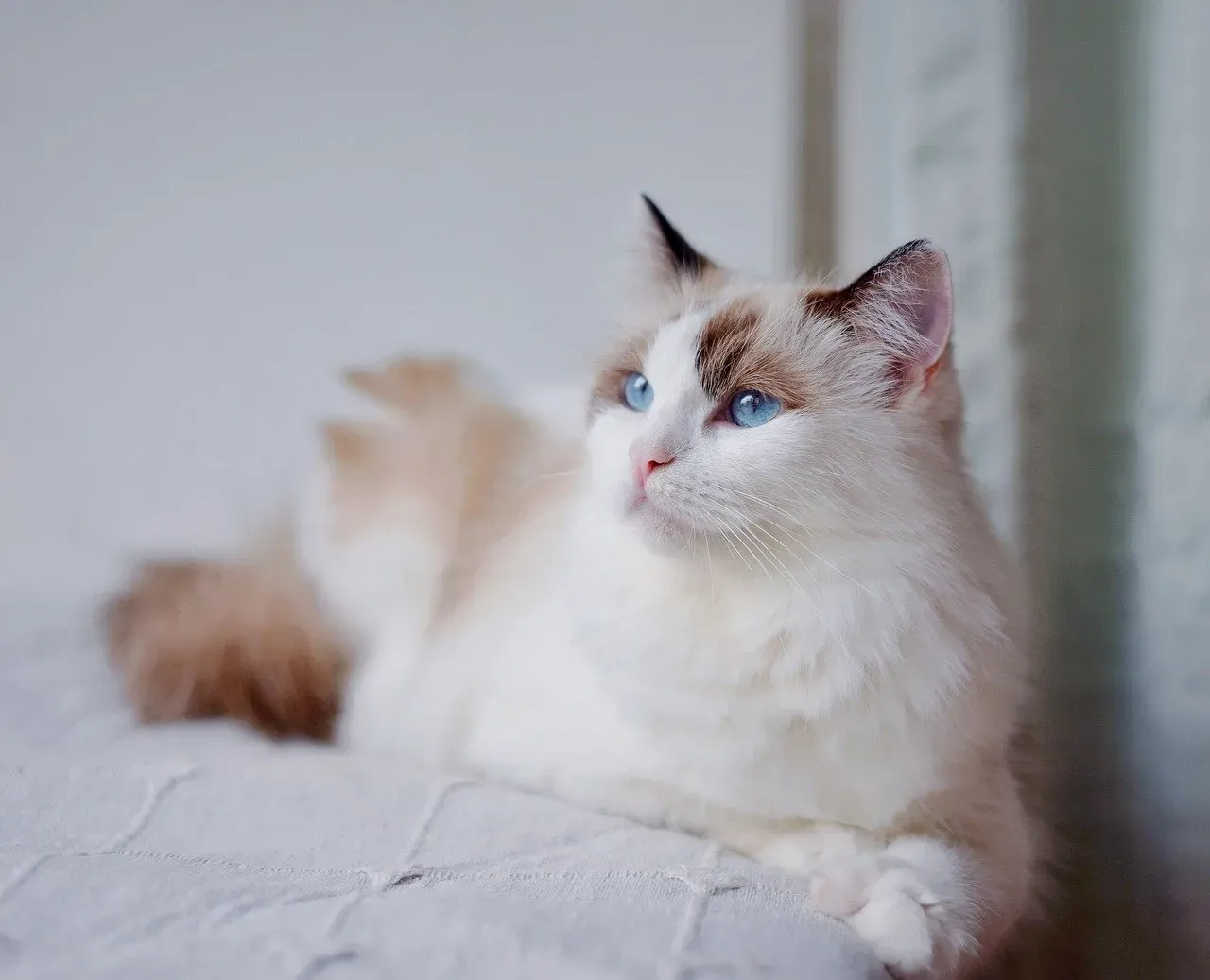
Ragdolls might have a reputation for being docile and floppy, but their grooming needs tell a different story. Long-haired breeds, such as Persian and Ragdoll cats, often require more frequent grooming, usually every two to four weeks. Their semi-long coat may look silky and manageable from a distance, yet it still demands consistent attention.
Though Ragdolls have much less of an undercoat which means their fur is far less likely to knot and mat, they’re not maintenance-free. Regular brushing remains essential to prevent hairball issues and keep shedding under control. Still, the good news is they’re generally more cooperative than some other long-haired breeds, making the grooming battle slightly less intense.
5. Norwegian Forest Cat
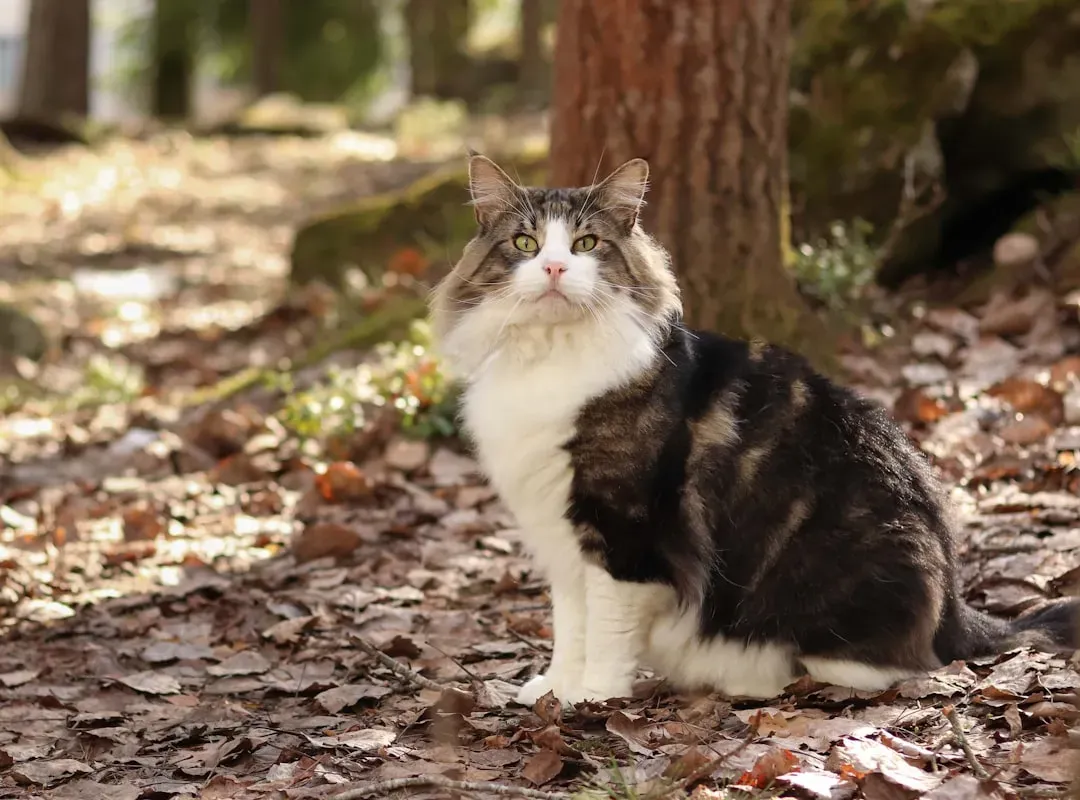
Norwegian Forest Cats come equipped with a weather-resistant double coat designed for Scandinavian winters. Beautiful? Absolutely. Easy to maintain? Not even close. Cats with heavy shedding, such as Maine Coons and Norwegian Forest Cats, may benefit from more frequent brushing and grooming to help manage the shedding and keep the home clean.
Their dense undercoat combined with longer guard hairs creates a perfect storm for tangles, particularly during seasonal shedding. These cats may need to be groomed every two to four weeks, with additional brushing sessions in between. Honestly, keeping up with their coat during shedding season feels like a full-time job. Many groomers note that without regular maintenance, these cats can become uncomfortably matted surprisingly quickly.
6. Birman Cat
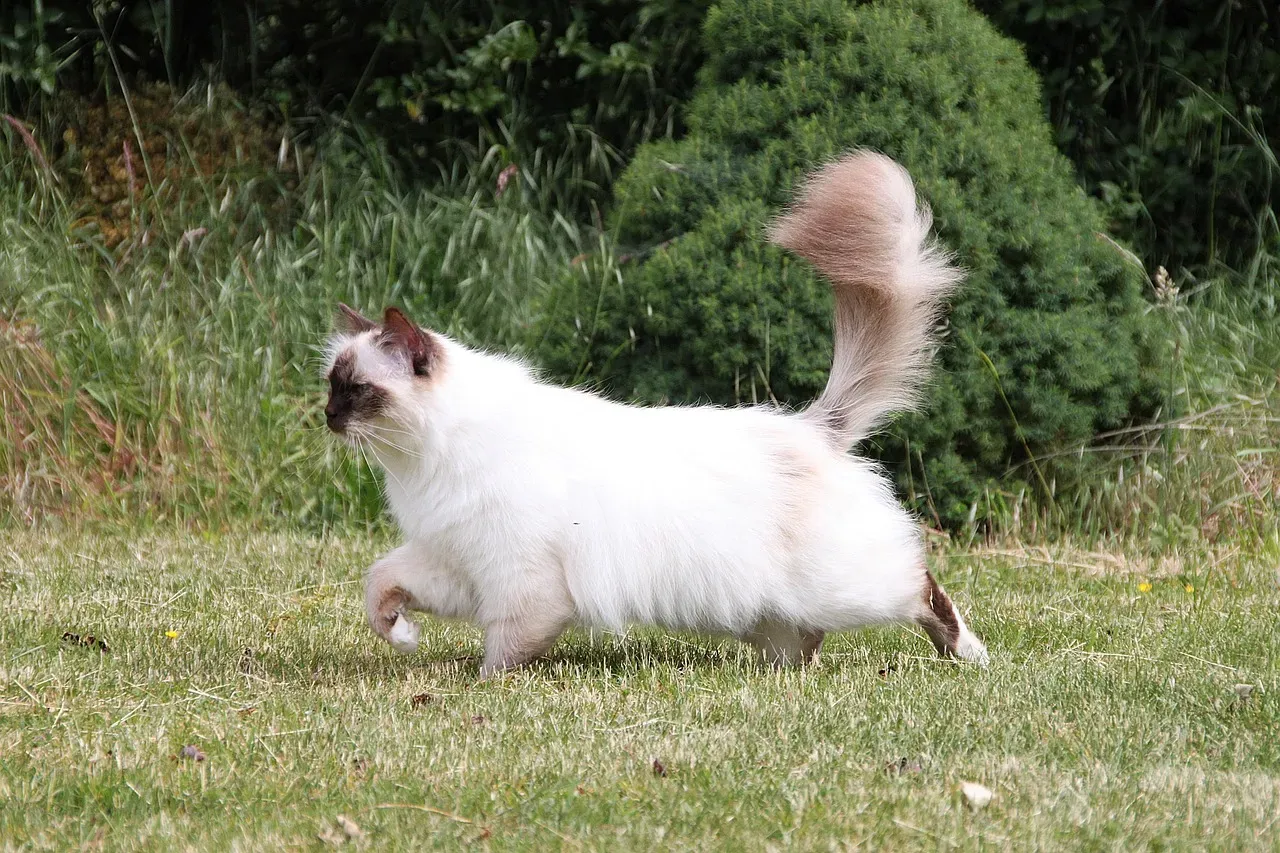
Birmans possess gorgeous silky coats that look effortlessly elegant. Spoiler alert: there’s nothing effortless about maintaining them. While their fur texture is somewhat less prone to matting than Persians, they still require consistent grooming attention to keep that luxurious appearance.
Their medium-long coat tangles in high-friction areas like under the legs and around the neck. Weekly brushing sessions are the bare minimum, and many Birmans become less tolerant as grooming continues. The key challenge lies in maintaining their coat before mats form, because once tangles set in, removal becomes significantly more difficult and uncomfortable for the cat.
7. Exotic Shorthair
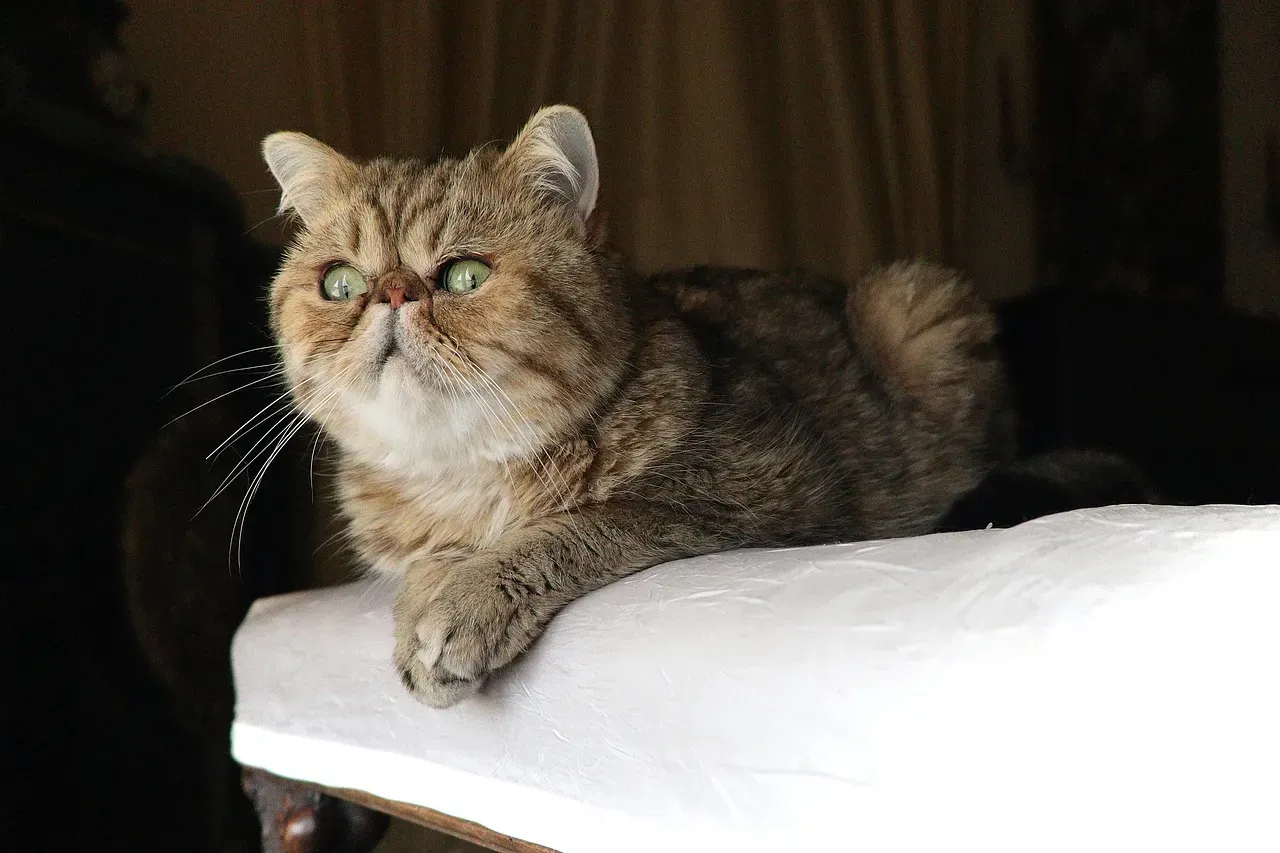
You might think a shorthaired breed would be easy to groom, and you’d be wrong when it comes to Exotics. Their flat facial structure creates additional challenges, as shortened nasal passages and prominent eyes make them prone to tear staining and eye discharge, requiring regular facial cleaning. It’s the facial maintenance that truly tests patience.
Daily eye cleaning becomes non-negotiable with this breed. Their dense, plush coat also requires more attention than typical shorthaired cats. While they don’t need extensive brushing, many Exotics despise having their faces handled, turning routine cleaning into a wrestling match. Groomers often report that these cats can be surprisingly feisty despite their teddy bear appearance.
8. Chinchilla Persian
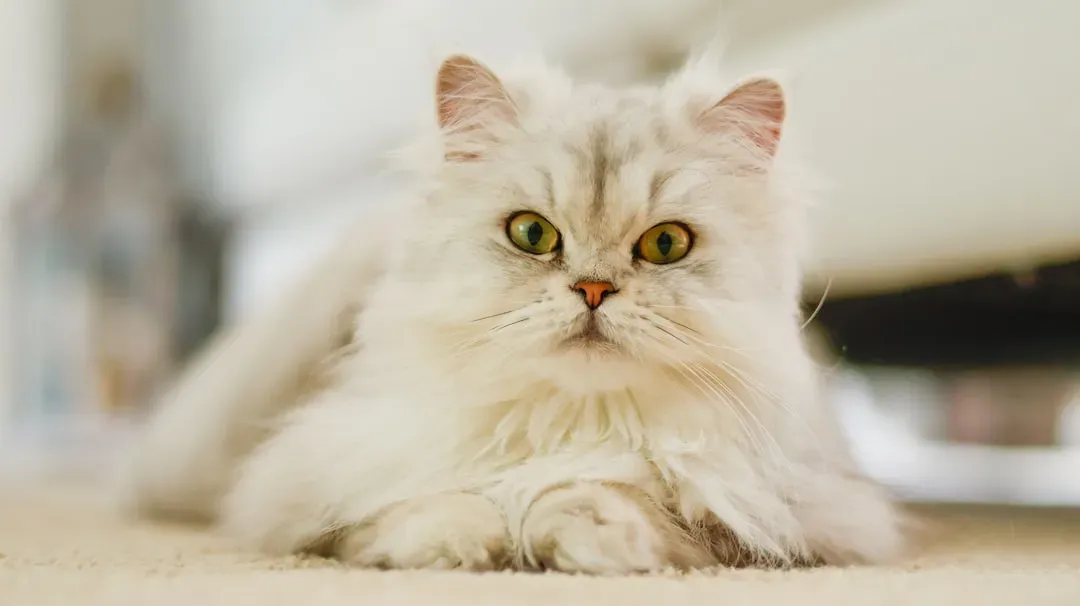
Chinchilla Persians are masters at vocal warnings, with some Chinchillas howling even when hands are just resting on their bodies to reassure them. Let me tell you, their dramatic reactions aren’t just for show. These cats genuinely dislike the grooming process intensely.
Breeds such as Chinchilla Persians hate being confined and held against their will, making professional grooming sessions particularly challenging. They possess all the coat maintenance demands of regular Persians but with significantly less patience for handling. Many groomers consider them among the most difficult temperaments to work with, requiring specialized techniques and sometimes sedation for thorough grooming.
9. Turkish Angora
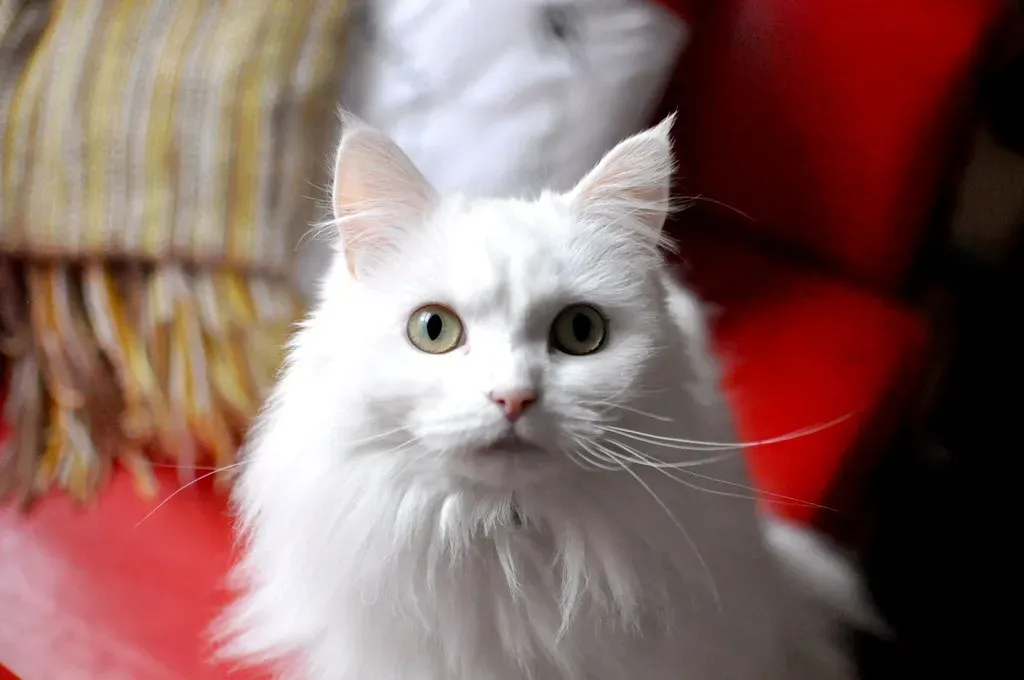
Turkish Angoras sport stunning, flowing coats that look like silk in motion. Maintaining that elegance requires dedication and a cooperative cat, which isn’t always guaranteed. Their single-layer coat tangles less than double-coated breeds, yet their fine texture still creates grooming challenges.
These cats are known for strong personalities and can become quite vocal and resistant during grooming sessions. Their intelligence works against groomers because they remember negative experiences vividly and may become increasingly difficult over time. Regular brushing prevents most problems, but convincing a Turkish Angora to sit still long enough can feel nearly impossible.
10. Somali Cat
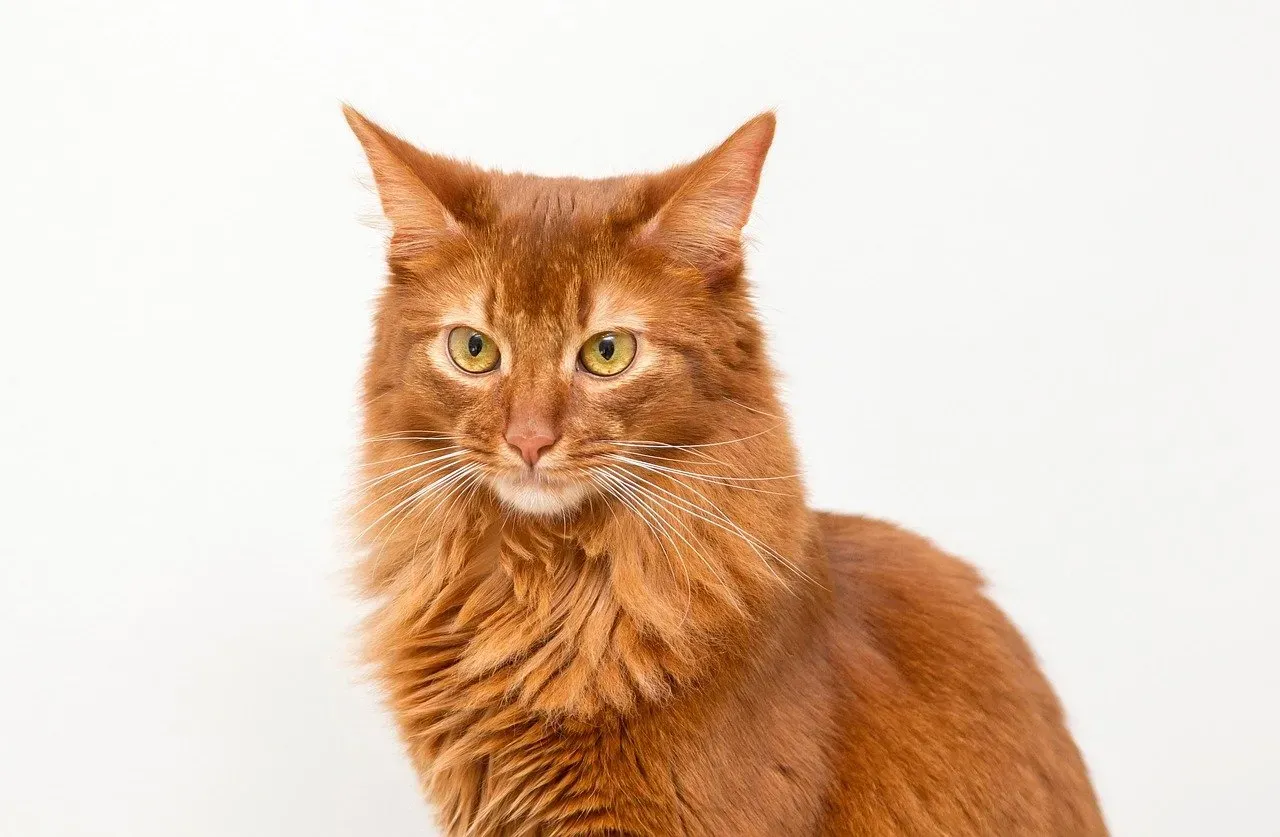
Somalis are essentially long-haired Abyssinians, combining a gorgeous ticked coat with a bushy tail and breeches. Their coat requires consistent maintenance to prevent matting, particularly in the ruff and tail areas. What makes them challenging isn’t just the grooming needs but their temperament during sessions.
Abyssinian and Siamese cats are known for their energetic temperaments. Somalis, sharing Abyssinian genetics, can inherit this tendency. They’re highly active, intelligent cats that don’t enjoy being restrained. Many groomers report that keeping these cats calm and cooperative during grooming requires significant skill and patience.
11. Balinese Cat
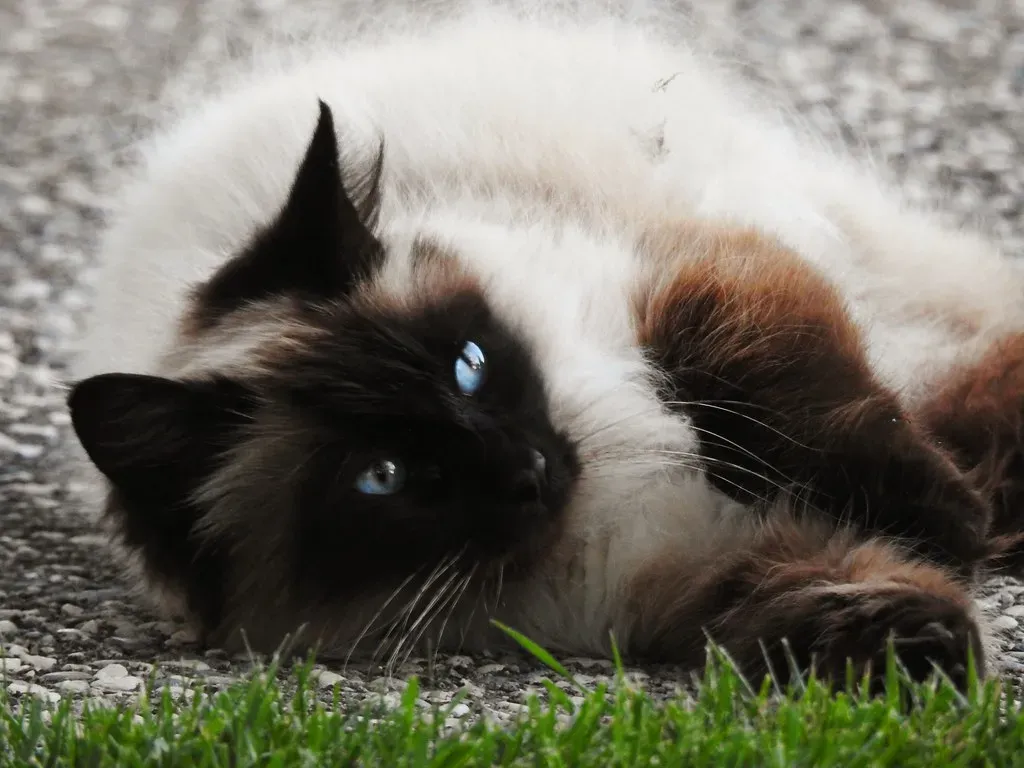
Balinese cats are basically long-haired Siamese, which means they combine silky coat maintenance with the strong-willed Siamese personality. Their medium-length coat needs regular brushing to prevent tangles, but it’s their temperament that really challenges groomers.
Siamese cats are known for their vocal personalities. Balinese can inherit this trait, becoming vocal and resistant when grooming doesn’t proceed according to their preferences. They’re opinionated cats who will absolutely let you know when they’ve had enough. The combination of grooming needs and potential behavioral challenges makes them demanding clients.
12. Scottish Fold Longhair
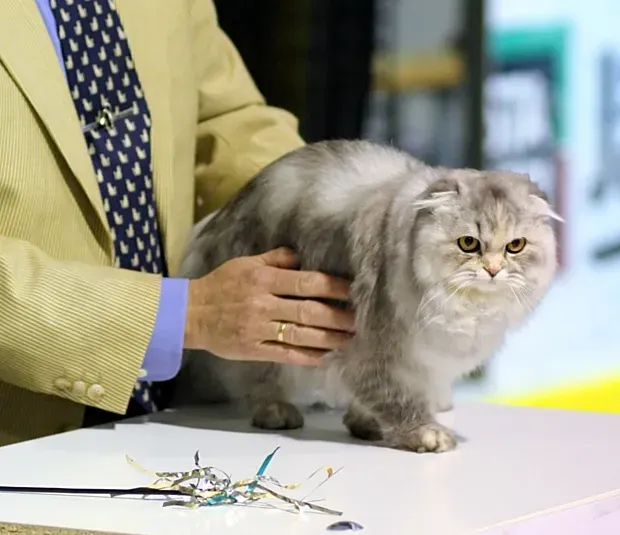
Scottish Fold Longhairs charm everyone with their folded ears and round faces, but their long coat requires diligent care. The dense, plush fur mats easily without regular brushing, particularly around the neck ruff and hindquarters.
Their unique ear structure also demands special attention during grooming sessions. Some Scottish Folds become sensitive about having their ears handled, and when combined with resistance to coat brushing, grooming becomes a delicate negotiation. It’s hard to say for sure, but many groomers find the combination of ear care and coat maintenance creates double the challenge.
13. Selkirk Rex Longhair
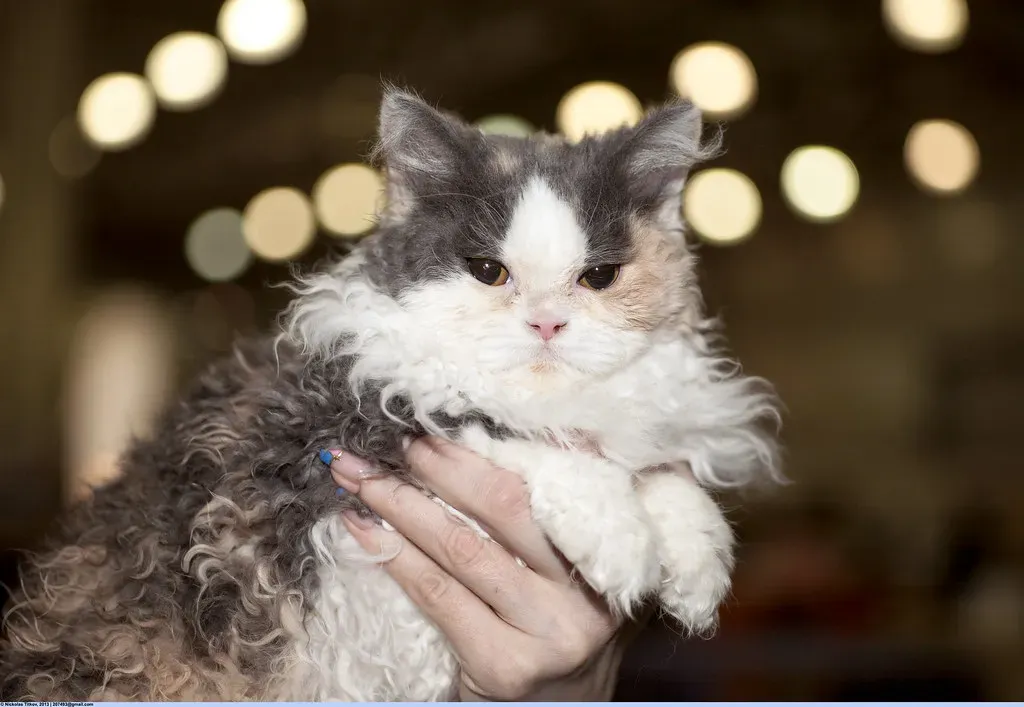
Selkirk Rex cats have unique curly or wavy coats that look adorable but present specific grooming challenges. Some cat breeds, like the Devon Rex or the Cornish Rex, possess curly or wavy coats that require special care, with these coats often having a unique texture and benefiting from regular grooming sessions using a soft brush or grooming mitt.
The Selkirk Rex Longhair combines this curly texture with longer fur, creating a coat that tangles and mats more easily than straight-haired breeds. Their grooming requires gentle techniques to avoid disrupting the natural curl pattern while still removing loose fur and preventing mats. Many groomers lack experience with this unusual coat type, making proper maintenance challenging to achieve.
14. Senior Cats of Any Breed
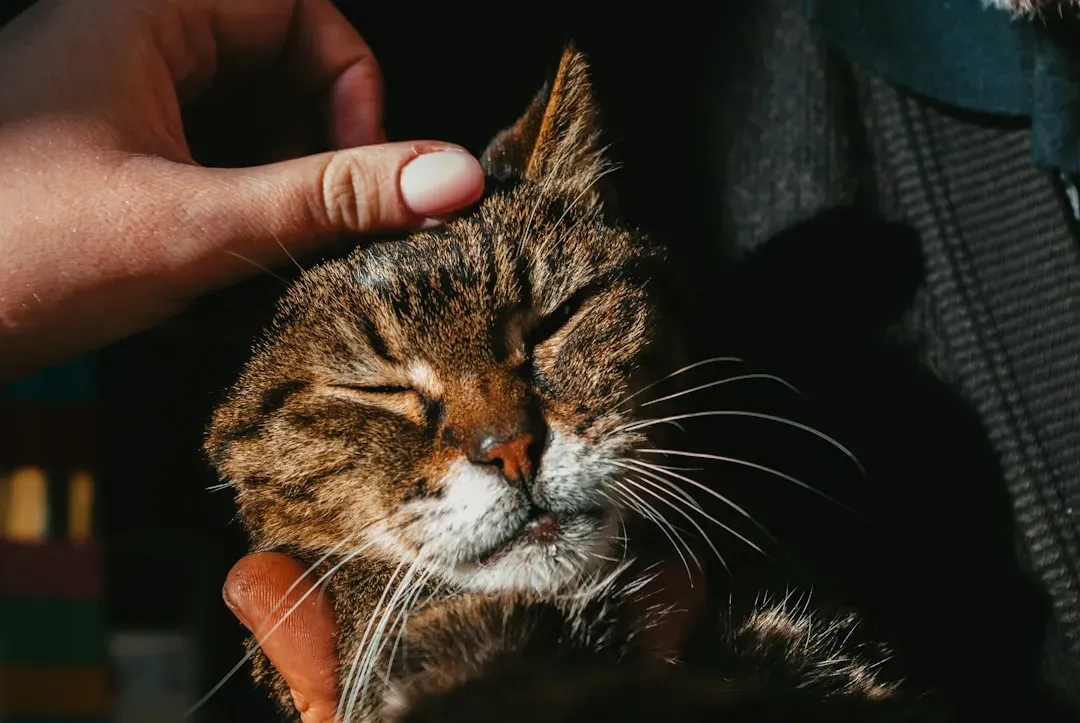
While not technically a breed, senior cats deserve mention because aging transforms even the easiest breeds into grooming challenges. As cats age, they may have difficulty grooming themselves effectively, leading to increased shedding and potential skin issues, with senior cats requiring more frequent grooming, usually every two to four weeks.
Once cats become old, specialized handling needs to be considered because many areas of their bodies will be delicate and joints may be arthritic. Older cats that are unable to groom themselves effectively are at risk of developing serious matting. What was once a cooperative cat may become irritable and resistant due to pain or discomfort, turning routine grooming into a genuine struggle requiring patience and modified techniques.
Conclusion
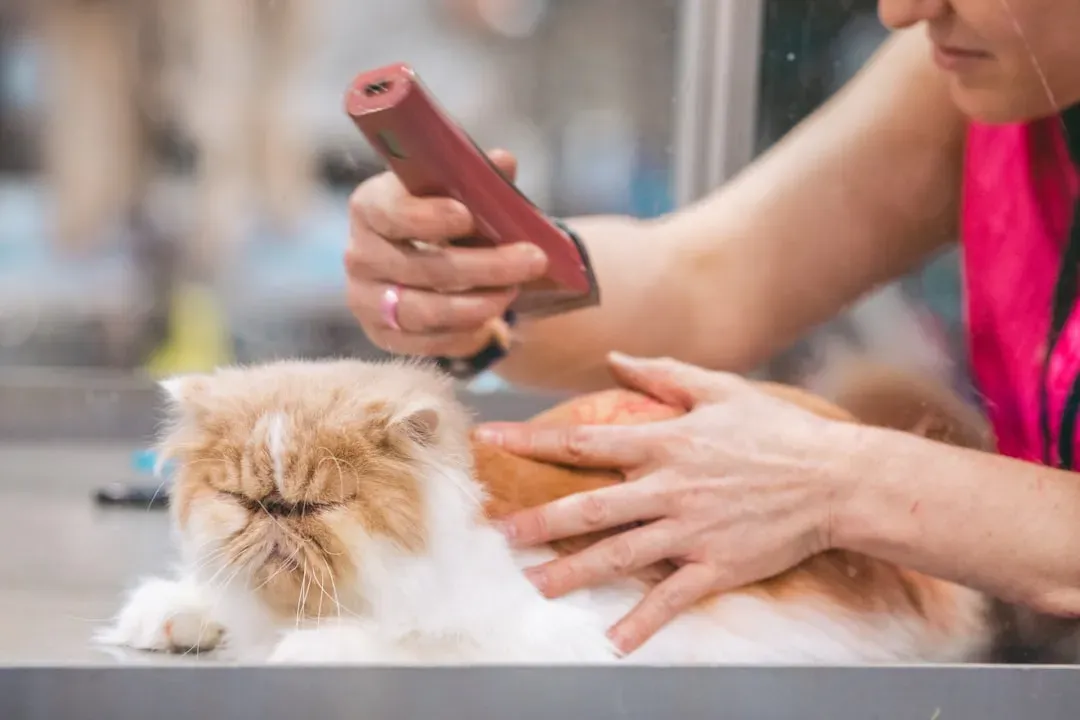
Grooming challenging cat breeds requires far more than just the right tools. It demands patience, skill, understanding of feline behavior, and sometimes professional intervention. These fourteen breeds represent the upper echelon of grooming difficulty, combining demanding coat maintenance with temperaments that range from merely uncooperative to genuinely aggressive.
The reality is that proper grooming isn’t optional for these breeds. Matted fur can end up feeling tight and uncomfortable, making cats feel even grumpier about being approached with a brush, and so the cycle continues. Regular maintenance prevents suffering, but it requires commitment from owners willing to invest time, effort, and sometimes considerable expense into professional grooming services. Did you expect some of these breeds to make the list? What’s been your experience grooming difficult cats?