Cats are one of the most popular pets on the planet, yet they remain one of the most misunderstood creatures alive. You think you know them – and then your cat does something completely unexpected, and suddenly you’re questioning everything. Honestly, it’s part of their charm.
The problem is that a whole lot of what people “know” about cats simply isn’t true. Some of these myths are harmless. Others can actually hurt your pet or damage your bond with them. So whether you’re a first-time cat owner or you’ve lived with felines for decades, you might be surprised by how much misinformation you’ve been carrying around. Let’s dive in.
1. Cats Are Cold, Aloof, and Don’t Really Love You
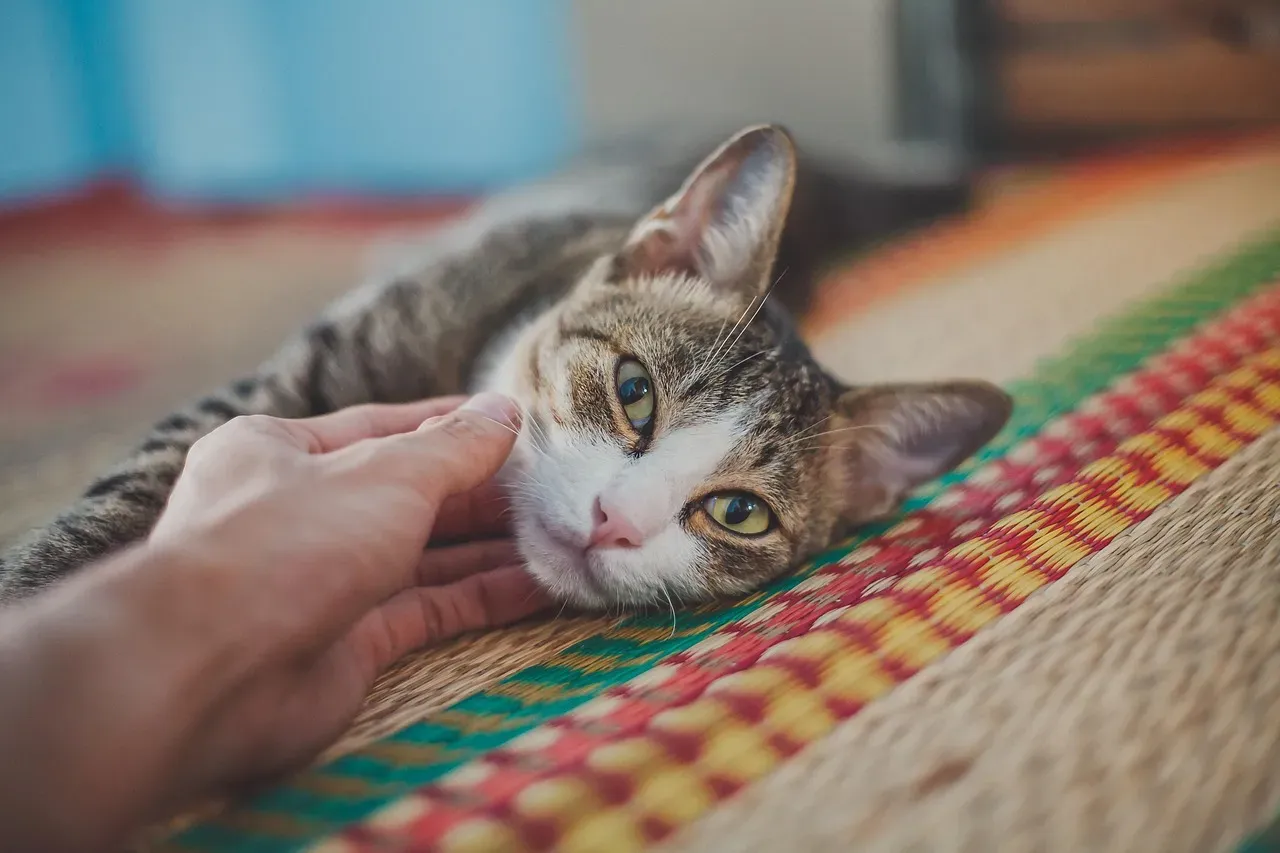
This is probably the biggest cat myth of all time, and I think it does a real disservice to cats everywhere. Cats may have a reputation for being indifferent and standoffish, but cats bond with their people, often just as much as dogs do. They just express it differently – and that’s the key thing most people miss.
Studies show that most cats create strong attachments to their guardians and experience feelings of comfort and safety by being around them. They show their love in many ways, like purring, kneading, slow blinking, rubbing up against your legs, and following you from room to room. So when your cat plops down three inches away from you on the couch, that’s not indifference – that’s devotion, feline style.
2. Cats Are Completely Self-Sufficient and Require Minimal Care
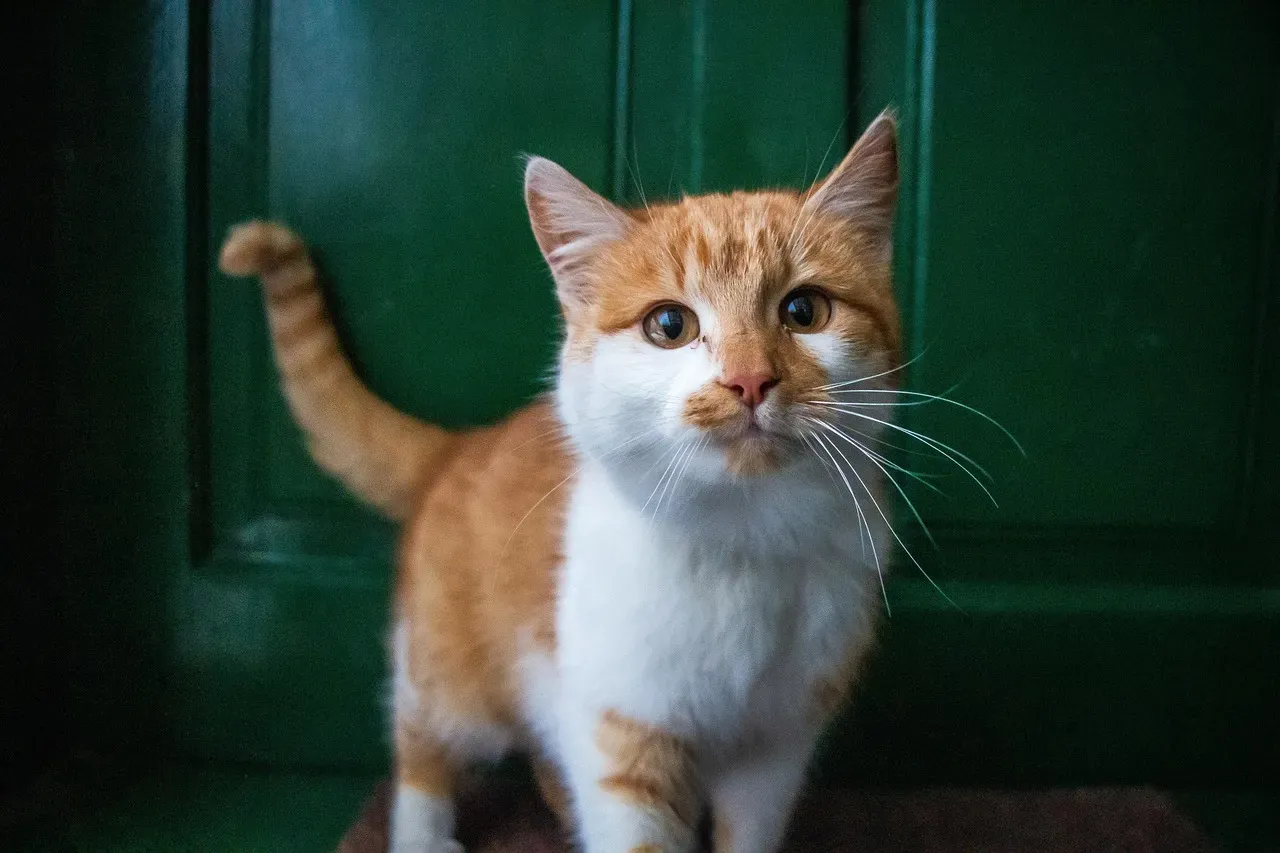
People often assume that owning a cat is the “easy” option – no walks, no obedience classes, no real commitment. That’s a dangerous assumption. While cats have a reputation for being independent, they need just as much care as dogs do. Regular vet visits, daily exercise and mental enrichment, and plenty of positive attention from their guardians are all essential to a cat’s well-being.
Playing, snuggling, and spending time with your cat also increases the bond between you and your furry friend – which is good for your well-being too. Think of it this way: a cat left completely to its own devices is a bit like a houseplant no one waters. It might survive for a while, but it won’t truly thrive.
3. Purring Always Means Your Cat Is Happy
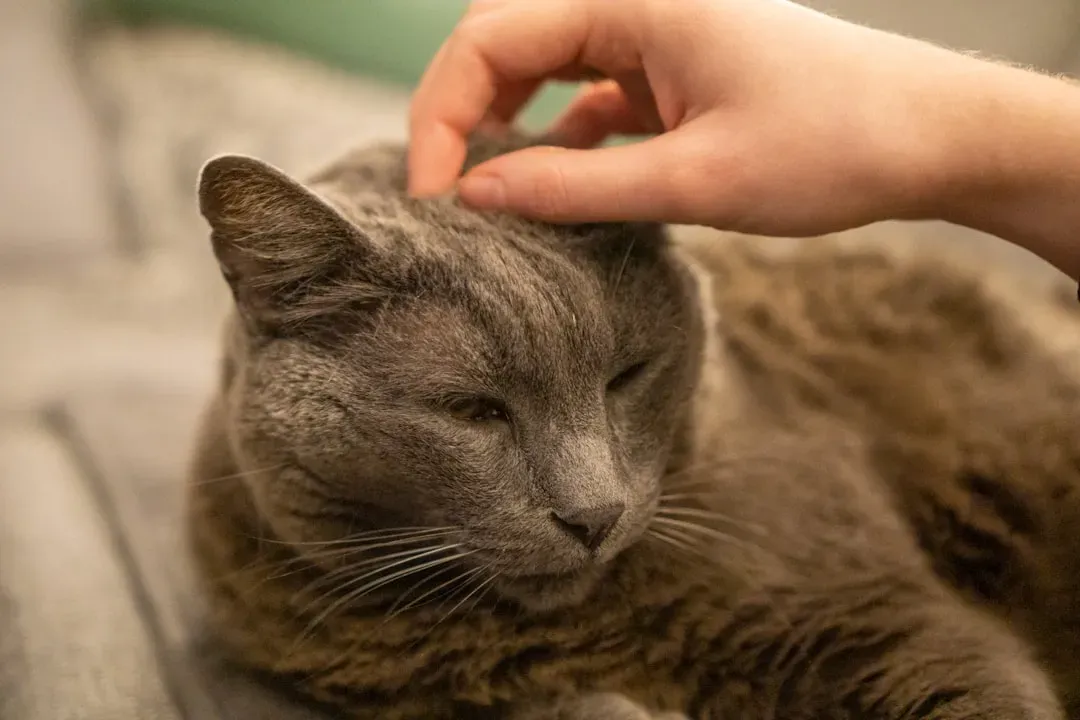
Here’s one that catches a lot of cat owners completely off guard. Yes, your cat purrs when you scratch behind their ears and they’re clearly in heaven. While cats definitely purr when they are happy, they also purr when they feel sick, are in pain, or are afraid. One theory is that the frequencies at which cats purr are healing and help the cat feel less pain.
While cats do purr when they’re relaxed and comfortable, they also purr to self-soothe when stressed, sick, or in pain. So if your cat is purring but also seems lethargic, hiding, or refusing to eat, don’t be lulled into a false sense of security. Purring alone is not a reliable health indicator – you need to look at the whole picture.
4. Cats Are Nocturnal Animals
If you’ve ever been woken up at 3 a.m. by a cat thundering across your face, you might be absolutely convinced that cats are nocturnal. You’d be wrong – and you’re not alone in this mistake. Cats are not nocturnal, but they are naturally crepuscular, which means they’re most active at dawn and dusk. This is when hunting opportunities are best and there’s enough light for them to see well.
Just because your cat is domesticated, it does not mean they will ignore this genetic predisposition. But they’ll usually adapt to your routine. Cats often sleep when the house is quiet and become more active when people arrive home. The midnight zoomies? That’s just your cat being a cat – nudging their internal clock around yours.
5. Cats Can See Perfectly in Complete Darkness
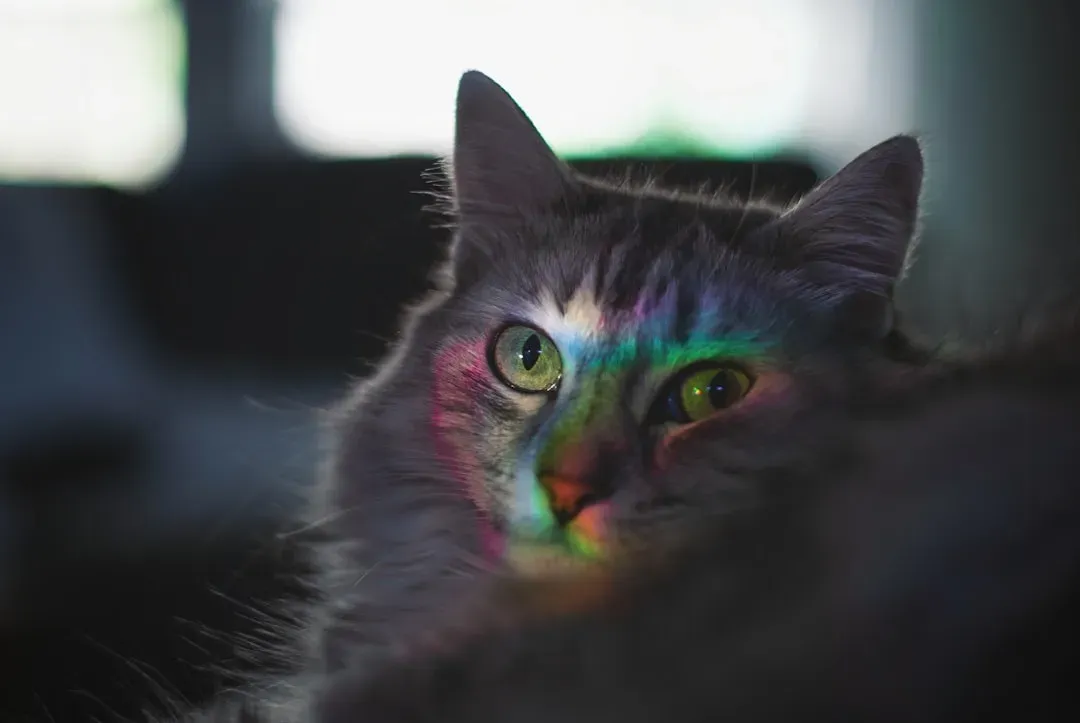
Cats’ eyes are genuinely remarkable. They glow, they dilate dramatically, and they seem to see things you simply cannot. But the idea that cats can see in total darkness is a step too far. The construction of cats’ eyes allows them to see well in low light. Cats only need one-sixth of the light humans do to decipher shapes. However, they cannot see in absolute darkness.
The corneas in a cat’s eye are much thinner than ours, and their irises open far wider, which allows more light to enter. Like many animals, cats also have a highly developed reflective area in the back of their eyes – this is what makes them glow at night when caught in headlights. So yes, they’re impressive night-vision machines. Just not supernatural ones.
6. Cats Always Land on Their Feet
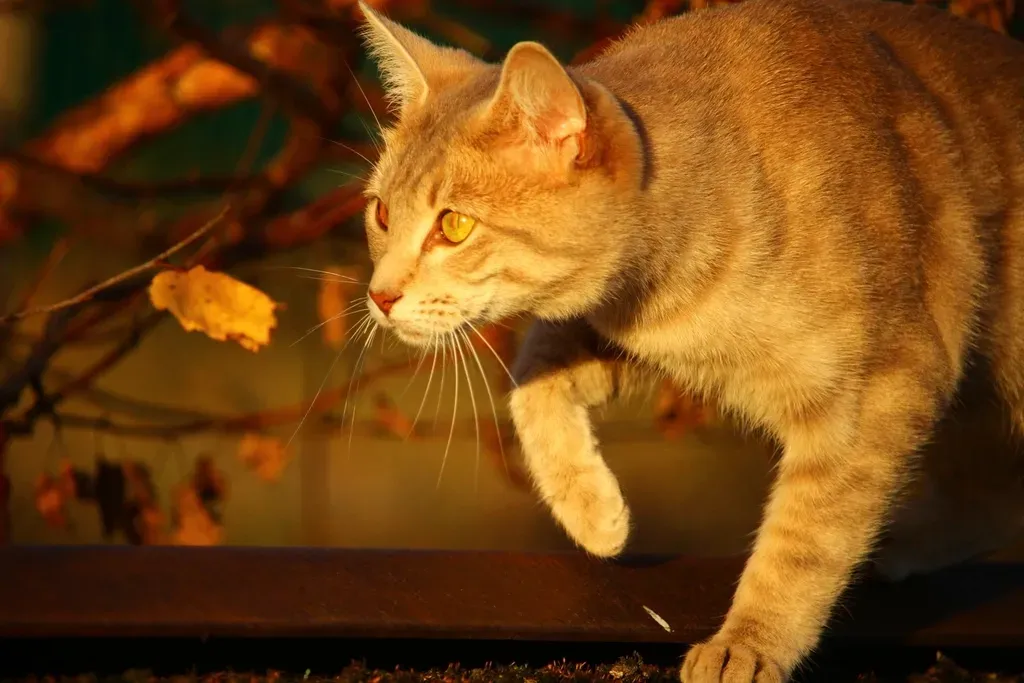
This is one of those myths that sounds plausible because it’s partially true – and that’s exactly what makes it so dangerous. The misconception that cats always land on their feet may be thanks to a cat’s “righting reflex,” an internal balancing system, combined with very flexible backbones, which allows them to twist their body the right way midfall. Impressive, right? But here’s the catch.
Veterinarians use the term “high-rise syndrome” to describe cat injuries sustained from falls – including sprains, bone fractures, and even respiratory issues. Contrary to popular belief, cats are more apt to be injured from low heights than high because they don’t have time to turn or twist their bodies into the necessary position for a safe landing. That’s a sobering fact worth keeping in mind every time you leave a window open.
7. Cats Cannot Be Trained

Dogs sit. Dogs roll over. Dogs fetch. Cats, the popular wisdom goes, just do whatever they want. But let’s be real – this idea sells cats dramatically short. With some patience and positive reinforcement, your kitty can learn all sorts of tricks and good manners. Just like with dogs, short, fun training sessions work best. When your cat displays the behavior you ask for, reward them with a treat or toy, and be sure to end your training session on a high note.
Clicker training can be incorporated into tasks such as nail trims and vet exams, to help a cat feel safer and more confident. It can also be part of teaching a cat to walk on a harness, so they can take safe strolls outdoors. Teaching a cat new skills is a great way to build your relationship with them and prevent boredom. Cats can also learn cues like sit, lie down, roll over, high five, or whatever you can dream up together.
8. Milk Is a Healthy Treat for Cats
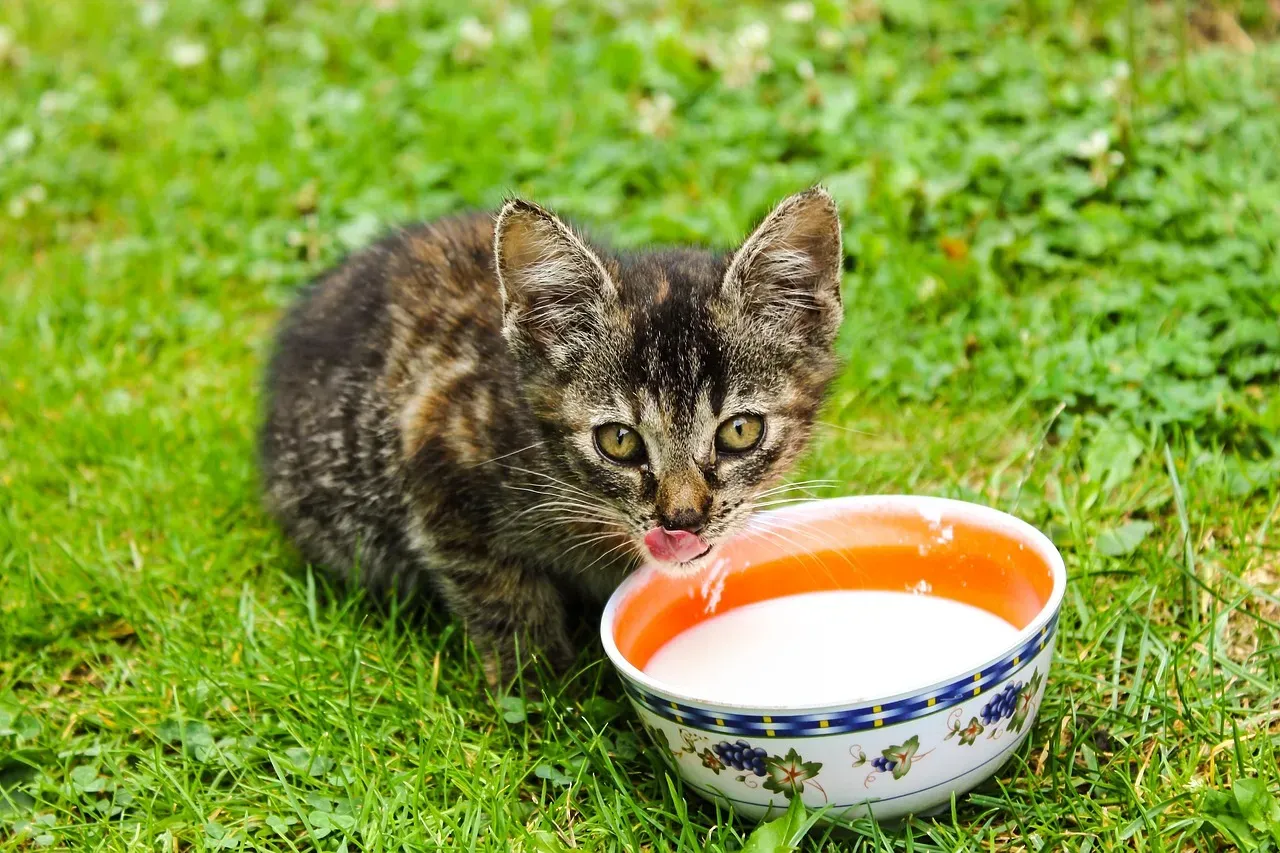
Those vintage images of a kitten lapping up a saucer of milk are burned into our collective consciousness. It looks wholesome and sweet. Unfortunately, it’s also potentially harmful. A lot of cats happen to be lactose intolerant. When cats wean off their mother’s milk, they typically lose the ability to digest milk. So it would upset their stomach if you were to feed them cow’s milk, for example.
Kittens need their mother’s milk or a specialized formula to receive the essential nutrients for growth and development. Once they are weaned, they no longer need milk. In fact, most adult cats are lactose intolerant, meaning that consuming cow’s milk can lead to stomach upset and other digestive problems. So next time you’re tempted to pour that saucer, reach for fresh water instead – your cat will thank you for it.
9. Indoor Cats Don’t Need Vaccinations or Vet Visits
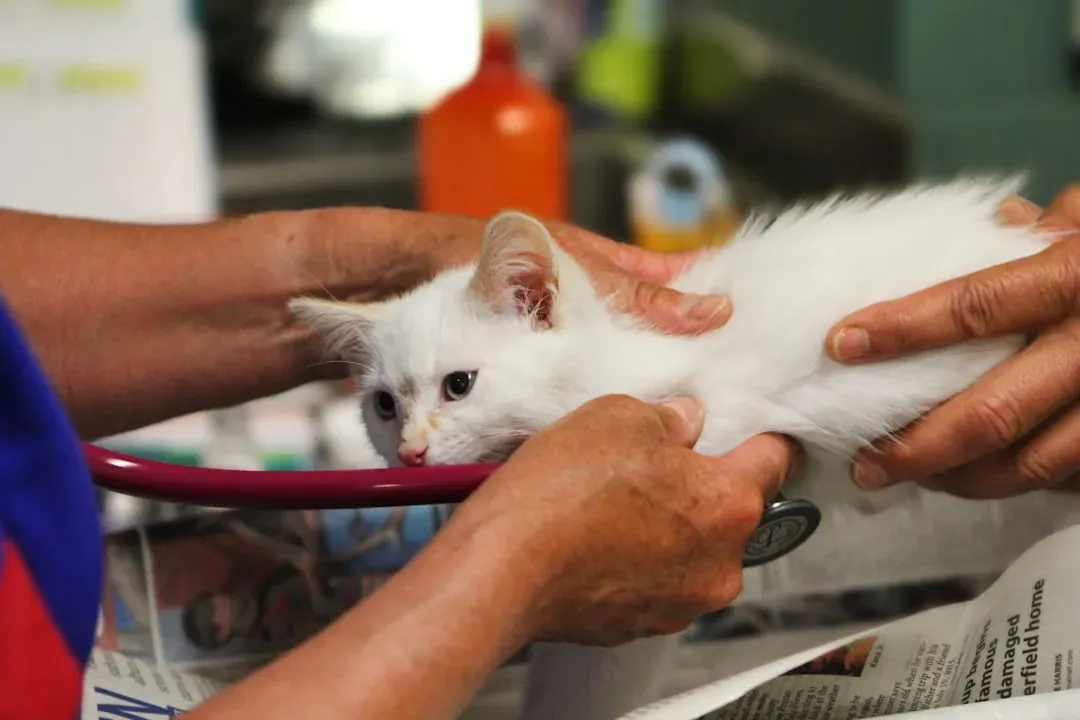
It’s a tempting thought: if your cat never goes outside, surely they’re protected from everything nasty the world throws at them. Many owners genuinely believe this. It’s a costly mistake. The reality is all cats can contract illnesses, even if they never set paw outside. Experts at the Cat Fanciers’ Association point out that indoor cats are most exposed to the airborne germs that travel through the air or come in on a cat owner’s clothing.
You might also think that cats might be immune to rabies, but this is also a myth. Cats can carry rabies and should be vaccinated regularly according to local laws. Vaccinations are effective in keeping your cat clear of infection. Think of it this way: you wash your hands before touching a newborn baby, right? Your cat deserves that same level of protective thinking.
10. Cats and Dogs Can Never Get Along

The classic rivalry between cats and dogs has been cemented in cartoons, movies, and pop culture for generations. But the reality is far more nuanced, and many pet owners discover this happily when they bring a second species home. Many cats and dogs can learn to live together peacefully, and some even develop strong friendships and bonds. The key is patience and positive reinforcement. Introduce your cat and dog slowly so they have time to become comfortable together.
While slow introductions with ample separation are vital for successful introductions, that doesn’t mean pets inherently detest new housemates upon first meetings. By respecting proper introduction protocol, even cats and dogs can form close social bonds given time to adjust. It’s really about the approach, not the species. Much like introducing two humans at a party who don’t yet know each other – the setting matters enormously.
11. Cats Hate Water
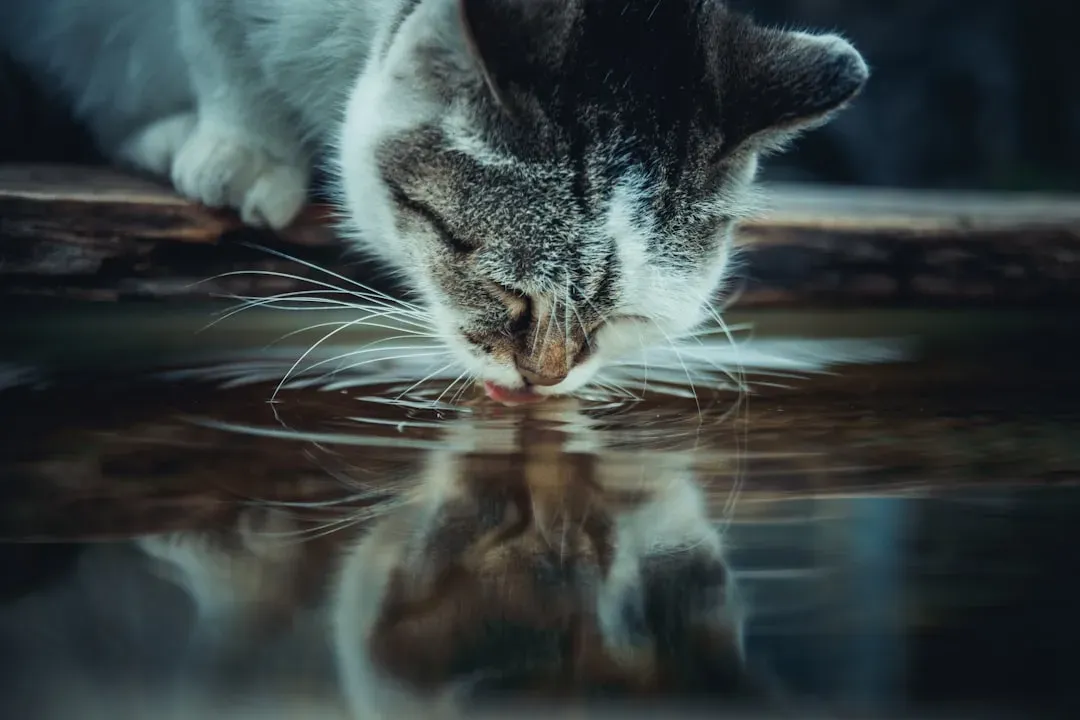
Okay, here’s the thing – most domestic cats are not thrilled about bath time. That part is true. Most domestic cats are not big fans of water, but not all of them hate getting wet. Experts think most cats dislike water because their coats do not dry very quickly, which can leave them feeling uncomfortable and cold. The weight of water is also likely to weigh them down, which means they cannot escape perceived danger as quickly. Cats’ original ancestors also evolved in desert areas, where the land is barren and has very little rain.
Many cats find running water fascinating and spend time pawing at dripping faucets or demanding their guardians turn on the water for a fresh, cool drink. Kittens find sinks and showers a source of amusement, although for most the thrill lessens with age. One breed, the Turkish Van, is nicknamed “the swimming cat” for their swimming prowess and love of all things wet. So “cats hate water” is more of a generalization than a universal truth.
12. A Cat’s Coat Color Determines Its Personality
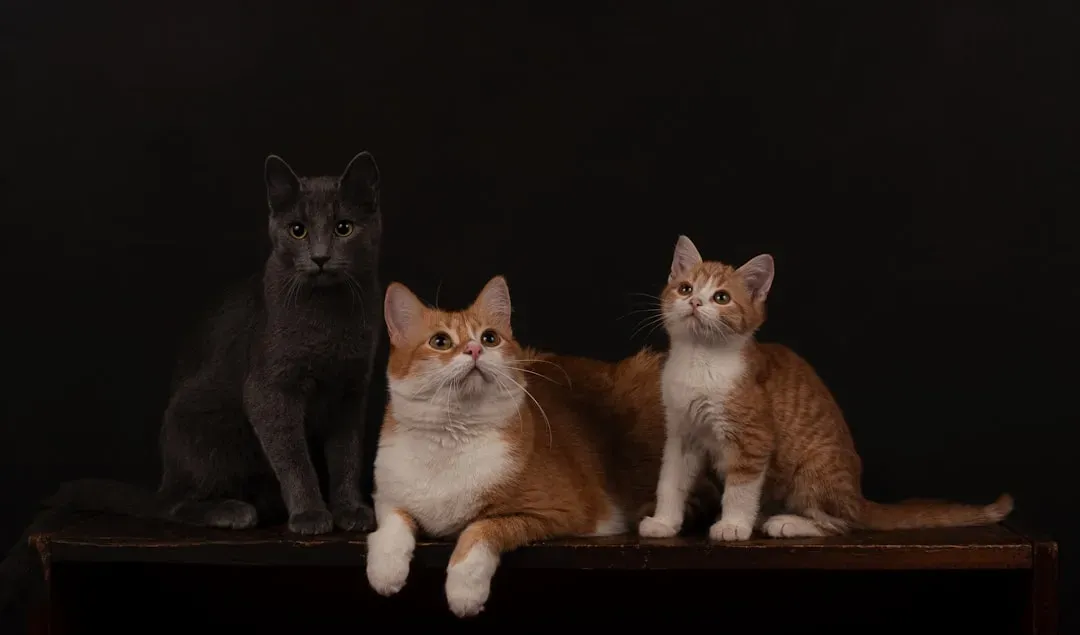
You’ve probably heard it a hundred times – orange cats are friendly, black cats are mysterious, white cats are shy, and calicos are famously feisty. It’s the kind of folk wisdom that sounds convincing, especially to people who’ve owned one particular color of cat. People do make assumptions about cats based on their color. We tend to perceive orange cats as friendlier, while white cats are viewed as more shy. Calicos, meanwhile, have a reputation for being pretty nasty. But a 2012 study in the journal Anthrozoos debunked the idea that a cat’s color affects its personality.
If you have a purebred cat, its breed is a better indicator of how it will act. So just because you have an orange cat doesn’t mean it will automatically want to be your best friend. Every cat is its own individual, shaped by genetics, upbringing, environment, and socialization. Coat color is just the packaging – it tells you almost nothing about what’s inside.
13. Cats Meow to Communicate With Each Other
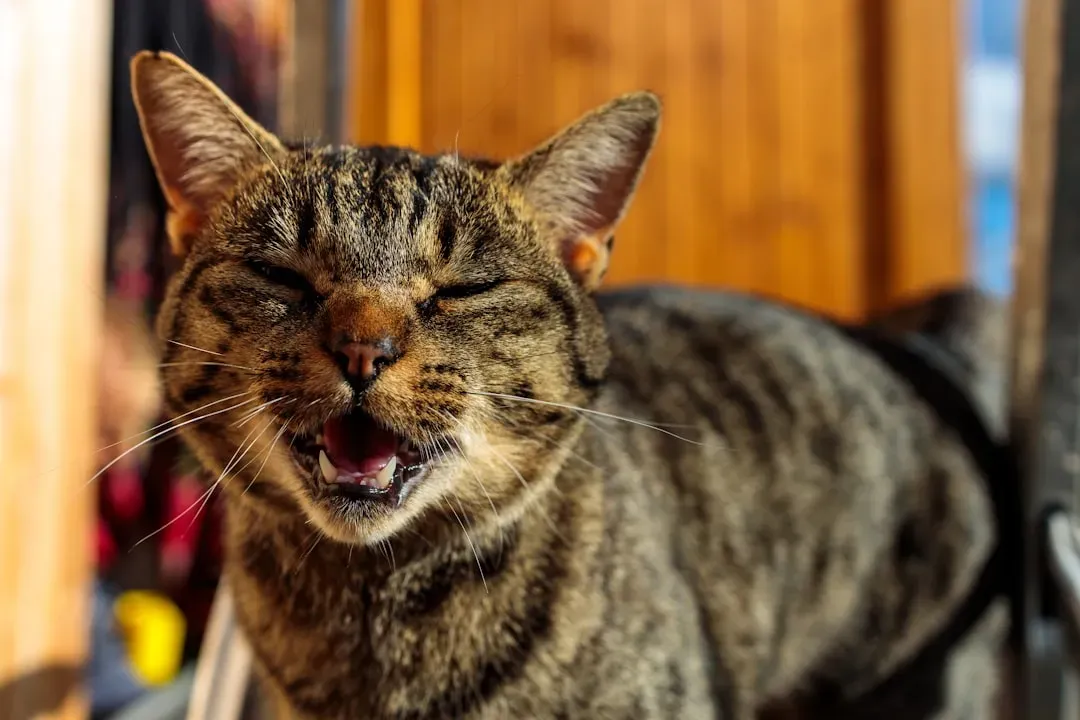
You might naturally assume that your cat meows at other cats the same way it meows at you. It seems logical. But this assumption is actually quite wrong, and the reality is far more fascinating. Meowing is actually a pretty ingenious part of cats’ self-domestication. Adult cats don’t meow at each other – during mating season they do yowl at each other, but that’s a different matter entirely. Kittens meow at their moms, but that stops in adulthood. Cats usually communicate with each other using their sense of smell, often by rubbing against things or marking areas with their urine.
What this means is remarkable: your cat developed the habit of meowing specifically to communicate with you. It’s a language evolved for humans. Cats are among the most popular pets worldwide, but there are still major gaps in the public’s general understanding of their social behaviors and related needs. So when your cat meows, that vocalization is meant for your ears alone – a tailored communication strategy for the species they’ve chosen to live alongside for roughly twelve thousand years.
14. Black Cats Bring Bad Luck
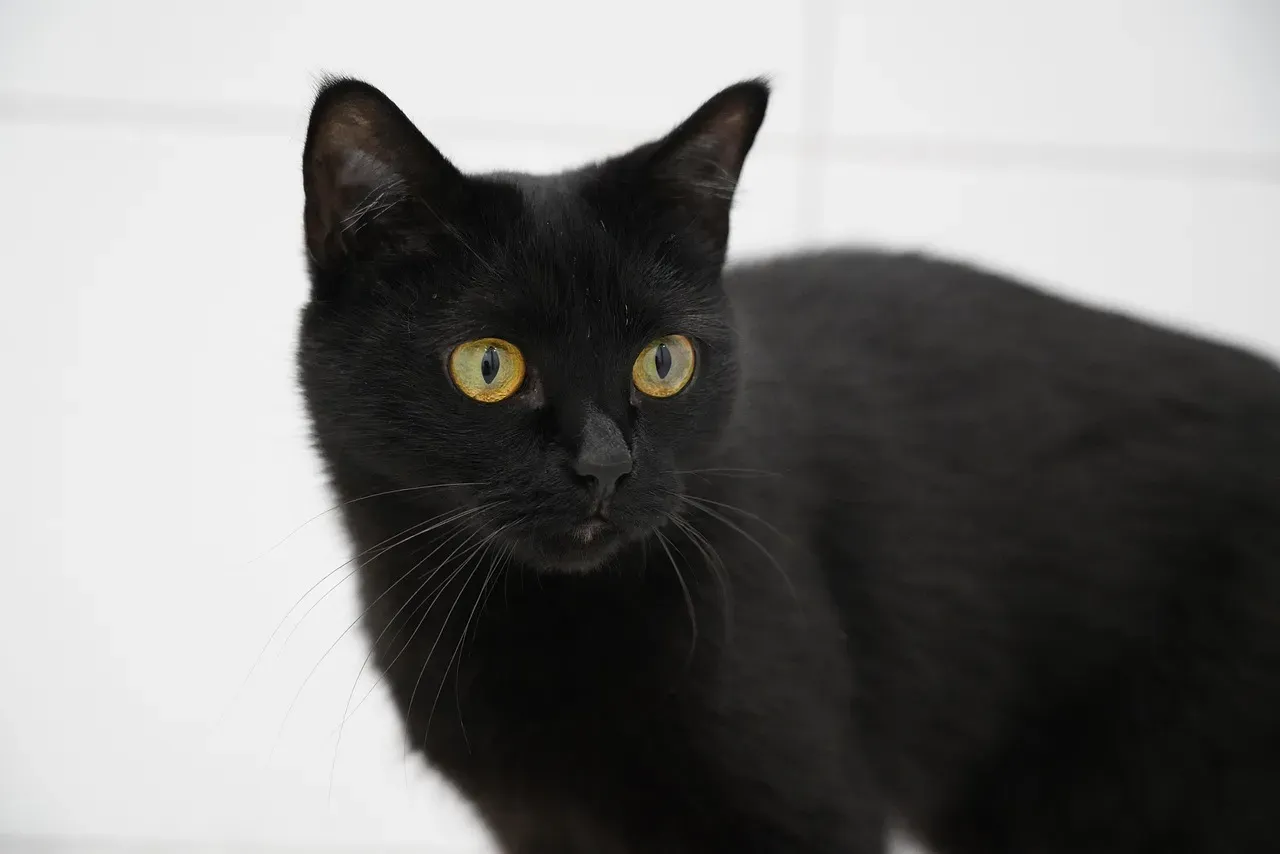
Few misconceptions have caused as much real-world harm to animals as this one. Sadly, unwanted and abandoned black cats are notoriously difficult to rehome thanks to superstition and myth. It’s genuinely heartbreaking when you realize that ancient folklore is still affecting the lives of living animals today. Black cats have been associated with bad luck and evil for hundreds of years. This superstition can be traced back to the Middle Ages in Europe, where some women were accused of witchcraft and black magic. Many of these women had cats as companions, which led to cats being guilty by association. Today, the belief persists, but many people recognize that black cats can be just as loving and loyal as any other cat.
Black cats have been the subject of myth and folklore for centuries, and while in some countries they are considered unlucky, the felines are said to bring good fortune in other parts of the world. In Japan, it is thought to be good luck if a black cat crosses your path, but in much of Europe and the US, the presence of a black cat is considered to mean that bad luck is on its way. So the “bad luck” verdict is far from universal – it’s a cultural story, not a fact. In reality, the only supernatural powers black cats possess are ones of unconditional love and affection, just like any other cat.
A Final Thought Worth Keeping

Cats have spent thousands of years living beside us, and yet we still manage to misunderstand them in surprisingly fundamental ways. Some of these myths are just harmless old wives’ tales. Others, like the myths around declawing, indoor vaccinations, and the “always lands on their feet” belief, can have real consequences for your pet’s health and happiness.
The good news? These myths can lead to misunderstandings about how to take care of cats. Understanding the facts promotes responsible cat ownership and helps strengthen the bond between you and your cat. And that bond is absolutely worth nurturing. Once you start seeing your cat for who they truly are rather than who the myths say they are, you’ll be amazed at the depth of personality, intelligence, and affection waiting for you.
So, which of these surprised you most? Drop your thoughts in the comments – and if you’ve been pouring milk for your cat this whole time, no judgment. Now you know better.