14 Lessons a Kitten Takes From Weeks Three to Seven That Set the Rest
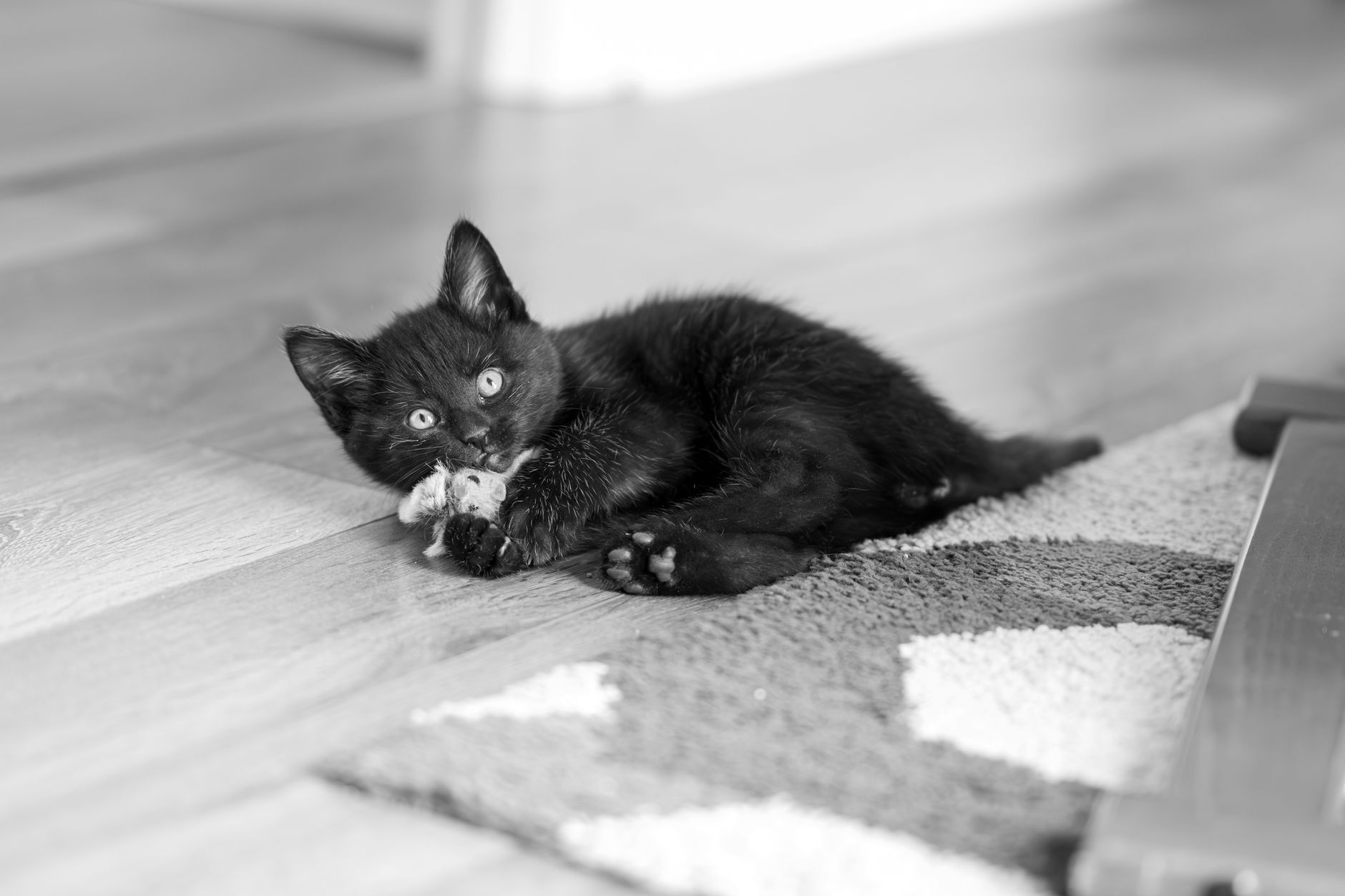
Most people think kittens just eat and sleep during their first weeks—but the truth is far more critical. Between weeks three and seven, a kitten's brain is wiring itself for life, learning lessons that will shape behavior, health, and temperament forever.
Miss this window, and you'll see the consequences for years. Here's what actually happens during those five crucial weeks.
14 — Learning to Walk Without Falling
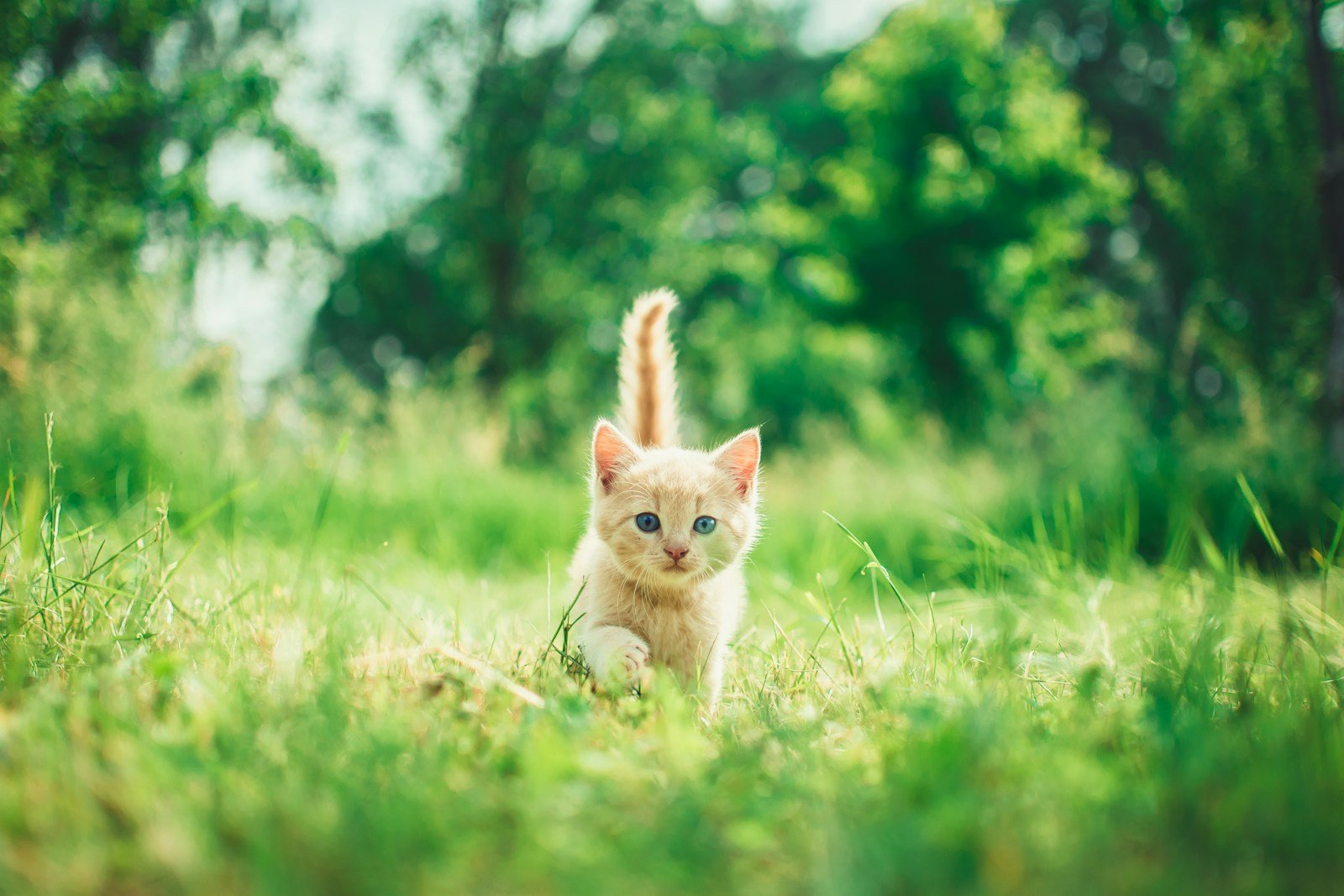
At three weeks, a kitten's legs finally support its weight—but barely.
What looks like adorable stumbling is actually intense neurological development. The cerebellum is forming connections at lightning speed, mapping balance and spatial awareness with every wobble. Each fall teaches proprioception, the body's ability to know where it is in space.
Kittens who can't practice this phase—confined to small spaces or separated too early—often show clumsiness well into adulthood. Vets report these cats misjudge jumps and struggle with stairs years later.
The inner ear is also calibrating during these walks. Fluid channels that control balance need movement to develop properly, which is why kittens instinctively seek uneven surfaces to cross.
But walking is just the beginning compared to what happens in week four.
13 — Bite Inhibition From Littermates

This is the lesson that separates a gentle cat from one that draws blood during play.
Between weeks four and seven, kittens learn exactly how hard they can bite before another kitten screams and stops playing. It's a feedback loop that only works with littermates—human yelps don't register the same way. Single kittens or those separated early often become "biters" because they never learned the threshold.
The lesson happens hundreds of times per week. One kitten chomps too hard during wrestling, the victim shrieks and walks away, and the biter learns to moderate. Remove that correction system and the lesson never sticks.
Shelter workers can spot early-separated kittens instantly during handling. They use claws and teeth at full force because no sibling ever taught them restraint. Retraining an adult cat is possible but requires months of work that five weeks with littermates would have solved naturally.
But physical boundaries aren't the only social skill forming right now.
12 — Reading Feline Body Language

A five-week-old kitten can read a tail position faster than most adult humans.
Ears back, pupils wide, arched spine—kittens learn this visual vocabulary from watching siblings react to each other. It's pattern recognition practice that only happens cat-to-cat. Dogs use different signals, and humans broadcast nothing a kitten's brain evolved to read.
Kittens raised without other cats often misinterpret feline communication their entire lives. They approach when they should retreat, miss stress signals, and frequently trigger fights at vet offices or multi-cat homes because they never learned the language.
Research shows kittens start responding to facial expressions around week four. By week six, they can distinguish play-aggression from real threat purely by reading whisker position and ear angle. It's automatic pattern matching, but only if the software installs during the critical window.
The stakes get even higher when fear enters the picture.
11 — What Deserves Fear and What Doesn't
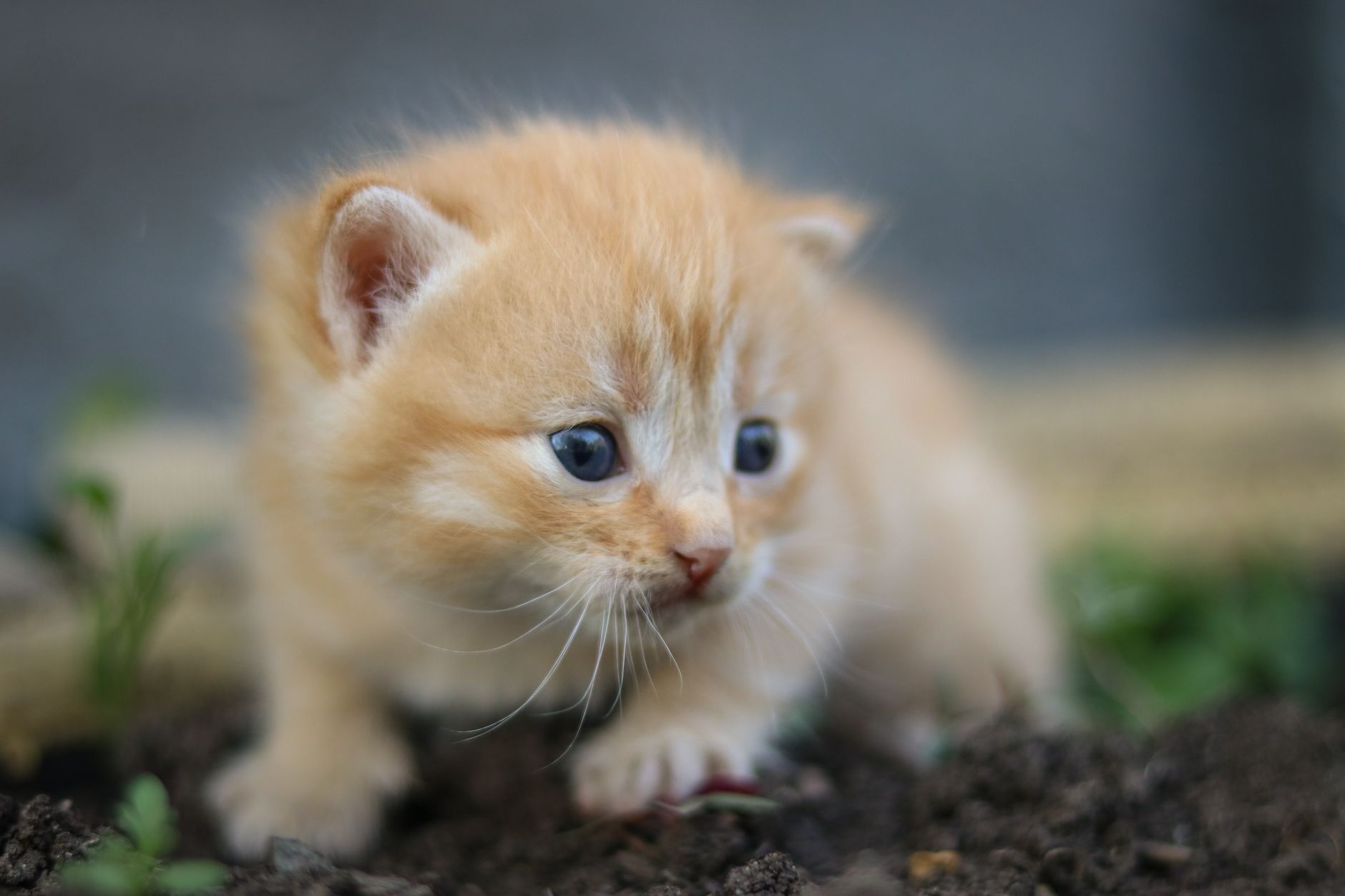
This is where lifetime phobias are born or prevented.
Between weeks three and seven, a kitten's brain is tagging experiences as "safe" or "dangerous" with almost permanent markers. A vacuum cleaner encountered calmly at week five becomes background noise. The same vacuum at week nine can trigger a fear response that lasts fifteen years.
Behaviorists call this the socialization window. The amygdala—fear center of the brain—is still calibrating its threat database. Kittens exposed to dogs, children, car rides, and handling during this phase typically accept them forever. Those kept isolated often develop anxiety disorders that no amount of later exposure fully resolves.
The window is brutally short. Week seven is already closing. By week nine, the brain has largely decided what's safe, and new experiences default to "threat" unless proven otherwise.
Smart breeders rotate visitors, play different sounds, and introduce textures specifically to expand this safety database. It's not about overwhelming the kitten—it's about gentle exposure while the brain is still receptive.
But fear learning works both ways, as the next lesson shows.
10 — Trusting Humans Through Handling
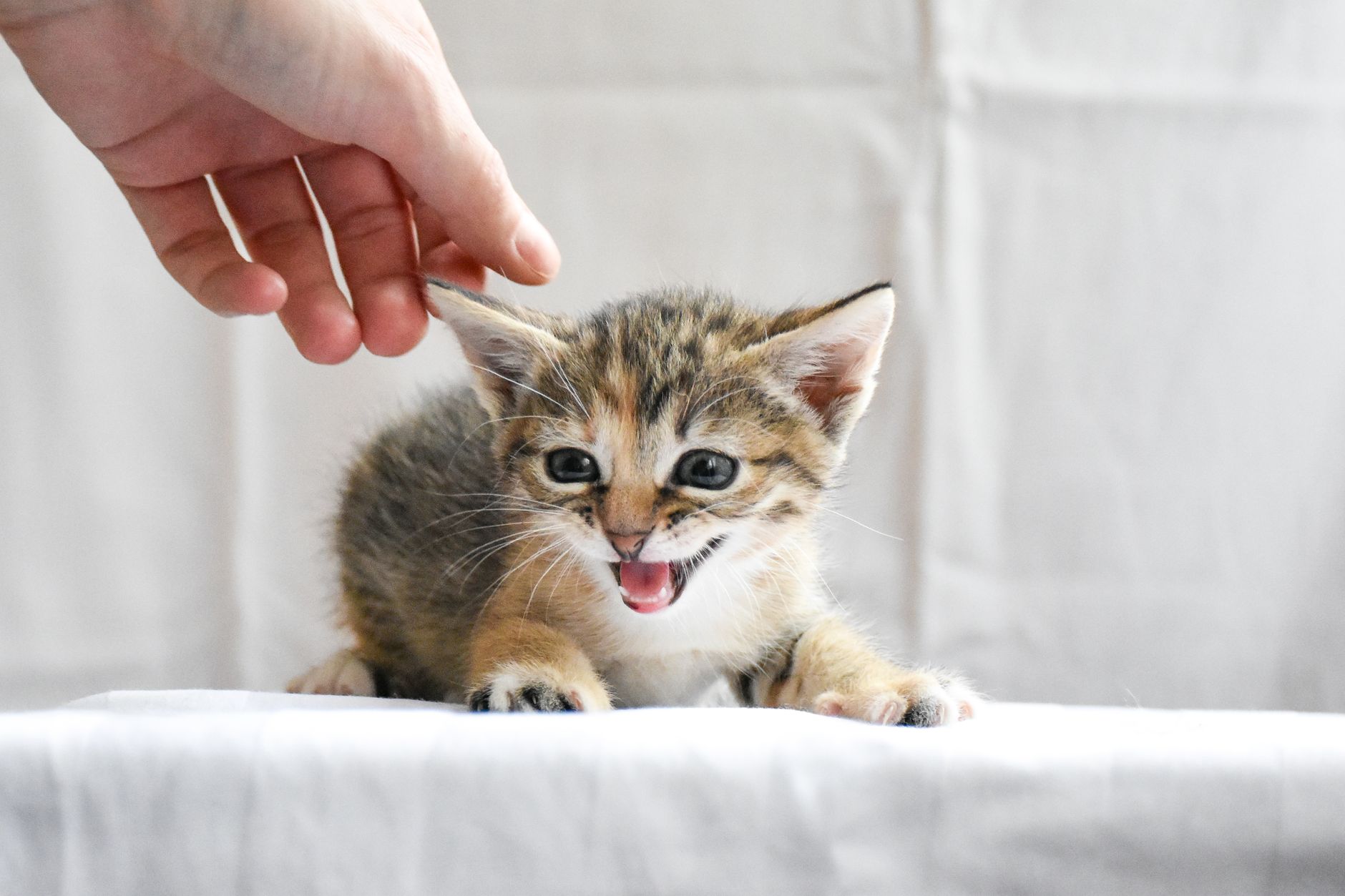
Kittens handled daily before week seven become different cats than those left alone.
Studies tracking thousands of kittens found the correlation undeniable: gentle human contact for just 15 minutes per day between weeks three and seven produces adults who seek out human interaction. Those handled after week eight show measurably higher stress hormones during petting their entire lives.
The mechanism is oxytocin. Early handling during the socialization window literally rewires the reward pathways in the brain. Touch becomes associated with safety and comfort at a neurological level. Miss the window and you can train tolerance, but rarely affection.
Feral kittens illustrate the stakes. Trapped at five weeks, most socialize fully within days. Trapped at ten weeks, many never trust humans despite months of patient work.
This doesn't mean constant handling—stressed, forced interaction during this phase backfires completely. It means brief, positive contact from multiple people, building the association that humans are safe members of the kitten's social world.
The timing overlap with the next lesson is no accident.
9 — Litter Box Instinct and Surface Preference

Most people think litter training is simple—but substrate preference forms in week four and rarely changes.
Kittens instinctively bury waste, but where they choose to dig is learned behavior. A kitten that first eliminates on soft litter develops a lifelong preference. One that first uses dirt, towels, or nothing often rejects standard litter boxes forever, no matter how many you offer.
Shelters see this constantly. Kittens raised in cages with newspaper often refuse litter even after months in adoptive homes. Their brain imprinted "newspaper is the bathroom surface" during week four, and the window closed.
The texture matters more than the box. Vets treating litter box avoidance ask first about the kitten's early weeks, because a cat that learned on pine shavings will often reject clay litter for years until someone tries a wood-based formula.
The lesson window is roughly weeks four through six. Earlier and the kitten lacks coordination; later and the preference is already set. Breeders who use multiple litter types during this phase tend to produce more adaptable adults.
But bathroom habits are just one environmental lesson being locked in.
8 — Hunting Skills Through Play-Fighting

That chaotic kitten wrestling isn't just play—it's predator training.
Every pounce, every ambush from behind the couch, every sideways hop is practicing the motor sequences adult cats use to hunt. The movements are hardwired, but the timing and precision require repetition during weeks four through seven when the brain is most plastic.
Kittens denied this practice—singleton kittens or those in barren environments—often show poor hunting coordination as adults. They pounce too early or too late, misjudge distances, and tire quickly because the movement patterns never became automatic.
The play-fighting also teaches energy regulation. Kittens learn to go from zero to explosive action and back to calm within seconds. It's emotional control disguised as fun, and it requires a playmate who fights back.
Research using high-speed cameras shows kittens are practicing incredibly complex moves: mid-air body rotations, rear-leg raking while grappling, bite-and-release sequences. Each successful move strengthens neural pathways that will activate instantly when stalking a toy—or a bug—years later.
The next skill is less obvious but equally permanent.
7 — Grooming Habits From Watching Mom

A kitten that watches its mother groom becomes a cleaner adult.
This one surprises people, but the data is clear: kittens learn grooming thoroughness through observation between weeks four and six. Orphaned kittens or those separated early often develop inconsistent grooming patterns—clean faces but matted haunches, or obsessive grooming of one area while neglecting others.
The mother cat is teaching a sequence. Face first, then ears, then shoulders, flanks, hindquarters, tail. Kittens literally mimic the pattern they see, and it becomes their lifelong routine.
Bottle-fed orphans raised without a cat model sometimes never learn to groom their own backs. They can reach the area—flexibility isn't the issue—but the behavior simply isn't in their routine because no one demonstrated it during the learning window.
Foster programs now pair orphaned kittens with nursing mothers specifically for this reason. Two weeks watching an adult groom produces self-sufficient cats. Without it, adopters sometimes face chronic matting issues no amount of brushing fully prevents.
But grooming is only one type of observation happening right now.
6 — Food Preferences Set for Life

What a kitten eats between weeks four and seven often determines what it will accept forever.
Vets see this weekly: cats that refuse anything but one specific food, driving owners to desperation when formulas change. The root cause is almost always limited exposure during the flavor-preference window.
Kittens weaning onto only chicken develop chicken-only preferences. Those exposed to fish, beef, rabbit, and poultry during weeks four through seven typically accept variety as adults. The brain is cataloging "this is food" during this phase, and the list gets surprisingly rigid afterward.
Texture matters as much as flavor. Kittens given only pâté often reject chunks or shreds later. Those offered variety in texture and protein source become adaptable eaters who don't trigger panic when their brand discontinues.
This isn't pickiness—it's neurology. The gustatory cortex is forming associations, and novel foods introduced after week eight activate mild threat responses instead of curiosity. It's the same mechanism that makes toddlers suddenly reject new foods around age two.
Strategic breeders rotate proteins and formats specifically to prevent single-food addiction. It takes minimal effort during the window but solves decades of potential problems.
The social lessons, meanwhile, are reaching peak intensity.
5 — Confidence Through Exploration
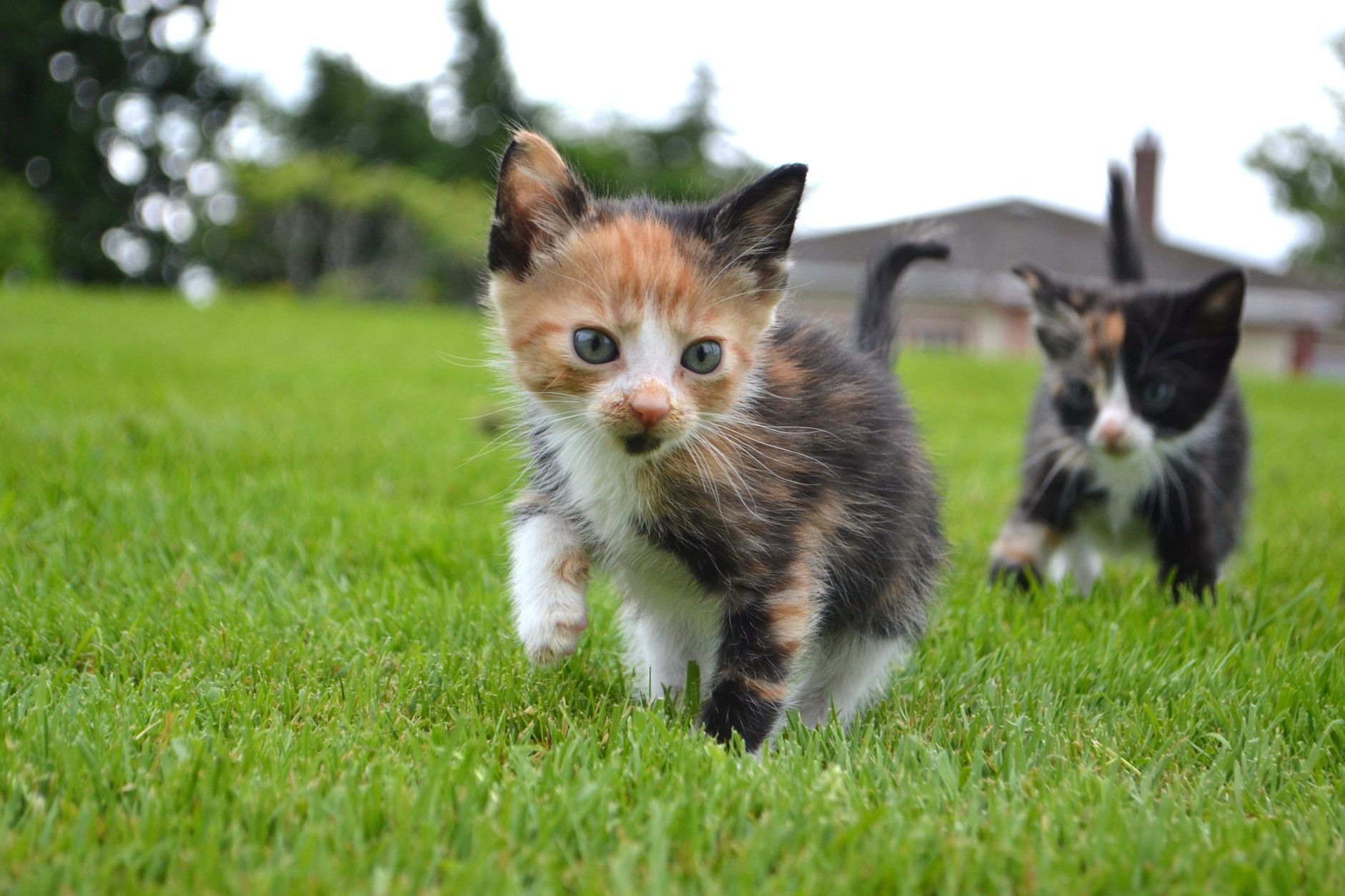
Kittens that explore freely between weeks five and seven become bolder adults.
This is when natural curiosity peaks—before fear responses fully mature but after coordination develops. It's a brief sweet spot where kittens will investigate anything without the caution that develops later.
Environments matter enormously here. Kittens raised in single rooms often show neophobia—fear of new things—throughout life. Those given access to stairs, hiding spots, high perches, and varied surfaces develop spatial confidence that translates into general boldness.
The brain is literally mapping "my capabilities" during this exploration. A kitten that successfully climbs a cat tree at week six knows forever that it can handle heights. One never given the chance often refuses high perches even when physically capable, because the mental map says "I don't do that."
Rescue groups now use enrichment protocols specifically targeting this window. Tunnels, boxes, scratching posts, and climbing structures during weeks five through seven produce cats that adapt faster to new homes and show lower stress in novel environments.
The confidence lesson has a dark mirror, though.
4 — Recognizing Danger From Mom's Reaction

Kittens learn what's dangerous by watching their mother's fear response.
If mom hisses at dogs, kittens learn dogs are threats. If she ignores them, kittens often do too. It's observational learning at its most powerful, and it happens almost exclusively between weeks four and seven when kittens are mobile enough to follow but still rely on mom for threat assessment.
This creates a problem for rescues. A feral mother raises feral kittens even in a safe foster home, because her fear signals override everything else. Her stress hormones literally transfer through nursing, and her body language teaches "humans are predators" more effectively than any amount of gentle handling can counter.
The solution is early separation—controversial but effective. Kittens pulled at four weeks and fostered separately often socialize fully despite feral genetics. Those left with a fearful mother past week seven typically retain her fear responses permanently.
The same mechanism explains why well-socialized mothers produce confident kittens even in chaotic environments. Her calm signals safety, and the kittens' brains file the chaos as non-threatening.
But there's one lesson that might matter more than all the others combined.
3 — Emotional Regulation Through Sibling Conflict
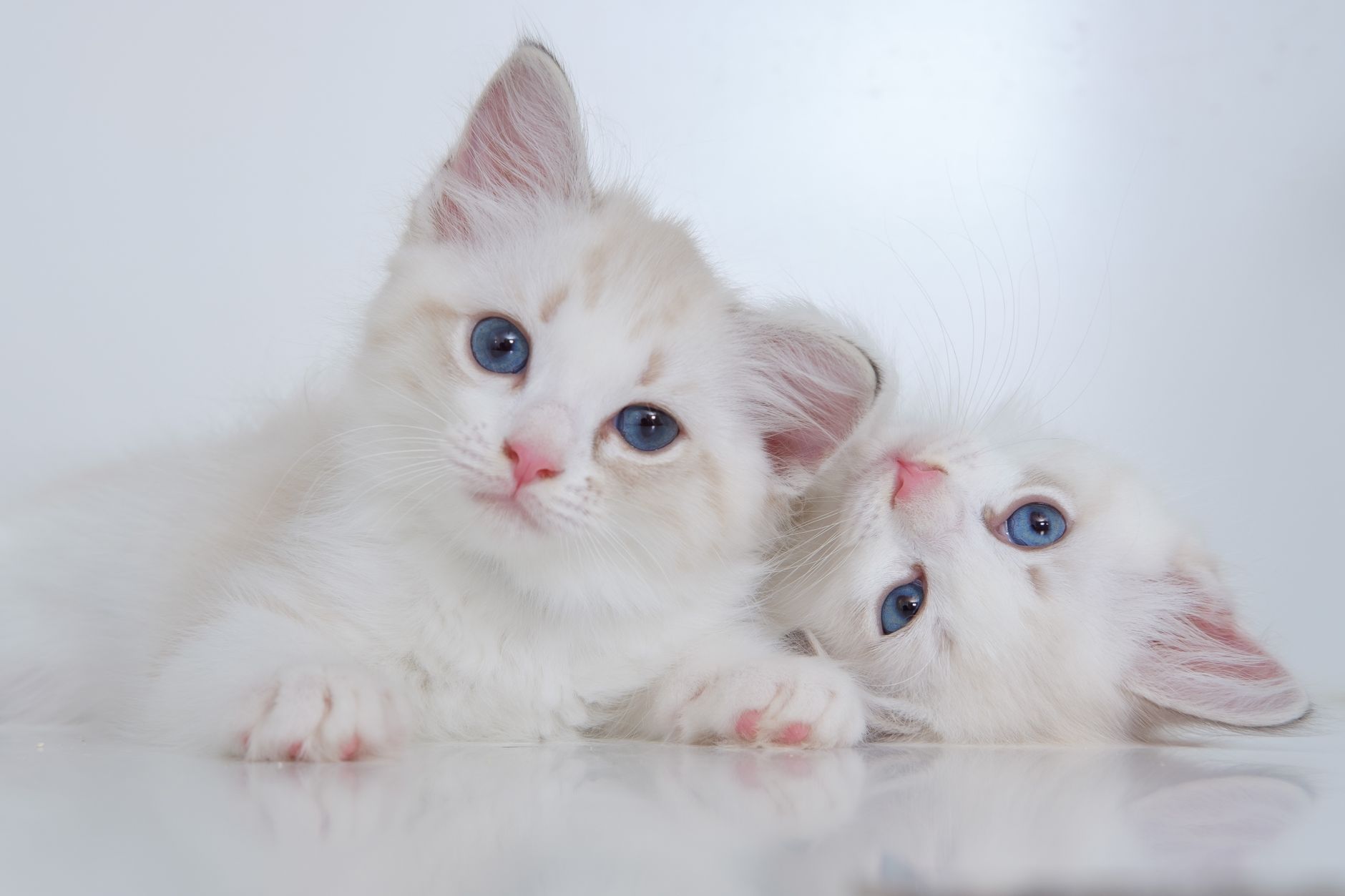
This is the skill that separates stable cats from anxious ones.
When kittens play-fight, they're not just practicing hunting—they're learning to manage arousal and frustration. One kitten gets pinned, struggles, escapes. Another gets overstimulated, hisses, and the play stops. These micro-conflicts teach the brain to ramp up and calm down repeatedly.
Single kittens or those separated before week seven often struggle with emotional regulation forever. They go from calm to aggressive with no middle ground, or they escalate play into genuine fighting because they never learned the off-switch.
The neuroscience is fascinating. The prefrontal cortex—responsible for impulse control—is forming connections during these weeks, and sibling play is the training program. Each time a kitten stops itself from biting too hard or backs off when a sibling signals distress, it's strengthening inhibitory pathways.
Cats lacking this training often become the ones rehomed for aggression. They're not mean—they're dysregulated. Their brain never installed the software for modulating excitement, and every interaction becomes all-or-nothing.
Behaviorists can retrain some of this, but it requires months of careful work that five weeks with littermates would have provided automatically.
The remaining lessons get even more specific.
2 — Vocalization Patterns From the Litter

Kittens learn how to meow by listening to siblings and mom.
People assume vocalization is instinctive, but tone, duration, and frequency are learned. Kittens in quiet litters develop different vocal patterns than those in chatty ones. It's cultural transmission—feline dialects forming in real time.
Orphaned kittens raised by humans often develop unusual vocalizations because they're learning from the wrong species. They mimic pitch patterns from human speech, producing meows that sound oddly inflected or timed wrong. Other cats sometimes react with confusion because the "accent" is off.
The learning window is weeks four through seven, overlapping with general socialization. A kitten separated at week eight takes its litter's vocal patterns along. One pulled at week three often develops idiosyncratic sounds.
This matters more than it seems. Cats use specific vocalizations to signal needs—different meows for food, attention, distress. Kittens that learn the full vocabulary communicate more effectively with humans and other cats throughout life.
Shelters occasionally get adult cats that barely vocalize, and the history almost always shows early separation. They never learned that vocal communication works, so they rely entirely on body language.
But the number-one lesson—the one that shapes everything else—is simpler than most people expect.
1 — That They're a Cat

This sounds absurd until you see a kitten raised alone from week two.
Species identity is learned, not hardwired. Kittens need other cats during weeks three through seven to understand what they are. Without that mirror, they sometimes identify more strongly with whoever raised them—humans, dogs, even rabbits in rare cases.
The consequences range from quirky to devastating. Some human-imprinted cats seek only human company and show aggression toward other cats their whole lives. They never learned feline social rules because they literally don't see themselves as cats.
Vets have documented cases of singleton kittens trying to nurse from dogs, or attempting to mate with humans upon maturity. It's not behavioral problems—it's misidentification formed during the critical window when the brain answers "what am I?"
The mechanism is the same as imprinting in birds, just less rigidly timed. Kittens need feline social input during weeks three through seven to develop normal species identity. Miss it, and you get cats that perplex every behaviorist they meet.
This is why ethical breeders never sell kittens before eight weeks, and why rescues now hold singletons until they can be paired with other kittens. Those few extra weeks with cat company literally teach the kitten what it is.
No amount of later socialization fully compensates.
The Bottom Line
Five weeks shapes fifteen years—that's the reality of kitten development most people never see.
The lessons learned between weeks three and seven aren't about training or tricks. They're fundamental brain wiring that determines behavior, temperament, and adaptability for life. Miss the socialization window and you're managing consequences, not preventing them.
The good news? Most of this happens automatically in healthy litters with attentive mothers. The bad news? Early separation, isolation, or impoverished environments during these weeks cause problems that even expert intervention can't fully fix.
Did we miss a critical lesson from those first weeks? Drop it in the comments.