You might think that any cat can curl up in a cozy corner and adapt to apartment life. That sounds logical, right? Yet some feline breeds carry such strong primal hunting instincts and boundless energy that confining them to small spaces becomes a recipe for chaos. Picture this: shredded curtains, toppled plants, and neighbors complaining about the constant noise.
Cats aren’t just fluffy companions. They’re descendants of wild hunters whose ancestors stalked prey across vast territories. Certain breeds have retained more of these ancestral drives than others, making them ill-suited for the limited square footage of apartment living. Their hunting instinct is inherited and passed on from generation to generation, and as predators, hunting is one of their primal instincts. When these instincts can’t find proper outlets, you’re left dealing with destructive behaviors that no scratching post can fix. So let’s dive in and explore which breeds need far more space than four walls can offer.
Bengal Cat
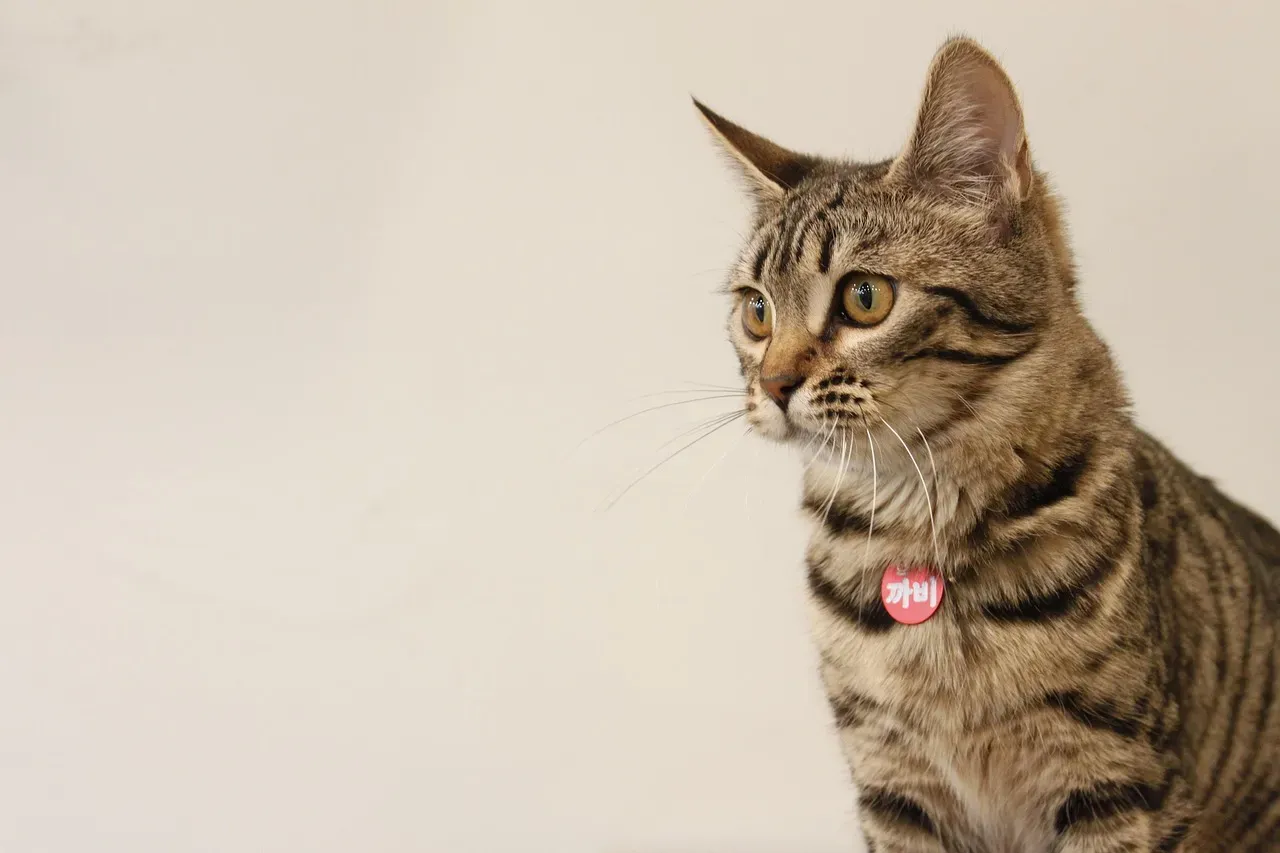
The Bengal cat is large and feels as if it still belongs in the wild, with F1, F2, and F3 Bengals not considered domesticated because of the large amount of Asian Leopard Cat in their blood, though even F4 and F5 Bengals have a destructive streak. Let’s be real, these cats are basically miniature leopards prowling your living room.
The extensive activity requirements of Bengal cats mean they need large spaces, multiple climbing structures, and constant mental stimulation, and without adequate outlets for their energy, these cats can become destructive and exhibit behavioral problems. Their wild ancestry manifests in ways apartment dwellers find nightmarish: territorial marking, aggressive play, and an insatiable need to climb everything in sight. Boredom can lead to destructive behaviors, so you must always ensure your Bengal has plenty of opportunities to run, jump, and play.
Savannah Cat
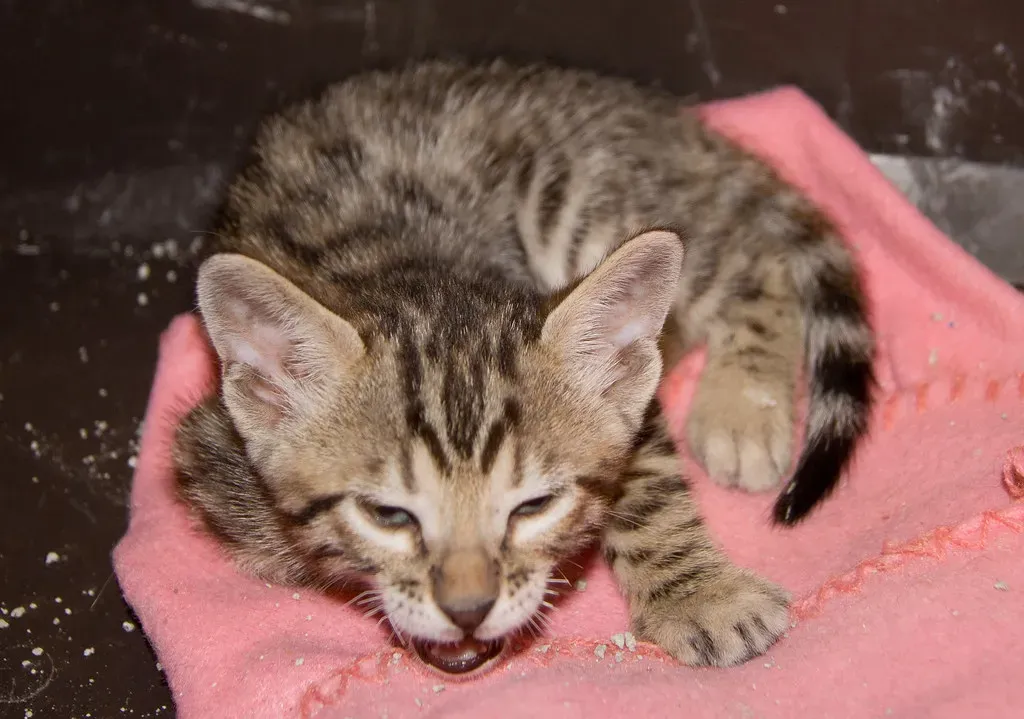
The Savannah brings even more wild genetics into the mix than Bengals. With long hind legs, Savannahs don’t walk – they strut, and they don’t jump – they soar, with some leaping over six feet straight up, which means they now own the top of your fridge. Honestly, apartment living feels like a prison sentence to these athletic giants.
Although Bengal and Savannah cats are considered domestic cats from the F5 generation onwards, the wild animal character hasn’t been entirely bred out, with many animals still having an extremely pronounced urge to move, being nocturnal, and demonstrating a strong hunting instinct, and some develop behavioral problems because their owners cannot meet their needs, making them not suitable as indoor cats. Savannah Bengal cat mixes require a lot of space, so if you live in an apartment or small house, this may not be the right pet for you.
Abyssinian Cat
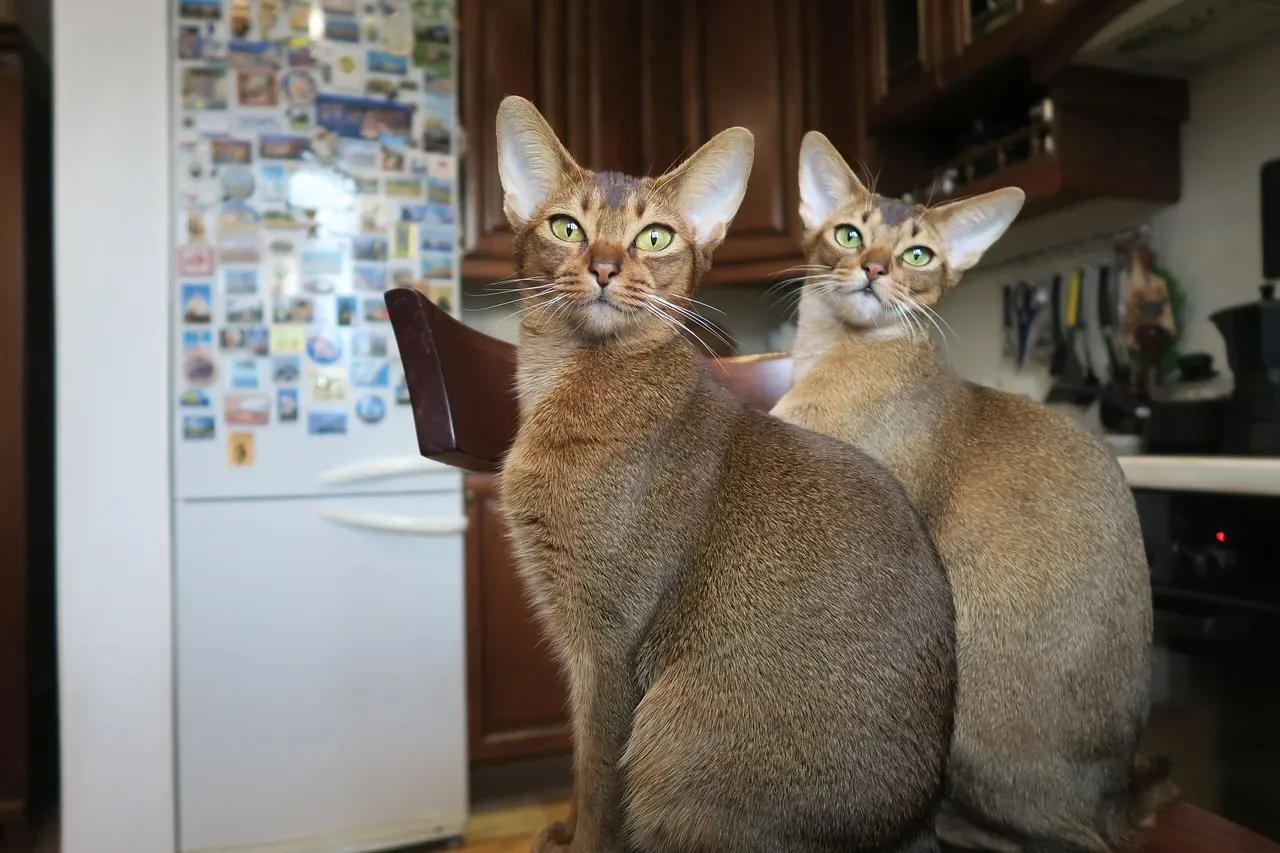
Abyssinians are lean, muscular cats built for climbing, and they don’t just jump but soar like tiny superheroes, scaling anything in your house like it’s their personal jungle gym, and they also have insane energy levels, sprinting, jumping, and zooming at random hours. Think of them as perpetual motion machines in fur coats.
If you live in an apartment and think your shelves are safe – think again, because Abyssinians own the high ground. Their curiosity drives them to investigate every cupboard, every shelf, and every hiding spot. If you’re looking for a low-key and docile cat, you won’t find that in the Abyssinian, as this cat will keep you on your toes, being extremely inquisitive and performative. These cats need constant stimulation and vertical space that most apartments simply can’t provide.
Oriental Shorthair
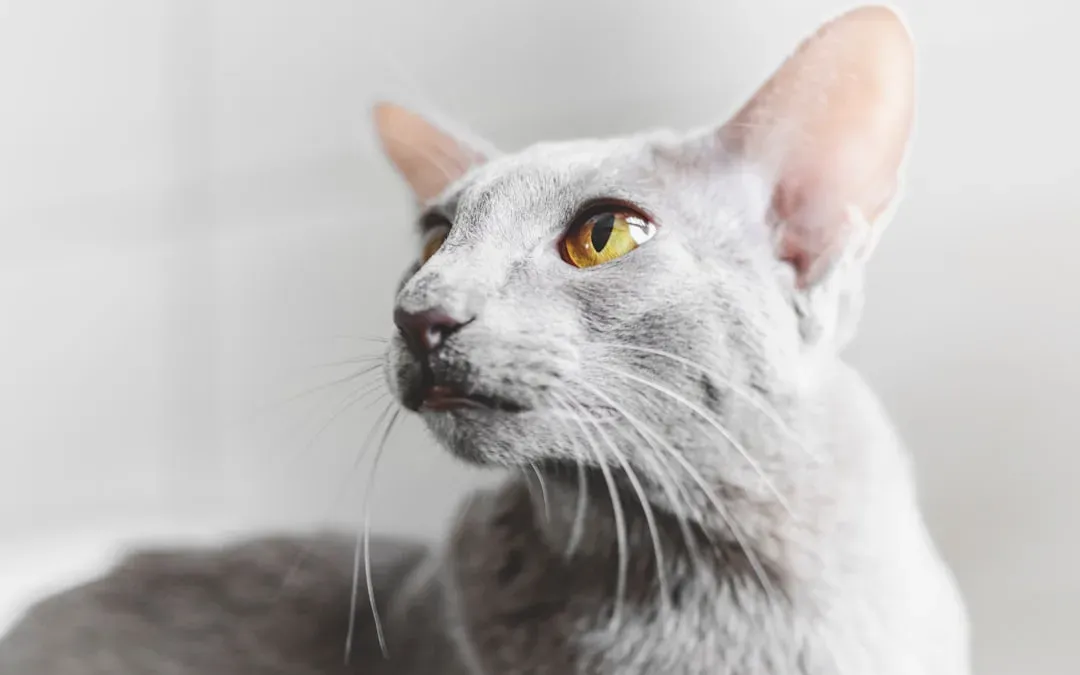
Veterinarians perceived Oriental Shorthairs to be more excitable and destructive. Their sleek bodies hide explosive personalities that demand attention around the clock. I know it sounds crazy, but these cats act like they’ve had three espressos before breakfast.
Oriental Shorthairs share the Siamese lineage, meaning they inherit that same vocal intensity and need for interaction. Oriental cat breeds such as Siamese, Burmese and Birman can have a particular fondness for wool, and as a result, they may suck, chew and swallow parts of your favorite sweater or socks. Living in an apartment, you’ll find your belongings constantly under assault from their compulsive behaviors. Their intelligence works against apartment living because they’ll figure out how to open cabinets, doors, and anything else standing between them and entertainment.
Siamese Cat
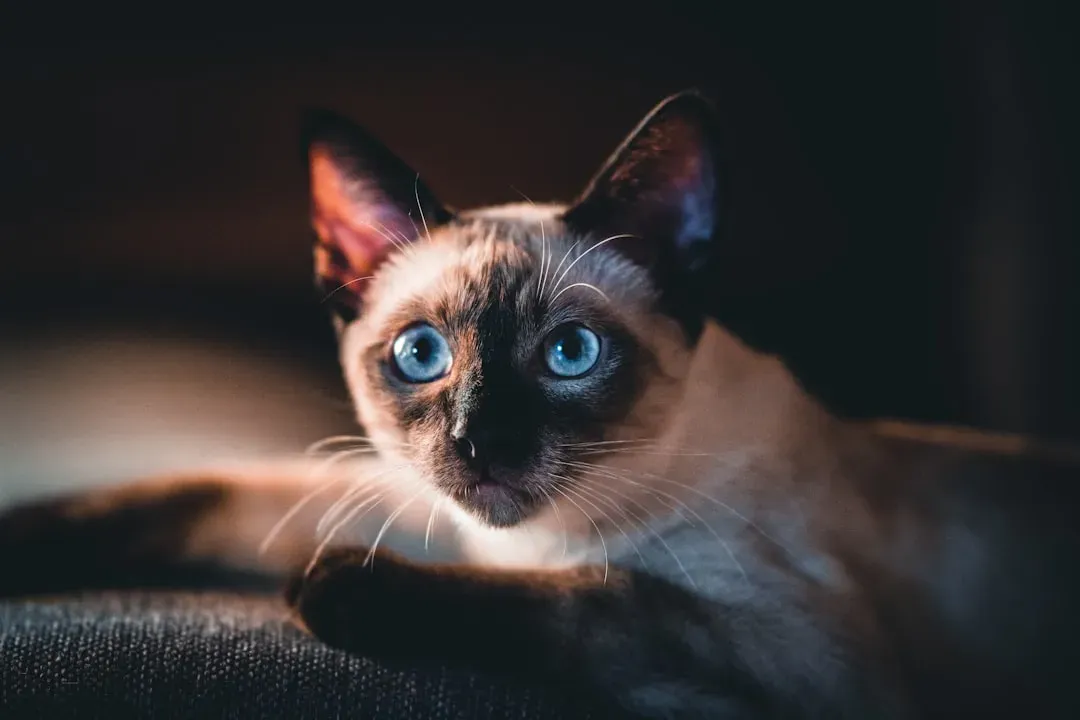
The Siamese might seem manageable at first glance, but don’t let their elegant appearance fool you. Veterinarians perceived Siamese to be active and vocal. Their legendary vocal abilities can drive apartment neighbors absolutely mad with complaints.
Siamese cats demand significantly more activity, with these athletic felines needing multiple daily play sessions to burn excess energy and prevent behavioral issues, and their intelligence requires constant mental stimulation since bored Siamese cats often develop destructive habits or excessive vocalization. Siamese cats struggle with extended alone time, potentially developing separation anxiety or destructive behaviors. Apartment walls become echo chambers for their loud, distinctive cries.
Maine Coon
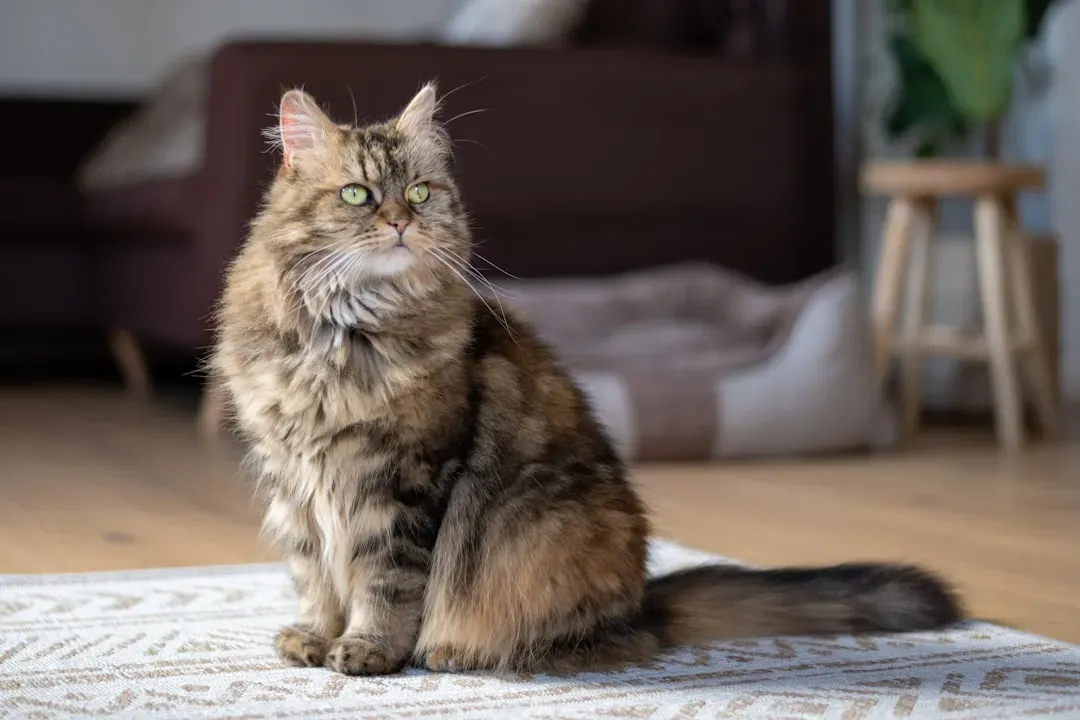
The Maine Coon is one of the largest domesticated cats, with a distinctive physical appearance and valuable hunting skills. Their sheer size alone makes apartment living challenging, but it’s their need for territory that creates real problems.
Maine Coon cats are like any other domestic cat in terms of their space requirements based on their ‘home range’, with the average domestic cat needing to travel 50 meters to 400 meters in any direction from their home, yet most Maine Coons are confined to 2,500 square feet which is about 3 percent of their free travel desires. The Maine Coon has a very high and strong instinct for hunting prey. Without adequate space to patrol and explore, these gentle giants become frustrated and destructive.
Norwegian Forest Cat
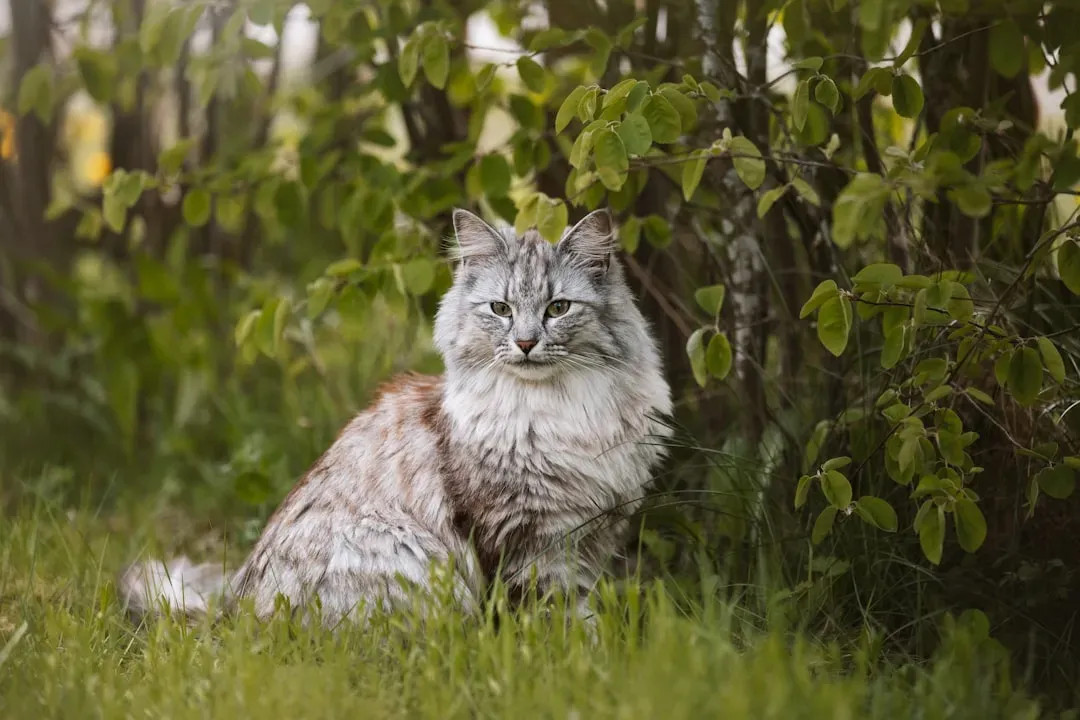
The Norwegian Forest Cat (also called the Wegie) is as large as they look, with these natural climbers needing supportive cat trees and perches to keep them active, and their size makes them susceptible to hip dysplasia and arthritis. Their Scandinavian heritage equipped them for roaming forests, not navigating cramped hallways.
These cats possess powerful builds designed for climbing trees and hunting in rugged terrain. Apartment living restricts their natural behaviors so severely that they often develop joint problems from lack of proper exercise. Their thick coats and large frames demand space to move freely. When confined, they may resort to destructive scratching or aggressive play to burn off pent-up energy.
Turkish Van
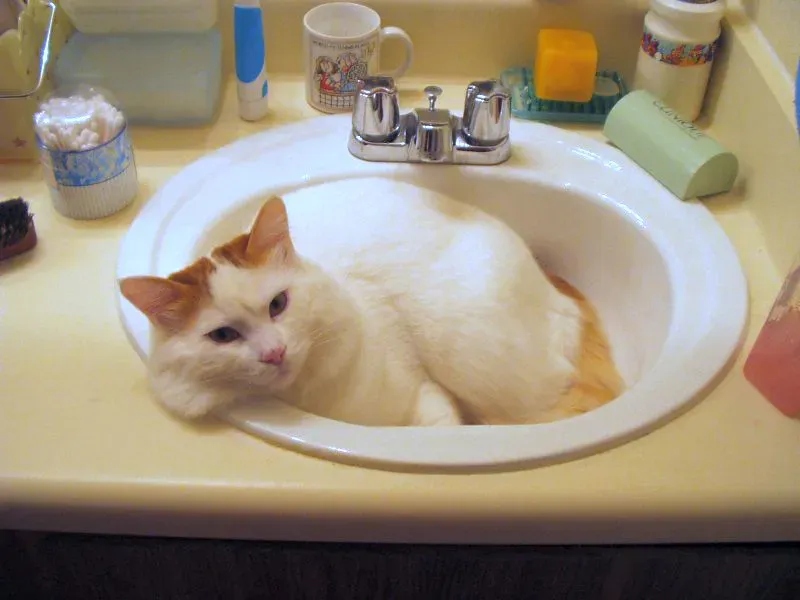
Turkish Vans stand out for their size and surprising love of water, with these active cats needing plenty of enrichment, and tall cat trees, shelves, and scratching posts help channel their energy. Their unusual fascination with water creates unique challenges in apartments where bathroom access becomes a battleground.
Turkish Vans bring incredible energy levels that apartment spaces can’t accommodate. They’ll knock over water bowls, investigate sinks, and potentially cause water damage in their exploratory adventures. Their size combined with their athletic abilities means they need multiple levels and extensive horizontal space to thrive. Restricting them to small quarters triggers anxiety and destructive tendencies.
Burmese Cat
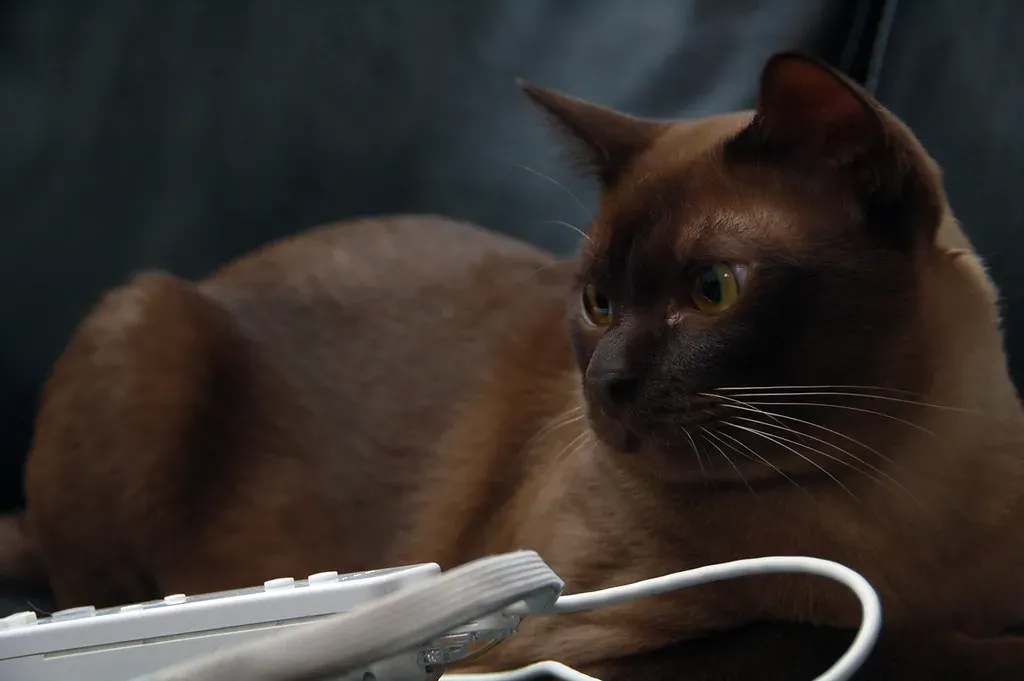
Oriental cat breeds such as Siamese, Burmese and Birman can have a particular fondness for wool, and as a result, they may suck, chew and swallow parts of your favorite sweater or socks. This compulsive behavior becomes intensified in confined spaces where boredom reigns supreme.
Burmese cats are deceptively muscular and athletic despite their compact appearance. They demand constant interaction and become destructive when their social needs aren’t met. Apartment isolation exacerbates their tendency toward wool-sucking and other compulsive behaviors. Their strong personalities clash with the limitations of apartment living, leading to territorial marking and aggressive outbursts toward visitors.
Siberian Cat
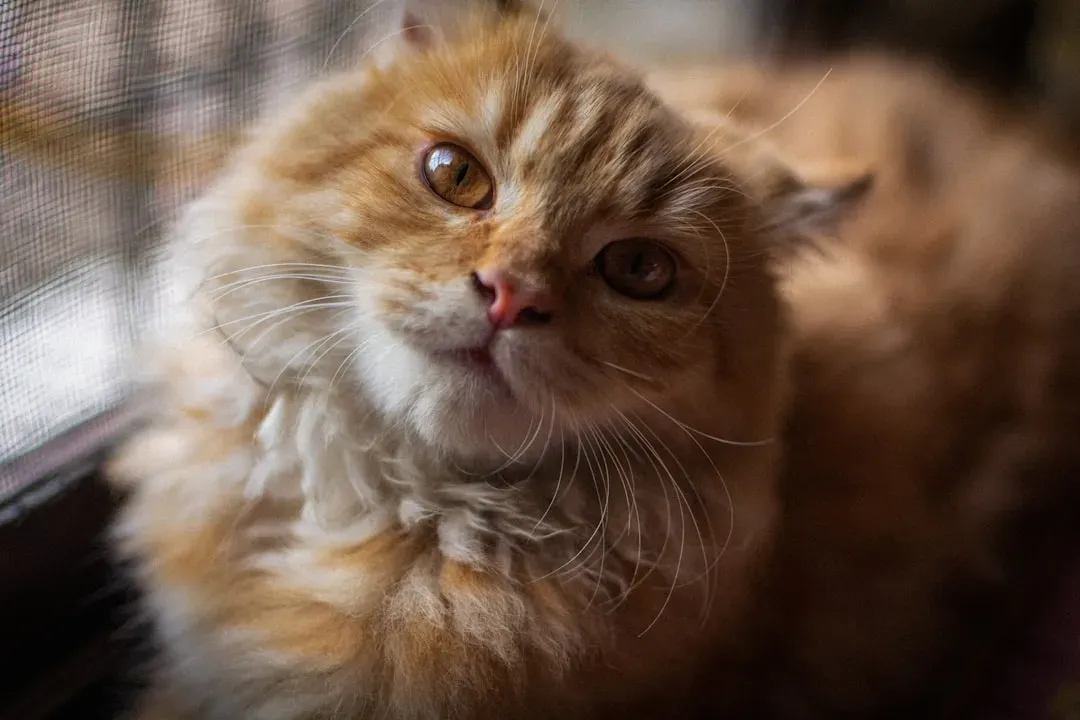
If the Vikings had a cat, it would be the Siberian, as this breed is a fluffy tank – muscular, strong, and totally unbothered by anything. Their robust build hides an active nature that requires substantial space for proper exercise.
The Siberian features a luxurious triple coat and striking eyes, with this big cat breed being slow to mature, taking up to five years to reach their full size, and while they might rather cuddle than chase toys, this puts the Siberian at risk of obesity. Apartment living makes weight management nearly impossible because these cats need room to run and climb. If you suspect the kitty is mixed with a high-energy breed like Siberian, you may want to consider their engagement needs, as the most active cat breeds include Siberian.
Egyptian Mau
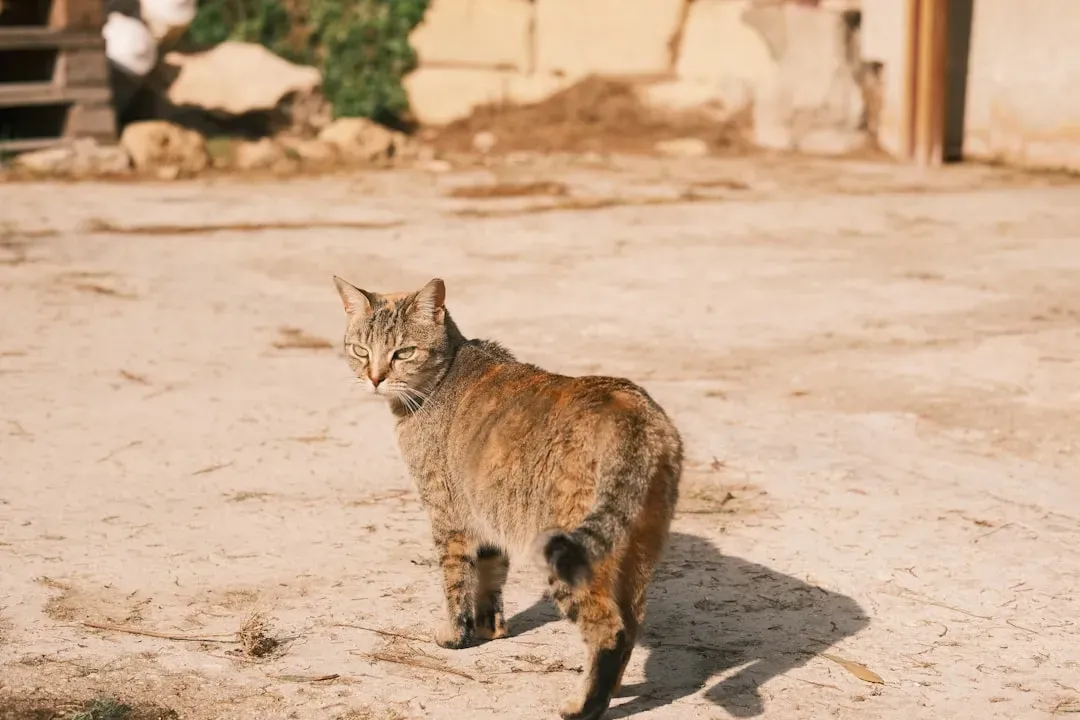
The Egyptian Mau holds the title of fastest domestic cat breed, capable of reaching speeds up to 30 miles per hour. Apartment hallways simply can’t provide the running space these speed demons require. Their spotted coats and athletic builds reveal their wild heritage.
These cats possess intense hunting drives that manifest in constant stalking and pouncing behaviors. Without proper outlets, they redirect this energy toward your furniture, curtains, and anything else that moves. Their intelligence means they quickly become bored with repetitive toys, demanding constant novelty and stimulation. Apartment dwellers find themselves unable to satisfy the Egyptian Mau’s insatiable need for space and activity.
Ocicat
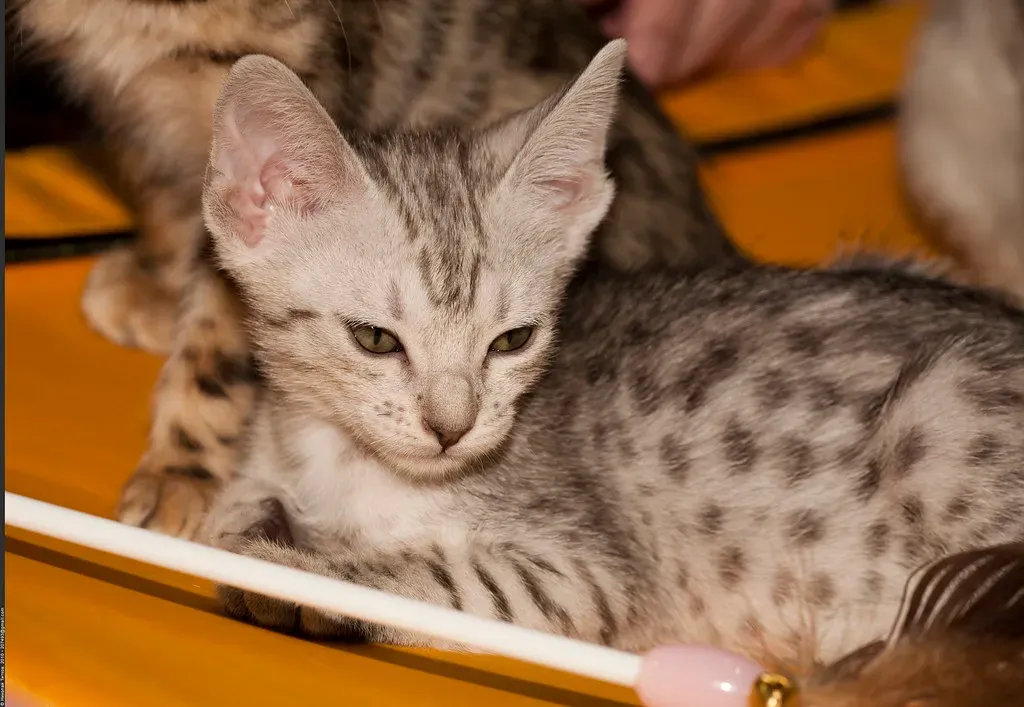
The Ocicat combines the spotted appearance of wild cats with domestic temperament, but that doesn’t mean they’re suited for small spaces. High-energy cat breeds include Ocicat. Their muscular bodies pack incredible power that needs regular release through vigorous play and exercise.
Ocicats are highly social and demand attention constantly. When left alone in apartments, they develop separation anxiety that manifests through destructive scratching, excessive vocalization, and inappropriate elimination. Their dog-like attachment to owners means they struggle with typical work schedules. The combination of high energy, intelligence, and social needs makes apartment living a poor fit for this breed.
Scottish Fold
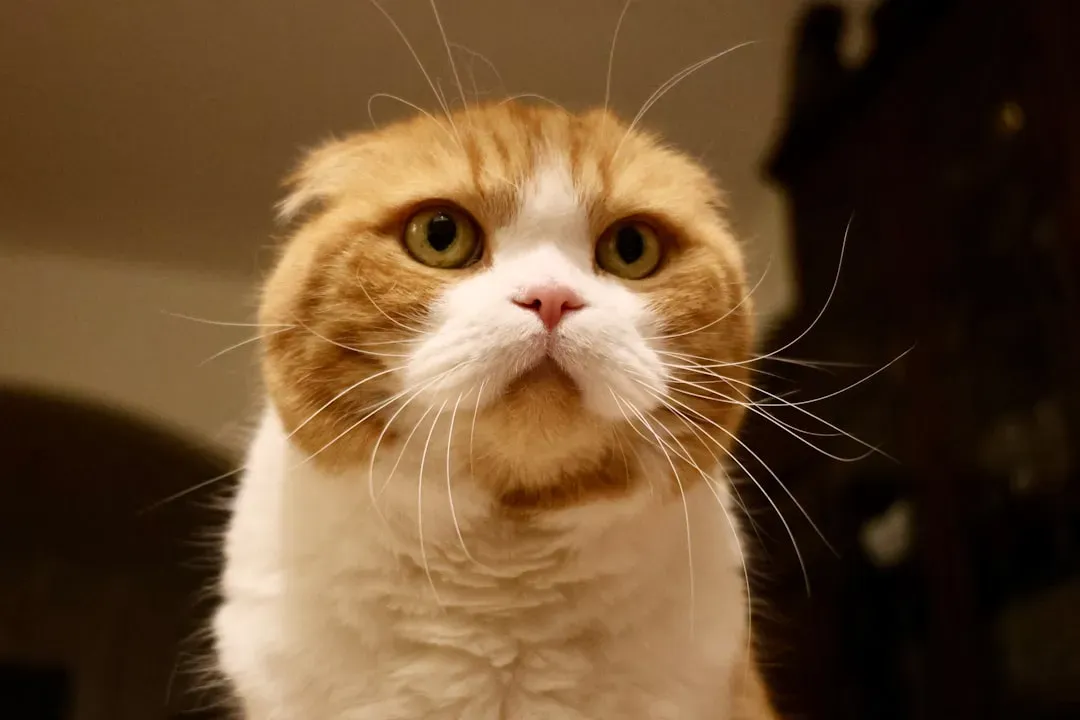
The Scottish Fold is quite sensitive to change and may become aggressive when new pets are brought home, this cat is also not the friendliest toward babies and children, and doesn’t like to share the attention. Apartment living often means close quarters with neighbors and frequent disturbances that trigger their sensitivity.
Scottish Folds may look adorable with their folded ears, but they carry significant behavioral challenges in confined spaces. Scottish Folds are active mousers who are playful, expressive and sensitive. Their territorial nature combined with sensitivity to environmental changes makes apartment living stressful. They need stable, quiet environments with minimal disruptions, something apartment complexes rarely provide.
Balinese Cat
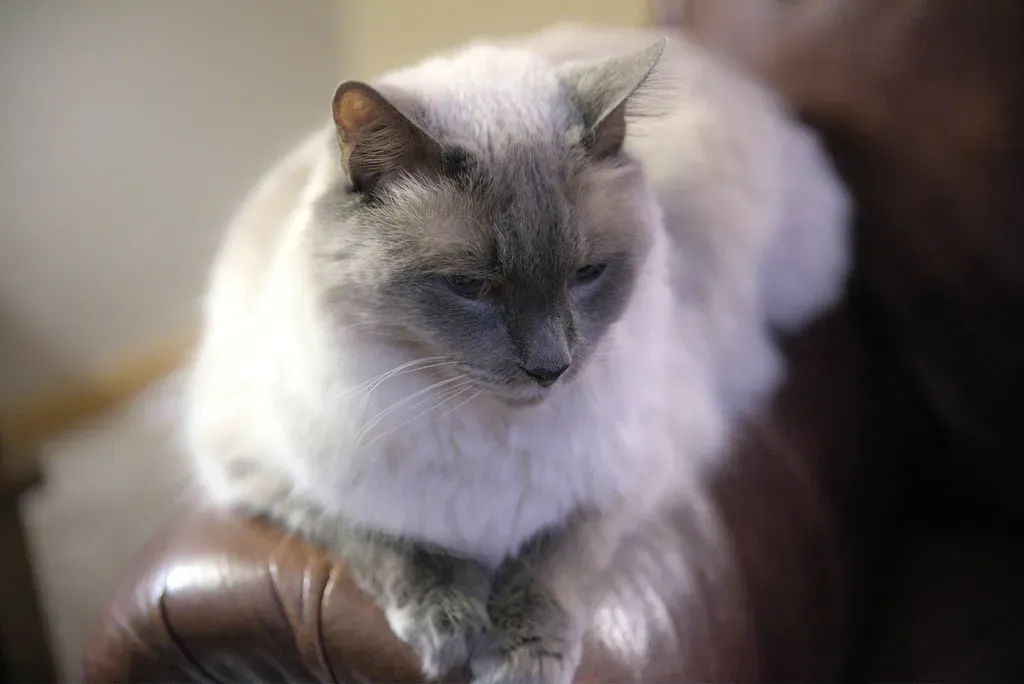
The Balinese is not for someone looking for a very hands-off cat, as they have a wild side and can become bored and potentially mischievous if they don’t get enough energy out, and while they can play on their own, they really prefer if their humans are interacting with them. Their long, silky coats and blue eyes hide demanding personalities.
High-energy breeds include Balinese, and if you suspect the kitty is mixed with a high-energy breed like Balinese, you may want to consider their engagement needs. These cats require multiple play sessions daily and become destructive when bored. Apartment living rarely provides enough stimulation to satisfy their active minds. Their Siamese heritage means they’re equally vocal, creating noise issues with neighbors.
Bombay Cat
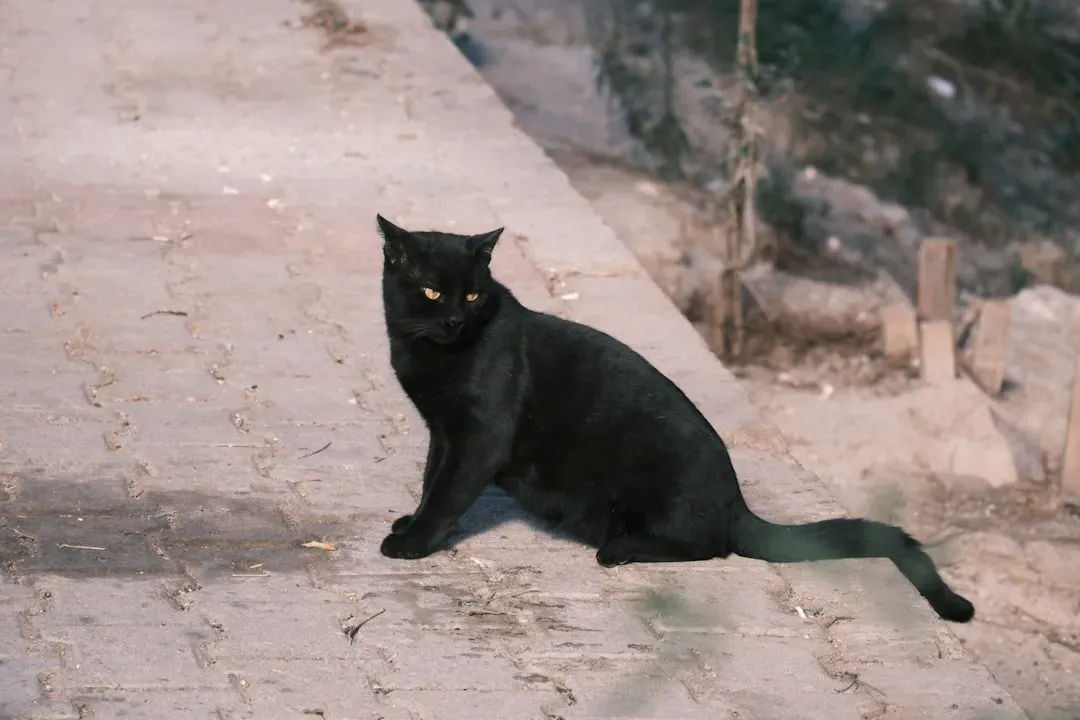
Young Bombay cats seem to be bursting with energy at all times, loving to jump and chase shadows, climb to different heights, and follow around their humans, with them being bubbly and affectionate, requiring lots of playtime and exercise. Their sleek black coats earned them the nickname “mini-panthers,” and their behavior matches that wild comparison.
Bombays possess relentless curiosity that drives them to explore every inch of available space. When that space is limited to an apartment, they become frustrated and destructive. They’ll scale curtains, topple decorations, and create havoc trying to satisfy their need for vertical territory. Their attachment to humans means they vocalize loudly when left alone, disturbing neighbors and creating conflicts in multi-unit buildings.
Understanding the Connection Between Instinct and Behavior
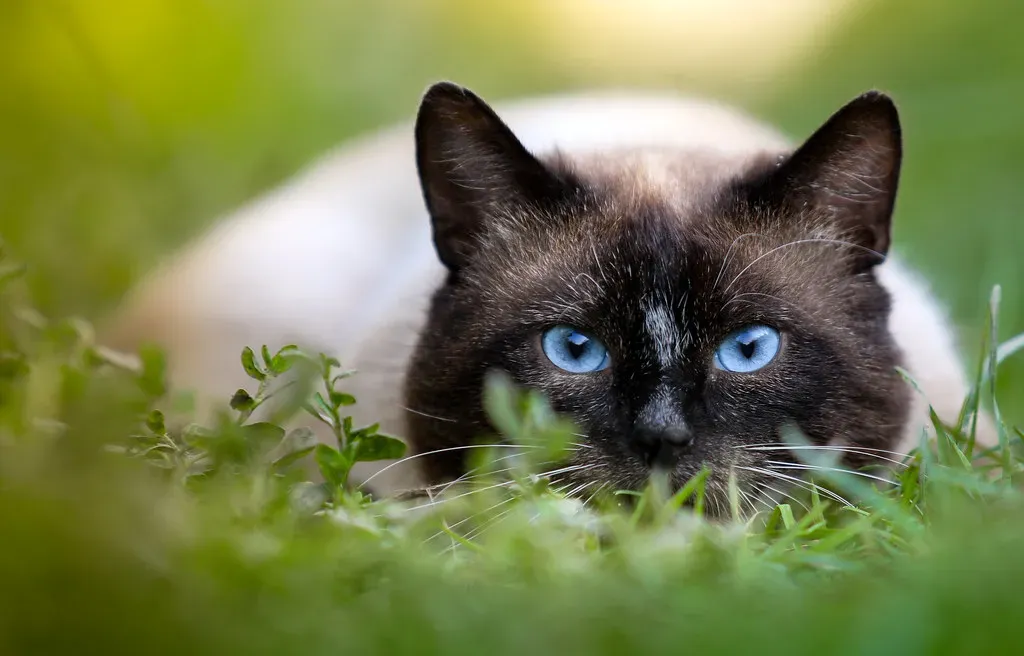
Domestic cats are no longer dependent on the wild, but as predators, hunting is one of their primal instincts, and regardless whether a cat is hungry or not, the sight of potential prey awakens their hunting behaviour, with their hunting instinct being inherited and passed on from generation to generation. This explains why even well-fed apartment cats exhibit destructive behaviors.
The instinct to hunt in cats is deeply ingrained, stemming from their evolutionary history and genetic predispositions, and understanding what drives this behavior is essential for providing a fulfilling environment, with various factors contributing to this instinctual behavior from the influence of their wild ancestors to the role of hunting in their diet. High-energy cats require plenty of stimulation, attention, and interactive play, and without enough activity, they can become bored and may resort to destructive behaviors, such as scratching furniture or knocking over objects. Apartment living simply can’t accommodate these deeply rooted needs for many breeds. What do you think about it? Have you experienced these challenges with your cat? Share your thoughts in the comments.