You love cats. The idea of coming home to a furry companion sounds perfect. However, not all feline friends are created equal, especially when you’re juggling a demanding career and long workdays. Some cats crave constant attention, need intensive grooming, or simply don’t do well when left alone for extended periods. Vets and animal behaviorists have identified certain breeds that struggle significantly when their owners work long hours, often developing behavioral problems, anxiety, or even health issues.
If you’re thinking about adopting a cat but your schedule keeps you away from home for most of the day, you need to know which breeds are going to make your life difficult. Let’s be real, choosing the wrong breed could mean coming home to destruction, excessive meowing, or a very unhappy kitty. So let’s dive into the breeds that veterinarians warn are a total disaster for busy owners.
1. Siamese Cats: The Velcro Felines Who Refuse to Be Ignored
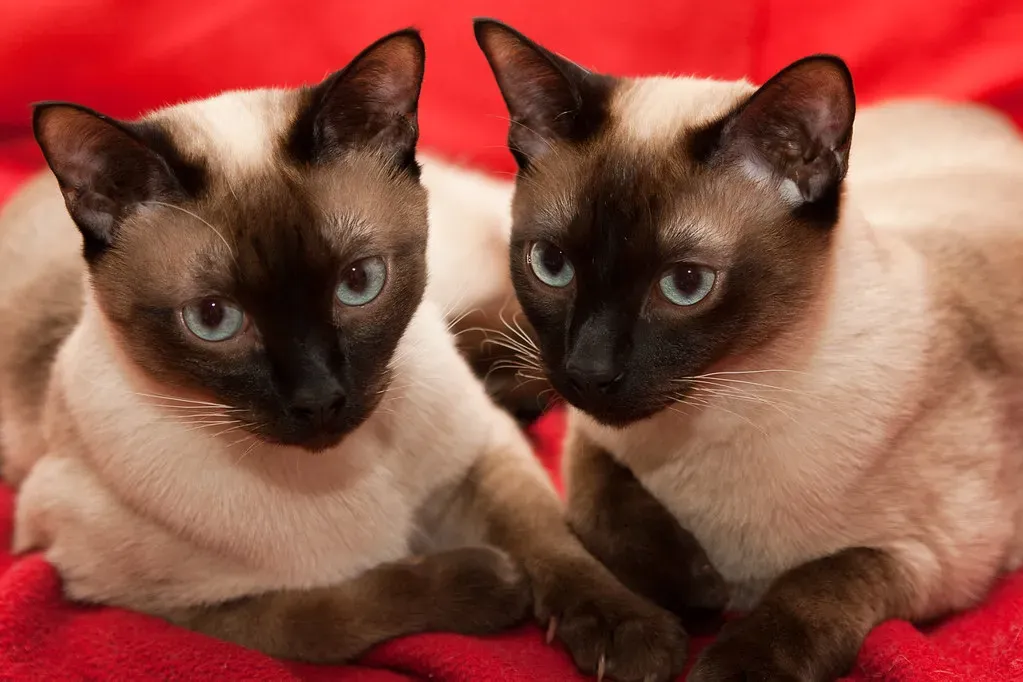
Siamese cats are famous for their striking appearance and engaging, almost dog-like personalities, with short coats requiring minimal grooming but compensating with very high social needs. They are highly vocal and crave constant interaction, following their owners around and often “chatting” loudly. These cats are not happy when left alone for extended periods and can become anxious or demanding.
Their need for attention often triggers needy or downright clingy behavior, making them unsuitable for someone who wants a cat that’s happy on its own and enjoys solitude. If you leave a Siamese alone for eight or more hours daily, expect to return to a very vocal, possibly destructive companion. Failure to provide them with the attention they seek can lead to destructive behaviour, such as knocking things down, scratching furniture, or urinating all over your home.
2. Bengal Cats: High-Energy Athletes Who Need Constant Stimulation
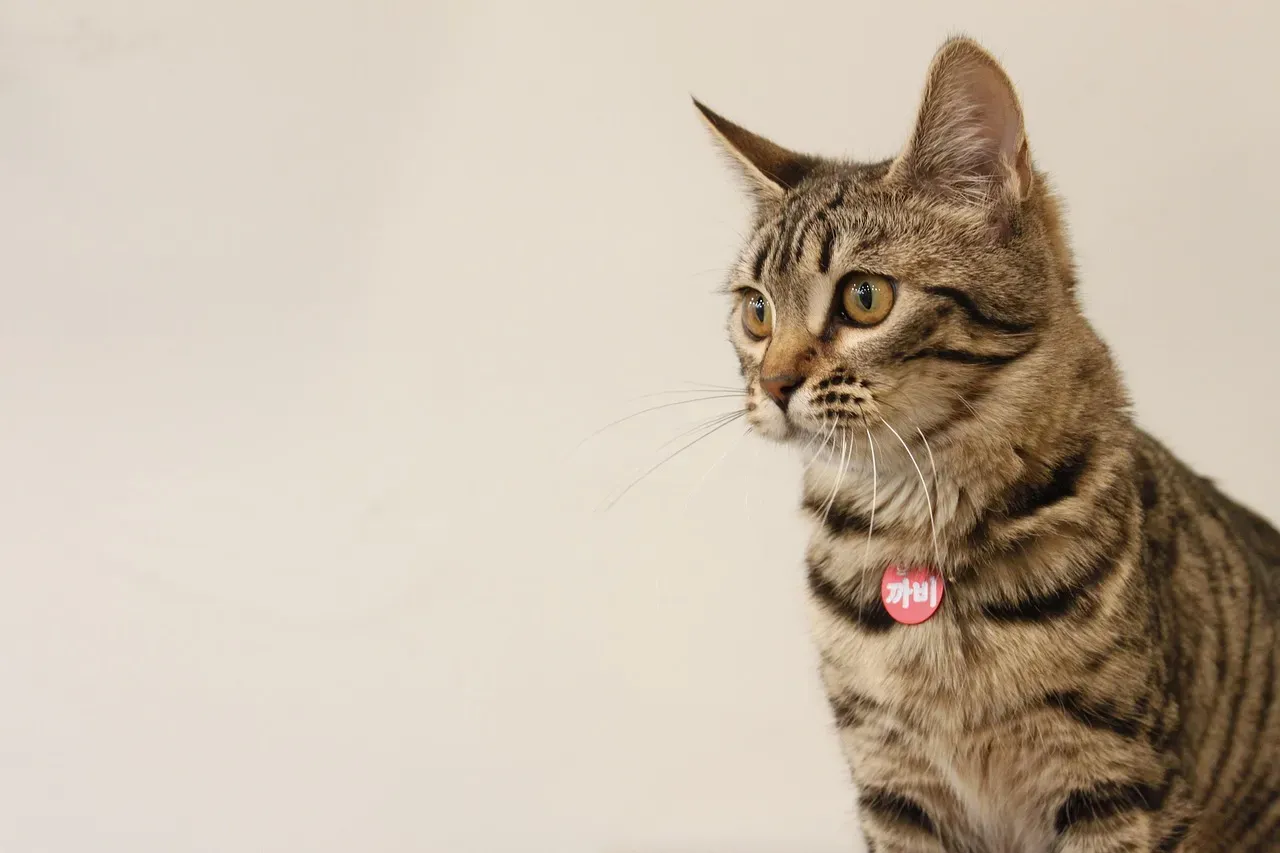
Bengals are the athletes of the feline kingdom, requiring an environment rich in stimulation to prevent boredom. Their high energy levels mean they’ll turn your living room into a jungle gym if not given enough playtime. These stunningly beautiful cats with their wild appearance aren’t content to lounge around all day waiting for you to return.
Bengal cats have wild ancestry and may exhibit high energy and a strong hunting instinct, requiring an experienced owner to manage their behavior. Without adequate mental and physical stimulation, Bengals can become bored, frustrated, and extremely destructive. Think shredded curtains, toppled bookshelves, and endless mischief. They need interactive play sessions multiple times a day, which is nearly impossible for someone working long hours.
3. Sphynx Cats: Attention-Seeking Companions Who Crave Warmth
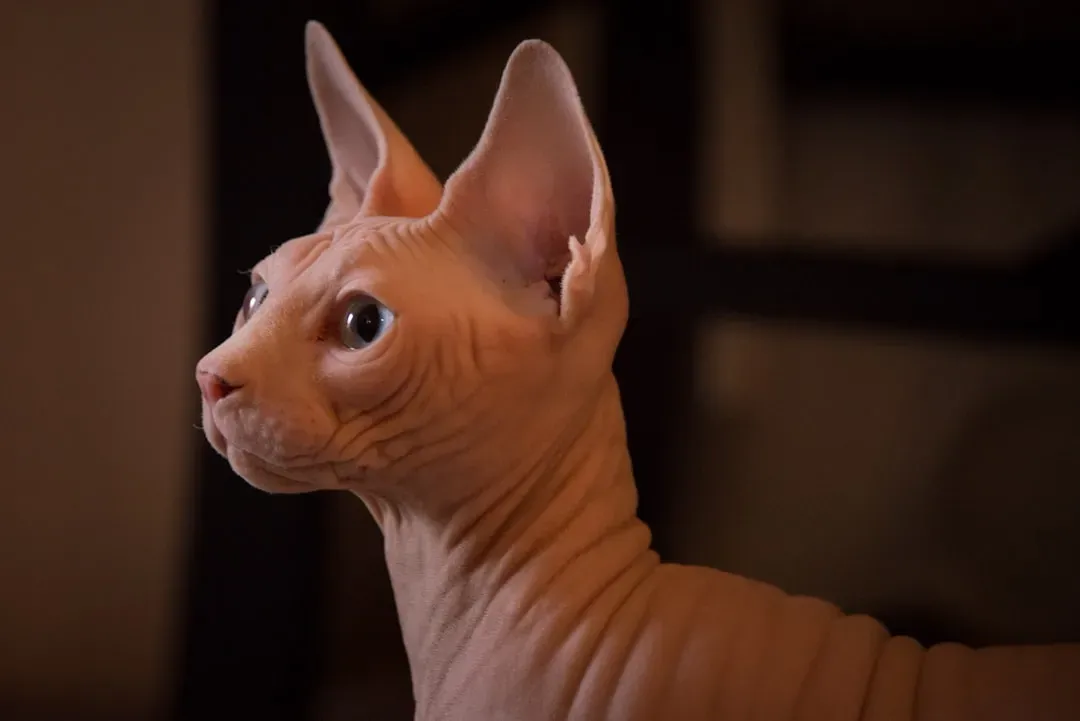
While their hairless appearance might seem low-maintenance, Sphynx cats are anything but. Sphynx cats are very social and demand a lot of attention and interaction from their pet parents. They thrive in environments where they receive plenty of attention and companionship, so when considering a breed for a busy schedule, these sweet cats may be lower on your list.
The Sphynx cat’s near-hairless body means it requires unique care, necessitating regular baths – usually weekly – to prevent skin oil buildup and infections. Their skin is sensitive to temperature extremes, requiring protection from cold drafts indoors and sunblock outdoors in summer. Beyond the grooming demands, Sphynx cats are incredibly clingy and don’t handle being alone well. They seek warmth, often snuggling under blankets or curling up on their human’s lap, and do not enjoy being left alone for long periods.
4. Persian Cats: High-Maintenance Beauties with Daily Grooming Needs
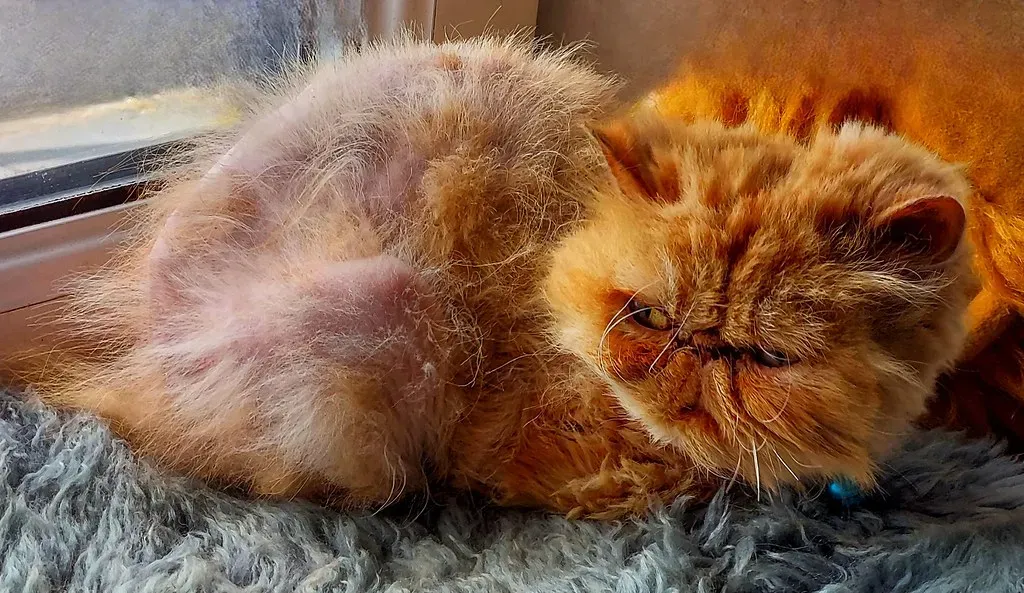
Persian cats are admired for their luxurious long, silky coats. However, this beautiful fur demands daily grooming to prevent mats and skin issues. Without meticulous care, Persian coats can easily become tangled, requiring professional grooming or veterinary intervention.
For busy owners, the daily grooming commitment alone makes Persians problematic. Persians have brachycephalic (flat) faces, which may lead to breathing difficulties and eye problems, so regular vet visits are essential to monitor their health. These gentle cats need consistent attention not just for grooming, but also for health monitoring. If you’re working long hours, finding time for daily brushing sessions and regular vet checks becomes challenging, and neglecting these needs can lead to serious health problems.
5. Ragdoll Cats: Puppy-Like Devotion That Demands Your Presence
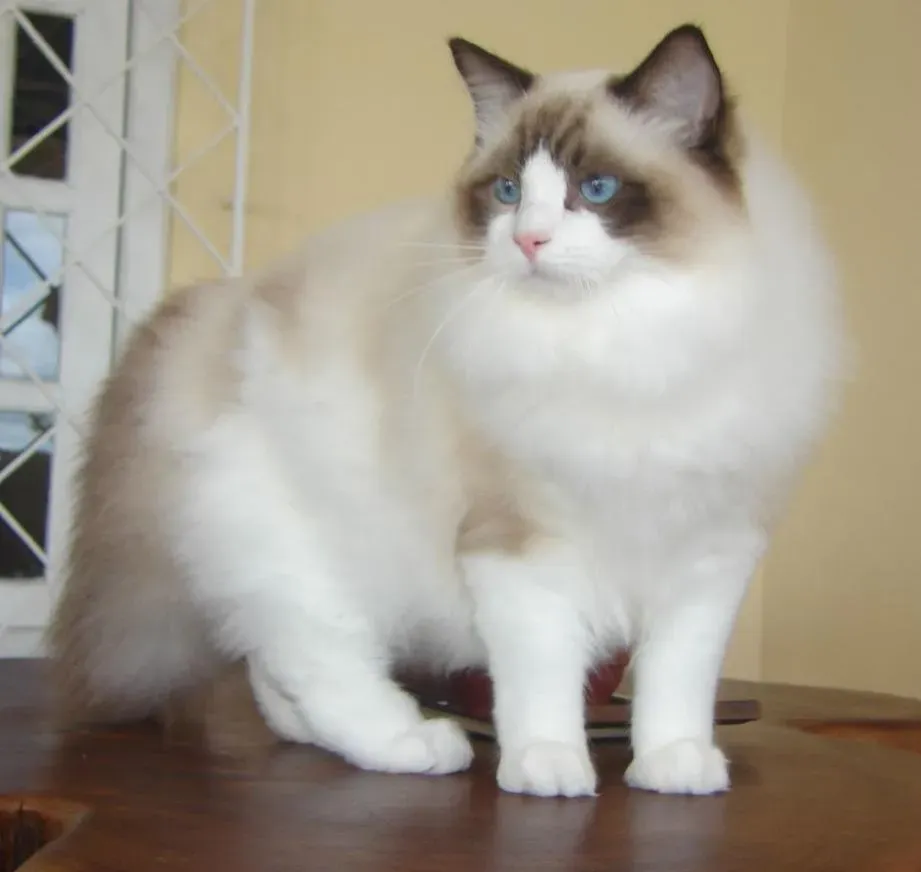
Ragdolls are famously affectionate, earning the nickname “puppy cats” for their dog-like devotion. These cats crave human interaction and will often follow their favorite person throughout the house. True to their name, Ragdolls go limp when picked up, enjoying cuddles and affection.
Though calmer than some breeds, Ragdolls still need considerable companionship. While many cats suit busy lifestyles, the Persian, Siamese, Sphynx, and Ragdoll breeds all need more time, effort, and attentiveness than typical domestic cats. Ragdolls, Burmese, and Tonkinese are cats known for their intense need for human companionship. These breeds, due to their inherent sociability, are often associated with a higher likelihood of experiencing separation anxiety in cats.
6. Burmese Cats: Velcro Kitties Who Follow You Everywhere
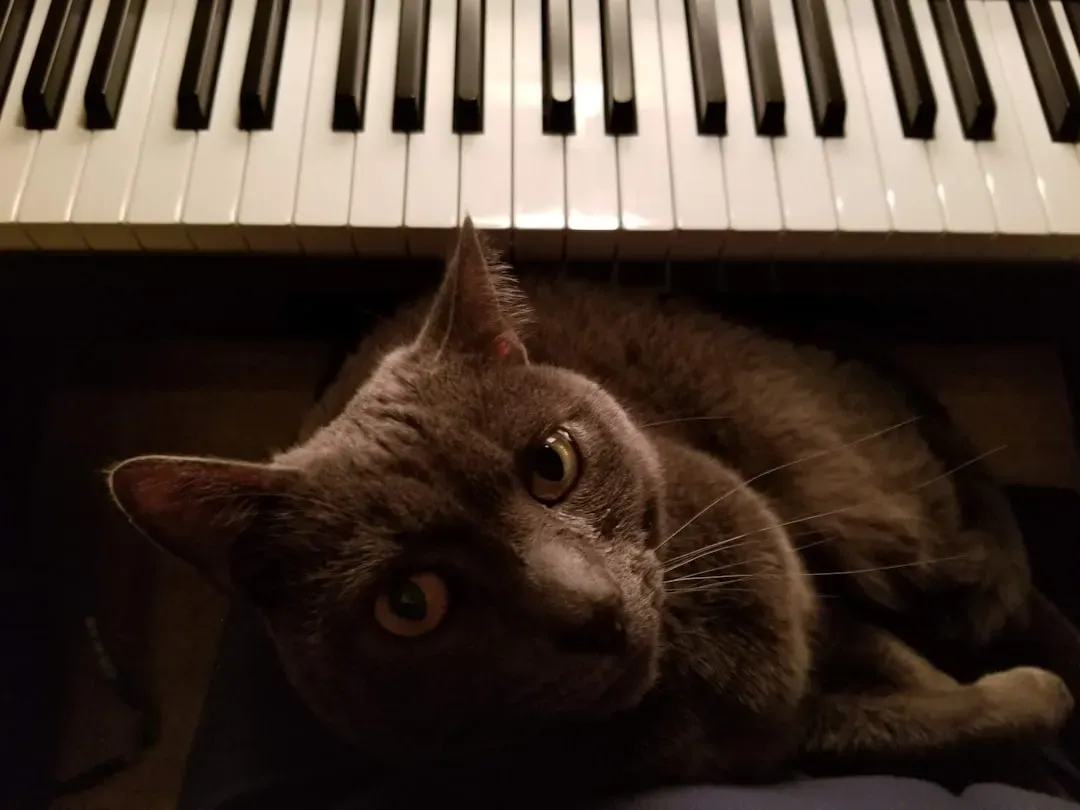
Burmese cats are often called “Velcro cats” because of their strong need for companionship. These affectionate felines love to be involved in every aspect of their owner’s life, whether it’s sitting on their lap, sleeping beside them, or following them around the house. Burmese cats are incredibly social and crave constant attention.
Working long hours is nearly impossible with a Burmese without facing consequences. These cats don’t understand why their favorite human isn’t available for constant interaction. Pedigree Oriental breeds, such as Siamese and Burmese, could also be more vulnerable to separation difficulties. They’re happiest when their person is home, and extended absences can lead to anxiety, depression, and behavioral issues.
7. Oriental Shorthair Cats: Vocal Conversationalists Needing Engagement
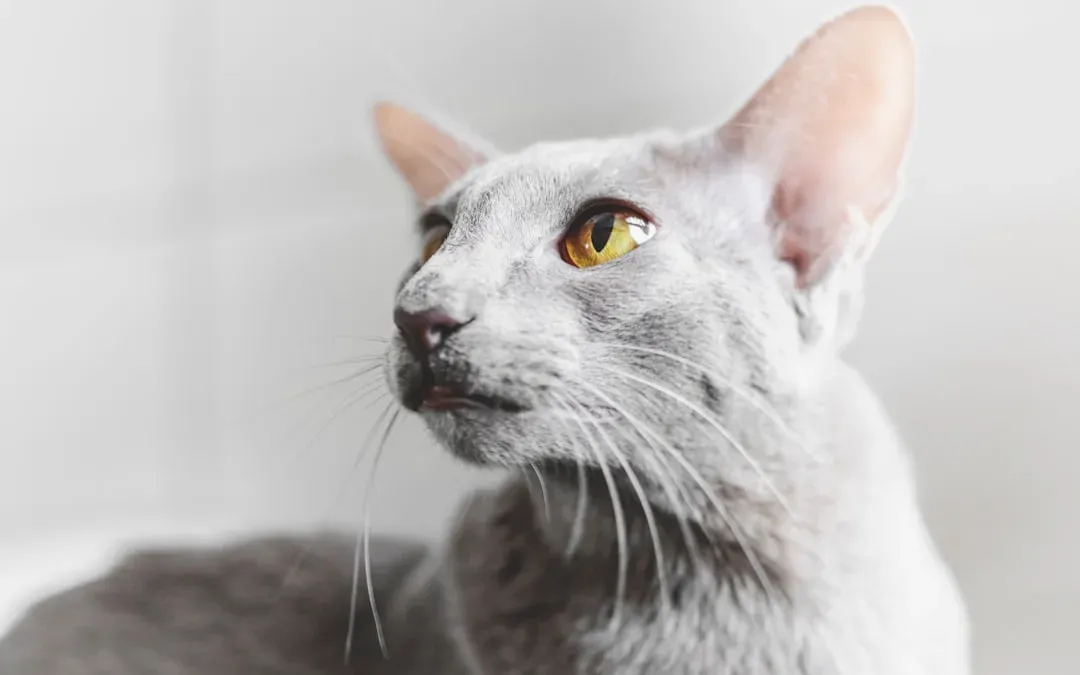
Oriental Shorthairs are lively conversationalists, known for their vocal and playful demeanor. They require an environment rich in interaction to stay content. Their social nature makes them unsuitable for owners who lack time for engagement.
Oriental Shorthairs are intelligent, affectionate, and talkative. They share the Siamese’s lively and curious temperament but offer more variety in coat types and colors. They thrive on companionship and enjoy being part of family activities, often following their owners around, seeking attention and conversation. If you’re thinking you can leave an Oriental Shorthair alone all day, think again. They’ll make their displeasure known through loud vocalizations and demanding behavior when you return.
8. Tonkinese Cats: Social Butterflies with High Interaction Needs
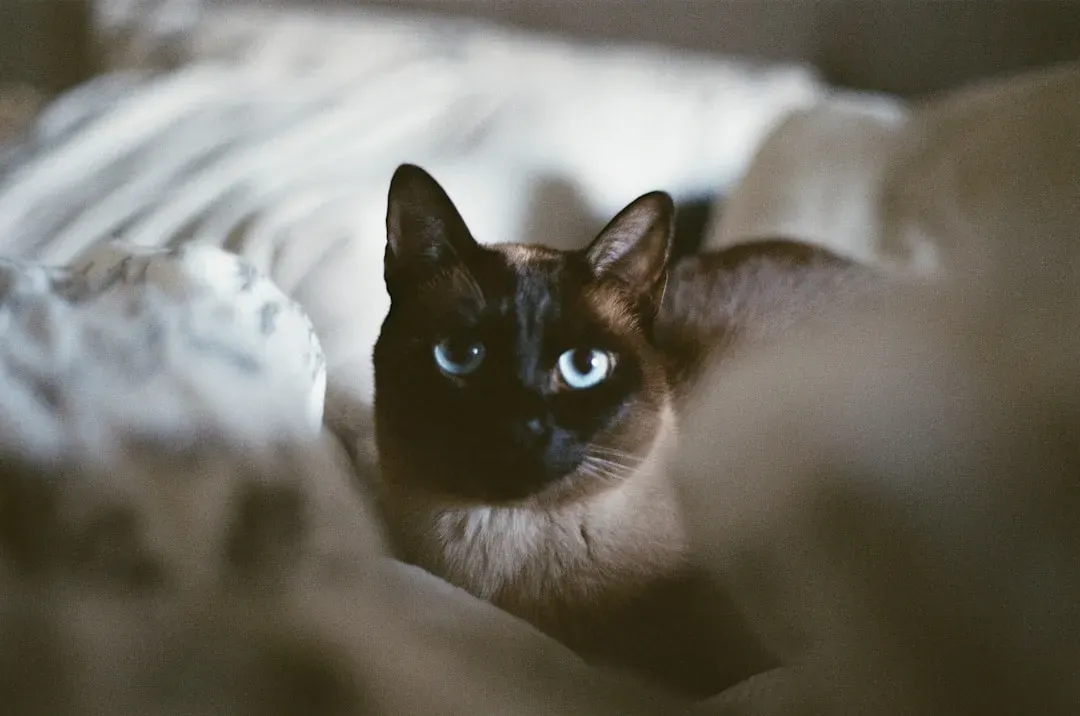
Tonkinese cats are a delightful mix of Siamese and Burmese breeds, inheriting the best qualities of both. These affectionate felines are highly social and thrive on companionship. Tonkinese cats form strong bonds with their owners, following them around and engaging in playful interactions.
Tonkinese cats thrive on interaction and companionship, often following their owners around and joining in family activities. They are moderately vocal with softer voices compared to Siamese. While they might be slightly less vocal than Siamese, Tonkinese still demand significant attention and interaction. Leaving them alone for extended periods goes against their fundamental nature as highly social cats.
9. Abyssinian Cats: Hyperactive Explorers Requiring Constant Entertainment
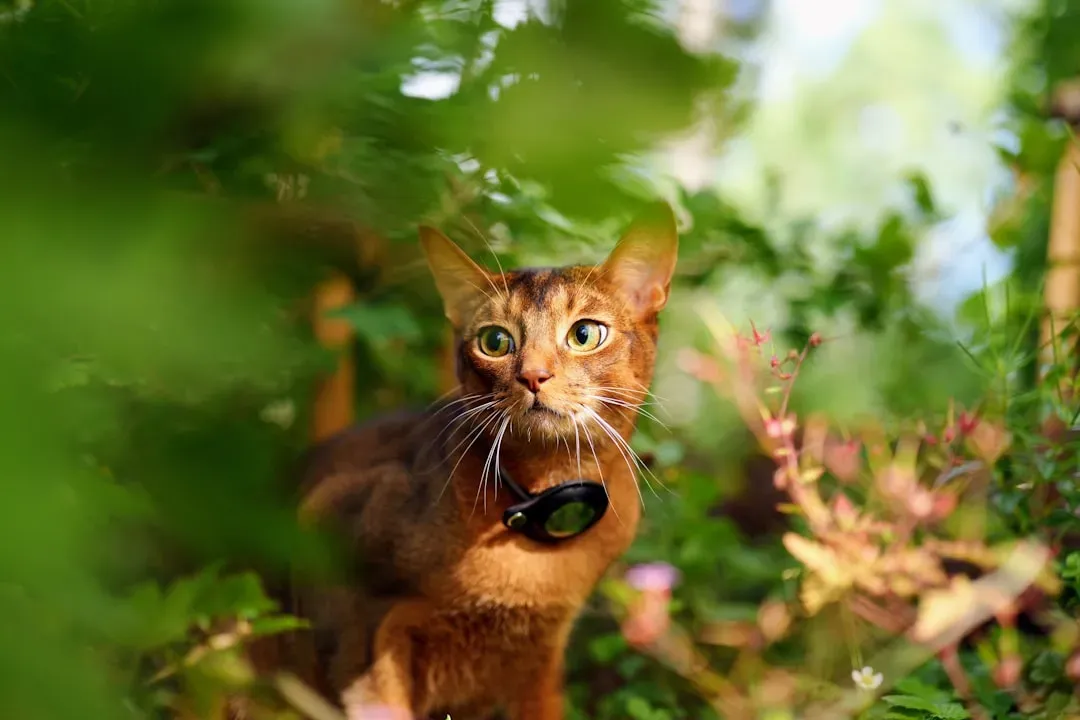
Abyssinians are highly energetic and playful, which can be demanding for owners who are not familiar with engaging cats in frequent activity and enrichment. The Abyssinian is an affectionate and playful companion cat that loves to interact with people. Their curious and intelligent personality means that they need a lot of attention and affection from their owner.
These gorgeous cats with their ticked coats aren’t background pets. While it requires constant human attention, this breed doesn’t always get along well with other cats. Abyssinians need interactive play, mental challenges, and lots of human engagement. They’re intelligent problem-solvers who will find ways to entertain themselves if you don’t, and those ways usually involve getting into things you’d prefer they didn’t.
10. Devon Rex Cats: Playful Acrobats Craving Attention
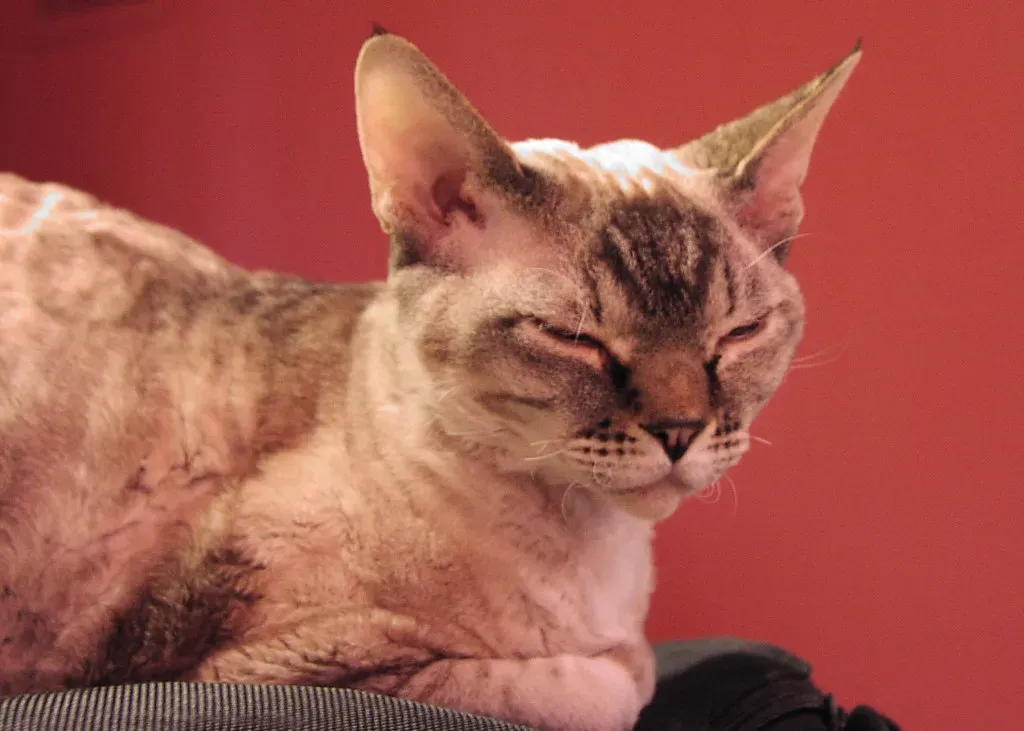
Devon Rex cats are playful, affectionate, and highly interactive. These unique-looking felines have a mischievous yet loving personality, forming deep bonds with their owners. They often perch on their human’s shoulder, seeking constant attention and companionship. Devon Rex cats are known for their high energy levels and love of play, making them an engaging and devoted pet.
Their elfin faces and curly coats make them adorable, but don’t be fooled. The Devon has shorter fur and lower-set ears than the Cornish, and both breeds are playful, loving attention hogs. Devon Rex cats are incredibly people-oriented and don’t do well when their humans are absent for long stretches. They require regular affection and interactive play to thrive.
11. Scottish Fold Cats: Sweet Companions with Special Health Needs
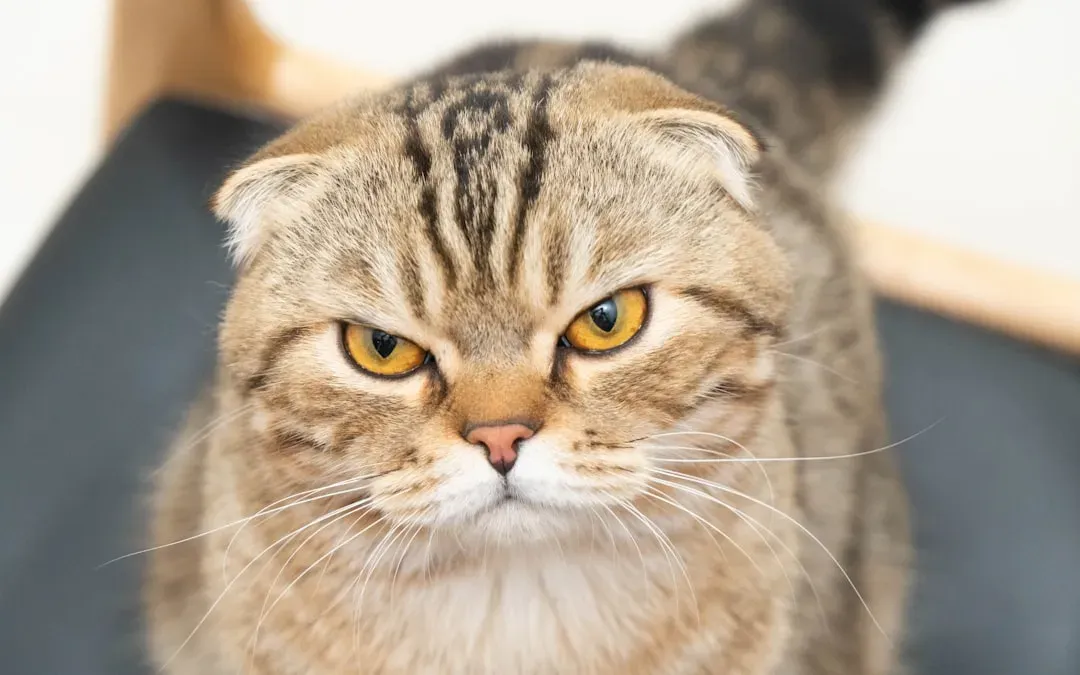
With their folded ears and sweet expressions, Scottish Folds are among the most affectionate cat breeds. These cats are known for their quiet nature and deep loyalty to their owners. They love being near their humans and often curl up for long, relaxing sessions on their owner’s lap.
However, there’s more to consider than their adorable appearance. This breed is prone to certain genetic conditions, most notably osteochondrodysplasia, a developmental condition that affects the cartilage and bone development, leading to arthritis and other joint issues. In fact, this genetic “abnormality” is what leads to their distinct, folded ears. The prevalance of osteochondrodysplasia in Scottish Folds is linked to some controvery surrounding the breed at large. Critics, including veterinarians and animal welfare organizations, argue that breeding cats for a trait that can lead to such health issues is unethical. Busy owners may struggle to provide the monitoring and care these cats need.
12. Himalayan Cats: Persian Personalities Demanding Devotion
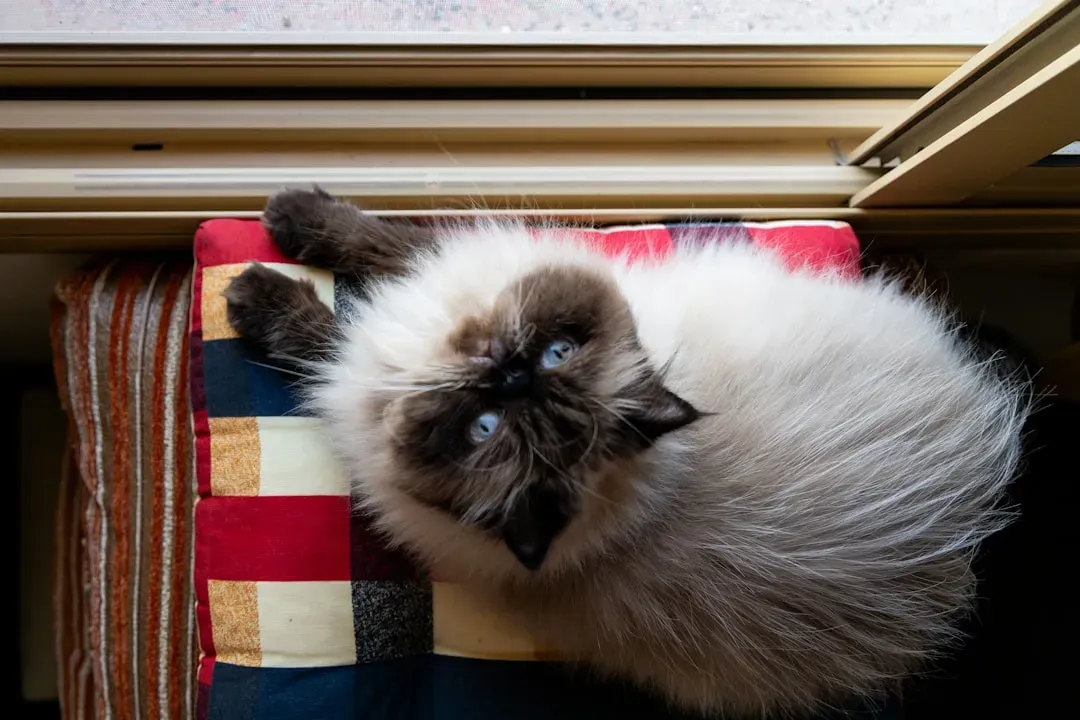
Like the Persian, Himalayans are placid cats that are prone to bursts of kitten-like energy. They adore their owners but generally often only show affection when they are in the mood, by stretching out next to their owner, sleeping in their bed and relaxing on their lap. They are generally friendly with everyone but their quiet and gentle disposition means they can get nervous around strangers.
As a cross between Persians and Siamese, Himalayans inherit grooming demands from the Persian side. Their long, luxurious coats require daily maintenance to prevent matting. Combined with their need for companionship and routine, Himalayans don’t adapt well to owners with unpredictable or lengthy work schedules. They need stability, consistent grooming, and regular interaction.
13. Cornish Rex Cats: Demanding Playmates Who Won’t Take No for an Answer
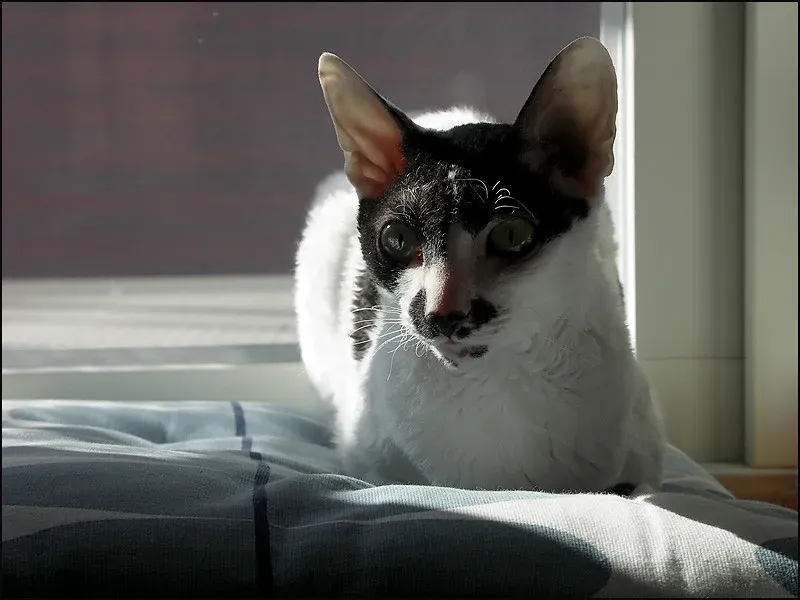
The Cornish Rex is a medium-sized cat with a playful, demanding and affectionate personality. These companionable cats love to be involved in everything their owners do and typically climb to the highest point in the house to keep an eye on what their family gets up to. They are excellent with children, other pets and strangers alike, preferring to be touched and held wherever possible.
Their wavy, soft coats may require less grooming than long-haired breeds, but their emotional needs are substantial. Cornish Rex cats are extremely people-oriented and become distressed when left alone for long periods. Their demanding nature means they’ll constantly seek your attention when you are home, which can be exhausting after a long workday.
14. Manx Cats: Active Hunters with Special Care Requirements
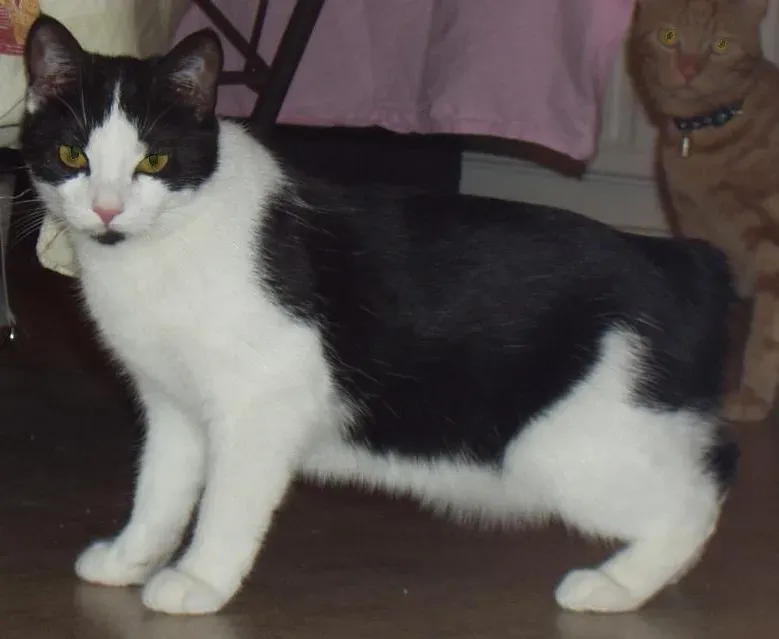
They thrive on play and hunting games in particular. They are active and will need provisions for jumping and climbing. While loving and affectionate with their people, Manx don’t thrive in a busy home with endless visitors in and out or owners who travel a lot.
Beyond their unique tailless appearance, Manx cats have specific needs that busy owners might struggle to meet. The breed can be predisposed to arthritis and issues with the bowel owing to the spinal defect that causes the tailless appearance. As such, Manx are likely to require special management. These health concerns require vigilant monitoring and potentially frequent vet visits, which can be challenging when you’re working long hours.
15. Maine Coon Cats: Gentle Giants Craving Company
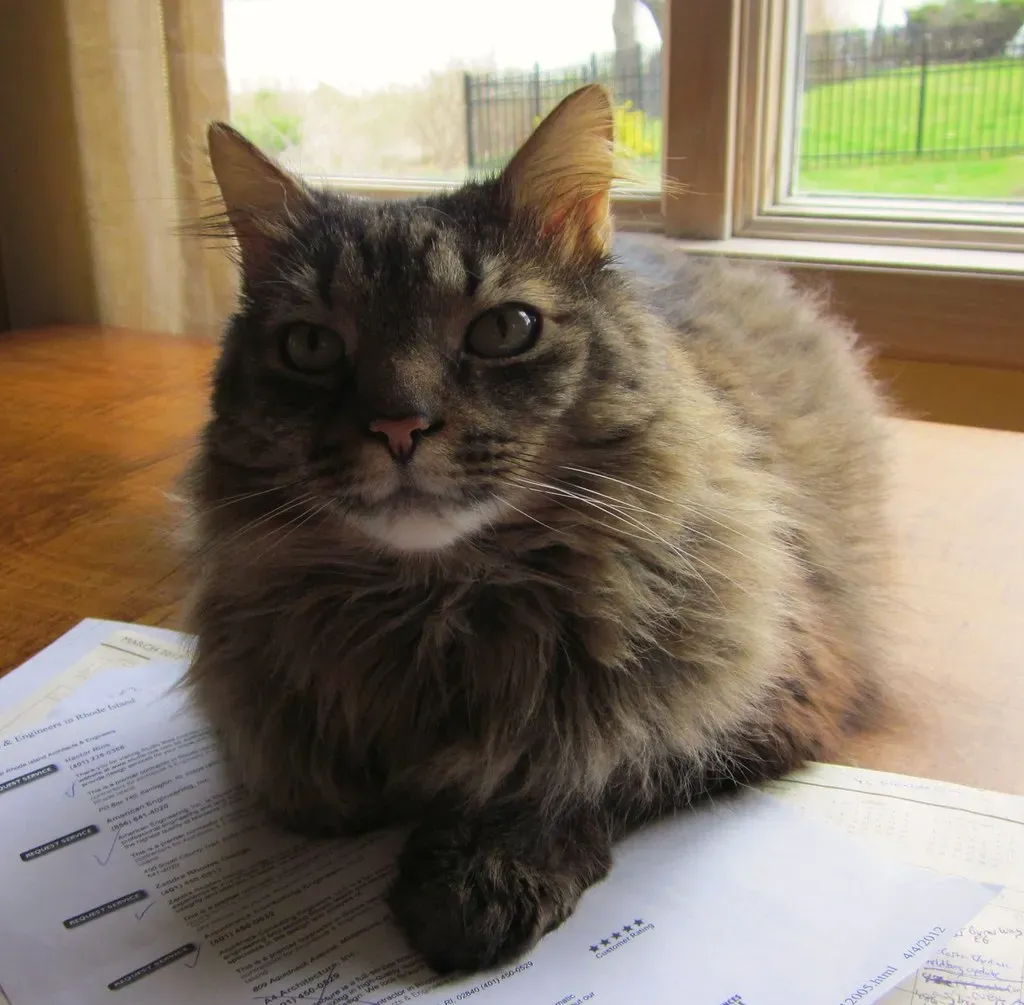
Maine coons are among the largest cat breeds, and their biggest demands are attention (they crave their owner’s company!) and exercise. A generally healthy breed, their coat comprises a short underlayer and a longer, thick, and waterproof top coat that requires frequent grooming.
While Maine Coons are often considered more independent than some breeds on this list, they still have substantial needs. Maine coons thrive as outdoor cats and love to roam, climb and play. Their size, grooming requirements, and need for exercise and mental stimulation make them challenging for busy owners. They’re intelligent cats who need engagement, and their thick coats require regular brushing to prevent matting, especially during shedding seasons.
Making the Right Choice for Your Lifestyle
Choosing a cat breed compatible with your lifestyle isn’t about finding a “bad” breed. It’s about understanding which cats thrive with minimal human interaction versus those who genuinely suffer when left alone. While cats are often perceived as independent pets, they still require daily attention from their owners. Most cats need at least 20-30 minutes of undivided attention a day. However, the amount of attention can vary and depends on several different factors, like the cat’s age, personality, and breed temperament.
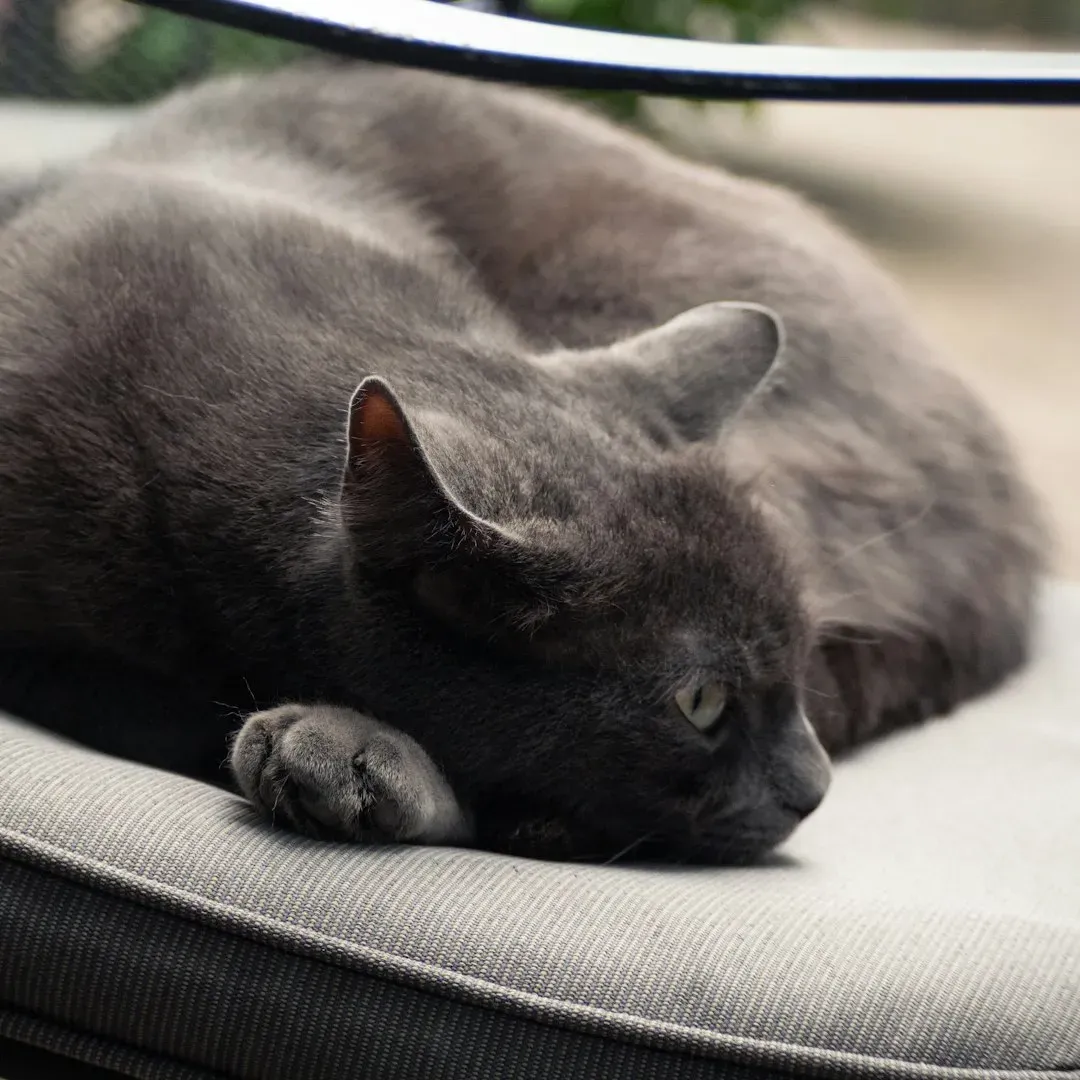
Certain cat breeds like Siamese and Ragdolls are more likely to experience feline anxiety. Environmental factors, such as cat socialization, can also contribute to separation behaviors. If you work long hours, consider more independent breeds like British Shorthairs, Russian Blues, or American Shorthairs instead. These breeds are content spending time alone and don’t develop the same separation anxiety as the breeds we’ve discussed.
Remember that getting any pet is a commitment. If your heart is set on one of these attention-demanding breeds, honestly evaluate whether you can provide what they need. Perhaps you can arrange for a pet sitter, work from home occasionally, or consider adopting two cats so they have companionship. What matters most is matching your lifestyle with a cat who will be happy and healthy in your care. Are you ready to make that choice? What breed seems like the best or worst fit for your schedule?

Hi, I’m Andrew, and I come from India. Experienced content specialist with a passion for writing. My forte includes health and wellness, Travel, Animals, and Nature. A nature nomad, I am obsessed with mountains and love high-altitude trekking. I have been on several Himalayan treks in India including the Everest Base Camp in Nepal, a profound experience.